
























The Most Legendary Golf Quotes Ever Spoken
Golf has inspired generations of players not just through dramatic tournaments and legendary performances but also through the wisdom, humor, and perspective of those who have played it at the highest level. Over the decades, golfers, writers, and commentators have produced memorable quotes that capture the unique challenges and rewards of the sport. Some offer practical lessons about competition, while others reveal deeper truths about life itself. Here, History Computer explores these iconic quotes and the stories behind them to better understand why golf continues to be one of the most beloved games around the world.
Here is a look at the greatest Golf quotes ever spoken:
"The more I practice, the luckier I get." — Gary Player
Few quotes in sports have endured as powerfully as Gary Player’s famous observation about luck. Throughout his career, Player built a reputation not only as one of golf’s greatest champions but also as one of its hardest workers. He was known for grueling fitness routines, relentless practice sessions, and a level of discipline that was unusual in professional golf at the time. The quote challenges the common belief that success is largely a matter of fortunate circumstances. Instead, Player argued that preparation creates opportunities that outsiders often mistake for luck. For golfers, the saying serves as a reminder that consistent effort is rarely glamorous but often decisive. Beyond the sport, it has become a universal lesson about achievement, emphasizing that success tends to favor those who put in the work long before anyone is watching.
"I hit the ball as hard as I can. If I can find it, I hit it again." — John Daly
Few golfers have ever embodied a quote as completely as John Daly embodied this one. Bursting onto the national stage with his improbable victory at the 1991 PGA Championship, Daly quickly became one of the most recognizable figures in golf thanks to his enormous drives, unconventional style, and larger-than-life personality. At a time when many professionals emphasized precision and careful course management, Daly became famous for overwhelming courses with raw power. His approach was simple: swing hard, swing often, and worry about the consequences later.
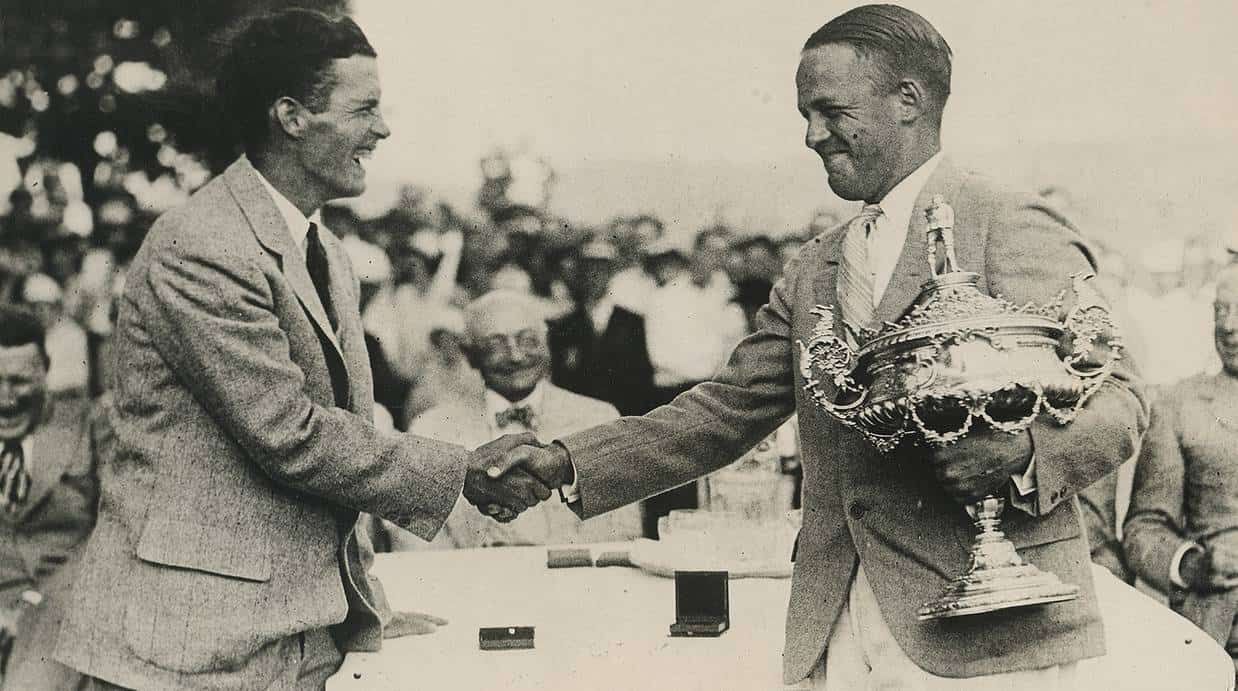
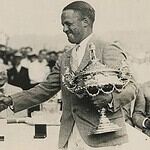
"Golf is a game that is played on a five-inch course—the distance between your ears." — Bobby Jones
Bobby Jones understood something about golf that many players spend a lifetime trying to learn: physical talent alone is rarely enough. While technique, strength, and practice all matter, the game often comes down to decision-making, confidence, and emotional control. Jones, one of the most accomplished amateur golfers in history, recognized that the greatest battles occur in the mind. A player can strike the ball beautifully on the practice range and still unravel under pressure. This quote has endured because it captures golf’s unique psychological challenge. Unlike many sports, golfers have ample time to think between shots, which can be both a blessing and a curse. The distance between success and failure is often measured not in yards but in mindset, making Jones’ observation as relevant today as it was nearly a century ago.
"The most important shot in golf is the next one." — Ben Hogan
Ben Hogan’s life and career were defined by perseverance. After surviving a devastating automobile accident in 1949, many doubted he would ever compete at the highest level again. Yet Hogan returned to win major championships and cement his place among golf’s legends. This quote reflects the philosophy that guided him through adversity. Every golfer eventually hits a poor shot, suffers a bad break, or experiences a disappointing round. What separates great players from average ones is their ability to focus on what comes next rather than dwelling on what has already happened. Hogan understood that golf rewards resilience. The next shot represents opportunity, redemption, and forward progress. The quote remains one of the sport’s most powerful lessons because it applies just as effectively to life as it does to golf.
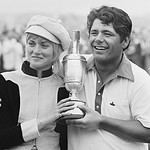
"You can talk to a fade, but a hook won't listen." — Lee Trevino
Lee Trevino’s humor helped make him one of the most beloved figures in golf history, and this quote perfectly showcases his wit. For non-golfers, a fade is a controlled shot that curves gently, while a hook is often an aggressive and unwanted curve that sends the ball far off target. Trevino’s joke captures the frustration of trying to control a golf ball that seems determined to do its own thing. Yet beneath the humor lies a deeper truth about the sport. Golf constantly reminds players that perfection is unattainable and that even the best-laid plans can go awry. The quote remains popular because it turns a common golfing headache into a memorable punchline, allowing players to laugh at struggles they all inevitably experience.
"Pressure is playing for ten dollars when you don't have a dime." — Lee Trevino
Many athletes describe pressure in terms of championships, crowds, or media attention. Lee Trevino saw it differently. Growing up in modest circumstances, he understood that real pressure often comes from everyday realities rather than sporting events. His quote reminds golfers that perspective matters. Missing a putt in a tournament may feel significant, but genuine pressure often involves family responsibilities, financial uncertainty, or personal hardship. Trevino’s ability to keep competition in context helped him thrive under some of golf’s biggest spotlights. The quote continues to resonate because it offers a healthy reminder that sports, while important, are rarely matters of life and death. By comparing competitive pressure to real-world challenges, Trevino gave golfers a practical tool for managing stress and maintaining perspective.
"Golf is deceptively simple and endlessly complicated." — Arnold Palmer
Arnold Palmer helped popularize golf around the world, and few people understood the sport’s contradictions better. On the surface, golf appears straightforward: hit a ball into a hole using as few strokes as possible. Yet anyone who has played the game knows how quickly that simplicity gives way to complexity. Wind, terrain, club selection, mental focus, course management, and countless other variables influence every shot. Palmer’s quote captures the paradox that keeps golfers fascinated for a lifetime. The game is easy to understand but extraordinarily difficult to master. Even the best players in the world continue searching for improvements. This endless challenge is one reason golf maintains such a devoted following. The sport constantly offers the possibility of growth while refusing to provide complete mastery.
"Success in golf depends less on strength of body than upon strength of mind and character." — Arnold Palmer
Throughout his career, Arnold Palmer became known not only for his skill but also for his sportsmanship and integrity. This quote reflects his belief that golf serves as a test of character as much as athletic ability. Unlike many sports, golf places players in situations where honesty is expected even when no one else is watching. Competitors often call penalties on themselves and are responsible for maintaining the integrity of the game. Palmer understood that mental discipline, emotional resilience, and ethical conduct are essential components of long-term success. The quote resonates because it elevates golf beyond simple competition. It suggests that achievement is not measured solely by trophies or scorecards but by the way individuals conduct themselves in difficult circumstances, both on and off the course.
"No matter how good you get, you can always get better, and that's the exciting part." — Tiger Woods
Tiger Woods transformed modern golf through his relentless pursuit of improvement. Even after winning major championships and setting records, Woods continued refining his swing, fitness, and overall game. This quote reflects the mindset that fueled his extraordinary success. Rather than viewing excellence as a destination, Woods saw it as an ongoing process. The idea resonates deeply with golfers because the sport rarely offers permanent solutions. There is always a putt to improve, a shot to master, or a weakness to address. The quote also appeals to audiences beyond golf because it promotes a growth-oriented perspective. It suggests that fulfillment comes not from reaching perfection but from continuously striving to become better. For many, that philosophy represents the true appeal of competition and self-improvement.
"Achievements on the golf course are not what matters, decency and honesty are what matter." — Tiger Woods
While Tiger Woods is often associated with competitive excellence, this quote highlights a broader view of success. Golf has long emphasized integrity, and Woods’ statement reflects values that extend beyond scorecards and trophies. The sport’s traditions encourage players to take responsibility for their actions and uphold standards of fairness even when doing so may be costly. By emphasizing decency and honesty, Woods reminds golfers that accomplishments alone do not define a person’s legacy. Character ultimately shapes how achievements are remembered. The quote resonates because it speaks to a universal truth. Success without integrity can feel hollow, while honest conduct earns respect regardless of results. In a sport built on personal accountability, the message remains especially meaningful.
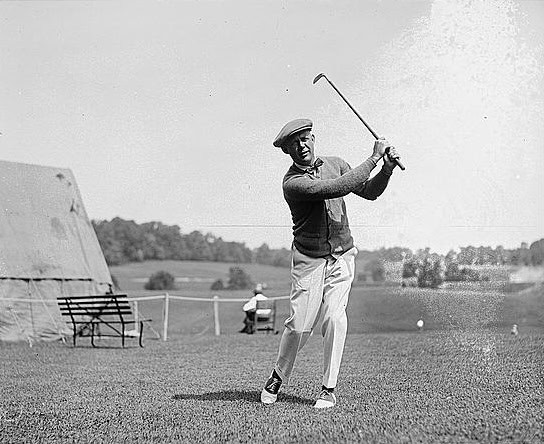
"Golf is not, and never has been, a fair game." — Bobby Jones
Anyone who has played golf for any length of time understands exactly what Bobby Jones meant. A perfectly struck shot can land in a divot, a gust of wind can push a ball into trouble, or a lucky bounce can save a poorly executed swing. Golf is filled with moments that seem unfair, and Jones believed accepting that reality was part of becoming a better player. Rather than viewing misfortune as an excuse, he saw it as one of the game's defining characteristics. The quote endures because it teaches resilience. Golfers quickly learn that frustration over bad breaks rarely improves outcomes. Success often belongs to those who adapt, recover, and continue forward despite circumstances they cannot control. In that sense, Jones' observation offers a lesson that extends far beyond the fairway.
"I never learned anything from a match that I won." — Bobby Jones
Winning is enjoyable, but Bobby Jones believed that defeat often provides a more valuable education. Victories can reinforce existing habits and conceal weaknesses, while losses force players to examine mistakes and identify areas for improvement. Throughout his remarkable amateur career, Jones continually refined his game by studying setbacks rather than celebrating successes. This quote resonates because it challenges the common assumption that achievement is the best teacher. In golf, as in life, growth frequently emerges from adversity. Players remember missed putts, poor decisions, and costly errors long after trophies have been placed on shelves. Jones understood that disappointment can become a powerful source of motivation when approached with honesty and humility. His words continue to encourage golfers to view setbacks not as failures but as opportunities to improve.
"The object of golf is not just to win. It is to play like a gentleman, and win." — Phil Mickelson
Golf has long been associated with ideals of sportsmanship, respect, and personal responsibility. This quote captures the belief that how a player competes is just as important as the final result. Throughout the sport's history, golfers have been expected to uphold standards of conduct that distinguish golf from many other competitive pursuits. While everyone wants to win, victory achieved without integrity often carries less meaning. The quote reflects a philosophy that values character alongside performance. It reminds players that opponents deserve respect and that success should never come at the expense of fair play. In an era when professional sports often focus solely on outcomes, the sentiment remains refreshing. Golf's traditions continue to celebrate not only champions but also those who demonstrate honor in competition.
"Golf is a day spent in a round of strenuous idleness." — William Wordsworth
Though better known as a poet than a golfer, William Wordsworth captured one of the sport's most intriguing contradictions. Golf is both relaxing and demanding at the same time. Players spend hours walking through beautiful landscapes, enjoying fresh air and conversation, yet every shot requires concentration, effort, and emotional investment. The phrase "strenuous idleness" perfectly describes this unusual balance. Golf allows participants to escape daily pressures while simultaneously challenging them physically and mentally. The quote has endured because it explains something that many golfers feel but struggle to articulate. A round can be exhausting and rejuvenating in equal measure. Few activities combine leisure and competition so effectively, which helps explain why golf remains a lifelong passion for so many people.
"The older I get, the stronger the wind gets." — Jack Nicklaus
Jack Nicklaus delivered this line with the humor and perspective that often accompany experience. On the surface, it is a joke about aging and the tendency for challenges to feel more difficult over time. Yet beneath the humor lies a deeper truth about both golf and life. As players grow older, physical abilities may change, requiring them to adapt their expectations and strategies. The game becomes less about overpowering a course and more about managing circumstances intelligently. The quote resonates because it acknowledges aging without bitterness. Instead, it invites golfers to laugh at the inevitable changes that come with time. Nicklaus understood that maintaining perspective is one of the keys to enjoying golf over the long term, regardless of age or ability.
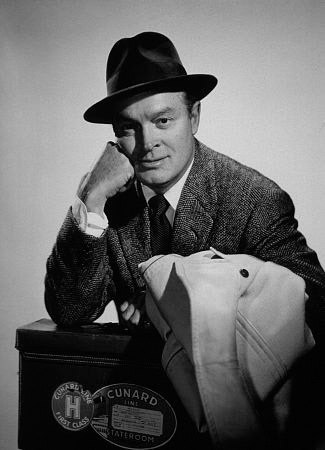
"If you watch a game, it's fun. If you play it, it's recreation. If you work at it, it's golf." — Bob Hope
Bob Hope's famous joke highlights a reality familiar to countless golfers. What begins as a casual pastime often evolves into something much more demanding. Players who become passionate about golf quickly discover that improvement requires practice, study, and dedication. Hours spent on the driving range, analyzing swings, and obsessing over equipment can transform a recreational activity into a serious pursuit. Hope's quote remains popular because it gently pokes fun at the game's ability to consume attention and energy. Golfers frequently recognize themselves in the observation. The humor works because it contains a measure of truth: few sports inspire such a relentless quest for improvement. For many enthusiasts, golf becomes less of a hobby and more of a lifelong project.
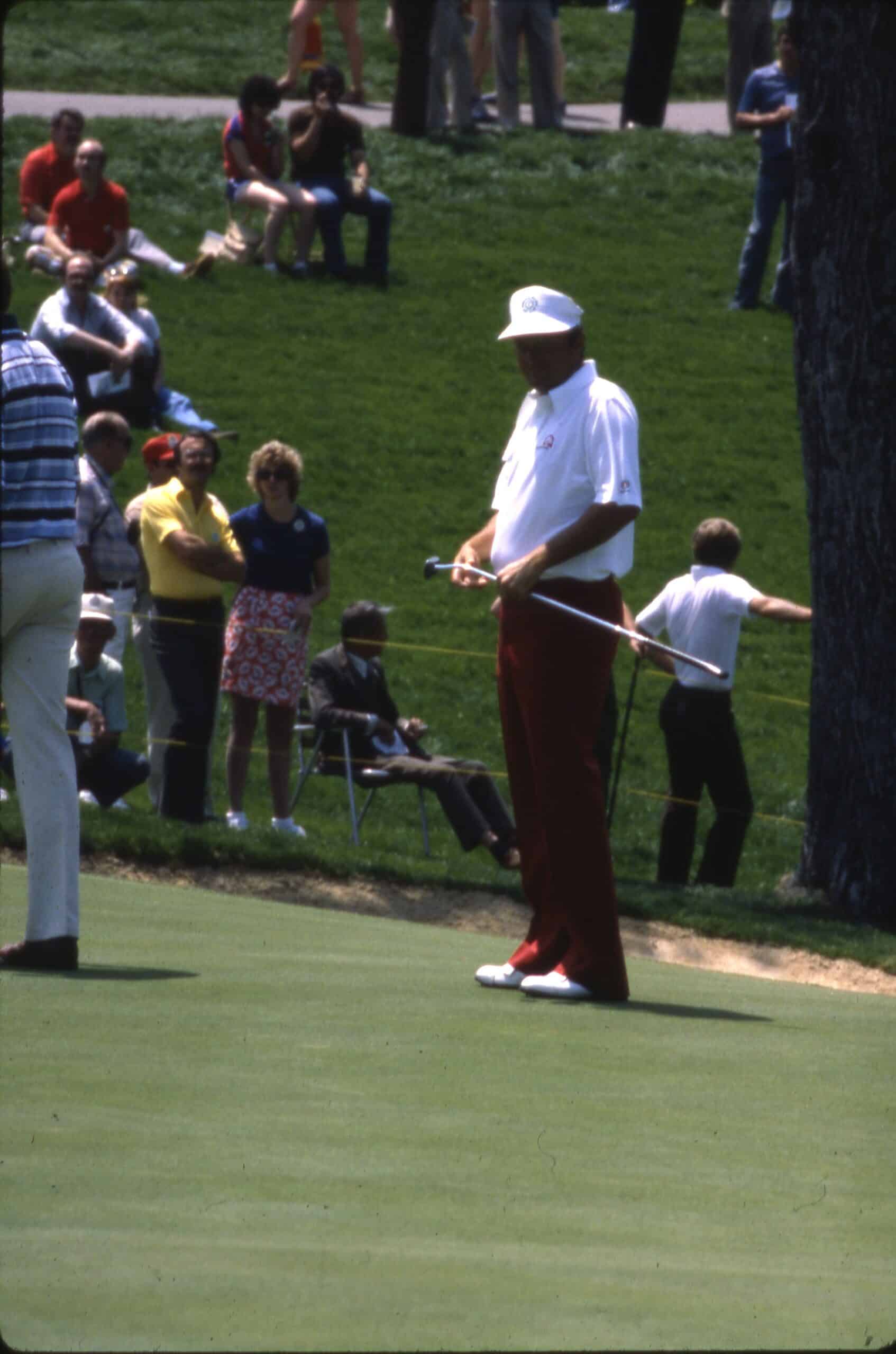
"They call it golf because all the other four-letter words were taken." — Raymond Floyd
Golf can produce moments of beauty and satisfaction, but it can also generate remarkable frustration. Raymond Floyd's legendary joke captures that emotional roller coaster in a single sentence. Every golfer has experienced rounds in which carefully constructed plans fall apart because of a poor swing, an unlucky bounce, or a missed opportunity. The quote endures because it acknowledges the game's maddening side without taking it too seriously. Humor often serves as a coping mechanism for golfers confronting disappointment, and few lines have become more widely repeated. The saying also reflects an important truth about the sport: frustration exists precisely because players care deeply about their performance. Golf's challenges keep participants invested, even when the results occasionally leave them searching for stronger language.
"Golf gives you an insight into human nature, your own as well as your opponent's." — Grantland Rice
Sportswriter Grantland Rice recognized that golf reveals far more than athletic skill. Because players spend hours making decisions, handling setbacks, and responding to pressure, their personalities often become impossible to hide. Patience, honesty, confidence, humility, and resilience all emerge during a round. The quote suggests that golf functions as a mirror, exposing strengths and weaknesses that might remain concealed in everyday life. It also highlights the social dimension of the game. Spending several hours on a course with someone can reveal character traits that would otherwise take much longer to observe. The quote continues to resonate because it frames golf as more than a competition. It becomes a study of human behavior, offering lessons about ourselves and the people around us.
"As you walk down the fairway of life, you must smell the roses, for you only get to play one round." — Ben Hogan
Among golf's many memorable sayings, few are as reflective as this one. Ben Hogan uses the imagery of a golf course to express a broader philosophy about life. The fairway becomes a metaphor for the journey every person takes, while the reminder to "smell the roses" encourages appreciation of the present moment. Golf naturally lends itself to such comparisons because it unfolds gradually, one shot and one hole at a time. Hogan's quote reminds readers that achievement should not come at the expense of enjoyment. Success is meaningful, but so are relationships, experiences, and simple moments of gratitude. The message has endured because it speaks to universal concerns about time and purpose. It encourages people to appreciate the round while they are still playing it.
The image featured at the top of this post is ©Andy Lyons / Getty Images