












These Sports Dynasties Dominated Their Eras Like No One Else
Winning a championship is one of the hardest accomplishments in sports, but repeating that success is even more difficult.A number of factors constantly threaten teams that reach the top. That's why true dynasties are so rare. A sports dynasty is more than just a team that enjoys one magical season, it is a team that dominates its sport for many years, consistently competing for championships while setting standards that everyone else tries to match. Whether built through exceptional coaching, Hall of Fame talent, or organizational excellence, these teams became symbols of sustained greatness. Here, History Computer is taking a closer look at some of the greatest dynasties in the history of sport.
Here is a look at the greatest sports dynasties ever:
Boston Celtics (Bill Russell Era)
- Sport: NBA
- Dynasty Years: 1957–1969
- Championships: 11 NBA titles
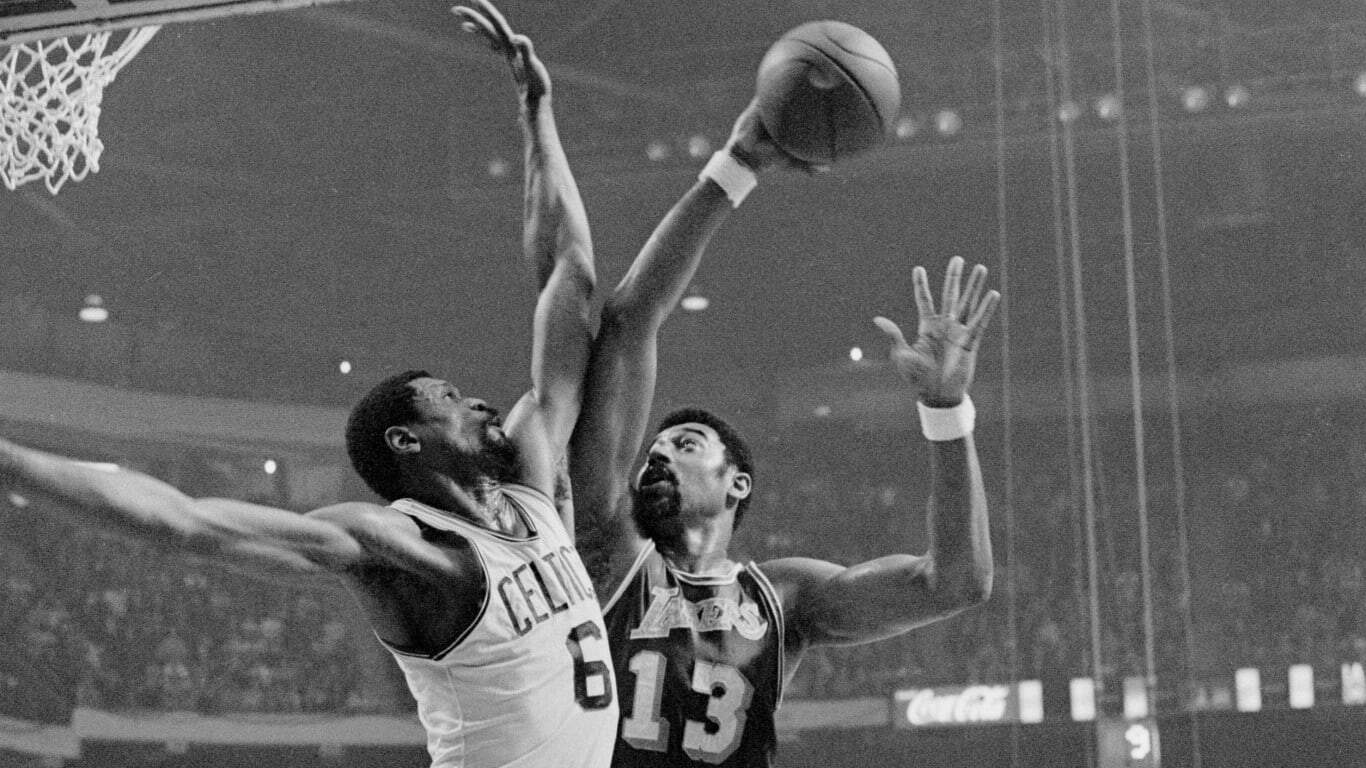
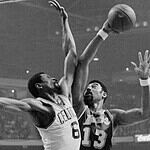
No team has ever set the standard for sustained excellence in professional basketball quite like the Boston Celtics of the Bill Russell era. Between 1957 and 1969, the Celtics captured an astonishing 11 NBA championships in 13 seasons, including eight consecutive titles from 1959 through 1966, a record that still stands. Under legendary coach Red Auerbach, Boston built a dynasty around defense, teamwork, and unselfish play rather than individual statistics. At the center of it all was Bill Russell, whose elite rebounding, shot-blocking, and leadership transformed the way basketball was played. The roster also featured Hall of Famers such as Bob Cousy, John Havlicek, Sam Jones, and Tom Heinsohn, creating a culture where winning became an expectation rather than a goal. The Celtics' dominance forever changed the NBA by proving that championship teams are built on chemistry, preparation, and defense. More than half a century later, every basketball dynasty is still measured against the extraordinary standard established by Russell's Celtics.
New York Yankees (Stengel/Berra/Mantle Era)
- Sport: MLB
- Dynasty Years: 1949–1964
- Championships: 10 World Series titles
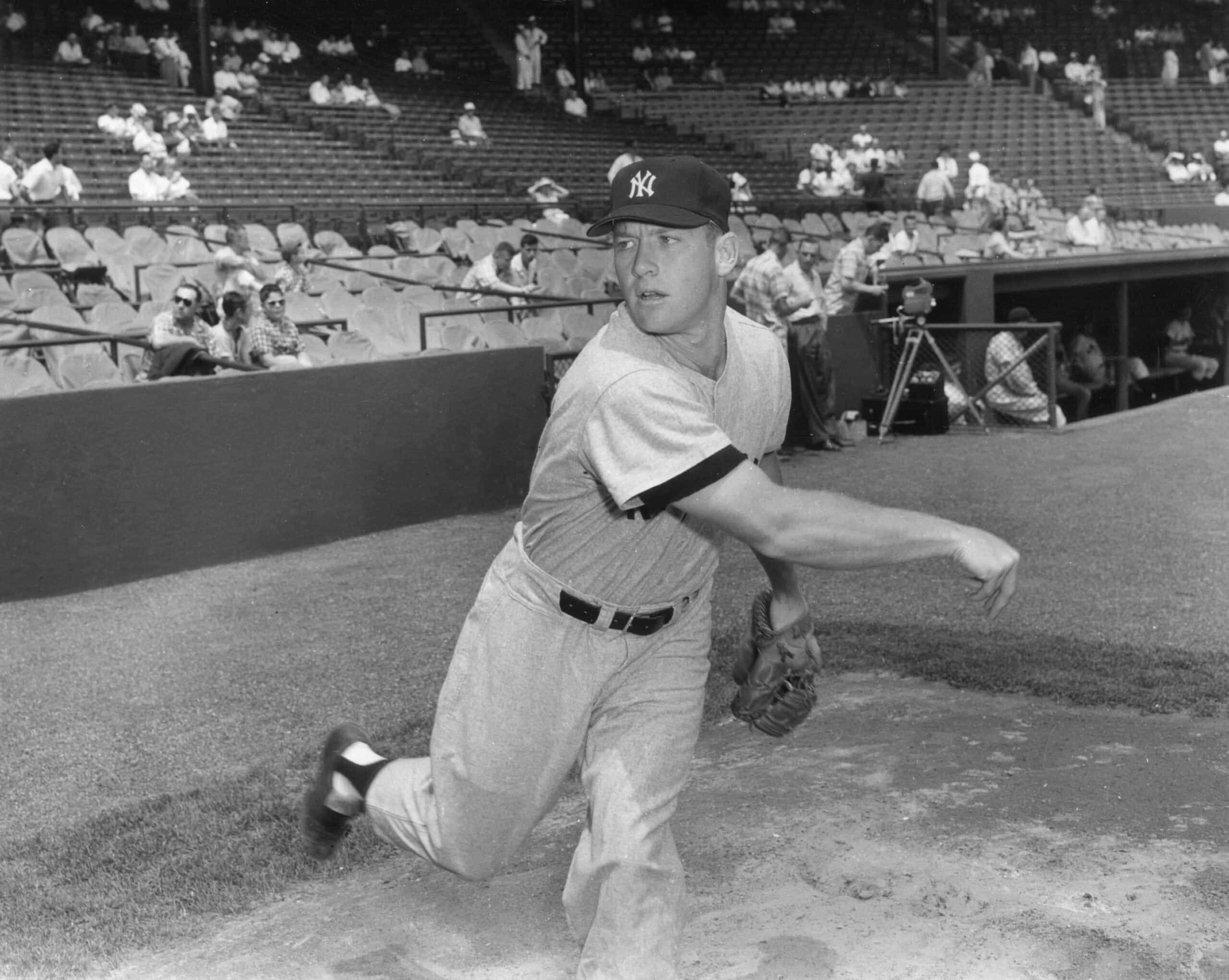
Few franchises in any sport have enjoyed a stretch of success comparable to the New York Yankees during the late 1940s through the early 1960s. Managed for much of that period by Casey Stengel, the Yankees won 10 World Series championships between 1949 and 1962 while capturing 14 American League pennants during an era of remarkable consistency. The roster seemed almost unfair, featuring Hall of Famers such as Yogi Berra, Mickey Mantle, Whitey Ford, Phil Rizzuto, and later Roger Maris. Their sustained excellence helped transform the Yankees into baseball's most recognizable franchise, while their annual appearances in October made championships feel almost routine. Opposing teams measured success by whether they could finally dethrone New York, a challenge few accomplished. The dynasty also helped establish the Yankees' reputation as "baseball's gold standard," a status the organization still carries today. Generations of championship teams have followed, but few have matched the overwhelming dominance displayed during baseball's golden age.
Chicago Bulls (Michael Jordan Era)
- Sport: NBA
- Dynasty Years: 1991–1998
- Championships: 6 NBA titles
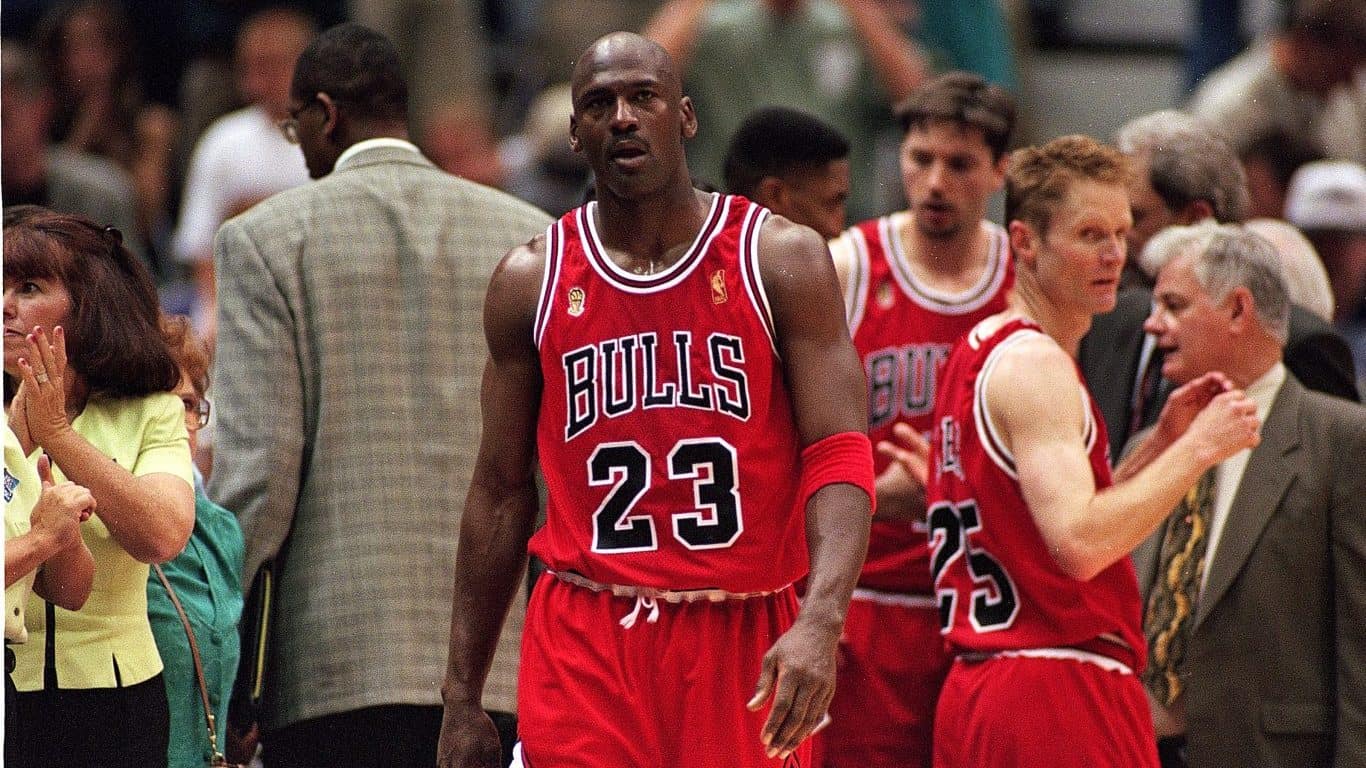
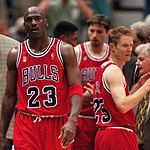
The Chicago Bulls of the 1990s became one of the most recognizable sports dynasties in history by accomplishing something no NBA team had ever done twice in the same decade: two separate three-peats. Led by Michael Jordan, Scottie Pippen, and coach Phil Jackson, the Bulls captured six championships in eight seasons from 1991 through 1998, with Jordan's brief retirement interrupting what many believe could have been an even longer championship streak. Jackson's implementation of the triangle offense emphasized teamwork and spacing while allowing Jordan's extraordinary scoring ability to flourish. Alongside defensive stars such as Dennis Rodman and versatile role players like Toni Kukoč and Steve Kerr, Chicago assembled a roster that excelled in nearly every aspect of the game. Beyond the championships, the Bulls transformed the NBA into a global phenomenon, with Jordan becoming perhaps the most famous athlete on Earth. Their combination of dominance, star power, and worldwide influence cemented the Bulls as one of sports' greatest dynasties.
New England Patriots (Belichick–Brady Era)
- Sport: NFL
- Dynasty Years: 2001–2018
- Championships: 6 Super Bowl titles
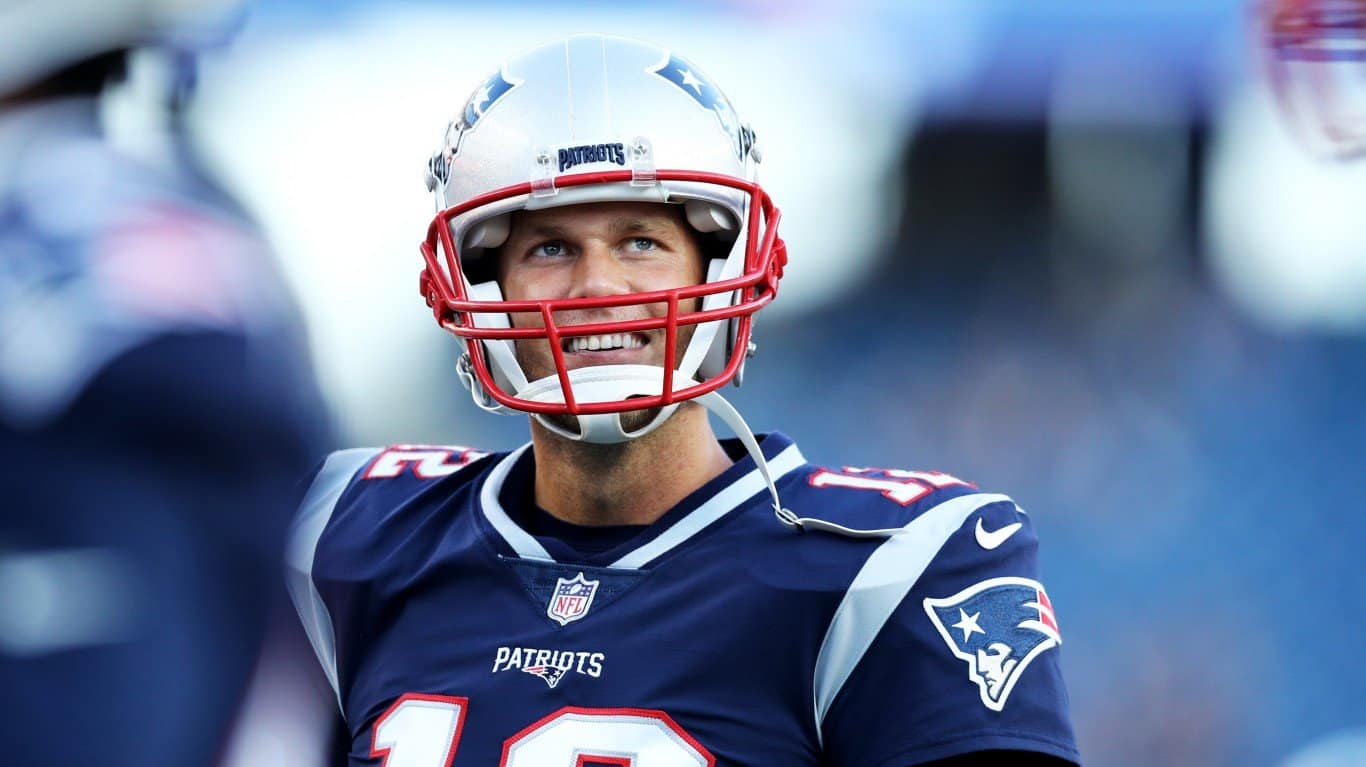
Dynasties in the modern NFL are exceptionally difficult to sustain because of free agency, the salary cap, and competitive balance measures designed to prevent prolonged dominance. That makes the New England Patriots' success under head coach Bill Belichick and quarterback Tom Brady all the more remarkable. Between 2001 and 2018, the Patriots won six Super Bowls, appeared in nine, and captured 17 AFC East division titles while maintaining one of the longest stretches of excellence in league history. Rather than relying on a single formula, Belichick consistently adapted his teams to changing personnel and evolving offensive trends. Brady's remarkable consistency, preparation, and late-game performances complemented that flexibility, allowing New England to remain a championship contender for nearly two decades. The Patriots also became known for maximizing overlooked players, exceptional situational football, and meticulous preparation. Their sustained success fundamentally changed expectations for what a modern NFL franchise could accomplish, making them the defining professional football dynasty of the 21st century.
Montreal Canadiens
- Sport: NHL
- Dynasty Years: 1975–1979
- Championships: 4 Stanley Cups
The Montreal Canadiens have enjoyed multiple championship eras, but their dynasty of the late 1970s stands among the greatest in hockey history. From 1976 through 1979, Montreal captured four consecutive Stanley Cups while consistently overwhelming opponents with extraordinary depth, speed, and skill. The roster featured Hall of Fame talent throughout the lineup, including Guy Lafleur, Ken Dryden, Larry Robinson, Serge Savard, Bob Gainey, and Jacques Lemaire. Rather than relying solely on one superstar, the Canadiens rolled four balanced lines and a disciplined defensive corps that excelled in every phase of the game. Their 1976–77 season remains one of the finest ever recorded, as the team finished with 60 wins while losing only eight games. Montreal's dominance extended beyond championships, influencing roster construction and player development throughout the NHL. The Canadiens demonstrated that sustained success required organizational excellence from top to bottom, helping solidify their reputation as one of hockey's most storied and successful franchises.
Green Bay Packers (Lombardi Era)
- Sport: NFL
- Dynasty Years: 1961–1967
- Championships: 5 NFL championships (including Super Bowls I & II)
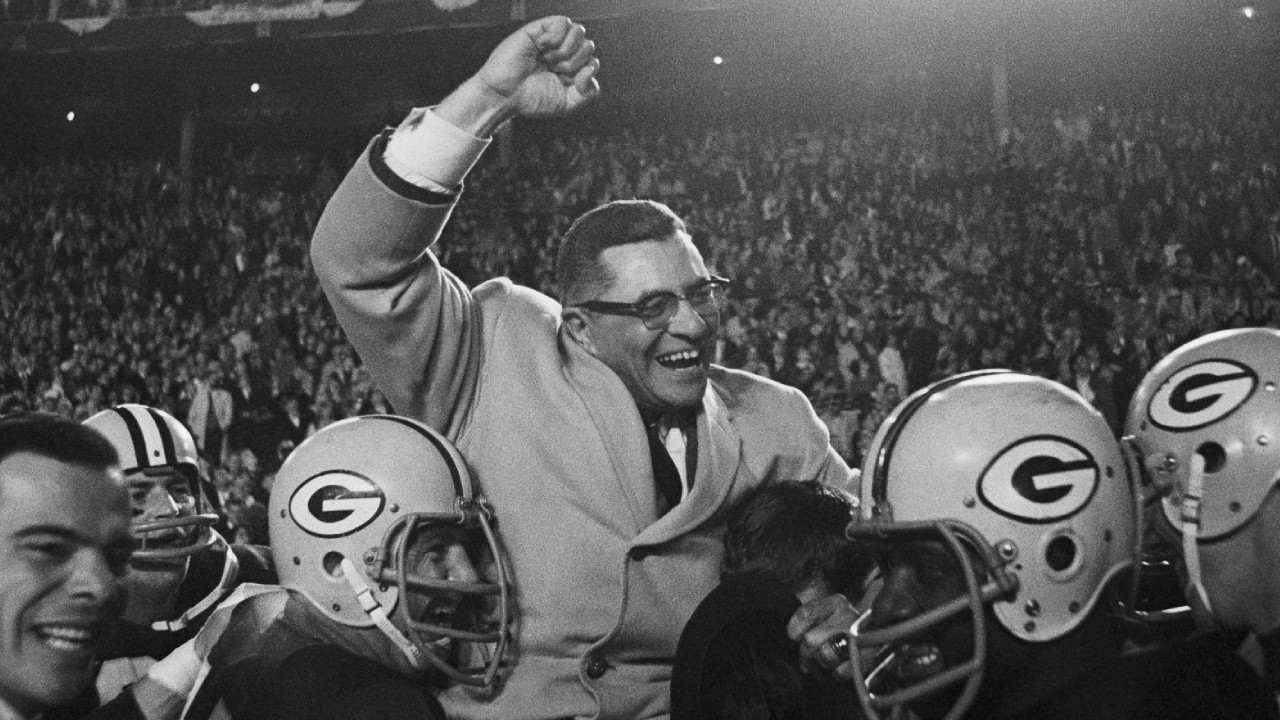
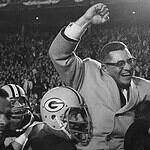
When people think of championship football, Vince Lombardi's Green Bay Packers are often the first team that comes to mind. Between 1961 and 1967, the Packers won five NFL championships, including victories in Super Bowls I and II, establishing the standard for excellence during professional football's formative years. Lombardi built his teams around discipline, preparation, and flawless execution rather than gimmicks or flashy personalities. The offense became famous for the nearly unstoppable "Packers Sweep," while the defense consistently ranked among the league's best. Hall of Famers such as Bart Starr, Jim Taylor, Paul Hornung, Ray Nitschke, Forrest Gregg, Willie Davis, and Herb Adderley formed the backbone of a roster loaded with talent and leadership. More importantly, the Packers demonstrated that sustained success was built on consistency and accountability. Lombardi's influence extended well beyond Green Bay, helping shape modern coaching philosophies across football. Today, the Super Bowl trophy bears his name, ensuring that his dynasty remains permanently linked to the sport's highest achievement.
UCLA Bruins (John Wooden Era)
- Sport: NCAA Basketball
- Dynasty Years: 1964–1975
- Championships: 10 NCAA championships
No program has dominated college basketball the way John Wooden's UCLA Bruins did during the 1960s and early 1970s. Between 1964 and 1975, UCLA captured an astonishing 10 NCAA championships in just 12 seasons, including an unprecedented seven consecutive national titles from 1967 through 1973. The Bruins also compiled an 88-game winning streak that remains one of the sport's most remarkable accomplishments. Wooden's teams featured legendary players such as Lew Alcindor, later known as Kareem Abdul-Jabbar, and Bill Walton, but the dynasty was never built solely on superstar talent. Wooden emphasized conditioning, discipline, teamwork, and constant improvement through his famous "Pyramid of Success." Every player understood their role, and fundamentals were practiced with relentless precision. The Bruins' dominance fundamentally changed expectations in college basketball, proving that sustained excellence could be achieved through exceptional coaching as much as elite recruiting. More than fifty years later, no men's program has approached the consistency or championship success of Wooden's remarkable dynasty.
Alabama Crimson Tide (Bear Bryant Era)
- Sport: College Football
- Dynasty Years: 1961–1979
- Championships: 6 National Championships
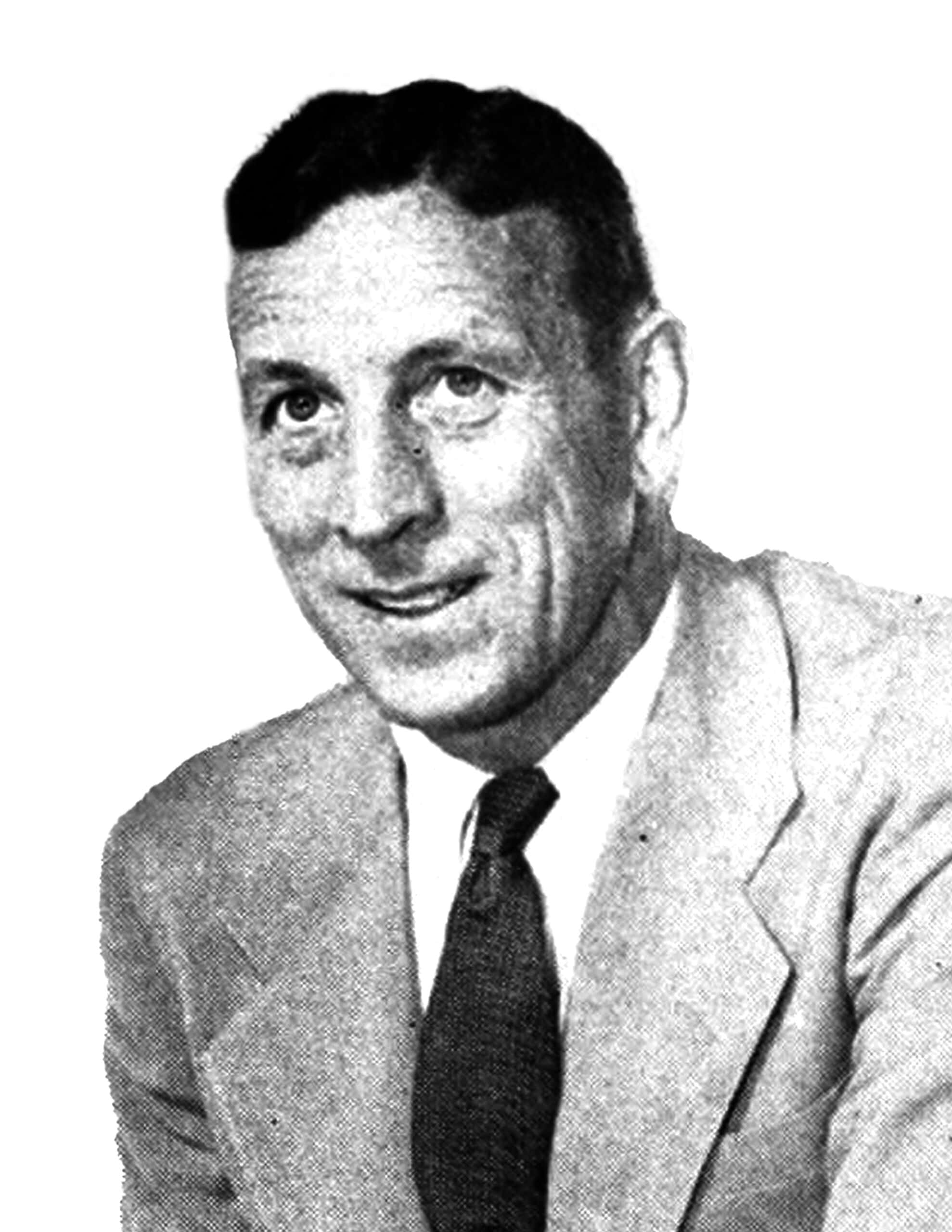
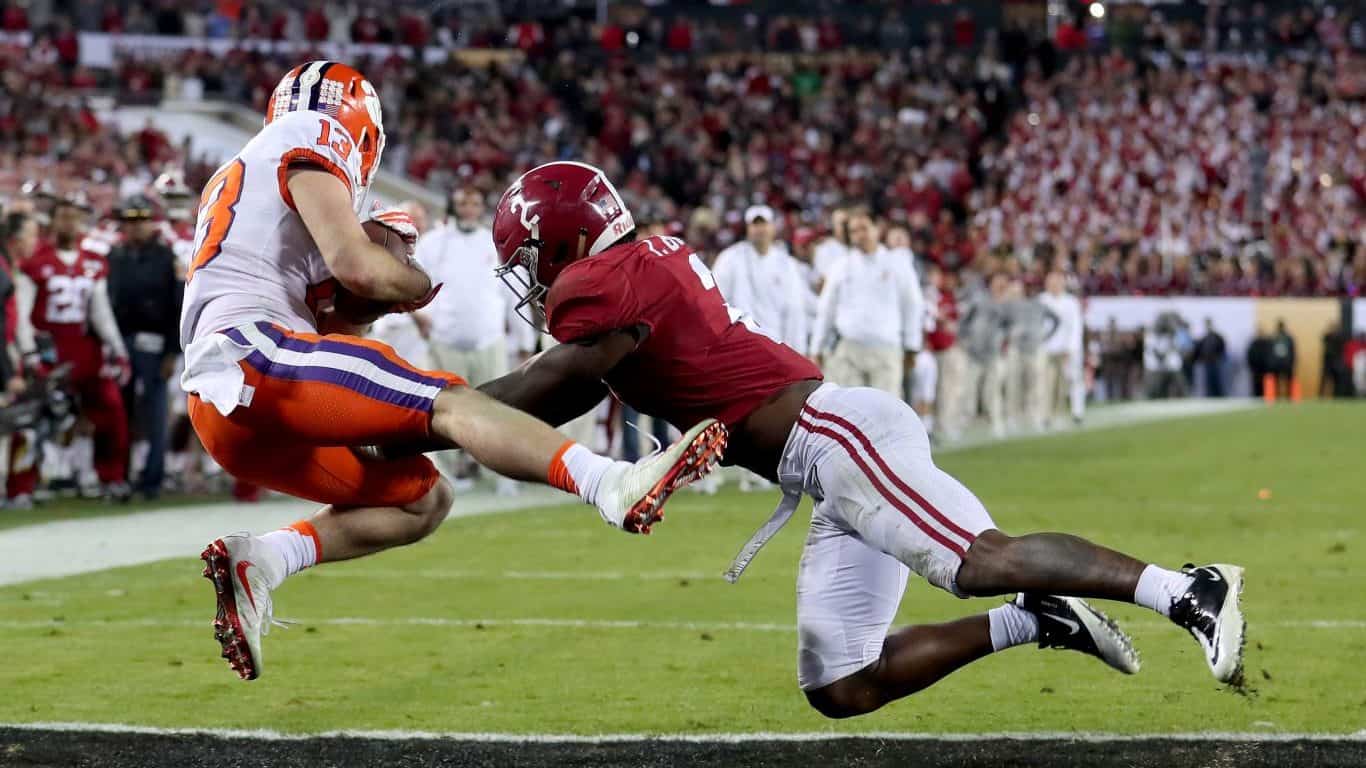
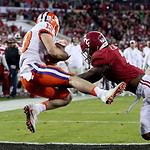
Few coaches have become as closely identified with a program as Paul "Bear" Bryant did with the University of Alabama. From 1958 through 1982, Bryant transformed the Crimson Tide into the premier program in college football, winning six national championships and 13 Southeastern Conference titles. The heart of that dynasty came between 1961 and 1979, when Alabama consistently ranked among the nation's elite and became synonymous with disciplined, physical football. Bryant demanded preparation, toughness, and accountability, creating a culture where championships were expected rather than hoped for. His teams adapted as the game evolved, shifting from run-heavy offenses to more balanced attacks while maintaining their trademark defensive excellence. Beyond the victories, Bryant elevated Alabama into one of college football's most recognizable brands, laying the foundation for future championship runs under later coaches. His trademark houndstooth hat became an icon of the sport, while his leadership philosophy continues to influence coaches decades after his retirement. Alabama's reputation as a perennial powerhouse began with the dynasty Bryant built.
Real Madrid (European Cup Dynasty)
- Sport: Soccer
- Dynasty Years: 1955–1960
- Championships: 5 European Cups
Long before Real Madrid became the world's most successful soccer club, it established its reputation through one of the greatest dynasties the sport has ever seen. Between 1956 and 1960, Real Madrid won the first five European Cups, an achievement that immediately placed the club at the center of international football. Led by legendary players such as Alfredo Di Stéfano, Ferenc Puskás, Francisco Gento, and Raymond Kopa, Madrid combined technical brilliance with relentless attacking football. Their victories came against the strongest clubs across Europe, helping elevate the newly created European Cup into the continent's premier competition. The dynasty reached its peak in the 1960 final, when Real Madrid defeated Eintracht Frankfurt 7–3 in one of soccer's greatest matches. Those championships established a culture of excellence that still defines the club today. Every generation of Real Madrid teams is measured against the standards set during this remarkable era, making the original European Cup dynasty one of the most influential in sports history.
Manchester United (Sir Alex Ferguson Era)
- Sport: Soccer
- Dynasty Years: 1992–2013
- Championships: 13 Premier League titles; 2 UEFA Champions League titles
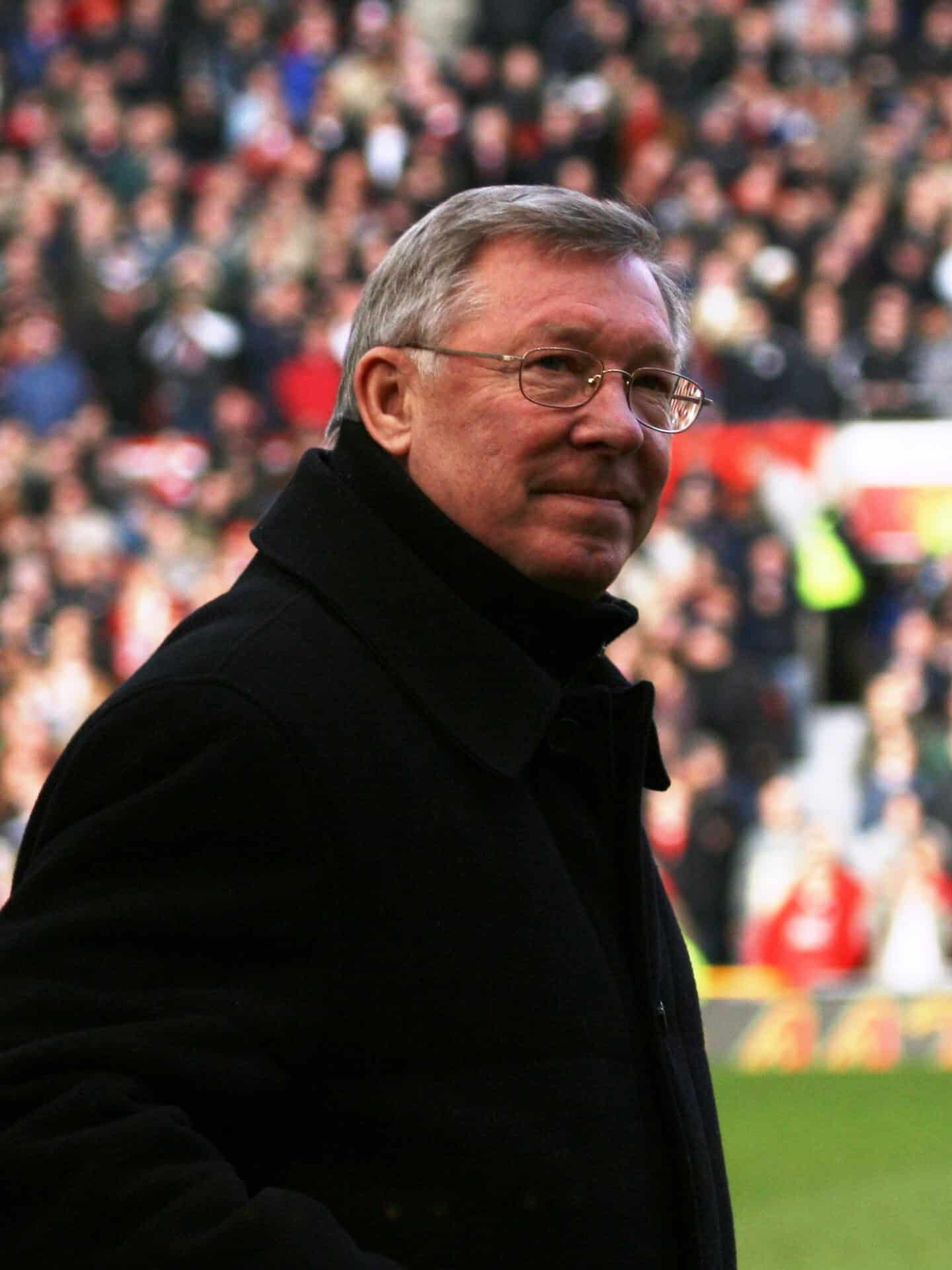
Sir Alex Ferguson inherited a proud club in 1986, but it wasn't until the early 1990s that Manchester United began one of the longest and most successful dynasties in modern sports. From 1992 through Ferguson's retirement in 2013, United won 13 Premier League championships, five FA Cups, and two UEFA Champions League titles while consistently competing among Europe's elite. Ferguson's greatest achievement wasn't simply winning—it was rebuilding championship teams multiple times without allowing the club to decline. Stars such as Eric Cantona, Ryan Giggs, David Beckham, Roy Keane, Cristiano Ronaldo, Wayne Rooney, and Paul Scholes emerged across different generations, each contributing to sustained success. Ferguson balanced youth development through United's academy with strategic transfers, creating an organization capable of adapting to changing eras. His demanding leadership style and ability to motivate players became legendary throughout world football. By the time he retired, Manchester United had become one of the most recognizable sports franchises on the planet, with Ferguson's dynasty serving as the foundation of that global reputation.
Pittsburgh Steelers (Steel Curtain Era)
- Sport: NFL
- Dynasty Years: 1974–1979
- Championships: 4 Super Bowl titles
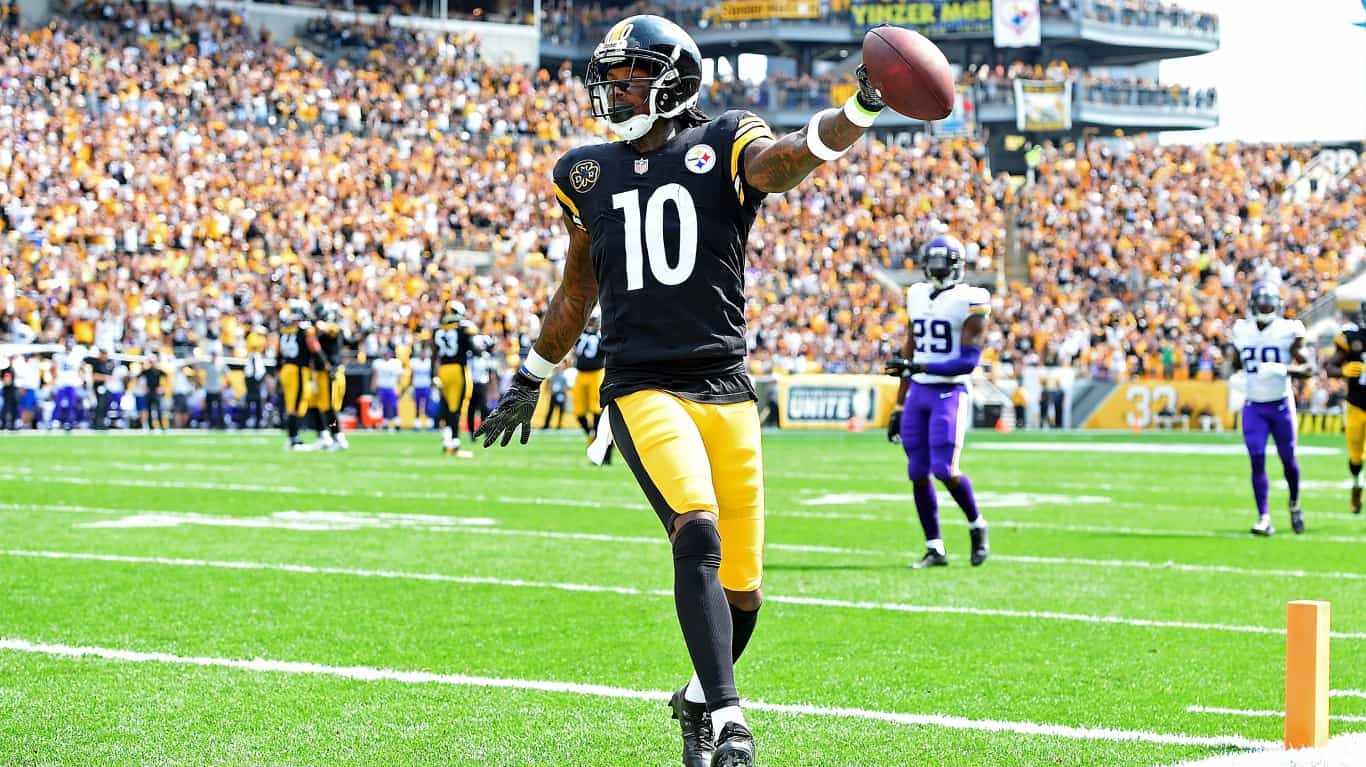
The Pittsburgh Steelers of the 1970s transformed from a franchise with little history of success into one of the NFL's greatest dynasties almost overnight. Between 1974 and 1979, the Steelers won four Super Bowls in just six seasons, becoming the first team in league history to accomplish the feat. Their success was built around the legendary "Steel Curtain" defense, anchored by Hall of Famers Joe Greene, Jack Lambert, Jack Ham, Mel Blount, and Donnie Shell. On offense, quarterback Terry Bradshaw, running back Franco Harris, and receivers Lynn Swann and John Stallworth provided explosive playmaking to complement the defense's physical dominance. Head coach Chuck Noll assembled perhaps the greatest collection of talent ever produced through the NFL Draft, selecting numerous future Hall of Famers who developed together into a championship core. The Steelers' dynasty helped define the modern NFL, proving that exceptional drafting, patient player development, and organizational stability could sustain success for years. Their physical style and championship pedigree remain central to Pittsburgh's identity today.
Edmonton Oilers (Wayne Gretzky Era)
- Sport: NHL
- Dynasty Years: 1984–1990
- Championships: 5 Stanley Cups
Few teams have ever played a more entertaining brand of hockey than the Edmonton Oilers of the 1980s. Led by Wayne Gretzky, the NHL's all-time leading scorer, the Oilers combined breathtaking offensive skill with enough depth to overwhelm opponents year after year. Between 1984 and 1990, Edmonton captured five Stanley Cups while featuring an extraordinary collection of Hall of Fame talent that included Mark Messier, Jari Kurri, Paul Coffey, Glenn Anderson, Grant Fuhr, and Esa Tikkanen. Coach Glen Sather encouraged an aggressive, high-tempo style that emphasized creativity and relentless attack rather than conservative play. Gretzky rewrote the NHL record book during this period, but the dynasty's success depended on far more than one superstar. Edmonton's roster possessed elite talent at every position, allowing the club to remain dominant even after Gretzky's departure to Los Angeles in 1988. The Oilers changed expectations for offensive hockey and demonstrated how speed, skill, and confidence could produce one of the sport's greatest championship runs.
San Antonio Spurs
- Sport: NBA
- Dynasty Years: 1999–2014
- Championships: 5 NBA titles
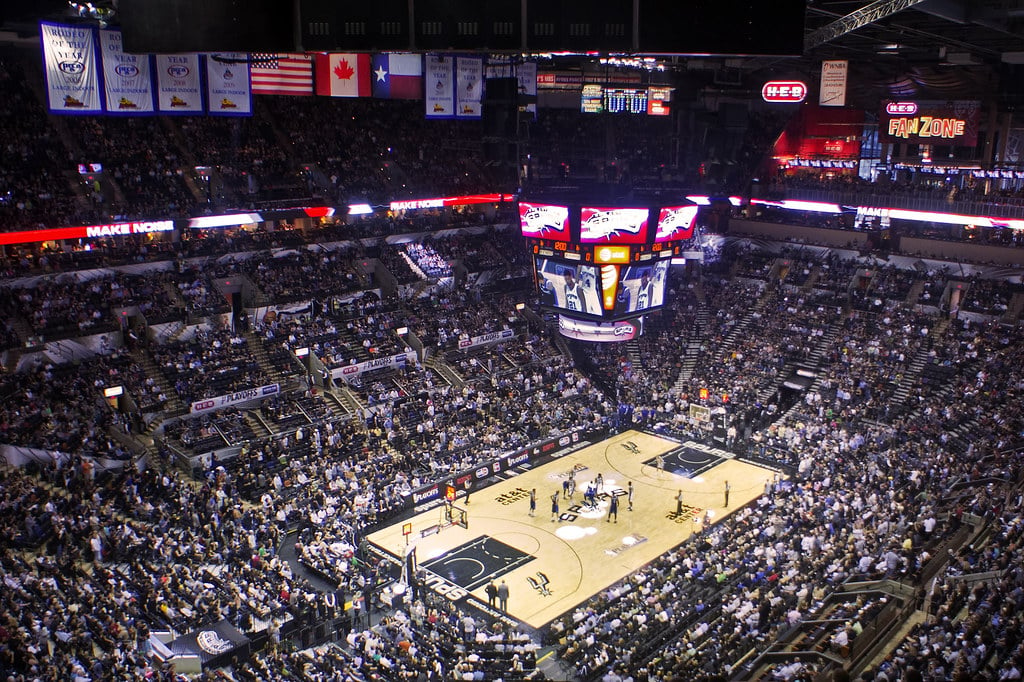
Unlike many dynasties built on brief periods of overwhelming dominance, the San Antonio Spurs achieved greatness through remarkable consistency. Between 1999 and 2014, the Spurs won five NBA championships while never missing the playoffs and regularly finishing among the league's elite teams. Head coach Gregg Popovich built a culture centered on discipline, player development, ball movement, and selfless basketball. At the heart of the dynasty stood Tim Duncan, whose quiet leadership and fundamentally sound play earned him recognition as one of the greatest power forwards in NBA history. Alongside Tony Parker and Manu Ginóbili, Duncan formed the celebrated "Big Three," while role players seamlessly filled important responsibilities year after year. Popovich also embraced international scouting earlier than many NBA franchises, helping San Antonio identify overlooked talent from around the world. Rather than relying solely on athleticism, the Spurs consistently outperformed opponents through execution and teamwork. Their dynasty proved that organizational stability, smart decision-making, and unselfish play could produce championship success across multiple generations of players.
Soviet Union National Hockey Team
- Sport: International Hockey
- Dynasty Years: 1954–1991
- Championships: Multiple Olympic and World Championship titles
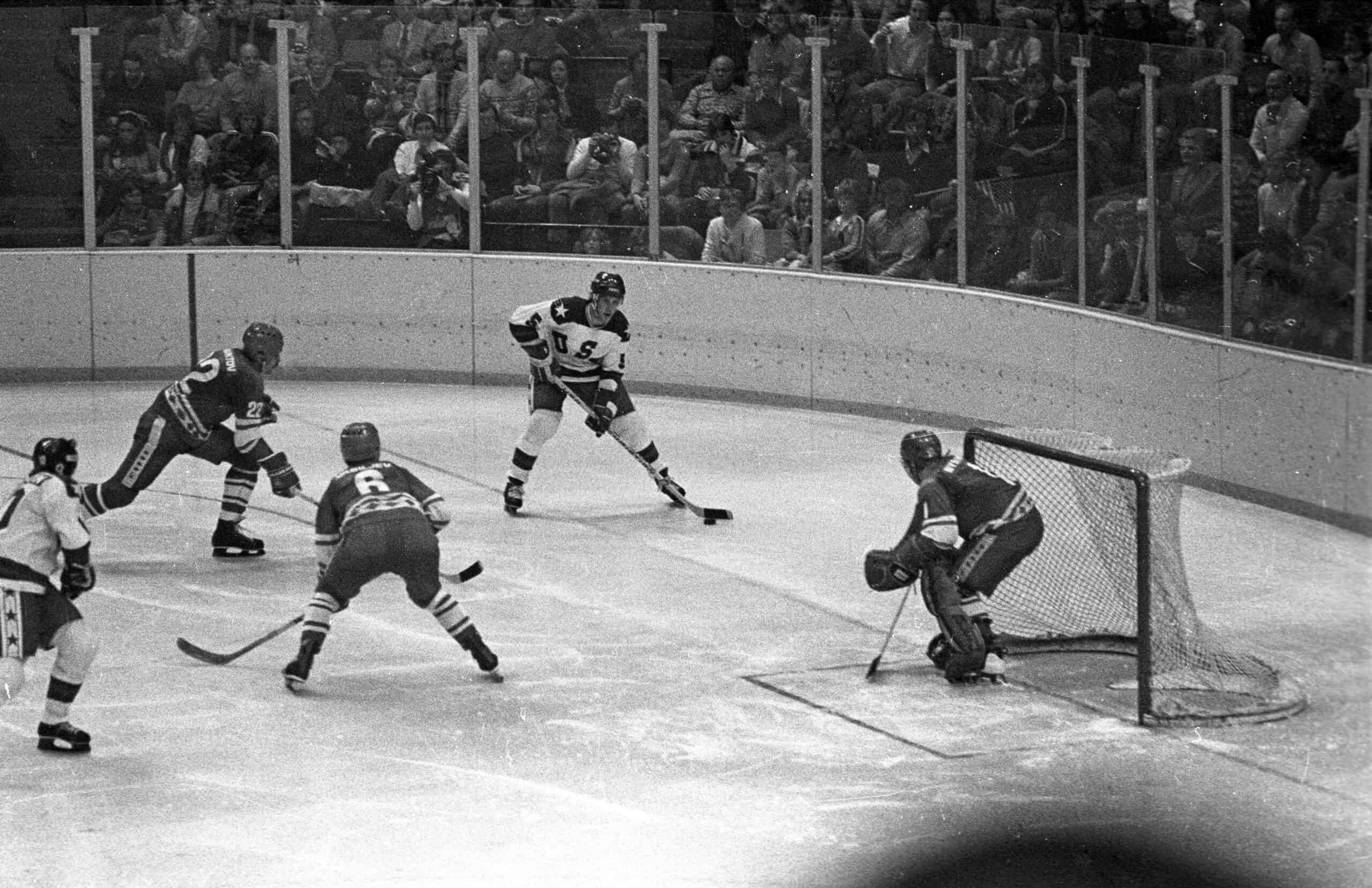
For nearly four decades, the Soviet Union's national hockey team represented the standard by which every international program was measured. From the 1950s until the dissolution of the Soviet Union in 1991, the team dominated Olympic competition and the IIHF World Championships with a revolutionary style built on speed, conditioning, precision passing, and constant puck movement. Legendary players such as Vladislav Tretiak, Valeri Kharlamov, Boris Mikhailov, Viacheslav Fetisov, and Igor Larionov became international stars while helping redefine how hockey could be played. Soviet coaches emphasized year-round development, exceptional skating ability, and teamwork over individual statistics, creating an approach that influenced generations of players worldwide. The team's rivalry with Canada became one of hockey's defining storylines, highlighted by the historic 1972 Summit Series and later international tournaments. Even when political tensions surrounded international competition, the Soviet team consistently demonstrated extraordinary skill and discipline. Their influence continues to shape modern hockey, making them one of the most impactful dynasties in the history of team sports.
Golden State Warriors (Stephen Curry Era)
- Sport: NBA
- Dynasty Years: 2015–2022
- Championships: 4 NBA titles
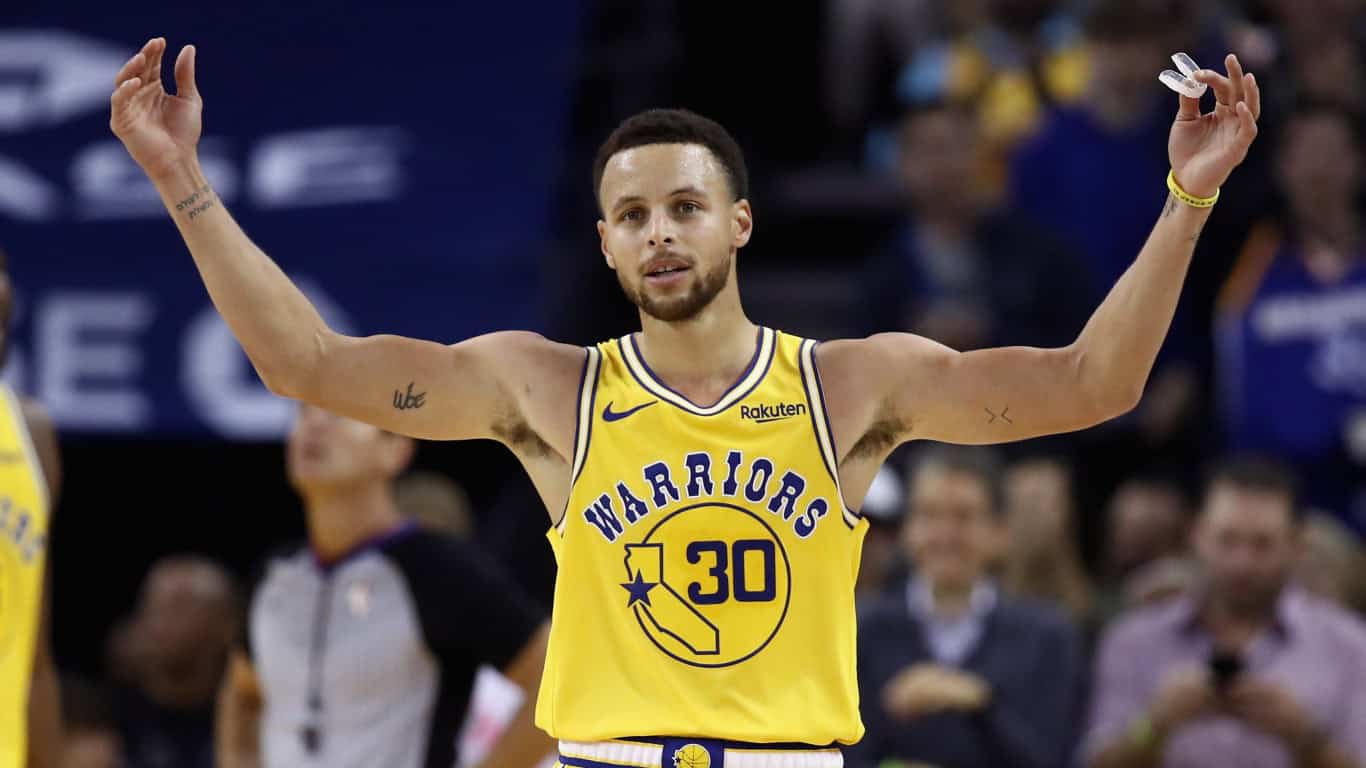
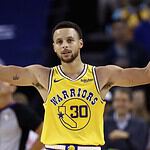
The Golden State Warriors didn't simply win championships—they transformed the way basketball is played. Between 2015 and 2022, the Warriors captured four NBA titles while popularizing an offensive philosophy built around spacing, ball movement, and unprecedented three-point shooting. Stephen Curry became the face of the dynasty by stretching defenses farther than any player before him, while Klay Thompson's shooting and Draymond Green's defensive versatility created the foundation for one of the league's most innovative systems. Under head coach Steve Kerr, Golden State blended modern analytics with selfless teamwork, encouraging constant player movement and quick decision-making rather than isolation basketball. The addition of Kevin Durant in 2016 briefly elevated the team to an even higher level, resulting in two more championships before the Warriors returned to the top again in 2022 with their original core. Beyond their titles, Golden State permanently influenced basketball strategy at every level, from youth leagues to the NBA, making this dynasty as culturally significant as it was successful.
The image featured at the top of this post is ©Brian Bahr / Allsport / Getty Images