










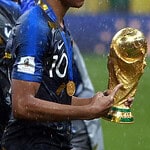

Every World Cup Champion From the Last 50 Years, From Oldest to Newest
Winning the FIFA World Cup is the highest achievement in international football, but not all champions reach the summit in the same way. Some teams dominate through overwhelming talent, others through tactical innovation, defensive discipline, or extraordinary teamwork. Over the past six decades, World Cup winners have reflected the evolution of the sport itself. From Brazil's attacking brilliance in 1970 to Argentina's resilience in 2022, each champion found a unique formula for success. Understanding what made these teams special offers a fascinating look at how football's biggest prize has been won across generations. Here, History Computer is taking a closer look at these Champions.
Here is a look at the last 15 World Cup Champions:
England - 1966
- Total Goals Scored: 11
- The Formula for Success: Organization, physicality, and momentum
- The Face of the Team: Bobby Charlton
- Defining Moment: Final victory at Wembley
- Why They're Still Remembered: England's only World Cup triumph
England's 1966 World Cup victory remains one of the most celebrated achievements in the country's sporting history. Playing on home soil, England combined organization, physicality, and tactical discipline under manager Alf Ramsey. The team featured standout performers such as Bobby Charlton, whose leadership and midfield quality were instrumental throughout the tournament. England's run culminated in a dramatic final against West Germany at Wembley Stadium, where a controversial goal and extra-time performance secured a 4–2 victory. While England has produced many talented teams since then, none have replicated the achievement of lifting the World Cup. The 1966 squad occupies a unique place in English football culture and remains the standard against which every subsequent national team is judged.
Brazil - 1970
- Total Goals Scored: 19
- The Formula for Success: Historic attacking talent
- The Face of the Team: Pelé
- Defining Moment: Iconic final against Italy
- Why They're Still Remembered: Often considered the greatest World Cup team ever
For many football historians, Brazil's 1970 World Cup team remains the greatest champion the sport has ever produced. The squad featured an extraordinary collection of talent, including Pelé, Jairzinho, Tostão, and Carlos Alberto Torres. Together, they played a style of football that combined creativity, technical brilliance, and attacking flair. Brazil scored 19 goals in six matches and defeated Italy 4–1 in one of the most memorable finals ever played. The team's final goal, finished by Carlos Alberto after a flowing team move, remains one of football's defining moments. More than fifty years later, the 1970 side continues to serve as the benchmark against which many great international teams are measured.
West Germany - 1974
- Total Goals Scored: 13
- The Formula for Success: Adaptability and relentless competitiveness
- The Face of the Team: Franz Beckenbauer
- Defining Moment: Final victory over the Netherlands
- Why They're Still Remembered: Defined an era of German football excellence
West Germany's 1974 World Cup-winning team thrived in an era defined by tactical innovation and intense competition. Captained by the legendary Franz Beckenbauer, the Germans demonstrated remarkable adaptability throughout the tournament. Their most famous challenge came in the final against the Netherlands, whose "Total Football" approach had captivated the world. After falling behind early, West Germany responded with composure and determination, eventually securing a 2–1 victory. The team's success reflected a blend of tactical intelligence, mental toughness, and collective discipline. While the Dutch may have captured the imagination of many neutrals, it was West Germany that lifted the trophy. Their triumph reinforced the nation's reputation for excellence in tournament football and cemented Beckenbauer's status as one of the game's greatest leaders.
Argentina - 1978
- Total Goals Scored: 15
- The Formula for Success: Home-field advantage and team discipline
- The Face of the Team: Mario Kempes
- Defining Moment: Victory in the final on home soil
- Why They're Still Remembered: Argentina's first World Cup title
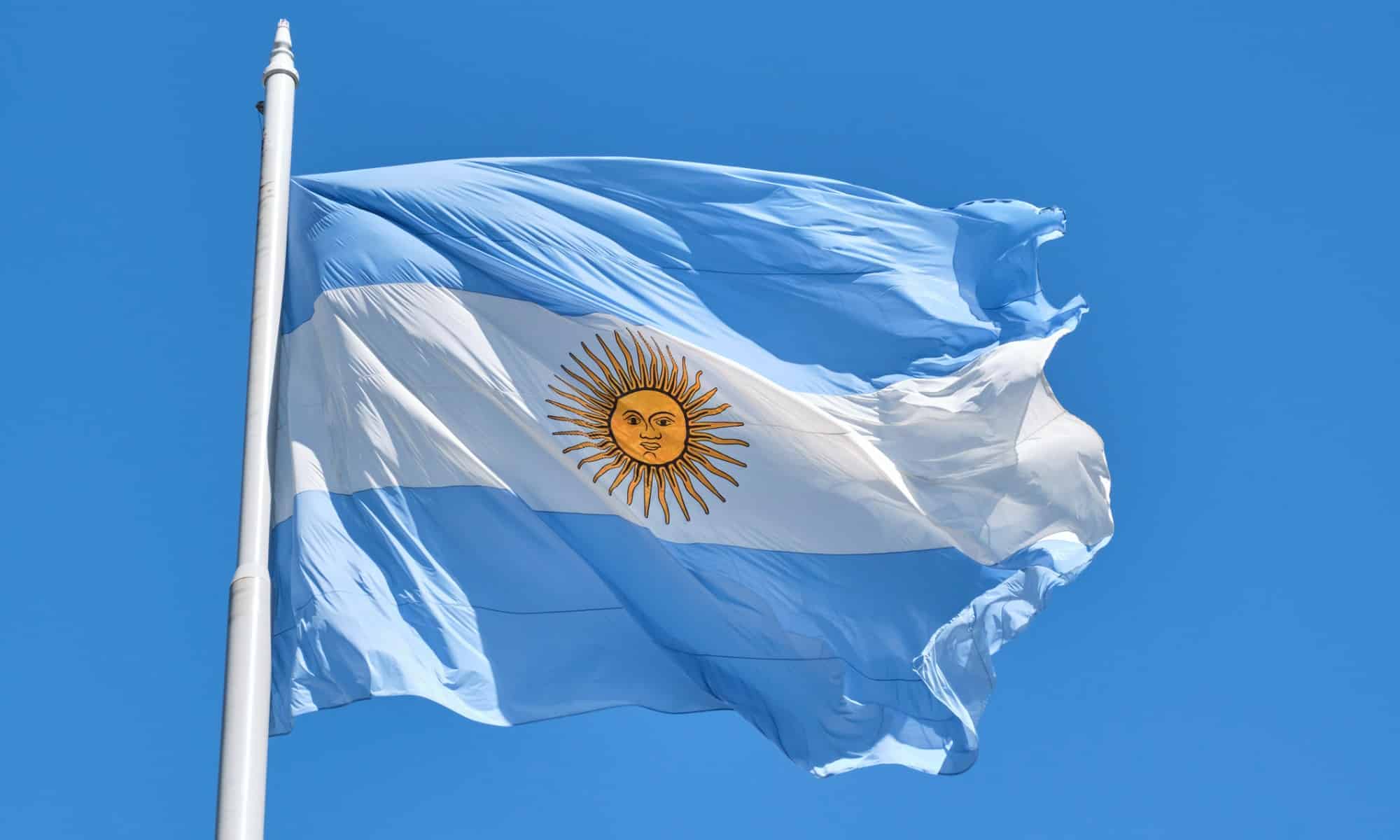
Argentina's first World Cup title came on home soil during one of the most politically complex tournaments in football history. The host nation entered the competition under immense pressure but responded with a disciplined and determined performance. Led by striker Mario Kempes, who finished as the tournament's leading scorer, Argentina combined strong defensive organization with timely attacking contributions. The final victory over the Netherlands in Buenos Aires sparked nationwide celebrations and established Argentina as a major force in international football. While debates surrounding the tournament's broader political context continue, the footballing achievement itself remains significant. The 1978 team provided Argentina with its first taste of World Cup glory and laid the foundation for the country's enduring place among the sport's elite nations.
Italy - 1982
- Total Goals Scored: 12
- The Formula for Success: Defensive excellence and clutch scoring
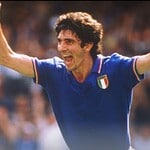
- The Face of the Team: Paolo Rossi
- Defining Moment: Victory over Brazil in a classic match
- Why They're Still Remembered: One of the most surprising title runs ever
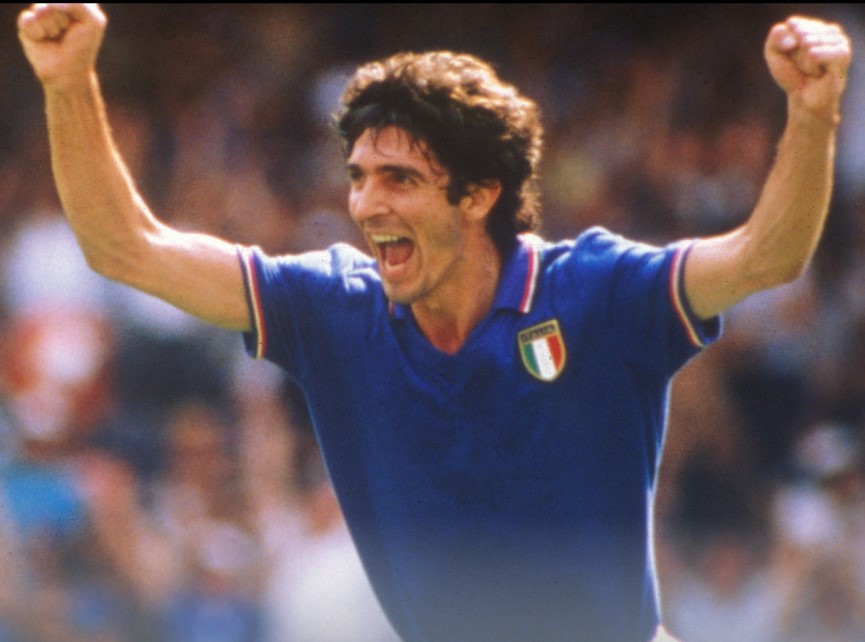
Italy's 1982 World Cup victory remains one of the most remarkable title runs in football history. Entering the tournament, expectations were modest, and the team struggled through the early stages. Everything changed when striker Paolo Rossi found his form at precisely the right moment. Rossi's goals helped Italy defeat a succession of powerful opponents, including Brazil, Poland, and West Germany. Behind him stood a disciplined defensive unit that embodied many of the qualities traditionally associated with Italian football. The victory over Brazil, widely considered one of the greatest World Cup matches ever played, became the defining moment of the tournament. Italy's championship demonstrated that momentum and belief can transform a team during a competition and remains one of the sport's most celebrated underdog success stories.
Argentina - 1986
- Total Goals Scored: 14
- The Formula for Success: Individual brilliance and leadership
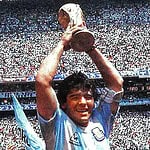
- The Face of the Team: Diego Maradona
- Defining Moment: Quarterfinal against England
- Why They're Still Remembered: Often remembered as Maradona's masterpiece
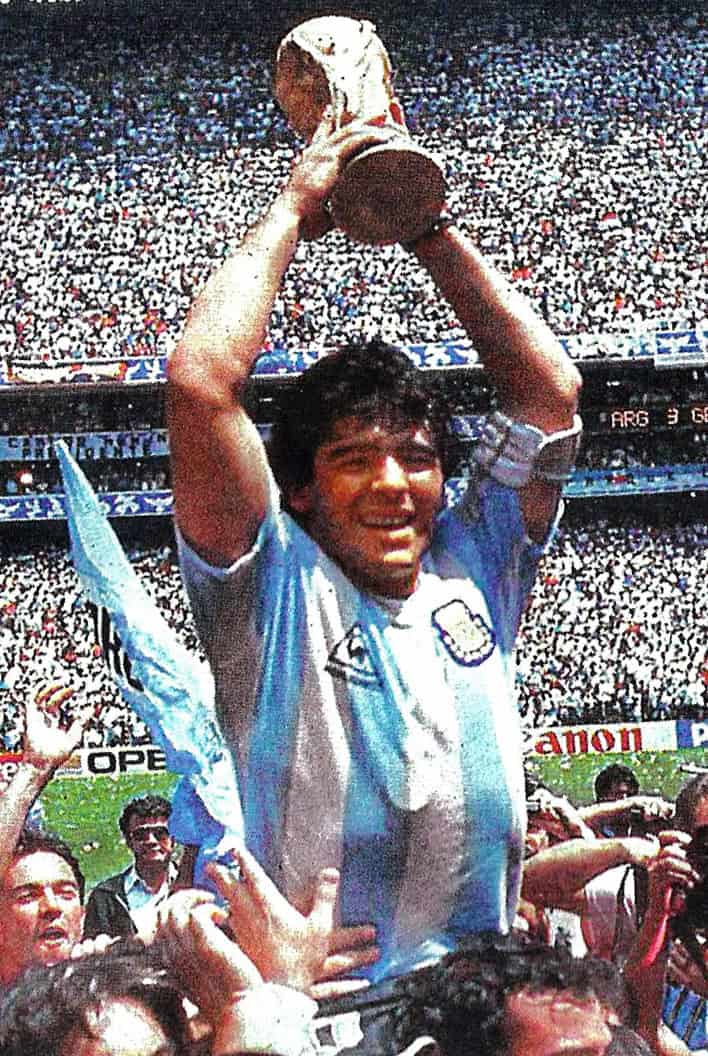
Few World Cup victories have been so closely associated with a single player as Argentina's triumph in 1986. Under coach Carlos Bilardo, Argentina built a competitive and organized squad, but it was Diego Maradona who elevated the team into legend. Maradona produced one of the greatest individual performances in sports history, scoring and creating crucial goals throughout the tournament. His quarterfinal against England remains iconic, featuring both the controversial "Hand of God" goal and the stunning solo effort often called the "Goal of the Century." Yet Argentina's success was not merely about individual brilliance. The team was tactically disciplined and fully committed to Bilardo's system. Still, Maradona's influence was so extraordinary that the 1986 World Cup is often remembered as his tournament more than anyone else's.
West Germany - 1990
- Total Goals Scored: 15
- The Formula for Success: Efficiency and tactical maturity
- The Face of the Team: Lothar Matthäus
- Defining Moment: Final victory over Argentina
- Why They're Still Remembered: The culmination of a golden German generation
West Germany's 1990 World Cup victory was the culmination of years spent competing at the highest level of international football. Having reached multiple finals in previous decades, the Germans arrived in Italy with a squad defined by experience, tactical maturity, and confidence. Captain Lothar Matthäus was the driving force behind the team, combining leadership, technical ability, and versatility. West Germany played an efficient style that balanced attacking quality with defensive reliability, allowing the team to navigate a difficult tournament bracket. Their victory over Argentina in the final provided redemption after losing the 1986 championship match to the same opponent. The 1990 team is often remembered as the perfect example of German tournament football—disciplined, resilient, and ruthlessly effective when the stakes were highest.
Brazil - 1994
- Total Goals Scored: 11
- The Formula for Success: Discipline paired with individual brilliance
- The Face of the Team: Romário
- Defining Moment: Penalty shootout victory over Italy
- Why They're Still Remembered: Marked Brazil's return to World Cup glory
Brazil's 1994 World Cup victory marked a significant evolution in the nation's football philosophy. Traditionally associated with free-flowing attacking play, Brazil entered the tournament with a more disciplined and pragmatic approach. The partnership of Romário and Bebeto provided enough creativity and scoring ability to complement a strong defensive structure. The tournament was often cautious and tightly contested, making efficiency particularly valuable. Brazil ultimately defeated Italy in the first World Cup final decided by a penalty shootout. The victory ended a 24-year championship drought and demonstrated that Brazil could adapt its style to meet the demands of modern tournament football. The 1994 team proved that discipline and organization could coexist with individual brilliance.
France - 1998
- Total Goals Scored: 15
- The Formula for Success: Balance between defense and attack
- The Face of the Team: Zinedine Zidane
- Defining Moment: Victory over Brazil in Paris
- Why They're Still Remembered: Announced France as a global football power
France's first World Cup title transformed the nation's football identity. Hosting the tournament added pressure, but the French squad responded with a blend of defensive organization and attacking quality. At the center stood Zinedine Zidane, whose two goals in the final against Brazil became defining moments in French sporting history. Yet the team's success extended beyond its star midfielder. France benefited from a balanced squad featuring elite defenders, hardworking midfielders, and a clear tactical structure. The victory also carried cultural significance, symbolizing a diverse generation of players representing modern France. By defeating defending champion Brazil in the final, France announced itself as a global football power. The 1998 team laid the foundation for years of international success and remains one of the most influential squads in French sporting history.
Brazil - 2002
- Total Goals Scored: 18
- The Formula for Success: Elite attacking talent and finishing
- The Face of the Team: Ronaldo
- Defining Moment: Ronaldo's two goals in the final
- Why They're Still Remembered: Completed one of football's greatest comeback stories
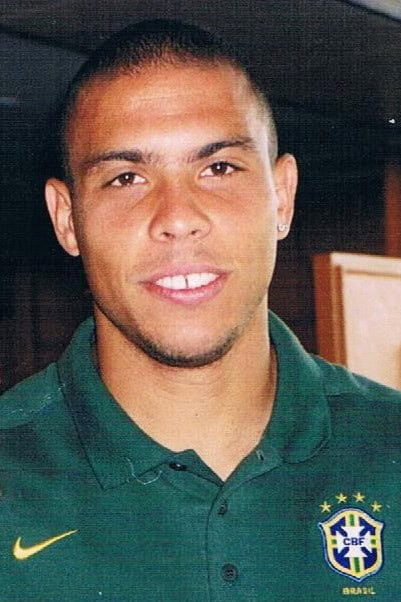
Brazil's 2002 World Cup team possessed a level of attacking talent that few champions can match. The famous trio of Ronaldo, Rivaldo, and Ronaldinho combined creativity, finishing ability, and flair in a way that overwhelmed opponents. Ronaldo's story was particularly compelling. After suffering serious knee injuries that threatened his career, he returned to score eight goals and win the tournament's Golden Boot award. Brazil won every match on its way to the championship, culminating in a final victory over Germany. The team blended traditional Brazilian attacking artistry with a more balanced tactical approach than some earlier squads. Their triumph restored Brazil to the summit of world football and remains one of the country's most beloved World Cup victories.
Italy - 2006
- Total Goals Scored: 12
- The Formula for Success: Defensive organization and composure
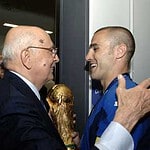
- The Face of the Team: Fabio Cannavaro
- Defining Moment: Penalty shootout victory over France
- Why They're Still Remembered: One of the great defensive tournament performances
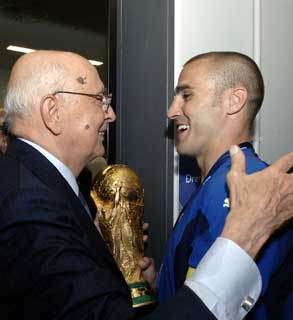
Italy entered the 2006 World Cup amid significant controversy, as the Calciopoli match-fixing scandal cast a shadow over Italian football. Rather than collapsing under pressure, the team responded with one of the most disciplined defensive performances in tournament history. Led by captain Fabio Cannavaro, Italy conceded only two goals throughout the tournament, one of which was an own goal. The squad combined tactical organization, experience, and mental toughness while producing key moments when necessary. Their semifinal victory over Germany and eventual triumph over France in the final highlighted their composure under pressure. Italy's 2006 team demonstrated that defensive excellence remains one of football's most powerful weapons. Their title run remains a benchmark for disciplined tournament football.
Spain - 2010
- Total Goals Scored: 8
- The Formula for Success: Possession dominance and tactical control
- The Face of the Team: Andrés Iniesta
- Defining Moment: Iniesta's winning goal in the final
- Why They're Still Remembered: The peak of tiki-taka football
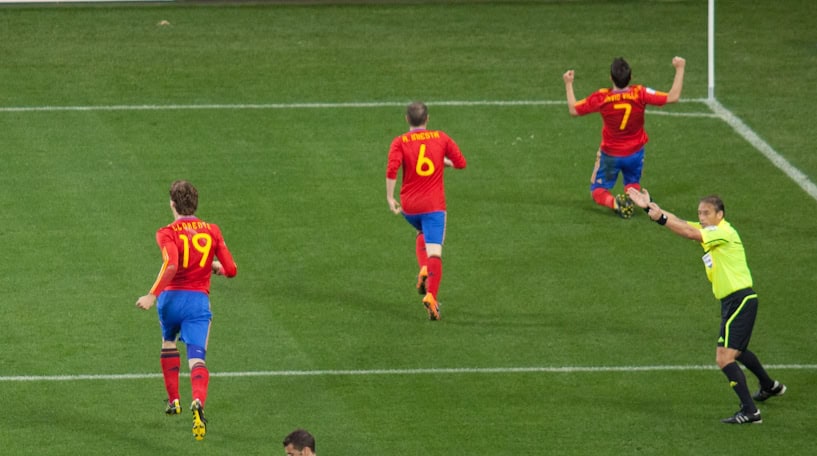
Spain's 2010 World Cup victory represented the peak of the tiki-taka era. Built around extraordinary midfield talent, the Spanish team controlled matches through relentless possession and precise passing. Players such as Andrés Iniesta and Xavi Hernández dictated the tempo of games, often leaving opponents chasing the ball for extended periods. While critics occasionally questioned the team's lack of attacking urgency, Spain's ability to control space and possession proved remarkably effective. The tournament culminated in Iniesta's extra-time goal against the Netherlands in the final. Spain's triumph was not simply a championship but a validation of a football philosophy that influenced clubs and national teams around the world. Few World Cup winners have had a greater tactical impact on the sport.
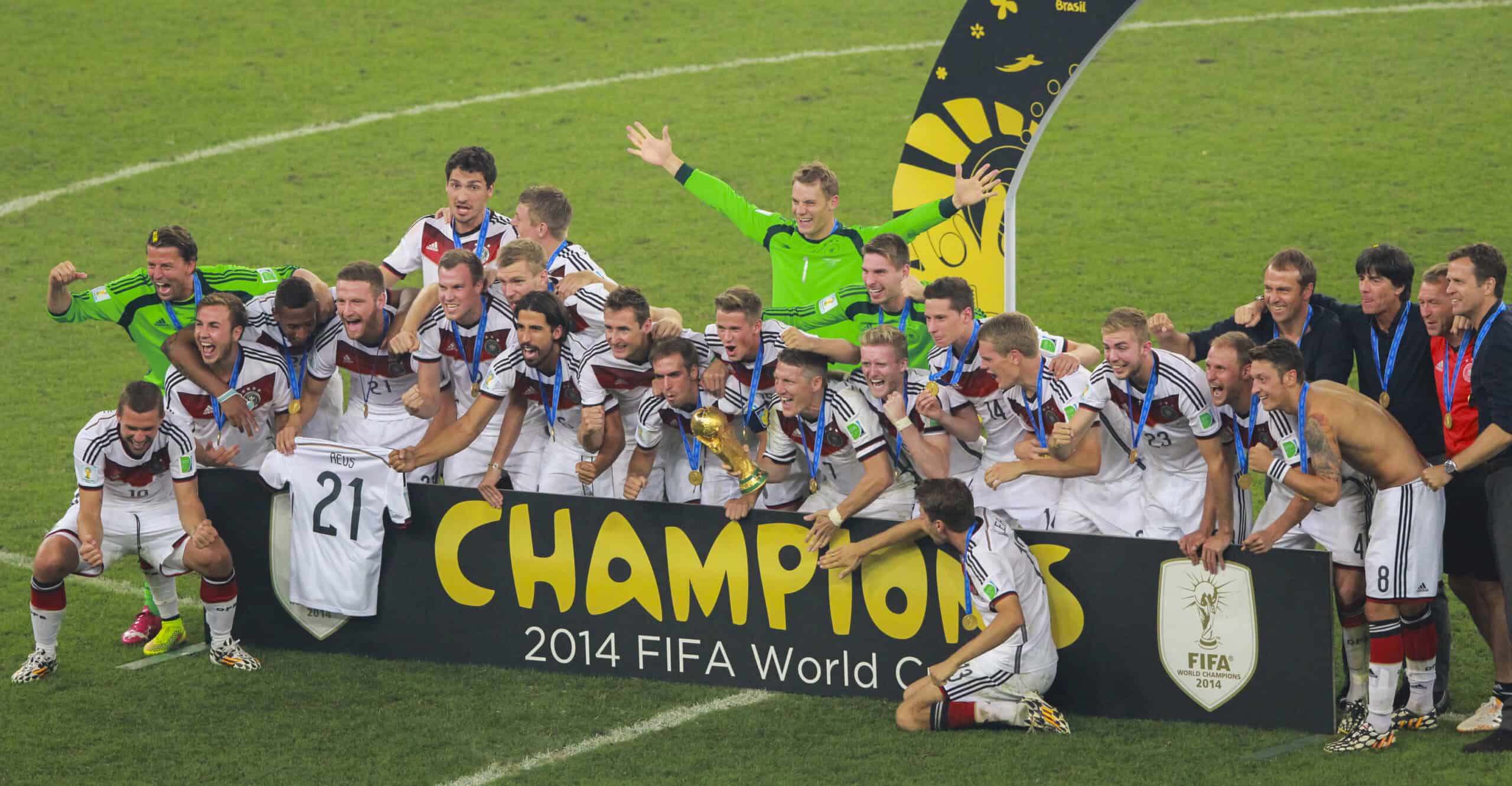
Germany - 2014
- Total Goals Scored: 18
- The Formula for Success: Team chemistry and elite player development
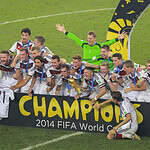
- The Face of the Team: Thomas Müller
- Defining Moment: 7–1 semifinal victory over Brazil
- Why They're Still Remembered: Validated Germany's long-term football development model
Germany's 2014 World Cup title was the product of a decade-long transformation. Following disappointing results in earlier tournaments, German football authorities invested heavily in youth development, coaching education, and player identification. The result was a generation of technically gifted, tactically intelligent players capable of executing a sophisticated style of football. Led by figures such as Thomas Müller and Manuel Neuer, Germany combined possession, pressing, and teamwork at an elite level. Their unforgettable 7–1 victory over Brazil in the semifinals became one of the most shocking results in World Cup history. The eventual title validated years of planning and investment. Germany's success remains one of the clearest examples of how long-term development strategies can shape international football dominance.
France - 2018
- Total Goals Scored: 14
- The Formula for Success: Depth, athleticism, and counterattacking efficiency
- The Face of the Team: Kylian Mbappé
- Defining Moment: Dominant run to the title in Russia
- Why They're Still Remembered: Showcased one of the deepest squads of the modern era
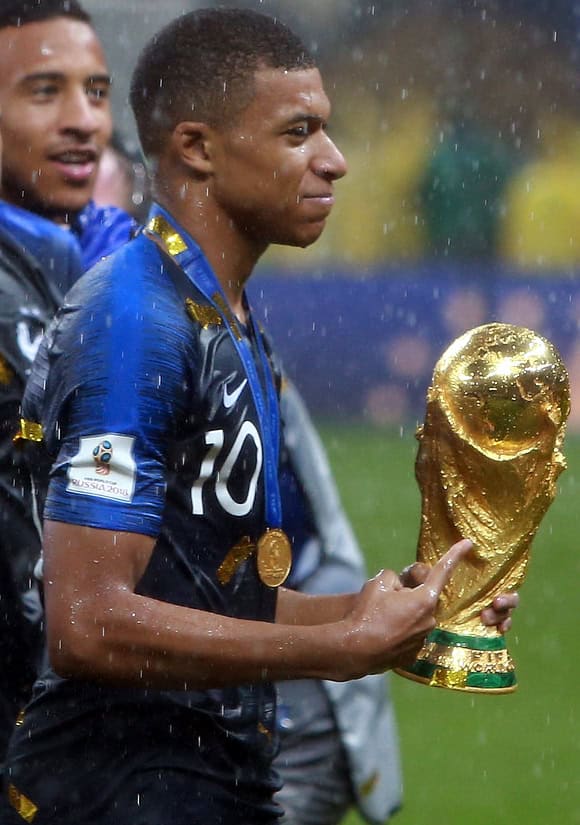
France's 2018 World Cup victory showcased the value of extraordinary depth and balance. While many champions rely heavily on a single superstar, France possessed elite talent at virtually every position. Young stars such as Kylian Mbappé provided explosive attacking ability, while experienced players offered stability throughout the squad. Manager Didier Deschamps built a system that emphasized organization, athleticism, and devastating counterattacks. France rarely needed to dominate possession because it excelled at punishing opponents when opportunities appeared. The team's blend of youth, experience, physicality, and tactical discipline made it one of the most complete champions of the modern era. Their success demonstrated that international tournaments are often won not by the most entertaining team, but by the one with the fewest weaknesses.
Argentina - 2022
- Total Goals Scored: 15
- The Formula for Success: Resilience, tactical flexibility, and leadership
- The Face of the Team: Lionel Messi
- Defining Moment: Victory over France in the dramatic final
- Why They're Still Remembered: Delivered Messi's long-awaited World Cup triumph
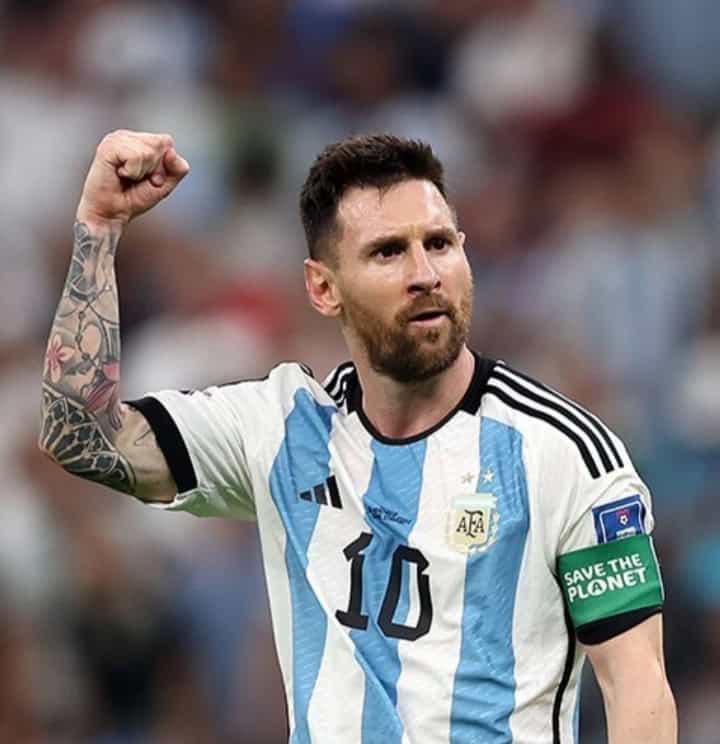
Argentina's triumph at the 2022 World Cup was the culmination of a journey that transcended football. Entering the tournament, much of the attention centered on whether Lionel Messi could finally capture the one major trophy missing from his résumé. Yet Argentina's success was about far more than a single player. Under coach Lionel Scaloni, the team combined tactical flexibility, defensive discipline, and remarkable resilience. After suffering a shocking opening loss to Saudi Arabia, Argentina regrouped and adapted throughout the tournament, overcoming difficult opponents and pressure-filled moments. The dramatic final against France became one of the greatest matches in World Cup history, with Messi delivering when it mattered most. The victory cemented Argentina's place among football's elite and gave one of the sport's greatest players the defining achievement of his career.
The image featured at the top of this post is ©Djuradj Vujcic / Wikimedia Commons – License / Original