


































20 Hit Songs Their Own Musicians Later Admitted They Hated
Some songs become so successful that they permanently alter the trajectory of an artist's career. A breakout hit can generate millions of sales, dominate radio airwaves, and transform an unknown musician into a household name almost overnight. For many performers, these songs opened doors that otherwise may never have existed. Yet fame often comes with unexpected consequences. The very songs that created stardom can eventually become creative burdens, especially when audiences expect to hear them for decades afterward.
Here, History Computer is taking a closer look at these hit songs that musicians later admitted they hated:
Creep - Radiohead
- Why It Became a Hit: Breakthrough grunge-era anthem that became an alternative rock classic and launched the band internationally.
- Why the Artist Hated It: Band felt it no longer represented their music and grew frustrated by fan expectations.
When 'Creep' was released in 1992, it initially struggled to gain traction before becoming a surprise international hit. The song's themes of alienation and self-doubt resonated with listeners and helped establish Radiohead as one of the most talked-about alternative bands of the decade. Ironically, the very success of the track became a source of frustration. As Radiohead evolved into a more experimental and ambitious act, members increasingly felt that audiences viewed them through the lens of a song they had effectively outgrown. Thom Yorke often expressed discomfort with the band's association with 'Creep,' believing it overshadowed more sophisticated work released later. Despite those feelings, the song remains one of the defining tracks of the 1990s and continues to attract new generations of listeners.
Smells Like Teen Spirit - Nirvana
- Why It Became a Hit: Defined the grunge movement and became one of the most influential songs of the 1990s.
- Why the Artist Hated It: Kurt Cobain felt it overshadowed the rest of the band's catalog and message.
Few songs have altered the direction of popular music the way 'Smells Like Teen Spirit' did in 1991. The single propelled Nirvana from underground favorite to global phenomenon and became the unofficial anthem of Generation X. Yet Kurt Cobain developed an increasingly complicated relationship with the song. He often felt that its success eclipsed much of the band's catalog and worried that many fans connected with the explosive chorus without understanding the irony and criticism embedded in the lyrics. Cobain also struggled with the celebrity that followed the song's success, believing the attention sometimes distracted from the artistic goals of the band. Despite his reservations, 'Smells Like Teen Spirit' remains one of the most important recordings in rock history and a defining symbol of the grunge era.
Wonderwall - Oasis
- Why It Became a Hit: Global hit that became one of the signature songs of the Britpop era.
- Why the Artist Hated It: Noel Gallagher became tired of its ubiquity and constant association with the band.
Released in 1995, 'Wonderwall' became Oasis' most recognizable song and one of the defining tracks of the Britpop movement. Its acoustic sound and memorable melody helped it achieve worldwide popularity, turning the Gallagher brothers into international stars. Over time, however, songwriter Noel Gallagher grew weary of the song's omnipresence. It became nearly impossible for him to escape its influence, as audiences frequently demanded it and media coverage often treated it as the band's sole defining achievement. Gallagher has joked about his frustration with the song's enduring popularity, though he has also acknowledged its importance to the band's success. Decades after its release, 'Wonderwall' remains a staple of radio playlists and live performances, demonstrating how a song can become larger than the artist who created it.
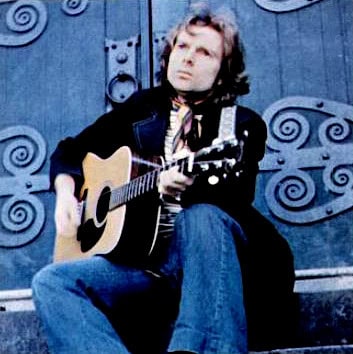
Brown Eyed Girl - Van Morrison
- Why It Became a Hit: Enduring radio favorite and one of the most-played classic rock songs ever.
- Why the Artist Hated It: Morrison reportedly grew weary of performing it and its dominance over his catalog.
Brown Eyed Girl' helped introduce Van Morrison to a broad audience and became one of the most enduring songs of the classic rock era. Its upbeat melody and nostalgic lyrics made it a fixture on radio stations for decades. Yet Morrison often appeared frustrated that a song recorded early in his career became the primary work many listeners associated with him. As his catalog expanded to include critically acclaimed albums and more ambitious songwriting, he sometimes felt the hit overshadowed the depth of his later work. The song's constant presence in popular culture only reinforced that perception. Nevertheless, audiences continue to embrace 'Brown Eyed Girl' as a timeless favorite, ensuring that it remains one of the most recognizable songs in Morrison's extensive body of work.
Pumped Up Kicks - Foster the People
- Why It Became a Hit: Catchy indie-pop hit that achieved worldwide commercial success.
- Why the Artist Hated It: Its subject matter created discomfort and often overshadowed later work.
Pumped Up Kicks' became one of the most unlikely hits of the early 2010s. Its bright melody and infectious rhythm helped propel Foster the People to international fame. However, the song's lyrics, which explored the mindset of a troubled young person contemplating violence, generated increasing scrutiny as conversations about mass shootings intensified. While the band defended the song as social commentary, its subject matter often dominated discussions and overshadowed their broader catalog. The success of the track created a situation in which listeners frequently focused on controversy rather than the group's musical evolution. Despite the complicated legacy, the song remains an important example of how popular music can spark debate while simultaneously becoming a major commercial success.
Royals - Lorde
- Why It Became a Hit: Award-winning breakout hit that made Lorde an international star as a teenager.
- Why the Artist Hated It: She later felt parts of the song reflected a younger self she had outgrown.
At just sixteen years old, Lorde transformed pop music with 'Royals.' The song's minimalist production and critique of celebrity culture helped it stand apart from the dominant sounds of the era. It quickly became a global hit and earned multiple awards. As Lorde matured, however, she occasionally reflected on the song as the work of a teenager whose perspective had naturally evolved. Some of the attitudes and observations that made the track so compelling at the time no longer reflected her worldview. Rather than outright hatred, her relationship with the song became one of distance and growth. Even so, 'Royals' remains a landmark recording that introduced one of the most distinctive voices of her generation and changed the direction of mainstream pop.
Party in the U.S.A. - Miley Cyrus
- Why It Became a Hit: Massive pop hit that became synonymous with Cyrus's early career.
- Why the Artist Hated It: She developed mixed feelings as she moved away from her Disney-era image.
Party in the U.S.A.' arrived during a period when Miley Cyrus was transitioning from television star to mainstream recording artist. The song became one of the biggest hits of her career and quickly evolved into a cultural staple. As Cyrus pursued a more mature artistic identity, however, she sometimes expressed mixed feelings about being perpetually linked to music from her earlier years. The song represented a version of herself that no longer aligned with the image she wished to project. Even so, audiences continued to embrace the track, making it a fixture at celebrations and public events. Its enduring popularity demonstrates how certain songs can take on a life of their own, regardless of how the artist's career evolves afterward.
Like a Virgin - Madonna
- Why It Became a Hit: Career-defining hit that cemented Madonna's status as a pop icon.
- Why the Artist Hated It: Madonna grew tired of being perpetually linked to the song.
Few songs are more closely associated with a performer than 'Like a Virgin' is with Madonna. The track helped establish her as one of the most influential pop stars in history and became a defining cultural moment of the 1980s. Yet Madonna spent much of her career reinventing herself, making it understandable that she occasionally grew tired of being linked to a song from the earliest stage of her superstardom. As her catalog expanded and her artistic ambitions evolved, she often preferred audiences to focus on newer material. Nevertheless, 'Like a Virgin' remains central to discussions of her legacy and continues to symbolize the bold, provocative image that first made her famous.
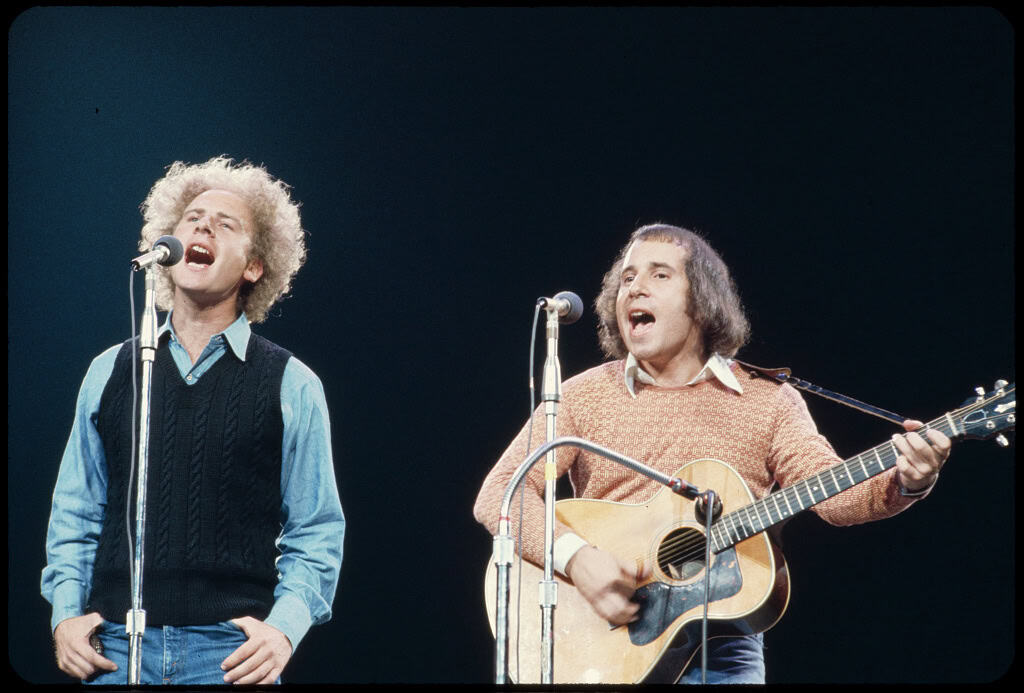
The Sound of Silence - Simon & Garfunkel
- Why It Became a Hit: Classic folk-rock hit that helped establish the duo's fame.
- Why the Artist Hated It: Complicated feelings emerged amid tensions surrounding the duo's career.
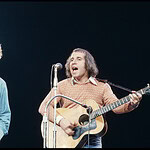
The Sound of Silence' transformed Simon & Garfunkel from struggling musicians into stars. Its haunting lyrics and reflective tone captured the spirit of the 1960s and helped define the folk-rock movement. However, the song's success also became intertwined with the increasingly complicated relationship between Paul Simon and Art Garfunkel. As tensions developed between the two artists, many of their most famous recordings carried emotional baggage. While neither rejected the song's artistic significance, its place within the broader story of the duo contributed to a more complex legacy than listeners might assume. Today, it remains one of the most respected songs in popular music and a testament to the pair's remarkable creative partnership.
Shiny Happy People - R.E.M.
- Why It Became a Hit: Successful crossover hit that reached mainstream audiences.
- Why the Artist Hated It: Band members later distanced themselves from its upbeat tone.
Shiny Happy People' helped R.E.M. expand its audience beyond alternative rock circles and achieve mainstream success. The song's bright, cheerful sound stood in contrast to the band's more introspective material, making it memorable and commercially successful. Over time, however, several members of the group appeared uncomfortable with the song's reputation. Michael Stipe in particular suggested that it did not fully represent the band's artistic identity. As R.E.M.'s catalog grew and its influence deepened, the song increasingly felt like an outlier compared to many of the works that critics and fans considered more significant. Despite those reservations, it remains one of the band's most recognizable recordings and continues to introduce new listeners to their music.
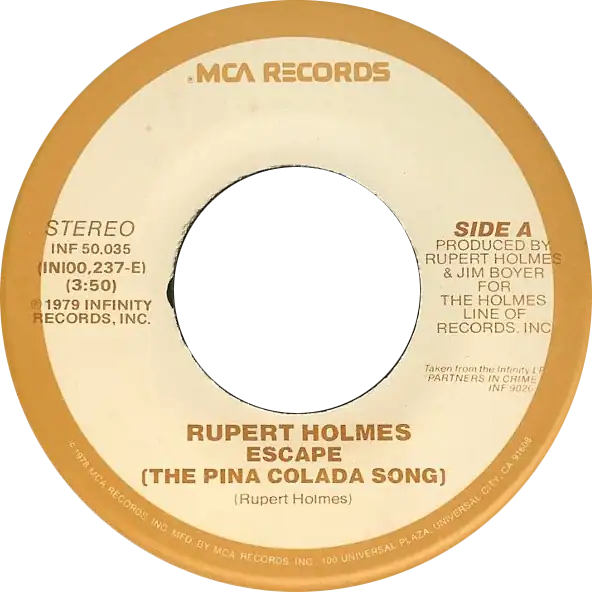
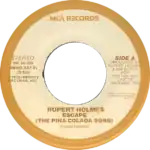
Escape (The Piña Colada Song) - Rupert Holmes
- Why It Became a Hit: Chart-topping novelty-pop hit that became a cultural staple.
- Why the Artist Hated It: Holmes felt it overshadowed much of his broader creative work.
For many listeners, Rupert Holmes will always be associated with 'Escape (The Piña Colada Song).' The clever narrative and memorable chorus helped the song become a chart-topping sensation and a permanent fixture in popular culture. Yet Holmes built a career that extended far beyond a single hit, including songwriting, theater, and other creative pursuits. As a result, he sometimes expressed frustration that one novelty-infused success overshadowed the breadth of his accomplishments. The situation reflects a challenge faced by many artists whose biggest hit becomes so dominant that it eclipses everything that follows. Even so, the song's longevity remains remarkable and has secured its place among the most recognizable pop recordings ever made.
You're Beautiful - James Blunt
- Why It Became a Hit: International smash that dominated radio and charts.
- Why the Artist Hated It: Relentless exposure led to fatigue and public backlash.
You're Beautiful' turned James Blunt into a global star almost overnight. The heartfelt ballad resonated with audiences worldwide and became one of the defining songs of the mid-2000s. Yet its success came with a downside. The track received such extensive radio play that it became a target of listener fatigue and criticism. Blunt has often addressed this reality with humor, acknowledging that many people eventually grew tired of hearing it. He also recognized that the song's overwhelming popularity sometimes overshadowed his broader catalog. Despite the backlash, the song remains an extraordinary commercial achievement and continues to be remembered as one of the era's most successful ballads.
We Built This City - Starship
- Why It Became a Hit: Major commercial hit despite polarizing critical reception.
- Why the Artist Hated It: Its reputation often eclipsed the band's other accomplishments.
We Built This City' achieved enormous commercial success during the 1980s, but its legacy became increasingly controversial. Critics frequently cited it as an example of excess in mainstream rock, and the song often appeared on lists of the most disliked hits in music history. For members of Starship, this reputation became difficult to escape. Discussions about the band frequently centered on the song rather than their broader body of work or earlier achievements. While audiences continued to embrace it as a nostalgic favorite, the criticism attached to the track often overshadowed other aspects of the group's career. Its enduring notoriety demonstrates that a hit can remain culturally significant even when public opinion is deeply divided.
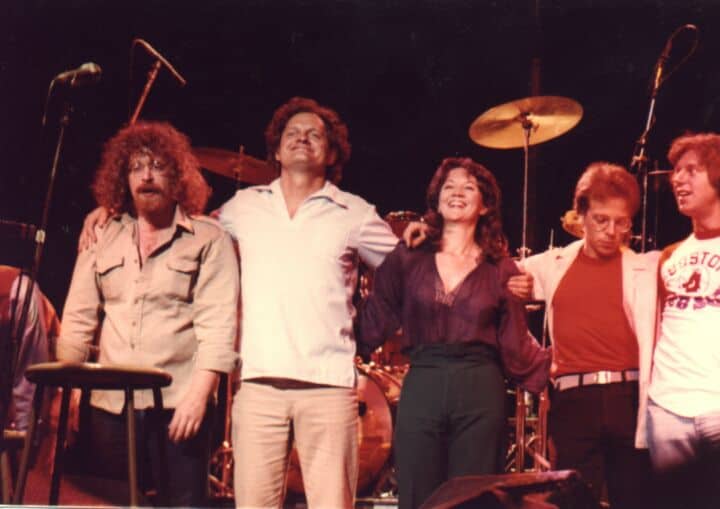
Cats in the Cradle - Harry Chapin
- Why It Became a Hit: Beloved storytelling song with lasting cultural resonance.
- Why the Artist Hated It: Chapin sometimes felt it overshadowed his larger body of work.
Cats in the Cradle' became one of the most powerful storytelling songs ever recorded. Its message about family, time, and missed opportunities resonated across generations and ensured its place in popular culture. For Harry Chapin, however, the song's success occasionally created frustration because it overshadowed the rest of his catalog. Chapin was a prolific songwriter with a wide range of themes and styles, yet many listeners knew him primarily for a single composition. While he appreciated the song's impact, he also hoped audiences would explore more of his work. Decades later, 'Cats in the Cradle' remains a timeless classic and continues to serve as an emotional reminder of the importance of relationships and personal priorities.
Candle in the Wind 1997 - Elton John
- Why It Became a Hit: One of the best-selling singles ever released.
- Why the Artist Hated It: John rarely revisited it because of its association with tragedy.
The 1997 version of 'Candle in the Wind' occupies a unique place in music history. Rewritten as a tribute to Diana, Princess of Wales, the song became one of the best-selling singles ever released and carried immense emotional significance for millions of people. Yet its connection to a moment of public mourning meant that Elton John rarely revisited the song in later years. Unlike a typical hit, it was tied to a specific tragedy and emotional context that could not easily be separated from its legacy. While the recording achieved extraordinary success, its place in John's catalog has always been distinct from his other major hits. The song endures as both a cultural milestone and a historical document.
American Life - Madonna
- Why It Became a Hit: High-profile release that generated significant media attention.
- Why the Artist Hated It: Madonna later criticized aspects of the song and project.
American Life' arrived with enormous expectations and generated widespread attention due to its political themes and provocative imagery. Madonna sought to challenge assumptions about fame, consumerism, and modern culture, but the project divided critics and audiences. In later years, she occasionally spoke critically about aspects of the album and its direction, reflecting on choices she might have approached differently. The song therefore represents a different kind of artistic dissatisfaction than many entries on this list. Rather than resenting overexposure, Madonna reassessed the work itself. Even so, the track remains an important chapter in her career because it demonstrates a willingness to take risks and address controversial subjects regardless of commercial consequences.
All the Small Things - Blink 182
- Why It Became a Hit: Defining pop-punk hit that crossed into the mainstream.
- Why the Artist Hated It: Band members occasionally expressed fatigue with its constant presence.
All the Small Things' helped bring pop-punk into the mainstream and turned Blink-182 into one of the defining bands of its generation. The song's catchy chorus and humorous music video made it nearly impossible to avoid during its peak. Over time, however, constant exposure naturally led to fatigue. Members of the band occasionally suggested that they had mixed feelings about performing the song repeatedly after decades of touring. The track also became so closely associated with Blink-182 that it sometimes overshadowed more ambitious material in the group's catalog. Nevertheless, it remains a cornerstone of late-1990s rock and continues to introduce new audiences to the band.
Kiss From a Rose - Seal
- Why It Became a Hit: Grammy-winning ballad that became Seal's signature song.
- Why the Artist Hated It: Seal expressed mixed feelings about how it overshadowed other work.
Kiss From a Rose' enjoyed an unusual path to success, gaining additional momentum after its inclusion in a major film soundtrack. The song's rich arrangement and distinctive lyrics helped it become a Grammy-winning phenomenon and the signature recording of Seal's career. Yet that success carried a familiar challenge. The track became so dominant that it often eclipsed the rest of his catalog, leading to occasional mixed feelings about its place in his legacy. Seal has spoken about his surprise at the song's enduring popularity and the way it took on a life of its own. Despite those complexities, it remains one of the most celebrated ballads of the 1990s.
Song 2 - Blur
- Why It Became a Hit: Unexpected international hit famous for its iconic chorus.
- Why the Artist Hated It: The band had mixed feelings because it became larger than intended.
Originally conceived as a playful parody of loud alternative rock trends, 'Song 2' became something entirely different. Its explosive chorus and simple structure helped it become Blur's biggest international hit, particularly in the United States. The irony was that the song was never intended to represent the band's artistic identity. As a result, members occasionally expressed mixed feelings about the track's success and the way it overshadowed more representative work. Nevertheless, audiences embraced the song enthusiastically, and it remains one of the most recognizable recordings of the 1990s. Its story serves as a reminder that listeners often decide for themselves which songs will define an artist's legacy.
Radioactive - Imagine Dragons
- Why It Became a Hit: Record-setting rock hit that defined the band's early success.
- Why the Artist Hated It: Its ubiquity led to fatigue and criticism.
Radioactive' became one of the most successful rock songs of the 2010s, spending an extraordinary amount of time on the charts and helping launch Imagine Dragons into superstardom. The track's dramatic production and crossover appeal introduced the band to a massive audience. Yet its popularity also produced inevitable backlash. As the song appeared everywhere from radio stations to sporting events and advertisements, some listeners grew tired of it, and the band occasionally acknowledged the fatigue associated with its ubiquity. While criticism accompanied its success, the song remains a landmark achievement that defined an era of mainstream rock and established Imagine Dragons as a major commercial force.
The image featured at the top of this post is ©chrisweger / Wikimedia Commons – License / Original