







10 Historic Quotes Americans Have Misunderstood for Generations
Americans love a good quote. Stick the right words on a bumper sticker or a motivational poster and you've got yourself a bestseller. Good quotes travel far and wide, usually severed from whatever complex situation spawned them.
The problem is that, stripped of context, a quote can mean something completely different from what was originally intended. The dramatic circumstances and inconvenient facts surrounding the delivery tend not to make the journey.
Here are ten quotes that Americans endlessly repeat, and what they really meant.
"Give me liberty, or give me death!" by Patrick Henry
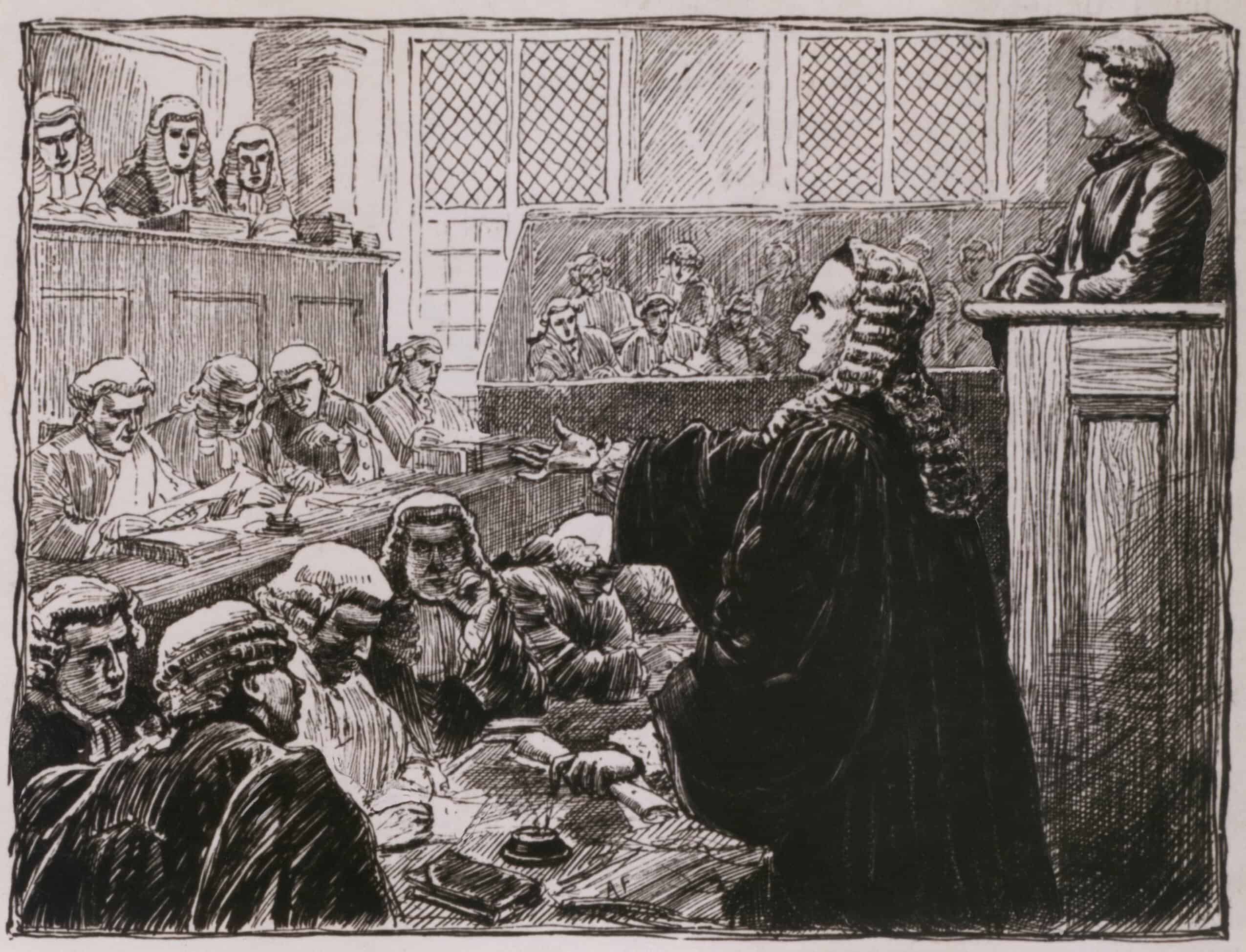
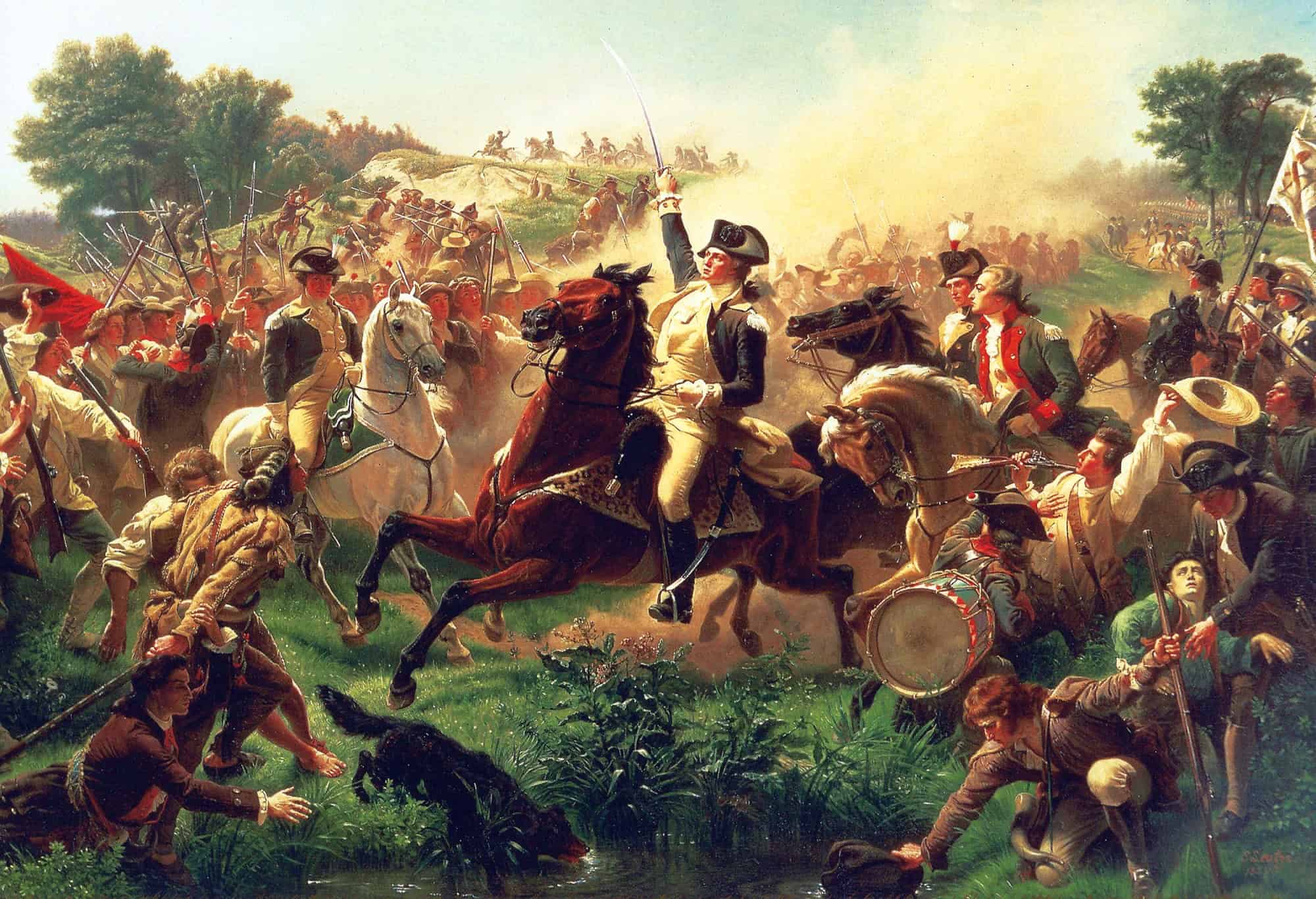
This is the founding-era quote Americans know best. Patrick Henry, a Virginia delegate, addressing the Second Virginia Convention on March 23, 1775, making demands for independence even at the risk of his own life. It’s taught in schools as the moment the colonies found their nerve.
The problem is that nobody wrote it down. There was no transcript of the speech made on that day, and the version Americans quote today was reconstructed 42 years after the fact by a biographer named William Wirt, who interviewed elderly eyewitnesses of those events in 1817, filling in several gaps himself.
One of the sources Wirt consulted was Thomas Jefferson, who later described the biography as "a poor book" that gave "an imperfect idea of Patrick Henry." Another Virginia statesman who knew Patrick Henry called it "a splendid novel." Most historians treat the famous closing as being mostly Wirt's own work.
"Those who would give up essential liberty..." by Benjamin Franklin
This one is often displayed on protest signs and during debates concerning surveillance, security legislation, and civil liberties. Franklin comes off as a protector of individual rights in the face of expanding governmental control. It's a clean, satisfying interpretation.
But that’s not what Franklin was advocating at all. He wrote this line in 1755 as part of the Pennsylvania Assembly's official reply to the colonial governor, during a dispute over whether the Penn family, the wealthy proprietors of Pennsylvania, should be taxed to pay for frontier defense during the ongoing French and Indian War. The Penns were trying to offer a cash payment to avoid being taxed at all, while the governor, who had been appointed by the Penns themselves, was blocking every taxation measure passed by the Assembly.
Franklin was arguing for the legislature's right to tax wealthy landowners, the "essential liberty," and against the Penn family's attempt to use the cash offer to evade it, the "temporary safety." Benjamin Wittes, a legal scholar who examined the original letter closely for the Brookings Institution, put it plainly: Franklin was making a pro-taxation argument, not a civil liberties one.
"Government of the people, by the people, for the people..." by Abraham Lincoln
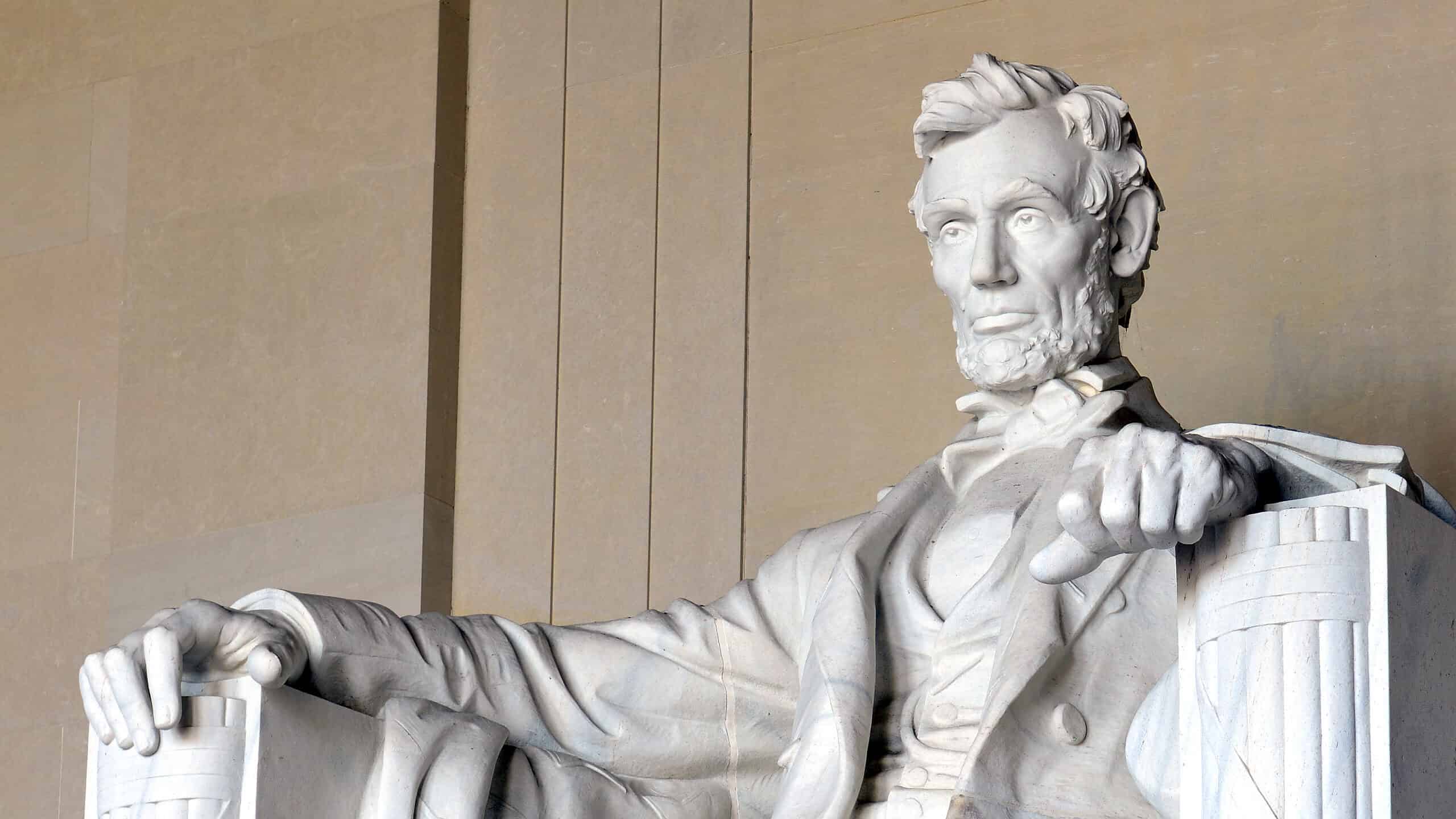
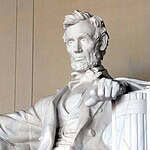
The closing line of the Gettysburg Address, delivered November 19, 1863, is treated as pure Lincoln. The line became the most quoted definition of American democracy in history. It is inscribed in the Lincoln Memorial and has been cited by every president since.
Lincoln borrowed it. Theodore Parker, an abolitionist minister in Boston, defined democracy in an address he gave at the New England Anti-Slavery Convention in 1850: "democracy is a government of all the people, by all the people, for all the people." Lincoln's law partner William Herndon was a follower of Parker, and often forwarded his sermons and addresses to Lincoln. Parker died in 1860, three years before the Gettysburg Address so he didn’t get to see his phrase become the most quoted sentence in American political history. That’s probably a good thing since it’s attributed entirely to someone else.
"Speak softly and carry a big stick..." by Theodore Roosevelt
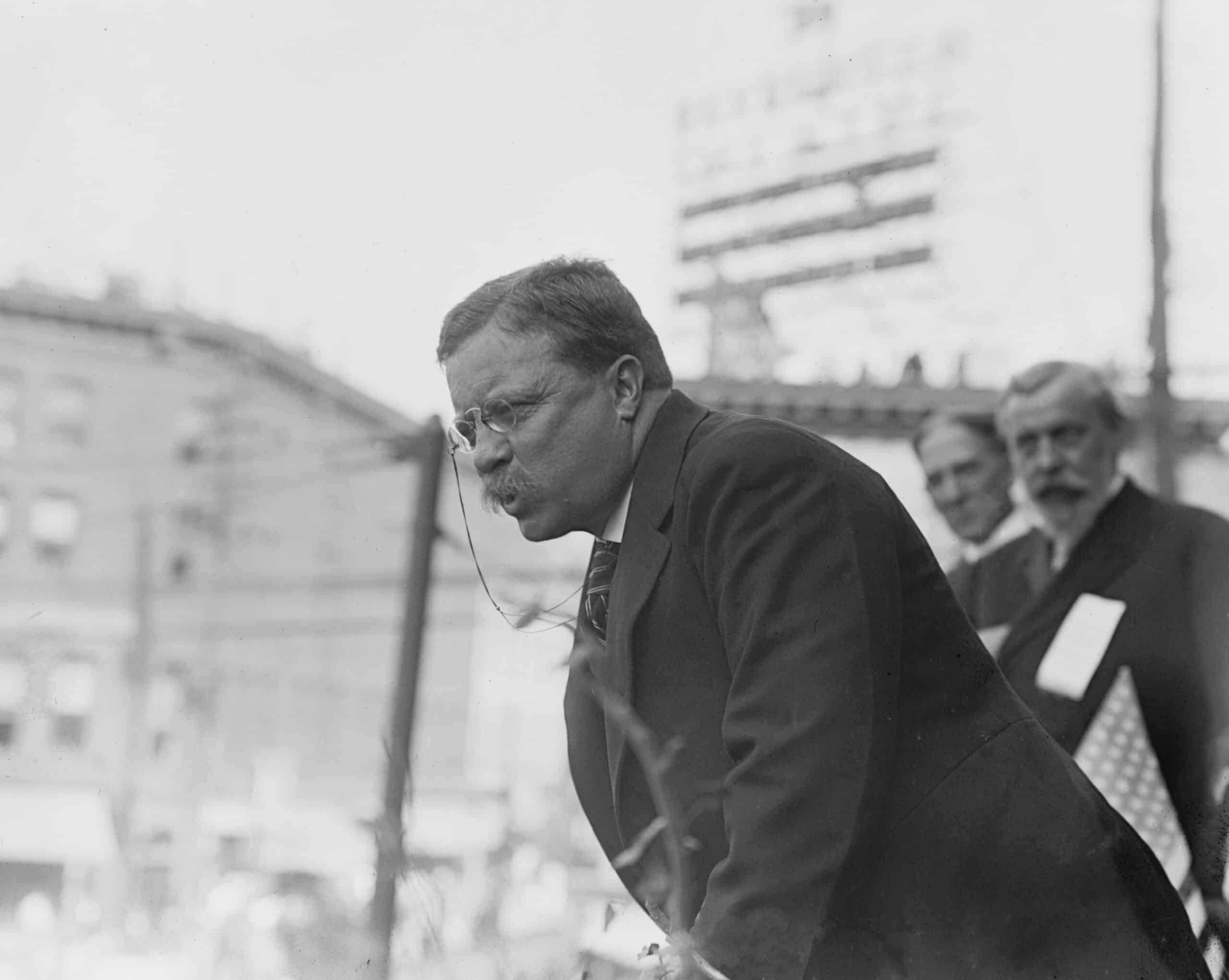
Theodore Roosevelt’s quote defines how Americans remember his foreign policy. He was measured and strategic, backed by implied force. He used the line repeatedly throughout his presidency when speaking about international relations, and historians have associated it with gunboat diplomacy, construction of the Panama Canal, and the Roosevelt Corollary to the Monroe Doctrine. Roosevelt had said it as a West African proverb.
No such proverb has ever been found. After years of searching African literature and oral history for any trace of the saying, historians have failed to find an earlier instance of its usage. Its earliest known appearance is a private letter Roosevelt wrote on January 26, 1900, to a New York Republican ally, where he gloated about outmaneuvering a corrupt party official by threatening to leave the room. "I have always been fond of the West African proverb," said Roosevelt in the letter, and quoted it.
Gary Martin, editor of Phrase Finder, examined every available source and concluded there is simply no evidence the proverb existed before Roosevelt used it. The most likely explanation is that Roosevelt coined it himself and attributed it to Africa to give it the weight of folk wisdom. He quietly dropped the African attribution in later uses, calling it simply "a homely old adage."
"I shall return." by General Douglas MacArthur
Americans understood it as a soldier's promise. MacArthur had been the commanding general of US forces in the Philippines when Japan attacked in December 1941. Forced to evacuate, he pledged to the Filipino people that he would return to liberate them. It was a vow of honor, and he kept it. In October 1944, he waded ashore at Leyte, and the image became one of the most iconic of World War II.
The circumstances of the vow are less flattering. Part of the disaster that followed traced back to his own failure: even after being informed about the Pearl Harbor attack, he allowed his aircraft to remain grounded on Clark Field for nine hours, during which the Japanese destroyed roughly half of his air force. His forces were eventually overrun, and MacArthur fled Corregidor on the order of President Franklin D. Roosevelt. Upon his arrival in Australia, he was honored simply because the American war effort required a hero more than it needed accountability.
The War Department awarded MacArthur the Medal of Honor, according to General George C. Marshall's own citation, specifically to "offset any propaganda by the enemy directed at his leaving his command." The White House requested MacArthur to change the promise to "We shall return," but he refused.
"Well-behaved women seldom make history." attributed to Eleanor Roosevelt or Marilyn Monroe
This inspirational quote can be found printed on coffee mugs, bumper stickers, graduation cards, you name it. It's often accompanied by a picture of Monroe, Roosevelt, or occasionally some other woman deemed appropriately spirited. The message is one of cheerful encouragement to be bold and to cause a little trouble. To stand out.
The woman who actually wrote it meant something else entirely. Laurel Thatcher Ulrich, a Harvard historian and later a Pulitzer Prize winner, included the line in her 1976 academic journal article about Puritan funeral sermons in colonial New England. The point wasn't that women should misbehave. She was observing that the historical record had almost no room for women who lived quietly and worked hard because historians weren't interested in them. The line was a critique of the discipline of history, not a call for rebellion. A journalist named Kay Mills used it as an epigraph in 1995, changing one word, and it escaped into popular culture entirely detached from the argument that produced it. Ulrich has spent years explaining, with visible patience, that the quote on the merchandise is not quite what she meant.
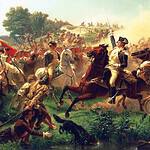
"Don't fire until you see the whites of their eyes." Battle of Bunker Hill
This is an American Revolution classic, taught as a moment of tactical cool and disciplined courage. Colonial militiamen, outnumbered by the British, and holding their nerve until point-blank range. This quote carries the mythology of the whole fight.
The instruction was about ammunition, not bravery. The American colonial forces were critically short on powder and bullets, and the commanders had to make every single shot count. A wasted shot was something they couldn't afford. It was a pragmatic decision of logistics (attributed variously to Colonel William Prescott and General Israel Putnam, with both men later claiming credit). The colonists also lost the battle. Two assaults were repelled, but the British took the hill on the third charge when the Americans ran out of gunpowder. The image of disciplined restraint at Bunker Hill is accurate. The reason for the restraint was rather more mundane than the mythology suggests.
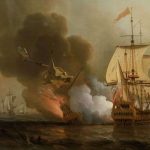
"I have not yet begun to fight." by John Paul Jones
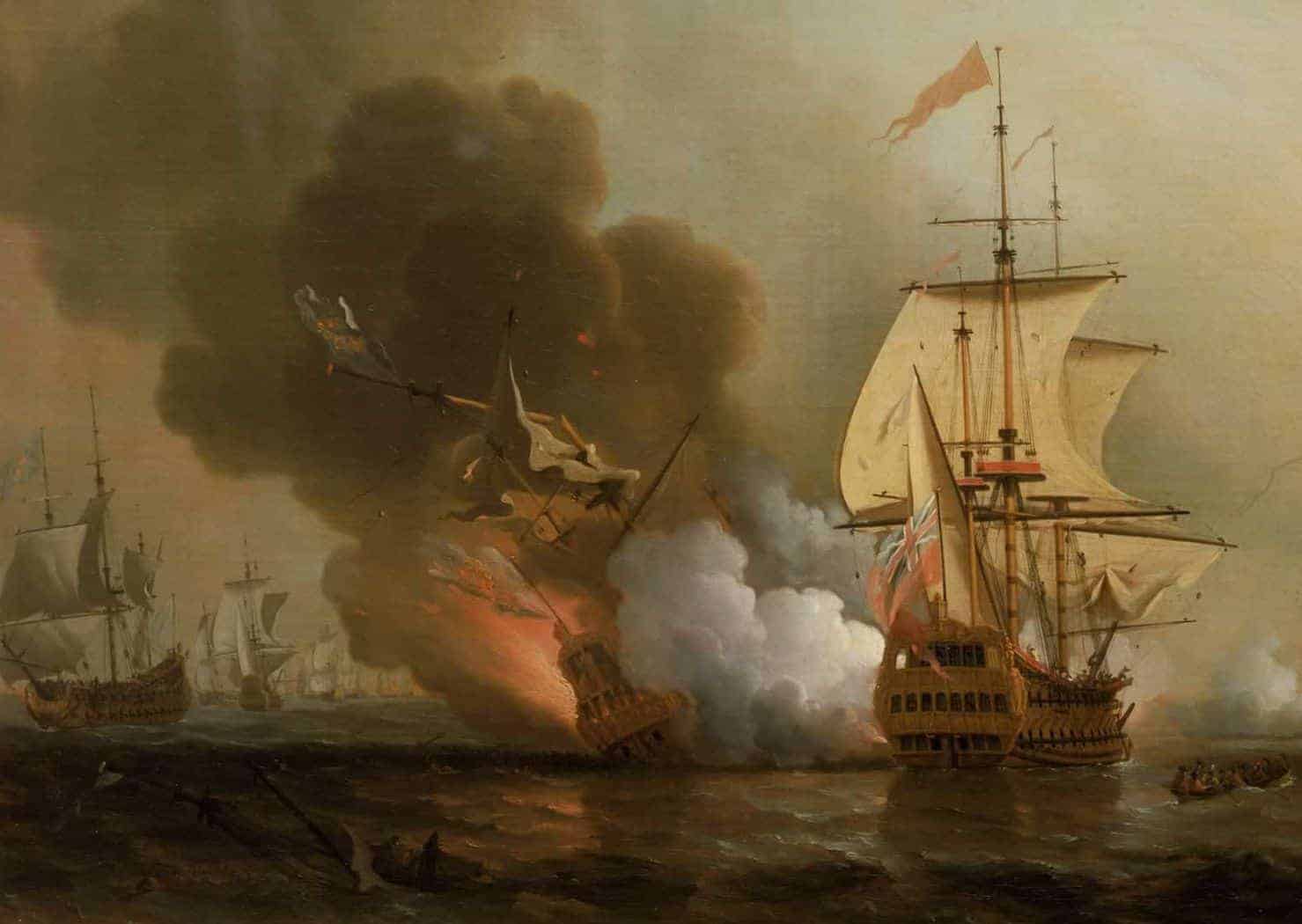
September 23, 1779. The Bonhomme Richard versus the British warship Serapis off the English coast. His ship is on fire and sinking, and the British commander asks if he’s ready to surrender. Jones replies with the most defiant line in American naval history, fights on for two more hours, and captures the enemy ship even as his own goes under.
The quote is almost certainly embellished. The battle did take place, and Jones won one of the most improbable naval engagements of the era. But the famous line appears nowhere in contemporary accounts. The version Americans know today was reconstructed from a Dutch-language report written well after the battle by one of Jones's officers, translated and polished by Jones's biographer Augustus C. Buell in 1900. Buell's work was generally considered unreliable even by the standards of his era, and historians have found no source that quotes Jones saying those exact words. What Jones almost certainly did was refuse to surrender and win the fight despite his burning ship. The exact phrasing of his refusal was added later for effect.
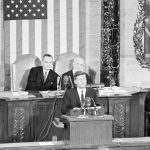
"Ask not what your country can do for you..." by John F. Kennedy
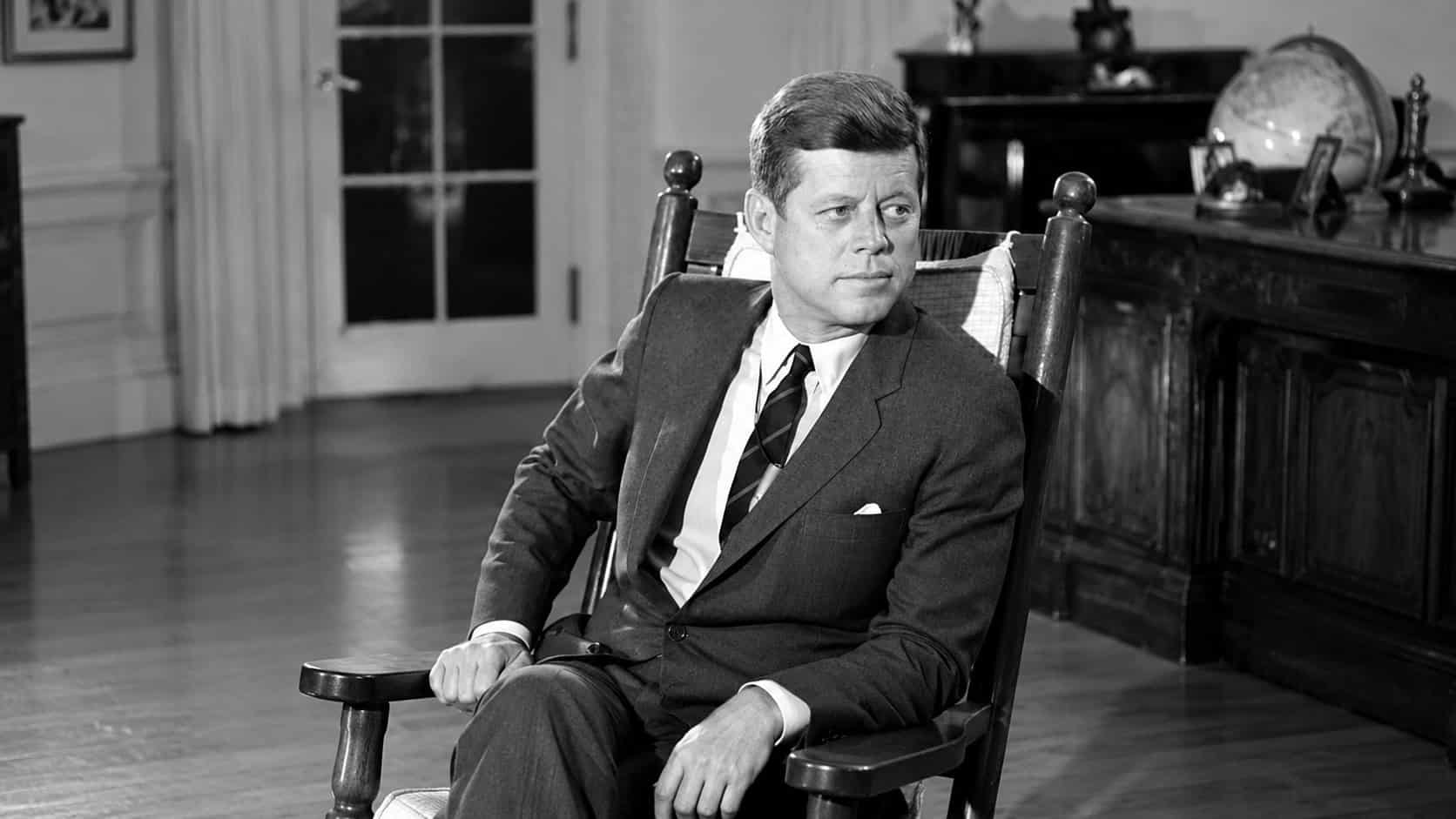
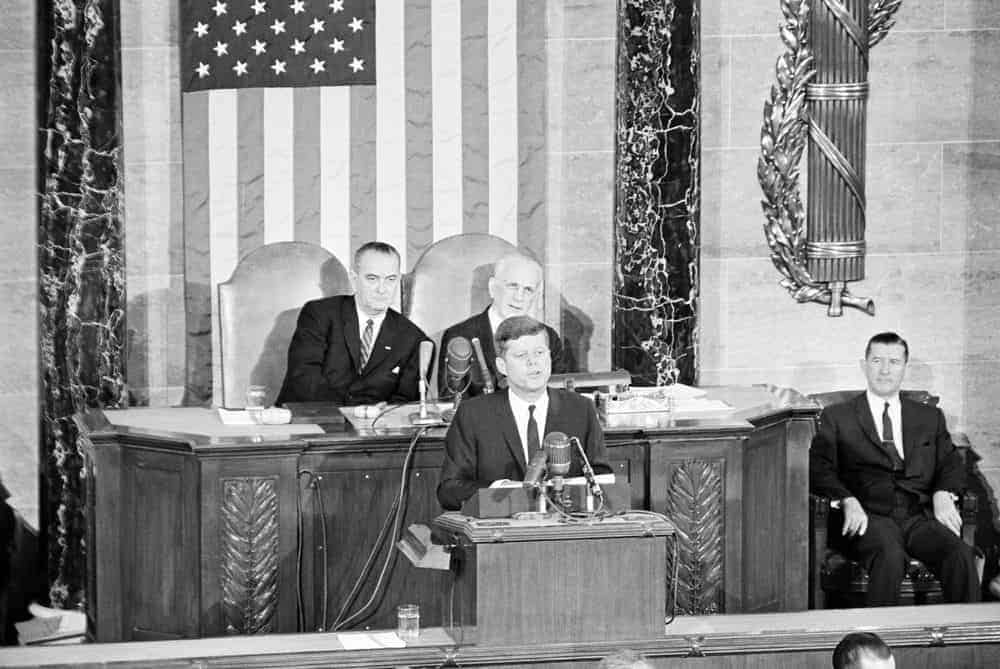
Kennedy's Inaugural Address, January 20, 1961. One of the most quoted lines in American political history, held up as original Kennedy: the crisp inversion, the sense of dedication to duty, the generational challenge. Written by Kennedy's speechwriter, Ted Sorensen.
The formulation had precedents and Sorensen was aware. The following construction by Justice Oliver Wendell Holmes Jr., in a Memorial Day address in 1884, comes close: "It is now the moment when by common consent we pause to become conscious of our national life and to rejoice in it, to recall what our country has done for each of us, and to ask ourselves what we can do for our country in return." Warren Harding also employed an inverted antithesis of that kind in 1916. When Adlai Stevenson ran for president in 1952, he said in a speech in Chicago: "Ask not what your country can do for you; but what you can do for your country." But the inverted syntax that made the line feel so original had been circulating in American political speech for decades.
"Nice guys finish last." by Leo Durocher
The quote is now long past the domain of baseball. It is a sardonic statement on life, used in all contexts ranging from business to politics. But Leo Durocher’s original quote was far less polished than the version we know today. Back in July of 1946, before one of the games against the New York Giants, the manager pointed at the Giants' dugout and stated something along the lines of: "Take a look at them. All nice guys. They'll finish last. Nice guys. Finish last." A sportswriter condensed the riff into a single clean sentence, and that version spread.
Durocher spent many years saying he'd been misquoted, explaining that he was talking specifically about that team of "nice guys," not articulating a general theory of success. Eventually, the former baseball manager gave up and titled his 1975 autobiography "Nice Guys Finish Last."
The image featured at the top of this post is ©Wikimedia Commons