














20 Famous Quotes History Got Wrong and Who Really Said Them
Many of the world's most recognizable quotations have become so deeply embedded in popular culture that few people ever question their origins. We hear them in speeches, movies, classrooms, books, and social media posts. Yet a surprising number of these famous lines were never spoken by the people who supposedly said them. In some cases, the quote was invented entirely. In others, it was altered so many times that the original wording disappeared from public memory.
Here is a look at famous quotes that everyone gets wrong, and who actually said them:
Let them eat cake.
- Common Attribution: Marie Antoinette
- Actual Source: Jean-Jacques Rousseau's writings
- How the Misattribution Happened: The quote appeared in Rousseau's work years before Marie Antoinette became queen.
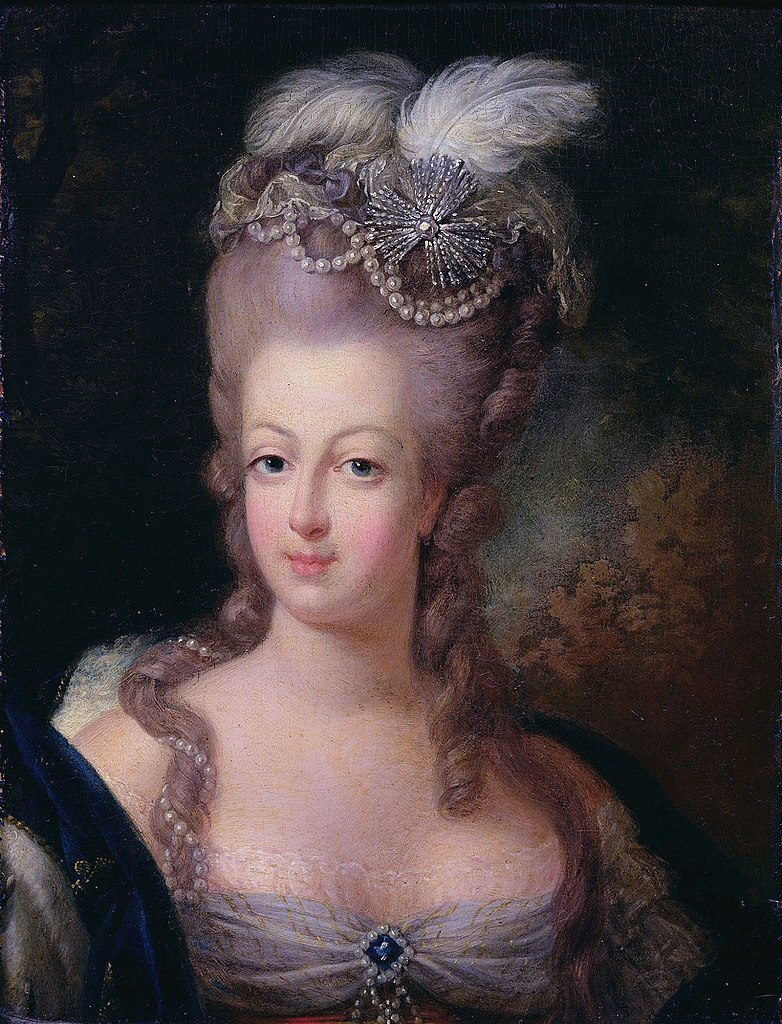
Few quotations are more closely associated with Marie Antoinette than 'Let them eat cake.' The phrase has long been used as evidence of aristocratic indifference to the suffering of ordinary people before the French Revolution. The problem is that there is no reliable evidence she ever said it. A similar statement appeared in the writings of Jean-Jacques Rousseau years before Antoinette could plausibly have uttered the remark. Historians generally view the quote as political propaganda that fit the public image critics wished to create around the French monarchy. The endurance of the myth demonstrates how a memorable story can outlast historical evidence. In many ways, the quote's popularity tells us more about revolutionary attitudes toward the monarchy than it does about Marie Antoinette herself.
Elementary, my dear Watson.
- Common Attribution: Sherlock Holmes
- Actual Source: Never appears in Arthur Conan Doyle's stories
- How the Misattribution Happened: Stage and film adaptations popularized the phrase.
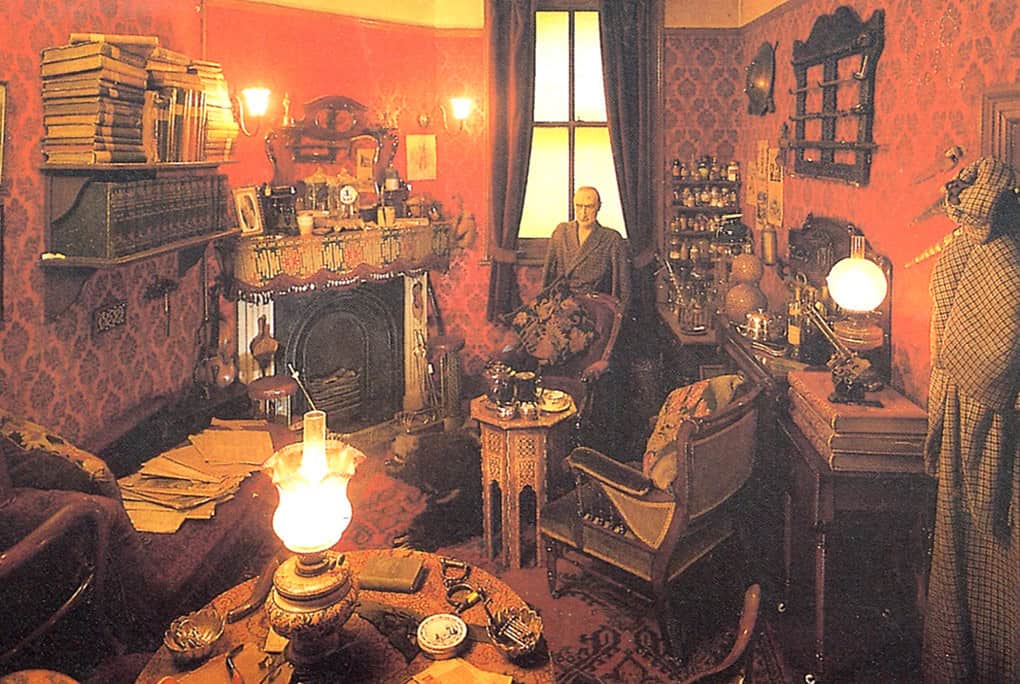
Many readers assume 'Elementary, my dear Watson' appears somewhere in Arthur Conan Doyle's Sherlock Holmes stories. Surprisingly, it does not. Holmes frequently uses the word 'elementary,' and he often addresses Dr. Watson by name, but the famous combined phrase never appears in the original canon. Instead, the expression emerged through stage adaptations, films, and popular culture references that gradually condensed Holmes's style of speech into a single memorable line. Over time, the invented quotation became more recognizable than anything Doyle actually wrote. It remains one of the clearest examples of how fictional characters can acquire dialogue they never spoke. The phrase feels authentic because it perfectly captures the character's personality, even though it was created long after the original stories were published.
I disapprove of what you say, but I will defend to the death your right to say it.
- Common Attribution: Voltaire
- Actual Source: Evelyn Beatrice Hall
- How the Misattribution Happened: Hall wrote it to summarize Voltaire's beliefs, not quote him directly.
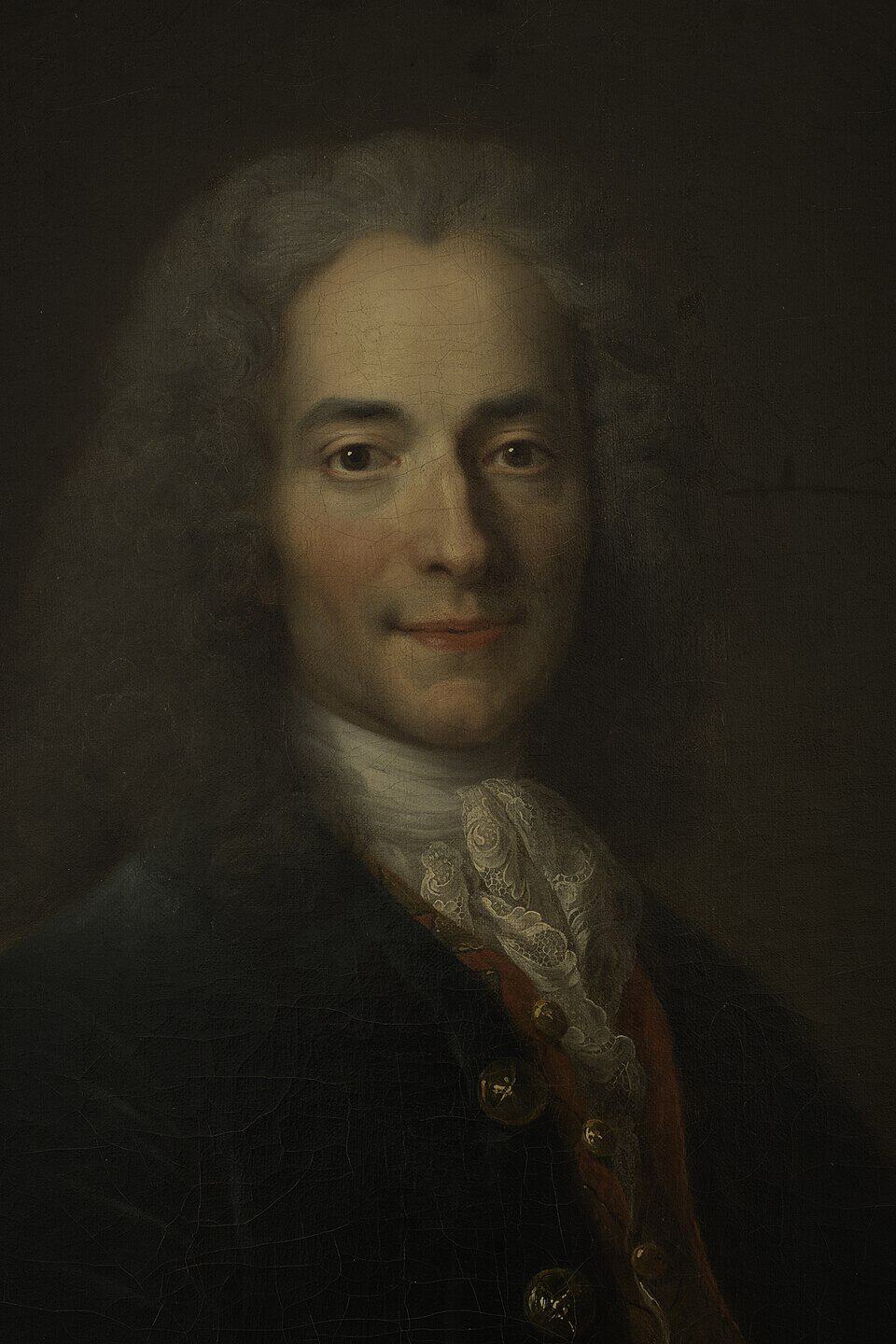
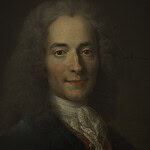
This quotation is frequently presented as Voltaire's definitive statement on free speech and tolerance. In reality, the wording originated with English writer Evelyn Beatrice Hall in a biography about Voltaire. Hall was not quoting him directly. Instead, she was attempting to summarize his broader attitude toward intellectual freedom and disagreement. Because the statement captures the spirit of Voltaire's philosophy so effectively, generations of readers assumed it must be an authentic quotation. The distinction may seem minor, but it highlights an important challenge in historical scholarship. A paraphrase can eventually become mistaken for a direct quote when repeated often enough. The phrase remains influential because it expresses an ideal many people associate with Enlightenment thought, even if Voltaire never actually wrote those exact words.
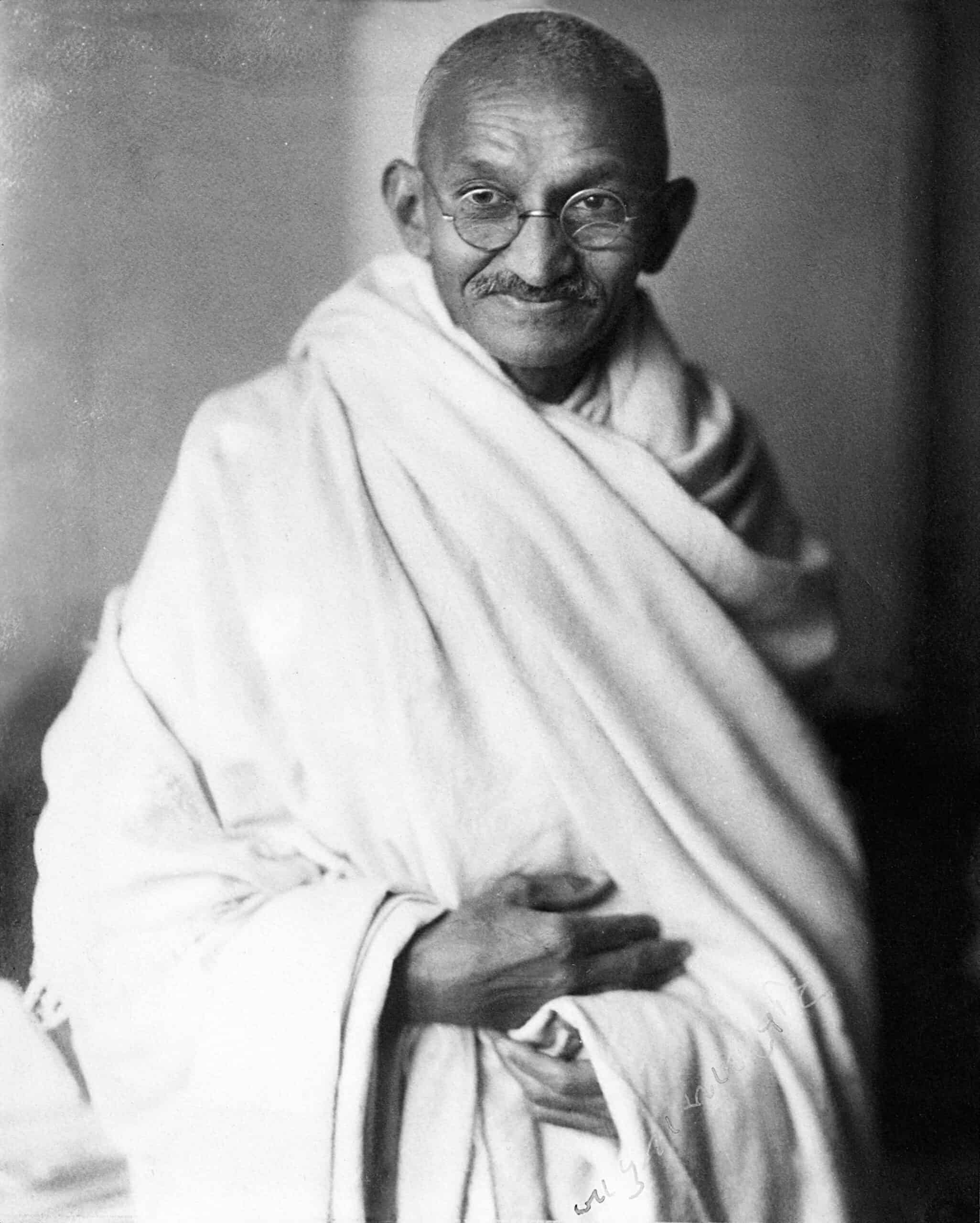
Be the change you wish to see in the world.
- Common Attribution: Mahatma Gandhi
- Actual Source: Paraphrase of Gandhi's philosophy
- How the Misattribution Happened: A simplified modern version became more famous than the original wording.
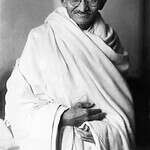
Among motivational quotations, few are more popular than 'Be the change you wish to see in the world.' The phrase appears in speeches, classrooms, social media posts, and leadership seminars around the globe. Yet researchers have struggled to find evidence that Gandhi ever expressed the idea in those exact words. Instead, the statement appears to be a modern paraphrase derived from his broader writings about personal responsibility and social reform. Over time, the simplified version proved easier to remember and share than the original passages. The quote's success demonstrates how complex ideas are often distilled into shorter, more portable forms. While the wording may not be authentic, it still reflects themes that were central to Gandhi's philosophy and explains why the attribution remains so convincing.
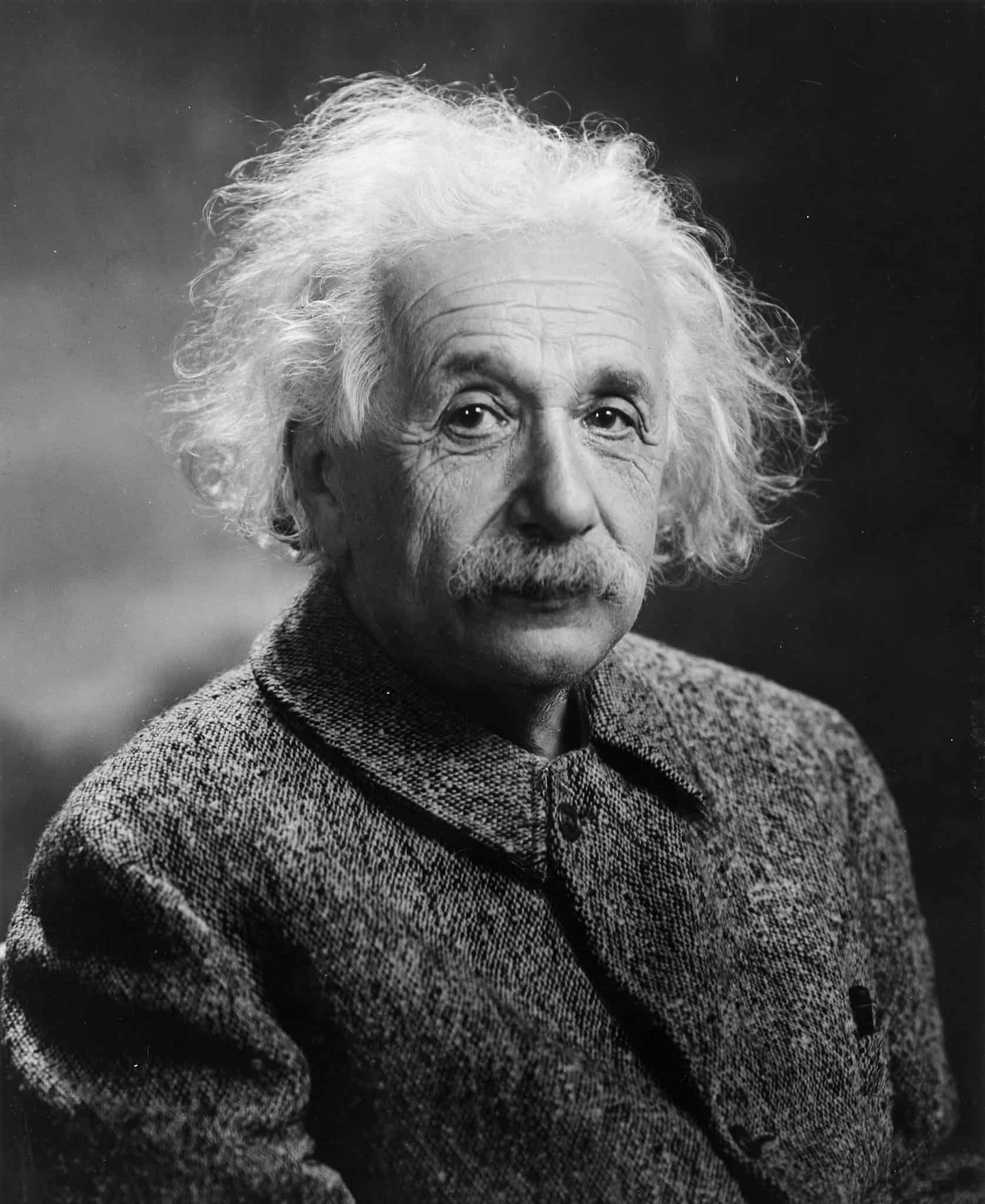
The definition of insanity is doing the same thing over and over and expecting different results.
- Common Attribution: Albert Einstein
- Actual Source: No verified source
- How the Misattribution Happened: The quote was attached to Einstein decades after it began circulating.
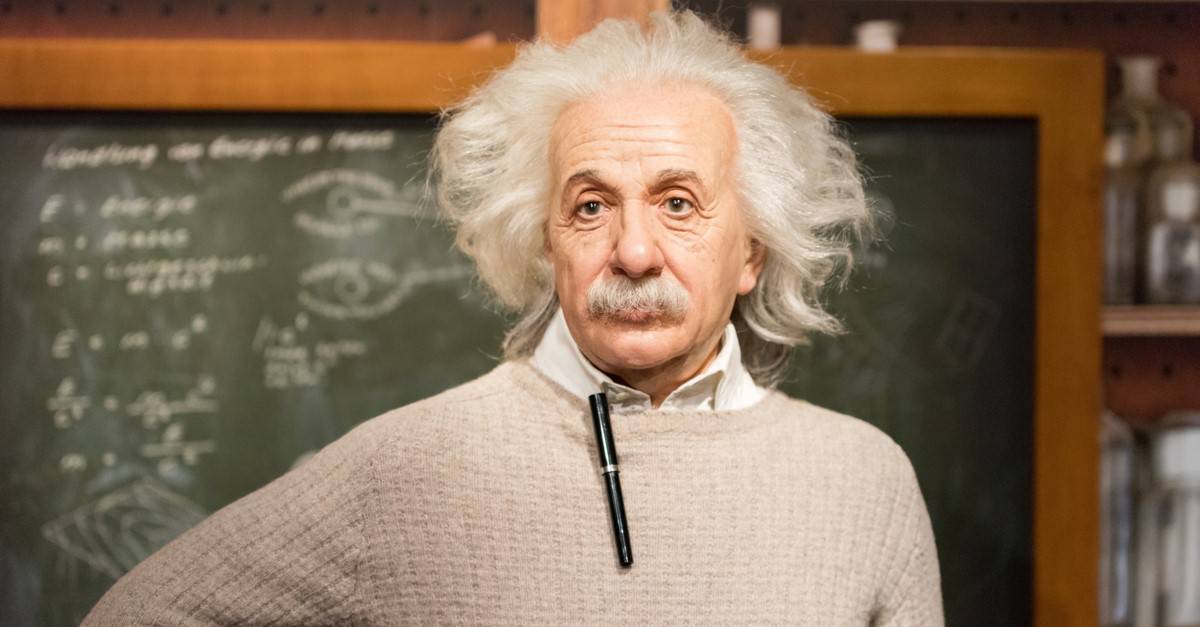
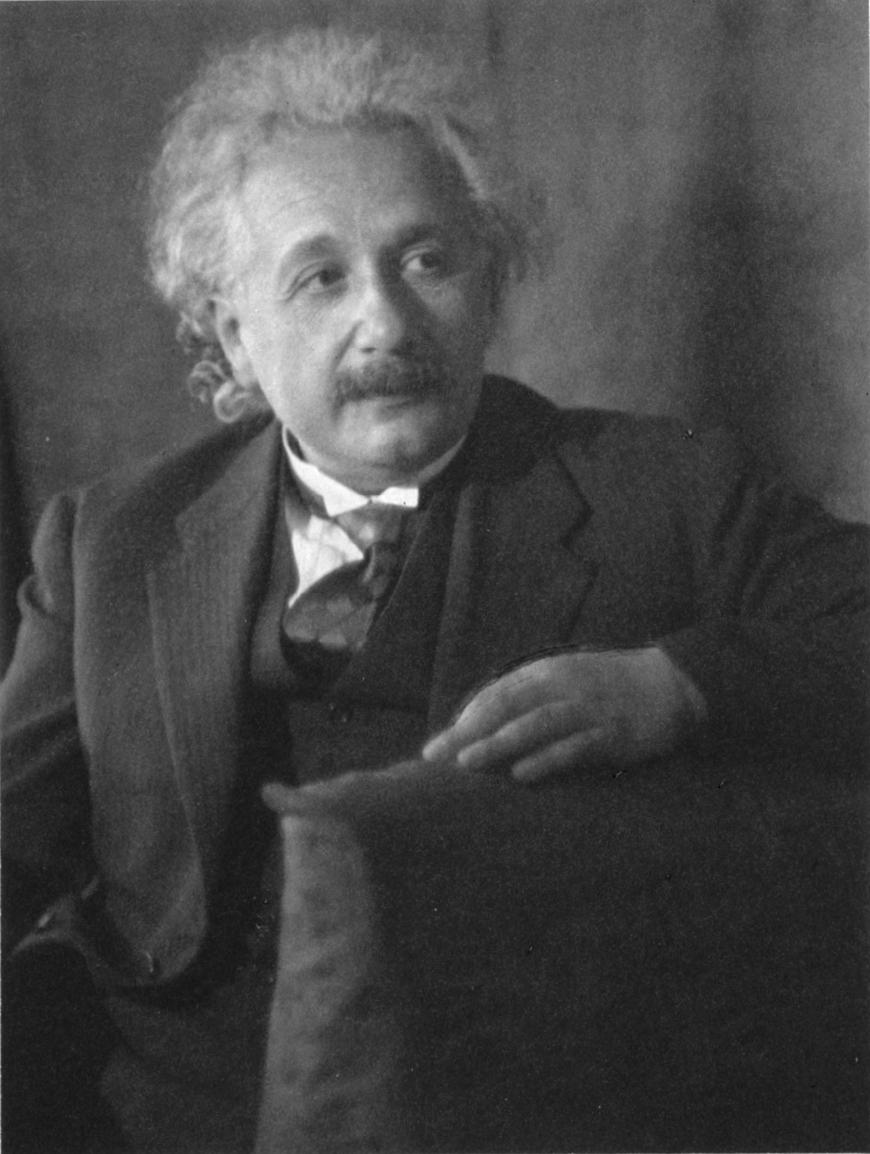
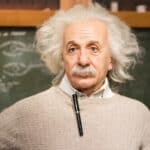
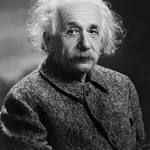
Albert Einstein has become the patron saint of misattributed quotations, and this may be the most famous example. The statement about insanity and repeated behavior appears in countless business presentations, self-help books, and motivational speeches. Despite its popularity, historians have found no reliable evidence linking it to Einstein. Variations of the phrase circulated long before it became attached to his name, and the attribution appears to have developed decades later. The connection likely persists because the quote sounds intelligent and practical while Einstein remains one of history's most recognizable geniuses. This combination makes the attribution feel believable. The story reveals how authority can be borrowed from a famous name, transforming an anonymous observation into something many people assume must be profound scientific wisdom.
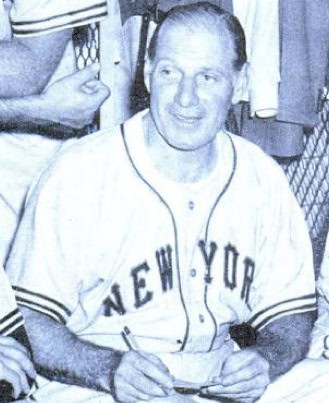
Nice guys finish last.
- Common Attribution: Leo Durocher
- Actual Source: Simplified version of Durocher's remarks
- How the Misattribution Happened: Media condensed a longer statement into a memorable slogan.
The phrase 'Nice guys finish last' has become one of the most enduring sayings in sports and popular culture. It is commonly attributed to baseball manager Leo Durocher, but the famous wording is a simplified version of what he actually said. Durocher was commenting on a rival team's style of play when reporters condensed his remarks into a short, memorable slogan. The shortened version spread rapidly because it captured a competitive philosophy in just four words. Over time, the phrase escaped its baseball origins and became a broader commentary on ambition, business, and personal success. The evolution of the quote demonstrates how journalists and audiences often favor brevity over precision. In many cases, the simplified version becomes far more influential than the original statement that inspired it.
Blood, sweat, and tears.
- Common Attribution: Winston Churchill
- Actual Source: Churchill said 'blood, toil, tears, and sweat'
- How the Misattribution Happened: The shortened version became more popular.
Winston Churchill's speeches during World War II are among the most celebrated in political history. One of his most famous addresses promised 'blood, toil, tears, and sweat' as Britain prepared for a difficult struggle against Nazi Germany. Over time, however, the phrase was shortened to 'blood, sweat, and tears,' which became far more familiar to the public. The abbreviated version flows more naturally and is easier to remember, helping it eclipse Churchill's actual wording. Although the difference may seem small, it illustrates how quotations often evolve as they move through popular culture. People tend to streamline language for convenience, even when doing so alters the historical record. Churchill's original phrase remains powerful, but the shortened version ultimately won the battle for public memory.
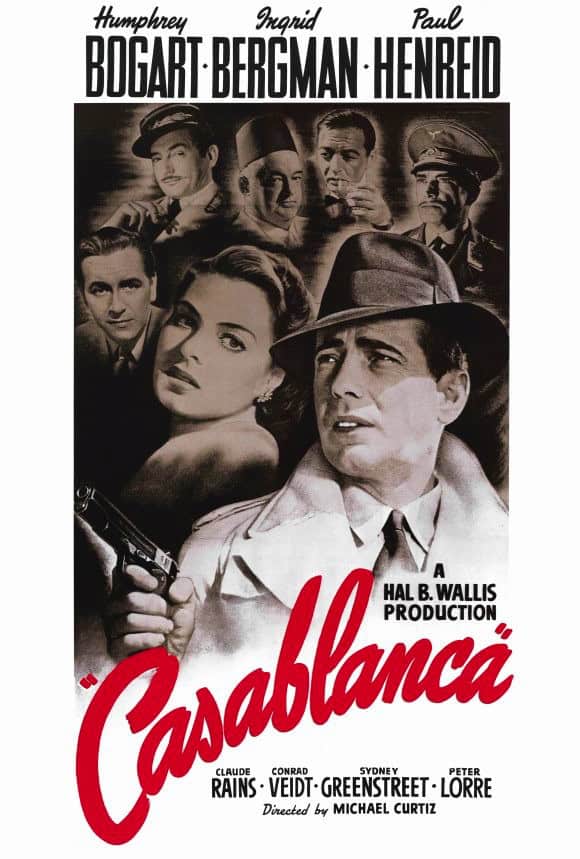
Play it again, Sam.
- Common Attribution: Casablanca
- Actual Source: Never spoken in the film
- How the Misattribution Happened: A paraphrased version entered popular culture.
Play it again, Sam' may be one of the most famous movie quotations ever attributed to a film in which it never appears. In Casablanca, characters request that a song be played, but nobody uses the exact phrase audiences remember. The simplified version emerged through popular references, reviews, and later cultural adaptations that condensed several lines into a single memorable quote. Because the phrase perfectly captures the emotional mood of the scene, it eventually became accepted as authentic. This transformation highlights an interesting aspect of collective memory. People often remember the essence of a moment rather than the exact wording. In some cases, the paraphrased version becomes so dominant that even devoted fans are surprised to learn it never appeared in the original film.
Luke, I am your father.
- Common Attribution: Darth Vader
- Actual Source: Actual line: 'No, I am your father'
- How the Misattribution Happened: The quote was altered to make sense out of context.
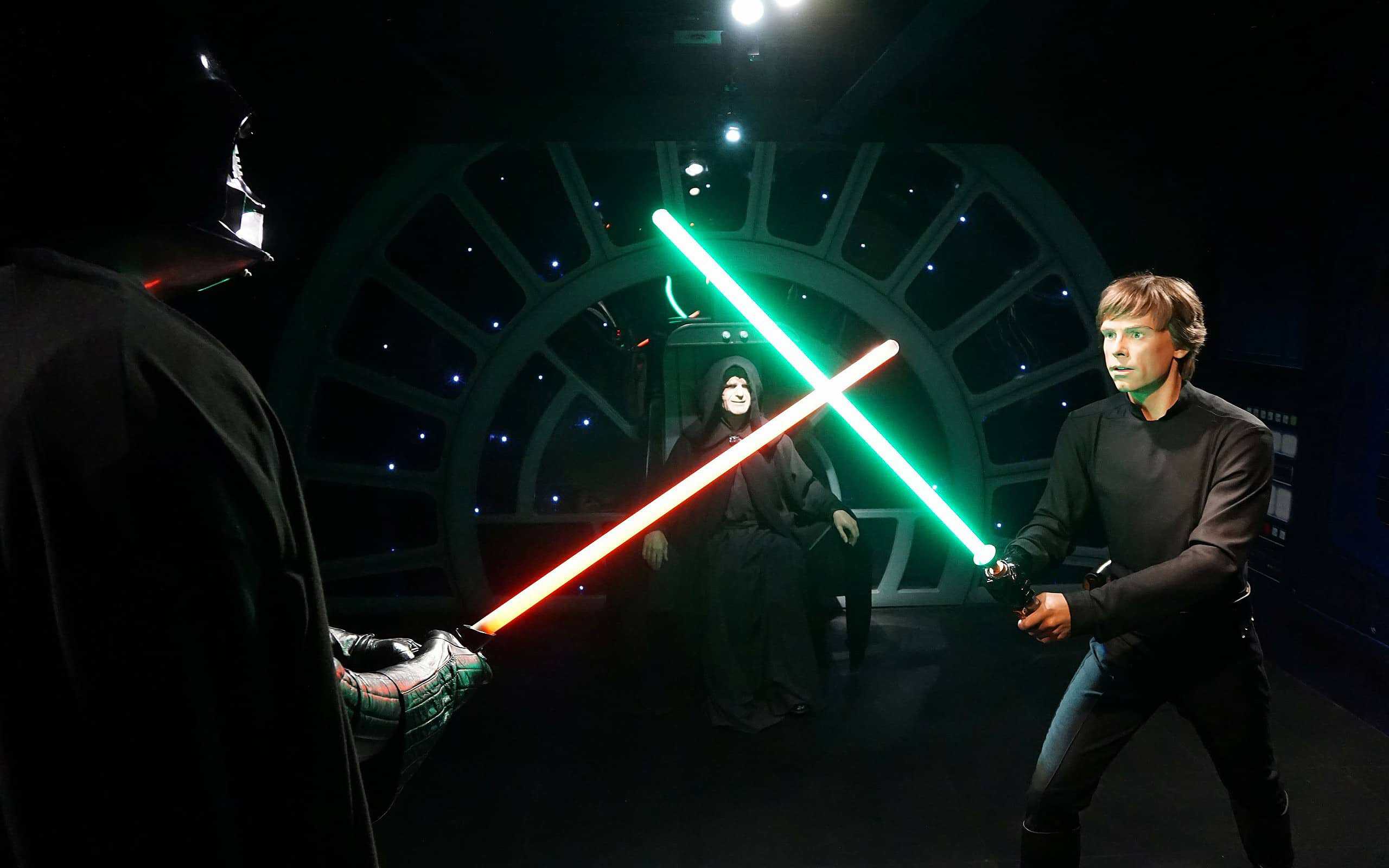
Millions of people can instantly recognize the phrase 'Luke, I am your father,' yet those are not the words spoken in The Empire Strikes Back. Darth Vader's actual line is 'No, I am your father.' The alteration occurred because the original wording becomes confusing when quoted outside the context of the scene. Adding Luke's name immediately identifies the speaker, the listener, and the dramatic revelation. As the quote spread through television, comedy sketches, and everyday conversation, the modified version became standard. This example demonstrates how quotations often change to improve clarity or recognition. The result is one of the most famous movie lines in history, even though the version most people know was never actually spoken on screen.
The ends justify the means.
- Common Attribution: Niccolò Machiavelli
- Actual Source: Not found in his writings
- How the Misattribution Happened: Later interpretations summarized his philosophy using the phrase.
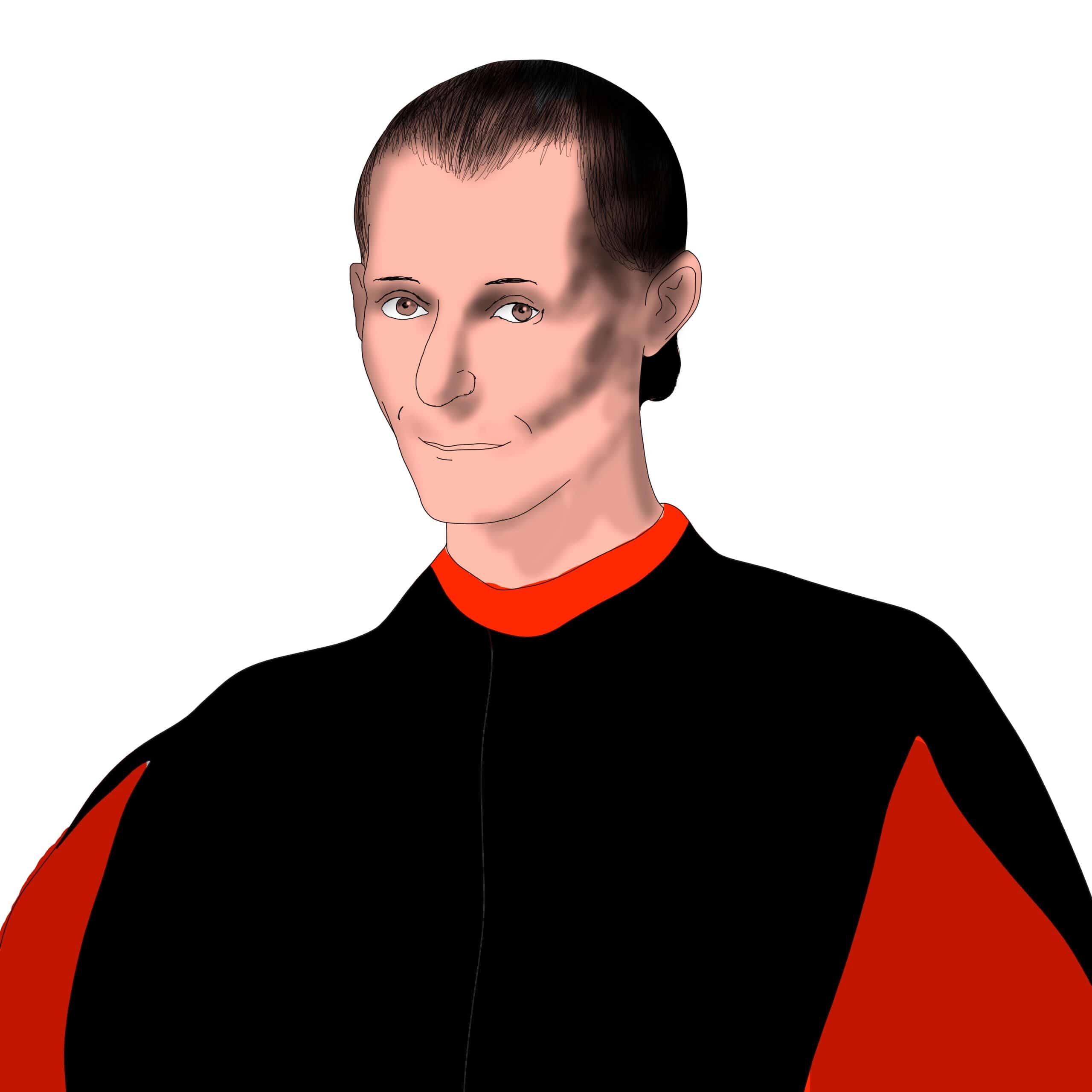
Few political thinkers have a reputation quite like Niccolò Machiavelli. For centuries, his name has been associated with ruthless pragmatism and the pursuit of power at any cost. As a result, many people assume he coined the phrase 'The ends justify the means.' In reality, those exact words do not appear in his writings. Instead, the quote emerged as a simplified summary of ideas readers believed were present in works such as The Prince. The phrase survived because it offered an easy way to describe a complex political philosophy. Unfortunately, it also contributed to a caricature of Machiavelli that many historians believe oversimplifies his views. The story illustrates how interpretations can gradually become mistaken for direct quotations when repeated often enough.
The only thing necessary for the triumph of evil is for good men to do nothing.
- Common Attribution: Edmund Burke
- Actual Source: No verified Burke source
- How the Misattribution Happened: Later writers condensed Burke's ideas into a quote.
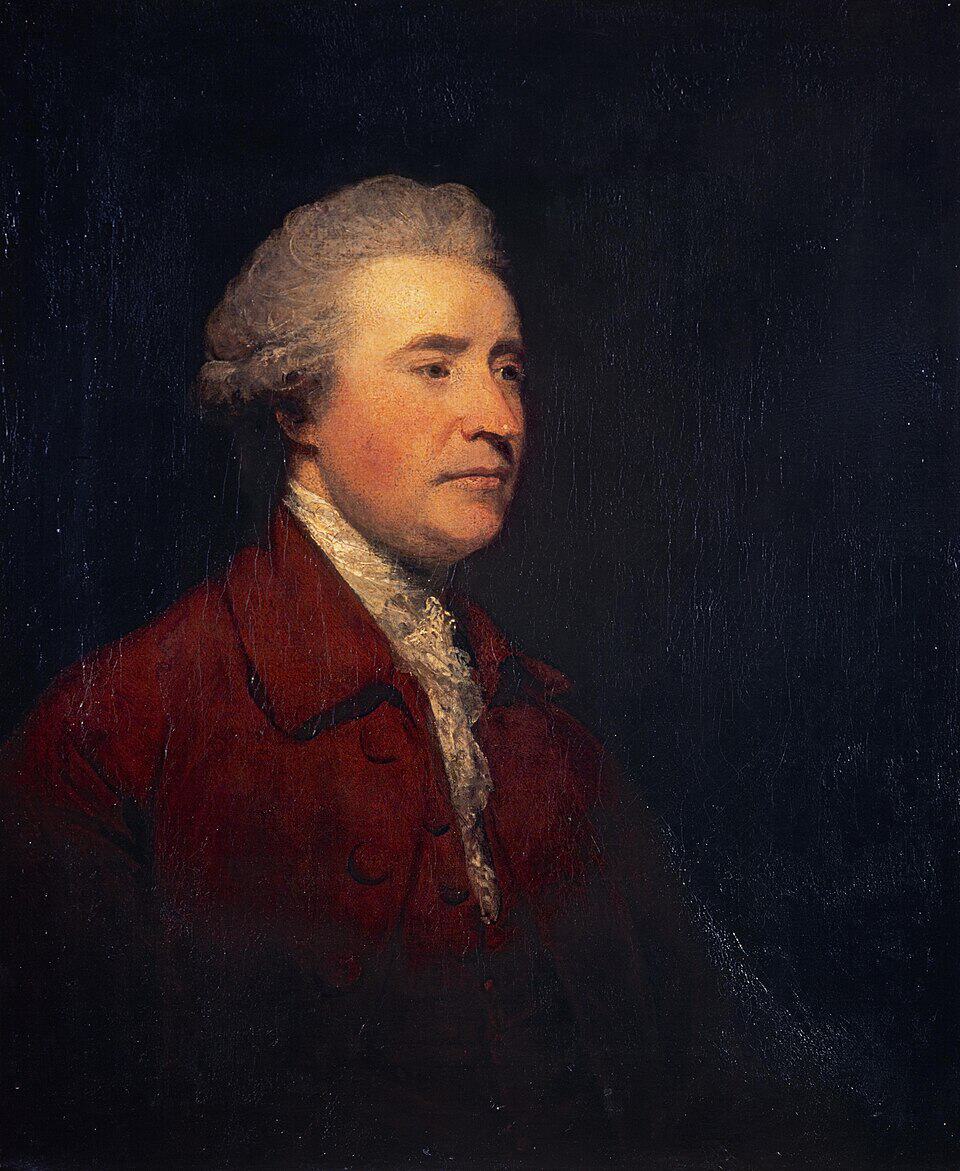
This quotation is frequently cited in discussions about civic responsibility, political engagement, and moral courage. Although it is almost always attributed to Edmund Burke, researchers have found no evidence that he ever said or wrote those exact words. The phrase appears to have emerged from later attempts to summarize Burke's arguments about public duty and the dangers of political passivity. Because the statement captures the essence of ideas associated with him, the attribution seemed plausible and spread widely. Over time, the simplified version became more famous than any original passage that may have inspired it. The quote's popularity reveals how people often prefer concise moral lessons to lengthy philosophical arguments, even when the concise version lacks a clear historical source.
Houston, we have a problem.
- Common Attribution: Apollo 13
- Actual Source: Actual transmission: 'Houston, we've had a problem'
- How the Misattribution Happened: The movie version eclipsed the original wording.
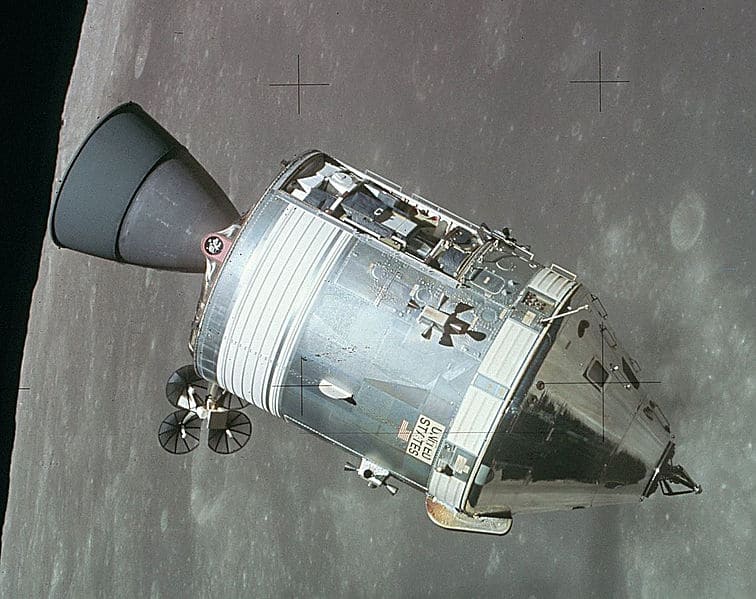
The Apollo 13 mission produced one of the most famous moments in spaceflight history. Following an explosion aboard the spacecraft, astronauts reported the emergency to mission control. The actual transmission was 'Houston, we've had a problem,' reflecting a situation that had already occurred. When Hollywood adapted the story for film, the wording was changed to 'Houston, we have a problem.' The revised line sounded more immediate and dramatic, making it ideal for audiences. As a result, the movie version became far more famous than the historical transcript. This case demonstrates the enormous influence popular culture can have on collective memory. A small change introduced for storytelling purposes ultimately replaced the original words in the minds of millions.
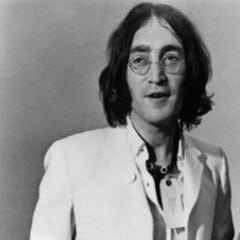
Life is what happens when you're busy making other plans.
- Common Attribution: John Lennon
- Actual Source: John Lennon
- How the Misattribution Happened: Often misattributed elsewhere despite being authentic.
Unlike many entries on this list, this quotation is genuine. John Lennon wrote the line in the song 'Beautiful Boy (Darling Boy),' where it appears exactly as fans remember it. Nevertheless, the quote is often detached from its source and attributed to various philosophers, authors, or anonymous wisdom. Its widespread popularity has allowed it to take on a life of its own, independent of Lennon's music. The statement resonates because it captures a universal truth about unexpected events and the unpredictability of life. As it spread beyond the song, many people encountered the quote without knowing its origin. The result is a fascinating example of how even authentic quotations can become attribution mysteries once they enter popular culture and begin circulating independently of their original context.
Winning isn't everything, it's the only thing.
- Common Attribution: Vince Lombardi
- Actual Source: Earlier football sources predate Lombardi
- How the Misattribution Happened: Lombardi popularized a phrase that already existed.
Vince Lombardi's reputation for competitive excellence made him the perfect candidate to receive credit for one of sports' most famous quotations. Although he frequently used the phrase 'Winning isn't everything, it's the only thing,' evidence suggests similar wording existed before Lombardi adopted it. Earlier football figures employed comparable expressions, but Lombardi's success ensured that his name became permanently linked to the saying. This phenomenon is common in quotation history. A famous individual often receives credit not because they originated an idea, but because they popularized it more effectively than anyone else. The quote's journey demonstrates how public memory tends to reward visibility over originality. In many cases, the person who makes a statement famous becomes indistinguishable from the person who first created it.
If you can't explain it simply, you don't understand it well enough.
- Common Attribution: Albert Einstein
- Actual Source: No verified source
- How the Misattribution Happened: One of many motivational quotes later attached to Einstein.
Einstein's reputation for genius has made him a magnet for inspirational quotations, including many he almost certainly never said. This statement about simplicity and understanding is among the most common examples. Despite its frequent appearance in classrooms, business seminars, and social media posts, no reliable source connects it to Einstein. The quote likely became attached to him because it aligns with popular perceptions of scientific wisdom and intellectual clarity. Once the attribution appeared, it spread rapidly through books and websites that rarely checked its authenticity. The story highlights a broader pattern in quotation history. People often attach anonymous observations to respected figures in order to give them additional credibility. The result is a growing collection of Einstein quotations that exist only in popular imagination.
Reports of my death are greatly exaggerated.
- Common Attribution: Mark Twain
- Actual Source: A modified version of Twain's actual statement
- How the Misattribution Happened: The wording evolved through repetition.
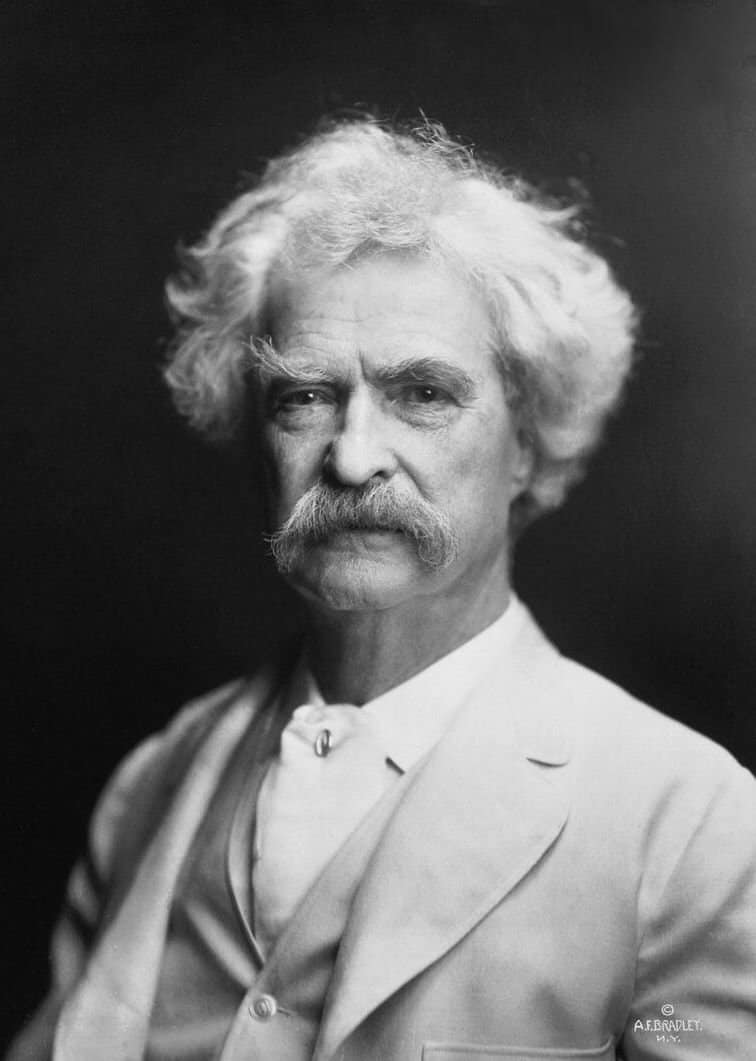
Mark Twain is widely credited with declaring that reports of his death were greatly exaggerated. Unlike many famous misquotes, this one has a basis in reality. Twain did respond to false reports about his death, but the wording most people know is a polished version that evolved through repetition. Over time, editors, writers, and speakers refined the phrase into a cleaner and more memorable form. The modified version ultimately became more famous than Twain's original response. This example demonstrates that quotation history is not always a matter of right or wrong. Sometimes the transformation occurs gradually as language is adjusted for style and impact. The resulting phrase remains quintessentially Twain, even if it is not an exact reproduction of what he originally wrote.
Greed is good.
- Common Attribution: Gordon Gekko
- Actual Source: A shortened version of the film speech
- How the Misattribution Happened: The simplified phrase became more famous than the full quote.
The movie Wall Street introduced audiences to Gordon Gekko, one of cinema's most memorable corporate villains. While many people remember only the slogan 'Greed is good,' the actual speech is more nuanced and considerably longer. The simplified version emerged because it distilled the character's philosophy into three powerful words. As the phrase spread through media coverage and public discussion, it came to symbolize the excesses associated with 1980s corporate culture. The shortening also altered the way audiences interpreted the character and the film's message. Rather than engaging with the full context, many people focused on the slogan alone. The quote demonstrates how selective memory can transform a complex statement into a cultural catchphrase.
Beam me up, Scotty.
- Common Attribution: Star Trek
- Actual Source: Never spoken in the original series
- How the Misattribution Happened: Fans and later media popularized the phrase.
Few science-fiction phrases are more recognizable than 'Beam me up, Scotty.' Yet despite its close association with Star Trek, the exact wording never appears in the original television series. Characters frequently requested transport to and from the Enterprise using similar language, but the famous phrase emerged later through fan culture, comedy routines, and media references. Over time, the invented line became a convenient shorthand for the concept of teleportation. Because it sounded exactly like something Captain Kirk might say, audiences rarely questioned its authenticity. The quote's popularity highlights the remarkable power of fandom to shape collective memory. In some cases, the version remembered by fans becomes more influential than the version that actually appeared on screen.
Money is the root of all evil.
- Common Attribution: The Bible
- Actual Source: Original verse: 'The love of money is the root of all kinds of evil'
- How the Misattribution Happened: A shortened version altered the meaning.
This is one of the most frequently misquoted passages in the English language. Many people believe the Bible teaches that money itself is the root of all evil. The actual verse is more specific, warning that the love of money is the root of all kinds of evil. That distinction significantly changes the meaning. The original passage criticizes unhealthy attachment and obsession rather than wealth itself. Over time, the shortened version became more popular because it is easier to remember and repeat. Unfortunately, the simplification removed important context and created a very different message. The evolution of the quote illustrates how even minor omissions can dramatically alter meaning, especially when a phrase is repeated across generations.
We sleep safely at night because rough men stand ready to visit violence on those who would harm us.
- Common Attribution: George Orwell
- Actual Source: No evidence Orwell ever said it
- How the Misattribution Happened: Internet circulation attached the quote to Orwell.
This quotation appears regularly in discussions about the military, national security, and the responsibilities of those who protect society. It is almost always attributed to George Orwell, whose reputation as a political writer gives the statement additional authority. The problem is that researchers have found no evidence linking the quote to Orwell. The attribution seems to have emerged through repeated online sharing rather than documented historical sources. Because the language resembles Orwell's style and themes, many readers accepted it without question. The quote's persistence demonstrates how easily a compelling statement can acquire a prestigious author. It also serves as a reminder that the internet did not invent misattributed quotations; it merely accelerated a process that has existed for centuries.
The image featured at the top of this post is ©History-Computer.com/