













The World Cup Powers That Always Seem to Make the Final Four
Winning the World Cup is football's ultimate achievement, but championships alone do not tell the entire story. Some nations captured multiple titles, while others consistently reached the final stages without lifting the trophy. One of the best ways to measure long-term success is by looking at top-four finishes. Reaching the semifinals requires surviving multiple rounds against elite competition and remaining among the world's best teams deep into the tournament. These countries have demonstrated that ability across generations, establishing themselves as some of the most successful and influential football nations in World Cup history. Here, History computer is taking a closer look at these top teams and their best finishes.
Here is a look at the countries with the most top 4 World Cup finishes:
The Nations That Keep Coming Back
Many countries have enjoyed a single memorable World Cup run, but only a select group have repeatedly returned to the semifinals. Germany has reached the final four more times than any other nation, while Brazil, Italy, Argentina, and France have consistently challenged for championships across multiple eras. These teams built traditions of excellence that endured through changes in tactics, coaching philosophies, and generations of players. Their continued success reflects strong football cultures, effective development systems, and an ability to perform under the unique pressures of international competition.
More Than Just World Cup Winners
One of the most fascinating aspects of World Cup history is that some of its greatest nations never won the tournament. The Netherlands reached three finals and accumulated five top-four finishes without capturing a championship. Croatia emerged as a global football power despite its small population, while Sweden repeatedly challenged the world's elite. These nations remind us that football greatness is not measured solely by trophies. Consistency, influence, and the ability to compete with the best teams in the world can leave a lasting legacy even without a title.
Golden Generations and Lasting Legacies
Behind every top-four finish is a generation of players who defined an era. Brazil had Pelé and Garrincha. Argentina produced Diego Maradona and Lionel Messi. Germany relied on legends such as Franz Beckenbauer, Gerd Müller, and later Miroslav Klose. The Netherlands introduced Total Football through Johan Cruyff, while France built championship teams around Zinedine Zidane and Kylian Mbappé. These players helped shape not only their national teams but also the evolution of the sport itself. Their achievements turned strong football nations into enduring global brands.
Why Consistency Matters More Than a Single Tournament
Winning a World Cup can cement a nation's place in football history, but consistently reaching the latter stages of the tournament may be an even greater accomplishment. Championships often require a combination of talent, favorable circumstances, and a little luck. Sustained success, however, demands something much harder to achieve. Nations that repeatedly reach the semifinals must continuously develop elite players, adapt to changing tactics, and remain competitive across multiple generations. Even nations without championships, such as the Netherlands, have earned enormous respect through their ability to remain among the world's elite for decades. In many ways, repeated top-four appearances can provide a clearer picture of a country's football strength than potentially a single championship run ever could.
How the World Cup's Power Structure Has Changed
The list of countries with the most top-four finishes also tells the story of how international football has evolved over nearly a century. Early tournaments were dominated by nations like Uruguay, Italy, Austria, and Hungary, which helped establish the foundations of modern football. Following World War II, countries like Brazil, West Germany, and England emerged as dominant forces, benefiting from expanding domestic leagues and improved player development systems. In more recent decades, France and Croatia have demonstrated how modern scouting, coaching, and youth academies can elevate nations to the highest levels of competition. At the same time, traditional powers like the Netherlands have continued to influence the game through tactical innovation despite never winning a title. The shifting balance of power shows how football is constantly evolving, with new contenders emerging while established nations fight to maintain their place among the world's elite.
The Most Successful World Cup Nations
The countries featured here represent the highest levels of sustained World Cup excellence. Some won multiple championships, others became famous for heartbreaking near-misses, and a few produced unforgettable underdog runs that captured the world's imagination. Together, they tell the story of international football's greatest powers and most remarkable contenders. From Germany's unmatched consistency to Brazil's flair, from Uruguay's early dominance to Croatia's modern rise, these nations have helped define the history of the FIFA World Cup and the global game itself.
Croatia
- Top 4 Finishes: 3
- Best Finish: Runner-Up (2018)
- First Top 4 Finish: 1998
- Golden Era: 1998–2022 (The Small-Nation Miracle)
- World Cup Legacy: Remarkable success despite a small population
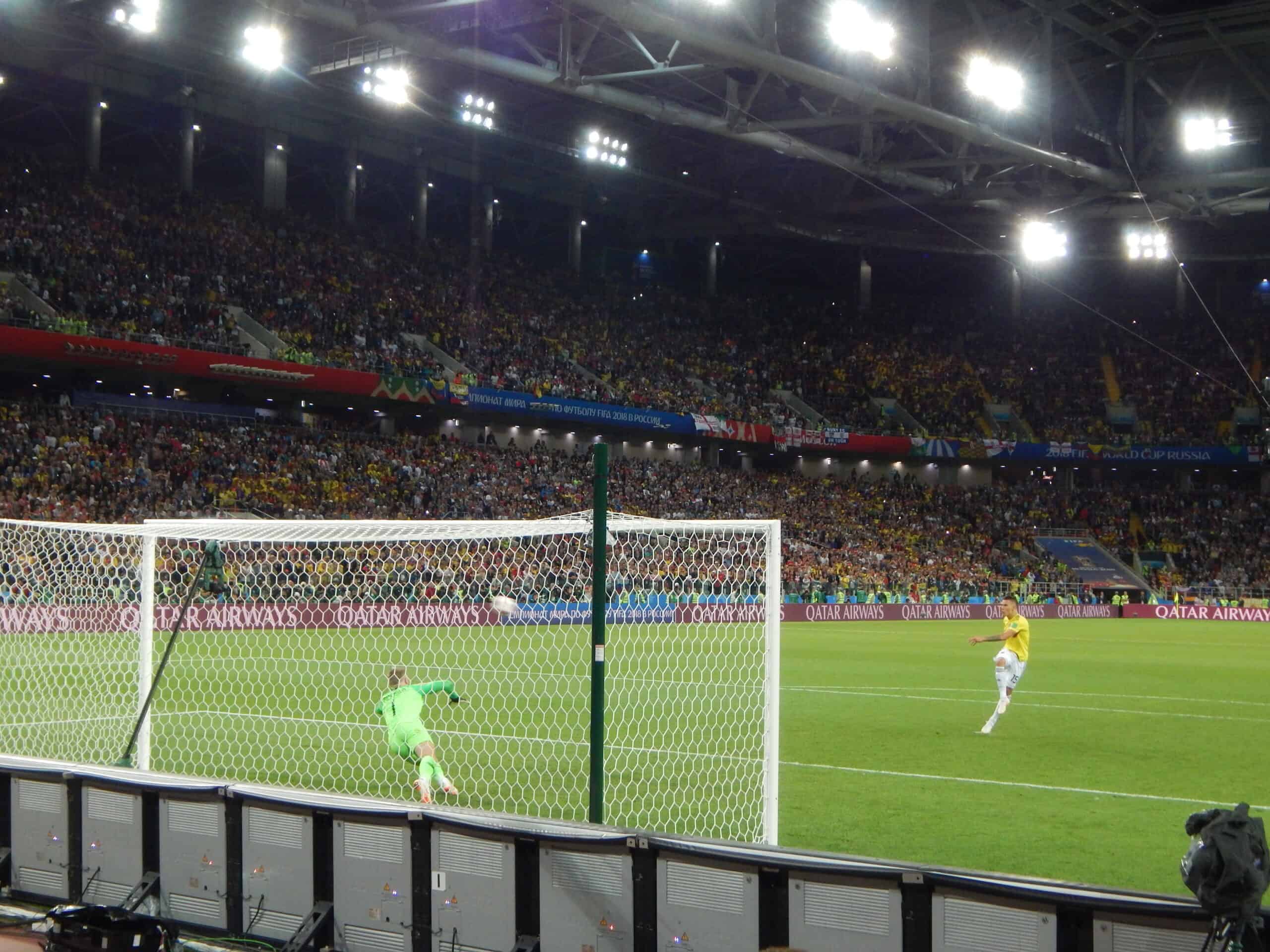
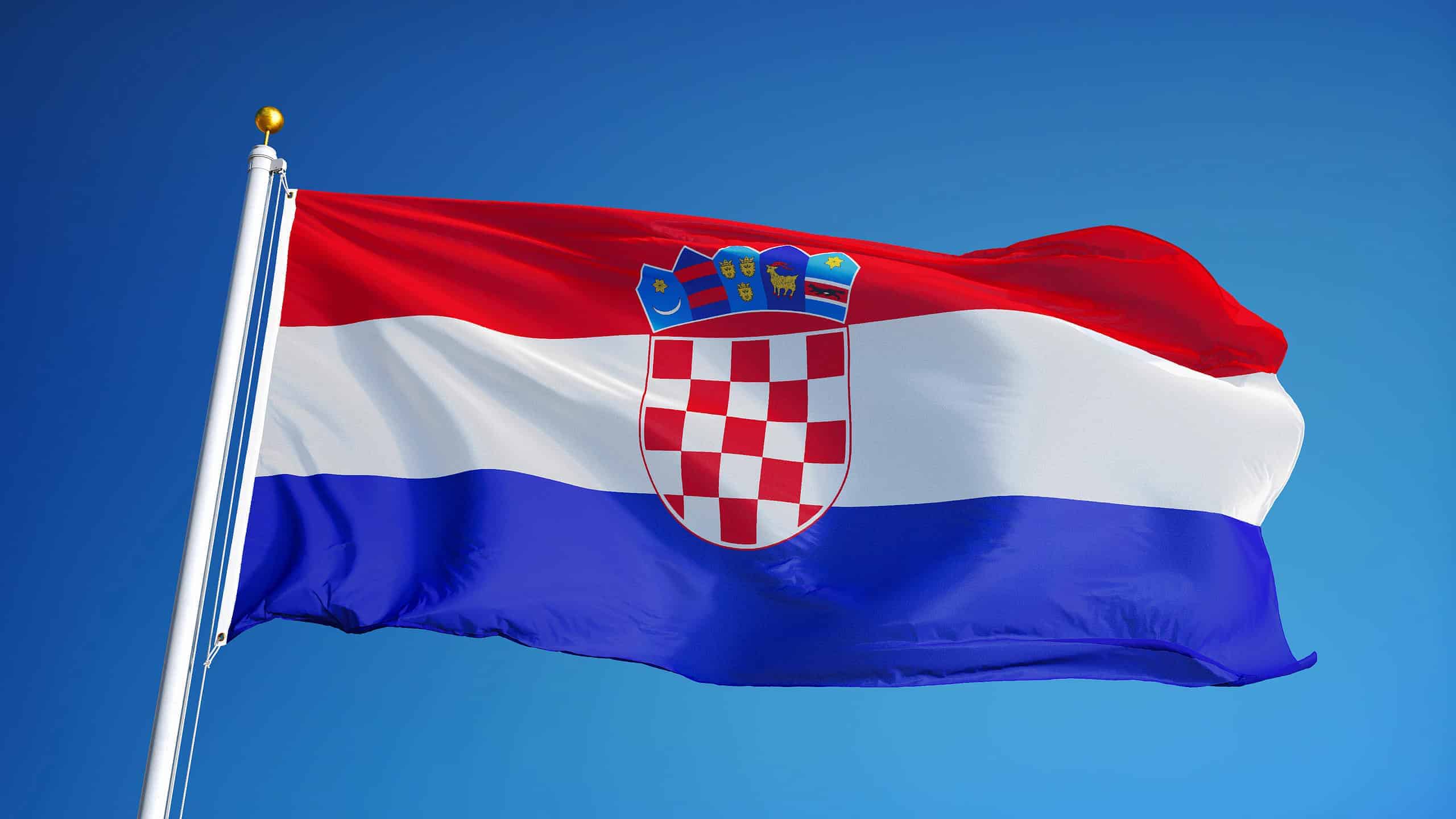
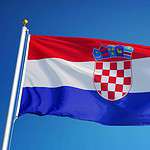
Croatia's World Cup record is one of the most remarkable achievements in modern sports. Since gaining independence in the 1990s, the nation has quickly established itself as a consistent tournament contender despite a population of fewer than four million people. Croatia stunned the football world by reaching the semifinals in 1998 and later exceeded that accomplishment by advancing to the World Cup Final in 2018. Another top-four finish in 2022 reinforced its reputation as one of the most efficient football nations on Earth. The country's success reflects exceptional player development, technical ability, and a competitive mentality that allows it to outperform far larger nations. Croatia's achievements serve as a reminder that football success is not determined solely by population or resources.
England
- Top 4 Finishes: 3
- Best Finish: Champion (1966)
- First Top 4 Finish: 1966
- Golden Era: 1966–1990 (England's Golden Generation Before the Premier League Era)
- World Cup Legacy: Birthplace of the game with periodic tournament success
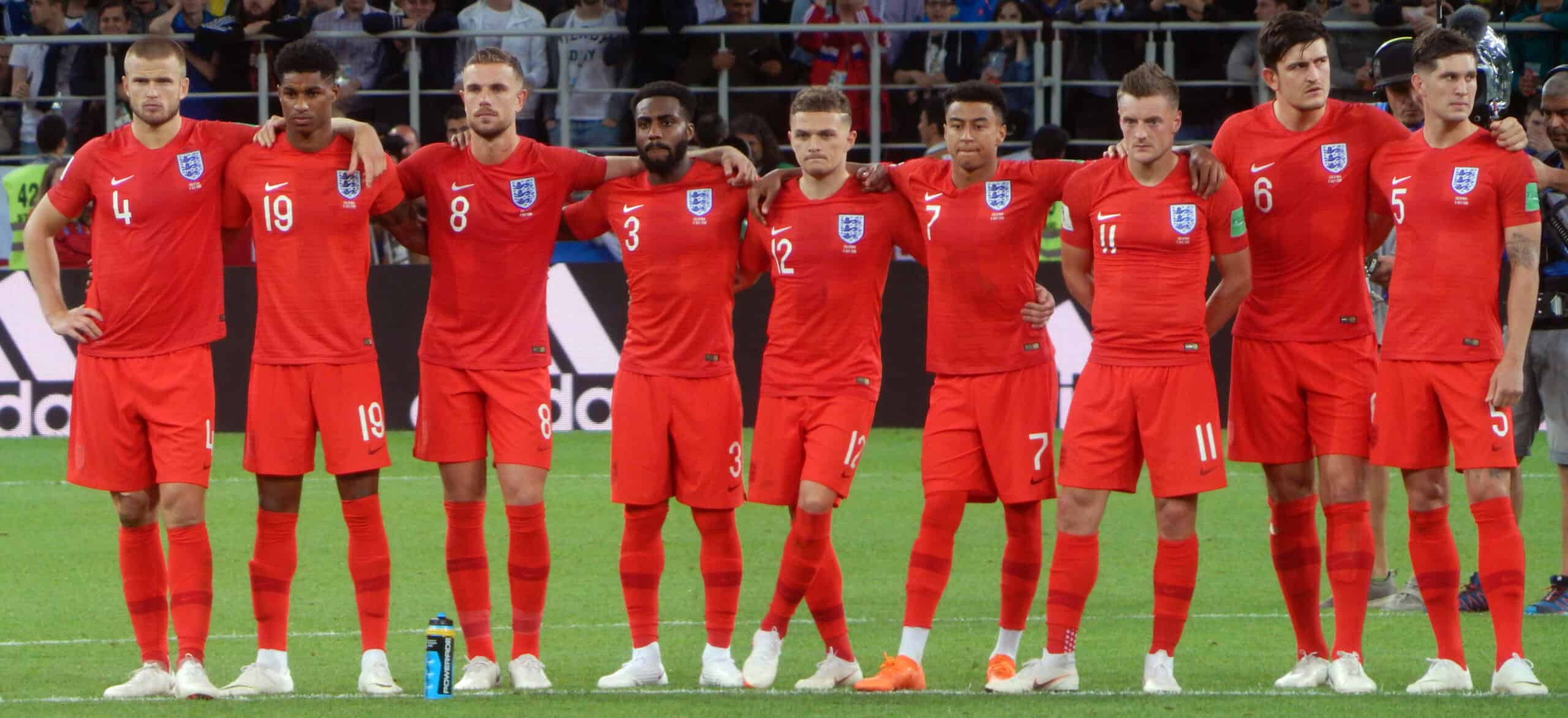
As the birthplace of modern football, England occupies a special place in the sport's history. Yet its World Cup story is defined as much by frustration as success. England's greatest achievement came in 1966 when it captured its only World Cup title on home soil. Beyond that triumph, however, the country has often struggled to match the expectations placed upon it. Despite producing world-class players and possessing one of the strongest domestic leagues in the world, England has reached the top four only three times. Nevertheless, its influence on football extends far beyond tournament results. England helped establish the foundations of the modern game and remains one of the sport's most passionate and influential football cultures.
Sweden
- Top 4 Finishes: 4
- Best Finish: Runner-Up (1958)
- First Top 4 Finish: 1938
- Golden Era: 1950–1958 (Nordic Contenders)
- World Cup Legacy: Consistently competitive across multiple eras
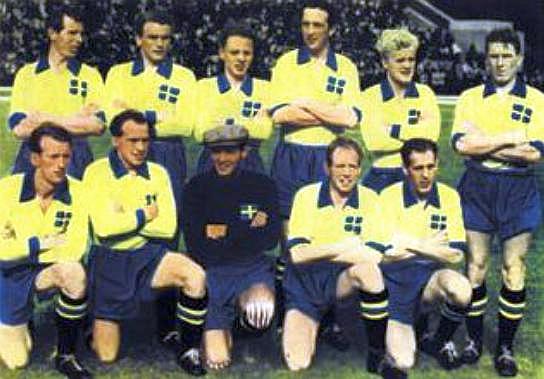
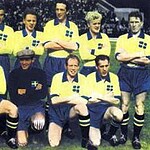
Sweden's World Cup history is often overlooked compared to Europe's traditional giants, yet the nation has compiled an impressive record of tournament success. Four top-four finishes demonstrate a level of consistency achieved by relatively few countries. Sweden's greatest accomplishment came in 1958 when it reached the World Cup Final on home soil before falling to Pelé's Brazil. Throughout its history, Swedish football has emphasized organization, teamwork, and discipline, allowing the country to compete successfully against nations with larger populations and deeper talent pools. Generations of Swedish players have carried that tradition forward, helping the country remain competitive across multiple eras. While Sweden has never captured a World Cup title, its ability to repeatedly challenge the sport's elite places it among the most successful nations in tournament history.
Uruguay
- Top 4 Finishes: 4
- Best Finish: Champion (1930, 1950)
- First Top 4 Finish: 1930
- Golden Era: 1930–1950 (The First World Power)
- World Cup Legacy: Historic giant that won two of the earliest World Cups
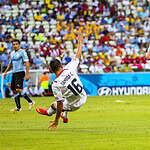
Uruguay occupies a unique place in football history as one of the sport's earliest powers. The nation won the inaugural World Cup in 1930 and added a second championship in 1950, achievements that established its reputation despite a relatively small population. Uruguay's football culture is built around the concept of "garra," a spirit of determination and resilience that has become central to its identity. The country's most famous triumph came in 1950 when it defeated heavily favored Brazil in the Maracanã, one of the greatest upsets in sports history. Although Uruguay no longer dominates the tournament as it once did, its four top-four finishes and rich football tradition ensure its place among the game's most important nations.
Netherlands
- Top 4 Finishes: 5
- Best Finish: Runner-Up (1974, 1978, 2010)
- First Top 4 Finish: 1974
- Golden Era: 1974–2014 (Total Football to Robben)
- World Cup Legacy: Greatest World Cup nation never to win the tournament
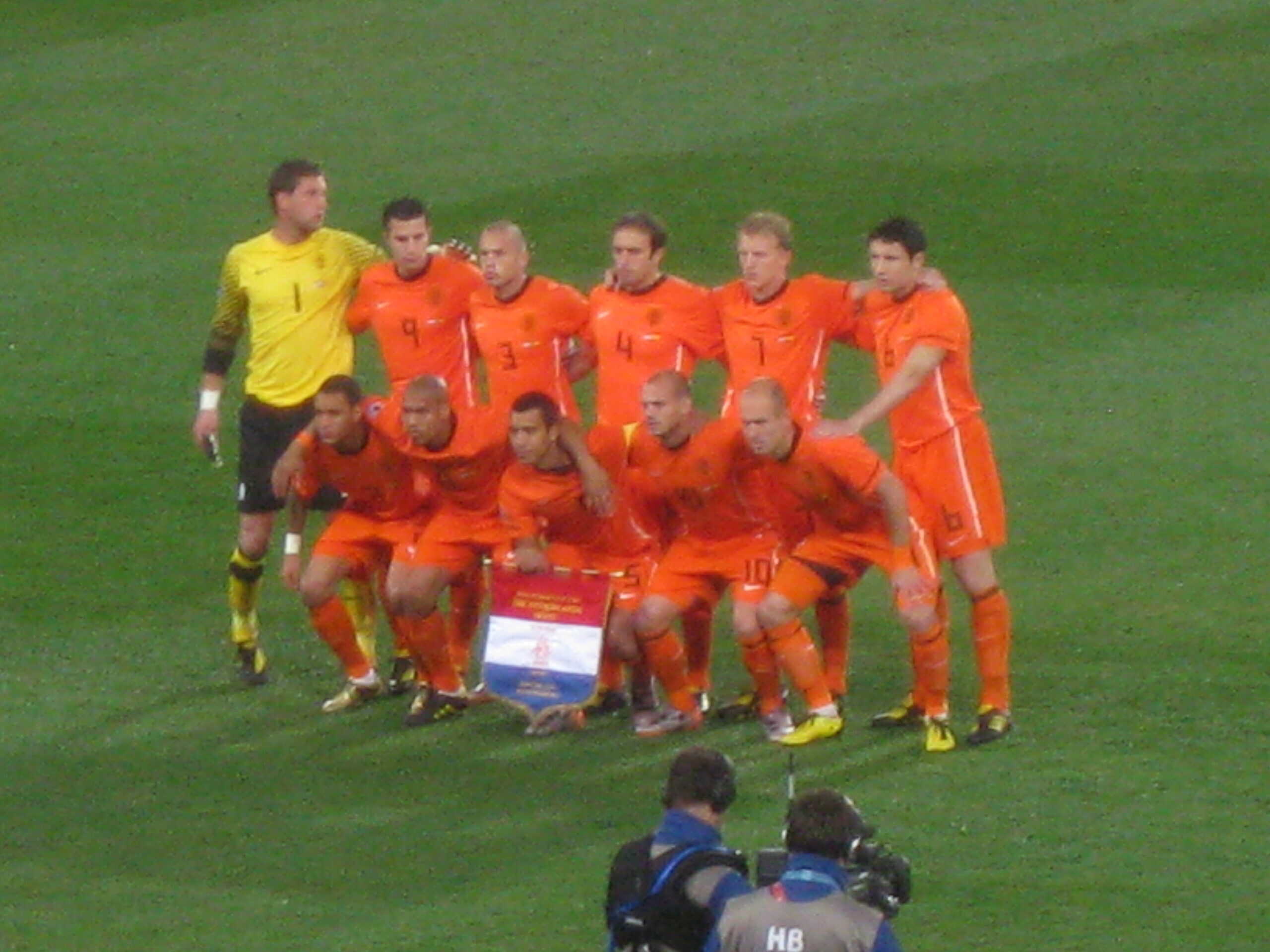
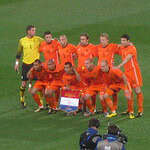
Few countries have influenced football more profoundly without winning a World Cup than the Netherlands. The Dutch reached the final three times and accumulated five top-four finishes while developing some of the sport's most innovative tactical ideas. The nation's greatest contribution came through "Total Football," a fluid system popularized by the legendary Dutch teams of the 1970s. Players such as Johan Cruyff transformed how coaches and analysts thought about movement, positioning, and teamwork. Although the Netherlands repeatedly fell just short of a championship, its influence on the sport extends far beyond trophies. Dutch football philosophy has shaped coaching methods worldwide, and the country's ability to produce technically gifted players has kept it among the game's most respected nations for decades.
Argentina
- Top 4 Finishes: 6
- Best Finish: Champion (1978, 1986, 2022)
- First Top 4 Finish: 1930
- Golden Era: 1978–1990 (The Maradona Generation)
- World Cup Legacy: Home to some of football's greatest players and moments
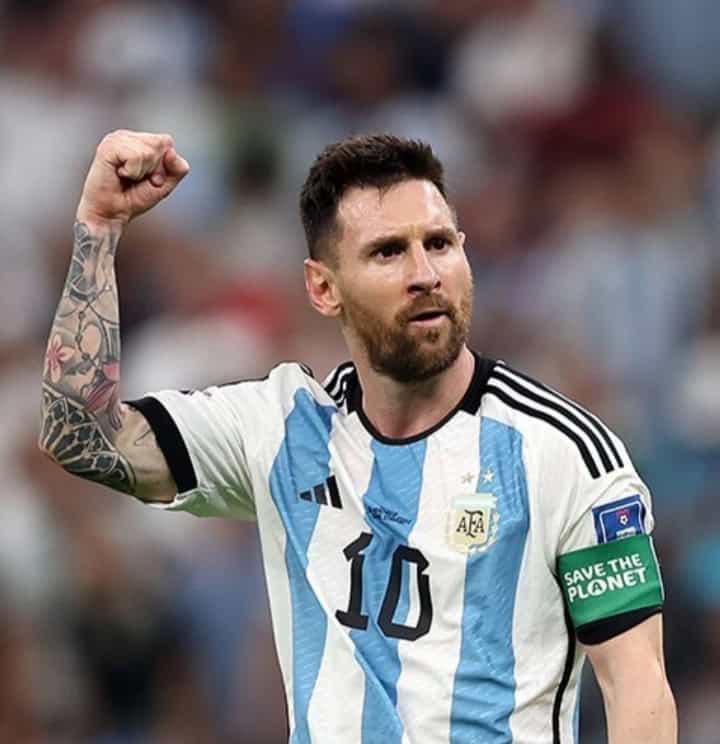
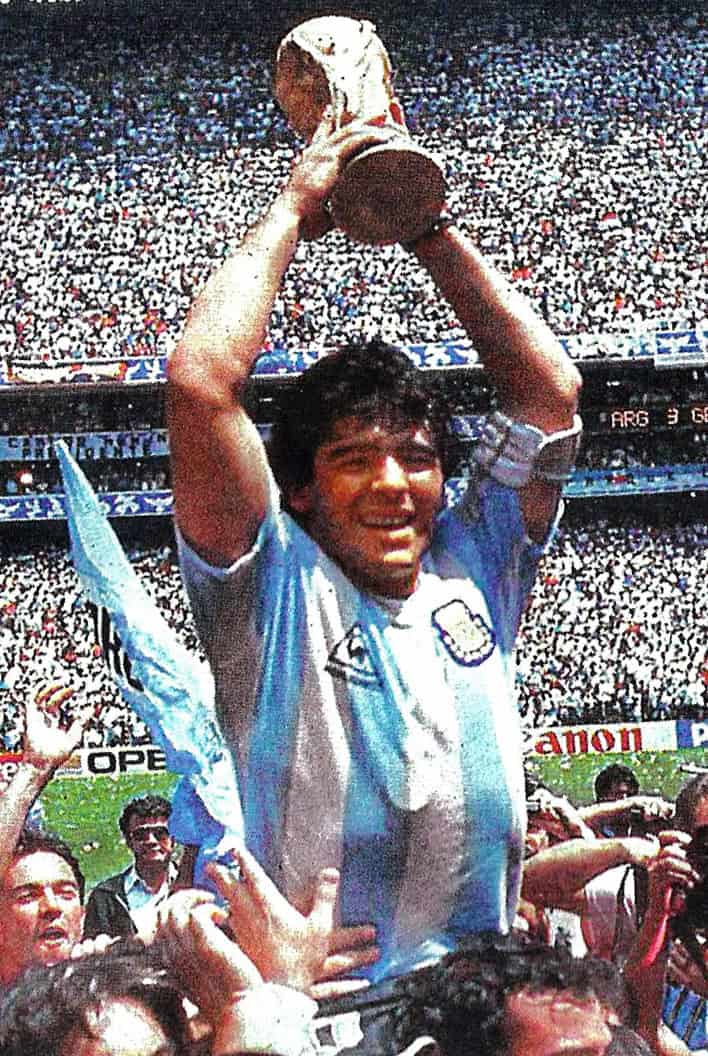
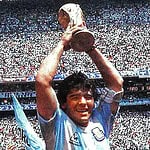
Argentina's World Cup story is inseparable from some of the greatest players ever to step onto a football field. The nation has produced multiple generations of elite talent, leading to six top-four finishes and three World Cup titles. Argentina's success is often associated with iconic figures such as Diego Maradona and Lionel Messi, whose performances became defining moments in tournament history. Yet the country's achievements extend beyond individual stars. Argentina has consistently developed technically gifted players capable of competing with the world's best. From the championship-winning teams of 1978 and 1986 to the triumph in 2022, Argentina has repeatedly demonstrated resilience, creativity, and competitive spirit. Its football culture remains one of the richest and most influential in the world.
France
- Top 4 Finishes: 6
- Best Finish: Champion (1998, 2018)
- First Top 4 Finish: 1958
- Golden Era: 1998–2022 (The Modern French Dynasty)
- World Cup Legacy: Modern powerhouse with multiple golden generations
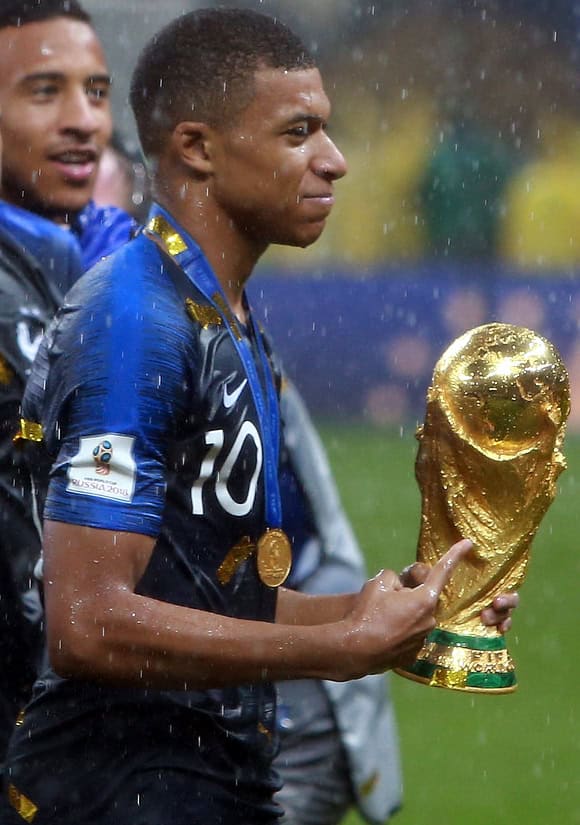
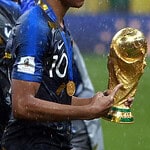
France emerged as one of football's modern superpowers through a combination of talent development, tactical flexibility, and extraordinary depth. While the country experienced periods of inconsistency during the twentieth century, its rise since the late 1990s has been remarkable. France captured World Cup titles in 1998 and 2018 while adding multiple additional top-four finishes. The nation's diverse talent pool has produced stars such as Zinedine Zidane, Thierry Henry, Kylian Mbappé, and many others who helped define different eras of success. French teams have combined technical skill with athleticism and tactical sophistication, making them difficult opponents in every phase of play. Their continued ability to produce elite players suggests that France's place among the world's leading football nations is likely to endure.
Italy
- Top 4 Finishes: 8
- Best Finish: Champion (1934,1938, 1982, 2006)
- First Top 4 Finish: 1934
- Golden Era: 1934–1982 (The Masters of Tournament Football)
- World Cup Legacy: Built on defensive excellence and tournament discipline
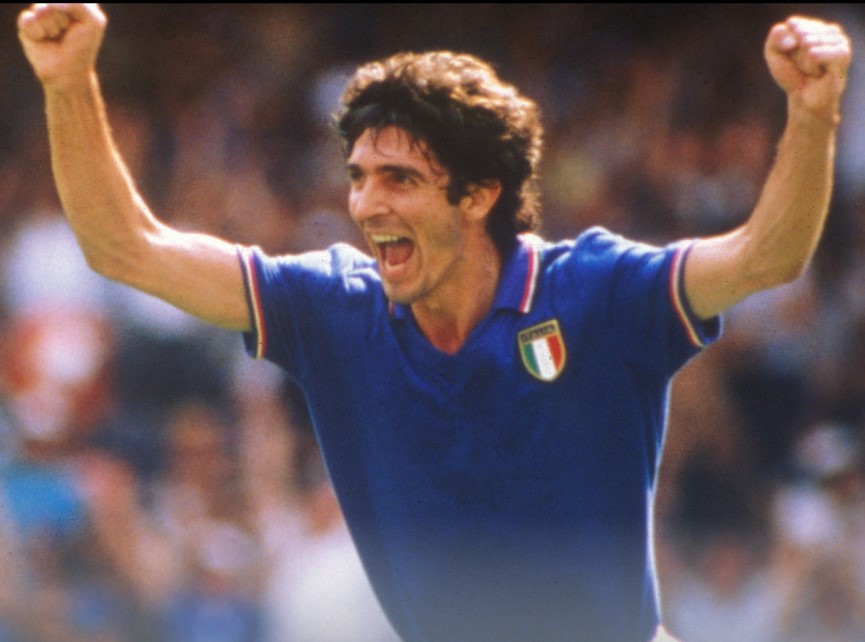
Italy's World Cup history reflects a football culture built on tactical sophistication, defensive excellence, and tournament composure. The Azzurri have accumulated eight top-four finishes and four World Cup championships, often succeeding through organization and discipline rather than overwhelming attacking power. Italian teams became famous for mastering defensive systems that frustrated opponents and capitalized on mistakes. From their championships in 1934 and 1938 to the triumph of 2006, Italy consistently demonstrated an ability to thrive under pressure. Even when entering tournaments as underdogs, Italian teams often found ways to advance deep into the competition. Their success helped establish Italy as one of football's most respected nations and influenced tactical thinking throughout the sport. Few countries have left a greater strategic imprint on World Cup history.
Brazil
- Top 4 Finishes: 11
- Best Finish: Champion (1958, 1962, 1970, 1994, 2002)
- First Top 4 Finish: 1938
- Golden Era: 1958–1970 (The Pelé Era)
- World Cup Legacy: The sport's most iconic footballing nation
Brazil's World Cup legacy is built on a combination of success, style, and cultural influence unlike any other nation. The only country to appear in every World Cup tournament, Brazil has long been associated with attacking football, technical brilliance, and legendary players. From Pelé and Garrincha to Ronaldo, Ronaldinho, and Neymar, generations of stars have helped Brazil accumulate 11 top-four finishes and a record five World Cup titles. The country's golden era between 1958 and 2002 established Brazil as the sport's most iconic national team. Beyond trophies, Brazil helped shape how the world views football itself, popularizing a creative and expressive style that inspired players across continents. Few nations have combined competitive success with such a profound cultural impact on the global game.
Germany / West Germany
- Top 4 Finishes: 13
- Best Finish: Champion (1954, 1974, 1990, 2014)
- First Top 4 Finish: 1934
- Golden Era: 1954–1990 (The Beckenbauer Era and Beyond)
- World Cup Legacy: The most consistent nation in World Cup history
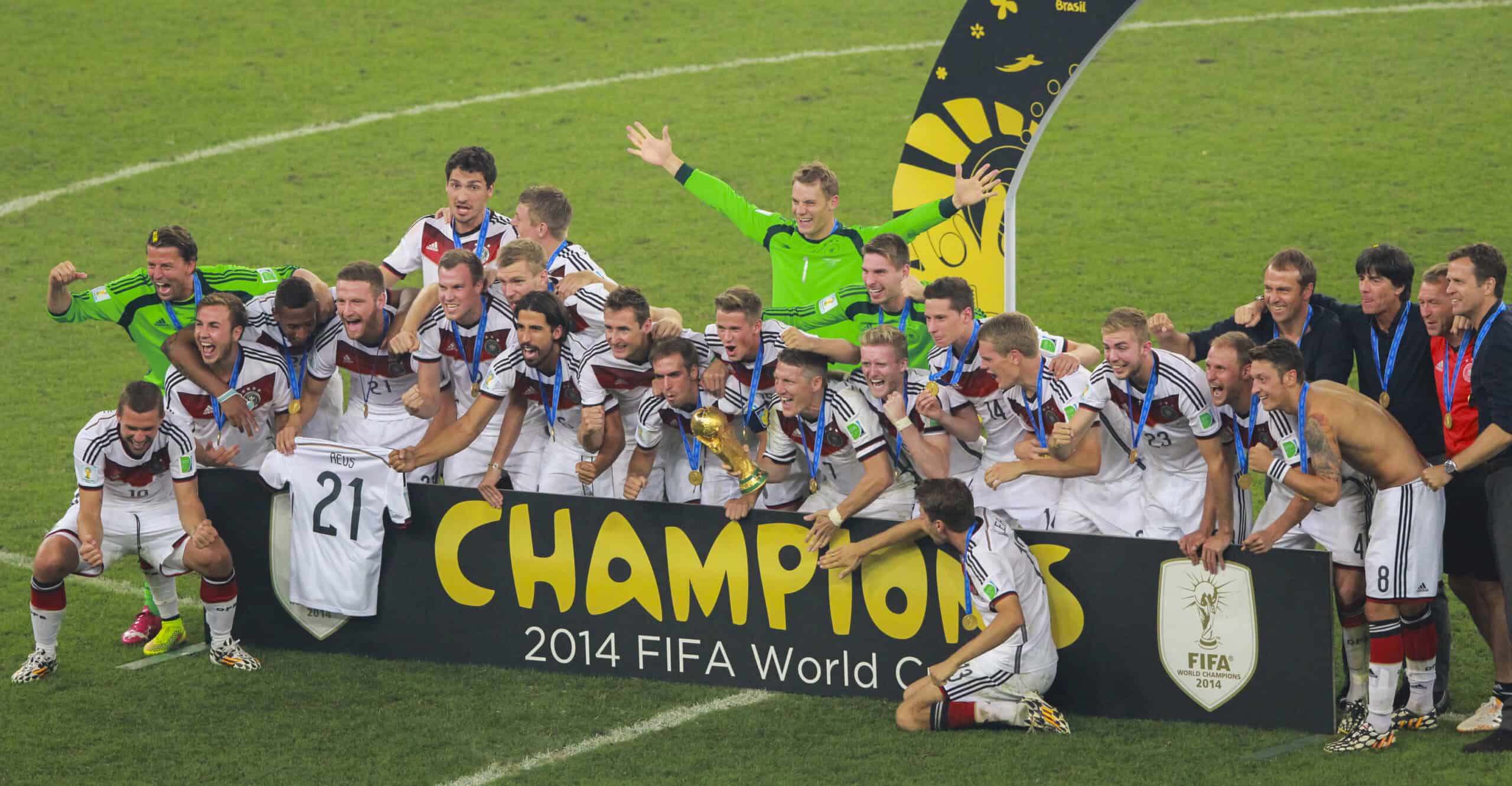
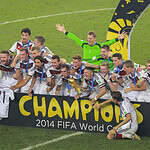
No nation has demonstrated World Cup consistency quite like Germany. Whether competing as West Germany before reunification or as a unified Germany afterward, the country has built a reputation for reaching the latter stages of major tournaments with remarkable regularity. Germany's 13 top-four finishes span nearly nine decades, reflecting an ability to develop elite players across multiple generations and adapt to changing styles of football. Unlike nations that relied on a single golden generation, Germany repeatedly reinvented itself while maintaining a culture centered on discipline, organization, and competitive resilience. From the triumphs of 1954 and 1974 to the modern success of 2014, German teams have consistently found ways to perform under pressure. Their sustained excellence has made them the benchmark for international consistency and arguably the most reliable tournament nation in football history.
The image featured at the top of this post is ©Danilo Borges/Portal da Copa copa2014 / Wikimedia Commons – License / Original