






14 Founding Fathers Quotes About Freedom for the 4th of July
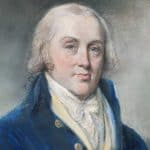
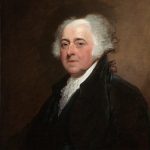
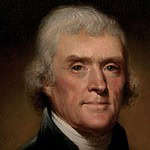
Few groups of leaders have left a greater mark on world history than America's Founding Fathers. Their words helped justify a revolution, inspire a new nation, and establish principles that still guide the United States nearly 250 years later. Among the most memorable observations came from Benjamin Franklin, who reportedly described the new government created in Philadelphia as “a republic, if you can keep it.” That simple phrase captured a central truth understood by the Founders: freedom is never guaranteed. Here, History Computer has put together a collection of quotes by the Founding Fathers to celebrate 250 years of liberty.
From Patrick Henry's call for liberty to Thomas Jefferson's defense of natural rights and James Madison's warnings about power, here is how the architects of the United States understood liberty and what they believed was necessary to preserve it:
1. "Give me liberty, or give me death!" — Patrick Henry
- Source & Year: Virginia Convention Speech (1775)
- Historical Context: A call for resistance to British rule as war approached.
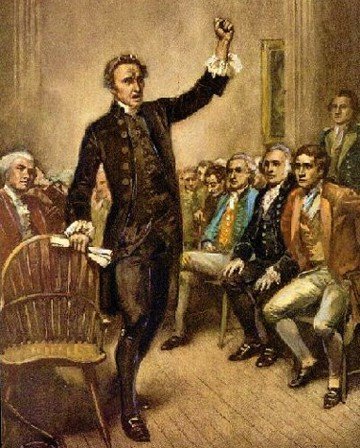
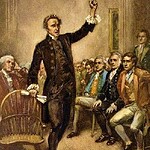
By the spring of 1775, tensions between Great Britain and its American colonies had reached a breaking point. Speaking before the Virginia Convention in Richmond, Patrick Henry urged his fellow delegates to prepare for armed resistance rather than continue hoping for reconciliation with the Crown. His speech culminated in one of the most famous lines in American history: "Give me liberty, or give me death!" The statement captured the growing belief among many colonists that freedom was worth any sacrifice, including life itself. More than a dramatic flourish, the quote reflected the revolutionary conviction that political liberty was inseparable from human dignity. Henry's words helped galvanize support for resistance and became a lasting symbol of the willingness to risk everything in defense of freedom.
2. "All men are created equal..." — Thomas Jefferson
- Source & Year: Declaration of Independence (1776)
- Historical Context: Articulated natural rights and the philosophical basis for independence.
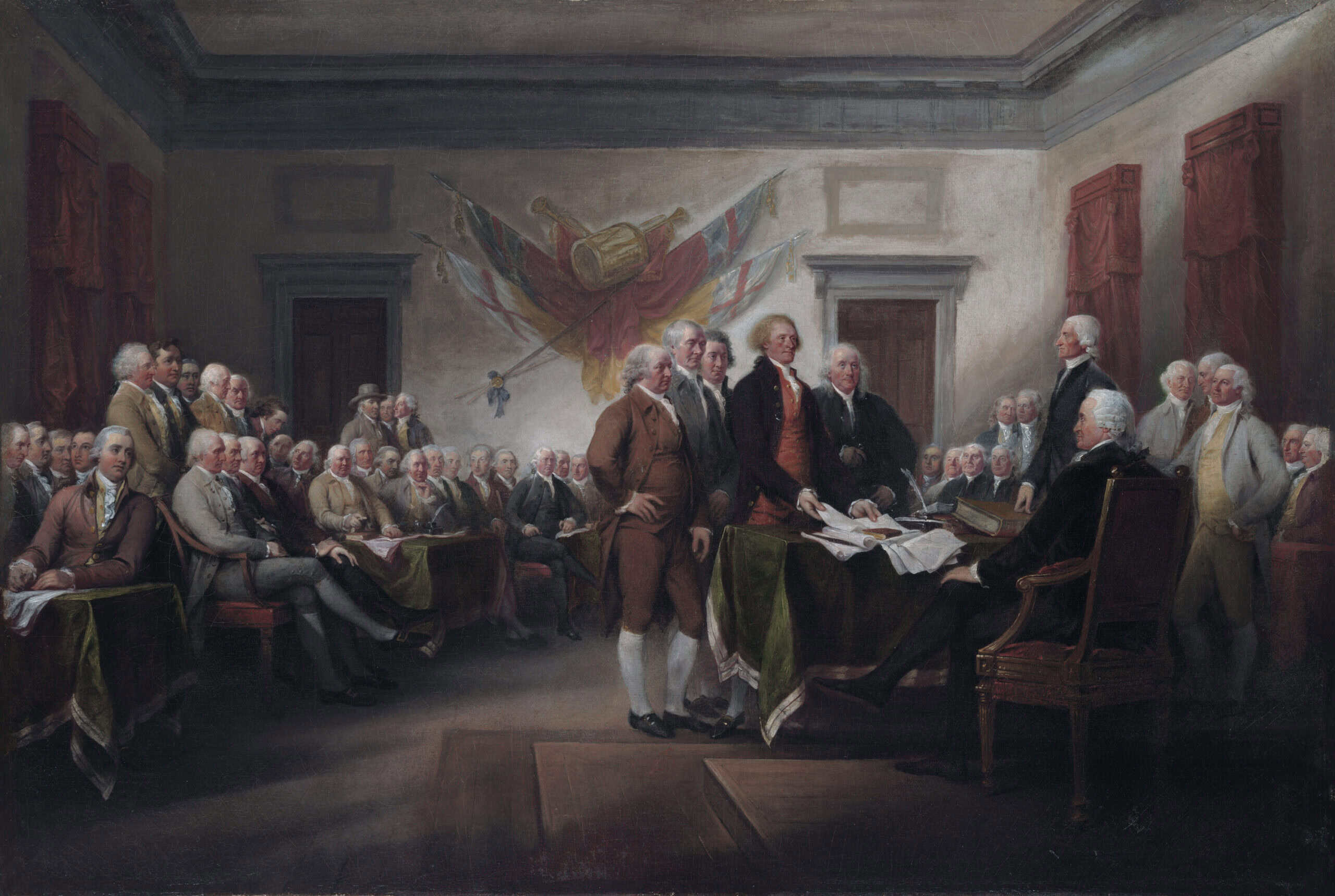
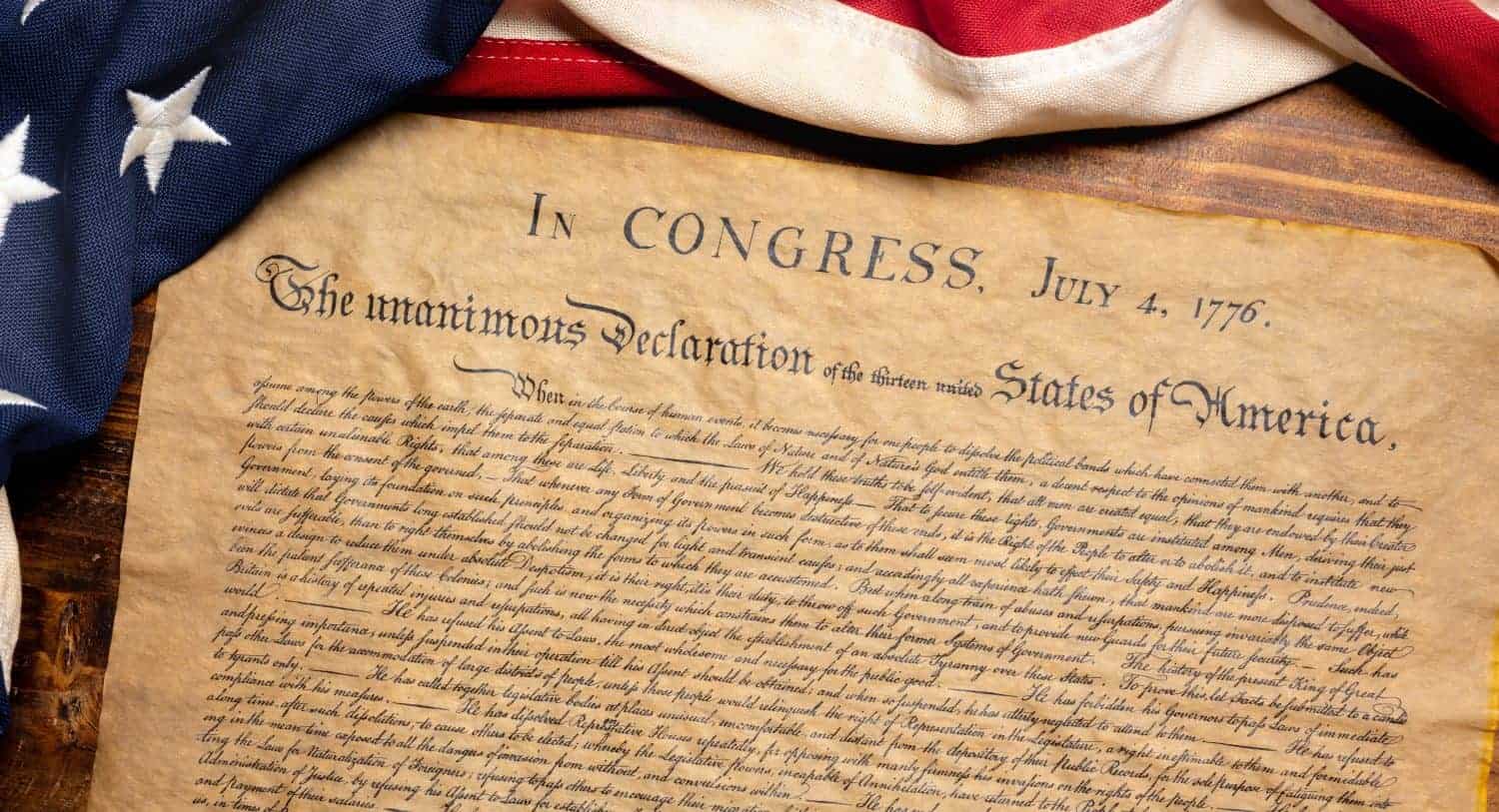
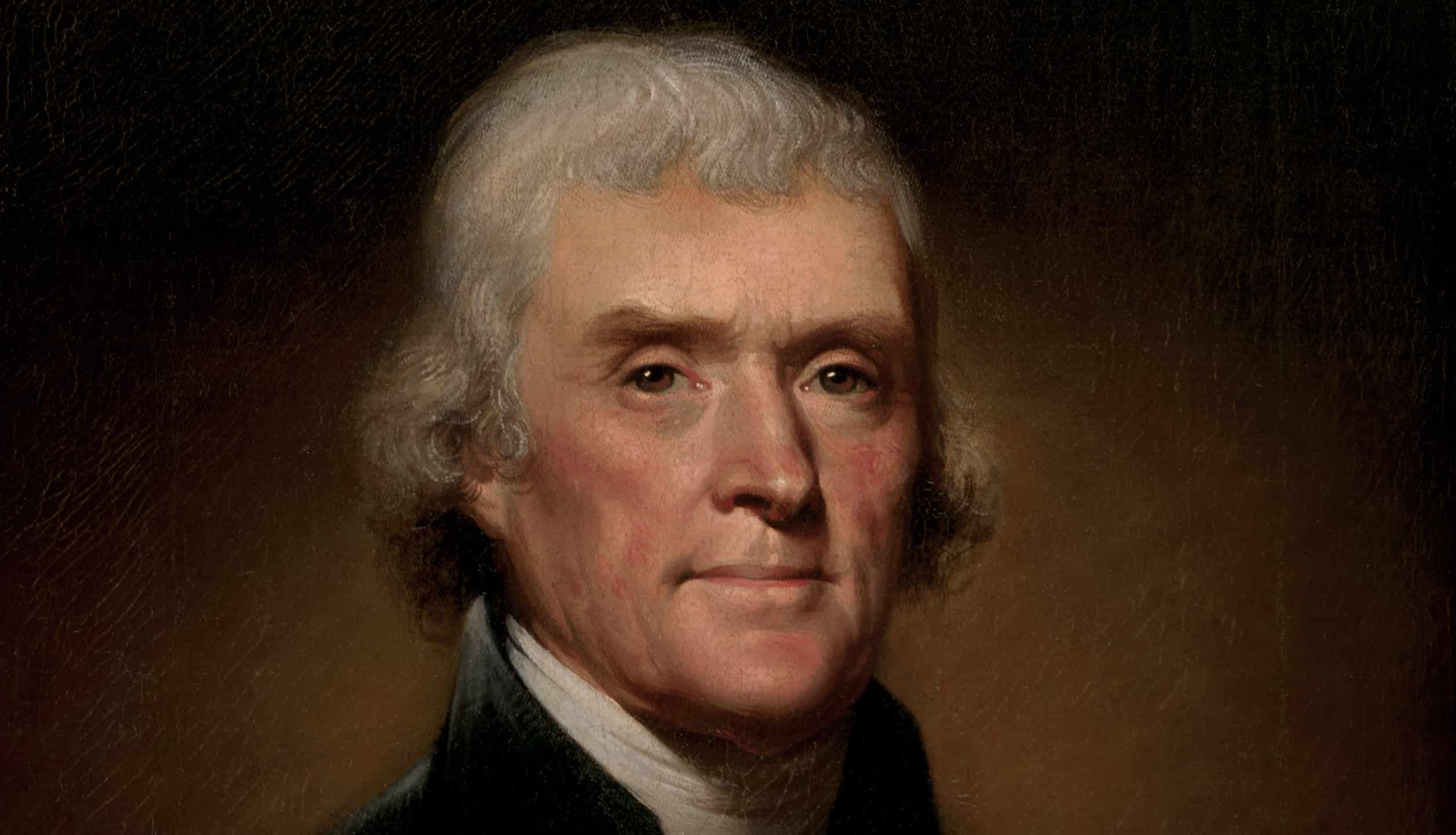
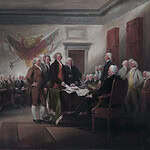
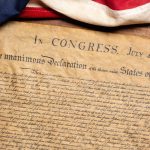
When Thomas Jefferson drafted the Declaration of Independence in 1776, he sought to explain not only why the colonies were separating from Britain but also the principles that justified such a decision. His assertion that "all men are created equal" and possess unalienable rights to life, liberty, and the pursuit of happiness became the philosophical foundation of the American experiment. The statement drew heavily from Enlightenment thinkers who argued that rights came from nature rather than government. Although the reality of eighteenth-century America often fell short of these ideals, the words established a standard against which future generations would measure the nation. Abolitionists, suffragists, civil rights leaders, and countless reformers have returned to Jefferson's declaration as a promise America must continually strive to fulfill.
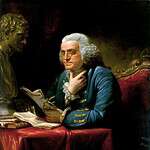
3. "Those who would give up essential Liberty, to purchase a little temporary Safety, deserve neither Liberty nor Safety." — Benjamin Franklin
- Source & Year: Letter to Pennsylvania Assembly (1755)
- Historical Context: Warned against sacrificing fundamental freedoms for temporary security.
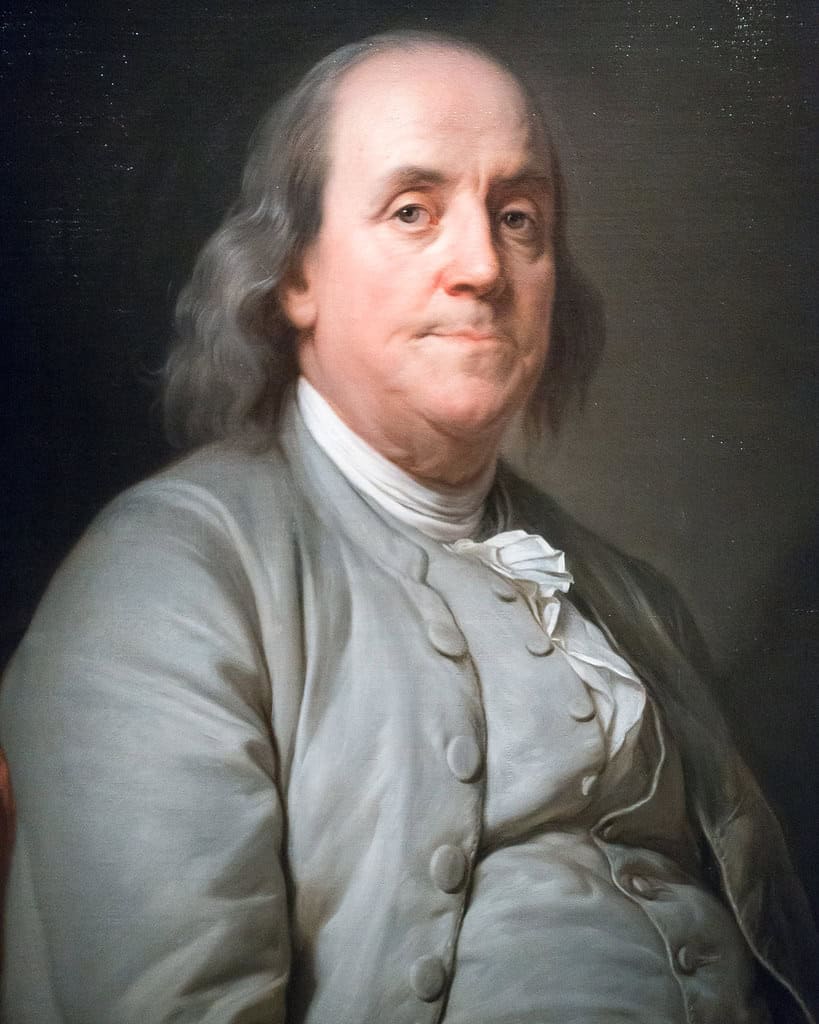
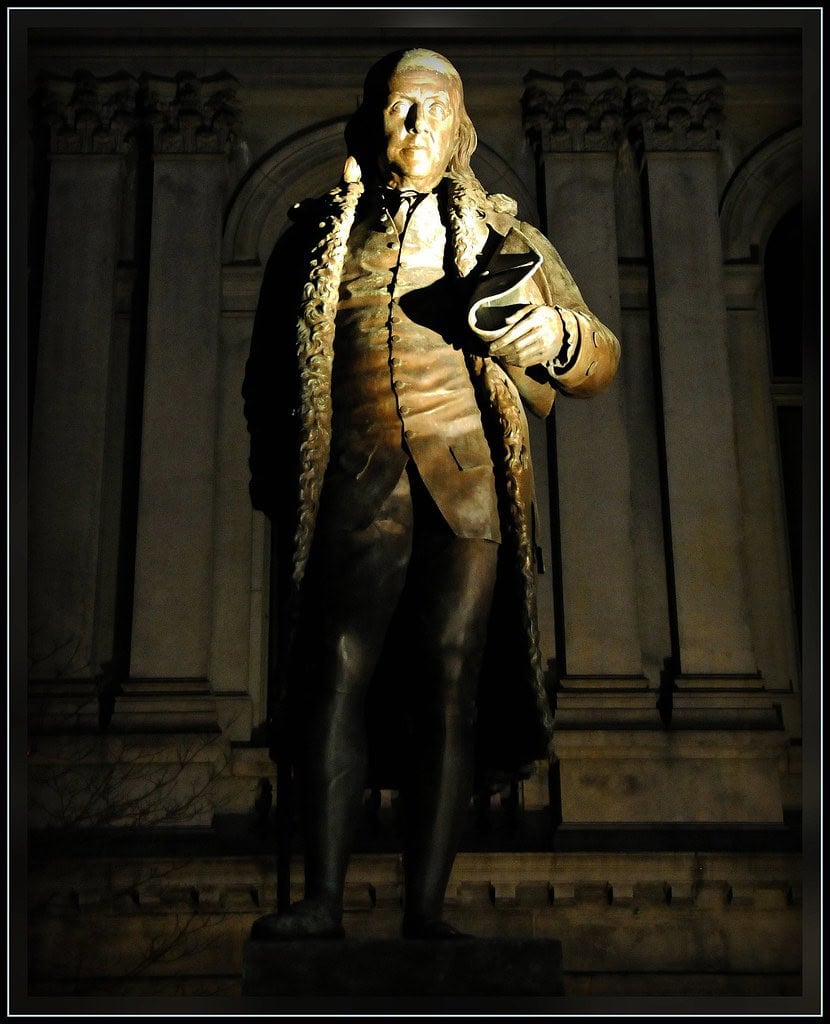
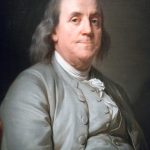
Few quotations are cited more often in debates over security and personal freedom than Benjamin Franklin's warning about liberty and safety. Written in 1755 during a dispute between Pennsylvania's legislature and colonial authorities, the statement addressed political power rather than modern security concerns. Franklin feared that surrendering fundamental rights in exchange for short-term political advantages would ultimately weaken both freedom and effective governance. The quote has endured because it highlights a tension that every society must confront: how to balance security with individual rights. Franklin understood that liberty could be eroded gradually when people accept restrictions that seem reasonable in the moment. His observation continues to resonate because democratic societies constantly revisit the question of how much freedom should be sacrificed in pursuit of safety.
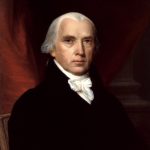
4. "Liberty may be endangered by the abuses of liberty as well as by the abuses of power." — James Madison
- Source & Year: Federalist No. 63 (1788)
- Historical Context: Explored the balance between freedom and stable republican government.
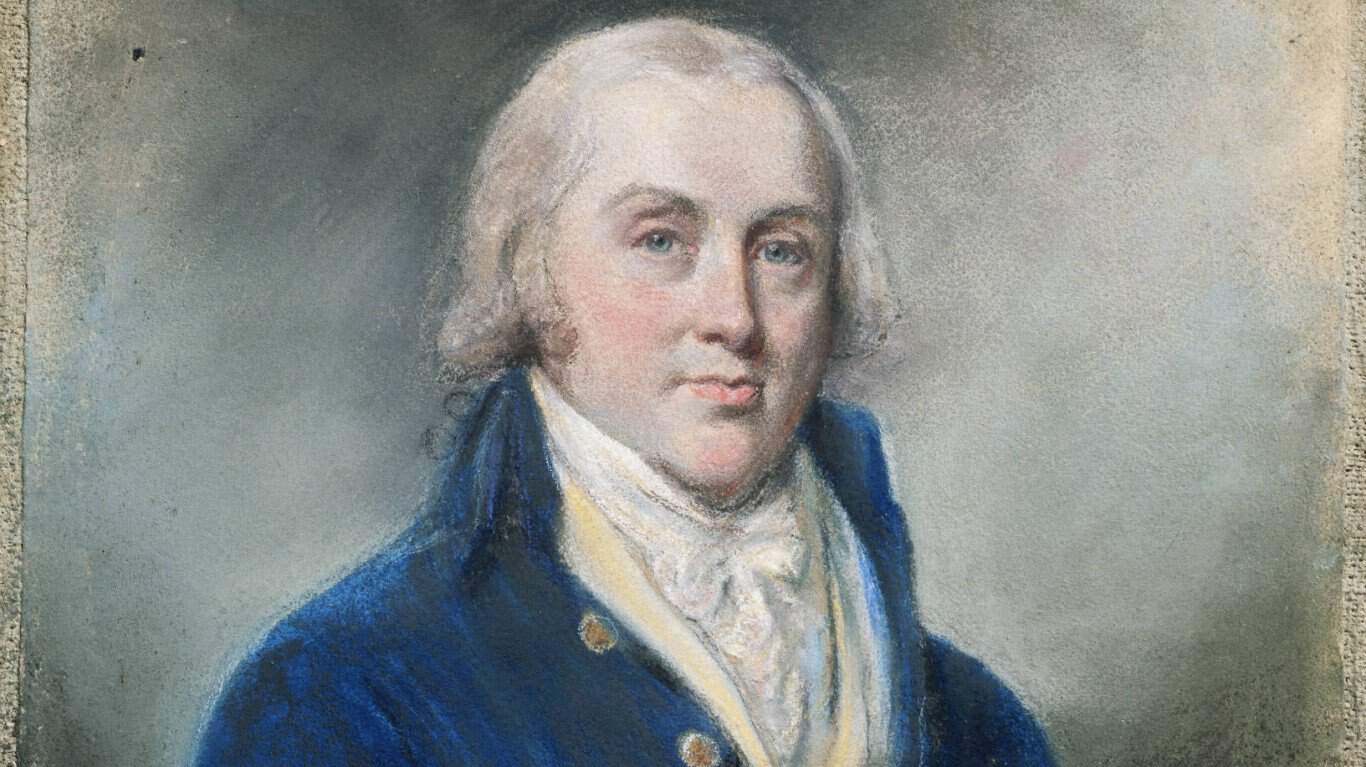
James Madison spent much of his career wrestling with a difficult question: how could a free society preserve liberty without descending into disorder? This quote reflects his belief that threats to freedom can arise from more than just tyrannical governments. Citizens themselves can endanger liberty when passions, factions, or majorities act irresponsibly. Madison's experience during and after the Revolution convinced him that unchecked popular movements could be as dangerous as concentrated power. This concern heavily influenced the design of the Constitution, which sought to balance democratic participation with institutional safeguards. The statement remains relevant because it challenges the simplistic idea that freedom requires only limiting government. Madison argued that preserving liberty also demands civic responsibility, self-restraint, and a political system capable of protecting rights even during moments of public turmoil.
5. "Liberty cannot be preserved without a general knowledge among the people." — John Adams
- Source & Year: Dissertation on Canon and Feudal Law (1765)
- Historical Context: Linked education and informed citizenship to the survival of liberty.
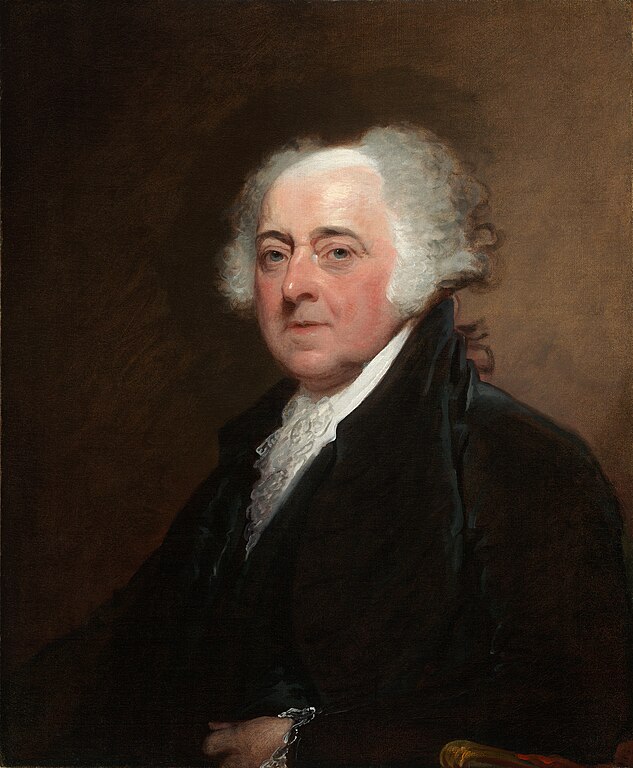
John Adams believed that freedom and education were inseparable. Writing years before independence, he argued that a self-governing people must possess sufficient knowledge to understand public affairs and hold leaders accountable. Unlike monarchies, where decisions were concentrated among elites, republics depended on informed citizens capable of making wise choices. Adams feared that ignorance created opportunities for demagogues and tyrants to manipulate public opinion. His statement reflected a broader belief among the Founders that education was not merely a personal benefit but a civic necessity. The survival of liberty required citizens who could evaluate arguments, understand laws, and participate meaningfully in public life. More than two centuries later, debates about civic education, media literacy, and informed citizenship continue to echo Adams's conviction that knowledge is one of freedom's strongest defenses.
6. "The tree of liberty must be refreshed from time to time with the blood of patriots and tyrants." — Thomas Jefferson
- Source & Year: Letter to William Stephens Smith (1787)
- Historical Context: Reflected on rebellion, political change, and vigilance against tyranny.
This controversial statement emerged from Jefferson's reaction to Shays' Rebellion, an uprising of indebted farmers in Massachusetts during the 1780s. While many leaders viewed the rebellion as a dangerous sign of instability, Jefferson saw it as evidence that citizens remained vigilant about their rights. His comment was not a literal endorsement of constant violence but rather an observation that political freedom often requires periodic challenges to authority. Jefferson believed governments could become complacent or oppressive if citizens lost the willingness to defend their liberties. Over time, the quote has been interpreted in many different ways, often divorced from its original context. Nonetheless, it illustrates Jefferson's deep suspicion of concentrated power and his belief that freedom survives only when citizens remain engaged, watchful, and prepared to resist genuine tyranny.
7. "Where liberty dwells, there is my country." — Benjamin Franklin
- Source & Year: Correspondence and writings (18th century)
- Historical Context: Expressed allegiance to principles of freedom over geography.
Benjamin Franklin's life spanned multiple colonies, nations, and political systems, giving him a broad perspective on the meaning of patriotism. This brief but powerful statement suggests that allegiance should rest not merely on geography or government but on the presence of liberty itself. For Franklin, freedom was the defining characteristic that made a nation worthy of devotion. The quote reflects Enlightenment ideals that valued universal principles over inherited loyalties. It also captures the revolutionary generation's belief that governments derive legitimacy from their protection of individual rights. Franklin's words continue to resonate because they challenge people to think beyond symbols and borders and consider what truly makes a nation worth supporting. In his view, liberty was not just one national value among many—it was the foundation upon which all others rested.
8. "If men were angels, no government would be necessary." — James Madison
- Source & Year: Federalist No. 51 (1788)
- Historical Context: Explained the need for checks and balances in government.
Few Founding Fathers possessed a more realistic view of human nature than James Madison. Writing in Federalist No. 51, he argued that government exists because people are imperfect and capable of pursuing their own interests at the expense of others. The statement formed part of his broader explanation for why constitutional checks and balances were necessary. Madison rejected the idea that freedom could survive solely through trust in leaders or citizens. Instead, institutions had to account for ambition, competition, and human fallibility. His insight remains one of the most influential observations in political thought because it recognizes both the necessity and the danger of government. Liberty requires authority to maintain order, but authority itself must be restrained. Madison's solution was a constitutional system designed to balance these competing realities.
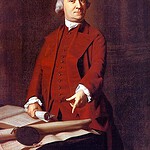
9. "The natural liberty of man is to be free from any superior power on earth." — Samuel Adams
- Source & Year: The Rights of the Colonists (1772)
- Historical Context: Asserted the inherent freedom of individuals.
Samuel Adams was among the earliest and most vocal advocates of colonial resistance. This statement reflected his belief that freedom was a natural condition rather than a privilege granted by rulers. Drawing on Enlightenment ideas and the tradition of natural rights, Adams argued that individuals possess inherent liberties that governments must respect. Such thinking challenged the notion that Parliament could exercise unlimited authority over the colonies. The quote helped frame the Revolution as a struggle over universal principles rather than a narrow dispute about taxes or representation. Adams viewed liberty as something fundamental to human existence, and any government that violated those rights lost its legitimacy. His writings played an important role in shaping public opinion during the years leading up to independence.
10. "Resistance to tyranny becomes the Christian and social duty of each individual." — Thomas Jefferson
- Source & Year: Attributed from Jefferson writings
- Historical Context: A statement associated with civic responsibility against oppression.
Whether quoted exactly as Jefferson wrote it or derived from broader themes in his correspondence, this sentiment reflects one of his most consistent beliefs: citizens have a responsibility to oppose oppression. Jefferson did not view liberty as a passive condition that could be maintained automatically. Instead, he believed freedom required active participation and vigilance from the people. Governments exist to secure rights, but when they fail in that mission, citizens must hold them accountable. This idea was central to the American Revolution and remained influential throughout Jefferson's political career. The statement underscores a recurring theme among the Founders: liberty survives not because institutions are perfect but because citizens are willing to defend their rights. It remains a powerful reminder of the relationship between freedom and civic responsibility.
11. "Freedom of thought and freedom of speech is the most important quality of political institutions." — Benjamin Franklin
- Source & Year: Political writings and correspondence
- Historical Context: Highlighted open expression as essential to free government.
Franklin understood that free societies depend upon the open exchange of ideas. Throughout his career as a printer, writer, diplomat, and statesman, he witnessed how public debate could shape political outcomes. This statement reflects his conviction that freedom of expression is essential for discovering truth, correcting mistakes, and holding leaders accountable. Without the ability to question authority or discuss public issues openly, other liberties become vulnerable. Franklin's support for intellectual freedom emerged from both practical experience and Enlightenment philosophy. He believed progress depended on the willingness of individuals to challenge accepted assumptions. The quote remains particularly relevant in modern democracies, where debates about speech, information, and public discourse continue to influence political life. Franklin saw free expression not as a luxury but as a cornerstone of liberty itself.
12. "The liberties of our country, the freedom of our civil constitution, are worth defending against all hazards." — Samuel Adams
- Source & Year: Boston Gazette writings (1771)
- Historical Context: Encouraged sacrifice and vigilance in defense of liberty.
Samuel Adams devoted much of his life to mobilizing public resistance against British policies he believed threatened colonial rights. This statement captures the seriousness with which he viewed the struggle for liberty. To Adams, freedom was not merely desirable—it was worth defending regardless of the risks involved. The quote reflects the atmosphere of the early 1770s, when tensions between Britain and the colonies were escalating rapidly. Many Americans faced difficult choices about loyalty, security, and political principle. Adams consistently argued that preserving liberty required courage and sacrifice. His words helped inspire a generation of colonists who ultimately chose revolution over submission. The statement continues to resonate because it emphasizes that freedom often carries costs and responsibilities that cannot be avoided.
13. "A people who mean to be their own Governors must arm themselves with the power which knowledge gives." — James Madison
- Source & Year: Writings on republican government
- Historical Context: Connected self-government with education and informed citizens.
Madison believed that self-government was impossible without an informed public. This statement builds on a theme shared by many Founders: knowledge is one of the most important safeguards of liberty. Citizens cannot effectively oversee government, evaluate policies, or protect their rights if they lack access to information and education. Madison viewed public knowledge as a form of power that enables individuals to participate meaningfully in civic life. The quote also reflects his understanding that republics depend on more than constitutions and laws. Institutions alone cannot preserve freedom if citizens become disengaged or uninformed. More than two centuries later, the statement remains remarkably relevant in discussions about education, journalism, transparency, and democratic participation. Madison's message was simple but profound: freedom requires informed citizens.
14. "Government is instituted for the common good; for the protection, safety, prosperity, and happiness of the people." — John Adams
- Source & Year: Massachusetts Constitution (1780)
- Historical Context: Defined government's purpose as serving and protecting the people.
This statement from the Massachusetts Constitution reflects John Adams's vision of legitimate government. Unlike monarchies that often prioritized rulers or dynasties, republican government existed to serve the people. Adams believed that liberty and effective government were not opposing forces but complementary goals. The purpose of public institutions was to protect rights, promote stability, and create conditions in which citizens could flourish. The quote illustrates a central principle of the American founding: government derives its legitimacy from its service to the public good. At the same time, Adams understood that liberty required structure, laws, and institutions capable of preserving order. His words continue to influence discussions about the proper role of government and the responsibilities leaders owe to those they govern.
The image featured at the top of this post is ©Public Domain / Wikimedia Commons / Original