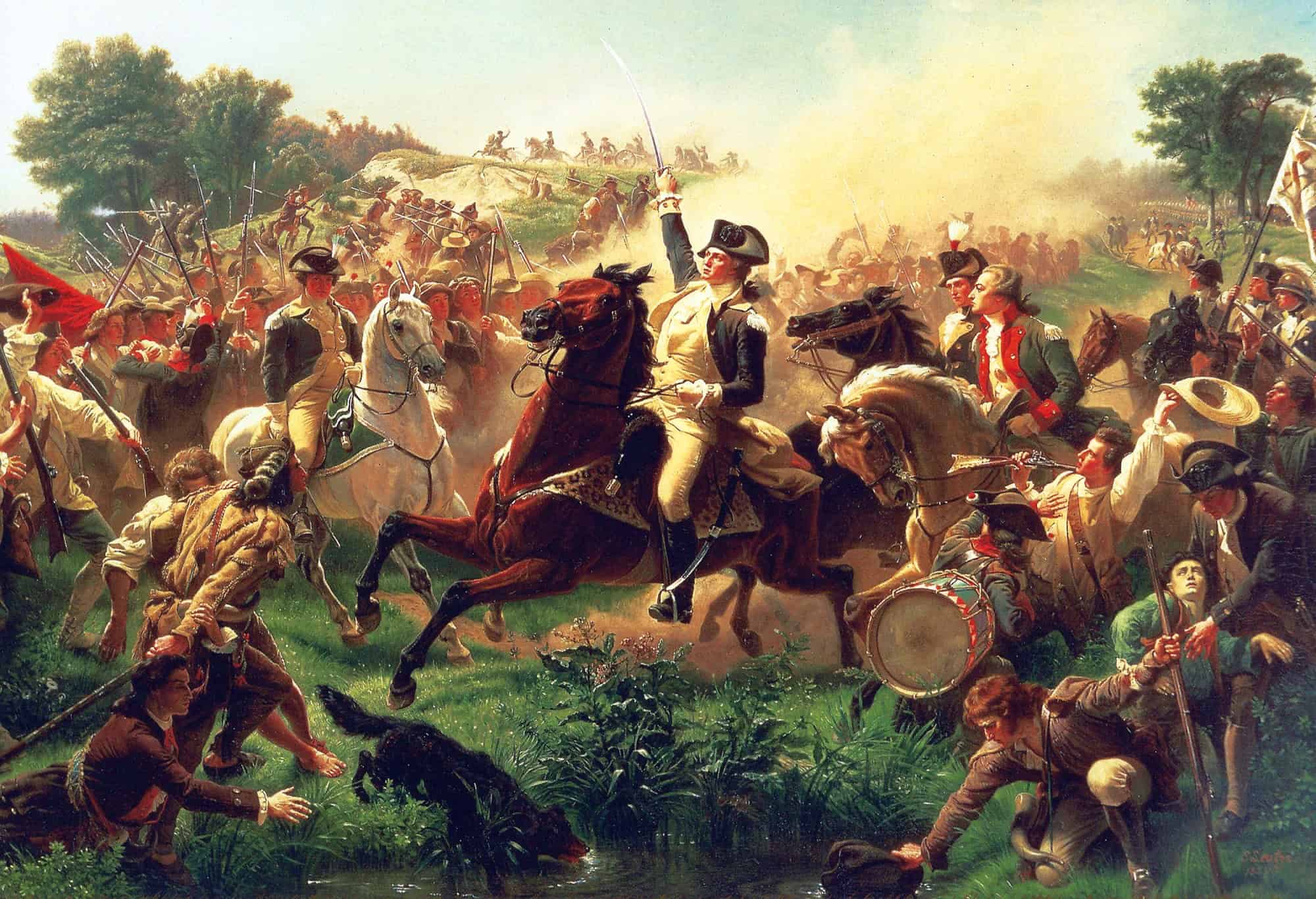

War produces an odd kind of literature. In the middle of chaos, fear, and destruction, people somehow find the perfect words, either in the moment or after the fighting is over. In both cases, those words often survive the battles that made them necessary. Some of these lines were recorded verbatim in letters, speeches, or military dispatches that can still be read today. Others were polished by memory, repeated by witnesses, or cleaned up long after the fact. A few came from playwrights and historians who understood that the right sentence could shape how an entire conflict was remembered.
What they all share is endurance. Each quote outlived the battle, the army, and the person whose name it carries. Long after the smoke cleared, the words remained, turning fear, defiance, victory, and loss into something history refused to forget.
Julius Caesar
©Ajdin Kamber/Shutterstock.com
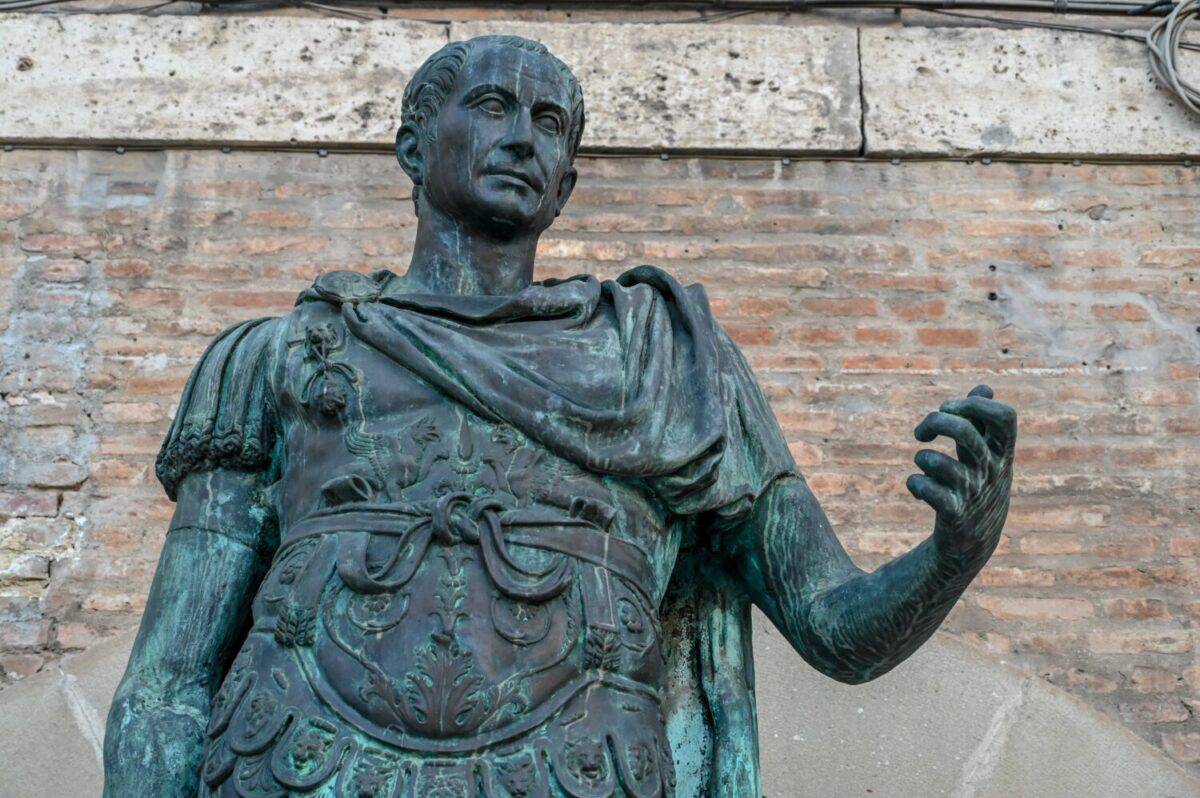
After defeating Pharnaces II at the Battle of Zela in 47 BC, Julius Caesar owed Rome an account of the campaign. Victories were usually followed by long reports filled with details about troop movements, losses, and strategy. Caesar chose something far sharper. He sent three words: “Veni, vidi, vici,” meaning, “I came, I saw, I conquered.” Plutarch and Suetonius both preserved the phrase, and Suetonius wrote that it later appeared on a placard during Caesar’s Pontic triumph. In a single line, Caesar turned an entire military victory into political theater. The message praised his speed, confidence, and total control while reminding Rome that he could reduce a war to a slogan and make the slogan unforgettable.
Erwin Rommel
General Erwin Rommel led the Afrika Korps through the deserts of North Africa from 1941 to 1943 and was such an effective leader that his enemies respected him almost as much as his own men did. Churchill mentioned Rommel in Parliament, and Allied soldiers referred to Rommel as the Desert Fox.
He wrote extensively about war and command, and one line from his writing has outlasted most of what was said on either side of that campaign. “Don’t fight a battle if you don’t gain anything by winning it.”
The quote seems self-evident except for the fact that generals seem to ignore it most of the time. Rommel realized that any victory that costs you more than it costs the enemy was not a victory at all. He applied that logic throughout North Africa until logistics, Allied airpower, and American industrial might made the math impossible. He lost the campaign and kept the reputation.
Leonidas of Sparta
At Thermopylae in 480 BC, Xerxes offered the outnumbered Spartans an easy way out. Lay down your weapons and live. Leonidas answered in two words: “Molon labe.” Come and take them.
This quotation comes from Plutarch, who wrote down the collected sayings of the Spartans about five hundred years after the event, so they’re often treated as tradition rather than transcript. Whether it is true or not, it served its purpose. The words are engraved at Thermopylae and have been adopted as the classic expression of defiance against hopeless odds.
Pyrrhus of Epirus
Pyrrhus beat the Romans at Asculum in 279 BC and lost a huge chunk of his army doing so. When an officer congratulated him on the victory, he reportedly said: “If we are victorious in one more battle with the Romans, we shall be utterly ruined.”
He was right. He won again at Beneventum in 275 BC, lost so many men doing it that he abandoned the Italian campaign and went home. He took the battles and lost his name to them. “Pyrrhic victory” is now the term used to describe a victory at too great a price.
Robert E. Lee
©KenKPhoto / iStock via Getty Images
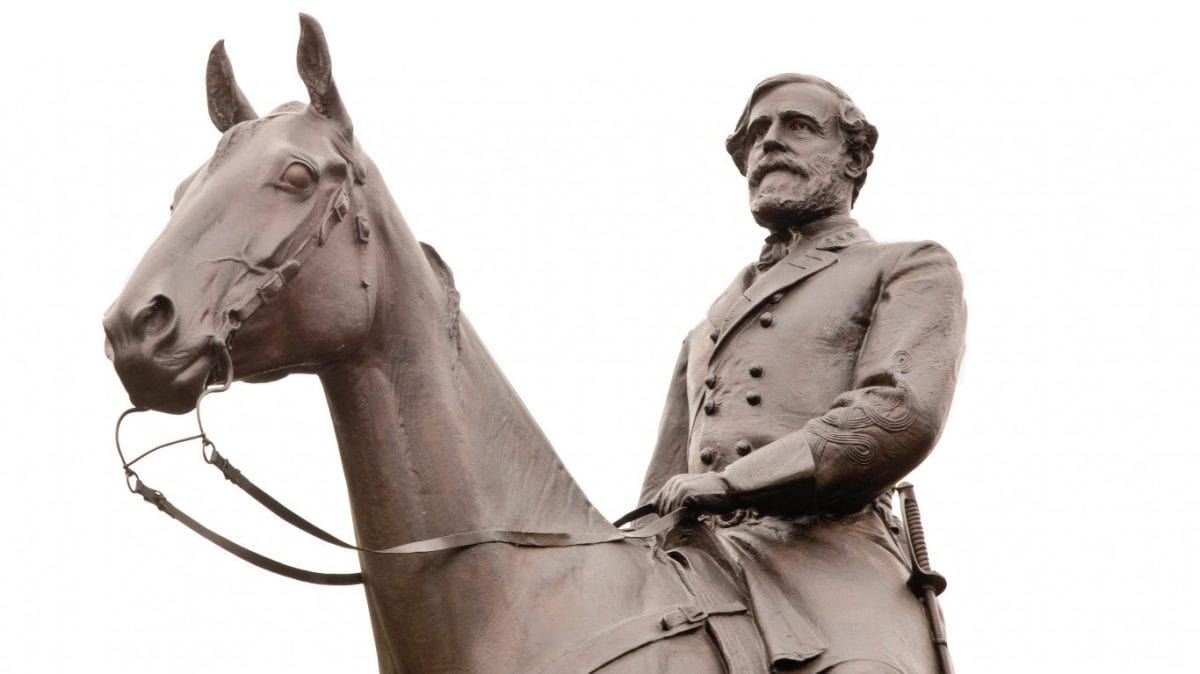
From the top of the hills above Fredericksburg in December 1862, Robert E. Lee saw a Union assault being ripped apart by Confederate fire below. Thousands of men made their way across open ground under artillery and rifle fire, knowing they stood no chance of surviving. Looking out at the carnage, Lee turned to General James Longstreet and said: “It is well that war is so terrible, or we should grow too fond of it.”
It is one of the most unsettling things any general ever said on a battlefield. Lee was grateful for the horror. A man who loved this, he was saying, would be a very dangerous thing.
Hannibal
Hannibal’s officers had told him that it was impossible to march an army, complete with elephants, over the Alps. He responded that he would find a way or make one.
“Aut viam inveniam aut faciam” is the Latin version that appears in various writings but never from anyone who witnessed Hannibal’s actions, so it sits in the attributed pile. He found a way, crossed the Alps with his army intact, descended into Italy from the north, and handed Rome three of the worst defeats in its history. The phrase survived long beyond Carthage, which Rome burned flat.
Ulysses S. Grant
As of May 1864, the Civil War had already raged for three years, and the Union had seen many generals come and go. Grant was different. After two brutal weeks of fighting in the Wilderness and at Spotsylvania, with 40,000 men lost and no clean victory to show for it, he sent a dispatch to Washington on May 11th stating: “I propose to fight it out on this line if it takes all summer.”
The North had been waiting for someone to say exactly that. All previous generals had advanced, taken heavy casualties, and retreated. Grant was announcing, in writing, that he wouldn’t. The dispatch reached newspapers and gained fame almost right away.
Sun Tzu
![[Prototype 2] Sun Tzu - The Art of War [AUDIOBOOK] [WWW.ETOILE.APP]](https://history-computer.com/wp-content/uploads/2024/06/52622299143_a18f76553a_b.jpg)
©"[Prototype 2] Sun Tzu – The Art of War [AUDIOBOOK] [WWW.ETOILE.APP]" by eXploration Etoile is licensed under PDM 1.0. – Original / License
We tend to remember great commanders for the battles they won. Sun Tzu thought that was missing the point. “The supreme art of war is to subdue the enemy without fighting,” he wrote in The Art of War, a military strategy text that has been studied by generals and CEOs alike for two thousand years. The best general, in his view, never needs to fight at all.
A real and unsettled question among historians is whether Sun Tzu, who supposedly wrote it, existed.
Oliver Hazard Perry
After a brutal fight at the Battle of Lake Erie in 1813, Perry scrawled a note to General William Henry Harrison. “We have met the enemy, and they are ours.” Under it, he listed the captured British vessels one by one.
This is one of the few lines on this list that you can verify, because it survives as a written document. Fittingly, Perry had sailed into that battle beneath a banner stitched with a dead friend’s dying words. The flag read “Don’t give up the ship.”
The Duke of Wellington
Waterloo in June of 1815, Napoleon’s artillery was tearing apart the Allied centre. Men were going down like ninepins, the line barely held. Wellington was aware that the outcome of the battle rested upon whether the Prussians arrived before his army collapsed. In the midst of all this, he calmly remarked: “Hard pounding this, gentlemen. Let’s see who will pound the longest.”
The quote is recorded by Sir Walter Scott, who published it in Paul’s Letters to His Kinsfolk in the same year, making it one of the better-documented battlefield statements of the era. Wellington held the line as the Prussians arrived. Napoleon’s Imperial Guard broke and ran, and by nightfall it was over.
Anthony McAuliffe
In December of 1944, the 101st Airborne was surrounded at Bastogne, and the Germans sent in a formal, almost courteous demand for surrender. The acting commander, Anthony McAuliffe, replied with a single word. “Nuts!”
The Germans supposedly had to get it translated and explained before they understood they had just been told no. A longer, more dignified response would have been long forgotten by New Year’s. One syllable made it permanent.
Marshal Ferdinand Foch
The First Battle of the Marne took place in September 1914 and saw the French army being forced back along the entire front. The situation for Foch’s Ninth Army was, by any objective measure, desperate. He sent a message to General Joffre, and a quote has survived in military academies to this day: “My centre is giving way, my right is falling back; situation excellent, I attack.”
The exact phrasing might differ depending on the source, but the substance has been documented and was delivered to Joffre as described. Foch attacked. The German advance stalled, then reversed, and the war turned into four years of trench warfare. The line has survived because it captures something true about the military mind at its most extreme: the worse things look, the more certain some generals become.
Napoleon Bonaparte
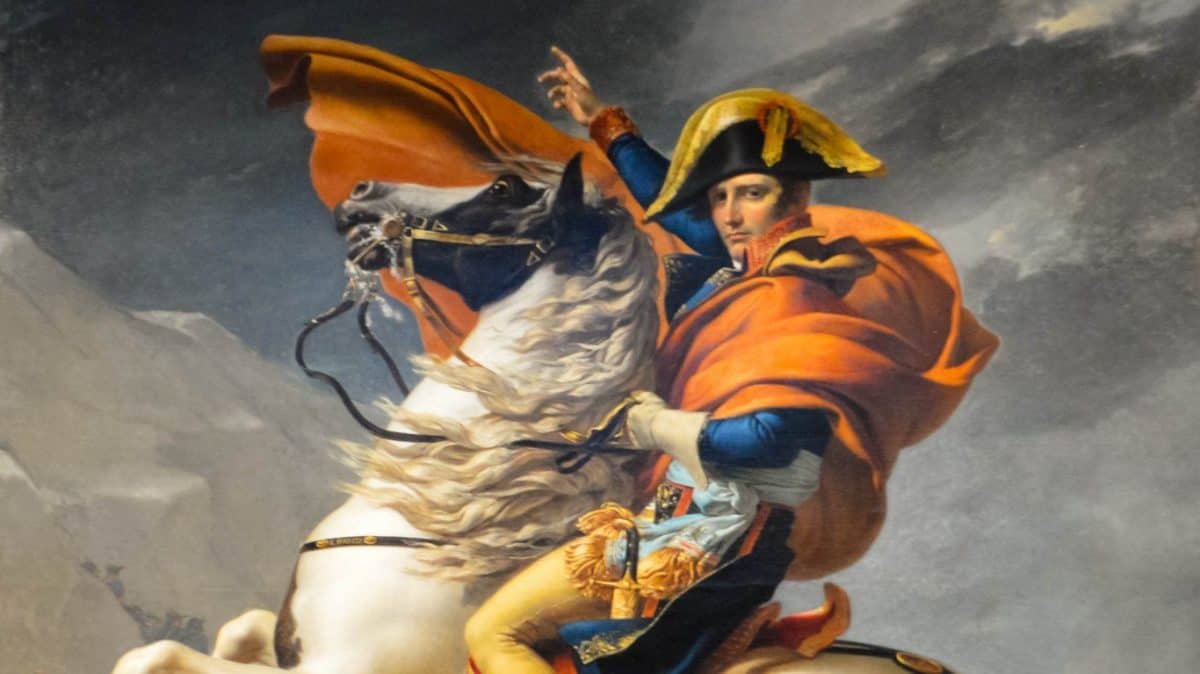
Many things have been said by Napoleon Bonaparte. “An army marches on its stomach” may well be the most famous observation about military logistics ever. He meant that no matter how good your strategy is, it cannot survive hunger.
His Russian campaign of 1812 didn’t fail primarily because of Russian resistance. It failed because 600,000 men ran out of food and fuel across a thousand miles of winter. The line survived because it turned out to be the most accurate thing he ever said.
Douglas MacArthur
MacArthur was ordered out of the Philippines in 1942 when the islands were taken by Japan, but not before he made a promise. He knew what he was doing with it. It is said that “We shall return” was favored by the War Department, but MacArthur refused to change a word. He was after that pronoun. Two years later, he waded ashore at Leyte and announced, right on cue, that he had returned. He understood that a great line needs a sequel, so he wrote himself one.
John Sedgwick
Union Major General John Sedgwick commanded the Sixth Corps during the Battle of Spotsylvania in May of 1864. On the morning of May 9th, Confederate sharpshooters were firing at long range and some of Sedgwick’s men were ducking for cover. The general walked along the line, apparently unconcerned, and told his men: “They couldn’t hit an elephant at this distance.”
A few minutes later, he was shot through the head and killed instantly. It is almost certainly the most grimly ironic last sentence in American military history, and it is thoroughly documented by multiple witnesses who were standing next to him when it happened. He was the highest-ranking Union officer killed in the entire war.
George S. Patton
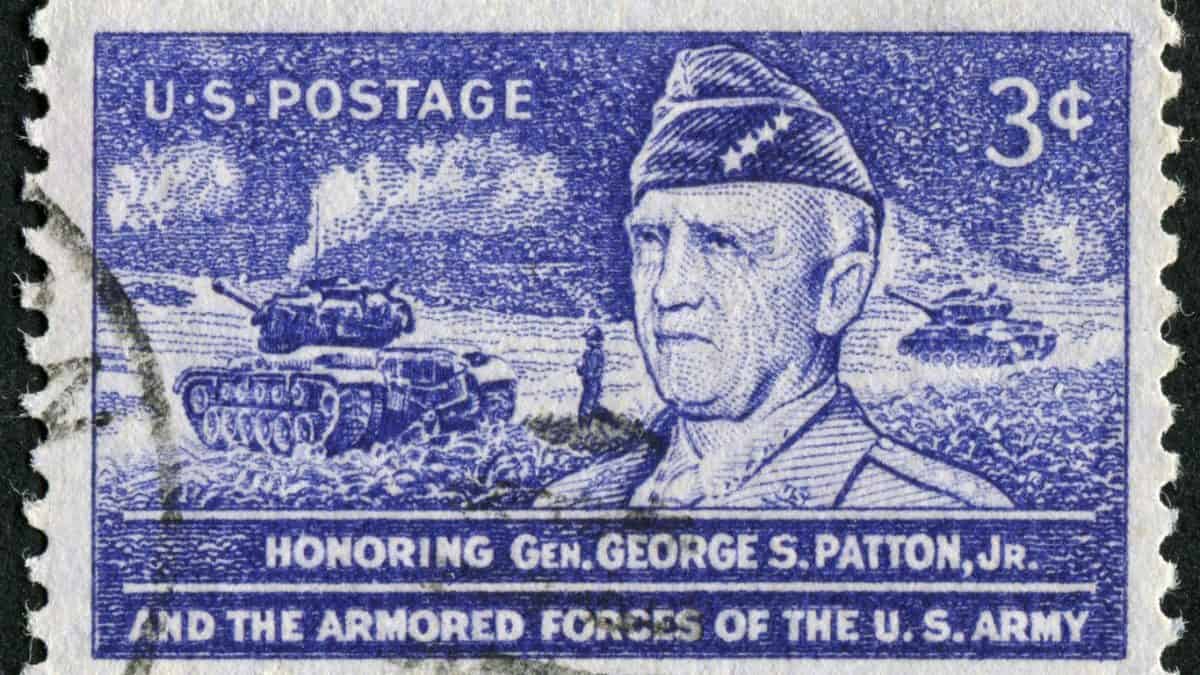
©traveler1116 / iStock Unreleased via Getty Images
Patton truly believed that hesitation killed more soldiers than boldness did, and his reputation was built entirely around that belief. “A good plan, violently executed now, is better than a perfect plan next week.” Whereas many quotes associated with him are not really his at all, this one really is, although different sources present its wording differently. He lived by it too, which made him lethally effective in the field and a real pain for the generals above him.
The image featured at the top of this post is ©Emanuel Leutze, Public domain, via Wikimedia Commons – License / Original