





The World Cup’s Greatest Goal Scorers of All Time
The FIFA World Cup is unlike any other sporting event. Every four years, the best players in the world compete under extraordinary pressure while representing the hopes of entire nations. Goals scored in domestic leagues can build a reputation, but goals scored at the World Cup can create legends. Throughout the tournament's history, only a select group of players have consistently found the net against the world's strongest competition. Their goals have decided championships, inspired generations of fans, and secured places in football history. This article examines the men who became the most prolific scorers ever to perform on the sport's grandest stage. Here, History Computer is taking a closer look at these all timers.
Note that this list is not inclusive of goals being scored in this current World Cup, otherwise Messi would be much higher on this list.
Here is a look at the top World Cup goal scorers of all time:
Diego Maradona
- Country: Argentina
- World Cup Goals: 8
- World Cups Played: 4
- Signature Tournament: 1986
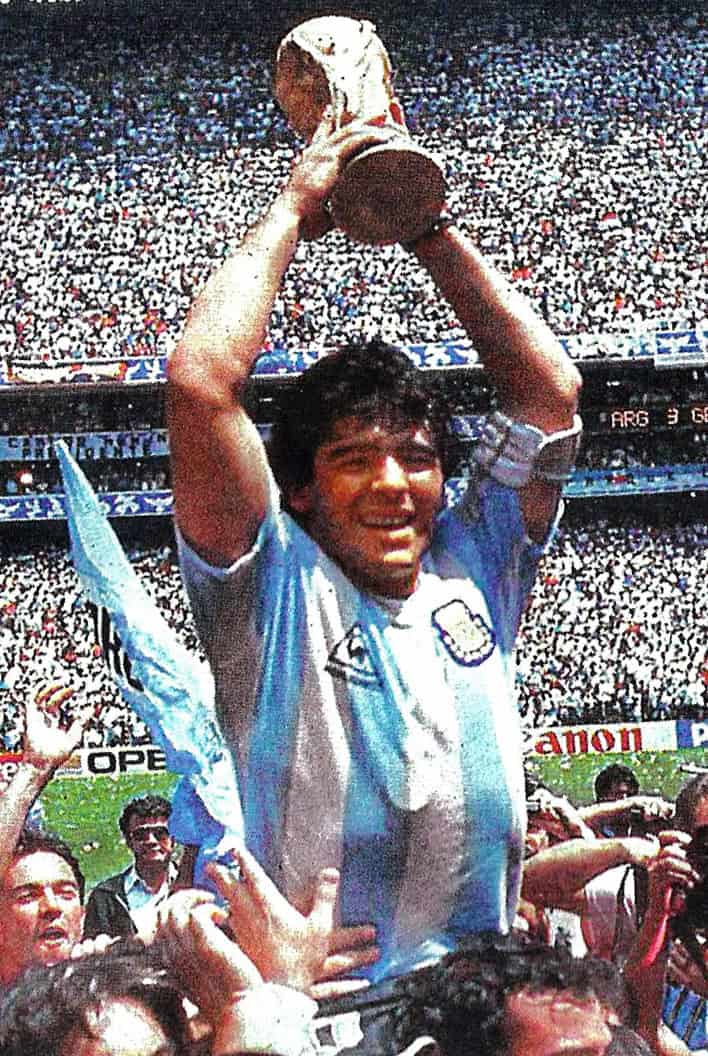
Although his World Cup goal total is lower than many players on this list, Diego Maradona remains one of the most influential figures in tournament history. His legacy is defined not by quantity but by the magnitude of his performances. The 1986 World Cup is widely regarded as one of the greatest individual tournaments ever played, as Maradona carried Argentina to the championship through a combination of creativity, leadership, and brilliance. His famous goals against England—including both the "Hand of God" and the "Goal of the Century"—became part of football folklore. Maradona's eight World Cup goals only scratch the surface of his impact. He controlled matches, created opportunities, and inspired teammates in ways few players ever have. His influence on the World Cup extends far beyond statistics and remains unmatched by many more prolific scorers.
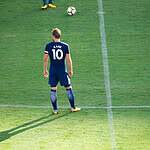
Harry Kane
- Country: England
- World Cup Goals: 8
- World Cups Played: 2
- Signature Tournament: 2018
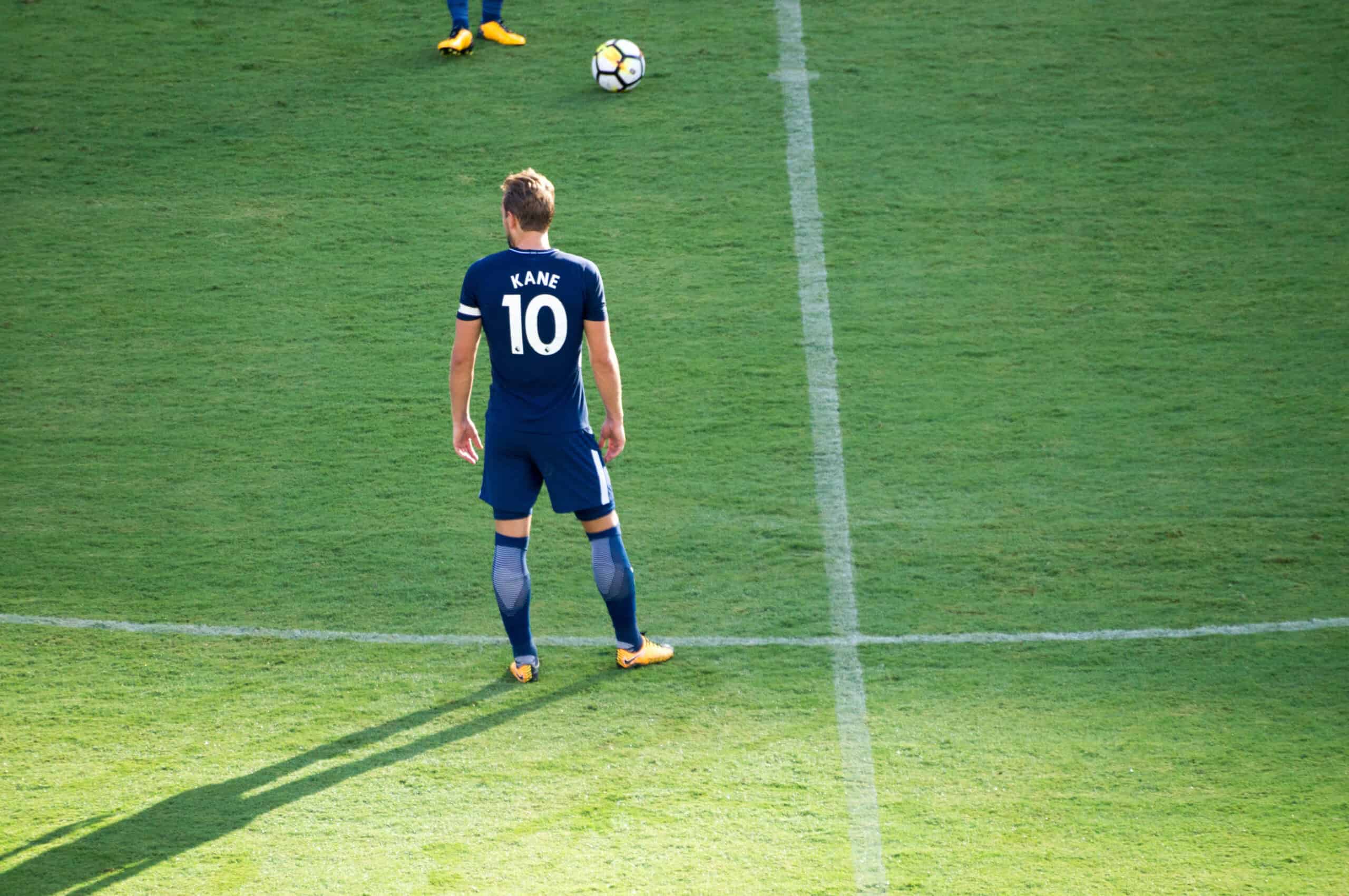
Harry Kane emerged as England's leading striker during a period when the national team returned to regular contention on the international stage. His breakthrough World Cup came in 2018, when he scored six goals and captured the Golden Boot while helping England reach the semifinals for the first time in nearly three decades. Kane's game combines traditional center-forward qualities with modern playmaking ability, making him equally dangerous as a scorer and creator. By the end of the 2022 World Cup, he had accumulated eight tournament goals and established himself among England's most productive World Cup players. His consistency and leadership have made him a central figure in England's modern football resurgence.
Jairzinho
- Country: Brazil
- World Cup Goals: 9
- World Cups Played: 3
- Signature Tournament: 1970
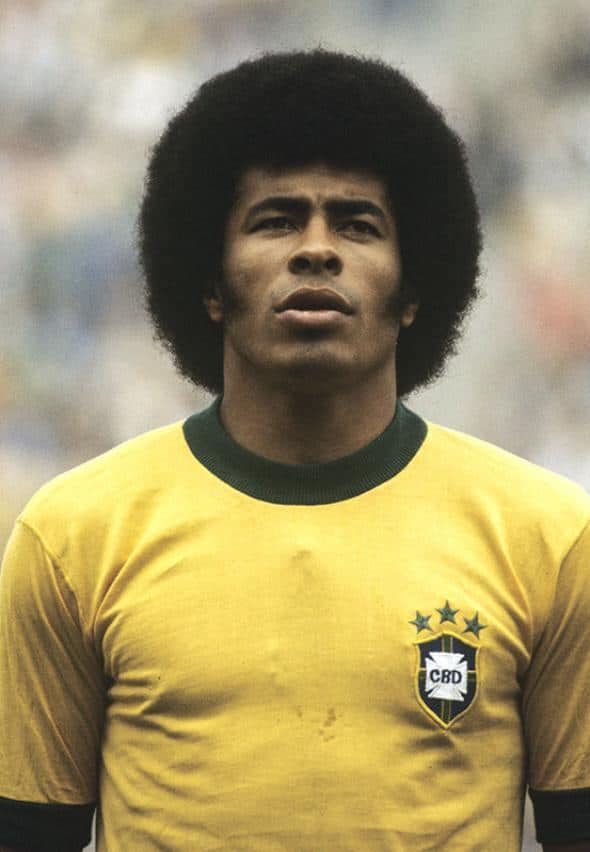
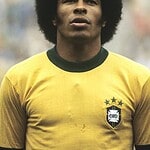
Few achievements in football are as unique as the one accomplished by Jairzinho during the 1970 World Cup. Jairzinho scored in every match Brazil played on its way to winning the tournament, a feat that remains unmatched among players who won the championship. Playing alongside legends such as Pelé, he nevertheless established himself as one of the team's most dangerous attacking threats. His pace, dribbling ability, and finishing made him a nightmare for opposing defenses. The 1970 Brazilian squad is widely considered one of the greatest teams ever assembled, and Jairzinho's contributions were essential to its success. His nine World Cup goals helped define one of football's most celebrated eras and secured his place among the tournament's all-time great scorers.
Eusébio
- Country: Portugal
- World Cup Goals: 9
- World Cups Played: 1
- Signature Tournament: 1966
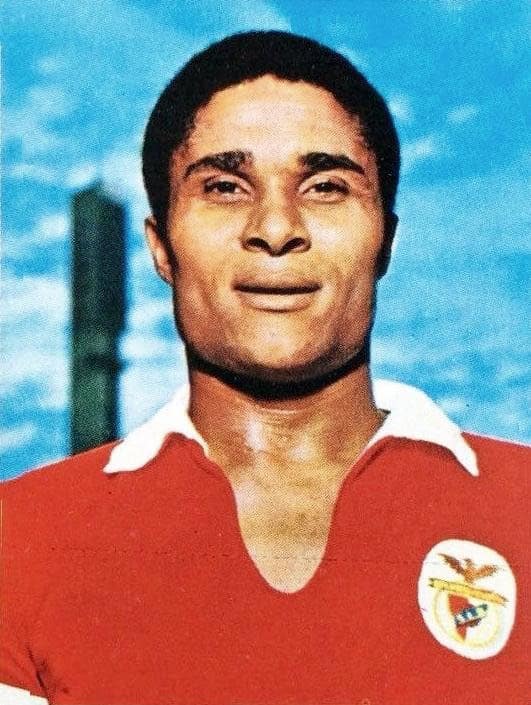
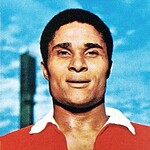
Eusébio needed only a single World Cup to secure his place among the tournament's legends. During the 1966 competition in England, he scored nine goals and carried Portugal to a third-place finish in its first World Cup appearance. His blend of speed, power, and technical skill overwhelmed defenders throughout the tournament. Perhaps his most famous performance came against North Korea in the quarterfinals, when Portugal recovered from a 3-0 deficit and Eusébio scored four goals in an unforgettable comeback victory. Although he never returned to another World Cup, his impact was so profound that his name remains synonymous with international football excellence. Eusébio's 1966 campaign stands as one of the greatest individual performances in World Cup history.
Christian Vieri
- Country: Italy
- World Cup Goals: 9
- World Cups Played: 2
- Signature Tournament: 1998
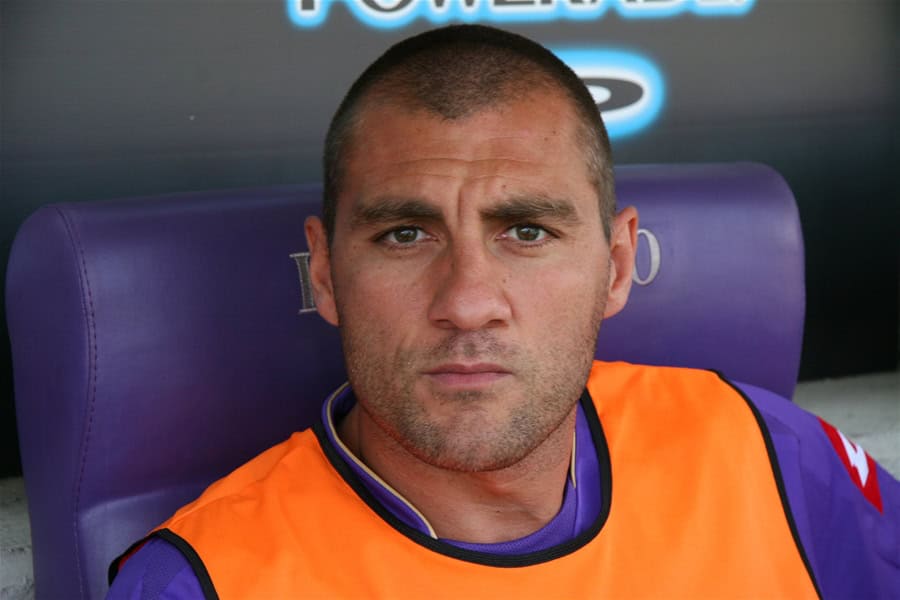
Christian Vieri may have appeared in only two World Cups, but his impact was extraordinary. A powerful center-forward with excellent finishing instincts, Vieri scored nine goals in just nine World Cup matches. Few players in tournament history have maintained such a prolific scoring rate. His performances during the 1998 and 2002 World Cups made him one of Italy's primary attacking weapons and one of the most feared strikers in international football. Vieri combined physical strength with surprising technical ability, allowing him to score in a variety of ways. Although Italy did not achieve the ultimate success during his World Cup appearances, his efficiency and consistency remain among the most impressive scoring records ever produced on football's biggest stage.
Helmut Rahn
- Country: West Germany
- World Cup Goals: 10
- World Cups Played: 2
- Signature Tournament: 1954
Some players are remembered for their statistics, while others are remembered for a single moment that changes history. Helmut Rahn achieved both. Rahn scored 10 World Cup goals during the 1950s, but his legacy was cemented by his winning goal in the 1954 World Cup Final against heavily favored Hungary. That match became known as the "Miracle of Bern" and remains one of the most significant moments in German sporting history. Rahn's decisive strike delivered West Germany's first World Cup title and helped inspire a nation rebuilding after World War II. His performances throughout the tournament demonstrated remarkable composure and finishing ability. More than seven decades later, he remains one of the most important figures in German football history.
Grzegorz Lato
- Country: Poland
- World Cup Goals: 10
- World Cups Played: 3
- Signature Tournament: 1974
Grzegorz Lato became one of the defining figures of Poland's golden era in international football. Blessed with exceptional speed and an eye for goal, Lato emerged as one of the most dangerous attacking players of the 1970s. His finest moment came during the 1974 World Cup when he scored seven goals and captured the Golden Boot, leading Poland to a surprising third-place finish. Lato's ability to exploit space on the wings and finish chances with precision made him a constant threat against elite opponents. Across multiple tournaments, he consistently delivered goals in important matches. His 10-goal World Cup total remains one of the greatest achievements by a player representing a nation outside football's traditional superpowers.
Teófilo Cubillas
- Country: Peru
- World Cup Goals: 10
- World Cups Played: 3
- Signature Tournament: 1970
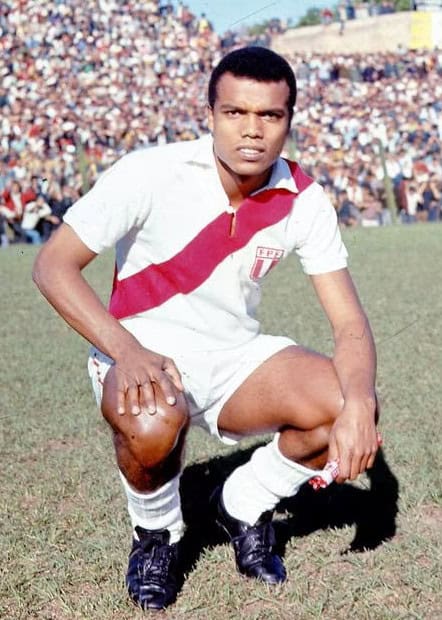
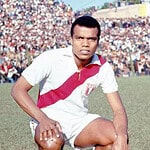
When discussing the greatest World Cup performers from outside football's traditional powerhouses, Teófilo Cubillas deserves special recognition. Representing Peru during the 1970s, Cubillas combined creativity, technical skill, and finishing ability in a way few midfielders have matched. His 10 World Cup goals remain one of the highest totals ever recorded by a player from a nation that rarely advanced deep into the tournament. Cubillas was equally capable of scoring spectacular free kicks, long-range strikes, and well-worked team goals. His performances helped elevate Peru's international reputation and showcased the country's footballing talent on the global stage. Even among players from more successful national teams, Cubillas' achievements stand out as one of the most impressive individual World Cup careers in tournament history.
Thomas Müller
- Country: Germany
- World Cup Goals: 10
- World Cups Played: 4
- Signature Tournament: 2010
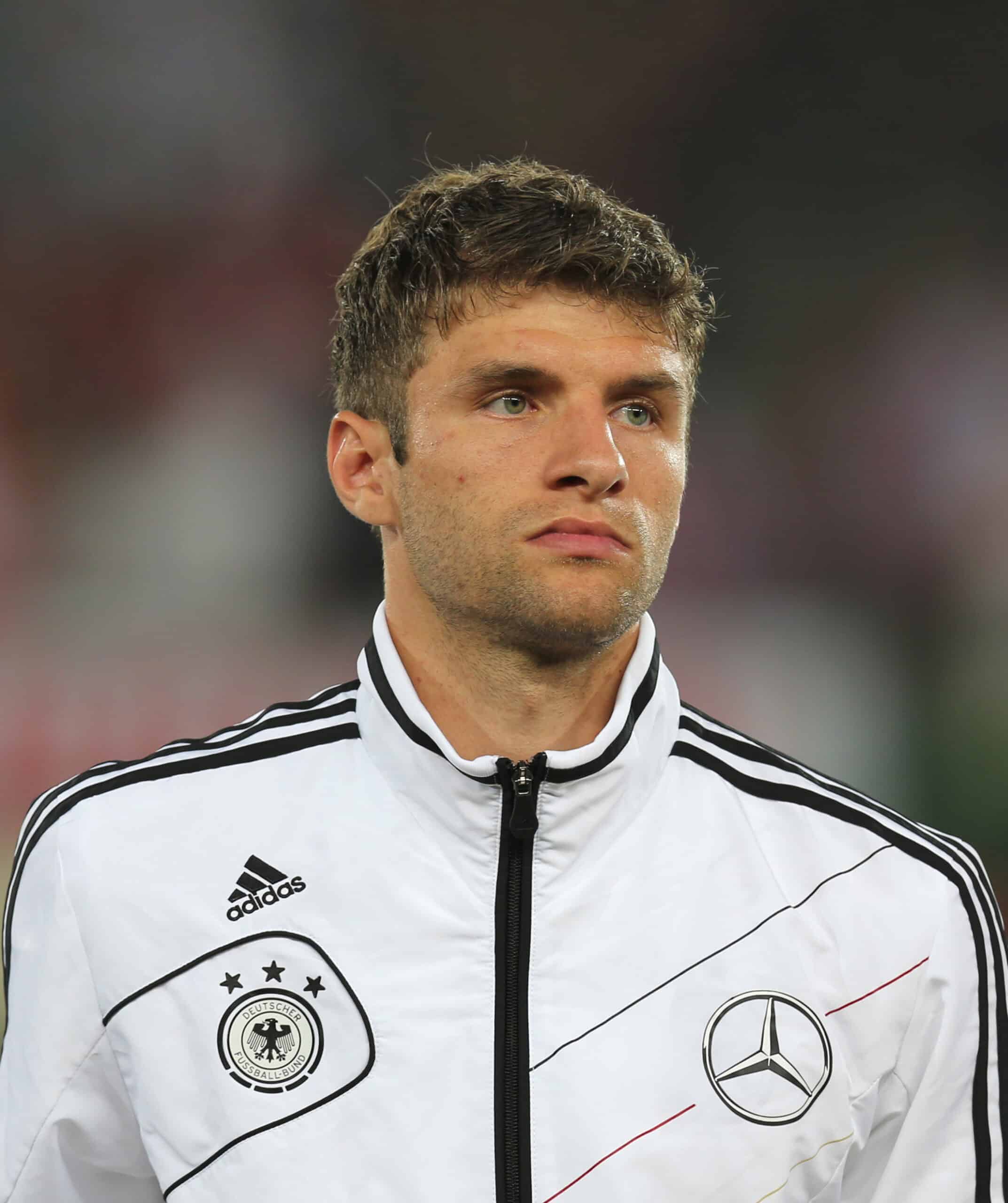
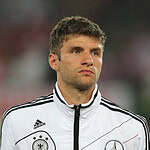
Thomas Müller has built a career around doing things that are difficult to quantify but impossible to ignore. Often described as a "space interpreter," Müller possesses an uncanny ability to find dangerous positions and exploit defensive weaknesses. His World Cup debut in 2010 immediately announced his arrival as a global star when he scored five goals and won the Golden Boot. Four years later, he helped Germany capture the World Cup title while continuing to add to his scoring total. Unlike traditional strikers, Müller's influence extends beyond finishing, as his movement often creates opportunities for teammates as well. His 10 World Cup goals reflect a player whose intelligence and tactical awareness allowed him to thrive at the highest level of international competition.
Gary Lineker
- Country: England
- World Cup Goals: 10
- World Cups Played: 2
- Signature Tournament: 1986
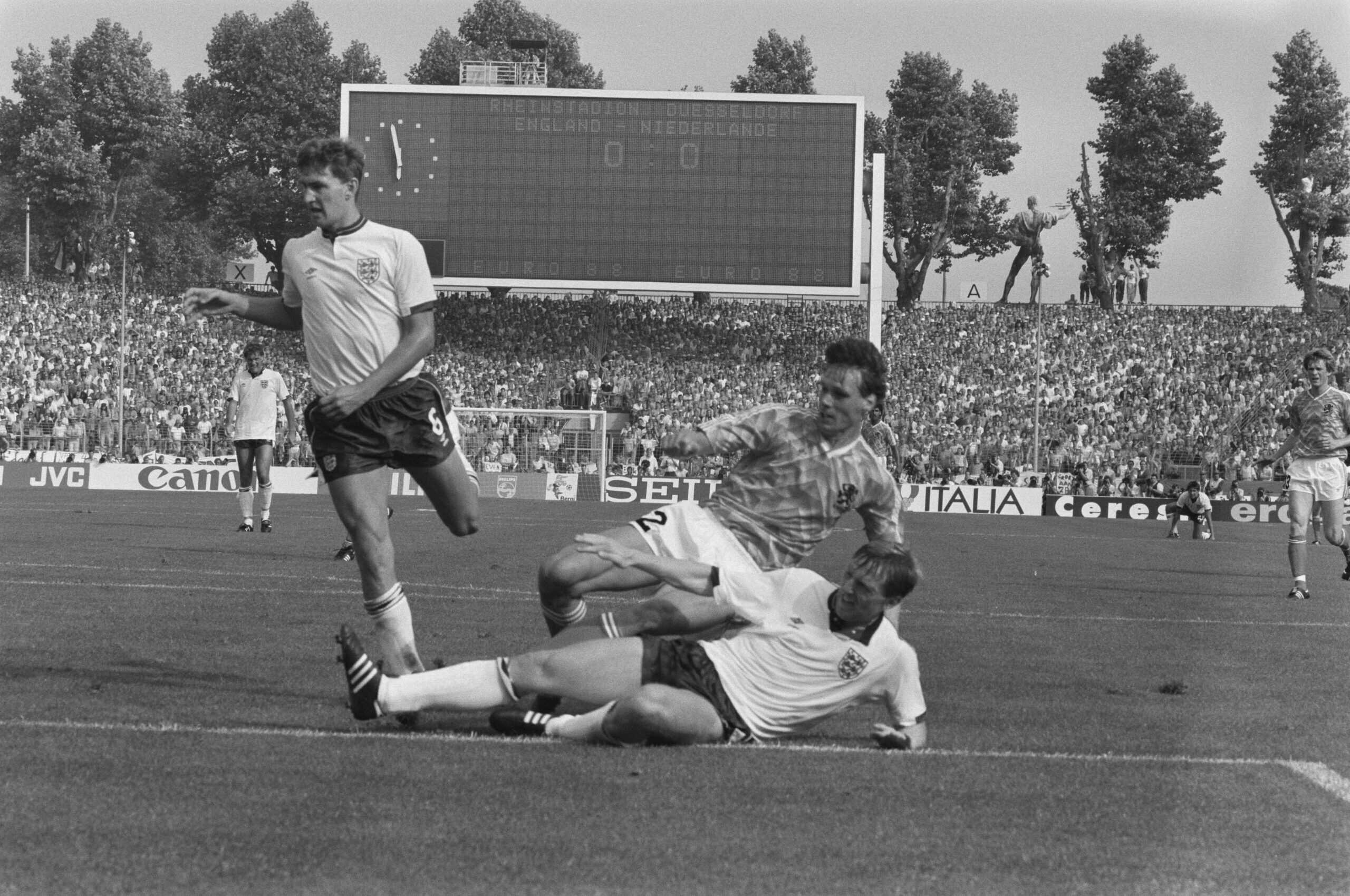
Few players have carried England's scoring hopes as successfully as Gary Lineker. Across the 1986 and 1990 World Cups, Lineker established himself as one of the most clinical finishers of his generation. His defining tournament came in 1986 when he scored six goals to claim the Golden Boot as the competition's leading scorer. Unlike many modern forwards, Lineker relied less on physical dominance and more on anticipation, positioning, and timing. He possessed a remarkable ability to appear in the right place at the right moment, converting chances with efficiency and composure. England's deep runs during his era were often driven by his goalscoring contributions. Decades after his retirement, Lineker remains one of the most accomplished World Cup performers in English football history.
Gabriel Batistuta
- Country: Argentina
- World Cup Goals: 10
- World Cups Played: 3
- Signature Tournament: 1994
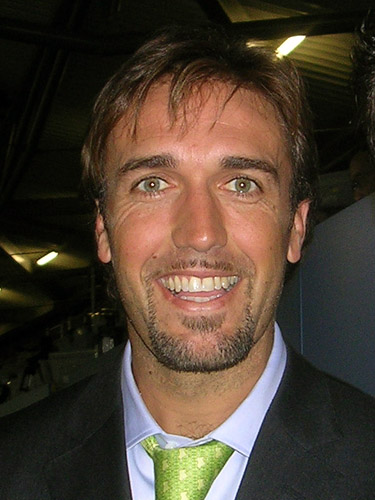
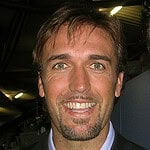
Known for his thunderous shot and relentless attacking mentality, Gabriel Batistuta became one of the most feared strikers of the 1990s. His World Cup record includes 10 goals across three tournaments and the distinction of being the first player to score hat tricks in two separate World Cups. Batistuta's style combined power, technique, and an instinctive understanding of goal-scoring opportunities. Although Argentina never captured a World Cup during his career, his individual performances consistently gave his team a chance to compete against the world's best. Batistuta represented the classic center-forward: physically imposing, technically gifted, and capable of changing a match with a single strike. His achievements continue to place him among Argentina's greatest goalscorers.
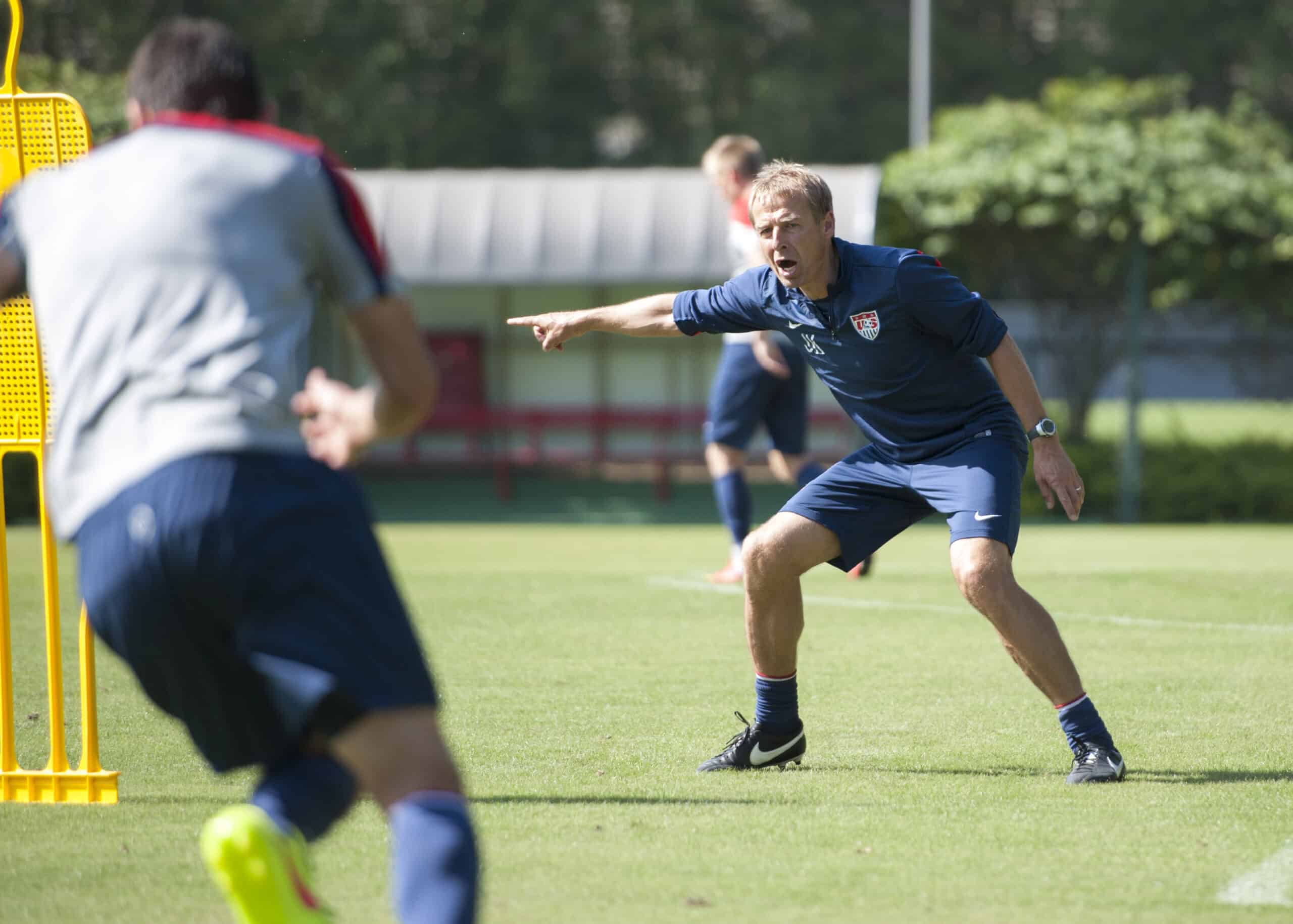
Jürgen Klinsmann
- Country: Germany
- World Cup Goals: 11
- World Cups Played: 3
- Signature Tournament: 1990
Consistency is the hallmark of Jürgen Klinsmann's World Cup career. Across three tournaments, Klinsmann established himself as one of Germany's most dependable attacking players, scoring goals in multiple World Cups and helping maintain his country's reputation as a perennial contender. His intelligent movement, relentless work rate, and finishing ability made him a constant threat to opposing defenses. Klinsmann's greatest success came during Germany's victorious 1990 campaign, but his impact extended well beyond a single tournament. Few players have demonstrated such sustained effectiveness on the international stage. His 11 World Cup goals reflect not only personal excellence but also his ability to perform under pressure against elite competition. Klinsmann remains one of the most respected forwards in German football history.
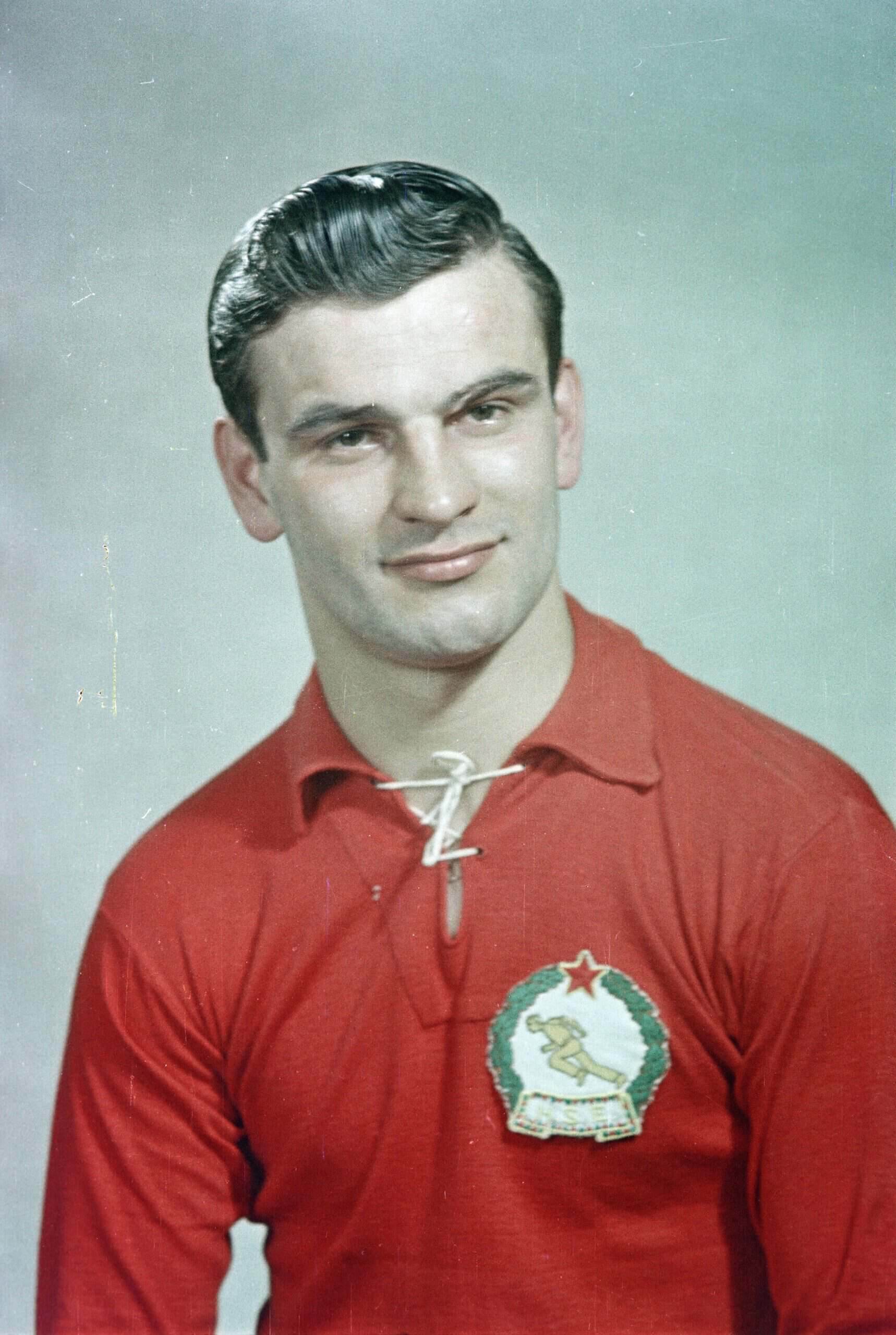
Sándor Kocsis
- Country: Hungary
- World Cup Goals: 11
- World Cups Played: 1
- Signature Tournament: 1954
Sándor Kocsis was the leading scorer for one of the greatest teams never to win a World Cup. Hungary's legendary "Golden Team" entered the 1954 tournament as overwhelming favorites, and Kocsis quickly demonstrated why he was considered one of the world's premier forwards. He scored 11 goals in just five matches, an extraordinary rate that remains one of the most efficient scoring performances in tournament history. Renowned for his aerial ability and clinical finishing, Kocsis consistently punished defenses throughout the competition. Although Hungary ultimately suffered a shocking defeat in the final, his individual achievements endured. His remarkable goal total, achieved in a single tournament, secured his place among the most prolific scorers ever to appear on football's biggest stage.
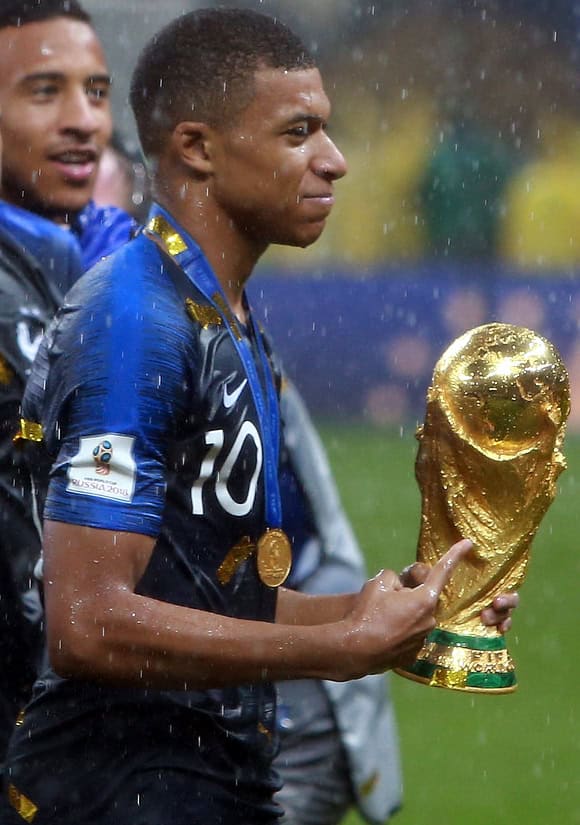
Kylian Mbappé
- Country: France
- World Cup Goals: 12
- World Cups Played: 2
- Signature Tournament: 2022
By the conclusion of the 2022 World Cup, Kylian Mbappé had already placed himself among the tournament's greatest goalscorers despite appearing in only two World Cups. His combination of speed, finishing ability, and composure under pressure has drawn comparisons to some of football's all-time legends. Mbappé announced himself to the world during France's 2018 title-winning campaign before producing an even more spectacular performance in 2022. His hat trick in the World Cup final against Argentina became one of the most remarkable individual performances ever seen in the tournament's biggest match. With 12 goals before turning 24 years old, Mbappé demonstrated a scoring pace rarely seen in World Cup history. His career remains unfinished, but his accomplishments through 2022 already rank among the tournament's elite.
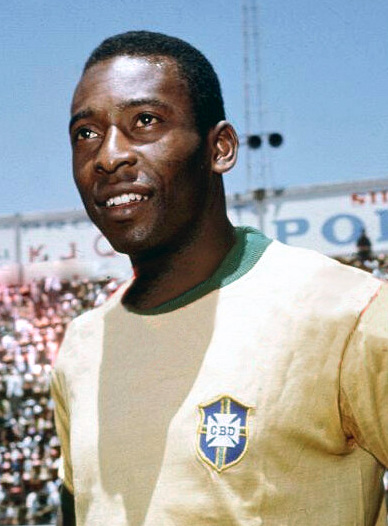
Pelé
- Country: Brazil
- World Cup Goals: 12
- World Cups Played: 4
- Signature Tournament: 1958
Few athletes transcend their sport the way Pelé did. Although his World Cup goal total ranks below several modern stars, his impact on the tournament is unmatched. Pelé burst onto the international stage as a teenager in 1958, dazzling the world with his creativity, composure, and technical brilliance. Over four World Cups, he scored 12 goals and became the only player in history to win three World Cup titles. His performances helped establish Brazil as the global standard for football excellence and transformed the tournament into a worldwide spectacle. More than just a goalscorer, Pelé symbolized football's artistry and global appeal. His influence on the game continues decades after his retirement, making him one of the most important figures in World Cup history.
Lionel Messi
- Country: Argentina
- World Cup Goals: 13
- World Cups Played: 5
- Signature Tournament: 2022
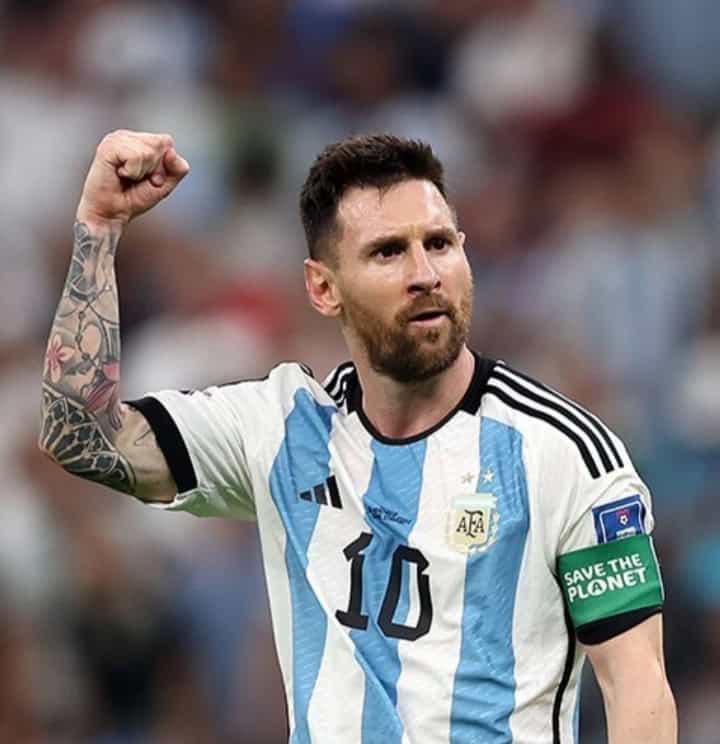
For much of his career, critics pointed to the absence of a World Cup title when comparing Lionel Messi to football's greatest legends. That debate largely ended in 2022. Across five World Cups, Messi evolved from a young prodigy into the emotional and tactical leader of Argentina's national team. His 13 goals only tell part of the story. He also provided countless assists, controlled matches through his creativity, and delivered decisive performances in crucial moments. The 2022 World Cup became the defining chapter of his international career, as he guided Argentina to the championship while producing some of the tournament's most memorable moments. Messi's World Cup legacy extends beyond goals because he influenced nearly every aspect of Argentina's attack. His triumph in Qatar secured his place among the sport's most complete players.
Just Fontaine
- Country: France
- World Cup Goals: 13
- World Cups Played: 1
- Signature Tournament: 1958
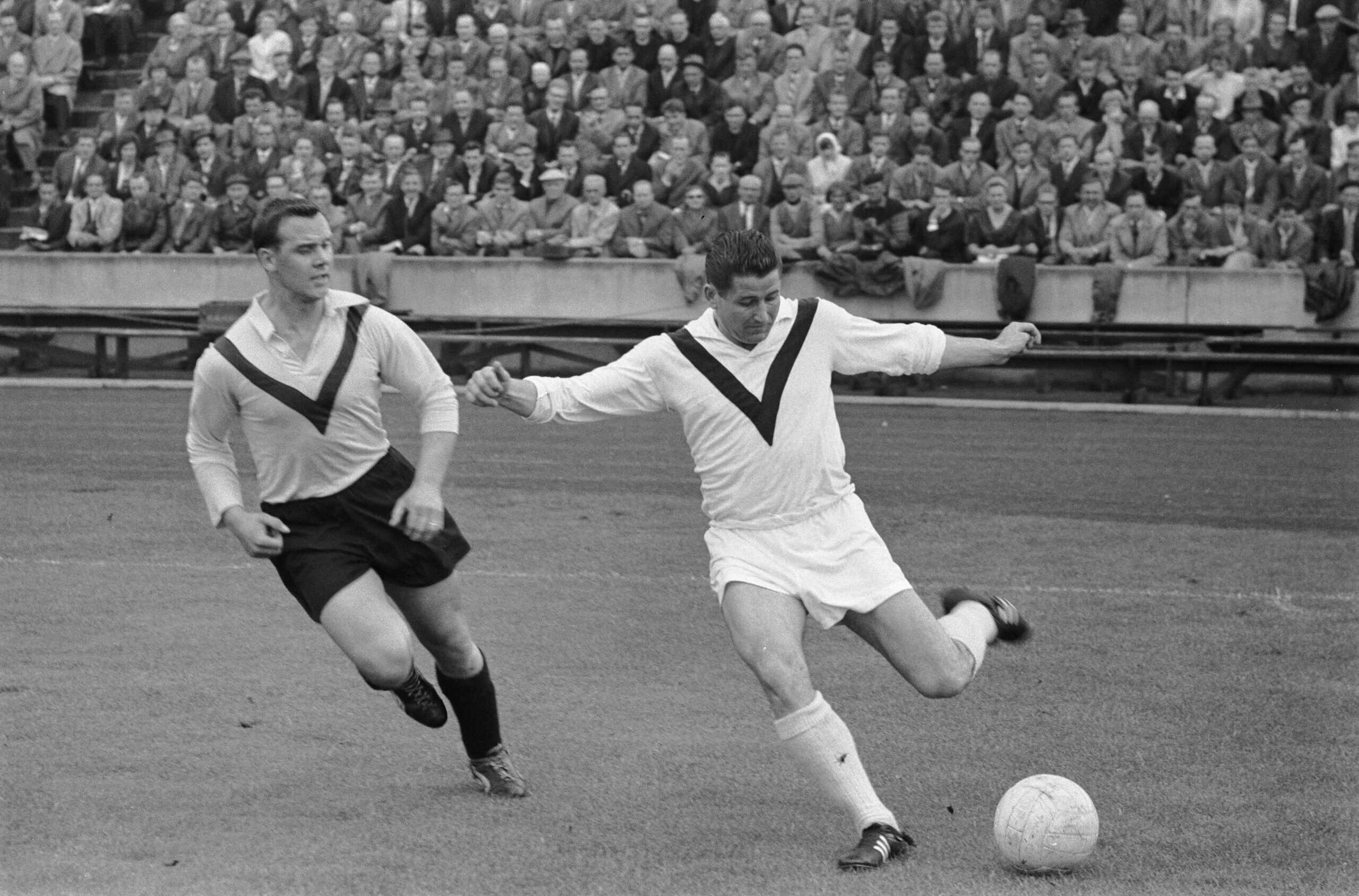
No World Cup goalscoring record is more astonishing than the one held by Just Fontaine. During the 1958 World Cup in Sweden, Fontaine scored an incredible 13 goals in a single tournament—a record that still stands more than six decades later. What makes the achievement even more remarkable is that it occurred in his only World Cup appearance. Modern football's defensive structures, expanded tournaments, and increased parity have made it nearly impossible for any player to approach his total. Fontaine's performance carried France to a third-place finish and instantly secured his place among football's all-time greats. While others surpassed his career World Cup total through multiple tournaments, nobody has matched the sheer scoring explosion he produced in 1958. It remains one of the most untouchable records in sports.
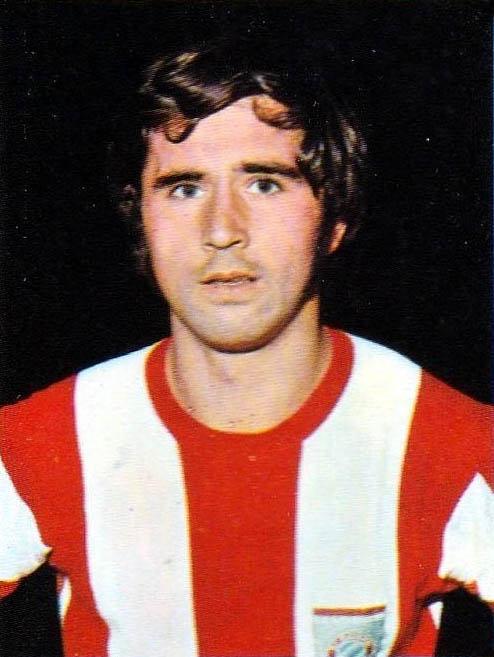
Gerd Müller
- Country: West Germany
- World Cup Goals: 14
- World Cups Played: 2
- Signature Tournament: 1970
Long before modern sports science and global television coverage, Gerd Müller established a standard for World Cup scoring excellence that endured for decades. Nicknamed "Der Bomber," Müller possessed an extraordinary ability to find scoring opportunities where none seemed to exist. His compact frame, quick reactions, and ruthless finishing made him one of the deadliest penalty-area predators in football history. Remarkably, he scored 14 World Cup goals in just two tournaments, a level of efficiency rarely matched before or since. His performances helped West Germany become one of the dominant football powers of the twentieth century, culminating in victory at the 1974 World Cup. Müller's scoring record stood as the benchmark for generations and remains one of the most impressive accomplishments in tournament history.
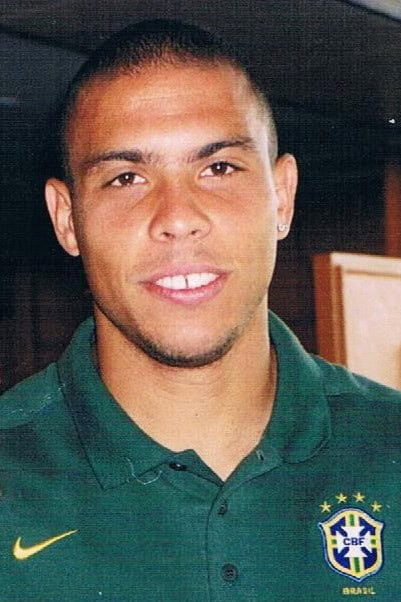
Ronaldo
- Country: Brazil
- World Cup Goals: 15
- World Cups Played: 4
- Signature Tournament: 2002
Before Klose broke the record, Ronaldo was widely regarded as the greatest World Cup goalscorer in history. Known simply as "R9" to football fans around the world, Ronaldo combined explosive speed, extraordinary technical skill, and lethal finishing ability. His defining tournament came in 2002 when he scored eight goals and led Brazil to its fifth World Cup title. That performance was especially remarkable because it came after a series of devastating knee injuries that many believed would end his career. Ronaldo's ability to recover and dominate the world's biggest tournament elevated his legacy beyond statistics alone. Across four World Cups, he consistently tormented defenders and delivered goals in crucial moments. His blend of athleticism and instinctive finishing made him one of the most feared strikers the sport has ever seen.
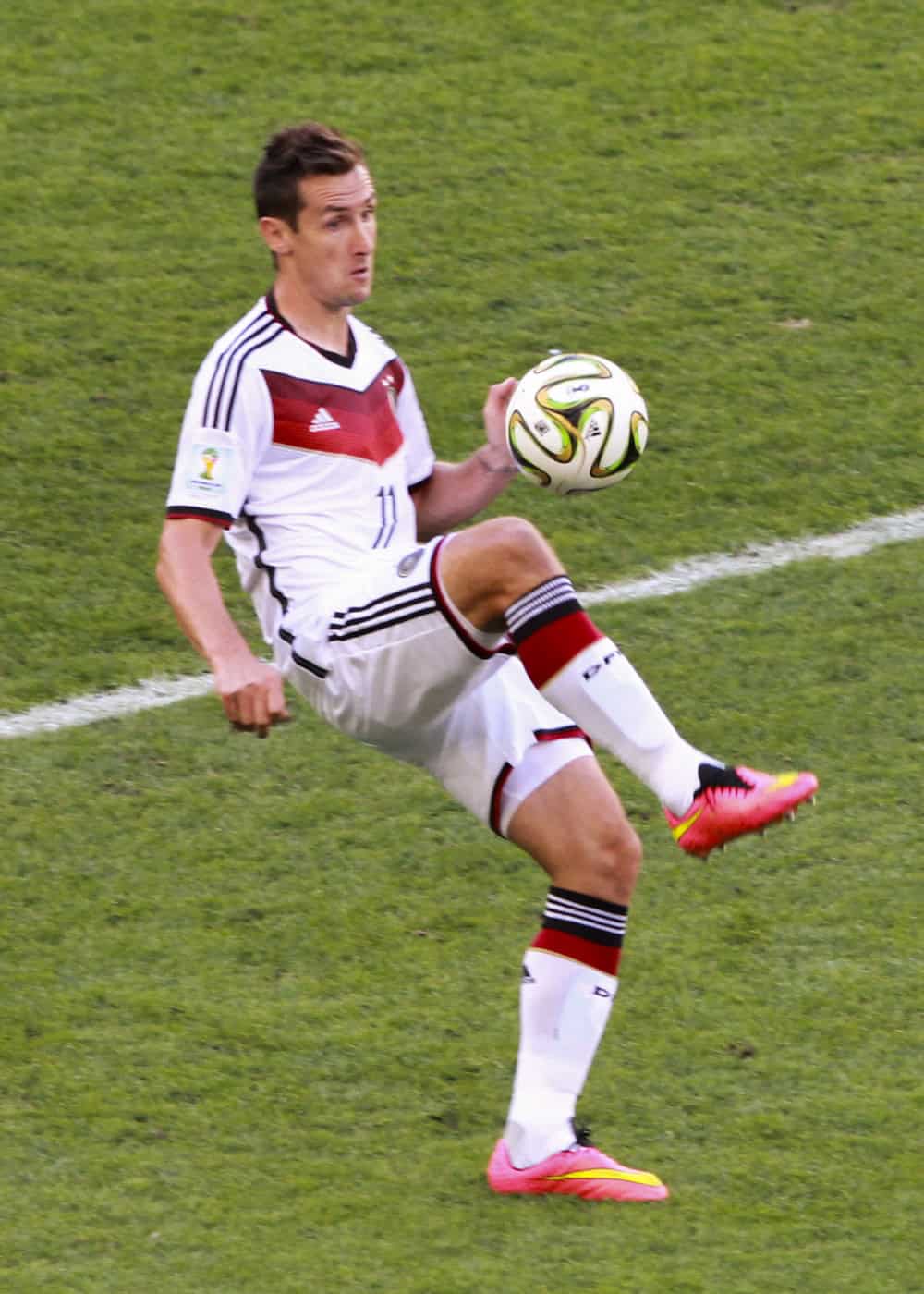
Miroslav Klose
- Country: Germany
- World Cup Goals: 16
- World Cups Played: 4
- Signature Tournament: 2002
Few players embodied efficiency on football's biggest stage like Miroslav Klose. Unlike many legendary scorers who relied on dazzling dribbling or spectacular long-range shots, Klose built his reputation through intelligent movement, exceptional positioning, and clinical finishing inside the penalty area. Across four World Cups from 2002 to 2014, he consistently delivered goals when Germany needed them most. His record-breaking 16th World Cup goal surpassed Ronaldo's long-standing mark and cemented his place in tournament history. Klose's achievement is particularly impressive because it was built through sustained excellence over multiple tournaments rather than a single dominant performance. His contribution helped Germany remain a perennial contender and culminated in lifting the World Cup trophy in 2014, providing a fitting conclusion to one of the greatest World Cup careers ever assembled.
The image featured at the top of this post is ©Hossein Zohrevand / Wikimedia Commons – License / Original