







Baseball’s Most Famous Quotes and the Stories Behind Them
Baseball has always been a game of memorable moments, but some of its greatest legacies have come not from home runs or championship victories, but from the words spoken by the people who lived them. Legendary players, managers, executives, and broadcasters have produced quotes that continue to be repeated decades after they were first uttered. Some inspired generations of athletes, others made fans laugh, and a few perfectly captured the emotions that define the game. Together, these sayings have become an enduring part of baseball's rich tradition, reminding us that the sport's history is told not only through statistics and trophies but also through unforgettable words. Here, History Computer is taking a closer look at these famous Baseball quotes.
Here is a look at the most famous quotes in Baseball history:
More Than Clever One-Liners
The most famous baseball quotes have endured because they represent something larger than the moment in which they were spoken. Lou Gehrig's farewell address became a symbol of courage and gratitude in the face of tragedy. Yogi Berra's humorous observations revealed surprising truths about competition and perseverance. Ted Williams explained the extraordinary difficulty of succeeding in baseball, while Branch Rickey offered timeless lessons about preparation and leadership. These quotations continue to resonate because they reflect universal experiences that extend well beyond the ballpark. They speak to determination, resilience, teamwork, humility, and the pursuit of excellence in every walk of life.
Baseball's Greatest Personalities
Many of the sport's most memorable quotes came from personalities who were as legendary off the field as they were on it. Yogi Berra became famous for turning simple observations into lasting wisdom through his unique sense of humor. Satchel Paige entertained audiences with colorful advice drawn from an extraordinary career that spanned multiple eras of baseball. Babe Ruth's confidence and charisma transformed him into one of America's first sports celebrities, while Casey Stengel's playful contradictions became as recognizable as his championship success. Their words reveal the human side of baseball and help explain why these figures remain beloved long after their playing and managerial careers ended.
Fifteen Quotes That Defined America's Pastime
The fifteen quotes featured here span nearly a century of baseball history and come from some of the sport's most influential figures. Together they capture the humor, heartbreak, wisdom, confidence, and passion that have defined generations of players, managers, and executives. Some have become part of everyday conversation, while others remain cherished reminders of baseball's greatest moments. Each quote tells a story that extends far beyond a single interview or speech, offering insight into the personalities who shaped the national pastime. These are the words that helped define baseball just as surely as any championship, record, or legendary performance on the field.
"Today I consider myself the luckiest man on the face of the Earth." — Lou Gehrig
- Year: 1939
- Where It Was Said: Yankee Stadium farewell ceremony
- The Story Behind It: Farewell speech after ALS diagnosis
- Lasting Legacy: One of the greatest speeches in sports history
Few moments in sports history have matched the emotional weight of Lou Gehrig's farewell speech at Yankee Stadium on July 4, 1939. Just weeks after being diagnosed with the disease that would later bear his name, Gehrig stood before thousands of fans to announce the end of one of baseball's greatest careers. Rather than expressing bitterness or despair, he delivered a message of gratitude, concluding with the unforgettable declaration that he considered himself "the luckiest man on the face of the Earth." The speech became a defining example of dignity, humility, and resilience in the face of unimaginable adversity. More than eight decades later, Gehrig's words remain among the most quoted in American sports, symbolizing courage that transcends baseball itself.
"It ain't over 'til it's over." — Yogi Berra
- Year: 1973
- Where It Was Said: During the Mets' pennant race
- The Story Behind It: Said as the Mets mounted an unlikely comeback
- Lasting Legacy: Baseball's ultimate quote about perseverance
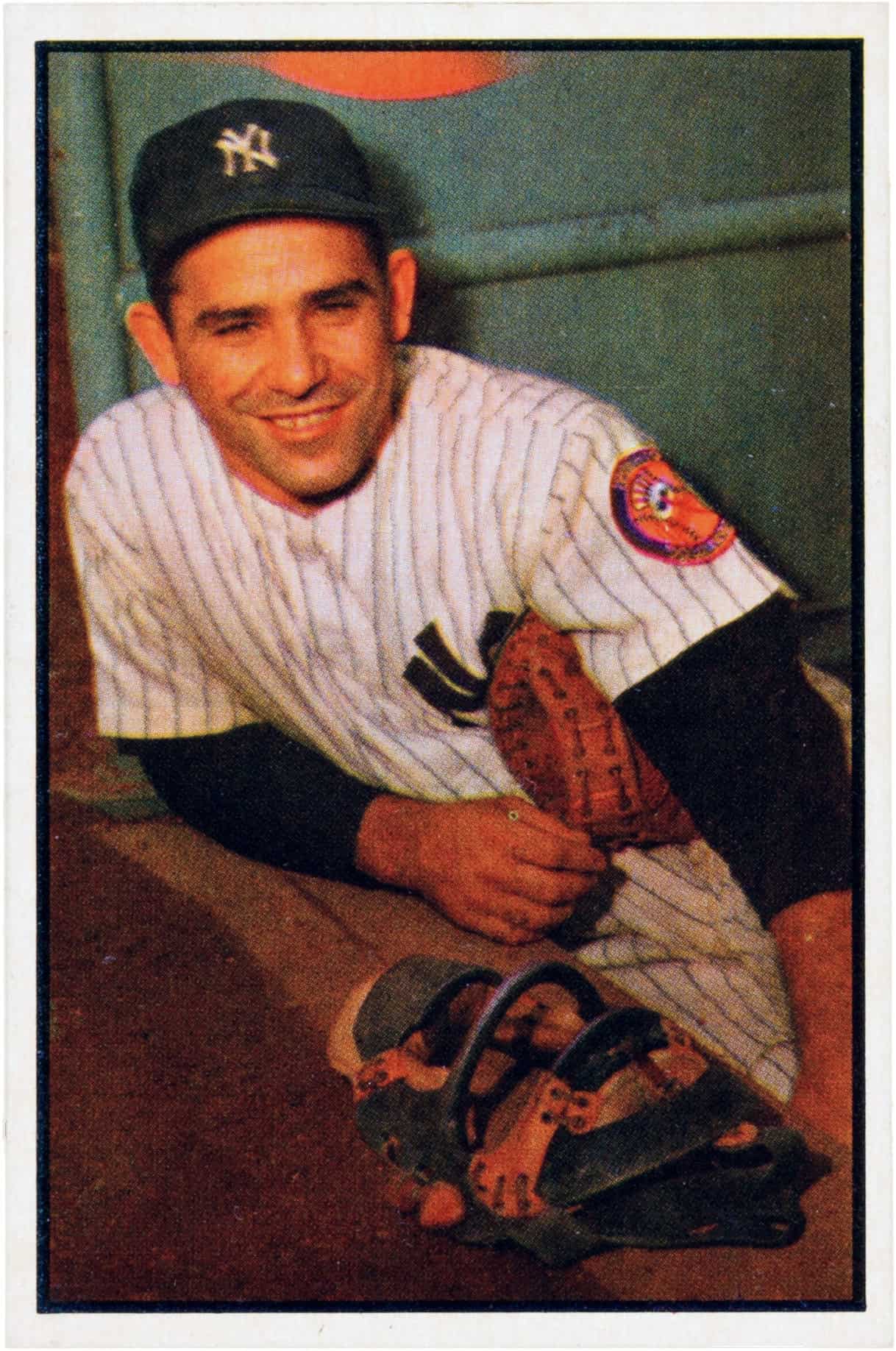
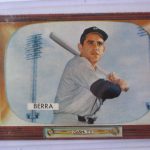
No player is more closely associated with memorable quotations than Yogi Berra, and none of his sayings has become more famous than "It ain't over 'til it's over." Berra reportedly made the remark during the New York Mets' improbable 1973 pennant race as the team battled back from a sizable deficit. Although the statement sounded obvious on the surface, it perfectly captured baseball's unpredictable nature, where fortunes can change dramatically over a long season. The Mets ultimately completed their comeback and reached the World Series, giving Berra's words legendary status. Today the quote is used far beyond baseball whenever perseverance, patience, and belief are required. It has become one of the defining expressions of competitive sports and one of the greatest examples of Berra's uniquely simple wisdom.
"Baseball is ninety percent mental. The other half is physical." — Yogi Berra
- Year: 1960s
- Where It Was Said: Clubhouse/interviews
- The Story Behind It: Classic Yogi-ism
- Lasting Legacy: Humorous wisdom quoted across sports
This famous "Yogi-ism" perfectly illustrates why Yogi Berra remains one of baseball's most beloved personalities. At first glance, the quote appears mathematically impossible, yet its underlying message resonates with players at every level of the game. Baseball demands extraordinary concentration, emotional control, and the ability to recover quickly from failure. Berra's humorous observation exaggerates that reality in a way that is both memorable and insightful. Throughout his Hall of Fame career, Berra demonstrated an uncanny ability to simplify complex ideas through playful contradictions. Decades later, coaches, broadcasters, and fans continue quoting this line because it reflects one of baseball's greatest truths: physical talent alone is rarely enough. Mental toughness often separates good players from great ones.
"Luck is the residue of design." — Branch Rickey
- Year: 1940s
- Where It Was Said: Executive interviews
- The Story Behind It: Explained preparation behind success
- Lasting Legacy: Timeless lesson on planning and hard work
When Branch Rickey declared that "Luck is the residue of design," he summarized a philosophy that guided one of the most influential careers in baseball history. Rickey believed success resulted from preparation, planning, and careful decision-making rather than chance. The quote reflected his approach to building championship organizations, developing farm systems, and identifying overlooked talent. It also aligned with the bold decisions that changed baseball forever, most notably signing Jackie Robinson and helping integrate Major League Baseball. Over time, the saying has become popular far beyond sports, frequently appearing in business, leadership, and management discussions. Rickey's words remind readers that what often appears to be good fortune is usually the product of vision, discipline, and thoughtful preparation.
"Nice guys finish last." — Leo Durocher
- Year: 1946
- Where It Was Said: Discussing competition
- The Story Behind It: Comment on the competitive nature of baseball
- Lasting Legacy: One of the most famous sayings in sports
Few baseball quotes have entered everyday language as completely as "Nice guys finish last." Although often repeated in countless contexts, the saying originated with manager Leo Durocher during the 1940s. Durocher was known for his fiery personality and intense competitiveness, qualities that often defined his managerial style. While the exact wording has been debated over the years, the phrase became closely associated with his belief that successful teams required toughness and relentless determination. The quote has since taken on a life of its own, frequently appearing in discussions about competition, business, and leadership. Whether people agree with its message or not, "Nice guys finish last" remains one of the most recognizable sayings ever to emerge from the baseball world.
"You can observe a lot just by watching." — Yogi Berra
- Year: 1960s
- Where It Was Said: Interviews
- The Story Behind It: Classic Yogi observation
- Lasting Legacy: Embodies Berra's unique wisdom
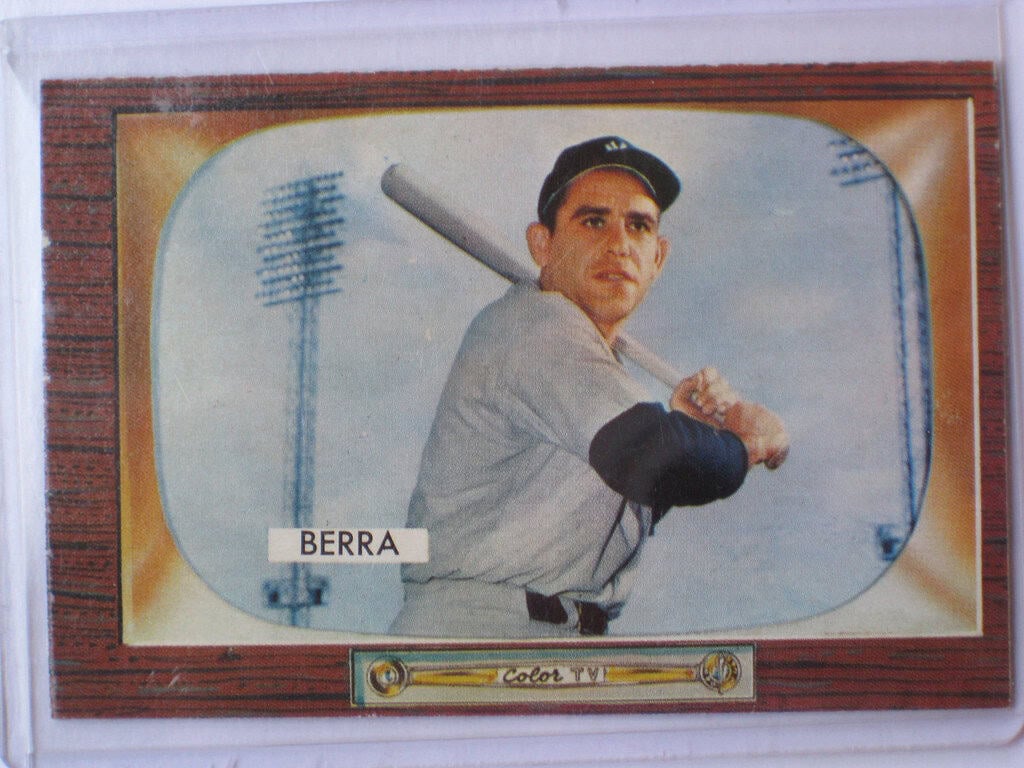
At first hearing, this quote sounds like another humorous contradiction from Yogi Berra. Yet beneath its simplicity lies a lesson that has made it one of the most enduring statements in baseball. Berra understood that successful players constantly study the game, noticing tendencies, body language, and subtle patterns that others overlook. His remark suggests that careful observation often reveals insights unavailable through statistics or instinct alone. Like many of Berra's sayings, its brilliance lies in disguising wisdom behind humor. Coaches, scouts, broadcasters, and players continue to repeat the quote because it emphasizes one of baseball's oldest traditions: learning by paying close attention. It remains one of the finest examples of Berra's ability to make profound observations sound delightfully ordinary.
"Don't look back. Something might be gaining on you." — Satchel Paige
- Year: 1960s
- Where It Was Said: Public appearances
- The Story Behind It: Advice drawn from his remarkable career
- Lasting Legacy: Life lesson extending beyond baseball
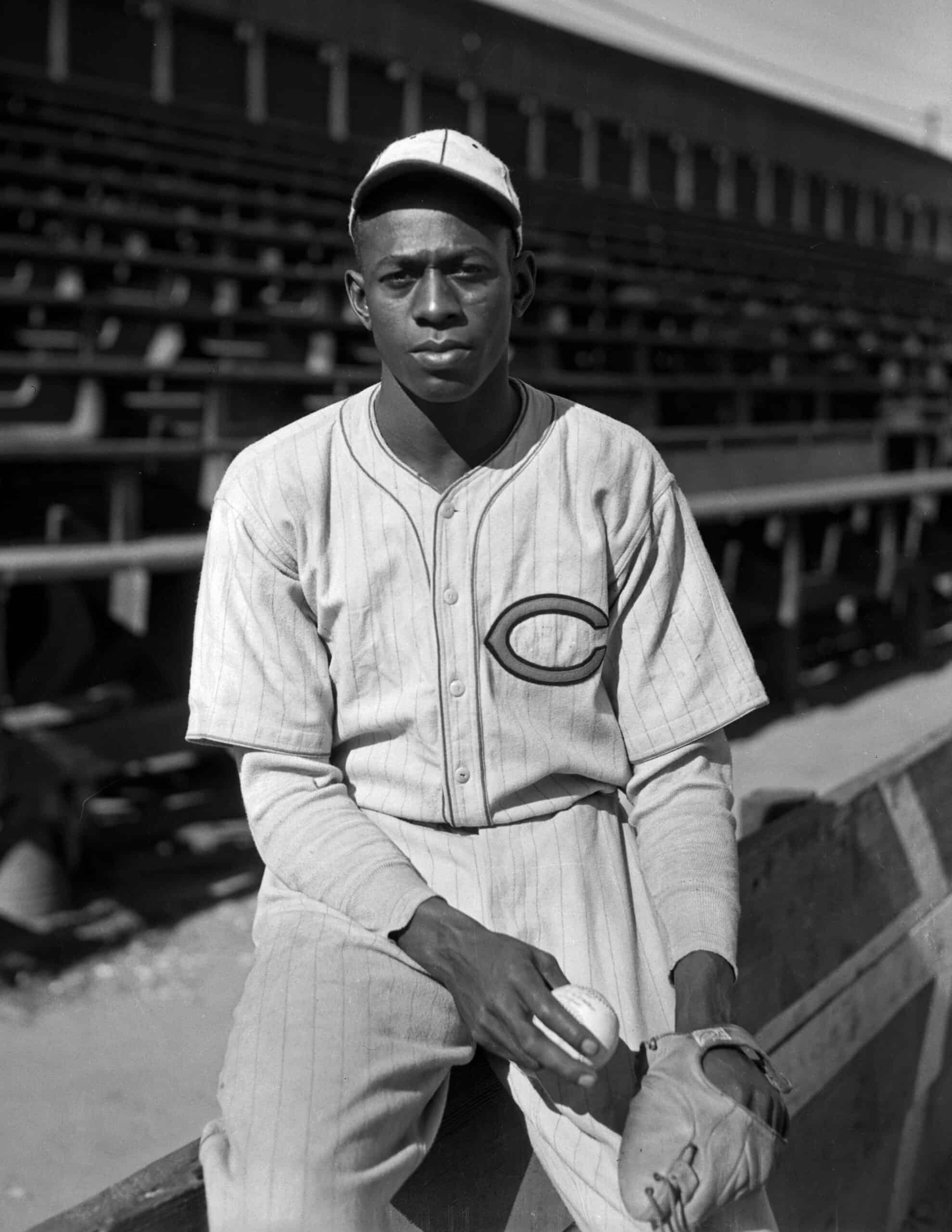
Few players lived a baseball life as extraordinary as Satchel Paige. Long before integrating Major League Baseball, Paige became one of the greatest stars of the Negro Leagues, famous for his remarkable pitching ability and larger-than-life personality. His advice, "Don't look back. Something might be gaining on you," reflected both humor and hard-earned experience. Paige understood that dwelling on past successes or failures could distract athletes from the challenges ahead. The quote became one of his defining expressions, encouraging confidence, optimism, and constant forward movement. Today it is frequently quoted far beyond baseball, serving as a timeless reminder that progress comes from focusing on what lies ahead rather than what has already passed.
"I never blame myself when I'm not hitting. I just blame the bat." — Yogi Berra
- Year: 1950s
- Where It Was Said: Clubhouse interviews
- The Story Behind It: Humorous take on slumps
- Lasting Legacy: Illustrates baseball superstition and humor
This classic Yogi Berra quote captures the humor and superstition that have long been part of baseball culture. Every hitter experiences slumps, and throughout the sport's history players have searched for explanations ranging from mechanical flaws to lucky rituals. Berra jokingly suggested the simplest solution of all: blame the bat instead of the batter. The remark reflects baseball's unique combination of pressure, psychology, and superstition, where players often develop quirky habits to boost confidence. Although delivered with Berra's trademark humor, the quote also highlights the frustration that accompanies failure in a sport where even Hall of Fame hitters make outs far more often than they reach base. Its relatability has kept it popular with generations of players and fans alike.
"All ballplayers should quit when it starts to feel as if all the baselines run uphill." — Babe Ruth
- Year: 1930s
- Where It Was Said: Reflections on retirement
- The Story Behind It: Observation about aging athletes
- Lasting Legacy: Still cited when discussing retirement
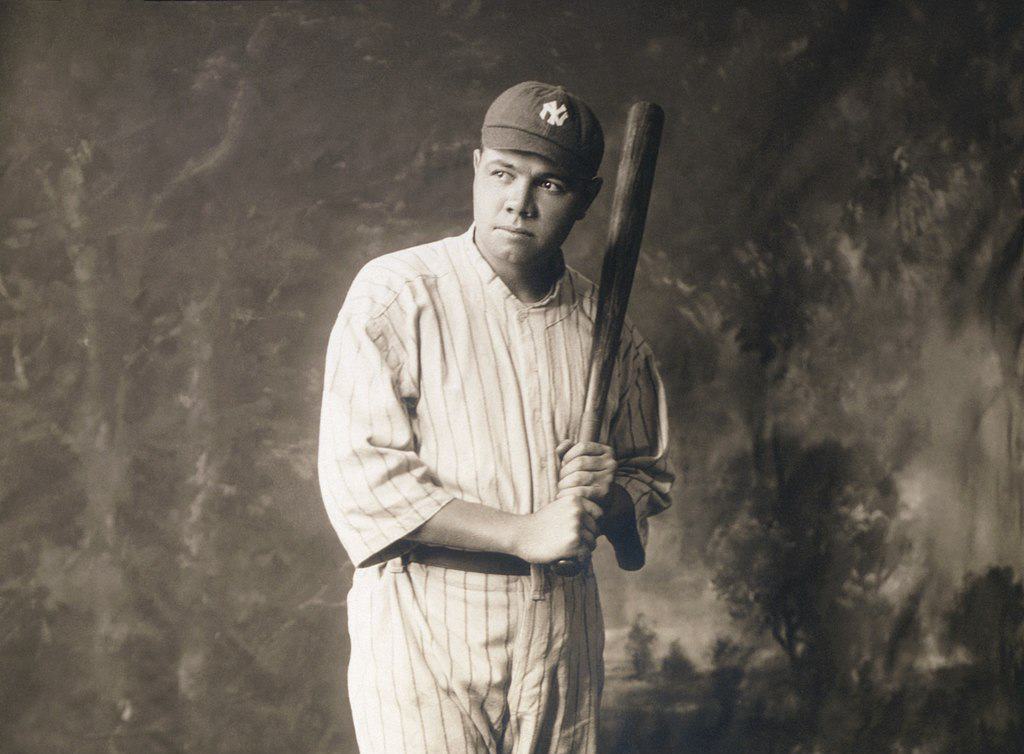
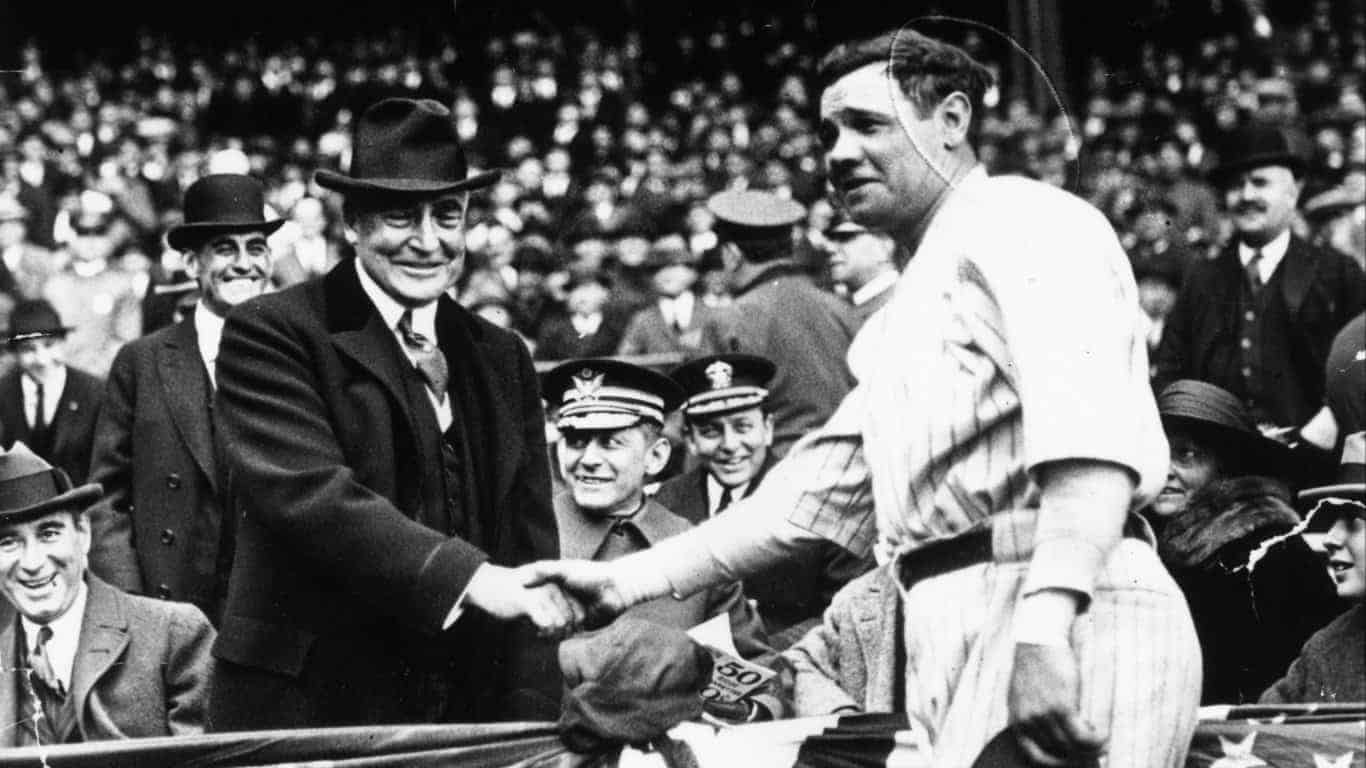
As one of baseball's greatest legends, Babe Ruth understood better than most that athletic greatness eventually gives way to age. His observation about baselines seeming to run uphill captures that realization with honesty and humor. Ruth's career transformed baseball through unprecedented power hitting and larger-than-life popularity, but even he recognized that no player can compete forever. The quote has become one of the sport's most thoughtful reflections on retirement, reminding athletes that knowing when to step away is often as important as knowing how to succeed. Beyond baseball, the saying resonates with anyone confronting the challenges of aging, change, and accepting the natural conclusion of a remarkable career.
"Every strike brings me closer to the next home run." — Babe Ruth
- Year: 1920s
- Where It Was Said: Comments on hitting philosophy
- The Story Behind It: Explained embracing failure
- Lasting Legacy: Popular motivational quote
No player embraced failure more productively than Babe Ruth. During an era when strikeouts were often viewed negatively, Ruth recognized that swinging aggressively created opportunities for extraordinary success. His famous quote, "Every strike brings me closer to the next home run," reflects a mindset built on resilience rather than fear. Ruth finished his career with both record-setting home run totals and an unprecedented number of strikeouts, illustrating the risks that accompanied his revolutionary style of hitting. The quote has since become one of the most popular motivational sayings in sports, business, and personal development. Its enduring appeal lies in its reminder that setbacks are often necessary steps toward achieving greatness and that success frequently belongs to those willing to keep swinging.
"I don't care who you are, you hear those boos." — Mickey Mantle
- Year: 1950s
- Where It Was Said: Interview about Yankees fans
- The Story Behind It: Reflected the pressure of stardom
- Lasting Legacy: Humanized even baseball's legends
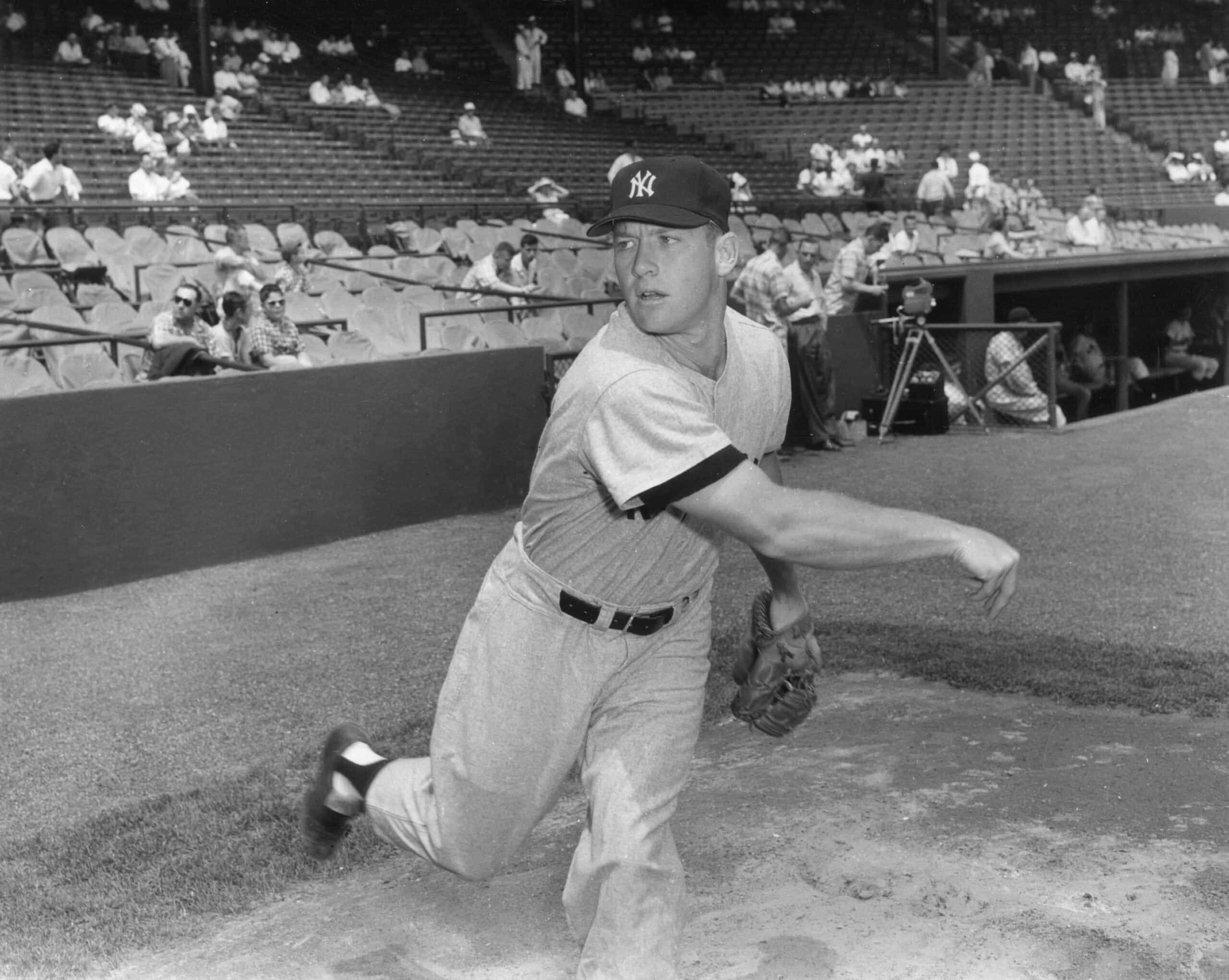
Few players experienced the pressure of performing in New York quite like Mickey Mantle. As the centerpiece of the New York Yankees during one of the franchise's greatest dynasties, Mantle carried enormous expectations every time he stepped onto the field. His observation, "I don't care who you are, you hear those boos," offered a rare glimpse into the emotional side of professional baseball. Even Hall of Fame players are not immune to criticism, especially in cities where winning is expected rather than hoped for. Mantle's honesty resonated because it reminded fans that athletes feel the weight of public opinion just as anyone else would. The quote has endured as a powerful reflection on the mental challenges of competing at the highest level and the pressure that accompanies greatness.
"Baseball is the only field of endeavor where a man can succeed three times out of ten and be considered a good performer." — Ted Williams
- Year: 1950s
- Where It Was Said: Interviews discussing hitting
- The Story Behind It: Explained baseball's unique standard of success
- Lasting Legacy: Frequently cited in sports and business
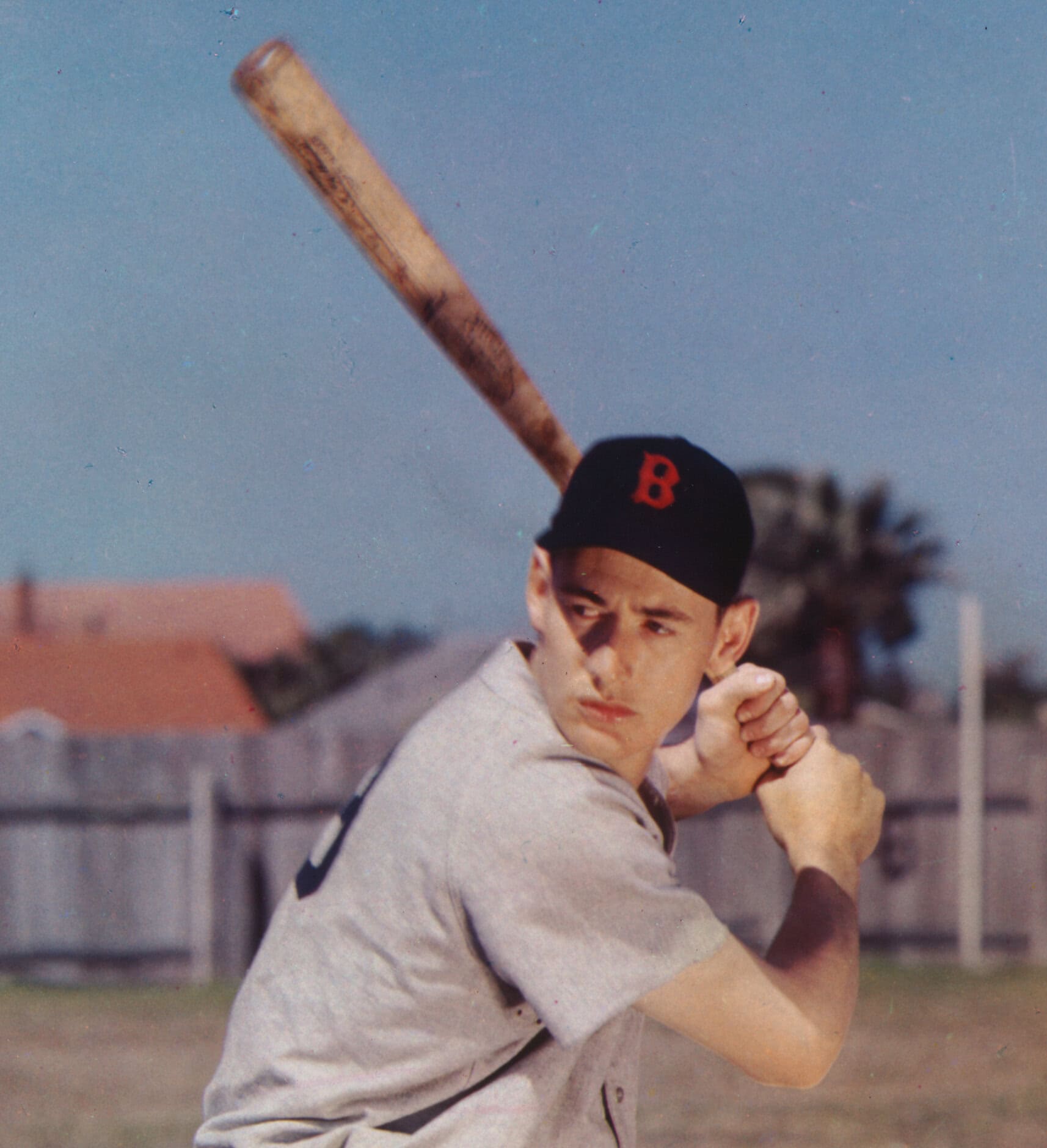
Ted Williams understood hitting better than almost anyone who has ever played the game, making this observation especially meaningful. Widely regarded as one of baseball's greatest hitters, Williams recognized that failure is woven into the sport's very fabric. A player who records a hit just three times in every ten at-bats is considered an outstanding success, an idea that seems almost impossible outside baseball. The quote has become one of the sport's most insightful reflections because it reframes failure as a natural and unavoidable part of excellence. Coaches, executives, and motivational speakers continue to cite Williams' words when discussing resilience, persistence, and realistic expectations. It serves as a timeless reminder that consistent success often depends on learning how to handle repeated setbacks without losing confidence.
"People ask me what I do in the winter when there's no baseball. I'll tell you what I do. I stare out the window and wait for spring." — Rogers Hornsby
- Year: 1930s
- Where It Was Said: Interview about the offseason
- The Story Behind It: Expressed his lifelong love of baseball
- Lasting Legacy: One of baseball's defining expressions of anticipation
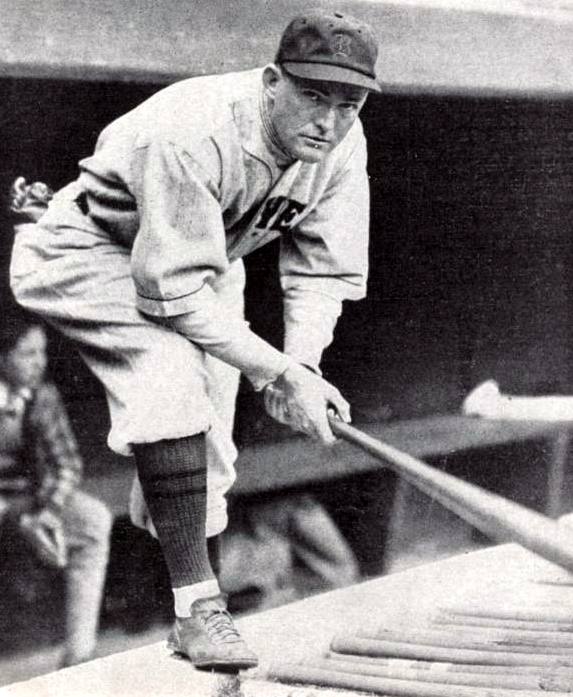
No quote better captures a lifelong love affair with baseball than this famous remark from Rogers Hornsby. One of the greatest hitters in Major League history, Hornsby lived and breathed the game to such an extent that the offseason seemed little more than an interruption. His answer about waiting for spring reflects the passion that has long defined baseball players and fans alike. Every offseason brings anticipation for Opening Day, renewed optimism, and the promise of another season filled with possibility. Hornsby's words have become a cherished expression of that annual ritual. For generations of baseball enthusiasts, the quote perfectly summarizes the feeling that no matter how long winter lasts, the return of baseball is always worth the wait.
"A person always doing his or her best becomes a natural leader." — Joe DiMaggio
- Year: 1940s
- Where It Was Said: Interviews on professionalism
- The Story Behind It: Reflection on leadership and preparation
- Lasting Legacy: Captures DiMaggio's quiet excellence
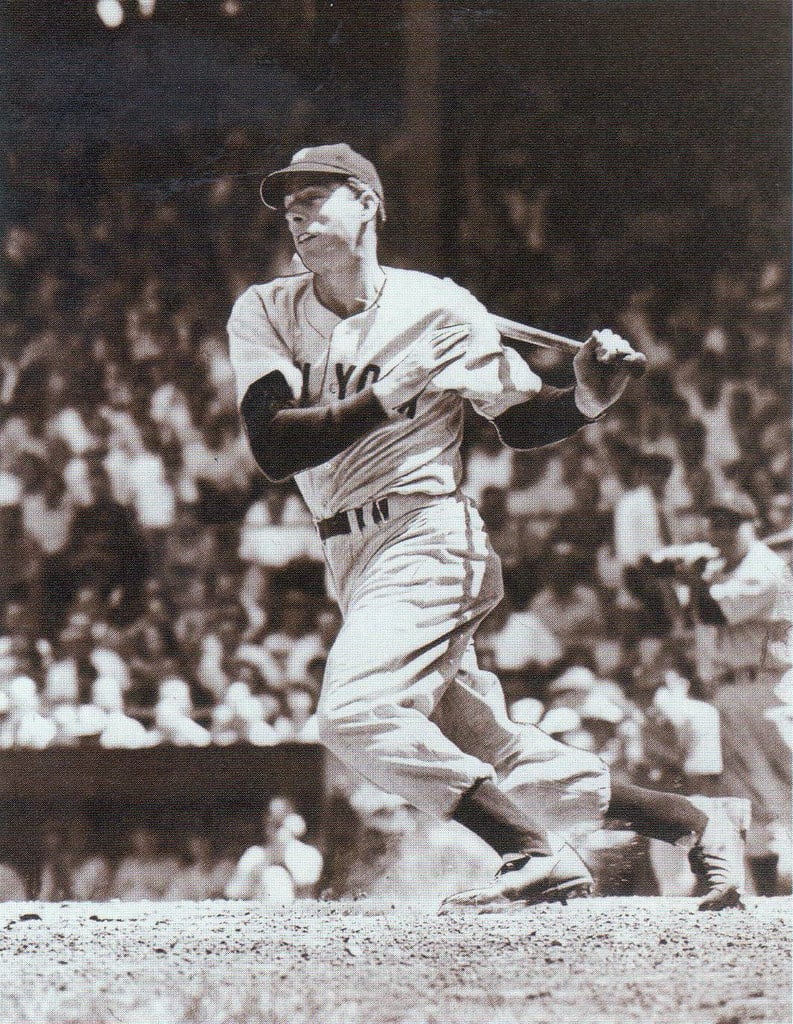
Joe DiMaggio rarely sought attention through dramatic speeches or bold proclamations. Instead, he built his reputation through consistent excellence, professionalism, and quiet confidence. This quote reflects the values that defined both his career and his approach to leadership. DiMaggio believed that true leaders earned respect through daily effort rather than public recognition. During his thirteen seasons with the New York Yankees, he became one of the game's most admired figures by setting an example through preparation, discipline, and performance. His famous 56-game hitting streak remains one of baseball's most celebrated records, achieved not through flashy displays but through remarkable consistency. The quote continues to inspire athletes, coaches, and business leaders because it suggests that leadership begins with personal accountability and an unwavering commitment to excellence.
"Good pitching will always stop good hitting—and vice versa." — Casey Stengel
- Year: 1950s
- Where It Was Said: Managerial interviews
- The Story Behind It: Typical Stengel paradoxical wit
- Lasting Legacy: Beloved example of baseball humor
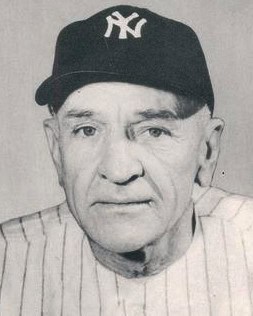
Like Yogi Berra, Casey Stengel became famous for sayings that mixed humor with unexpected insight. His remark that "Good pitching will always stop good hitting—and vice versa" is delightfully contradictory, leaving listeners to smile while pondering its meaning. Stengel managed the New York Yankees to ten American League pennants and seven World Series championships, earning a reputation as one of baseball's greatest strategic minds. His colorful personality and unconventional expressions became nearly as famous as his managerial success. This quote reflects the endless debates that have always surrounded baseball: Does great pitching beat great hitting, or is the opposite equally true? Rather than providing a definitive answer, Stengel embraced the game's complexity and unpredictability. His words remain a fitting reminder that baseball's greatest mysteries are often part of what makes the sport so enduringly fascinating.
The image featured at the top of this post is ©MPI / Archive Photos via Getty Images