


The Deadliest Days & Bloodiest Battles in U.S. Military History
Some of the deadliest days in American military history came during battles that permanently changed the United States and its armed forces. Events like the Battle of Antietam and the Attack on Pearl Harbor produced staggering casualties while forcing the country into defining moments of war and national crisis. Many of these battles and attacks exposed weaknesses in military planning, intelligence, or battlefield tactics, but they also demonstrated the resilience and determination of American forces under extreme conditions. Today, these events remain deeply tied to the military legacy and collective memory of the United States.
To determine the deadliest days in American military history, History Computer reviewed various historical and military sources. We included supplemental information for each regarding the estimated American casualties, type of warfare, why the casualties were so severe, and ultimately the lasting legacy of each day.
Here is a look at the deadliest days in American military history:
Why Are We Covering This?
Understanding the deadliest days in American military history matters because these events reveal the true scale of sacrifice required during the nation’s most difficult wars and crises. Battles such as Battle of Antietam, Battle of Normandy, and Battle of Okinawa demonstrated how quickly warfare could produce catastrophic losses when armies faced entrenched defenses, industrial-scale firepower, or surprise attacks. These deadly moments shaped military doctrine, battlefield tactics, intelligence planning, and national strategy for generations afterward. They also became defining symbols of American sacrifice and resilience, reminding later generations of the human cost carried by soldiers, sailors, Marines, and airmen during the nation’s most dangerous conflicts. Revisiting these events provides important historical context for understanding how warfare evolved and why certain battles continue to occupy such a powerful place in American military memory.
The Days That Shook the American Military
Throughout American history, certain days produced levels of battlefield death and destruction so severe that they permanently scarred the nation’s military memory. From the blood-soaked fields of Battle of Antietam to the burning battleships of Attack on Pearl Harbor, these events tested the endurance of American forces under some of the harshest combat conditions imaginable. Many of these days became symbols of sacrifice, resilience, and national resolve that still shape how Americans remember war today.
The Civil War Produced America’s Bloodiest Combat
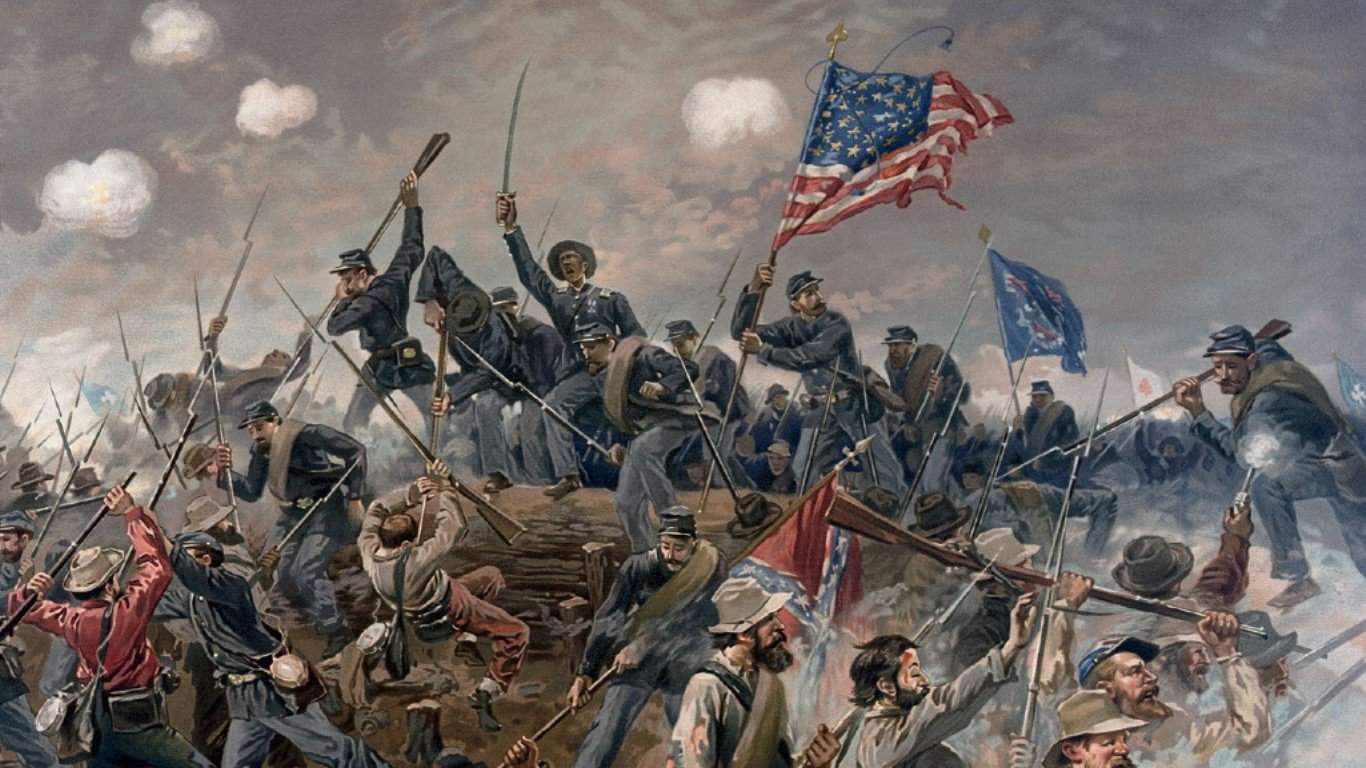
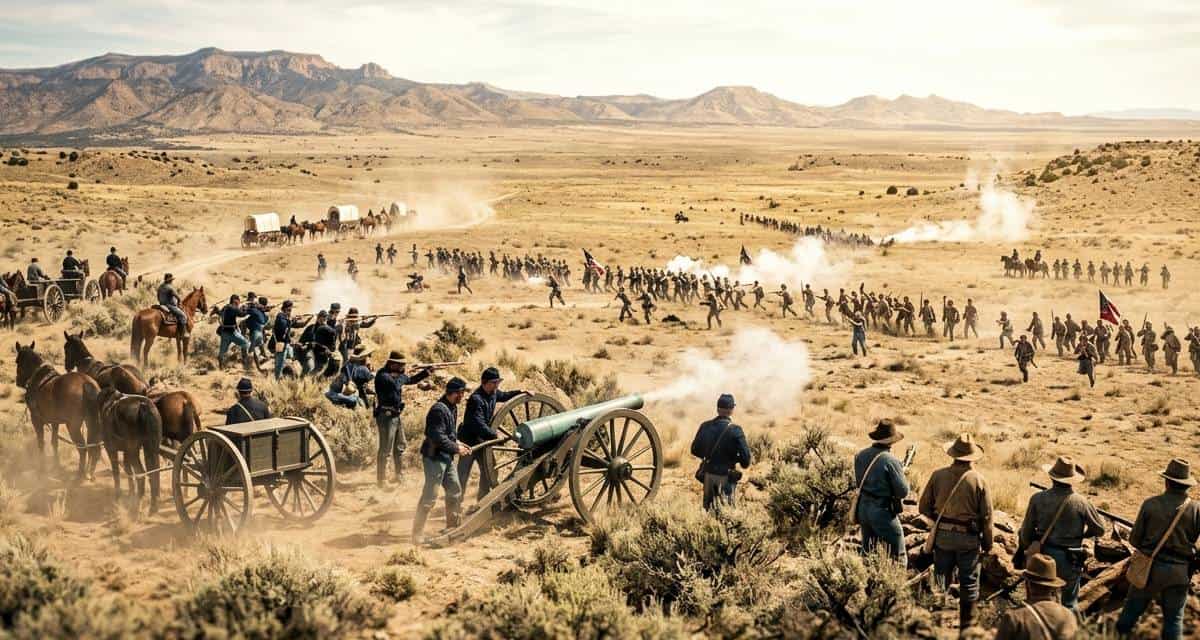
The American Civil War remains the deadliest conflict in American military history, and many of the nation’s bloodiest days came during brutal battles fought between Union and Confederate armies. Engagements such as Battle of Gettysburg, Battle of Cold Harbor, and Battle of Shiloh revealed how industrial-era weapons had made traditional frontal assaults catastrophically deadly. Entire regiments were devastated in only hours of fighting.
World War II Tested American Forces on a Global Scale
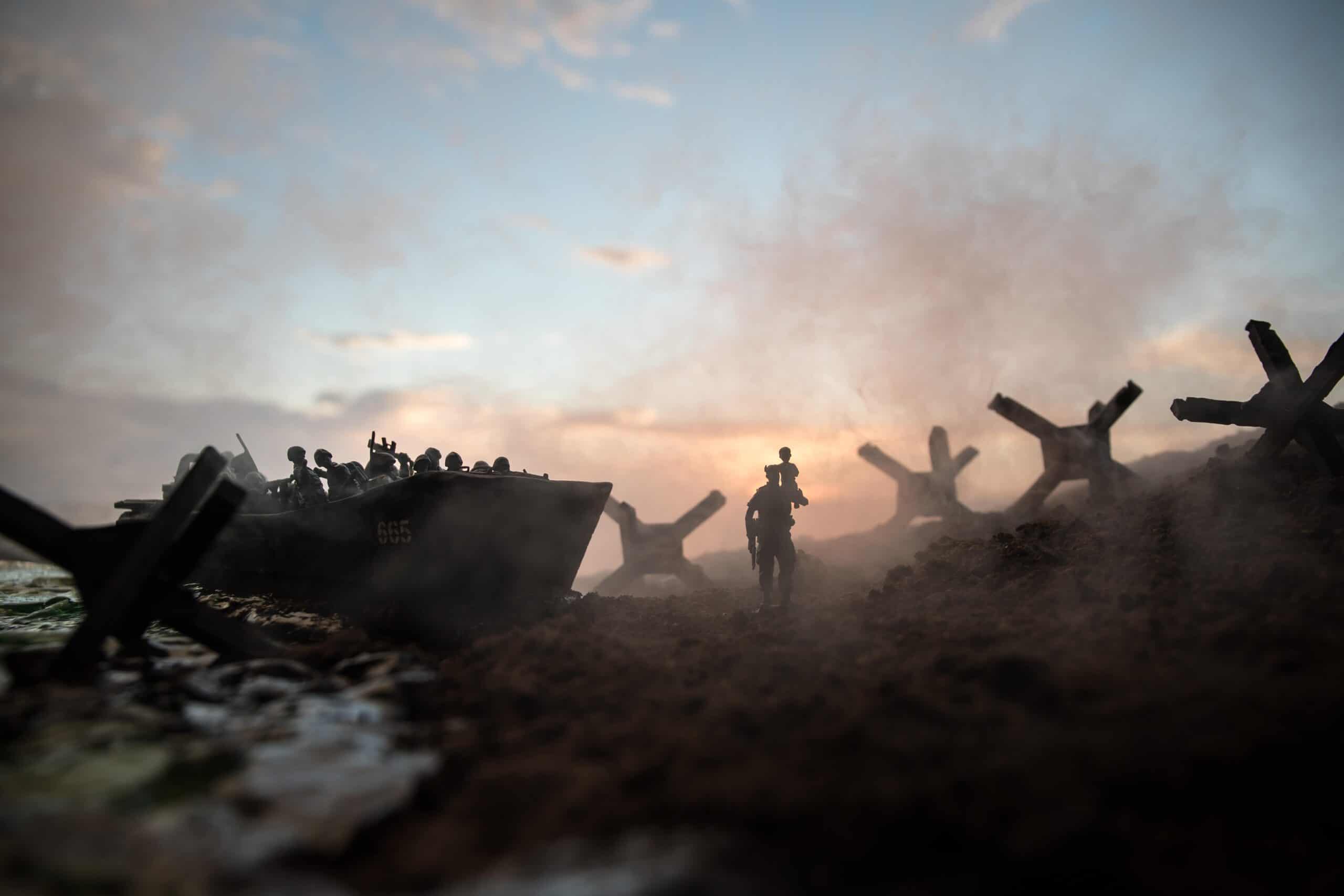
World War II exposed American forces to some of the most dangerous combat operations ever attempted. Amphibious invasions such as Battle of Normandy and Battle of Tarawa forced troops to attack heavily fortified positions under direct enemy fire, while battles like Battle of Okinawa produced staggering casualty levels across land, sea, and air combat simultaneously. These battles reshaped modern military doctrine and demonstrated the enormous human cost required to defeat the Axis powers.
Modern Warfare Created New Forms of Catastrophic Loss
As warfare evolved during Korea, Vietnam, and the war on terror, the nature of America’s deadliest days changed as well. Urban combat, helicopter warfare, insurgency tactics, and terrorism introduced new forms of battlefield danger that often produced devastating losses in short periods of time. Events such as the Tet Offensive and the September 11 attacks demonstrated how surprise attacks and unconventional warfare could dramatically alter public perception and military strategy almost overnight.
Why These Days Still Matter Today
The deadliest days in American military history are remembered not only because of the casualty numbers, but because they reveal the extraordinary human cost of war itself. These battles and disasters shaped military doctrine, influenced political decisions, and transformed how the United States prepares for future conflicts. More importantly, they remain tied to the soldiers, sailors, Marines, and airmen whose sacrifices became part of the nation’s military legacy and collective memory.
Battle of Antietam
- War / Conflict: American Civil War
- Date: Wed September 17, 1862
- Estimated American Casualties (Single Day): ~22,700
- Type of Combat: Conventional field battle
- What Happened: Massive single-day fighting in Maryland
- Why Casualties Were So Severe: Repeated frontal assaults and close-range combat
- Immediate Strategic Impact: Ended Lee’s first invasion of the North
- Historical Legacy: Deadliest single day in American military history
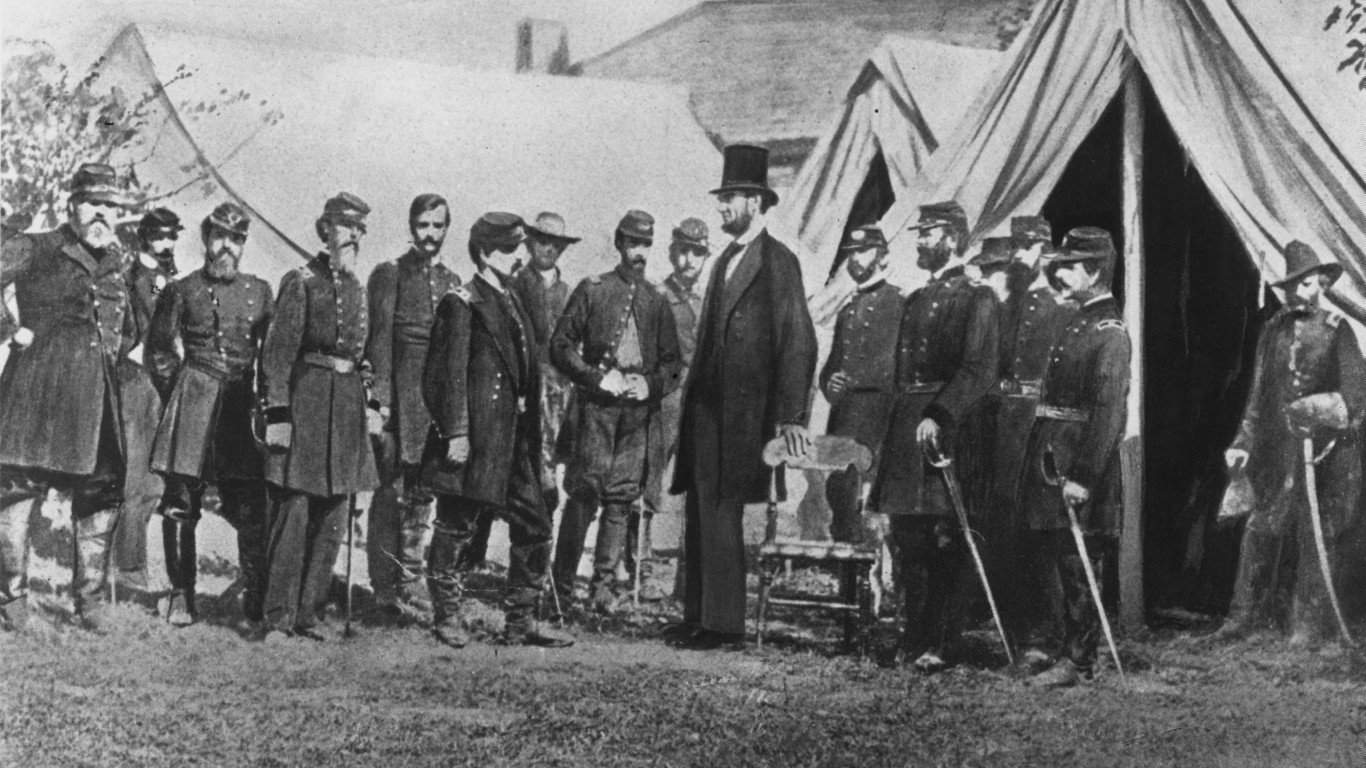
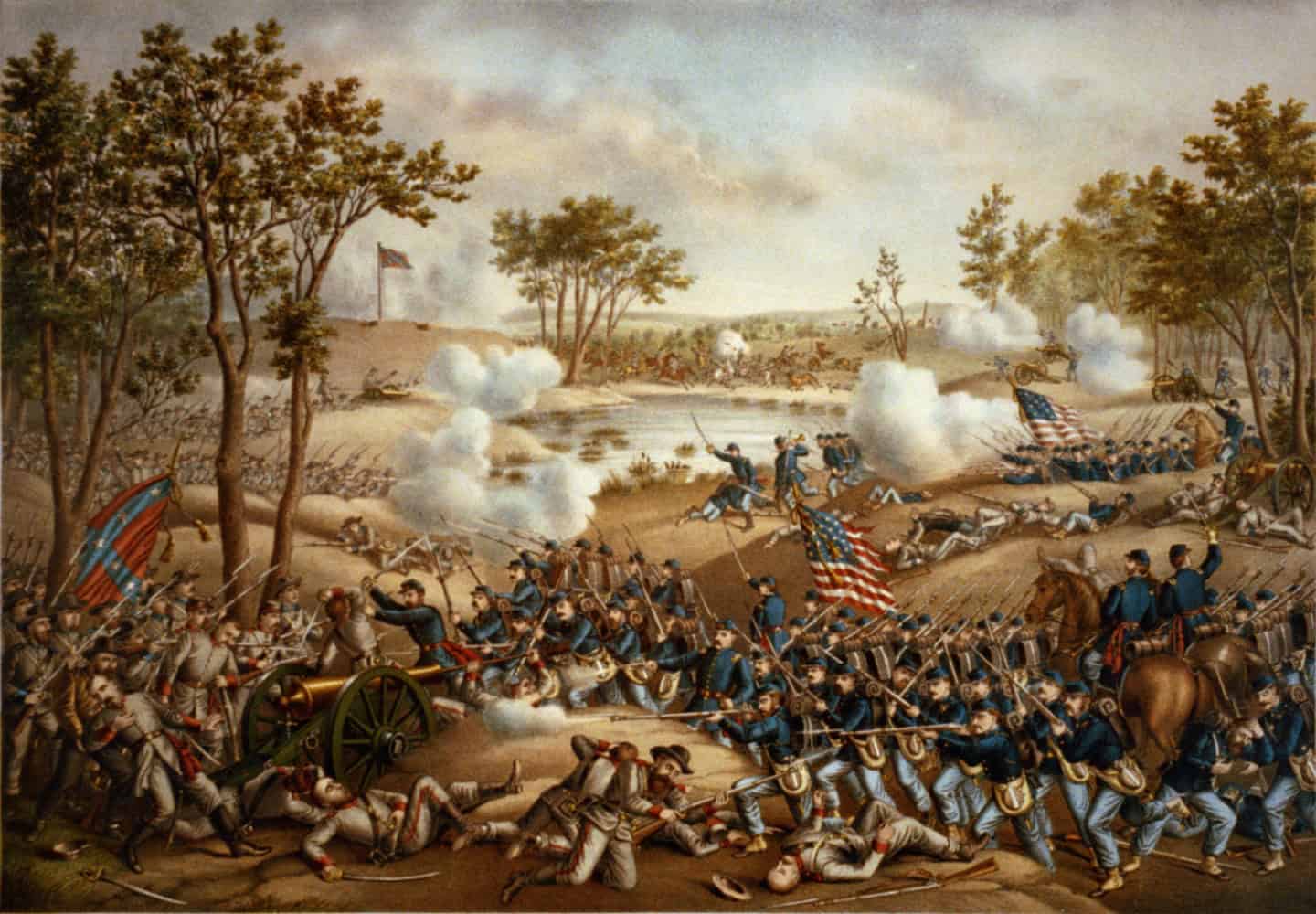
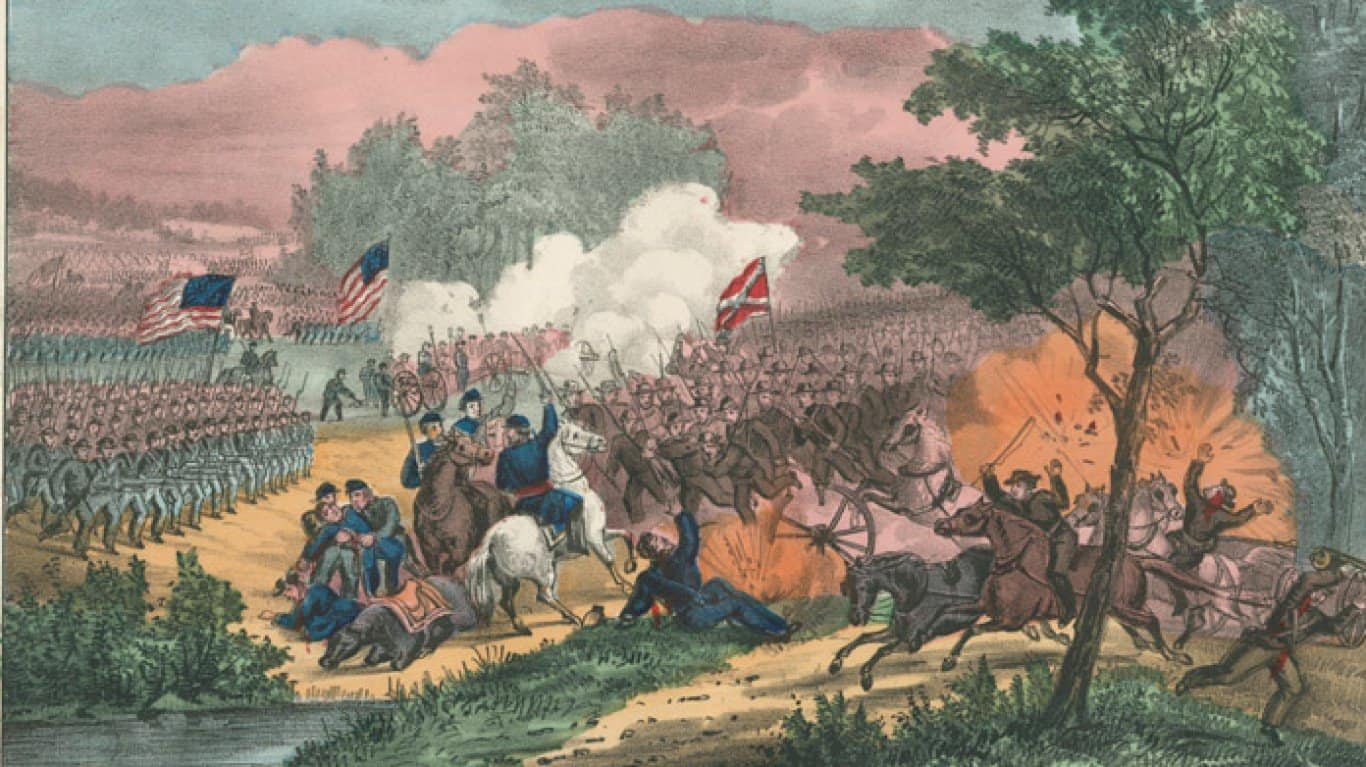
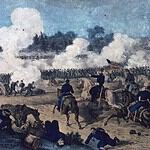
The Battle of Antietam became the deadliest single day in American military history on September 17, 1862, when Union and Confederate forces clashed near Sharpsburg, Maryland. Fighting erupted across locations such as the Cornfield, Bloody Lane, and Burnside Bridge as both sides launched repeated assaults at close range. More than 22,000 soldiers were killed, wounded, or missing in only one day of combat. Although tactically inconclusive, the battle forced Confederate General Robert E. Lee to retreat back into Virginia and gave President Abraham Lincoln the opportunity to issue the Emancipation Proclamation. Antietam permanently became a symbol of the staggering human cost of the Civil War.
Battle of Gettysburg
- War / Conflict: American Civil War
- Date: July 1–3, 1863
- Estimated American Casualties (Single Day): ~23,000 Union casualties
- Type of Combat: Conventional field battle
- What Happened: Three-day clash in Pennsylvania
- Why Casualties Were So Severe: Large-scale infantry assaults and artillery fire
- Immediate Strategic Impact: Major Confederate defeat
- Historical Legacy: Turning point of the Civil War
The Battle of Gettysburg became the turning point of the Civil War and one of the bloodiest engagements ever fought on American soil. Over three days in July 1863, Union and Confederate armies clashed across Pennsylvania in massive infantry assaults, artillery barrages, and defensive fighting that produced catastrophic casualties. The final day featured Pickett’s Charge, one of the most famous failed assaults in military history. Union forces ultimately repelled General Robert E. Lee’s invasion of the North, forcing the Confederate Army into retreat. Gettysburg’s enormous losses and strategic significance cemented its place as one of the defining moments in American military history.
Battle of the Wilderness
- War / Conflict: American Civil War
- Date: May 5–7, 1864
- Estimated American Casualties (Single Day): ~29,000 combined Union casualties
- Type of Combat: Forest warfare
- What Happened: Chaotic fighting in dense Virginia woods
- Why Casualties Were So Severe: Poor visibility and relentless attacks
- Immediate Strategic Impact: Beginning of Grant’s Overland Campaign
- Historical Legacy: Symbol of brutal attritional warfare
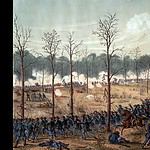
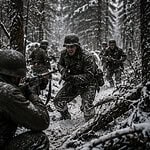
The Battle of the Wilderness demonstrated the horrifying realities of attritional warfare during the Civil War as Union and Confederate forces fought through dense forests in Virginia during May 1864. Thick underbrush and smoke created chaotic combat conditions where soldiers often could not see enemy formations until they were nearly on top of each other. Fires ignited by gunfire trapped wounded men in the burning woods while relentless assaults produced massive casualties on both sides. The battle marked the beginning of General Ulysses S. Grant’s Overland Campaign and became a grim symbol of the brutal endurance required during the final years of the Civil War.
Battle of Cold Harbor
- War / Conflict: American Civil War
- Date: June 3, 1864
- Estimated American Casualties (Single Day): ~7,000 in under an hour
- Type of Combat: Entrenched assault
- What Happened: Union troops attacked fortified Confederate lines
- Why Casualties Were So Severe: Frontal assaults against prepared defenses
- Immediate Strategic Impact: Major Union setback
- Historical Legacy: Became infamous for futile attacks
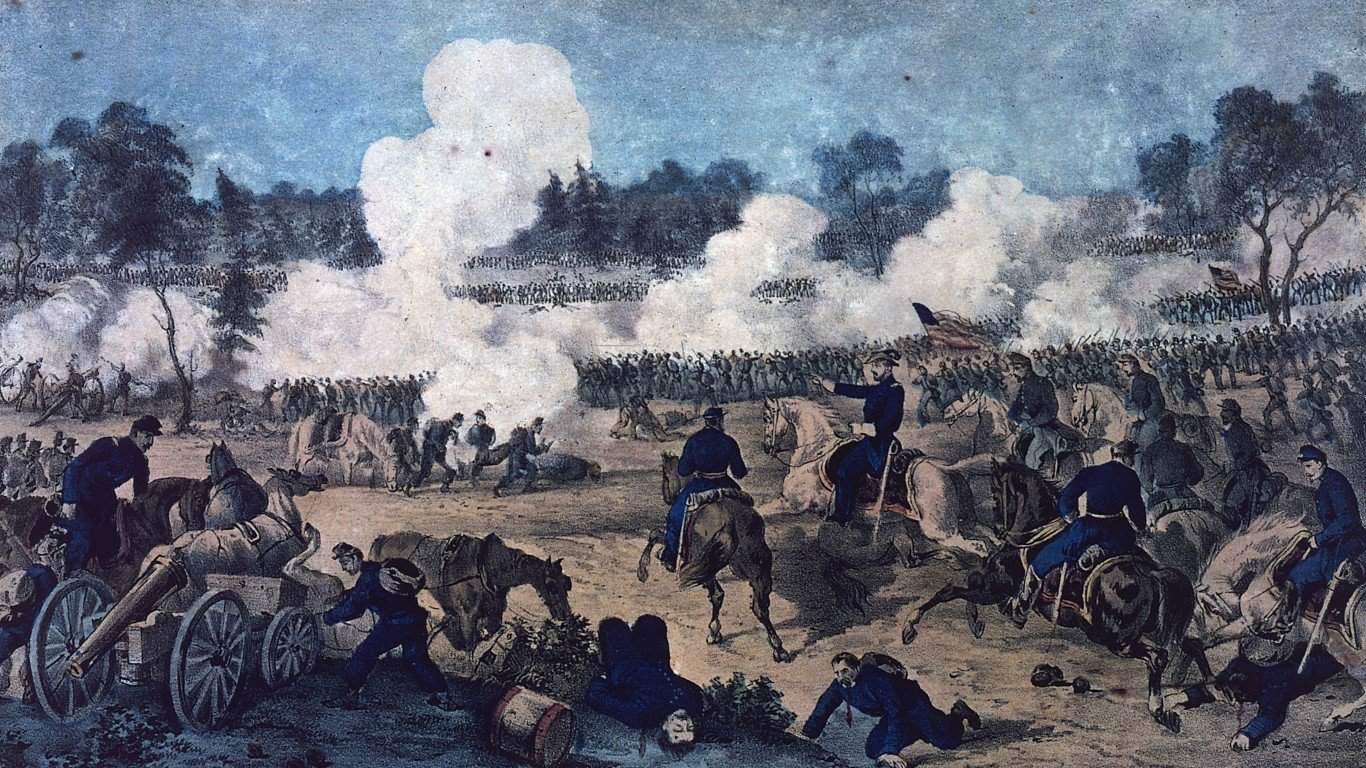
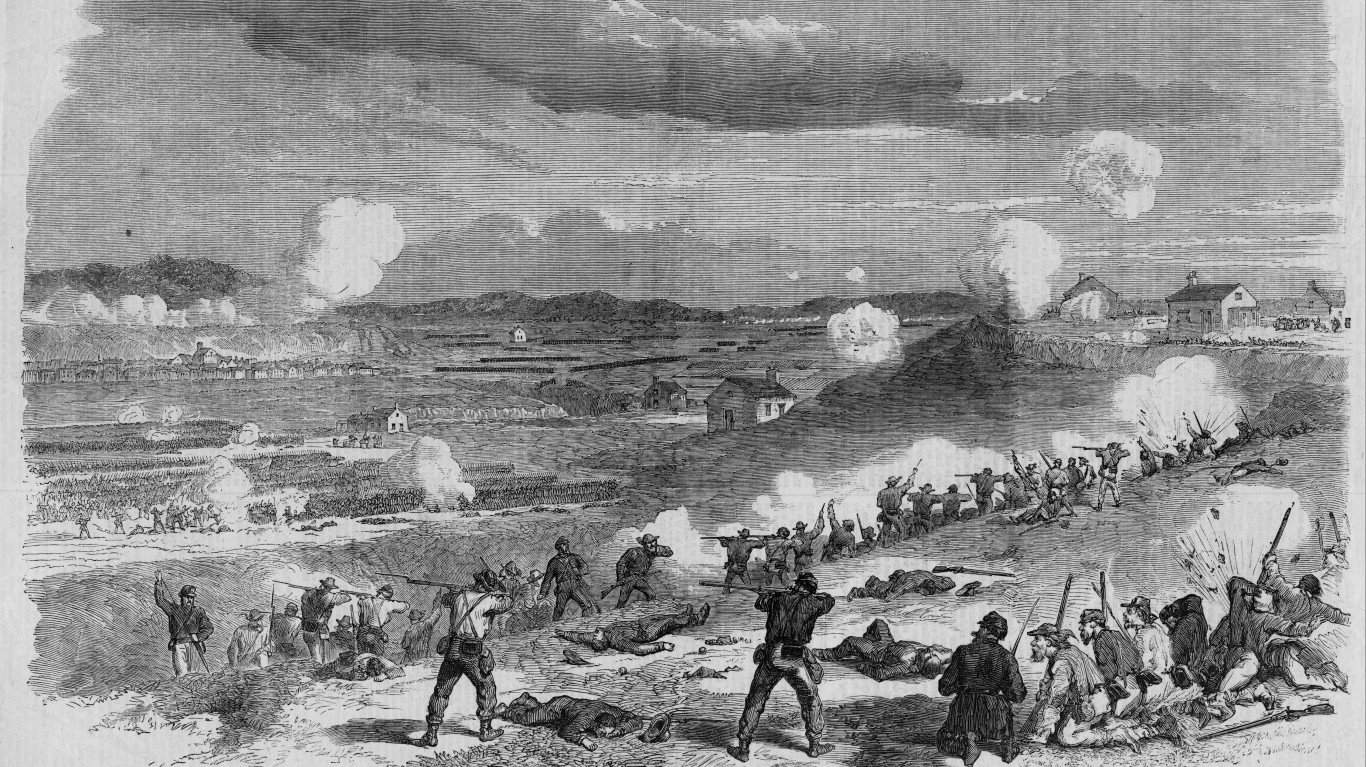
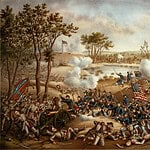
The Battle of Cold Harbor became infamous for one of the most disastrous frontal assaults in American military history. On June 3, 1864, Union troops attacked heavily fortified Confederate positions near Richmond, Virginia, under direct artillery and rifle fire. Thousands of soldiers were killed or wounded in less than an hour as wave after wave advanced against entrenched defenses with little chance of success. Many Union troops reportedly pinned their names to their uniforms before the attack because they expected to die. Cold Harbor became a lasting example of the deadly consequences of attacking prepared positions during the Civil War era.
Battle of Shiloh
- War / Conflict: American Civil War
- Date: April 6–7, 1862
- Estimated American Casualties (Single Day): ~13,000 Union casualties
- Type of Combat: Conventional battle
- What Happened: Surprise Confederate attack in Tennessee
- Why Casualties Were So Severe: Unprepared Union camps and intense fighting
- Immediate Strategic Impact: Union eventually held the field
- Historical Legacy: Shocked Americans with unprecedented casualties
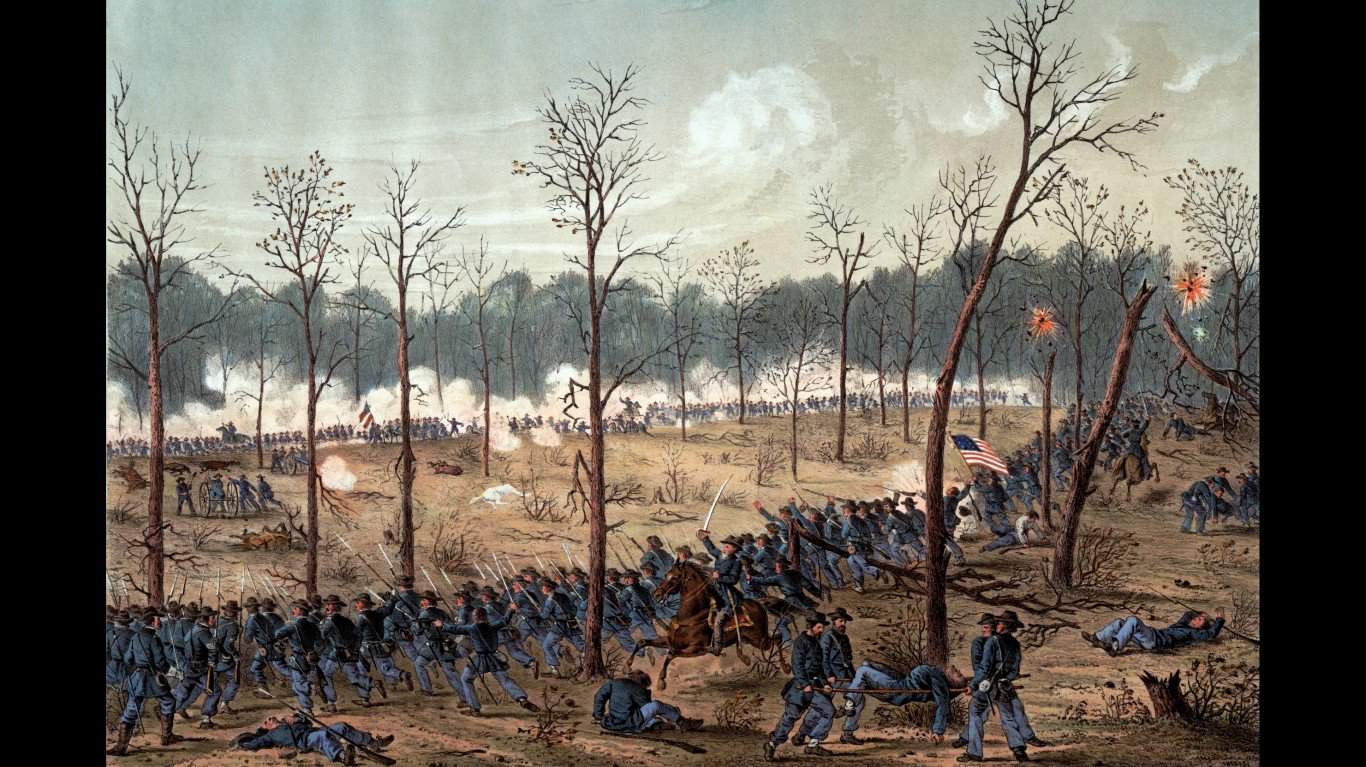
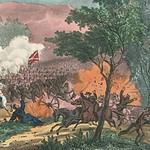
The Battle of Shiloh shocked the United States during the early stages of the Civil War because of the unprecedented level of bloodshed witnessed over two days of fighting in Tennessee. Confederate forces launched a surprise attack against Union camps on April 6, 1862, initially driving Union troops backward in fierce fighting near locations such as the Hornet’s Nest. By the time the battle ended, more than 23,000 men had become casualties. The scale of the losses stunned the American public, many of whom had expected the war to end quickly. Shiloh marked the beginning of a far longer and deadlier conflict than most Americans initially imagined.
Battle of Chickamauga
- War / Conflict: American Civil War
- Date: September 19–20, 1863
- Estimated American Casualties (Single Day): ~16,000 Union casualties
- Type of Combat: Conventional battle
- What Happened: Major Confederate victory in Georgia
- Why Casualties Were So Severe: Breakdown in Union lines
- Immediate Strategic Impact: Union retreat into Chattanooga
- Historical Legacy: One of the bloodiest Western Theater battles
The Battle of Chickamauga became one of the deadliest battles fought in the Western Theater of the Civil War and resulted in a major Confederate victory in September 1863. Union forces under General William Rosecrans faced Confederate troops commanded by General Braxton Bragg in northern Georgia during two days of chaotic combat. A gap in Union lines allowed Confederate forces to break through and trigger a major Union retreat. Casualties were enormous as soldiers fought in dense forests and difficult terrain under relentless pressure. Chickamauga’s losses and strategic consequences helped set the stage for the later battles surrounding Chattanooga.
Battle of Fredericksburg
- War / Conflict: American Civil War
- Date: December 13, 1862
- Estimated American Casualties (Single Day): ~12,600 Union casualties
- Type of Combat: Entrenched assault
- What Happened: Union attacks against fortified heights
- Why Casualties Were So Severe: Repeated frontal assaults uphill
- Immediate Strategic Impact: Major Confederate defensive victory
- Historical Legacy: Known for devastating infantry losses
The Battle of Fredericksburg became one of the clearest examples of the devastating cost of frontal assaults against entrenched defenders during the Civil War. Union forces repeatedly attacked Confederate positions atop Marye’s Heights near Fredericksburg, Virginia, on December 13, 1862. Confederate artillery and rifle fire cut down advancing Union troops in massive numbers while soldiers struggled to cross open ground under direct fire. The Union Army suffered catastrophic casualties without achieving meaningful gains. Fredericksburg reinforced the growing realization that modern firepower heavily favored defensive positions, foreshadowing the trench warfare that would later dominate future conflicts.
Battle of Spotsylvania Court House
- War / Conflict: American Civil War
- Date: May 8–21, 1864
- Estimated American Casualties (Single Day): ~18,000 Union casualties
- Type of Combat: Trench warfare
- What Happened: Prolonged fighting around fortified positions
- Why Casualties Were So Severe: Continuous assaults and brutal close combat
- Immediate Strategic Impact: Part of Grant’s relentless offensive
- Historical Legacy: Previewed future trench warfare
The Battle of Spotsylvania Court House formed another brutal chapter of the Civil War’s Overland Campaign as Union and Confederate forces fought for nearly two weeks in May 1864. Some of the most savage combat occurred at the 'Bloody Angle,' where soldiers fought at extremely close range for hours in pouring rain and mud. Continuous artillery bombardments, trench assaults, and hand-to-hand combat produced staggering casualties. The battle demonstrated the increasing shift toward trench warfare and attritional fighting during the later stages of the Civil War. Spotsylvania became one of the clearest examples of how industrial-era warfare was evolving into prolonged, grinding conflict.
Meuse–Argonne offensive
- War / Conflict: World War I
- Date: September 26, 1918
- Estimated American Casualties (Single Day): ~26,000 American deaths total campaign
- Type of Combat: Trench and offensive warfare
- What Happened: Largest American campaign of WWI
- Why Casualties Were So Severe: Heavy machine gun and artillery fire
- Immediate Strategic Impact: Contributed to collapse of Germany
- Historical Legacy: Largest U.S. operation of WWI
The Meuse–Argonne Offensive became the largest and deadliest military operation ever conducted by American forces during World War I. Beginning in September 1918, more than a million American troops participated in the massive Allied offensive against entrenched German positions in France. Soldiers faced machine gun nests, artillery bombardments, barbed wire, and difficult terrain while advancing through heavily defended sectors. American casualties reached enormous levels during the campaign as inexperienced troops fought in one of the war’s most brutal environments. The offensive played a major role in exhausting German forces and helping bring World War I to an end only weeks later.
Attack on Pearl Harbor
- War / Conflict: World War II
- Date: December 7, 1941
- Estimated American Casualties (Single Day): ~2,400 killed
- Type of Combat: Surprise air and naval attack
- What Happened: Japanese attack on Hawaii
- Why Casualties Were So Severe: Lack of preparedness and concentrated targets
- Immediate Strategic Impact: Brought U.S. into WWII
- Historical Legacy: Defining moment in American history
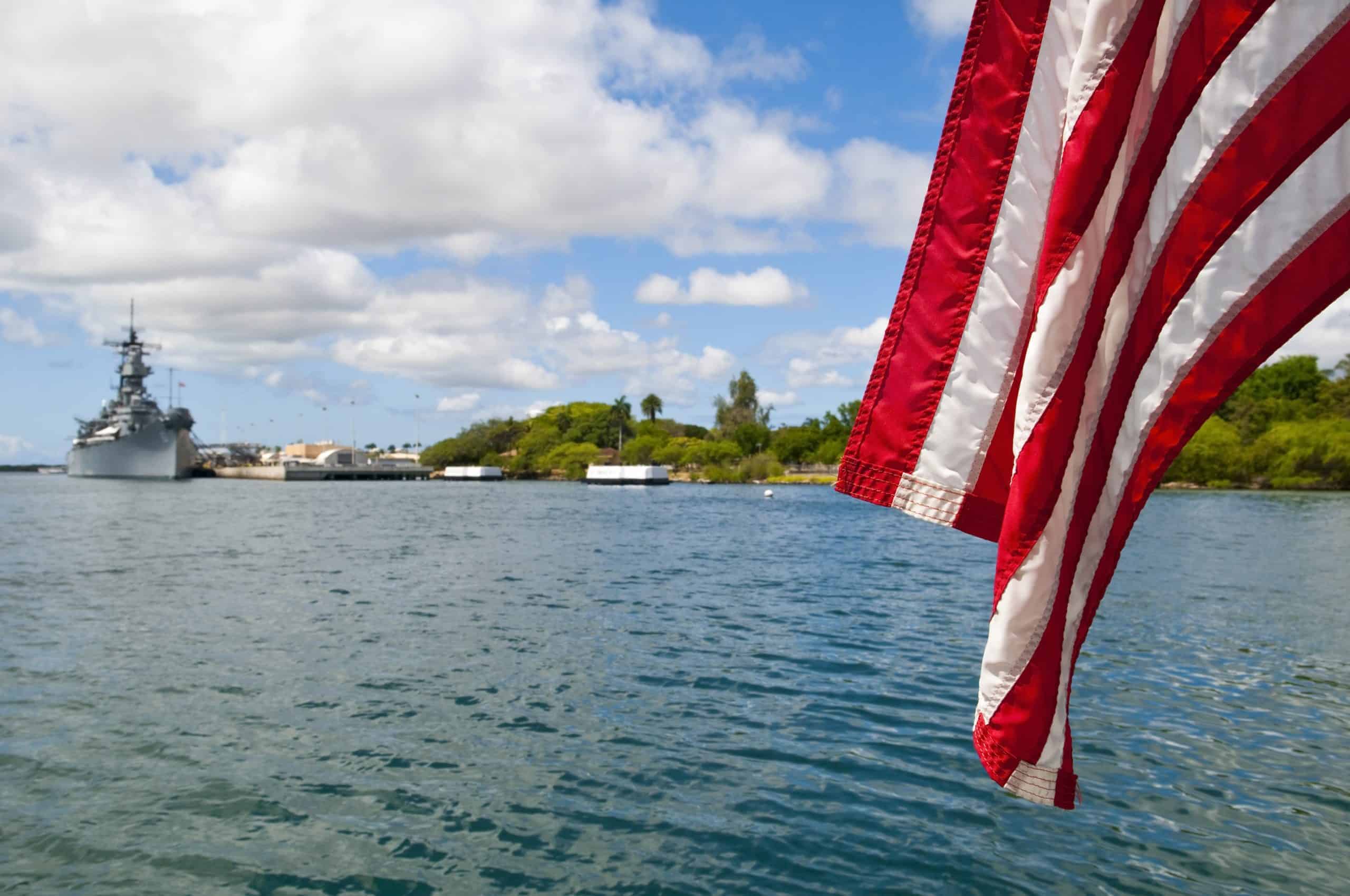
The attack on Pearl Harbor on December 7, 1941, became one of the most devastating surprise attacks in American military history. Japanese carrier aircraft struck the U.S. Pacific Fleet stationed in Hawaii, sinking or damaging battleships, destroying aircraft, and killing more than 2,400 Americans in only a few hours. Many sailors died trapped aboard burning or flooded ships such as the USS Arizona. The attack exposed weaknesses in American preparedness but also unified the nation almost instantly behind entering World War II. Pearl Harbor remains one of the defining moments of twentieth-century American military and national history.
Battle of Normandy
- War / Conflict: World War II
- Date: June 6, 1944
- Estimated American Casualties (Single Day): ~10,000 Allied casualties on D-Day
- Type of Combat: Amphibious invasion
- What Happened: Allied landings in Nazi-occupied France
- Why Casualties Were So Severe: Fortified beaches and heavy resistance
- Immediate Strategic Impact: Opened Western Front in Europe
- Historical Legacy: Most famous amphibious invasion ever
D-Day on June 6, 1944, became one of the largest and most dangerous amphibious invasions ever attempted as Allied forces stormed the beaches of Nazi-occupied France. American troops landing at Omaha Beach faced especially devastating resistance from heavily fortified German defenses overlooking the shoreline. Machine gun fire, artillery, underwater obstacles, and rough surf inflicted severe casualties before many soldiers even reached the beach. Despite the losses, Allied forces successfully established a foothold in Normandy and opened the Western Front against Germany. D-Day’s scale and sacrifice made it one of the most important and remembered operations in military history.
Battle of Tarawa
- War / Conflict: World War II
- Date: November 20–23, 1943
- Estimated American Casualties (Single Day): ~3,000 American casualties
- Type of Combat: Amphibious assault
- What Happened: Marine assault on fortified Pacific island
- Why Casualties Were So Severe: Exposed landing craft and fortified bunkers
- Immediate Strategic Impact: Island captured after brutal fighting
- Historical Legacy: Changed amphibious warfare planning
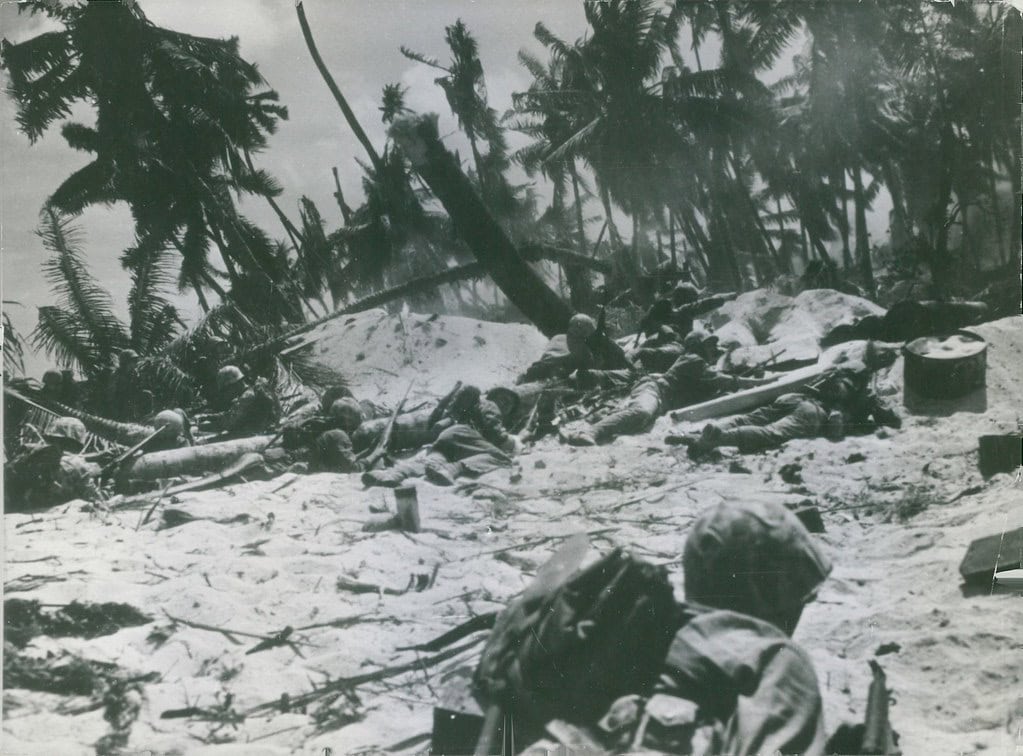
The Battle of Tarawa demonstrated the horrifying realities of Pacific amphibious warfare during World War II. In November 1943, U.S. Marines assaulted the heavily fortified Japanese-held island of Betio in the Tarawa Atoll under intense enemy fire. Shallow reefs prevented many landing craft from reaching shore, forcing Marines to wade through open water while exposed to machine guns and artillery. Casualties mounted rapidly during only a few days of combat as Marines fought through bunkers and defensive positions at close range. Tarawa’s brutal losses forced the U.S. military to reevaluate amphibious invasion planning for future Pacific campaigns.
Battle of Iwo Jima
- War / Conflict: World War II
- Date: February–March 1945
- Estimated American Casualties (Single Day): ~26,000 American casualties total
- Type of Combat: Amphibious assault
- What Happened: Battle for strategic volcanic island
- Why Casualties Were So Severe: Entrenched Japanese defenses
- Immediate Strategic Impact: Island secured for bomber operations
- Historical Legacy: Symbol of Marine sacrifice
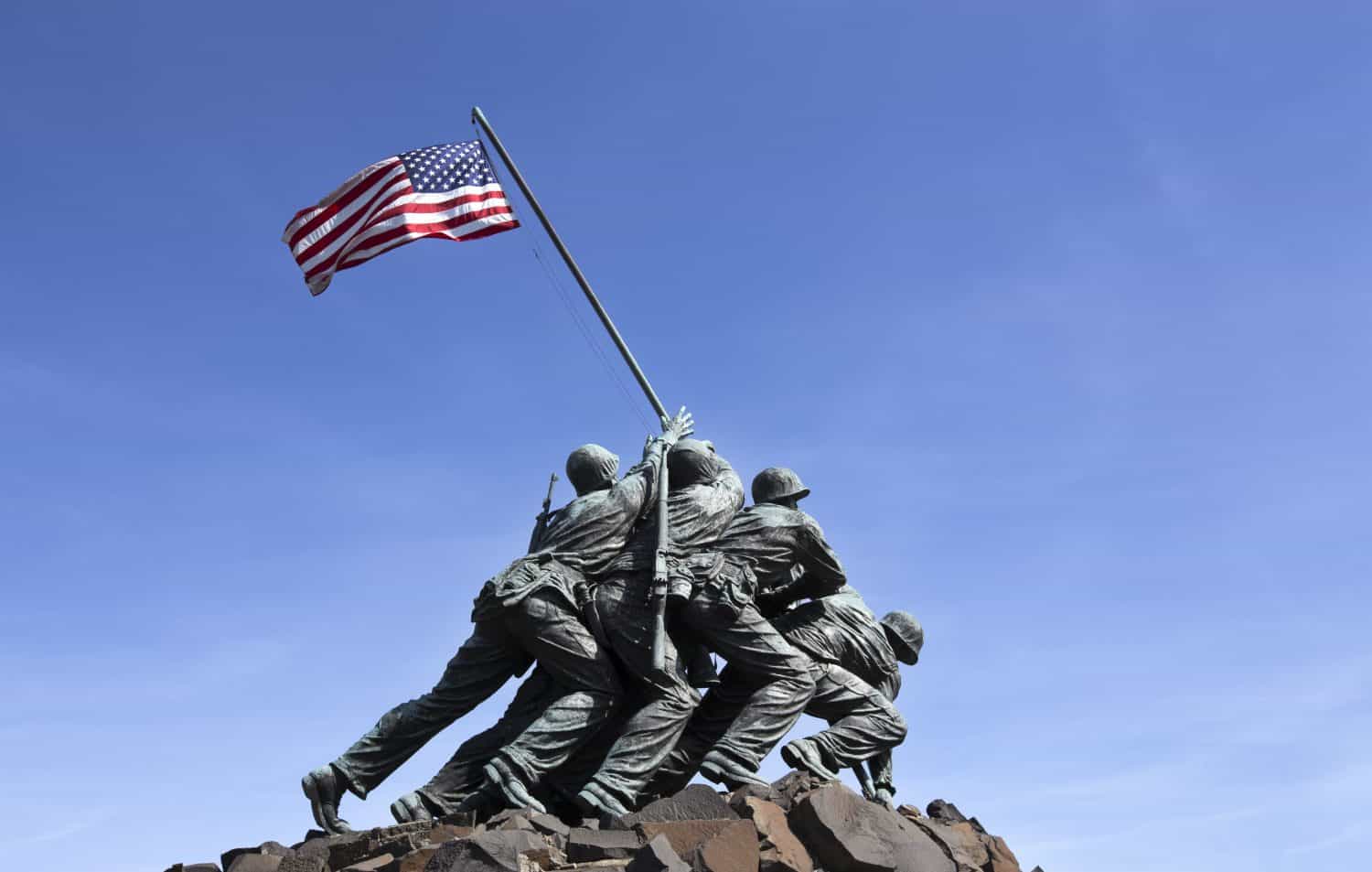
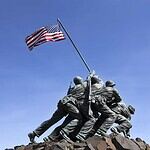
The Battle of Iwo Jima became one of the bloodiest and most iconic battles fought by American forces during World War II. U.S. Marines landed on the volcanic island in February 1945 expecting fierce resistance, but Japanese defenders had constructed extensive tunnel systems, bunkers, and fortified positions across the island. Weeks of brutal fighting followed as Marines advanced yard by yard under constant artillery, sniper, and mortar fire. Nearly 7,000 Americans were killed during the battle. The famous image of Marines raising the flag atop Mount Suribachi became a lasting symbol of sacrifice, endurance, and battlefield determination.
Battle of Okinawa
- War / Conflict: World War II
- Date: April–June 1945
- Estimated American Casualties (Single Day): ~49,000 American casualties total
- Type of Combat: Combined land-sea-air battle
- What Happened: Largest Pacific battle
- Why Casualties Were So Severe: Kamikaze attacks and entrenched defense
- Immediate Strategic Impact: Staging ground for potential Japan invasion
- Historical Legacy: Influenced decision to use atomic bombs
The Battle of Okinawa became the largest and deadliest campaign of the Pacific Theater during World War II. American forces invaded the island in April 1945 as part of preparations for a possible invasion of mainland Japan. U.S. troops encountered heavily entrenched Japanese defenses while kamikaze aircraft repeatedly attacked Allied ships offshore. The battle lasted nearly three months and produced enormous casualties among American forces, Japanese troops, and civilians caught in the fighting. Okinawa’s staggering losses demonstrated how catastrophic an invasion of Japan itself could become and heavily influenced American strategic decision-making during the final months of the war.
Battle of the Bulge
- War / Conflict: World War II
- Date: December 16, 1944 - January 25, 1945
- Estimated American Casualties (Single Day): ~19,000 American deaths total
- Type of Combat: Winter offensive
- What Happened: German surprise offensive in Ardennes
- Why Casualties Were So Severe: Harsh weather and surprise attack
- Immediate Strategic Impact: Allied forces halted Germany’s final push
- Historical Legacy: Iconic example of American endurance
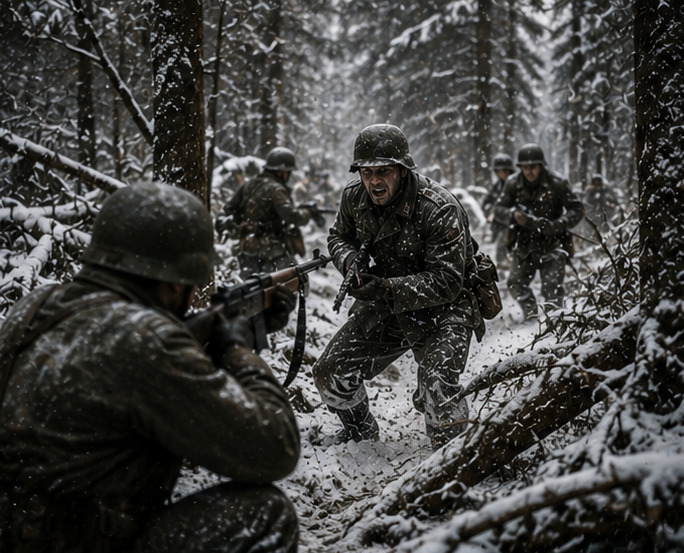
The Battle of the Bulge became one of the deadliest campaigns fought by American forces in Europe during World War II after Germany launched a surprise winter offensive through the Ardennes in December 1944. American troops faced freezing temperatures, fuel shortages, and overwhelming early pressure as German armored units attempted to split Allied forces apart. Units such as the 101st Airborne Division became famous for holding defensive positions under siege conditions around Bastogne. Despite severe casualties, American and Allied forces eventually halted the German advance and regained momentum. The battle became a symbol of endurance and battlefield resilience under extreme conditions.
Battle of Chosin Reservoir
- War / Conflict: Korean War
- Date: November–December 1950
- Estimated American Casualties (Single Day): ~17,000 UN casualties
- Type of Combat: Mountain warfare
- What Happened: U.S. Marines surrounded by Chinese forces
- Why Casualties Were So Severe: Extreme cold and overwhelming enemy numbers
- Immediate Strategic Impact: Successful fighting withdrawal
- Historical Legacy: Legendary Marine Corps battle
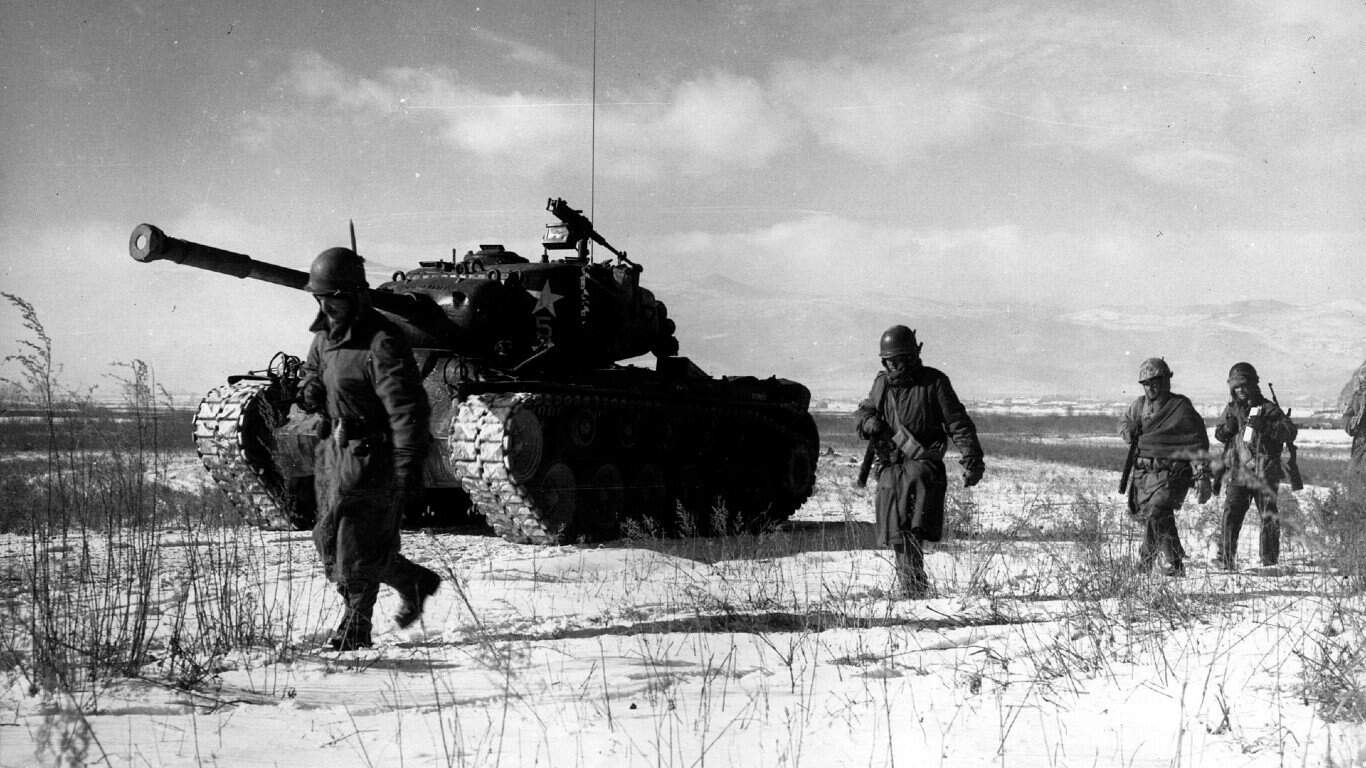
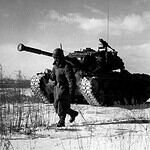
The Battle of Chosin Reservoir became one of the most legendary and brutal engagements of the Korean War after American and United Nations forces were surrounded by massive Chinese formations during the winter of 1950. U.S. Marines fought through subzero temperatures, snow-covered mountains, and relentless attacks while conducting a fighting withdrawal toward the coast. Frostbite, exposure, and equipment failures compounded the dangers already posed by overwhelming enemy numbers. Despite severe casualties, American forces managed to preserve much of their combat strength while inflicting heavy losses on Chinese forces. Chosin became permanently associated with Marine Corps toughness and battlefield endurance.
Tet Offensive
- War / Conflict: Vietnam War
- Date: January–February 1968
- Estimated American Casualties (Single Day): ~4,000 American deaths total
- Type of Combat: Urban and guerrilla warfare
- What Happened: Massive coordinated attacks across South Vietnam
- Why Casualties Were So Severe: Surprise attacks on major cities
- Immediate Strategic Impact: Communist offensive repelled militarily
- Historical Legacy: Changed public perception of the war
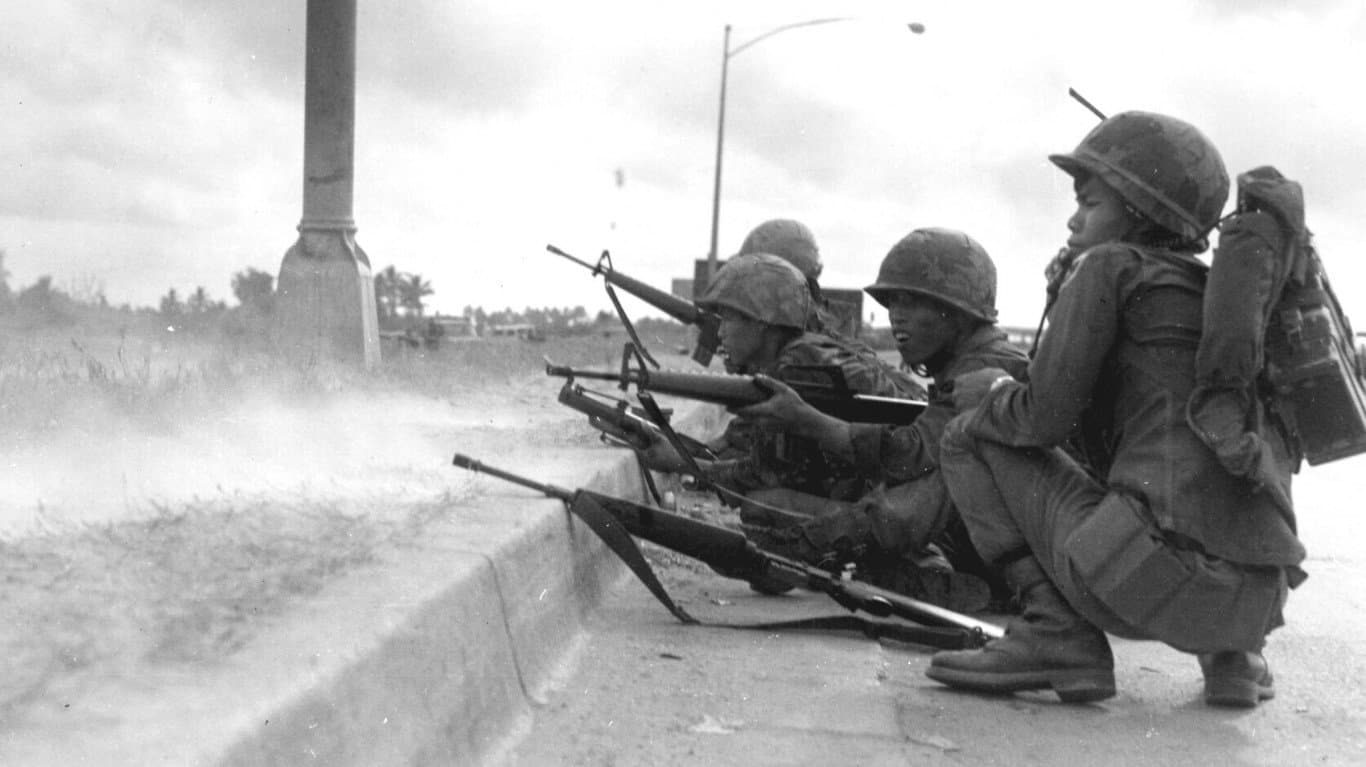
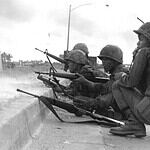
The Tet Offensive became one of the most important and deadly campaigns of the Vietnam War after North Vietnamese and Viet Cong forces launched coordinated attacks across South Vietnam in early 1968. American and South Vietnamese troops fought intense urban battles in cities such as Hue and Saigon while defending bases, embassies, and strategic positions. Although Communist forces suffered devastating military losses, the scale and surprise of the attacks shocked the American public and undermined confidence in official claims that the war was nearing victory. Tet became a major turning point in public perception of the Vietnam War inside the United States.
The image featured at the top of this post is ©Public Domain / Wikimedia Commons