


Napoleon’s Greatest Victories and Most Crushing Defeats
Few commanders in history have left a legacy as significant as Napoleon Bonaparte. Rising from a relatively obscure artillery officer during the French Revolution, Napoleon quickly demonstrated an extraordinary talent for strategy, leadership, and battlefield innovation. His early victories in Italy transformed him into one of Europe's most feared military leaders and set him on a path toward political power. Within a decade, he would dominate much of the continent and build an empire that stretched from Spain to Poland. Here, History Computer is taking a closer look at Napoleon’s greatest accomplishments and failures on the battlefield.
Here is a look at Napoleon’s greatest victories and losses:
Battle of Montenotte (April 12, 1796)
- The Challenge: Needed to divide Austrian and Piedmontese forces in Italy
- Napoleon's Masterstroke (or Mistake): Struck between allied armies before they could coordinate
- The Outcome: Victory
- How It Changed His Empire: Launched Napoleon's first great campaign and established his reputation
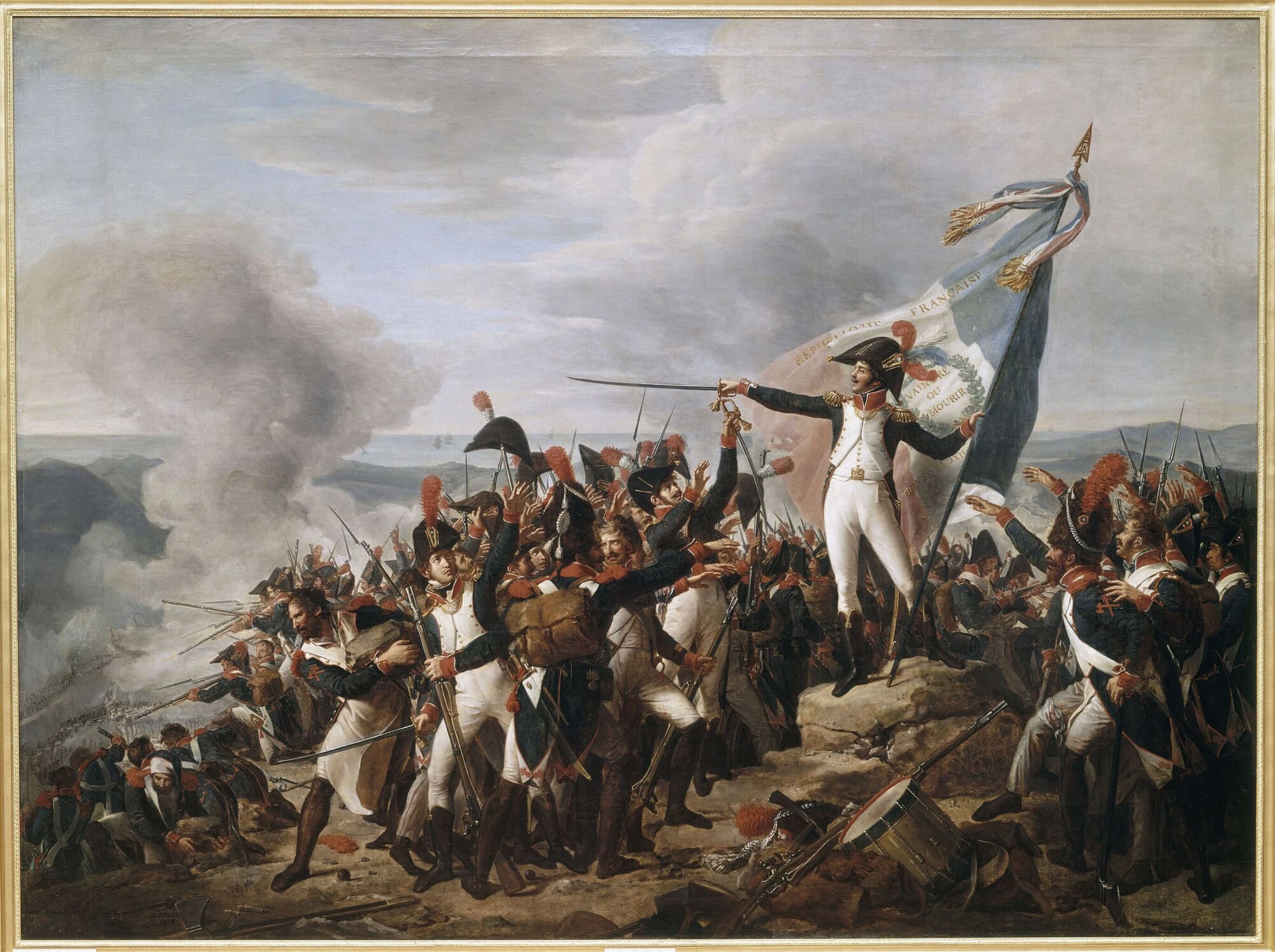
The Battle of Montenotte marked the true beginning of Napoleon Bonaparte's rise to military fame. Taking command of the French Army of Italy, Napoleon faced a coalition of Austrian and Piedmontese forces that outnumbered and threatened his poorly supplied army. Rather than confronting both enemies simultaneously, he identified the gap between them and struck with remarkable speed. By concentrating his forces against isolated enemy units, he prevented the coalition from coordinating its defense. The victory itself was relatively small compared to later Napoleonic battles, but its significance was enormous. Montenotte demonstrated Napoleon's preference for rapid movement, concentration of force, and attacking divided opponents. The battle initiated a string of victories that transformed the Italian campaign and announced the arrival of one of history's most innovative military commanders.
Battle of Lodi (May 10, 1796)
- The Challenge: Had to force a crossing against Austrian defenders
- Napoleon's Masterstroke (or Mistake): Personally drove the attack across the bridge
- The Outcome: Victory
- How It Changed His Empire: Strengthened his legend and accelerated the Italian campaign
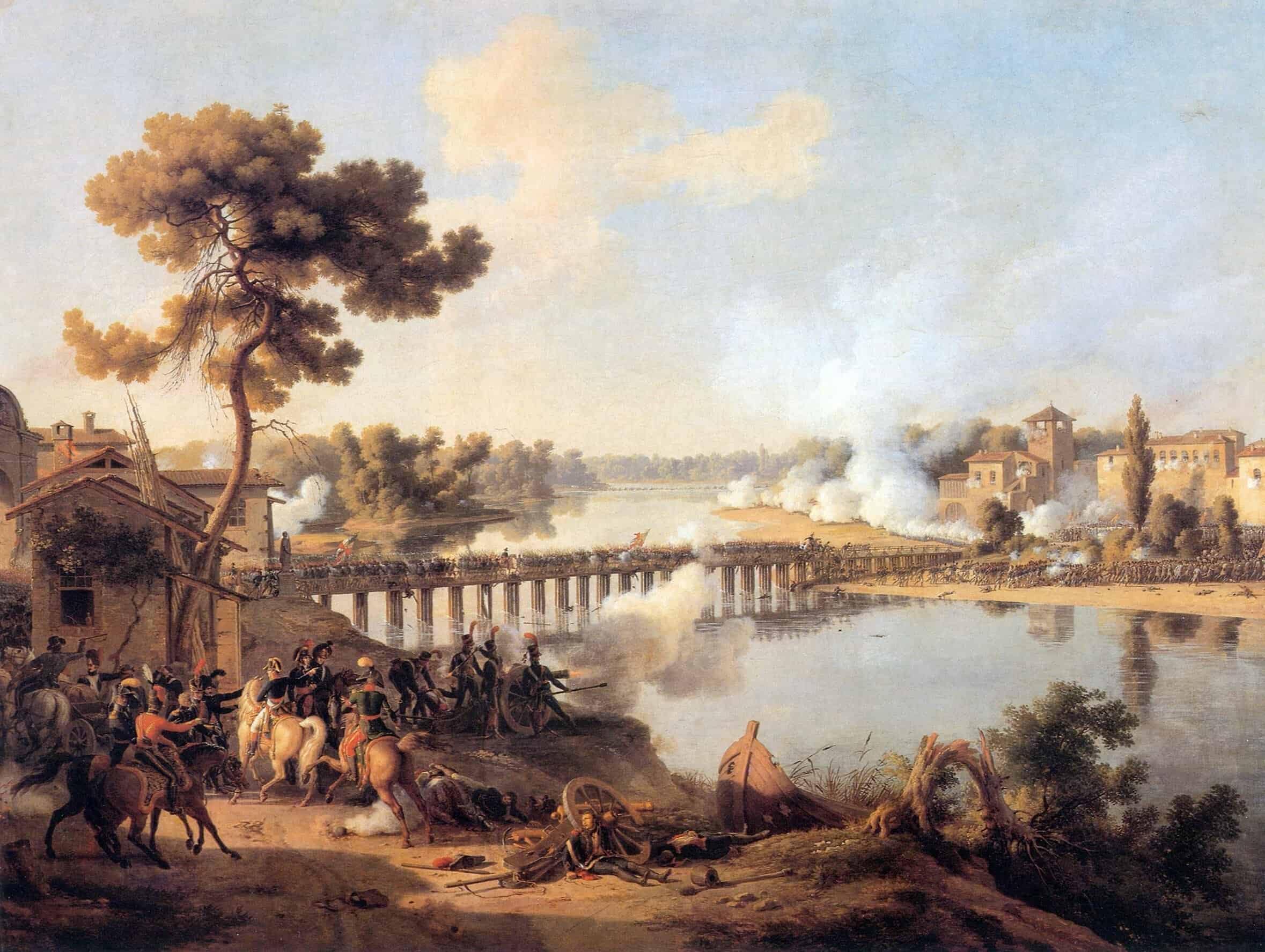
The Battle of Lodi occupies a special place in Napoleonic legend because it helped shape Napoleon's own belief in his destiny. Facing Austrian forces positioned across the Adda River, Napoleon needed to secure a crossing to continue his advance through northern Italy. The centerpiece of the battle became the famous assault across the bridge at Lodi, where French troops advanced under intense enemy fire. While historians debate the battle's actual strategic importance, its psychological effect was undeniable. Napoleon later described Lodi as the moment he first believed he was destined for greatness. The victory strengthened French momentum during the Italian campaign and enhanced Napoleon's reputation among both his soldiers and political leaders in Paris. It also established his image as a commander willing to take bold risks to achieve decisive results.
Battle of Rivoli (January 14–15, 1797)
- The Challenge: Outnumbered by Austrian forces attempting to relieve Mantua
- Napoleon's Masterstroke (or Mistake): Used terrain and rapid concentration of forces
- The Outcome: Victory
- How It Changed His Empire: Secured French dominance in northern Italy
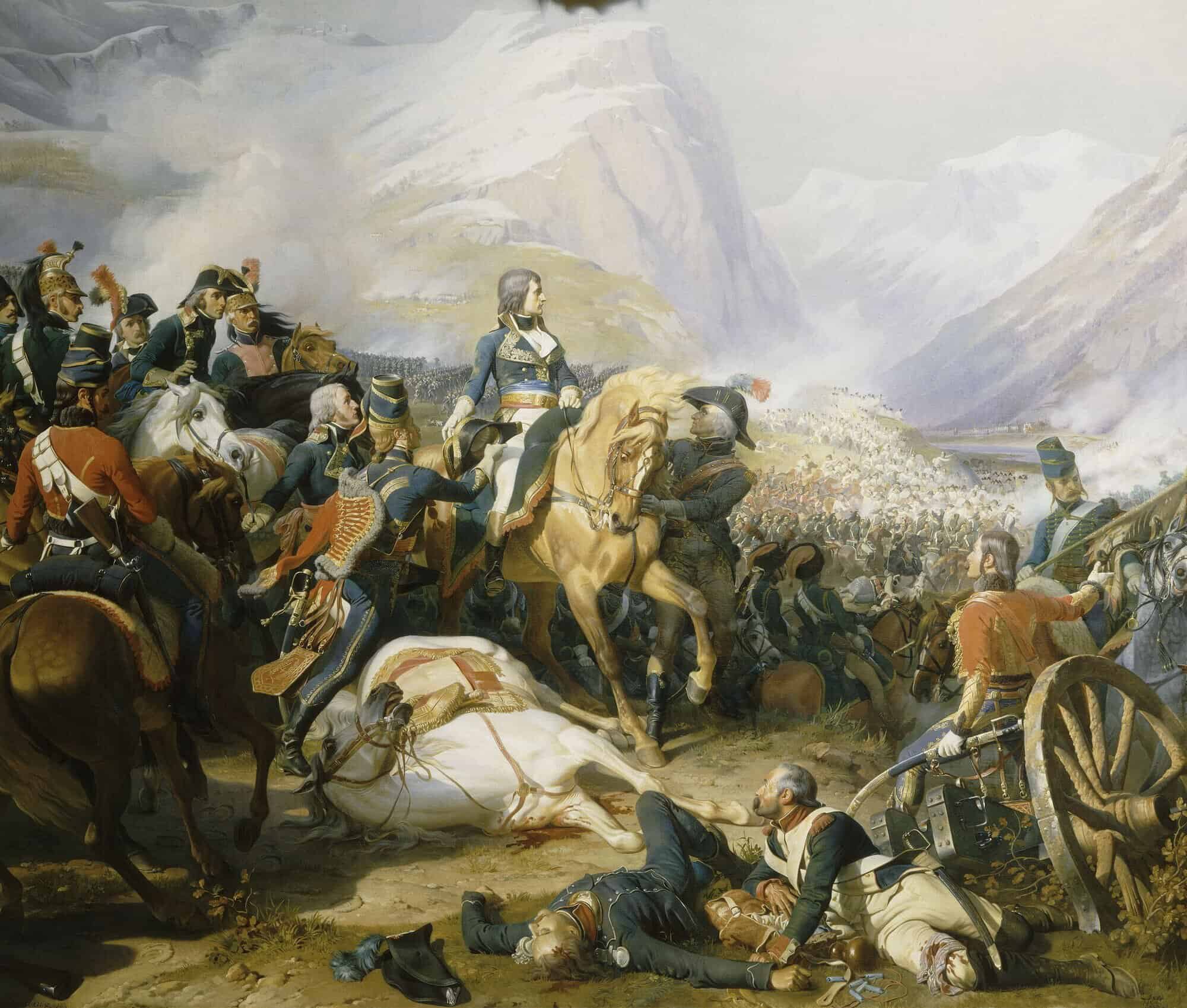
Rivoli is widely regarded as one of Napoleon's greatest early tactical masterpieces. Austrian commanders launched a major effort to relieve the besieged fortress of Mantua and restore their position in Italy. Napoleon faced a complex situation involving multiple enemy columns advancing through difficult terrain. Rather than reacting defensively, he rapidly concentrated his forces at critical points and exploited the advantages offered by the battlefield's geography. His ability to move troops efficiently and strike vulnerable enemy formations transformed what could have been a dangerous situation into a decisive victory. The defeat shattered Austria's final major attempt to regain control of northern Italy. Rivoli effectively secured French dominance in the region and helped pave the way for the Treaty of Campo Formio. Many historians consider it one of the finest examples of Napoleon's battlefield command.
Battle of Marengo (June 14, 1800)
- The Challenge: Faced a surprise Austrian offensive
- Napoleon's Masterstroke (or Mistake): Held long enough for Desaix's counterattack to arrive
- The Outcome: Victory
- How It Changed His Empire: Restored French control of Italy and boosted Napoleon's political power
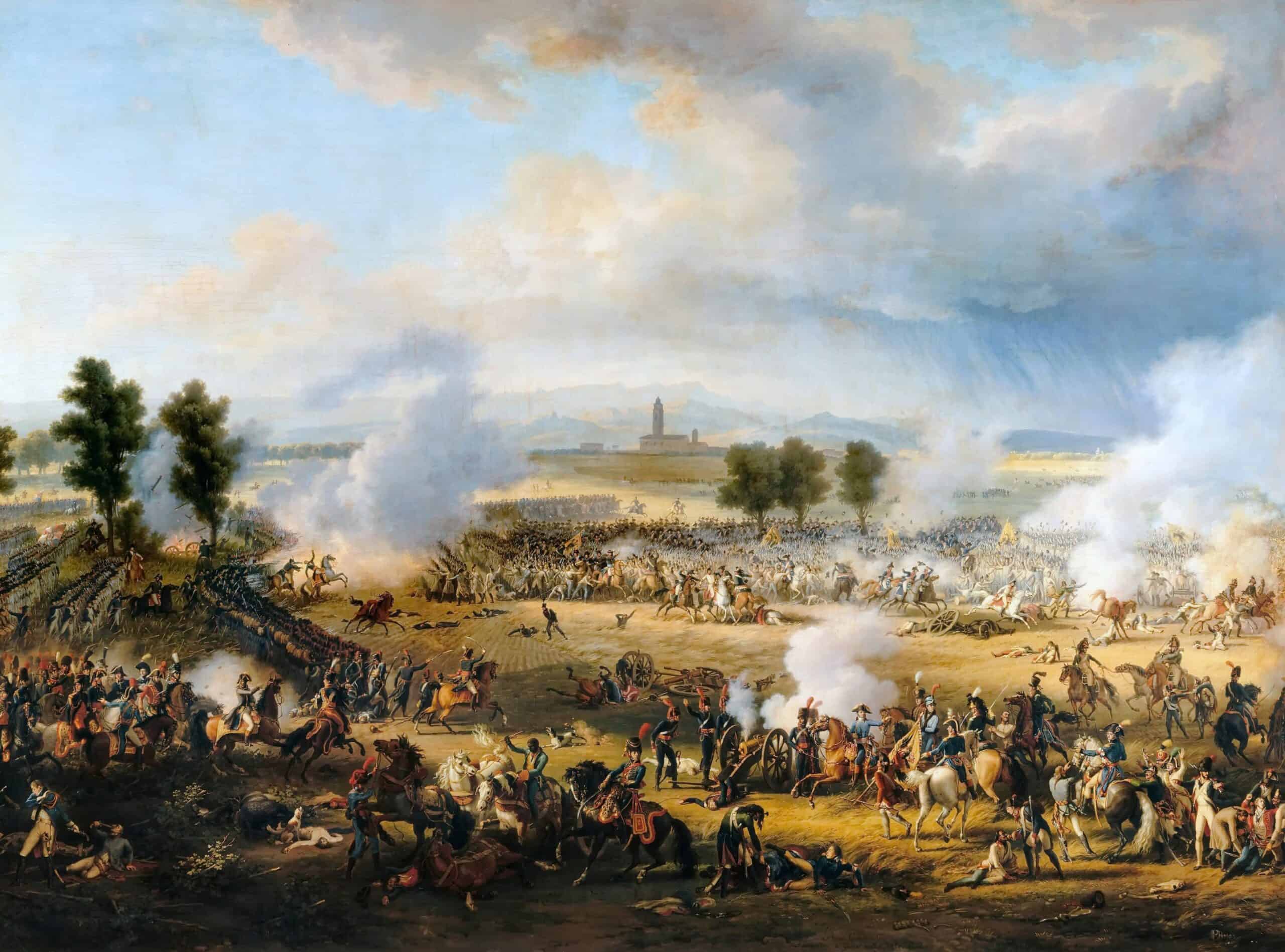
The Battle of Marengo nearly became one of Napoleon's greatest disasters before turning into one of his most important victories. During the campaign in Italy, Austrian forces launched a surprise offensive that caught much of the French army unprepared. Throughout the morning and early afternoon, French troops were steadily pushed back and appeared close to defeat. Napoleon's fortunes changed when reinforcements under General Desaix arrived late in the day. A coordinated counterattack halted the Austrian advance and transformed retreat into triumph. The victory secured French control of northern Italy and dramatically strengthened Napoleon's political position in France. Marengo became a symbol of his ability to recover from adversity and seize victory even when circumstances appeared hopeless. It also helped solidify his authority as First Consul and future emperor.
Ulm Campaign (September–October 1805)
- The Challenge: Needed to neutralize Austria before Russian reinforcements arrived
- Napoleon's Masterstroke (or Mistake): Executed a massive encirclement maneuver
- The Outcome: Victory
- How It Changed His Empire: Opened the road to Vienna and set up Austerlitz
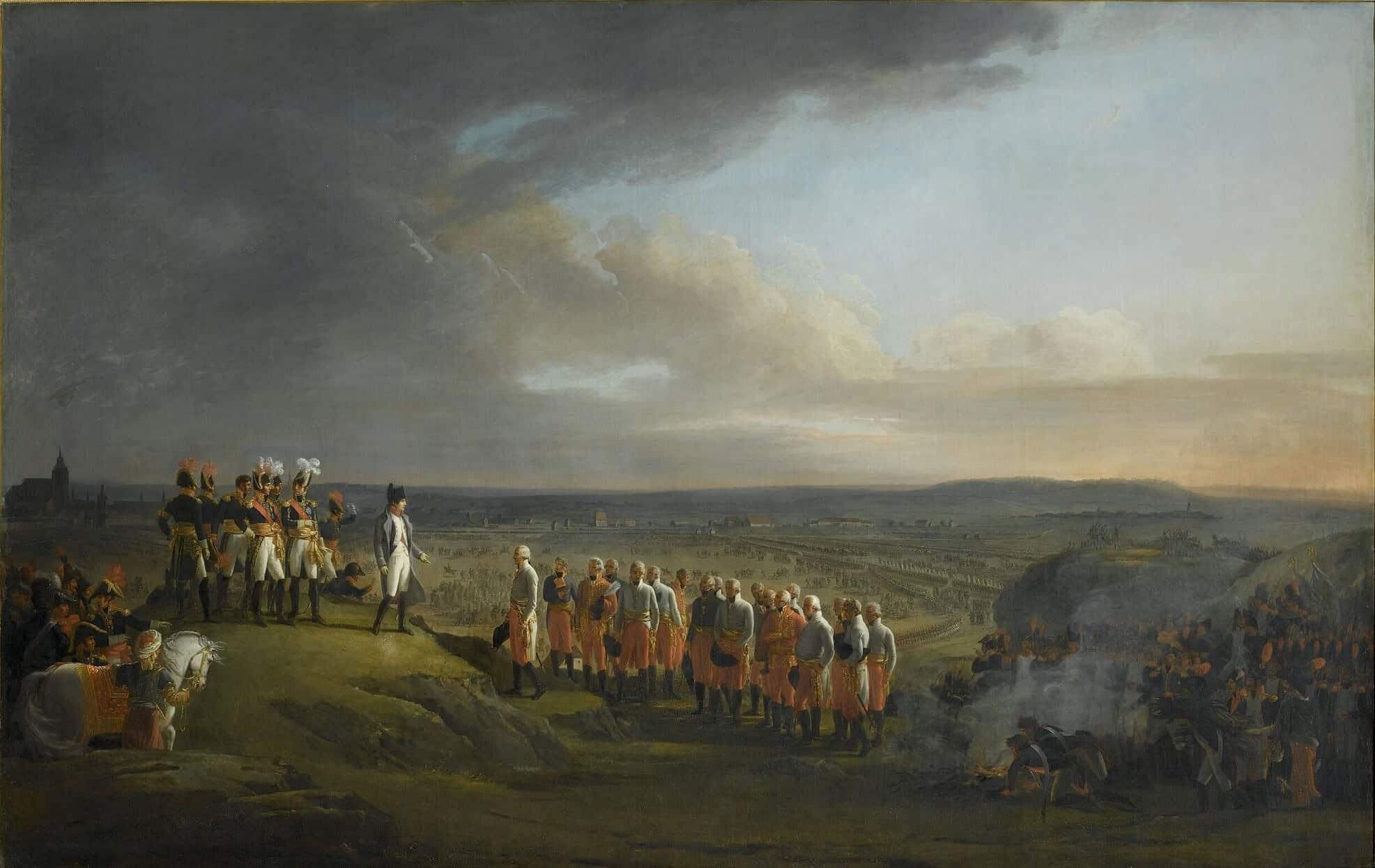
The Ulm Campaign stands as one of the most brilliant operational victories in military history. Rather than winning through a single massive battle, Napoleon achieved success through maneuver, deception, and strategic mobility. Austrian General Karl Mack expected the French to approach from a predictable direction, but Napoleon executed a sweeping movement that surrounded the Austrian army near Ulm. The Grande Armée marched with extraordinary speed, cutting enemy communications and escape routes before the Austrians fully understood what was happening. The result was the surrender of tens of thousands of Austrian troops with relatively little fighting. The campaign demonstrated Napoleon's mastery of operational warfare and his ability to destroy enemy armies before major battles occurred. Ulm opened the road to Vienna and set the stage for the triumph that followed at Austerlitz.
Battle of Austerlitz (December 2, 1805)
- The Challenge: Outnumbered by Austrian and Russian armies
- Napoleon's Masterstroke (or Mistake): Lured Allies into attacking a weakened flank
- The Outcome: Victory
- How It Changed His Empire: Destroyed the Third Coalition and marked the peak of his military genius
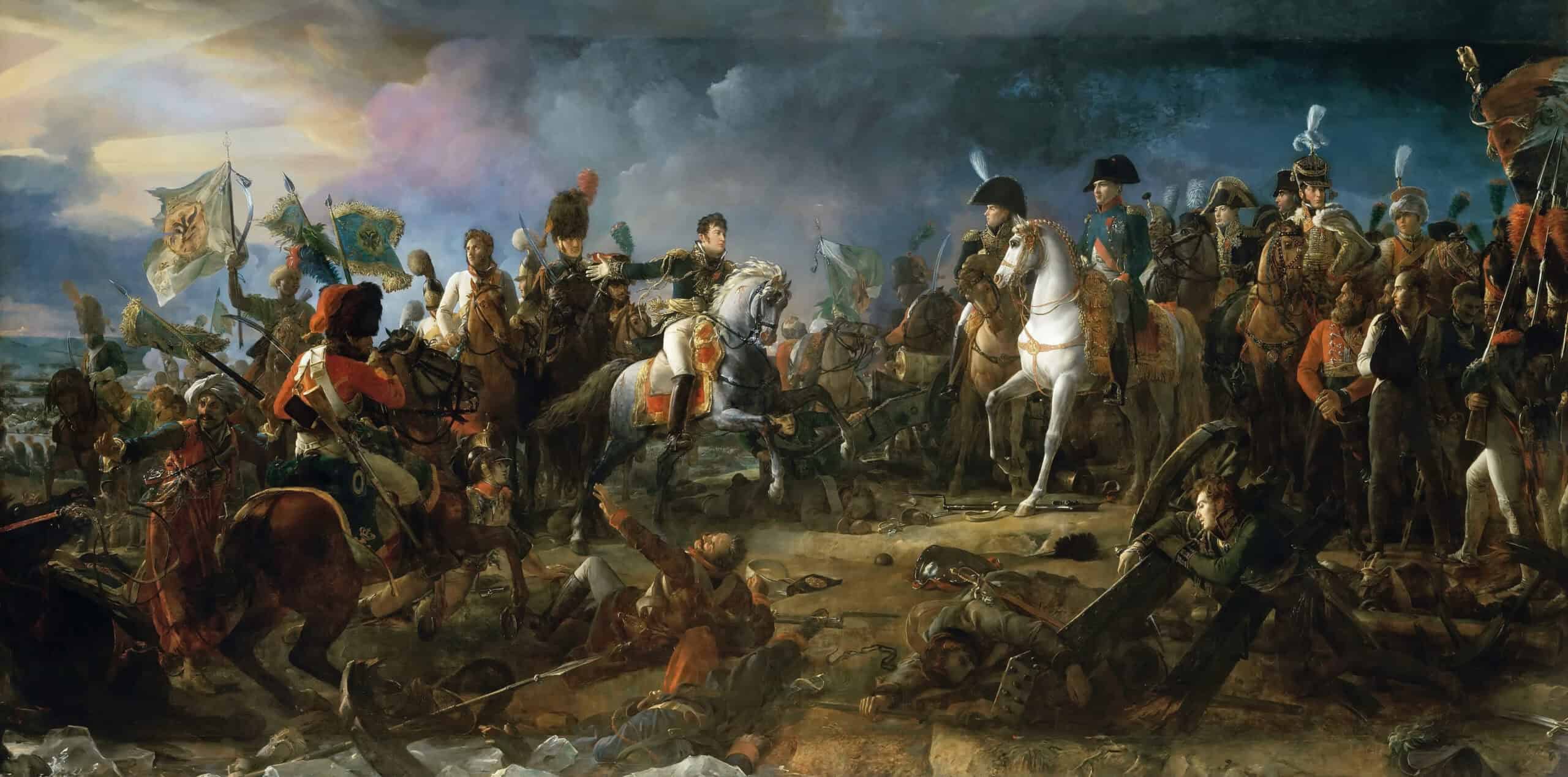
Often called Napoleon's greatest victory, Austerlitz represents the peak of his military genius. Facing the combined armies of Austria and Russia, Napoleon deliberately created the impression that his right flank was vulnerable. Allied commanders took the bait and committed large portions of their forces to an attack designed to overwhelm the apparent weakness. Once the Allies were fully engaged, Napoleon launched a devastating counterattack against their center, splitting the coalition army in two. The result was a crushing victory that destroyed the Third Coalition and cemented French dominance in Europe. Austerlitz showcased Napoleon's ability to manipulate enemy decision-making and exploit battlefield opportunities. Military academies still study the battle as a classic example of deception, timing, and concentration of force. It remains the defining achievement of his career.
Battle of Jena-Auerstedt (October 14, 1806)
- The Challenge: Faced Prussia's experienced army
- Napoleon's Masterstroke (or Mistake): Used superior maneuver and corps coordination
- The Outcome: Victory
- How It Changed His Empire: Crushed Prussia as a major military power
The twin battles of Jena and Auerstedt shattered Prussia's reputation as one of Europe's premier military powers. Napoleon's Grande Armée had evolved into a highly flexible force capable of rapid movement and independent operations by corps-sized formations. Prussian commanders, relying on outdated methods, struggled to react effectively. At Jena, Napoleon believed he faced the main Prussian army, while Marshal Davout simultaneously fought and defeated a larger enemy force at Auerstedt. Together, the victories triggered the collapse of Prussian resistance and opened the way for French occupation of much of the kingdom. The campaign highlighted the superiority of Napoleon's organizational system and operational doctrine. Within weeks, a state once feared across Europe had been decisively defeated. Jena-Auerstedt remains one of the most dramatic demonstrations of military transformation in modern history.
Battle of Eylau (February 7–8, 1807)
- The Challenge: Confronted determined Russian resistance in winter conditions
- Napoleon's Masterstroke (or Mistake): Repeated frontal attacks in difficult conditions
- The Outcome: Costly Tactical Success
- How It Changed His Empire: Exposed limits of French battlefield dominance
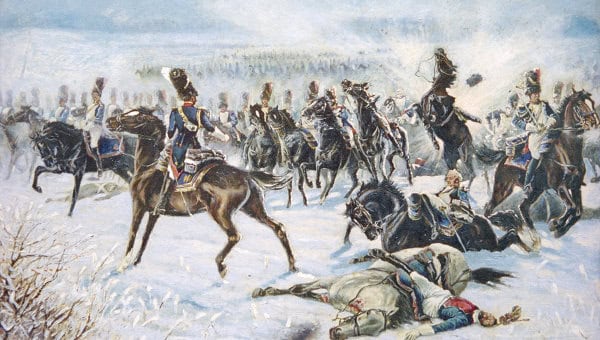
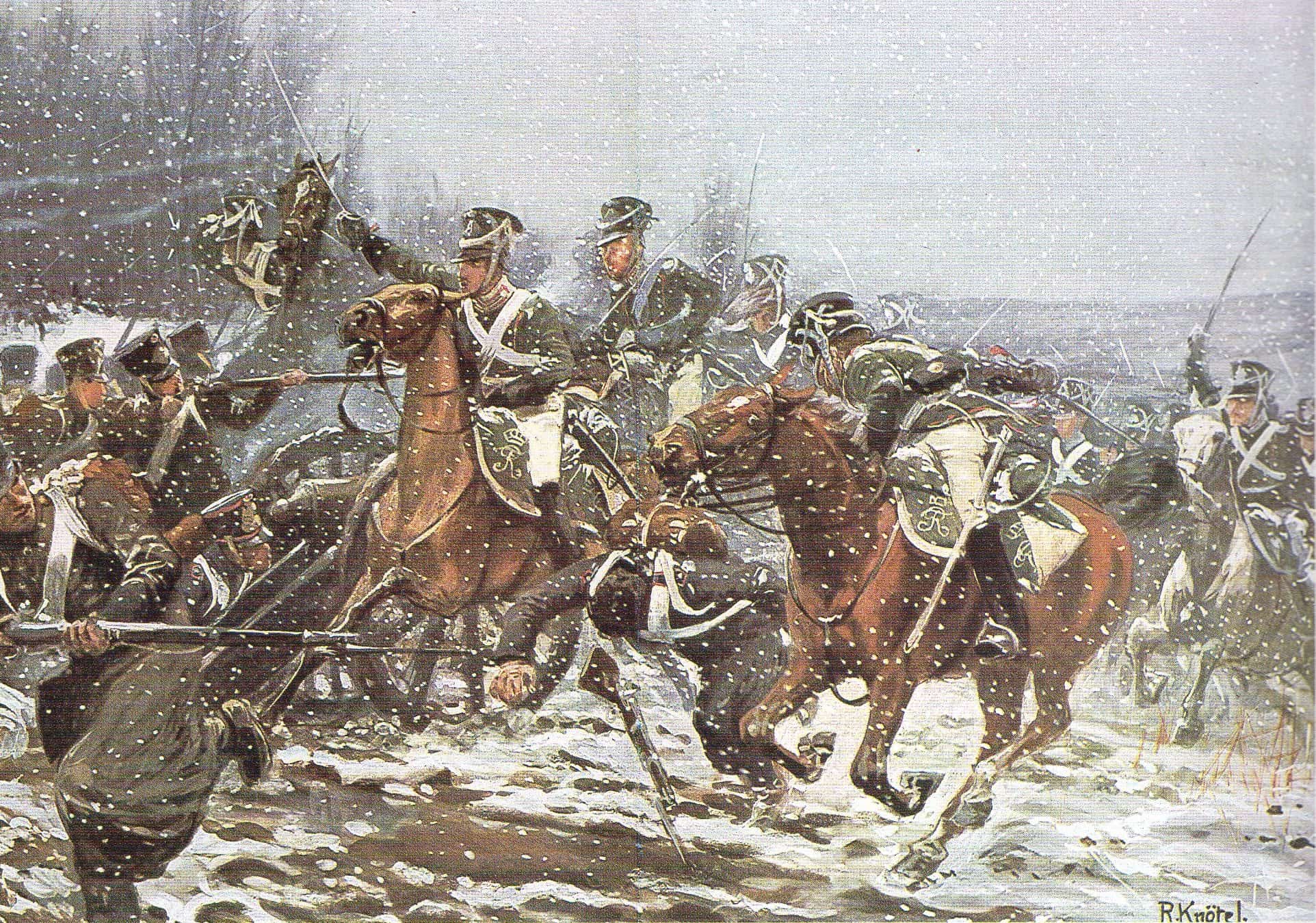
Eylau was one of the bloodiest and most unsettling battles of Napoleon's career. Fighting in brutal winter conditions against Russian forces, the French army encountered an opponent willing to endure enormous casualties rather than retreat. Snowstorms reduced visibility, complicated communications, and contributed to confusion across the battlefield. Napoleon ultimately held the field, allowing him to claim a form of victory, but the cost was staggering. Thousands of French soldiers were killed or wounded, and the battle exposed vulnerabilities that had rarely been visible during earlier campaigns. Eylau demonstrated that even Napoleon's army could be stopped under the right circumstances. While it did not end the campaign, it served as a warning that future opponents were learning how to challenge French dominance more effectively.
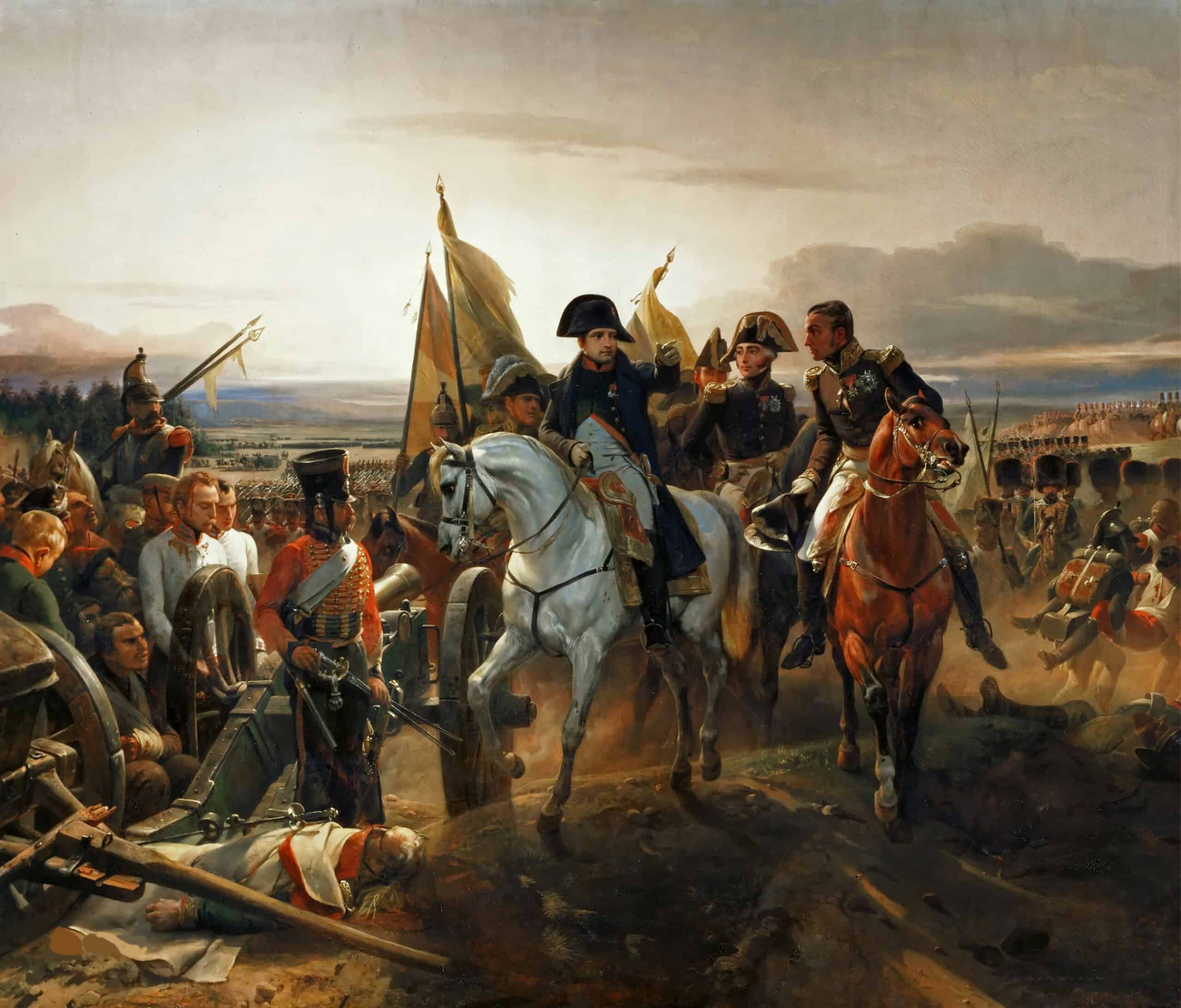
Battle of Friedland (June 14, 1807)
- The Challenge: Needed a decisive victory before Russian withdrawal
- Napoleon's Masterstroke (or Mistake): Concentrated forces against an exposed Russian position
- The Outcome: Victory
- How It Changed His Empire: Led directly to the Treaty of Tilsit
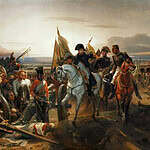
Four months after the carnage of Eylau, Napoleon achieved the decisive victory he had been seeking. Russian forces under General Bennigsen found themselves trapped against the Alle River near Friedland. Recognizing the opportunity, Napoleon concentrated overwhelming force against a vulnerable enemy position before the Russians could withdraw. French attacks gradually compressed the Russian army against the river, creating chaos and heavy losses. The victory broke Russian resistance and forced Tsar Alexander I into negotiations. The resulting Treaty of Tilsit marked the height of Napoleon's power, temporarily establishing France as the dominant force on the European continent. Friedland demonstrated Napoleon's ability to identify and exploit strategic opportunities with ruthless efficiency. It stands as one of the most consequential victories of the Napoleonic Wars.
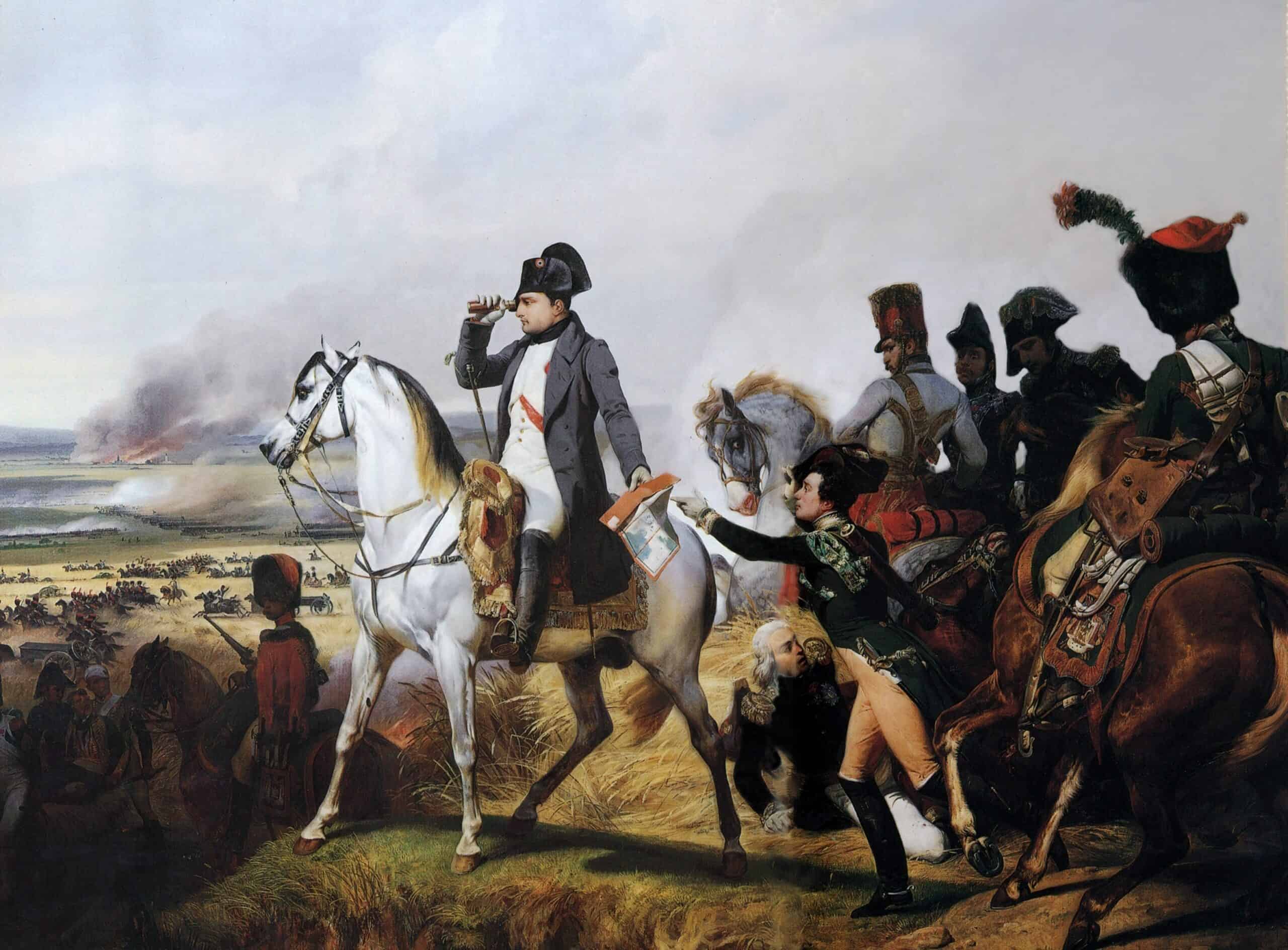
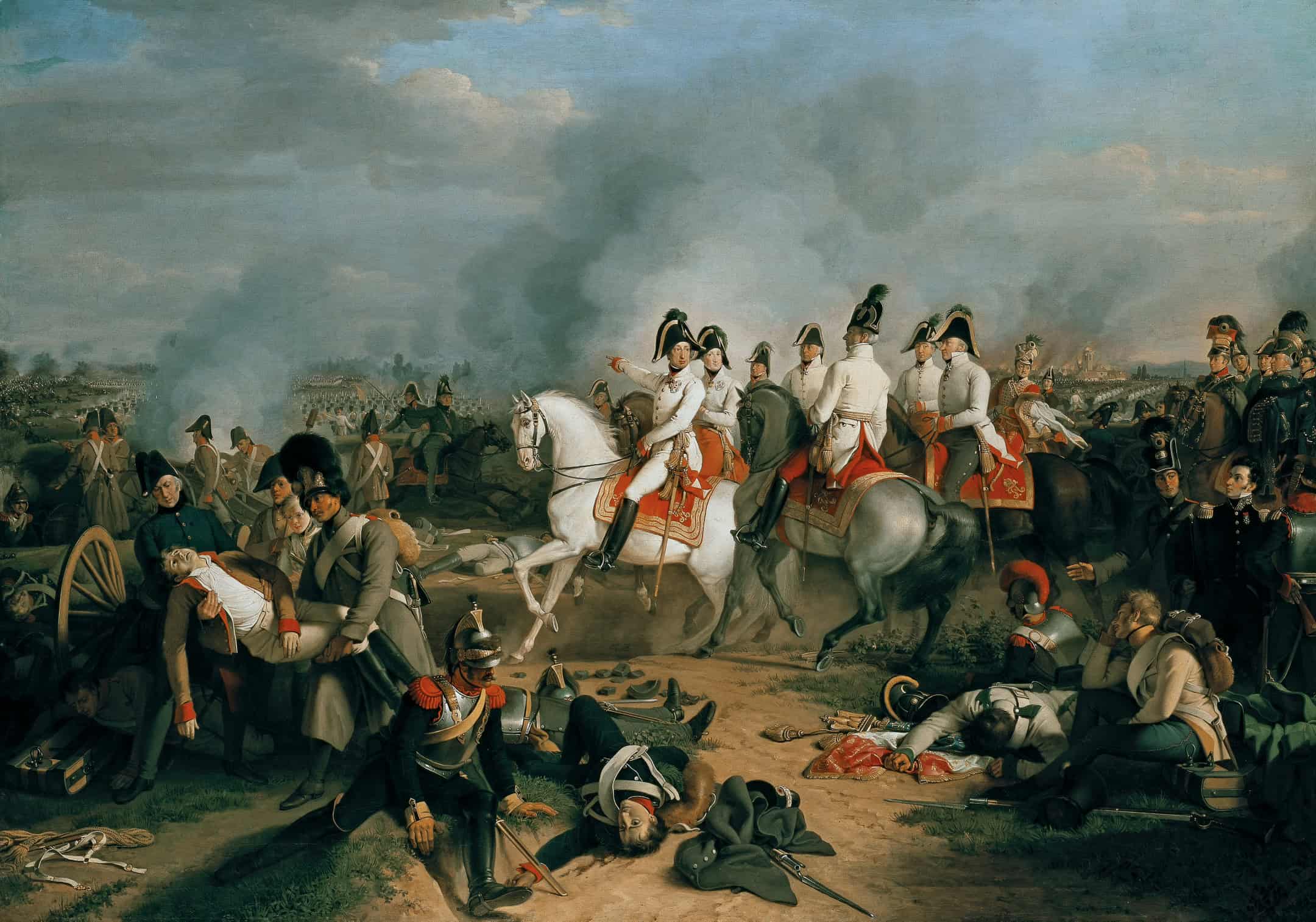
Battle of Wagram (July 5–6, 1809)
- The Challenge: Faced a resurgent Austrian army
- Napoleon's Masterstroke (or Mistake): Relied on massed artillery and coordinated attacks
- The Outcome: Victory
- How It Changed His Empire: Preserved French control of Central Europe
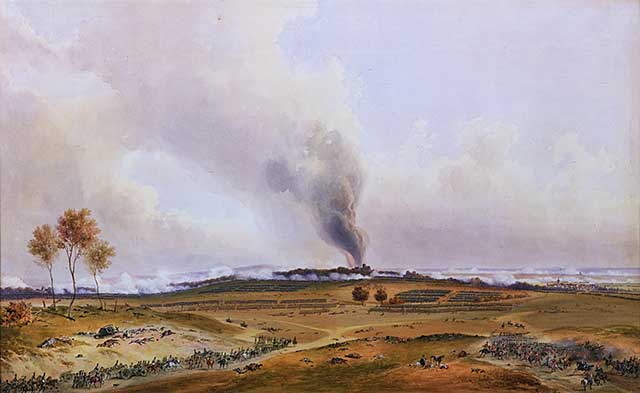
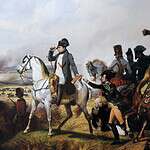
The Battle of Wagram was Napoleon's largest victory over Austria and one of the biggest battles fought in Europe before the twentieth century. Following his earlier defeat at Aspern-Essling, Napoleon spent weeks preparing a second attempt to cross the Danube and confront the Austrian army. This time, he assembled massive forces and relied heavily on artillery to break enemy resistance. The fighting was intense and costly, but French numerical strength and coordination eventually prevailed. Wagram secured another Austrian defeat and preserved Napoleon's dominance in Central Europe. Yet the battle also hinted at future challenges. Casualties were extremely high, and the victory lacked the elegance of earlier campaigns such as Austerlitz. Wagram demonstrated that Napoleon could still win major battles, but doing so increasingly required greater effort and greater sacrifice.
Battle of Aspern-Essling (May 21–22, 1809)
- The Challenge: Attempted a river crossing against prepared Austrian defenses
- Napoleon's Masterstroke (or Mistake): Crossed the Danube before securing supply lines
- The Outcome: Defeat
- How It Changed His Empire: Napoleon's first major battlefield defeat as emperor
The Battle of Aspern-Essling marked the first major battlefield defeat of Napoleon's career as emperor and shattered the perception that he was invincible. Attempting to cross the Danube River and strike the Austrian army near Vienna, Napoleon established a precarious bridgehead on the far bank. Austrian forces under Archduke Charles recognized the vulnerability of the French position and repeatedly attacked the bridges connecting Napoleon's army to its supplies and reinforcements. As the crossings became damaged and communication broke down, French units found themselves increasingly isolated. Despite fierce resistance, Napoleon was forced to withdraw. The defeat stunned Europe and encouraged opponents who had long viewed the French emperor as unbeatable. Although Napoleon would later avenge the setback at Wagram, Aspern-Essling demonstrated that his enemies were adapting and that even his greatest strengths had limits.
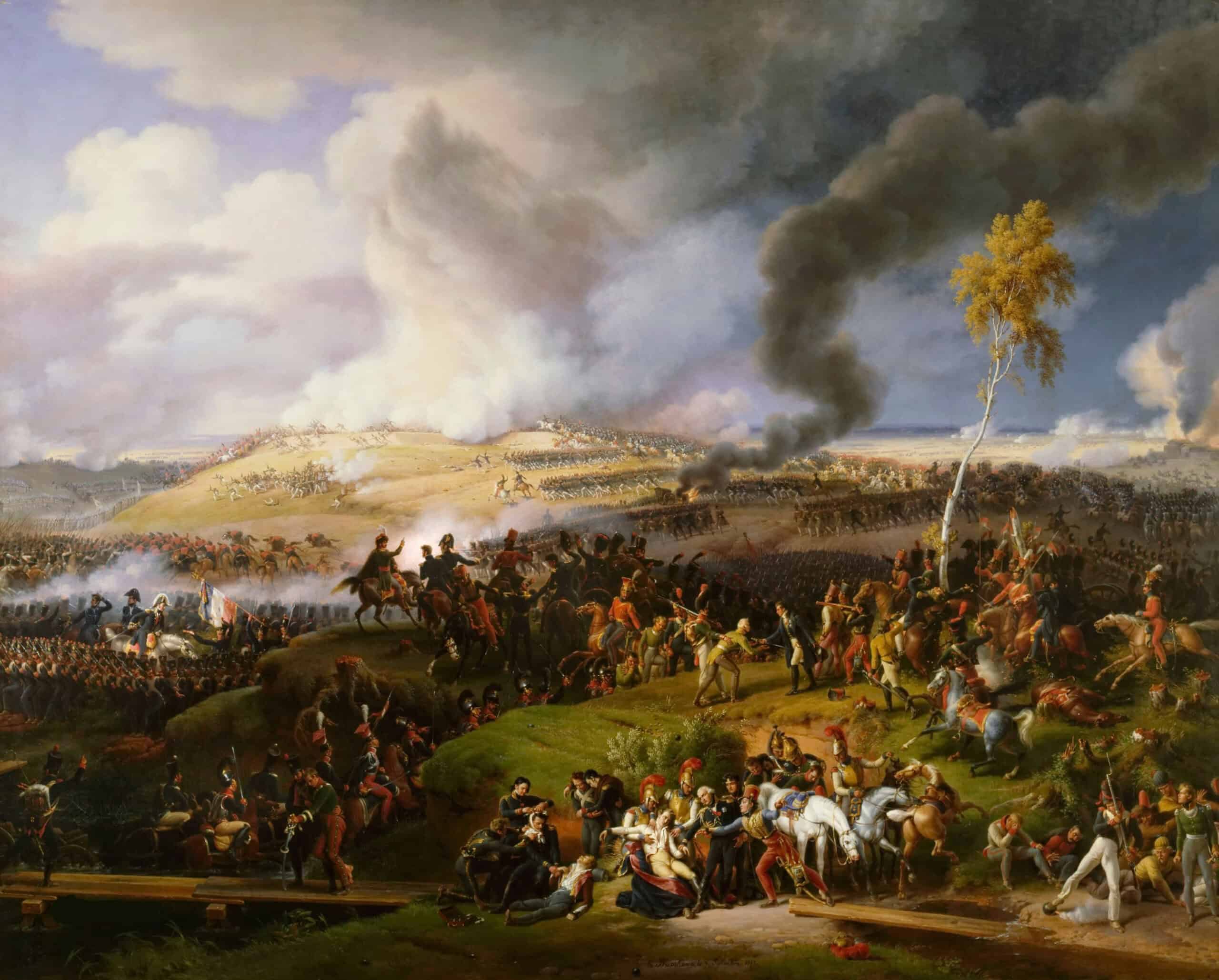
Battle of Borodino (September 7, 1812)
- The Challenge: Needed to destroy the Russian army before Moscow
- Napoleon's Masterstroke (or Mistake): Launched costly frontal assaults
- The Outcome: Pyrrhic Victory
- How It Changed His Empire: Weakened the Grande Armée before the occupation of Moscow
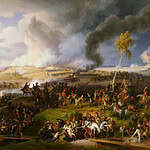
Borodino was the bloodiest single day of the Napoleonic Wars and perhaps the clearest example of a Pyrrhic victory. During the invasion of Russia, Napoleon sought a decisive battle that would destroy the Russian army and force Tsar Alexander I to negotiate. The Russians instead chose to stand and fight near Moscow. The battle became a brutal contest of attrition, with repeated French assaults against heavily defended positions. By day's end, the Russians withdrew, allowing Napoleon to claim victory. Yet the cost was devastating. The Grande Armée suffered enormous casualties that could not easily be replaced. More importantly, the Russian army survived. Napoleon captured Moscow shortly afterward, but he had failed to achieve the decisive political and military result he needed. Borodino weakened the French army so severely that it contributed directly to the disaster that followed.
Battle of Maloyaroslavets (October 24, 1812)
- The Challenge: Sought a safer route out of Russia
- Napoleon's Masterstroke (or Mistake): Failed to force a southern withdrawal route
- The Outcome: Strategic Defeat
- How It Changed His Empire: Forced retreat along the devastated Smolensk Road
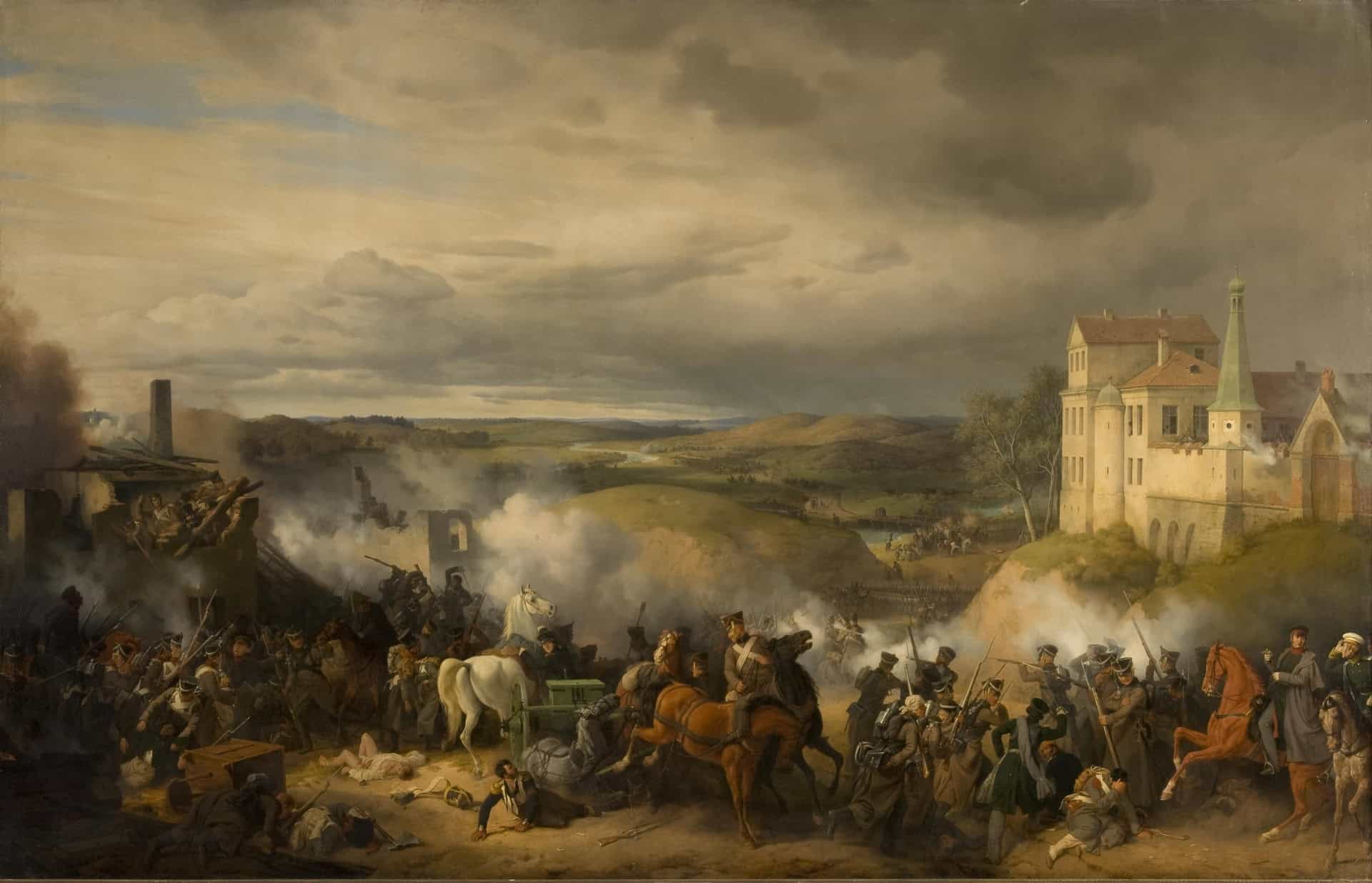
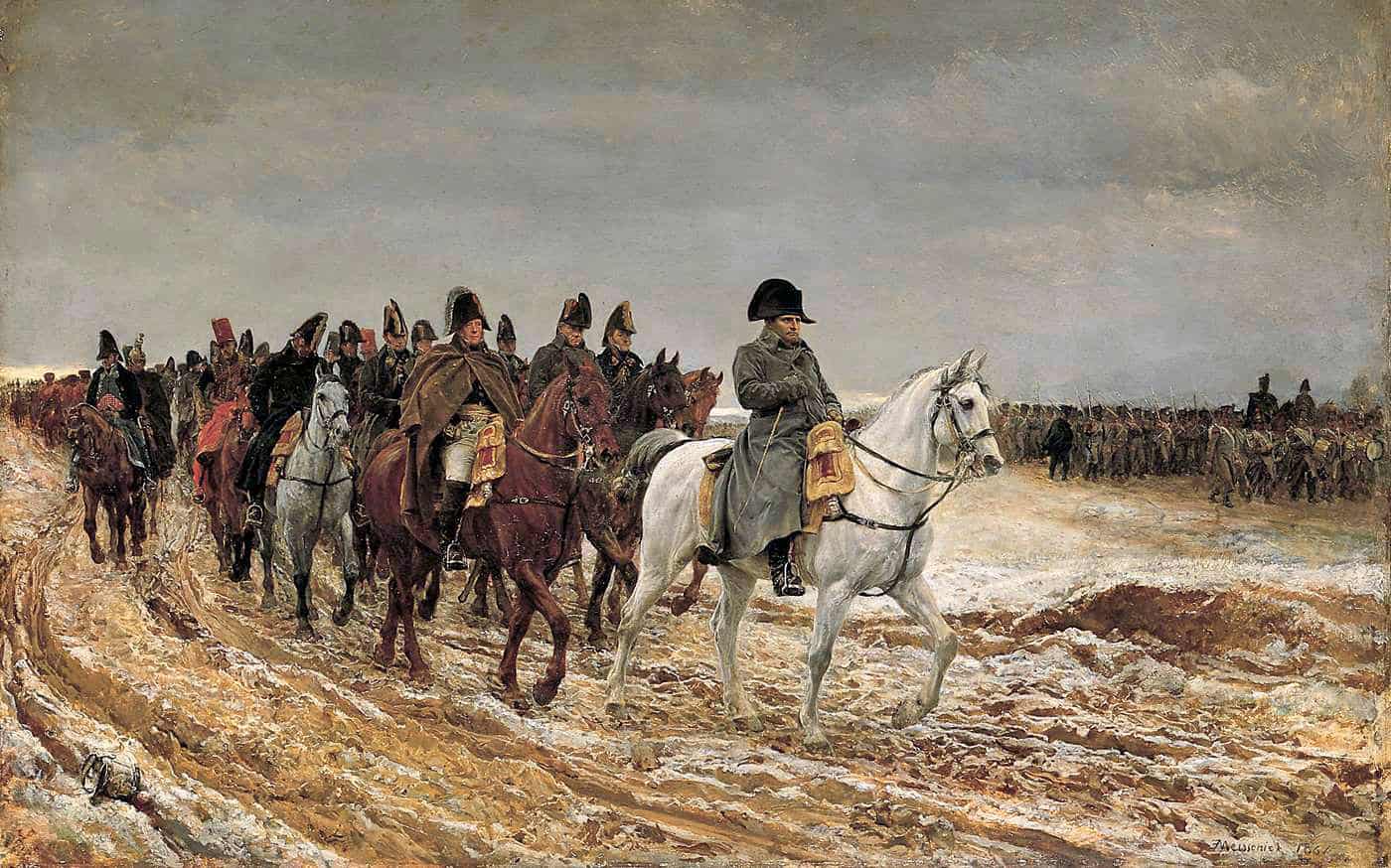
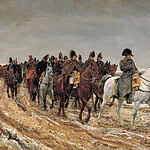
Although not as famous as Borodino or Waterloo, Maloyaroslavets played a crucial role in the collapse of Napoleon's Russian campaign. After occupying Moscow and failing to secure peace negotiations, Napoleon sought a southern withdrawal route that would lead his army through less devastated territory. Russian forces blocked the path near Maloyaroslavets, resulting in fierce fighting as both sides attempted to control the town. While the French managed to capture portions of the battlefield, the strategic result favored the Russians. Napoleon ultimately decided not to risk a larger confrontation and instead retreated along the already ravaged Smolensk Road. This decision condemned his army to a route stripped of supplies, shelter, and resources. Historians often view Maloyaroslavets as the moment when Napoleon lost the opportunity to save much of the Grande Armée from destruction.
Berezina Crossing (November 26–29, 1812)
- The Challenge: Needed to save the remnants of the army during retreat
- Napoleon's Masterstroke (or Mistake): Conducted a desperate river crossing under pressure
- The Outcome: Catastrophic Retreat
- How It Changed His Empire: Symbolized the destruction of the Grande Armée
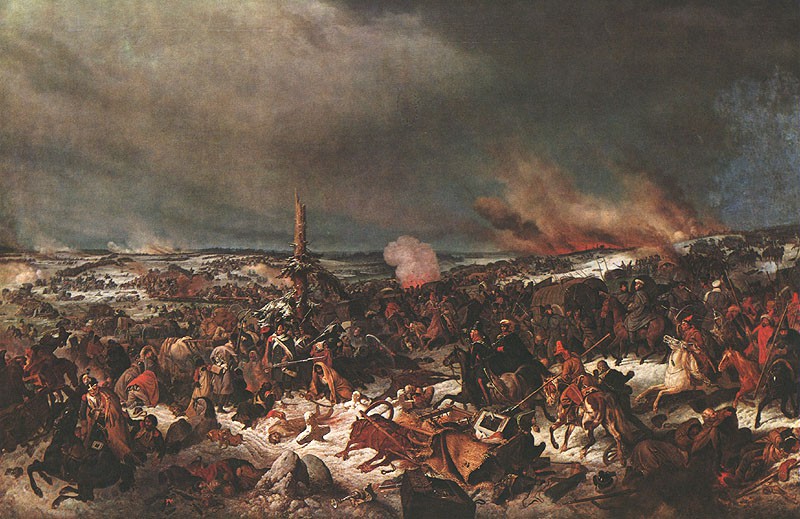
The Berezina Crossing became one of the defining symbols of Napoleon's retreat from Russia. By late November, the remnants of the Grande Armée were exhausted, starving, and pursued by multiple Russian forces. Reaching the Berezina River, Napoleon faced what appeared to be an impossible situation. French engineers worked under extraordinary pressure to construct temporary bridges while Russian armies closed in from multiple directions. Through a combination of deception, determination, and engineering skill, much of the army managed to cross. Yet the operation came at a terrible cost. Thousands of soldiers and civilians perished during the chaotic retreat. Although Napoleon escaped complete encirclement, the crossing highlighted the catastrophic losses suffered during the campaign. The Berezina became synonymous with disaster in French memory and symbolized the destruction of the greatest army Europe had seen.
Battle of Dresden (August 26–27, 1813)
- The Challenge: Faced superior Coalition numbers
- Napoleon's Masterstroke (or Mistake): Exploited interior lines and concentrated forces
- The Outcome: Victory
- How It Changed His Empire: Napoleon's last great battlefield triumph
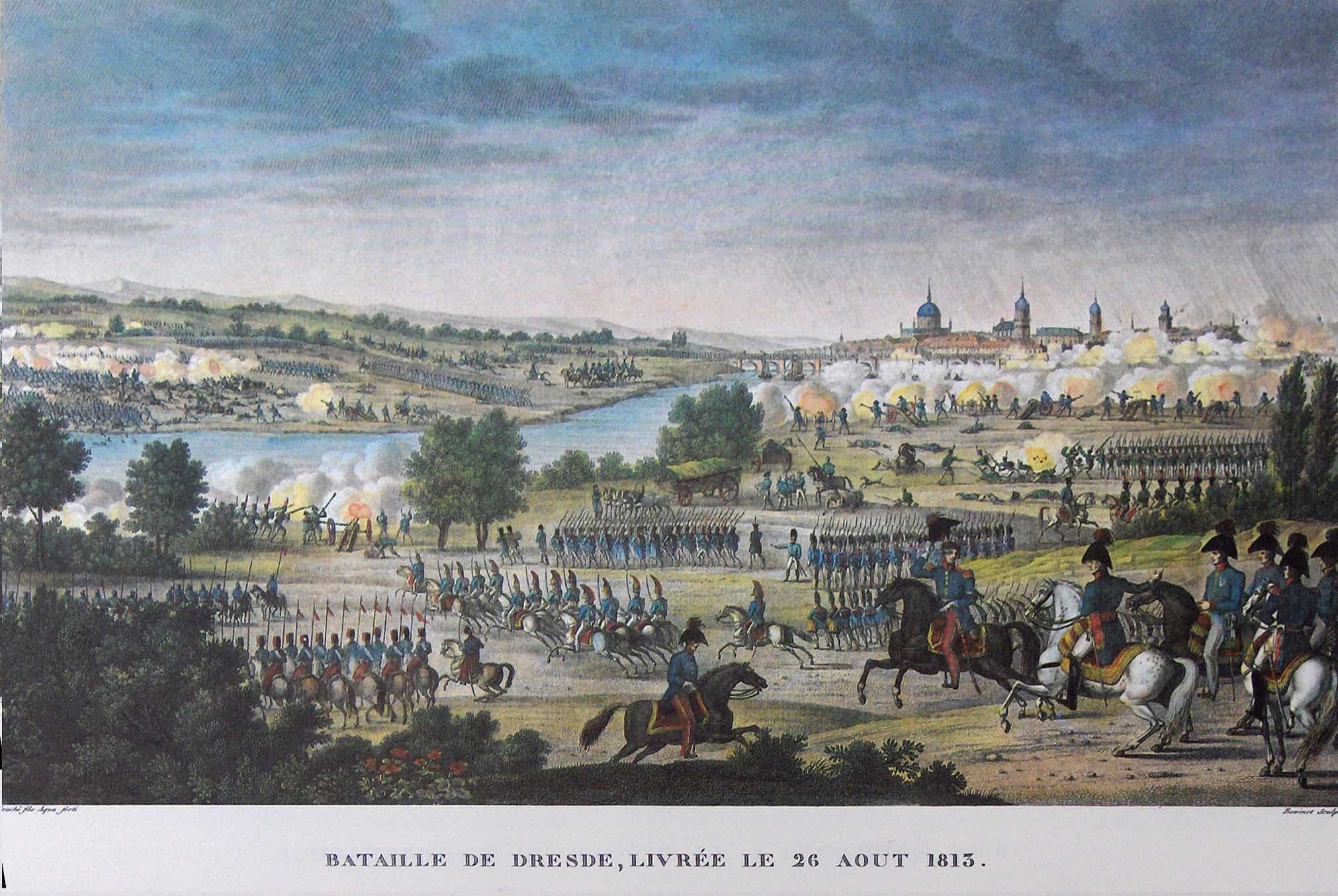
Dresden was Napoleon's last great battlefield triumph and a reminder that his military brilliance remained intact even as his empire began to crumble. Facing a coalition of Austrian, Russian, and Prussian forces, Napoleon moved quickly to reinforce the city and confront an enemy army that believed it held the advantage. Despite being outnumbered, he exploited interior lines and coordinated attacks with remarkable precision. Heavy rain and poor conditions further complicated Coalition operations. The result was a decisive French victory that inflicted severe casualties on the opposing forces. Yet the triumph proved temporary. Elsewhere, French marshals suffered defeats that offset the gains made at Dresden. While the battle demonstrated that Napoleon could still outfight his enemies on the battlefield, it also revealed that victories alone were no longer enough to save his empire.
Battle of Leipzig (October 16–19, 1813)
- The Challenge: Confronted multiple Coalition armies simultaneously
- Napoleon's Masterstroke (or Mistake): Could not overcome overwhelming numbers
- The Outcome: Defeat
- How It Changed His Empire: Marked the collapse of French dominance in Germany
Known as the Battle of Nations, Leipzig was the largest battle fought in Europe before the First World War and the decisive turning point against Napoleon. Following the disastrous Russian campaign, Austria, Prussia, Russia, and several German states combined their forces in a massive effort to destroy French power in Central Europe. Napoleon fought skillfully and achieved local successes during the battle, but the overwhelming numerical superiority of the Coalition gradually took its toll. As fighting intensified, several of Napoleon's German allies switched sides, further weakening his position. The eventual French retreat marked the collapse of Napoleon's dominance in Germany. Leipzig opened the road for Coalition armies to invade France itself and transformed the strategic situation irreversibly. It stands as one of the most consequential defeats of Napoleon's career.
Battle of La Rothière (February 1, 1814)
- The Challenge: Defended France against invading Coalition forces
- Napoleon's Masterstroke (or Mistake): Spread forces too thin against larger armies
- The Outcome: Defeat
- How It Changed His Empire: Signaled that the Empire was nearing collapse
La Rothière occurred during the desperate defense of France in 1814, when Coalition armies advanced toward Paris from multiple directions. Napoleon attempted to confront a much larger enemy force despite severe shortages of troops and resources. Poor weather conditions complicated operations, and the French struggled to coordinate their defenses effectively. Although Napoleon's army fought with determination, it could not overcome the numerical advantage enjoyed by the Coalition. The defeat forced further withdrawals and highlighted the increasingly difficult position facing the French Empire. Unlike earlier campaigns where Napoleon could rely on offensive maneuver and operational surprise, he now found himself reacting to events beyond his control. La Rothière demonstrated that even his extraordinary abilities could not compensate indefinitely for dwindling manpower and mounting political isolation.
Battle of Laon (March 9–10, 1814)
- The Challenge: Attempted to split Coalition armies in France
- Napoleon's Masterstroke (or Mistake): Attacked despite exhaustion and inferior numbers
- The Outcome: Defeat
- How It Changed His Empire: Reduced chances of saving the Empire
The Battle of Laon represented one of Napoleon's final attempts to reverse the tide during the campaign in France. Despite being heavily outnumbered, he sought to divide and defeat Coalition forces before they could concentrate. The plan reflected many of the principles that had brought him success earlier in his career. However, exhaustion, poor coordination, and the deteriorating condition of the French army undermined his efforts. Coalition commanders maintained strong defensive positions around Laon and successfully resisted French attacks. The defeat deprived Napoleon of another opportunity to regain strategic momentum. Although he continued fighting with remarkable energy afterward, Laon made it increasingly clear that the Empire lacked the resources necessary for long-term survival. The battle underscored the growing gap between Napoleon's ambitions and the realities confronting France in 1814.
Battle of Ligny (June 16, 1815)
- The Challenge: Needed to defeat Prussians before facing Wellington
- Napoleon's Masterstroke (or Mistake): Delivered a concentrated attack against Blücher
- The Outcome: Victory
- How It Changed His Empire: Set the stage for the Waterloo campaign
Ligny was Napoleon's final battlefield victory and one of the most impressive demonstrations of his enduring military skill. Returning from exile during the Hundred Days, he understood that his only chance of survival was to defeat the Coalition armies before they could unite. Near the Belgian village of Ligny, he attacked the Prussian army commanded by Field Marshal Blücher. Through concentrated assaults and aggressive maneuvering, the French forced the Prussians to retreat. The victory achieved Napoleon's immediate objective and temporarily separated the Coalition forces. Yet it also contained the seeds of future failure. The Prussian army was damaged but not destroyed, and it remained capable of rejoining the campaign. Ligny showed that Napoleon could still win battles, but it also demonstrated how difficult it had become to translate tactical success into decisive strategic results.
Battle of Waterloo (June 18, 1815)
- The Challenge: Needed a decisive victory before Allied forces united
- Napoleon's Masterstroke (or Mistake): Failed to destroy Wellington before Prussian arrival
- The Outcome: Defeat
- How It Changed His Empire: Ended Napoleon's rule and the Napoleonic Era
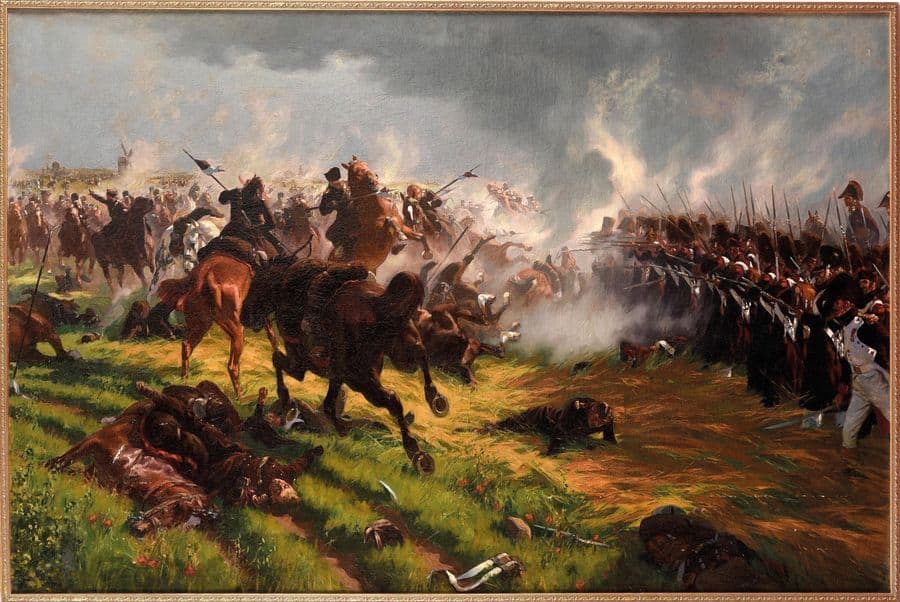
Waterloo remains the most famous battle of Napoleon's career because it brought an end to one of history's most remarkable military and political journeys. Two days after his victory at Ligny, Napoleon confronted the Anglo-Allied army under the command of the Duke of Wellington near Waterloo in present-day Belgium. Delays, difficult terrain, stubborn Allied resistance, and communication problems complicated French operations throughout the day. Most importantly, the Prussian army under Blücher arrived on the battlefield and reinforced Wellington's position. As French attacks failed to achieve a breakthrough, the Coalition gradually gained the advantage. The collapse of the Imperial Guard signaled the end of the battle and effectively the end of Napoleon's rule. Waterloo reshaped Europe, restored the Bourbon monarchy, and closed the chapter on the Napoleonic Era. More than two centuries later, it remains one of the most studied and consequential battles in military history.
The image featured at the top of this post is ©fran001 / Flickr – License / Original