




The WWII Battles That Forged America’s Military Legacy
Some of the most important battles in American military history were fought during World War II. From the surprise attack on Pearl Harbor to the carrier showdown at Midway and the brutal island fighting at Okinawa, these battles helped turn the United States into the dominant military power of the postwar world.
Many of these operations tested America’s industrial strength, introduced new forms of warfare, and shaped the battlefield legacy still tied to the U.S. Army, Navy, Marines, and Army Air Forces today. To determine the WWII battles that defined America’s military legacy, History Computer reviewed historical and military sources, including each battle’s theater, primary opponent, American forces involved, and strategic outcome.
Here is a look at the World War II battles that defined America’s military legacy:
Why Are We Covering This?
Understanding the World War II battles that defined America’s military legacy matters because these engagements transformed the United States into the world’s leading military superpower and reshaped how modern wars are fought. From the carrier warfare of Battle of Midway to the amphibious assaults at Battle of Normandy and Battle of Iwo Jima, these battles forged the doctrines, tactics, and global reputation that still define the American military today. They demonstrated the power of industrial mobilization, coalition warfare, naval supremacy, strategic bombing, and battlefield endurance on an unprecedented scale. Revisiting these operations provides insight into how the United States built its modern military identity and why the sacrifices made during World War II continue to shape American military culture, global strategy, and national memory generations later.
The War That Built America’s Modern Military
World War II transformed the United States from a growing industrial power into the dominant military force on Earth. Across Europe, North Africa, and the Pacific, American troops fought in battles that tested the limits of logistics, technology, endurance, and sacrifice. Many of these engagements became defining moments not only for the war itself, but for how the world would view the American military for generations afterward.
The Pacific Battles That Forged the Marine Corps
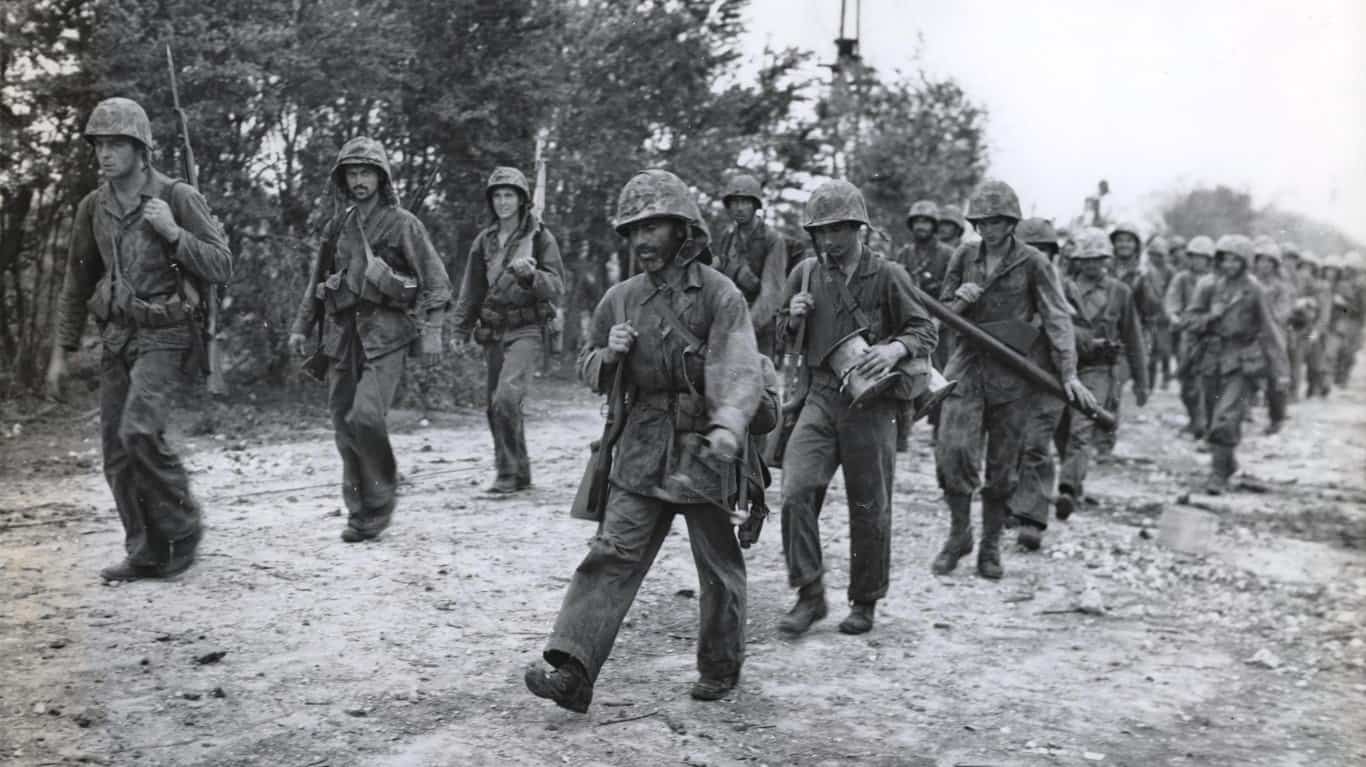
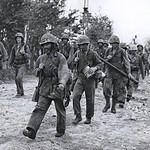
Battles such as Battle of Guadalcanal, Battle of Tarawa, and Battle of Iwo Jima helped define the identity of the United States Marine Corps through brutal island warfare against deeply entrenched Japanese defenses. These campaigns demanded extraordinary endurance and sacrifice while shaping amphibious assault doctrine that would influence military operations long after the war ended.
Naval Warfare Changed Forever in the Pacific
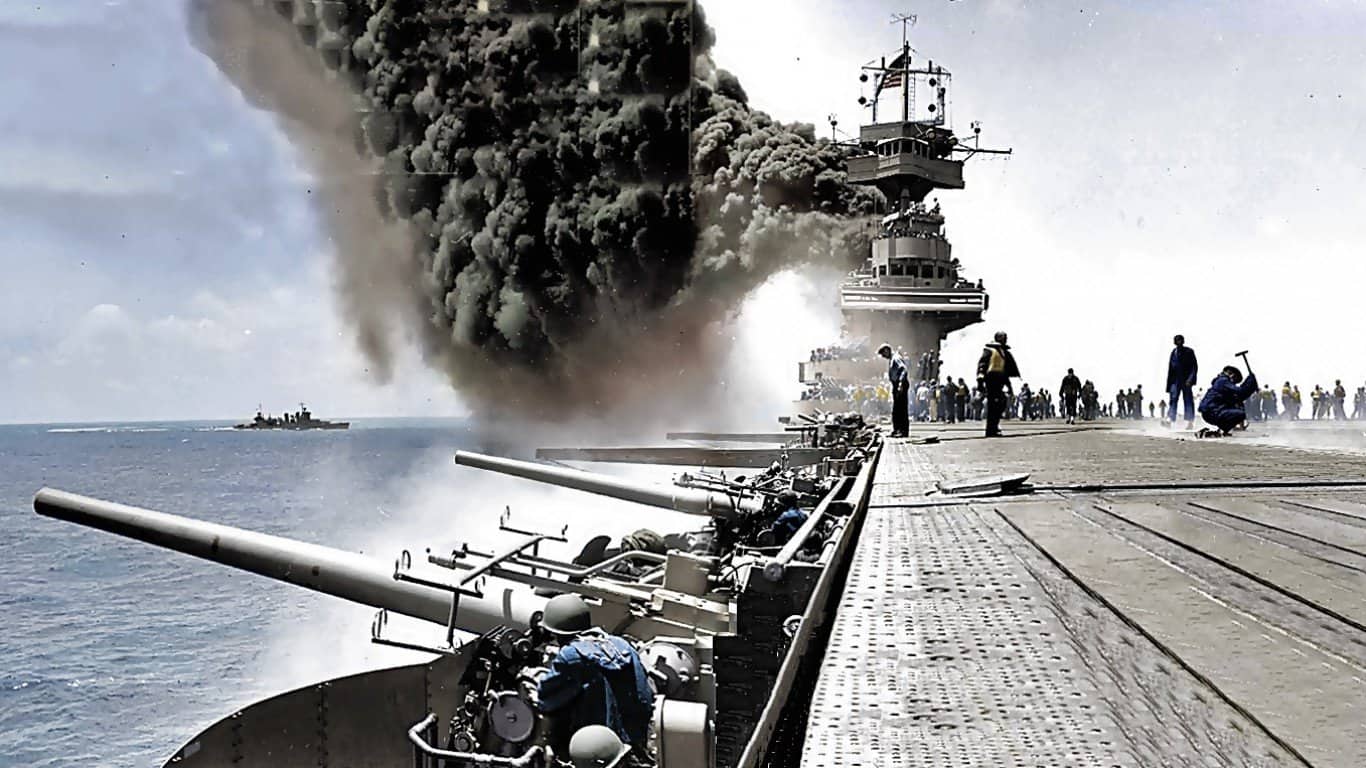
The Pacific Theater also transformed the future of naval warfare. Battles like Battle of Coral Sea and Battle of Midway proved that aircraft carriers — not battleships — would dominate the modern battlefield at sea. American naval innovation, industrial production, and intelligence gathering helped establish the U.S. Navy as the most powerful maritime force in the world.
Europe Tested America’s Industrial and Military Power
In Europe, operations such as Battle of Normandy and Battle of the Bulge demonstrated America’s ability to sustain massive coalition warfare across an entire continent. American troops fought through fortified beaches, frozen forests, and heavily defended cities while supported by an industrial system capable of producing weapons, aircraft, vehicles, and supplies on an unprecedented scale.
Why These Battles Still Define the U.S. Military Today
Many of the battles fought during World War II are still studied in military academies because they shaped modern doctrine, force structure, logistics, airpower strategy, and combined arms warfare. More importantly, they created the reputation for American military power that still influences global politics and deterrence today. From Pearl Harbor to Berlin, these battles became the foundation of America’s modern military legacy.
Attack on Pearl Harbor
- Theater of War: Pacific
- Year(s): 1941
- Primary Opponent: Japan
- Type of Warfare: Surprise naval and air attack
- Key American Forces Involved: U.S. Navy and Army Air Forces
- Why the Battle Mattered: Brought the United States into WWII
- Strategic Outcome: American mobilization for total war
- Legacy to the U.S. Military: Unified the nation around military expansion
The attack on Pearl Harbor became one of the most defining moments in American military history because it transformed the United States from a nation divided over entering the war into a fully mobilized global superpower. Japanese aircraft devastated much of the Pacific Fleet in Hawaii on December 7, 1941, killing thousands of American service members in only a few hours. The attack exposed vulnerabilities in American preparedness but also unleashed the largest military mobilization effort in U.S. history. Pearl Harbor permanently shaped American naval doctrine, intelligence operations, and military readiness while becoming a lasting symbol of sacrifice and national unity.
Battle of Coral Sea
- Theater of War: Pacific
- Year(s): 1942
- Primary Opponent: Japan
- Type of Warfare: Carrier naval warfare
- Key American Forces Involved: U.S. Navy
- Why the Battle Mattered: Stop Japanese expansion toward Australia
- Strategic Outcome: Japanese advance halted
- Legacy to the U.S. Military: First major carrier-versus-carrier battle
The Battle of Coral Sea became one of the most revolutionary naval engagements in military history because it marked the first major battle fought entirely by carrier aircraft rather than battleships directly engaging each other. American naval forces successfully stopped Japan’s advance toward Australia, preserving critical Allied supply routes across the Pacific. Although losses were heavy on both sides, Coral Sea proved that aircraft carriers had become the dominant force in naval warfare. The battle fundamentally changed naval doctrine worldwide and helped prepare the United States Navy for the decisive carrier engagements that would soon follow across the Pacific Theater.
Battle of Midway
- Theater of War: Pacific
- Year(s): 1942
- Primary Opponent: Japan
- Type of Warfare: Carrier naval warfare
- Key American Forces Involved: U.S. Navy
- Why the Battle Mattered: Destroy Japanese carrier strength
- Strategic Outcome: Decisive American naval victory
- Legacy to the U.S. Military: Turning point of the Pacific War
The Battle of Midway became the turning point of the Pacific War because it destroyed much of Japan’s elite carrier strength only six months after Pearl Harbor. American codebreakers provided crucial intelligence that allowed the U.S. Navy to ambush the Japanese fleet near Midway Atoll. In only a matter of hours, American carrier aircraft sank four Japanese aircraft carriers while preserving America’s own remaining carrier power. Midway shifted strategic momentum permanently in favor of the United States and demonstrated the importance of intelligence, carrier aviation, and coordinated naval operations in modern warfare. The battle remains central to the legacy of American naval dominance.
Battle of Guadalcanal
- Theater of War: Pacific
- Year(s): 1942-1943
- Primary Opponent: Japan
- Type of Warfare: Island and naval campaign
- Key American Forces Involved: U.S. Marines and Navy
- Why the Battle Mattered: Stop Japanese momentum in the Pacific
- Strategic Outcome: Allied strategic victory
- Legacy to the U.S. Military: Defined Marine Corps endurance and island warfare doctrine
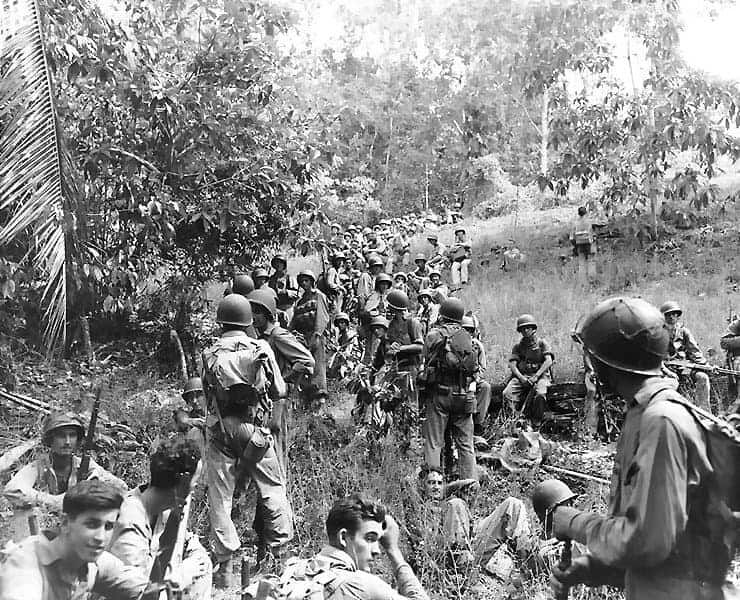
The Battle of Guadalcanal became one of the defining campaigns of the Pacific War because it marked the first major American offensive against Japan after months of defensive fighting. U.S. Marines and Navy forces fought through brutal jungle combat, naval engagements, disease, and logistical shortages while attempting to hold the island against repeated Japanese attacks. The campaign tested American endurance and exposed the harsh realities of island warfare in the Pacific. Guadalcanal ultimately exhausted Japanese offensive capability and established the foundation for America’s island-hopping strategy, helping shape Marine Corps identity and Pacific doctrine for generations afterward.
Battle of Tarawa
- Theater of War: Pacific
- Year(s): 1943
- Primary Opponent: Japan
- Type of Warfare: Amphibious assault
- Key American Forces Involved: U.S. Marine Corps
- Why the Battle Mattered: Capture key Pacific island positions
- Strategic Outcome: American victory at high cost
- Legacy to the U.S. Military: Revealed realities of amphibious warfare
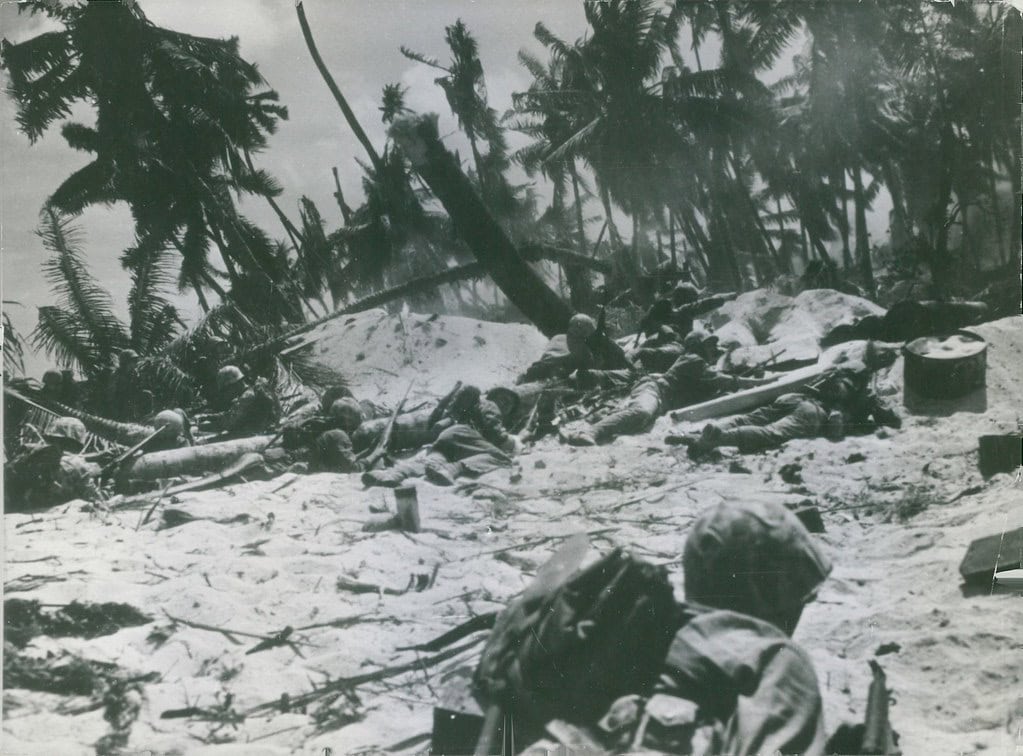
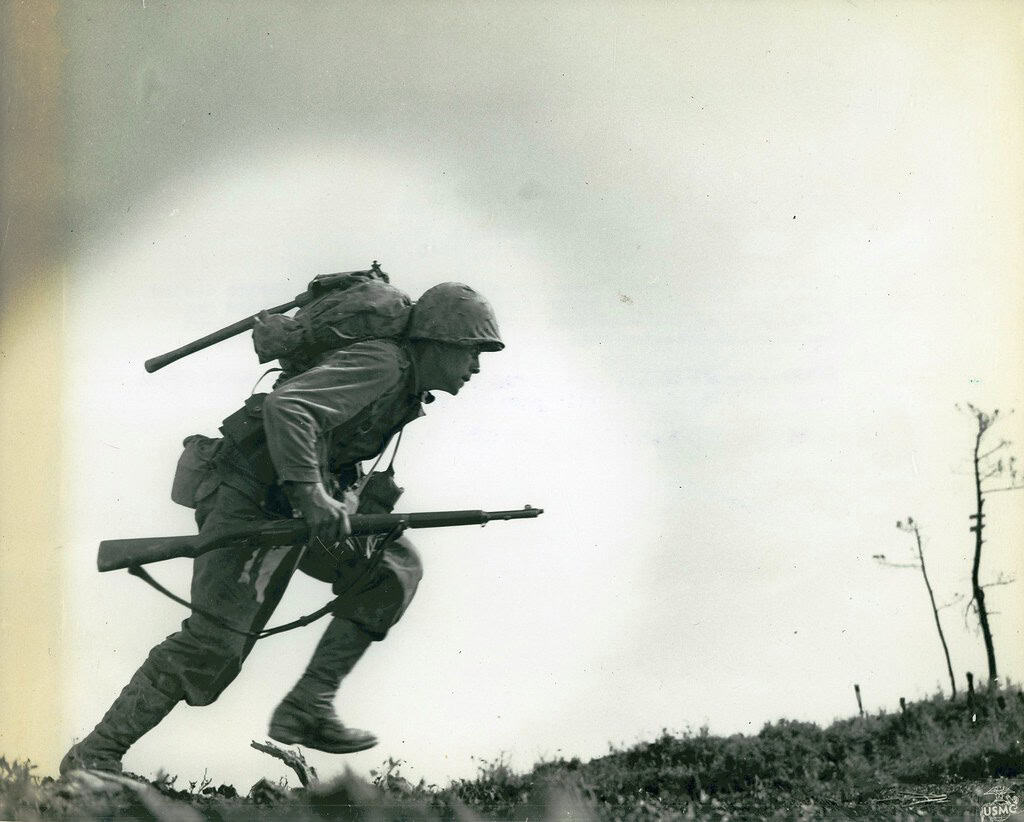
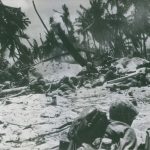
The Battle of Tarawa demonstrated the horrific realities of amphibious warfare in the Pacific and exposed major weaknesses in early American invasion planning. U.S. Marines encountered fierce Japanese resistance while attempting to cross exposed reefs and heavily defended beaches under devastating fire. Casualties mounted rapidly during only a few days of combat, shocking Americans who followed the battle through wartime newsreels and photographs. Although the island was ultimately captured, Tarawa forced the U.S. military to rethink amphibious doctrine, landing craft coordination, naval bombardment tactics, and logistical planning before future invasions deeper into the Pacific.
Battle of Saipan
- Theater of War: Pacific
- Year(s): 1944
- Primary Opponent: Japan
- Type of Warfare: Amphibious and air campaign
- Key American Forces Involved: U.S. Marines and Army
- Why the Battle Mattered: Secure bomber range to Japan
- Strategic Outcome: Major American victory
- Legacy to the U.S. Military: Opened path for strategic bombing of Japan
The Battle of Saipan became strategically vital because it placed American long-range bombers within striking distance of the Japanese home islands for the first time. U.S. Marines and Army forces fought through fierce resistance across rugged terrain while Japanese defenders launched desperate counterattacks throughout the campaign. The battle also triggered major political consequences inside Japan, contributing to the collapse of Prime Minister Hideki Tojo’s government. Saipan represented a turning point in America’s strategic bombing campaign and demonstrated the expanding reach of U.S. airpower, logistics, and amphibious warfare capability during the later stages of the Pacific War.
Battle of Leyte Gulf
- Theater of War: Pacific
- Year(s): 1944
- Primary Opponent: Japan
- Type of Warfare: Massive naval battle
- Key American Forces Involved: U.S. Navy
- Why the Battle Mattered: Destroy remaining Japanese naval power
- Strategic Outcome: Decisive Allied naval victory
- Legacy to the U.S. Military: Confirmed American naval dominance
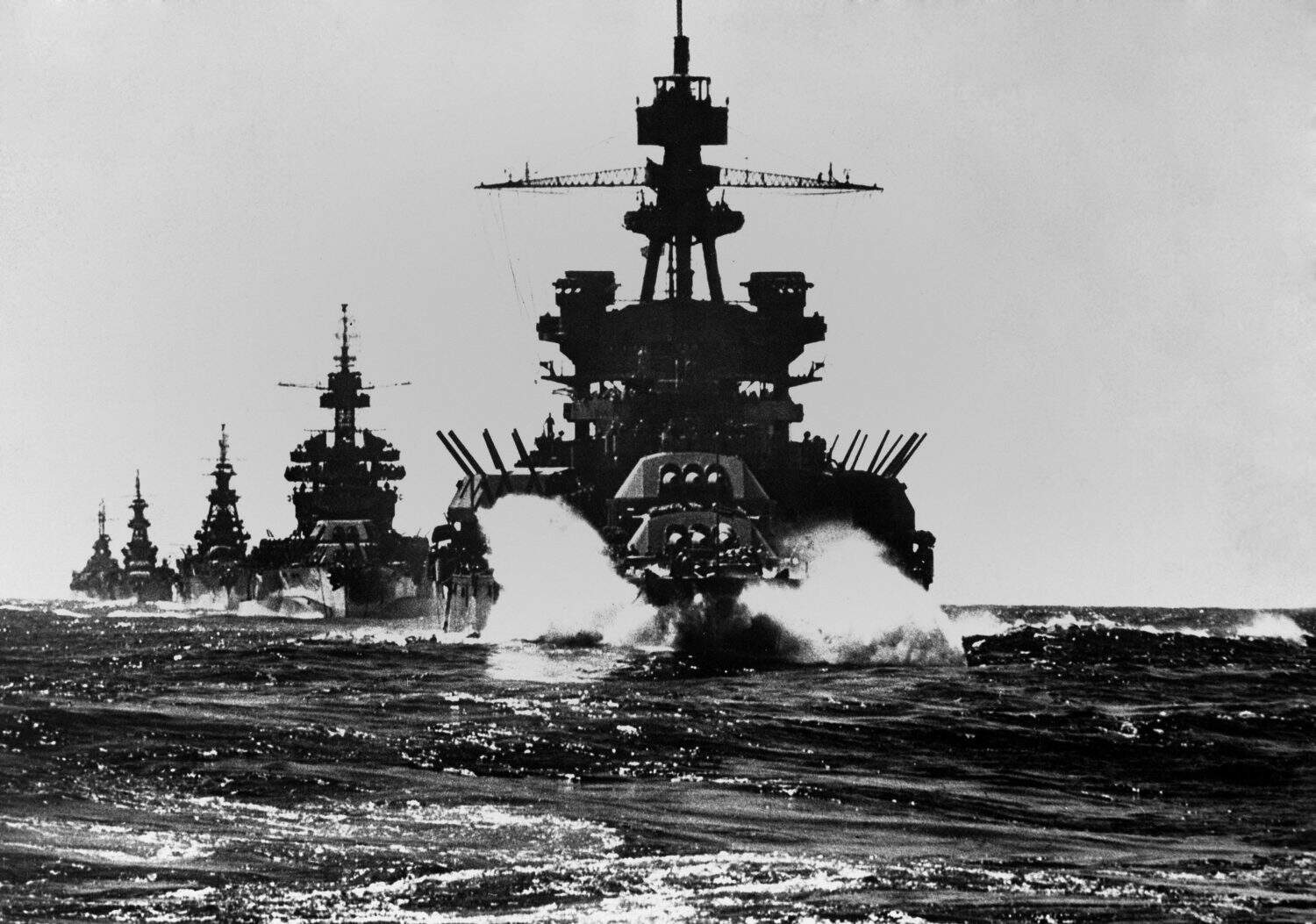
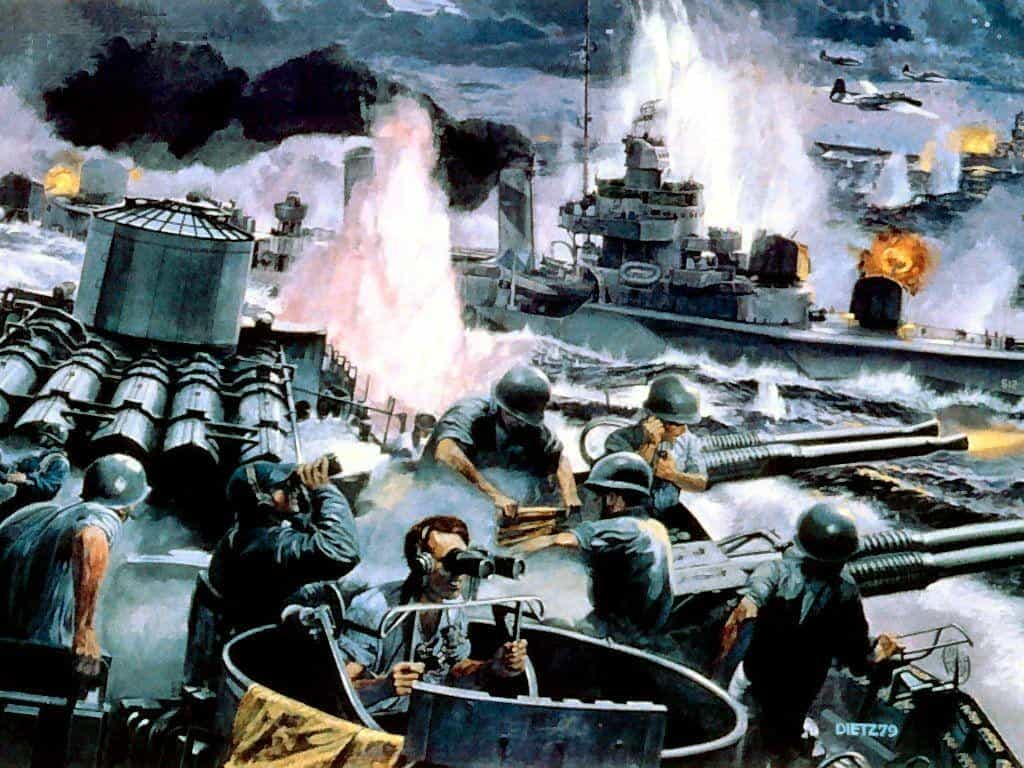
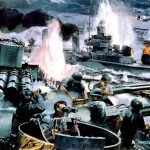
The Battle of Leyte Gulf became the largest naval battle in history and effectively destroyed Japan’s ability to conduct major naval operations for the remainder of World War II. American carrier groups, battleships, submarines, and escort fleets fought across multiple engagements in the waters surrounding the Philippines. The battle showcased the enormous industrial and logistical power the United States had built during the war. Leyte Gulf also marked the first organized kamikaze attacks against American ships, revealing Japan’s increasingly desperate position. The victory cemented American naval supremacy in the Pacific and confirmed the dominance of carrier-centered warfare.
Battle of Iwo Jima
- Theater of War: Pacific
- Year(s): 1945
- Primary Opponent: Japan
- Type of Warfare: Amphibious assault
- Key American Forces Involved: U.S. Marine Corps
- Why the Battle Mattered: Capture strategic airfield island
- Strategic Outcome: American victory after brutal fighting
- Legacy to the U.S. Military: Became iconic symbol of Marine Corps sacrifice
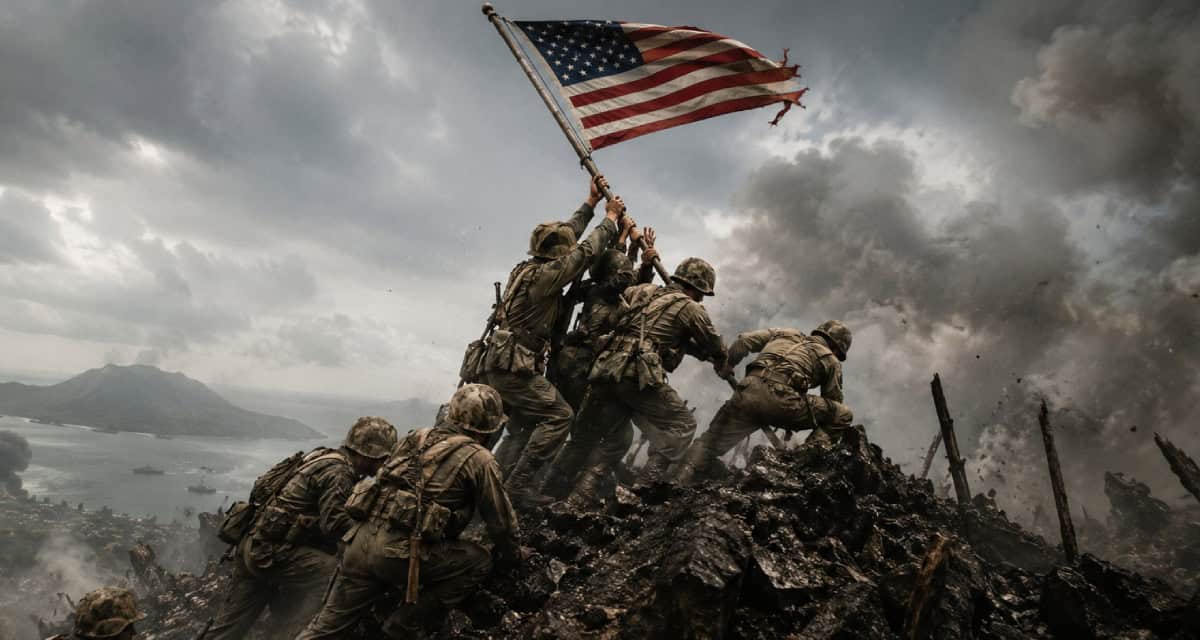
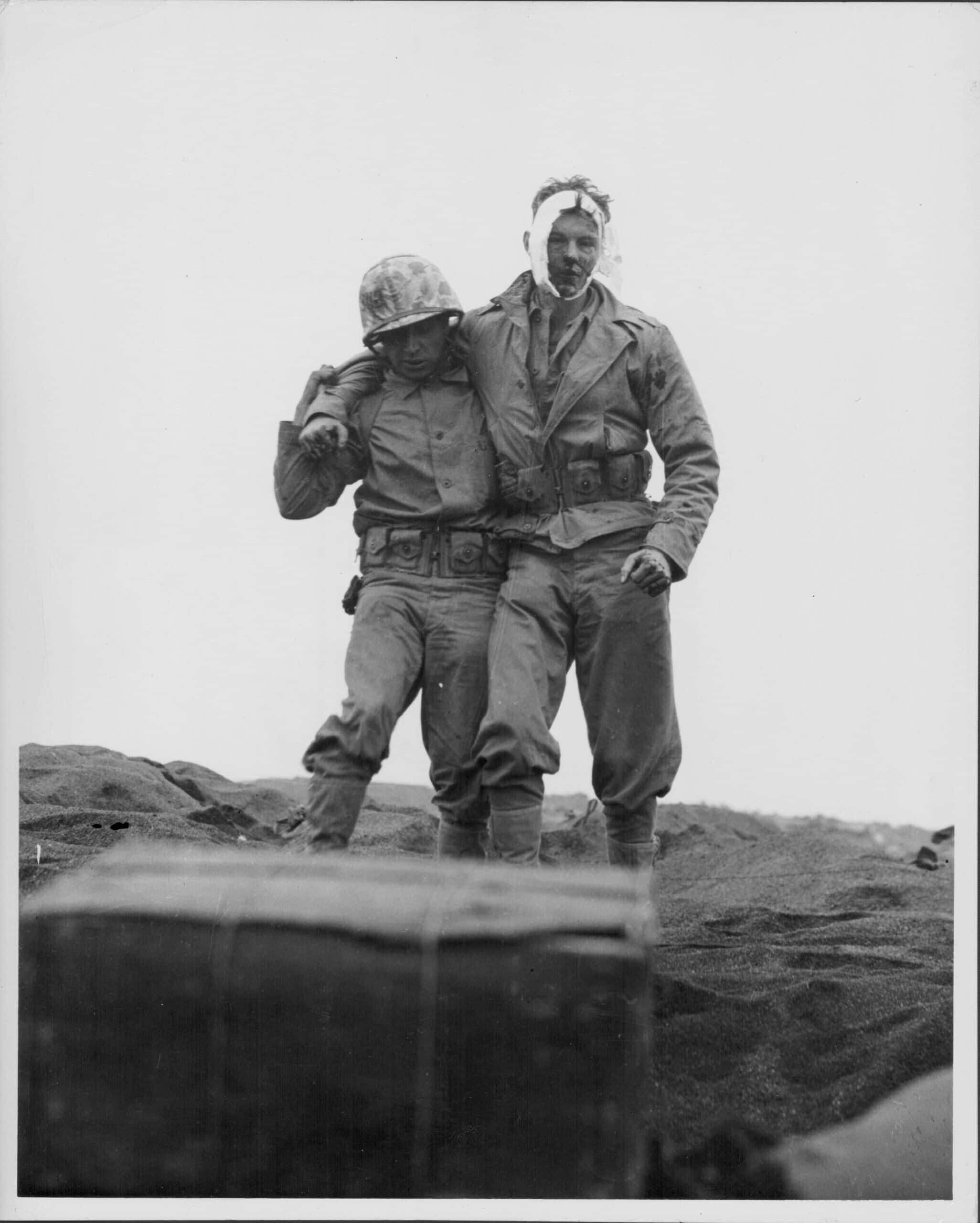
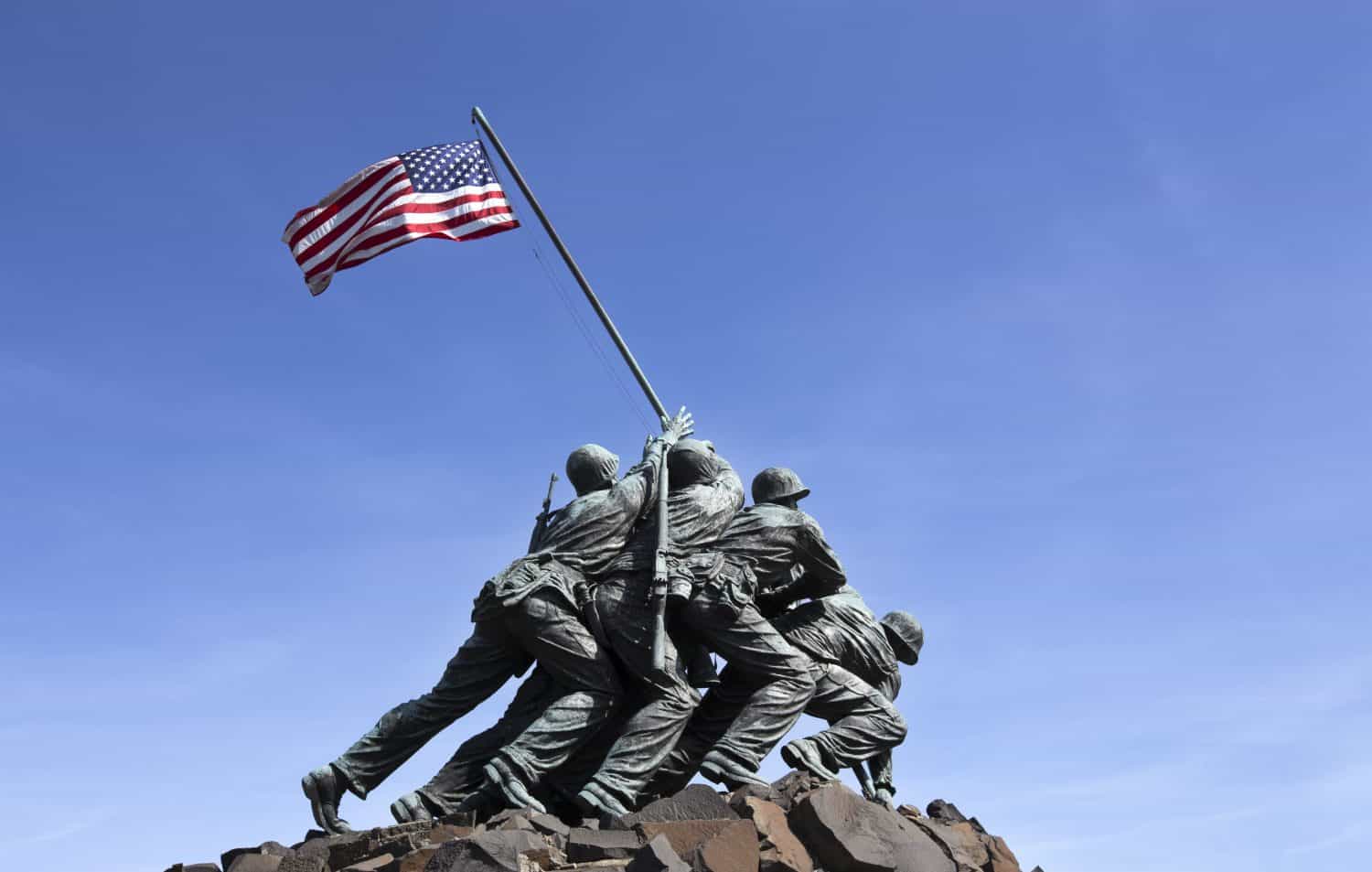
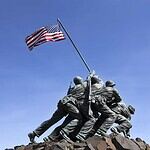
The Battle of Iwo Jima became one of the most iconic battles in American military history because of both its ferocious fighting and its symbolic impact on the Marine Corps. U.S. Marines assaulted a heavily fortified volcanic island defended by deeply entrenched Japanese forces prepared to fight nearly to the last man. Weeks of brutal combat produced enormous casualties while American troops cleared tunnels, bunkers, and fortified positions across difficult terrain. The image of Marines raising the American flag atop Mount Suribachi became one of the most recognizable symbols of World War II and permanently shaped the identity and legacy of the Marine Corps.
Battle of Okinawa
- Theater of War: Pacific
- Year(s): 1945
- Primary Opponent: Japan
- Type of Warfare: Combined land, sea, and air battle
- Key American Forces Involved: U.S. Army, Marines, and Navy
- Why the Battle Mattered: Secure final staging ground for Japan
- Strategic Outcome: American victory
- Legacy to the U.S. Military: Largest and bloodiest Pacific battle
The Battle of Okinawa became the largest and bloodiest battle fought in the Pacific Theater and demonstrated the terrifying scale of warfare expected during a potential invasion of mainland Japan. American Army, Marine, Navy, and Army Air Forces units fought through months of fierce resistance, kamikaze attacks, artillery bombardments, and difficult terrain while suffering enormous casualties. The battle highlighted the effectiveness of American combined arms operations and logistical superiority, but it also revealed the staggering human cost of Pacific warfare. Okinawa heavily influenced postwar strategic thinking and contributed to decisions surrounding the use of atomic weapons later in 1945.
Operation Torch
- Theater of War: North Africa
- Year(s): 1942
- Primary Opponent: Germany and Vichy France
- Type of Warfare: Amphibious invasion
- Key American Forces Involved: U.S. Army and Navy
- Why the Battle Mattered: Open Western front in North Africa
- Strategic Outcome: Successful Allied landings
- Legacy to the U.S. Military: Marked first major U.S. ground campaign in Europe
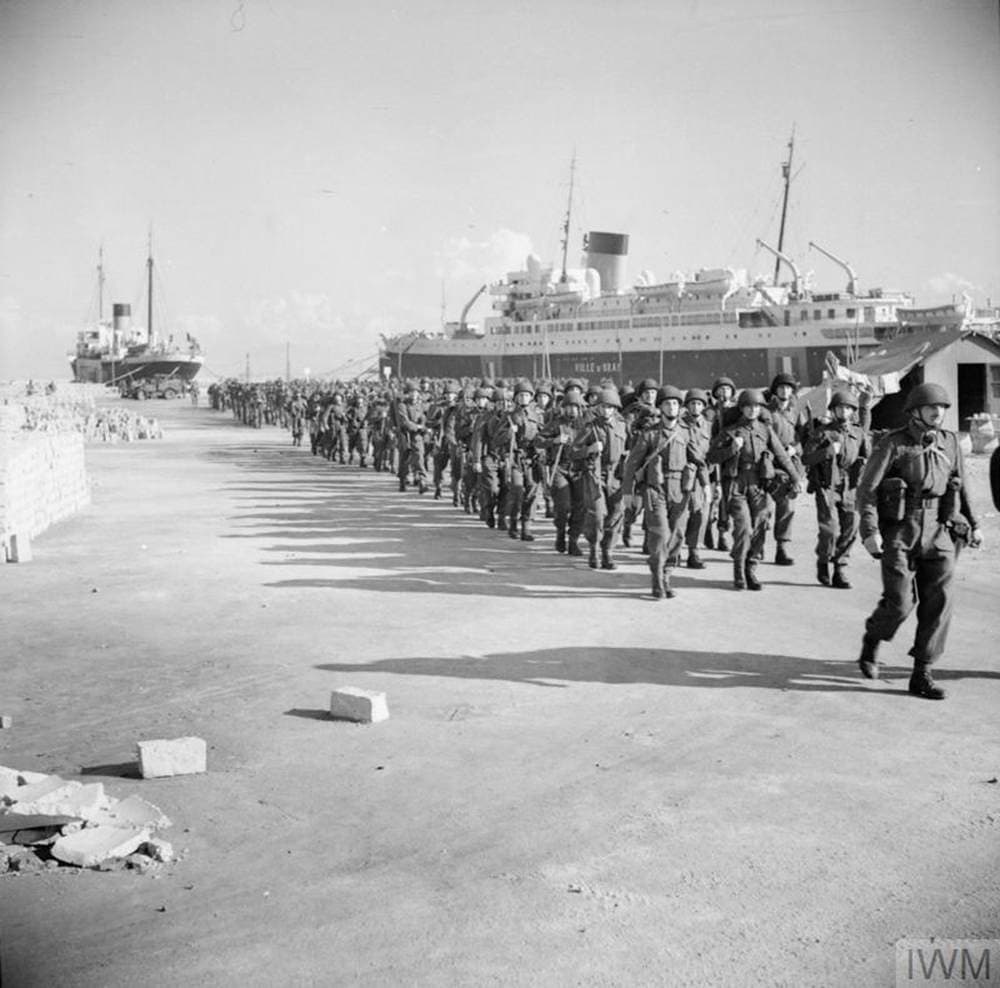
Operation Torch marked the first major American ground campaign against German forces in the European Theater and represented a critical learning experience for the U.S. military. American troops landed in North Africa alongside British forces in 1942, opening a new front against Axis forces while testing American logistics, command structure, and coalition warfare capability. Early setbacks exposed weaknesses in training and leadership, but American forces adapted quickly under combat conditions. Torch laid the foundation for future Allied operations in Europe and demonstrated the growing ability of the United States to sustain large-scale overseas military campaigns.
Invasion of Sicily
- Theater of War: Mediterranean
- Year(s): 1943
- Primary Opponent: Italy and Germany
- Type of Warfare: Amphibious and airborne invasion
- Key American Forces Involved: U.S. Army and Allied forces
- Why the Battle Mattered: Remove Axis control from Sicily
- Strategic Outcome: Allied victory
- Legacy to the U.S. Military: Advanced American coalition warfare experience
The invasion of Sicily became one of the most important Allied campaigns of the Mediterranean Theater because it demonstrated the growing effectiveness of American coalition warfare and amphibious operations. U.S. and Allied forces launched massive airborne and seaborne assaults against Axis defenses across the island in 1943. The campaign forced German and Italian forces into retreat while helping trigger the collapse of Benito Mussolini’s fascist regime in Italy. Sicily provided valuable operational experience in airborne warfare, naval coordination, and logistics that directly influenced later Allied invasions, including the Normandy landings the following year.
Battle of Monte Cassino
- Theater of War: Italy
- Year(s): 1944
- Primary Opponent: Germany
- Type of Warfare: Mountain and urban warfare
- Key American Forces Involved: U.S. Army and Allies
- Why the Battle Mattered: Break German defensive line
- Strategic Outcome: Allied breakthrough achieved
- Legacy to the U.S. Military: Highlighted brutal attritional warfare in Europe
The Battle of Monte Cassino became one of the harshest and most difficult campaigns fought by Allied forces in Europe during World War II. American and Allied troops repeatedly attacked heavily fortified German defensive positions surrounding the historic Italian monastery atop Monte Cassino. Mountain terrain, harsh weather, artillery fire, and urban destruction created brutal combat conditions that produced heavy casualties over several months. The battle demonstrated the immense difficulty of breaking prepared defensive lines in Europe and highlighted the endurance required of Allied forces advancing toward Germany through the Italian peninsula.
Battle of Normandy
- Theater of War: Western Europe
- Year(s): 1944
- Primary Opponent: Germany
- Type of Warfare: Amphibious invasion
- Key American Forces Involved: U.S. Army, Navy, and Army Air Forces
- Why the Battle Mattered: Liberate Nazi-occupied France
- Strategic Outcome: Successful Allied invasion
- Legacy to the U.S. Military: Defined American large-scale combined arms warfare
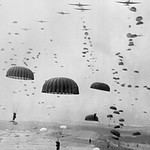
The Battle of Normandy became one of the defining military operations in modern history because it opened the Western Front against Nazi Germany and demonstrated the full industrial and operational power of the Allied coalition. American troops stormed heavily defended beaches under intense machine gun and artillery fire while airborne units dropped behind enemy lines to disrupt German defenses. The success of the invasion established a permanent foothold in France and accelerated the liberation of Western Europe. Normandy became the ultimate symbol of American combined arms warfare, coalition coordination, and large-scale amphibious assault capability.
Operation Market Garden
- Theater of War: Western Europe
- Year(s): 1944
- Primary Opponent: Germany
- Type of Warfare: Airborne operation
- Key American Forces Involved: U.S. 82nd and 101st Airborne
- Why the Battle Mattered: Secure bridges into Germany
- Strategic Outcome: Partial Allied failure
- Legacy to the U.S. Military: Demonstrated risks and ambition of airborne warfare
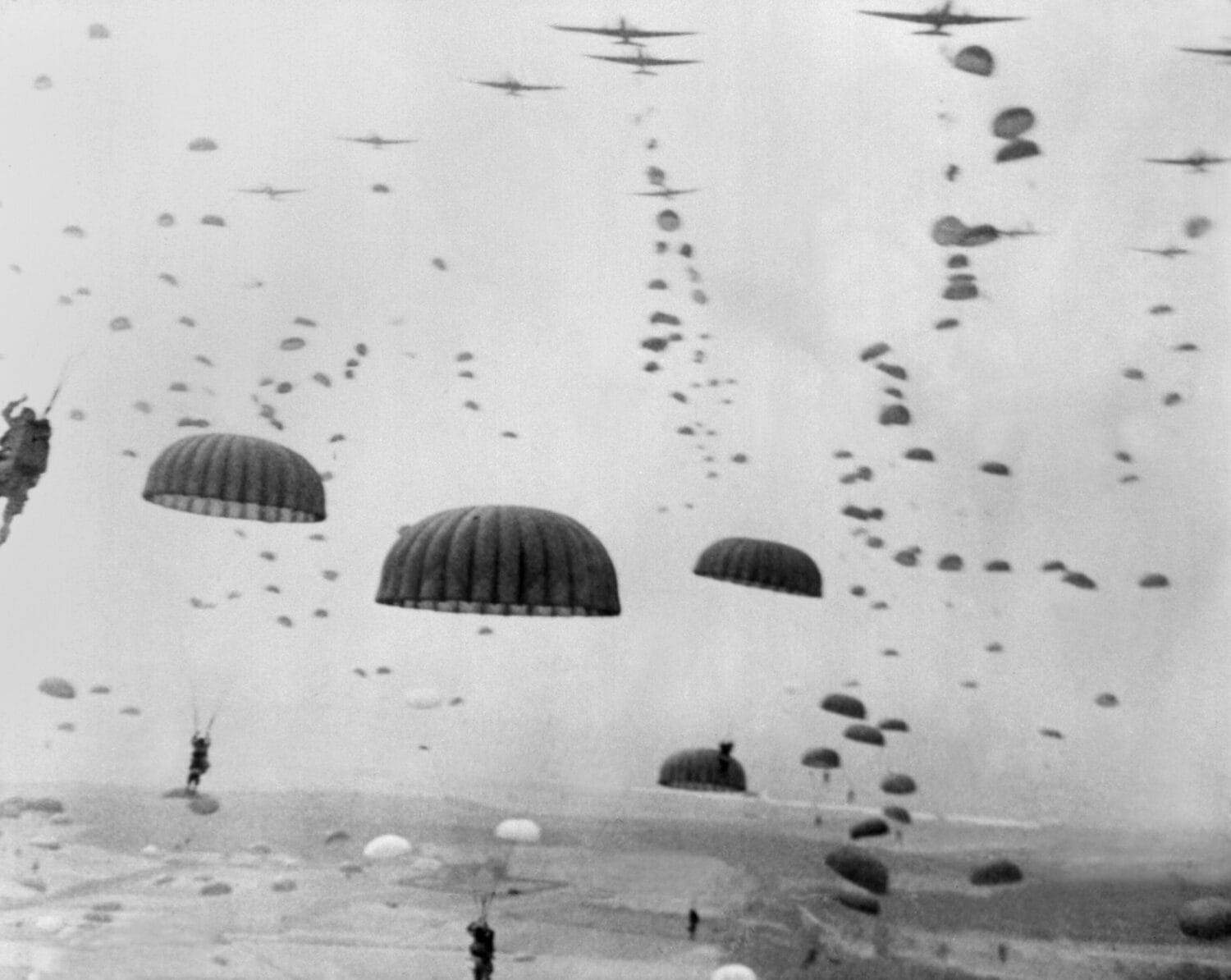
Operation Market Garden became one of the most ambitious airborne operations ever attempted and highlighted both the possibilities and limitations of airborne warfare during World War II. Allied planners sought to seize key bridges across the Netherlands using massive airborne drops combined with rapid armored advances toward Germany. American paratroopers from the 82nd and 101st Airborne Divisions played central roles in securing critical objectives under intense resistance. Although the operation ultimately failed to achieve its full strategic goals, Market Garden reinforced the reputation of American airborne forces and demonstrated extraordinary courage under difficult combat conditions.
Battle of the Bulge
- Theater of War: Western Europe
- Year(s): 1944-1945
- Primary Opponent: Germany
- Type of Warfare: Defensive and armored warfare
- Key American Forces Involved: U.S. Army
- Why the Battle Mattered: Stop final German offensive
- Strategic Outcome: American and Allied victory
- Legacy to the U.S. Military: Symbolized endurance under extreme pressure
The Battle of the Bulge became one of the defining tests of American endurance during World War II after Germany launched a massive surprise offensive through the Ardennes in late 1944. American troops fought through freezing temperatures, supply shortages, and overwhelming early pressure while defending critical road networks and towns across Belgium and Luxembourg. Despite heavy casualties, U.S. forces eventually halted the offensive and regained the initiative against Germany. The battle demonstrated the resilience, flexibility, and logistical capability of the American Army while becoming one of the most iconic examples of determination under extreme battlefield conditions.
Battle of Hurtgen Forest
- Theater of War: Western Europe
- Year(s): 1944
- Primary Opponent: Germany
- Type of Warfare: Forest warfare
- Key American Forces Involved: U.S. Army
- Why the Battle Mattered: Push toward the Rhine
- Strategic Outcome: Heavy American losses with limited gains
- Legacy to the U.S. Military: Highlighted costs of attritional combat
The Battle of Hurtgen Forest became one of the costliest and most grueling campaigns fought by American forces in Europe during World War II. U.S. Army units advanced through dense forests against deeply entrenched German defenders in brutal weather conditions that limited visibility, maneuverability, and artillery effectiveness. Casualties mounted steadily while progress remained painfully slow. The battle exposed the deadly challenges of attritional warfare and became a stark reminder that even highly capable armies could suffer devastating losses against determined defensive positions. Hurtgen Forest remains one of the most sobering examples of sacrifice in the European Theater.
Battle of Manila
- Theater of War: Pacific
- Year(s): 1945
- Primary Opponent: Japan
- Type of Warfare: Urban warfare
- Key American Forces Involved: U.S. Army and Filipino forces
- Why the Battle Mattered: Liberate the Philippine capital
- Strategic Outcome: American and Allied victory
- Legacy to the U.S. Military: One of the fiercest urban battles of the Pacific
The Battle of Manila became one of the fiercest urban battles of the Pacific War and demonstrated the devastating human cost of liberating occupied cities during World War II. American and Filipino forces fought block by block against entrenched Japanese defenders across the Philippine capital in early 1945. Intense artillery fire, close-quarters combat, and widespread destruction turned Manila into one of the most heavily damaged Allied cities of the war. The battle highlighted the complexity of urban warfare while reinforcing America’s commitment to liberating occupied Allied territories across the Pacific Theater.
Battle of Berlin
- Theater of War: Europe
- Year(s): 1945
- Primary Opponent: Germany
- Type of Warfare: Final offensive campaign
- Key American Forces Involved: U.S. Army Air Forces and Allies
- Why the Battle Mattered: Collapse Nazi Germany
- Strategic Outcome: End of war in Europe
- Legacy to the U.S. Military: Cemented Allied victory and American global power
The Battle of Berlin marked the final collapse of Nazi Germany and symbolized the Allied victory that reshaped the global balance of power after World War II. Although Soviet forces led the direct assault on the city itself, American airpower, logistics, industrial production, and Western Allied offensives played crucial roles in surrounding and isolating Germany during the war’s final months. The fall of Berlin ended the European conflict and cemented the United States as one of the world’s dominant military and geopolitical powers. The battle’s legacy helped define the beginning of the postwar American-led international order.