

History has a habit of polishing the rough edges off someone. We frequently remember the famous leaders and soldiers of history through the lens of their most notable victories or overall impact on history. Often, we take charisma and willpower as signs of ability. When we take a closer look at some of history’s most noteworthy figures, we can see that they are anything but brilliant leaders.
Winning a battle is an achievement, sure. However, for many of the leaders we’re covering today, they weren’t able to stick the landing.
Napoleon Bonaparte
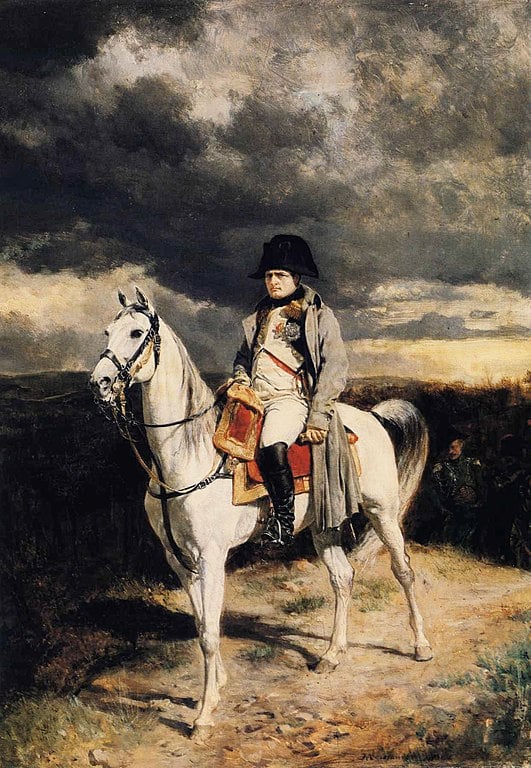
©Jean-Louis-Ernest Meissonier / Public Domain – Original / License
Napoleon was brilliant when it came to tactics, but was off the mark when it comes to overall strategy. If you faced him on the battlefield, you were likely going to have a bad day. His ability to maneuver large formations and capitalize on weaknesses changed the nature of warfare. Strategy isn’t just about the means of waging battle, however, and Napoleon often fell short when it came to his decision-making.
The Continental System is a prime example. Napoleon’s overall goal was to defeat the British, and he went about implementing a massive embargo to achieve these ends. Britain was derisively called a “nation of shopkeepers,” diminishing the overall strength of the commanders in the British Army and Navy alike. Strategically, this was a misstep, as Napoleon alienated himself from his allies, crippled the economies of vassal states, and had to constantly intervene to enforce the blockade.
This led to the Peninsular Ulcer, or his decision to directly intervene in the Iberian Peninsula with Spain and Portugal. He replaced the Spanish leadership with his brother, Joseph, and triggered a guerrilla war that served as a thorn in France’s side for years to come. It served as a massive drain on manpower and resources. Napoleon, despite being one of history’s most famous leaders, failed to realize you can’t conquer a population that rejects your rule outright. Napoleon’s poor decision-making came to a head with the 1812 invasion of Russia, which saw him stretch his forces past logistical limits. He might have reached Moscow, but he ultimately lost the war.
Alexander the Great
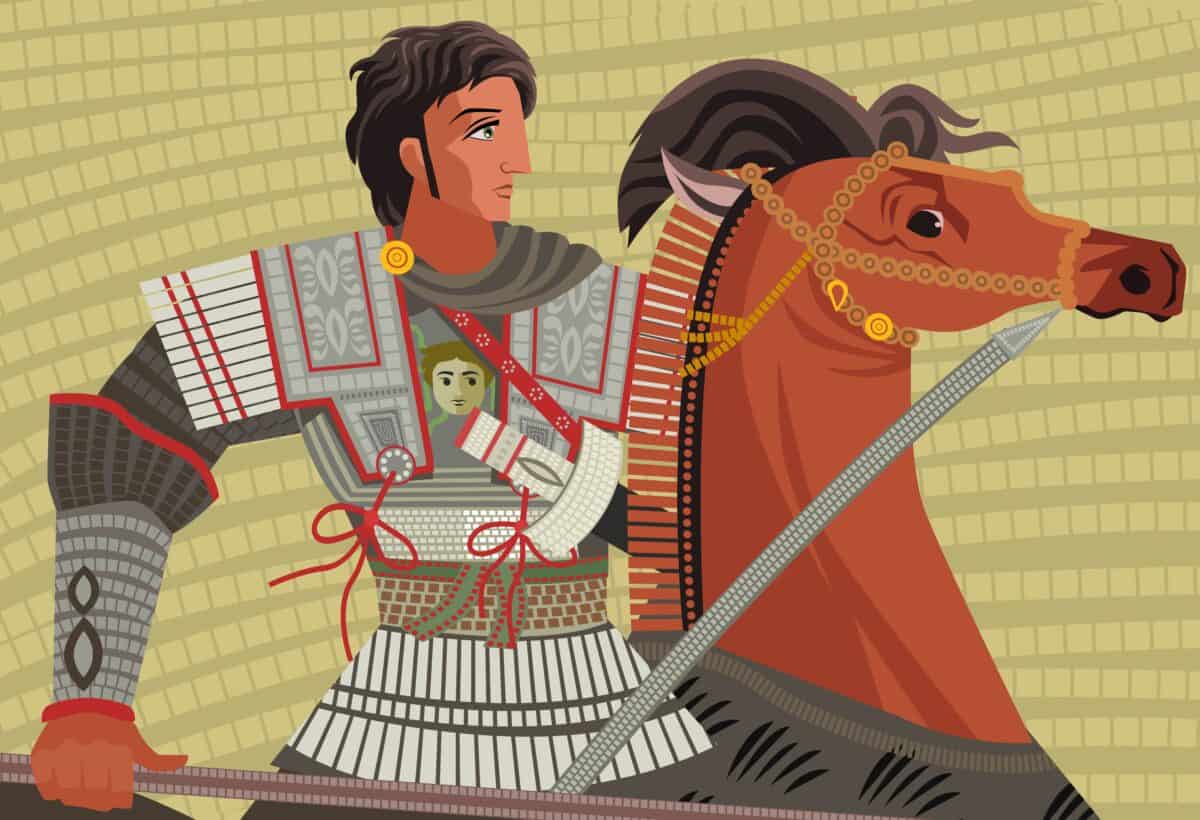
©delcarmat/Shutterstock.com
I’m not trying to downplay Alexander’s achievements by any measure, as the young conqueror conducted campaigns and controlled most of the known world before he was 30. A very different picture is painted when looking at his long-term strategic goals. Objectively, at least strategically, Alexander was a failure. He conquered for the sake of conquering, moving east until there was no more land to grab.
Unlike the Persians he toppled, Alexander never took the time to consolidate his gains and establish the administrative framework needed to govern his territories. There was only a sense of exercising his army’s strength time and time again. No mechanisms were in place for succession, which is perhaps Alexander’s greatest shortcoming. In the ancient world, there isn’t a famous leader quite like Alexander, at least in terms of raw military prowess. However, a truly outstanding leader can establish an empire that outlives them for years to come.
Upon Alexander’s untimely death, his empire crumbled. Fratricidal wars between his generals ravaged his gains. If military action were solely about the battles won, the enemies killed, and the glories to be had, Alexander the Great would likely be one of the top commanders of all time. His march through the Gedrosian Desert, which saw a third of his men dead at the end, speaks of a commander wrapped up in his own myth.
Robert E. Lee
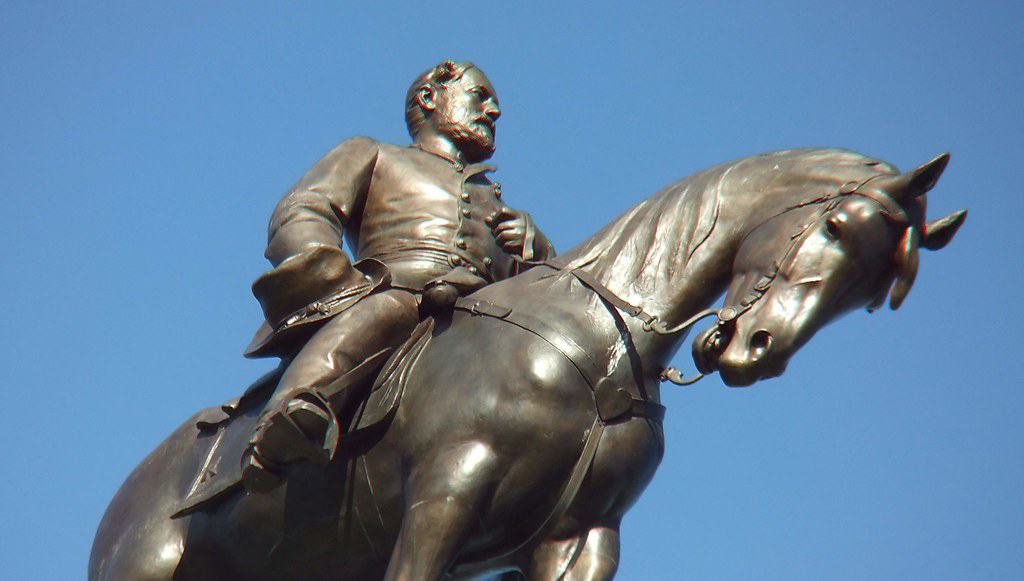
©"3D Monument Avenue General Robert E. Lee" by Gamma Man is licensed under BY 2.0. – Original / License
For those who still lionize the Confederate States of America, Robert E. Lee is a commander without peer. An expert of defensive warfare and psychological moves, Lee made quick work of some of the Union’s top generals early in the war. The bigger picture, or operational strategy, was flawed and arguably led to the Confederacy’s demise. Lee was obsessed with the offensive-defensive, seeking a decisive victory on Northern soil to prove the Confederacy’s legitimacy to Europe.
The reality of the American Civil War is one of industrial throughput and personnel advantages, both of which were heavily weighed in the North’s favor. Lee’s constant use of high-casualty offensive battles, like the third day of Gettysburg, bled the Confederacy dry of personnel. A better strategist would have conducted protracted, defensive warfare, aiming to make any offensive too expensive for the North to commit to fully.
Further, Lee constantly prioritized his beloved Virginia above all else, leading to his Western Front faltering as the war raged on. He might have won tactically impressive battles, but the war was ultimately won by the North. They had the men, material, and finances needed to outlast the South, and they effectively dismembered the South through systematic campaigns.
Winston Churchill
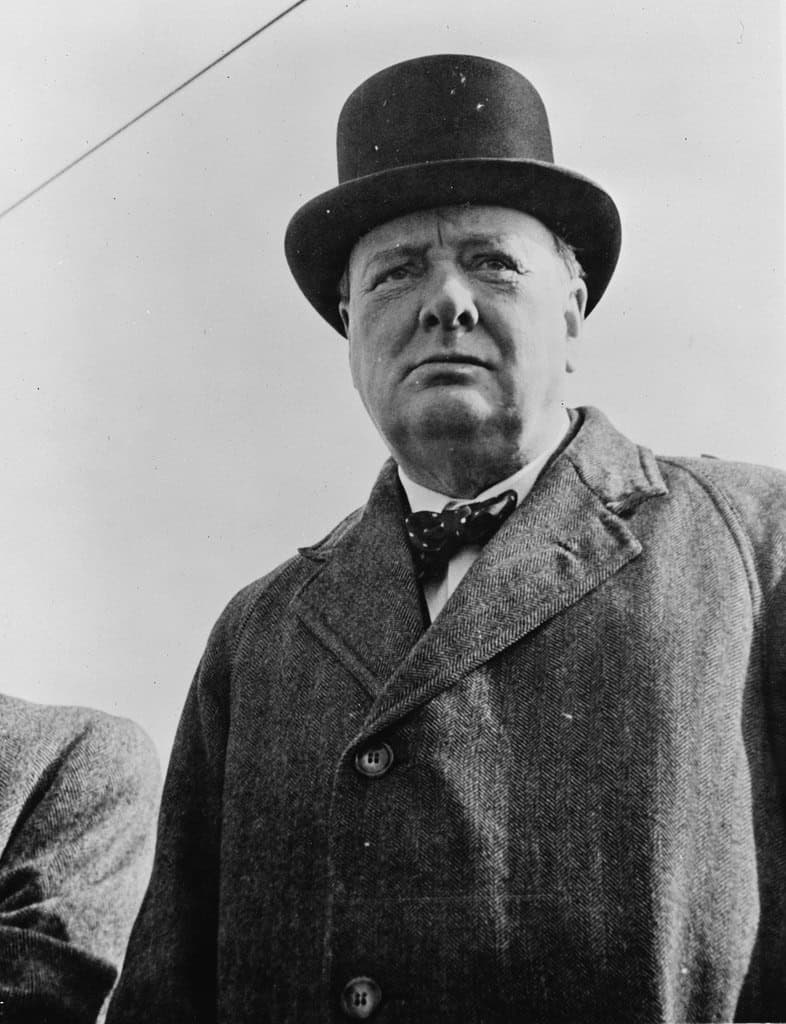
©"No Known Restrictions: Prime Minister Winston Churchill, 1942 (LOC)" by pingnews.com is licensed under PDM 1.0. – Original / License
The United Kingdom likely wouldn’t have survived the Second World War without Churchill’s leadership to guide it. His strategic record was lacking, to say the least. Churchill often made decisions that were rash, expensive, and occasionally disastrous. He was saved from the worst of his instincts by his generals, who kept a cool head and could temper orders into more achievable goals.
Churchill’s most noteworthy failure is the invasion of Gallipoli during the First World War, which was a plan spearheaded by the famous leader through and through. The intent was to knock the Ottoman Empire out of the war with a decisive blow. The execution left something to be desired, as the logistics of waging large-scale amphibious operations simply weren’t in place during the Great War.
During the Second World War, many of these impulses still weren’t fully tempered. Churchill became obsessed with the soft underbelly of Europe, looking for a suitable invasion point in the Balkans or Italy. The Italian campaign turned out to be a slog, with forces grinding to a halt along the Alps and soaking up vital Allied resources. That isn’t even getting into his penchant for deploying small, poorly equipped forces to Norway and Greece for the sake of politics. Such gestures wasted precious assets and ultimately did nothing for the war effort.
Douglas MacArthur

©"Douglas MacArthur and Lewis Puller, 17 September 1950" by Archives Branch, USMC History Division is licensed under BY 2.0. – Original / License
The Pacific Theater is largely defined by General Douglas MacArthur’s island-hopping campaign, alongside the liberation of the Philippines. His career is largely defined by a mix of insubordination and a failure to grasp the broader geopolitical landscape. MacArthur often though his presence was enough to deter enemy forces.
As a general example, we can look at the Japanese conquest of the Philippines in 1941 as a prime indicator of MacArthur’s shortcomings. Stationed forces had months of warning, and MacArthur left all the American aircraft in neat rows on the ground hours after the initial attack on Pearl Harbor. There weren’t adequate supplies to retreat to Bataan, leading to a great deal of suffering for his troops.
This extended to his tenure in the Korean War, which saw moments of tactical brilliance at battles like Inchon contrasting with how he regarded Chinese intervention. His forces pushed forward, ignoring intelligence that Chinese troops were poised to strike. What could’ve been a near-victory turned into a grueling stalemate that almost started another World War.
Throughout his time in command, MacArthur capitalized on his image and celebrity over things like sound planning. The liberation of the Philippines was predicated on his promise of “I shall return” rather than taking in the reports from the ground that were needed to defeat Japan.
Conclusion
Victory in battle and winning a war are two very different things. A brilliant strategist isn’t always a magnificent tactician, but they are the sort of leader who makes sure that each fight they win serves a greater goal. The famous leaders we’ve covered today are noteworthy for good reason, often securing their place in history through perseverance when the odds mounted against them. That said, they also fell victim to buying into their own hype, ultimately dooming any long-term goals.
The image featured at the top of this post is ©Yousuf Karsh/Public Domain – License / Original