

















25 World War II Battles That Changed the Course of the War
What if just a handful of battles truly determined the outcome of World War II? While the war stretched across years and continents, a select group of engagements had an outsized impact, shifting momentum and forcing new strategies. These are the battles that shaped how the war unfolded. Here, History Computer takes a closer look at the most pivotal moments of WWII.
To identify the most pivotal battles of World War II, History Computer reviewed a range of historical and military sources. For each battle, we’ve included key details like the theater of war, dates, primary combatants, outcome, and why it proved so important to the conflict as a whole.
Looking at these defining battles reveals how specific moments on the battlefield influenced the direction of a global war. These engagements did more than produce victories or losses. They shifted momentum, forced strategic changes, and altered entire campaigns. By exploring them, you can see how World War II evolved from early Axis dominance to eventual Allied victory, and why certain turning points mattered more than others.
Here is a look at the most pivotal battles of World War II:
Not All Battles Are Equal
Not all battles in World War II carried the same weight, as some had far greater influence on the outcome of the war than others. While many engagements were large in scale, only a select few truly altered the direction of entire campaigns or shifted global momentum. These pivotal battles represent the moments when strategy, execution, and circumstance combined to reshape the course of the conflict.
Early Axis Dominance
At the beginning of the war, Axis forces achieved rapid success through coordinated offensives and innovative tactics. Blitzkrieg operations allowed Germany to quickly overwhelm much of Europe, while Japan expanded aggressively across the Pacific. This early dominance gave the Axis control of key territories and set the stage for a prolonged conflict, as Allied forces were forced to regroup and adapt.
The Turning Point Battles
As the war progressed, a series of critical battles began to halt Axis advances and shift the balance of power. Engagements such as Stalingrad, Midway, and El Alamein marked the beginning of a broader Allied recovery. These battles demonstrated that Axis forces could be defeated and forced a change in momentum that would define the remainder of the war.
Multi-Front Pressure
The Allies increasingly applied pressure across multiple fronts, forcing Axis powers to divide their resources and attention. Campaigns in Western Europe, the Eastern Front, and the Pacific created overlapping challenges that weakened their ability to respond effectively. This multi-front pressure reduced strategic flexibility and accelerated the decline of Axis military strength.
The Final Push to Victory
In the final stages of the war, Allied forces launched sustained offensives that drove Axis powers back into their own territories. These battles marked the transition from defensive survival to decisive victory, culminating in the collapse of Germany and Japan. The cumulative impact of these engagements ensured the end of the war and reshaped the global order.
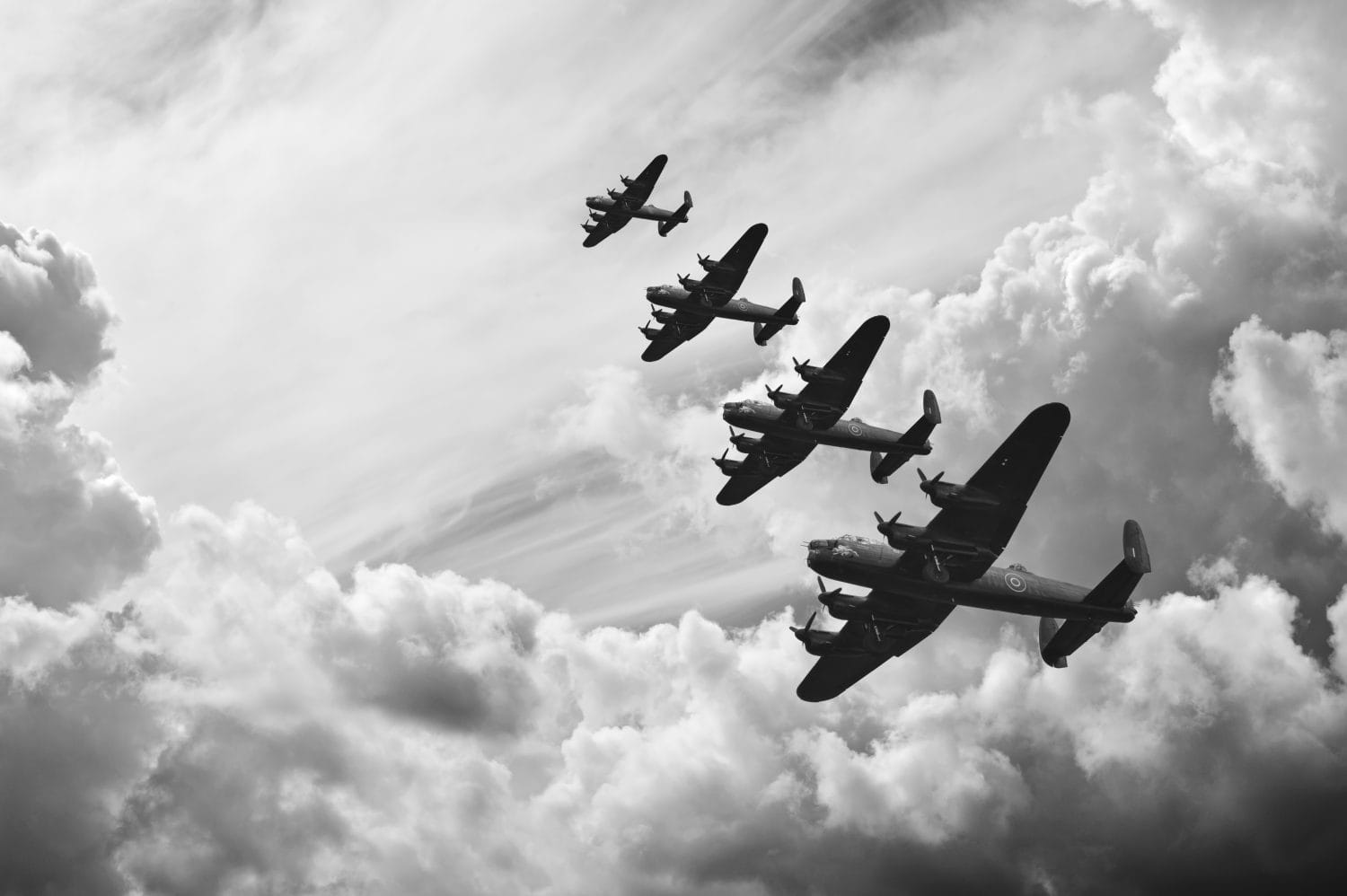
Battle of Britain
- Theater of War: Europe
- Date(s): Jul 10 – Oct 31, 1940
- Primary Combatants: UK vs Germany
- Battle Type: Air
- Outcome: Allied
- Scale of Engagement: Large air campaign
- Strategic Impact: Prevented invasion
- Why It Was Pivotal: Stopped German air superiority
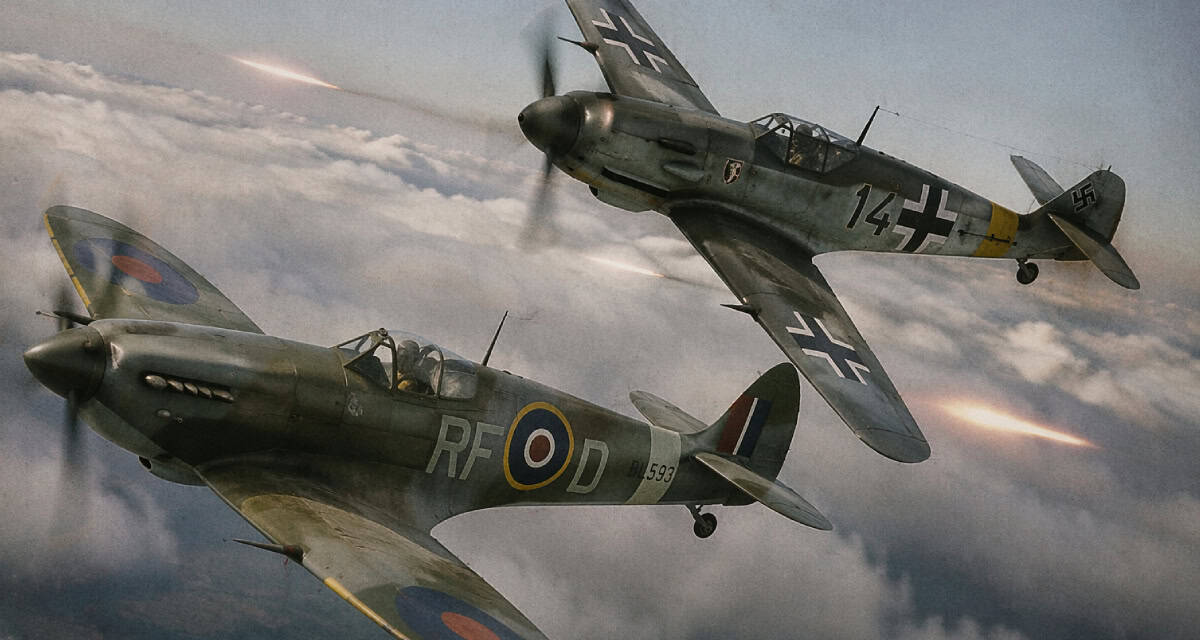
The Battle of Britain marked the first major defeat of Nazi Germany, preventing a planned invasion of the United Kingdom. By maintaining air superiority, the Royal Air Force forced Germany to abandon Operation Sea Lion. This preserved Britain as a base for future Allied operations and ensured that Germany would face a prolonged, multi-front war rather than a quick victory.
D-Day
- Theater of War: Europe
- Date(s): Jun 6, 1944
- Primary Combatants: Allies vs Germany
- Battle Type: Amphibious
- Outcome: Allied
- Scale of Engagement: Massive
- Strategic Impact: Opened Western Front
- Why It Was Pivotal: Established foothold in France
D-Day established a crucial Allied foothold in Western Europe, opening a second front against Germany. The successful Normandy landings allowed Allied forces to begin liberating occupied France and push toward Germany. This battle significantly accelerated the collapse of Nazi control in Europe by forcing Germany to fight on multiple fronts simultaneously.
Battle of the Bulge
- Theater of War: Europe
- Date(s): Dec 16, 1944 – Jan 25, 1945
- Primary Combatants: Allies vs Germany
- Battle Type: Land
- Outcome: Allied
- Scale of Engagement: Large
- Strategic Impact: Last German offensive
- Why It Was Pivotal: Drained German reserves
The Battle of the Bulge was Germany’s final major offensive in the West, aimed at splitting Allied forces. Its failure exhausted German reserves and manpower, leaving the country unable to mount further large-scale operations. The battle confirmed that Germany was no longer capable of reversing the war’s momentum, paving the way for the Allied advance into Germany.
Battle of France
- Theater of War: Europe
- Date(s): May 10 – Jun 25, 1940
- Primary Combatants: Germany vs France/UK
- Battle Type: Land
- Outcome: Axis
- Scale of Engagement: Large
- Strategic Impact: Fall of France
- Why It Was Pivotal: Shifted power in Europe
The Battle of France resulted in the rapid defeat of French and British forces, giving Germany control of Western Europe. This victory allowed Germany to consolidate power and focus on future campaigns, including the invasion of the Soviet Union. It marked the height of Axis success and set the stage for subsequent conflicts.
Battle of Berlin
- Theater of War: Europe
- Date(s): Apr 16 – May 2, 1945
- Primary Combatants: USSR vs Germany
- Battle Type: Land
- Outcome: Allied
- Scale of Engagement: Massive
- Strategic Impact: End of Nazi Germany
- Why It Was Pivotal: Final collapse
The Battle of Berlin marked the final collapse of Nazi Germany, as Soviet forces captured the German capital. This battle effectively ended the war in Europe, leading to Germany’s unconditional surrender. Its outcome confirmed the complete defeat of the Axis powers on the European continent.
Stalingrad
- Theater of War: Eastern Front
- Date(s): Aug 23, 1942 – Feb 2, 1943
- Primary Combatants: USSR vs Germany
- Battle Type: Land
- Outcome: Allied
- Scale of Engagement: Massive
- Strategic Impact: Turning point
- Why It Was Pivotal: Destroyed German army
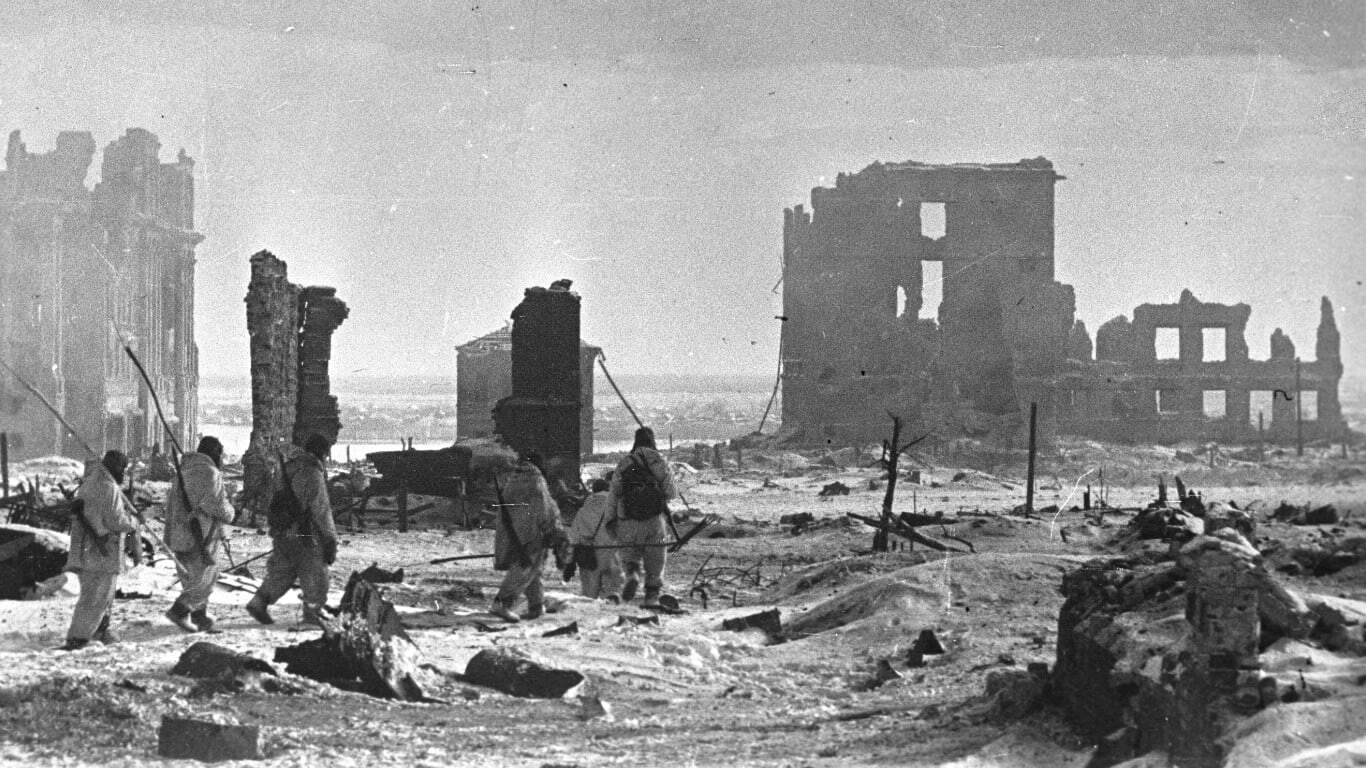
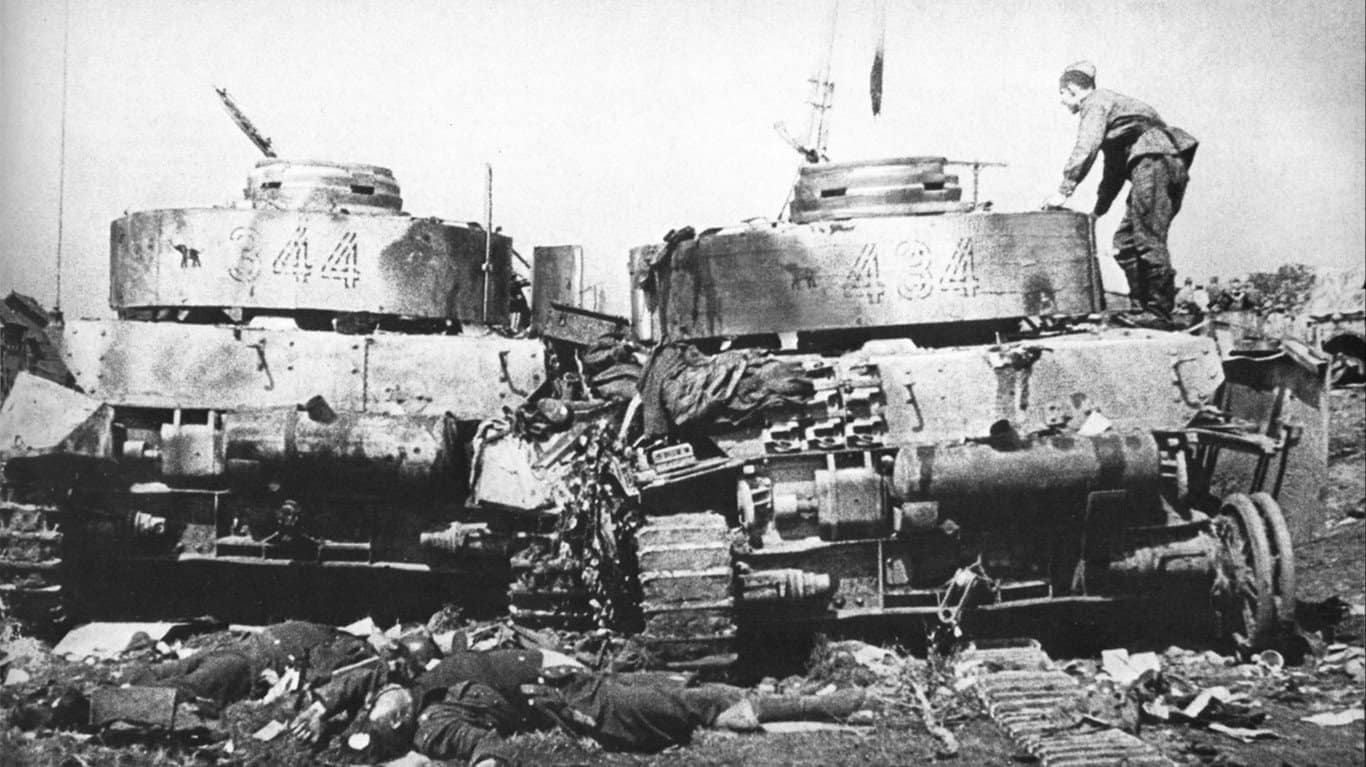
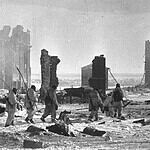
Stalingrad was a decisive turning point on the Eastern Front, where Soviet forces encircled and destroyed a major German army. This loss severely weakened Germany’s military capability and shifted the momentum in favor of the Soviets. From this point forward, German forces were largely on the defensive.
Kursk
- Theater of War: Eastern Front
- Date(s): Jul 5 - Aug 23, 1943
- Primary Combatants: USSR vs Germany
- Battle Type: Land
- Outcome: Allied
- Scale of Engagement: Massive
- Strategic Impact: Ended German offense
- Why It Was Pivotal: Shifted initiative
The Battle of Kursk marked the end of Germany’s ability to conduct large-scale offensive operations on the Eastern Front. After suffering heavy losses, German forces were unable to regain the initiative. This battle solidified Soviet dominance and ensured that the Red Army would continue advancing westward.
Operation Barbarossa
- Theater of War: Eastern Front
- Date(s): Jun 22 - Dec 5, 1941
- Primary Combatants: Germany vs USSR
- Battle Type: Land
- Outcome: Axis early
- Scale of Engagement: Massive
- Strategic Impact: Opened Eastern Front
- Why It Was Pivotal: Failed quick victory
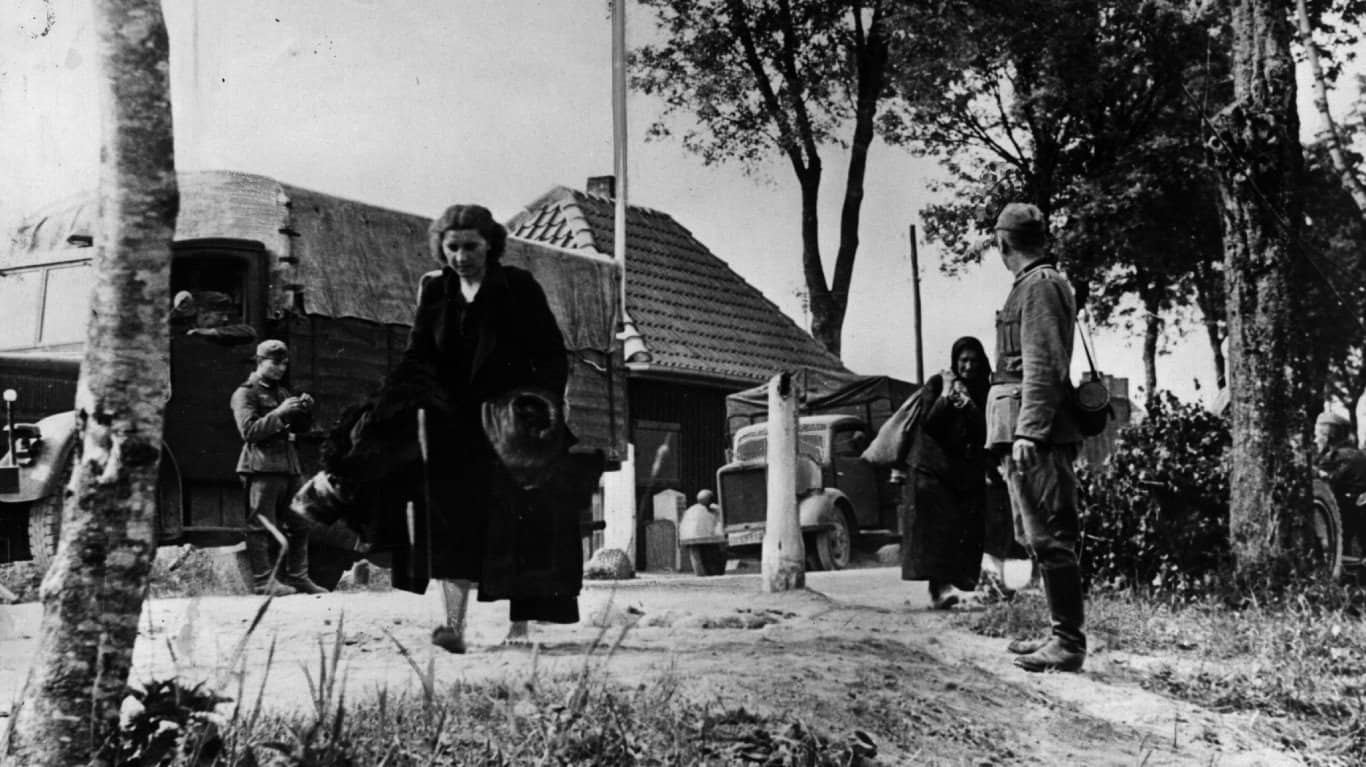
Operation Barbarossa opened the Eastern Front and initially brought rapid German advances into Soviet territory. However, its failure to achieve a quick victory over the Soviet Union marked a turning point. The prolonged conflict drained German resources and contributed significantly to their eventual defeat.
Siege of Leningrad
- Theater of War: Eastern Front
- Date(s): Sep 8, 1941 – Jan 27, 1944
- Primary Combatants: USSR vs Germany
- Battle Type: Siege
- Outcome: Allied
- Scale of Engagement: Large
- Strategic Impact: Tied German forces
- Why It Was Pivotal: Prolonged resistance
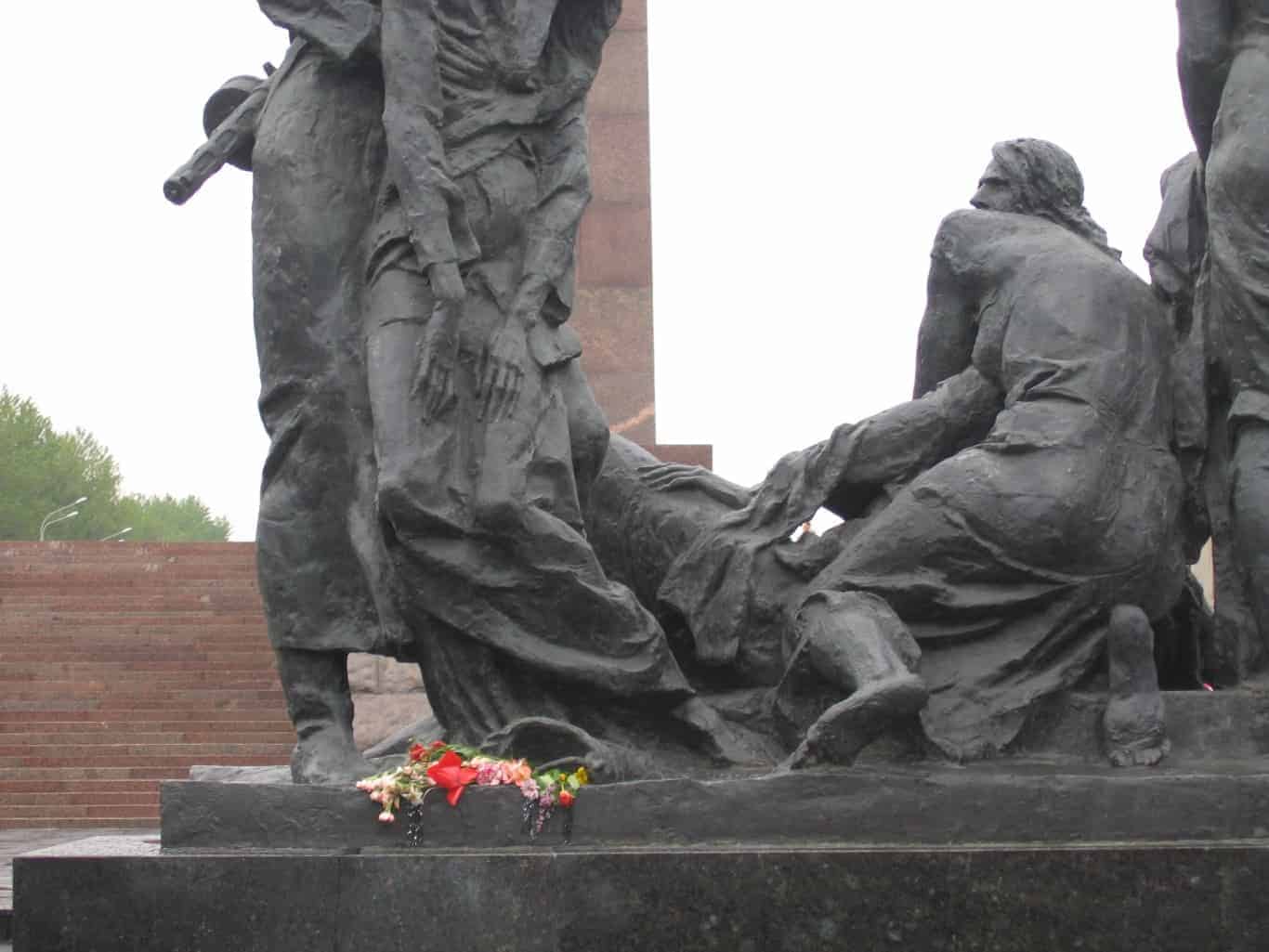
The Siege of Leningrad tied down significant German forces for nearly three years without achieving a decisive victory. Soviet resistance prevented Germany from capturing the city, forcing a prolonged and costly engagement. This battle weakened German efforts elsewhere and demonstrated the resilience of Soviet defenses.
Battle of Moscow
- Theater of War: Eastern Front
- Date(s): Oct 2, 1941 - Jan 7, 1942
- Primary Combatants: USSR vs Germany
- Battle Type: Land
- Outcome: Allied
- Scale of Engagement: Large
- Strategic Impact: Stopped German advance
- Why It Was Pivotal: First major setback
The Battle of Moscow marked the first major setback for German forces, halting their advance toward the Soviet capital. The failure to capture Moscow disrupted German plans for a quick victory. This battle boosted Soviet morale and marked the beginning of a sustained defensive effort.
Pearl Harbor
- Theater of War: Pacific
- Date(s): Dec 7, 1941
- Primary Combatants: Japan vs USA
- Battle Type: Naval/Air
- Outcome: Axis
- Scale of Engagement: Large
- Strategic Impact: US enters war
- Why It Was Pivotal: Shifted global war
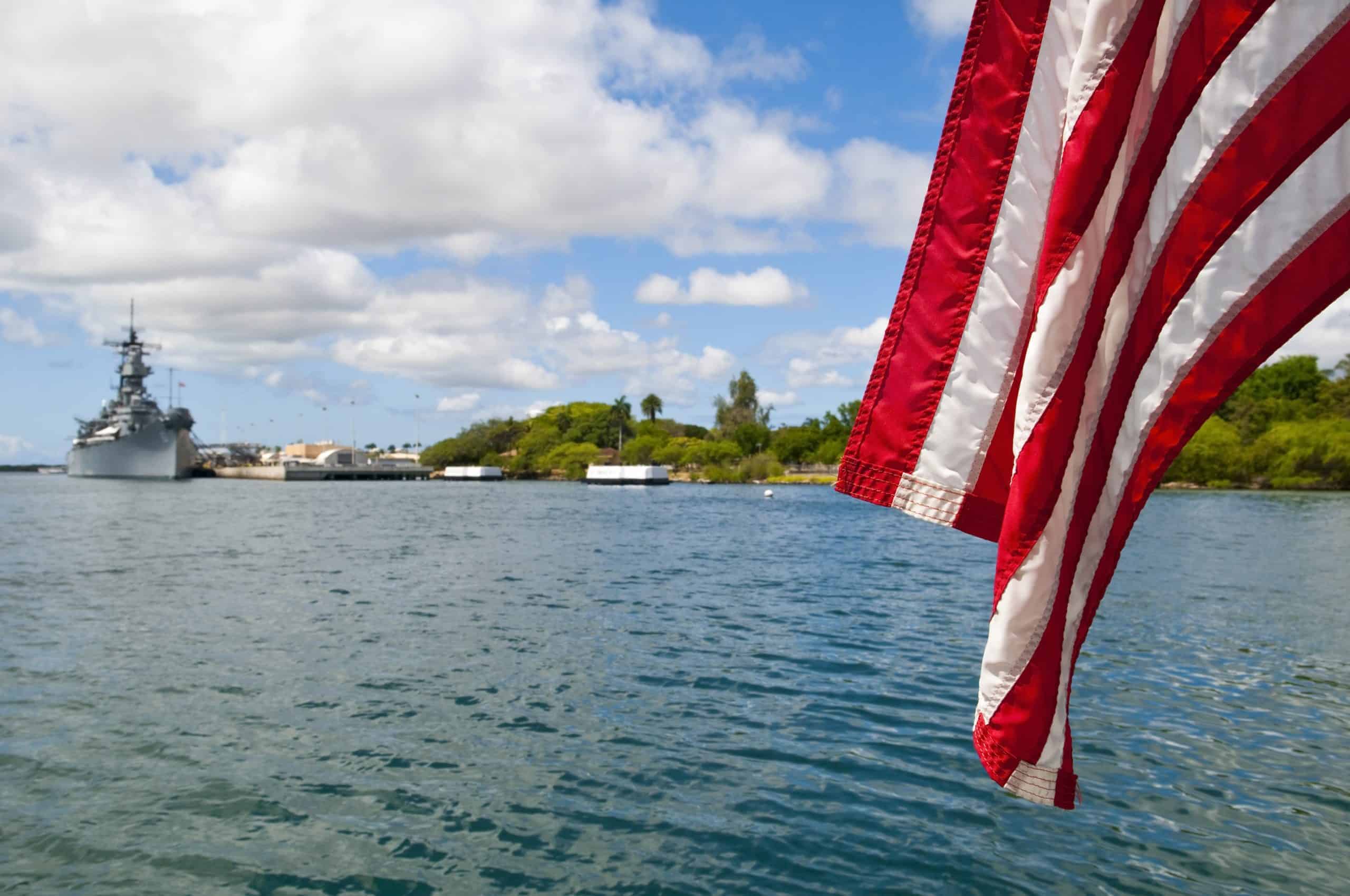
The attack on Pearl Harbor brought the United States into the war, transforming it into a truly global conflict. American industrial and military power would become a decisive factor. This event shifted the balance of power and ensured that the Axis would face a far stronger coalition.
Midway
- Theater of War: Pacific
- Date(s): Jun 4-7, 1942
- Primary Combatants: USA vs Japan
- Battle Type: Naval/Air
- Outcome: Allied
- Scale of Engagement: Large
- Strategic Impact: Naval turning point
- Why It Was Pivotal: Destroyed Japanese carriers
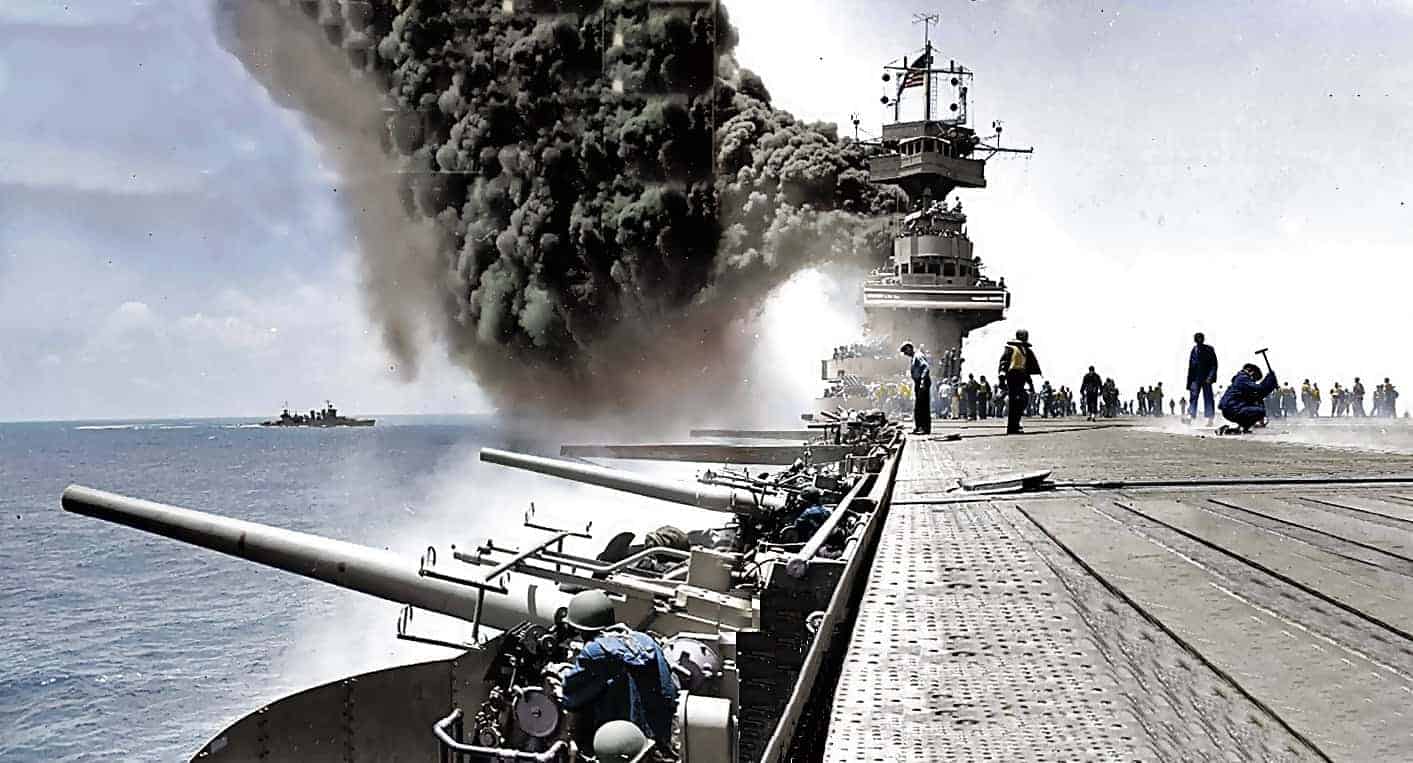
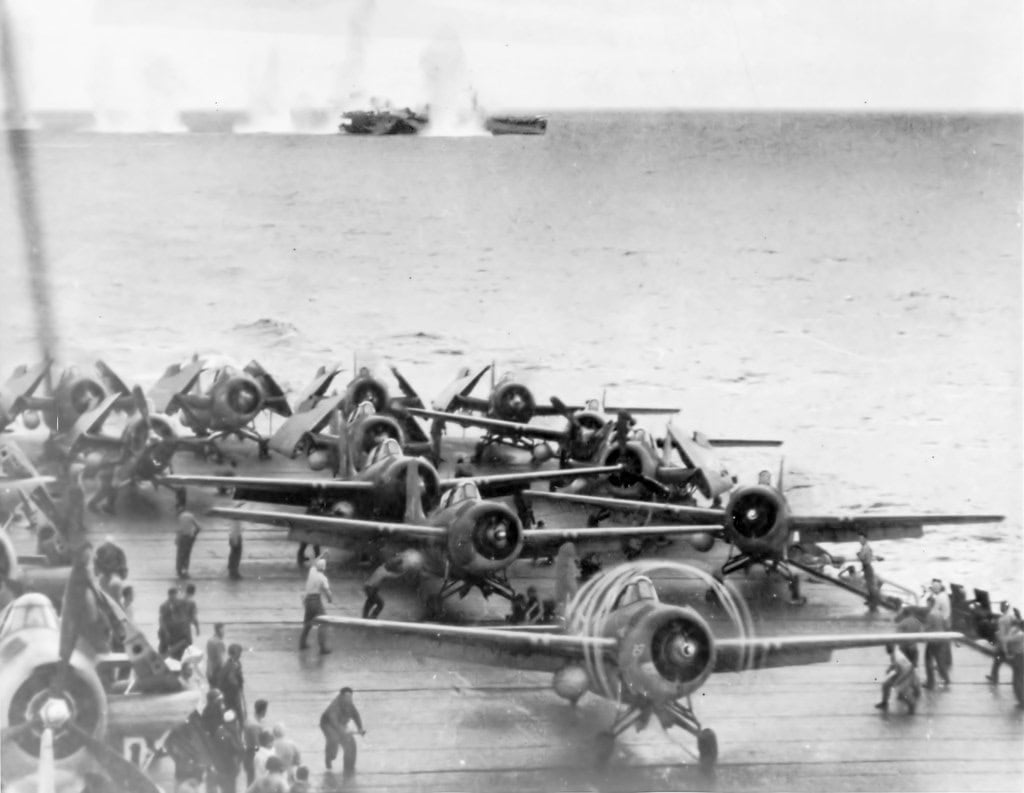
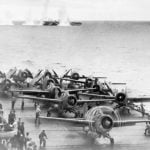
The Battle of Midway was a turning point in the Pacific, where the United States destroyed four Japanese aircraft carriers. This significantly weakened Japan’s naval power and shifted the balance in favor of the Allies. From this point forward, Japan was largely on the defensive.
Guadalcanal
- Theater of War: Pacific
- Date(s): Aug 7, 1942 – Feb 9, 1943
- Primary Combatants: USA vs Japan
- Battle Type: Land/Naval
- Outcome: Allied
- Scale of Engagement: Large
- Strategic Impact: First Allied offensive
- Why It Was Pivotal: Stopped expansion
Guadalcanal marked the first major Allied offensive in the Pacific, halting Japanese expansion. The prolonged campaign demonstrated that Allied forces could successfully challenge Japanese positions. This battle shifted momentum and began a series of Allied advances.
Philippine Sea
- Theater of War: Pacific
- Date(s): Jun 19-20, 1944
- Primary Combatants: USA vs Japan
- Battle Type: Naval/Air
- Outcome: Allied
- Scale of Engagement: Large
- Strategic Impact: Air dominance
- Why It Was Pivotal: Crippled Japanese aviation
The Battle of the Philippine Sea resulted in the destruction of a significant portion of Japan’s naval aviation capability. This loss left Japan unable to effectively challenge Allied air superiority. The battle ensured that future operations would face less resistance.
Leyte Gulf
- Theater of War: Pacific
- Date(s): Oct 23-26, 1944
- Primary Combatants: USA vs Japan
- Battle Type: Naval
- Outcome: Allied
- Scale of Engagement: Massive
- Strategic Impact: Destroyed Japanese fleet
- Why It Was Pivotal: Secured Philippines
The Battle of Leyte Gulf was the largest naval battle of the war, resulting in the destruction of Japan’s remaining naval power. This victory secured Allied control of the Philippines and cut off Japan from critical resources. It marked the end of Japan’s ability to conduct major naval operations.
Iwo Jima
- Theater of War: Pacific
- Date(s): Feb 19 - Mar 26, 1945
- Primary Combatants: USA vs Japan
- Battle Type: Amphibious
- Outcome: Allied
- Scale of Engagement: Large
- Strategic Impact: Strategic air base
- Why It Was Pivotal: Enabled bombing Japan
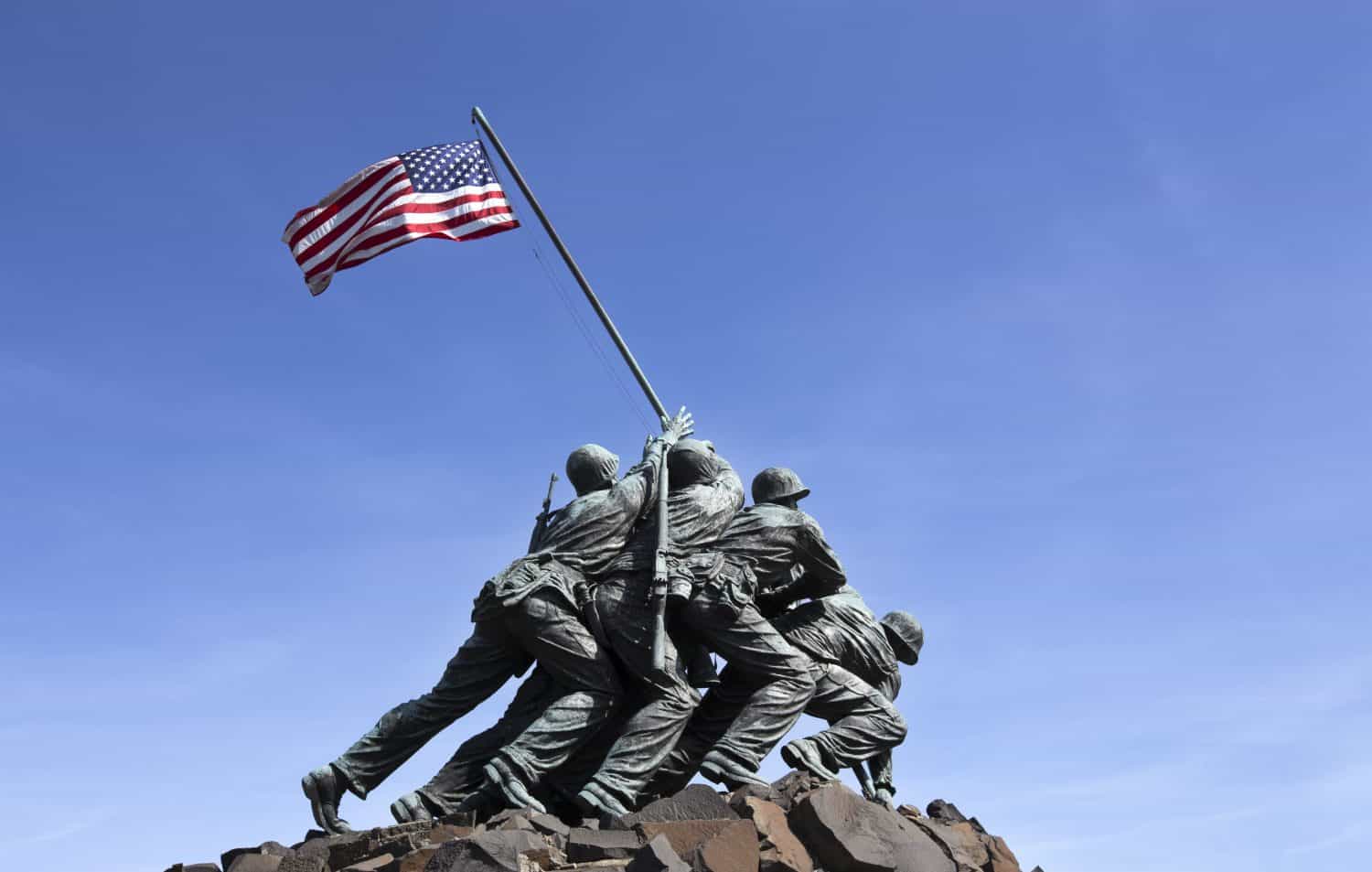
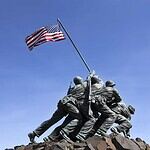
The capture of Iwo Jima provided the United States with a strategic base for air operations against Japan. Its location allowed for fighter escorts and emergency landings for bombers. This improved the effectiveness of the bombing campaign.
Okinawa
- Theater of War: Pacific
- Date(s): Apr 1 - Jun 22, 1945
- Primary Combatants: USA vs Japan
- Battle Type: Amphibious
- Outcome: Allied
- Scale of Engagement: Massive
- Strategic Impact: Final campaign
- Why It Was Pivotal: Precursor to invasion
Okinawa was the final major campaign in the Pacific, demonstrating the intensity of fighting required to defeat Japan. The high casualties influenced Allied decisions regarding the end of the war. It highlighted the challenges of a potential invasion of Japan.
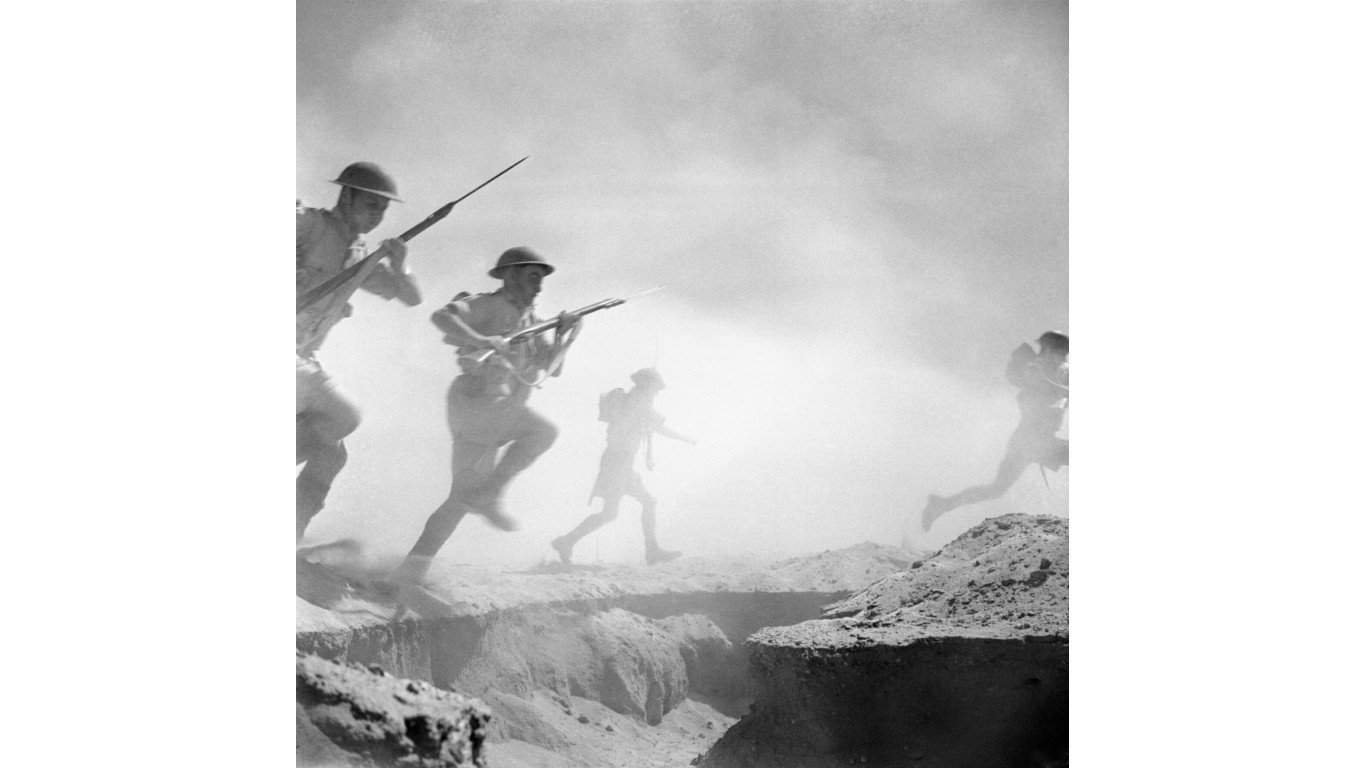
Second Battle of El Alamein
- Theater of War: North Africa
- Date(s): Oct 2 - Nov 11, 1942
- Primary Combatants: UK vs Germany/Italy
- Battle Type: Land
- Outcome: Allied
- Scale of Engagement: Large
- Strategic Impact: Halted Axis
- Why It Was Pivotal: Turned Africa war
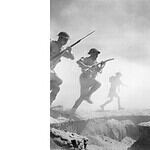
El Alamein marked a turning point in North Africa, halting the Axis advance into Egypt. The Allied victory shifted momentum in the region and began a series of successful operations. This battle secured control of the Suez Canal.
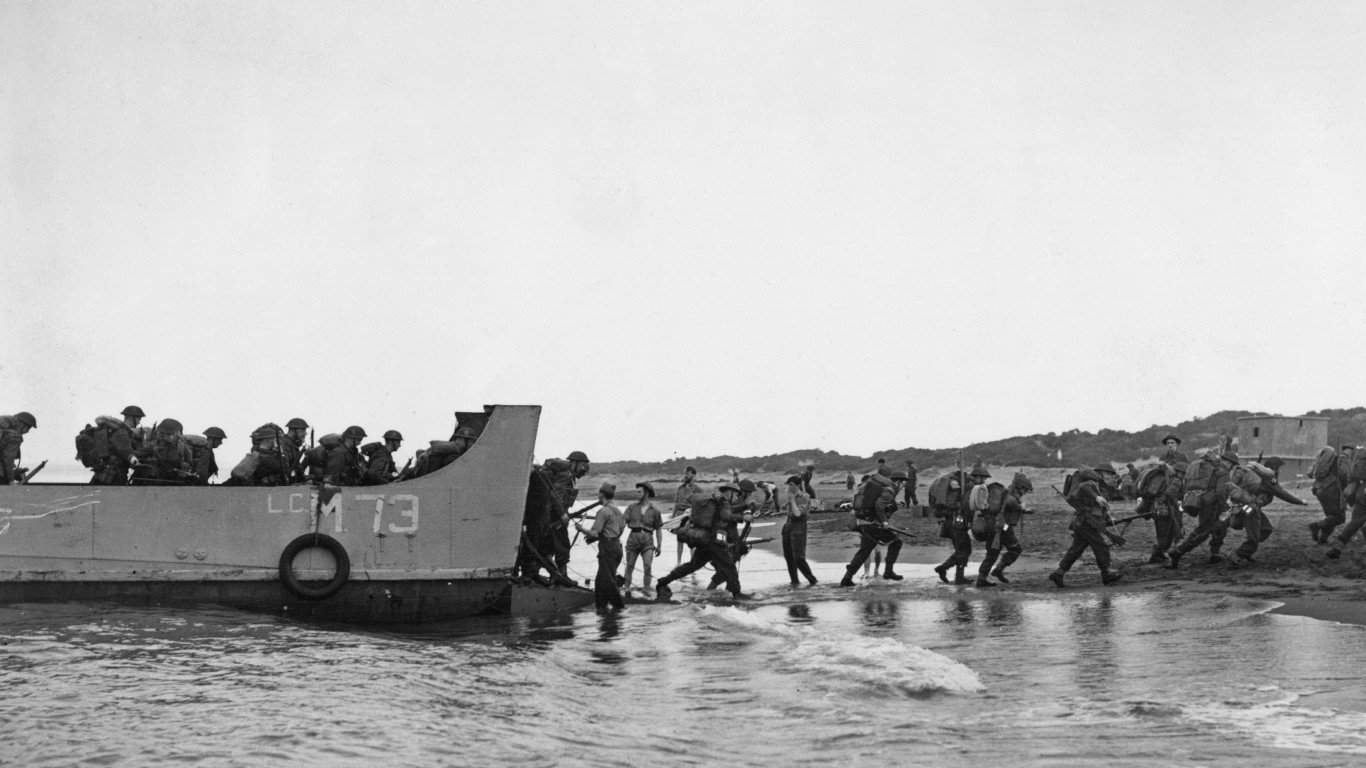
Operation Torch
- Theater of War: North Africa
- Date(s): Nov 8-16, 1942
- Primary Combatants: Allies vs Axis
- Battle Type: Amphibious
- Outcome: Allied
- Scale of Engagement: Large
- Strategic Impact: Opened second front
- Why It Was Pivotal: Pressured Axis
Operation Torch opened a new front in North Africa, placing pressure on Axis forces from multiple directions. This forced Germany and Italy to divide their resources. The operation contributed to the eventual defeat of Axis forces.
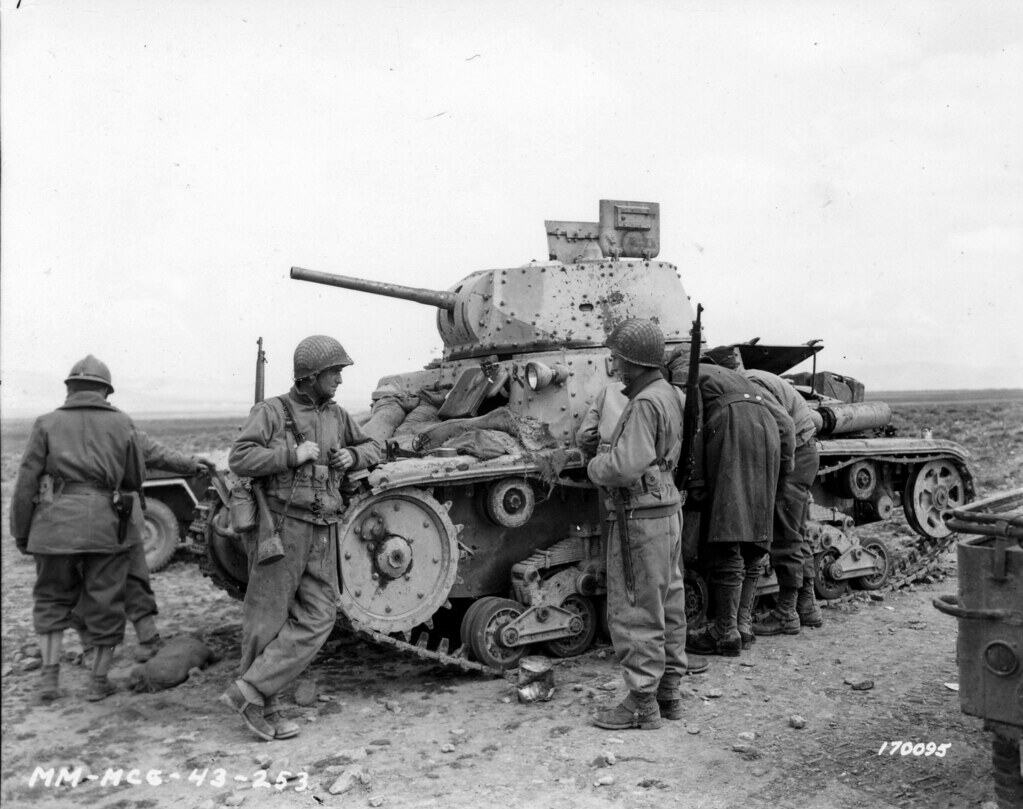
Kasserine Pass
- Theater of War: North Africa
- Date(s): Feb 19-25, 1943
- Primary Combatants: USA vs Germany
- Battle Type: Land
- Outcome: Axis
- Scale of Engagement: Medium
- Strategic Impact: US learning
- Why It Was Pivotal: Improved US tactics
Kasserine Pass exposed weaknesses in U.S. forces early in the war, leading to important changes in tactics and leadership. This experience improved the effectiveness of American troops in later battles. While a setback, it contributed to long-term success.
Sicily
- Theater of War: Mediterranean
- Date(s): Jul 9 - Aug 17, 1943
- Primary Combatants: Allies vs Axis
- Battle Type: Amphibious
- Outcome: Allied
- Scale of Engagement: Large
- Strategic Impact: Invaded Italy
- Why It Was Pivotal: Removed Mussolini
The invasion of Sicily led to the fall of Mussolini and the weakening of Italy’s role in the war. This opened the door for Allied operations in mainland Italy. It shifted the balance in the Mediterranean.
Battle of the Atlantic
- Theater of War: Atlantic
- Date(s): Sep 3, 1939 – May 8, 1945
- Primary Combatants: Allies vs Germany
- Battle Type: Naval
- Outcome: Allied
- Scale of Engagement: Massive
- Strategic Impact: Secured supply lines
- Why It Was Pivotal: Enabled Allied logistics
The Battle of the Atlantic ensured that Allied supply lines remained open, allowing the continuous flow of troops and equipment. This logistical advantage was critical to sustaining the war effort. Without it, Allied operations would have been severely limited.
Monte Cassino
- Theater of War: Italy
- Date(s): Jan 17 - May 18, 1944
- Primary Combatants: Allies vs Germany
- Battle Type: Land
- Outcome: Allied
- Scale of Engagement: Large
- Strategic Impact: Broke Gustav Line
- Why It Was Pivotal: Opened Rome
Monte Cassino broke the German defensive line in Italy, allowing Allied forces to advance toward Rome. The battle demonstrated the difficulty of fighting in heavily fortified terrain. Its outcome opened a path for further operations.
Arnhem
- Theater of War: Europe
- Date(s): Sep 17-26, 1944
- Primary Combatants: Allies vs Germany
- Battle Type: Air/Land
- Outcome: Axis
- Scale of Engagement: Large
- Strategic Impact: Failed Allied plan
- Why It Was Pivotal: Showed limits
Arnhem highlighted the risks of ambitious operations and the limits of Allied planning. The failure of Operation Market Garden delayed the advance into Germany. It showed that even late in the war, success was not guaranteed.
Operation Bagration
- Theater of War: Eastern Front
- Date(s): Jun 22 - Aug 19, 1944
- Primary Combatants: USSR vs Germany
- Battle Type: Land
- Outcome: Allied
- Scale of Engagement: Massive
- Strategic Impact: Destroyed German forces
- Why It Was Pivotal: Collapsed Eastern Front
Operation Bagration was a massive Soviet offensive that destroyed a large portion of German forces on the Eastern Front. This collapse significantly weakened Germany’s ability to defend against advancing Soviet troops. It accelerated the end of the war in Europe.
The image featured at the top of this post is ©Terry J Alcorn / E+ via Getty Images