















Inside the Military Projects That Defined the Atomic Age
The Atomic Age did not necessarily begin with a single bomb, but really it began with a series of ambitious military projects that fundamentally changed the course of history. During and after World War II, governments invested enormous resources into secret programs designed to unlock the power of the atom, develop new delivery systems, and prepare for a form of warfare unlike anything the world had previously experienced. These initiatives transformed scientific discoveries into military capabilities that reshaped diplomacy, global politics, and national security. Here, History Computer is taking a closer look at these projects ranging from the Manhattan Project to the Strategic Defense Initiative:
Here is a look at the military projects that defined the Atomic Age:
Manhattan Project (1942–1946)
- Country: United States
- What It Developed: First atomic bomb
- Why It Was Revolutionary: Proved nuclear fission could become a weapon
- Cold War Legacy: Launched the Atomic Age
The Manhattan Project stands as one of the most consequential scientific and military undertakings in history. Launched during World War II under extraordinary secrecy, the project united thousands of scientists, engineers, military personnel, and industrial workers across multiple sites in the United States. Its objective was straightforward but unprecedented: develop an atomic bomb before Nazi Germany. Although Germany never succeeded in building such a weapon, the project culminated in the Trinity test and the atomic bombings of Hiroshima and Nagasaki, bringing the war in the Pacific to a close while inaugurating the Atomic Age. Beyond producing the world's first nuclear weapons, the Manhattan Project permanently altered military strategy, international diplomacy, and scientific research. It demonstrated that technological innovation could fundamentally reshape global politics and ushered in an era in which nuclear deterrence became central to international security.
Soviet Atomic Bomb Project (1943–1949)
- Country: Soviet Union
- What It Developed: First Soviet atomic bomb
- Why It Was Revolutionary: Ended the U.S. nuclear monopoly
- Cold War Legacy: Started the superpower nuclear arms race
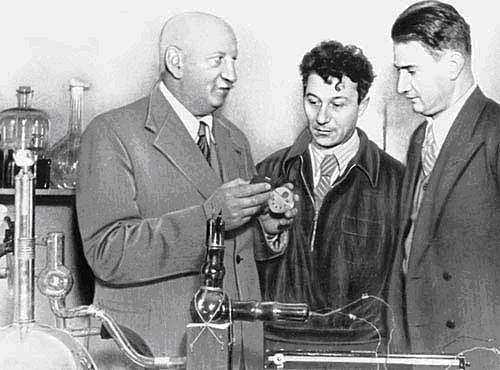
The Soviet Union's race to build its own atomic bomb dramatically changed the balance of global power. Determined not to remain vulnerable to an American nuclear monopoly, Soviet leaders committed enormous resources to developing a weapon of their own. The effort was accelerated through an extensive domestic scientific program as well as intelligence gathered from the Manhattan Project. In 1949, the successful detonation of the Soviet Union's first atomic bomb shocked the United States and effectively ended its exclusive possession of nuclear weapons. This achievement transformed what had briefly been an American strategic advantage into a superpower rivalry that would define the Cold War. The Soviet Atomic Bomb Project marked the beginning of the nuclear arms race, forcing both nations into decades of competition involving increasingly powerful weapons, delivery systems, and military doctrines centered on deterrence rather than direct confrontation.
Operation Crossroads (1946)
- Country: United States
- What It Developed: Postwar nuclear testing on naval fleets
- Why It Was Revolutionary: Demonstrated nuclear effects on warships
- Cold War Legacy: Changed naval strategy
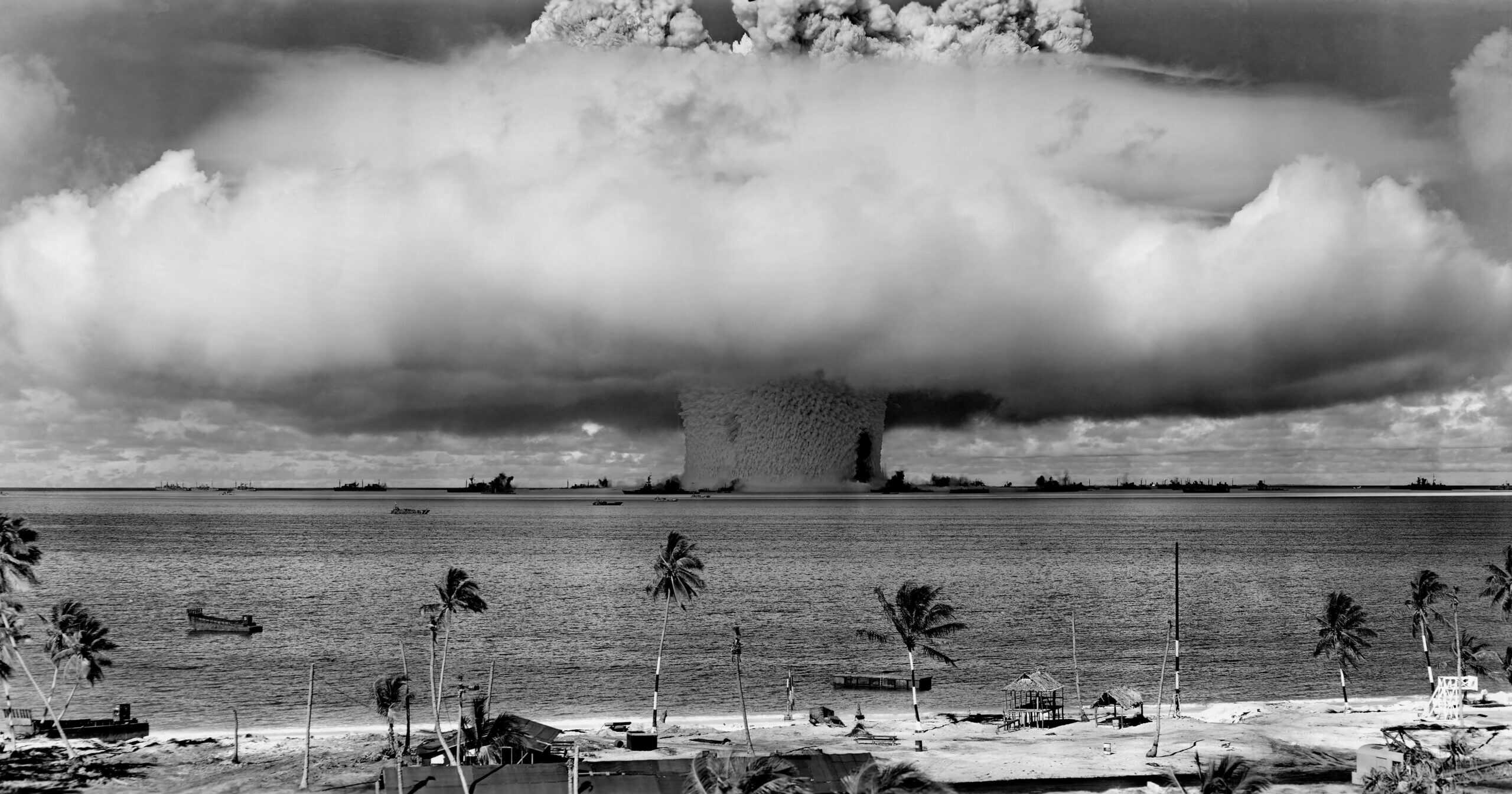
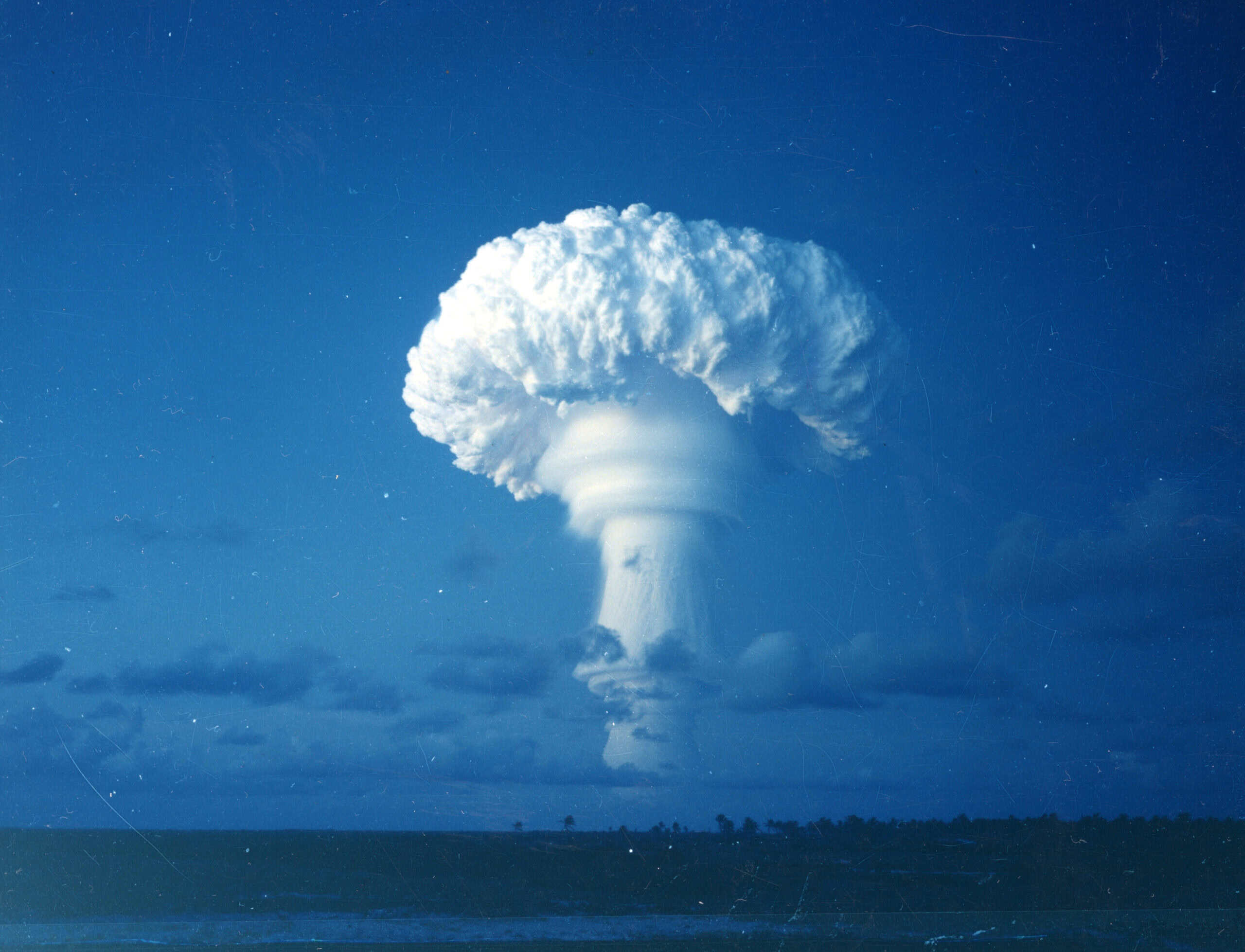
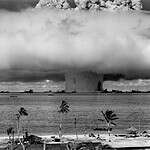
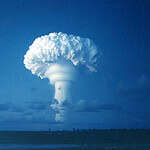
Following World War II, American military planners sought to understand what nuclear weapons meant for the future of naval warfare. Operation Crossroads became the first major postwar nuclear testing program, using surplus warships assembled at Bikini Atoll as targets for atomic detonations. The tests revealed that nuclear weapons could inflict catastrophic damage on fleets, while radioactive contamination created new operational challenges that conventional warfare had never faced. Although some ships survived the blasts, many became too contaminated for practical use, highlighting radiation as a long-term strategic concern. The results influenced naval design, fleet dispersal, and military planning throughout the Cold War. Operation Crossroads also introduced much of the public to the visual power of nuclear explosions, reinforcing the realization that warfare had entered an entirely new era defined by unprecedented destructive capability.
Project Ivy (1952)
- Country: United States
- What It Developed: First thermonuclear weapon test
- Why It Was Revolutionary: Ushered in the hydrogen bomb era
- Cold War Legacy: Escalated nuclear destructive power
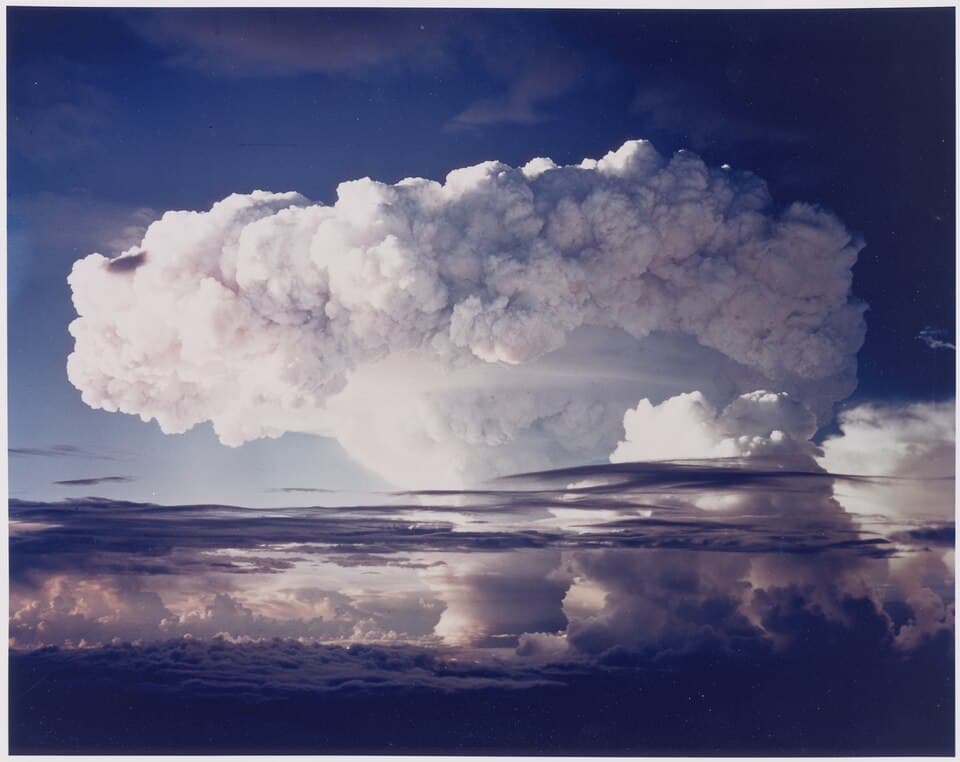
By the early 1950s, military leaders recognized that atomic bombs represented only the beginning of nuclear technology. Project Ivy was created to develop and test the world's first hydrogen bomb, a weapon many times more powerful than those used during World War II. The successful Ivy Mike test in 1952 confirmed that thermonuclear fusion could be harnessed for military purposes, dramatically increasing the destructive potential of nuclear arsenals. The project represented an extraordinary scientific achievement but also intensified fears of global annihilation. Thermonuclear weapons fundamentally changed strategic planning by making entire metropolitan regions vulnerable to a single detonation. Project Ivy marked the transition from the early Atomic Age into the era of megaton-class weapons and became one of the defining milestones of Cold War military technology.
Soviet Hydrogen Bomb Program (1950–1955)
- Country: Soviet Union
- What It Developed: Thermonuclear weapons
- Why It Was Revolutionary: Matched U.S. hydrogen bomb capability
- Cold War Legacy: Accelerated Cold War competition
The Soviet Union responded quickly to American thermonuclear advances by launching an ambitious effort to develop its own hydrogen bomb. Soviet scientists pursued innovative designs that ultimately allowed the USSR to achieve thermonuclear capability only a few years after the United States. The successful tests demonstrated that both superpowers now possessed weapons capable of destruction on an unimaginable scale. This achievement eliminated any remaining strategic advantage held by the United States and accelerated the nuclear arms race to unprecedented levels. Military planners increasingly focused on deterrence, knowing that a future conflict could result in catastrophic losses for both sides. The Soviet Hydrogen Bomb Program not only strengthened the USSR's military position but also cemented the principle that nuclear superiority would remain temporary as technological breakthroughs were rapidly matched by competing powers.
Project Polaris (1956–1964)
- Country: United States
- What It Developed: Submarine-launched ballistic missiles
- Why It Was Revolutionary: Created survivable sea-based deterrence
- Cold War Legacy: Established the sea leg of the nuclear triad
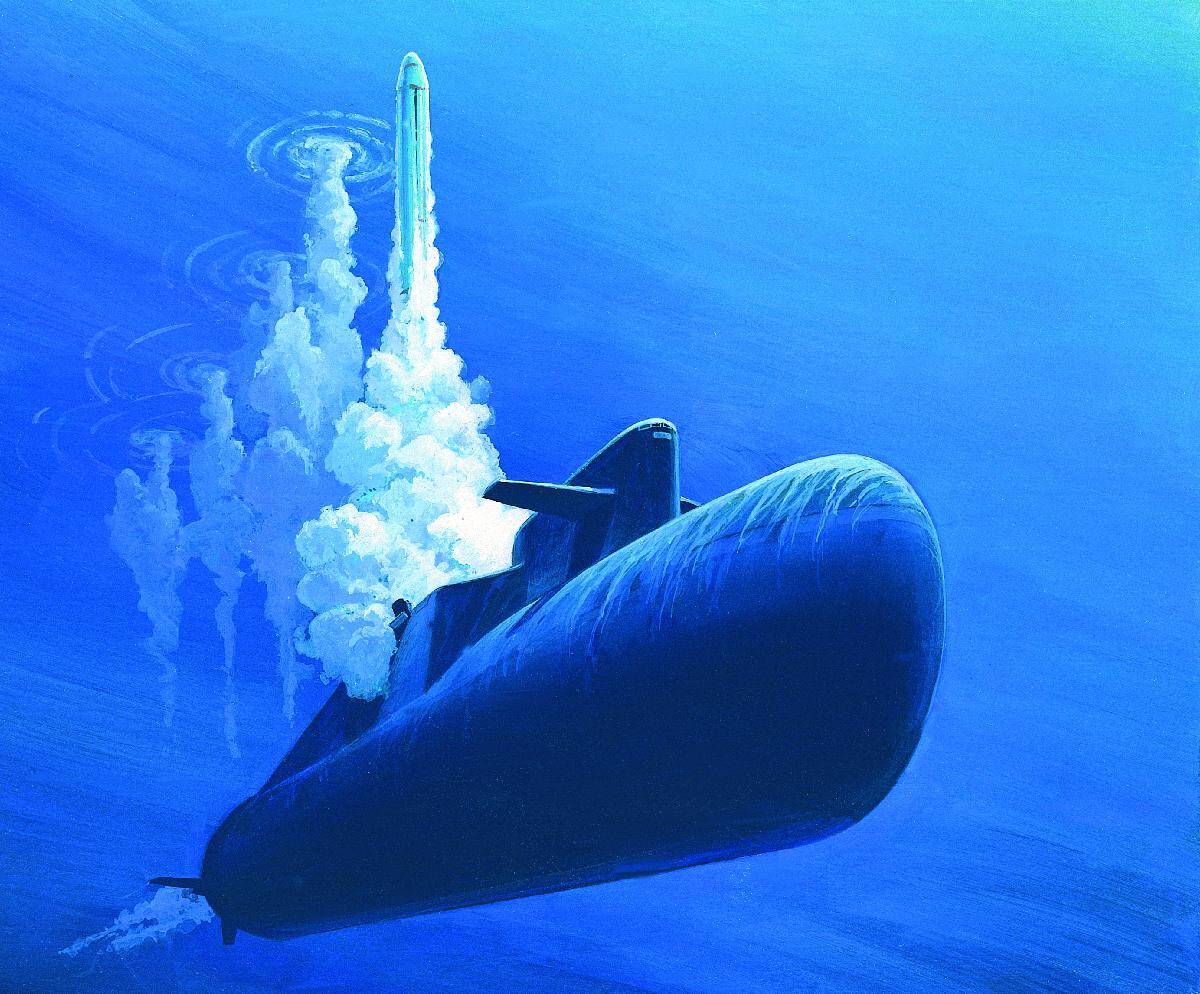
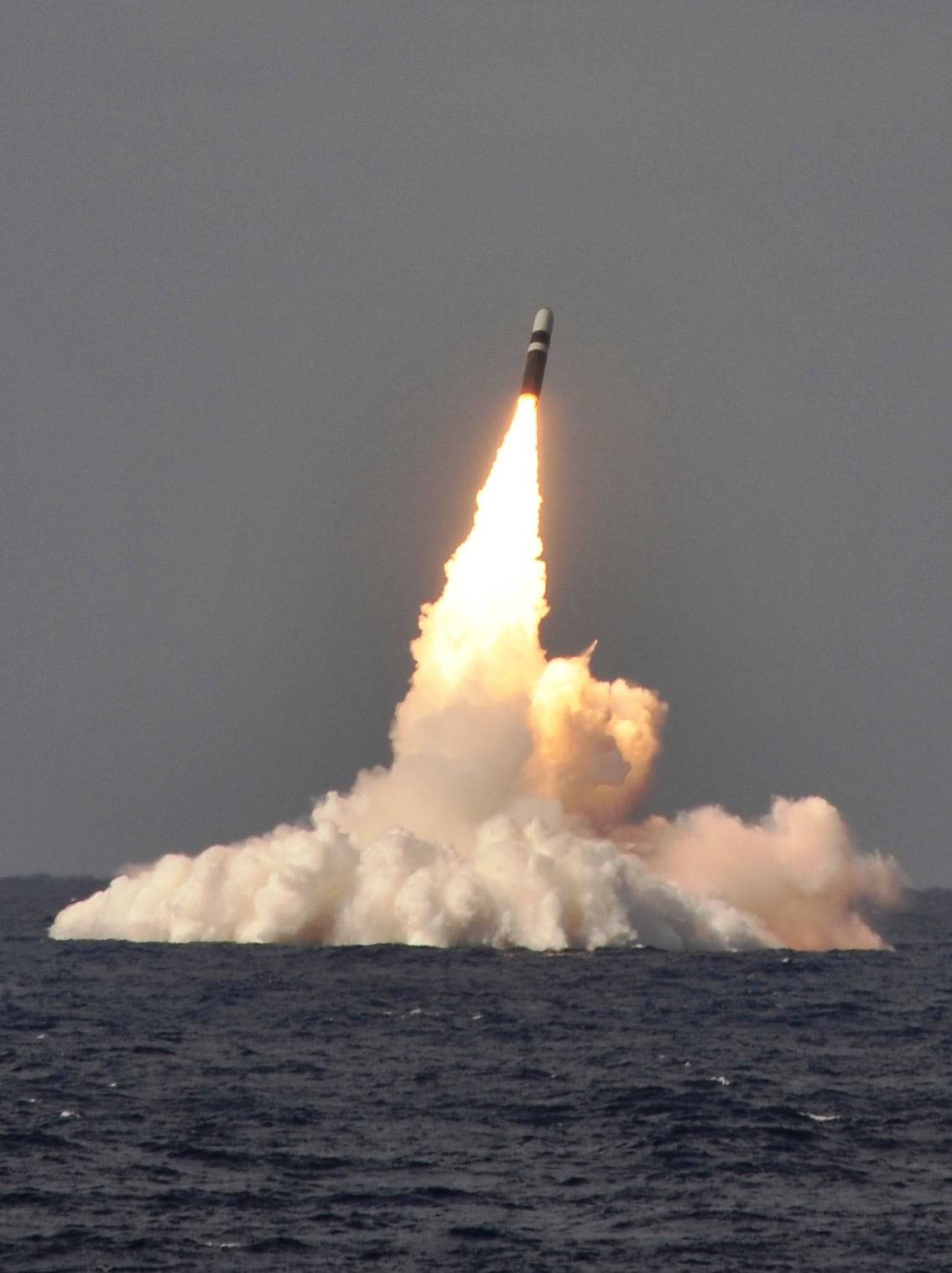
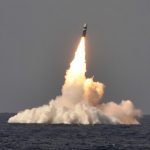
Among the most influential military projects of the Atomic Age, Project Polaris fundamentally transformed nuclear deterrence. Before Polaris, strategic nuclear forces relied primarily on bombers and land-based missiles, both of which were increasingly vulnerable to surprise attack. Polaris introduced submarine-launched ballistic missiles carried aboard nuclear-powered submarines capable of remaining hidden beneath the oceans for extended periods. This innovation created a credible second-strike capability, ensuring that the United States could retaliate even after absorbing a nuclear attack. The resulting survivability became one of the foundations of modern deterrence strategy and completed the sea-based component of the nuclear triad. Polaris influenced naval strategy around the world and remains one of the most important military innovations of the Cold War.
Project Vanguard (1955–1959)
- Country: United States
- What It Developed: Early satellite and missile technology
- Why It Was Revolutionary: Advanced rocket capabilities
- Cold War Legacy: Supported the missile and space race
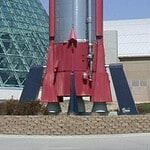
Although often remembered for its early launch failures, Project Vanguard played an important role in advancing American missile and space technology during the opening years of the Space Race. Originally intended to place a scientific satellite into orbit, Vanguard also contributed valuable knowledge about rocket engineering, guidance systems, and launch operations. Its progress unfolded alongside growing concerns over Soviet missile development, making space exploration inseparable from national security. Lessons learned during Vanguard influenced later military missile programs and helped accelerate improvements in long-range rocket technology. While eclipsed in public memory by subsequent successes, Project Vanguard demonstrated the close relationship between civilian space exploration and military competition during the Atomic Age, where advances in one field frequently strengthened capabilities in the other.
Atlas Missile Program (1954–1965)
- Country: United States
- What It Developed: First operational U.S. ICBM
- Why It Was Revolutionary: Enabled intercontinental nuclear delivery
- Cold War Legacy: Changed strategic deterrence
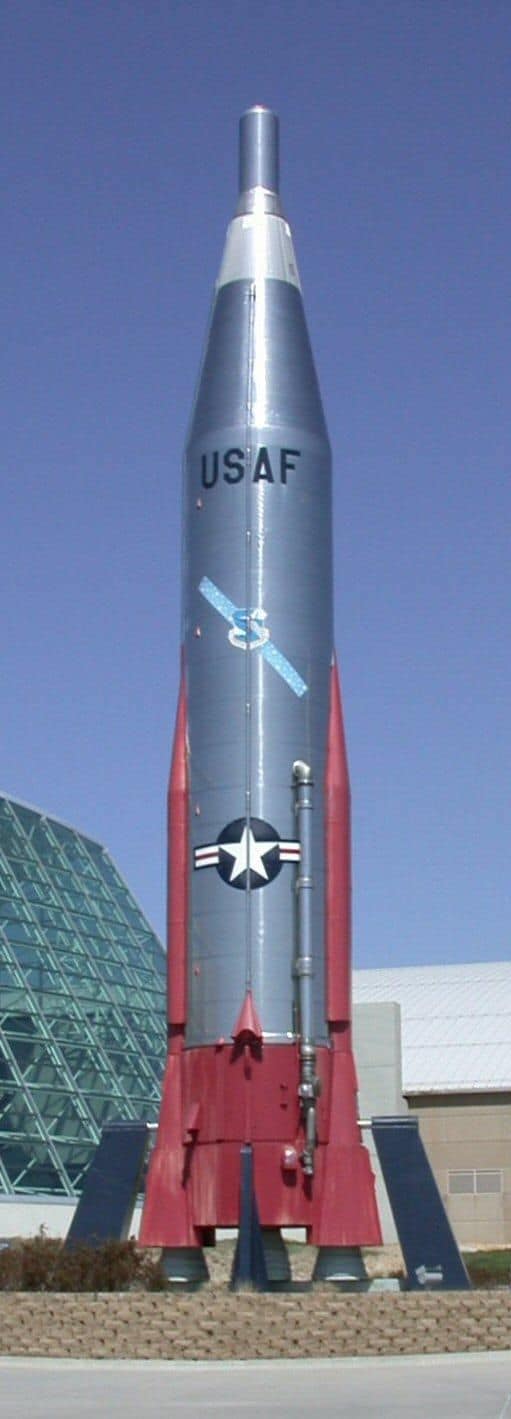
The Atlas Missile Program introduced the first operational American intercontinental ballistic missile, fundamentally changing the speed and reach of nuclear warfare. Before Atlas, strategic bombers served as the primary means of delivering nuclear weapons, requiring hours to reach distant targets. Atlas reduced that timeline to minutes by enabling nuclear warheads to travel across continents under rocket power. Although the missile's liquid-fuel design required lengthy preparation before launch, it represented an enormous leap in military capability. Atlas also contributed to America's early space program, with modified versions helping launch astronauts during Project Mercury. Militarily, however, its greatest significance lay in demonstrating that nuclear deterrence had entered an age where warning times were drastically shortened and decisions during a crisis could be measured in minutes rather than hours.
Titan Missile Program (1955–1987)
- Country: United States
- What It Developed: Heavy ICBM force
- Why It Was Revolutionary: Improved survivability and payload
- Cold War Legacy: Strengthened the nuclear triad
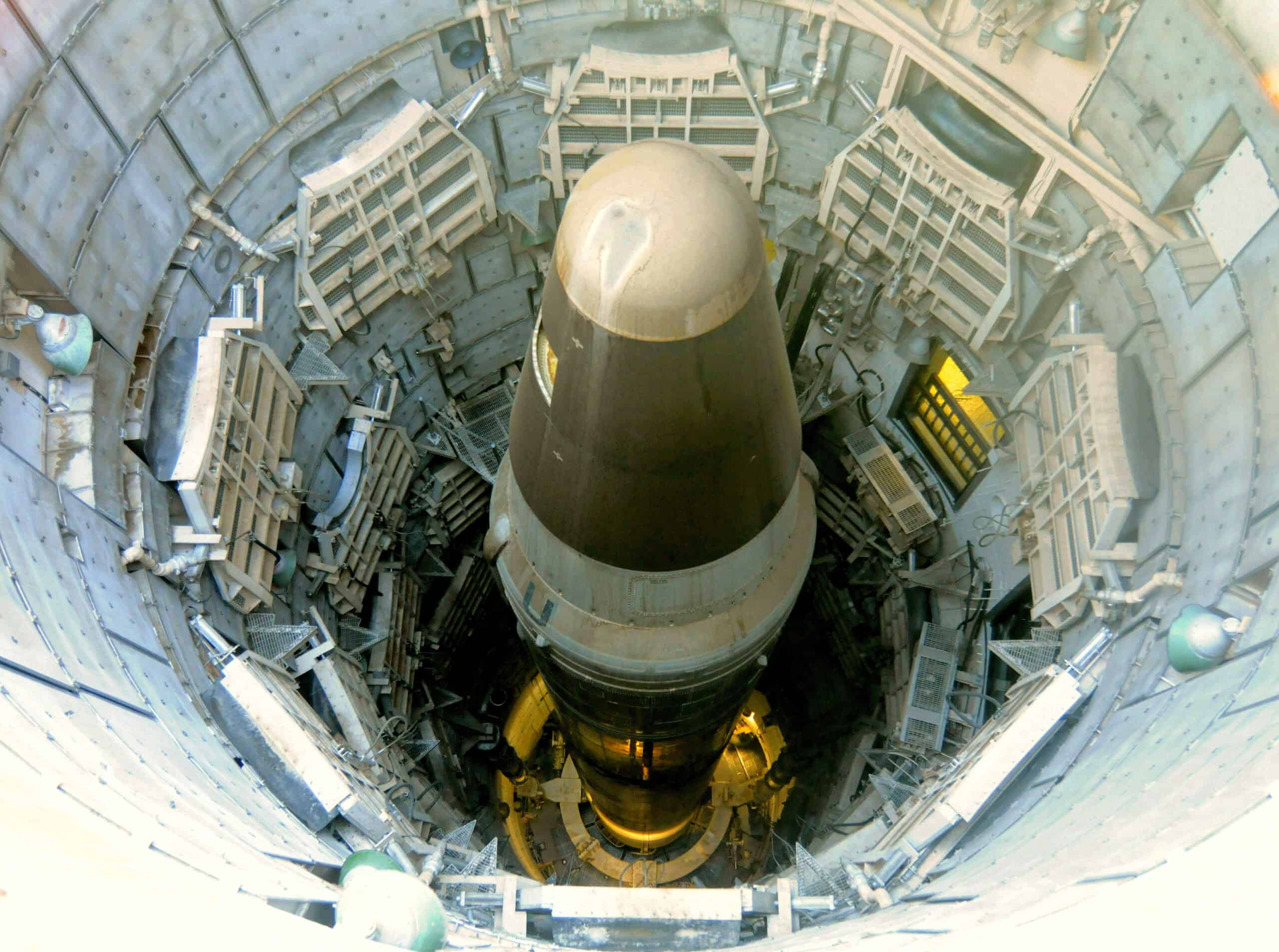
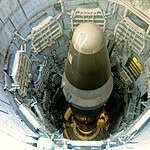
The Titan Missile Program expanded upon the capabilities introduced by Atlas while improving reliability, payload capacity, and survivability. Developed as a family of increasingly capable intercontinental ballistic missiles, Titan systems became central to America's strategic nuclear forces during the height of the Cold War. Later versions were housed in hardened underground silos designed to withstand nearby nuclear blasts, ensuring a greater likelihood of surviving an initial attack. Titan missiles also possessed sufficient lifting power to support major space exploration missions, demonstrating the technological overlap between military and civilian rocketry. Throughout its decades of service, the program reinforced America's land-based deterrent and helped maintain strategic balance with the Soviet Union. Titan represented a crucial step in the evolution of missile technology during one of history's most dangerous periods.
Minuteman Program (1958–Present)
- Country: United States
- What It Developed: Solid-fuel ICBMs
- Why It Was Revolutionary: Enabled rapid-launch capability
- Cold War Legacy: Remains a pillar of U.S. deterrence
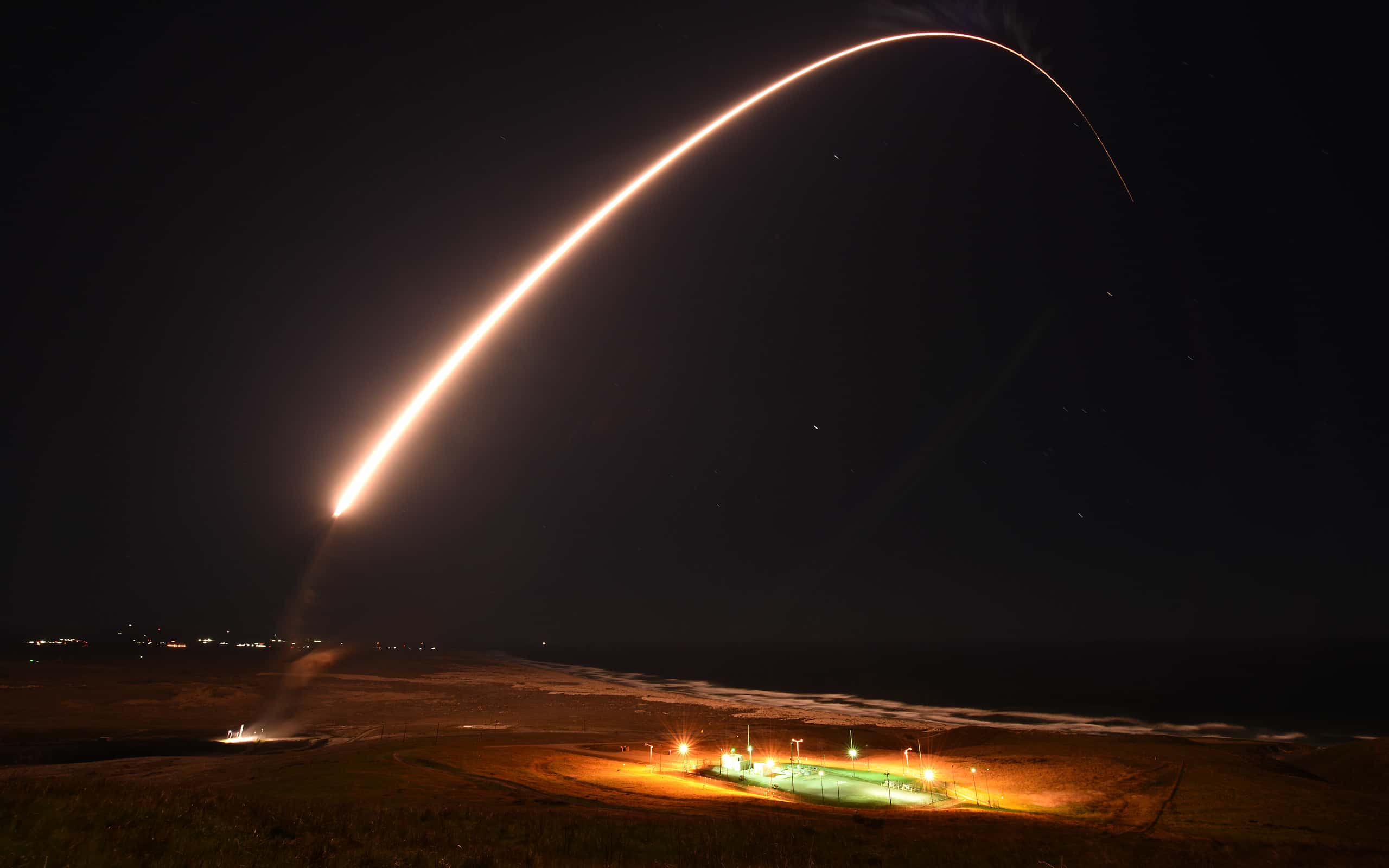
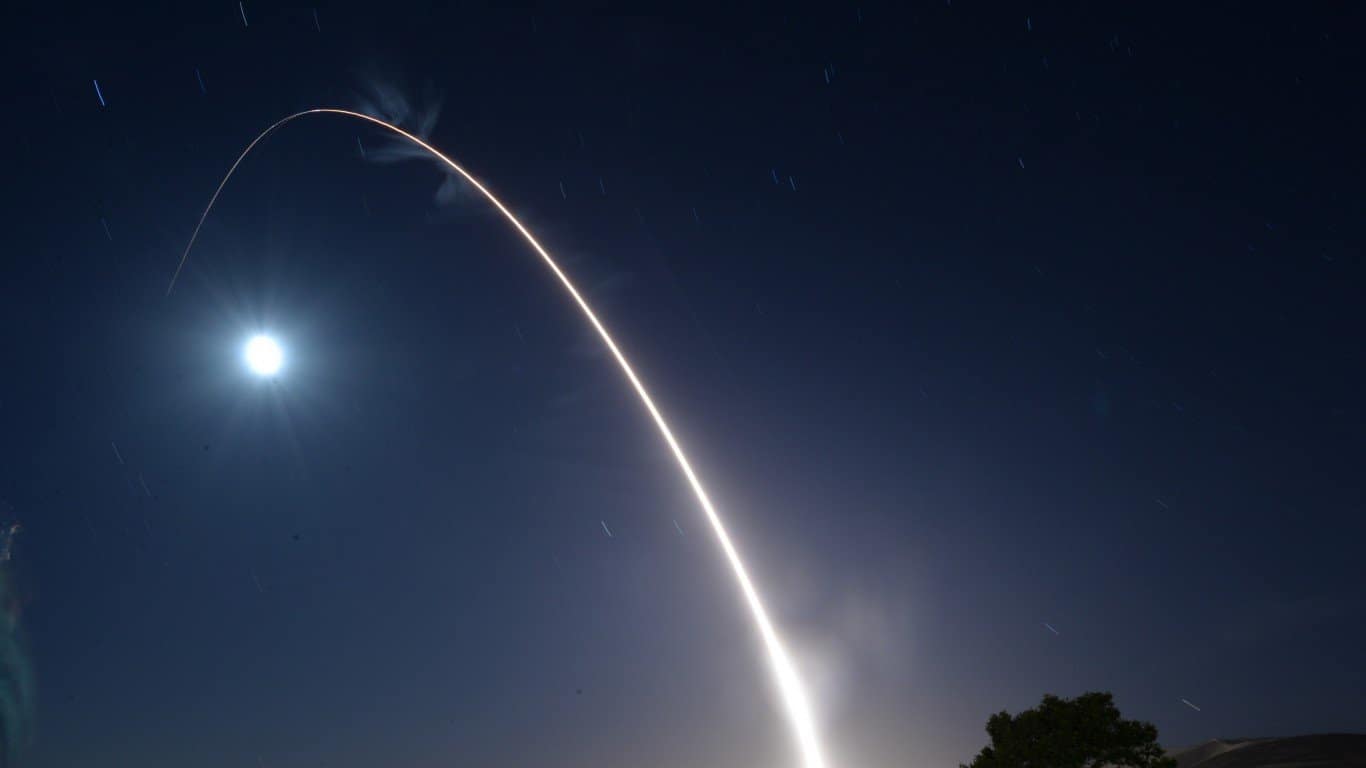
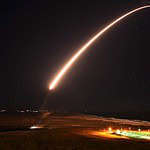
The Minuteman Program revolutionized strategic missile forces through the adoption of solid-fuel propulsion. Unlike earlier liquid-fueled missiles that required extensive preparation before launch, Minuteman missiles could be maintained in a constant state of readiness and launched within minutes. This rapid-response capability significantly strengthened American nuclear deterrence by reducing vulnerability during a crisis. Deployed in large numbers across hardened missile silos, the Minuteman force became one of the three pillars of the United States' nuclear triad alongside strategic bombers and ballistic missile submarines. Decades after its introduction, updated versions of the system continue to serve, making it one of the longest-lasting and most influential military projects of the Atomic Age. Its enduring presence reflects the continuing importance of strategic deterrence in modern defense planning.
Project Defender (1958–1972)
- Country: United States
- What It Developed: Ballistic missile defense research
- Why It Was Revolutionary: Explored missile interception
- Cold War Legacy: Foundation for later missile defense
As intercontinental ballistic missiles became the primary means of delivering nuclear weapons, American defense planners recognized that deterrence alone might not be enough. Project Defender was established to explore whether incoming nuclear missiles could be intercepted before reaching their targets. Scientists and engineers investigated a wide range of technologies, including advanced radar systems, interceptor missiles, and early command-and-control networks capable of detecting launches within seconds. Although the project never produced a comprehensive defensive shield, it laid the technological groundwork for future missile defense programs. More importantly, it introduced difficult strategic questions about whether defensive systems would strengthen or undermine nuclear stability. Project Defender marked the beginning of America's long pursuit of ballistic missile defense, an effort that continues to influence military planning well into the twenty-first century.
Operation Dominic (1962)
- Country: United States
- What It Developed: Atmospheric nuclear test series
- Why It Was Revolutionary: Validated advanced nuclear designs
- Cold War Legacy: Influenced weapons development
Following the collapse of an informal testing moratorium between the United States and the Soviet Union, Operation Dominic became the largest American atmospheric nuclear testing campaign of the Cold War. Conducted during one of the most dangerous periods in superpower relations, the operation included dozens of detonations designed to validate new warhead designs and improve the reliability of the U.S. nuclear arsenal. Several tests also explored the effects of high-altitude nuclear explosions, producing valuable data about electromagnetic pulse (EMP) phenomena and their potential impact on communications and electronic systems. Operation Dominic underscored how rapidly nuclear technology was evolving and highlighted the growing concern over radioactive fallout. The lessons learned during the program contributed to subsequent arms control discussions and reinforced the urgency of limiting atmospheric nuclear testing.
Tsar Bomba Program (1961)
- Country: Soviet Union
- What It Developed: Largest nuclear weapon ever tested
- Why It Was Revolutionary: Demonstrated unmatched thermonuclear power
- Cold War Legacy: Symbol of Cold War brinkmanship
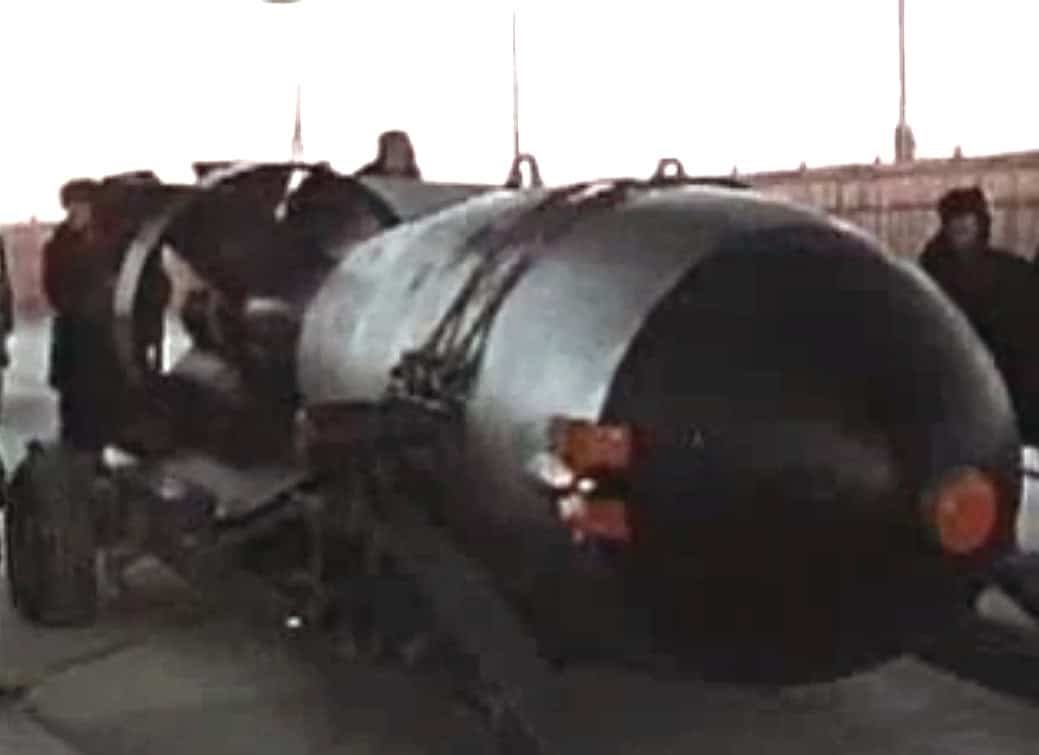
The Soviet Union's development and detonation of the Tsar Bomba remains one of the most dramatic demonstrations of military power in history. Tested in 1961, the weapon produced the largest human-made explosion ever recorded, with a yield of approximately 50 megatons—more than enough to obliterate an entire metropolitan region. Although the bomb itself had little practical military value because of its immense size and limited deliverability, its purpose was unmistakable: to demonstrate Soviet technological capability and strategic resolve. The explosion generated shock waves that circled the Earth and became an enduring symbol of Cold War brinkmanship. The Tsar Bomba Program illustrated just how far the nuclear arms race had progressed, where political messaging and psychological deterrence were often as important as battlefield utility. It remains one of the defining icons of the Atomic Age.
Project Safeguard (1969–1975)
- Country: United States
- What It Developed: Anti-ballistic missile system
- Why It Was Revolutionary: Attempted missile defense
- Cold War Legacy: Influenced ABM policy
Project Safeguard represented America's first operational attempt to defend its own nuclear missile fields from incoming ballistic missiles. Built around sophisticated radar installations and interceptor missiles, the system was intended to preserve the nation's ability to retaliate after a Soviet first strike by protecting Minuteman missile silos. Although technologically impressive, Safeguard immediately became the subject of intense strategic debate. Critics argued that large-scale missile defense systems could destabilize nuclear deterrence by encouraging an arms race between offensive and defensive technologies. Ironically, the system became operational for only a brief period before political decisions and changing strategic priorities led to its deactivation. Nevertheless, Project Safeguard significantly influenced later missile defense research and helped shape international negotiations that culminated in the Anti-Ballistic Missile (ABM) Treaty, one of the Cold War's most important arms control agreements.
Soviet ABM Program (1960s–Present)
- Country: Soviet Union
- What It Developed: Missile defense around Moscow
- Why It Was Revolutionary: First operational ABM network
- Cold War Legacy: Shaped strategic defense doctrine
While the United States experimented with nationwide missile defense concepts, the Soviet Union pursued a more focused approach by developing an anti-ballistic missile system to protect Moscow. The Soviet ABM Program became the world's first operational missile defense network, combining powerful radar installations with interceptor missiles designed to engage incoming warheads. Although the system's effectiveness remained subject to debate, its existence demonstrated that defensive technologies could become a permanent component of nuclear strategy. The project also played a central role in negotiations surrounding the 1972 ABM Treaty, which sought to preserve strategic stability by limiting nationwide missile defenses. Elements of the Moscow defense network have continued to evolve long after the Cold War ended, making the Soviet ABM Program one of the Atomic Age's longest-lasting military initiatives and an enduring influence on modern strategic planning.
Strategic Defense Initiative (1983–1993)
- Country: United States
- What It Developed: Advanced missile defense concepts
- Why It Was Revolutionary: Challenged MAD doctrine
- Cold War Legacy: Influenced modern missile defense
Announced by President Ronald Reagan in 1983, the Strategic Defense Initiative (SDI) sought to revolutionize nuclear deterrence by developing technologies capable of intercepting ballistic missiles before they reached their targets. Popularly nicknamed "Star Wars," the program envisioned an ambitious network of space-based sensors, ground-based interceptors, and advanced directed-energy concepts that would challenge the long-standing doctrine of mutually assured destruction. Although many of its proposed technologies proved impractical at the time, SDI dramatically influenced Cold War politics and military research. The initiative forced both supporters and critics to reconsider whether nuclear deterrence should rely solely on the threat of retaliation or include active defense. Many technologies explored under SDI later contributed to modern missile defense systems, ensuring that the program's legacy extended far beyond its original scope.
Project Pluto (1957–1964)
- Country: United States
- What It Developed: Nuclear-powered cruise missile
- Why It Was Revolutionary: Pushed propulsion technology to extremes
- Cold War Legacy: Showed limits of Atomic Age concepts
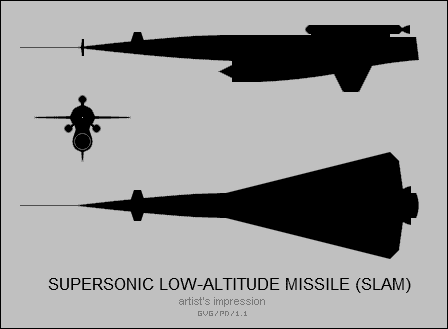
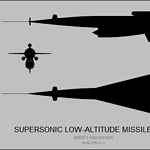
Among the most ambitious—and unsettling—projects of the Cold War, Project Pluto sought to create a nuclear-powered cruise missile capable of flying at supersonic speeds for virtually unlimited distances. Unlike conventional missiles that exhausted their fuel, Pluto's nuclear ramjet engine would have allowed it to remain airborne for extended periods while carrying multiple nuclear warheads. The concept promised unprecedented range and endurance but also presented enormous environmental, technical, and ethical challenges. Even during testing, concerns arose about radioactive contamination from the engine itself. Advances in intercontinental ballistic missiles eventually rendered the concept unnecessary, leading to its cancellation. Despite never entering service, Project Pluto remains one of the most extraordinary examples of the Atomic Age's willingness to pursue technological possibilities that stretched the boundaries of engineering and strategic imagination.
Project Orion (1958–1965)
- Country: United States
- What It Developed: Nuclear pulse propulsion
- Why It Was Revolutionary: Explored nuclear-powered spacecraft
- Cold War Legacy: Illustrated Atomic Age ambition
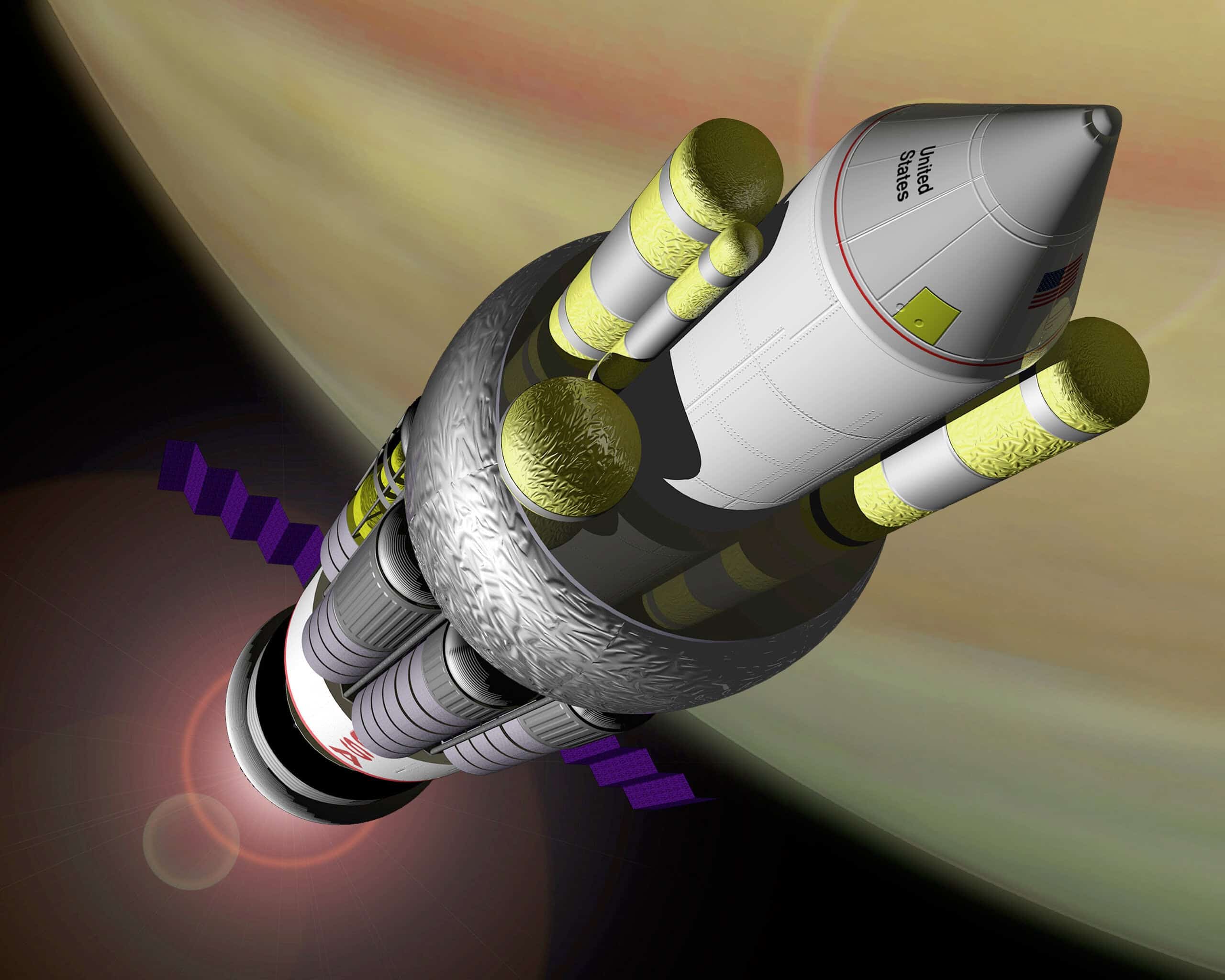
Project Orion stands as one of the boldest engineering concepts ever seriously examined during the Cold War. Originally proposed as a method of propelling spacecraft using a series of controlled nuclear explosions, the project attracted interest from both scientific and military communities because of its extraordinary performance potential. Orion promised payload capacities and travel speeds far beyond those achievable with conventional rockets, raising the possibility of rapid deep-space missions and even military logistics on an unprecedented scale. While technically feasible in theory, the project ultimately faced insurmountable political and environmental obstacles, particularly after international agreements restricting nuclear testing. Although never built, Project Orion embodied the extraordinary optimism and ambition of the Atomic Age, when nuclear technology was viewed not only as a weapon but also as a potential engine for revolutionary advances in transportation and exploration.
Cheyenne Mountain Complex (1961–1966)
- Country: United States
- What It Developed: Hardened NORAD command center
- Why It Was Revolutionary: Ensured command continuity
- Cold War Legacy: Icon of Cold War preparedness
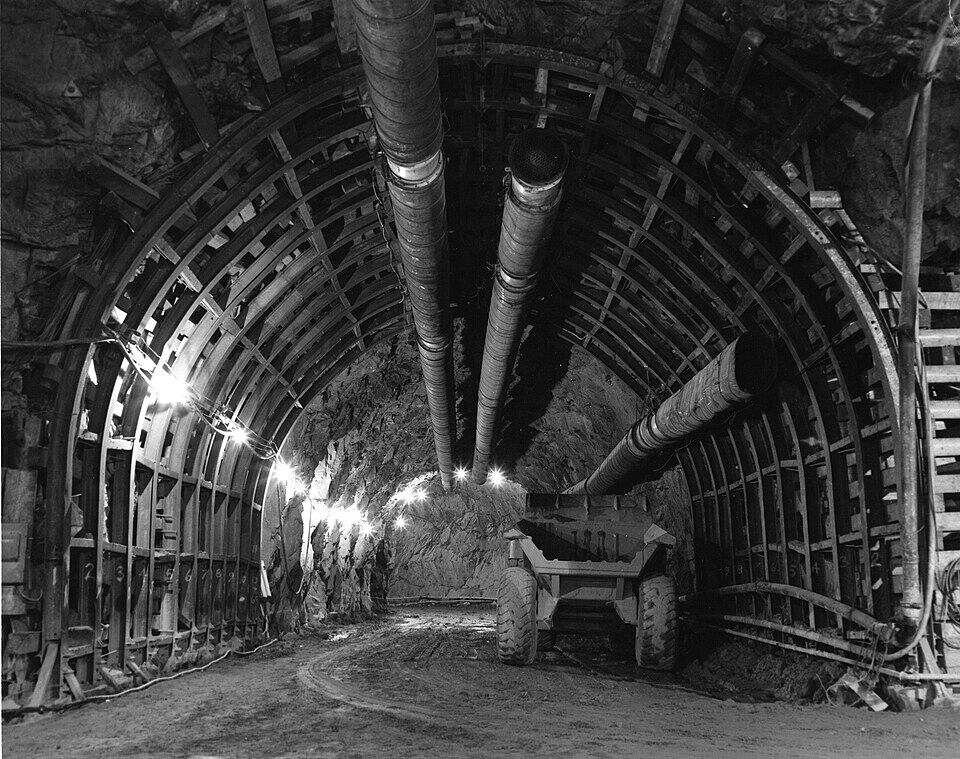
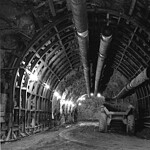
Carved deep within the granite of Colorado's Front Range, the Cheyenne Mountain Complex became one of the most recognizable symbols of Cold War preparedness. Designed to house the headquarters of the North American Aerospace Defense Command (NORAD), the facility was engineered to survive the effects of a nearby nuclear explosion while maintaining command and control of North America's air defense network. Protected by massive blast doors, independent power supplies, and redundant communications systems, Cheyenne Mountain represented the belief that military leadership must remain operational even under the most catastrophic conditions imaginable. Beyond its engineering achievements, the complex became an icon of Cold War culture, appearing frequently in films, television, and public discussions about nuclear war. It remains one of the most enduring physical reminders of an era defined by constant readiness.
Operation Looking Glass (1961–1990)
- Country: United States
- What It Developed: Airborne nuclear command post
- Why It Was Revolutionary: Maintained command during nuclear attack
- Cold War Legacy: Guaranteed continuity of command
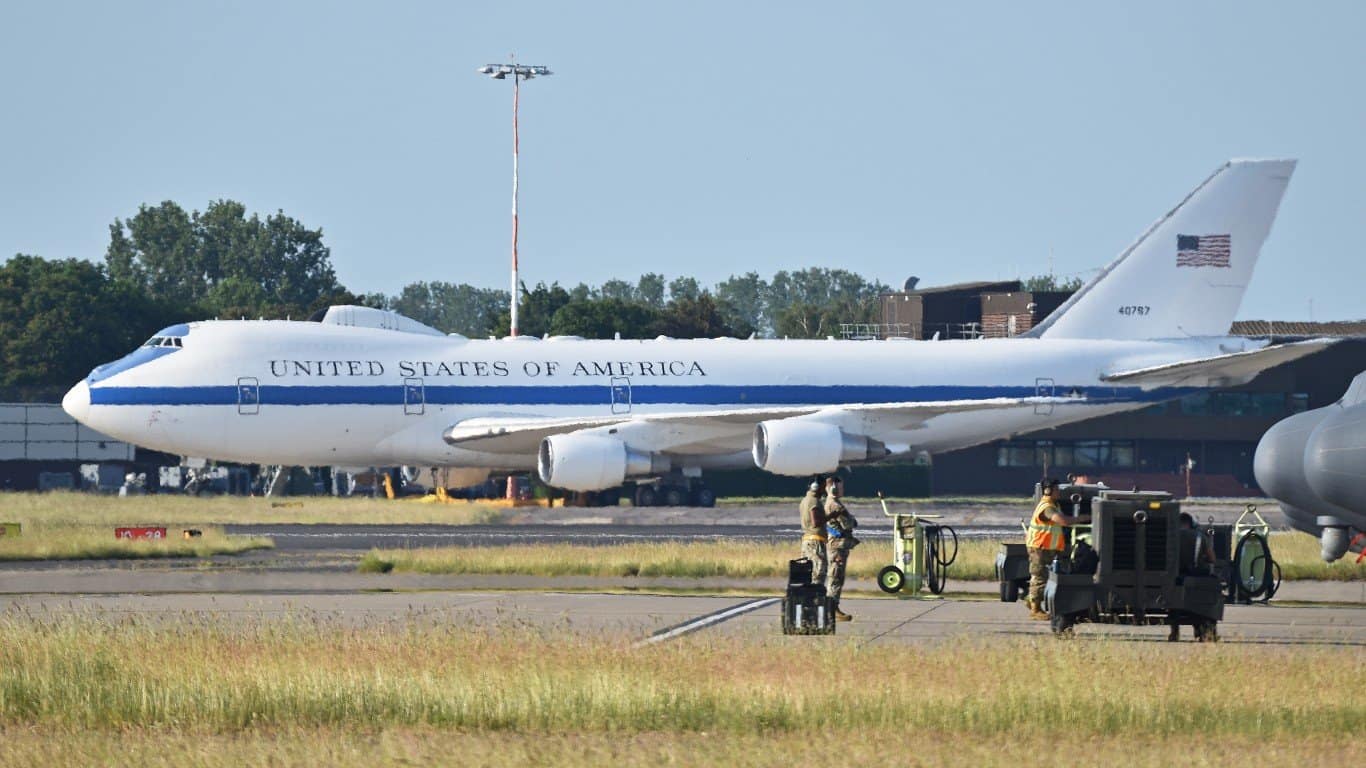
Operation Looking Glass addressed one of the most critical questions of the nuclear era: what would happen if America's national command authorities were destroyed in a surprise attack? To ensure continuity of command, the U.S. Air Force maintained airborne command aircraft that remained on alert around the clock for nearly three decades. Equipped with advanced communications systems and staffed by senior military personnel, these aircraft could direct nuclear forces even if ground-based command centers became inoperable. The program reflected the extraordinary seriousness with which both superpowers approached nuclear command and control, recognizing that deterrence depended as much on reliable communications as on weapons themselves. Operation Looking Glass became a cornerstone of America's continuity-of-government strategy and demonstrated how the Atomic Age reshaped not only military technology but also the very structure of national leadership during times of crisis.
The image featured at the top of this post is ©Burnt Pineapple Productions / CC0 1.0 – License / Original