





The 20 Most Decorated Combat Units in U.S. Military History
The most decorated combat units in U.S. military history were typically the units repeatedly sent into the most dangerous battles of their generation. From the beaches of Normandy during World War II to the mountains of Afghanistan and the streets of Fallujah, these units developed reputations for aggressive combat performance, operational discipline, and extraordinary resilience under pressure. Here, History Computer is taking a closer look at these units.
To determine the most decorated combat units in U.S. military history, History Computer reviewed various historical and military sources. We included supplemental information for each unit regarding when it was founded, what major conflicts it served in, and ultimately why each unit became legendary.
Here is a look at the most decorated combat units in U.S. military history:
Why Are We Covering This?
Understanding the most decorated combat units in U.S. military history matters because these formations helped define how the American military fights, adapts, and builds battlefield reputation across generations of war. Units like the 101st Airborne Division, 1st Marine Division, and 75th Ranger Regiment became legendary through repeated frontline service, extraordinary sacrifice, and combat performance during some of the most important battles in modern history. Their battlefield experiences shaped airborne warfare, amphibious doctrine, special operations tactics, and rapid deployment strategy that continue influencing the U.S. military today. Beyond medals and citations, these units represent the soldiers and Marines whose discipline, resilience, and combat effectiveness helped build the global reputation of the American military across World War II, Korea, Vietnam, Iraq, Afghanistan, and beyond.
The Units That Became Legends on the Battlefield
Throughout American military history, certain combat units developed reputations that went far beyond ordinary battlefield success. These formations became legendary through repeated frontline service, extraordinary sacrifice, and sustained combat excellence across multiple wars. From the beaches of Normandy to the mountains of Afghanistan, units like the 101st Airborne Division and the 1st Marine Division earned distinctions that made them some of the most respected combat formations in military history.
World War II Forged Many of America’s Greatest Combat Units
Many of the most decorated units in U.S. military history built their reputations during World War II. Airborne formations parachuted behind enemy lines during D-Day, Marines fought brutal island campaigns across the Pacific, and infantry divisions pushed through Europe under relentless combat conditions. Units such as the 82nd Airborne Division and 442nd Infantry Regiment became symbols of battlefield courage and sacrifice that still define American military culture today.
Decorations Alone Do Not Tell the Full Story
While many of these formations earned Presidential Unit Citations, campaign streamers, and enormous numbers of valor awards, their reputations were ultimately built through battlefield performance rather than medals alone. Some units became feared for their aggressive combat style, while others became known for holding impossible defensive positions or repeatedly volunteering for dangerous missions. The legacy of formations like the 75th Ranger Regiment and 5th Special Forces Group was shaped as much by operational excellence as official recognition.
Every Branch Produced Legendary Combat Formations
The most decorated combat units in American history came from nearly every branch of the military. Army airborne divisions, Marine infantry battalions, cavalry regiments, Ranger formations, and special operations groups all developed unique battlefield identities shaped by the wars they fought. Units like the 1st Cavalry Division helped pioneer air assault warfare, while the 160th Special Operations Aviation Regiment became essential to modern special operations missions around the world.
Why These Units Still Matter Today
Many of these combat formations remain active today, carrying forward traditions and battlefield reputations built over decades of warfare. Their histories are studied in military academies because they demonstrate leadership, discipline, adaptability, and combat endurance under extreme conditions. More importantly, these units represent the soldiers and Marines whose sacrifices helped shape the identity and global reputation of the United States military itself.
101st Airborne Division
- Branch: U.S. Army
- Founded / Activated: 1942
- Major Wars Served: WWII, Vietnam, Iraq, Afghanistan
- Signature Battles / Campaigns: Normandy, Bastogne, Hamburger Hill
- Major Unit Decorations: Presidential Unit Citations
- Why the Unit Became Legendary: Airborne assaults and endurance
- Battlefield Reputation: Elite airborne shock force
- Legacy to the U.S. Military: Symbol of airborne warfare
The 101st Airborne Division became one of the most legendary combat formations in American military history through its airborne assaults, battlefield resilience, and repeated frontline service across multiple wars. The division earned global recognition during World War II after parachuting into Normandy ahead of D-Day and later defending Bastogne during the Battle of the Bulge under brutal winter conditions. Its soldiers developed a reputation for refusing to break under pressure even when surrounded by enemy forces. From Vietnam to Iraq and Afghanistan, the 101st continued evolving into one of America’s premier rapid-response combat formations while maintaining its historic airborne identity.
82nd Airborne Division
- Branch: U.S. Army
- Founded / Activated: 1917
- Major Wars Served: WWI, WWII, Iraq, Afghanistan
- Signature Battles / Campaigns: Sicily, Normandy, Market Garden
- Major Unit Decorations: Multiple Presidential Unit Citations
- Why the Unit Became Legendary: Rapid deployment excellence
- Battlefield Reputation: Highly mobile response force
- Legacy to the U.S. Military: Defined airborne doctrine
The 82nd Airborne Division built its reputation as one of America’s most elite rapid-deployment forces through airborne operations spanning nearly every major conflict since World War I. During World War II, the division parachuted into Sicily, Normandy, and the Netherlands during some of the largest airborne assaults ever attempted. The unit became synonymous with speed, mobility, and aggressive offensive action behind enemy lines. In later decades, the 82nd remained one of the first American units deployed during international crises, reinforcing its status as a symbol of America’s global military reach and airborne warfare expertise.
1st Marine Division
- Branch: U.S. Marine Corps
- Founded / Activated: 1941
- Major Wars Served: WWII, Korea, Vietnam, Iraq
- Signature Battles / Campaigns: Guadalcanal, Chosin Reservoir, Fallujah
- Major Unit Decorations: Presidential Unit Citations
- Why the Unit Became Legendary: Combat resilience
- Battlefield Reputation: Legendary Marine combat unit
- Legacy to the U.S. Military: One of the most famous Marine divisions
The 1st Marine Division became one of the most decorated combat units in U.S. military history through relentless frontline service in some of the bloodiest battles of the twentieth century. The division earned lasting fame during the Guadalcanal campaign and later during the brutal Chosin Reservoir fighting in Korea. Marines from the division developed a reputation for toughness, discipline, and combat endurance under extreme battlefield conditions. The unit continued serving prominently in Vietnam, Iraq, and Afghanistan, helping cement its status as one of the defining combat formations in Marine Corps history and American warfare overall.
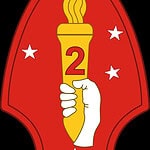
2nd Marine Division
- Branch: U.S. Marine Corps
- Founded / Activated: 1941
- Major Wars Served: WWII, Iraq, Afghanistan
- Signature Battles / Campaigns: Tarawa, Saipan, Okinawa
- Major Unit Decorations: Presidential Unit Citations
- Why the Unit Became Legendary: Pacific island warfare
- Battlefield Reputation: Elite amphibious assault unit
- Legacy to the U.S. Military: Helped define amphibious doctrine
The 2nd Marine Division earned a legendary reputation through brutal amphibious assaults and Pacific island campaigns during World War II. Marines from the division fought in some of the fiercest combat of the war, including Tarawa, Saipan, and Okinawa, where casualty rates reached staggering levels. The division became known for aggressive amphibious warfare and the ability to overcome heavily fortified enemy defenses under horrific combat conditions. Its battlefield experience helped shape postwar Marine Corps doctrine regarding amphibious assaults, expeditionary warfare, and combined naval-ground operations that continue influencing military planning today.
1st Infantry Division
- Branch: U.S. Army
- Founded / Activated: 1917
- Major Wars Served: WWI, WWII, Vietnam, Iraq
- Signature Battles / Campaigns: Normandy, North Africa, Aachen
- Major Unit Decorations: Campaign honors and citations
- Why the Unit Became Legendary: Long combat lineage
- Battlefield Reputation: Big Red One' reputation
- Legacy to the U.S. Military: Historic frontline division
The 1st Infantry Division, famously known as the 'Big Red One,' developed one of the longest and most respected combat lineages in American military history. The division fought across North Africa, Sicily, Normandy, and deep into Germany during World War II while earning numerous campaign honors and battlefield citations. Soldiers from the division became known for reliability, discipline, and consistent frontline combat performance under difficult conditions. The Big Red One later continued serving in Vietnam, Iraq, and other conflicts, maintaining a reputation as one of the Army’s most dependable and historically significant combat formations.
3rd Infantry Division
- Branch: U.S. Army
- Founded / Activated: 1917
- Major Wars Served: WWI, WWII, Iraq
- Signature Battles / Campaigns: Anzio, Sicily, Baghdad
- Major Unit Decorations: Valor awards and citations
- Why the Unit Became Legendary: Aggressive operations
- Battlefield Reputation: Highly decorated combat force
- Legacy to the U.S. Military: Known for operational speed
The 3rd Infantry Division became highly respected for its aggressive offensive operations and rapid battlefield advances during World War II and later conflicts. The division played major roles in Sicily, Anzio, and the liberation campaigns across Europe before later serving prominently during the Iraq War. Its troops developed a reputation for maintaining relentless operational tempo and adapting quickly under combat conditions. The division’s battlefield effectiveness and sustained frontline service helped establish it as one of the Army’s most decorated infantry formations with a combat legacy spanning more than a century of American warfare.
4th Infantry Division
- Branch: U.S. Army
- Founded / Activated: 1917
- Major Wars Served: WWI, WWII, Vietnam, Iraq
- Signature Battles / Campaigns: Utah Beach, Central Highlands
- Major Unit Decorations: Campaign honors
- Why the Unit Became Legendary: Frontline consistency
- Battlefield Reputation: Hard-fighting infantry formation
- Legacy to the U.S. Military: Served across multiple wars
The 4th Infantry Division earned distinction through repeated frontline combat service across multiple major wars, including World War II, Vietnam, and Iraq. The division landed at Utah Beach during the Normandy invasion before pushing through France and into Germany during the Allied advance. In Vietnam, the unit fought heavily in the Central Highlands under difficult jungle warfare conditions. The division became known for its ability to sustain prolonged combat operations across dramatically different battle environments, helping reinforce its reputation as one of the Army’s most durable and battle-tested infantry formations.
1st Cavalry Division
- Branch: U.S. Army
- Founded / Activated: 1921
- Major Wars Served: WWII, Korea, Vietnam, Iraq
- Signature Battles / Campaigns: Ia Drang, Manila
- Major Unit Decorations: Presidential Unit Citations
- Why the Unit Became Legendary: Air mobility innovation
- Battlefield Reputation: Iconic cavalry force
- Legacy to the U.S. Military: Pioneered air assault warfare
The 1st Cavalry Division transformed itself from a traditional horse-mounted formation into one of the most innovative combat units in modern military history. During Vietnam, the division pioneered large-scale helicopter air assault warfare during battles such as Ia Drang, fundamentally changing how the U.S. military approached mobility and rapid battlefield deployment. The division also served prominently during World War II, Korea, Iraq, and Afghanistan. Its combination of aggressive battlefield maneuvering and evolving combat doctrine helped cement its reputation as one of America’s most adaptable and historically important combat divisions.
7th Cavalry Regiment
- Branch: U.S. Army
- Founded / Activated: 1866
- Major Wars Served: Indian Wars, Korea, Vietnam
- Signature Battles / Campaigns: Little Bighorn, Ia Drang
- Major Unit Decorations: Distinguished Unit Citations
- Why the Unit Became Legendary: Historic cavalry lineage
- Battlefield Reputation: Aggressive frontline reputation
- Legacy to the U.S. Military: Deep Army symbolic legacy
The 7th Cavalry Regiment carries one of the most recognizable and symbolic combat lineages in U.S. Army history. The regiment became famous during the Indian Wars under George Armstrong Custer before later fighting in Korea and Vietnam. During the Battle of Ia Drang in 1965, the regiment played a central role in one of the first major engagements between American forces and the North Vietnamese Army. The 7th Cavalry developed a reputation for aggressive frontline combat service and remains deeply connected to the mythology and historical identity of the American cavalry tradition.
75th Ranger Regiment
- Branch: U.S. Army
- Founded / Activated: 1943
- Major Wars Served: WWII, Somalia, Afghanistan, Iraq
- Signature Battles / Campaigns: Pointe du Hoc, Mogadishu
- Major Unit Decorations: Numerous citations
- Why the Unit Became Legendary: Elite direct-action raids
- Battlefield Reputation: Premier Ranger force
- Legacy to the U.S. Military: Standard for Ranger operations
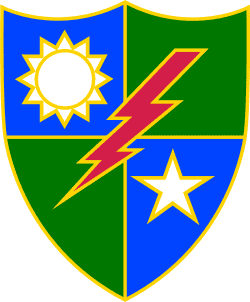
The 75th Ranger Regiment became the modern standard for elite American light infantry and direct-action special operations forces. Ranger units earned early fame during World War II through missions such as Pointe du Hoc during the Normandy invasion, where soldiers scaled cliffs under intense enemy fire. In later decades, the regiment conducted high-risk operations in Somalia, Afghanistan, and Iraq while building a reputation for speed, precision, and discipline. Today, the Rangers remain one of the most respected combat formations in the U.S. military and continue serving at the forefront of American special operations warfare.
506th Infantry Regiment
- Branch: U.S. Army
- Founded / Activated: 1942
- Major Wars Served: WWII, Vietnam
- Signature Battles / Campaigns: Normandy, Bastogne
- Major Unit Decorations: Presidential Unit Citations
- Why the Unit Became Legendary: Heroic airborne record
- Battlefield Reputation: Band of Brothers' legacy
- Legacy to the U.S. Military: Iconic military culture unit
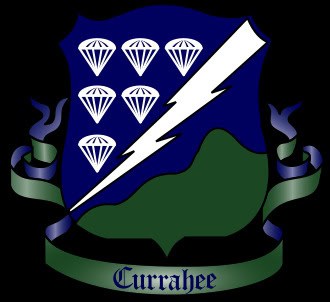
The 506th Infantry Regiment became permanently associated with American airborne heroism through its service during World War II and later conflicts. The regiment parachuted into Normandy on D-Day and later fought during Operation Market Garden and the Battle of the Bulge. Its combat story gained worldwide recognition through the book and television adaptation of 'Band of Brothers,' which highlighted the experiences of Easy Company. Beyond popular culture, the regiment earned deep respect within military history for its courage, cohesion, and battlefield endurance during some of the most difficult fighting of World War II.
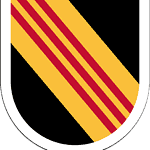
5th Special Forces Group
- Branch: U.S. Army
- Founded / Activated: 1961
- Major Wars Served: Vietnam, Iraq, Afghanistan
- Signature Battles / Campaigns: A Shau Valley, Enduring Freedom
- Major Unit Decorations: Valorous Unit Awards
- Why the Unit Became Legendary: Unconventional warfare
- Battlefield Reputation: Elite Green Beret reputation
- Legacy to the U.S. Military: Central to Special Forces history
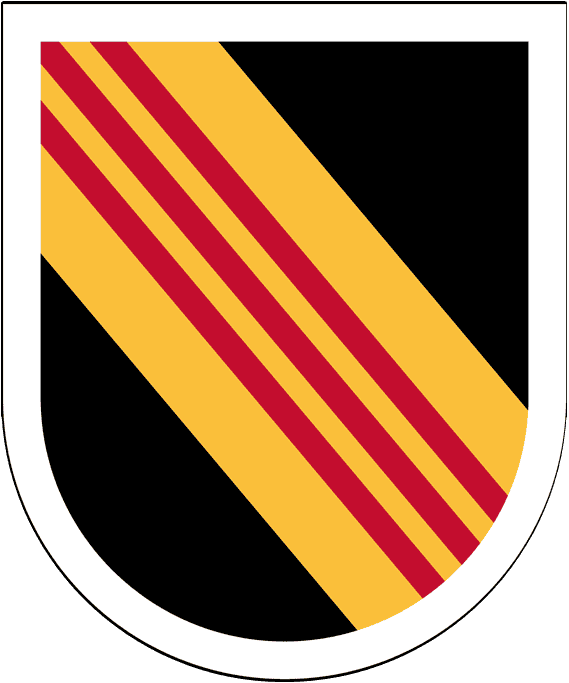
The 5th Special Forces Group became one of the most influential Green Beret formations in American military history through its expertise in unconventional warfare, counterinsurgency, and special operations. The unit served heavily in Vietnam conducting reconnaissance, advising allied forces, and leading irregular combat missions. Decades later, the group played major roles during the opening phases of the war in Afghanistan after the September 11 attacks. Its ability to combine intelligence, unconventional tactics, and close cooperation with allied forces helped establish the 5th Special Forces Group as one of America’s premier special operations combat formations.
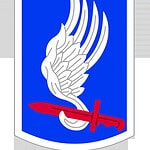
173rd Airborne Brigade
- Branch: U.S. Army
- Founded / Activated: 1963
- Major Wars Served: Vietnam, Iraq, Afghanistan
- Signature Battles / Campaigns: Dak To, Operation Hump
- Major Unit Decorations: Multiple valor awards
- Why the Unit Became Legendary: Heavy airborne combat
- Battlefield Reputation: Aggressive rapid-response brigade
- Legacy to the U.S. Military: First major Army unit in Vietnam
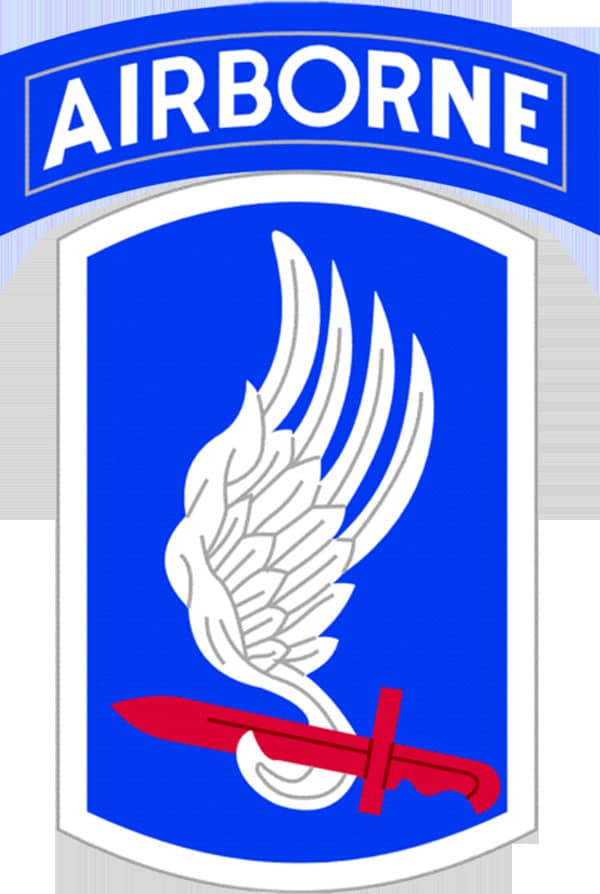
The 173rd Airborne Brigade earned a fierce combat reputation during the Vietnam War through repeated airborne and jungle operations against North Vietnamese and Viet Cong forces. The brigade participated in intense battles such as Dak To while sustaining heavy casualties during difficult combat conditions. The unit became known for aggressive battlefield performance and rapid-response capability in hostile terrain. Decades later, the brigade continued serving in Iraq and Afghanistan while maintaining its airborne identity and frontline reputation. Its combat history helped reinforce the enduring importance of airborne infantry within modern American warfare.
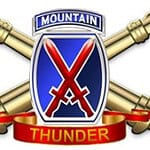
10th Mountain Division
- Branch: U.S. Army
- Founded / Activated: 1943
- Major Wars Served: WWII, Afghanistan
- Signature Battles / Campaigns: Apennine Mountains, Afghanistan
- Major Unit Decorations: Campaign honors
- Why the Unit Became Legendary: Mountain warfare expertise
- Battlefield Reputation: Adaptable light infantry
- Legacy to the U.S. Military: Continues major combat role
The 10th Mountain Division developed a reputation for adaptability and specialized mountain warfare expertise during World War II before later returning to prominence during modern conflicts. Originally trained for combat in difficult alpine environments, the division fought in the rugged Apennine Mountains of Italy during the war. In later decades, the unit became heavily involved in Afghanistan, where mountainous terrain once again highlighted the value of light infantry mobility and endurance. The division’s long service history and operational flexibility helped establish it as one of the Army’s most respected combat formations.
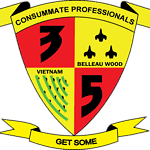
3rd Battalion, 5th Marines
- Branch: U.S. Marine Corps
- Founded / Activated: 1917
- Major Wars Served: WWII, Vietnam, Iraq
- Signature Battles / Campaigns: Hue City, Fallujah
- Major Unit Decorations: Presidential Unit Citations
- Why the Unit Became Legendary: Repeated frontline combat
- Battlefield Reputation: Battle-hardened Marine battalion
- Legacy to the U.S. Military: Known for valor and sacrifice
The 3rd Battalion, 5th Marines became one of the Marine Corps’ most battle-hardened infantry battalions through repeated frontline combat across multiple wars. Marines from the battalion fought in brutal engagements during World War II before later participating in intense urban combat during the Vietnam War and Iraq War. Battles such as Hue City and Fallujah reinforced the battalion’s reputation for toughness and aggressive infantry operations under extremely dangerous conditions. The unit’s long history of sacrifice and valor helped make it one of the most respected battalions within the Marine Corps combat community.
Marine Raider Regiment
- Branch: U.S. Marine Corps
- Founded / Activated: 2006
- Major Wars Served: Afghanistan, Iraq
- Signature Battles / Campaigns: Helmand Province operations
- Major Unit Decorations: Meritorious awards
- Why the Unit Became Legendary: Special operations integration
- Battlefield Reputation: Elite Marine SOF unit
- Legacy to the U.S. Military: Expanded Marine SOCOM role
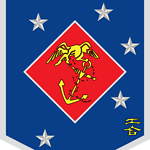
The Marine Raider Regiment represents the modern evolution of Marine Corps special operations forces and expanded the Marines’ role within U.S. Special Operations Command. Raider units conducted difficult missions in Iraq and Afghanistan involving counterterrorism, reconnaissance, and unconventional warfare operations. The regiment traces its heritage back to the original Marine Raiders of World War II, whose elite jungle warfare missions became legendary in the Pacific Theater. Today’s Raiders continue that legacy while serving as one of America’s premier special operations formations focused on high-risk expeditionary combat missions around the world.
160th Special Operations Aviation Regiment
- Branch: U.S. Army
- Founded / Activated: 1981
- Major Wars Served: Somalia, Afghanistan, Iraq
- Signature Battles / Campaigns: Gothic Serpent, Neptune Spear
- Major Unit Decorations: Special operations citations
- Why the Unit Became Legendary: Night aviation mastery
- Battlefield Reputation: Night Stalkers' reputation
- Legacy to the U.S. Military: Essential to special operations
The 160th Special Operations Aviation Regiment, known as the 'Night Stalkers,' became one of the most important aviation units in modern military history through its support of elite special operations missions worldwide. The regiment specialized in low-level nighttime flying and highly classified insertion missions under extreme combat conditions. Its helicopters and crews supported operations ranging from Somalia’s Operation Gothic Serpent to the raid that killed Osama bin Laden during Operation Neptune Spear. The Night Stalkers became synonymous with precision aviation support and remain essential to modern American special operations warfare.
442nd Infantry Regiment
- Branch: U.S. Army
- Founded / Activated: 1943
- Major Wars Served: WWII
- Signature Battles / Campaigns: Vosges Mountains, Italy
- Major Unit Decorations: Most decorated unit for size
- Why the Unit Became Legendary: Exceptional bravery
- Battlefield Reputation: Legendary Nisei combat reputation
- Legacy to the U.S. Military: Symbol of loyalty and sacrifice
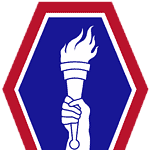
The 442nd Infantry Regiment became the most decorated unit for its size and length of service in American military history despite being composed largely of Japanese American soldiers during World War II. Many members volunteered while their families were being held in internment camps inside the United States. The regiment fought with extraordinary bravery in Italy and France, including the famous rescue of the 'Lost Battalion' in the Vosges Mountains. The 442nd became a powerful symbol of loyalty, sacrifice, and courage under discrimination while earning a permanent place among America’s most respected combat formations.
509th Parachute Infantry Regiment
- Branch: U.S. Army
- Founded / Activated: 1940
- Major Wars Served: WWII
- Signature Battles / Campaigns: North Africa, Anzio
- Major Unit Decorations: Distinguished Unit Citations
- Why the Unit Became Legendary: Pioneering airborne combat
- Battlefield Reputation: Early airborne innovators
- Legacy to the U.S. Military: Influenced parachute doctrine
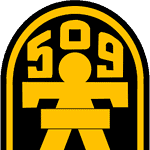
The 509th Parachute Infantry Regiment became one of America’s pioneering airborne units during World War II and helped establish many of the doctrines later used in large-scale parachute warfare. The regiment participated in combat operations in North Africa, Italy, and Southern France while helping prove the battlefield value of airborne assaults. Soldiers from the 509th became known for operating behind enemy lines under dangerous and unpredictable conditions. Their combat experience contributed heavily to the development of American airborne warfare doctrine and influenced the structure of future parachute infantry operations.
23rd Infantry Regiment
- Branch: U.S. Army
- Founded / Activated: 1866
- Major Wars Served: Philippine-American War, Korea
- Signature Battles / Campaigns: Chipyong-ni, Pork Chop Hill
- Major Unit Decorations: Presidential Unit Citations
- Why the Unit Became Legendary: Combat excellence
- Battlefield Reputation: Respected infantry regiment
- Legacy to the U.S. Military: Historic multi-war service
The 23rd Infantry Regiment built a long and respected combat legacy through service spanning from the nineteenth century into the Korean War. During the Korean conflict, the regiment earned distinction in battles such as Chipyong-ni and Pork Chop Hill, where American forces held defensive positions against overwhelming enemy attacks. The unit developed a reputation for determination, discipline, and effective infantry combat under extreme battlefield pressure. Its sustained combat record across multiple eras helped solidify the regiment’s place among the Army’s most respected frontline infantry formations.
The image featured at the top of this post is ©Public Domain / Wikimedia Commons