



The WWII Fighter Planes That Ruled the Skies for the Axis and Allies
Fighter aircraft played a decisive role in shaping the outcome of World War II, determining which side could control the skies and support operations on the ground and at sea. The designs, capabilities, and deployment strategies of these aircraft reflected the broader priorities of the Axis and Allied powers. By comparing the fighters that dominated different phases of the war, we gain a clearer understanding of how air superiority was achieved and sustained. Here, History Computer is taking a closer look at these WWII aircraft.
To identify the fighter planes used by the Axis and the Allied Powers, History Computer reviewed various historical and military sources. We included supplemental information for each aircraft regarding which side it was on, country of origin, primary theater, primary role, top speed, key strength, and ultimately its impact on air superiority.
Here is a look at the fighter planes of the Axis and Allied Powers:
The Battle for the Skies
Air superiority became one of the most decisive factors in World War II, shaping the outcome of battles across multiple theaters. Control of the air influenced not only aerial engagements but also ground and naval operations, allowing forces to move, supply, and attack with greater freedom. Fighter aircraft were the primary tools used to gain and maintain this dominance, making them central to the overall war effort.
Axis vs Allies: Different Approaches
The Axis and Allied powers approached fighter development with different priorities that reflected their broader strategic goals. Axis aircraft often emphasized performance and early technological advantages, while Allied designs focused on adaptability, reliability, and large-scale production. These differing approaches shaped how each side deployed its air forces and influenced the evolving battle for air superiority.
Early War Dominance and Shifting Momentum
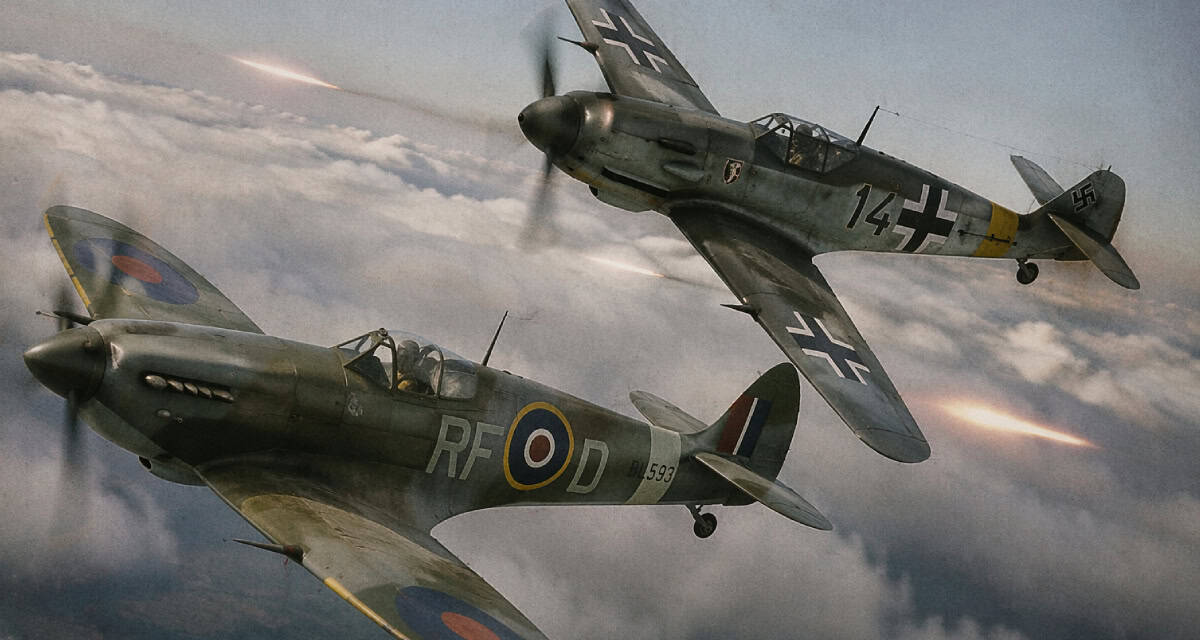
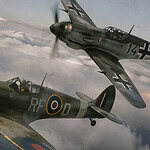
In the early stages of the war, Axis fighters established significant air superiority, supported by experienced pilots and effective designs. Aircraft such as the Bf 109 and the Zero allowed Axis forces to dominate key engagements. However, as the war progressed, Allied forces introduced improved aircraft and refined their tactics, gradually shifting the balance of power in their favor.
Production, Range, and Endurance
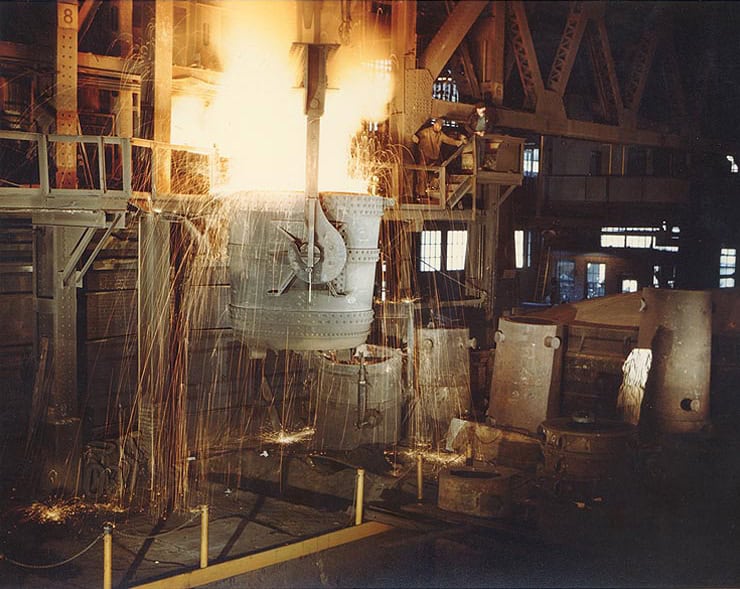
Allied industrial capacity played a critical role in achieving air superiority, enabling the mass production of fighter aircraft that could be deployed across multiple theaters. Long-range fighters, in particular, allowed bombers to be escorted deep into enemy territory, reducing losses and increasing effectiveness. Sustained operations became possible, placing continuous pressure on Axis air forces and limiting their ability to recover.
Technology and the End of the War
Late in the war, technological advancements introduced faster and more capable fighters, including the first operational jet aircraft. These developments pushed the limits of speed and performance, signaling a shift toward modern air combat. While their immediate impact was limited, they represented the future of fighter design and marked the transition into a new era of aviation.
P-51 Mustang
- Side: Allies
- Country: United States
- Year Introduced: 1942
- Primary Theater of Operations: Europe
- Primary Role: Escort fighter
- Top Speed (mph): 437
- Key Strength: Long range
- Air Superiority Impact: Enabled deep bomber escort
The P-51 Mustang transformed the air war over Europe by providing long-range escort capability for Allied bombers. Its ability to accompany bombing missions deep into German territory reduced losses and allowed sustained strategic bombing campaigns. This directly weakened German industry and air defenses, making the Mustang one of the most decisive fighters in achieving Allied air superiority.
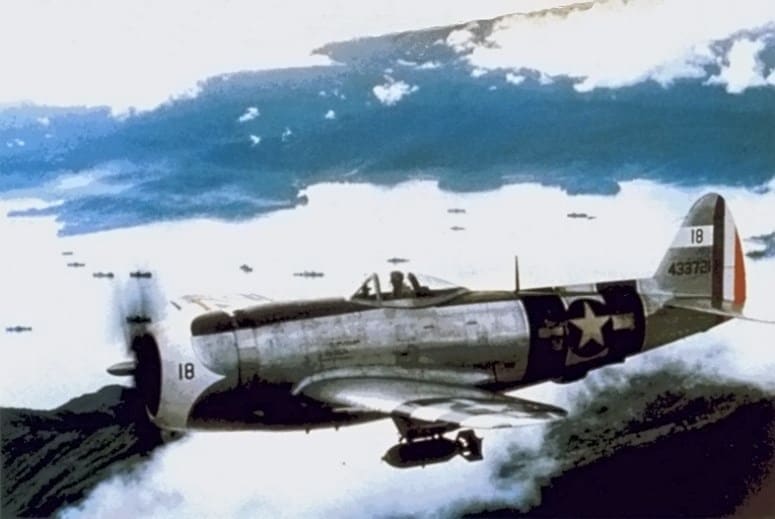
P-47 Thunderbolt
- Side: Allies
- Country: United States
- Year Introduced: 1942
- Primary Theater of Operations: Europe
- Primary Role: Fighter-bomber
- Top Speed (mph): 433
- Key Strength: Durability
- Air Superiority Impact: Air superiority & ground attack
The P-47 Thunderbolt combined durability, firepower, and high-altitude performance, making it a versatile asset in both air-to-air combat and ground attack. Its rugged design allowed it to absorb damage and continue fighting, while its firepower made it effective against enemy aircraft. This reliability contributed to maintaining Allied dominance in contested airspace.
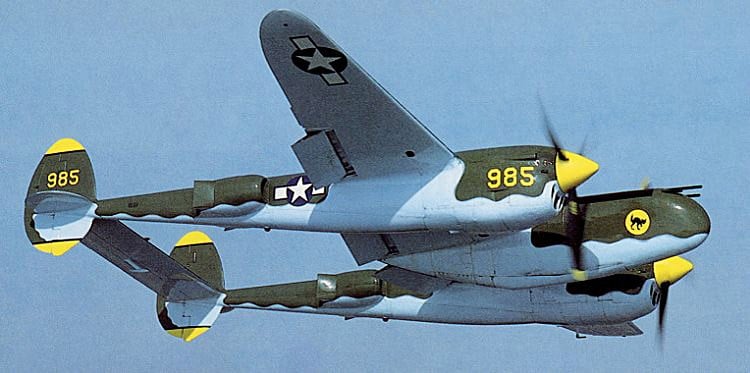
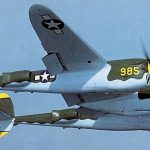
P-38 Lightning
- Side: Allies
- Country: United States
- Year Introduced: 1941
- Primary Theater of Operations: Pacific
- Primary Role: Interceptor/escort
- Top Speed (mph): 414
- Key Strength: Twin-engine range
- Air Superiority Impact: Dominated long-range Pacific ops
The P-38 Lightning’s twin-engine design provided long-range capability and heavy armament, making it particularly effective in the Pacific Theater. It excelled in both interception and escort roles, allowing it to engage enemy aircraft over vast distances. Its versatility and reach helped secure air superiority in regions where range was a critical factor.
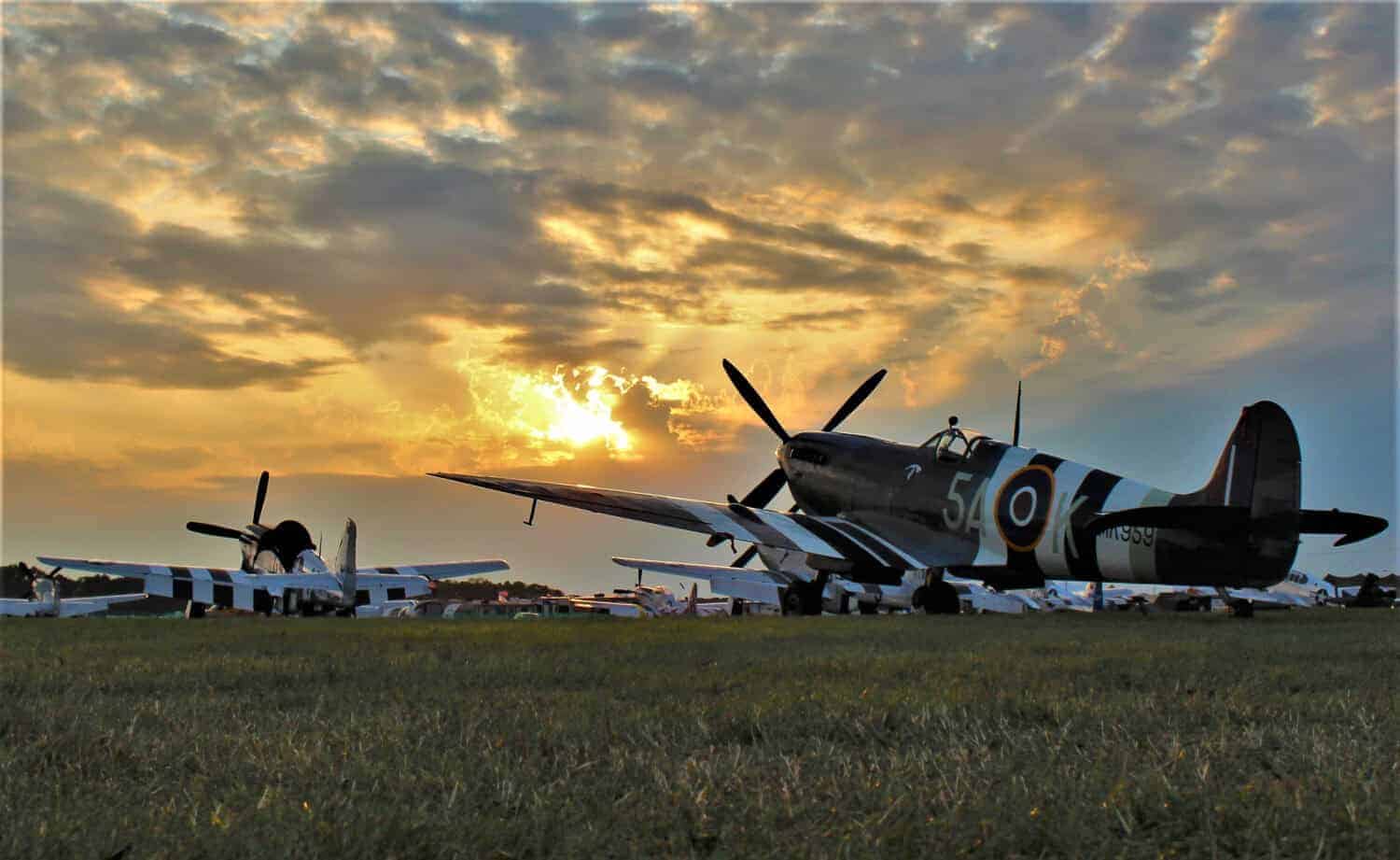
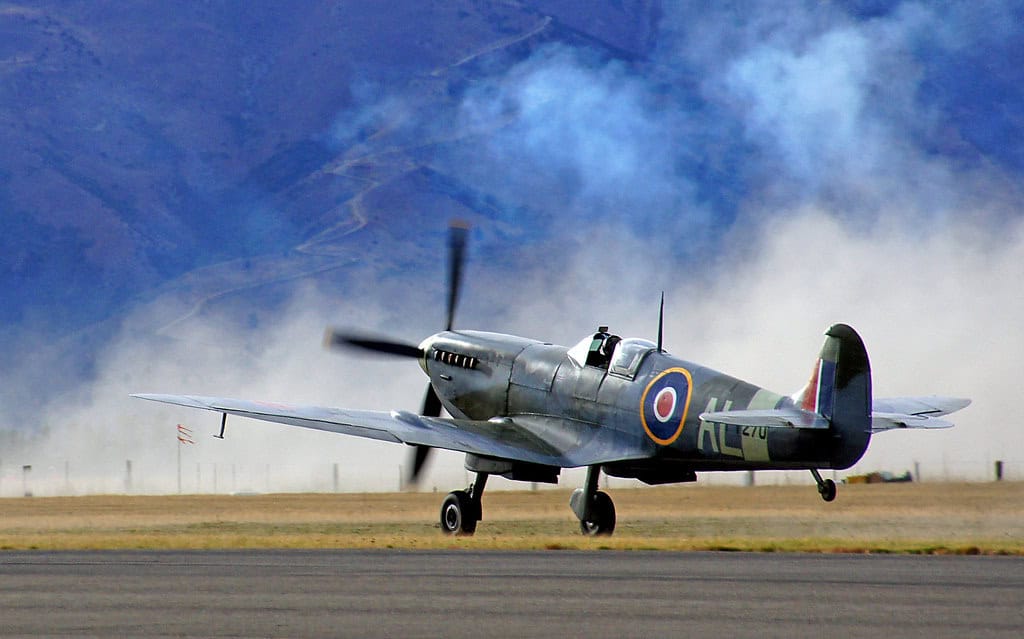
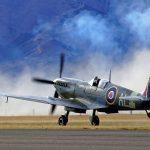
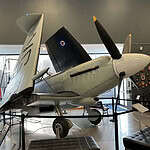
Supermarine Spitfire
- Side: Allies
- Country: United Kingdom
- Year Introduced: 1938
- Primary Theater of Operations: Europe
- Primary Role: Air superiority
- Top Speed (mph): 362
- Key Strength: Maneuverability
- Air Superiority Impact: Key in Battle of Britain
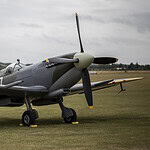
The Spitfire became an icon of the Battle of Britain, where its agility and performance allowed it to effectively counter German fighters. Its ability to engage in tight dogfights made it a key factor in defending British airspace. The Spitfire’s continued development ensured it remained competitive throughout the war, contributing to sustained Allied air superiority.
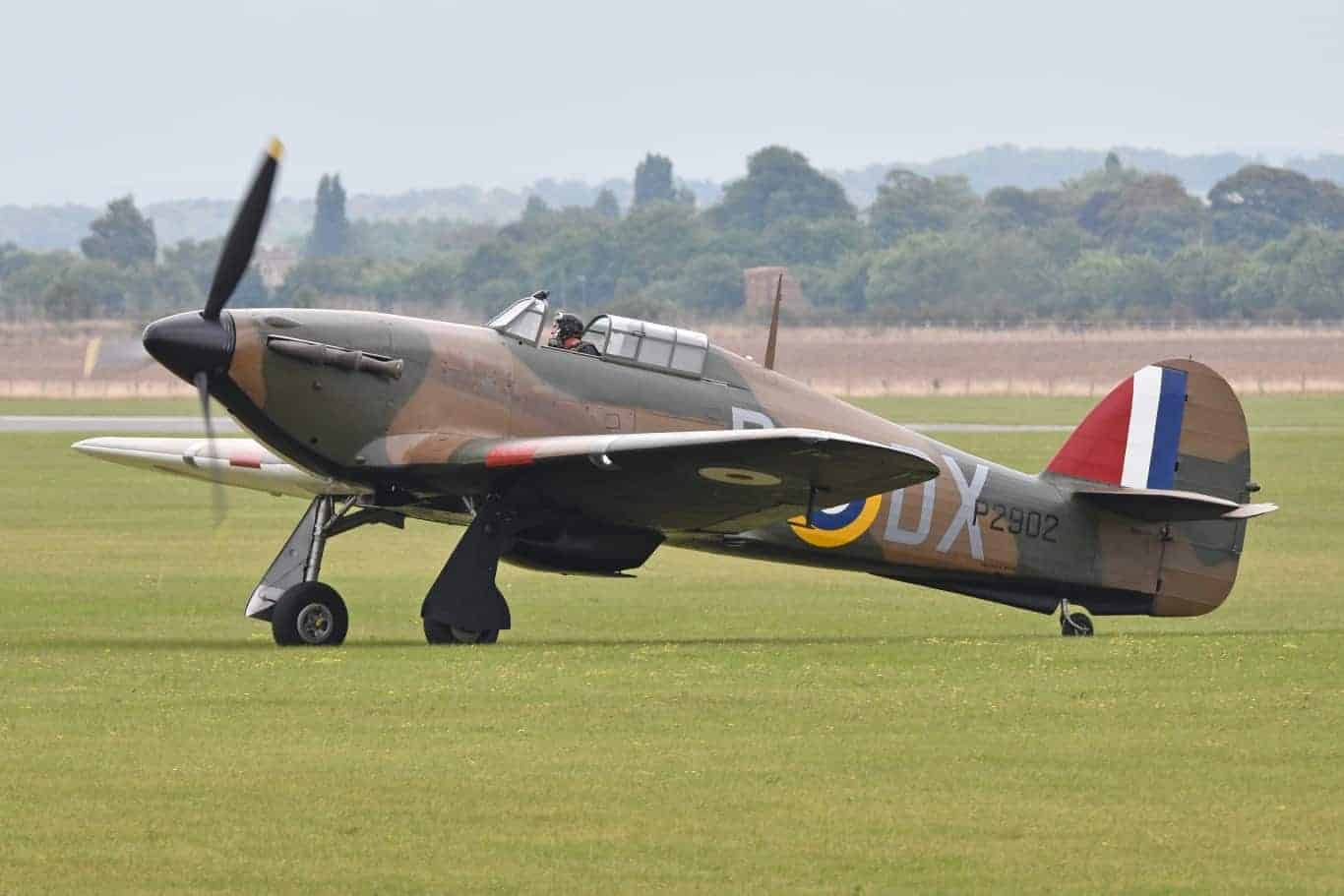
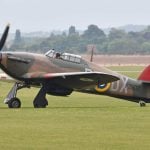
Hawker Hurricane
- Side: Allies
- Country: United Kingdom
- Year Introduced: 1937
- Primary Theater of Operations: Europe
- Primary Role: Interceptor
- Top Speed (mph): 340
- Key Strength: Stability
- Air Superiority Impact: Early-war RAF backbone
The Hurricane played a crucial role in the early stages of the war, particularly during the Battle of Britain. While less advanced than the Spitfire, its stability and ease of production made it widely available. It was responsible for a significant portion of enemy aircraft destroyed during this period, helping to secure Britain’s defense.
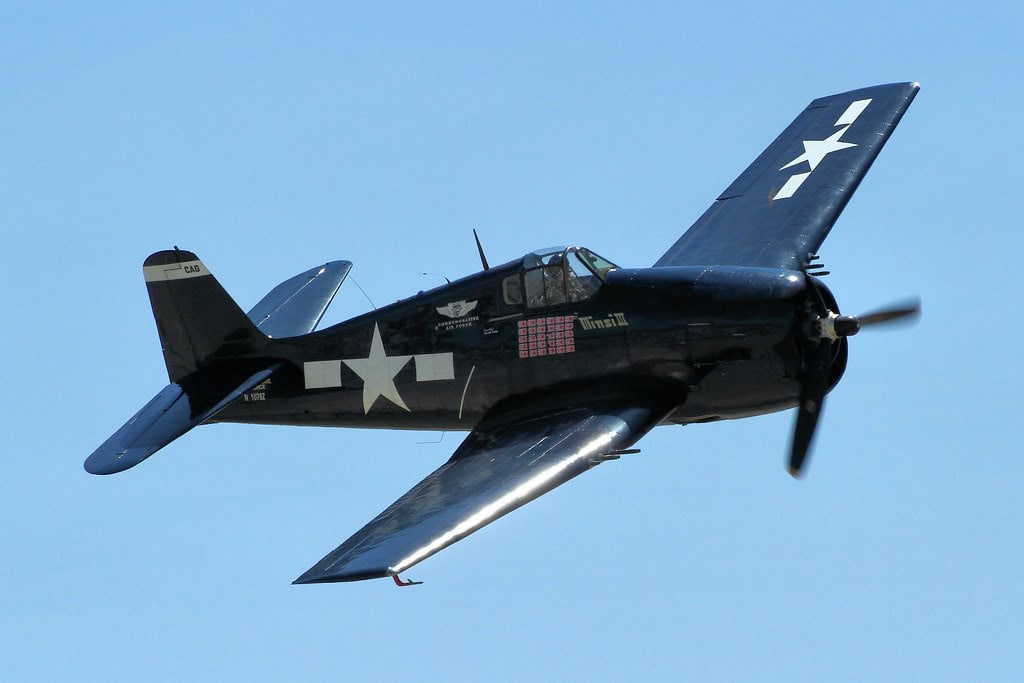
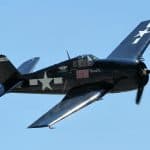
F6F Hellcat
- Side: Allies
- Country: United States
- Year Introduced: 1943
- Primary Theater of Operations: Pacific
- Primary Role: Carrier fighter
- Top Speed (mph): 380
- Key Strength: Kill ratio
- Air Superiority Impact: Secured US naval air dominance
The F6F Hellcat was instrumental in establishing U.S. naval air superiority in the Pacific. Its combination of performance, firepower, and pilot-friendly design resulted in an exceptional kill ratio against Japanese aircraft. This dominance allowed U.S. forces to control the skies over key battles, significantly impacting the outcome of the Pacific campaign.
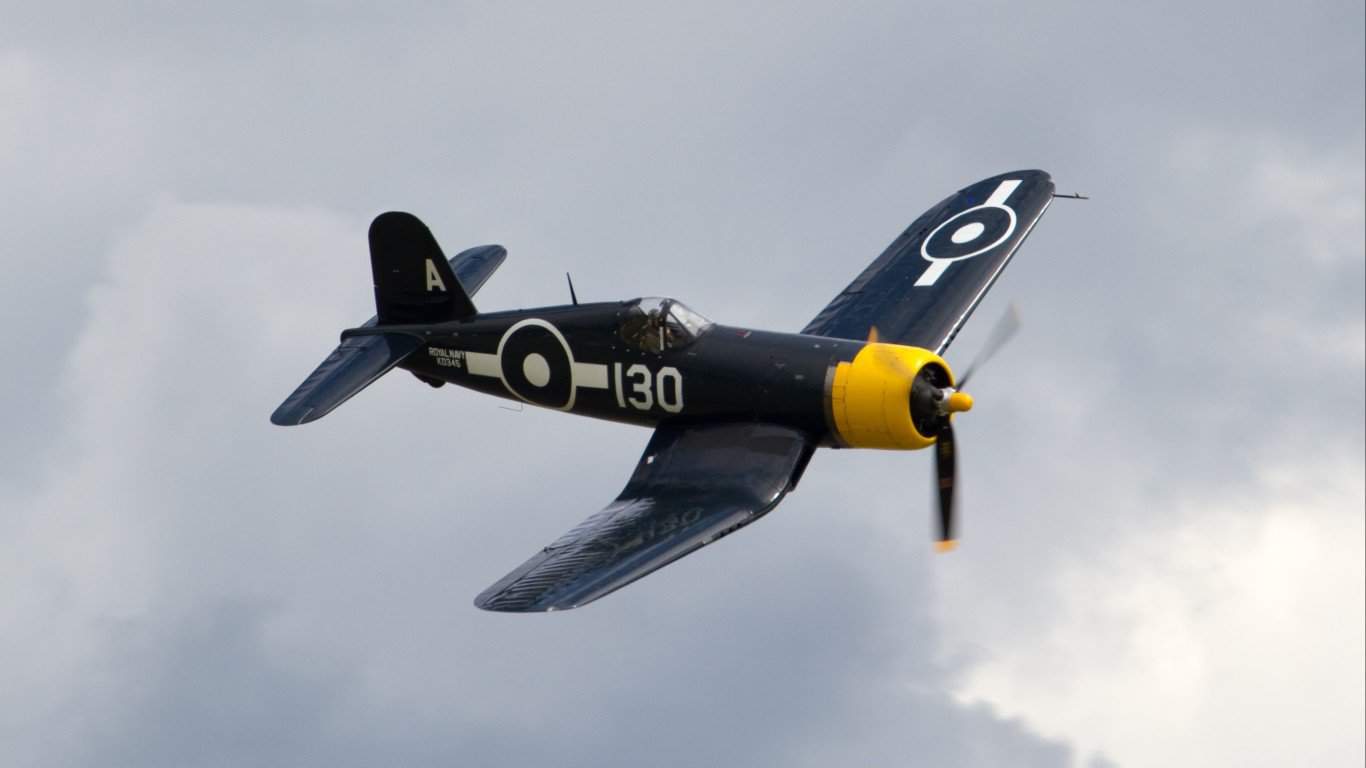
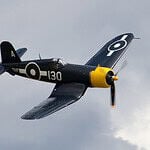
F4U Corsair
- Side: Allies
- Country: United States
- Year Introduced: 1942
- Primary Theater of Operations: Pacific
- Primary Role: Carrier fighter
- Top Speed (mph): 446
- Key Strength: Speed & power
- Air Superiority Impact: Late-war Pacific superiority
The F4U Corsair’s speed and firepower made it one of the most effective Allied fighters in the later stages of the war. Its performance allowed it to outmatch many enemy aircraft, particularly in the Pacific. The Corsair’s success contributed to maintaining Allied air superiority as the war progressed.
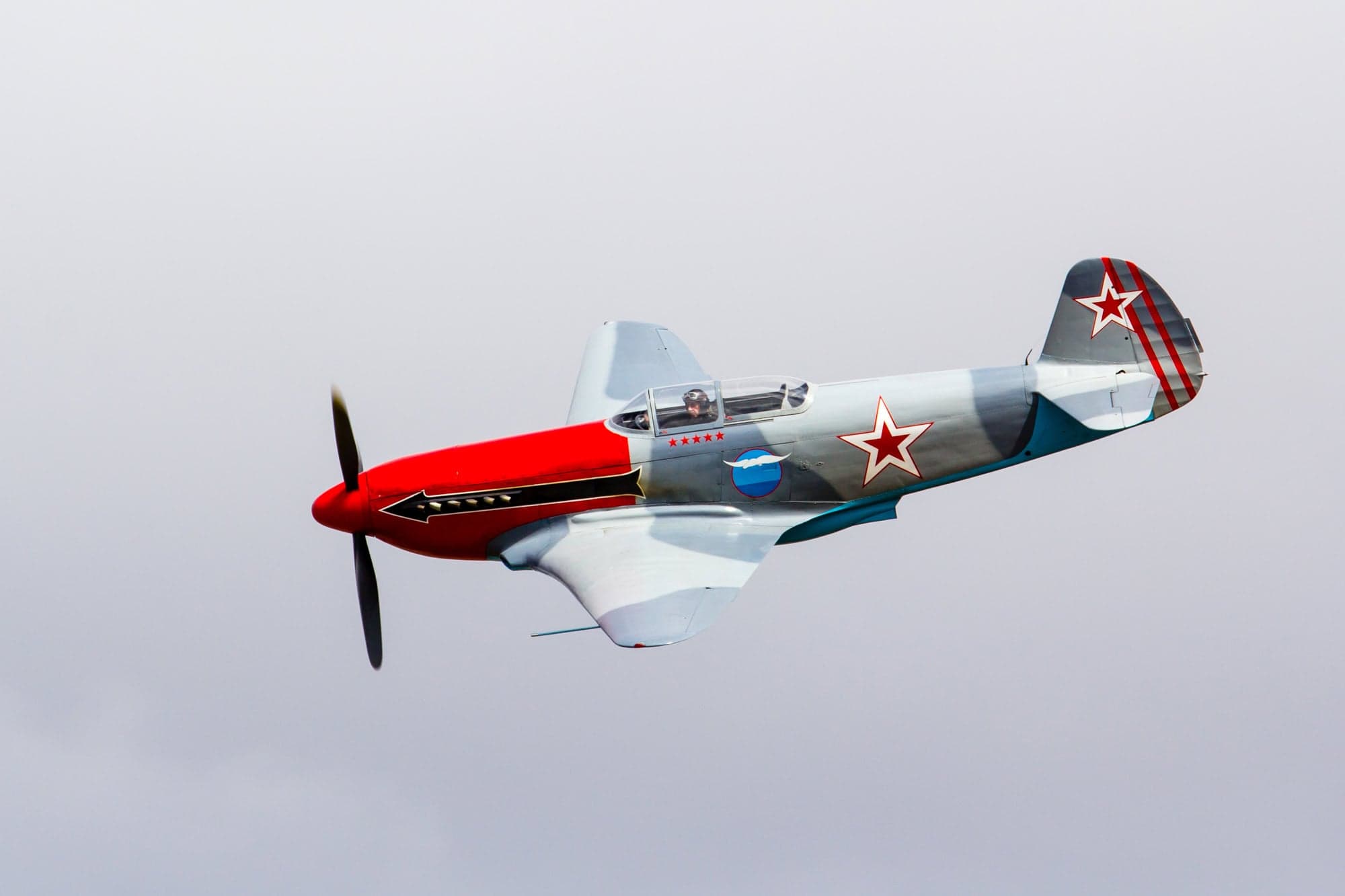
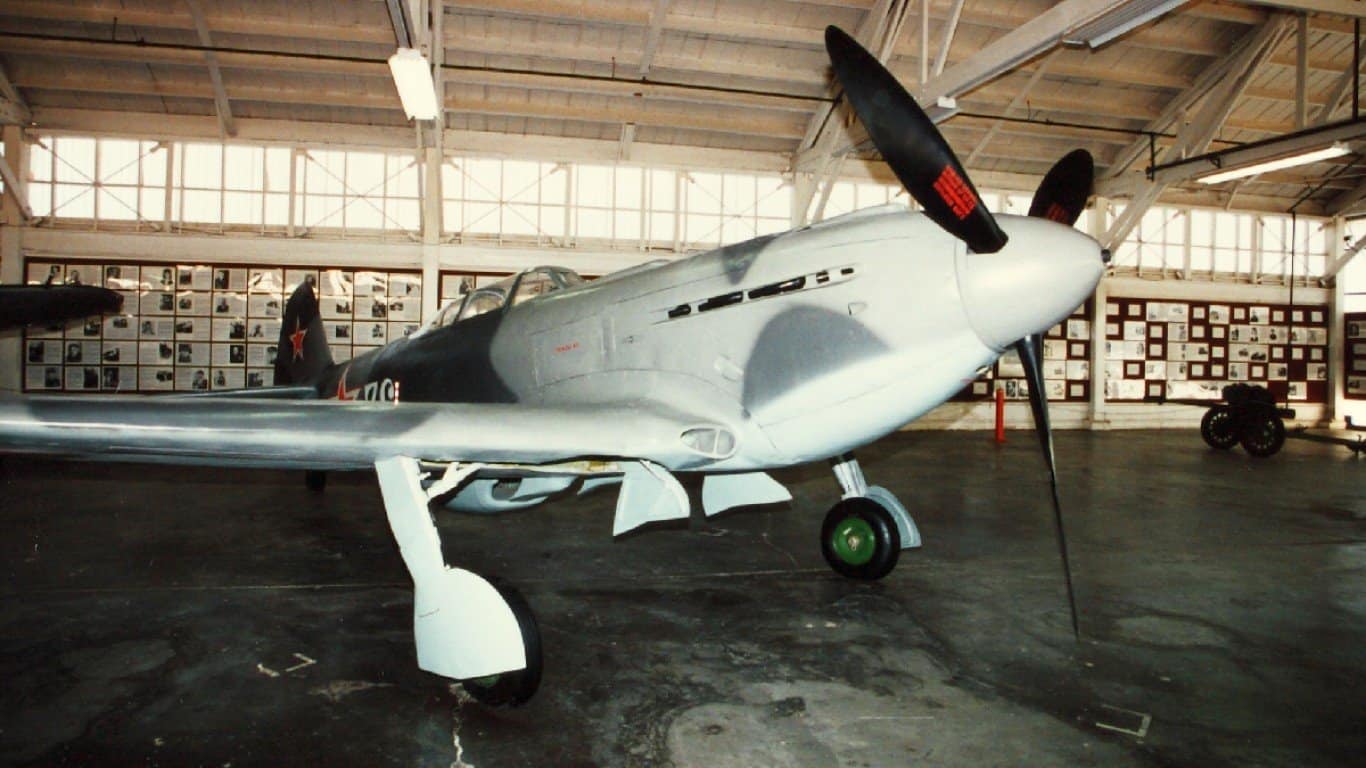
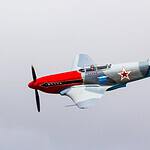
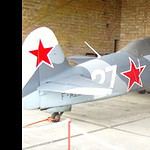
Yak-3
- Side: Allies
- Country: Soviet Union
- Year Introduced: 1944
- Primary Theater of Operations: Eastern Front
- Primary Role: Air superiority
- Top Speed (mph): 404
- Key Strength: Agility
- Air Superiority Impact: Dominant low-altitude fighter
The Yak-3 was a lightweight and highly maneuverable fighter that excelled in low-altitude combat on the Eastern Front. Its agility allowed it to outperform many German aircraft in dogfights. This capability made it a valuable asset for Soviet forces, contributing to their ability to contest and eventually dominate the airspace.
Yak-9
- Side: Allies
- Country: Soviet Union
- Year Introduced: 1942
- Primary Theater of Operations: Eastern Front
- Primary Role: Multirole
- Top Speed (mph): 376
- Key Strength: Versatility
- Air Superiority Impact: Mass-produced Soviet fighter
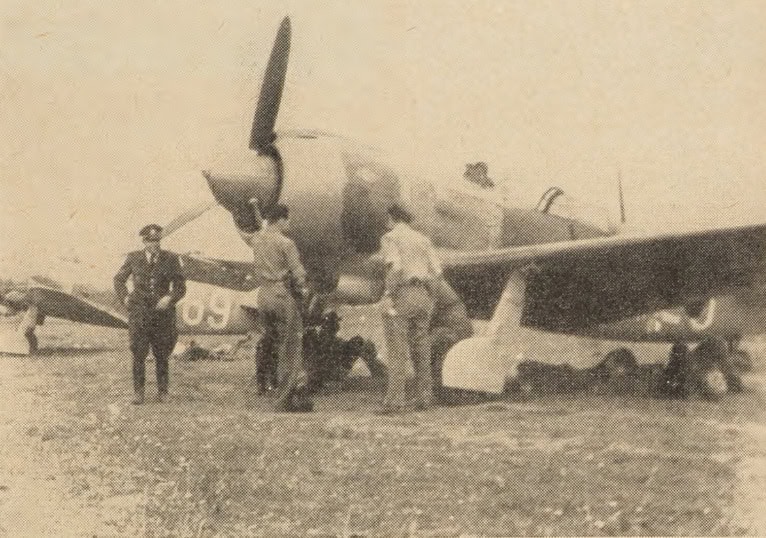
The Yak-9 was one of the most widely produced Soviet fighters, offering versatility and adaptability across various roles. Its presence in large numbers allowed Soviet forces to maintain pressure on German air units. This sustained presence was key to achieving air superiority on the Eastern Front.
La-5
- Side: Allies
- Country: Soviet Union
- Year Introduced: 1942
- Primary Theater of Operations: Eastern Front
- Primary Role: Fighter
- Top Speed (mph): 403
- Key Strength: Engine power
- Air Superiority Impact: Challenged German fighters
The La-5 improved upon earlier Soviet designs by incorporating a more powerful engine, enhancing its performance. This allowed it to better compete with German fighters, particularly at lower altitudes. Its introduction marked a turning point in Soviet air capabilities.
La-7
- Side: Allies
- Country: Soviet Union
- Year Introduced: 1944
- Primary Theater of Operations: Eastern Front
- Primary Role: Air superiority
- Top Speed (mph): 408
- Key Strength: Performance
- Air Superiority Impact: Late-war Soviet dominance
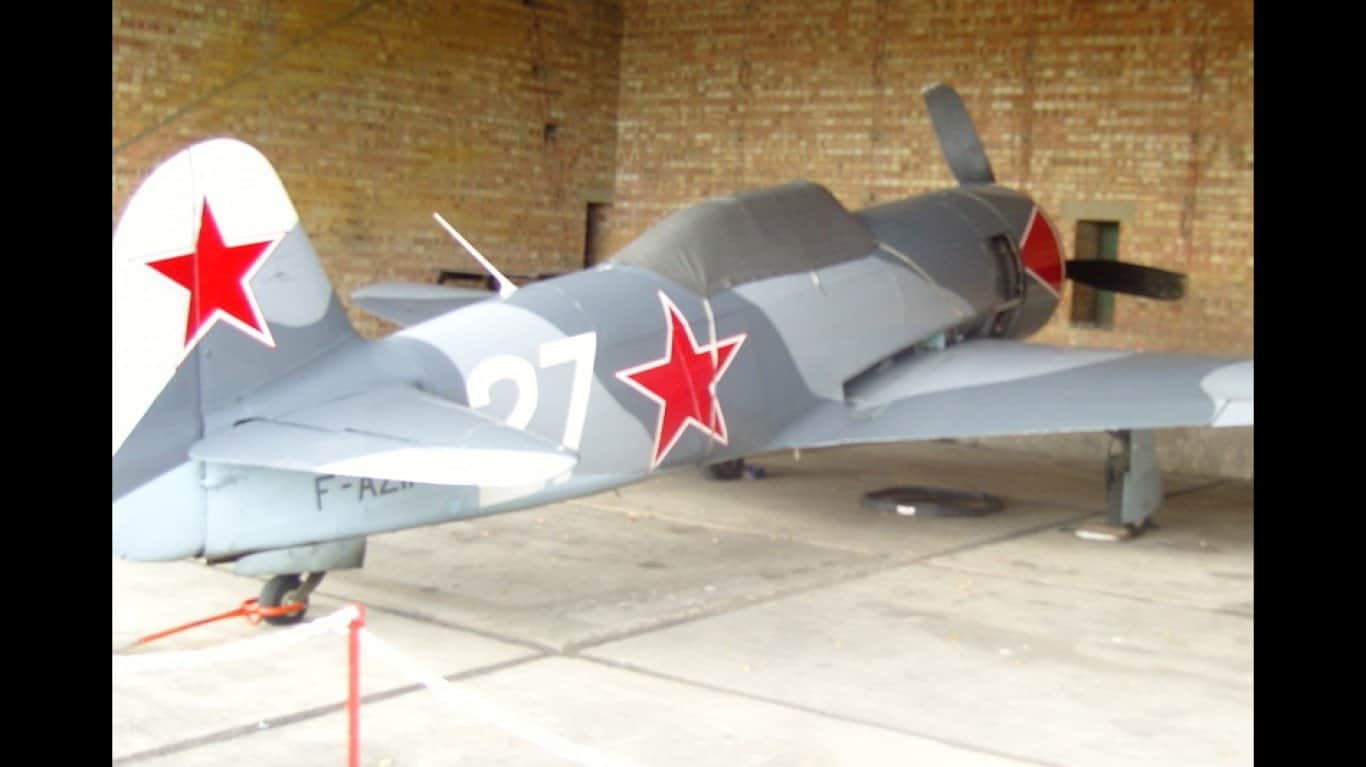
The La-7 represented the culmination of Soviet fighter development during the war, offering improved speed and maneuverability. It was capable of matching or exceeding the performance of many German aircraft. Its effectiveness in combat contributed to Soviet air superiority in the later stages of the war.
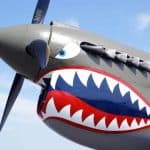
P-40 Warhawk
- Side: Allies
- Country: United States
- Year Introduced: 1938
- Primary Theater of Operations: North Africa
- Primary Role: Fighter
- Top Speed (mph): 360
- Key Strength: Ruggedness
- Air Superiority Impact: Held line early war
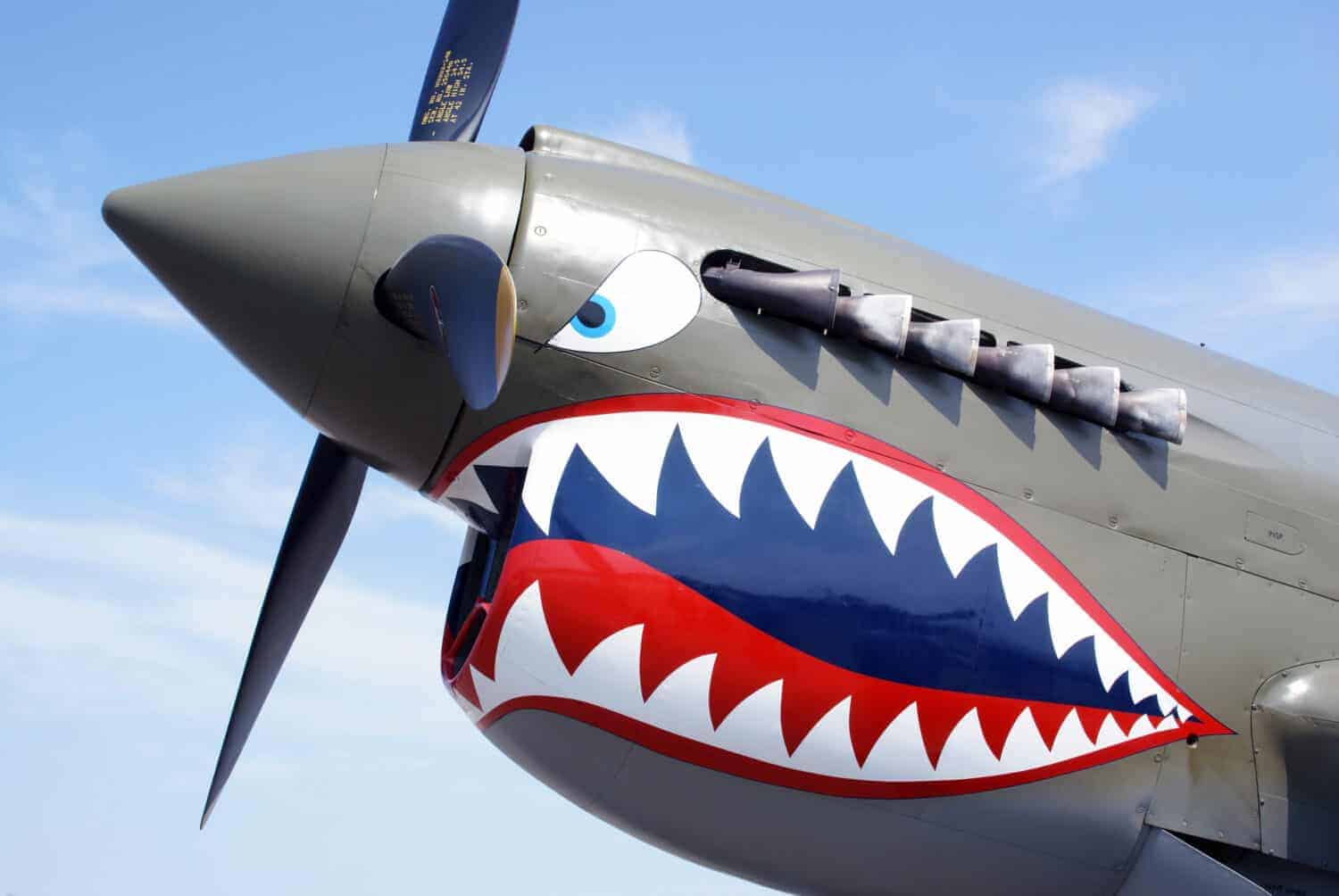
The P-40 Warhawk served as a reliable fighter in the early stages of the war, particularly in North Africa and the Pacific. While not as advanced as later designs, its ruggedness and availability allowed it to hold the line against Axis forces. This helped maintain Allied presence in contested regions.
Seafire
- Side: Allies
- Country: United Kingdom
- Year Introduced: 1942
- Primary Theater of Operations: Mediterranean
- Primary Role: Naval fighter
- Top Speed (mph): 378
- Key Strength: Carrier ops
- Air Superiority Impact: Extended Spitfire to sea
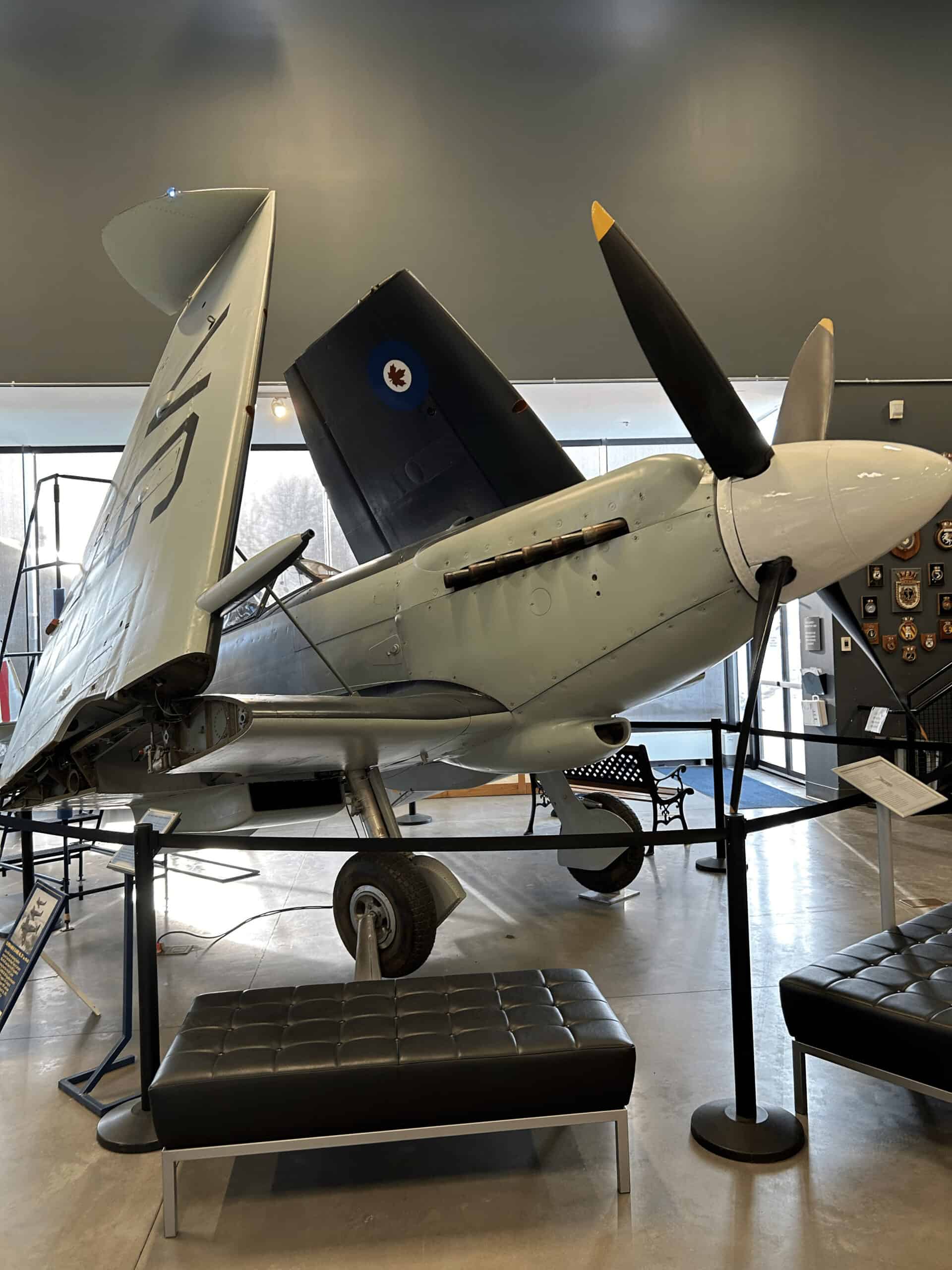
The Seafire extended the capabilities of the Spitfire to naval operations, providing the Royal Navy with a capable carrier-based fighter. Its performance allowed it to contribute to air superiority in maritime environments. This adaptability enhanced Allied capabilities across multiple theaters.
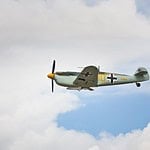
Messerschmitt Bf 109
- Side: Axis
- Country: Germany
- Year Introduced: 1937
- Primary Theater of Operations: Europe
- Primary Role: Air superiority
- Top Speed (mph): 398
- Key Strength: Climb rate
- Air Superiority Impact: Luftwaffe backbone
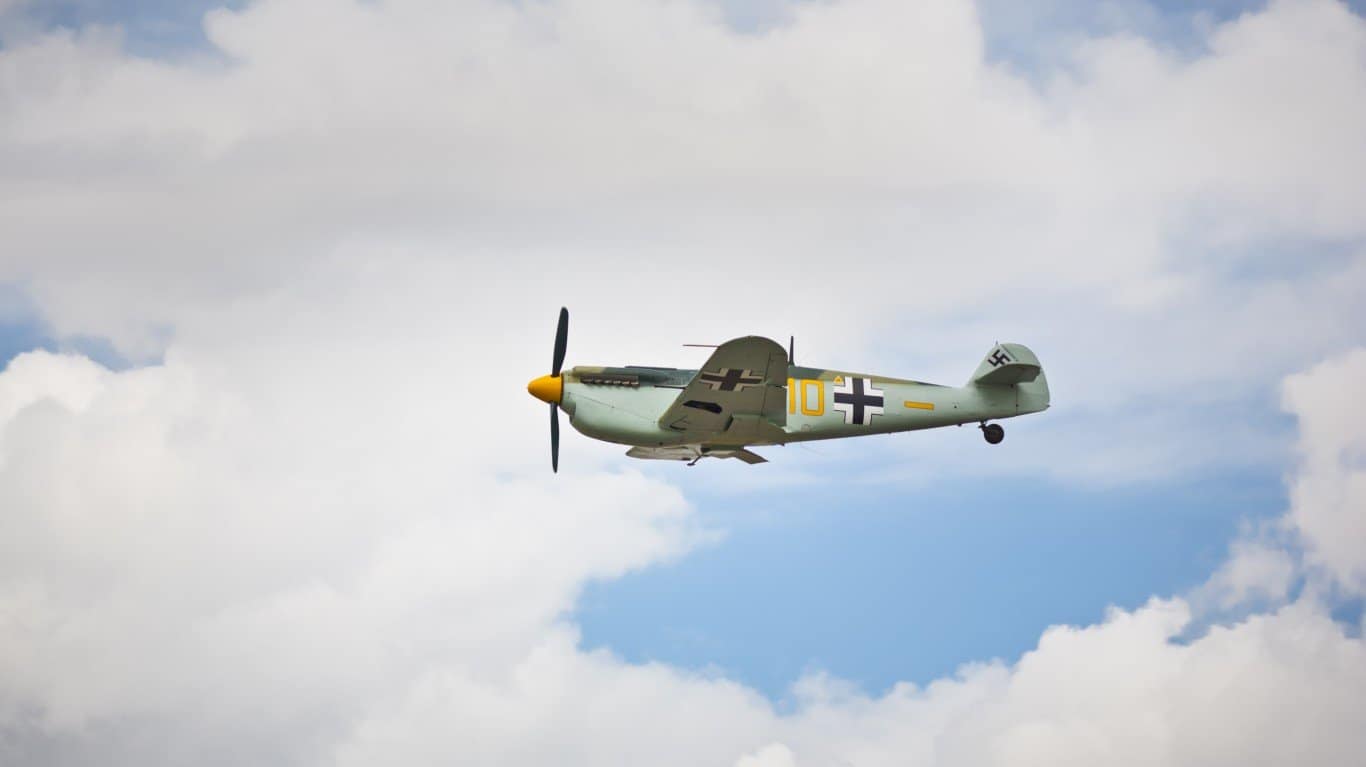
The Bf 109 was the backbone of the German Luftwaffe, serving throughout the war in various roles. Its performance and adaptability made it a formidable opponent for Allied fighters. Its widespread use allowed Germany to maintain air superiority in the early stages of the conflict.
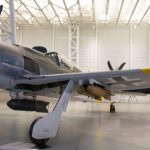
Focke-Wulf Fw 190
- Side: Axis
- Country: Germany
- Year Introduced: 1941
- Primary Theater of Operations: Europe
- Primary Role: Interceptor
- Top Speed (mph): 426
- Key Strength: Firepower
- Air Superiority Impact: Countered Allied fighters
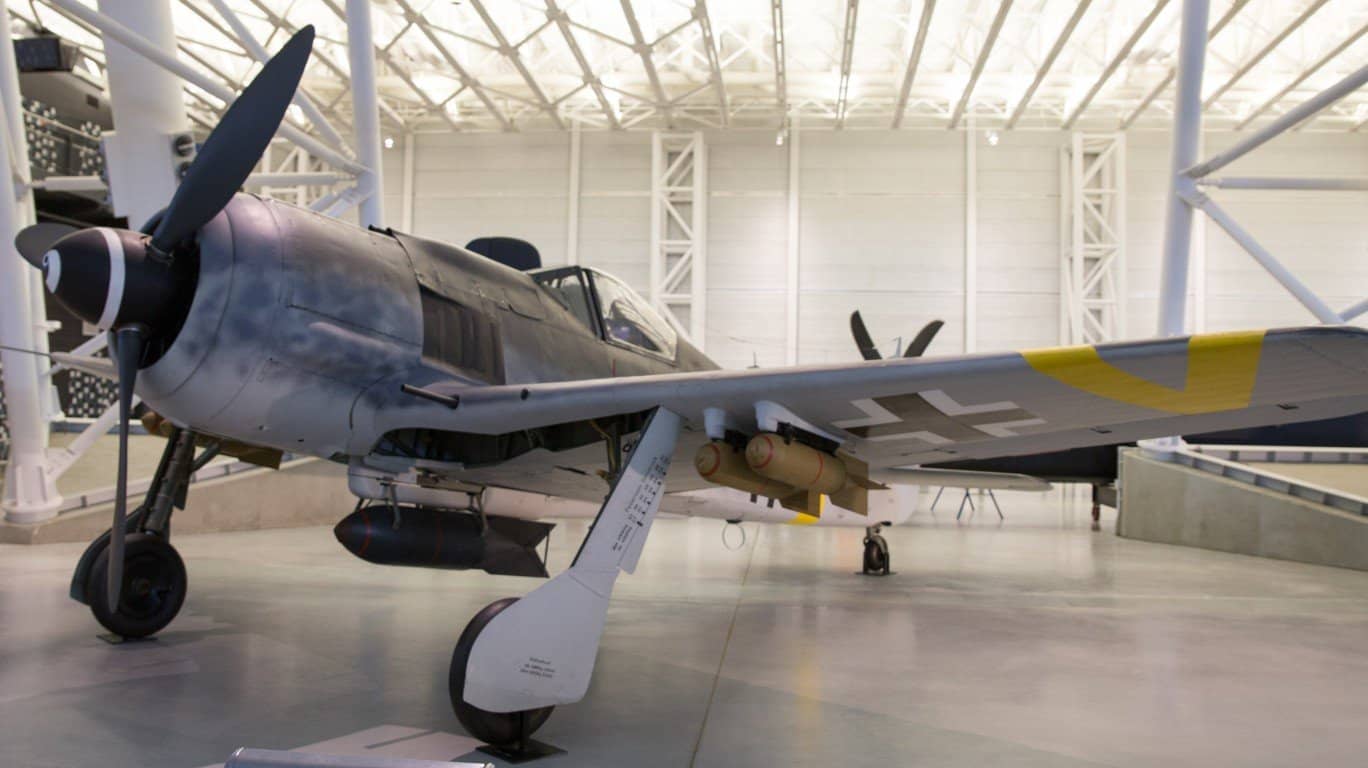
The Fw 190 offered superior firepower and performance, making it one of the most effective German fighters. Its introduction challenged Allied air superiority and forced adaptations in tactics. This aircraft played a key role in maintaining German air capabilities.
Messerschmitt Me 262
- Side: Axis
- Country: Germany
- Year Introduced: 1944
- Primary Theater of Operations: Europe
- Primary Role: Jet fighter
- Top Speed (mph): 540
- Key Strength: Speed
- Air Superiority Impact: First operational jet fighter
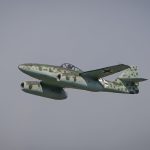
The Me 262 was the world’s first operational jet fighter, offering unmatched speed compared to piston-engine aircraft. Its performance allowed it to intercept Allied bombers effectively. However, its limited numbers and late introduction reduced its overall impact on the war.
Messerschmitt Bf 110
- Side: Axis
- Country: Germany
- Year Introduced: 1939
- Primary Theater of Operations: Europe
- Primary Role: Heavy fighter
- Top Speed (mph): 336
- Key Strength: Range
- Air Superiority Impact: Early-war escort/interceptor
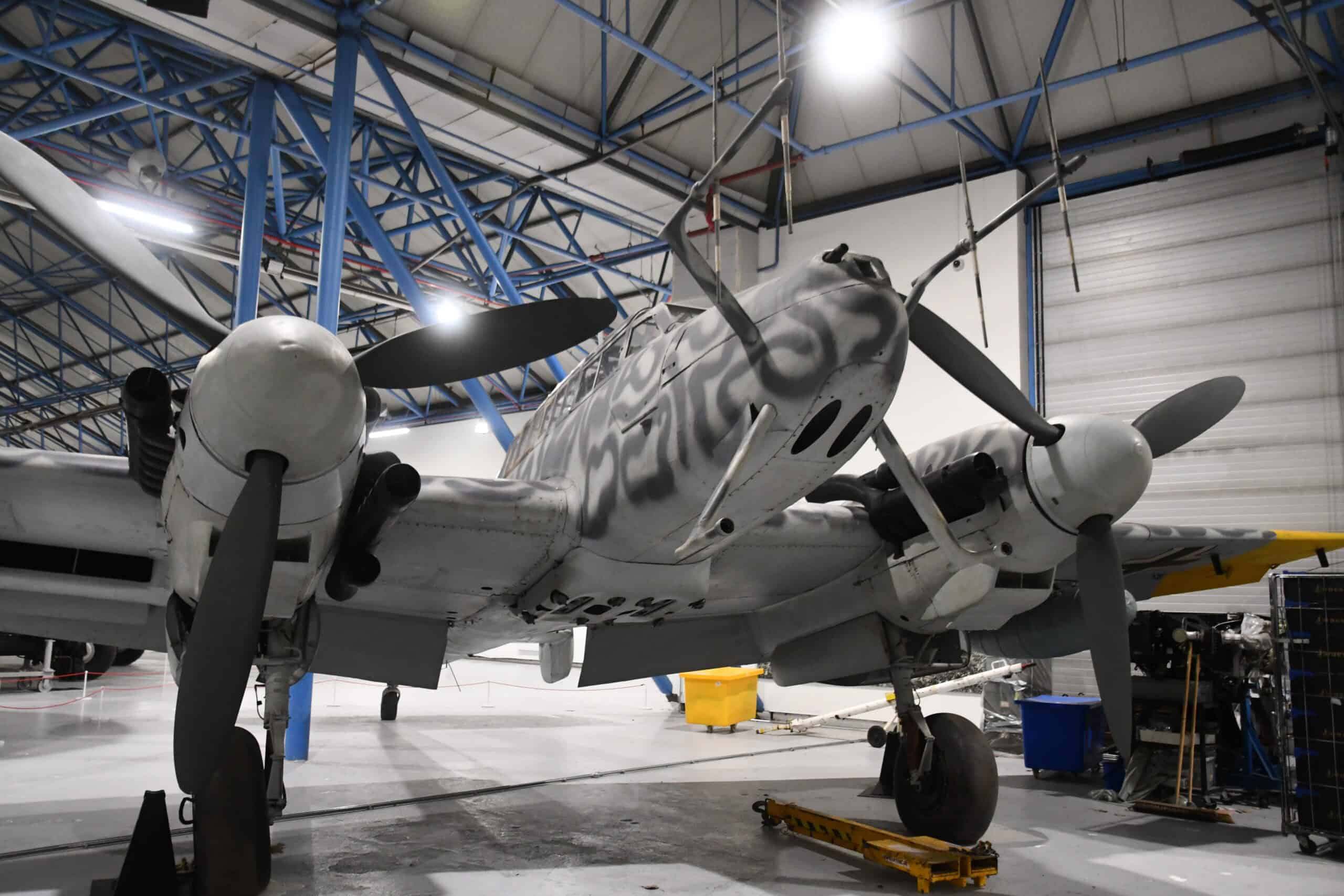
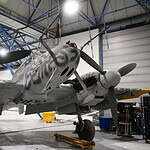
The Bf 110 was designed as a heavy fighter, offering range and firepower. While initially effective, it struggled against more maneuverable opponents. Its role evolved over time, contributing to night fighting and interception missions.
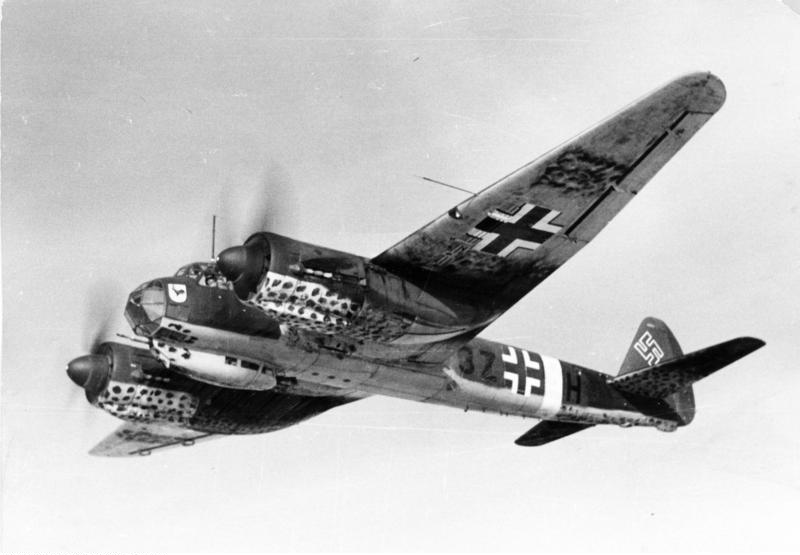
Junkers Ju 88C
- Side: Axis
- Country: Germany
- Year Introduced: 1940
- Primary Theater of Operations: Europe
- Primary Role: Heavy fighter
- Top Speed (mph): 311
- Key Strength: Versatility
- Air Superiority Impact: Night fighting roles
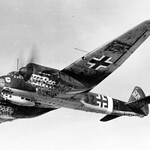
The Ju 88C served as a heavy fighter and night interceptor, providing versatility in various roles. Its ability to operate in different environments made it a valuable asset for German forces. This adaptability supported Germany’s air defense efforts.
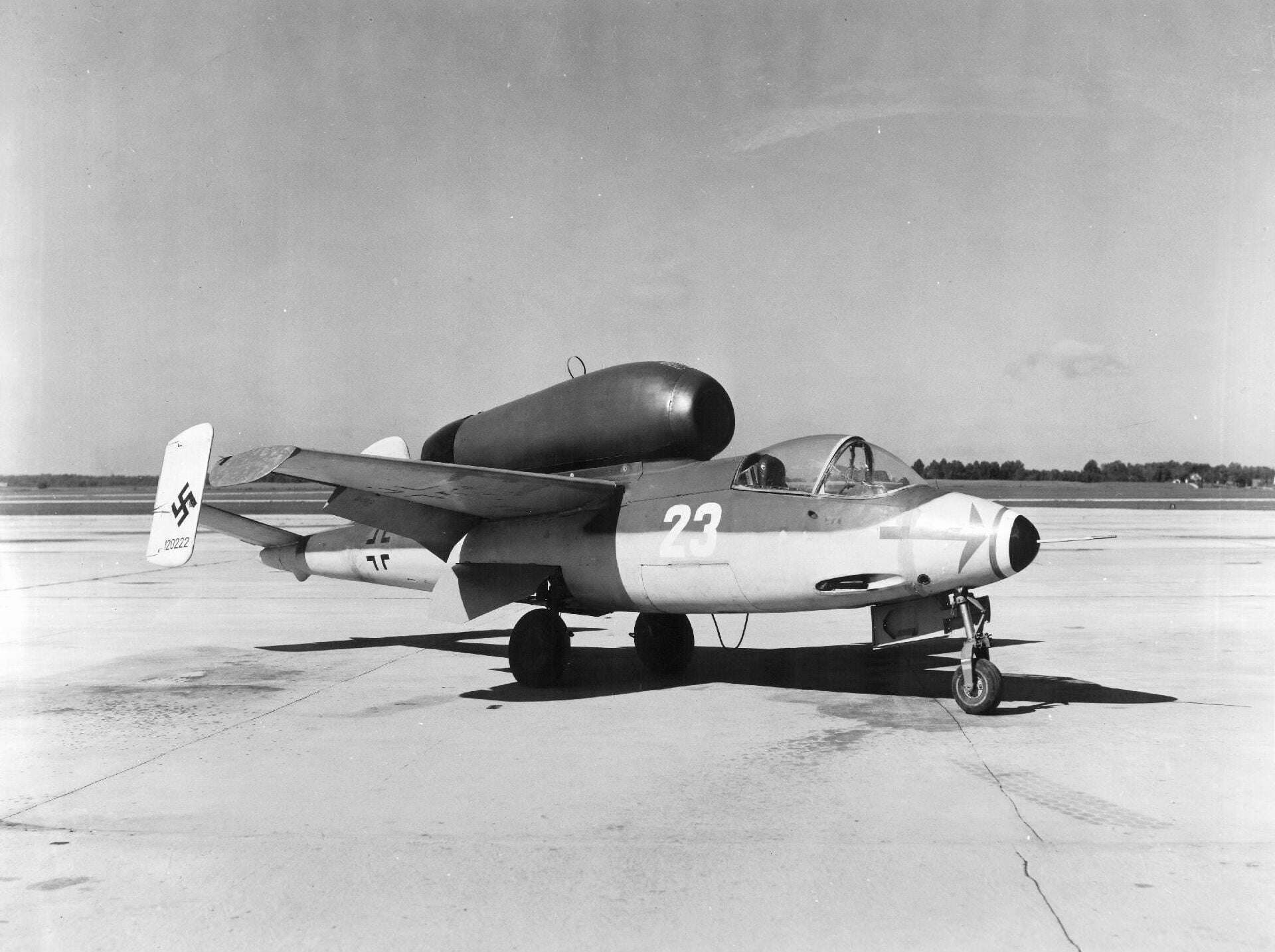
Heinkel He 162
- Side: Axis
- Country: Germany
- Year Introduced: 1945
- Primary Theater of Operations: Europe
- Primary Role: Jet fighter
- Top Speed (mph): 562
- Key Strength: Speed
- Air Superiority Impact: Emergency jet defense
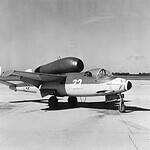
The He 162 was an emergency jet fighter developed late in the war, designed for rapid production. While innovative, it suffered from reliability issues. Its limited operational use meant it had little impact on the overall air war.
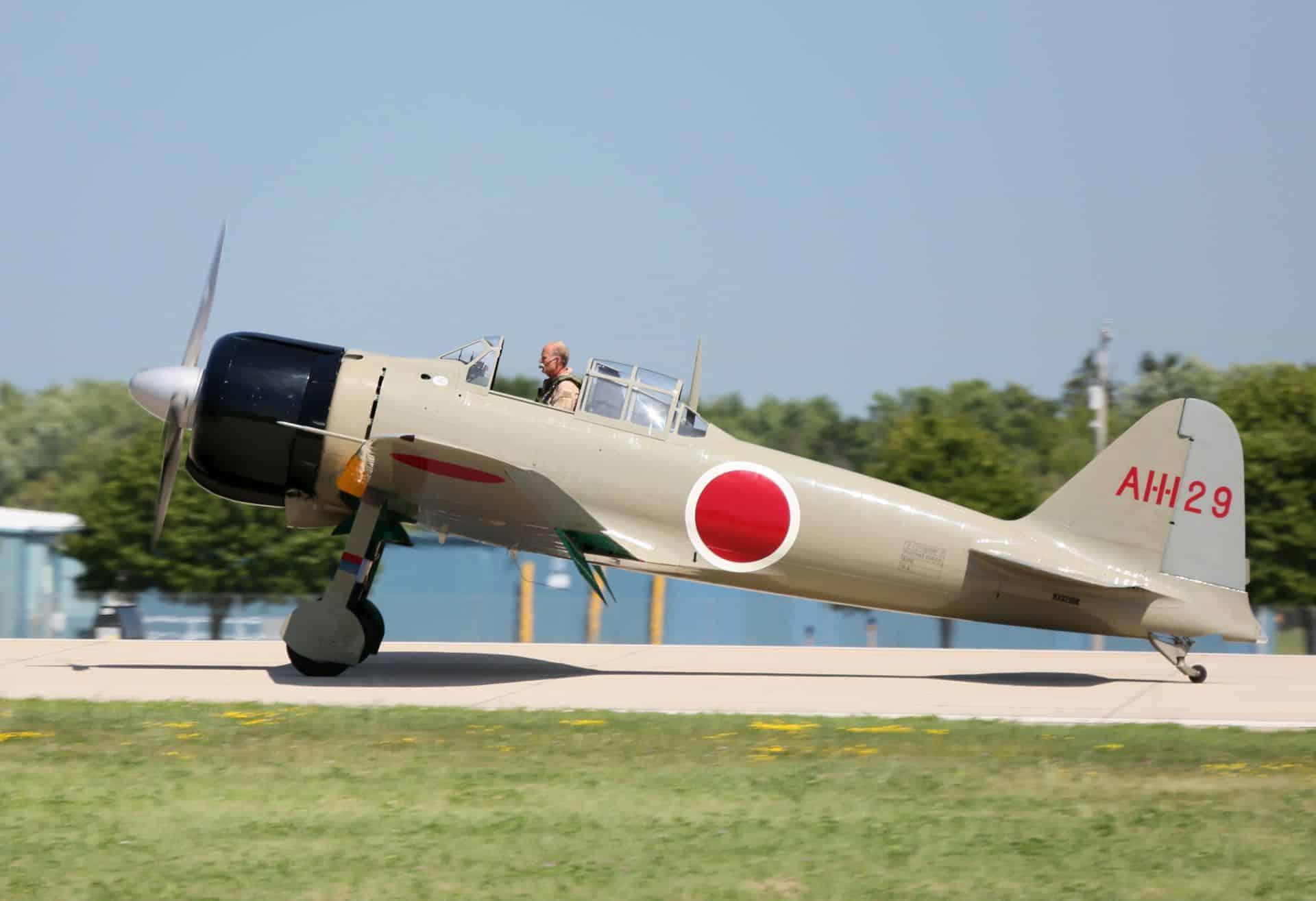
Mitsubishi A6M Zero
- Side: Axis
- Country: Japan
- Year Introduced: 1940
- Primary Theater of Operations: Pacific
- Primary Role: Carrier fighter
- Top Speed (mph): 331
- Key Strength: Maneuverability
- Air Superiority Impact: Early-war dominance
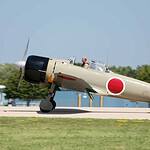
The Zero dominated the early stages of the Pacific War with its exceptional maneuverability and range. It allowed Japanese forces to achieve initial air superiority. However, its lack of armor and evolving Allied tactics reduced its effectiveness later in the war.
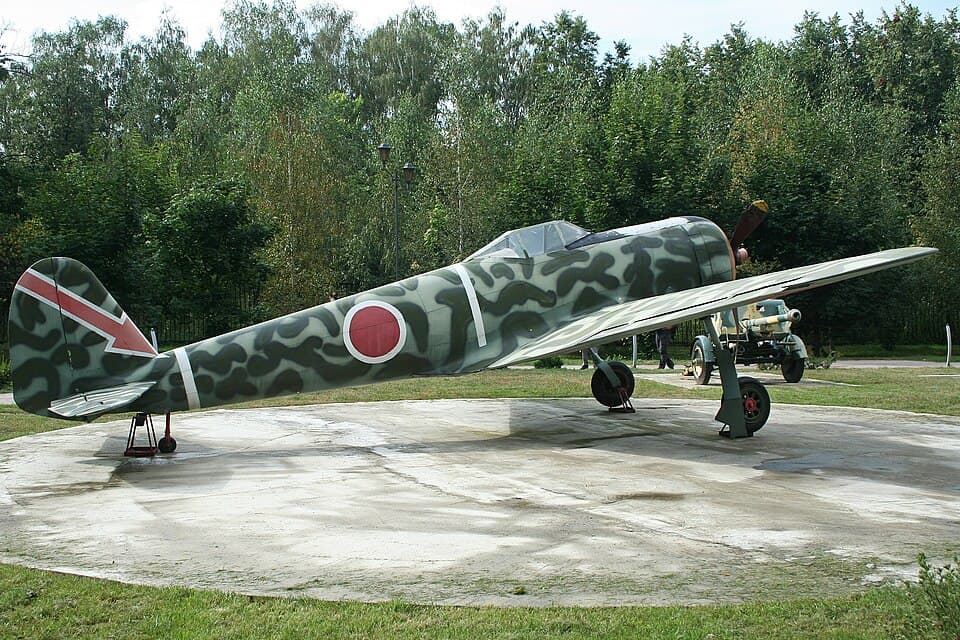
Nakajima Ki-43 Hayabusa
- Side: Axis
- Country: Japan
- Year Introduced: 1941
- Primary Theater of Operations: Pacific
- Primary Role: Fighter
- Top Speed (mph): 329
- Key Strength: Agility
- Air Superiority Impact: Highly maneuverable dogfighter
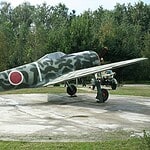
The Ki-43 was highly maneuverable, making it effective in dogfights. Its agility allowed it to compete with Allied fighters early in the war. However, its limited protection and firepower became disadvantages as the war progressed.
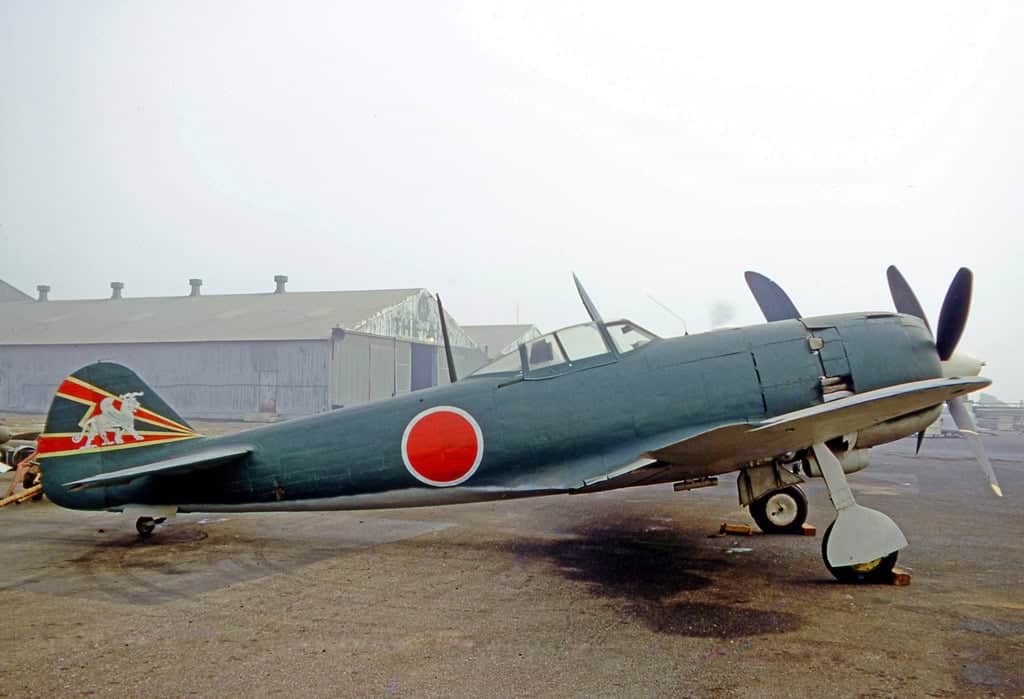
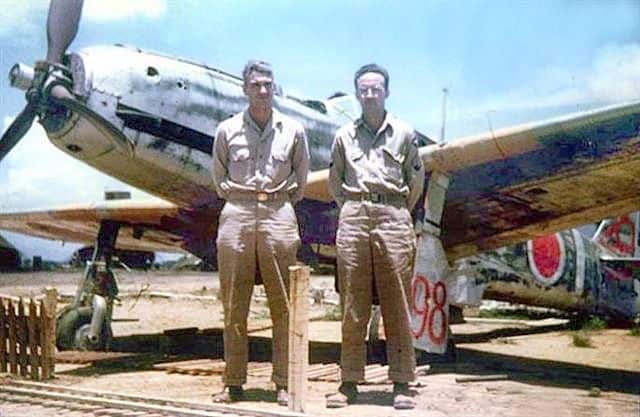
Nakajima Ki-84 Hayate
- Side: Axis
- Country: Japan
- Year Introduced: 1943
- Primary Theater of Operations: Pacific
- Primary Role: Fighter
- Top Speed (mph): 392
- Key Strength: Performance
- Air Superiority Impact: Matched late-war Allied fighters
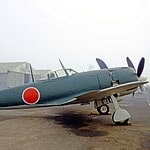
The Ki-84 represented one of Japan’s most advanced fighters, offering improved speed and firepower. It was capable of challenging late-war Allied aircraft. However, production and maintenance issues limited its impact.
Kawasaki Ki-61 Hien
- Side: Axis
- Country: Japan
- Year Introduced: 1943
- Primary Theater of Operations: Pacific
- Primary Role: Interceptor
- Top Speed (mph): 360
- Key Strength: Inline engine
- Air Superiority Impact: Improved durability
The Ki-61 introduced an inline engine design, improving its performance and durability. It provided Japanese forces with a more balanced fighter. This allowed it to better compete with Allied aircraft.
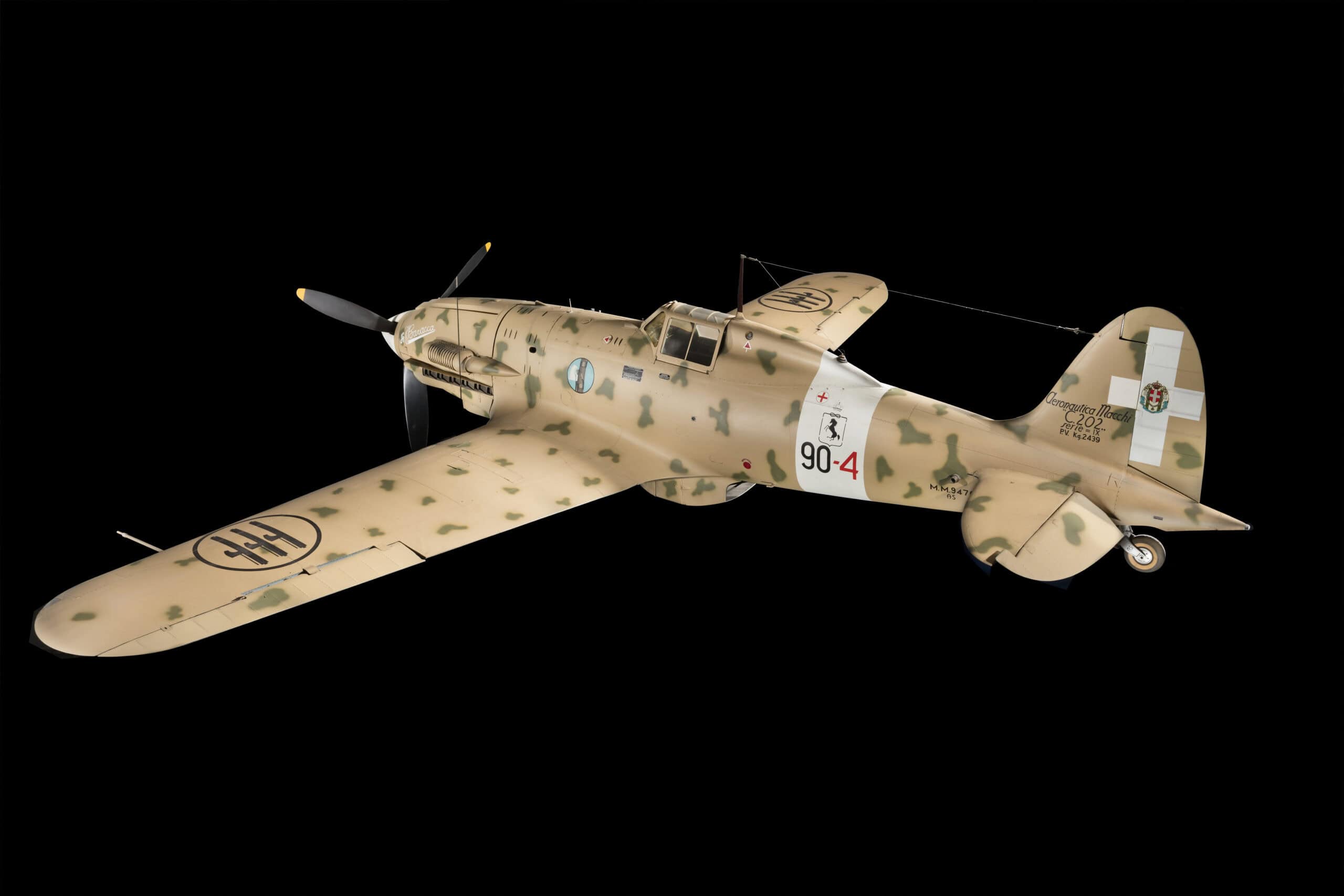
Macchi C.202 Folgore
- Side: Axis
- Country: Italy
- Year Introduced: 1941
- Primary Theater of Operations: Mediterranean
- Primary Role: Fighter
- Top Speed (mph): 372
- Key Strength: Aerodynamics
- Air Superiority Impact: Competent Axis fighter
The C.202 was a capable Italian fighter with good aerodynamics and performance. It allowed Italian forces to compete more effectively against Allied aircraft. Its presence improved Axis air capabilities in the Mediterranean.
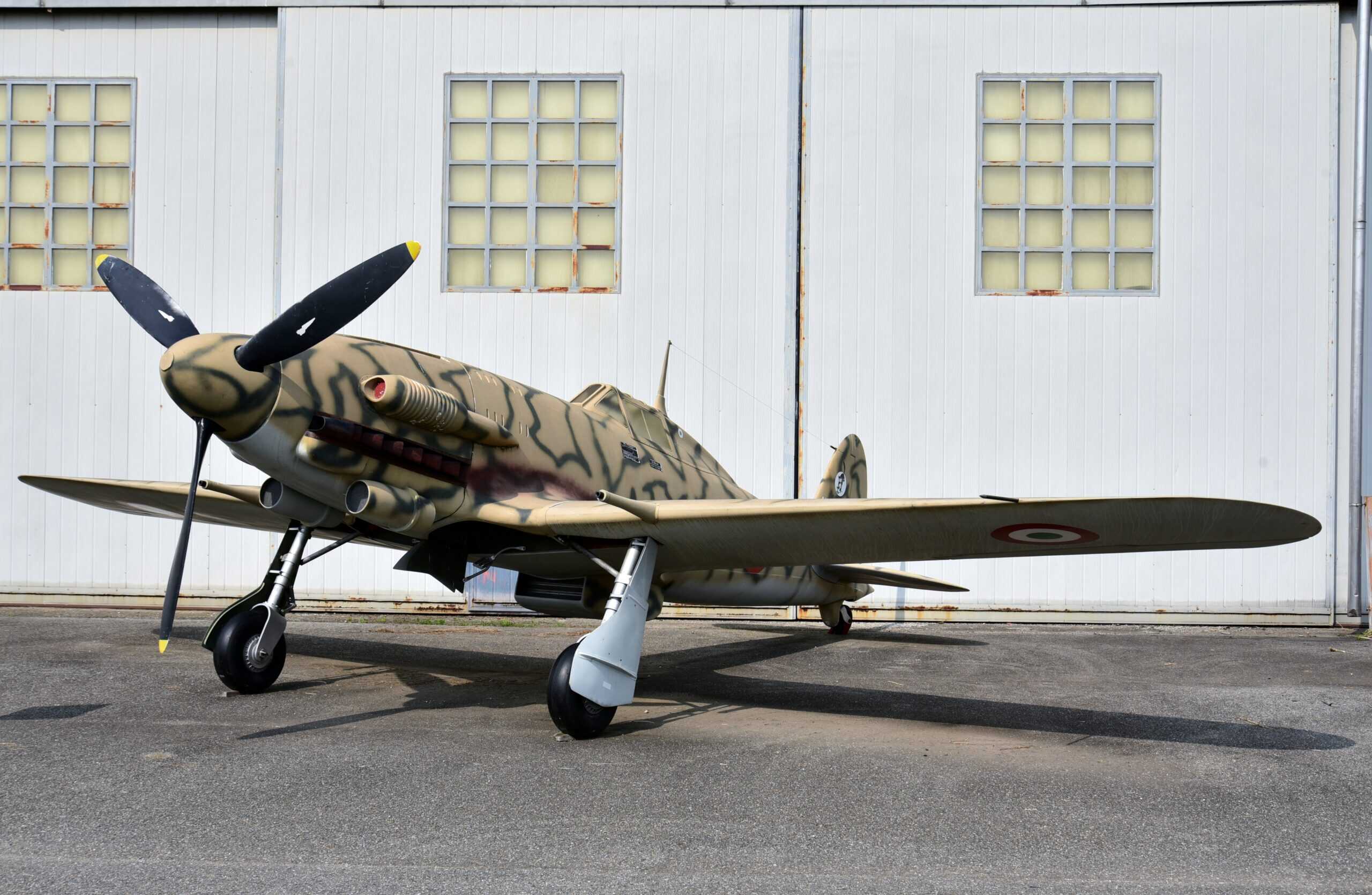
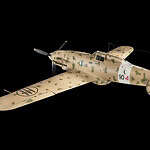
Macchi C.205 Veltro
- Side: Axis
- Country: Italy
- Year Introduced: 1943
- Primary Theater of Operations: Mediterranean
- Primary Role: Fighter
- Top Speed (mph): 400
- Key Strength: Upgraded engine
- Air Superiority Impact: Italy’s best WWII fighter
The C.205 Veltro built upon the C.202, offering improved speed and firepower. It was one of Italy’s most effective fighters. Its performance allowed it to compete with Allied aircraft in the later stages of the war.