
The Commanders Who Led America to Victory in World War II
Some of the most important military leaders in American history emerged during World War II as the United States fought across Europe and the Pacific in the largest conflict the country had ever faced. Commanders like George C. Marshall, William Halsey Jr., and Omar Bradley helped oversee campaigns that would ultimately defeat Nazi Germany and Imperial Japan while shaping the future structure of the modern U.S. military. Many of these leaders became famous for their battlefield leadership, strategic planning, and ability to manage enormous military operations under some of the most difficult conditions imaginable. Here, History Computer is taking a closer look at these leaders.
To identify the commanders who led American Forces through World War II, History Computer reviewed various historical and military sources. We included supplemental information for each commander regarding their branch, highest rank in WWII, major theater or campaigns, and ultimately why each was so influential.
Here is a look at the commanders who led American Forces through World War II:
Why Are We Covering This?
Understanding the commanders who led America through World War II matters because these military leaders shaped not only the outcome of the war itself, but also the future structure and doctrine of the modern U.S. military. Commanders such as Dwight D. Eisenhower, Chester W. Nimitz, and George S. Patton directed enormous multinational campaigns involving millions of troops, massive naval fleets, strategic bombing operations, and some of the largest invasions in military history. Their battlefield decisions influenced the Allied victory in Europe and the Pacific while helping establish many of the operational principles still used by the U.S. military today, including coalition warfare, amphibious operations, strategic airpower, and rapid armored maneuver. Beyond strategy and tactics, these commanders became enduring symbols of leadership under pressure during one of the most dangerous and consequential conflicts ever fought.
The Men Who Directed America’s Largest War
The United States produced one of the most influential generations of military commanders in its history during World War II. As American forces fought across Europe, North Africa, the Atlantic, and the Pacific, commanders were forced to manage military operations on a scale never before attempted by the United States. Leaders such as Dwight D. Eisenhower, Douglas MacArthur, and Chester W. Nimitz became central figures in directing millions of troops, coordinating Allied strategy, and overseeing campaigns that would ultimately reshape the balance of global power. These commanders operated under enormous pressure while making decisions that affected entire theaters of war and the future of the twentieth century itself.
Europe Required Massive Coalition Leadership
The European Theater forced American commanders to coordinate military operations involving multiple Allied nations, enormous logistical systems, and some of the largest ground offensives ever conducted. Commanders such as Dwight D. Eisenhower and Omar Bradley played major roles in organizing the D-Day invasion, managing the liberation of France, and directing the final Allied advance into Germany. Success in Europe depended not only on battlefield tactics, but also on the ability to maintain cooperation between British, American, Canadian, and Free French forces under extremely difficult conditions. These commanders became experts in coalition warfare, balancing political rivalries, military egos, and operational demands while keeping the Allied war effort unified against Nazi Germany.
The Pacific War Produced a Different Style of Command
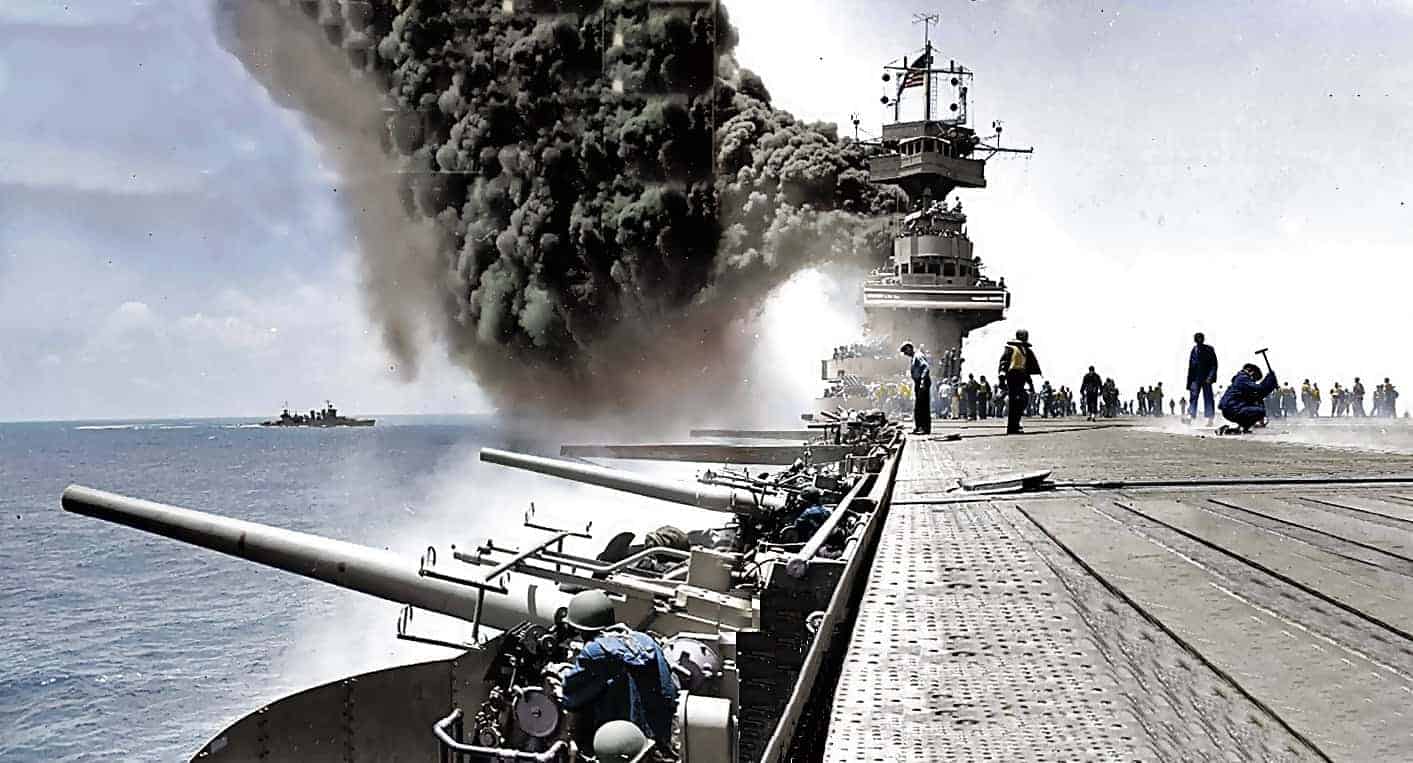
The Pacific Theater required a dramatically different approach to warfare and military leadership. Unlike Europe’s massive land campaigns, commanders in the Pacific had to manage naval battles, amphibious invasions, carrier warfare, and jungle fighting across thousands of miles of ocean. Admirals such as Raymond Spruance and William Halsey Jr. directed major naval campaigns that gradually reversed Japanese expansion following Pearl Harbor. At the same time, commanders like Holland Smith helped develop the amphibious assault doctrine used during brutal island-hopping campaigns against heavily fortified Japanese positions. The Pacific War became a testing ground for new forms of naval coordination, airpower integration, and expeditionary warfare that continue influencing military doctrine today.
Airpower Changed Modern Warfare Forever
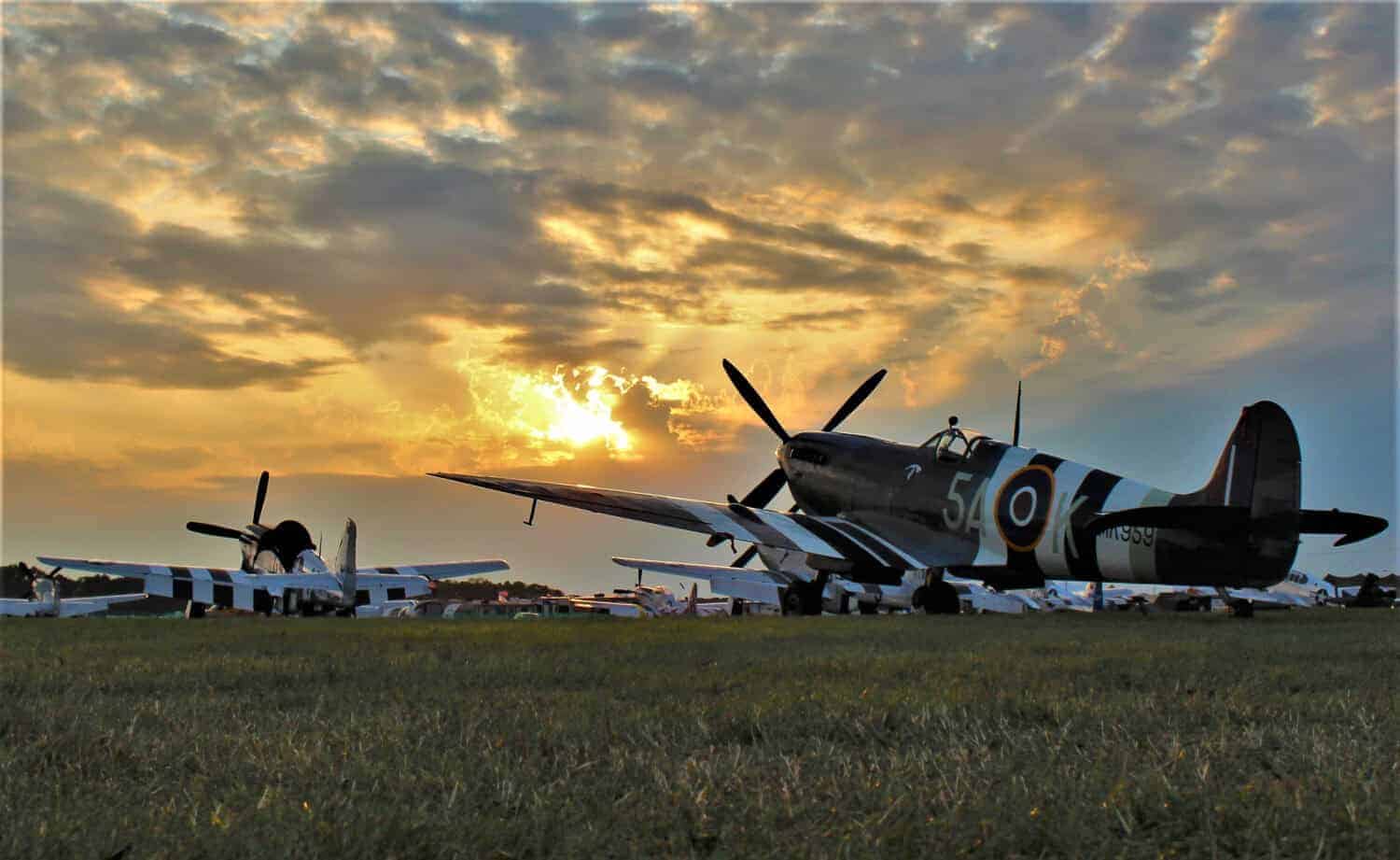
World War II transformed military aviation from a supporting battlefield role into one of the central pillars of modern warfare. American commanders such as Curtis LeMay and Carl Spaatz oversaw strategic bombing campaigns that targeted enemy industry, transportation systems, and population centers on an unprecedented scale. Their leadership demonstrated how airpower could shape entire wars far beyond the front lines themselves. Massive bombing operations against Germany and Japan also introduced difficult moral and strategic questions regarding civilian destruction and total war. The experiences of these commanders heavily influenced postwar American military doctrine, especially during the Cold War era when strategic bombing and nuclear deterrence became central elements of U.S. national security planning.
Why These Commanders Still Matter Today
The commanders who led American forces during World War II continue to influence military leadership, doctrine, and strategic planning decades after the war ended. Their approaches to logistics, coalition management, battlefield maneuver, naval warfare, and airpower remain studied in military academies and professional war colleges around the world. Leaders such as George S. Patton became symbols of aggressive battlefield leadership, while others like George C. Marshall demonstrated the enormous importance of organization, planning, and military mobilization behind the scenes. More importantly, these commanders became deeply connected to the broader story of how the United States emerged from World War II as one of the world’s dominant military powers, shaping global politics and military strategy for generations afterward.
Dwight D. Eisenhower
- Branch: U.S. Army
- Highest WWII Rank: General of the Army
- Major Theater / Campaigns: North Africa, Normandy, Western Europe
- Signature Victory or Operation: D-Day
- Leadership Style: Coalition-focused and diplomatic
- Why They Became Influential: Unified Allied command
- Strategic Contribution to the War: Directed Allied invasion of Europe
- Postwar Legacy: Became U.S. president and NATO symbol
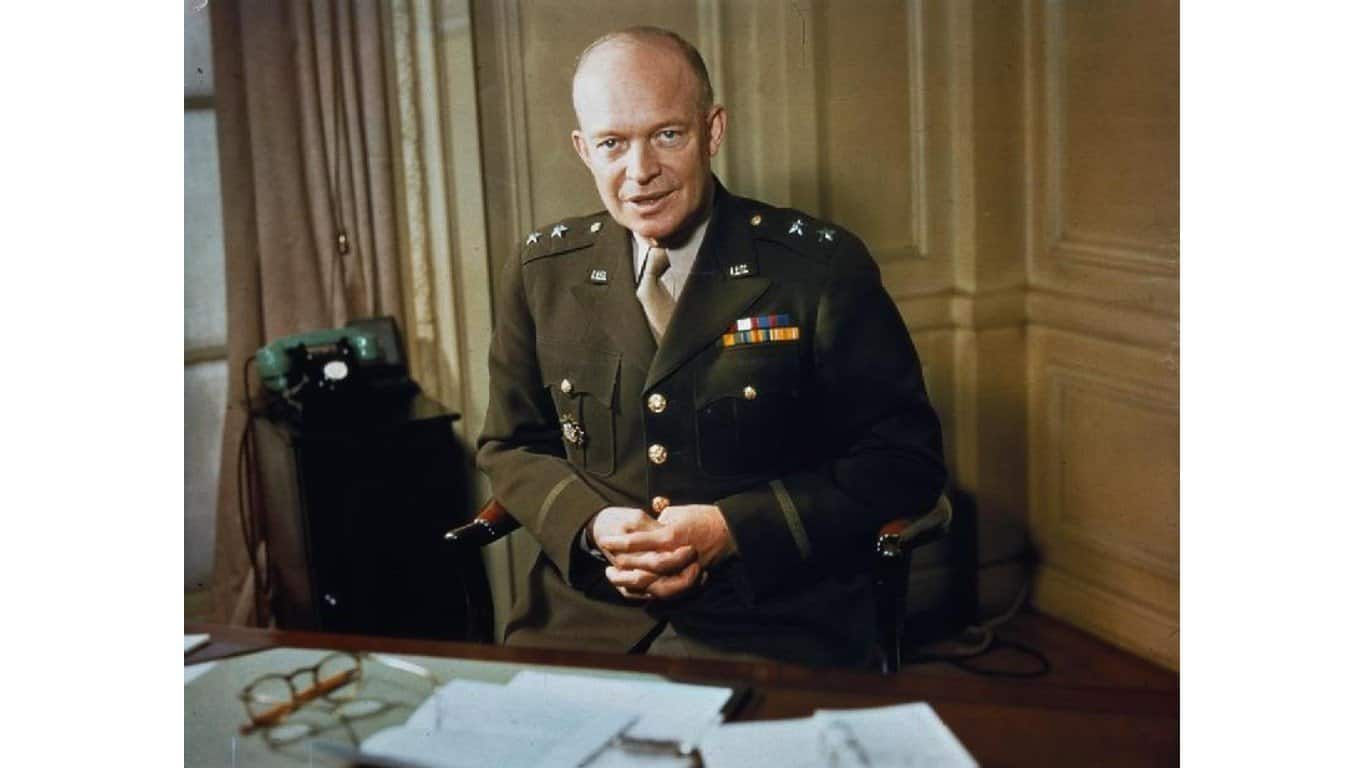
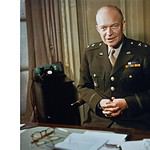
Dwight D. Eisenhower became the supreme Allied commander in Europe because of his ability to coordinate massive multinational operations while balancing the political tensions between Allied leaders. Eisenhower oversaw the North African campaign before directing Operation Overlord, the D-Day invasion that opened the Western Front against Nazi Germany. Unlike many battlefield commanders, his greatest strength came from coalition management, logistics, and strategic coordination on an enormous scale. Eisenhower’s calm leadership style allowed him to manage difficult personalities such as Patton, Montgomery, and De Gaulle while keeping Allied operations unified. His success during World War II later propelled him to the presidency and cemented his place among America’s most important military leaders.
Douglas MacArthur
- Branch: U.S. Army
- Highest WWII Rank: General of the Army
- Major Theater / Campaigns: Pacific Theater, Philippines
- Signature Victory or Operation: Return to the Philippines
- Leadership Style: Bold and theatrical
- Why They Became Influential: Led Southwest Pacific campaigns
- Strategic Contribution to the War: Oversaw island-hopping advances
- Postwar Legacy: Major postwar occupation leader in Japan
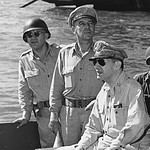
Douglas MacArthur became one of the most recognizable American commanders of World War II through his dramatic leadership style and his central role in the Pacific Theater. After being forced to withdraw from the Philippines early in the war, MacArthur famously promised, 'I shall return,' before leading Allied forces back through New Guinea and ultimately reclaiming the Philippines. He became closely associated with the island-hopping campaign against Japan while overseeing major amphibious operations across the Pacific. MacArthur’s bold personality and strategic vision made him a dominant figure within the war effort, and he later supervised the occupation and reconstruction of Japan following the war’s conclusion.
George S. Patton
- Branch: U.S. Army
- Highest WWII Rank: General
- Major Theater / Campaigns: North Africa, France, Germany
- Signature Victory or Operation: Battle of the Bulge counteroffensive
- Leadership Style: Aggressive and fast-moving
- Why They Became Influential: Master of armored warfare
- Strategic Contribution to the War: Led rapid Allied advances across Europe
- Postwar Legacy: One of America’s most famous generals
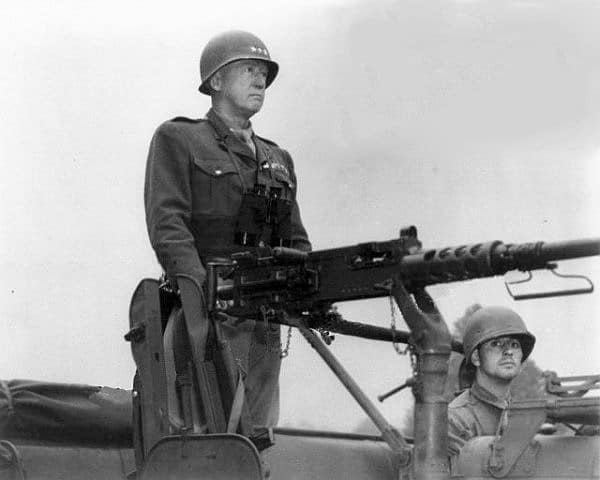
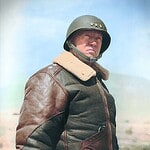
George S. Patton developed a legendary reputation during World War II because of his aggressive battlefield tactics, relentless offensive mindset, and mastery of armored warfare. Patton first gained major attention in North Africa before leading rapid advances across France following the Normandy breakout. His Third Army became famous for speed, maneuverability, and the ability to exploit enemy weaknesses before German forces could reorganize. During the Battle of the Bulge, Patton executed one of the most impressive operational pivots of the war by redirecting his forces to relieve Bastogne under severe winter conditions. His bold leadership style made him one of America’s most famous and controversial wartime generals.
Omar Bradley
- Branch: U.S. Army
- Highest WWII Rank: General of the Army
- Major Theater / Campaigns: Normandy, Western Europe
- Signature Victory or Operation: Breakout from Normandy
- Leadership Style: Calm and methodical
- Why They Became Influential: Managed massive ground operations
- Strategic Contribution to the War: Led largest U.S. field command in Europe
- Postwar Legacy: Later became first Chairman of Joint Chiefs
Omar Bradley became one of America’s most respected commanders during World War II because of his calm demeanor, organizational skill, and ability to manage massive battlefield operations. Unlike the more flamboyant Patton or MacArthur, Bradley developed a reputation as a practical and disciplined leader focused on maintaining cohesion among large formations under difficult combat conditions. He played major roles during the Normandy invasion and subsequent Allied breakout across Western Europe while eventually commanding the largest field force ever led by an American officer. Bradley’s steady leadership and operational effectiveness helped make him one of the central architects of Allied ground success in Europe.
Chester W. Nimitz
- Branch: U.S. Navy
- Highest WWII Rank: Fleet Admiral
- Major Theater / Campaigns: Pacific Theater
- Signature Victory or Operation: Battle of Midway
- Leadership Style: Measured and strategic
- Why They Became Influential: Directed Pacific naval war
- Strategic Contribution to the War: Oversaw major naval victories
- Postwar Legacy: Architect of modern U.S. naval power
Chester W. Nimitz became one of the defining naval commanders of World War II after taking command of the Pacific Fleet in the aftermath of Pearl Harbor. Nimitz oversaw the American naval campaign against Japan during pivotal battles such as Midway, the Philippine Sea, and Leyte Gulf. His strategic patience and understanding of carrier warfare helped shift momentum in the Pacific back toward the United States after the disastrous opening months of the war. Nimitz also managed the enormous logistical challenges involved in fighting across the Pacific Ocean’s vast distances. His leadership helped establish the foundations of modern American naval power during the postwar era.
Raymond Spruance
- Branch: U.S. Navy
- Highest WWII Rank: Fleet Admiral
- Major Theater / Campaigns: Pacific Theater
- Signature Victory or Operation: Battle of Midway
- Leadership Style: Disciplined and analytical
- Why They Became Influential: Commanded decisive carrier battles
- Strategic Contribution to the War: Led major Pacific offensives
- Postwar Legacy: Highly respected naval strategist
Raymond Spruance became one of the most respected admirals of World War II because of his calm, disciplined leadership during some of the Pacific War’s most decisive naval battles. Spruance played a central role during the Battle of Midway, where American carrier forces destroyed four Japanese aircraft carriers and dramatically altered the balance of power in the Pacific. Later, he commanded major offensives across the Central Pacific, helping oversee operations against heavily defended Japanese islands. Spruance’s analytical approach and willingness to make difficult decisions under pressure earned him a reputation as one of the U.S. Navy’s most effective wartime strategists and combat commanders.
William Halsey Jr.
- Branch: U.S. Navy
- Highest WWII Rank: Fleet Admiral
- Major Theater / Campaigns: Pacific Theater
- Signature Victory or Operation: Guadalcanal Campaign
- Leadership Style: Aggressive and fearless
- Why They Became Influential: Boosted naval morale during difficult periods
- Strategic Contribution to the War: Led major Pacific naval operations
- Postwar Legacy: Iconic wartime naval commander
William Halsey Jr. became one of the most famous American naval commanders of World War II because of his aggressive leadership style and his ability to inspire morale during some of the Pacific War’s most dangerous periods. Halsey gained widespread recognition during the Guadalcanal campaign, where Allied forces fought desperately to halt Japanese expansion. His reputation for offensive action and relentless pressure against enemy forces made him a popular figure among sailors and the American public alike. Although some of his wartime decisions remain controversial, Halsey became deeply associated with the Navy’s determination to seize momentum and carry the fight directly to Japan.
Curtis LeMay
- Branch: U.S. Army Air Forces
- Highest WWII Rank: General
- Major Theater / Campaigns: Pacific strategic bombing campaign
- Signature Victory or Operation: Firebombing of Japan
- Leadership Style: Relentless and results-driven
- Why They Became Influential: Expanded strategic bombing doctrine
- Strategic Contribution to the War: Directed devastating air campaigns
- Postwar Legacy: Shaped Cold War airpower strategy
Curtis LeMay became one of the most influential airpower commanders of World War II through his leadership of America’s strategic bombing campaigns against Japan. LeMay transformed bombing tactics by shifting from high-altitude precision attacks to low-level nighttime firebombing raids that devastated Japanese cities late in the war. His campaigns caused massive destruction and demonstrated the growing power of strategic air warfare during the twentieth century. LeMay’s focus on efficiency, discipline, and overwhelming force helped shape the future of American airpower doctrine. After the war, he played a major role in building the Strategic Air Command during the early Cold War nuclear era.
Holland Smith
- Branch: U.S. Marine Corps
- Highest WWII Rank: General
- Major Theater / Campaigns: Pacific amphibious campaigns
- Signature Victory or Operation: Saipan and Iwo Jima operations
- Leadership Style: Demanding and aggressive
- Why They Became Influential: Pioneered amphibious warfare leadership
- Strategic Contribution to the War: Led major Marine assault operations
- Postwar Legacy: Influenced Marine Corps doctrine
Holland Smith became one of the Marine Corps’ most important commanders during World War II because of his leadership during major amphibious operations across the Pacific Theater. Nicknamed 'Howlin’ Mad' Smith, he helped develop and refine amphibious assault doctrine that became essential during island campaigns against heavily fortified Japanese positions. Smith commanded Marine forces during operations such as Saipan and Iwo Jima, where casualty rates reached extreme levels. His aggressive leadership style and insistence on rigorous combat preparation influenced generations of Marine officers. Smith’s role in shaping amphibious warfare doctrine made him one of the defining Marine commanders of the war.
George C. Marshall
- Branch: U.S. Army
- Highest WWII Rank: General of the Army
- Major Theater / Campaigns: Global Allied planning
- Signature Victory or Operation: Overall U.S. war mobilization
- Leadership Style: Organizational and strategic
- Why They Became Influential: Built America’s wartime military structure
- Strategic Contribution to the War: Coordinated global U.S. military expansion
- Postwar Legacy: Later architect of Marshall Plan
George C. Marshall became one of the most important American leaders of World War II despite rarely commanding troops directly in combat. As Army Chief of Staff, Marshall oversaw the massive expansion of the U.S. military from a relatively small peacetime force into one of the largest military organizations in world history. He coordinated logistics, training, officer promotions, and global strategy while helping select many of the commanders who would ultimately lead Allied forces to victory. Marshall’s organizational leadership proved essential to America’s wartime success, and his influence later extended into postwar reconstruction through the famous Marshall Plan in Europe.
Matthew Ridgway
- Branch: U.S. Army
- Highest WWII Rank: Lieutenant General
- Major Theater / Campaigns: Airborne operations, Europe
- Signature Victory or Operation: Sicily and Normandy airborne operations
- Leadership Style: Tough and disciplined
- Why They Became Influential: Effective airborne commander
- Strategic Contribution to the War: Improved airborne combat coordination
- Postwar Legacy: Later key Korean War commander
Matthew Ridgway earned a reputation as one of the U.S. Army’s toughest and most disciplined airborne commanders during World War II. He played major leadership roles during airborne operations in Sicily, Normandy, and Operation Market Garden while commanding the 82nd Airborne Division under extremely difficult combat conditions. Ridgway became known for maintaining strict discipline and frontline leadership while ensuring his troops remained combat effective during prolonged operations behind enemy lines. His wartime performance established him as one of America’s premier airborne commanders, and he later gained even greater recognition during the Korean War after helping stabilize collapsing United Nations forces.
Carl Spaatz
- Branch: U.S. Army Air Forces
- Highest WWII Rank: General
- Major Theater / Campaigns: European and Pacific air campaigns
- Signature Victory or Operation: Strategic bombing operations
- Leadership Style: Strategic and airpower-focused
- Why They Became Influential: Senior U.S. air commander
- Strategic Contribution to the War: Directed global air operations
- Postwar Legacy: First Chief of Staff of USAF
Carl Spaatz became one of the leading architects of American strategic airpower during World War II through his command of large-scale bombing operations in both Europe and the Pacific. Spaatz oversaw campaigns targeting German industrial infrastructure, transportation networks, and later Japanese military targets as Allied airpower expanded dramatically during the war. His emphasis on coordinated strategic bombing reflected the growing belief that airpower could cripple enemy war production and weaken national resistance. Spaatz’s wartime leadership helped shape the independent U.S. Air Force that emerged after the war, and he later became the service’s first official Chief of Staff.
Claire Lee Chennault
- Branch: U.S. Army Air Forces
- Highest WWII Rank: Lieutenant General
- Major Theater / Campaigns: China-Burma-India Theater
- Signature Victory or Operation: Flying Tigers operations
- Leadership Style: Innovative and unconventional
- Why They Became Influential: Built famous volunteer air force
- Strategic Contribution to the War: Defended China against Japan
- Postwar Legacy: Legendary American aviator
Claire Lee Chennault became famous during World War II for leading the Flying Tigers, a volunteer American air group that fought Japanese forces in China before the United States formally entered the war. Chennault emphasized aggressive fighter tactics, mobility, and pilot training while operating under difficult conditions in the China-Burma-India Theater. The Flying Tigers became internationally recognizable because of their shark-faced aircraft and successful combat record against Japanese air forces. Chennault’s unconventional leadership style and emphasis on tactical innovation made him one of the war’s most colorful and influential aviation commanders in the Pacific Theater.
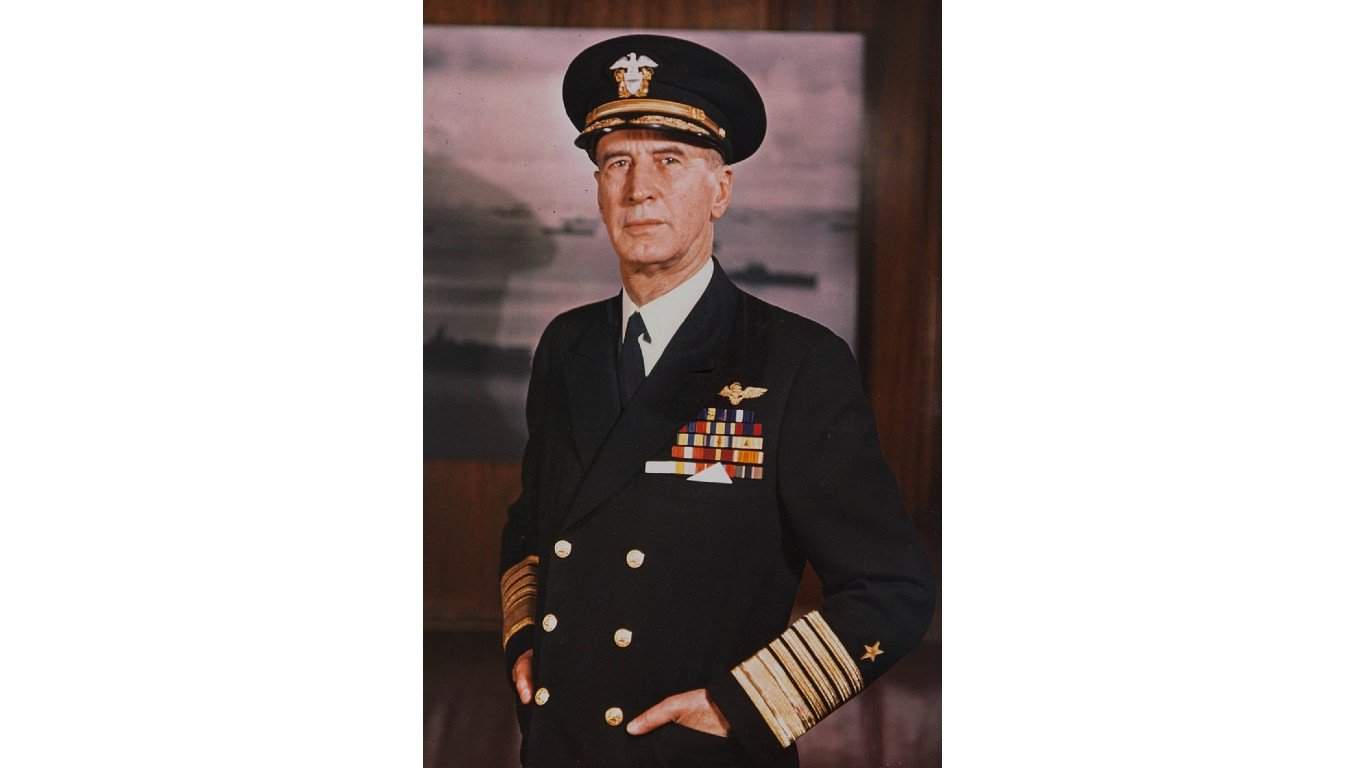
Ernest King
- Branch: U.S. Navy
- Highest WWII Rank: Fleet Admiral
- Major Theater / Campaigns: Global naval operations
- Signature Victory or Operation: Atlantic and Pacific naval coordination
- Leadership Style: Hard-driving and demanding
- Why They Became Influential: Directed U.S. Navy wartime expansion
- Strategic Contribution to the War: Oversaw worldwide naval strategy
- Postwar Legacy: One of the most powerful naval leaders ever
Ernest King became one of the most powerful American military leaders of World War II because of his dual role as Commander in Chief of the U.S. Fleet and Chief of Naval Operations. King oversaw the enormous wartime expansion of the U.S. Navy while coordinating operations across both the Atlantic and Pacific theaters simultaneously. Known for his demanding personality and uncompromising leadership style, King strongly supported aggressive naval offensives against Japan even while the war in Europe remained a major priority. His influence on naval strategy, shipbuilding, and operational planning made him central to America’s rise as the dominant global naval power.
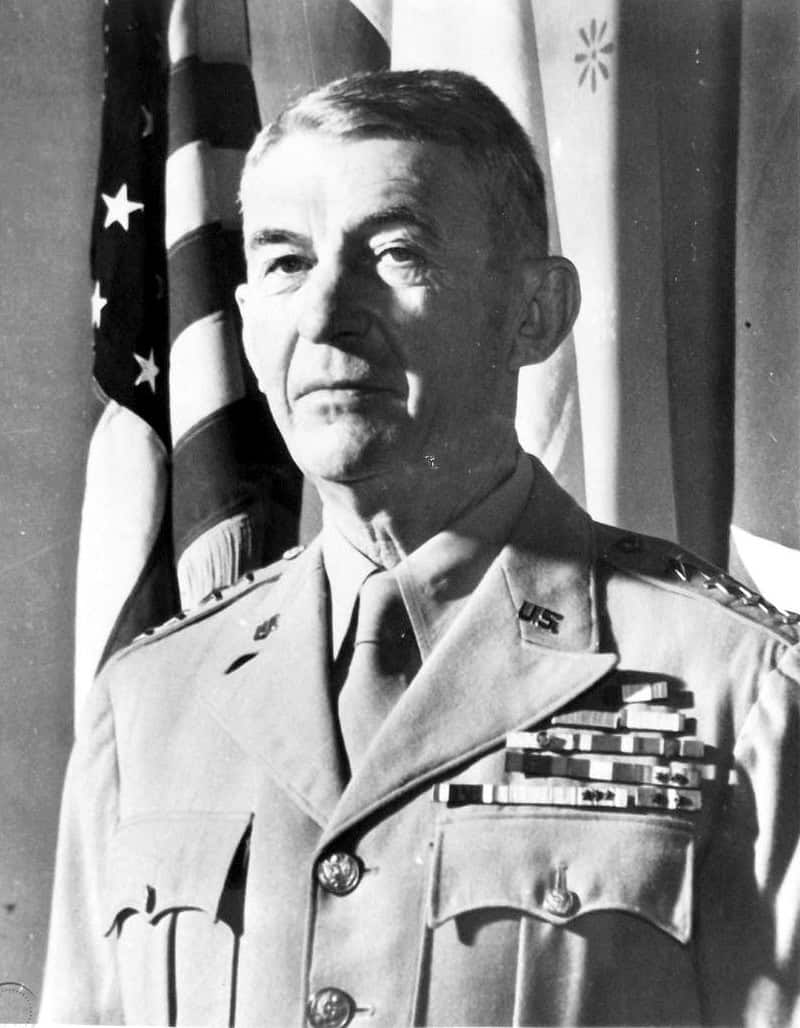
Walter Krueger
- Branch: U.S. Army
- Highest WWII Rank: General
- Major Theater / Campaigns: Southwest Pacific
- Signature Victory or Operation: New Guinea Campaign
- Leadership Style: Methodical and persistent
- Why They Became Influential: Led Sixth Army operations
- Strategic Contribution to the War: Advanced Allied position toward Philippines
- Postwar Legacy: Respected Pacific ground commander
Walter Krueger became one of the most respected ground commanders in the Pacific Theater through his leadership of the U.S. Sixth Army during campaigns across New Guinea and the Philippines. Krueger specialized in methodical offensive operations against heavily defended Japanese positions while dealing with difficult jungle terrain, logistical problems, and tropical disease. His forces played major roles in MacArthur’s return to the Philippines and the broader Allied advance toward Japan. Although less publicly famous than commanders such as Patton or MacArthur, Krueger earned strong respect within military circles for his steady leadership and operational effectiveness during difficult Pacific campaigns.
The image featured at the top of this post is ©Unknown Author / Public Domain – License / Original