





The Powerful War Machines That Helped the Allies Win WWII
When most people think about the vehicles that won World War II, a handful of famous tanks usually come to mind. But Allied victory depended on a much larger collection of armored fighting vehicles that worked together to move troops, gather intelligence, destroy enemy armor, and overcome fortified defenses. Some were produced by the tens of thousands, while others filled highly specialized roles during pivotal battles. Here, History Computer is exploring these Allied war machines.
Here is a look at the tanks and vehicles that helped the Allies push towards victory in WWII:
The Machines Behind Allied Momentum
World War II is often remembered through decisive battles, famous generals, and dramatic campaigns. Yet none of those victories would have been possible without the armored vehicles that carried Allied armies across continents. From the beaches of Normandy to the streets of Berlin and the islands of the Pacific, tanks and armored vehicles provided the mobility, protection, and firepower needed to keep Allied forces advancing. Together, they formed the mechanized backbone of the war effort.
Victory Required More Than Just Tanks
While iconic vehicles such as the Sherman and T-34 receive much of the attention, Allied success depended on a much broader family of vehicles. Tank destroyers hunted enemy armor, reconnaissance vehicles located weaknesses in enemy defenses, half-tracks transported infantry, and engineering vehicles cleared obstacles that might otherwise halt an offensive. Modern combined-arms warfare emerged from the ability of these different platforms to operate together as a coordinated force.
Production Became a Weapon
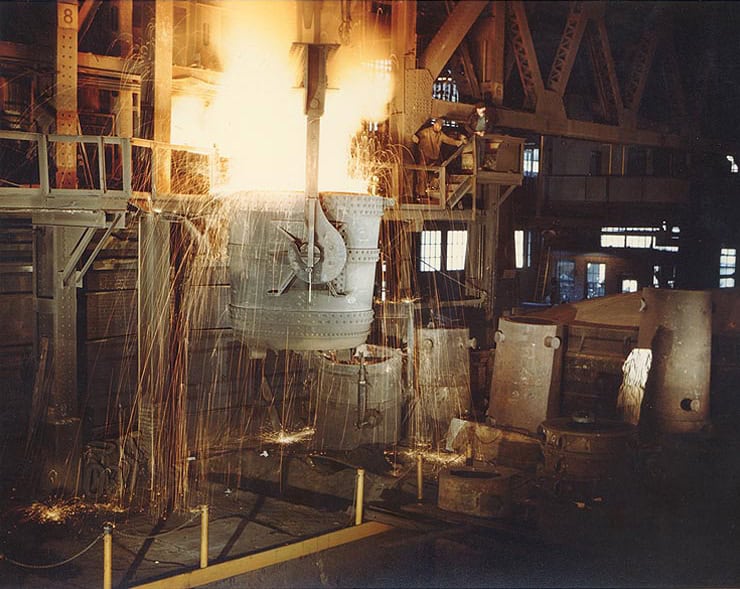
One of the Allies' greatest advantages was the ability to build and field armored vehicles in enormous numbers. Factories in the United States, Soviet Union, Britain, and Canada produced tens of thousands of tanks and support vehicles that could replace losses and sustain offensive operations. Reliability and ease of maintenance often mattered just as much as armor thickness or gun size, allowing Allied armies to maintain momentum while their opponents struggled to keep pace.
Fighting Across Every Theater
The vehicles that helped win the war were designed for vastly different battlefields. Some excelled in the deserts of North Africa, others navigated the mud and snow of the Eastern Front, while amphibious vehicles carried troops ashore during Pacific island assaults and the Normandy landings. This adaptability allowed Allied commanders to conduct large-scale operations across multiple continents simultaneously, stretching Axis resources and creating opportunities for decisive breakthroughs.
The Vehicles That Opened the Road to Victory
As Allied armies advanced toward Berlin and pushed closer to Japan, armored vehicles became indispensable tools for offensive warfare. They broke through fortified defenses, protected advancing infantry, gathered critical intelligence, and supported amphibious assaults. The 20 vehicles on this list represent more than technological achievements—they were battlefield workhorses that helped transform Allied industrial strength into military victory and ultimately shaped the future of mechanized warfare.
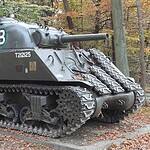
M4 Sherman
- Country of Service: United States
- Year Entered Service: 1942
- Vehicle Type: Medium Tank
- Primary Role: Breakthrough & exploitation
- Key Performance Metric: ~49,000 produced
- Major Campaigns: Northwest Europe, Italy, North Africa
- Why It Helped Allied Victory: Backbone of Western Allied armored forces
- Lasting Legacy: Influenced postwar NATO tank design
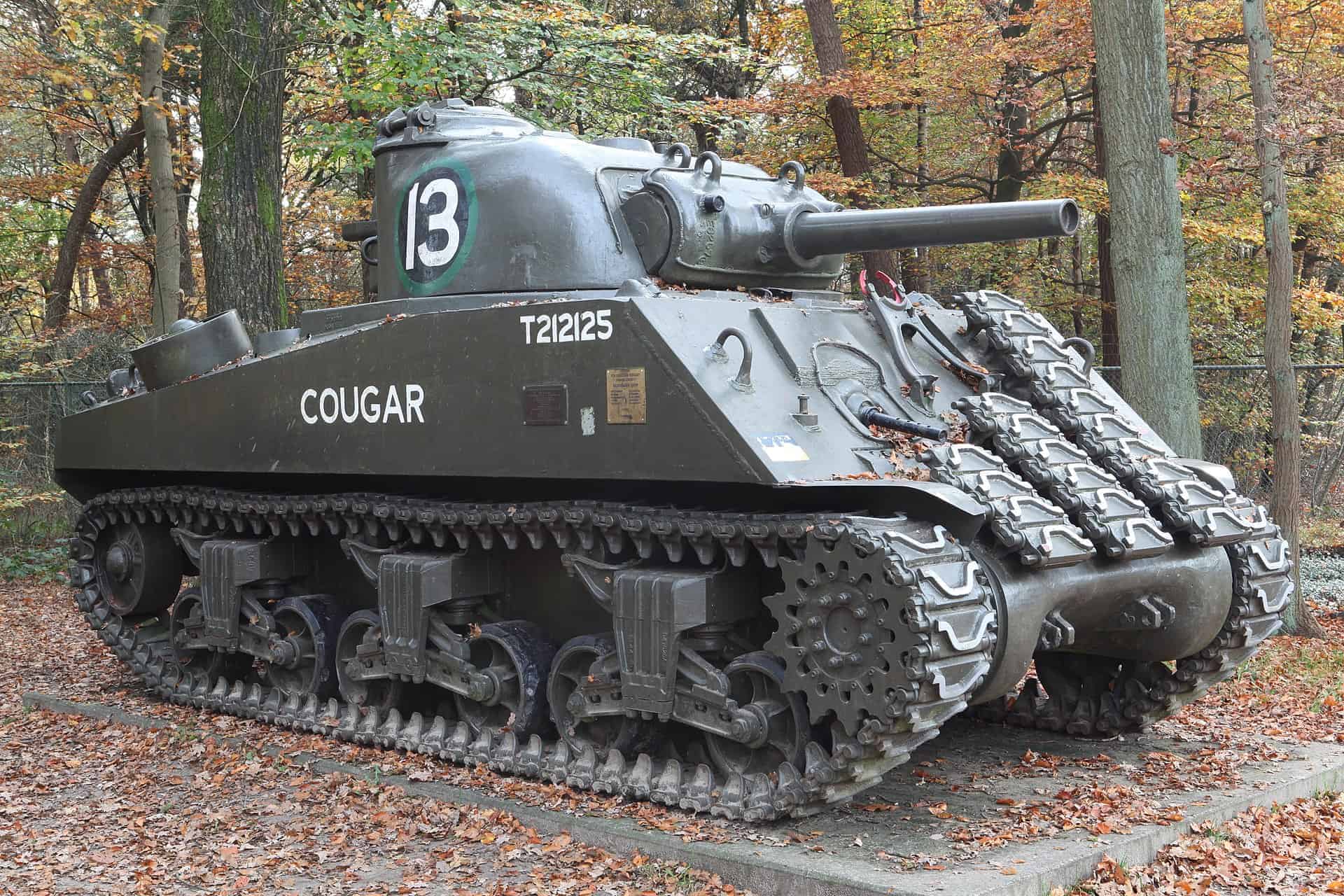
The M4 Sherman became the symbol of American armored warfare during World War II. While it was often outgunned by German heavy tanks in direct engagements, its reliability, ease of maintenance, and sheer production volume gave Allied commanders an advantage that Germany could not match. Shermans fought in North Africa, Italy, France, and Germany, supporting infantry, exploiting breakthroughs, and sustaining offensive momentum. Its ability to remain operational under harsh conditions made it one of the most important vehicles in the Allied victory.
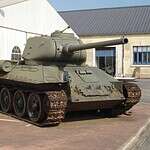
T-34/85
- Country of Service: Soviet Union
- Year Entered Service: 1944
- Vehicle Type: Medium Tank
- Primary Role: Breakthrough & maneuver warfare
- Key Performance Metric: 85mm gun
- Major Campaigns: Eastern Front
- Why It Helped Allied Victory: Enabled major Soviet offensives
- Lasting Legacy: Influenced Cold War tank development
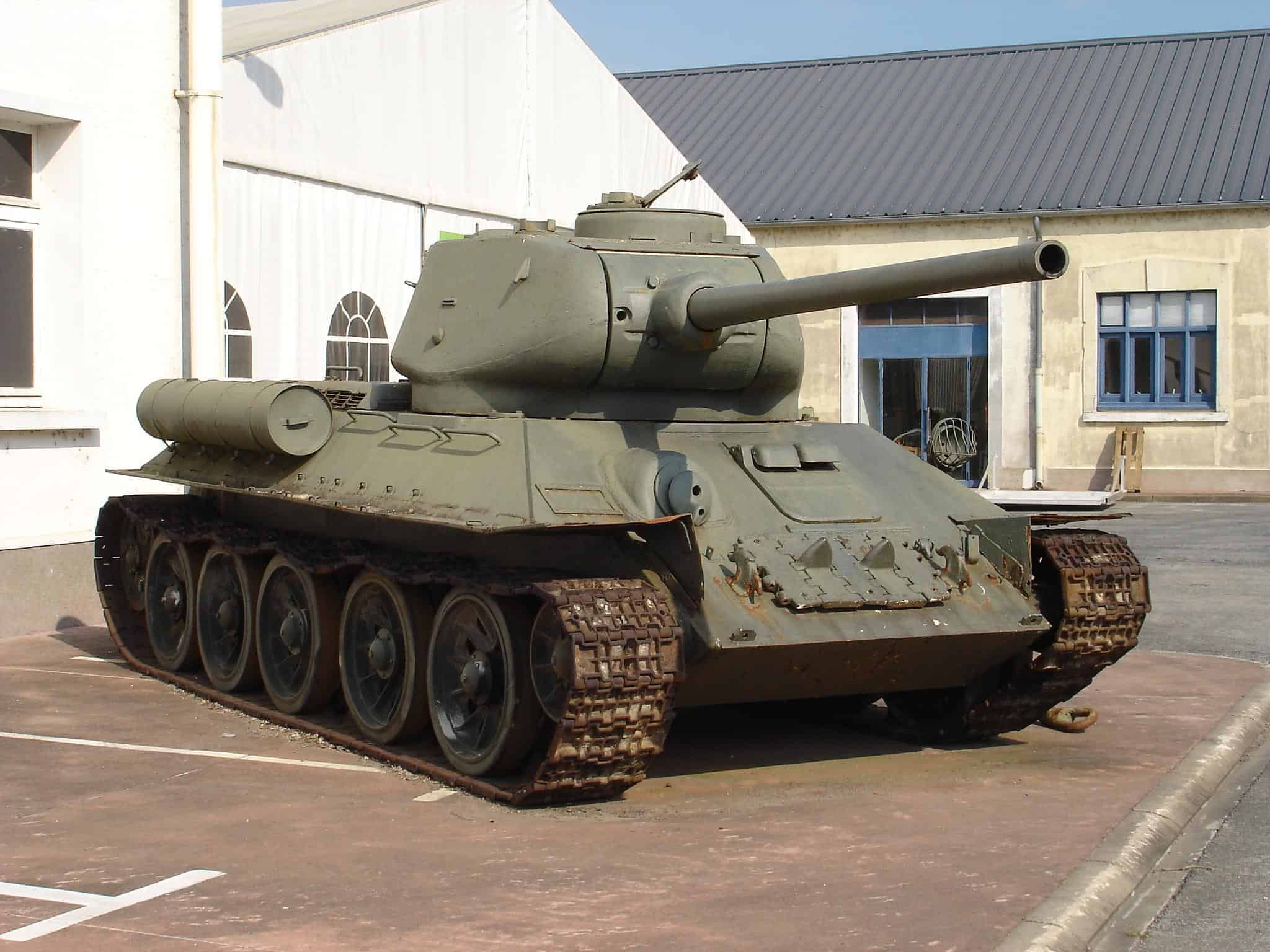
The T-34/85 represented the evolution of the Soviet Union's most important tank. Combining mobility, armor protection, and an improved 85mm gun, it proved capable of engaging German Panthers and Tigers more effectively than earlier variants. Produced in enormous numbers, the T-34/85 spearheaded Soviet offensives from Operation Bagration through the Battle of Berlin. Its balance of firepower and simplicity allowed Soviet forces to maintain relentless pressure on retreating German armies throughout the final years of the war.
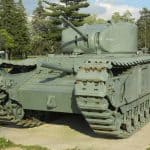
Churchill Infantry Tank
- Country of Service: United Kingdom
- Year Entered Service: 1941
- Vehicle Type: Infantry Tank
- Primary Role: Infantry support
- Key Performance Metric: Heavy armor
- Major Campaigns: North Africa, Italy, Northwest Europe
- Why It Helped Allied Victory: Excelled in difficult terrain and assaults
- Lasting Legacy: Basis for many specialist variants
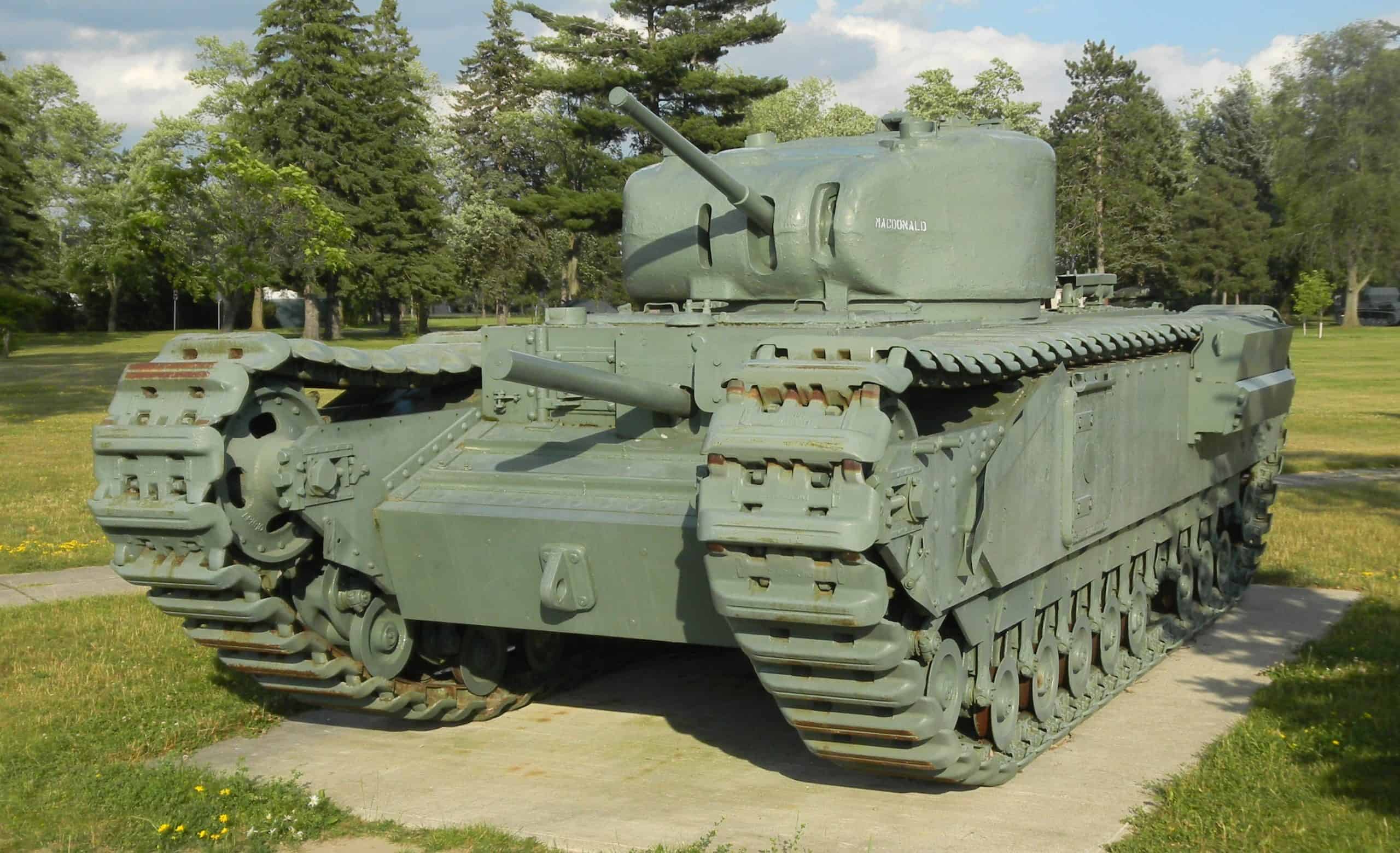
The Churchill was unlike most Allied tanks, prioritizing armor and obstacle-crossing ability over speed. Its thick armor allowed it to survive intense combat while supporting infantry assaults against fortified positions. The vehicle excelled in difficult terrain where faster tanks often struggled. Churchill tanks served from North Africa to Northwest Europe and became the foundation for numerous specialized engineering vehicles. Their versatility helped Allied forces overcome many of the defensive obstacles that stood between them and victory.
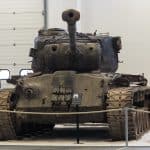
M26 Pershing
- Country of Service: United States
- Year Entered Service: 1945
- Vehicle Type: Heavy/Medium Tank
- Primary Role: Anti-armor operations
- Key Performance Metric: 90mm gun
- Major Campaigns: Northwest Europe
- Why It Helped Allied Victory: Countered late-war German heavy tanks
- Lasting Legacy: Precursor to postwar U.S. MBTs
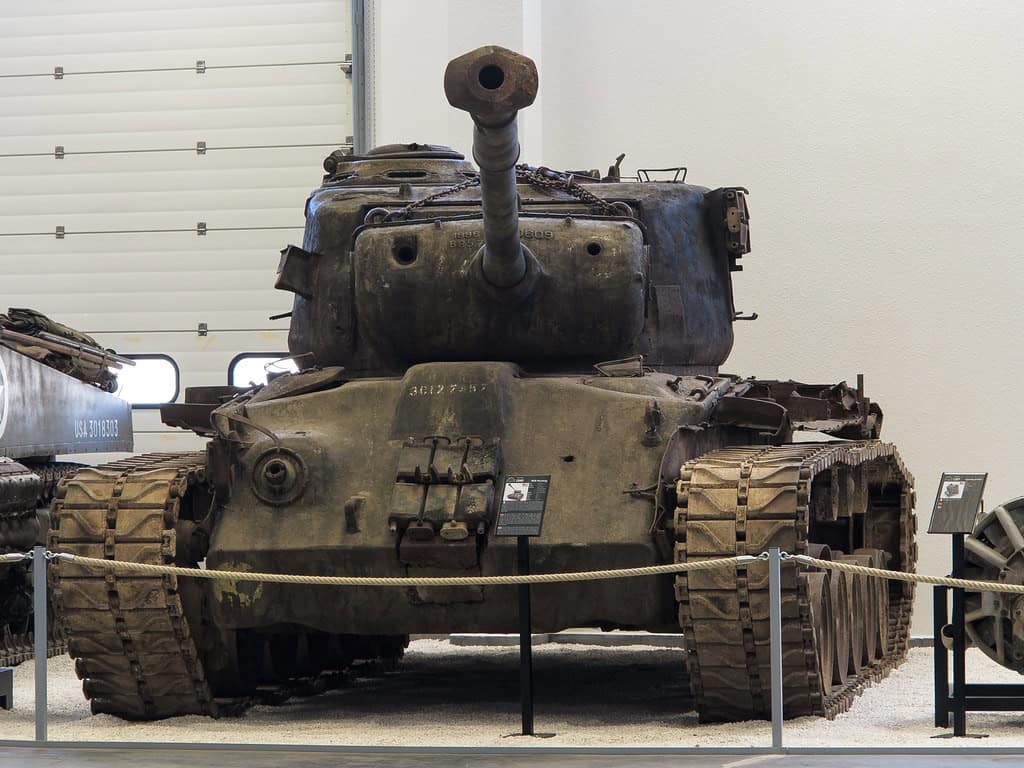
Introduced late in the war, the M26 Pershing provided American forces with a tank capable of confronting Germany's heaviest armored vehicles on more equal terms. Equipped with a powerful 90mm gun and improved armor protection, it addressed many shortcomings of earlier U.S. tank designs. Although it saw limited combat compared to the Sherman, the Pershing demonstrated the future direction of American armored warfare and contributed to Allied advances during the final months of the European campaign.
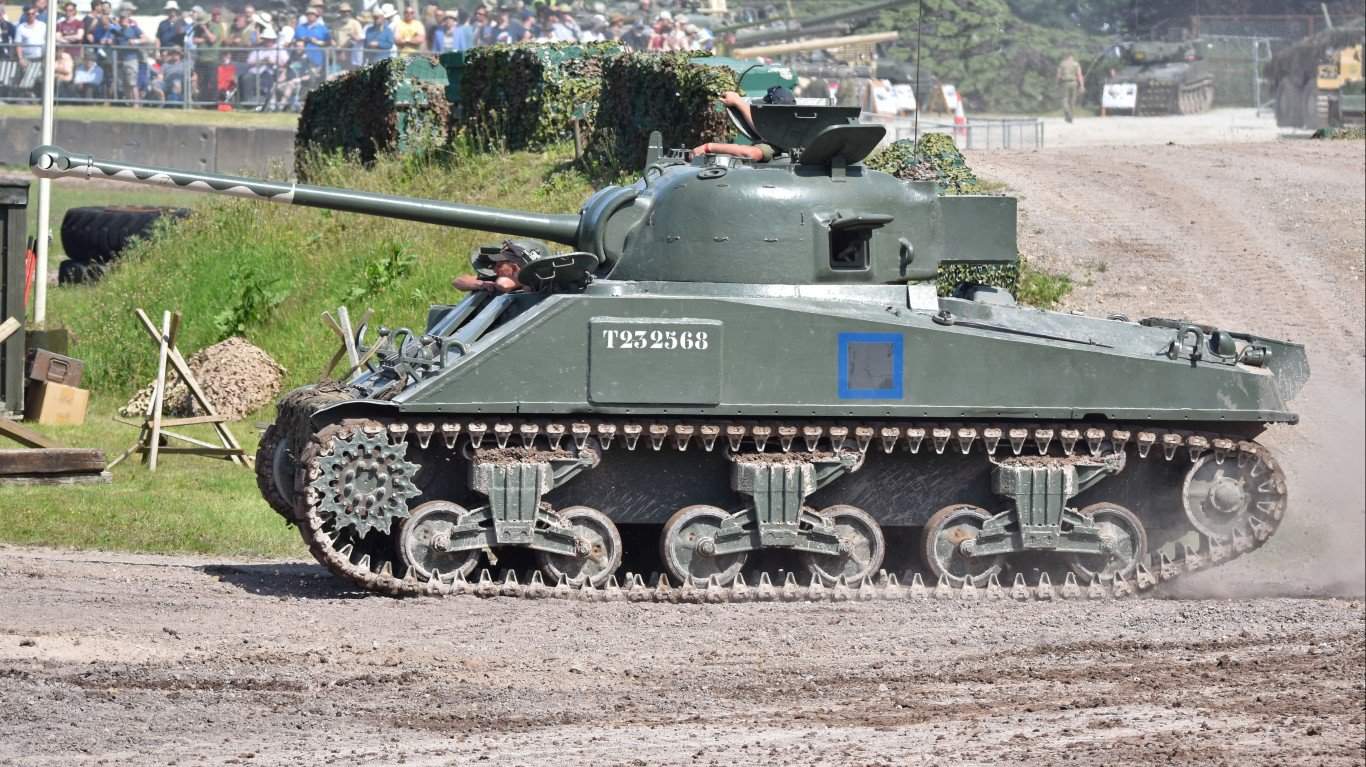
Sherman Firefly
- Country of Service: United Kingdom
- Year Entered Service: 1944
- Vehicle Type: Medium Tank
- Primary Role: Tank hunting
- Key Performance Metric: 17-pounder gun
- Major Campaigns: Northwest Europe
- Why It Helped Allied Victory: Gave British units strong anti-tank capability
- Lasting Legacy: Demonstrated value of upgunned variants
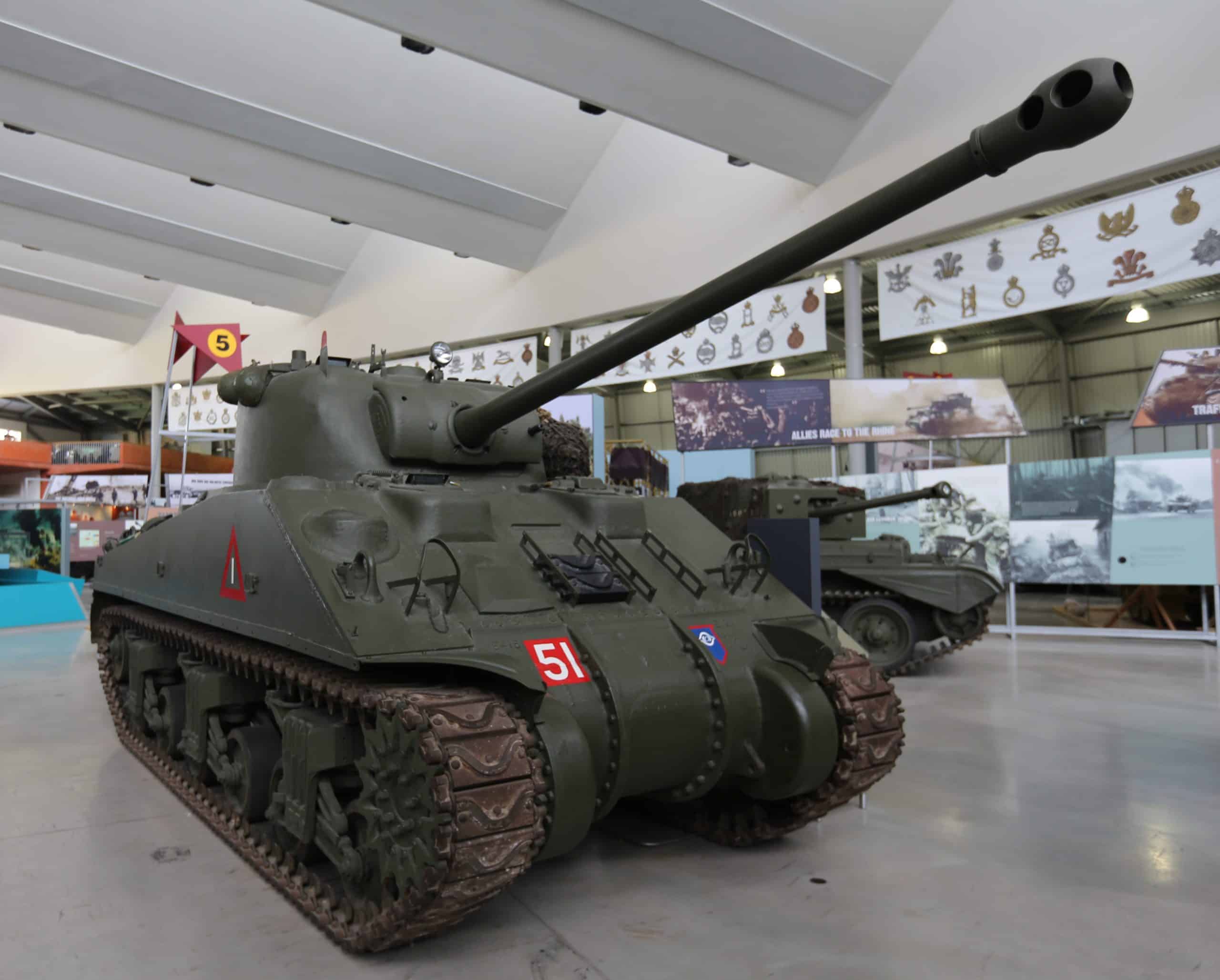
The Sherman Firefly transformed the standard Sherman into a potent tank killer through the addition of Britain's powerful 17-pounder gun. This modification gave British and Commonwealth forces a much-needed weapon capable of defeating Panthers and Tigers at combat ranges. Fireflies often operated alongside conventional Shermans, providing long-range anti-tank protection while retaining the reliability of the base platform. Their presence significantly improved Allied armored effectiveness during the campaign across France and into Germany.
Cromwell Tank
- Country of Service: United Kingdom
- Year Entered Service: 1944
- Vehicle Type: Cruiser Tank
- Primary Role: Rapid exploitation
- Key Performance Metric: High road speed
- Major Campaigns: Northwest Europe
- Why It Helped Allied Victory: Supported fast-moving offensives
- Lasting Legacy: Influenced later British cruiser tanks
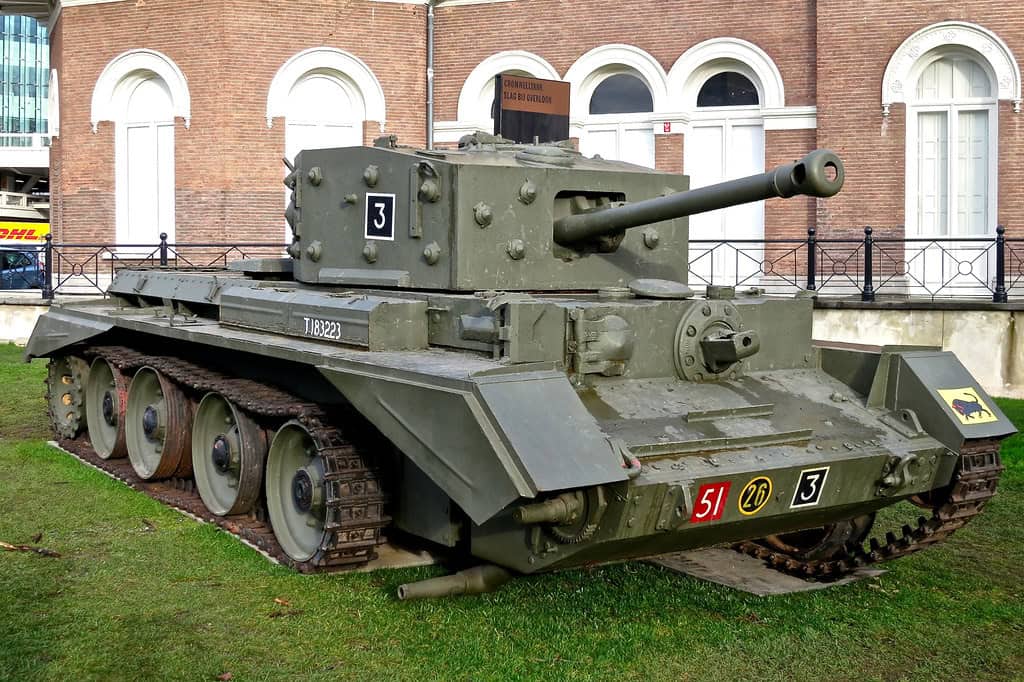
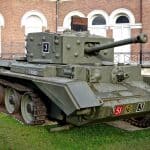
The Cromwell was one of Britain's fastest wartime tanks, allowing Allied commanders to exploit breakthroughs with speed and flexibility. Its mobility proved especially valuable following the Normandy breakout, when rapid advances became essential. While it lacked the armor of some contemporaries, the Cromwell's speed enabled reconnaissance, pursuit, and maneuver operations that helped keep German forces off balance. It demonstrated how mobility could be just as decisive as firepower during fast-moving offensive campaigns.
Comet Tank
- Country of Service: United Kingdom
- Year Entered Service: 1944
- Vehicle Type: Cruiser Tank
- Primary Role: Mobile firepower
- Key Performance Metric: 77mm HV gun
- Major Campaigns: Northwest Europe
- Why It Helped Allied Victory: Combined speed with strong firepower
- Lasting Legacy: Bridge to the Centurion era
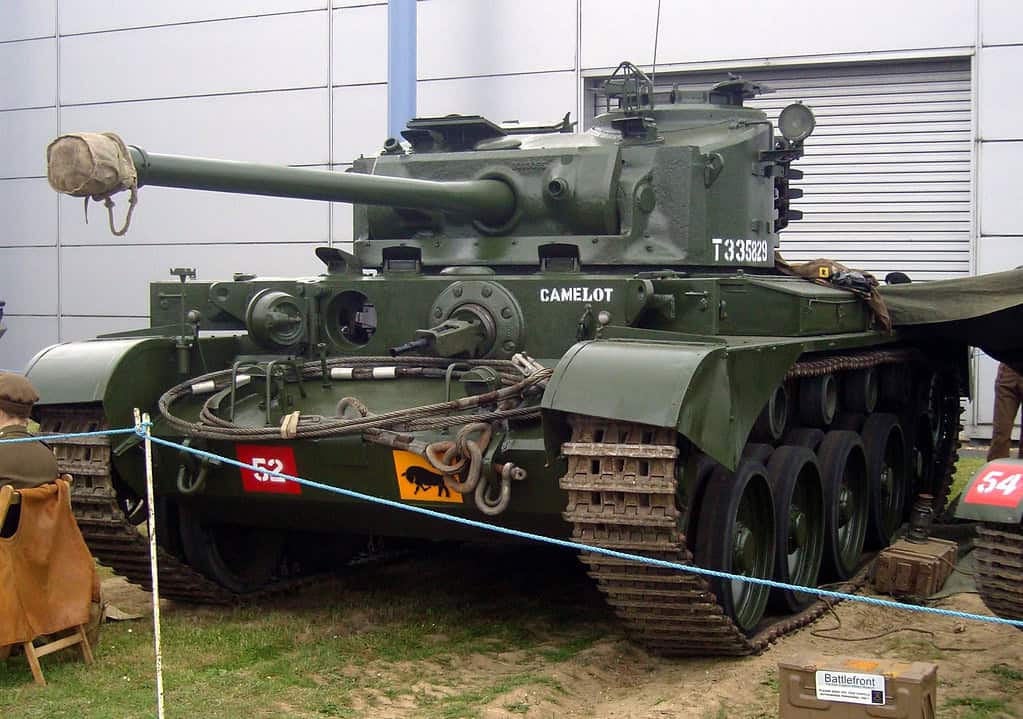
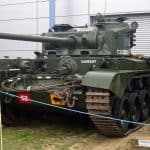
The Comet represented the culmination of Britain's wartime cruiser tank development. Combining excellent mobility with the powerful 77mm High Velocity gun, it provided crews with a balanced platform capable of engaging both armor and soft targets. Arriving during the final stages of the war, the Comet helped Allied forces maintain offensive pressure as they advanced into Germany. Many historians view it as a direct bridge between wartime British tank design and the highly successful postwar Centurion.
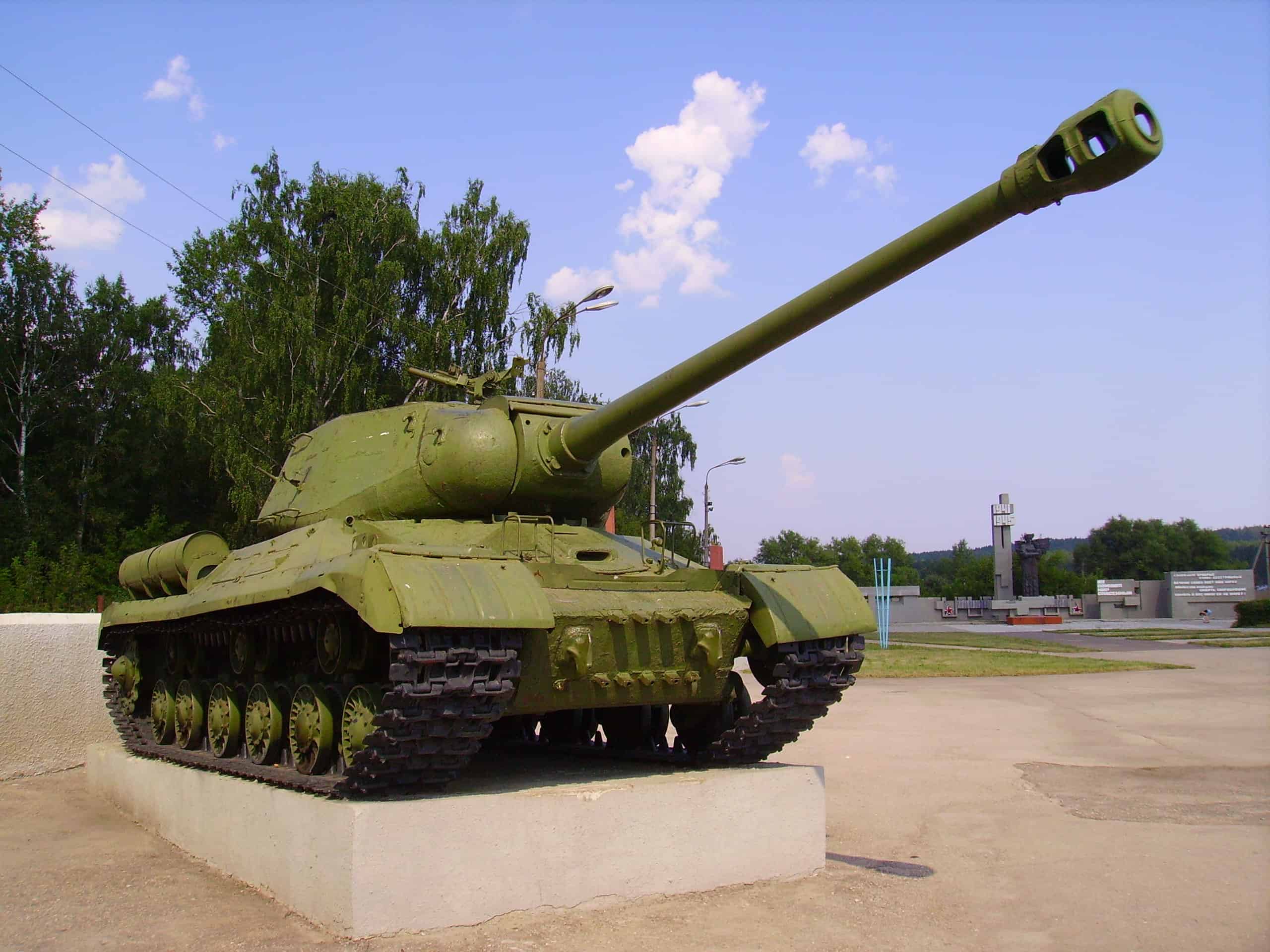
IS-2 Heavy Tank
- Country of Service: Soviet Union
- Year Entered Service: 1944
- Vehicle Type: Heavy Tank
- Primary Role: Breakthrough & assault
- Key Performance Metric: 122mm gun
- Major Campaigns: Eastern Front
- Why It Helped Allied Victory: Smashed fortified defenses
- Lasting Legacy: Influenced Soviet heavy tank doctrine
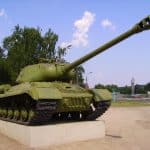
The Soviet IS-2 was designed to break through heavily fortified defenses and destroy enemy strongpoints. Armed with a massive 122mm gun, it could devastate bunkers, buildings, and armored vehicles alike. IS-2 units frequently led assaults during major Soviet offensives across Eastern Europe and into Germany. Their ability to withstand enemy fire while delivering overwhelming firepower made them particularly valuable during urban combat and siege operations, helping clear the path toward Berlin.
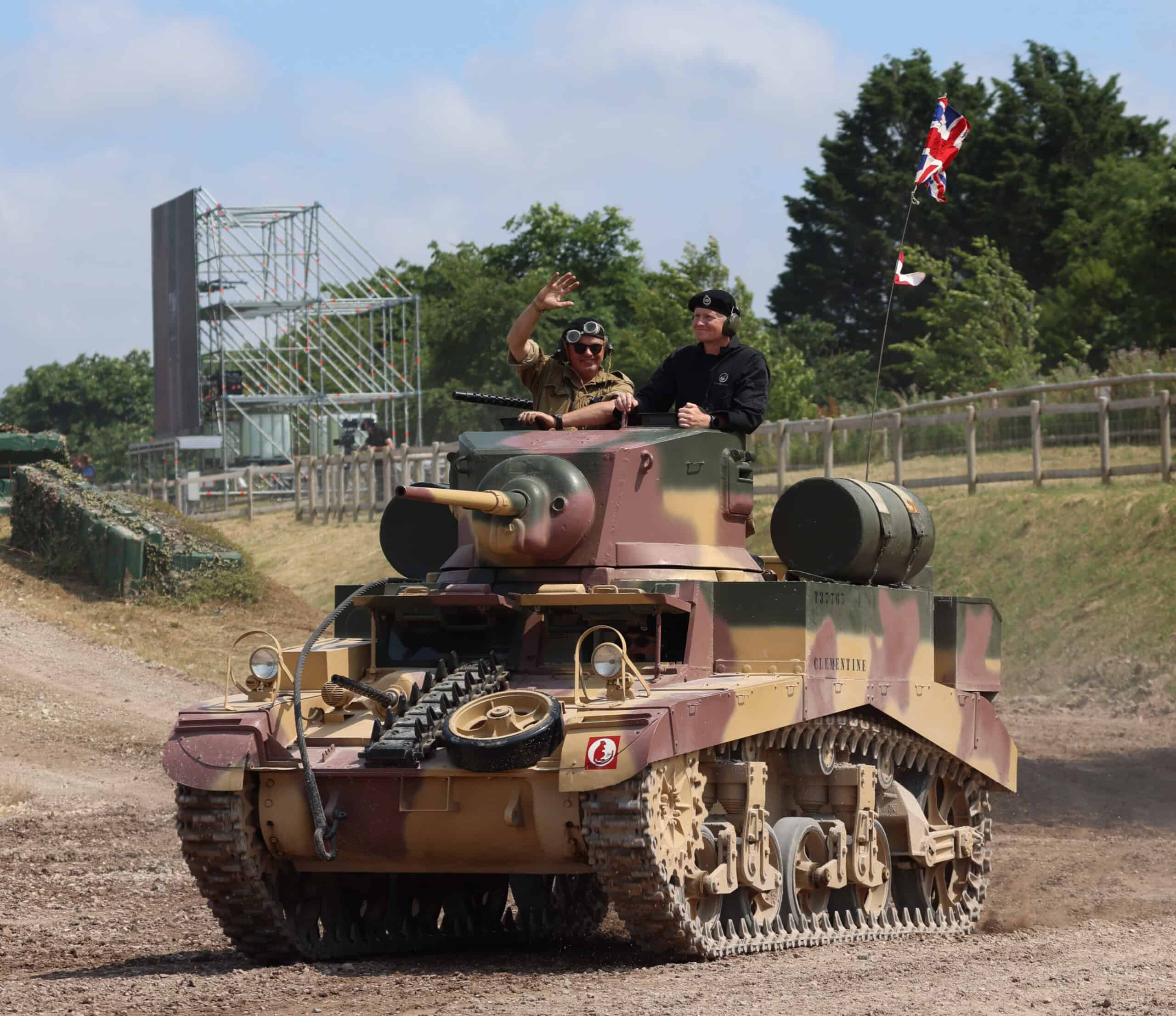
M3 Stuart
- Country of Service: United States
- Year Entered Service: 1941
- Vehicle Type: Light Tank
- Primary Role: Reconnaissance
- Key Performance Metric: High reliability
- Major Campaigns: Multiple theaters
- Why It Helped Allied Victory: Provided scouting and screening
- Lasting Legacy: Helped shape reconnaissance concepts
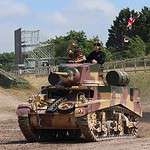
Although lightly armed and armored by later-war standards, the M3 Stuart performed critical reconnaissance and security missions throughout the conflict. Its speed and reliability made it ideal for scouting enemy positions, screening larger formations, and maintaining contact between advancing units. The Stuart served in North Africa, Europe, and the Pacific, often operating in environments where information was as valuable as firepower. Its contributions helped Allied commanders make better battlefield decisions during offensive operations.
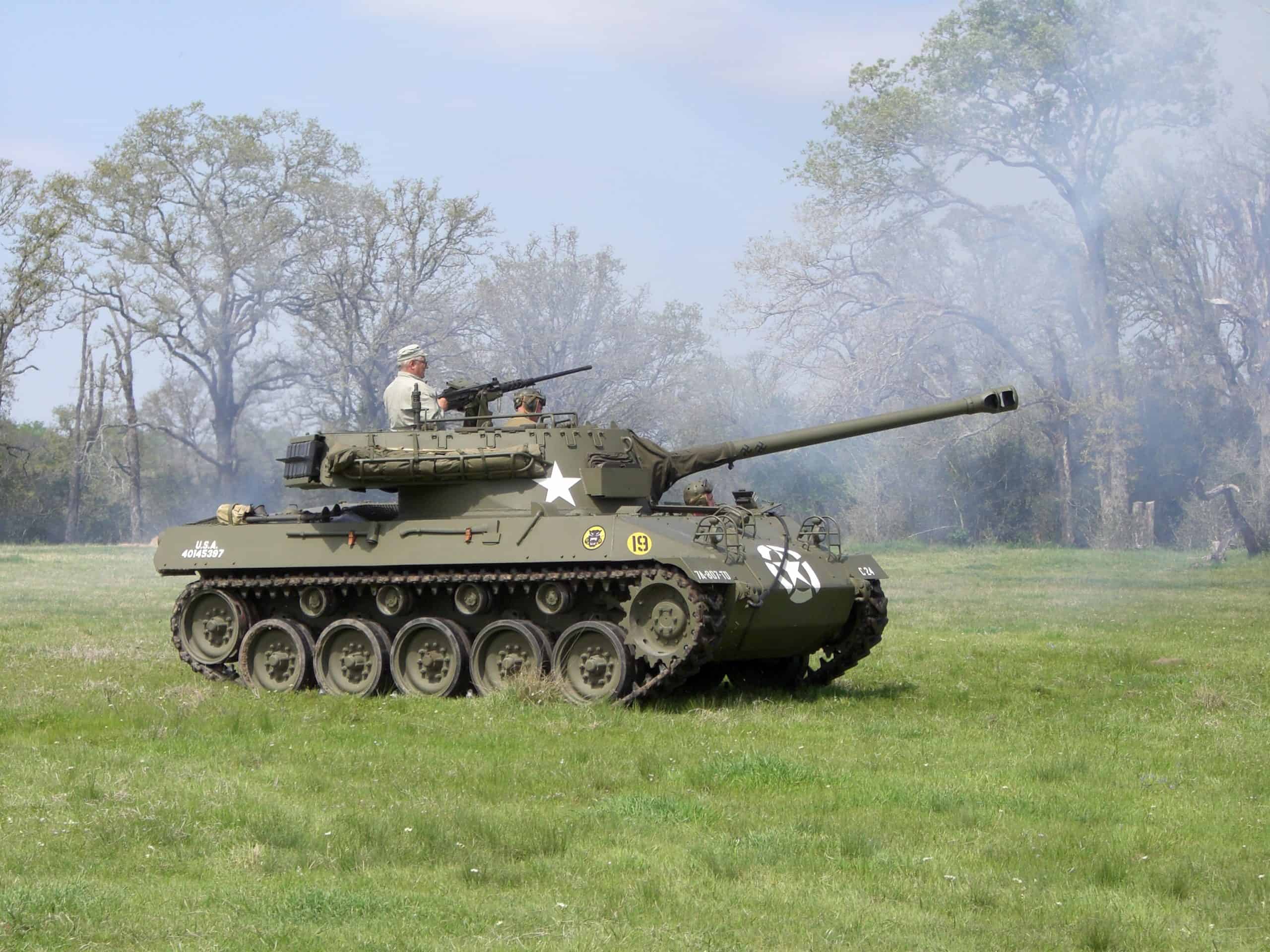
M18 Hellcat
- Country of Service: United States
- Year Entered Service: 1944
- Vehicle Type: Tank Destroyer
- Primary Role: Anti-tank operations
- Key Performance Metric: High speed
- Major Campaigns: Northwest Europe
- Why It Helped Allied Victory: Rapidly engaged armored threats
- Lasting Legacy: Famous tank-destroyer design
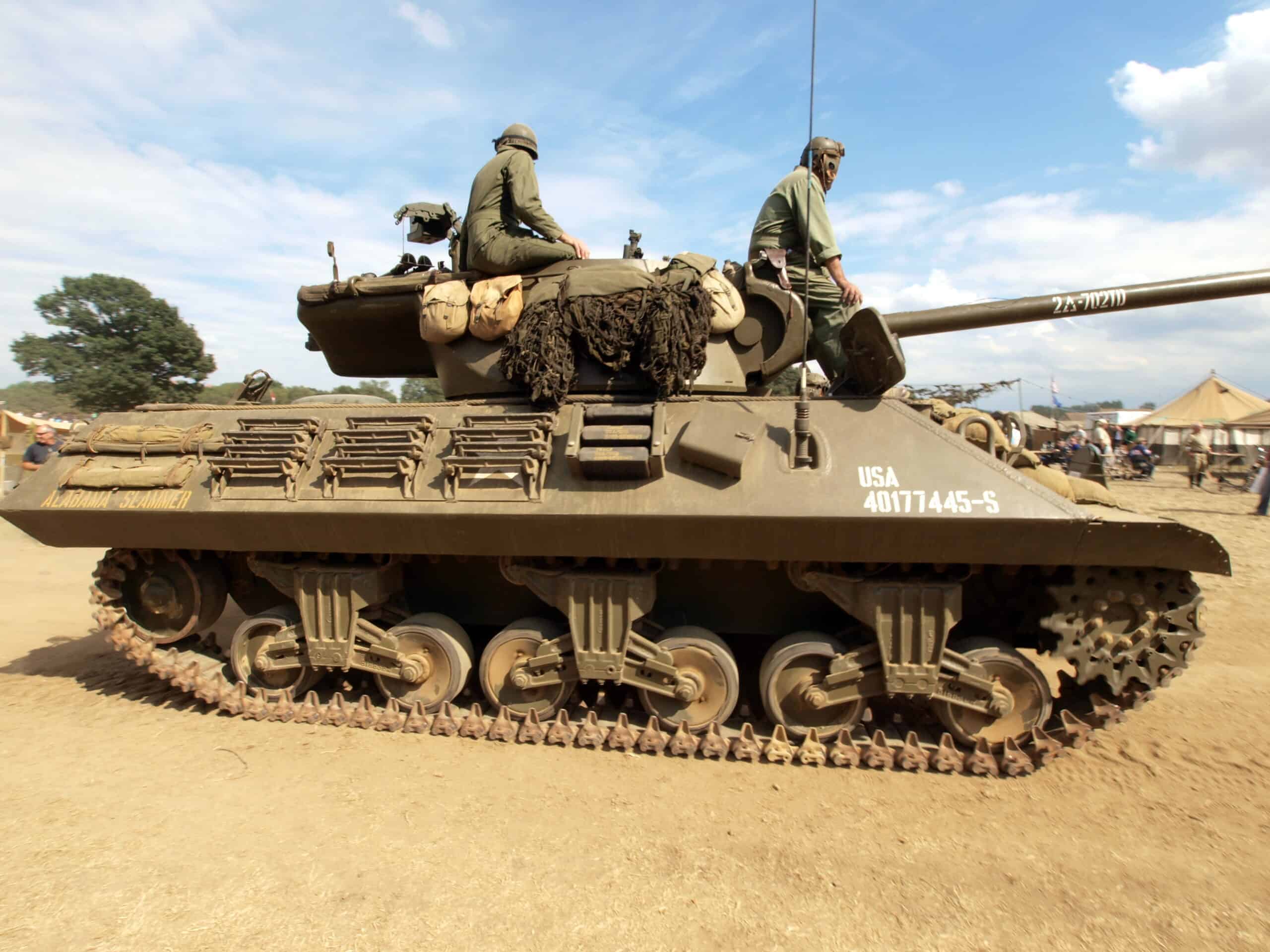
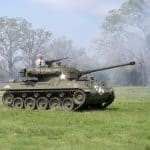
The M18 Hellcat was the fastest tracked armored vehicle fielded during World War II. Designed as a tank destroyer, it relied on speed and maneuverability rather than heavy armor for survival. Hellcat crews used hit-and-run tactics to engage German armor before quickly repositioning. This mobility allowed American forces to respond rapidly to emerging threats and exploit weaknesses in enemy lines. The Hellcat's unique design reflected the U.S. Army's emphasis on aggressive maneuver warfare.
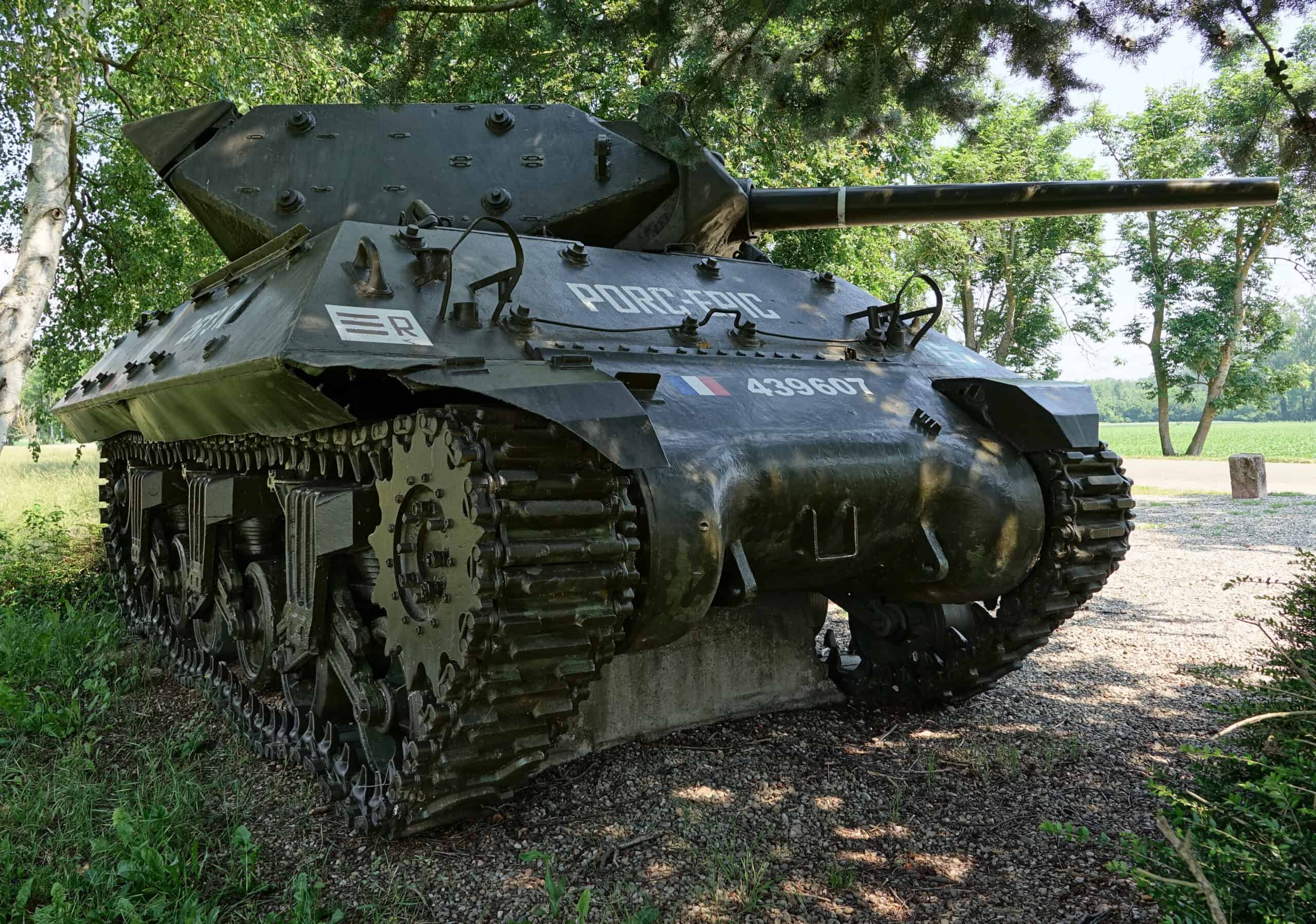
M10 Wolverine
- Country of Service: United States
- Year Entered Service: 1942
- Vehicle Type: Tank Destroyer
- Primary Role: Anti-tank operations
- Key Performance Metric: 3-inch gun
- Major Campaigns: Europe and North Africa
- Why It Helped Allied Victory: Supported Allied armored advances
- Lasting Legacy: Key U.S. tank-destroyer platform
The M10 Wolverine was one of the most widely used Allied tank destroyers of the war. Equipped with a powerful gun and relatively mobile chassis, it provided essential anti-tank support during Allied advances. M10 units often accompanied armored formations, helping counter German armored counterattacks. While later designs offered improved firepower, the Wolverine proved dependable and effective across multiple theaters. Its widespread use made it an important contributor to Allied combined-arms operations.
M36 Jackson
- Country of Service: United States
- Year Entered Service: 1944
- Vehicle Type: Tank Destroyer
- Primary Role: Heavy anti-tank operations
- Key Performance Metric: 90mm gun
- Major Campaigns: Northwest Europe
- Why It Helped Allied Victory: Defeated heavier German armor
- Lasting Legacy: Extended U.S. anti-tank capability
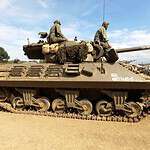
The M36 Jackson was developed to address the growing threat posed by heavily armored German tanks. Its powerful 90mm gun gave American crews a much greater ability to engage Panthers and Tigers successfully. Entering service late in the war, the M36 strengthened Allied anti-tank capabilities during the push into Germany. The vehicle combined mobility with significant firepower, allowing it to support offensive operations while providing a credible response to some of the toughest armored targets on the battlefield.
SU-100
- Country of Service: Soviet Union
- Year Entered Service: 1944
- Vehicle Type: Tank Destroyer
- Primary Role: Anti-tank operations
- Key Performance Metric: 100mm gun
- Major Campaigns: Eastern Front
- Why It Helped Allied Victory: Threatened German armored formations
- Lasting Legacy: Long postwar service life
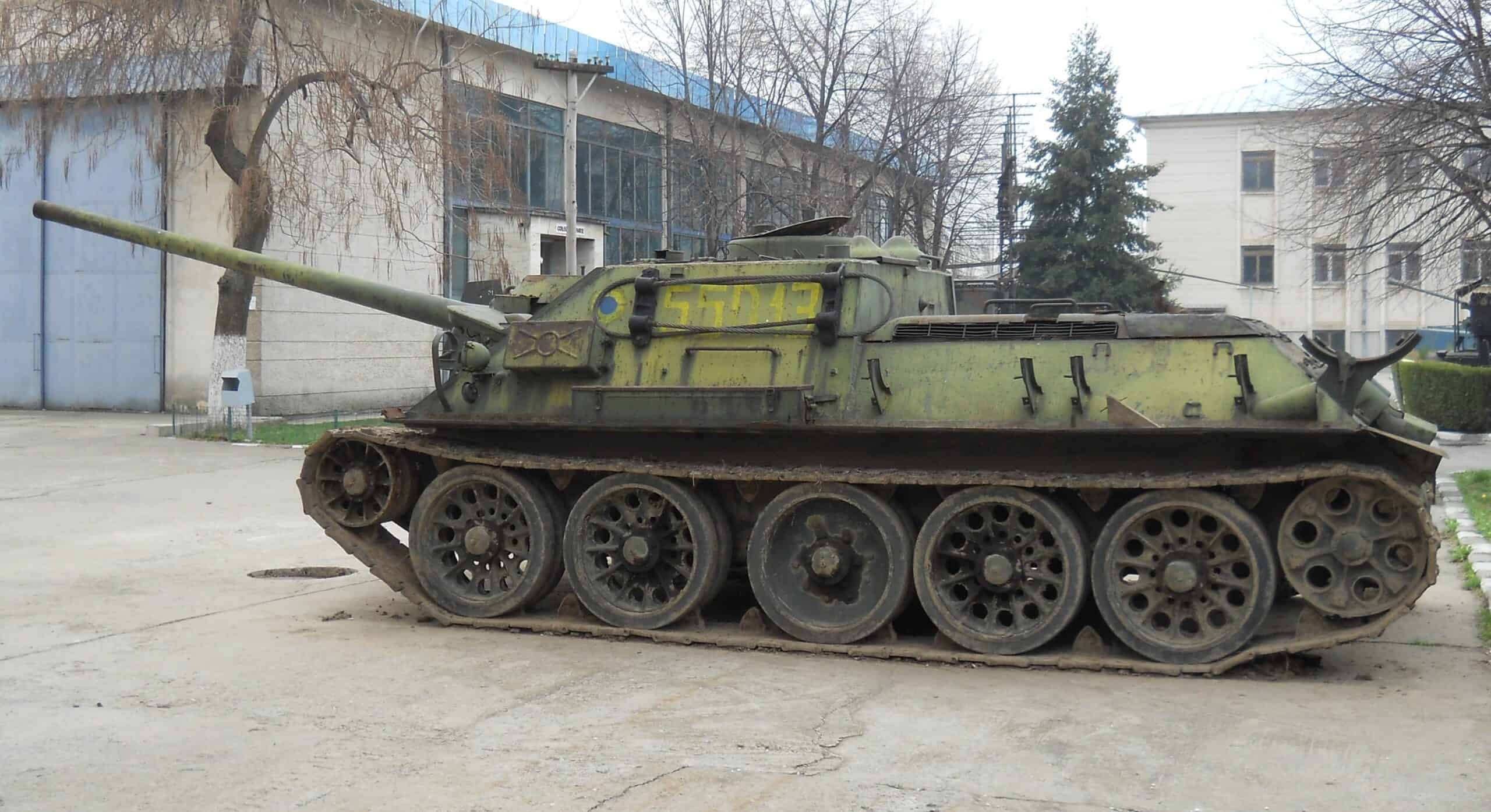
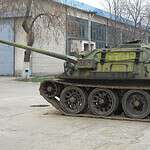
The SU-100 was one of the Soviet Union's most effective tank destroyers, mounting a powerful 100mm gun capable of defeating nearly any German armored vehicle. Built on the proven T-34 chassis, it combined mobility, reliability, and firepower in a highly practical design. SU-100 units played an important role in supporting Soviet offensives during the final stages of the war. Their effectiveness ensured continued service in many countries long after the conflict ended.
Universal Carrier
- Country of Service: United Kingdom
- Year Entered Service: 1937
- Vehicle Type: Armored Carrier
- Primary Role: Infantry and support transport
- Key Performance Metric: Over 100,000 produced
- Major Campaigns: Global service
- Why It Helped Allied Victory: Enhanced mobility across Allied forces
- Lasting Legacy: One of history's most-produced AFVs
Known commonly as the Bren Carrier, the Universal Carrier became one of the most-produced armored vehicles in military history. It served as a transport, reconnaissance vehicle, weapons carrier, and logistical support platform. Its adaptability allowed Allied forces to use it in nearly every theater of war. While not as glamorous as frontline tanks, the Universal Carrier helped maintain battlefield mobility and operational flexibility, supporting the larger mechanized forces that drove Allied offensives forward.
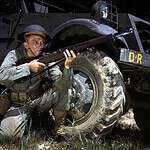
M3 Half-Track
- Country of Service: United States
- Year Entered Service: 1941
- Vehicle Type: Armored Personnel Carrier
- Primary Role: Mechanized infantry transport
- Key Performance Metric: Cross-country mobility
- Major Campaigns: Europe and North Africa
- Why It Helped Allied Victory: Kept infantry moving with armor
- Lasting Legacy: Influenced APC development
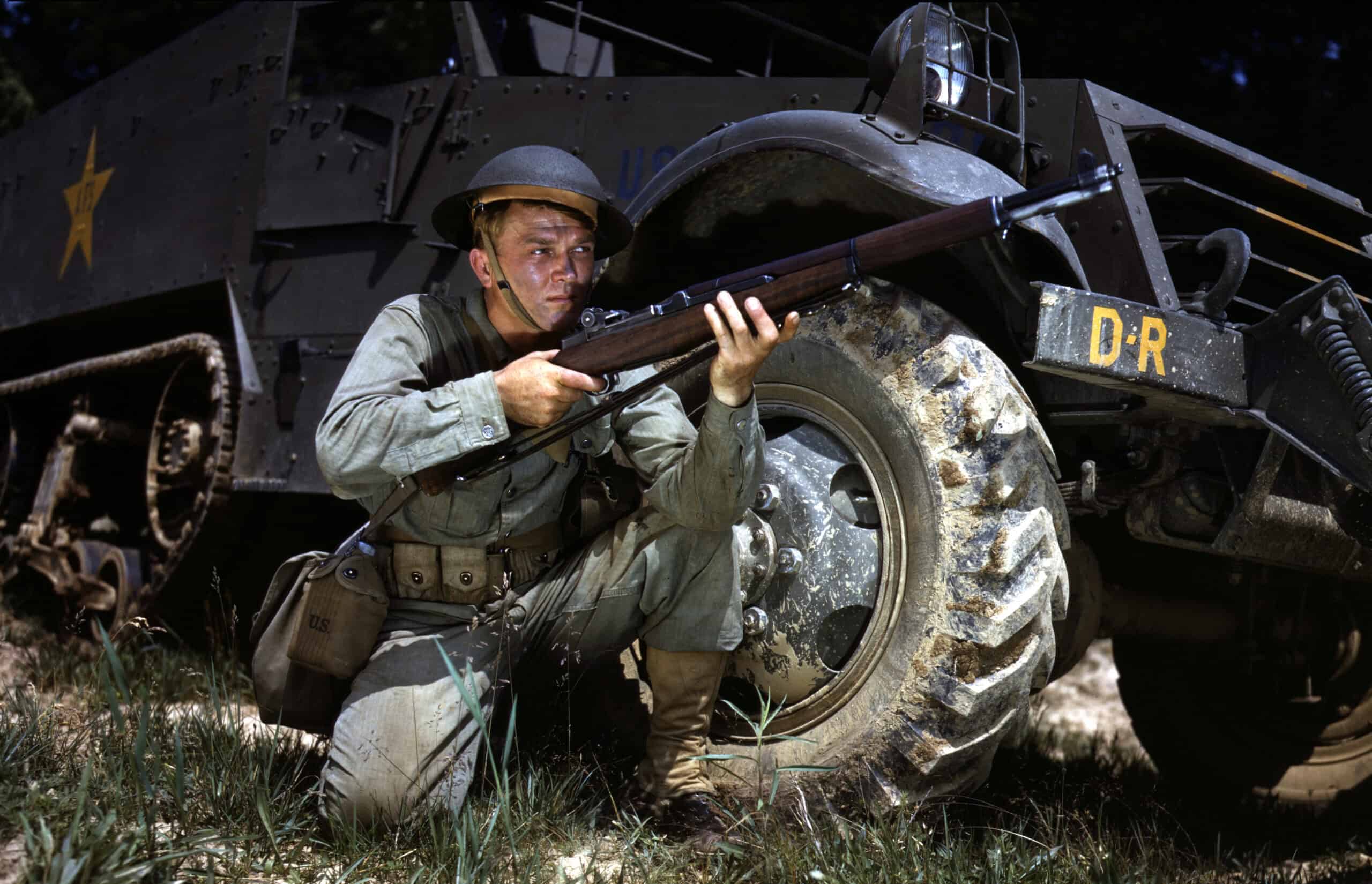
The M3 Half-Track helped mechanize Allied infantry by allowing soldiers to move alongside armored formations. Combining wheeled steering with tracked mobility, it could navigate rough terrain while carrying troops, weapons, and supplies. This capability improved coordination between infantry and tanks during offensive operations. The vehicle's widespread use enabled Allied armies to sustain rapid advances and maintain momentum across large distances, particularly in the campaigns following the Normandy landings.
M8 Greyhound
- Country of Service: United States
- Year Entered Service: 1943
- Vehicle Type: Armored Car
- Primary Role: Reconnaissance
- Key Performance Metric: High road speed
- Major Campaigns: Europe
- Why It Helped Allied Victory: Provided critical scouting capability
- Lasting Legacy: Successful postwar export vehicle
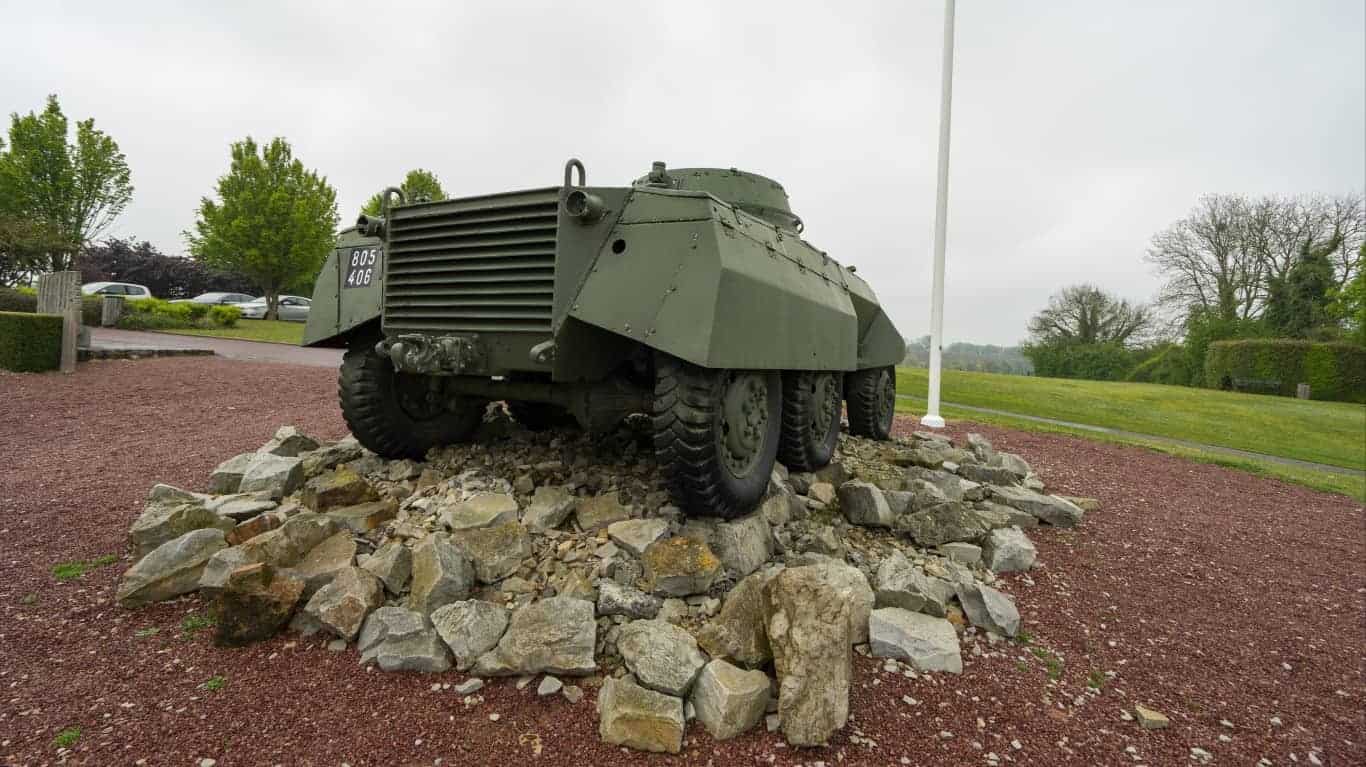
The M8 Greyhound served as one of the primary reconnaissance vehicles used by American forces in Europe. Fast, reliable, and relatively easy to maintain, it provided valuable intelligence about enemy positions and road networks. Reconnaissance units equipped with Greyhounds often operated far ahead of main formations, helping commanders identify opportunities and threats. The information they gathered contributed directly to the speed and effectiveness of Allied advances across France, Belgium, and Germany.
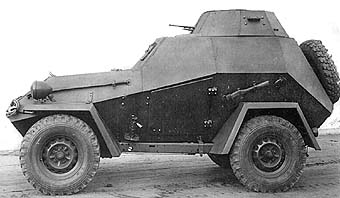
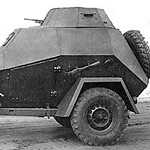
BA-64
- Country of Service: Soviet Union
- Year Entered Service: 1942
- Vehicle Type: Armored Car
- Primary Role: Reconnaissance
- Key Performance Metric: Compact design
- Major Campaigns: Eastern Front
- Why It Helped Allied Victory: Supplied mobile battlefield intelligence
- Lasting Legacy: Important Soviet recon platform
The BA-64 was the Soviet Union's most widely used armored car during World War II. Small and highly mobile, it performed reconnaissance, security, and communication missions across the vast Eastern Front. Although lightly armed, it provided Soviet commanders with valuable battlefield intelligence during large-scale offensives. Vehicles like the BA-64 played a crucial supporting role by helping maintain situational awareness and coordination, both of which were essential to sustaining the Red Army's rapid advances.
Churchill AVRE
- Country of Service: United Kingdom
- Year Entered Service: 1944
- Vehicle Type: Combat Engineering Vehicle
- Primary Role: Obstacle reduction
- Key Performance Metric: Petard mortar
- Major Campaigns: Northwest Europe
- Why It Helped Allied Victory: Helped breach fortifications
- Lasting Legacy: Pioneer of combat engineering armor
The Churchill Armoured Vehicle Royal Engineers, or AVRE, was one of the most innovative specialized vehicles fielded by the Allies. Designed to overcome obstacles, fortifications, and defensive positions, it carried engineering equipment and a powerful demolition weapon known as the Petard mortar. AVREs were particularly important during the Normandy campaign, where they helped breach German defenses. Their success demonstrated the critical role combat engineers played in enabling armored and infantry advances.
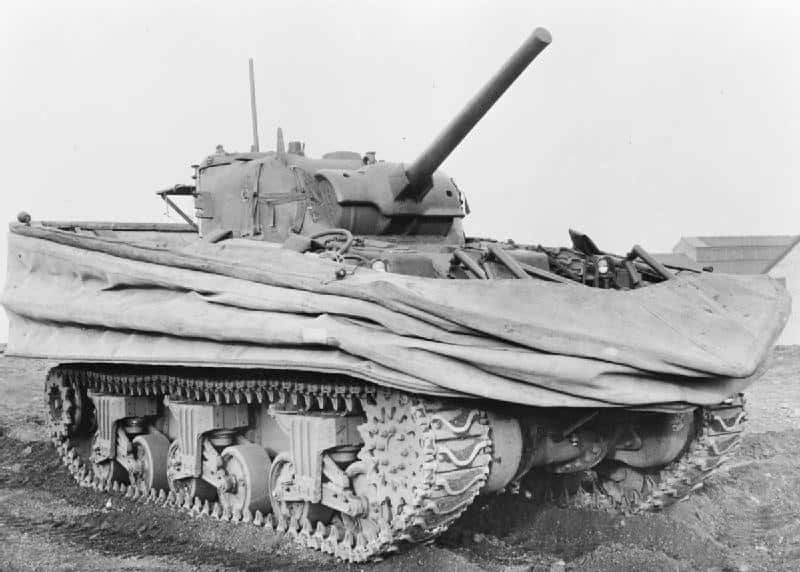
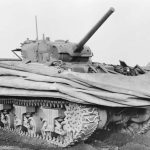
Sherman DD
- Country of Service: United Kingdom/United States
- Year Entered Service: 1944
- Vehicle Type: Amphibious Tank
- Primary Role: Amphibious assault
- Key Performance Metric: Duplex Drive system
- Major Campaigns: Normandy and amphibious operations
- Why It Helped Allied Victory: Supported assault landings
- Lasting Legacy: Influenced amphibious armored concepts
The Sherman Duplex Drive, or DD, was an amphibious adaptation of the Sherman tank developed to support amphibious assaults. Equipped with flotation screens and propellers, it could travel through water before transitioning directly to land combat. Most famously used during the Normandy landings, Sherman DDs provided immediate armored support to assaulting troops. Although not all reached shore successfully, those that did helped establish beachheads that became the starting point for the liberation of Western Europe.
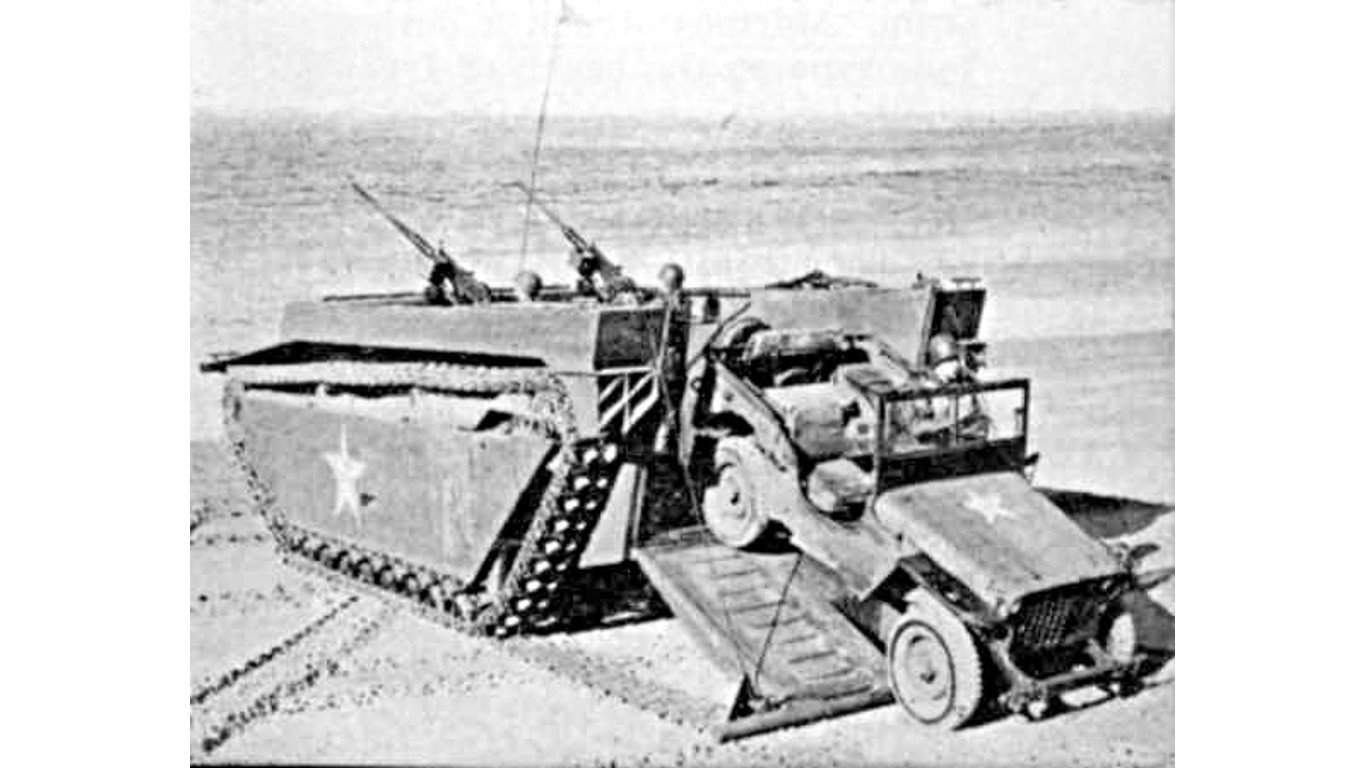
LVT(A)-4
- Country of Service: United States
- Year Entered Service: 1944
- Vehicle Type: Amphibious Assault Vehicle
- Primary Role: Amphibious fire support
- Key Performance Metric: 75mm howitzer
- Major Campaigns: Pacific Theater
- Why It Helped Allied Victory: Delivered armored firepower ashore
- Lasting Legacy: Key amphibious warfare vehicle
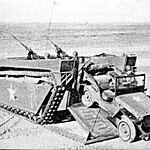
The LVT(A)-4 was an amphibious assault vehicle that provided vital fire support during Allied operations in the Pacific. Armed with a 75mm howitzer, it could engage enemy fortifications while transporting forces from ship to shore. Its ability to operate in both water and on land made it invaluable during island-hopping campaigns. By helping Marines and soldiers establish footholds on heavily defended beaches, the LVT(A)-4 played a direct role in advancing Allied forces toward Japan.
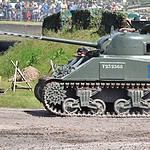
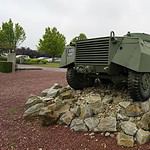
The image featured at the top of this post is ©"Sherman firefly bovington 2014" by Geni is licensed under BY-SA 4.0. – License / Original