


The NATO Tanks Built to Stop Russia’s Ground Forces
If NATO were forced into a ground war in Europe, its ability to counter Russian armored forces would depend heavily on the tanks and mechanized systems it can bring to the fight. These are not just individual vehicles, but the core of a broader strategy built around firepower, survivability, and coordination. From platforms like the M1A2 Abrams to widely deployed European armor, this list reflects the systems NATO would rely on to hold the line and push back. Here, History Computer is taking a closer look at these tanks.
To identify the tanks NATO forces rely on to counter Russia’s ground power, History Computer reviewed various historical and military sources. We included supplemental information for each tank regarding the vehicle type, primary battlefield role, firepower advantage, and primary NATO operators.
Here is a look at the tanks NATO forces rely on to counter Russia’s ground power:
Why Are We Covering This?
Understanding the tanks and armored systems NATO relies on to counter Russian ground power provides a clear view into how a modern, large-scale land war in Europe would actually be fought. As the focus of military planning shifts back to high-intensity conflict, armored warfare has reemerged as a decisive factor in controlling territory and shaping outcomes on the battlefield. NATO’s approach emphasizes not just individual platforms, but how those systems operate together through combined arms coordination to offset Russia’s advantage in mass and firepower. For readers, this offers more than a look at military hardware—it reveals how strategy, technology, and interoperability come together to define the balance of power on the ground in Europe.
The Return of Large-Scale Ground War in Europe
Europe is once again preparing for the possibility of high-intensity mechanized warfare, marking a shift away from decades of counterinsurgency-focused operations. A potential conflict with the Russian Ground Forces would involve large formations of tanks, mechanized infantry, and artillery working in coordination. In this type of war, ground forces would play a decisive role in both holding territory and conducting counteroffensives across contested regions.
Russia’s Advantage: Mass and Firepower
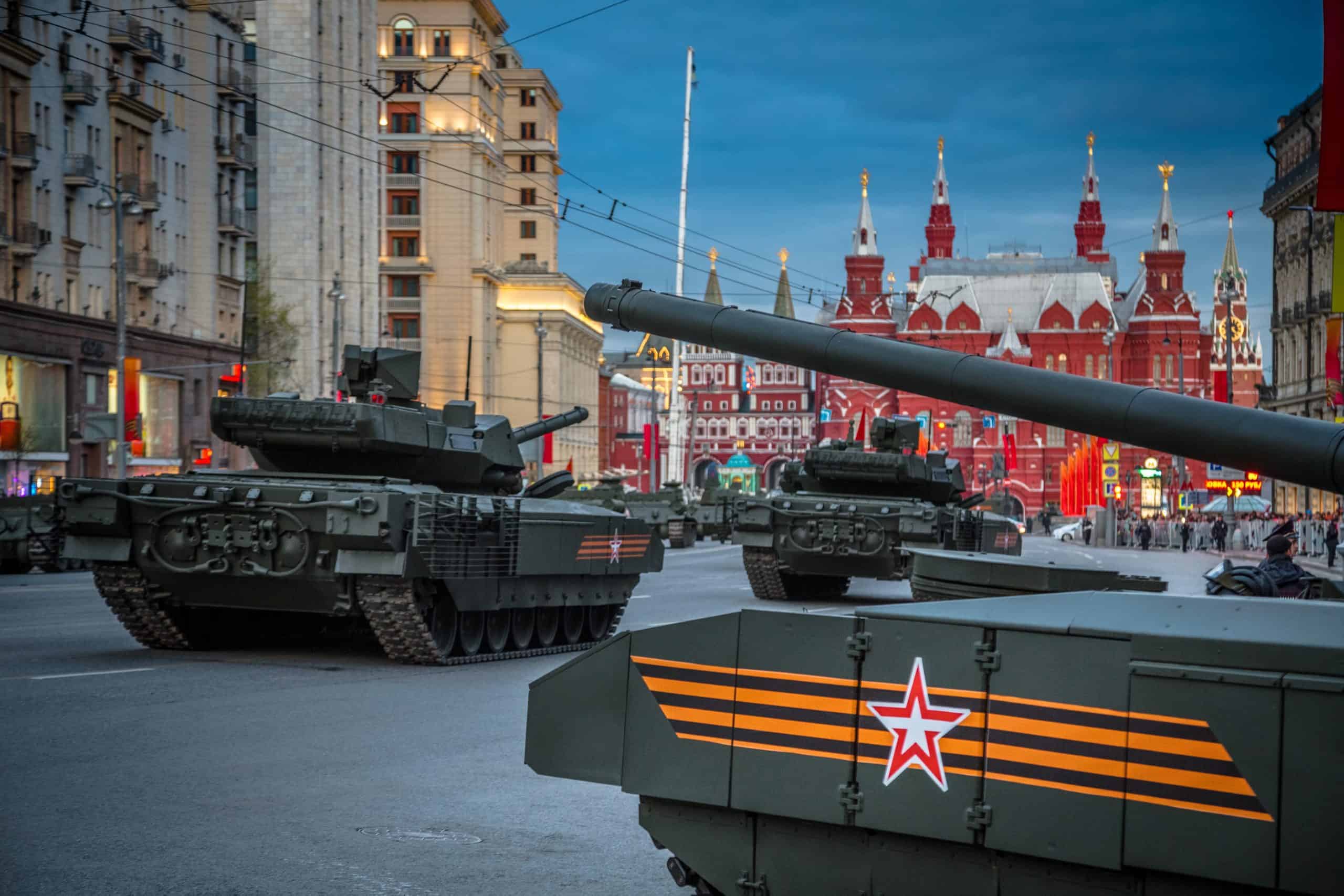
Russia’s ground warfare doctrine emphasizes the use of large armored formations supported by heavy artillery and sustained offensive pressure. Rather than relying solely on technological superiority, it leverages scale and volume to create momentum on the battlefield. This approach forces NATO to prepare not just for advanced systems, but for the sheer intensity and persistence of large-scale mechanized operations.
NATO’s Response: Quality and Coordination
NATO’s approach to countering this threat centers on deploying advanced armored platforms supported by highly coordinated combined arms operations. Tanks are integrated with infantry fighting vehicles, reconnaissance units, and supporting firepower to create a more flexible and responsive force. The objective is to offset numerical disadvantages by leveraging superior technology, training, and coordination.
Combined Arms Warfare Is Essential
Modern armored warfare depends on the seamless integration of multiple combat elements. Tanks alone cannot dominate the battlefield without support from infantry, artillery, and airpower. NATO’s strength lies in its ability to coordinate these elements effectively, allowing forces to exploit weaknesses, maintain momentum, and respond dynamically to evolving battlefield conditions.
The Tanks That Would Decide the Fight
In a large-scale European conflict, the performance of key armored platforms would play a central role in determining the outcome. Factors such as survivability, firepower, mobility, and integration with allied systems would dictate effectiveness under pressure. These tanks and supporting vehicles represent the core of NATO’s ground combat power and would be critical in countering Russian advances.
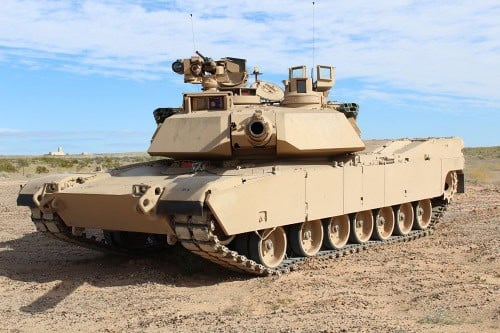
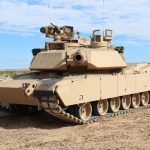
M1A2 Abrams
- Vehicle Type: Main Battle Tank
- Primary Battlefield Role: Armored breakthrough
- Combat Function vs Russian Forces: Counters mass armor
- Firepower Advantage: 120mm gun
- Protection and Survivability: Heavy composite armor
- Mobility and Maneuver Strength: High mobility
- Combined Arms Integration: Works with IFVs/artillery/air
- Primary NATO Operators: US, Poland
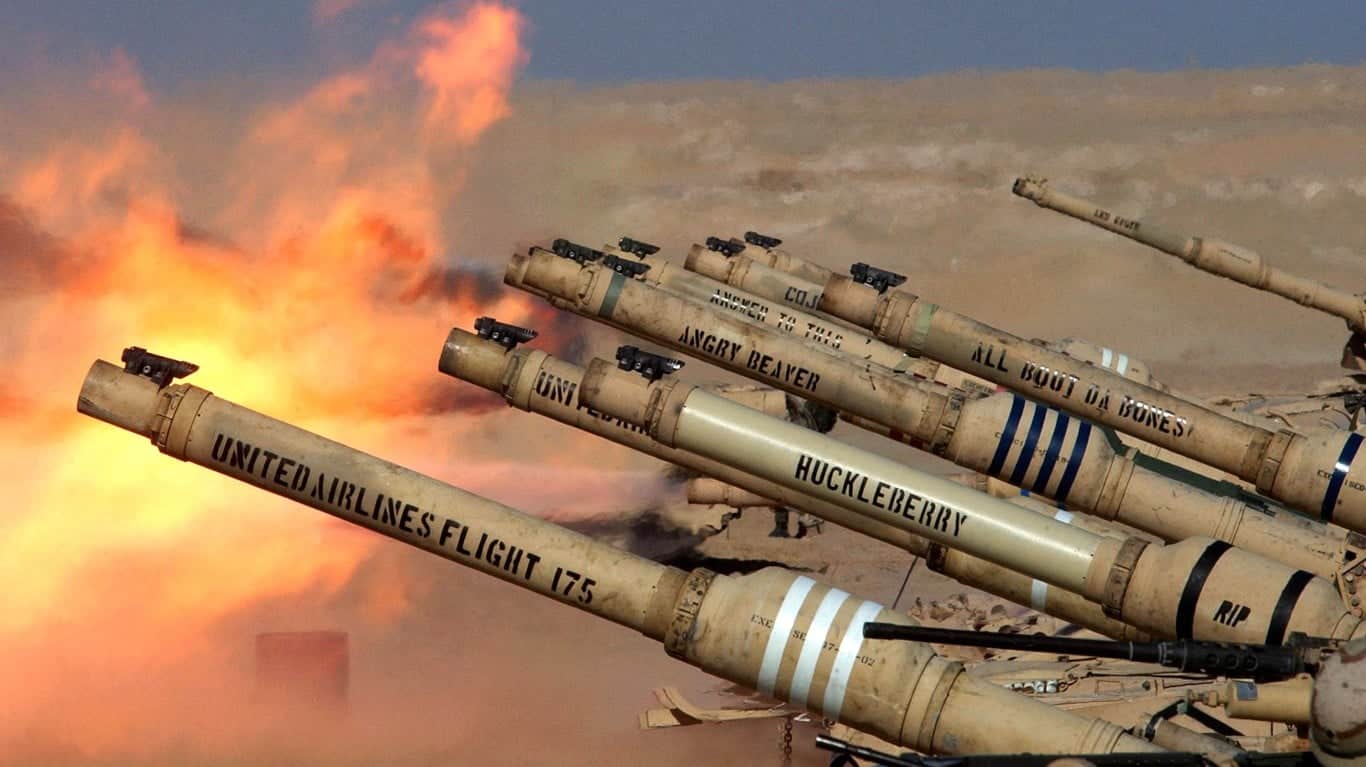
The M1A2 Abrams would serve as one of NATO’s primary tools for breaking through or halting massed Russian armored formations. Its combination of heavy armor, advanced targeting systems, and high first-shot accuracy gives it a decisive edge in tank-on-tank engagements. In a European war, it would anchor major offensives and defensive lines, particularly in open terrain where long-range engagements dominate.
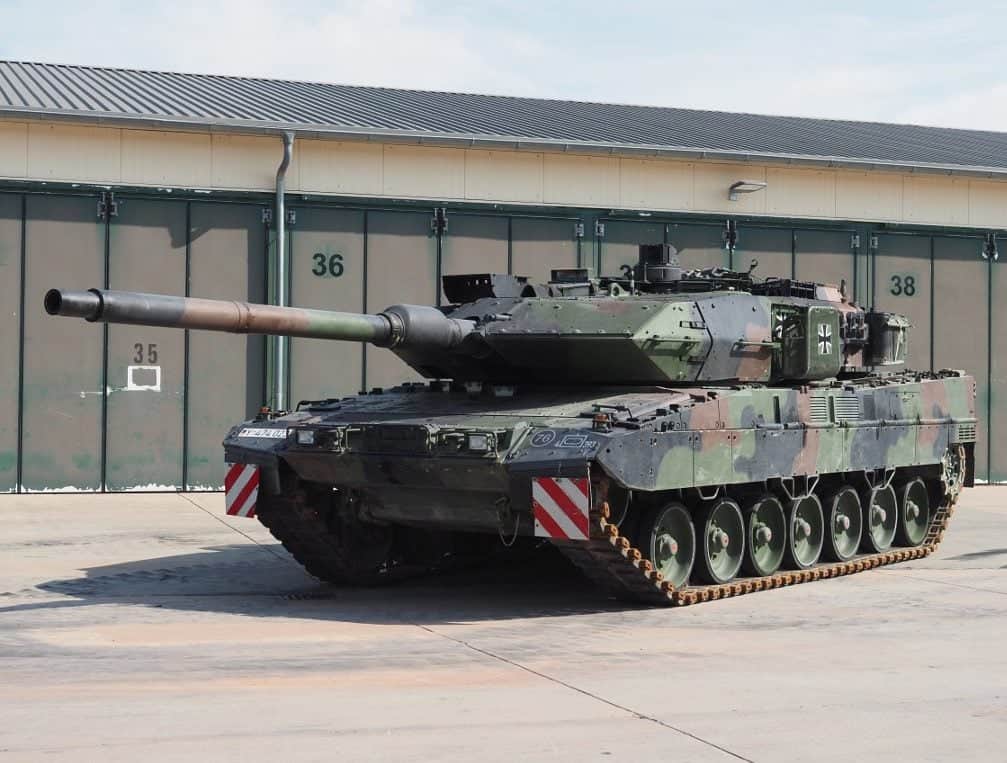
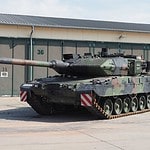
Leopard 2
- Vehicle Type: Main Battle Tank
- Primary Battlefield Role: Armored warfare
- Combat Function vs Russian Forces: Counters armored formations
- Firepower Advantage: 120mm gun
- Protection and Survivability: Strong armor
- Mobility and Maneuver Strength: High mobility
- Combined Arms Integration: Highly interoperable
- Primary NATO Operators: Germany, Poland, many
The Leopard 2’s widespread use across NATO makes it central to any coordinated armored response. Its balance of firepower, protection, and mobility allows multinational forces to operate together effectively. Against Russian ground forces, its interoperability is just as important as its combat performance, enabling large-scale, cohesive armored maneuvers across multiple allied units.
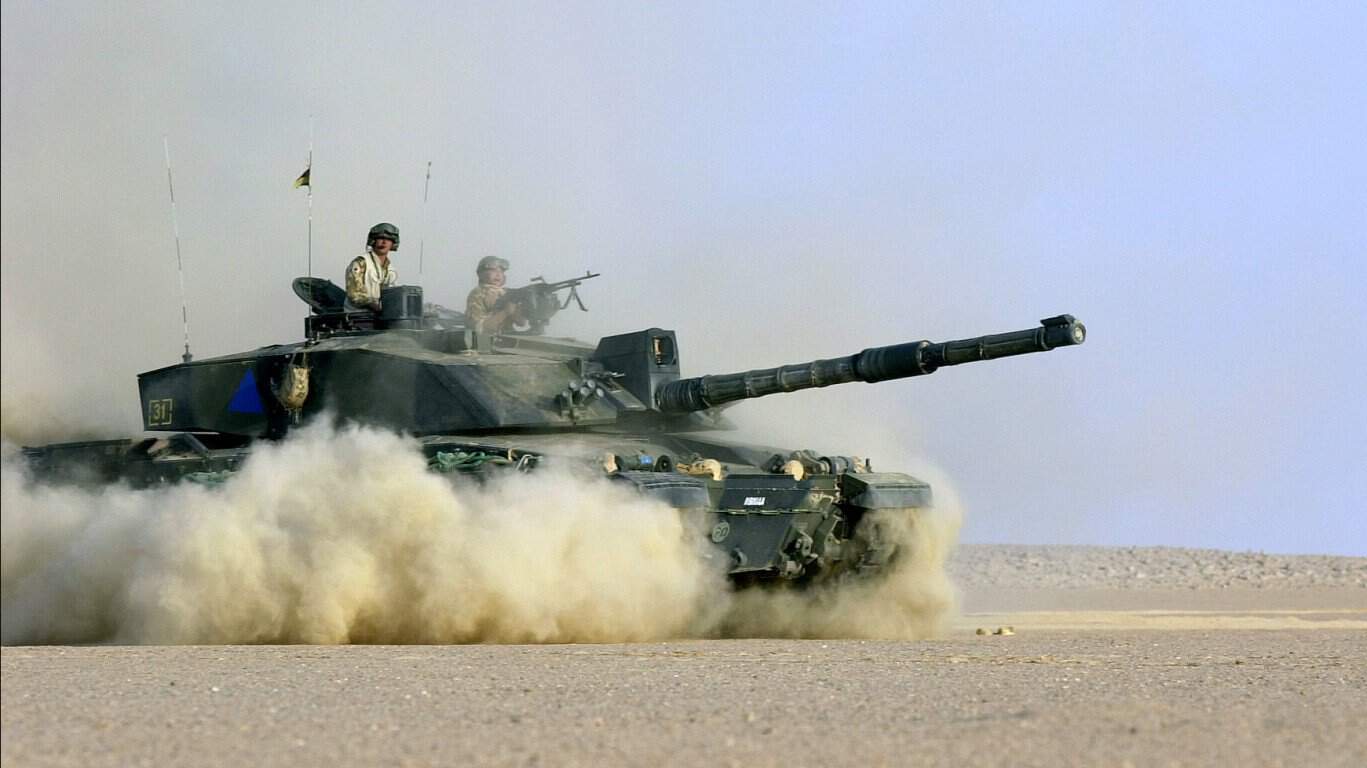
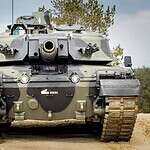
Challenger 2
- Vehicle Type: Main Battle Tank
- Primary Battlefield Role: Defensive armor
- Combat Function vs Russian Forces: Holds defensive lines
- Firepower Advantage: 120mm rifled gun
- Protection and Survivability: Exceptional armor
- Mobility and Maneuver Strength: Moderate mobility
- Combined Arms Integration: Supports infantry
- Primary NATO Operators: UK
The Challenger 2 is built for survivability, making it ideal for holding defensive positions against sustained armored assaults. Its strong armor protection allows it to absorb hits that might disable lighter vehicles. In a NATO vs Russia scenario, it would be used to anchor defensive lines and support counterattacks after absorbing the initial momentum of enemy advances.
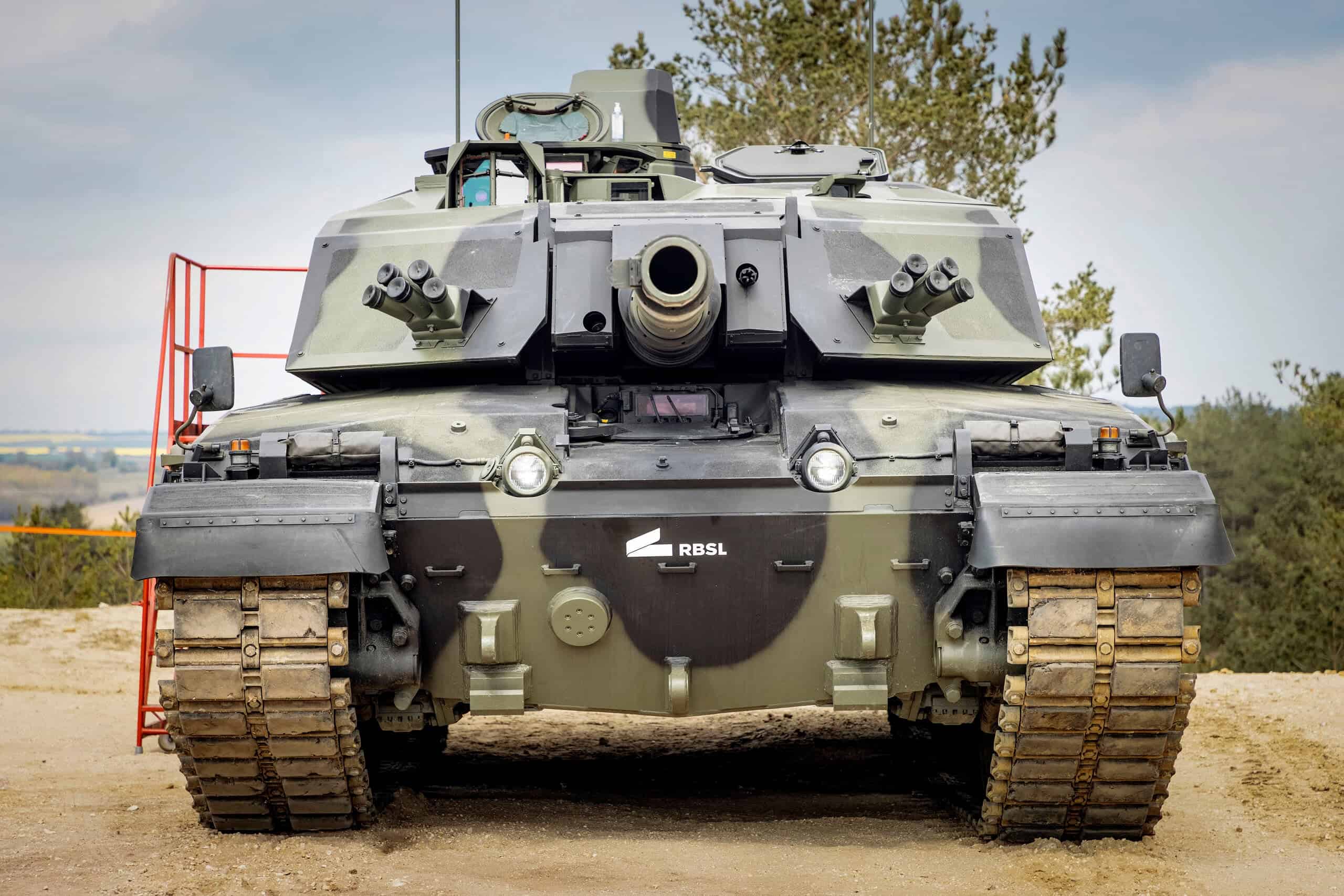
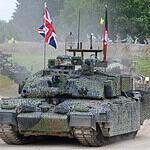
Challenger 3
- Vehicle Type: Main Battle Tank
- Primary Battlefield Role: Next-gen armor
- Combat Function vs Russian Forces: Future armored warfare
- Firepower Advantage: 120mm smoothbore
- Protection and Survivability: Upgraded armor
- Mobility and Maneuver Strength: Improved mobility
- Combined Arms Integration: Networked ops
- Primary NATO Operators: UK
The Challenger 3 represents a modernization of the UK’s armored forces, bringing improved firepower and digital integration to the battlefield. In a European conflict, it would enhance NATO’s ability to engage advanced Russian armor while operating within a networked force structure. Its upgrades ensure continued relevance in high-intensity combat environments.
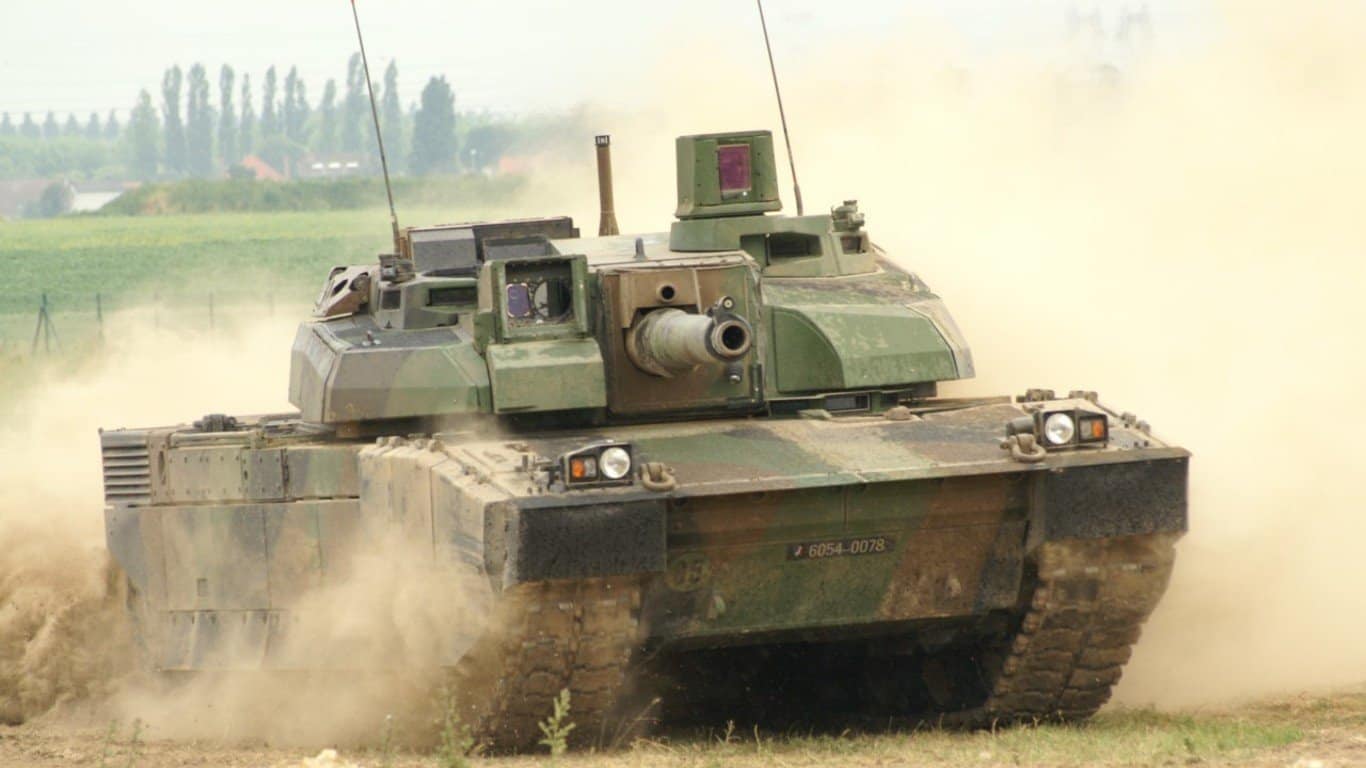
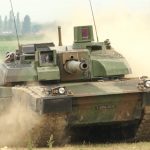
Leclerc
- Vehicle Type: Main Battle Tank
- Primary Battlefield Role: Rapid maneuver
- Combat Function vs Russian Forces: Fast armored strikes
- Firepower Advantage: 120mm autoloader
- Protection and Survivability: Advanced armor
- Mobility and Maneuver Strength: High speed
- Combined Arms Integration: Integrated systems
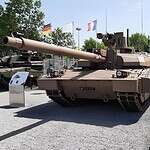
- Primary NATO Operators: France
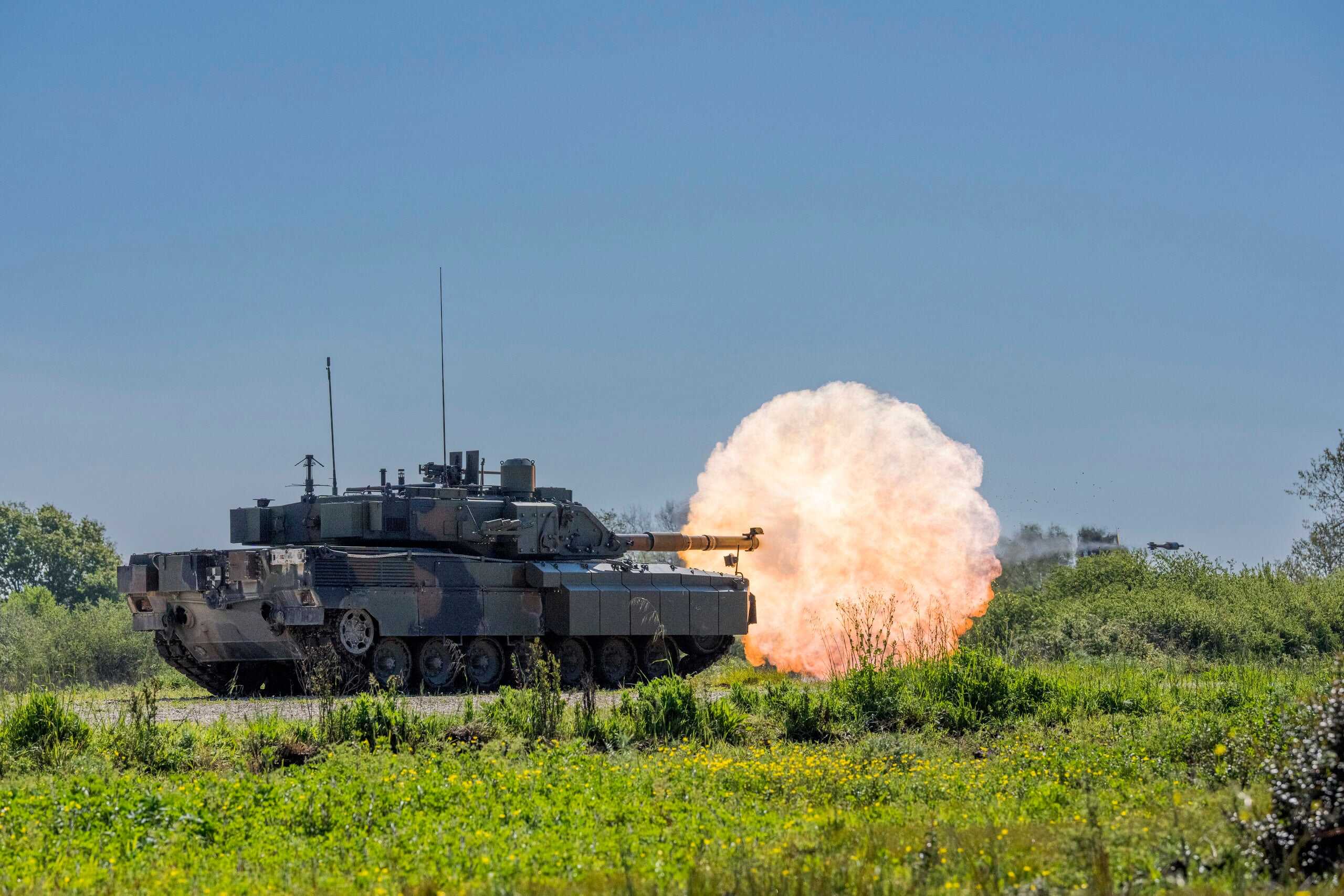
The Leclerc emphasizes speed and automation, allowing for rapid maneuver and high rates of fire. Its autoloader system reduces crew size while maintaining combat effectiveness. In a fast-moving European battlefield, it would be used for aggressive maneuvers and rapid exploitation of breakthroughs against Russian positions.
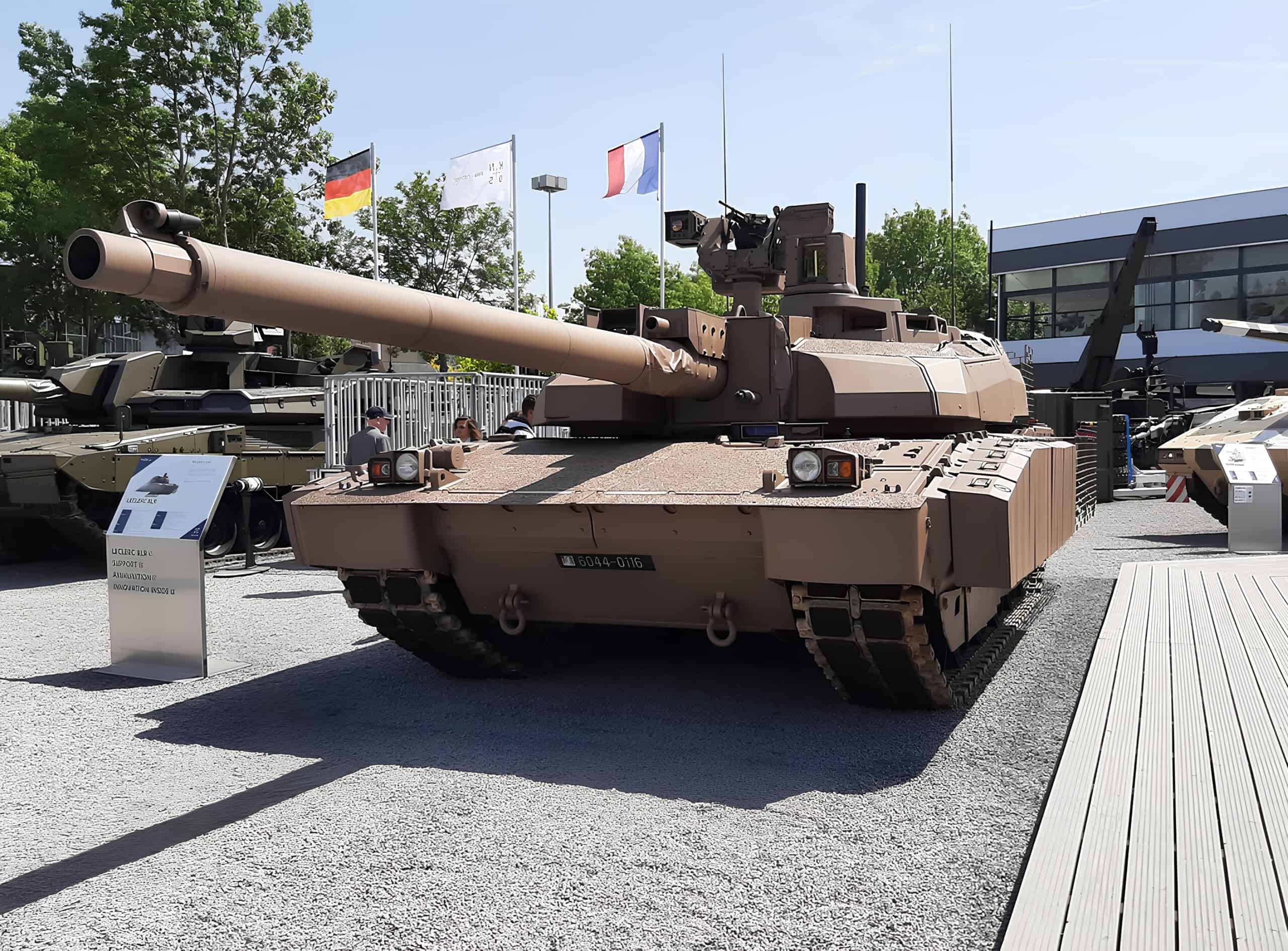
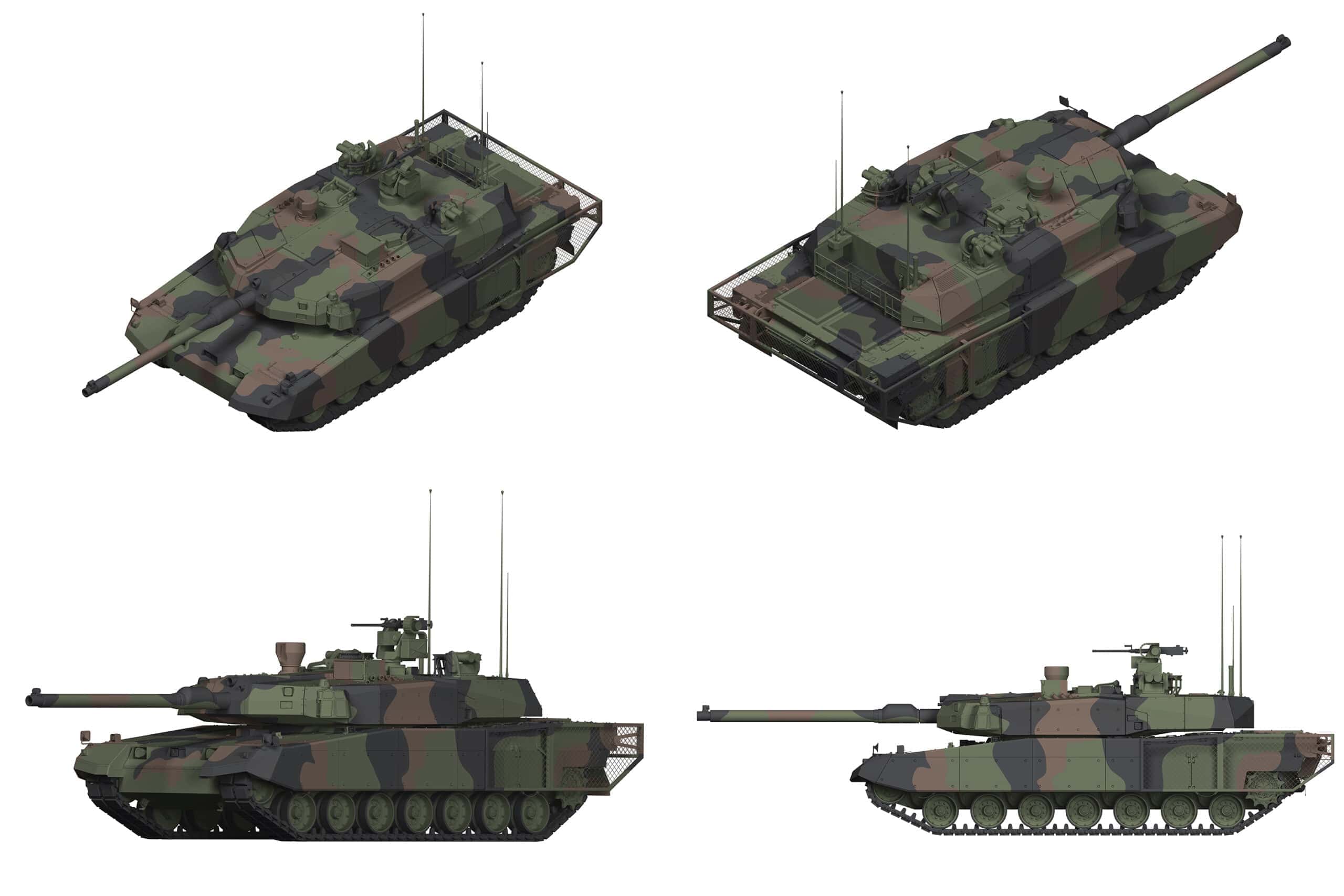
Leclerc XLR
- Vehicle Type: Main Battle Tank
- Primary Battlefield Role: Modernized combat
- Combat Function vs Russian Forces: Networked combat ops
- Firepower Advantage: 120mm autoloader
- Protection and Survivability: Enhanced protection
- Mobility and Maneuver Strength: High mobility
- Combined Arms Integration: Digitized battlefield
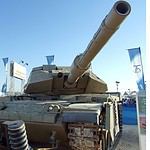
- Primary NATO Operators: France
The Leclerc XLR upgrades the platform with improved protection and battlefield networking, making it more effective in modern combined arms operations. In a NATO conflict with Russia, its enhanced connectivity allows it to operate seamlessly with other units, improving coordination and response time under pressure.
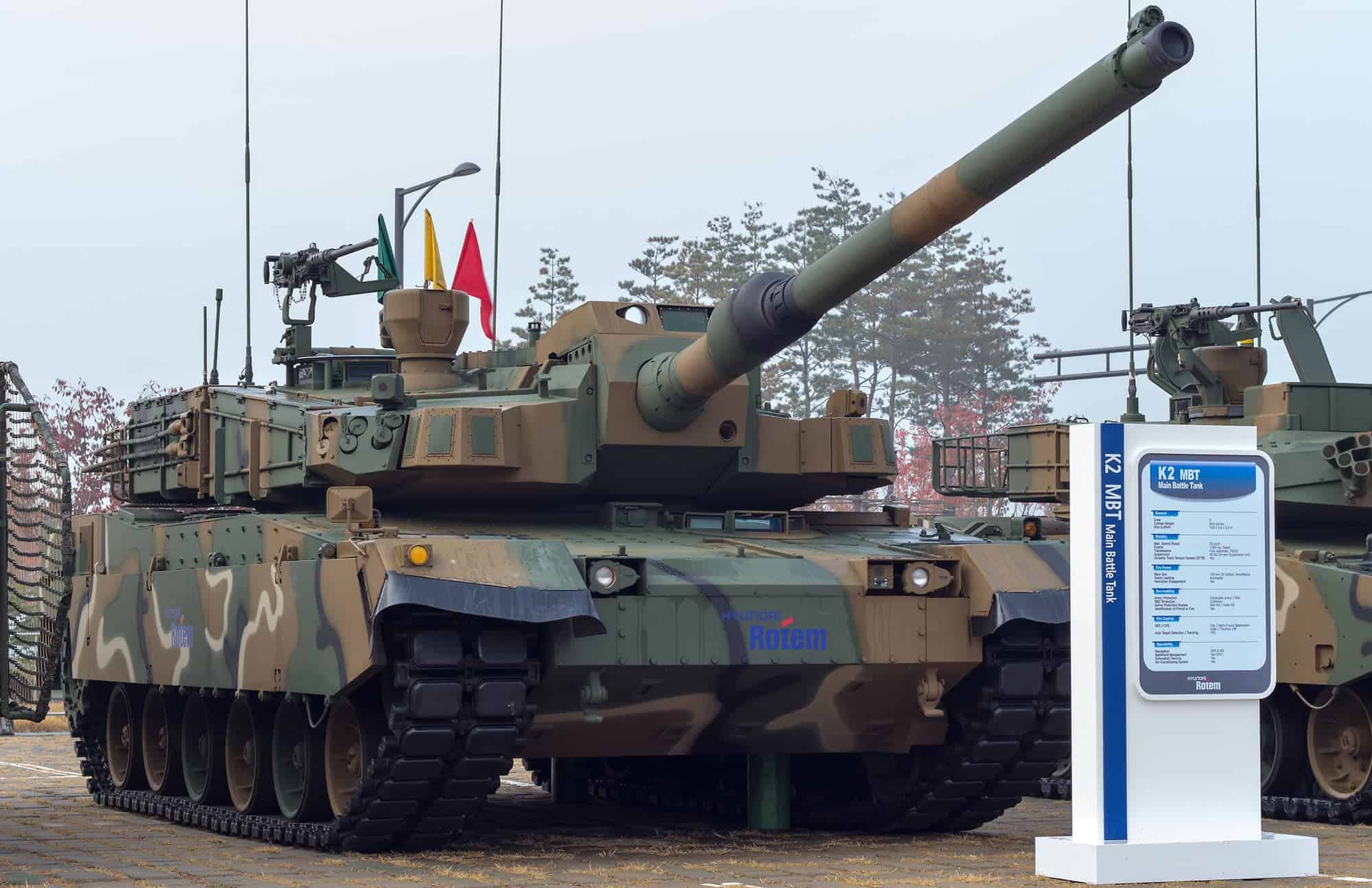
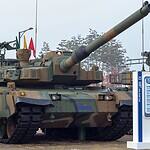
K2 Black Panther
- Vehicle Type: Main Battle Tank
- Primary Battlefield Role: High-tech warfare
- Combat Function vs Russian Forces: Counters advanced armor
- Firepower Advantage: 120mm gun
- Protection and Survivability: Composite armor
- Mobility and Maneuver Strength: Excellent mobility
- Combined Arms Integration: Integrated systems
- Primary NATO Operators: Poland
The K2 Black Panther brings advanced fire control and mobility to NATO-aligned forces, particularly in Eastern Europe. Its ability to operate effectively across varied terrain makes it well-suited for the region. Against Russian armor, it would provide a technologically advanced platform capable of engaging targets with high precision.
K2PL
- Vehicle Type: Main Battle Tank
- Primary Battlefield Role: Localized MBT
- Combat Function vs Russian Forces: Eastern Europe ops
- Firepower Advantage: 120mm gun
- Protection and Survivability: Enhanced armor
- Mobility and Maneuver Strength: Adapted mobility
- Combined Arms Integration: NATO integration
- Primary NATO Operators: Poland
The K2PL variant is tailored for Poland’s operational environment, emphasizing enhanced protection and integration with NATO systems. In a European war, it would play a key role on NATO’s eastern flank, contributing to forward defense and rapid response against Russian advances.
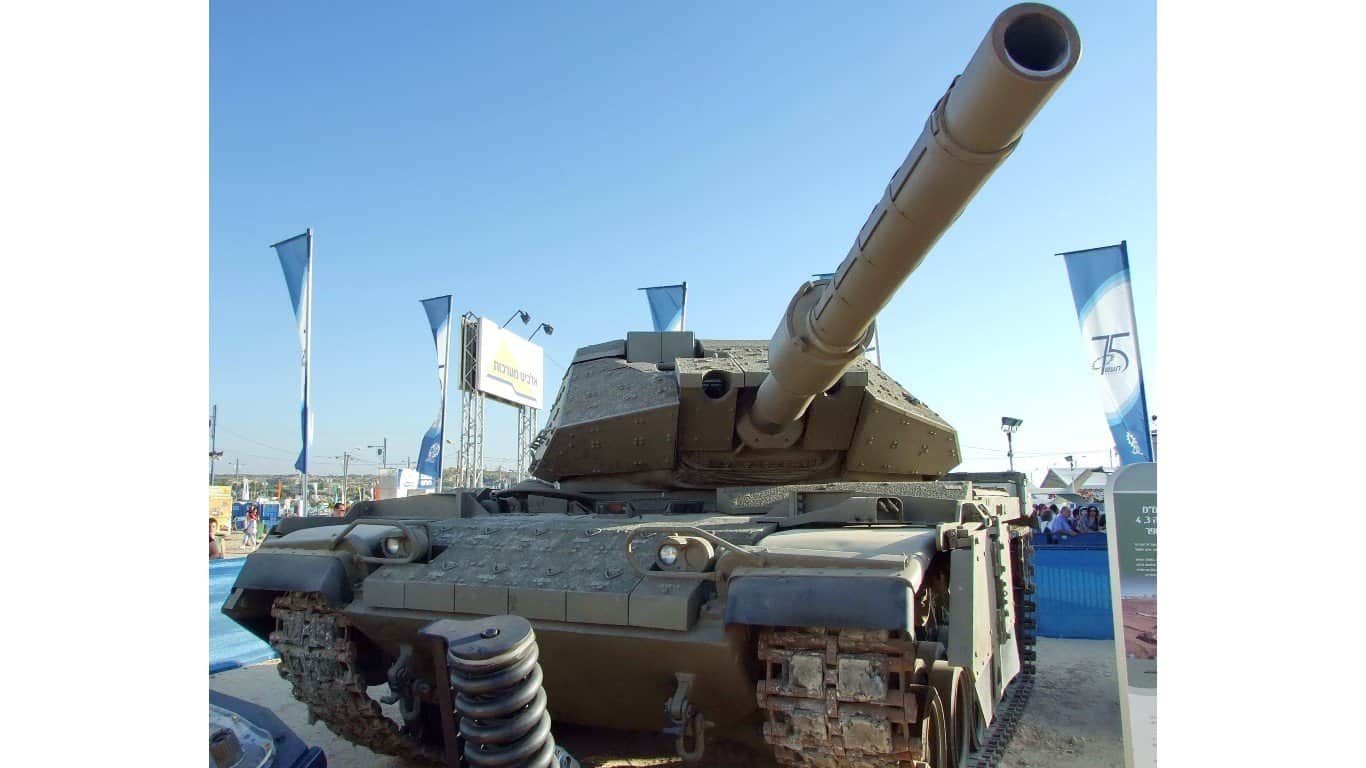
M60T Sabra
- Vehicle Type: Main Battle Tank
- Primary Battlefield Role: Upgraded legacy tank
- Combat Function vs Russian Forces: Supplemental armor role
- Firepower Advantage: 120mm gun
- Protection and Survivability: Upgraded armor
- Mobility and Maneuver Strength: Moderate mobility
- Combined Arms Integration: Supports main forces
- Primary NATO Operators: Turkey
The M60T Sabra extends the life of older tank designs through modernization, providing additional armored capability where needed. While not as advanced as newer tanks, it still contributes to overall force density. In a large-scale conflict, it would support frontline units and help maintain operational tempo.
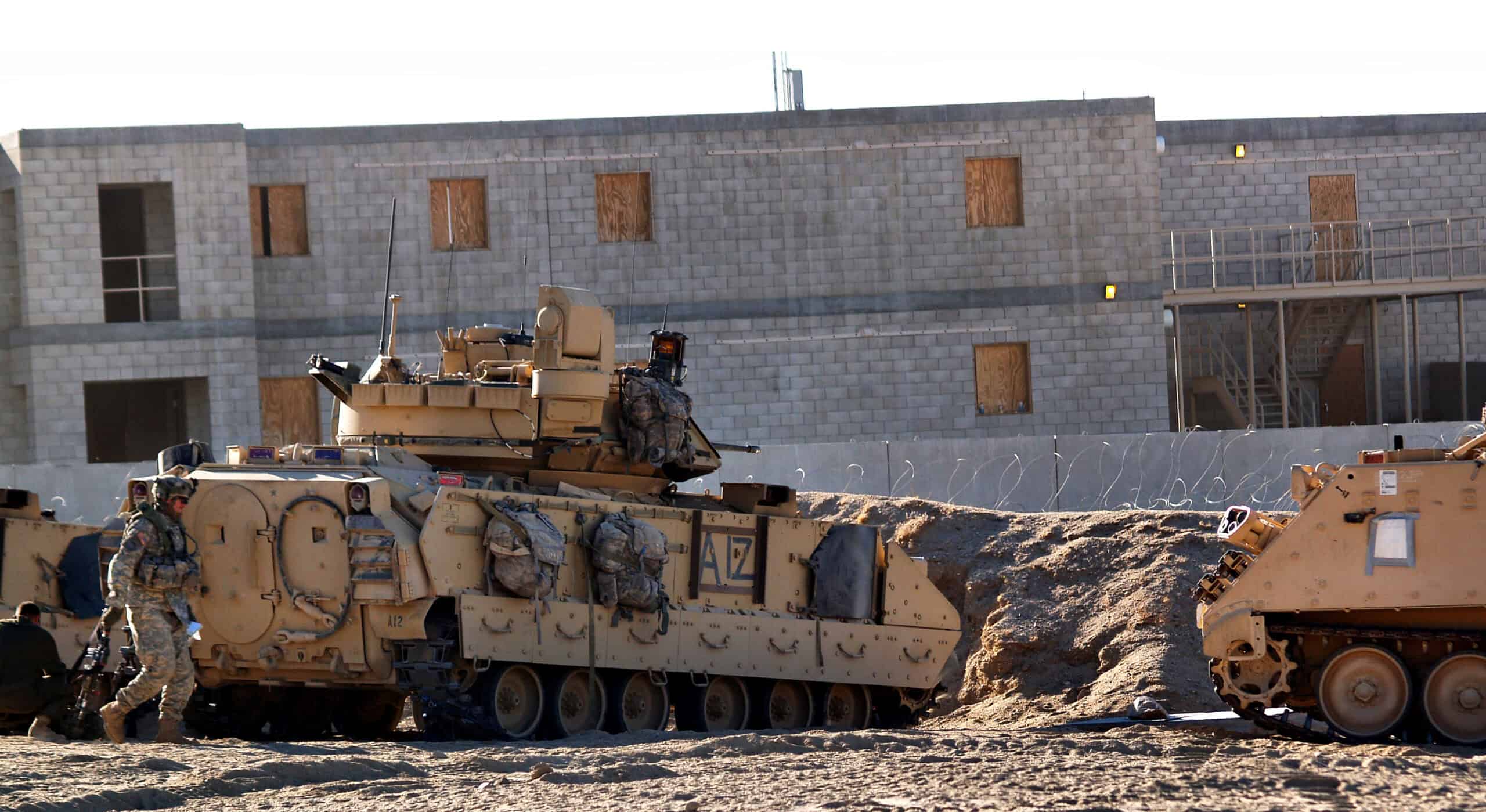
M2A3 Bradley
- Vehicle Type: Infantry Fighting Vehicle
- Primary Battlefield Role: Infantry support
- Combat Function vs Russian Forces: Supports tanks
- Firepower Advantage: 25mm cannon + ATGM
- Protection and Survivability: Moderate armor
- Mobility and Maneuver Strength: High mobility
- Combined Arms Integration: Core combined arms
- Primary NATO Operators: US
The Bradley plays a critical role in supporting tanks by transporting infantry and providing anti-armor firepower. Its ability to engage both infantry and armored targets makes it a key component of combined arms operations. In a NATO vs Russia scenario, it ensures that tanks are not operating in isolation.
Puma IFV
- Vehicle Type: Infantry Fighting Vehicle
- Primary Battlefield Role: Infantry support
- Combat Function vs Russian Forces: Supports mechanized ops
- Firepower Advantage: 30mm cannon
- Protection and Survivability: Advanced armor
- Mobility and Maneuver Strength: High mobility
- Combined Arms Integration: Networked warfare
- Primary NATO Operators: Germany
The Puma IFV offers high levels of protection and advanced electronics, making it one of the most modern infantry fighting vehicles in NATO service. Its role in supporting mechanized infantry allows NATO forces to maintain mobility while engaging enemy forces effectively.
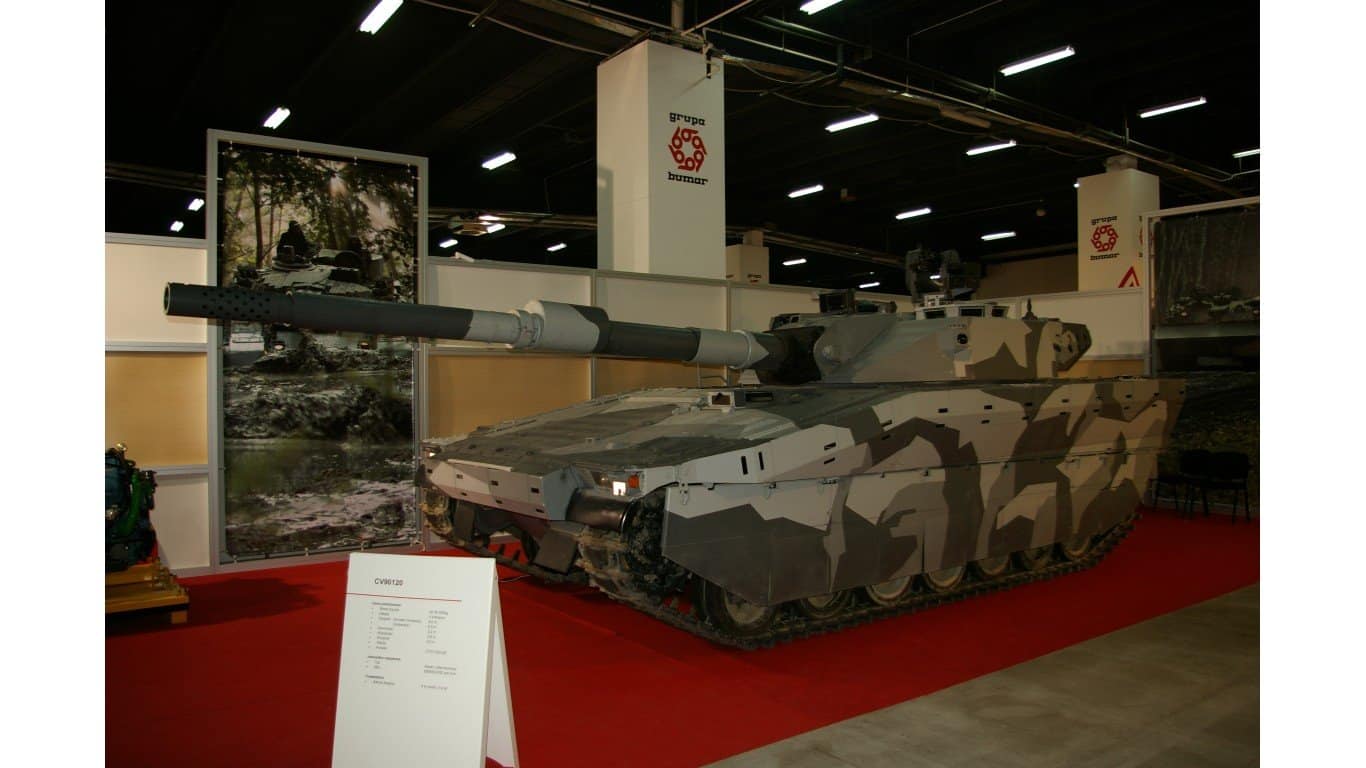
CV90
- Vehicle Type: Infantry Fighting Vehicle
- Primary Battlefield Role: Infantry combat
- Combat Function vs Russian Forces: Flexible support
- Firepower Advantage: 30-40mm cannon
- Protection and Survivability: Good protection
- Mobility and Maneuver Strength: High mobility
- Combined Arms Integration: Widely used NATO
- Primary NATO Operators: Sweden, others
The CV90 is valued for its flexibility and adaptability across different roles and environments. Widely used across Europe, it supports infantry operations and enhances the effectiveness of armored units. In combat, it contributes to both offensive and defensive operations.
Warrior IFV
- Vehicle Type: Infantry Fighting Vehicle
- Primary Battlefield Role: Infantry transport
- Combat Function vs Russian Forces: Supports armored units
- Firepower Advantage: 30mm cannon
- Protection and Survivability: Moderate armor
- Mobility and Maneuver Strength: Moderate mobility
- Combined Arms Integration: Supports infantry
- Primary NATO Operators: UK
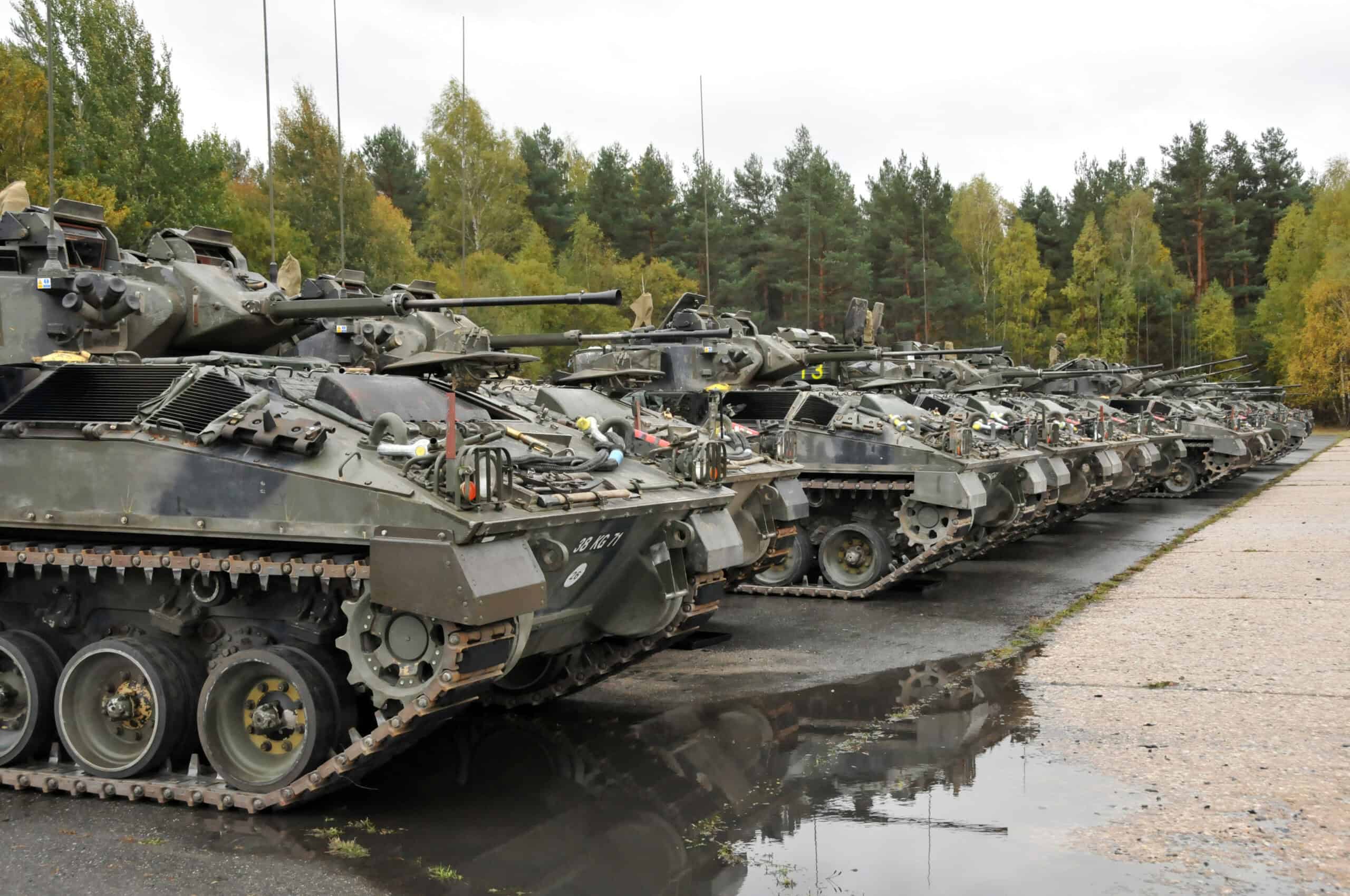
The Warrior IFV provides reliable infantry transport and fire support, ensuring that mechanized units can operate alongside tanks. Its role in combined arms warfare is essential for maintaining cohesion between infantry and armored elements.
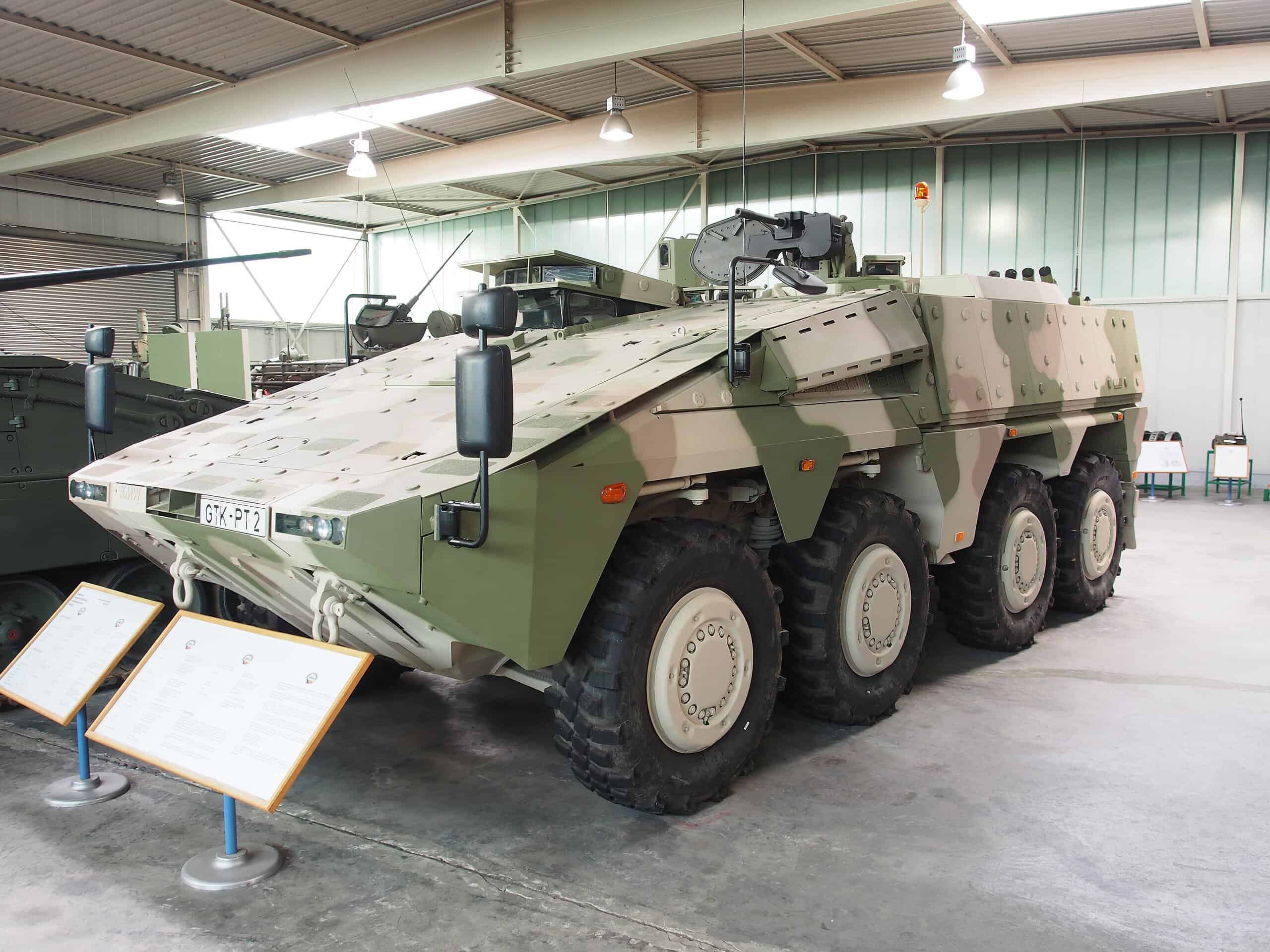
Boxer AFV
- Vehicle Type: Recon/Support
- Primary Battlefield Role: Mobility support
- Combat Function vs Russian Forces: Rapid deployment
- Firepower Advantage: Modular weapons
- Protection and Survivability: Protected hull
- Mobility and Maneuver Strength: High mobility
- Combined Arms Integration: Flexible roles
- Primary NATO Operators: Germany, Netherlands
The Boxer’s modular design allows it to serve multiple roles, from troop transport to command support. Its high mobility enables rapid deployment across the European theater, making it valuable for reinforcing key areas and supporting armored operations.
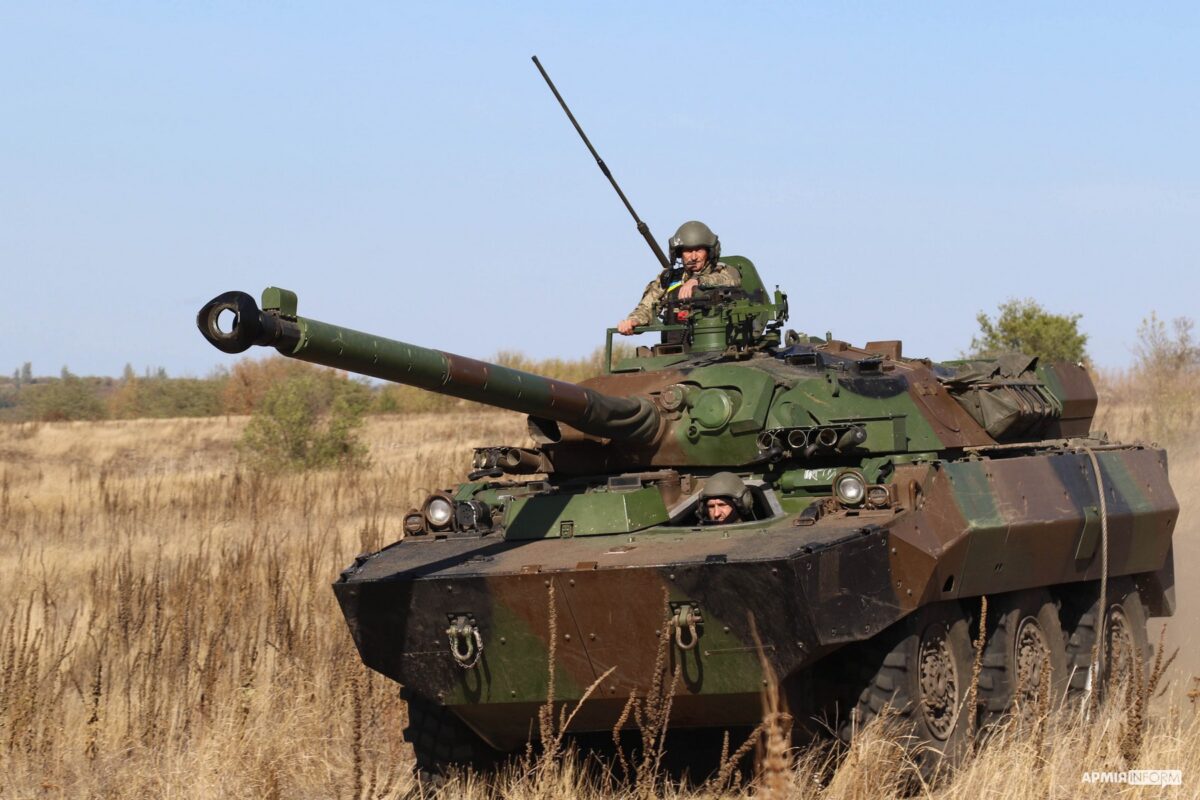
AMX-10 RC
- Vehicle Type: Recon Vehicle
- Primary Battlefield Role: Recon & fire support
- Combat Function vs Russian Forces: Flanking operations
- Firepower Advantage: 105mm gun
- Protection and Survivability: Light armor
- Mobility and Maneuver Strength: High speed
- Combined Arms Integration: Recon support
- Primary NATO Operators: France
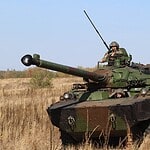
The AMX-10 RC combines reconnaissance capabilities with significant firepower, allowing it to perform flanking maneuvers and exploit weaknesses in enemy lines. In a NATO conflict, it would provide valuable battlefield awareness and rapid response capability.
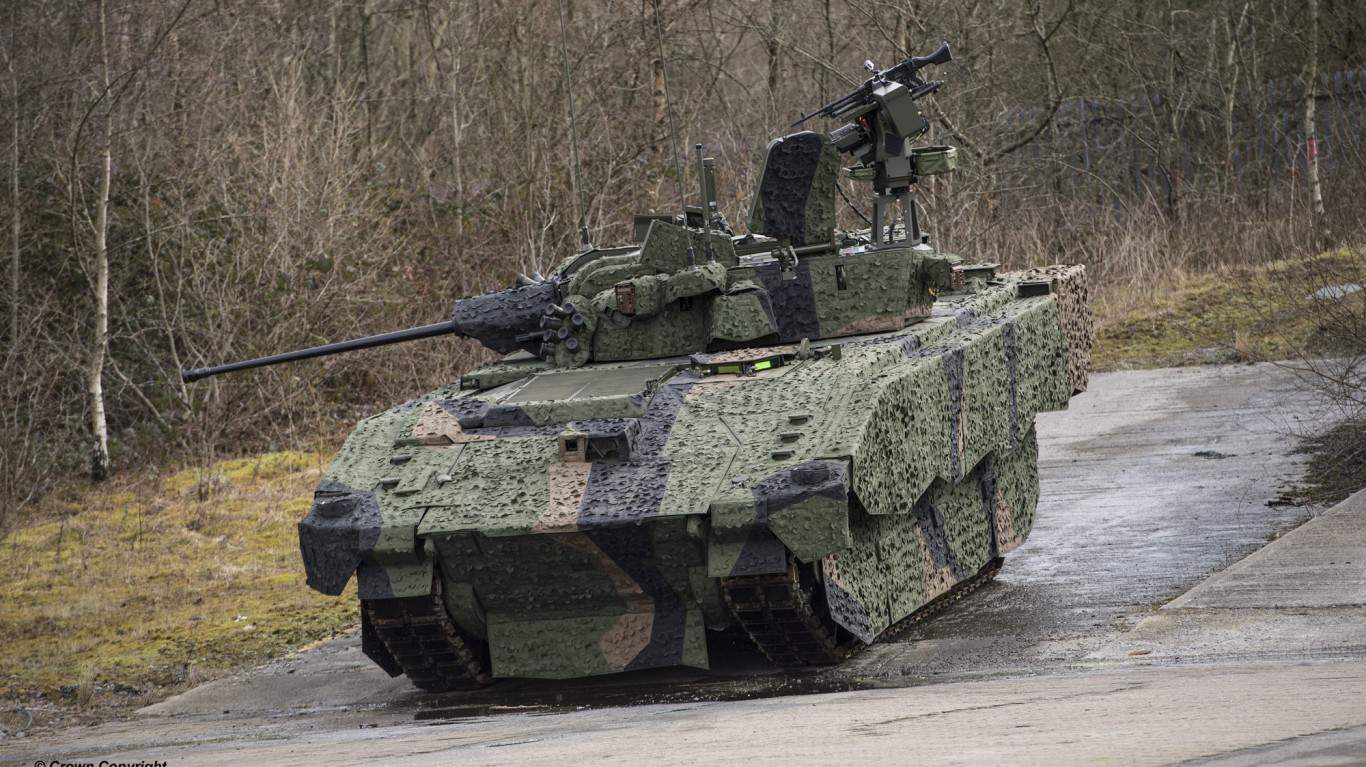
Ajax
- Vehicle Type: Recon Vehicle
- Primary Battlefield Role: Reconnaissance
- Combat Function vs Russian Forces: Battlefield awareness
- Firepower Advantage: 40mm cannon
- Protection and Survivability: Advanced armor
- Mobility and Maneuver Strength: High mobility
- Combined Arms Integration: ISR integration
- Primary NATO Operators: UK
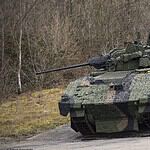
The Ajax reconnaissance vehicle enhances NATO’s ability to gather and process battlefield intelligence. Its advanced sensors and mobility allow it to identify threats and guide armored units, improving overall situational awareness in combat.
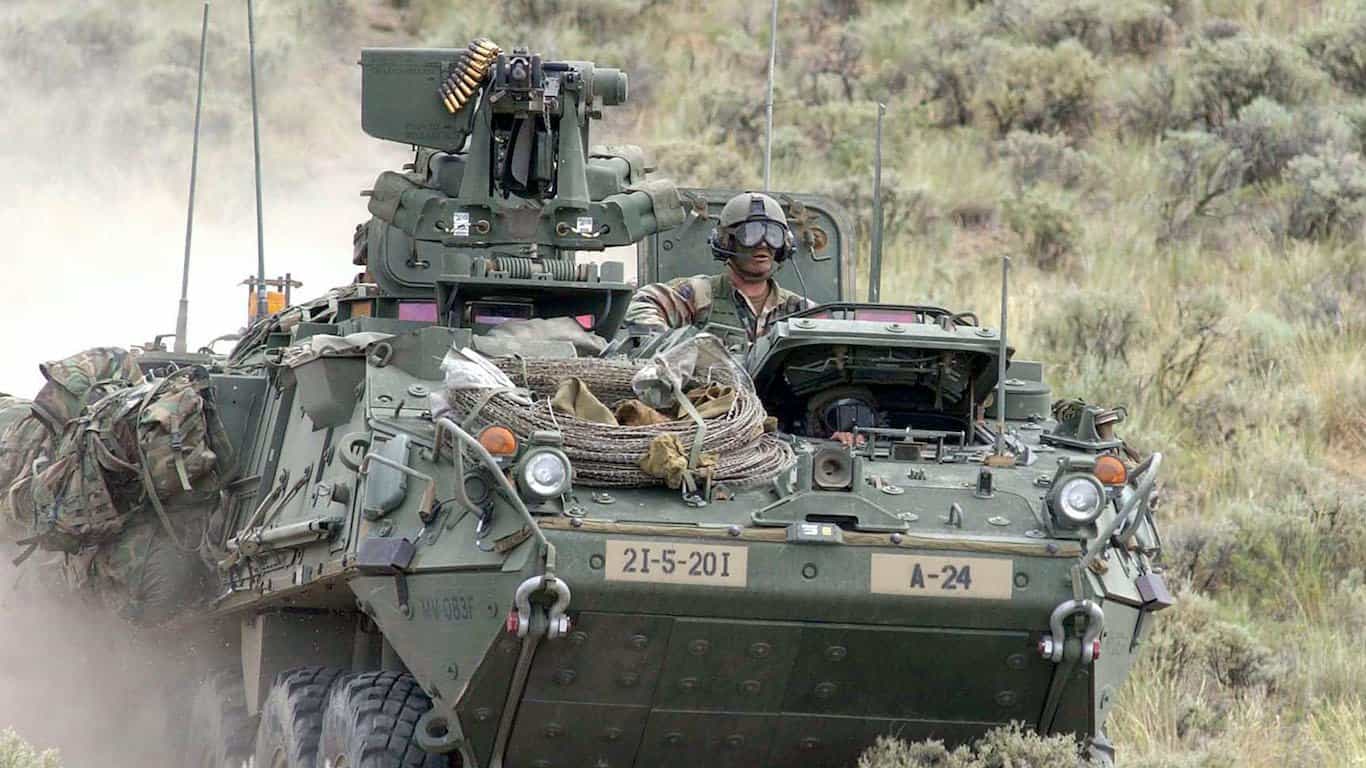
Stryker Dragoon
- Vehicle Type: Armored Vehicle
- Primary Battlefield Role: Infantry support
- Combat Function vs Russian Forces: Urban/mech ops
- Firepower Advantage: 30mm cannon
- Protection and Survivability: Light armor
- Mobility and Maneuver Strength: High mobility
- Combined Arms Integration: US combined arms
- Primary NATO Operators: US
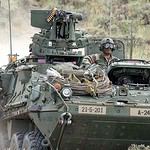
The Stryker Dragoon adds increased firepower to a highly mobile platform, making it effective in both urban and open terrain. Its role in supporting infantry and mechanized units ensures flexibility in different combat scenarios.
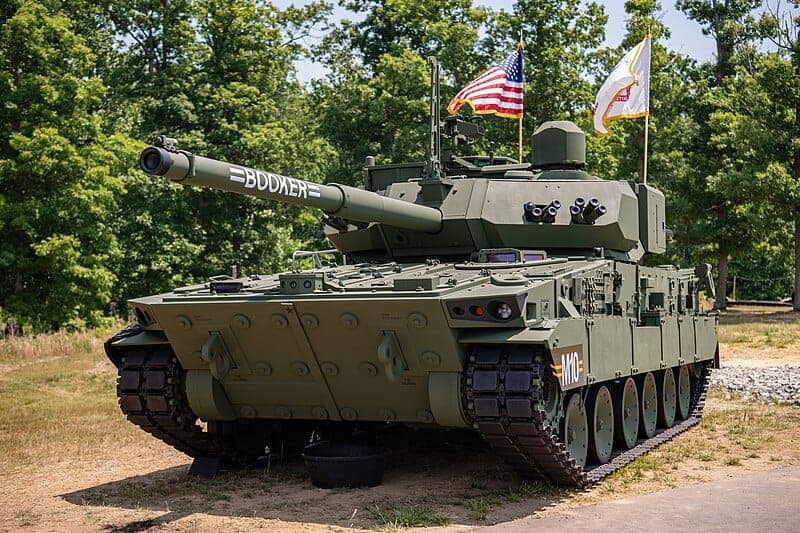
M10 Booker
- Vehicle Type: Light Tank
- Primary Battlefield Role: Fire support
- Combat Function vs Russian Forces: Supports infantry
- Firepower Advantage: 105mm gun
- Protection and Survivability: Moderate armor
- Mobility and Maneuver Strength: High mobility
- Combined Arms Integration: Light units support
- Primary NATO Operators: US
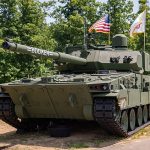
The M10 Booker provides direct fire support for infantry units, particularly in environments where heavier tanks may be less effective. Its mobility allows it to operate in varied terrain, supporting offensive and defensive operations.
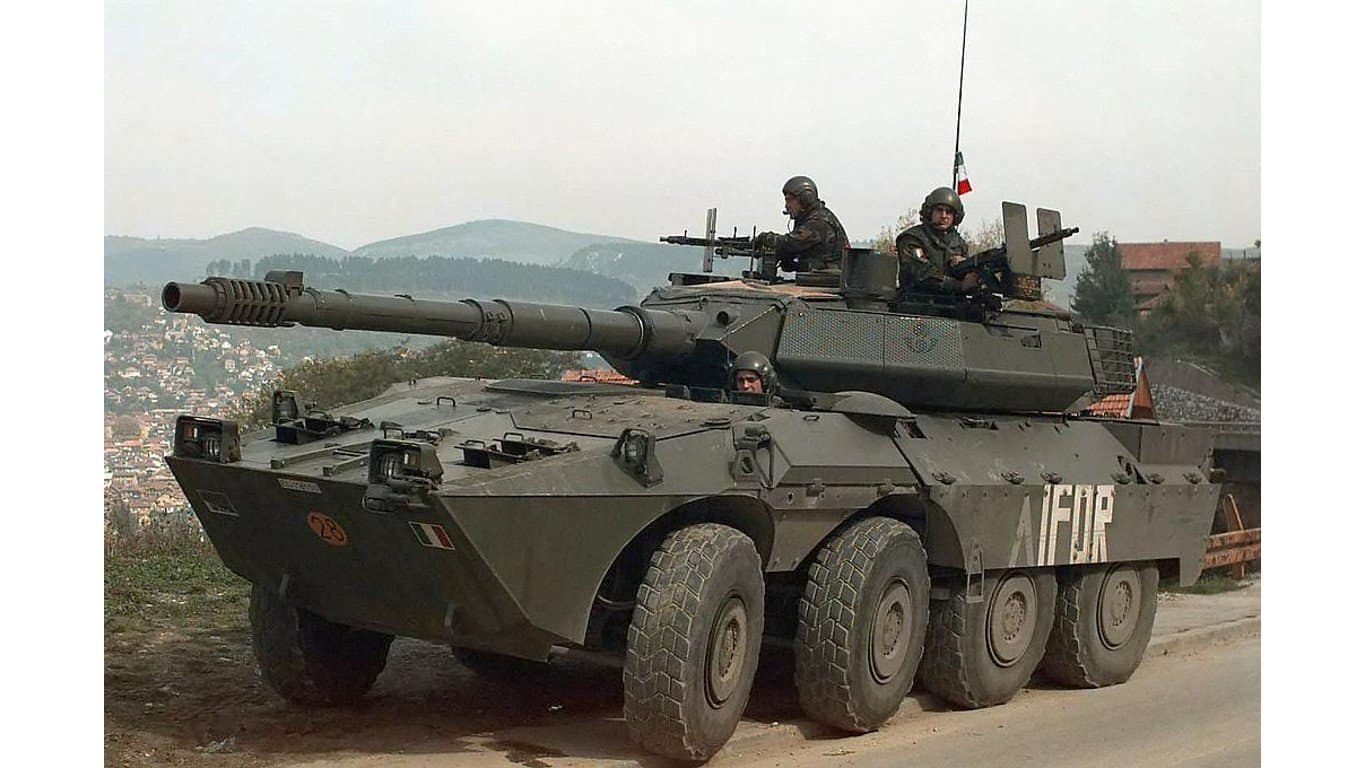
Centauro II
- Vehicle Type: Tank Destroyer
- Primary Battlefield Role: Anti-armor
- Combat Function vs Russian Forces: Kills tanks at range
- Firepower Advantage: 120mm gun
- Protection and Survivability: Moderate armor
- Mobility and Maneuver Strength: High speed
- Combined Arms Integration: Recon/fire support
- Primary NATO Operators: Italy
The Centauro II offers a wheeled platform with significant anti-armor capability, allowing for rapid deployment and engagement. Its speed and firepower make it effective in countering enemy armor and supporting maneuver operations.
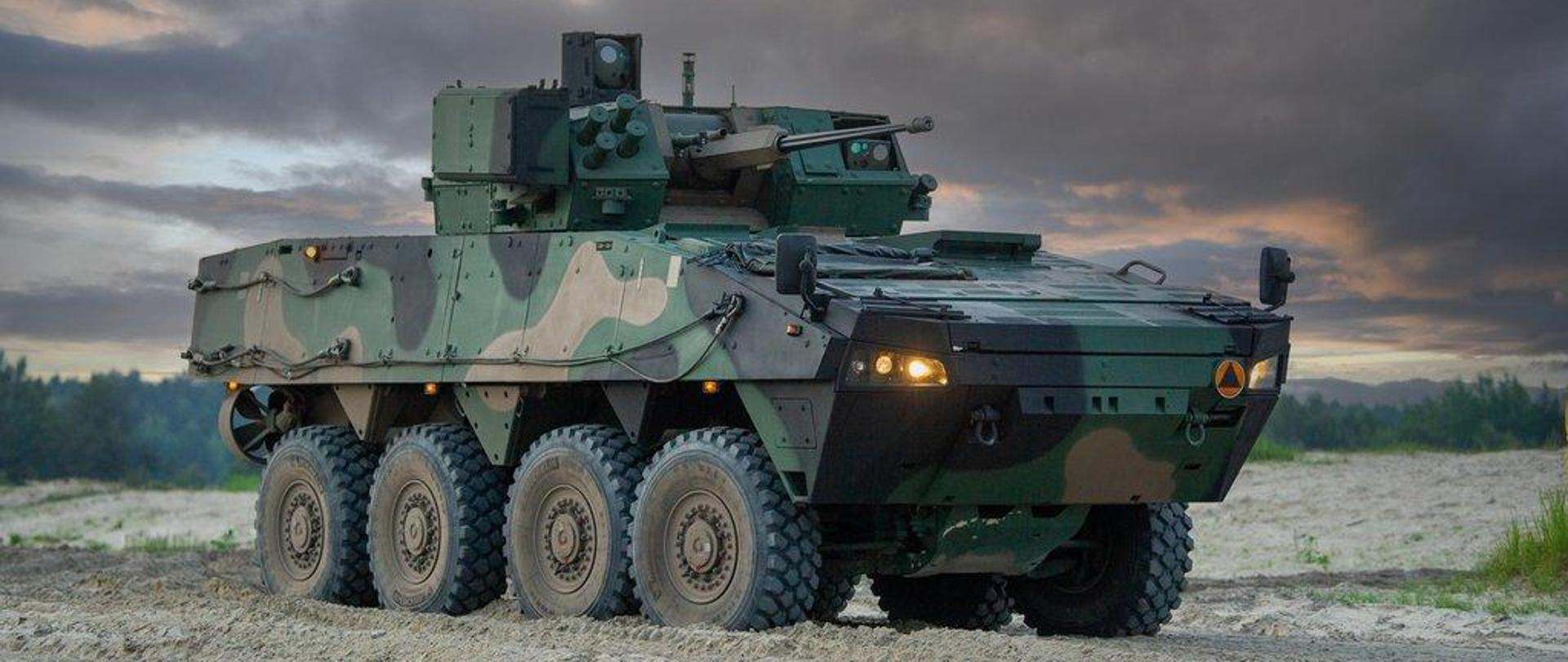
Rosomak
- Vehicle Type: Wheeled IFV
- Primary Battlefield Role: Infantry mobility
- Combat Function vs Russian Forces: Supports maneuver
- Firepower Advantage: 30mm cannon
- Protection and Survivability: Moderate armor
- Mobility and Maneuver Strength: High mobility
- Combined Arms Integration: Polish NATO ops
- Primary NATO Operators: Poland
The Rosomak provides mobility and protection for infantry units, enabling rapid movement across the battlefield. Its integration into Polish forces makes it particularly relevant for operations on NATO’s eastern flank, where mobility and responsiveness are critical.
The image featured at the top of this post is ©Public Domain / Wikimedia Commons / Original