





20 Combat Vehicles That Made Fortified Defenses Useless
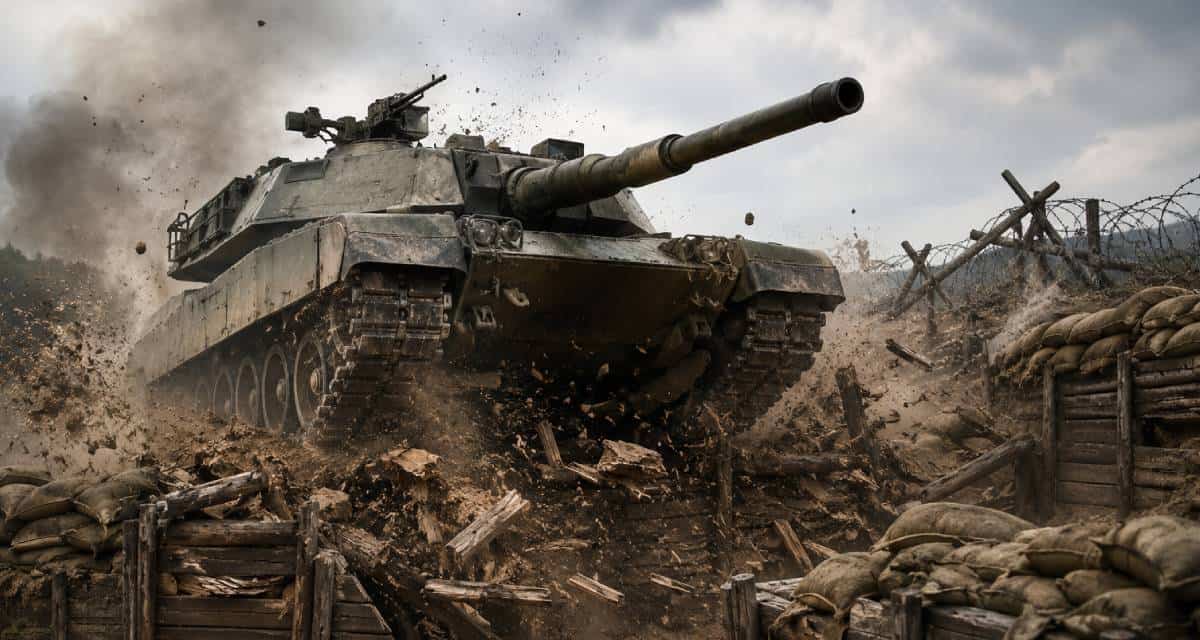
Defensive positions once dominated the battlefield. Trenches, bunkers, and fortified lines were built to slow armies, hold territory, and turn advances into brutal wars of attrition. But the rise of armored and mechanized vehicles changed that equation. With the right mix of mobility, protection, and firepower, these machines gave armies new ways to smash through, bypass, or overwhelm static defenses.
To identify the combat vehicles that made defensive positions obsolete, History Computer reviewed historical and military sources and considered each vehicle’s origin, type, tactical role, and key advantage against fortified positions.
These vehicles did more than make armies faster. They reshaped modern warfare by proving that speed, armor, and coordinated movement could break defenses that once seemed nearly impossible to overcome. From early tanks to modern armored platforms, these machines forced militaries to rethink how wars are fought and why static defenses alone are no longer enough.
The End of Static Warfare
For centuries, armies relied on fortified positions—trenches, bunkers, and defensive lines—to hold ground and wear down attackers. These systems were designed to make offensive operations costly, slow, and predictable, often resulting in prolonged stalemates where neither side could gain a decisive advantage. However, the introduction of armored and mechanized vehicles began to fundamentally change this dynamic. What once served as impenetrable defenses quickly became vulnerable as mobility and protection were combined into a single battlefield force. As technology advanced, the very concept of “holding the line” started to erode, replaced by a new emphasis on movement and flexibility.
Armor Changed the Rules of Engagement
The arrival of tanks during World War I marked the first major shift away from static defense. These vehicles could cross trenches, crush barbed wire, and withstand small arms fire, allowing attacking forces to move directly through defenses rather than being forced to go around them. This capability disrupted long-standing battlefield assumptions and forced militaries to rethink how they built and defended positions. Instead of relying on fixed fortifications to stop an advance, defenders now had to contend with machines that could physically break through barriers, changing the nature of combat in a profound and lasting way.
Speed and Coordination Replaced Fortification
By World War II, the combination of tanks, mechanized infantry, and air support created a new form of warfare centered on speed and coordination. Rather than launching slow, attritional assaults against fortified lines, armies began to focus on identifying weak points and exploiting them rapidly. This approach, often associated with blitzkrieg tactics, rendered static defenses ineffective by bypassing them entirely. Defensive positions that could not move or adapt were increasingly vulnerable, as fast-moving forces could penetrate deep into enemy territory, disrupting supply lines and command structures in ways that traditional defenses were never designed to withstand.
Mechanized Infantry Made Defenses More Exposed
The development of armored personnel carriers and infantry fighting vehicles further accelerated the decline of static defenses. These vehicles allowed infantry to move across the battlefield under armor protection while still maintaining the ability to engage the enemy. Instead of advancing on foot and being exposed to defensive fire, troops could now approach positions with significantly reduced risk. This shift made traditional defensive strategies far less effective, as defenders could no longer rely on attrition to stop an attack. Mechanized infantry introduced a new level of speed and survivability that fundamentally altered how battles were fought.
Modern Warfare Leaves No Place to Hide
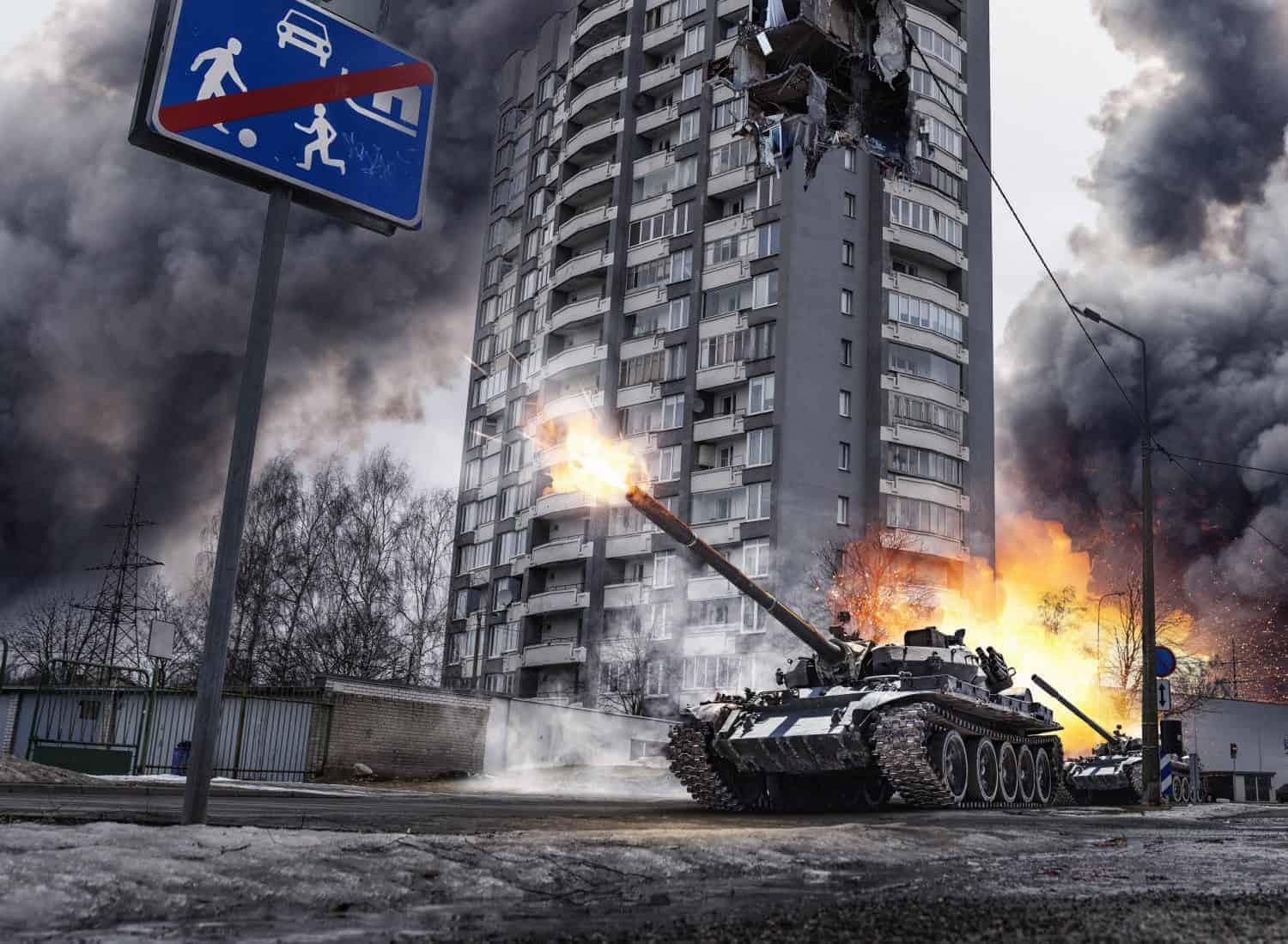
Today’s combat vehicles combine advanced armor, precision weapons, and real-time battlefield awareness, making it increasingly difficult for static defenses to survive. Modern tanks and fighting vehicles can identify, engage, and destroy fortified positions with speed and accuracy, often before defenders have the opportunity to respond. This level of capability has shifted the focus of warfare almost entirely toward mobility, adaptability, and information dominance. In this environment, fixed defensive positions are no longer the cornerstone of battlefield strategy—they are liabilities that can be targeted and neutralized with remarkable efficiency.
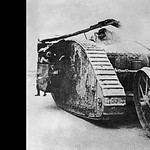
Mark I Tank
- Country of Origin: United Kingdom
- Vehicle Type: Heavy Tank
- Year Introduced: 1916
- Conflict / Era of Impact: World War I
- Primary Tactical Role: Breakthrough
- Key Advantage Over Defensive Positions: Crossed trenches and resisted small arms fire
- Doctrine or Warfare Shift Enabled: End of trench warfare dominance
- Why Defensive Positions Failed Against It: Static trenches could not stop armored crossing
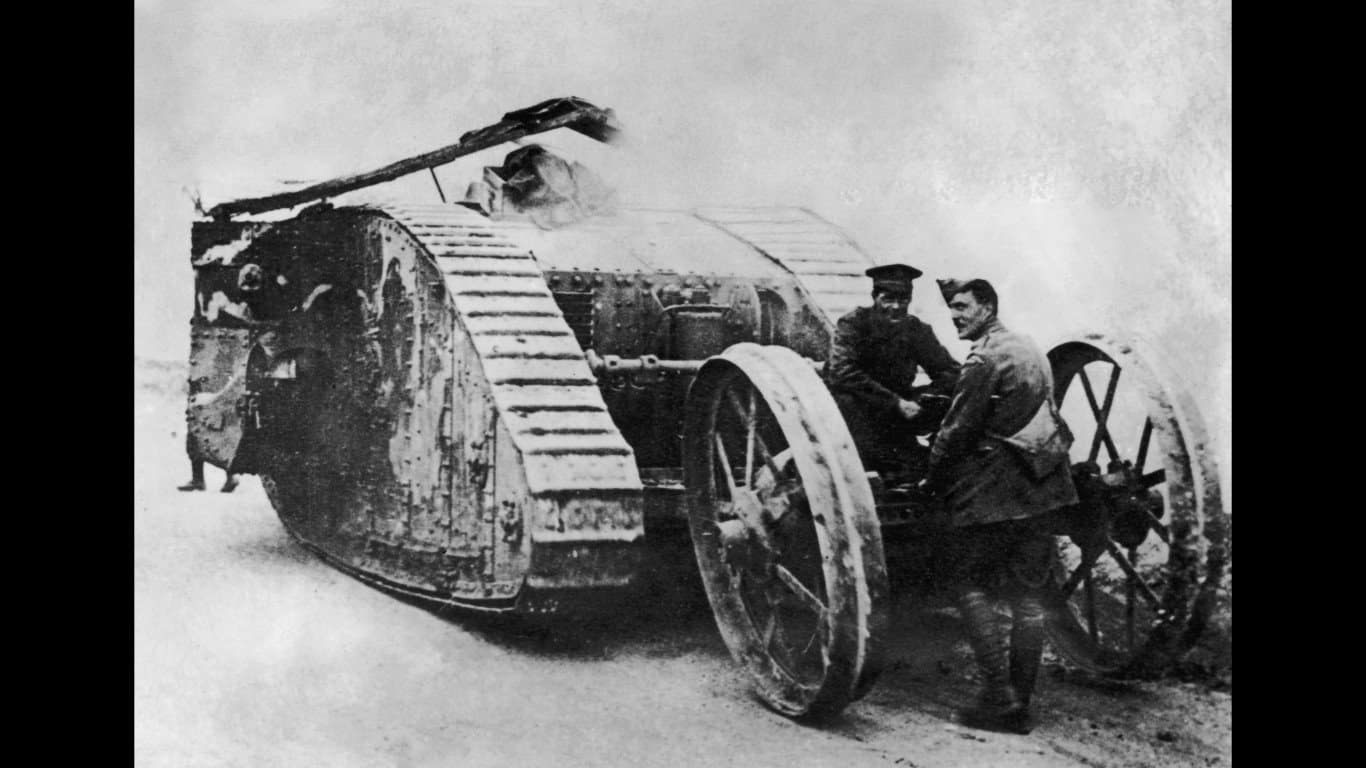
The Mark I tank marked the first true break from static trench warfare, introducing armored mobility where infantry had previously been pinned down. Its ability to cross trenches, crush barbed wire, and withstand small arms fire rendered traditional defensive lines far less effective. While slow and mechanically unreliable, it forced a fundamental rethink of battlefield strategy. For the first time, fortified positions could be physically overrun rather than slowly worn down, signaling the beginning of the end for static trench dominance in modern warfare.
Renault FT
- Country of Origin: France
- Vehicle Type: Light Tank
- Year Introduced: 1917
- Conflict / Era of Impact: World War I
- Primary Tactical Role: Breakthrough
- Key Advantage Over Defensive Positions: Turreted design enabled flexible assault
- Doctrine or Warfare Shift Enabled: Modern tank doctrine
- Why Defensive Positions Failed Against It: Fixed defenses overwhelmed by maneuverable armor
The Renault FT revolutionized armored warfare with its fully rotating turret and compact, mobile design. Unlike earlier tanks, it could maneuver more effectively across varied terrain while engaging targets in multiple directions. This flexibility allowed attacking forces to exploit weak points in defensive lines rather than confront them head-on. By making tanks more adaptable and scalable, the Renault FT helped shift warfare toward maneuver and combined arms, reducing the effectiveness of fixed positions that relied on predictable attack patterns.
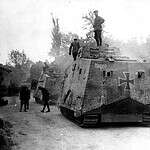
A7V Tank
- Country of Origin: Germany
- Vehicle Type: Heavy Tank
- Year Introduced: 1918
- Conflict / Era of Impact: World War I
- Primary Tactical Role: Breakthrough
- Key Advantage Over Defensive Positions: Armored mobility vs entrenched infantry
- Doctrine or Warfare Shift Enabled: Early armored warfare experimentation
- Why Defensive Positions Failed Against It: Infantry positions ineffective vs armor
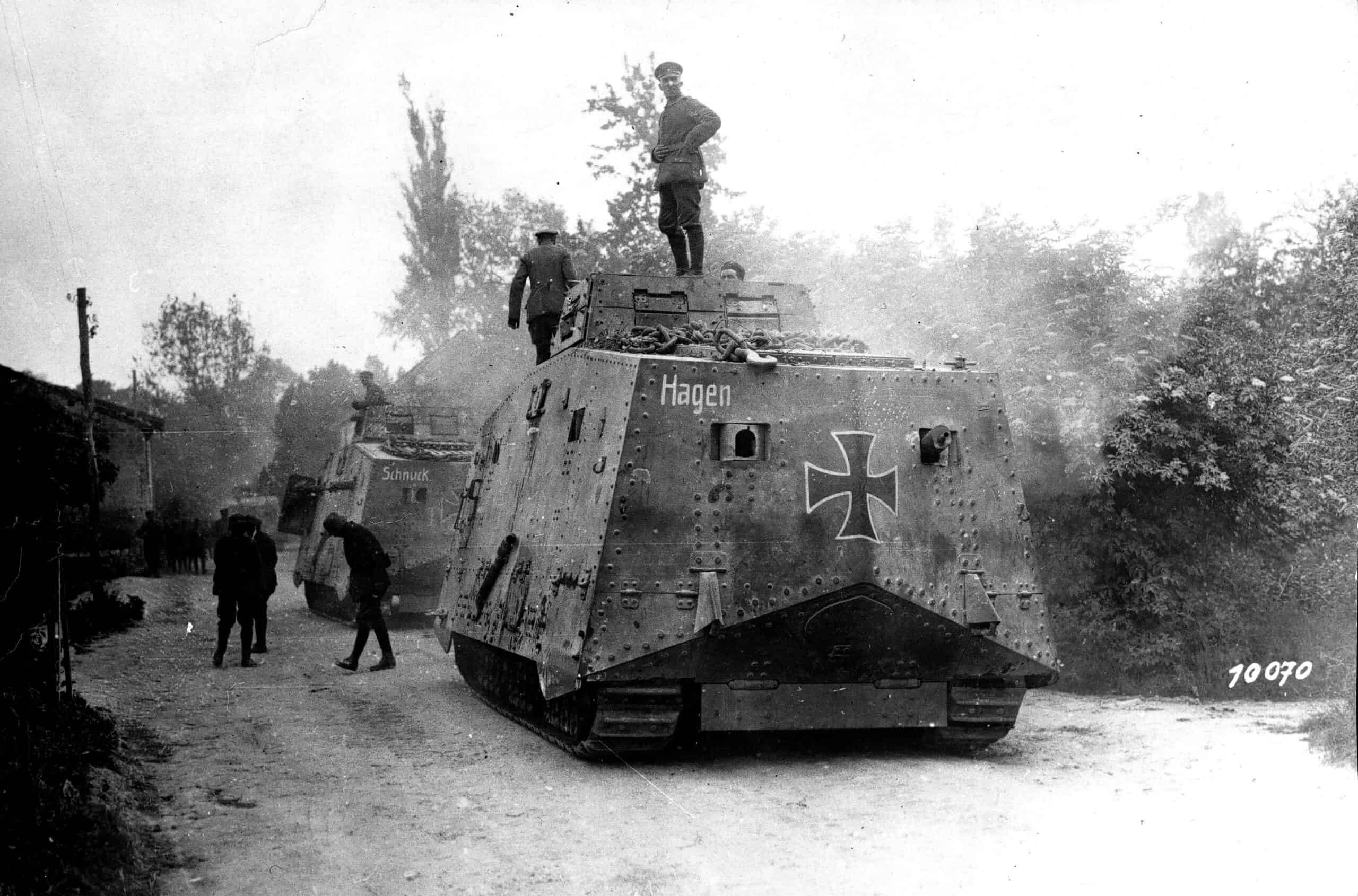
Germany’s A7V represented one of the earliest attempts to counter Allied armored breakthroughs, but it also demonstrated how quickly static defenses were becoming outdated. Though limited in number, the A7V showed that armored vehicles could challenge entrenched infantry positions directly. Its deployment underscored the growing importance of mobility and protection on the battlefield. Even as a transitional design, it contributed to the realization that fixed defensive systems could no longer guarantee battlefield control in the face of advancing armor.
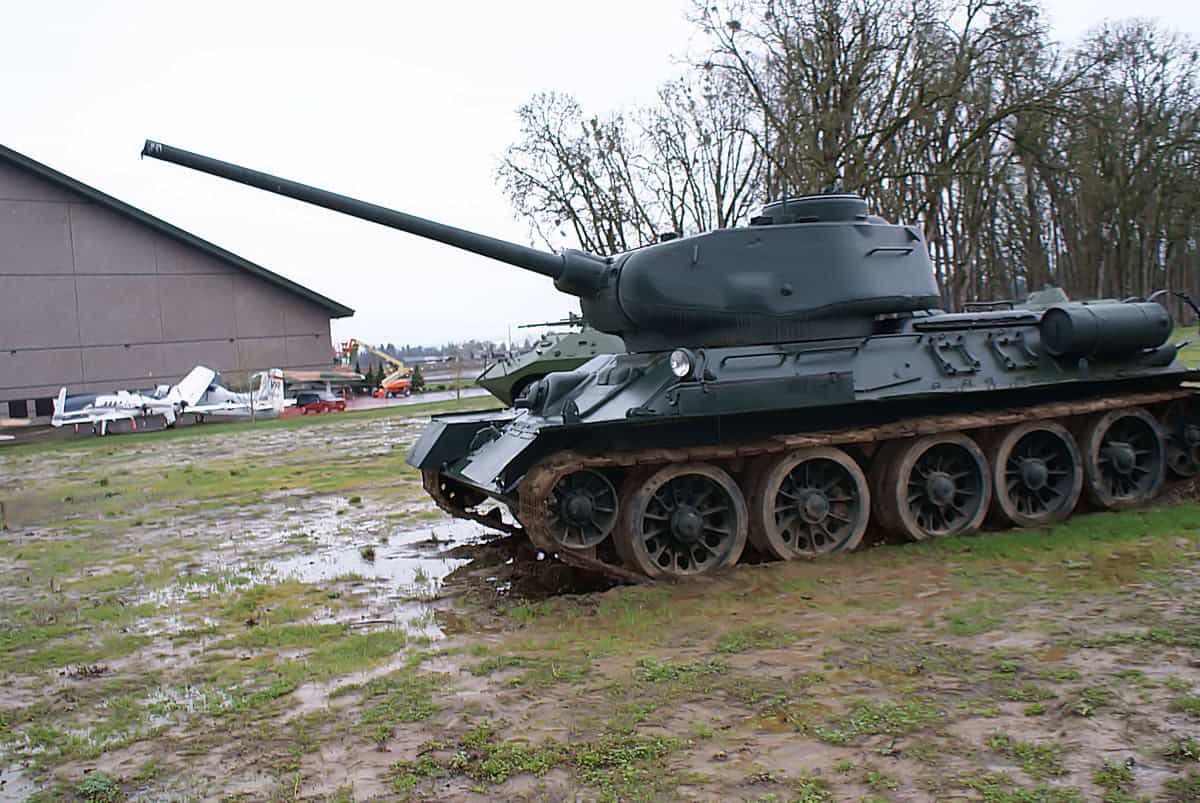
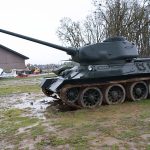
T-34 Medium Tank
- Country of Origin: Soviet Union
- Vehicle Type: Medium Tank
- Year Introduced: 1940
- Conflict / Era of Impact: World War II
- Primary Tactical Role: Shock Assault
- Key Advantage Over Defensive Positions: Armor, speed, and mass production
- Doctrine or Warfare Shift Enabled: Deep battle / maneuver warfare
- Why Defensive Positions Failed Against It: Defensive lines bypassed and overwhelmed
The T-34 combined speed, armor, and firepower in a way that fundamentally reshaped warfare during World War II. Its sloped armor made it difficult to destroy, while its mobility allowed Soviet forces to bypass heavily fortified positions entirely. Rather than engaging defenses directly, the T-34 enabled deep penetrations into enemy territory, collapsing defensive lines from within. This approach rendered static fortifications ineffective, as they could be surrounded and cut off, forcing defenders to adopt more flexible and mobile strategies.
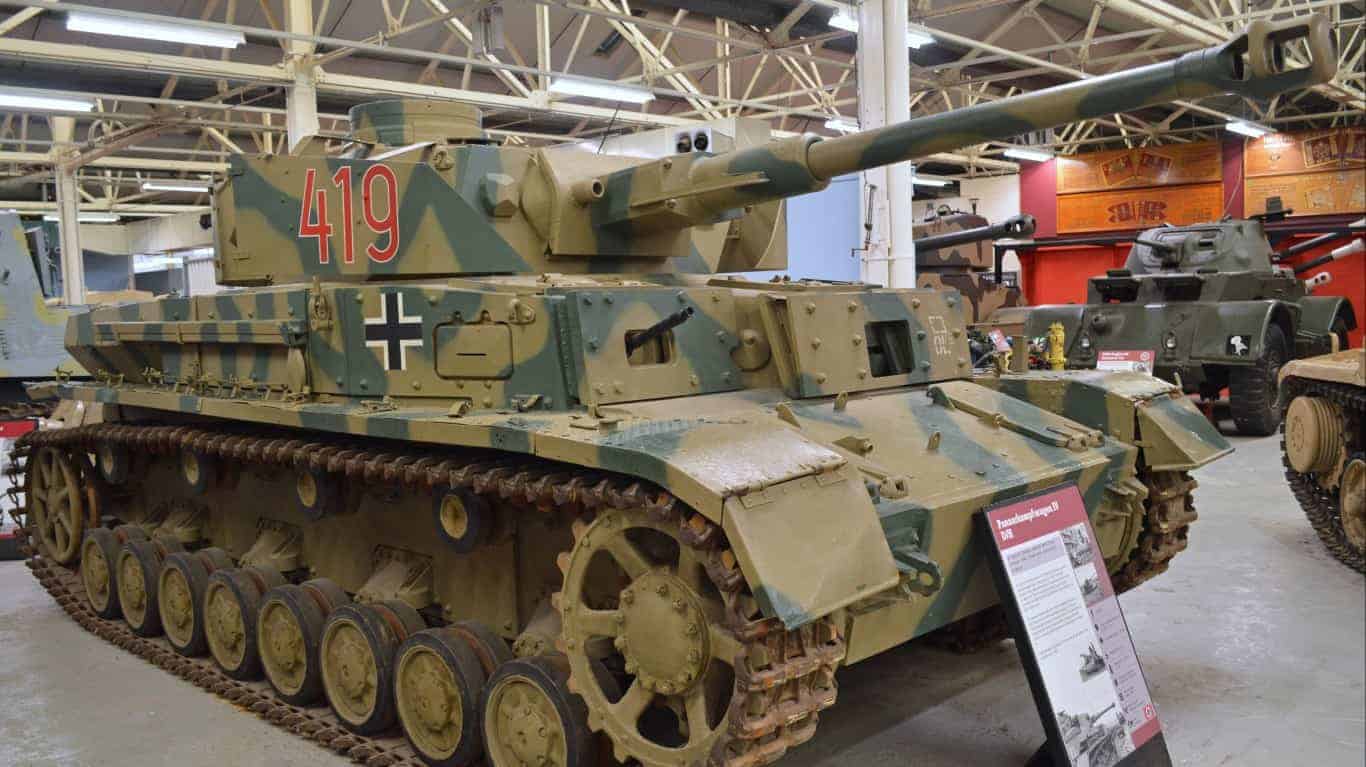
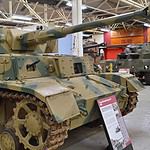
Panzer IV
- Country of Origin: Germany
- Vehicle Type: Medium Tank
- Year Introduced: 1939
- Conflict / Era of Impact: World War II
- Primary Tactical Role: Breakthrough
- Key Advantage Over Defensive Positions: Reliable armored support for fast offensives
- Doctrine or Warfare Shift Enabled: Blitzkrieg doctrine
- Why Defensive Positions Failed Against It: Static defenses outpaced by coordinated assaults
The Panzer IV played a central role in Germany’s blitzkrieg tactics, supporting rapid, coordinated offensives that overwhelmed static defenses. Its ability to work alongside infantry, artillery, and air support allowed German forces to break through fortified lines quickly and exploit gaps before defenders could react. This level of coordination made traditional defensive positions, which relied on holding ground, increasingly ineffective. The Panzer IV exemplified how mobility and combined arms integration could dismantle even well-prepared defensive systems.
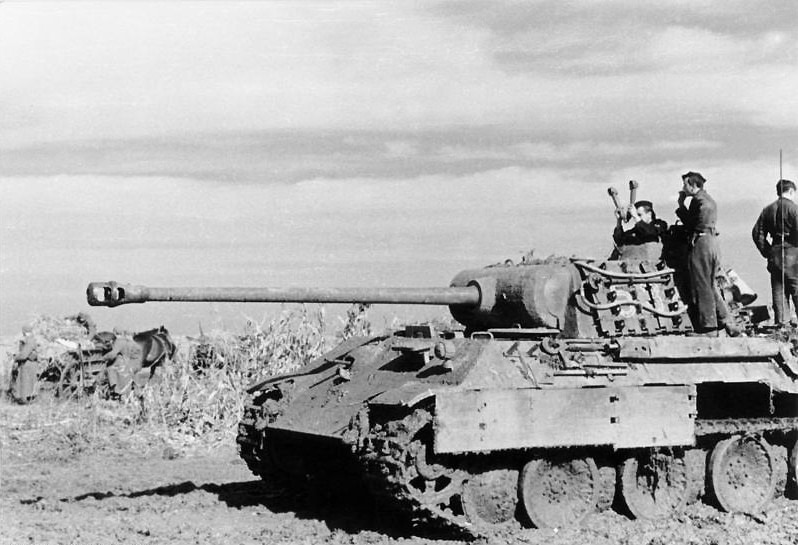
Panther Tank (Panzer V)
- Country of Origin: Germany
- Vehicle Type: Medium Tank
- Year Introduced: 1943
- Conflict / Era of Impact: World War II
- Primary Tactical Role: Breakthrough
- Key Advantage Over Defensive Positions: High-velocity gun and mobility
- Doctrine or Warfare Shift Enabled: Advanced armored maneuver warfare
- Why Defensive Positions Failed Against It: Fortifications penetrated at range
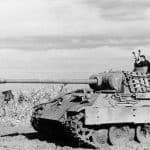
The Panther tank brought advanced firepower and mobility to the battlefield, allowing German forces to engage enemy positions from greater distances while maintaining the ability to maneuver. Its high-velocity gun could penetrate defensive fortifications and enemy armor alike, reducing the protective value of static positions. Combined with its speed, the Panther enabled offensive operations that could outpace and outgun traditional defenses, reinforcing the shift toward dynamic, fluid battlefields where fixed positions offered diminishing returns.
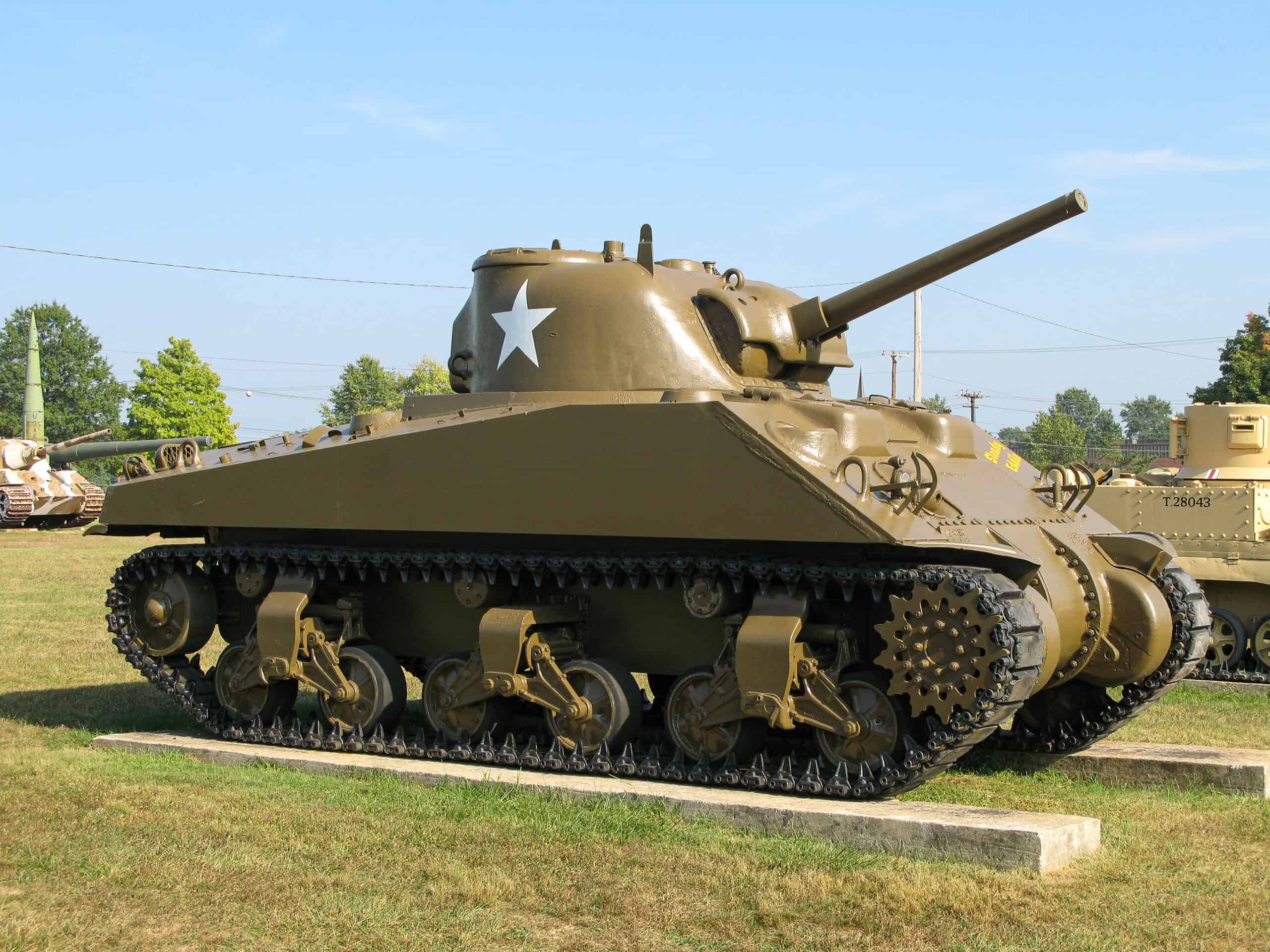
M4 Sherman
- Country of Origin: United States
- Vehicle Type: Medium Tank
- Year Introduced: 1942
- Conflict / Era of Impact: World War II
- Primary Tactical Role: Breakthrough
- Key Advantage Over Defensive Positions: Mass production and mobility
- Doctrine or Warfare Shift Enabled: Operational maneuver warfare
- Why Defensive Positions Failed Against It: Defenses overwhelmed by numbers and speed
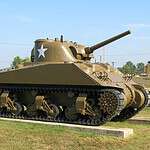
The M4 Sherman’s greatest strength was not individual superiority, but its mass production and operational flexibility. Deployed in large numbers, it allowed Allied forces to sustain continuous offensives, overwhelming defensive positions through sheer volume and coordinated movement. Static defenses, no matter how well constructed, struggled to withstand repeated, mobile assaults from multiple directions. The Sherman demonstrated that mobility and numbers could erode the effectiveness of fixed fortifications, especially when combined with air and artillery support.
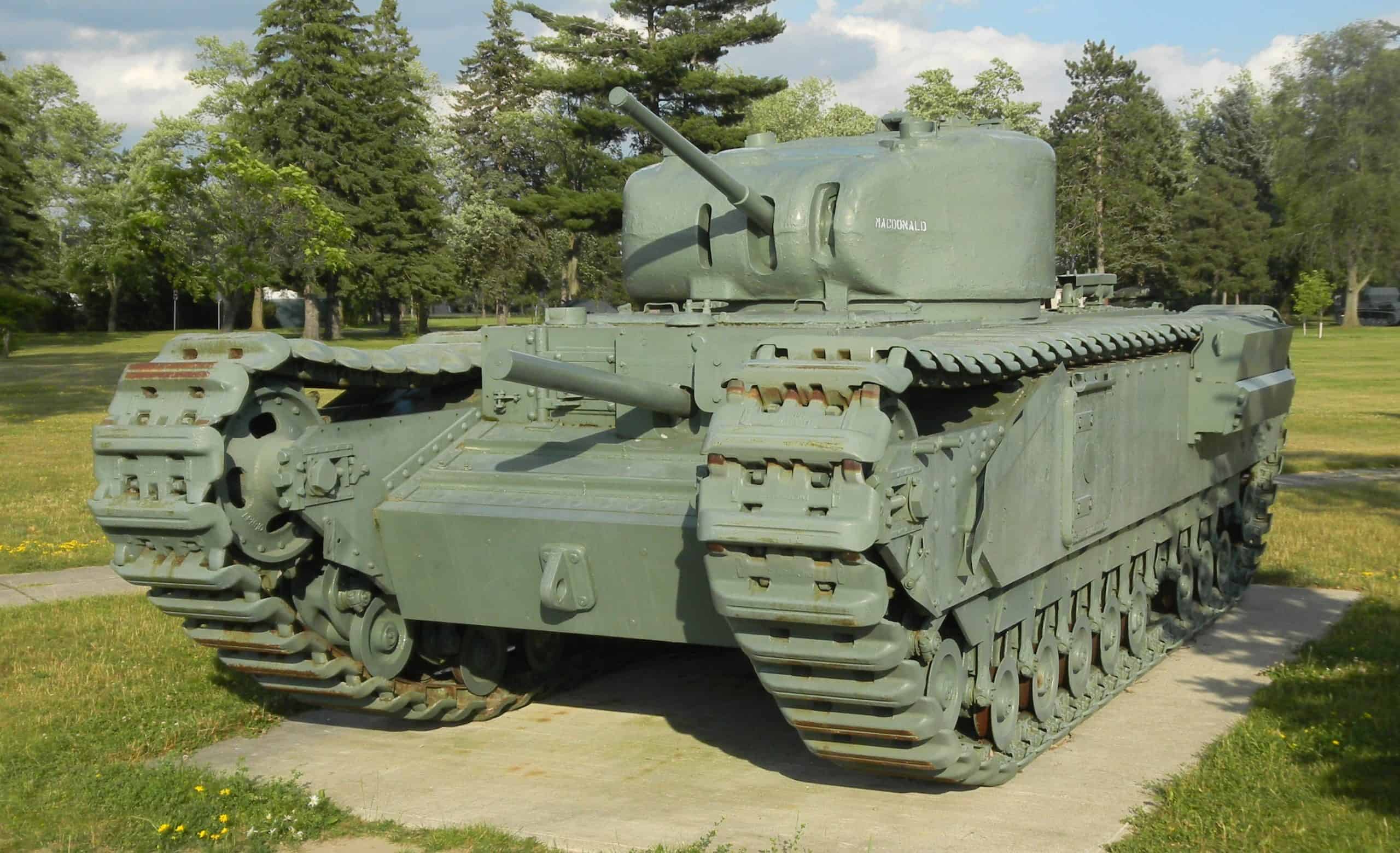
Churchill Tank
- Country of Origin: United Kingdom
- Vehicle Type: Heavy Tank
- Year Introduced: 1941
- Conflict / Era of Impact: World War II
- Primary Tactical Role: Breakthrough
- Key Advantage Over Defensive Positions: Exceptional terrain-crossing ability
- Doctrine or Warfare Shift Enabled: Assault on fortified positions
- Why Defensive Positions Failed Against It: Bunkers and obstacles could be crossed directly
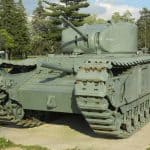
The Churchill tank excelled in terrain that would have stopped most other vehicles, including steep inclines, trenches, and heavily fortified areas. Its ability to traverse obstacles directly made it particularly effective against defensive positions designed to channel or halt advancing forces. By negating terrain-based defenses, the Churchill forced defenders to reconsider how they constructed fortifications. Obstacles that once provided security became less reliable, as armored vehicles could now bypass or overcome them with relative ease.
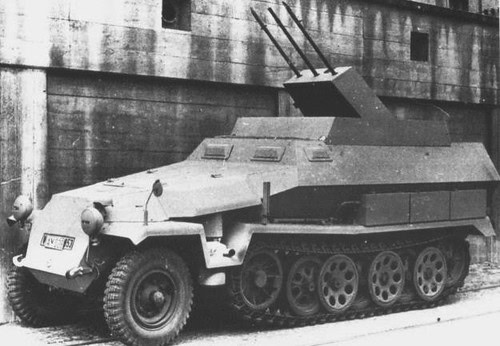
Sd.Kfz. 251 Half-Track
- Country of Origin: Germany
- Vehicle Type: Half-track APC
- Year Introduced: 1939
- Conflict / Era of Impact: World War II
- Primary Tactical Role: Infantry Transport
- Key Advantage Over Defensive Positions: Carried infantry under armor
- Doctrine or Warfare Shift Enabled: Mechanized infantry / Blitzkrieg
- Why Defensive Positions Failed Against It: Infantry could attack without exposure
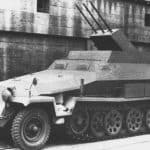
The Sd.Kfz. 251 enabled German infantry to move alongside tanks under armored protection, transforming how assaults on defensive positions were conducted. Instead of advancing on foot and suffering heavy casualties, infantry could now rapidly close the distance while protected. This integration of mobility and protection allowed for synchronized attacks that overwhelmed defenders before they could effectively respond. Static positions, which relied on attrition and exposure of attacking forces, became far less effective against this mechanized approach.
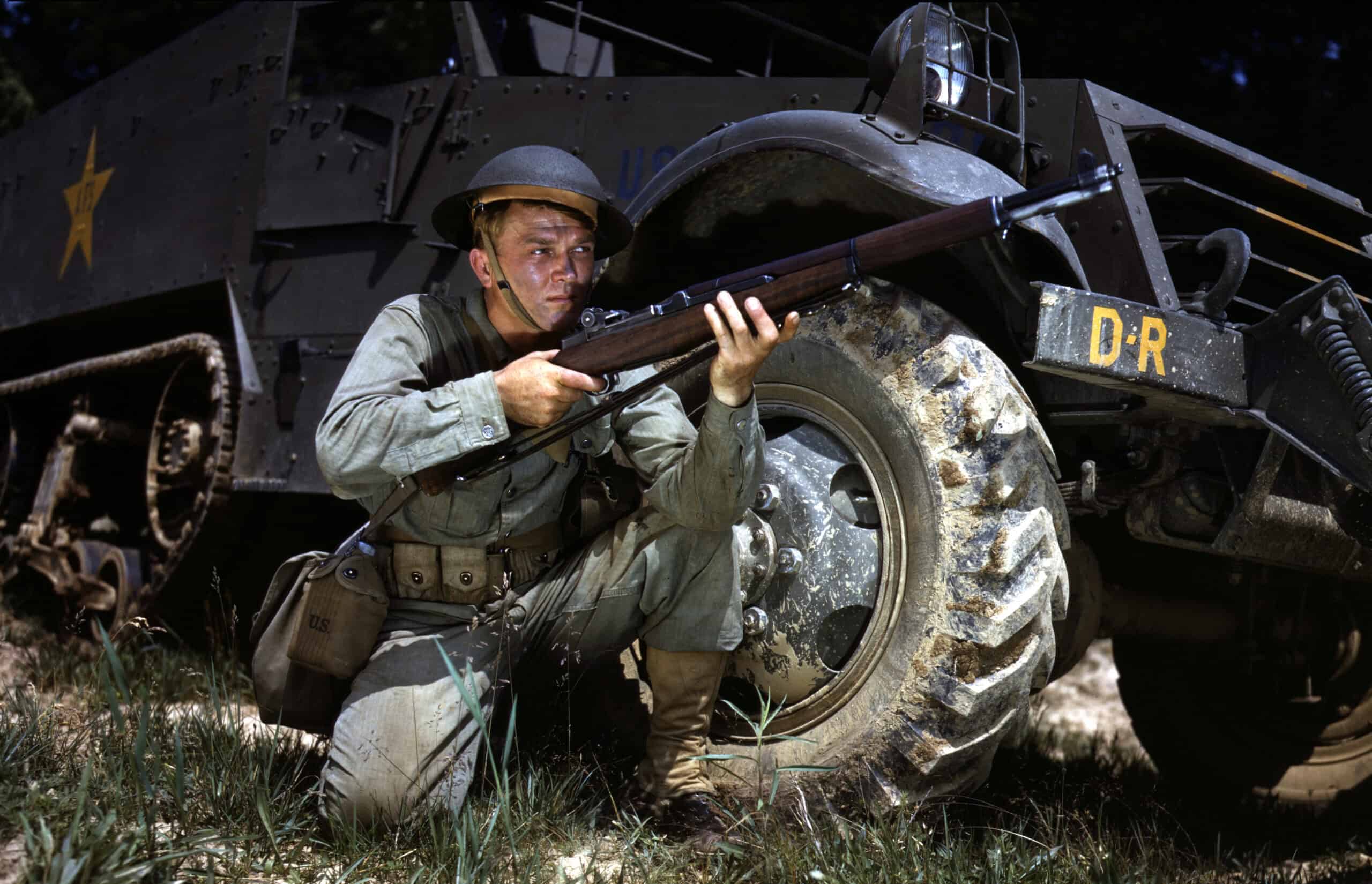
M3 Half-Track
- Country of Origin: United States
- Vehicle Type: Half-track APC
- Year Introduced: 1941
- Conflict / Era of Impact: World War II
- Primary Tactical Role: Infantry Transport
- Key Advantage Over Defensive Positions: Mobile infantry support under armor
- Doctrine or Warfare Shift Enabled: Mechanized warfare
- Why Defensive Positions Failed Against It: Defensive lines faced combined arms pressure
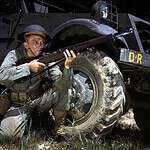
The M3 Half-Track gave Allied forces a similar capability, allowing infantry to keep pace with armored advances and maintain pressure on defensive lines. By transporting troops under armor, it reduced vulnerability during assaults and enabled more coordinated attacks. This mobility ensured that defensive positions could not isolate and destroy advancing infantry as easily as before. The M3 helped solidify the importance of mechanized infantry in modern warfare, where speed and protection diminish the value of static defenses.
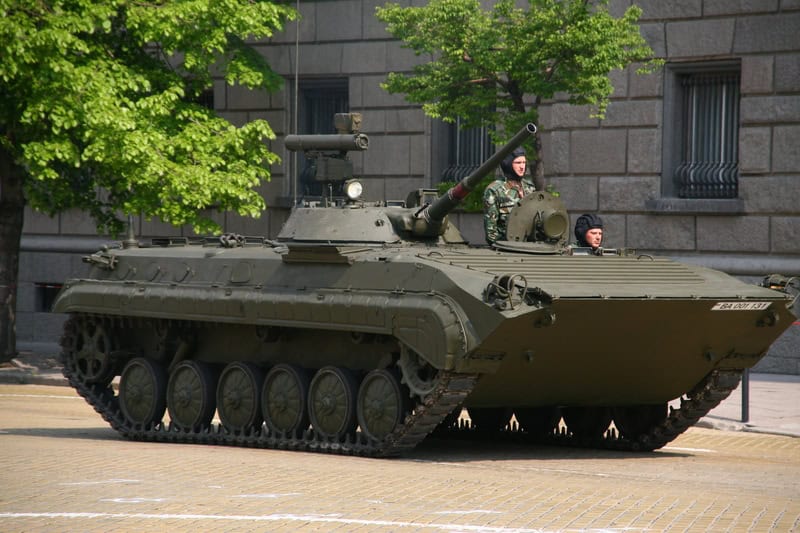
BMP-1 IFV
- Country of Origin: Soviet Union
- Vehicle Type: Infantry Fighting Vehicle
- Year Introduced: 1966
- Conflict / Era of Impact: Cold War
- Primary Tactical Role: Infantry Assault
- Key Advantage Over Defensive Positions: Infantry fights from within vehicle
- Doctrine or Warfare Shift Enabled: Mechanized infantry doctrine
- Why Defensive Positions Failed Against It: Static defenses engaged before contact
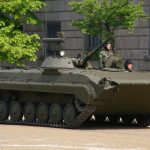
The BMP-1 introduced the concept of infantry fighting from within an armored vehicle, allowing troops to engage defensive positions without dismounting. Equipped with a cannon and anti-tank guided missiles, it could suppress or destroy fortified positions before infantry even exited the vehicle. This capability reduced the effectiveness of traditional defenses, which relied on exposing attacking infantry. The BMP-1 marked a major evolution in mechanized warfare, where mobility and firepower combined to neutralize static positions more efficiently.
BTR-60 APC
- Country of Origin: Soviet Union
- Vehicle Type: Armored Personnel Carrier
- Year Introduced: 1960
- Conflict / Era of Impact: Cold War
- Primary Tactical Role: Infantry Transport
- Key Advantage Over Defensive Positions: Rapid troop mobility
- Doctrine or Warfare Shift Enabled: Motorized warfare expansion
- Why Defensive Positions Failed Against It: Defenses bypassed by speed
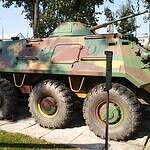
The BTR-60 emphasized speed and mass mobility, allowing Soviet forces to rapidly deploy infantry across the battlefield. Its ability to bypass defensive positions rather than engage them directly made static fortifications less relevant. Instead of holding a fixed line, defenders faced the challenge of responding to fast-moving threats that could appear in unexpected locations. The BTR-60 reinforced a shift toward maneuver warfare, where speed and flexibility undermine the effectiveness of traditional defensive strategies.
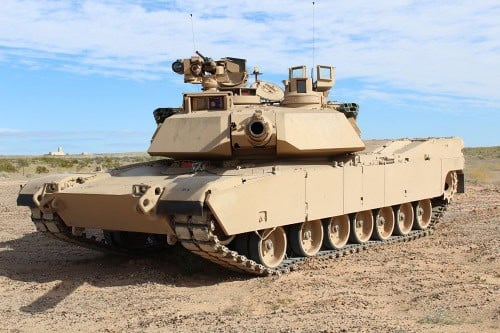
M1A2 Abrams
- Country of Origin: United States
- Vehicle Type: Main Battle Tank
- Year Introduced: 1980
- Conflict / Era of Impact: Modern Warfare
- Primary Tactical Role: Shock Assault
- Key Advantage Over Defensive Positions: Advanced armor and fire control
- Doctrine or Warfare Shift Enabled: Modern armored dominance
- Why Defensive Positions Failed Against It: Fortifications cannot withstand direct assault
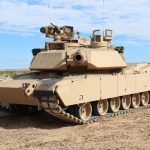
The M1A2 Abrams represents the pinnacle of modern armored warfare, combining advanced armor, firepower, and targeting systems. Its ability to destroy enemy positions at long range while withstanding return fire makes traditional fortifications highly vulnerable. In modern conflicts, the Abrams can engage and neutralize defensive positions with precision and speed, leaving little opportunity for defenders to respond. Its presence underscores how technological superiority has further eroded the effectiveness of static defenses in contemporary warfare.
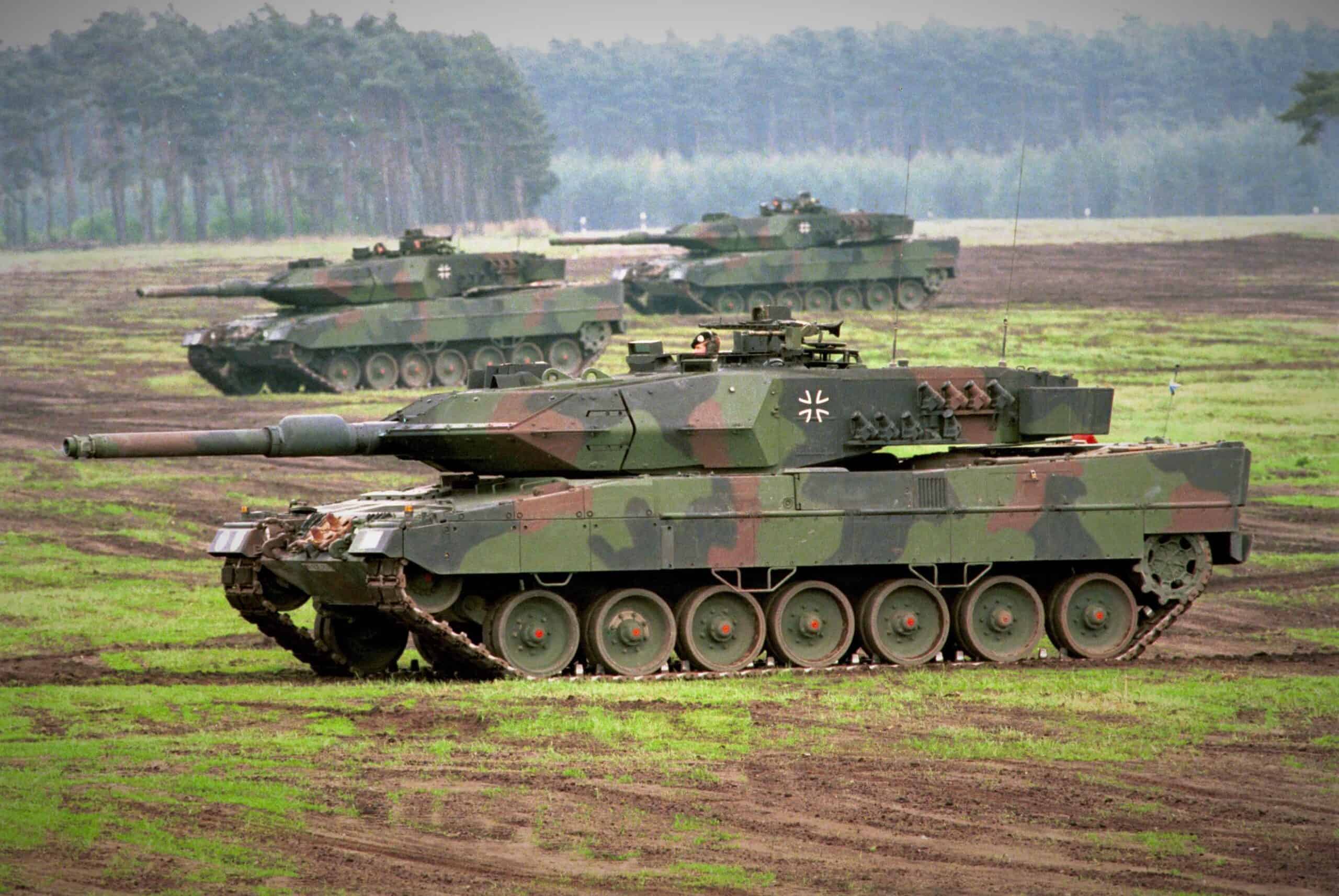
Leopard 2
- Country of Origin: Germany
- Vehicle Type: Main Battle Tank
- Year Introduced: 1979
- Conflict / Era of Impact: Modern Warfare
- Primary Tactical Role: Shock Assault
- Key Advantage Over Defensive Positions: High mobility and firepower
- Doctrine or Warfare Shift Enabled: NATO armored doctrine
- Why Defensive Positions Failed Against It: Defensive lines penetrated quickly
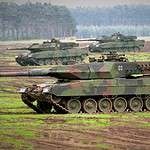
The Leopard 2 is one of NATO’s most capable main battle tanks, designed for rapid maneuver and high-intensity combat. Its mobility allows it to exploit gaps in defensive lines, while its powerful gun can neutralize fortified positions quickly. This combination makes it difficult for static defenses to hold against a determined offensive. The Leopard 2 exemplifies modern armored doctrine, where speed and precision are used to outmaneuver and dismantle fixed defensive systems.
Challenger 2
- Country of Origin: United Kingdom
- Vehicle Type: Main Battle Tank
- Year Introduced: 1998
- Conflict / Era of Impact: Modern Warfare
- Primary Tactical Role: Shock Assault
- Key Advantage Over Defensive Positions: Exceptional armor protection
- Doctrine or Warfare Shift Enabled: Defensive breakthrough operations
- Why Defensive Positions Failed Against It: Static defenses ineffective vs heavy armor
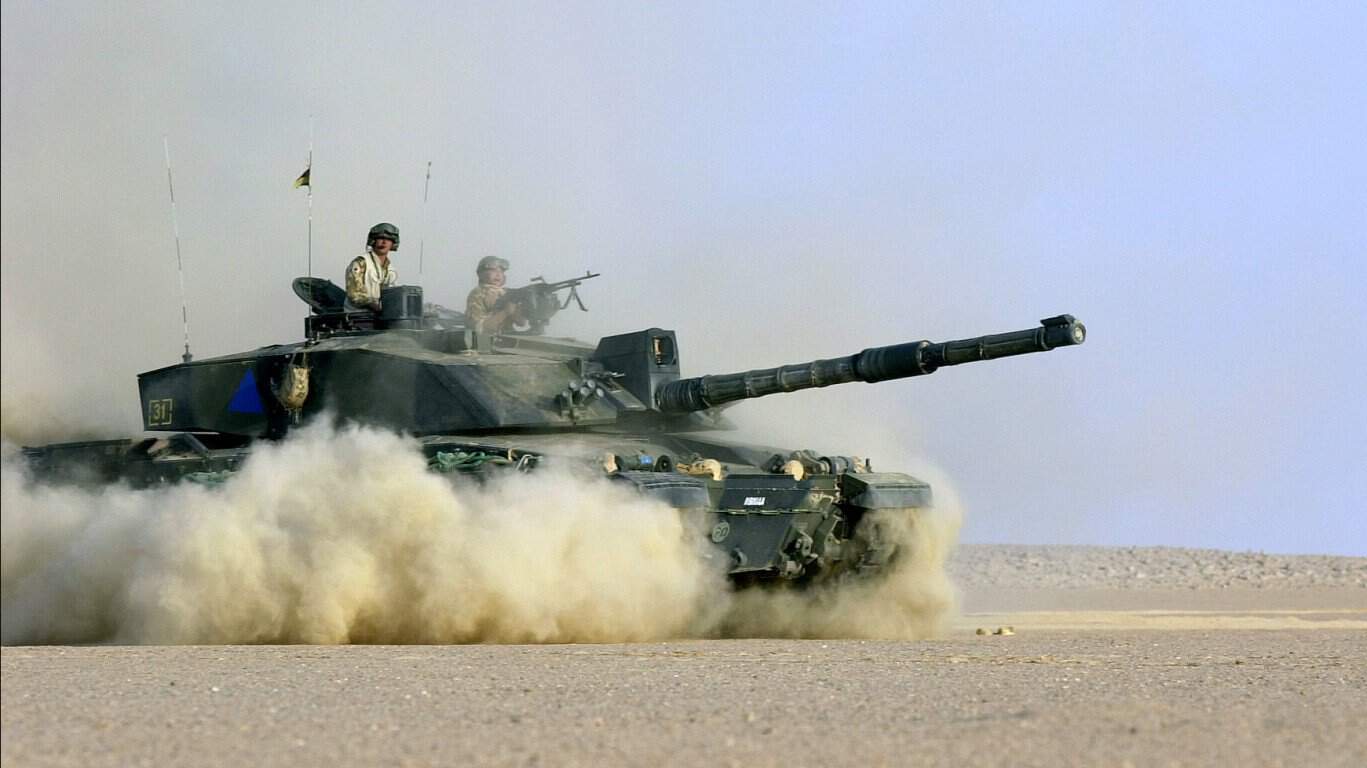
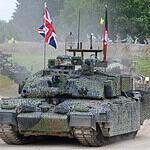
The Challenger 2 is built for durability and sustained combat, with exceptional armor that allows it to withstand significant enemy fire. This resilience enables it to engage defensive positions directly without being easily neutralized. Its long-range accuracy further reduces the effectiveness of fortifications, as it can destroy targets before entering their effective range. The Challenger 2 highlights how advancements in protection and firepower have made static defenses increasingly vulnerable to modern armored assaults.
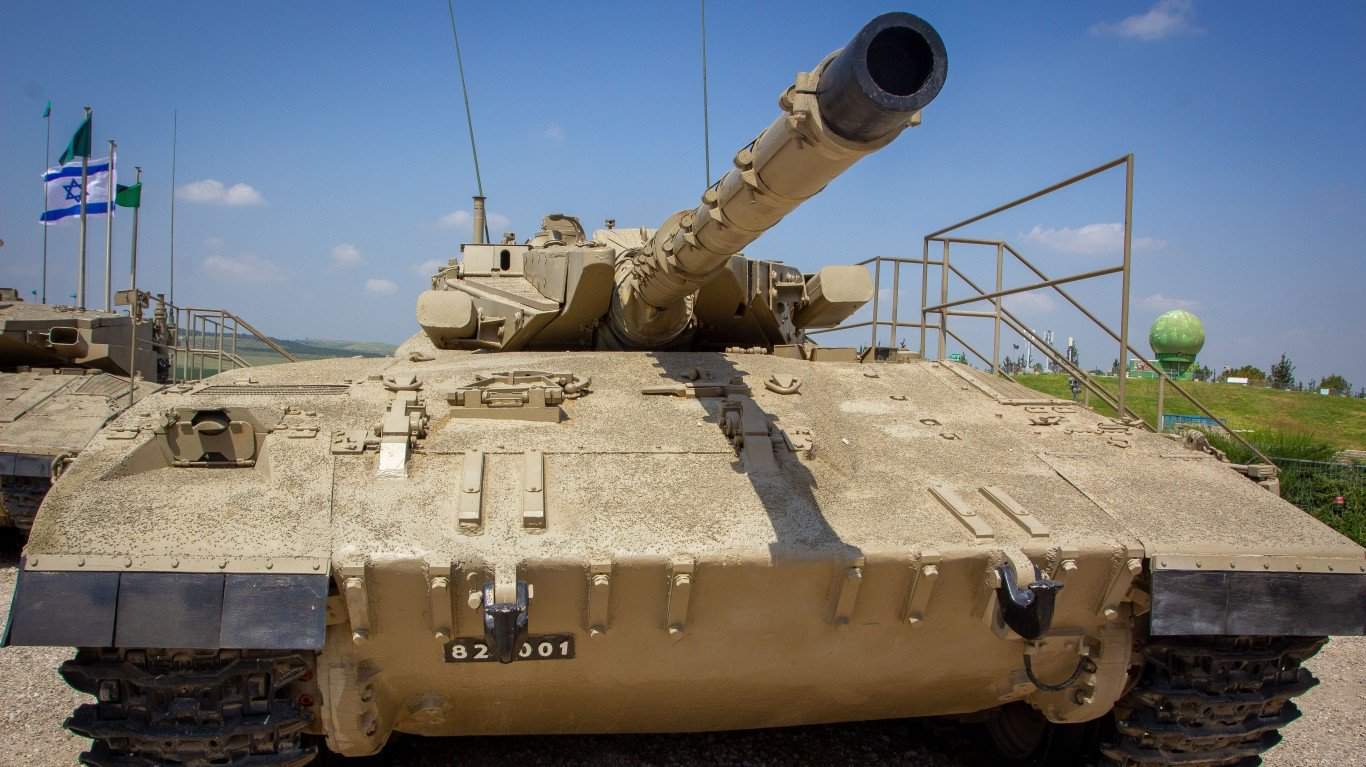
Merkava Mk. IV
- Country of Origin: Israel
- Vehicle Type: Main Battle Tank
- Year Introduced: 2004
- Conflict / Era of Impact: Modern Warfare
- Primary Tactical Role: Urban Assault
- Key Advantage Over Defensive Positions: Crew protection and urban adaptability
- Doctrine or Warfare Shift Enabled: Urban warfare evolution
- Why Defensive Positions Failed Against It: Fortified urban defenses neutralized
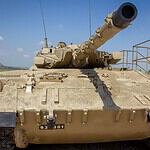
The Merkava Mk. IV is specifically designed for complex and fortified environments, including urban combat zones. Its emphasis on crew protection and situational awareness allows it to operate effectively in areas where traditional defenses might otherwise hold. By combining mobility with advanced defensive systems, it can penetrate and neutralize fortified positions that would have been difficult to overcome in the past. The Merkava reflects the evolution of armored warfare in environments where static defenses are heavily reinforced.
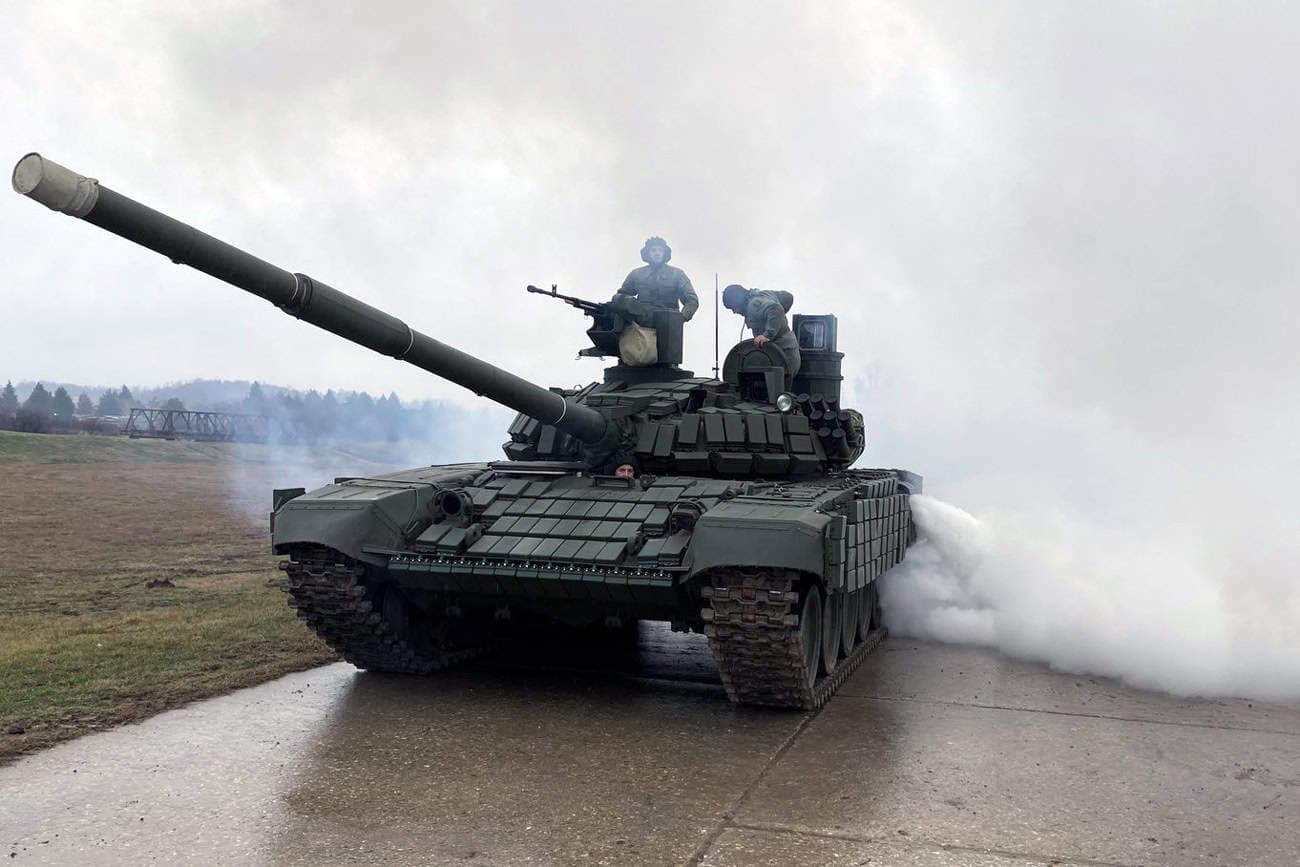
T-72
- Country of Origin: Soviet Union
- Vehicle Type: Main Battle Tank
- Year Introduced: 1971
- Conflict / Era of Impact: Cold War
- Primary Tactical Role: Shock Assault
- Key Advantage Over Defensive Positions: Mass deployment and simplicity
- Doctrine or Warfare Shift Enabled: Soviet armored doctrine
- Why Defensive Positions Failed Against It: Defenses overwhelmed by volume
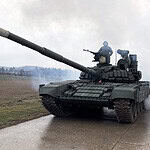
The T-72’s strength lies in its simplicity and mass production, allowing it to be deployed in large numbers across a wide фронт. This numerical advantage enables forces to overwhelm defensive positions through repeated, coordinated assaults. Even if individual vehicles are less advanced, the sheer volume of armor can break through static lines. The T-72 demonstrates that quantity, combined with mobility, can still render defensive positions ineffective, particularly when defenders are unable to respond to multiple simultaneous threats.
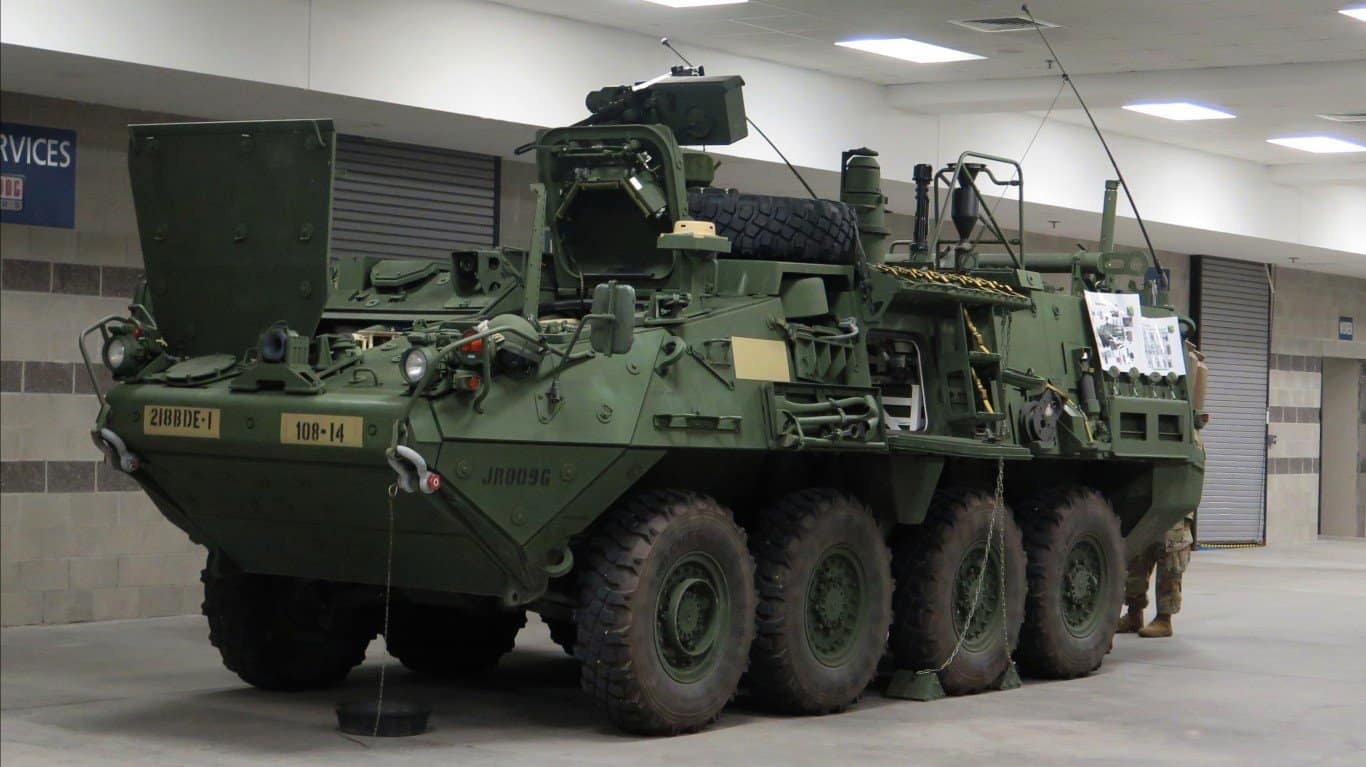
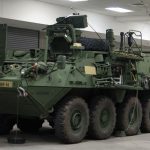
Stryker
- Country of Origin: United States
- Vehicle Type: Armored Vehicle
- Year Introduced: 2002
- Conflict / Era of Impact: Modern Warfare
- Primary Tactical Role: Rapid Deployment
- Key Advantage Over Defensive Positions: High-speed mobility and deployment
- Doctrine or Warfare Shift Enabled: Rapid maneuver warfare
- Why Defensive Positions Failed Against It: Defenses bypassed rather than attacked
The Stryker emphasizes speed and deployability, allowing U.S. forces to respond quickly to emerging threats and bypass traditional defensive positions. Rather than engaging fortified lines directly, Stryker units can maneuver around them, striking from unexpected angles. This approach reduces the importance of static defenses, which are often designed for frontal engagements. The Stryker reflects a modern shift toward rapid, flexible operations that prioritize mobility over direct confrontation with entrenched positions.
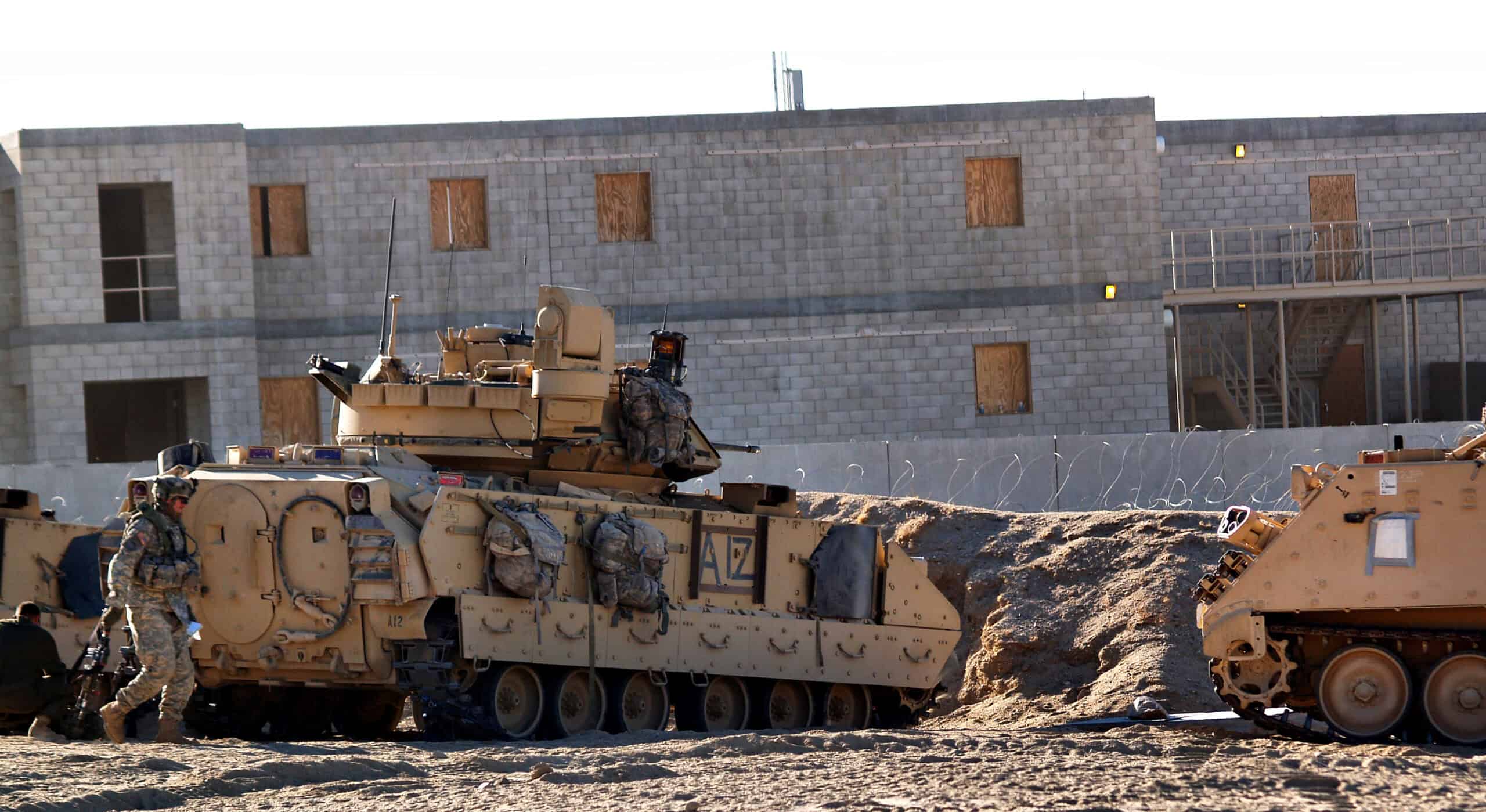
Bradley (M2/M3)
- Country of Origin: United States
- Vehicle Type: Infantry Fighting Vehicle
- Year Introduced: 1981
- Conflict / Era of Impact: Modern Warfare
- Primary Tactical Role: Infantry Assault
- Key Advantage Over Defensive Positions: Combined firepower and transport
- Doctrine or Warfare Shift Enabled: Mechanized combined arms
- Why Defensive Positions Failed Against It: Static defenses exposed to mobile infantry
The Bradley Fighting Vehicle combines transport and firepower, enabling infantry to engage defensive positions while remaining protected. Its ability to support dismounted troops with cannon fire and anti-tank missiles makes it a versatile tool in breaking through defenses. By integrating infantry and armored capabilities, the Bradley reduces the effectiveness of positions that rely on isolating attacking forces. It represents a key component of modern combined arms tactics that diminish the value of static defenses.
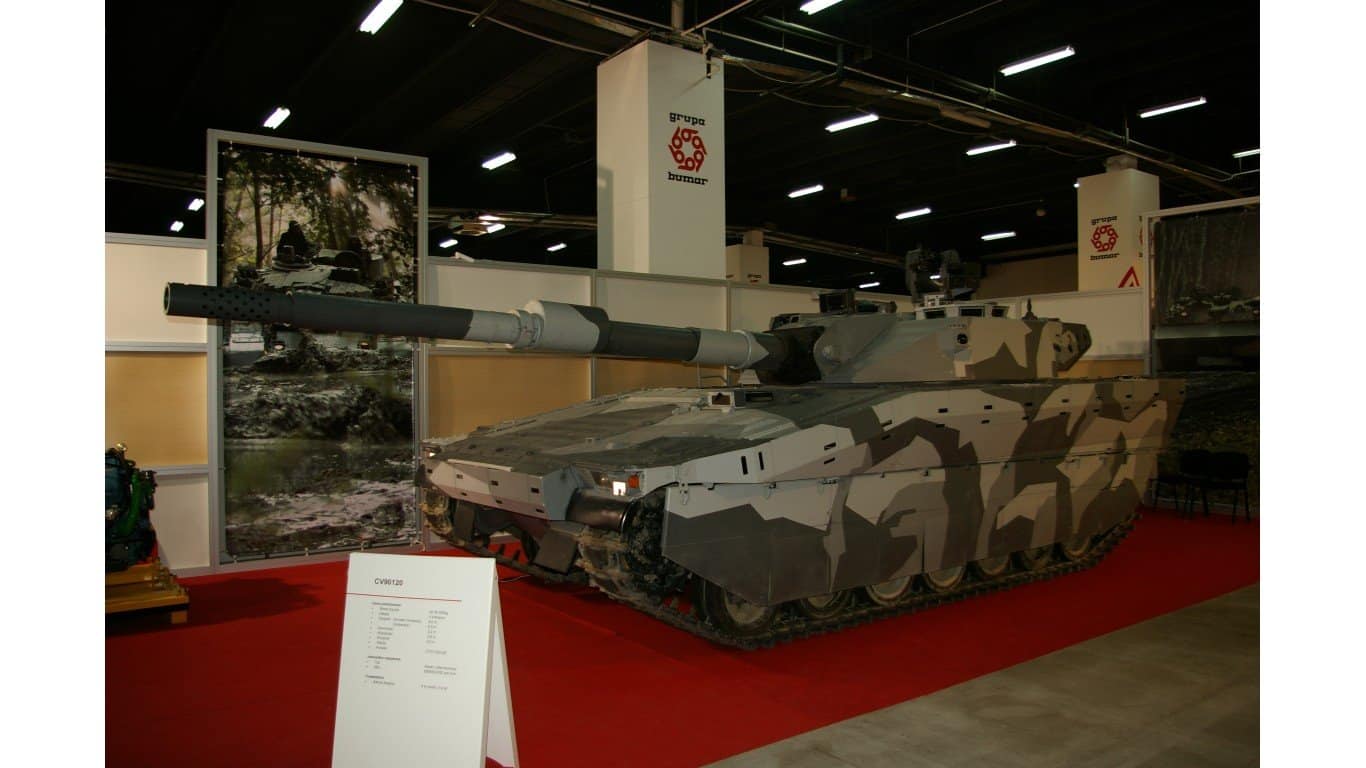
CV90
- Country of Origin: Sweden
- Vehicle Type: Infantry Fighting Vehicle
- Year Introduced: 1993
- Conflict / Era of Impact: Modern Warfare
- Primary Tactical Role: Infantry Assault
- Key Advantage Over Defensive Positions: Advanced sensors and mobility
- Doctrine or Warfare Shift Enabled: Networked warfare
- Why Defensive Positions Failed Against It: Defensive positions outmaneuvered
The CV90 is a modern infantry fighting vehicle designed for high mobility and advanced battlefield awareness. Its sensors and firepower allow it to detect and engage threats quickly, often before defenders can react. This capability makes static positions increasingly vulnerable, as they can be identified and targeted with precision. The CV90 reflects the growing importance of information and speed in warfare, where the ability to outmaneuver and outthink the enemy reduces the effectiveness of traditional defensive systems.