




The Wartime Technologies That Made D-Day Possible
When people think about D-Day, they often picture soldiers storming the beaches of Normandy under heavy fire. What is less remembered is that Operation Overlord was also one of the largest engineering and technological undertakings in history. Allied planners faced a seemingly impossible challenge: transport hundreds of thousands of troops across the English Channel, land them on heavily defended beaches, and sustain them long enough to break out into France. Success required not only courage but also an extraordinary collection of new technologies designed specifically to overcome those obstacles. Here, History Computer is exploring the tech that made D-Day happen.
Here is a look at the technologies that made D-Day possible:
Higgins Boat (LCVP)
- The D-Day Problem: Troops needed to land directly onto defended beaches
- The Breakthrough: Front-loading landing craft with shallow draft
- Impact on the Invasion: Delivered thousands of assault troops during the initial landings
- What Came After: Became the foundation of modern amphibious assault craft
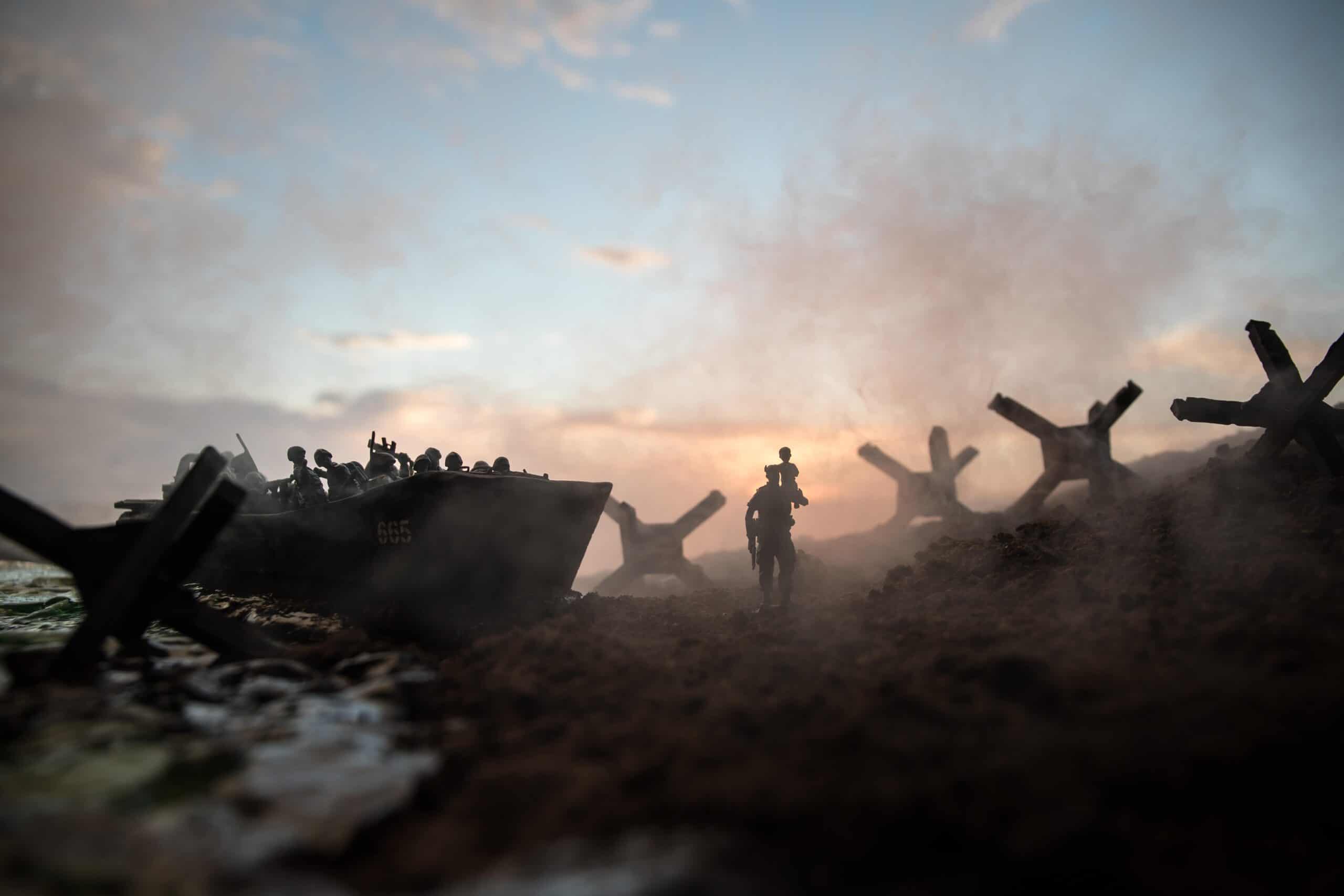
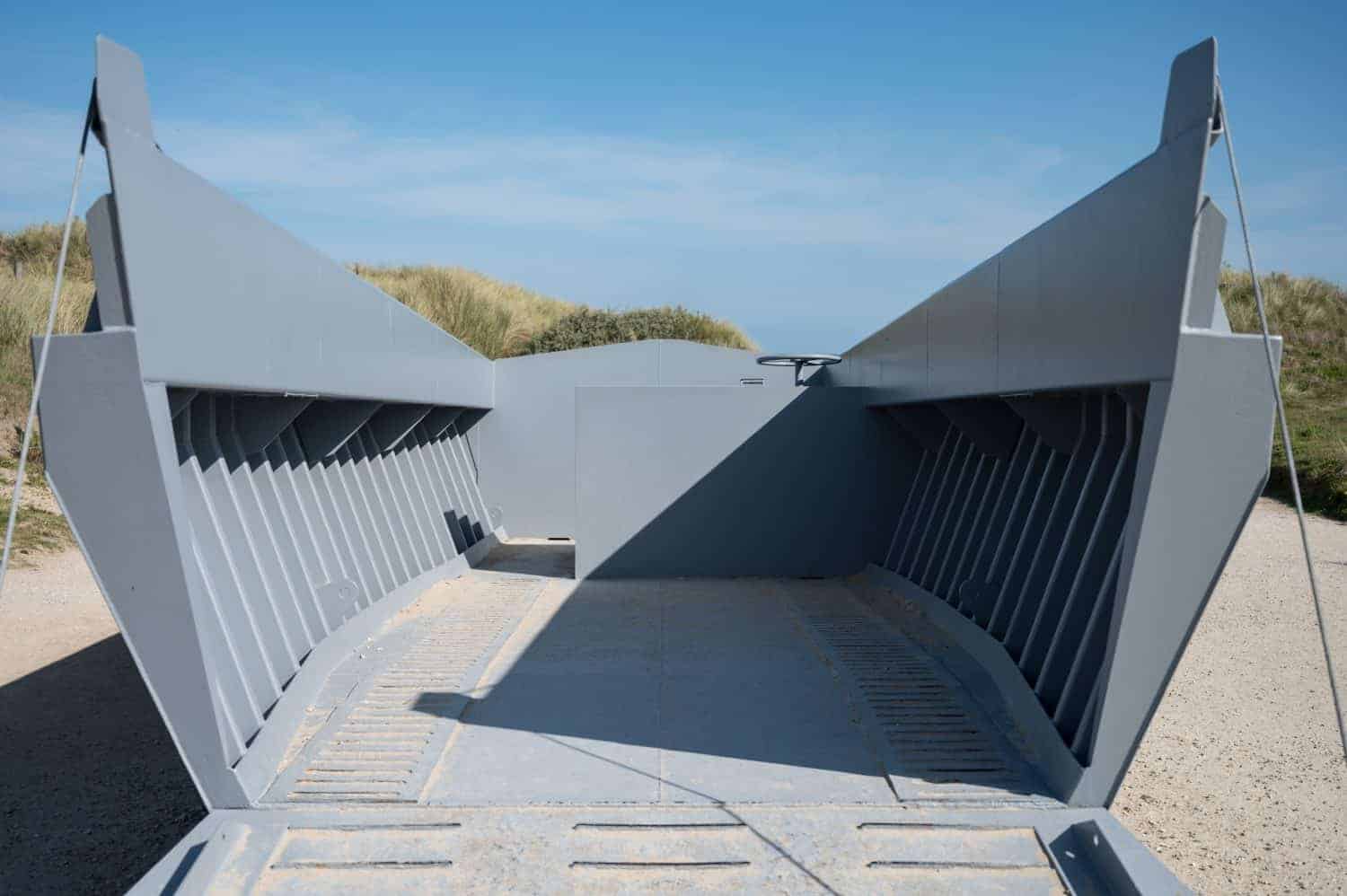
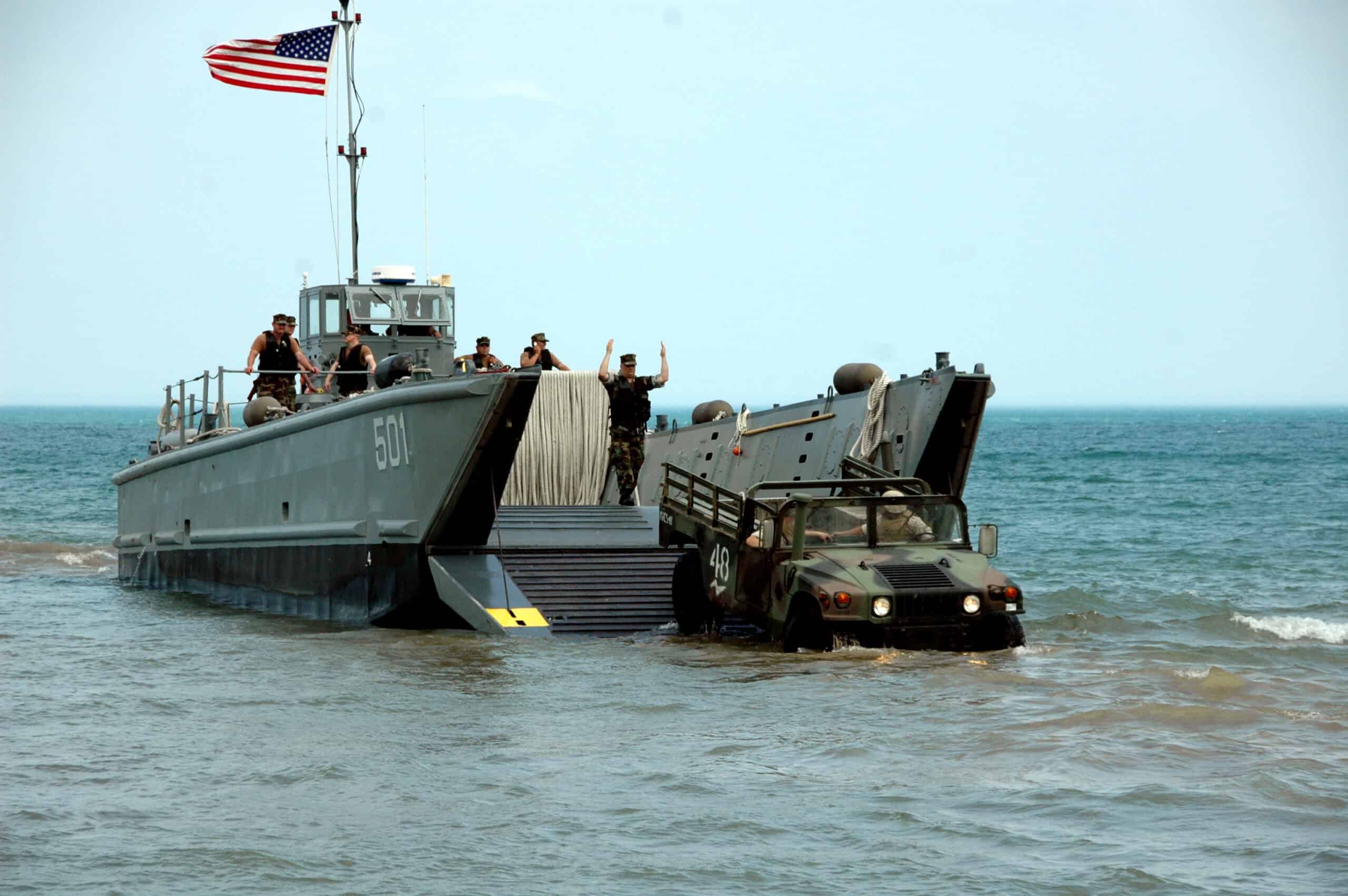
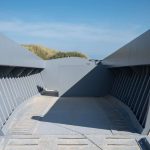
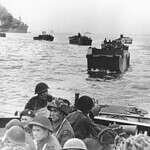
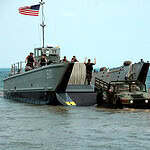
General Dwight Eisenhower reportedly remarked that Andrew Higgins was among the individuals who made Allied victory possible, and the Higgins Boat helps explain why. Officially known as the Landing Craft, Vehicle, Personnel (LCVP), the vessel solved one of the invasion's greatest challenges: getting troops from ships offshore directly onto hostile beaches. Its shallow draft allowed it to approach land, while its front-loading ramp enabled soldiers to disembark quickly under fire. Thousands of Higgins Boats participated in the Normandy landings, delivering wave after wave of infantry to the beaches. The design was simple, rugged, and mass-producible, making it ideal for a large-scale amphibious operation. Without a reliable method of landing troops where no port existed, Operation Overlord would have faced enormous obstacles. The Higgins Boat became the symbol of Allied amphibious warfare and influenced landing craft design for decades after the war.
Landing Ship, Tank (LST)
- The D-Day Problem: Heavy equipment had to cross the Channel intact
- The Breakthrough: Large vessel capable of beaching and unloading vehicles
- Impact on the Invasion: Delivered tanks, trucks, and supplies directly to shore
- What Came After: Influenced postwar amphibious logistics ships
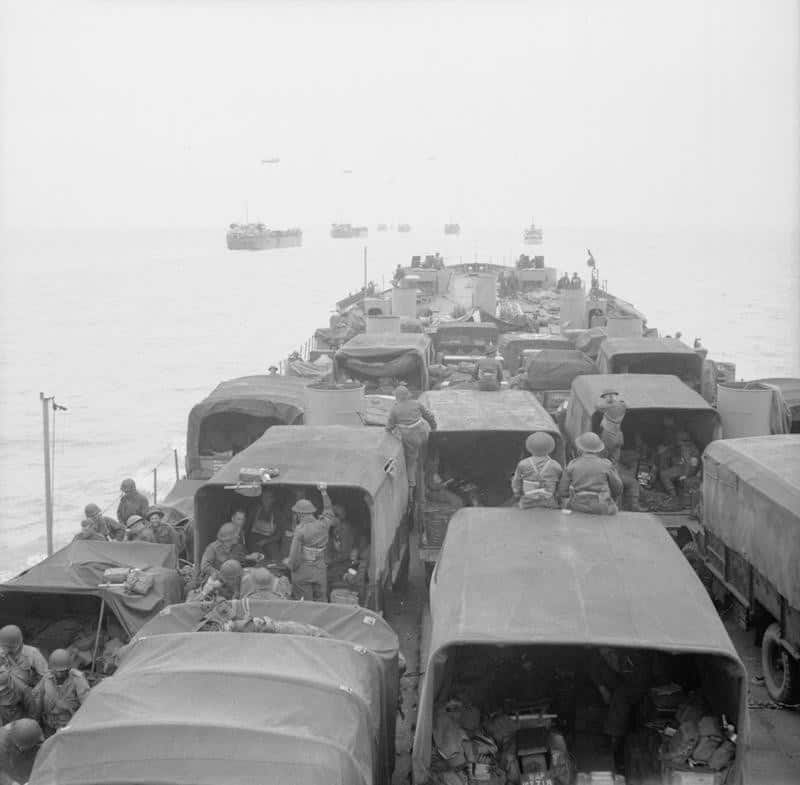
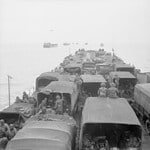
The Landing Ship, Tank represented one of the most important logistical innovations of World War II. Unlike smaller landing craft, the LST was designed to carry tanks, trucks, artillery pieces, and vast quantities of supplies directly across the English Channel. Once near shore, the vessel could beach itself and unload cargo through large bow doors. This capability allowed the Allies to rapidly move heavy equipment into Normandy without relying on captured ports. The scale of Operation Overlord required far more than infantry alone; armored vehicles and support equipment were essential to sustaining momentum once troops established a foothold. LSTs became the workhorses of the invasion fleet and continued delivering supplies long after D-Day itself. Their success demonstrated the importance of specialized amphibious logistics ships and influenced naval transport design well into the postwar era.
Mulberry Harbors
- The D-Day Problem: No major port would be available immediately after the invasion
- The Breakthrough: Portable artificial harbors assembled off Normandy
- Impact on the Invasion: Allowed continuous unloading of men and supplies
- What Came After: Revolutionized expeditionary logistics planning
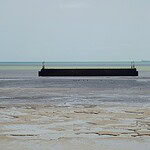
Few engineering projects better illustrate Allied ingenuity than the Mulberry Harbors. Planners understood that capturing a major French port immediately after the invasion was unlikely, yet millions of tons of supplies would need to reach Normandy to sustain the campaign. Their solution was extraordinary: build portable harbors in Britain, tow them across the Channel, and assemble them off the French coast. The resulting structures included breakwaters, piers, roadways, and docking facilities capable of handling enormous volumes of cargo. Once operational, the Mulberries transformed exposed beaches into functioning supply hubs. Despite severe storms damaging one harbor, the remaining facilities played a crucial role in sustaining Allied forces during the critical early stages of the campaign. The project remains one of the greatest feats of military engineering ever undertaken and demonstrated how logistics could determine strategic success.
PLUTO Pipeline
- The D-Day Problem: Advancing armies required enormous fuel supplies
- The Breakthrough: Undersea fuel pipeline connecting Britain and France
- Impact on the Invasion: Reduced dependence on tanker deliveries
- What Came After: Inspired future military fuel-distribution systems
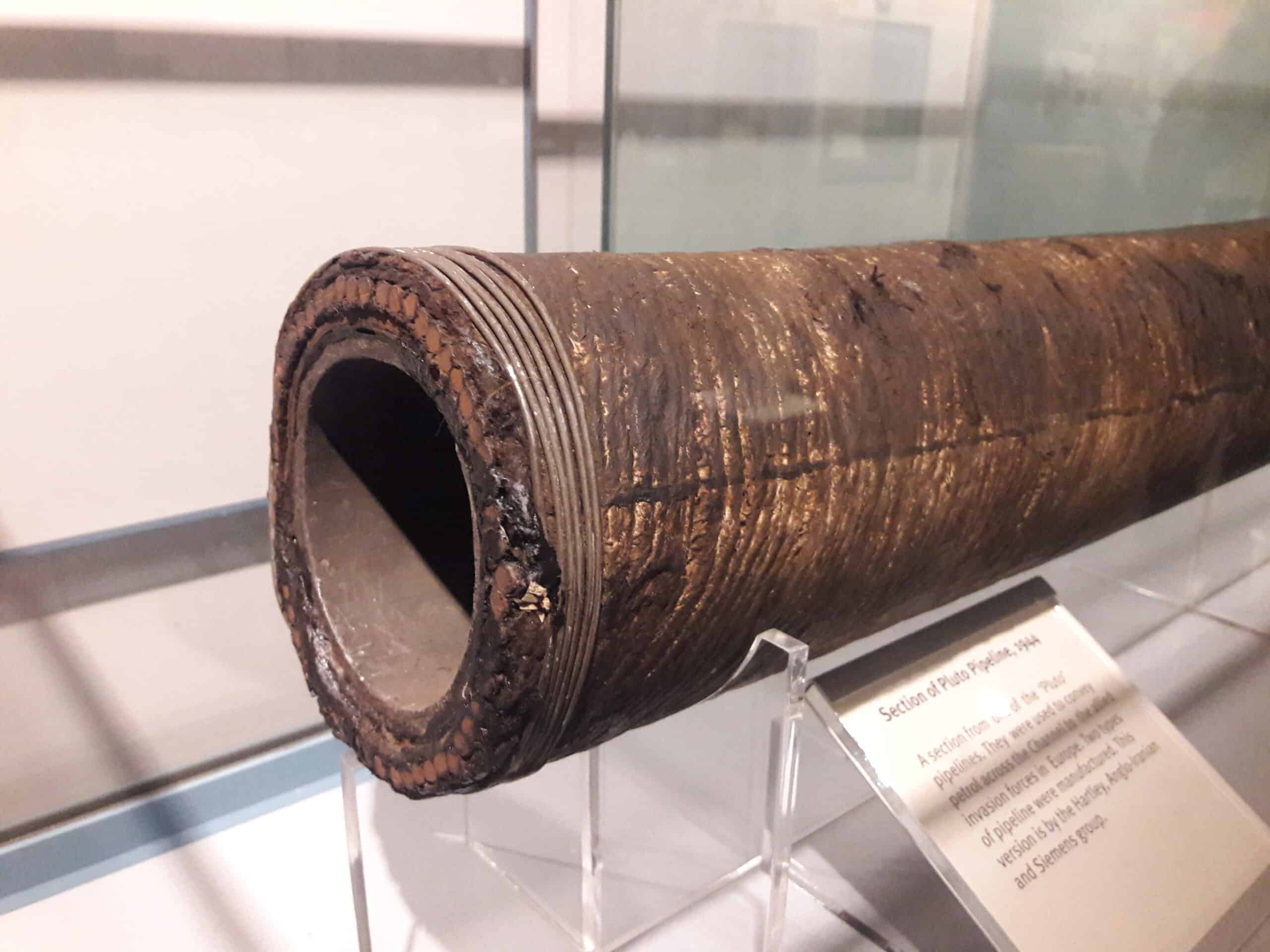
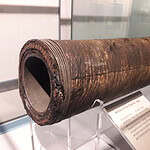
Supplying fuel to an advancing army posed a challenge almost as significant as landing the troops themselves. Allied planners knew that tanker ships alone could not efficiently support operations as forces pushed deeper into France. The answer was PLUTO, or Pipeline Under the Ocean, an ambitious project designed to transport fuel directly from Britain to the European continent. Engineers developed specialized underwater pipelines capable of crossing the English Channel and delivering fuel to Allied forces. Although PLUTO became more important after the initial landings than during D-Day itself, it played a vital role in sustaining the campaign that followed. By reducing reliance on vulnerable fuel shipments and streamlining logistics, the system helped maintain the mobility of Allied armies. PLUTO demonstrated how infrastructure innovations could become strategic weapons in their own right.
Duplex Drive (DD) Sherman Tanks
- The D-Day Problem: Infantry needed armored support immediately after landing
- The Breakthrough: Amphibious tanks capable of swimming ashore
- Impact on the Invasion: Provided early armored firepower on several beaches
- What Came After: Influenced future amphibious armored vehicle development
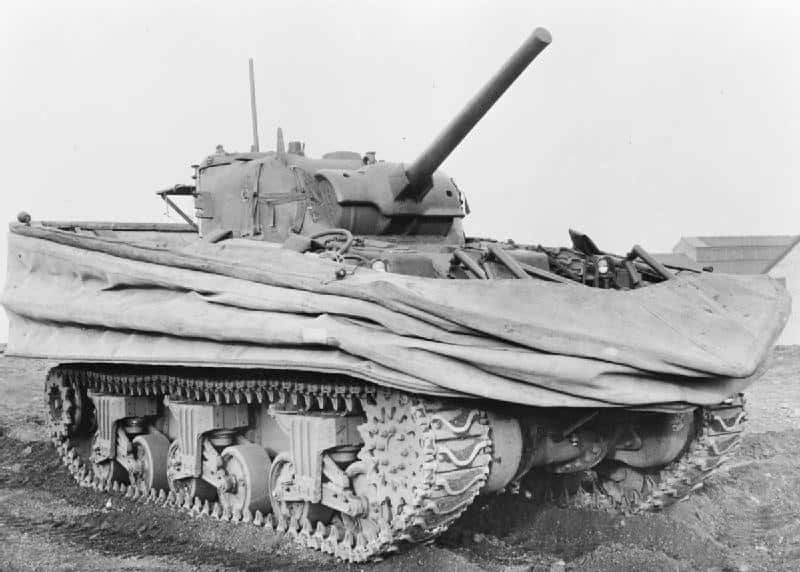
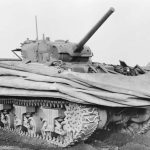
One of the most unusual vehicles deployed during D-Day was the Duplex Drive Sherman tank. Engineers faced a difficult problem: infantry landing on the beaches needed armored support immediately, but conventional tanks could not travel through open water. The solution was to equip Sherman tanks with collapsible flotation screens and propellers, effectively turning them into temporary amphibious vehicles. DD tanks were launched from landing craft offshore and attempted to "swim" to the beaches. Results varied dramatically depending on sea conditions, with some tanks sinking before reaching shore. Nevertheless, where they arrived successfully, DD tanks provided critical firepower against German defenses. The concept reflected the willingness of Allied planners to experiment with unconventional solutions to operational challenges. Their deployment remains one of the most memorable examples of wartime innovation during the Normandy invasion.
Churchill AVRE
- The D-Day Problem: Beach obstacles and bunkers blocked advances
- The Breakthrough: Engineer assault vehicle carrying specialized equipment
- Impact on the Invasion: Helped breach fortifications and obstacles
- What Came After: Established concepts for combat engineering vehicles
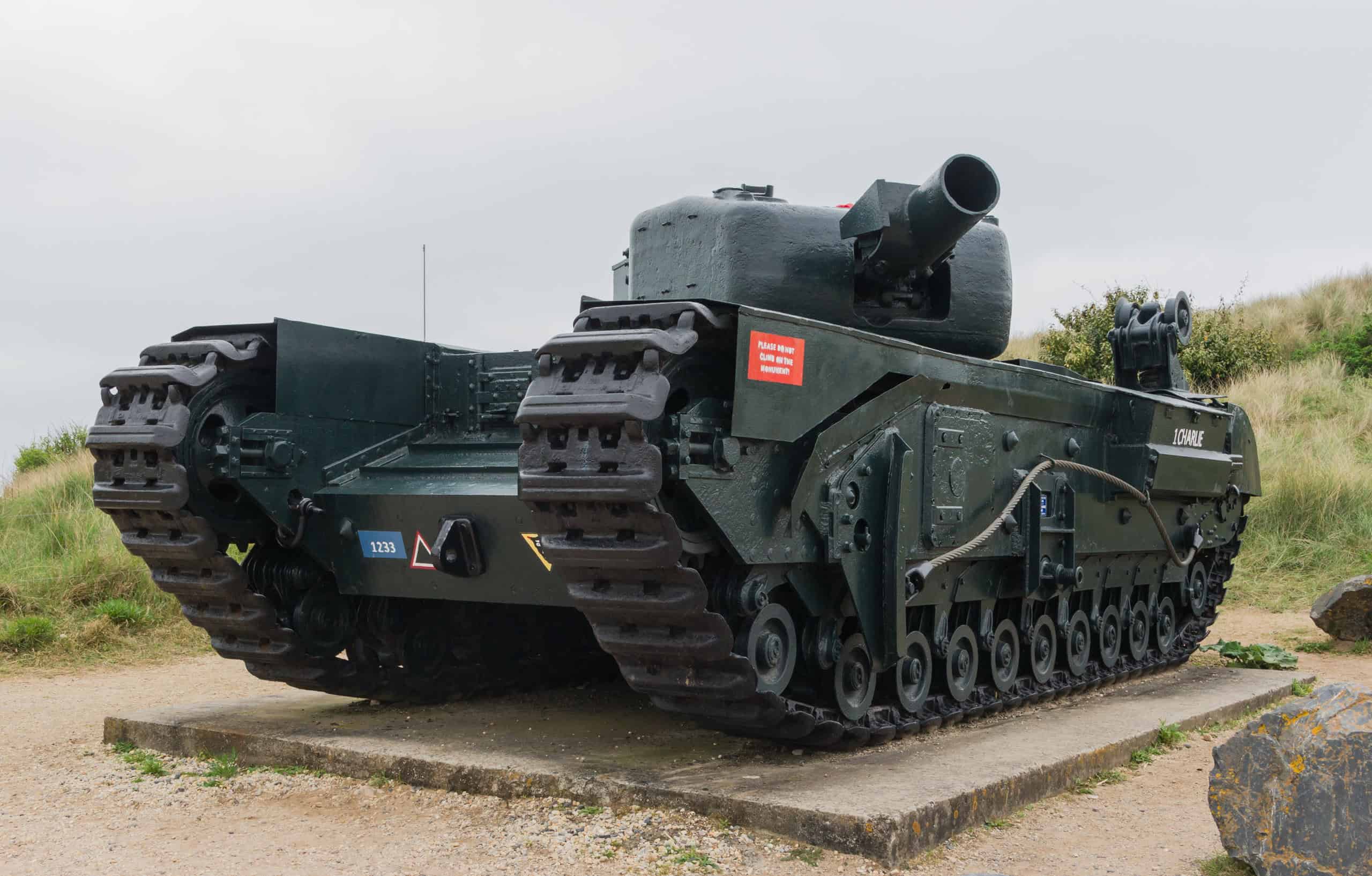
The Churchill Armoured Vehicle Royal Engineers, or AVRE, was specifically designed to solve the engineering problems that conventional tanks could not. Normandy's beaches and defensive positions were filled with obstacles, bunkers, anti-tank barriers, and fortifications intended to slow the invasion. The AVRE carried specialized equipment and a massive demolition mortar capable of destroying hardened targets. Crews could also deploy bridges, fascines, and other engineering tools to help advancing forces overcome obstacles. These vehicles formed part of the broader family of specialized assault vehicles known as Hobart's Funnies. Their ability to clear paths through defenses proved invaluable during the landings and subsequent operations inland. The AVRE demonstrated that specialized engineering vehicles could dramatically improve battlefield mobility and reduce casualties during complex assault operations.
Sherman Crab Flail Tank
- The D-Day Problem: Minefields threatened landing forces
- The Breakthrough: Rotating chains detonated mines ahead of advancing troops
- Impact on the Invasion: Opened safe routes off the beaches
- What Came After: Influenced later mine-clearing systems
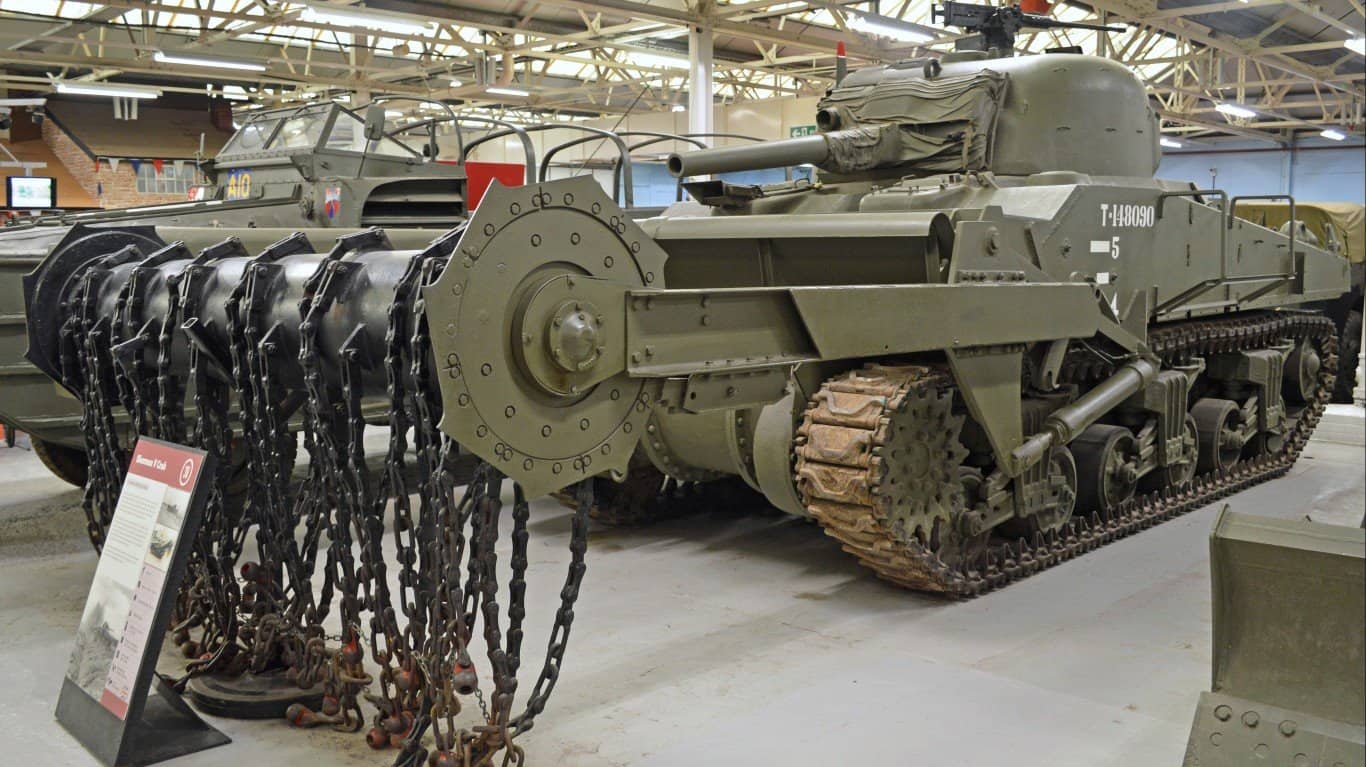
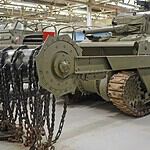
Minefields represented one of the greatest threats facing Allied troops attempting to move inland from the beaches. The Sherman Crab addressed this problem through a remarkably simple yet effective concept. A rotating drum mounted at the front of the tank swung heavy chains against the ground, detonating mines safely ahead of advancing forces. While the vehicle appeared unusual, its practical value was enormous. By clearing safe lanes through minefields, Crab tanks reduced casualties and allowed infantry and vehicles to maintain momentum during critical stages of the invasion. The system required courage from crews who often operated under enemy fire while performing dangerous work. The success of the Sherman Crab validated the concept of mechanical mine-clearing vehicles and influenced the development of similar systems used by militaries around the world.
Churchill Crocodile
- The D-Day Problem: German bunkers were difficult to neutralize
- The Breakthrough: Armored flamethrower system
- Impact on the Invasion: Helped suppress fortified positions
- What Came After: Contributed to future specialized assault vehicles
The Churchill Crocodile was one of the most feared vehicles employed by Allied forces during the campaign in Western Europe. Equipped with a flamethrower fed by a trailer carrying fuel, the Crocodile was designed to attack bunkers, fortified positions, and defensive strongpoints that resisted conventional assaults. During operations following the Normandy landings, these vehicles proved particularly effective against heavily defended positions where infantry would otherwise face significant casualties. Beyond its physical destructive power, the Crocodile also had a powerful psychological impact on defenders. German troops often regarded flamethrower-equipped vehicles with particular concern. Although flamethrower tanks were never common, the Crocodile demonstrated how specialized weapons systems could help overcome specific battlefield challenges. Its effectiveness reinforced the value of adapting armored vehicles for unique combat roles.
Bailey Bridge
- The D-Day Problem: Destroyed bridges slowed advances inland
- The Breakthrough: Modular bridge system assembled quickly in the field
- Impact on the Invasion: Restored mobility across rivers and obstacles
- What Came After: Remains influential in military engineering
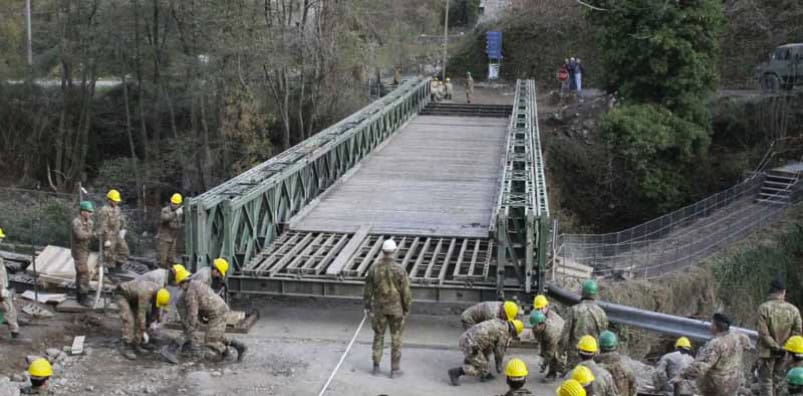
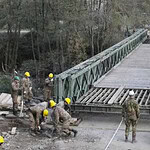
The Bailey Bridge may not have been as dramatic as tanks or landing craft, but it was one of the most important technologies supporting Allied mobility. Designed as a modular bridge system that could be assembled quickly from standardized components, the Bailey Bridge allowed engineers to restore crossings destroyed by combat or sabotage. During the advance through France, rivers, canals, and damaged infrastructure constantly threatened to slow Allied progress. Bailey Bridges provided a rapid solution, enabling vehicles and troops to continue moving forward with minimal delay. Their versatility, strength, and ease of assembly made them invaluable throughout the campaign. The design was so successful that Bailey Bridges remained in use around the world long after the war ended. Few military engineering innovations have demonstrated such enduring utility and influence.
Landing Craft Assault (LCA)
- The D-Day Problem: Infantry required protected transport to the shoreline
- The Breakthrough: Specialized assault landing craft
- Impact on the Invasion: Delivered troops under hostile conditions
- What Came After: Influenced future troop landing craft designs
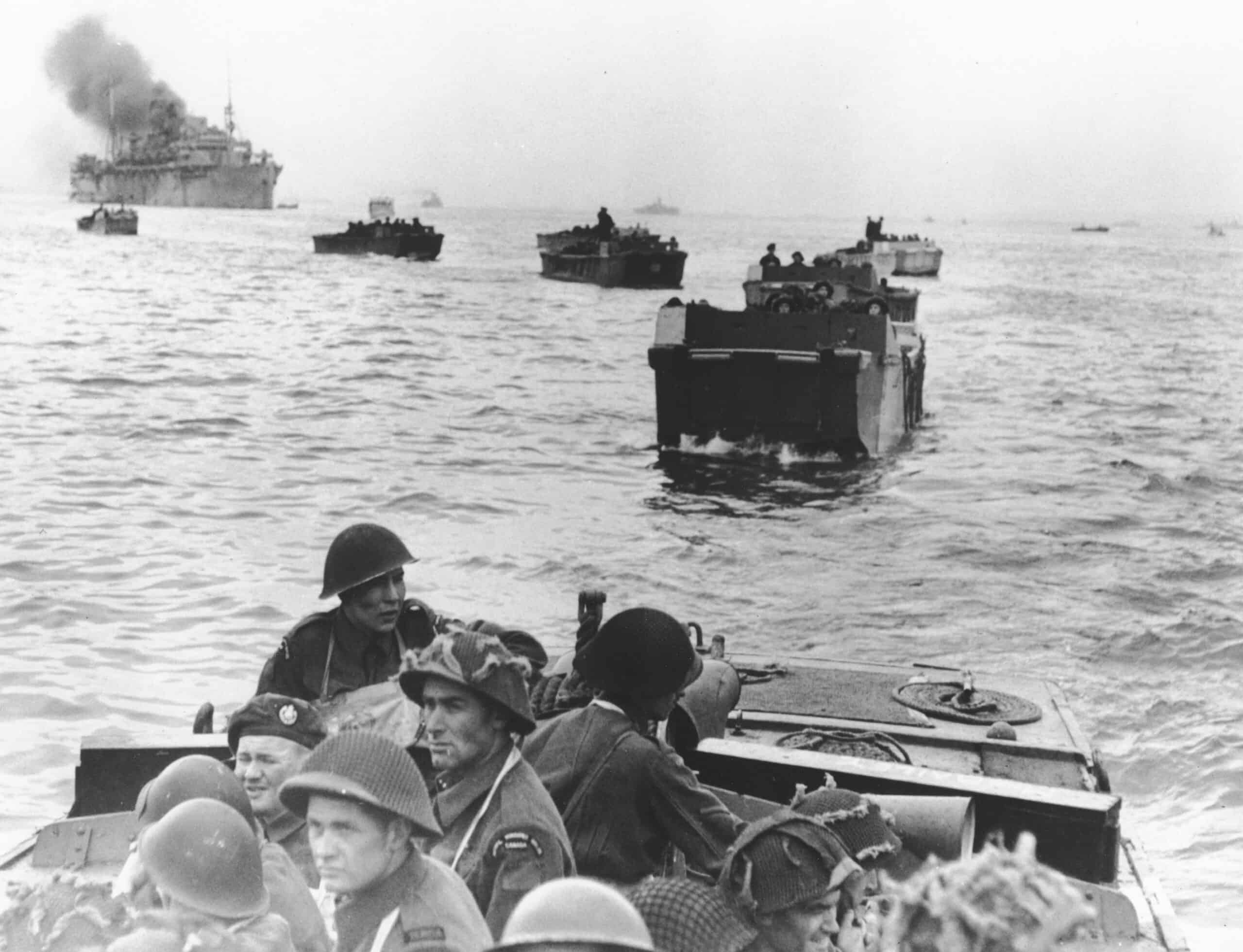
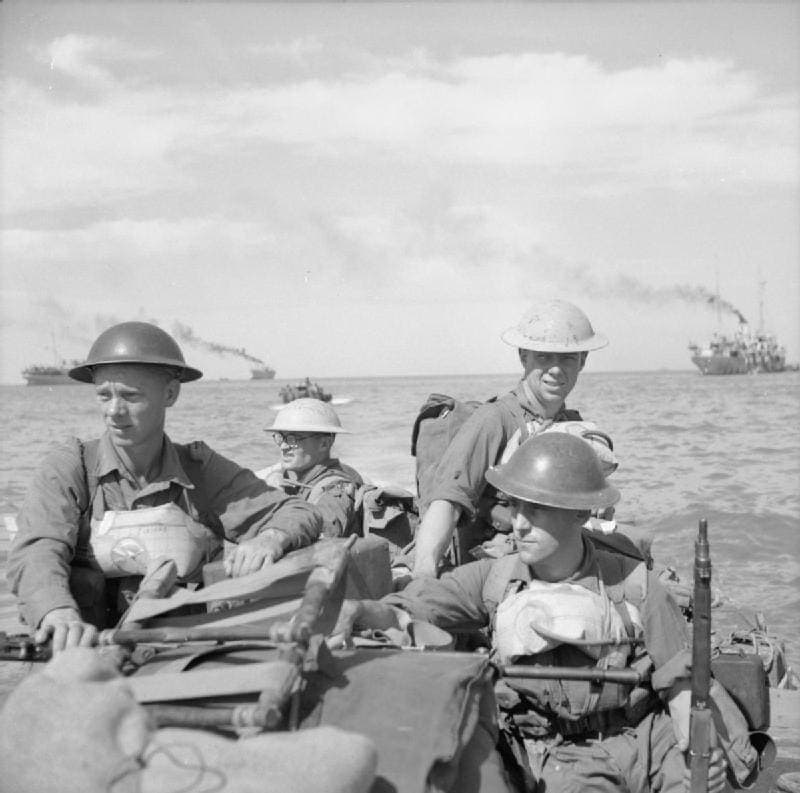
The Landing Craft Assault was a British-designed vessel created specifically for delivering infantry to hostile shorelines. Smaller and more heavily protected than some other landing craft, the LCA was built to transport assault troops close to enemy positions while offering a degree of protection from small-arms fire. During D-Day, LCAs carried British, Canadian, and other Allied troops to beaches where they faced formidable defenses. The craft's design reflected years of experience and experimentation in amphibious warfare. Although overshadowed in popular memory by the Higgins Boat, the LCA played an equally important role in Allied landing operations. By safely delivering troops to contested beaches, these vessels helped transform invasion plans into reality and demonstrated the importance of specialized assault craft in modern amphibious warfare.
Landing Craft Mechanized (LCM)
- The D-Day Problem: Vehicles and artillery had to reach the beach
- The Breakthrough: Medium landing craft for equipment transport
- Impact on the Invasion: Enabled heavy equipment landings
- What Came After: Became a standard amphibious logistics concept
While infantry often receives the most attention in discussions of D-Day, the invasion could not have succeeded without vehicles, artillery, and engineering equipment reaching the beaches. The Landing Craft Mechanized, or LCM, was designed specifically to transport this heavier cargo ashore. Larger than many infantry landing craft, the LCM could carry tanks, trucks, artillery pieces, and other essential equipment directly from ships offshore to the invasion beaches. Its front-loading ramp allowed cargo to be unloaded quickly, even under combat conditions. During the Normandy landings and the weeks that followed, LCMs played a crucial role in building Allied combat power on the continent. Their ability to move heavy equipment where no port facilities existed made them indispensable. The LCM helped bridge the gap between naval transportation and ground combat operations, ensuring that Allied forces could sustain offensive momentum after the initial landings.
Rhino Ferry
- The D-Day Problem: Ships could not always unload directly onto beaches
- The Breakthrough: Floating cargo transfer platforms
- Impact on the Invasion: Expanded logistical capacity during the buildup
- What Came After: Demonstrated innovative expeditionary logistics
The Rhino Ferry was one of the most ingenious logistical solutions developed for the Normandy campaign. Constructed from pontoons linked together to form floating platforms, these improvised ferries were capable of transporting vehicles, cargo, and heavy equipment from ships anchored offshore directly to the beaches. Allied planners faced a major challenge after the invasion: enormous numbers of ships needed to unload supplies despite limited port facilities. Rhino Ferries expanded unloading capacity and reduced bottlenecks during the critical buildup period. Although far less famous than tanks or landing craft, they helped move thousands of tons of material into Normandy. Their success demonstrated the creativity of Allied engineers, who frequently devised practical solutions to logistical problems. The Rhino Ferry serves as a reminder that military victories often depend as much on transportation systems as on combat units.
Phoenix Caissons
- The D-Day Problem: Mulberry Harbors required protection from rough seas
- The Breakthrough: Massive concrete breakwater structures
- Impact on the Invasion: Protected artificial harbors from wave action
- What Came After: Showcased large-scale military engineering
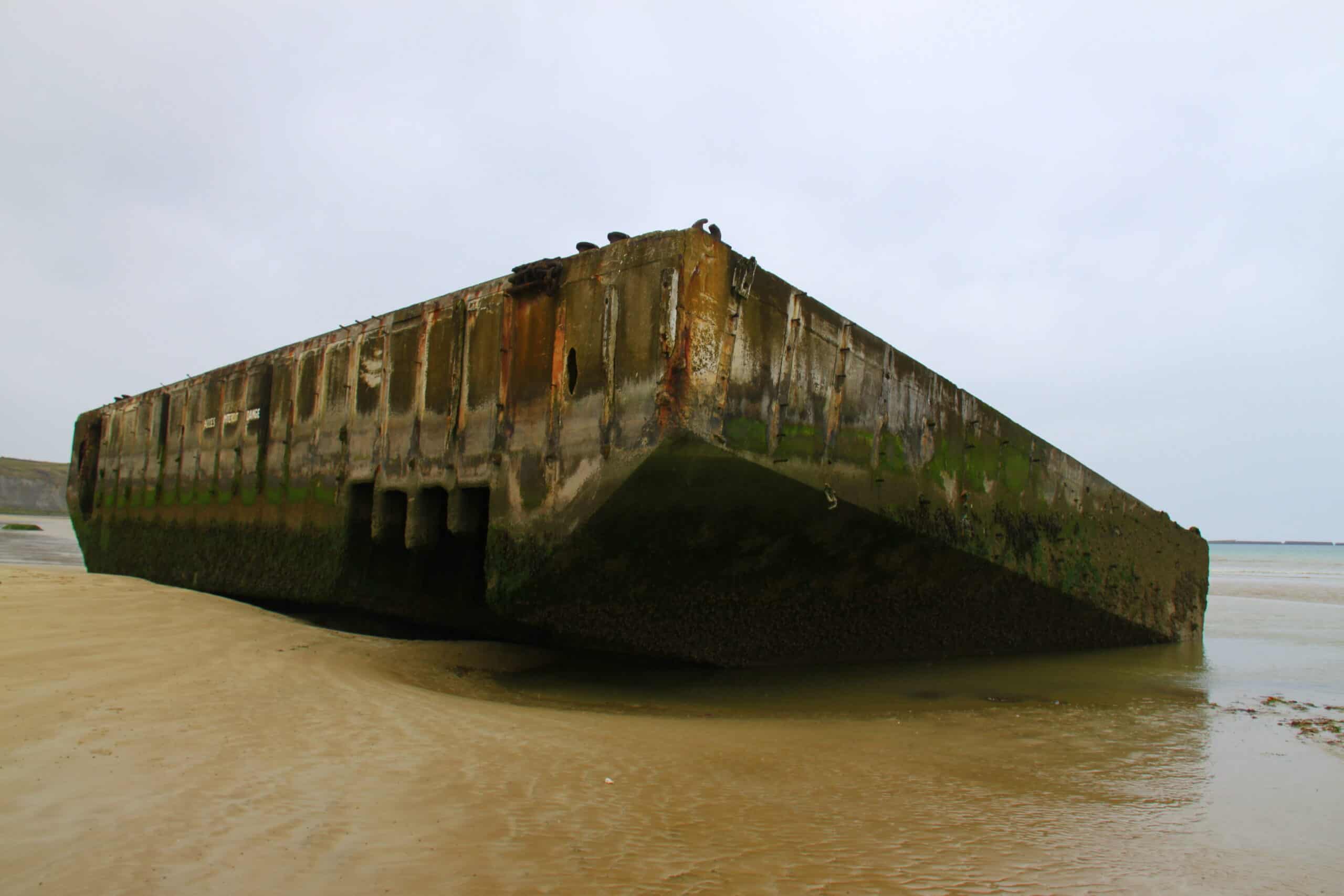
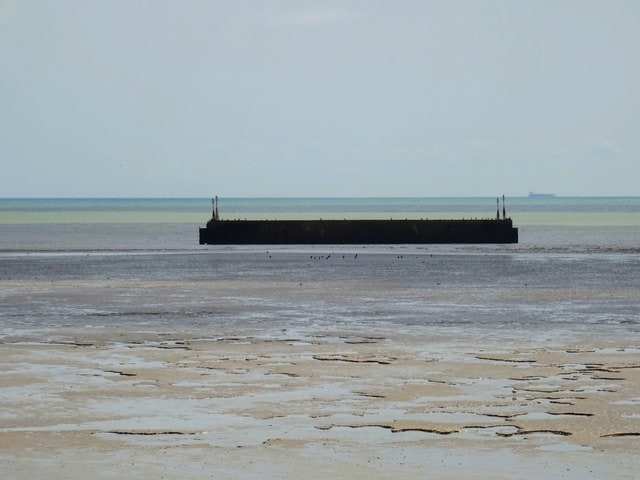
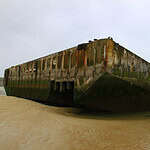
The Phoenix Caissons formed the backbone of the Mulberry Harbors and represented one of the largest prefabricated engineering projects of the war. These enormous hollow concrete structures were constructed in Britain, towed across the English Channel, and deliberately sunk off the Normandy coast to create protective breakwaters. By reducing the impact of waves and rough seas, the caissons allowed supply ships to unload cargo more safely and efficiently. Their deployment required extensive planning and coordination, but the results were transformative. The artificial harbors they helped create enabled the Allies to sustain operations without immediate access to major French ports. Phoenix Caissons demonstrated the importance of engineering innovation in large-scale military operations and remain one of the most impressive examples of prefabricated construction ever employed during wartime.
H2S Ground-Mapping Radar
- The D-Day Problem: Aircraft needed accurate navigation in poor visibility
- The Breakthrough: Radar capable of identifying terrain features
- Impact on the Invasion: Improved bombing and navigation accuracy
- What Came After: Advanced airborne radar development
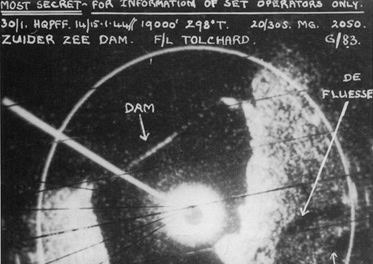
Navigating and identifying targets over occupied Europe was often difficult, particularly at night or in poor weather. The Royal Air Force's H2S radar system helped address this challenge by providing ground-mapping capabilities that allowed aircrews to identify terrain features below their aircraft. During preparations for D-Day, H2S contributed to reconnaissance, navigation, and bombing operations aimed at weakening German defenses and transportation networks. The technology gave aircrews a level of situational awareness that had previously been impossible under adverse conditions. Although radar systems receive less attention than many combat technologies, they played a critical role in supporting the air operations that helped make the invasion possible. H2S represented a major advancement in airborne electronics and contributed to the broader evolution of radar technology during and after the war.
Gee Navigation System
- The D-Day Problem: Long-range navigation remained difficult
- The Breakthrough: Radio navigation network for aircraft
- Impact on the Invasion: Improved precision for bombers and transports
- What Came After: Influenced future electronic navigation systems
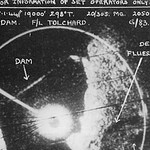
The Gee navigation system was among the most important electronic navigation aids available to Allied air forces during World War II. Using radio signals transmitted from ground stations, Gee allowed aircraft to determine their position with far greater accuracy than traditional navigation methods alone. This capability proved invaluable during bombing campaigns, transport missions, and invasion preparations. In the lead-up to D-Day, accurate navigation helped aircraft strike critical targets, deliver supplies, and coordinate complex operations across the English Channel. Gee reduced navigational errors and improved operational efficiency at a time when even small mistakes could have significant consequences. The system's success highlighted the growing importance of electronic navigation in military aviation and laid the groundwork for future technologies that would eventually transform air travel and military operations worldwide.
Rebecca-Eureka Beacon System
- The D-Day Problem: Airborne troops required accurate guidance
- The Breakthrough: Beacon-transponder navigation system
- Impact on the Invasion: Helped guide paratroopers and resupply aircraft
- What Came After: Precursor to modern electronic guidance systems
The Rebecca-Eureka system was an early electronic guidance network designed to improve coordination between aircraft and ground forces. The Eureka beacon, deployed on the ground, transmitted signals that could be detected by the Rebecca receiver aboard aircraft. This allowed pilots to locate designated landing zones, drop zones, and friendly positions with much greater precision. During airborne operations associated with D-Day, the system helped guide paratroopers and resupply aircraft into areas that were often difficult to identify, particularly at night. Accurate navigation was critical because scattered airborne forces could jeopardize entire missions. While the technology may appear simple by modern standards, it represented a significant breakthrough in battlefield coordination. Rebecca-Eureka helped bridge the gap between air and ground operations and influenced later developments in electronic navigation and guidance systems.
Aerial Reconnaissance Photography
- The D-Day Problem: Commanders needed detailed intelligence on defenses
- The Breakthrough: Systematic photographic intelligence gathering
- Impact on the Invasion: Provided vital information for invasion planning
- What Came After: Helped establish modern imagery intelligence
Long before Allied troops stepped onto the beaches of Normandy, aerial reconnaissance photography had already become one of the invasion's most important tools. Specialized aircraft conducted countless missions over occupied France, capturing detailed images of beaches, roads, fortifications, railways, and defensive positions. Analysts examined these photographs to identify obstacles, assess German defenses, and support operational planning. The intelligence gathered influenced decisions ranging from beach selection to bombing priorities. Reconnaissance imagery also helped monitor German construction efforts and detect changes that might indicate enemy preparations. The scale of photographic intelligence used during Operation Overlord was unprecedented and demonstrated the growing importance of visual information in modern warfare. Without accurate reconnaissance, Allied planners would have faced far greater uncertainty. These photographs provided the detailed knowledge necessary to prepare for one of history's largest amphibious invasions.
Portable Battlefield Radios
- The D-Day Problem: Units needed reliable communications during chaotic landings
- The Breakthrough: Portable tactical radio systems
- Impact on the Invasion: Improved battlefield command and control
- What Came After: Led to increasingly mobile communications equipment
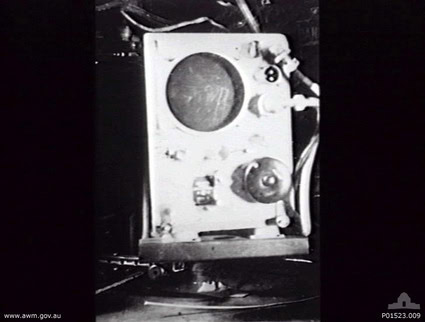
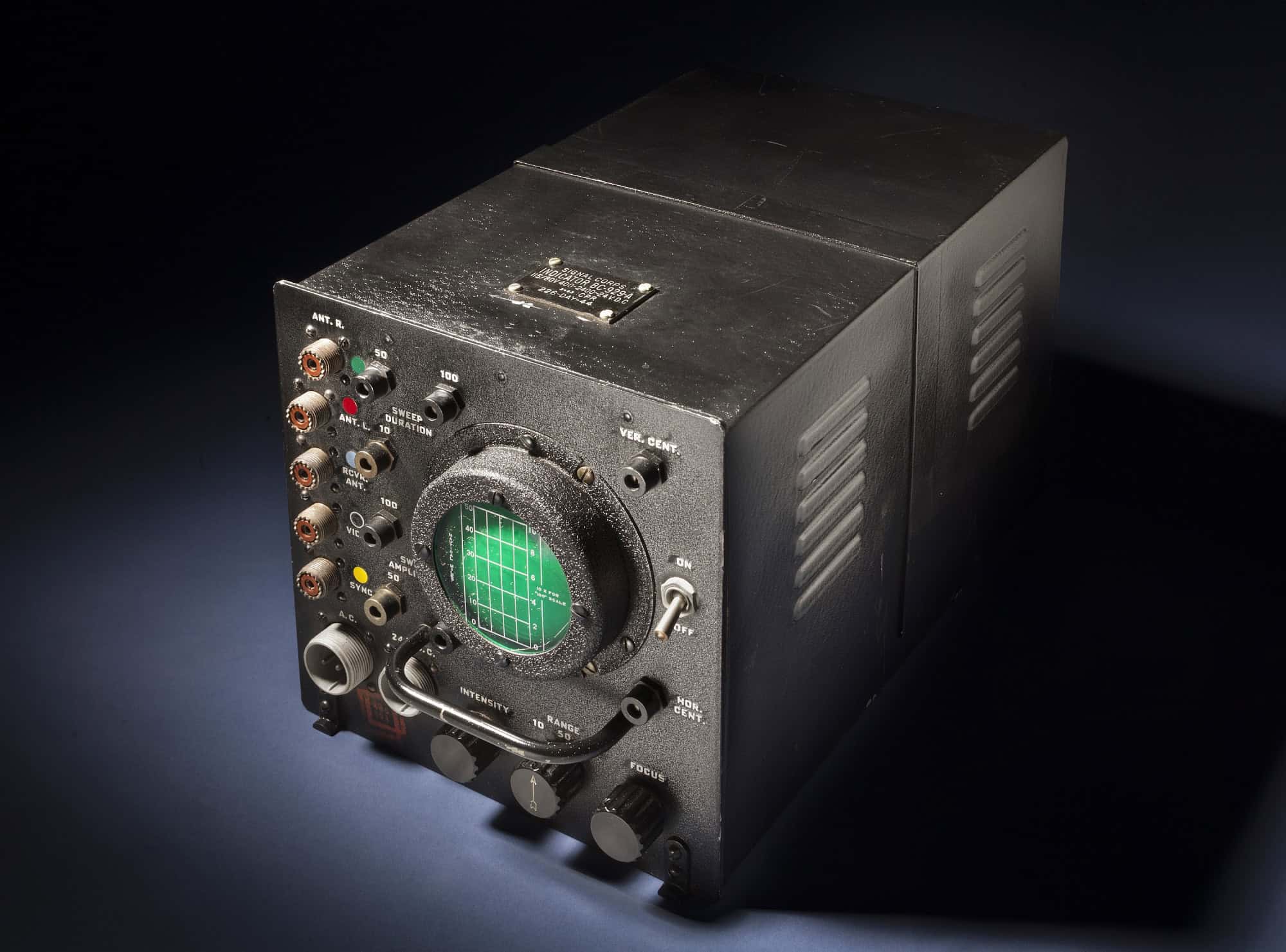
Communication was one of the greatest challenges facing commanders during the chaos of an amphibious assault. Portable battlefield radios provided a critical link between units operating under intense pressure across rapidly changing conditions. These systems allowed commanders to coordinate movements, request support, report enemy activity, and adapt plans as events unfolded. During D-Day, reliable communications often meant the difference between isolated units and coordinated operations. Although radios of the era were far less capable than modern systems, they represented a major improvement over earlier methods that relied heavily on runners or wired connections. Portable radios increased operational flexibility and improved responsiveness across the battlefield. Their widespread use during the Normandy campaign reflected the growing importance of mobile communications in modern warfare and influenced military communications doctrine for generations.
Operation Fortitude Deception Network
- The D-Day Problem: Germany needed to be misled about invasion plans
- The Breakthrough: Complex deception using fake armies and signals
- Impact on the Invasion: Convinced German leaders to expect an attack elsewhere
- What Came After: Became a model for strategic deception operations
One of the most important technologies behind D-Day was not a vehicle or weapon but an elaborate system of deception. Operation Fortitude combined radio transmissions, dummy equipment, false intelligence, double agents, and carefully crafted misinformation to convince German commanders that the main Allied invasion would occur elsewhere, particularly near Pas-de-Calais. Allied planners understood that surprise was essential to the invasion's success. By creating the illusion of a large army preparing for an attack outside Normandy, they encouraged German leaders to retain significant forces away from the actual landing zones. The deception campaign proved remarkably effective and contributed directly to the success of Operation Overlord. Fortitude demonstrated that information and perception could be as important as military hardware. It remains one of the most successful strategic deception operations ever conducted.
The image featured at the top of this post is ©Zeferli / iStock via Getty Images