




The Major U.S. Tank Platforms From World War I to Today
The history of U.S. tank development tells a much bigger story than just new designs. Each generation reflects how warfare itself has changed, from the trench-breaking machines of World War I to the highly advanced main battle tanks used today. Some platforms marked small steps forward, while others completely reshaped armored combat.
In this slideshow, History Computer takes a closer look at the major U.S. tank platforms introduced since WWI, including their roles, capabilities, and the conflicts that defined them. By examining how these vehicles evolved over time, you get a clearer picture of how the United States built one of the most effective armored forces in modern military history.
Here is a look at the major tank platforms used by the U.S. Army since WWI:
The Birth of American Armor
Tanks first emerged during World War I as a response to the stalemate of trench warfare, where traditional tactics had failed to produce decisive breakthroughs. Early U.S. involvement in armored warfare relied heavily on allied designs, particularly from European partners. These initial platforms emphasized heavy armor and the ability to cross difficult terrain, laying the groundwork for the development of U.S. armored doctrine in the years that followed.
Experimentation Between the Wars
The interwar period was defined by experimentation and the search for effective armored warfare strategies. U.S. forces tested various designs, focusing on improving mobility, reconnaissance capabilities, and mechanization. Light and medium tanks were developed to fulfill different roles on the battlefield, reflecting a growing understanding of how armored units could be used more dynamically. This period marked the beginning of a shift toward maneuver-based warfare.
World War II and Mass Production
World War II demonstrated the importance of large-scale production and reliability in tank warfare. The United States prioritized the ability to produce tanks in large numbers, ensuring that forces could sustain prolonged operations across multiple fronts. Tanks such as the M4 Sherman became central to U.S. strategy, combining versatility with ease of production. This approach highlighted how industrial capacity could be just as important as battlefield performance.
The Cold War and the Main Battle Tank
During the Cold War, tank design evolved to balance firepower, armor, and mobility, leading to the development of the main battle tank concept. This approach replaced the earlier distinction between light, medium, and heavy tanks, creating a more versatile and effective platform. Advances in technology improved survivability and combat effectiveness, allowing U.S. tanks to adapt to the demands of potential large-scale conflicts with peer adversaries.
Modern Tanks and Digital Warfare
Modern tank platforms incorporate advanced armor, sophisticated sensors, and digital systems that enhance battlefield awareness and coordination. These capabilities allow crews to operate more effectively in complex environments, where information and communication are critical. Tanks like the M1 Abrams represent the culmination of decades of development, combining firepower, protection, and mobility. As warfare continues to evolve, these systems remain central to modern combat doctrine.
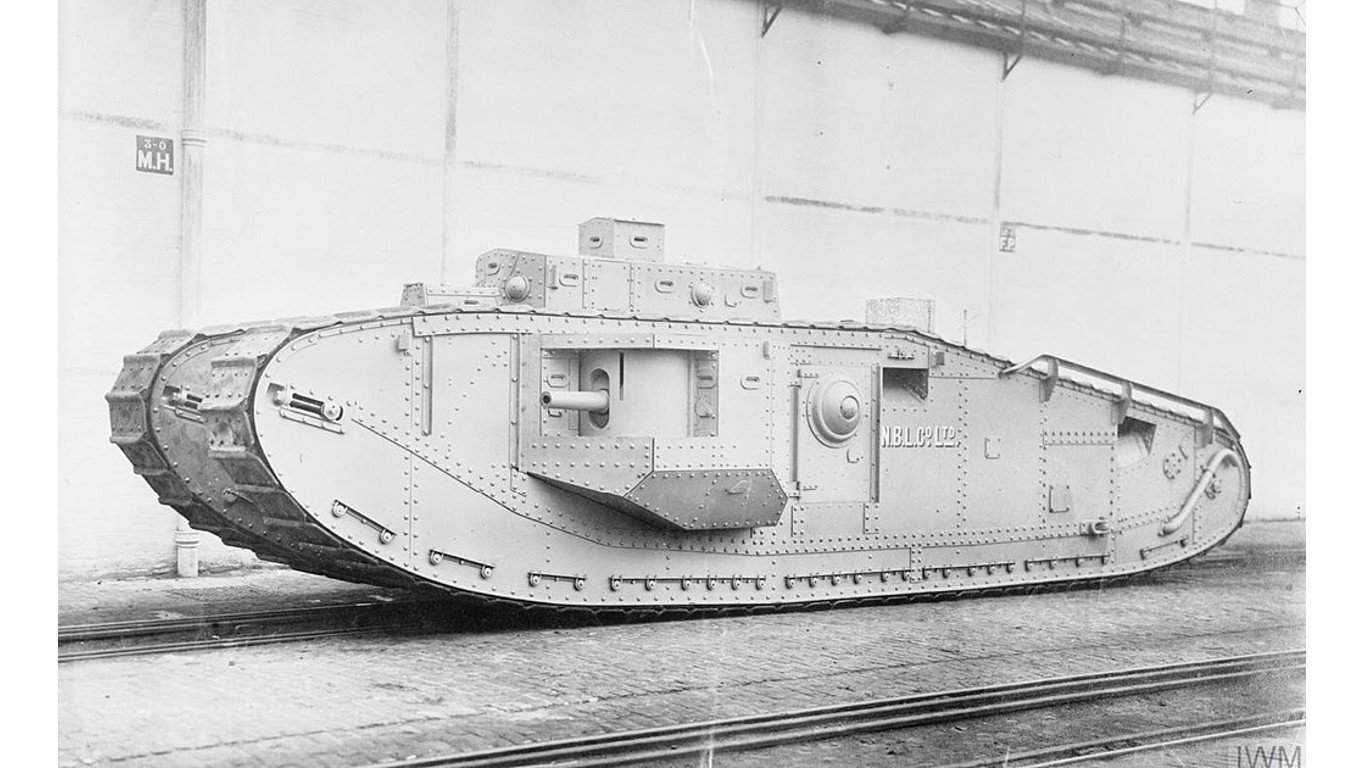
Mark VIII Liberty tank
- Tank Type: Heavy
- Year Introduced: 1918
- Primary Conflict or Era: World War I
- Combat Role: Breakthrough
- Main Armament: 57mm gun
- Key Design Feature: Joint US-UK design
- Doctrinal Significance: Early heavy tank doctrine
- Legacy or Influence: Foundation for US tank development
The Mark VIII Liberty tank represents the United States’ first major step into armored warfare during World War I. Developed jointly with Britain, it reflected early heavy tank doctrine focused on breaking trench stalemates. While it saw limited operational use, it established the foundation for future U.S. tank development and demonstrated the importance of armored vehicles in modern warfare.
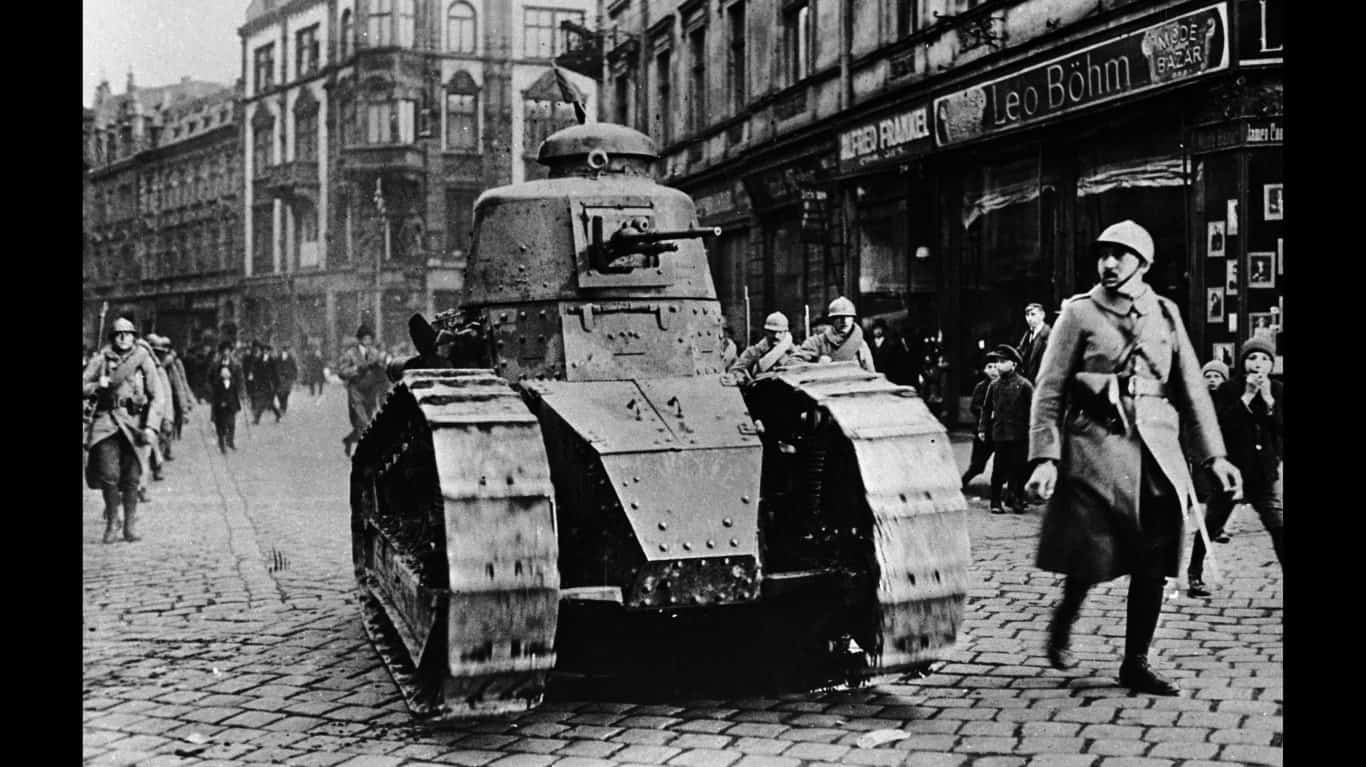
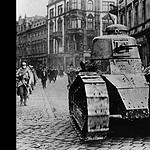
Renault FT (U.S. service)
- Tank Type: Light
- Year Introduced: 1917
- Primary Conflict or Era: World War I
- Combat Role: Infantry support
- Main Armament: 37mm gun
- Key Design Feature: Fully rotating turret
- Doctrinal Significance: Defined modern tank layout
- Legacy or Influence: Influenced all future tanks
The Renault FT introduced the now-standard tank layout with a fully rotating turret, which the United States adopted during World War I. Its design revolutionized armored warfare by separating crew roles and improving combat effectiveness. This configuration became the blueprint for nearly all future tanks, making it one of the most influential platforms in U.S. armored history.
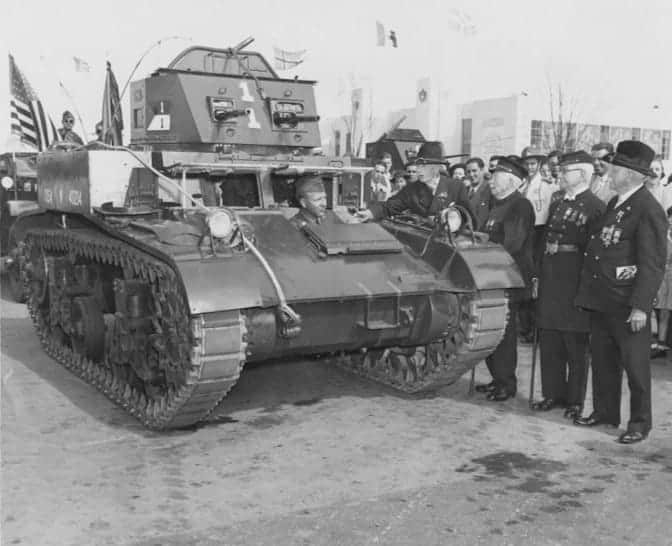
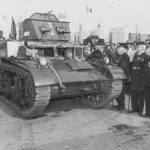
M1 Combat Car
- Tank Type: Light
- Year Introduced: 1937
- Primary Conflict or Era: Interwar
- Combat Role: Cavalry support
- Main Armament: .50 cal MG
- Key Design Feature: High mobility
- Doctrinal Significance: Cavalry mechanization
- Legacy or Influence: Influenced light tank doctrine
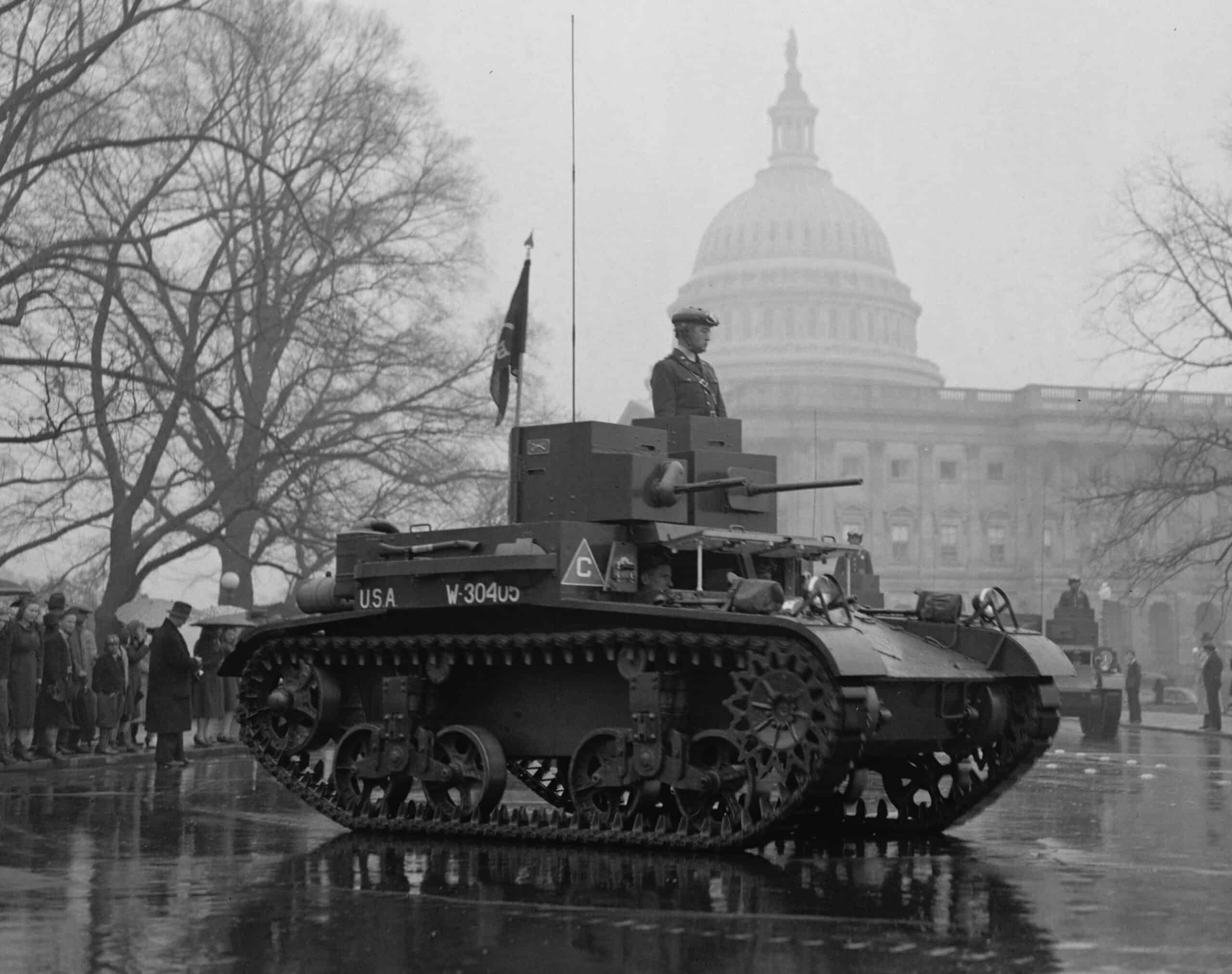
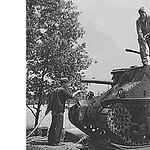
The M1 Combat Car reflected early U.S. efforts to mechanize cavalry units during the interwar period. Designed for mobility rather than heavy combat, it emphasized speed and reconnaissance. This approach influenced the development of light tanks and helped shape early armored doctrine focused on maneuver warfare.
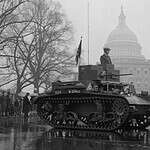
M2 Light Tank
- Tank Type: Light
- Year Introduced: 1935
- Primary Conflict or Era: Interwar
- Combat Role: Reconnaissance
- Main Armament: 37mm gun
- Key Design Feature: Lightweight design
- Doctrinal Significance: Pre-WWII development
- Legacy or Influence: Led to M3 Stuart
The M2 Light Tank served as a transitional platform that helped the U.S. Army refine its approach to armored warfare before World War II. While lightly armed and armored, it provided valuable experience in tank design and production. Its development directly influenced the more capable M3 Stuart.
M2 Medium Tank
- Tank Type: Medium
- Year Introduced: 1939
- Primary Conflict or Era: Interwar
- Combat Role: Infantry support
- Main Armament: 37mm gun
- Key Design Feature: Multi-turret concepts
- Doctrinal Significance: Transitional doctrine
- Legacy or Influence: Precursor to M3 Lee
The M2 Medium Tank represents a transitional phase in U.S. tank development, incorporating multiple turrets and limited firepower. It reflected early experimentation with armored warfare concepts, though it was quickly outclassed. Its design shortcomings led directly to the development of more effective tanks like the M3 Lee.
T2 Medium Tank
- Tank Type: Medium
- Year Introduced: 1930
- Primary Conflict or Era: Interwar
- Combat Role: Experimental
- Main Armament: 37mm gun
- Key Design Feature: Prototype design
- Doctrinal Significance: Early mechanization concepts
- Legacy or Influence: Influenced later mediums
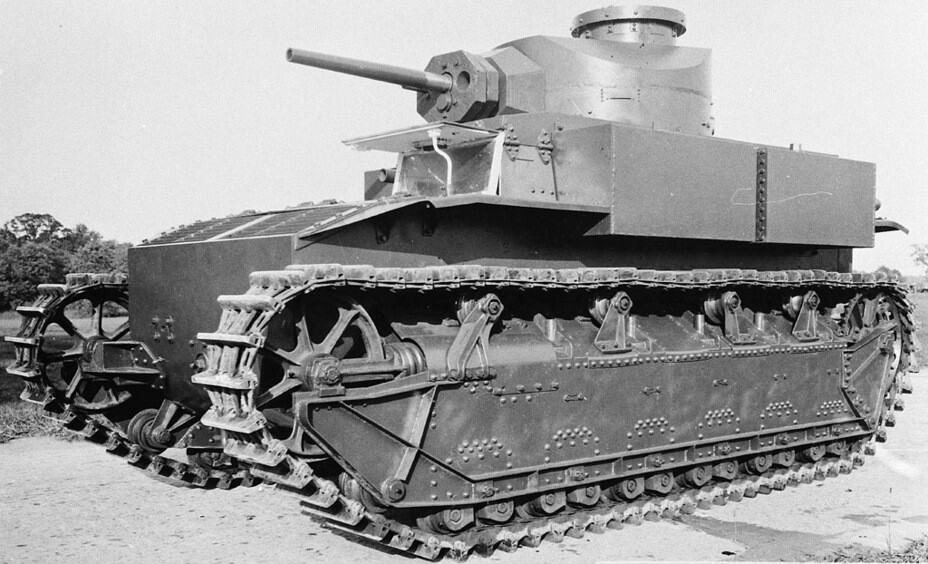
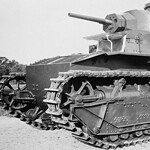
The T2 Medium Tank served as an experimental platform during the interwar period, helping to test early mechanization concepts. Although it never entered mass production, its design contributed to the evolution of U.S. medium tanks and informed later developments.
M3 Stuart
- Tank Type: Light
- Year Introduced: 1941
- Primary Conflict or Era: World War II
- Combat Role: Reconnaissance
- Main Armament: 37mm gun
- Key Design Feature: High speed
- Doctrinal Significance: Mobile warfare support
- Legacy or Influence: Key WWII light tank
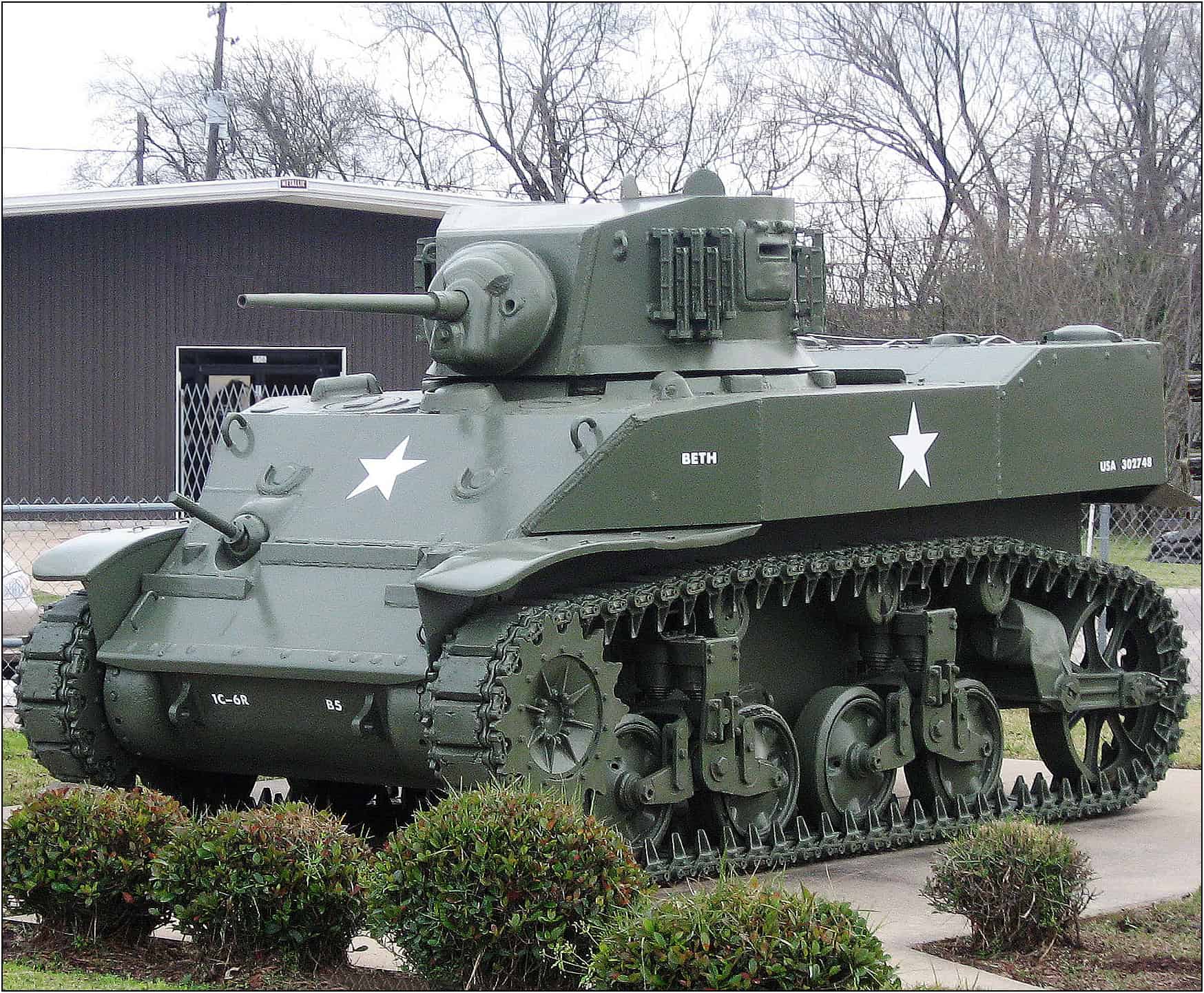
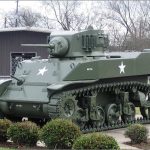
The M3 Stuart was a fast and reliable light tank that excelled in reconnaissance roles during World War II. Its mobility allowed it to support rapid advances and gather intelligence. While lightly armed, it played a critical role in early Allied operations and helped establish the importance of speed in armored warfare.
M3 Lee
- Tank Type: Medium
- Year Introduced: 1941
- Primary Conflict or Era: World War II
- Combat Role: Infantry support
- Main Armament: 75mm gun
- Key Design Feature: Hull-mounted main gun
- Doctrinal Significance: Transitional design
- Legacy or Influence: Led to Sherman
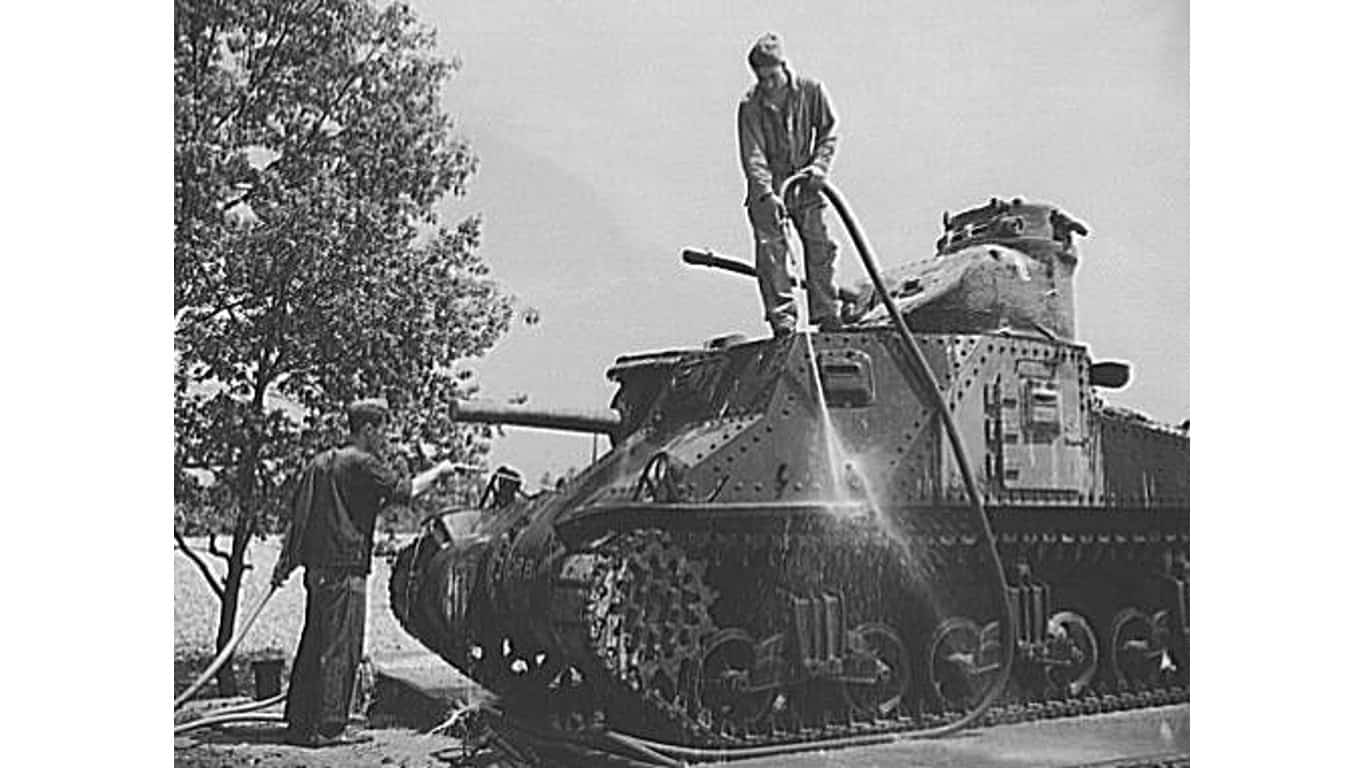
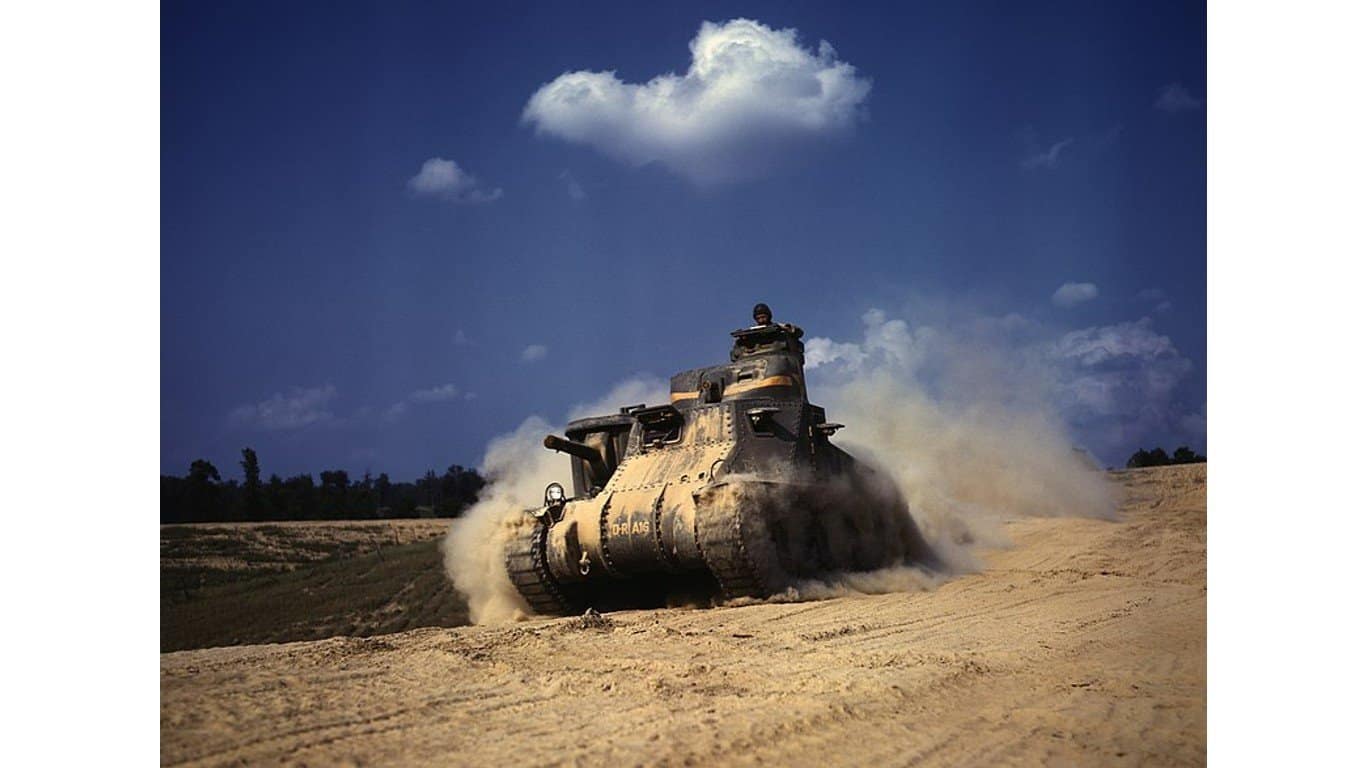
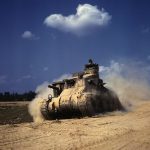
The M3 Lee was a transitional design that combined a hull-mounted main gun with a turreted secondary weapon. While unconventional, it provided necessary firepower early in World War II. Its limitations highlighted the need for improved designs, leading directly to the development of the M4 Sherman.
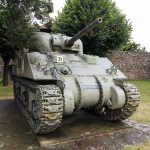
M4 Sherman
- Tank Type: Medium
- Year Introduced: 1942
- Primary Conflict or Era: World War II
- Combat Role: Exploitation
- Main Armament: 75mm/76mm gun
- Key Design Feature: Mass production
- Doctrinal Significance: Industrial warfare doctrine
- Legacy or Influence: Backbone of Allied armor
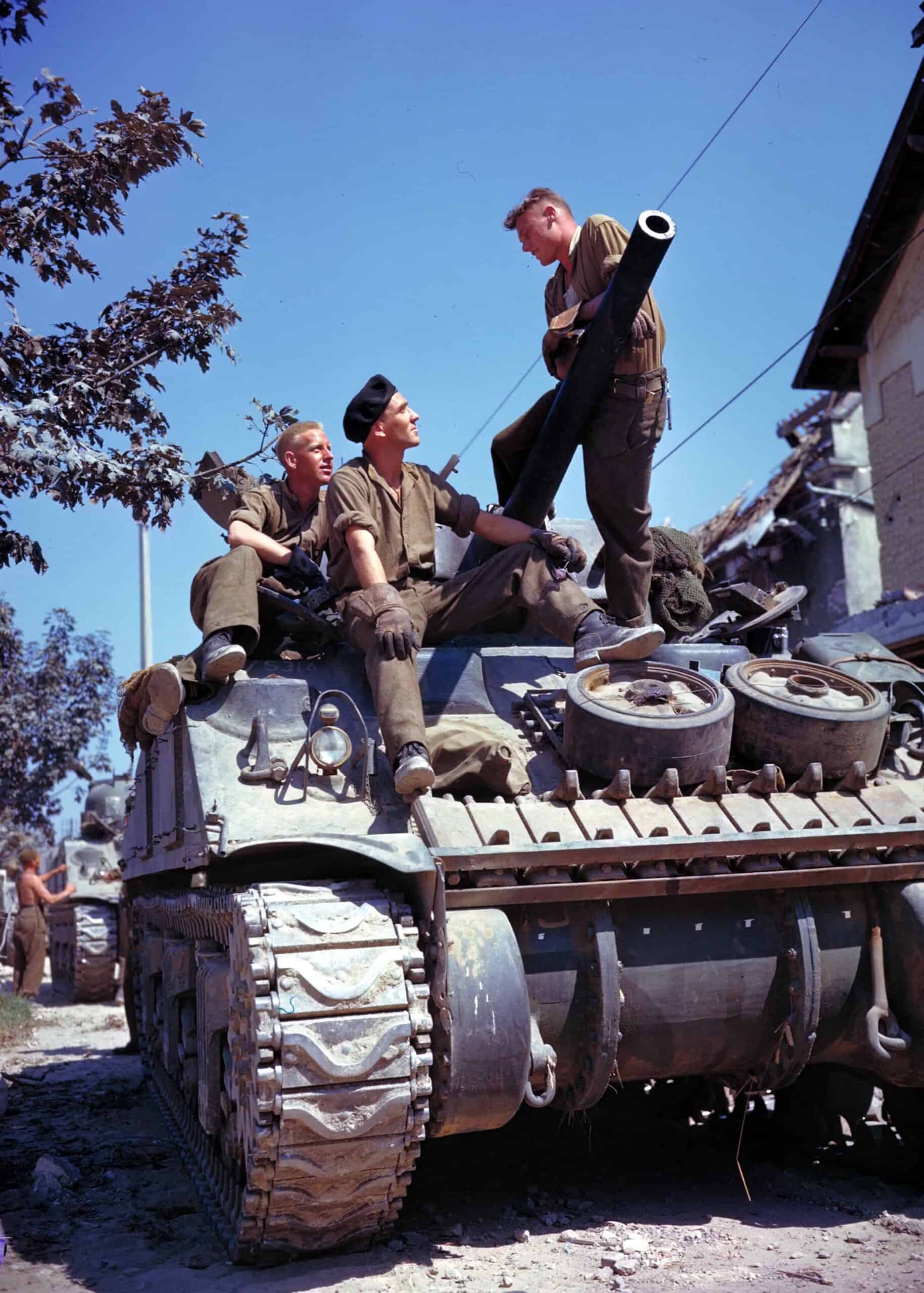
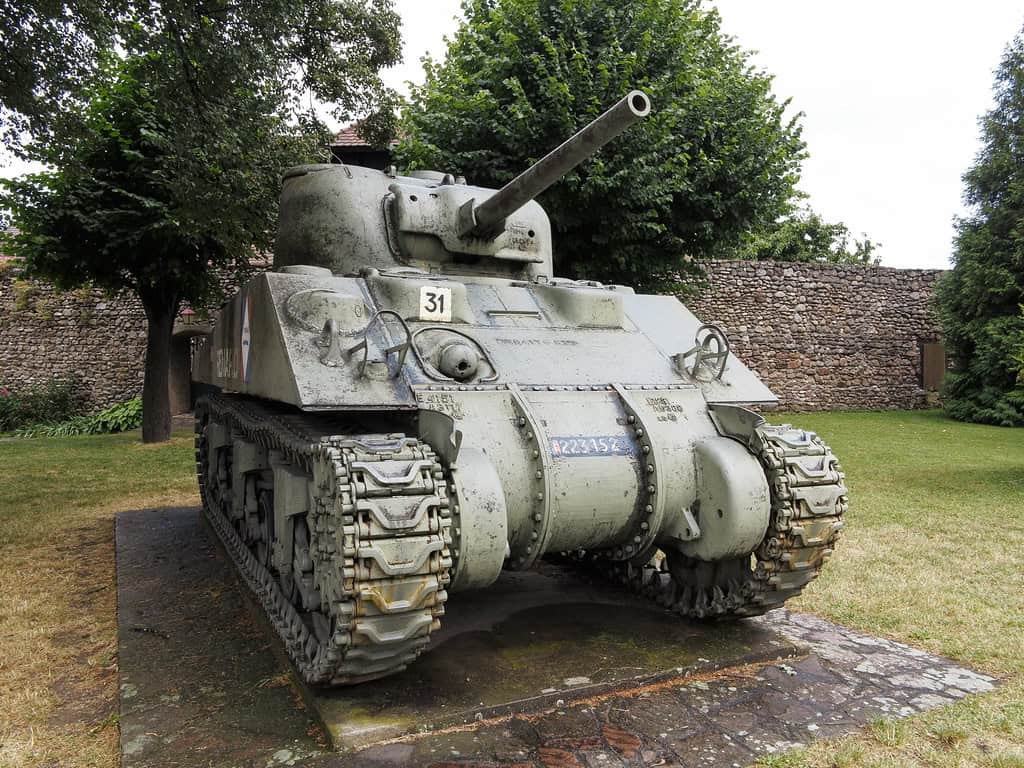
The M4 Sherman became the backbone of U.S. armored forces during World War II, combining reliability, ease of production, and versatility. Its widespread use allowed the Allies to maintain numerical superiority on the battlefield. The Sherman’s success demonstrated the importance of industrial capacity in modern warfare.
M24 Chaffee
- Tank Type: Light
- Year Introduced: 1944
- Primary Conflict or Era: World War II
- Combat Role: Reconnaissance
- Main Armament: 75mm gun
- Key Design Feature: Improved firepower
- Doctrinal Significance: Light tank evolution
- Legacy or Influence: Post-war light tank design
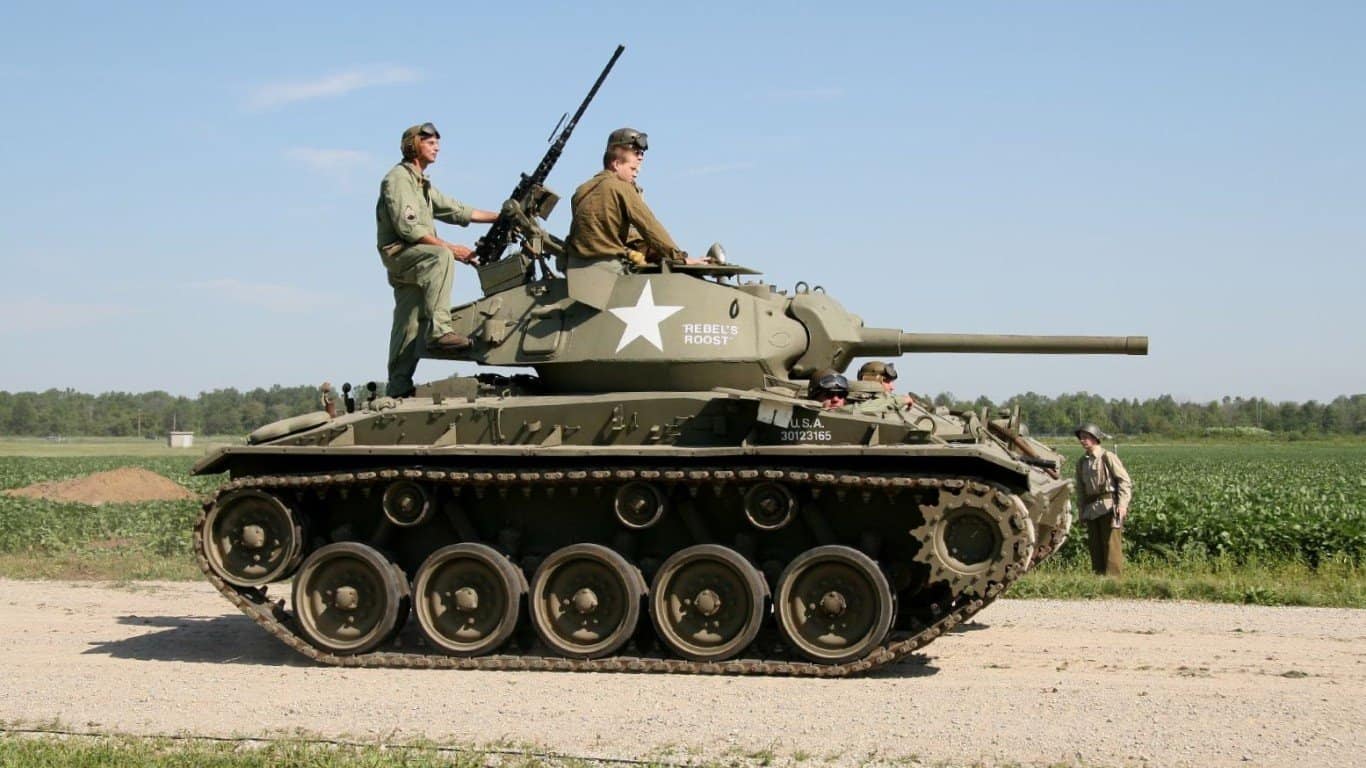
The M24 Chaffee improved upon earlier light tanks by providing better firepower and mobility. It addressed the shortcomings of the Stuart and offered greater battlefield effectiveness. Its design influenced post-war light tank development.
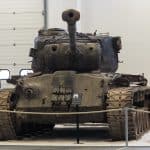
M26 Pershing
- Tank Type: Heavy
- Year Introduced: 1945
- Primary Conflict or Era: World War II
- Combat Role: Armored combat
- Main Armament: 90mm gun
- Key Design Feature: Heavy armor
- Doctrinal Significance: Shift to heavy tanks
- Legacy or Influence: Bridge to MBT era
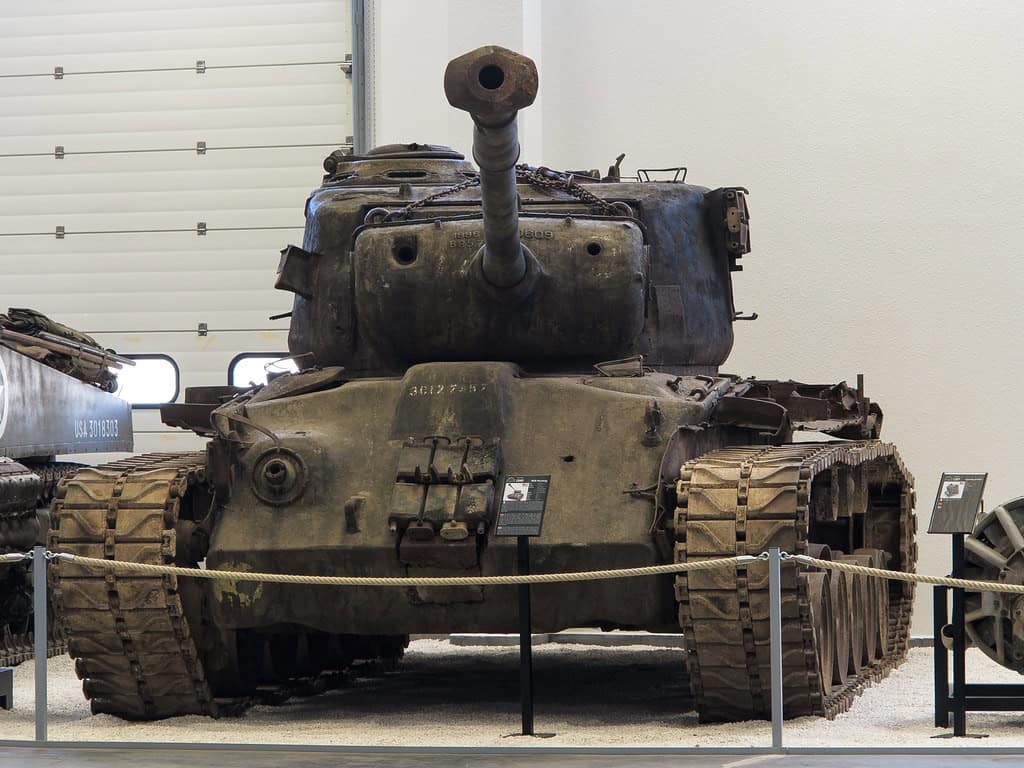
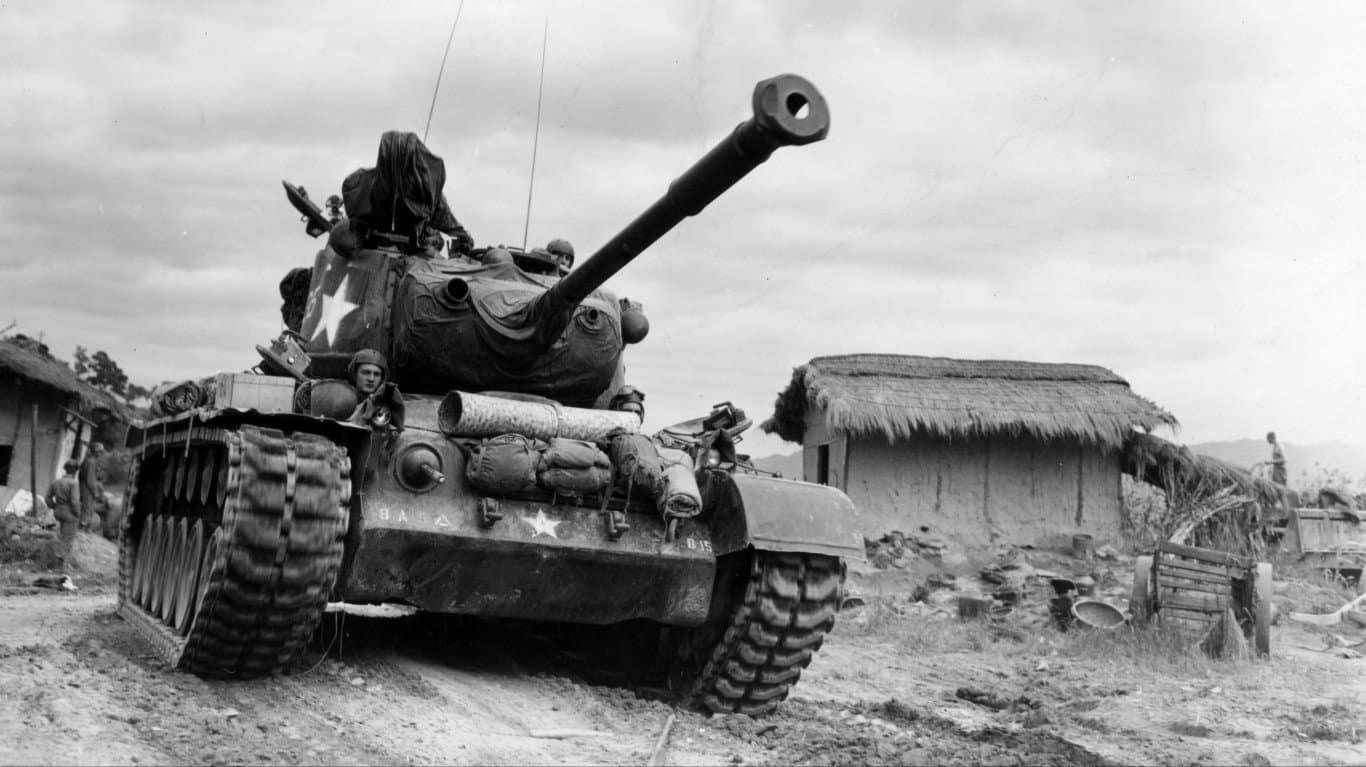
The M26 Pershing marked a significant shift toward heavier tanks with improved firepower and armor. Introduced late in World War II, it was capable of engaging German heavy tanks. It represented the transition from medium tanks to the main battle tank concept.
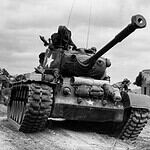
M46 Patton
- Tank Type: Medium
- Year Introduced: 1949
- Primary Conflict or Era: Cold War
- Combat Role: Armored warfare
- Main Armament: 90mm gun
- Key Design Feature: Improved engine
- Doctrinal Significance: Post-war modernization
- Legacy or Influence: Start of Patton series
The M46 Patton was an improved version of the Pershing, featuring a more powerful engine and better mobility. It marked the beginning of the Patton series and reflected the U.S. Army’s focus on modernization during the early Cold War.
M47 Patton
- Tank Type: Medium
- Year Introduced: 1951
- Primary Conflict or Era: Cold War
- Combat Role: Armored warfare
- Main Armament: 90mm gun
- Key Design Feature: Enhanced fire control
- Doctrinal Significance: Cold War adaptation
- Legacy or Influence: Export influence
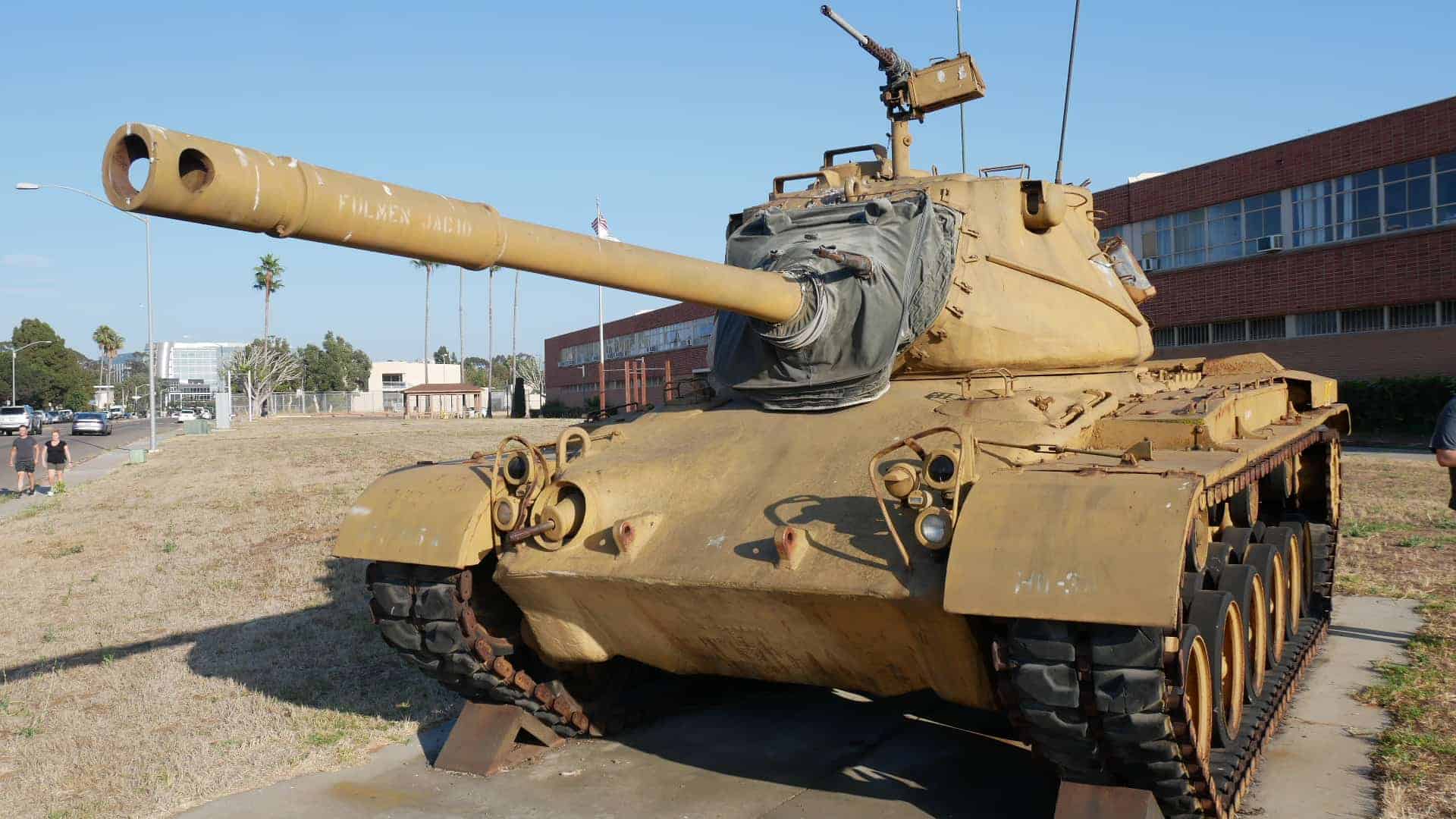
The M47 Patton introduced improved fire control systems and was widely exported to allied nations. While quickly replaced in U.S. service, it played a key role in Cold War armored strategy and demonstrated the importance of technological advancements.
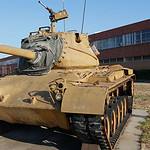
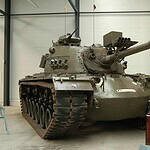
M48 Patton
- Tank Type: MBT
- Year Introduced: 1952
- Primary Conflict or Era: Cold War
- Combat Role: Main battle
- Main Armament: 90mm gun
- Key Design Feature: Rounded turret
- Doctrinal Significance: MBT concept emergence
- Legacy or Influence: Led to M60
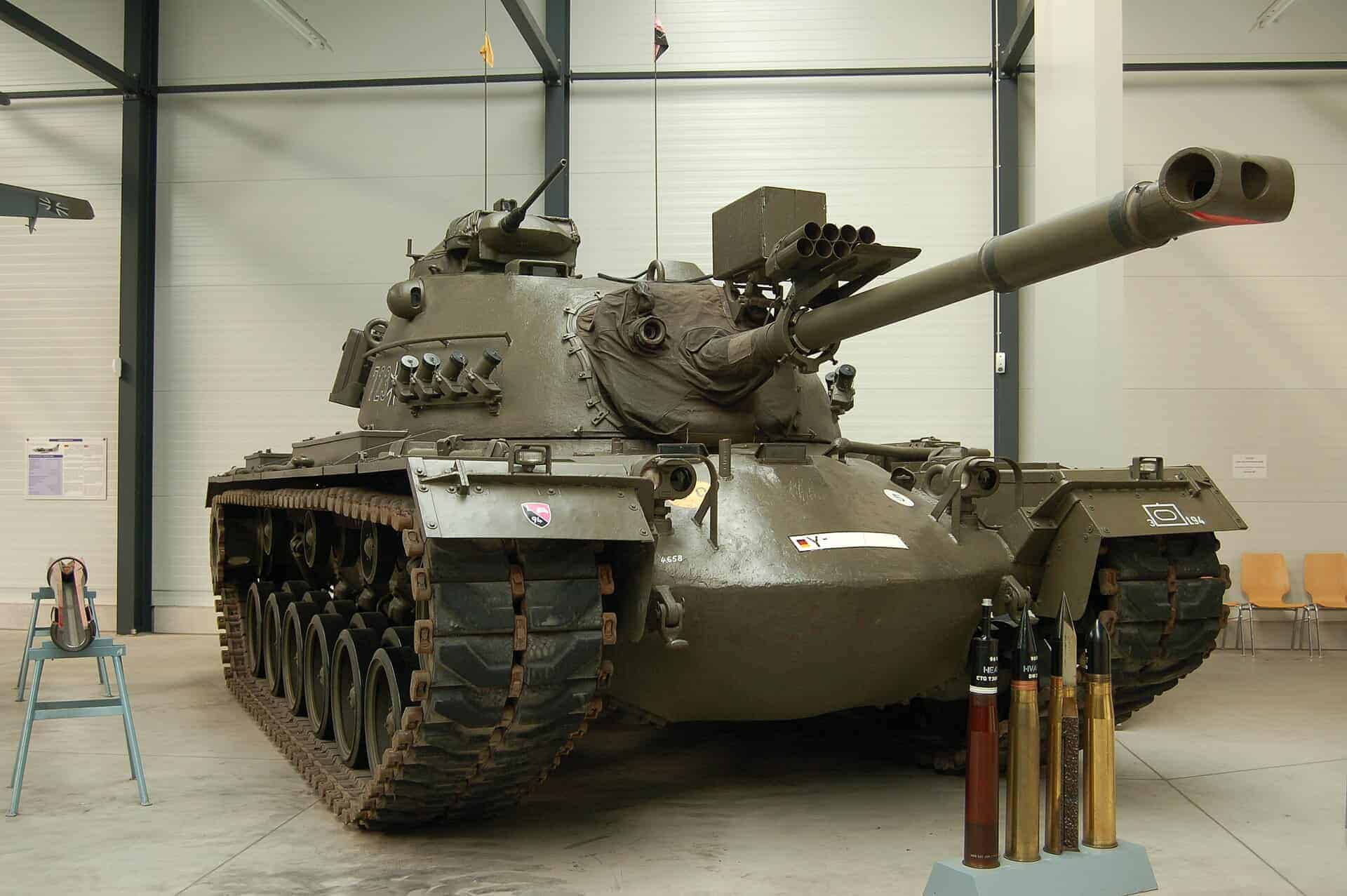
The M48 Patton represented the emergence of the main battle tank concept, combining firepower, armor, and mobility in a single platform. It became a cornerstone of U.S. armored forces during the Cold War.
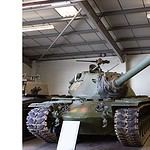
M103 heavy tank
- Tank Type: Heavy
- Year Introduced: 1957
- Primary Conflict or Era: Cold War
- Combat Role: Anti-tank
- Main Armament: 120mm gun
- Key Design Feature: Heavy armor
- Doctrinal Significance: Heavy tank doctrine
- Legacy or Influence: Last US heavy tank
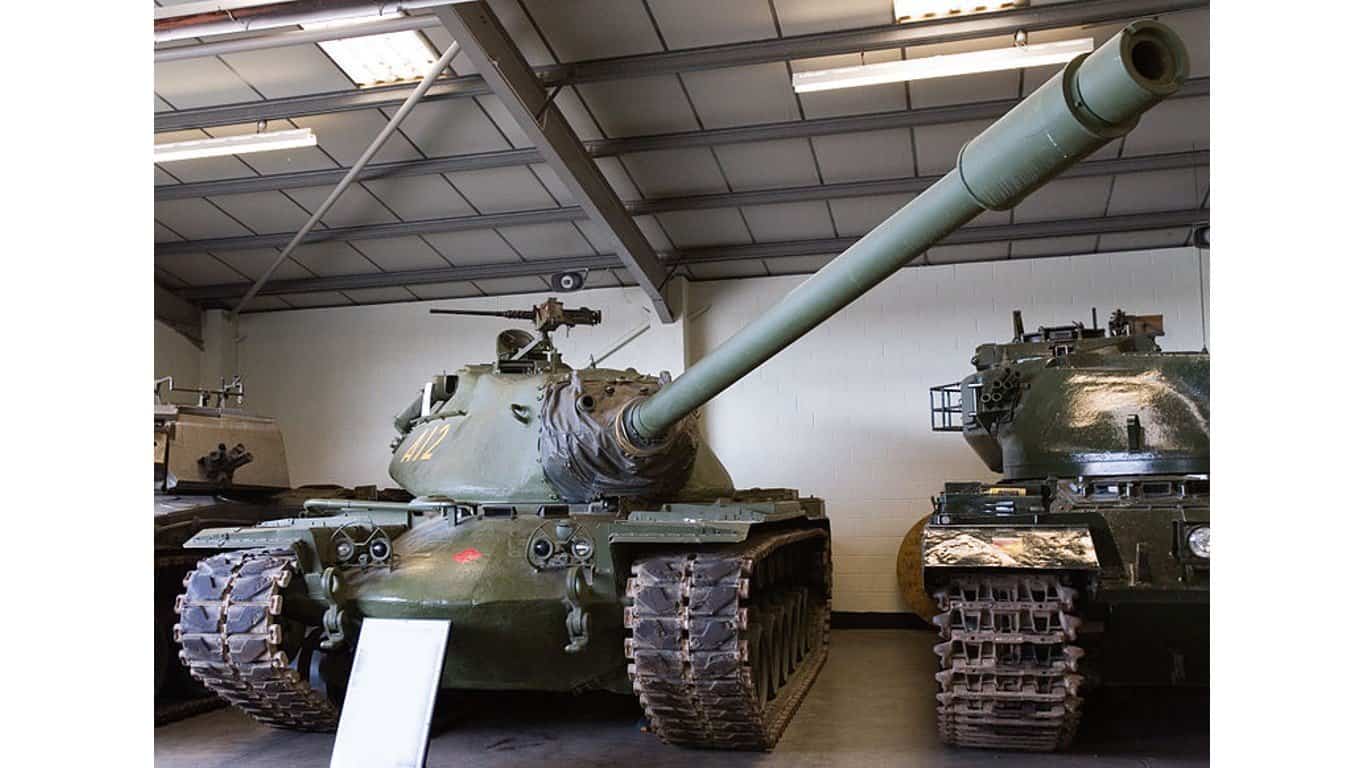
The M103 was the last heavy tank fielded by the United States, designed to counter Soviet heavy armor. Its large gun and heavy armor reflected the continued importance of firepower during the Cold War, though it was eventually replaced by more versatile main battle tanks.
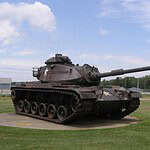
M60 Patton
- Tank Type: MBT
- Year Introduced: 1960
- Primary Conflict or Era: Cold War
- Combat Role: Main battle
- Main Armament: 105mm gun
- Key Design Feature: Improved armor
- Doctrinal Significance: Cold War standard
- Legacy or Influence: Long service life
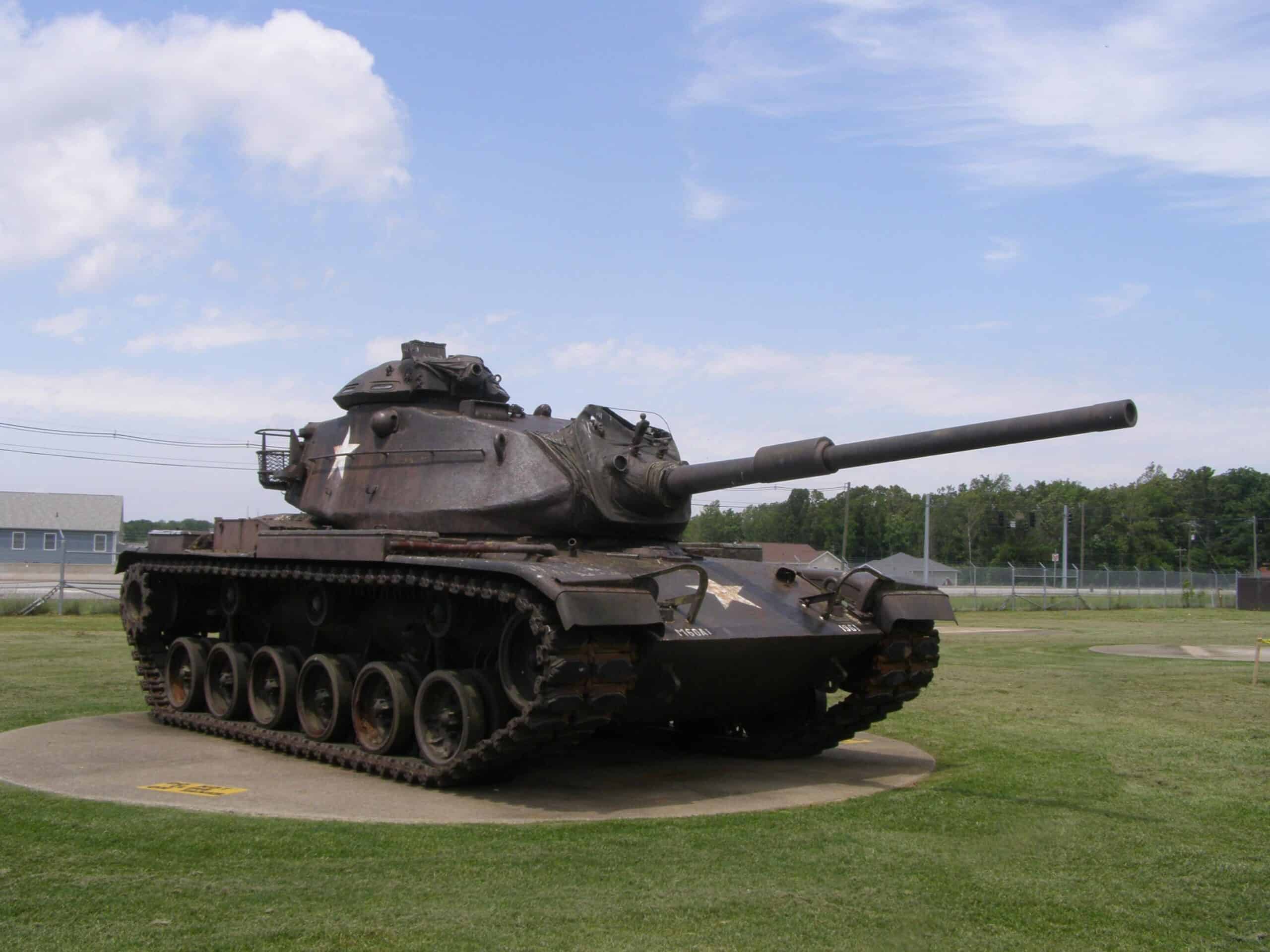
The M60 Patton became the primary U.S. main battle tank during the Cold War, offering improved firepower and protection. Its long service life demonstrated its effectiveness and adaptability, making it one of the most important tanks in U.S. history.
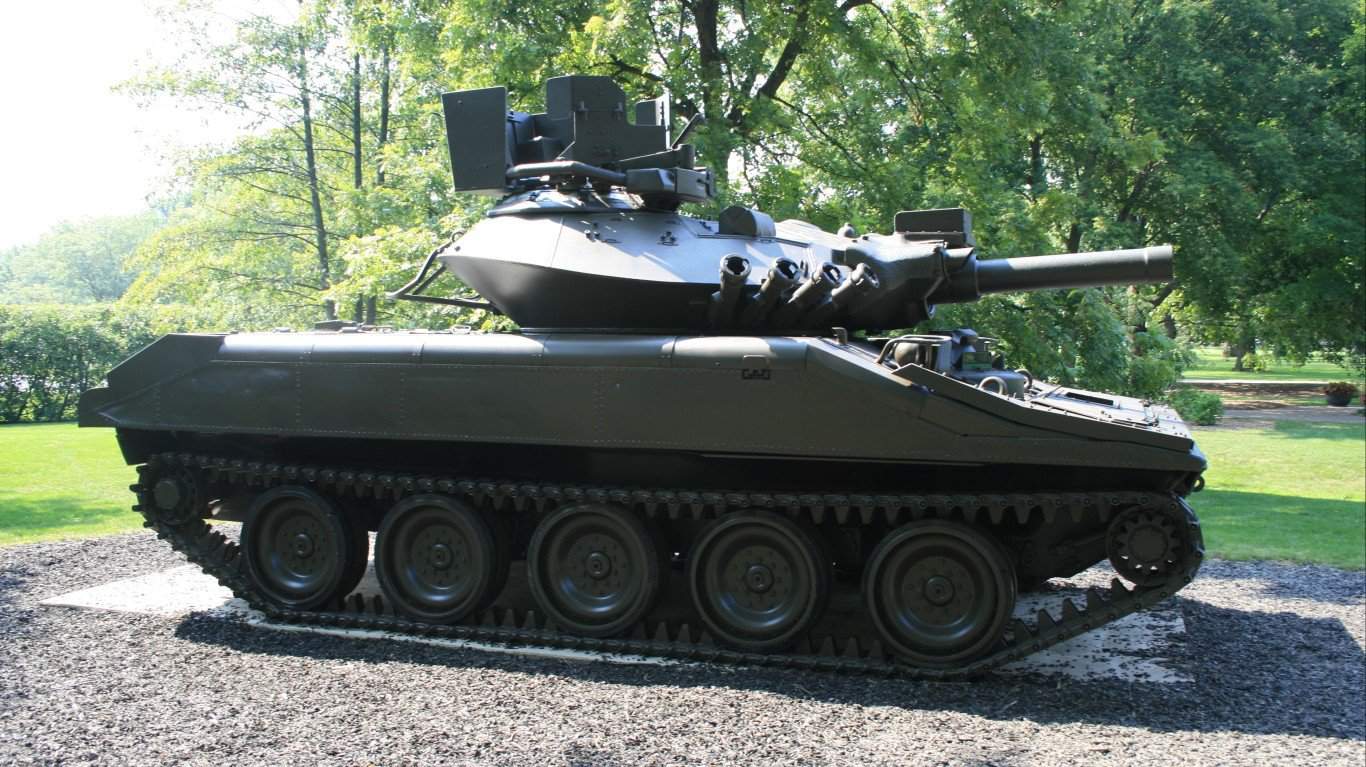
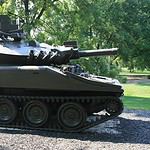
M551 Sheridan
- Tank Type: Light
- Year Introduced: 1969
- Primary Conflict or Era: Vietnam War
- Combat Role: Airborne support
- Main Armament: 152mm gun/launcher
- Key Design Feature: Air-droppable
- Doctrinal Significance: Air mobility doctrine
- Legacy or Influence: Unique light tank concept
The M551 Sheridan was designed for airborne operations, offering a unique combination of mobility and firepower. Its ability to be air-dropped made it valuable in rapid deployment scenarios, though its unconventional design presented challenges.
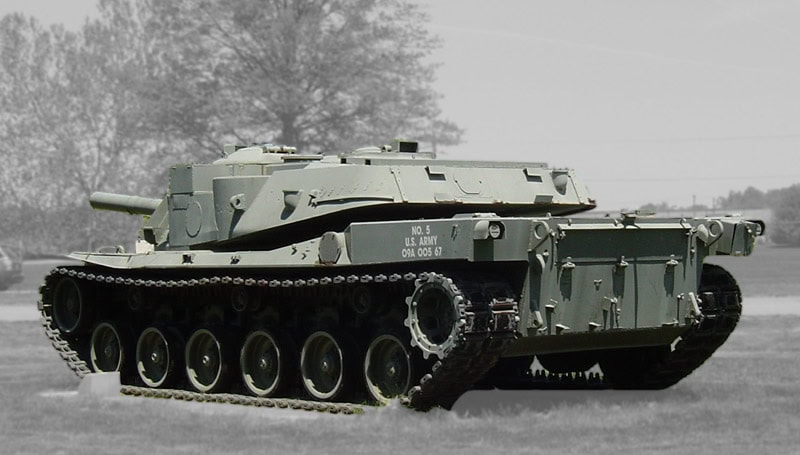
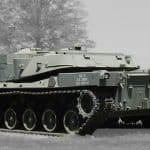
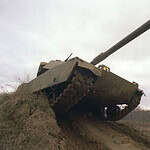
MBT-70
- Tank Type: MBT
- Year Introduced: 1970
- Primary Conflict or Era: Cold War
- Combat Role: Experimental
- Main Armament: 152mm gun
- Key Design Feature: Advanced tech
- Doctrinal Significance: Future MBT concepts
- Legacy or Influence: Influenced Abrams
The MBT-70 was an ambitious joint project between the United States and Germany, incorporating advanced technologies. Although it was ultimately canceled, it influenced the development of future tanks, including the M1 Abrams.
M1 Abrams
- Tank Type: MBT
- Year Introduced: 1980
- Primary Conflict or Era: Modern
- Combat Role: Main battle
- Main Armament: 105mm gun
- Key Design Feature: Composite armor
- Doctrinal Significance: Modern MBT doctrine
- Legacy or Influence: Foundation of current fleet
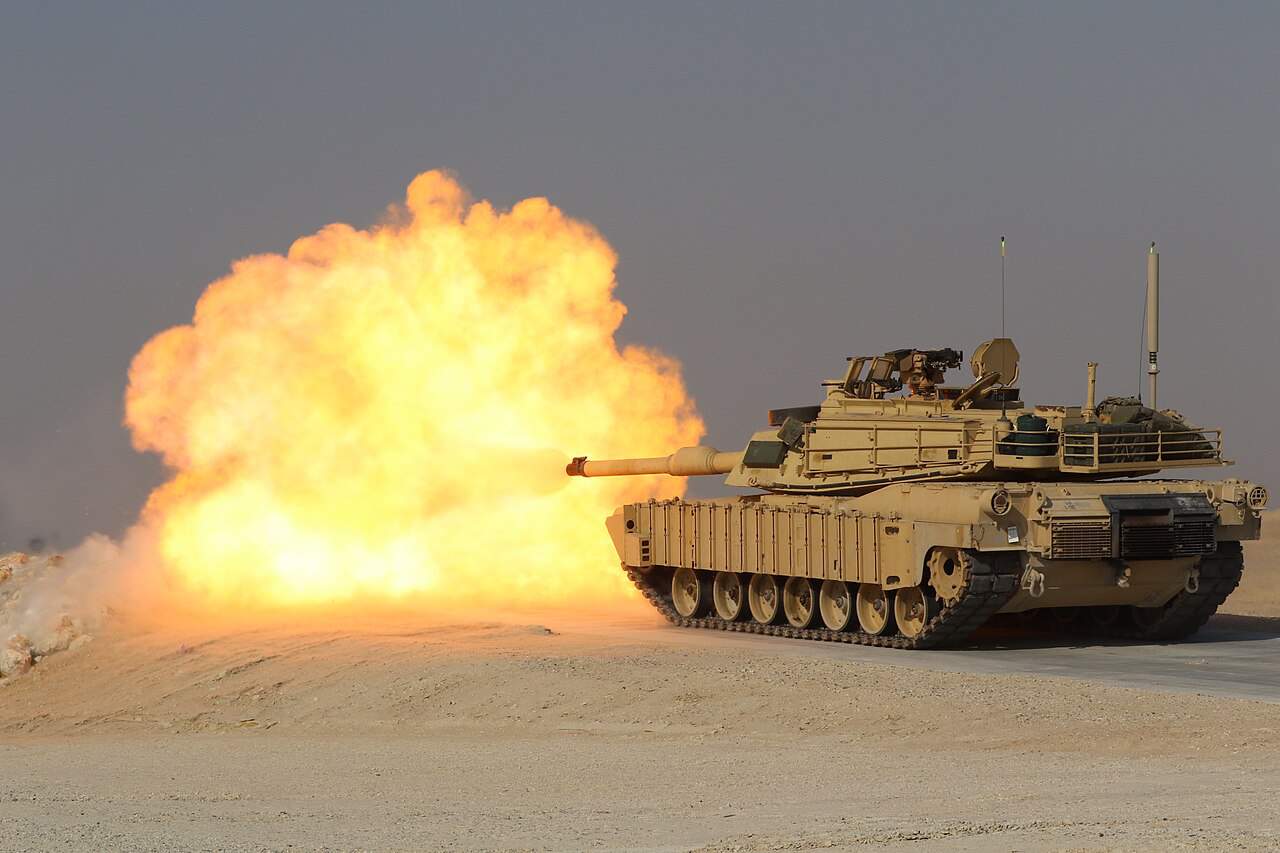
The M1 Abrams marked a major leap forward in tank design, featuring advanced armor and powerful weaponry. It became the foundation of modern U.S. armored forces and demonstrated the effectiveness of combining firepower, protection, and mobility.
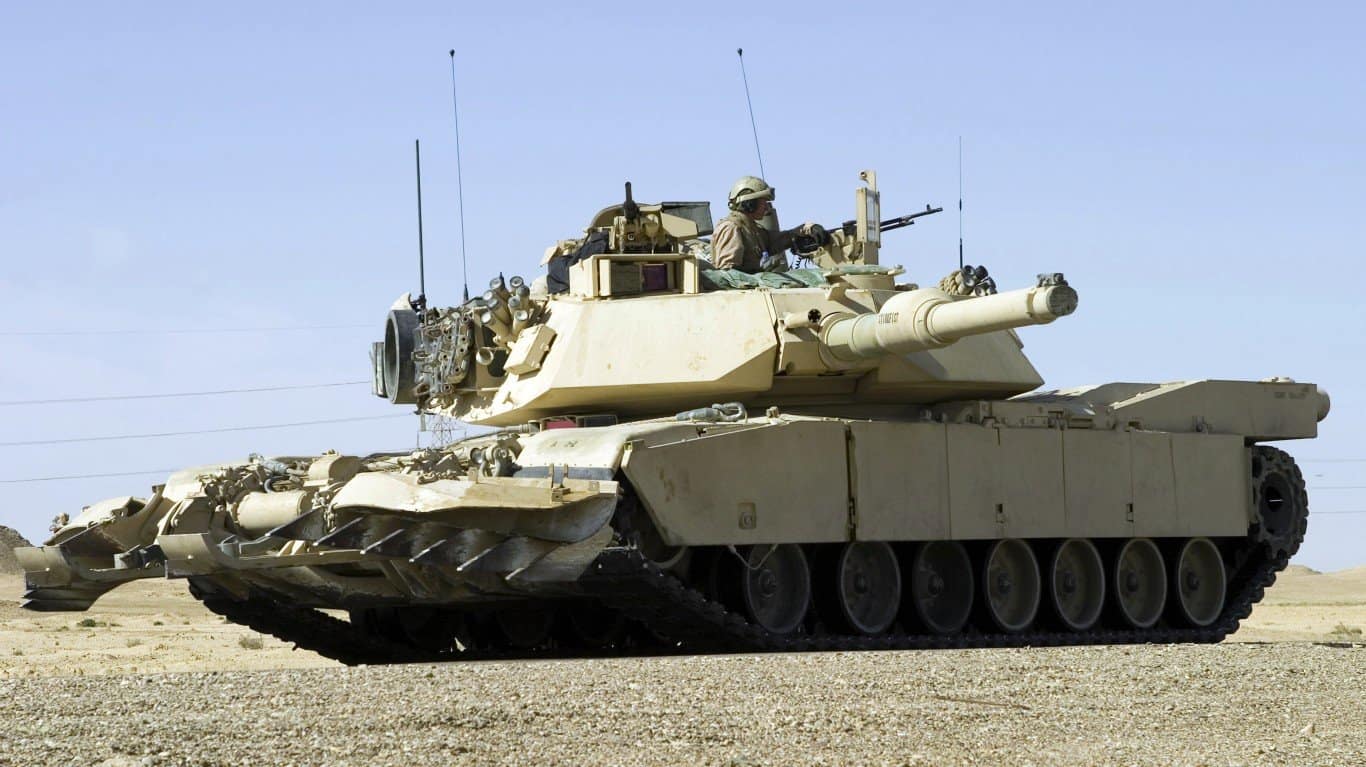
M1A1 Abrams
- Tank Type: MBT
- Year Introduced: 1985
- Primary Conflict or Era: Modern
- Combat Role: Main battle
- Main Armament: 120mm gun
- Key Design Feature: Improved firepower
- Doctrinal Significance: Enhanced lethality
- Legacy or Influence: Gulf War success
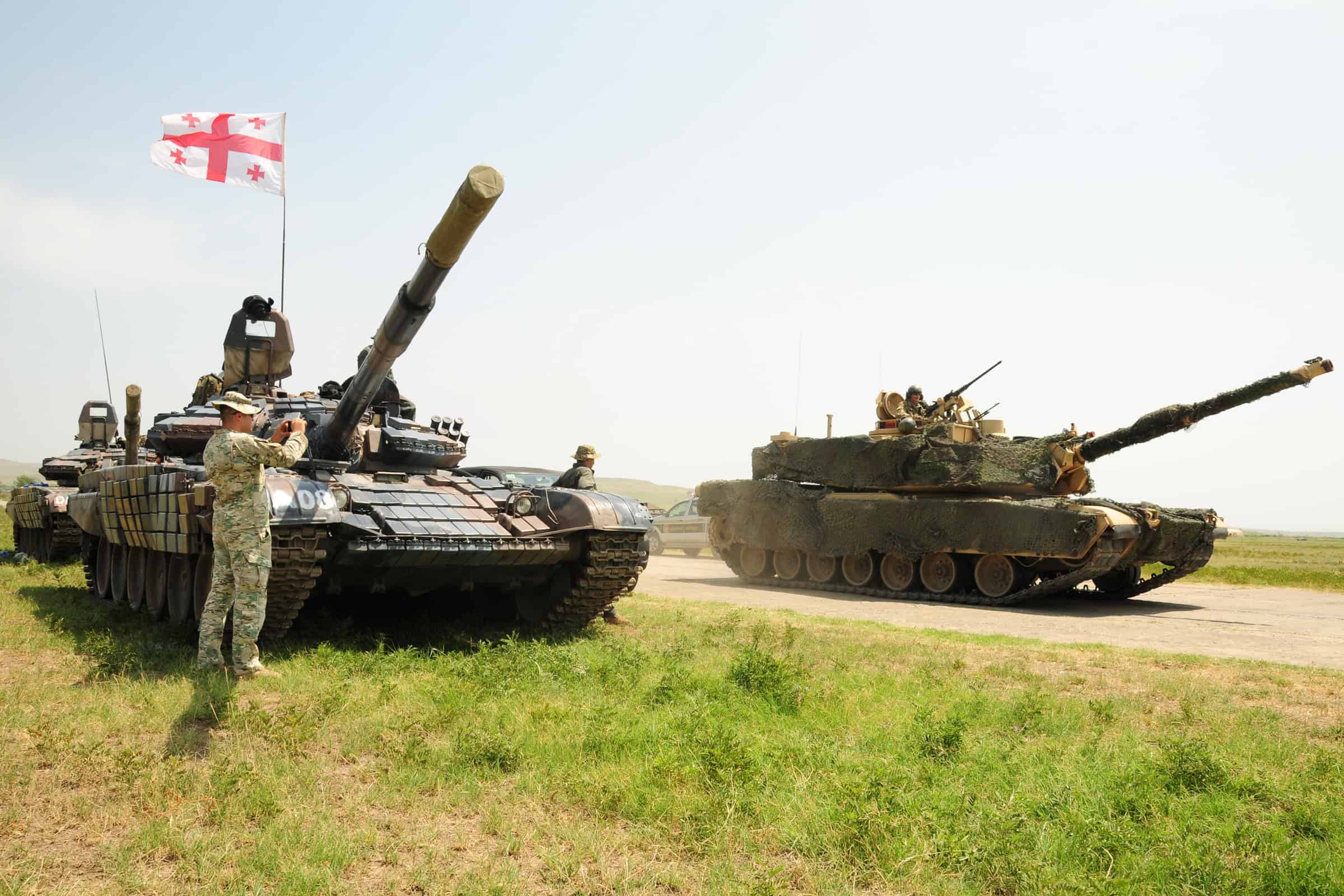
The M1A1 Abrams introduced a more powerful 120mm gun, significantly enhancing its combat effectiveness. Its performance during the Gulf War demonstrated its superiority over enemy tanks, solidifying its reputation as a dominant battlefield platform.
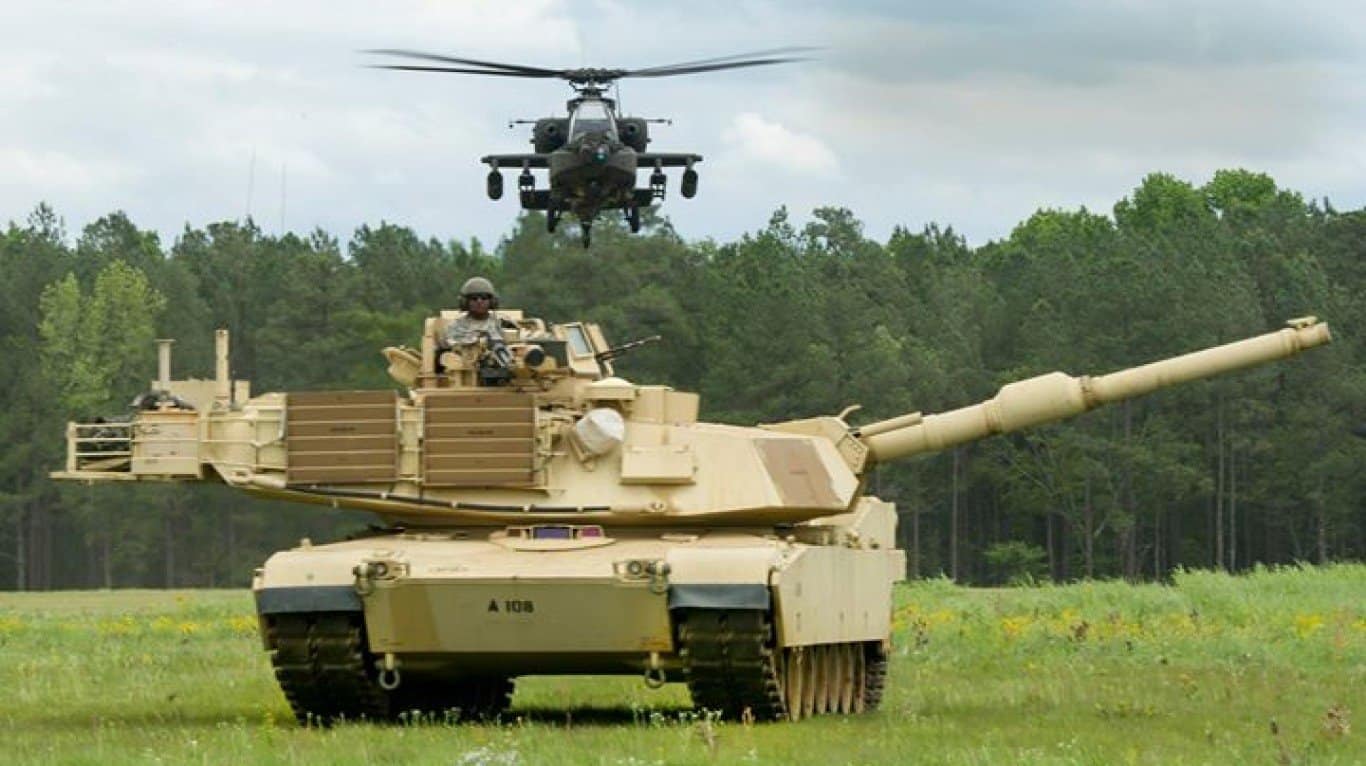
M1A2 Abrams
- Tank Type: MBT
- Year Introduced: 1992
- Primary Conflict or Era: Modern
- Combat Role: Main battle
- Main Armament: 120mm gun
- Key Design Feature: Digital systems
- Doctrinal Significance: Networked warfare
- Legacy or Influence: Modern upgrades
The M1A2 Abrams incorporated digital systems and improved situational awareness, reflecting the shift toward network-centric warfare. These advancements enhanced coordination and battlefield effectiveness.
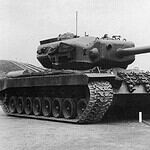
T29 heavy tank
- Tank Type: Heavy
- Year Introduced: 1947
- Primary Conflict or Era: Post-WWII
- Combat Role: Experimental
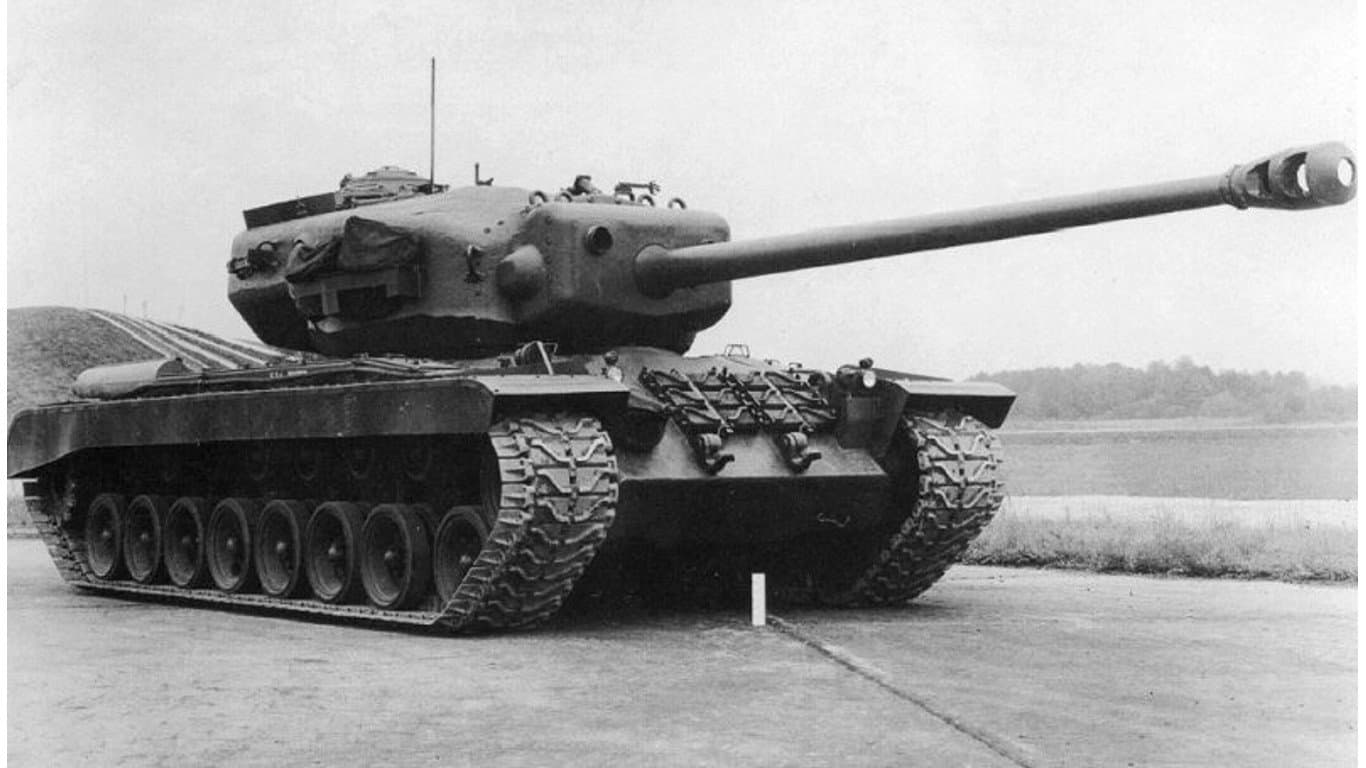
- Main Armament: 105mm gun
- Key Design Feature: Heavy armor
- Doctrinal Significance: Heavy tank research
- Legacy or Influence: Influenced later designs
The T29 heavy tank was developed as a response to heavily armored German tanks. While it never entered service, it contributed to research in heavy armor and firepower.
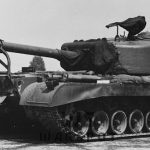
T30 heavy tank
- Tank Type: Heavy
- Year Introduced: 1948
- Primary Conflict or Era: Post-WWII
- Combat Role: Experimental
- Main Armament: 155mm gun
- Key Design Feature: Large caliber gun
- Doctrinal Significance: Heavy firepower testing
- Legacy or Influence: Experimental impact
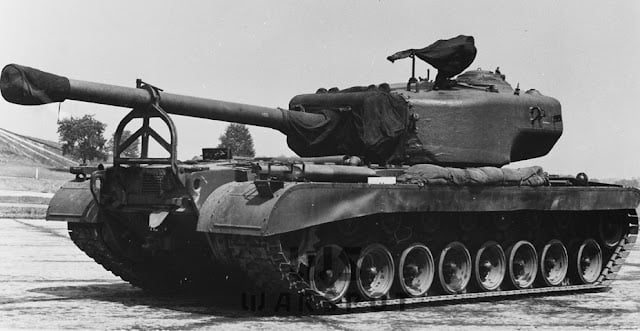
The T30 heavy tank tested the use of large-caliber guns in armored warfare. Its development provided valuable insights into heavy tank design.
XM1 Abrams prototype
- Tank Type: MBT
- Year Introduced: 1979
- Primary Conflict or Era: Cold War
- Combat Role: Prototype
- Main Armament: 105mm gun
- Key Design Feature: Advanced armor
- Doctrinal Significance: Pre-Abrams design
- Legacy or Influence: Led to M1
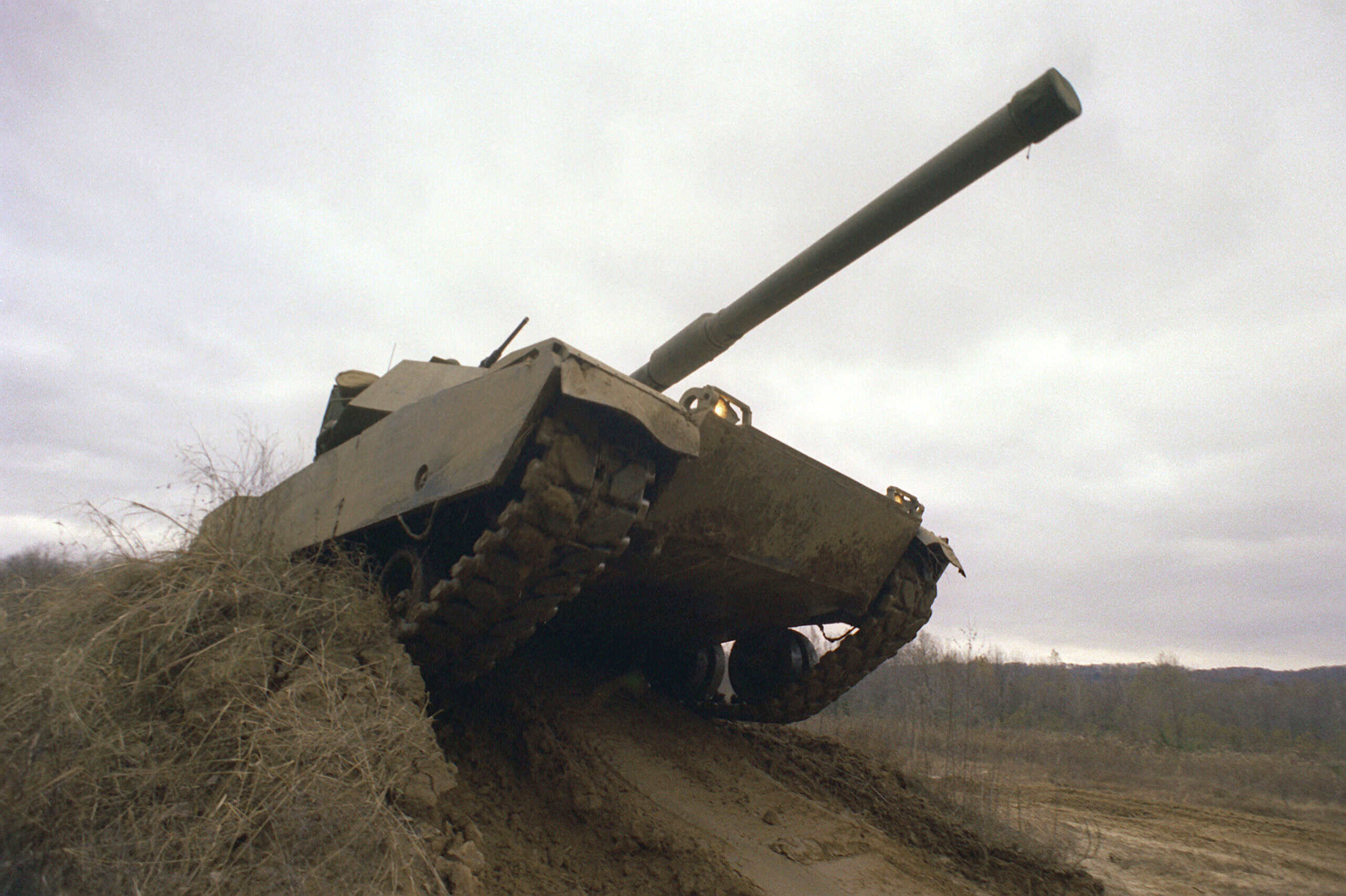
The XM1 Abrams prototype represented the testing phase of what would become the M1 Abrams. Its development incorporated lessons learned from earlier projects, leading to a highly successful design.
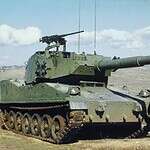
M8 Armored Gun System
- Tank Type: Light
- Year Introduced: 1990
- Primary Conflict or Era: Modern
- Combat Role: Airborne support
- Main Armament: 105mm gun
- Key Design Feature: Lightweight
- Doctrinal Significance: Rapid deployment doctrine
- Legacy or Influence: Canceled but influential
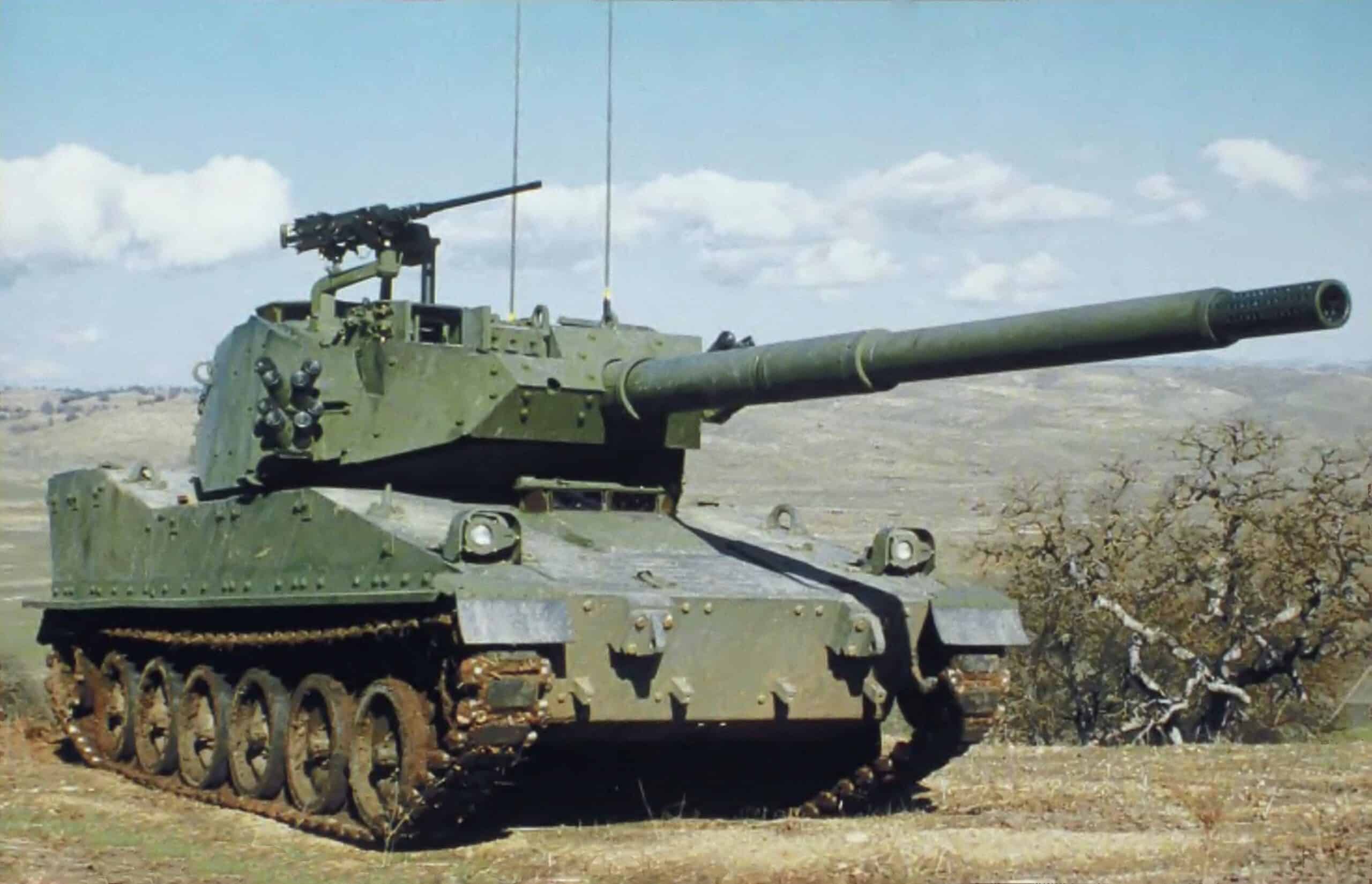
The M8 Armored Gun System was designed as a lightweight, air-deployable tank for rapid response forces. Although the program was canceled, it influenced later efforts to develop mobile firepower solutions.
The image featured at the top of this post is ©fun_flying / Flickr – License / Original