





























Military Inventions That Failed on the Battlefield but Changed Everyday Life
When people think about military innovation, they usually imagine technologies that dominated the battlefield and secured victory. Yet some of history's most influential inventions failed to achieve their original military goals. Programs were canceled, underperformed expectations, proved too expensive, or became obsolete before they could make a meaningful impact in war. Surprisingly, many of these apparent failures found a second life in the civilian world, where their influence became far greater than anyone originally imagined.
Here is a look at the military inventions that failed in war but changed everyday life:
ARPANET
- Original Military Purpose: Secure military communications network
- Why It Failed or Disappointed Militarily: Never became the military command network originally envisioned.
- Civilian Legacy: Became the foundation of the modern Internet.
ARPANET began as a Department of Defense effort to explore resilient computer communications during the Cold War. Military planners hoped to create a network capable of surviving disruptions and maintaining communication between critical institutions. While the project achieved important technical milestones, it never evolved into the comprehensive military command-and-control system some envisioned. Its true impact emerged when researchers, universities, and private organizations adopted and expanded the underlying networking concepts. Those innovations eventually became the foundation of the modern Internet. Today, billions of people rely on technologies that trace their origins back to a military research project whose civilian influence vastly exceeded its original defense mission. ARPANET demonstrates how a program designed for strategic communications ultimately reshaped commerce, education, entertainment, and nearly every aspect of modern life.
Magnetron Radar Program
- Original Military Purpose: Advanced wartime radar detection
- Why It Failed or Disappointed Militarily: Its greatest impact emerged outside its intended military role.
- Civilian Legacy: Led directly to microwave ovens and food heating technology.
The cavity magnetron was developed to improve radar performance during World War II, helping Allied forces detect aircraft and ships more effectively. While it played an important military role, one of its most transformative contributions emerged by accident. Engineers noticed that microwave energy generated by magnetrons could heat food, leading researchers to explore entirely new applications. After the war, this discovery evolved into the commercial microwave oven industry. What began as a tool for detecting enemy forces eventually changed kitchens around the world. The technology drastically reduced food preparation times and became a standard appliance in homes, restaurants, and workplaces. The magnetron's journey from battlefield radar component to everyday household device remains one of the most remarkable examples of military research producing unexpected civilian benefits.
Military Freeze-Drying Technology
- Original Military Purpose: Lightweight battlefield rations
- Why It Failed or Disappointed Militarily: Military adoption was more limited than expected.
- Civilian Legacy: Created major commercial food preservation industries.
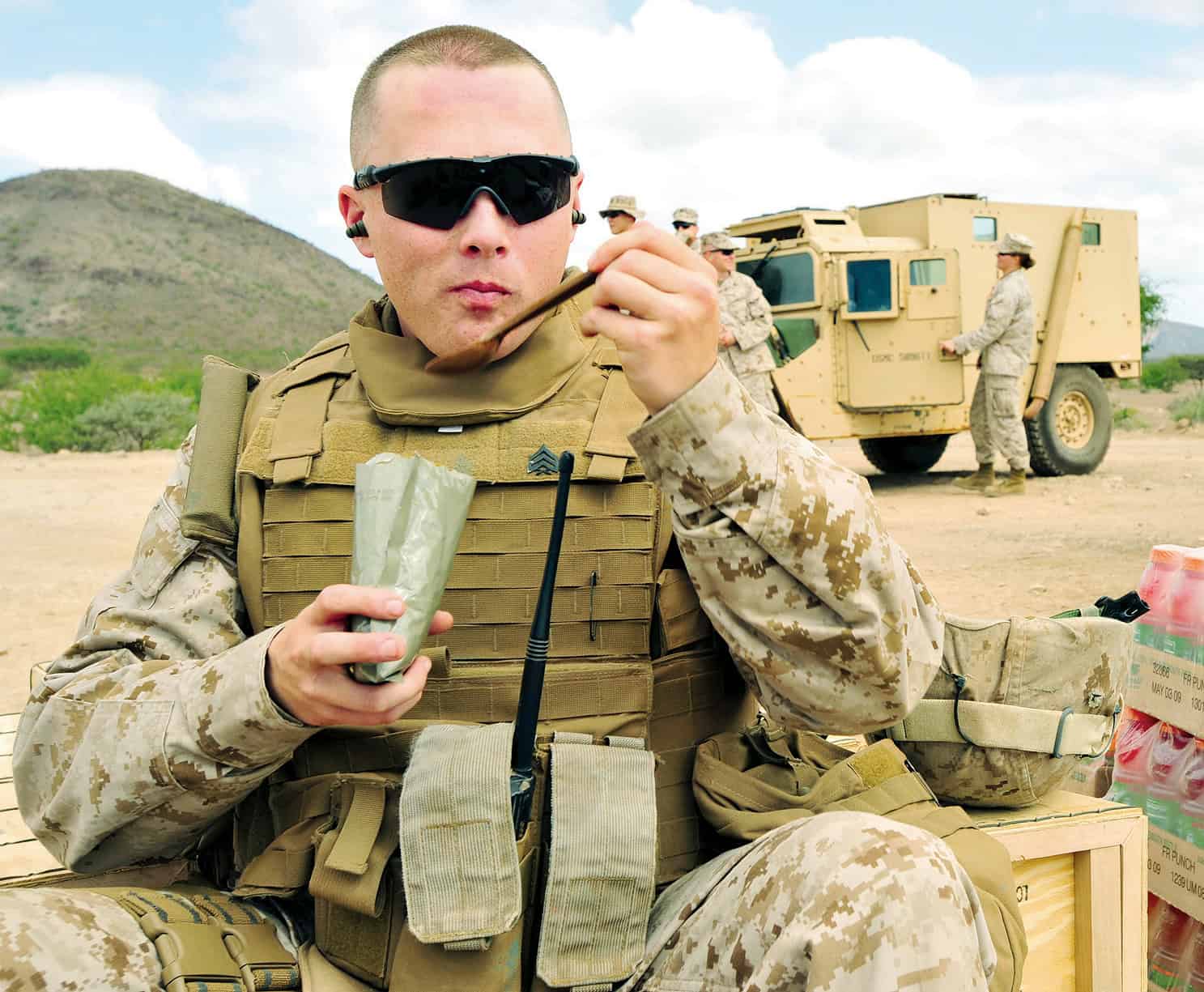
Military planners have long searched for ways to reduce the weight and logistical burden of feeding troops. Freeze-drying emerged as a promising solution because it preserved food while dramatically reducing weight and extending shelf life. Although military use continued in specialized situations, the technology never revolutionized field rations to the degree some advocates expected. Its broader success occurred in civilian markets. Freeze-drying transformed industries ranging from coffee production and camping food to pharmaceuticals and emergency preparedness supplies. The process allowed products to remain stable for extended periods while retaining much of their original flavor and nutritional value. Today, consumers encounter freeze-dried products in supermarkets, outdoor recreation stores, and medical facilities. What began as an effort to solve a military logistics challenge ultimately reshaped food preservation across the global economy.
Project SCORE Communications Satellites
- Original Military Purpose: Strategic military communications
- Why It Failed or Disappointed Militarily: Quickly overtaken by newer military systems.
- Civilian Legacy: Helped establish the modern satellite communications industry.
Project SCORE represented one of the earliest attempts to use satellites for military communications. Launched in 1958, it demonstrated that messages could be transmitted through space, a revolutionary concept at the time. Although the project itself was short-lived and quickly surpassed by more advanced military systems, it proved the feasibility of satellite-based communication. The implications extended far beyond defense. Satellite communications eventually became essential to television broadcasting, global telephone networks, internet infrastructure, navigation services, and international business. Modern society depends on communications satellites for countless daily activities, from streaming media to financial transactions. Project SCORE's military relevance faded relatively quickly, but its demonstration of a new technological frontier helped launch an industry that transformed how information moves around the planet.
Synthetic Rubber Programs
- Original Military Purpose: Replace wartime rubber shortages
- Why It Failed or Disappointed Militarily: Emergency wartime solution rather than a lasting military breakthrough.
- Civilian Legacy: Revolutionized manufacturing, transportation, and consumer products.
World War II created an urgent need for alternatives to natural rubber after critical supplies became threatened by wartime events in Asia. Governments invested heavily in synthetic rubber research and production to support military vehicles, aircraft, and equipment. While the effort succeeded in addressing an immediate wartime challenge, its greatest legacy emerged after the conflict. Synthetic rubber became a foundational material for modern manufacturing, appearing in tires, seals, medical equipment, footwear, industrial machinery, and countless consumer products. The wartime emergency accelerated innovation and industrial capacity that remained valuable long after the fighting ended. Today, synthetic rubber is so common that most people rarely consider its origins. The program illustrates how a military supply crisis helped create an industrial material that became essential to modern economies.
HMMWV Civilian Derivatives
- Original Military Purpose: Tactical battlefield transportation
- Why It Failed or Disappointed Militarily: The Humvee showed major vulnerabilities in modern combat.
- Civilian Legacy: Inspired the civilian Hummer and luxury off-road vehicle market.
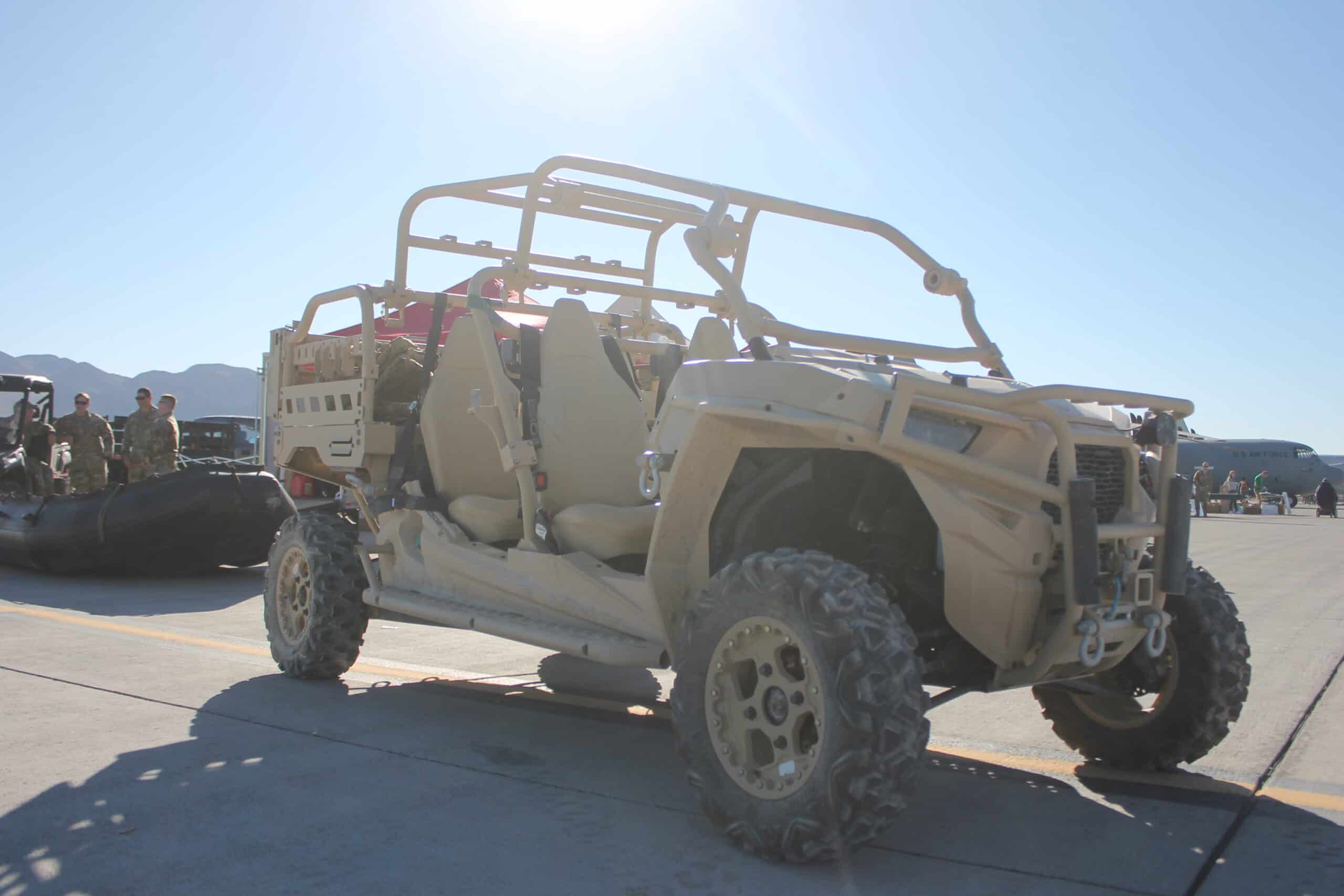
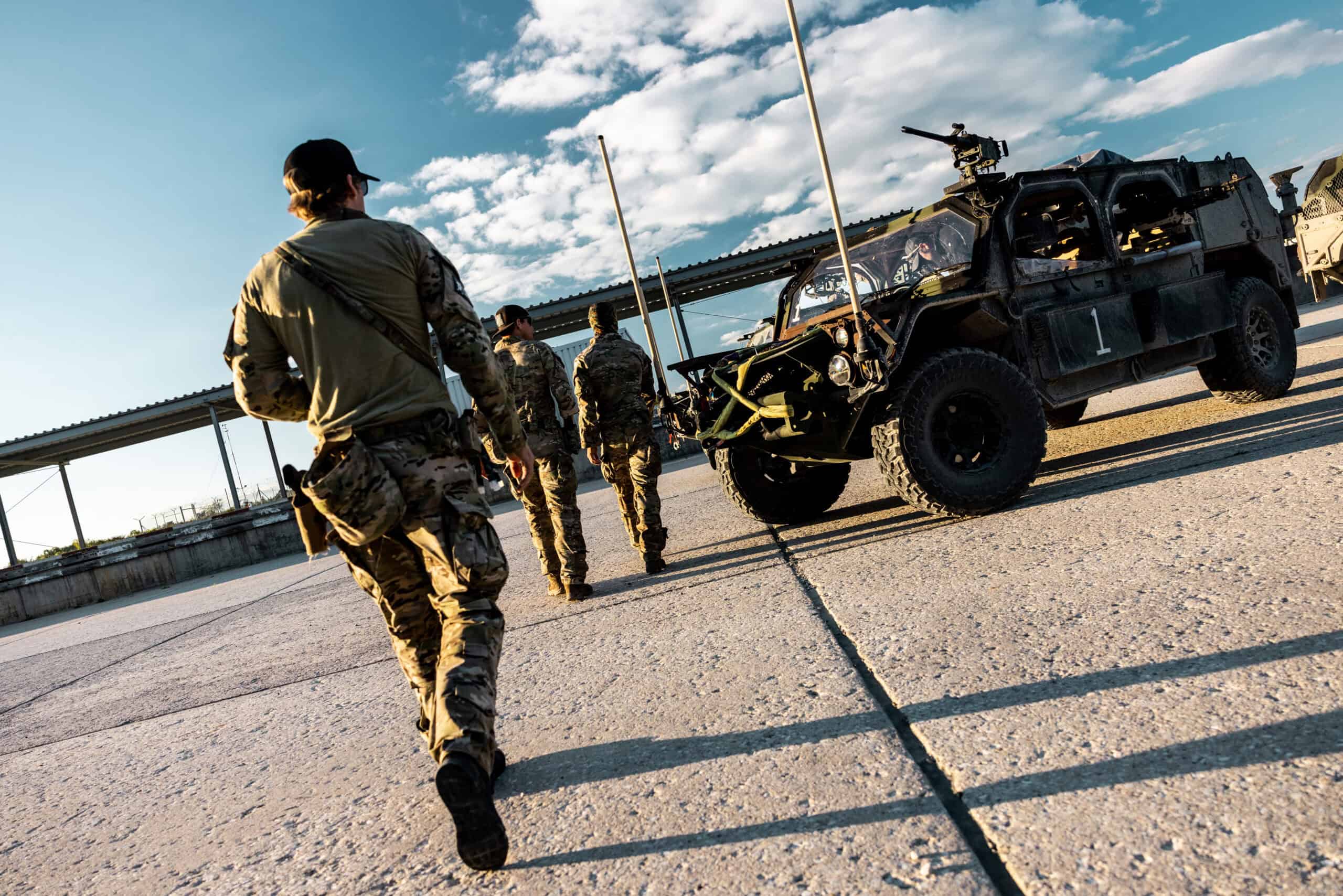
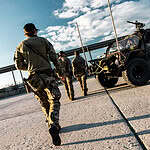
The High Mobility Multipurpose Wheeled Vehicle, better known as the Humvee, was designed to provide versatile transportation across a wide range of military missions. Although it served extensively, conflicts in Iraq and Afghanistan exposed vulnerabilities that led many military planners to seek better-protected alternatives. Yet as the vehicle's military future became more uncertain, its civilian image flourished. The Hummer emerged as a symbol of ruggedness, power, and off-road capability. The vehicle helped shape consumer demand for large SUVs and luxury off-road vehicles. While its battlefield limitations became increasingly apparent, its influence on automotive culture proved significant. The Humvee's story highlights how military equipment can fail to meet evolving combat requirements while simultaneously becoming an icon in civilian markets.
Military GPS Development
- Original Military Purpose: Precision military navigation
- Why It Failed or Disappointed Militarily: Did not deliver all the strategic advantages originally envisioned.
- Civilian Legacy: Transformed navigation, logistics, smartphones, and transportation.
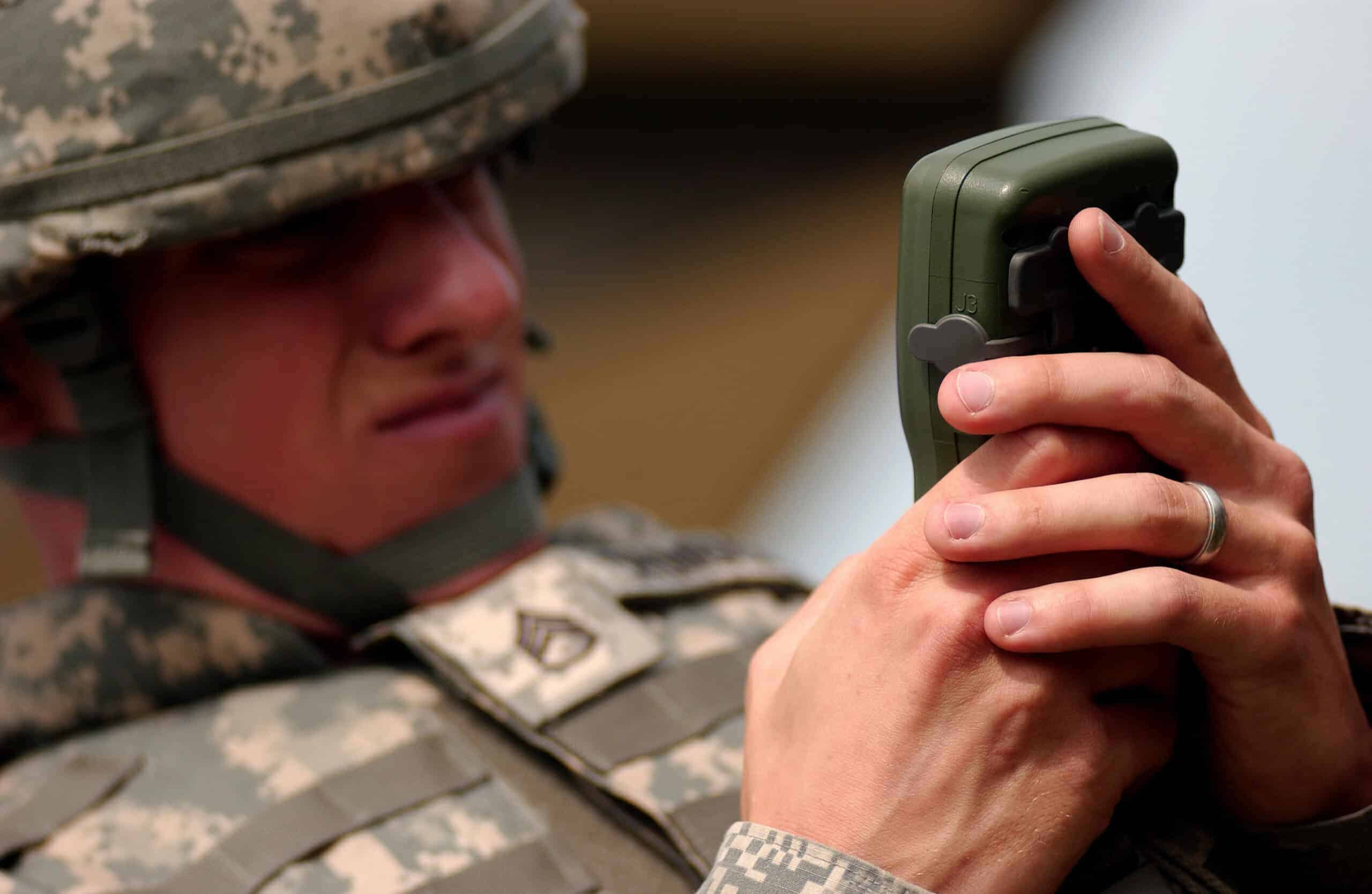
The Global Positioning System originated as a military effort to improve navigation, targeting, and force coordination. Defense planners envisioned a revolutionary capability that would provide precise location information anywhere on Earth. While GPS became an important military tool, its civilian release generated an impact that far exceeded its defense applications. GPS transformed transportation, aviation, shipping, agriculture, emergency response, and consumer electronics. Smartphone navigation alone has changed how billions of people travel and interact with their surroundings. Entire industries now depend on location-based services powered by satellite navigation. The technology's civilian influence became so widespread that it is difficult to imagine modern life without it. GPS demonstrates how a military innovation can become deeply embedded in everyday routines, often in ways its original designers never anticipated.
Packet-Switched Networking
- Original Military Purpose: Survivable wartime communications
- Why It Failed or Disappointed Militarily: Never became the military network planners originally imagined.
- Civilian Legacy: Became the backbone of modern digital communications.
Packet switching emerged from efforts to build communications systems capable of functioning even when parts of a network were disrupted. Military strategists saw obvious value in resilient communications during a potential conflict. Although the technology never evolved into exactly the defense architecture envisioned by its earliest advocates, it became fundamental to civilian networking. Packet switching allows information to move efficiently across interconnected systems, making modern internet communications possible. Email, video streaming, online gaming, cloud computing, and digital commerce all rely on principles developed during these early experiments. The technology's greatest success ultimately occurred outside military circles. What began as a Cold War communications concept became one of the core building blocks of the information age.
Military Jet Engine Research
- Original Military Purpose: Advanced combat aircraft performance
- Why It Failed or Disappointed Militarily: Numerous programs were canceled or underperformed.
- Civilian Legacy: Improved civilian aviation and global air travel.
Military aviation has often driven advances in jet engine technology, with governments investing enormous resources in pursuit of faster and more capable aircraft. Many experimental programs failed to meet expectations, were canceled, or proved too costly to justify continued development. Yet the engineering lessons learned from those efforts frequently found new life in commercial aviation. Improvements in fuel efficiency, reliability, materials science, and engine performance migrated into civilian aircraft designs. These advances helped make global air travel faster, safer, and more affordable. Modern airlines benefit from decades of military-funded research, even when the original defense programs did not achieve their intended goals. The result is a striking example of how technological knowledge can outlive the projects that created it.
Battlefield Trauma Research
- Original Military Purpose: Increase wartime survival rates
- Why It Failed or Disappointed Militarily: Some battlefield applications proved less transformative than expected.
- Civilian Legacy: Revolutionized emergency medicine and trauma care.
Military medicine has long sought ways to improve survival rates among wounded service members. Numerous research programs explored blood storage, surgical techniques, trauma response, and emergency care procedures. While some initiatives produced only modest battlefield improvements, the broader medical knowledge generated by these efforts transformed civilian healthcare. Modern trauma centers, emergency medicine protocols, and life-saving surgical practices often trace their roots to military research. Advances in treating severe injuries now benefit accident victims, disaster survivors, and patients around the world. The civilian impact of battlefield medical research frequently exceeds its military significance because the resulting innovations are applied on a much larger scale. This transfer of knowledge demonstrates how lessons learned during conflict can improve healthcare for entire populations.
Nuclear Submarine Reactor Research
- Original Military Purpose: Strategic naval propulsion
- Why It Failed or Disappointed Militarily: Several reactor concepts never entered broad military service.
- Civilian Legacy: Advanced commercial nuclear power generation.
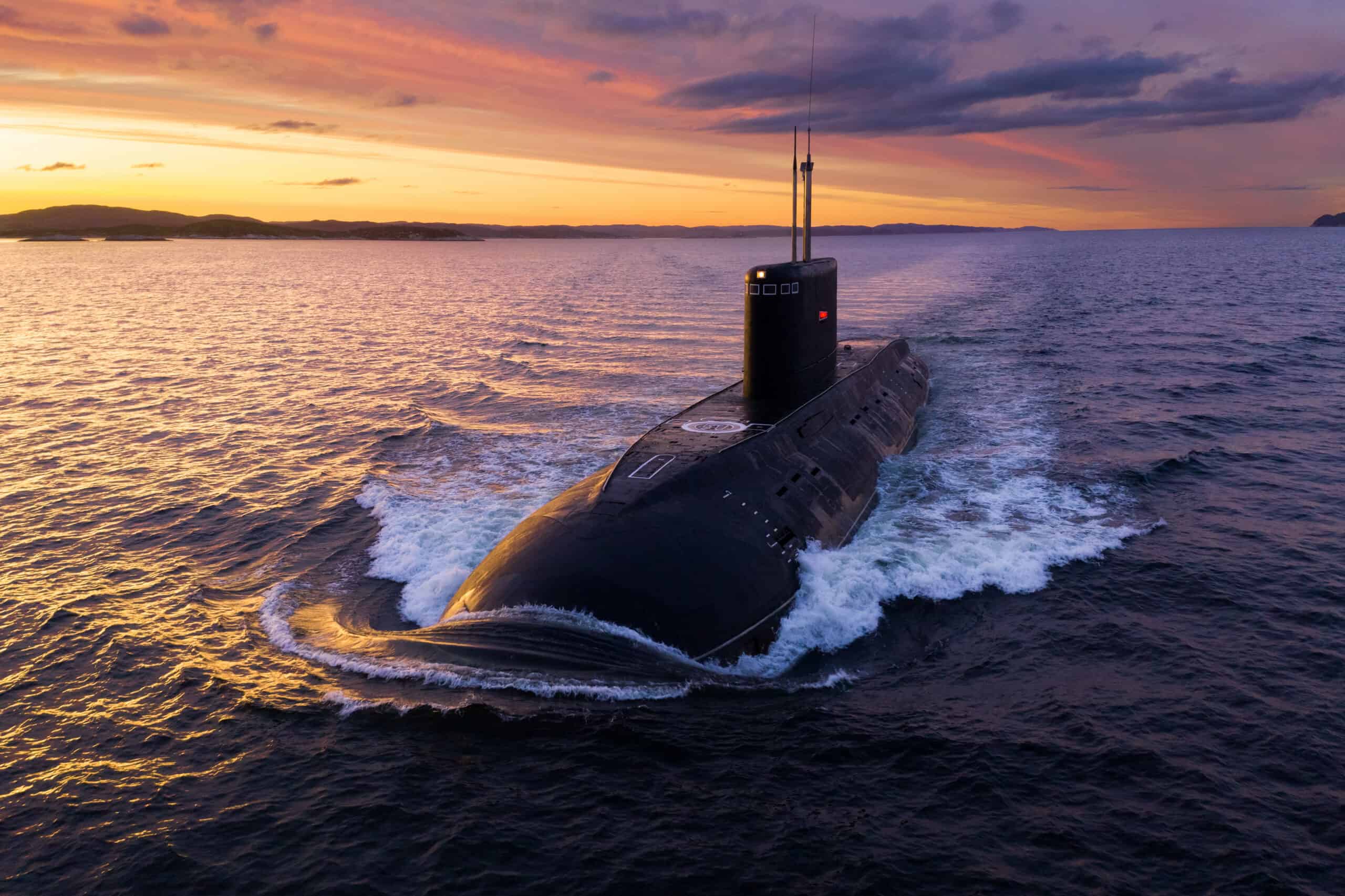
Efforts to develop compact nuclear reactors for submarines pushed engineers to solve some of the most difficult challenges in power generation. Not every reactor design succeeded, and many concepts never advanced beyond testing or limited deployment. Nevertheless, the research contributed valuable insights into reactor safety, efficiency, and engineering. Those lessons influenced commercial nuclear power programs that would eventually provide electricity to millions of people. Although military planners focused on naval propulsion and strategic advantages, the broader impact extended into civilian energy production. Nuclear power remains controversial, but its role in generating large amounts of electricity reflects the lasting influence of research initially driven by defense requirements. The technology's civilian legacy ultimately reached far beyond its original naval mission.
Military Computer Networking Systems
- Original Military Purpose: Integrated battlefield command networks
- Why It Failed or Disappointed Militarily: Complexity and cost limited operational success.
- Civilian Legacy: Accelerated enterprise computing and networking.
Throughout the Cold War and beyond, military organizations pursued ambitious computer networking projects intended to improve command, control, and coordination. Many of these systems struggled with cost overruns, technical challenges, or implementation difficulties. Yet the technologies developed during these efforts helped accelerate advances in commercial computing. Concepts related to distributed networks, data management, secure communications, and information sharing migrated into the private sector. Businesses adopted many of the same ideas to manage increasingly complex operations. Modern enterprise software and networking systems owe part of their development to military projects that never fully achieved their intended battlefield goals. The story illustrates how technical progress often survives even when specific programs fall short of expectations.
Military Weather Satellites
- Original Military Purpose: Support military operations
- Why It Failed or Disappointed Militarily: Generated greater civilian value than military value.
- Civilian Legacy: Transformed weather forecasting and disaster preparedness.
Weather has always influenced military operations, making accurate forecasting a strategic priority. Military weather satellite programs were designed to provide commanders with better environmental intelligence. While they delivered useful information, their greatest impact emerged in civilian forecasting. Satellite observations dramatically improved the ability to track storms, monitor climate conditions, and predict severe weather events. Governments, businesses, farmers, airlines, and emergency management agencies all benefit from these capabilities. The ability to issue timely hurricane warnings or anticipate dangerous weather conditions has saved countless lives. In many respects, weather satellites became more valuable to society as civilian tools than as military assets. Their story demonstrates how technologies developed for national security can become indispensable public services.
Cargo Container Standardization
- Original Military Purpose: Improve wartime logistics
- Why It Failed or Disappointed Militarily: Military impact was eventually eclipsed by civilian use.
- Civilian Legacy: Enabled modern global shipping and trade.
Standardized shipping containers were embraced by military logisticians because they simplified transportation and supply management. The concept improved efficiency, but its true revolution occurred in commercial shipping. Containerization dramatically reduced loading times, lowered costs, and made international trade more practical on an unprecedented scale. Modern globalization depends heavily on standardized containers moving goods between factories, ports, warehouses, and retailers. The economic impact dwarfs the original military application. Today, nearly every consumer product spends part of its journey inside a shipping container. What began as a logistics solution evolved into one of the most important innovations in modern commerce, reshaping global supply chains and international trade.
Acoustic Surveillance Technologies
- Original Military Purpose: Detect enemy submarines
- Why It Failed or Disappointed Militarily: Delivered mixed results in military applications.
- Civilian Legacy: Advanced signal processing and monitoring technologies.
Military organizations invested heavily in acoustic surveillance systems designed to detect enemy submarines and monitor underwater activity. Some programs produced useful intelligence, while others struggled with technical limitations and environmental challenges. Even when military results were mixed, the underlying research advanced signal processing techniques that found broader applications. Similar technologies now support environmental monitoring, industrial systems, scientific research, and communications networks. The ability to analyze complex audio and sensor data became increasingly valuable across many industries. Acoustic surveillance illustrates how specialized military research can generate tools with far wider utility than originally intended. The lessons learned while listening for submarines ultimately helped improve technologies used in fields far removed from warfare.
Early Military Drone Programs
- Original Military Purpose: Unmanned reconnaissance
- Why It Failed or Disappointed Militarily: Technology was unreliable and expensive.
- Civilian Legacy: Enabled commercial drone industries.
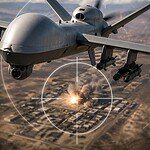
Long before drones became common consumer products, military planners experimented with unmanned aircraft for reconnaissance and surveillance missions. Early programs faced serious obstacles, including unreliable electronics, limited endurance, and high costs. Many projects failed to achieve practical military success. However, continued advances in sensors, batteries, navigation systems, and miniaturization eventually made drones far more capable. Civilian industries quickly recognized their potential. Today, drones are used for photography, agriculture, surveying, infrastructure inspection, emergency response, and scientific research. The commercial drone market now touches countless sectors of the economy. What began as a difficult military challenge evolved into one of the most versatile civilian technologies of the twenty-first century.
Military Exoskeleton Projects
- Original Military Purpose: Enhance soldier performance
- Why It Failed or Disappointed Militarily: Weight and power limitations reduced battlefield usefulness.
- Civilian Legacy: Inspired rehabilitation and mobility-assistance technologies.
Military exoskeleton programs sought to create wearable systems that would allow soldiers to carry heavier loads and operate more effectively. The concept generated considerable excitement, but practical limitations involving weight, power supplies, and reliability often prevented widespread deployment. While battlefield adoption remained limited, the underlying technologies found promising civilian uses. Exoskeletons are increasingly used in rehabilitation medicine, helping patients regain mobility after injuries or illnesses. Industrial versions assist workers performing physically demanding tasks and reduce strain-related injuries. The technology continues to evolve, but its most immediate successes have occurred outside military settings. This pattern reflects a recurring theme in innovation: a concept that struggles in combat can still deliver tremendous benefits when adapted to different environments.
DARPA Speech Recognition Programs
- Original Military Purpose: Military-computer interaction
- Why It Failed or Disappointed Militarily: Failed to meet ambitious military performance goals.
- Civilian Legacy: Laid groundwork for voice assistants and speech recognition.
Defense researchers invested heavily in speech recognition systems that could improve communication between humans and machines. Early expectations were ambitious, but technological limitations prevented many programs from meeting military requirements. Nevertheless, decades of research produced valuable advances in language processing, pattern recognition, and machine learning. These breakthroughs eventually supported commercial applications ranging from virtual assistants and smart speakers to automated transcription services. Voice interfaces have become an increasingly common part of everyday life, allowing users to interact with devices using natural speech. The civilian success of these technologies far exceeded their original military applications. DARPA's research demonstrates how long-term investment in difficult technical problems can generate unexpected benefits for society.
Military Image Processing Research
- Original Military Purpose: Improve reconnaissance analysis
- Why It Failed or Disappointed Militarily: Operational limitations reduced military effectiveness.
- Civilian Legacy: Contributed to digital imaging, mapping, and medical imaging.
Military intelligence agencies invested heavily in image processing technologies to analyze reconnaissance photographs and satellite imagery. Early systems often struggled with computing limitations and operational challenges, reducing their effectiveness in some military contexts. Yet the research produced advances that influenced a wide range of civilian technologies. Digital photography, satellite mapping, machine vision systems, and medical imaging all benefited from techniques developed to interpret visual information more effectively. The ability to process and analyze images rapidly became increasingly important across industries. Today, billions of people use technologies shaped in part by research originally intended to help intelligence analysts understand the battlefield.
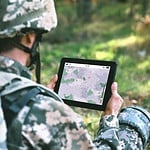
Military Augmented Reality Projects
- Original Military Purpose: Battlefield situational awareness
- Why It Failed or Disappointed Militarily: Too expensive and impractical for broad deployment.
- Civilian Legacy: Accelerated civilian AR applications in industry and education.
Military planners envisioned augmented reality systems that would provide soldiers with real-time information directly within their field of view. The concept promised improved situational awareness, but technical challenges involving cost, reliability, and usability limited widespread adoption. Despite these setbacks, research into displays, sensors, and user interfaces accelerated broader augmented reality development. Civilian industries embraced many of the same concepts for training, maintenance, manufacturing, healthcare, and education. AR technologies continue to evolve and are increasingly integrated into workplaces and consumer products. Although military adoption remains limited compared to initial expectations, the civilian world found numerous practical uses for the technology. The result is another example of a defense project generating a larger legacy outside the battlefield than within it.
The image featured at the top of this post is ©solarseven/Shutterstock.com