







Forgotten WWII Military Jobs That Were More Important Than Most People Realize
When most people think about World War II, they picture infantry assaults, tank battles, fighter aces, and famous generals. But the largest conflict in human history depended on far more than frontline combat troops. Behind every successful operation stood thousands of specialists performing jobs that rarely appeared in newspaper headlines. From maintaining communications networks to managing fuel supplies and analyzing reconnaissance photographs, these personnel formed the hidden foundation that allowed armies, navies, and air forces to function. Their contributions were often invisible, but without them, many of the war's most important victories would have been impossible. Here, History Computer is taking a closer look at these WWII jobs.
Here is a look at the military jobs during WWII that few people remember today:
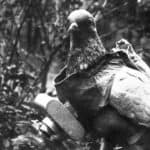
Military Pigeon Handler
- Primary Nation(s): Allied Powers
- The Mission: Maintain battlefield communications when conventional methods failed
- Hidden Impact on the War: Delivered critical messages when radios were unavailable or compromised
- What Replaced It: Modern encrypted radio and satellite communications
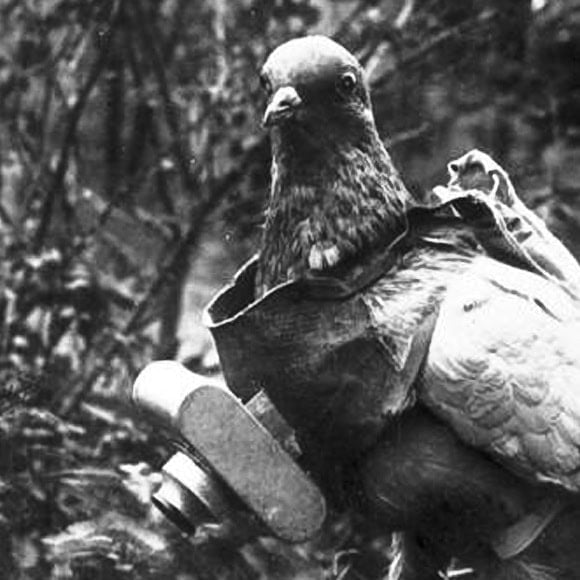
Long before satellite communications and encrypted digital networks, armies often relied on one of the oldest forms of long-distance messaging: carrier pigeons. During World War II, military pigeon handlers were responsible for breeding, training, transporting, and deploying thousands of birds that carried vital messages across battlefields. These birds proved especially valuable when radio transmissions risked interception or when communications equipment failed. Allied forces used pigeons during airborne operations, behind-enemy-lines missions, and naval rescues. Some pigeons became celebrated heroes after delivering critical information that saved lives or contributed to military success. While modern technology has made their role obsolete, pigeon handlers provided a dependable communications capability at a time when electronic systems were often vulnerable. Their work reminds us that even in an increasingly mechanized war, victory sometimes depended on surprisingly traditional methods.
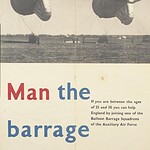
Balloon Barrage Crewman
- Primary Nation(s): Britain
- The Mission: Deploy tethered balloons to deter low-level air attacks
- Hidden Impact on the War: Forced enemy aircraft to higher altitudes and less effective attack profiles
- What Replaced It: Advanced air defense systems and radar networks
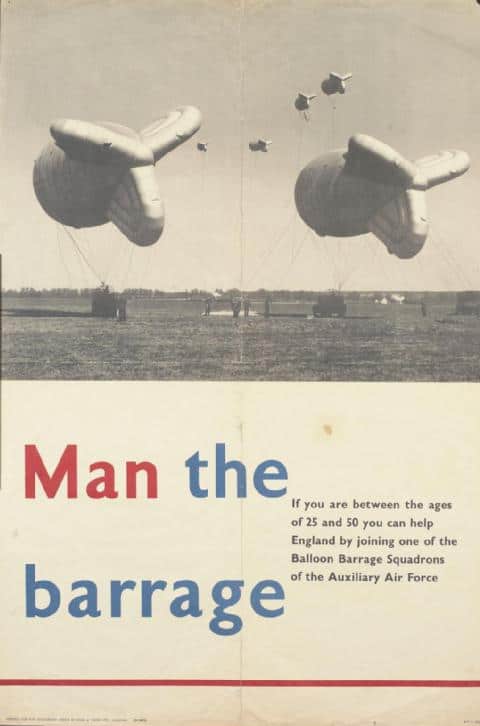
Balloon barrage crews operated one of the most visible yet frequently overlooked defensive systems of World War II. Their job was to deploy large tethered balloons above cities, factories, ports, and military installations. Suspended by steel cables, these balloons created hazards for low-flying enemy aircraft and forced attackers to operate at higher altitudes, reducing bombing accuracy. In Britain, barrage balloons became a familiar sight during the Blitz and other periods of intense German air attacks. Maintaining them required constant attention, as crews had to manage weather conditions, repair equipment, and reposition balloons as threats evolved. Although they lacked the glamour of fighter pilots or anti-aircraft gunners, balloon barrage personnel contributed significantly to homeland defense. Their efforts represented a simple but effective solution to one of the most pressing challenges of aerial warfare.
Glider Mechanic
- Primary Nation(s): United States & Britain
- The Mission: Maintain troop-carrying assault gliders
- Hidden Impact on the War: Enabled airborne operations such as Normandy and Market Garden
- What Replaced It: Modern transport aircraft and helicopters
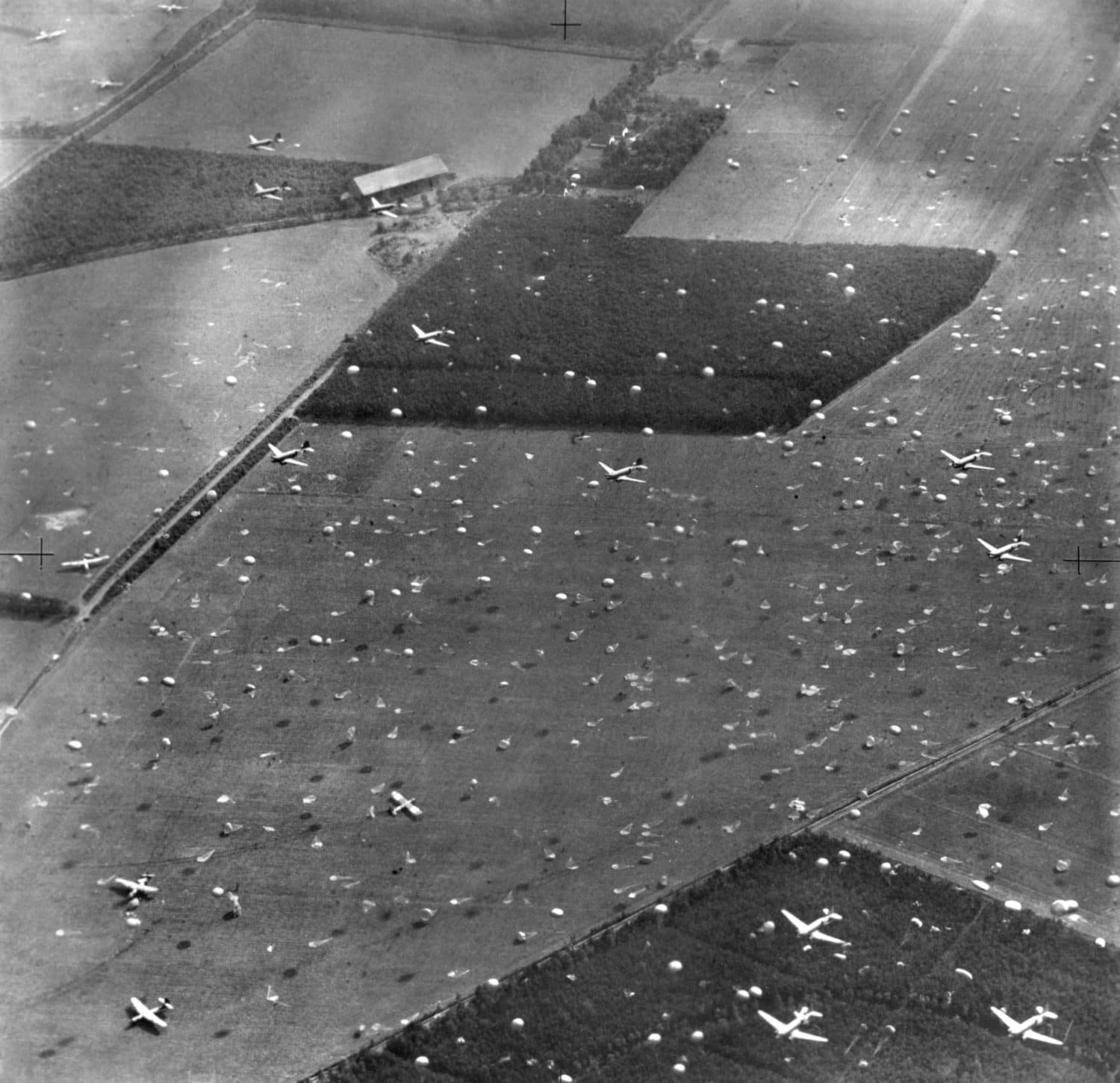
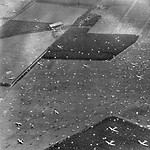
Glider mechanics played a critical role in some of the most daring airborne operations of World War II. Military gliders carried troops, vehicles, artillery, and supplies directly into combat zones without the noise and visibility associated with powered aircraft. These specialized aircraft required constant maintenance because they were often constructed from lightweight materials designed for a single combat mission. Mechanics inspected airframes, repaired damage, adjusted control systems, and prepared gliders for dangerous operations such as the Normandy invasion and Operation Market Garden. Their work directly affected the survival of airborne troops who depended on gliders to reach their objectives. While parachute infantry receive much of the attention in popular histories, the mechanics who kept glider fleets operational were indispensable to airborne warfare and the success of numerous Allied operations.
Smoke Generator Operator
- Primary Nation(s): Allied Powers
- The Mission: Create artificial smoke screens to conceal operations
- Hidden Impact on the War: Protected troops, ships, and infrastructure from enemy observation
- What Replaced It: Precision camouflage and electronic concealment
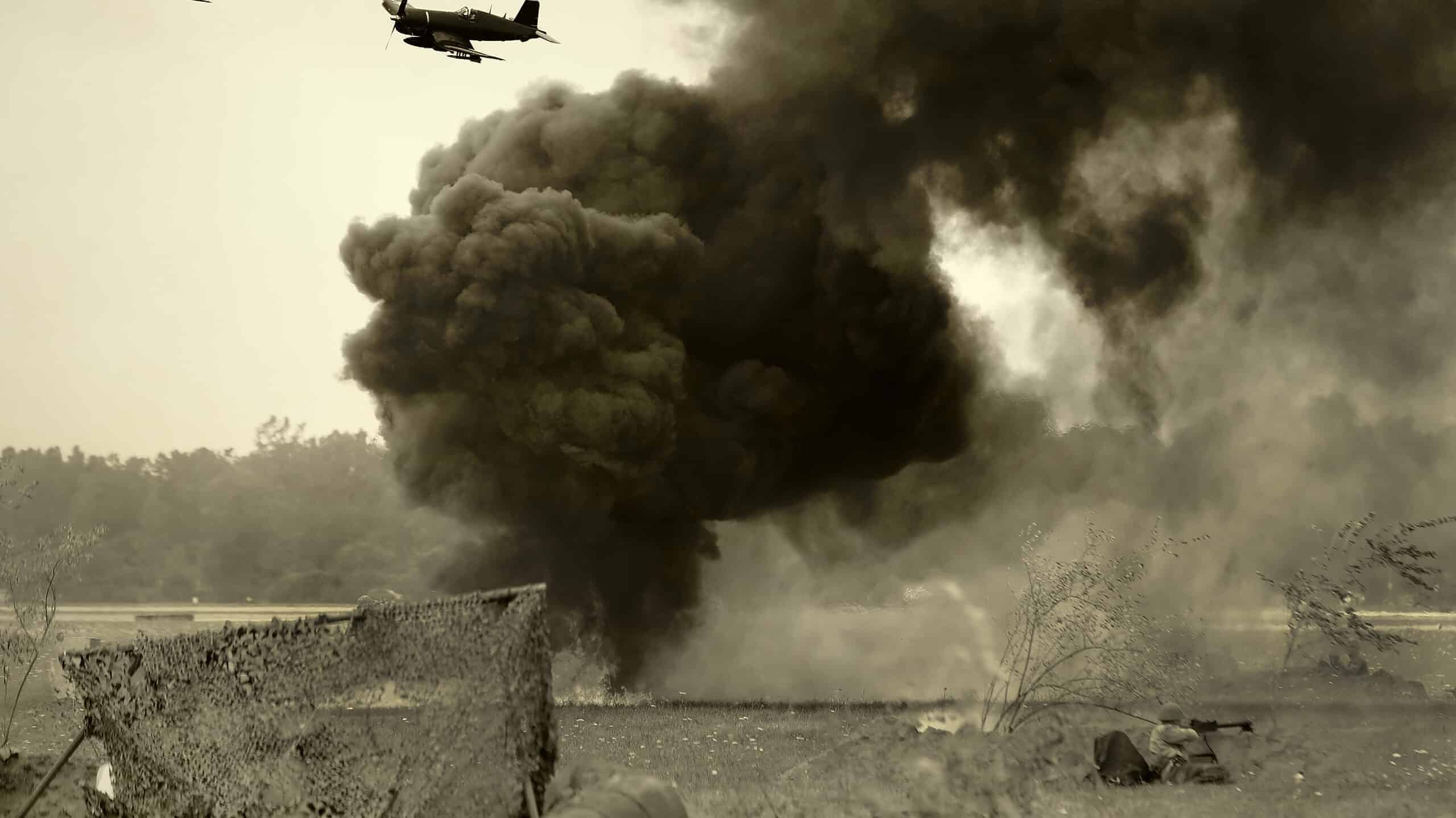
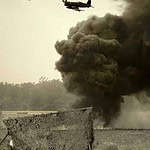
Smoke generator operators fought the enemy without firing a weapon. Their mission was to create massive artificial smoke screens capable of concealing ships, bridges, industrial facilities, troop concentrations, and military movements. During World War II, aerial reconnaissance and bombing campaigns made visibility a significant vulnerability. By generating dense clouds of smoke, operators could hide critical targets from enemy aircraft and artillery observers. The work required careful coordination with commanders and weather specialists because wind direction and atmospheric conditions could determine success or failure. Smoke screens protected everything from invasion preparations to naval operations and strategic infrastructure. Although modern militaries now rely on advanced camouflage and electronic deception technologies, smoke generator operators provided a remarkably effective form of concealment that saved equipment, protected personnel, and complicated enemy planning throughout the war.
Quartermaster Graves Registration Specialist
- Primary Nation(s): United States
- The Mission: Recover, identify, and document fallen service members
- Hidden Impact on the War: Provided accountability and closure during a global war
- What Replaced It: Modern mortuary affairs units
Among the most emotionally demanding occupations in World War II was that of the Graves Registration Specialist. These personnel were tasked with recovering, identifying, documenting, and burying fallen service members, often under difficult and dangerous conditions. Their work ensured that soldiers who died far from home could eventually be accounted for and, when possible, returned to their families. Specialists maintained detailed records, collected personal effects, and coordinated temporary and permanent cemeteries. The emotional burden was immense, yet their mission provided dignity to the dead and closure to loved ones. While combat victories often dominate historical narratives, the efforts of Graves Registration personnel represented a vital humanitarian responsibility. Their work established standards and procedures that continue to influence modern military mortuary affairs operations today.
Harbor Operations Specialist
- Primary Nation(s): Allied Powers
- The Mission: Coordinate unloading and movement of wartime cargo
- Hidden Impact on the War: Kept armies supplied with ammunition, fuel, and equipment
- What Replaced It: Automated port logistics systems
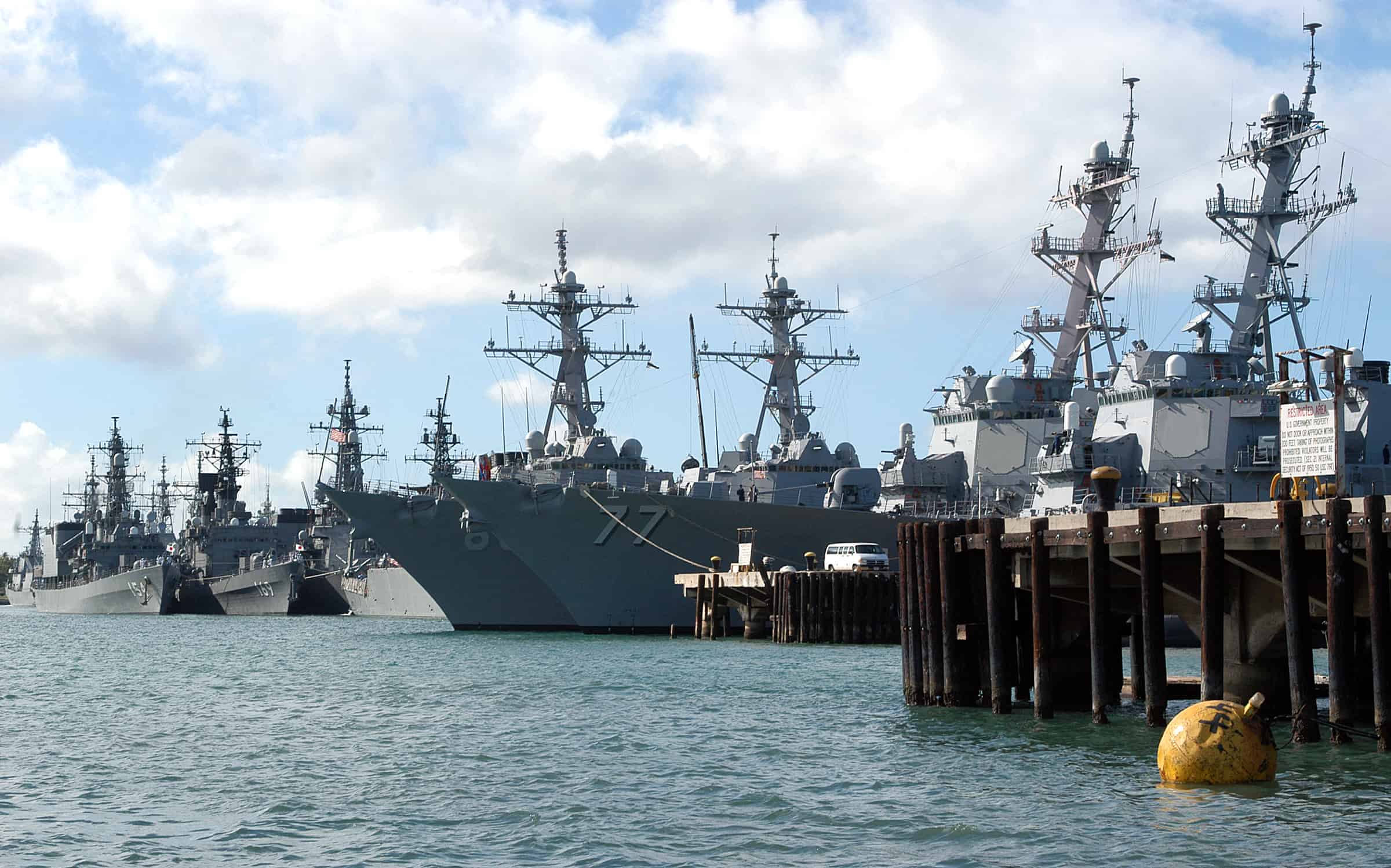
Winning World War II required moving staggering quantities of supplies across oceans, and Harbor Operations Specialists stood at the center of that effort. These personnel coordinated the arrival, unloading, storage, and distribution of ships carrying everything from tanks and ammunition to food and medical supplies. A delay at a major port could disrupt entire military campaigns. Harbor specialists worked around the clock to manage schedules, prioritize cargo, and maintain the flow of material to combat units. Their responsibilities grew even more critical during major operations such as the Normandy invasion, where enormous amounts of equipment had to be delivered quickly and efficiently. Though rarely celebrated, these specialists transformed ports into logistical lifelines. Without their efforts, the industrial strength of the Allies could never have been translated into battlefield success.
Petroleum Distribution Technician
- Primary Nation(s): United States
- The Mission: Manage wartime fuel transport and storage
- Hidden Impact on the War: Sustained mechanized warfare across multiple theaters
- What Replaced It: Modern fuel logistics networks
World War II was often described as a war of engines, and engines required fuel. Petroleum Distribution Technicians managed the storage, transportation, and delivery of the fuel that powered tanks, trucks, aircraft, and naval vessels. Their responsibilities ranged from constructing fuel depots and operating pipelines to ensuring that frontline units received adequate supplies under combat conditions. Fuel shortages could halt offensives and strand entire formations, making these technicians indispensable to military operations. One of the most impressive examples of their work was the Allied pipeline systems developed after the Normandy landings to sustain the advance across Europe. Though they worked far from the spotlight, Petroleum Distribution Technicians helped maintain the mobility that defined modern warfare and ensured that military forces could continue fighting across vast distances.
Searchlight Crewman
- Primary Nation(s): Britain, Germany, United States
- The Mission: Locate enemy aircraft during night operations
- Hidden Impact on the War: Improved anti-aircraft effectiveness against bombers
- What Replaced It: Radar-guided air defense systems
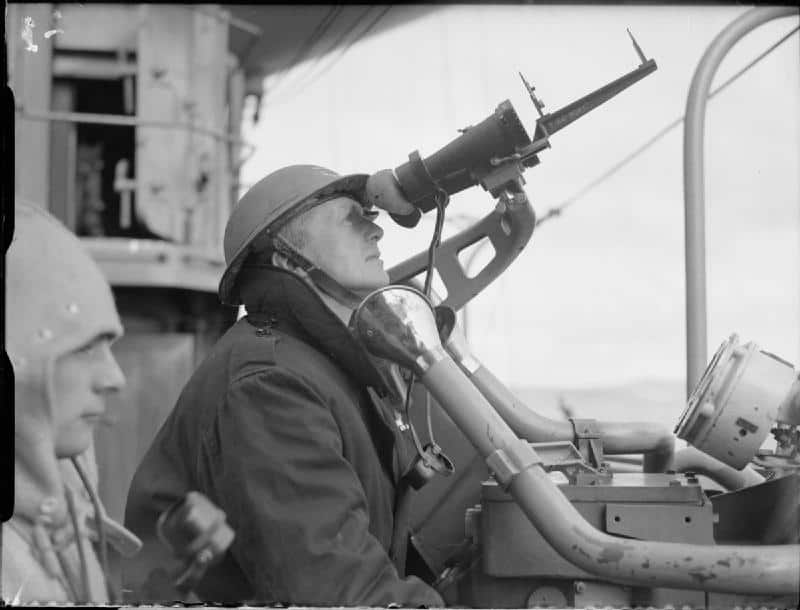
Searchlight crews became a familiar part of nighttime defense during World War II. Their powerful beams scanned the skies for enemy bombers during air raids, helping anti-aircraft batteries and fighter pilots locate targets in darkness. Operating searchlights required more skill than many people realize. Crews had to coordinate with radar stations, calculate probable aircraft positions, and rapidly track moving targets under stressful conditions. During major bombing campaigns, searchlight beams often crisscrossed the night sky, creating dramatic scenes that became iconic images of the war. While radar gradually reduced reliance on visual detection, searchlight crews remained an important element of urban air defense throughout much of the conflict. Their efforts improved defensive effectiveness and helped protect cities, factories, and military installations from enemy attack.
Combat Cameraman
- Primary Nation(s): Allied Powers
- The Mission: Film and photograph military operations
- Hidden Impact on the War: Provided intelligence, documentation, and public information
- What Replaced It: Modern digital media and ISR platforms
Combat cameramen occupied a unique position on the battlefield. Armed with cameras instead of rifles, they documented military operations for intelligence purposes, historical records, training materials, and public information campaigns. These personnel frequently accompanied frontline units into dangerous environments, capturing images of combat, equipment, and daily military life. Their footage informed commanders, supported wartime propaganda efforts, and created many of the photographs and films through which later generations would understand the conflict. Combat cameramen often faced the same risks as combat troops, yet their contributions are rarely highlighted in traditional military histories. The visual record they created remains invaluable to historians, educators, and the public. Much of what the world remembers about World War II exists because these individuals were willing to carry cameras into war zones.
Code Clerk
- Primary Nation(s): Allied & Axis
- The Mission: Encode and decode military communications
- Hidden Impact on the War: Protected operational security across theaters
- What Replaced It: Automated encryption systems
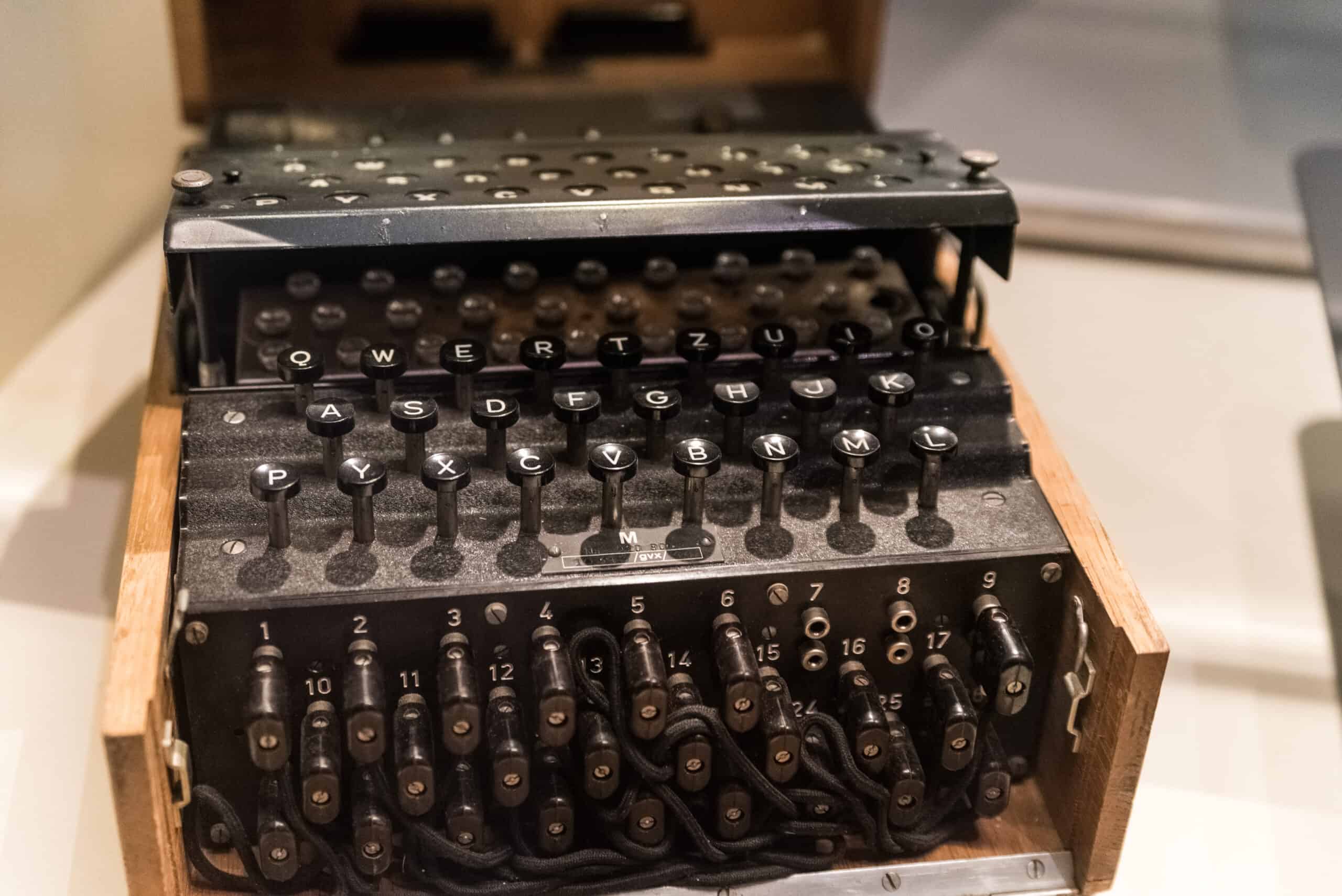
Code clerks served as the gatekeepers of military communications during World War II. Every day, they encoded outgoing messages and decoded incoming transmissions to ensure sensitive information remained secure. Whether coordinating troop movements, naval operations, or strategic planning, military leaders depended on code clerks to maintain operational security. Accuracy was essential, as even a minor mistake could delay critical orders or create dangerous misunderstandings. These personnel often worked long hours in communications centers handling vast quantities of traffic under intense pressure. While cryptanalysts receive much of the attention for breaking enemy codes, code clerks were responsible for ensuring their own side's messages remained protected. Their efforts helped prevent intelligence leaks and kept commanders connected across multiple theaters of war, making them an indispensable part of the Allied and Axis communications infrastructure.
Radar Operator
- Primary Nation(s): Allied Powers
- The Mission: Monitor radar systems for incoming threats
- Hidden Impact on the War: Provided early warning against enemy aircraft and ships
- What Replaced It: Integrated sensor networks
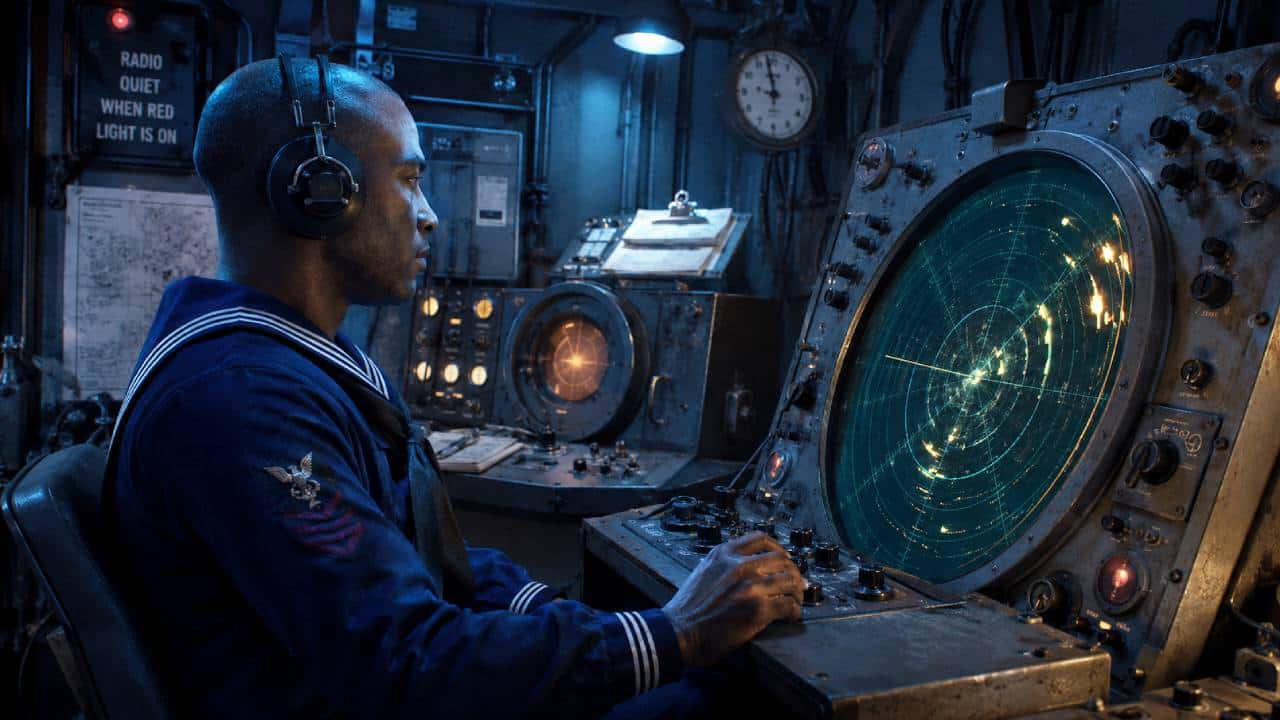
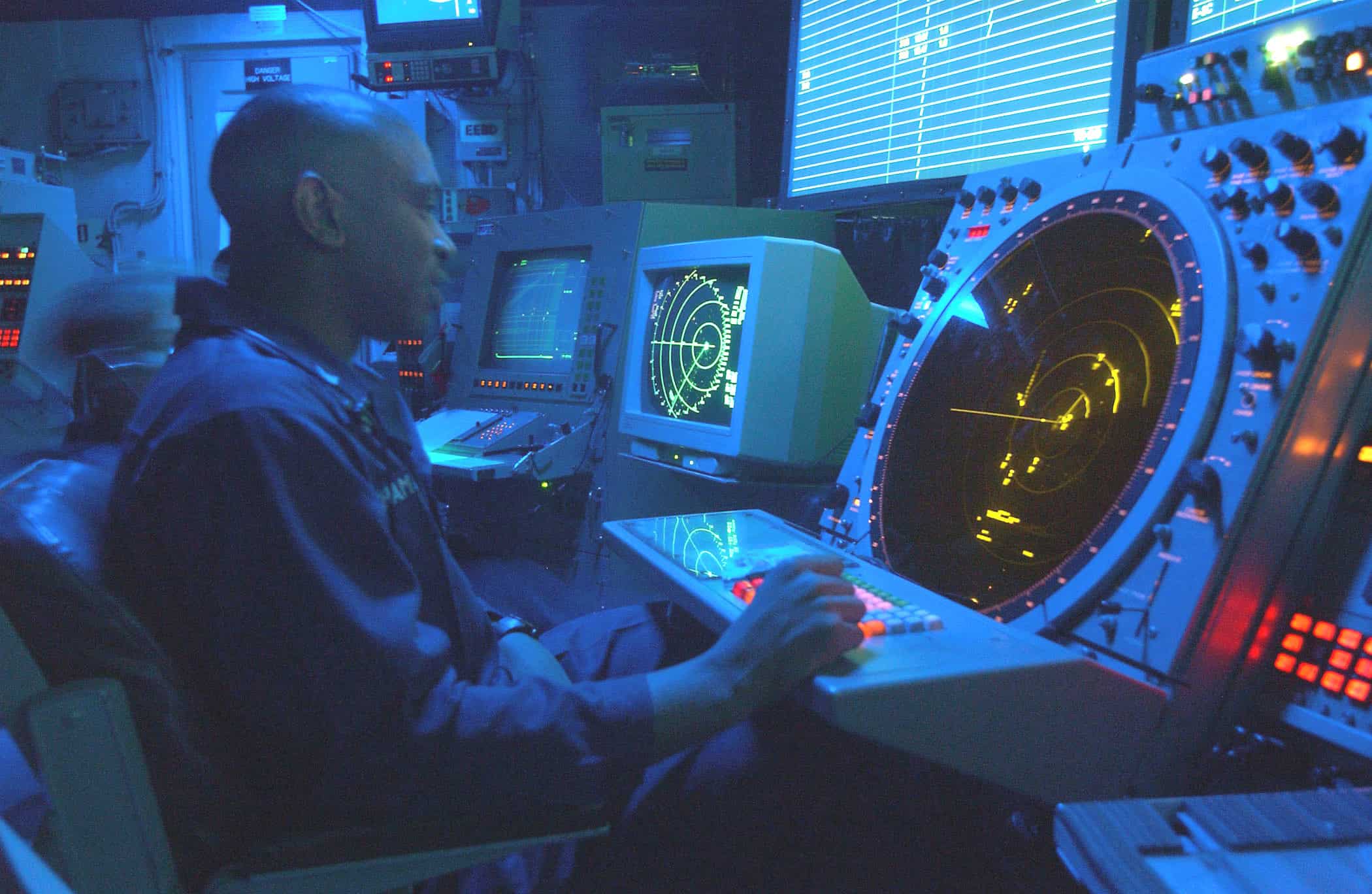
Radar operators helped revolutionize warfare by giving militaries the ability to detect threats long before they became visible. Working with one of the most advanced technologies of the era, these specialists monitored radar screens for incoming aircraft, ships, and other potential dangers. During the Battle of Britain, radar operators played a crucial role in providing early warning of German air raids, allowing fighter squadrons to intercept enemy aircraft more efficiently. Their work demanded concentration, technical expertise, and quick decision-making. Operators had to interpret unusual signals, distinguish genuine threats from false readings, and relay information rapidly to commanders. Although radar technology itself is often celebrated as a wartime breakthrough, the human operators who interpreted the data were equally important. Their vigilance helped save lives and contributed significantly to Allied defensive success.
Sonar Operator
- Primary Nation(s): Allied Navies
- The Mission: Detect enemy submarines underwater
- Hidden Impact on the War: Improved anti-submarine warfare effectiveness
- What Replaced It: Modern sonar and acoustic systems
Sonar operators were among the most important specialists in the Battle of the Atlantic and other naval campaigns. Their mission was to detect enemy submarines hidden beneath the ocean's surface, a task that often determined whether merchant convoys reached their destinations safely. Using sound waves to locate underwater contacts, sonar operators listened carefully for signals that might indicate the presence of a submarine. The work required patience, training, and a keen understanding of acoustics, as ocean conditions frequently complicated detection efforts. Successful sonar operators provided escort vessels with the information needed to launch attacks against enemy submarines. Their contributions were especially critical during the campaign against German U-boats, which threatened Allied supply lines throughout the war. Though largely invisible to the public, sonar operators played a decisive role in securing maritime transportation and sustaining Allied operations.
Aerial Photo Interpreter
- Primary Nation(s): Allied Powers
- The Mission: Analyze reconnaissance imagery
- Hidden Impact on the War: Identified targets, defenses, and invasion routes
- What Replaced It: Satellite imagery and AI-assisted analysis
Aerial Photo Interpreters transformed reconnaissance photographs into actionable intelligence. Using images captured by aircraft flying over enemy territory, these specialists searched for military installations, troop concentrations, transportation networks, and defensive positions. Their work often revealed information that could not be obtained through other means. Before major operations such as D-Day, photo interpreters examined thousands of images to identify beaches, obstacles, fortifications, and potential landing zones. The role demanded exceptional attention to detail because tiny features visible in photographs could have enormous strategic significance. Analysts frequently compared images taken over time to detect changes that indicated enemy preparations. Although they rarely approached the battlefield directly, Aerial Photo Interpreters influenced countless military decisions. Their ability to turn photographs into intelligence helped commanders plan operations with far greater precision and effectiveness.
Aircraft Armorer
- Primary Nation(s): Allied & Axis
- The Mission: Maintain and load aircraft weapons
- Hidden Impact on the War: Ensured combat aircraft remained mission-ready
- What Replaced It: Modern aerospace weapons specialists
Aircraft armorers ensured that combat aircraft carried the weapons needed to accomplish their missions. These specialists maintained, repaired, inspected, and loaded machine guns, cannons, bombs, rockets, and ammunition systems used by military aircraft. The work required technical skill, precision, and strict adherence to safety procedures because mistakes could prove catastrophic. Armorers often worked under tight deadlines, preparing aircraft between missions so they could return to combat as quickly as possible. Their efforts directly influenced the effectiveness of bombing campaigns, close-air-support missions, and aerial combat operations. While pilots often became the public face of air warfare, their success depended heavily on the technicians who prepared aircraft on the ground. Aircraft armorers were among the essential specialists whose expertise ensured that combat squadrons remained ready for action throughout the war.
Bomb Disposal Technician
- Primary Nation(s): Allied Powers
- The Mission: Neutralize unexploded bombs and mines
- Hidden Impact on the War: Reduced casualties and protected critical infrastructure
- What Replaced It: Modern EOD units
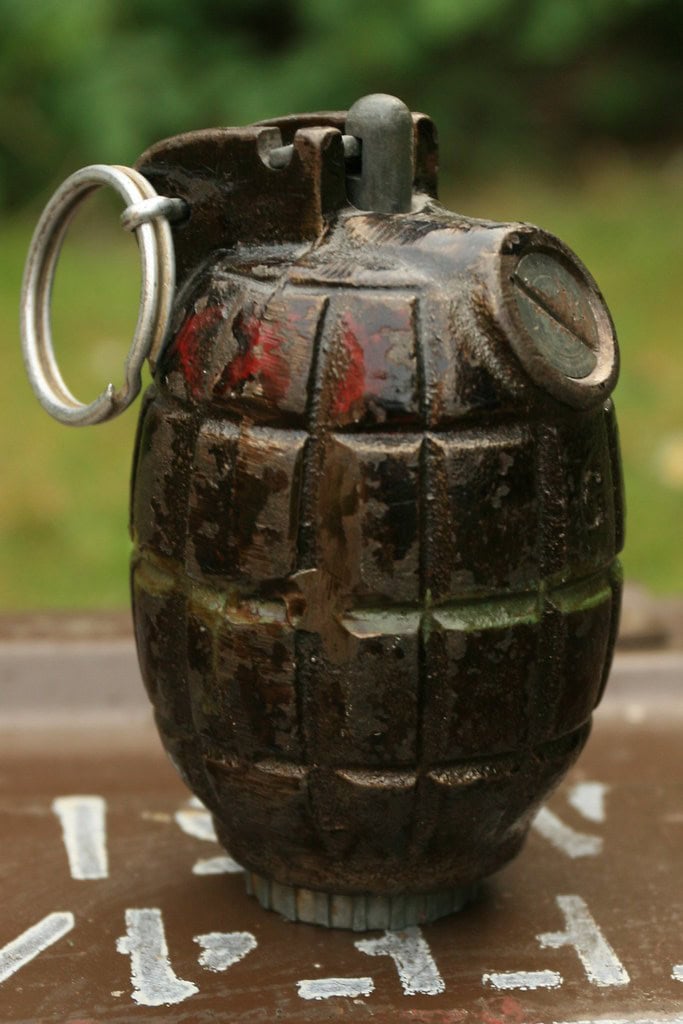
Bomb Disposal Technicians performed one of the most dangerous jobs of World War II. Their mission was to locate, identify, and neutralize unexploded bombs, mines, and other explosive hazards. Every operation carried significant risk because even a small mistake could trigger a deadly detonation. During bombing campaigns, these specialists responded to unexploded ordnance in cities, military facilities, transportation networks, and industrial areas. Their work protected both military personnel and civilians from lingering dangers. Bomb disposal technicians also developed procedures and techniques that laid the foundation for modern explosive ordnance disposal units. Despite the obvious importance of their mission, their contributions are often overshadowed by more visible combat roles. Yet countless lives were saved because these specialists were willing to confront some of the most dangerous hazards on the battlefield.
Military Railway Operator
- Primary Nation(s): United States & Britain
- The Mission: Move troops and supplies via rail networks
- Hidden Impact on the War: Enabled strategic mobility on a massive scale
- What Replaced It: Motorized logistics and airlift
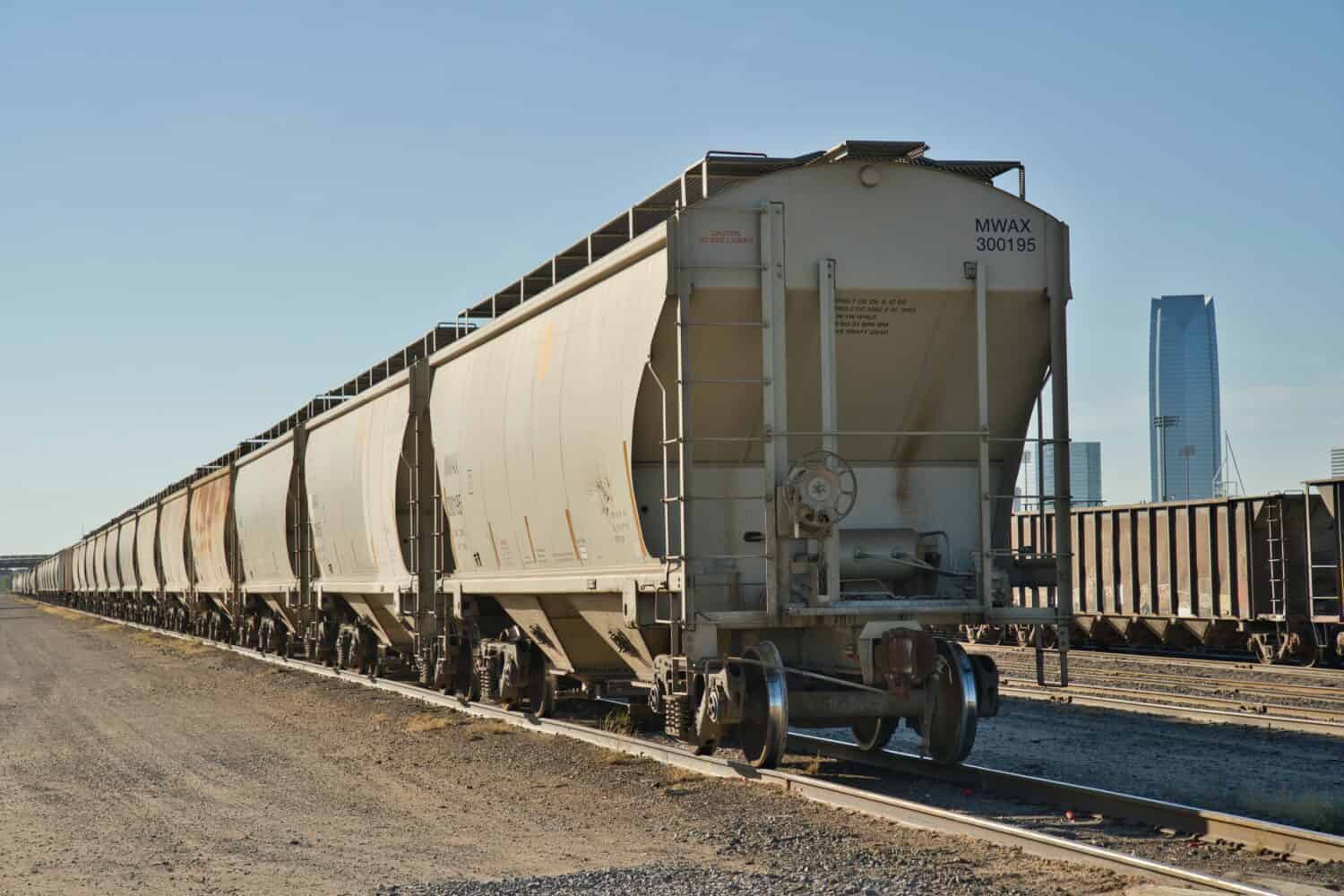
Railways remained one of the most efficient methods of moving large quantities of troops and supplies during World War II. Military Railway Operators managed locomotives, repaired track systems, coordinated schedules, and ensured that trains reached their destinations despite enemy attacks and logistical challenges. Their work allowed armies to move reinforcements, fuel, ammunition, and equipment across vast distances far more efficiently than road transport alone. In Europe and Asia, rail systems often served as the backbone of military logistics. Operators frequently worked under difficult conditions, repairing damaged infrastructure and keeping traffic moving despite constant disruption. Although modern military logistics relies more heavily on trucks and aircraft, railway operators played an indispensable role in sustaining wartime operations. Their efforts helped ensure that frontline forces received the resources needed to continue fighting.
Air-Sea Rescue Crewman
- Primary Nation(s): Allied Powers
- The Mission: Recover downed airmen and stranded personnel
- Hidden Impact on the War: Returned trained personnel to service and boosted morale
- What Replaced It: Dedicated rescue aviation units
Air-Sea Rescue Crewmen specialized in locating and recovering downed pilots and stranded personnel from oceans, rivers, and coastal areas. Every rescued aviator represented valuable experience and training that could be returned to service. These crews operated aircraft, boats, and specialized rescue equipment while often working in hazardous weather and combat conditions. Their missions required courage, coordination, and rapid response because survival chances declined quickly for personnel stranded in open water. Successful rescues not only saved lives but also boosted morale among aircrews who knew help would be available if they were forced down. Air-Sea Rescue operations became increasingly sophisticated as the war progressed and influenced the development of modern combat search-and-rescue doctrines. Though often overlooked in wartime narratives, these crews performed a humanitarian mission with significant military value.
Signal Corps Wireman
- Primary Nation(s): United States
- The Mission: Install and maintain communications lines
- Hidden Impact on the War: Kept commanders connected to frontline units
- What Replaced It: Secure digital communications systems
Signal Corps Wiremen formed the backbone of battlefield communications networks. Their job was to install, maintain, and repair telephone and telegraph lines connecting headquarters, artillery units, supply depots, and frontline formations. Combat conditions frequently damaged communications infrastructure, requiring wiremen to operate under dangerous circumstances to restore vital connections. Reliable communications allowed commanders to coordinate attacks, direct artillery fire, and respond quickly to changing battlefield situations. Without functioning communications networks, military operations could become disorganized and ineffective. Signal Corps personnel often worked close to the front lines, carrying heavy equipment and repairing lines under enemy fire. Although wireless systems received increasing attention during the war, wired communications remained essential. The work of wiremen ensured that information continued to flow between units, making coordinated operations possible.
Weather Observer
- Primary Nation(s): Allied & Axis
- The Mission: Collect and report weather data
- Hidden Impact on the War: Influenced planning for invasions, air raids, and naval operations
- What Replaced It: Modern meteorological satellites
Weather Observers wielded an influence on military operations far greater than their title might suggest. Accurate forecasts affected everything from bombing missions and naval deployments to airborne assaults and amphibious invasions. These specialists collected atmospheric data, tracked weather patterns, and provided commanders with forecasts that shaped strategic decisions. One of the most famous examples occurred before the Normandy landings, when weather assessments influenced the timing of D-Day itself. Poor forecasts could result in failed operations, damaged equipment, or unnecessary casualties. Observers often worked in remote and challenging environments where gathering reliable data was difficult. Their contributions highlight the reality that military success depends not only on weapons and tactics but also on understanding environmental conditions. Weather Observers helped commanders make informed decisions during some of the war's most critical moments.
Naval Fire Control Technician
- Primary Nation(s): Allied & Axis
- The Mission: Calculate firing solutions for naval guns
- Hidden Impact on the War: Improved naval gunnery accuracy during combat
- What Replaced It: Computerized fire control systems
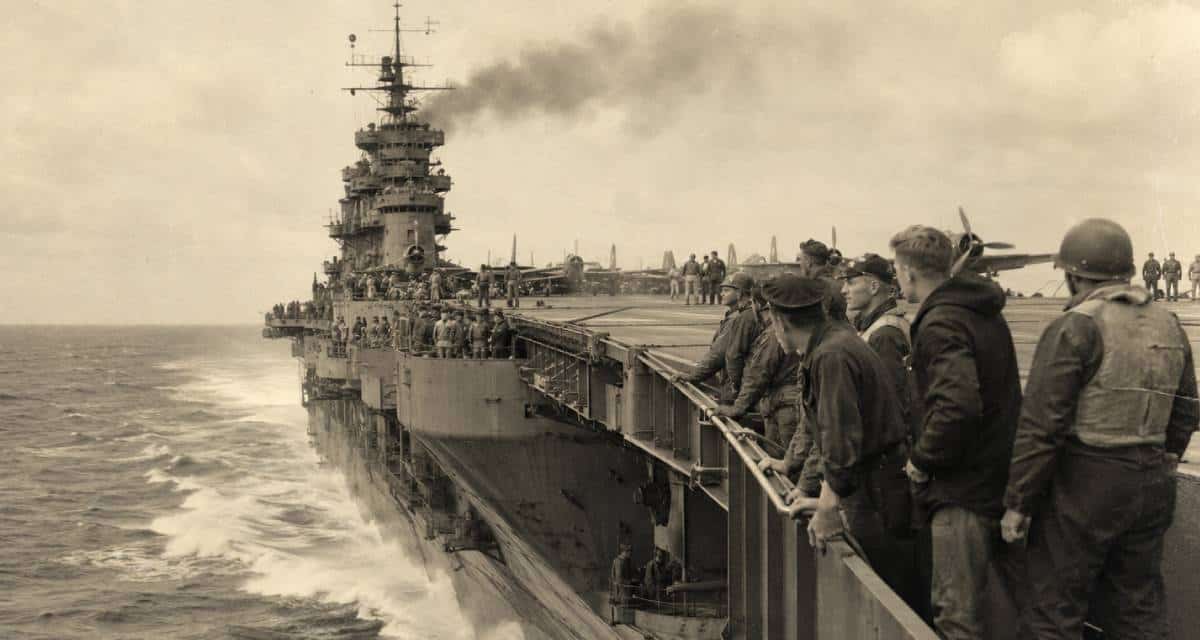
Naval Fire Control Technicians were responsible for one of the most technically demanding jobs aboard wartime warships. Their mission was to calculate accurate firing solutions for naval guns, taking into account factors such as target speed, direction, range, weather conditions, ship movement, and ballistics. Before modern computerized systems, these calculations required specialized equipment and highly trained personnel. Accurate fire control could determine the outcome of naval engagements, shore bombardments, and anti-aircraft operations. Technicians worked closely with radar operators, spotters, and gunnery officers to maximize effectiveness. Their expertise transformed large naval guns from simple weapons into precision instruments capable of striking distant targets with remarkable accuracy. Although their work took place far from public attention, Naval Fire Control Technicians contributed directly to many of the naval victories that shaped the outcome of World War II.