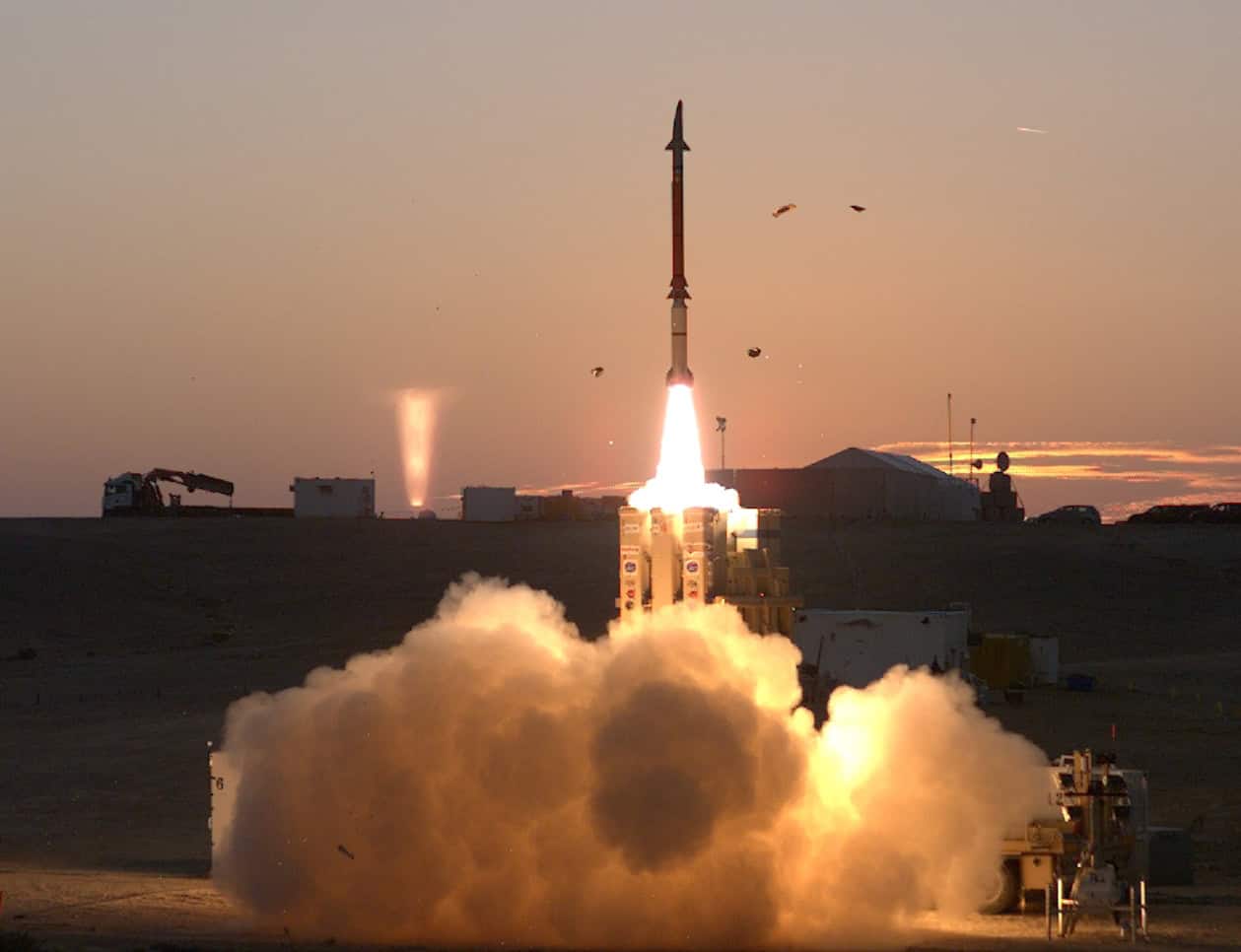

Military strength has been the primary currency of geopolitics dating back to the early modern era. Shifts in global hegemony aren’t usually the result of a single battle, but massive industrial undertakings for nations to gain a technological edge over their adversaries. Weapons programs are an intersection of national will, scientific breakthroughs, and economic might. The pursuit of a decisive advantage against a nation’s enemies has largely remained unchanged, whether you’re looking at the modern battlefield or back through history at the shipyards littered with lumber from the 16th century.
The modern era has been shaped by historical weapons programs, which have provided the foundation for the high-tech battlefields we see today. To understand where power sits, we need to take a closer look at the programs that shifted the needle, altered warfare, and ultimately redefined what wielding hard and soft power for nation-states means.
HMS Dreadnought
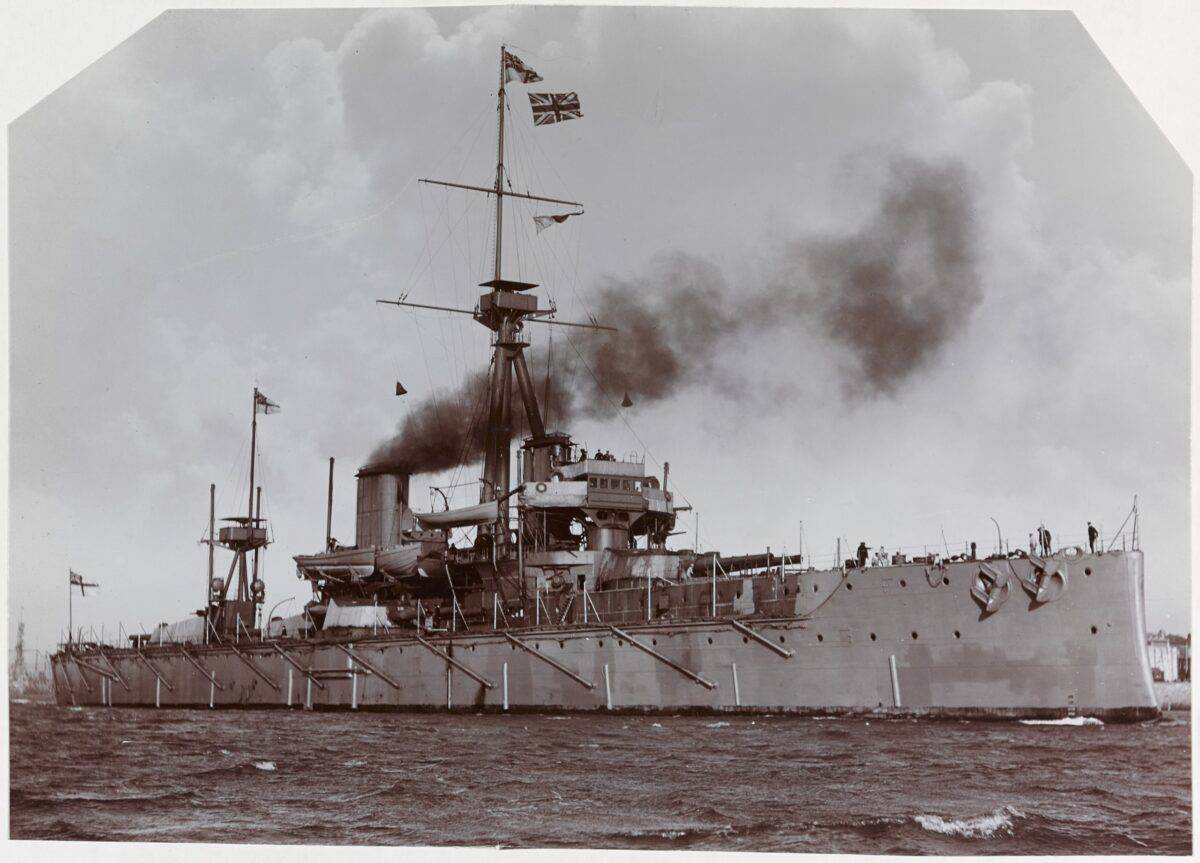
The dawn of the 20th century saw naval programs across the world rendered obsolete overnight by the introduction of a single ship from the British Royal Navy. The HMS Dreadnought wasn’t your typical battleship. It made use of steam turbine propulsion and was the first all-big-gun armed ship to take to the water. Entire navies were rendered useless, and ignited a massive arms race.
The newly unified Germany saw it as an opportunity to challenge British naval might. The resulting naval arms race laid the groundwork for the First World War. While the aircraft carrier would serve as the defining naval vessel of the 20th century, the Dreadnought changed the game. It showed that numbers meant little when a radical technological leap occurred. This is a tenet we’ll see time and time again throughout the rest of today’s talking points.
Manhattan Project
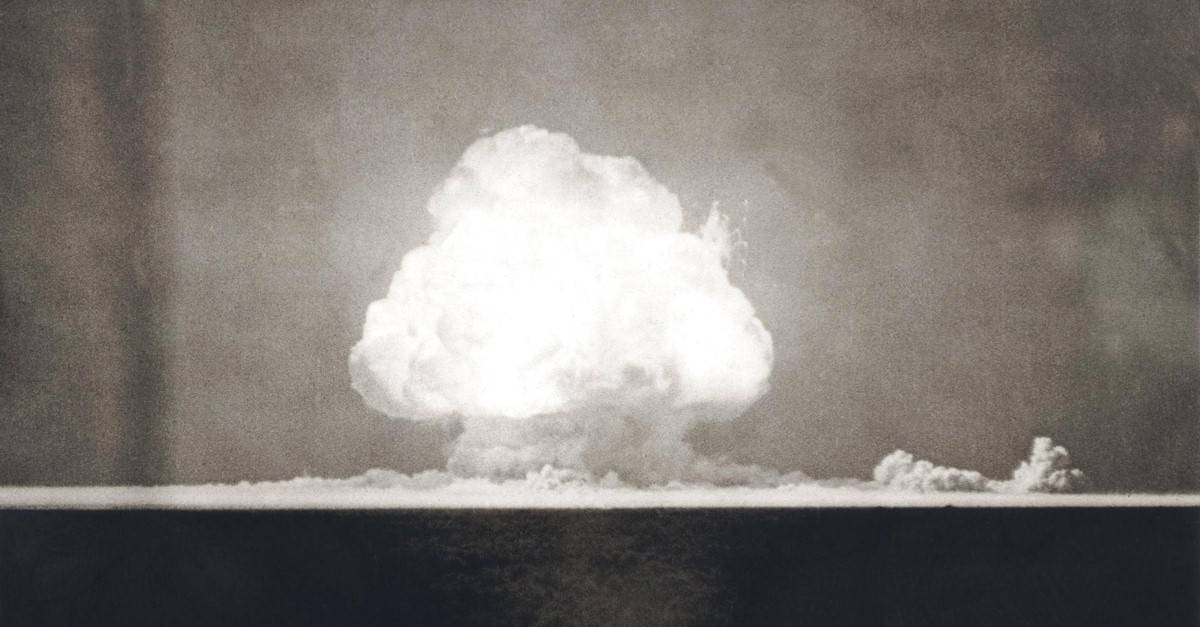
© United States Department of Energy/Public Domain CC0 – Original / License
No other weapons program in human history has led to such a profound shift as the Manhattan Project. It is the ultimate culmination of the Industrial Era, which saw warfare grow increasingly mechanized until humanity could split the atom. More than just the destructive power of the atomic bomb, the Manhattan Project heralded the concept of nations as superpowers.
By the end of World War 2, the global power balance wasn’t defined by standing armies or industrial output. A nation’s power hinged on its possession of a total weapon. The Manhattan Project would directly lead to the Cold War. A nuclear arms race between the United States and Soviet Union would see the development of doctrines like Mutually Assured Destruction.
The Manhattan Project also established the Big Science model of military development. Weapons programs are developed as collaborations between the state, academia, and industry, working at a scale that was unheard of circa the 19th century. Every strategic weapons program of the modern era owes something to the Manhattan Project, and it still casts a long shadow 81 years later.
Polaris and Ohio-Class Submarines
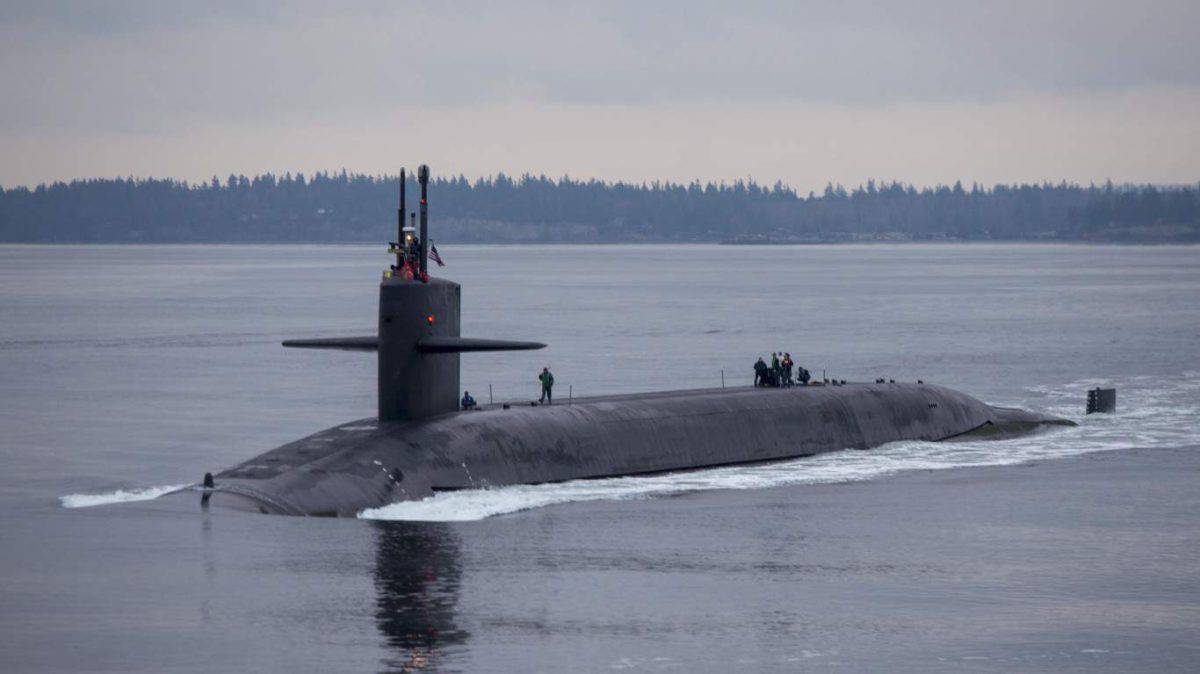
If the Manhattan Project developed the weapon, the Polaris Project, and its successor programs like the Ohio-class developed the delivery method. Nuclear ballistic missiles coupled with nuclear submarines made up the Third Leg of the Nuclear Triad.
This changed the psychology of global power. Even if a nation’s airfields and silos were destroyed in a first-strike, a decisive retaliation could be launched. It effectively stabilized the Cold War, as the mathematics behind aggression grew precarious. Nuclear subs are still a vital arm of the United States Navy, and have seen updates to the programs like the Columbia-class that make them just as relevant today as they were during the height of the Cold War.
Global Positioning System

I’ll readily admit this one is overlooked as a weapons program, but it is one of the deciding factors of the digital era. The Global Positioning System, or GPS, revolutionized the lethality of conventional munitions. Before GPS, precision was a relative term, but after its introduction, guided bombs could strike a target with a margin of error measured in inches rather than hundreds of feet.
GPS directly led to the development of the JDAM, or Joint Direct Attack Munition, effectively allowing for precision strikes to be conducted with relative ease. Further, it allowed for the synchronization of complex operations across the globe. GPS is so ubiquitous in modern military operations that denying its use is a primary aim for electronic warfare. A nation that controls the signal ends up controlling the movement of every asset on the battlefield.
F-35 Lightning II
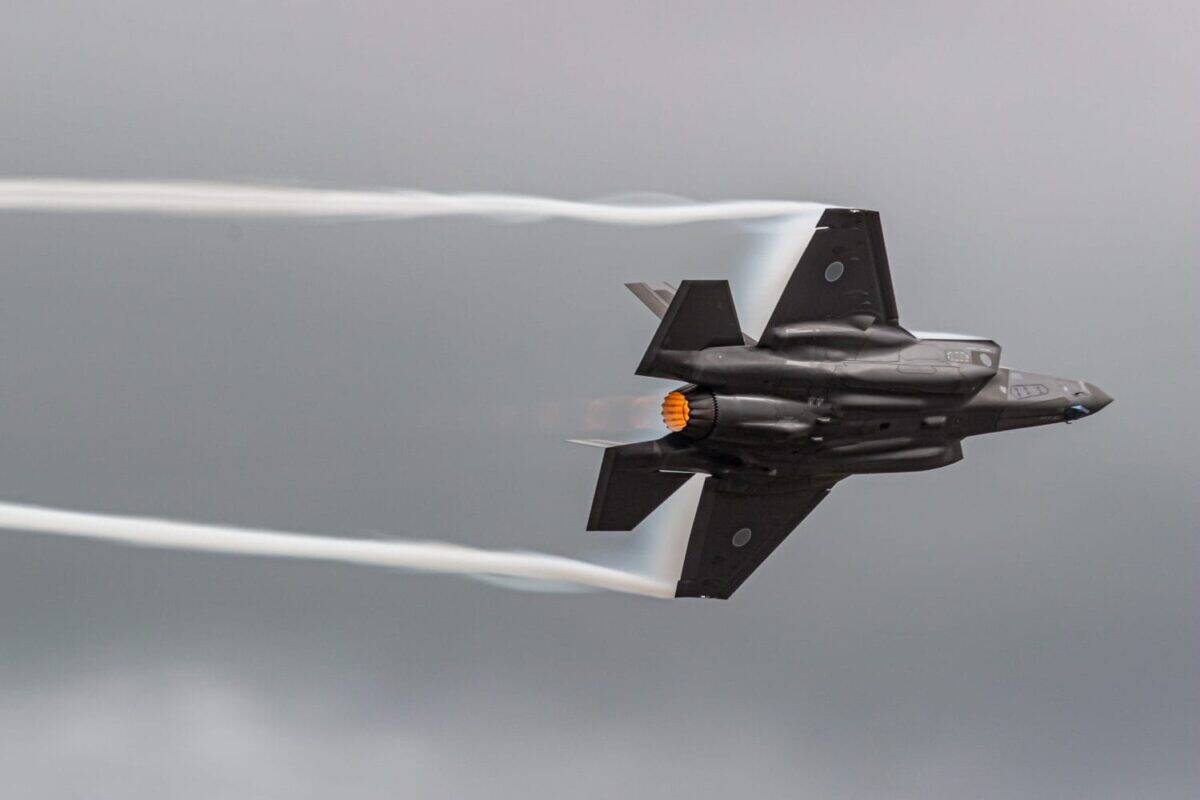
We’re all too aware of the development hurdles and pitfalls of the F-35 program. The Joint Strike Fighter is one of the commonly maligned weapons programs thanks to its ballooning costs, delays, and lack of delivered vehicles. As they are making their way to more and more airfields around the world, it is important to note that the JSF isn’t just a vehicle, but a data node for reshaping global power.
The name of the game is interoperability. The fleet of F-35s sent around the world effectively serves as a network for combat data, with data freely shared between aircraft, naval vessels, and ground assets alike. While the development of fighters in the past was a matter of air superiority, like the F-15 and its focus on dogfighting and agility, the F-35 represents a shift in that thinking. Military power no longers define a nation’s power. Instead, it’s the speed at which they can transmit and process data for executing a kill-chain.
Hypersonic Glide Vehicles
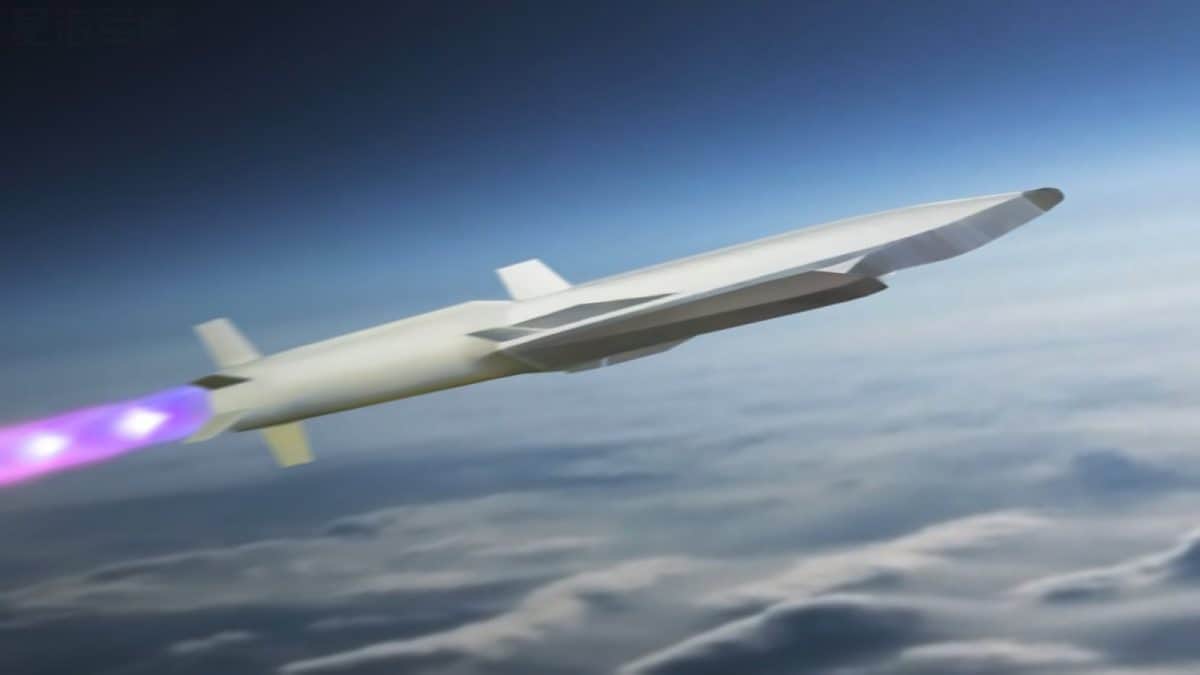
The most cutting-edge weapons programs in development for the modern era are centered around hypersonic flight. Projectiles that travel at speeds exceeding Mach 5 while maintaining maneuverability are the next frontier for munitions, and nations like China, Russia, and the United States are rendering modern missile defense systems obsolete.
Hypersonic glide vehicles serve as the same sort of generational leap forward as the HMS Dreadnought. When implemented, they threaten the safety of platforms like the aircraft carrier, the enduring symbol of 20th-century power projection, with absolute destruction. The ability to strike a target anywhere on Earth without warning in a matter of minutes is causing some military planners to re-evaluate the validity of distance as a means of defense.
Algorithmic Warfare
©TSViPhoto/Shutterstock.com
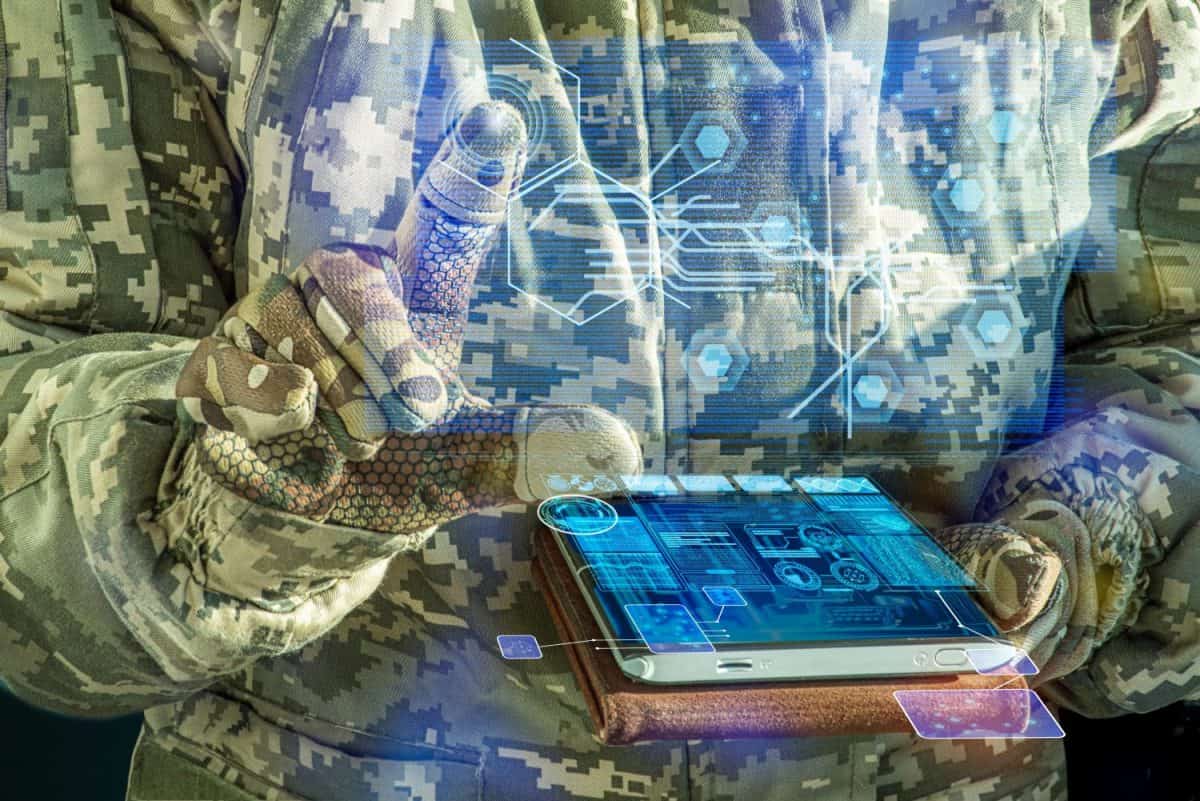
The most significant weapons program of the 21st century isn’t developed in factories. It doesn’t involved steel or explosives. Instead, it’s just code. Programs dedicated to algorithmic warfare, like those used for target identification and guiding autonomous drone swarms, are changing the nature of warfare.
A swarm of self-guided low-cost drones can overwhelm a billion-dollar air defense system. As such, this has changed the economics of force. They also serve to democratize lethality, with smaller actors resisting much larger aggressors. As time marches on, we’re going to see the militaries of the world grow increasingly more digitized.
Conclusion
A weapons program is the representation of a nation’s long-term strategic goals. They often require decades of investment, a cultivation of a specialized workforce, and a stomach for costly mistakes. Any successful weapons program is going to change the very nature of power, and which nations wield it on a global scale. This is a story told time and time again in the 20th and 21st century, and that doesn’t look to change anytime soon.
One of the more crucial elements to the development of any successful weapons programs is the nature of asymmetry. Every nation is going to seek a weapon that has no hard counter. If your enemy can’t meet the standard, they can’t hope to challenge your influence. As we approach a new Dreadnought moment, diplomacy will not come from the end of a rifle. Instead, we’ll see it used in lines of code that determine sophisticated kill-chains. The nature of the battlefield is changing, and we can still trace its technological leaps back to platforms like the HMS Dreadnought.
The image featured at the top of this post is ©Public Domain / Wikimedia Commons / Original