








































The Military Technologies That Made Modern Warfare More Precise, and More Complicated
Military technology has made it easier than ever to hit exactly what you’re aiming at, but it hasn’t made warfare any simpler. In many cases, the same innovations that improved precision have also made operations more complicated, requiring more coordination, more data, and more systems working together at once. The result is a battlefield that’s more accurate, but also far more difficult to manage. Here, History Computer takes a closer look at the innovations shaping modern warfare today.
To identify the technologies behind this shift, History Computer reviewed a range of historical and military sources. Each innovation includes details on when it was introduced, the type of precision it enabled, the added complexity, key tradeoffs, and its overall impact on modern warfare.
Understanding these advancements reveals how technology has reshaped the way conflicts are planned and executed. While these systems have dramatically improved accuracy and control, they’ve also created new dependencies on data, networks, and coordination. That means modern warfare isn’t just more precise—it’s also more demanding and, in some ways, more vulnerable. Looking at these innovations highlights the tradeoffs at the center of modern conflict, where greater capability often comes with greater complexity and risk.
Here is a look at the innovations that made modern warfare more precise and more complex:
Precision Changed the Battlefield
Modern warfare is increasingly defined by the ability to strike with accuracy, allowing forces to engage targets with minimal error and reduced collateral damage. This shift has made operations more effective and controlled, changing how military planners approach conflict. However, achieving this level of precision requires more than advanced weapons—it depends on a network of systems working together to deliver accurate results under complex conditions.
The Rise of Data-Driven Warfare
Today’s battlefield is driven by data, with intelligence, sensors, and communication systems providing continuous streams of information. This real-time awareness allows for improved targeting and coordination, enabling forces to respond quickly to changing conditions. However, the sheer volume of data introduces new challenges, requiring advanced systems and trained personnel to process and interpret information effectively.
Integration Is the New Challenge
Modern military systems are increasingly interconnected, requiring seamless integration between targeting platforms, communication networks, and strike assets. Success depends on the ability to coordinate these elements across multiple domains, from air and land to cyber and space. While this integration enhances capability, it also adds layers of complexity, making operations more difficult to manage and execute.
Speed vs Overload
Technological advancements have significantly reduced the time between detecting a target and engaging it, giving forces a critical advantage. Faster decision-making allows for rapid response and increased effectiveness. However, this speed can also overwhelm operators, as they must process large amounts of information quickly. Balancing speed with control is a constant challenge in modern warfare.
The Cost of Precision
Greater precision in warfare comes with increased technical demands, requiring advanced systems, extensive training, and careful coordination. These systems often depend on networks and infrastructure that can be vulnerable to disruption. As a result, while modern warfare is more precise than ever, it is also more complex and potentially more fragile, highlighting the tradeoffs involved in technological advancement.
GPS
- Category: Targeting
- Era Introduced: Modern
- Precision Advantage: Global accuracy
- Type of Precision Enabled: Navigation
- Complexity Introduced: Satellite reliance
- Dependency / Vulnerability: Space systems
- Operational Tradeoff: Accuracy vs vulnerability
- Impact on Modern Warfare: Enabled precision warfare
GPS revolutionized military precision by enabling accurate navigation and targeting anywhere in the world. Forces could coordinate movements and strikes with unprecedented accuracy. However, this reliance on satellites introduced new vulnerabilities, including signal disruption and denial. While GPS made operations far more precise, it also created a dependency on space-based infrastructure that planners must now protect and account for.
Precision-Guided Munitions
- Category: Strike
- Era Introduced: Cold War
- Precision Advantage: Accurate strikes
- Type of Precision Enabled: Strike accuracy
- Complexity Introduced: Targeting complexity
- Dependency / Vulnerability: Guidance systems
- Operational Tradeoff: Precision vs cost
- Impact on Modern Warfare: Shift from mass bombing
Precision-guided munitions transformed warfare by allowing strikes to hit specific targets with minimal collateral damage. This reduced the need for large-scale bombardment and improved mission efficiency. However, these weapons require accurate targeting data and guidance systems, increasing complexity. The shift from mass firepower to precision introduced a dependence on intelligence and coordination.
Laser Designation Systems
- Category: Targeting
- Era Introduced: Cold War
- Precision Advantage: Pinpoint targeting
- Type of Precision Enabled: Laser guidance
- Complexity Introduced: Line-of-sight limits
- Dependency / Vulnerability: Laser systems
- Operational Tradeoff: Accuracy vs exposure
- Impact on Modern Warfare: Improved strike precision
Laser designation systems enable highly accurate targeting by marking specific points for guided munitions. This allows for precise strikes even in complex environments. However, they require line-of-sight and coordination between platforms, adding operational complexity. Weather conditions and obstacles can also affect performance, making their use dependent on multiple factors beyond the operator’s control.
Infrared Targeting Systems
- Category: Targeting
- Era Introduced: Modern
- Precision Advantage: Thermal targeting
- Type of Precision Enabled: Detection
- Complexity Introduced: Sensor limitations
- Dependency / Vulnerability: IR sensors
- Operational Tradeoff: Night capability vs limits
- Impact on Modern Warfare: Enhanced targeting
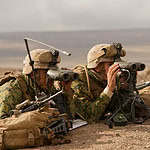
Infrared targeting systems allow forces to detect and engage targets based on heat signatures, improving accuracy in low-visibility conditions. This capability enhances precision during night operations and in challenging environments. However, these systems can be affected by environmental factors and require advanced sensors, adding complexity to both operation and maintenance.
Multi-mode Seekers
- Category: Strike
- Era Introduced: Modern
- Precision Advantage: Adaptive targeting
- Type of Precision Enabled: Multi-guidance
- Complexity Introduced: System complexity
- Dependency / Vulnerability: Multiple sensors
- Operational Tradeoff: Flexibility vs complexity
- Impact on Modern Warfare: Improved reliability
Multi-mode seekers combine different guidance methods, such as radar, infrared, and laser, to improve targeting reliability. This adaptability allows weapons to function in a variety of conditions, increasing precision. However, integrating multiple systems increases complexity, requiring more advanced technology and coordination. This makes the systems more capable but also more difficult to manage.
Satellite Reconnaissance
- Category: ISR
- Era Introduced: Cold War
- Precision Advantage: Global surveillance
- Type of Precision Enabled: ISR clarity
- Complexity Introduced: Data overload
- Dependency / Vulnerability: Satellites
- Operational Tradeoff: Awareness vs dependency
- Impact on Modern Warfare: Global intelligence
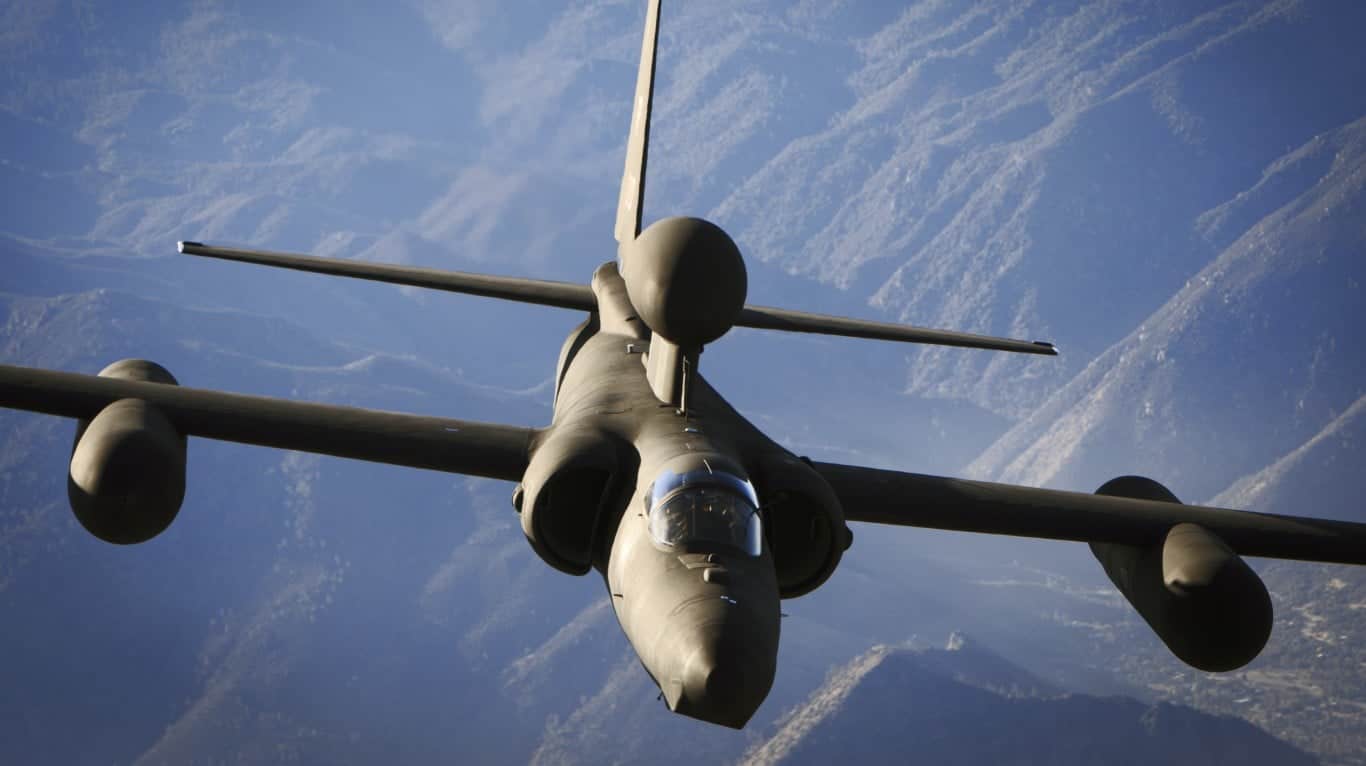
Satellite reconnaissance provides global surveillance, allowing planners to monitor enemy activity in near real time. This significantly improves situational awareness and planning accuracy. However, the vast amount of data generated can overwhelm analysts, and reliance on satellites introduces vulnerabilities. The increased precision comes with the challenge of managing and protecting complex systems.
Drones
- Category: ISR
- Era Introduced: Modern
- Precision Advantage: Persistent ISR
- Type of Precision Enabled: Surveillance
- Complexity Introduced: Operator load
- Dependency / Vulnerability: Data links
- Operational Tradeoff: Coverage vs overload
- Impact on Modern Warfare: Changed ISR ops
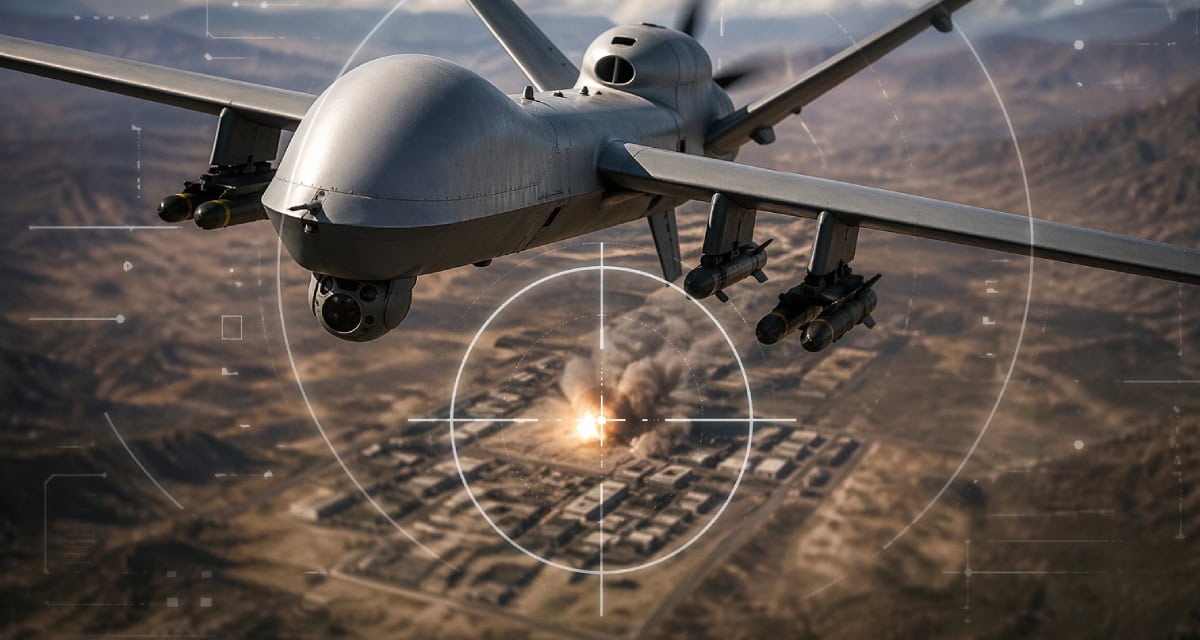
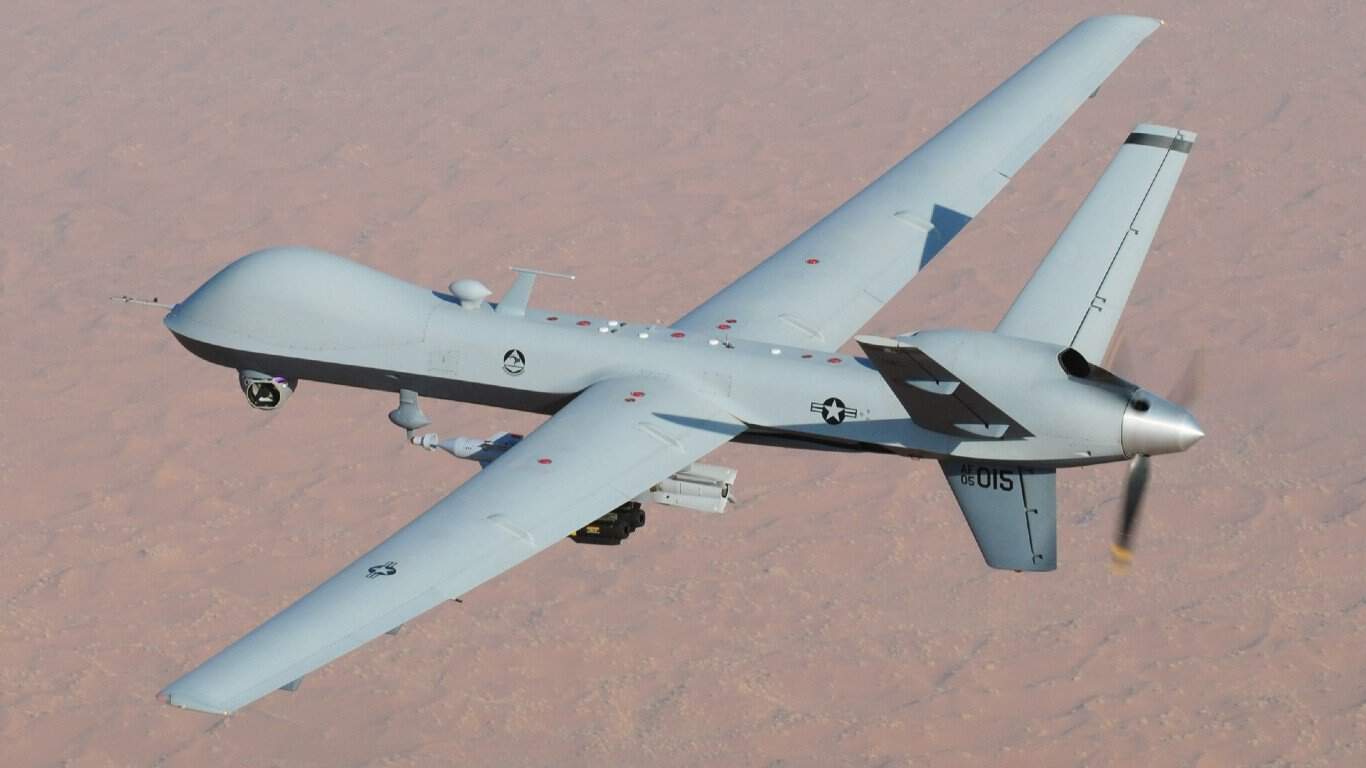
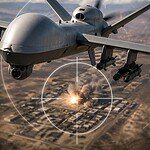
Drones provide persistent surveillance and precision strike capabilities, allowing operators to monitor targets continuously and engage them at the optimal moment. This improves accuracy and reduces uncertainty. However, the constant flow of data requires significant analysis, and reliance on remote control systems introduces vulnerabilities. The increased capability comes with greater operational complexity.
Persistent ISR
- Category: ISR
- Era Introduced: Modern
- Precision Advantage: Continuous intel
- Type of Precision Enabled: Surveillance
- Complexity Introduced: Data management
- Dependency / Vulnerability: Sensors
- Operational Tradeoff: Insight vs overload
- Impact on Modern Warfare: Real-time awareness
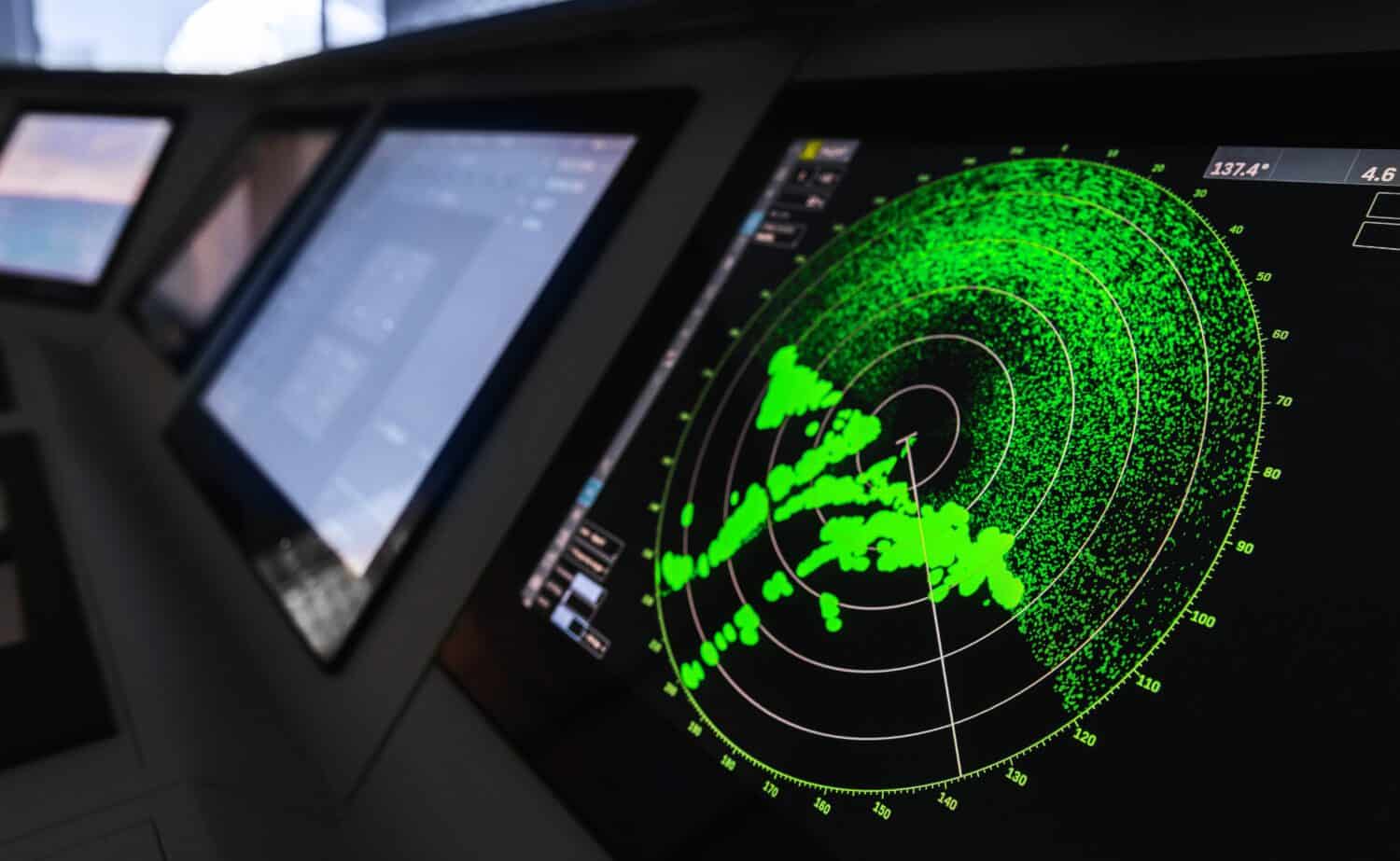
Persistent ISR systems allow continuous monitoring of the battlefield, providing detailed intelligence that enhances precision planning and execution. This constant flow of information reduces uncertainty and enables rapid decision-making. However, managing and analyzing this data can be overwhelming, requiring advanced systems and trained personnel. The result is greater precision but increased complexity in handling information.
Signals Intelligence
- Category: ISR
- Era Introduced: WWII
- Precision Advantage: Intercept comms
- Type of Precision Enabled: Intel
- Complexity Introduced: Analysis burden
- Dependency / Vulnerability: Signals
- Operational Tradeoff: Insight vs noise
- Impact on Modern Warfare: Improved intel
Signals intelligence allows forces to intercept and analyze enemy communications, providing valuable insights into intentions and capabilities. This improves planning and targeting accuracy. However, the volume of intercepted data can be difficult to process, requiring sophisticated analysis tools. The increased intelligence capability adds complexity to decision-making processes.
Network-Centric Warfare
- Category: Comms
- Era Introduced: Modern
- Precision Advantage: Integrated ops
- Type of Precision Enabled: Coordination
- Complexity Introduced: System reliance
- Dependency / Vulnerability: Networks
- Operational Tradeoff: Coordination vs fragility
- Impact on Modern Warfare: Modern doctrine
Network-centric warfare connects units through shared information systems, enabling coordinated operations and real-time decision-making. This integration improves precision and effectiveness. However, it also creates dependencies on communication networks, making operations vulnerable to disruption. The increased connectivity enhances capability but adds layers of complexity.
Link 16
- Category: Comms
- Era Introduced: Modern
- Precision Advantage: Real-time sharing
- Type of Precision Enabled: Coordination
- Complexity Introduced: Network dependence
- Dependency / Vulnerability: Data links
- Operational Tradeoff: Speed vs vulnerability
- Impact on Modern Warfare: Connected battlefield
Link 16 enables real-time data sharing between platforms, improving coordination and situational awareness. This allows for more precise targeting and synchronized operations. However, it requires secure and reliable networks, and any disruption can impact effectiveness. The system enhances precision but introduces dependency on complex communication infrastructure.
Secure Military Communications
- Category: Comms
- Era Introduced: Modern
- Precision Advantage: Encrypted comms
- Type of Precision Enabled: Coordination
- Complexity Introduced: Complex systems
- Dependency / Vulnerability: Encryption
- Operational Tradeoff: Security vs complexity
- Impact on Modern Warfare: Reliable comms
Secure communications ensure that information can be transmitted without interception, improving coordination and precision. However, these systems require encryption and advanced technology, adding complexity. The need to maintain secure networks introduces additional challenges.
Battlefield Management Systems
- Category: Comms
- Era Introduced: Modern
- Precision Advantage: Digital control
- Type of Precision Enabled: Command
- Complexity Introduced: Training burden
- Dependency / Vulnerability: Software
- Operational Tradeoff: Control vs overload
- Impact on Modern Warfare: Command efficiency
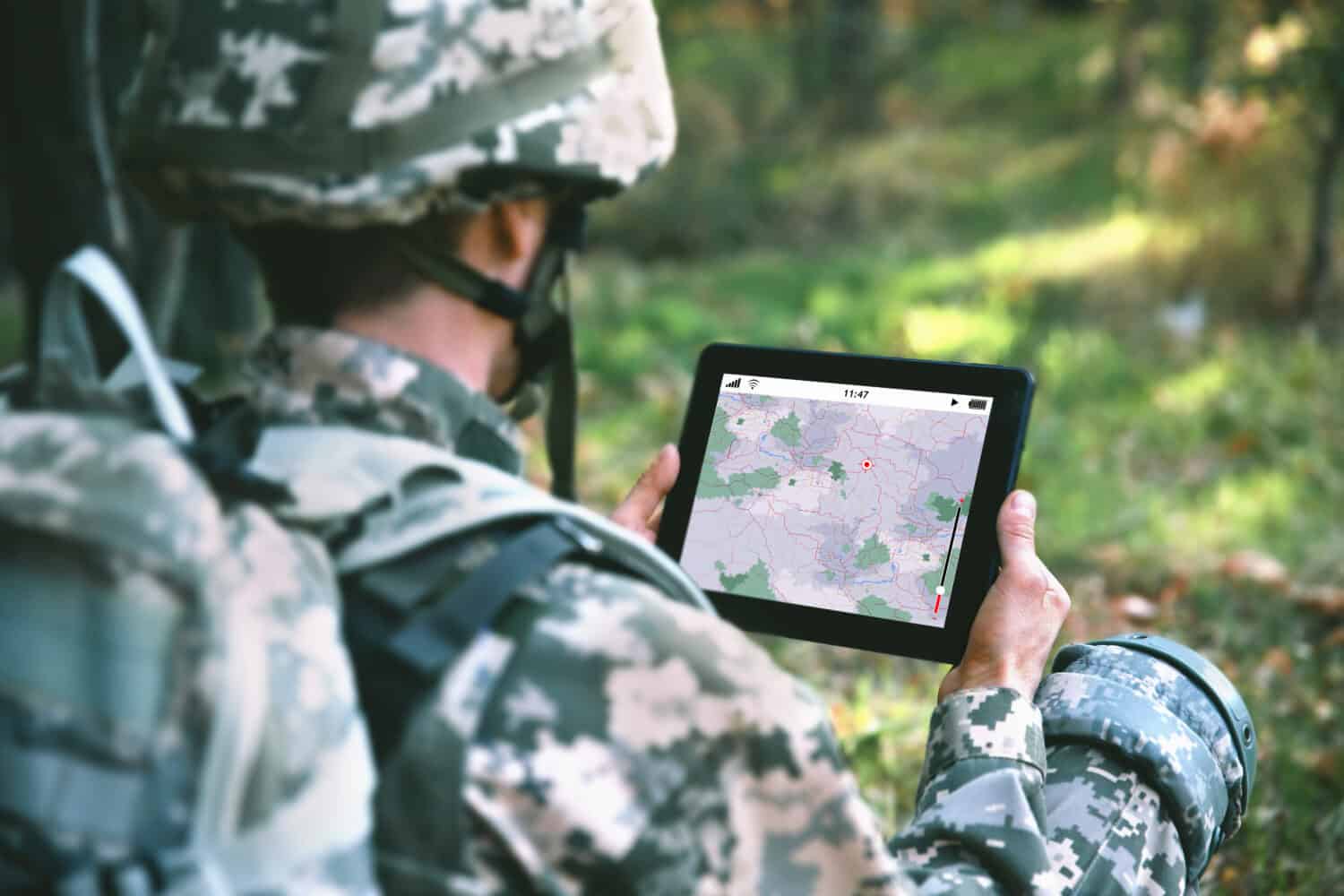
Battlefield management systems provide commanders with a comprehensive view of the battlefield, improving decision-making and coordination. However, these systems require significant training and can be overwhelming due to the volume of information.
Stealth Technology
- Category: Access
- Era Introduced: Cold War
- Precision Advantage: Reduced detection
- Type of Precision Enabled: Access
- Complexity Introduced: High cost
- Dependency / Vulnerability: Materials
- Operational Tradeoff: Survivability vs expense
- Impact on Modern Warfare: Penetration capability
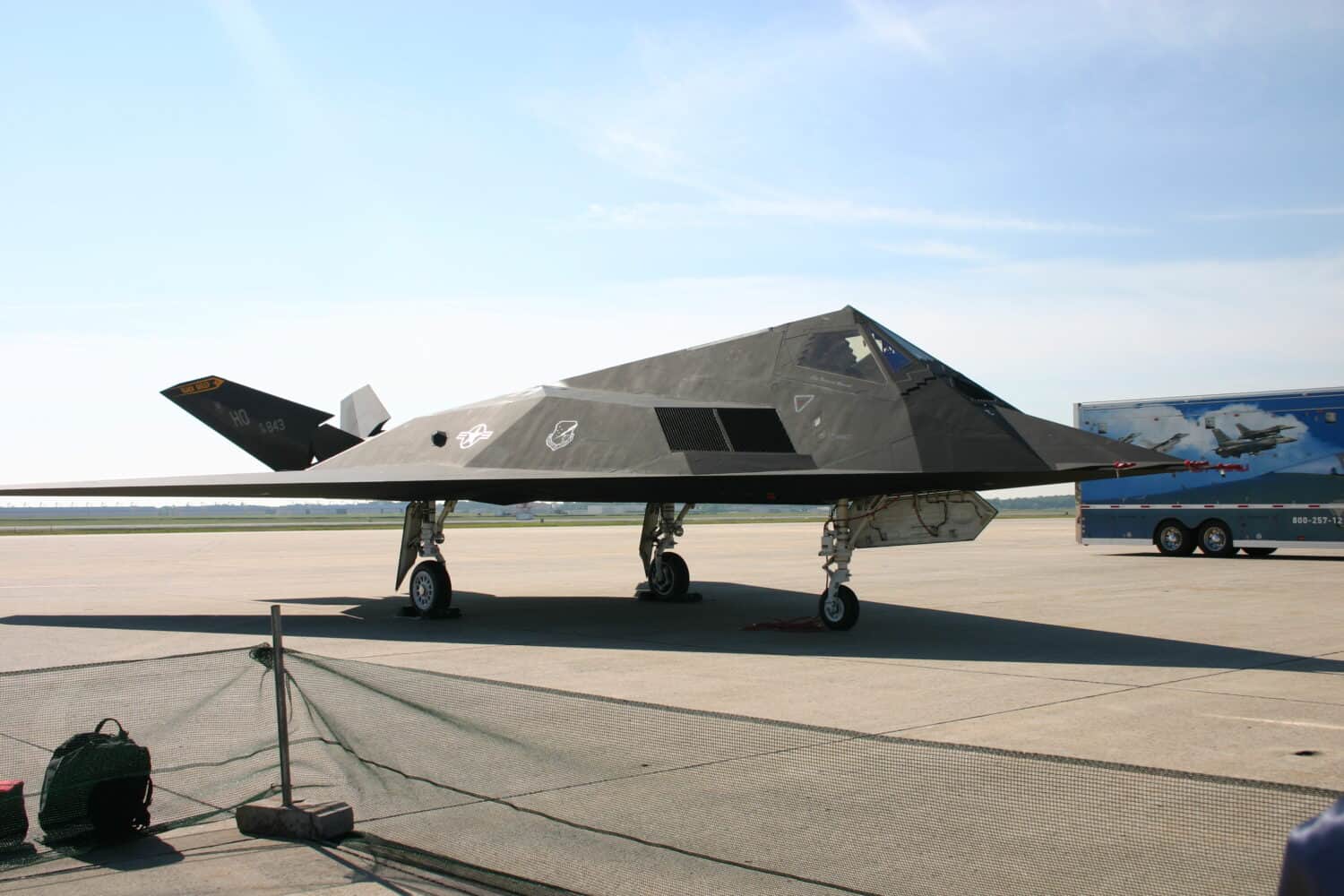
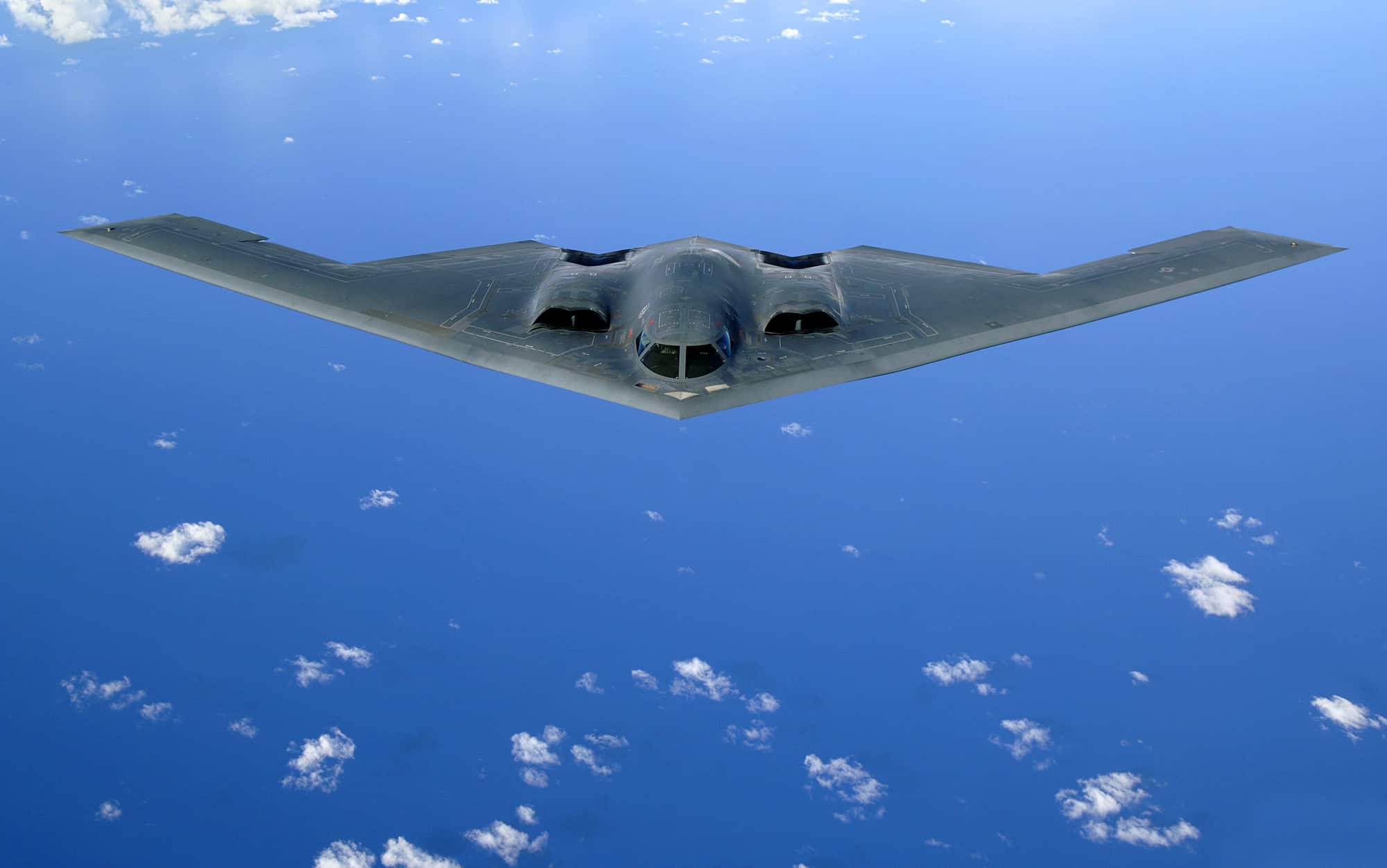
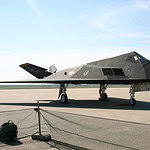
Stealth technology allows aircraft and weapons to evade detection, enabling precise strikes in heavily defended environments. By reducing radar visibility, it gives planners the ability to reach high-value targets with minimal warning. However, this advantage comes at the cost of complex design, high maintenance requirements, and significant expense. The result is a system that enhances precision access but demands extensive support and careful operational planning.
Low Observable Materials
- Category: Access
- Era Introduced: Cold War
- Precision Advantage: Radar reduction
- Type of Precision Enabled: Stealth
- Complexity Introduced: Maintenance complexity
- Dependency / Vulnerability: Materials
- Operational Tradeoff: Stealth vs upkeep
- Impact on Modern Warfare: Improved stealth
Low observable materials are a key component of stealth systems, reducing radar and infrared signatures to improve survivability and targeting access. These materials allow platforms to operate closer to defended targets, increasing strike precision. However, they require meticulous maintenance and are sensitive to damage, adding logistical and operational complexity. This tradeoff highlights how improved precision often comes with increased sustainment demands.
Electronic Warfare Systems
- Category: EW
- Era Introduced: Cold War
- Precision Advantage: Disrupt enemy
- Type of Precision Enabled: Spectrum control
- Complexity Introduced: Complex ops
- Dependency / Vulnerability: Jamming
- Operational Tradeoff: Advantage vs coordination
- Impact on Modern Warfare: Critical enabler
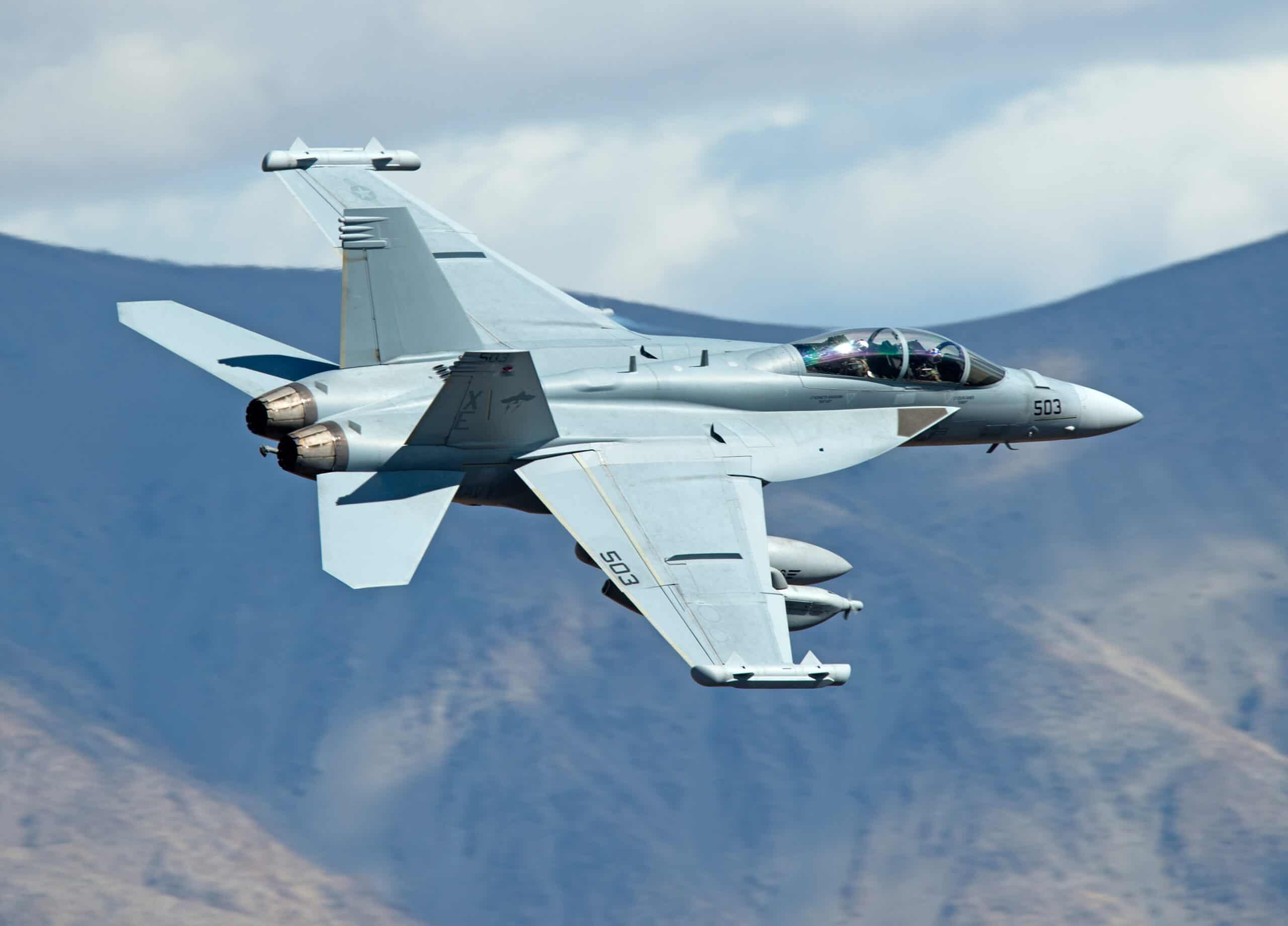
Electronic warfare systems improve precision by disrupting enemy sensors, communications, and targeting systems, creating opportunities for accurate strikes. By controlling the electromagnetic spectrum, forces can reduce enemy awareness and response. However, these systems require careful coordination and integration with other assets, adding layers of complexity. Their effectiveness depends on timing and synchronization, making them powerful but challenging to employ.
Cyber Warfare
- Category: Cyber
- Era Introduced: Modern
- Precision Advantage: Pre-conflict attacks
- Type of Precision Enabled: Disruption
- Complexity Introduced: Unpredictability
- Dependency / Vulnerability: Networks
- Operational Tradeoff: Access vs risk
- Impact on Modern Warfare: New domain
Cyber warfare enables forces to disrupt enemy systems before physical engagement, improving precision by shaping the battlefield in advance. This can include disabling defenses or degrading communications, allowing for more accurate operations. However, cyber operations are unpredictable and difficult to control, introducing new risks. The reliance on digital systems adds complexity to planning and execution, making cyber both a powerful and uncertain tool.
Artificial Intelligence
- Category: AI
- Era Introduced: Modern
- Precision Advantage: Faster decisions
- Type of Precision Enabled: Decision-making
- Complexity Introduced: Algorithm reliance
- Dependency / Vulnerability: Data
- Operational Tradeoff: Speed vs trust
- Impact on Modern Warfare: Accelerated planning
Artificial intelligence enhances precision by rapidly analyzing data and supporting decision-making processes. AI systems can identify patterns, predict outcomes, and recommend actions faster than human operators. However, reliance on algorithms introduces uncertainty, as decisions may be difficult to interpret or verify. This creates a tradeoff between speed and trust, increasing both capability and complexity in modern warfare.
Data Fusion Systems
- Category: AI
- Era Introduced: Modern
- Precision Advantage: Integrated data
- Type of Precision Enabled: Intel
- Complexity Introduced: Processing complexity
- Dependency / Vulnerability: Data systems
- Operational Tradeoff: Clarity vs overload
- Impact on Modern Warfare: Unified picture
Data fusion systems integrate information from multiple sources into a single, coherent picture, improving situational awareness and targeting accuracy. This allows planners to make more informed decisions and coordinate operations effectively. However, processing and managing large volumes of data requires advanced systems and expertise, increasing complexity. The clarity gained comes at the cost of greater reliance on technology and data management.
Real-Time Targeting Networks
- Category: Comms
- Era Introduced: Modern
- Precision Advantage: Dynamic strikes
- Type of Precision Enabled: Targeting
- Complexity Introduced: System dependence
- Dependency / Vulnerability: Networks
- Operational Tradeoff: Speed vs fragility
- Impact on Modern Warfare: Adaptive strikes
Real-time targeting networks enable dynamic coordination between sensors and shooters, allowing targets to be engaged as soon as they are identified. This significantly improves precision and responsiveness. However, these networks depend on continuous connectivity and data flow, making them vulnerable to disruption. The ability to act quickly is balanced by the need to maintain complex and resilient communication systems.
Air Refueling Systems
- Category: Mobility
- Era Introduced: Cold War
- Precision Advantage: Extended range
- Type of Precision Enabled: Mobility
- Complexity Introduced: Logistics burden
- Dependency / Vulnerability: Tankers
- Operational Tradeoff: Reach vs complexity
- Impact on Modern Warfare: Global ops
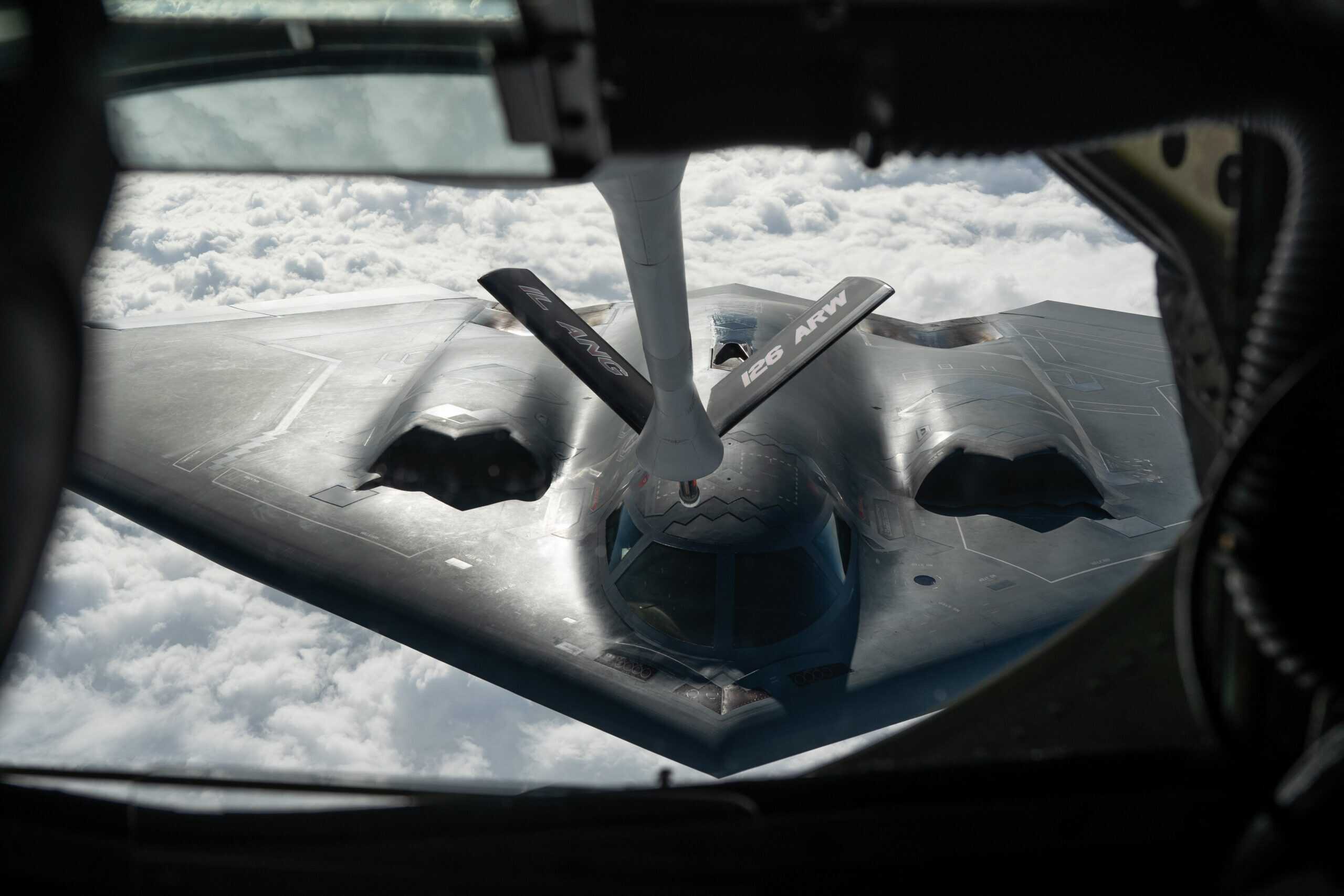
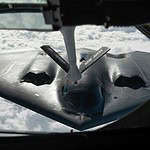
Air refueling systems extend the range and endurance of aircraft, allowing for more flexible and precise mission planning. This capability enables forces to reach distant targets and maintain presence over critical areas. However, it introduces logistical complexity, requiring coordination between multiple aircraft and support systems. The increased reach comes with added planning and operational challenges.
Strategic Airlift
- Category: Mobility
- Era Introduced: Cold War
- Precision Advantage: Rapid deployment
- Type of Precision Enabled: Logistics
- Complexity Introduced: Coordination load
- Dependency / Vulnerability: Transport
- Operational Tradeoff: Speed vs planning
- Impact on Modern Warfare: Force projection
Strategic airlift allows for rapid deployment of troops and equipment, improving the precision of force placement and timing. This capability enables planners to respond quickly to emerging threats and position forces effectively. However, coordinating large-scale airlift operations requires significant planning and resources, adding complexity. The ability to move forces quickly is balanced by the challenges of managing logistics.
Hypersonic Weapons
- Category: Strike
- Era Introduced: Emerging
- Precision Advantage: Fast strikes
- Type of Precision Enabled: Speed
- Complexity Introduced: Tracking difficulty
- Dependency / Vulnerability: Advanced systems
- Operational Tradeoff: Speed vs control
- Impact on Modern Warfare: Future warfare
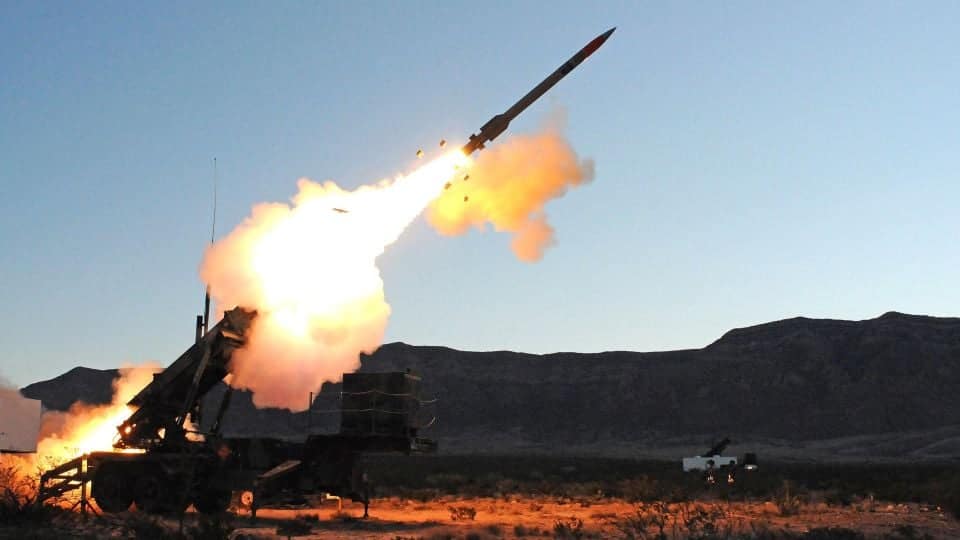
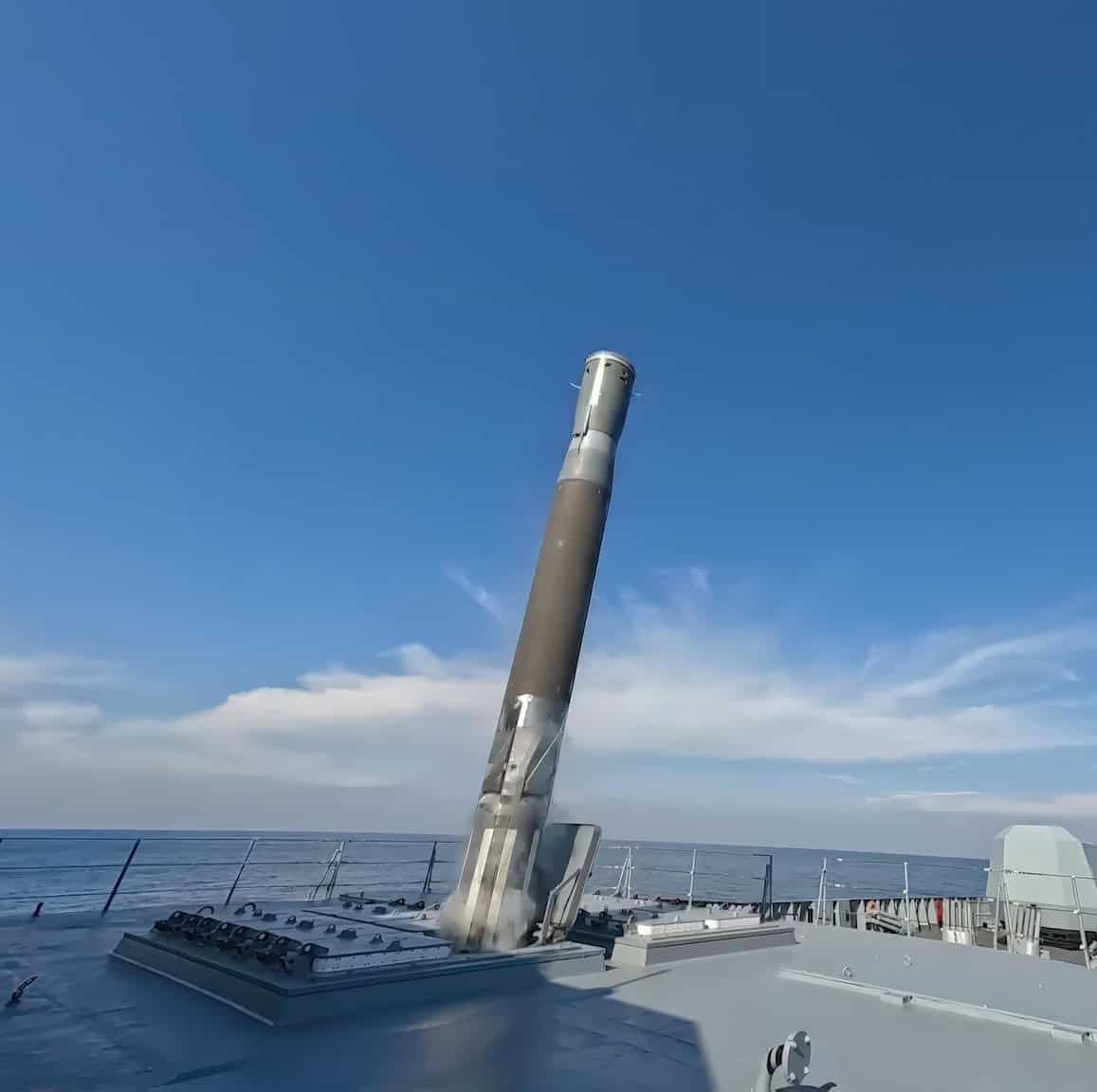
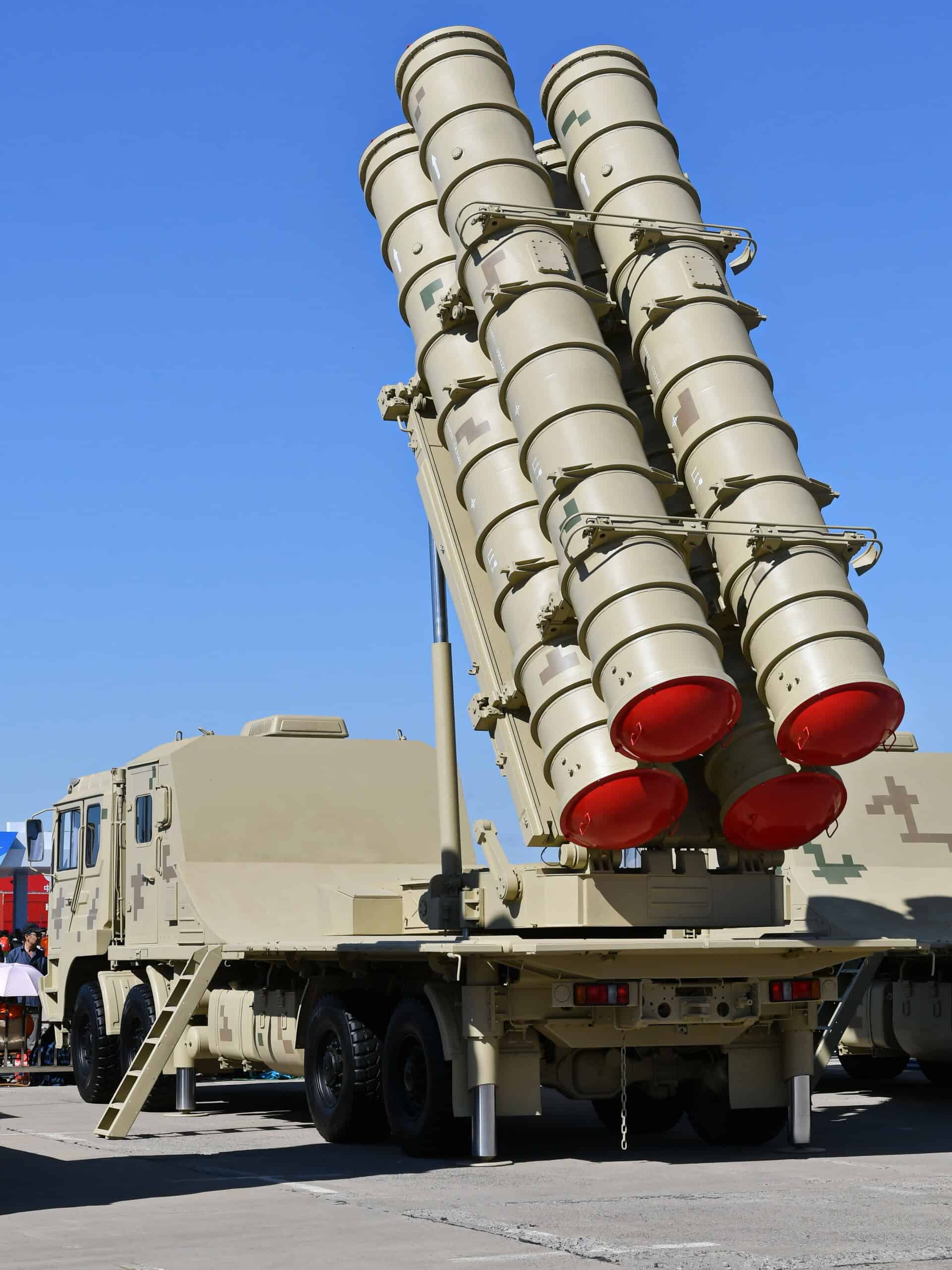
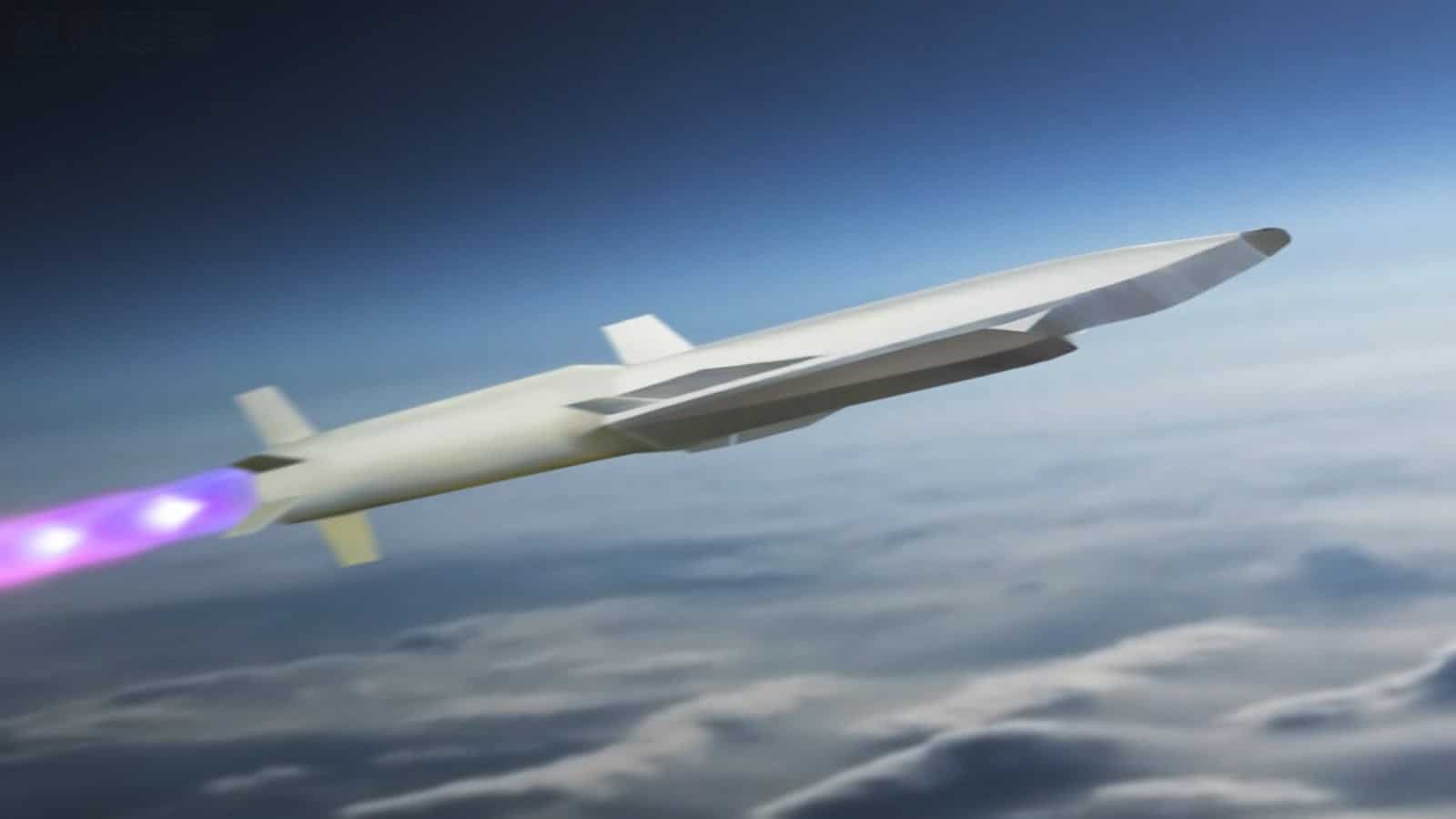
Hypersonic weapons offer the ability to strike targets at extremely high speeds, reducing reaction time and increasing precision against high-value targets. Their speed and maneuverability make them difficult to intercept. However, controlling and tracking these weapons is complex, and their development involves advanced technology. The increased precision and speed come with significant technical and operational challenges.
Autonomous Drone Swarms
- Category: AI
- Era Introduced: Emerging
- Precision Advantage: Coordinated strikes
- Type of Precision Enabled: Swarm
- Complexity Introduced: Control complexity
- Dependency / Vulnerability: AI
- Operational Tradeoff: Scale vs control
- Impact on Modern Warfare: Emerging tactic
Autonomous drone swarms enable coordinated precision strikes by multiple systems working together. This allows for simultaneous engagement of targets and the ability to overwhelm defenses. However, managing and controlling large numbers of autonomous systems introduces complexity, particularly in communication and coordination. The scalability of these systems enhances capability but adds new challenges in control and reliability.
Quantum Sensing
- Category: ISR
- Era Introduced: Emerging
- Precision Advantage: High precision detection
- Type of Precision Enabled: Detection
- Complexity Introduced: Technical complexity
- Dependency / Vulnerability: Quantum tech
- Operational Tradeoff: Accuracy vs feasibility
- Impact on Modern Warfare: Next-gen sensing
Quantum sensing has the potential to provide highly precise detection and measurement capabilities, improving targeting and situational awareness. This technology could allow forces to detect threats that were previously difficult to identify. However, it is still in development and requires highly complex systems to operate. The promise of increased precision is matched by the technical challenges involved in its implementation.
The image featured at the top of this post is ©Andrew Clemente – License / Original