










































The Military Technologies That Completely Changed How Wars Are Fought
Modern warfare is increasingly shaped by decisions made long before combat begins. Advances in intelligence, communication, and precision technologies have transformed how militaries plan operations, shifting the focus from reacting to events to anticipating them. Today, the ability to gather information, process it quickly, and act with precision has become a defining factor in military success, fundamentally changing how wars are prepared and executed. Here, History Computer is taking a closer look at the military tech that changed how wars are planned.
To determine the military technologies that changed how wars are planned, History Computer reviewed various historical and military sources. We included supplemental information for each technology regarding the era introduced, primary planning function, the pre-technology limitation, key capability, and ultimately the doctrinal impact on war planning.
Here is a look at the military technologies that changed how wars are planned:
Why Are We Covering This?
Understanding how military technologies have changed the way wars are planned provides insight into how modern conflicts are shaped long before they begin. Advances in intelligence, communication, precision targeting, and data processing have transformed planning from a slow, uncertain process into one driven by real-time information and rapid decision-making. These technologies allow militaries to anticipate threats, coordinate complex operations, and achieve strategic objectives with greater efficiency. By examining them, we gain a clearer picture of how modern warfare has shifted from mass and reaction to precision, speed, and proactive strategy.
Wars Are Won Before They Begin
Modern conflicts are often shaped long before the first shot is fired, with planning, intelligence, and preparation playing a decisive role in determining outcomes. Advances in technology have shifted warfare from a reactive process to a proactive one, where decisions made in the planning phase can define the course of an entire conflict. As a result, the battlefield is no longer limited to physical terrain but begins in the strategic planning environment.
From Uncertainty to Information Dominance
In earlier eras, military planning was often constrained by incomplete or delayed information, forcing commanders to make decisions with limited insight. Today, advanced intelligence technologies provide near real-time awareness of enemy movements and capabilities. This shift allows planners to anticipate actions, reduce uncertainty, and make more informed decisions, significantly improving the effectiveness of military operations.
Speed of Decision Is the New Advantage
The pace of modern warfare has increased dramatically, making the speed of decision-making a critical factor in success. Technologies that enable rapid data processing and real-time communication allow planners to adjust strategies quickly as situations evolve. This compression of time between observation and action gives a significant advantage to forces that can respond faster than their adversaries.
Precision Replaces Mass
Traditional military planning often relied on overwhelming force and large-scale operations to achieve objectives. However, the development of precision technologies has shifted this approach toward targeted, efficient actions. Planners can now achieve strategic goals with fewer resources by focusing on key targets, reducing collateral damage and increasing operational effectiveness.
The Rise of Networked Warfare
Modern warfare is characterized by interconnected systems that share information across multiple platforms and domains. This networked approach allows for greater coordination and integration of forces, enabling more complex and effective operations. Planning now involves synchronizing actions across air, land, sea, space, and cyber domains, creating a unified strategy that leverages the strengths of each element.
Satellite Reconnaissance
- Category: ISR
- Era Introduced: Cold War
- Primary Planning Function: Intelligence
- Planning Shift Enabled: Global surveillance
- Pre-Technology Limitation: Limited visibility beyond front lines
- Key Capability: Space-based imaging
- Impact on Decision-Making Speed: Real-time
- Doctrinal Impact: Enabled global monitoring
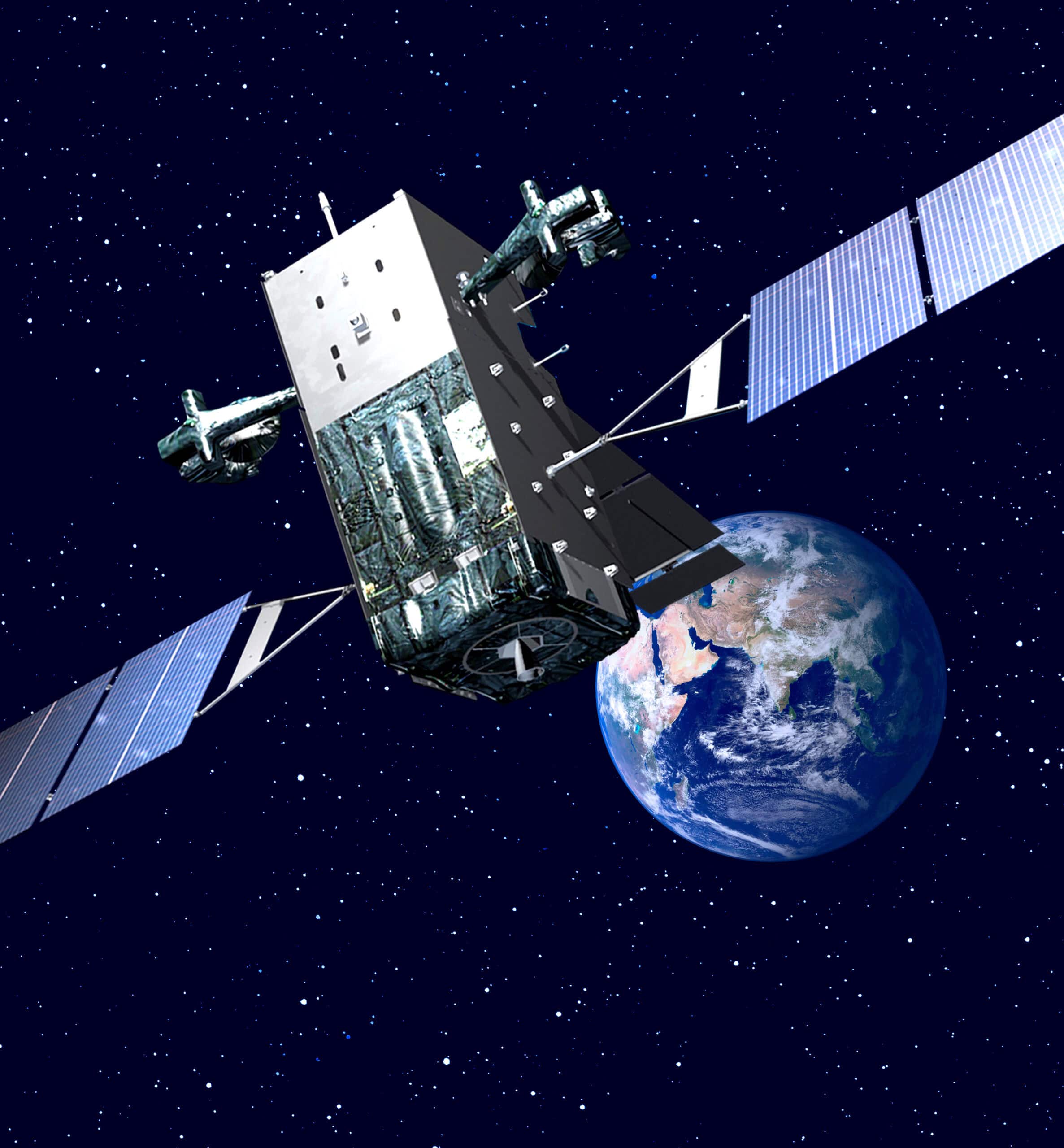
Satellite reconnaissance transformed military planning by enabling global, near-continuous surveillance of adversaries. For the first time, planners could monitor troop movements, infrastructure, and strategic assets without relying on forward observers. This shifted warfare from uncertainty to persistent awareness, allowing decisions to be made based on real-time intelligence rather than delayed or incomplete reports.
Signals Intelligence
- Category: ISR
- Era Introduced: WWII
- Primary Planning Function: Intelligence
- Planning Shift Enabled: Intercept communications
- Pre-Technology Limitation: Limited enemy insight
- Key Capability: Signal interception
- Impact on Decision-Making Speed: Faster
- Doctrinal Impact: Expanded intel gathering
Signals intelligence introduced the ability to intercept and analyze enemy communications, giving planners insight into intentions, capabilities, and vulnerabilities. This fundamentally changed how operations were prepared, allowing forces to anticipate actions rather than react to them. The ability to gather intelligence remotely expanded strategic planning and reduced reliance on physical reconnaissance.
U-2 Recon Program
- Category: ISR
- Era Introduced: Cold War
- Primary Planning Function: Intelligence
- Planning Shift Enabled: High-altitude recon
- Pre-Technology Limitation: Risky low-altitude flights
- Key Capability: High-altitude imaging
- Impact on Decision-Making Speed: Faster
- Doctrinal Impact: Strategic surveillance shift
The U-2 program enabled high-altitude reconnaissance that was previously impossible, providing detailed imagery of enemy territory. This reduced the risks associated with low-altitude flights and expanded the scope of intelligence gathering. Planners could now assess threats deep within adversary territory, significantly improving strategic decision-making.
RC-135 Rivet Joint
- Category: ISR
- Era Introduced: Cold War
- Primary Planning Function: Intelligence
- Planning Shift Enabled: Signals collection
- Pre-Technology Limitation: Fragmented intel
- Key Capability: Advanced sensors
- Impact on Decision-Making Speed: Real-time
- Doctrinal Impact: Persistent SIGINT ops
The RC-135 Rivet Joint enhanced signals intelligence by providing real-time data collection and analysis. Its advanced sensors allowed for continuous monitoring of enemy communications and electronic activity. This capability enabled planners to adapt quickly to changing conditions, improving responsiveness and coordination.
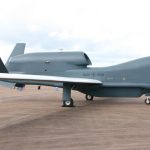
Global Hawk ISR Drone
- Category: ISR
- Era Introduced: Modern
- Primary Planning Function: Intelligence
- Planning Shift Enabled: Persistent surveillance
- Pre-Technology Limitation: Limited endurance flights
- Key Capability: Long-endurance UAV
- Impact on Decision-Making Speed: Real-time
- Doctrinal Impact: Continuous ISR planning
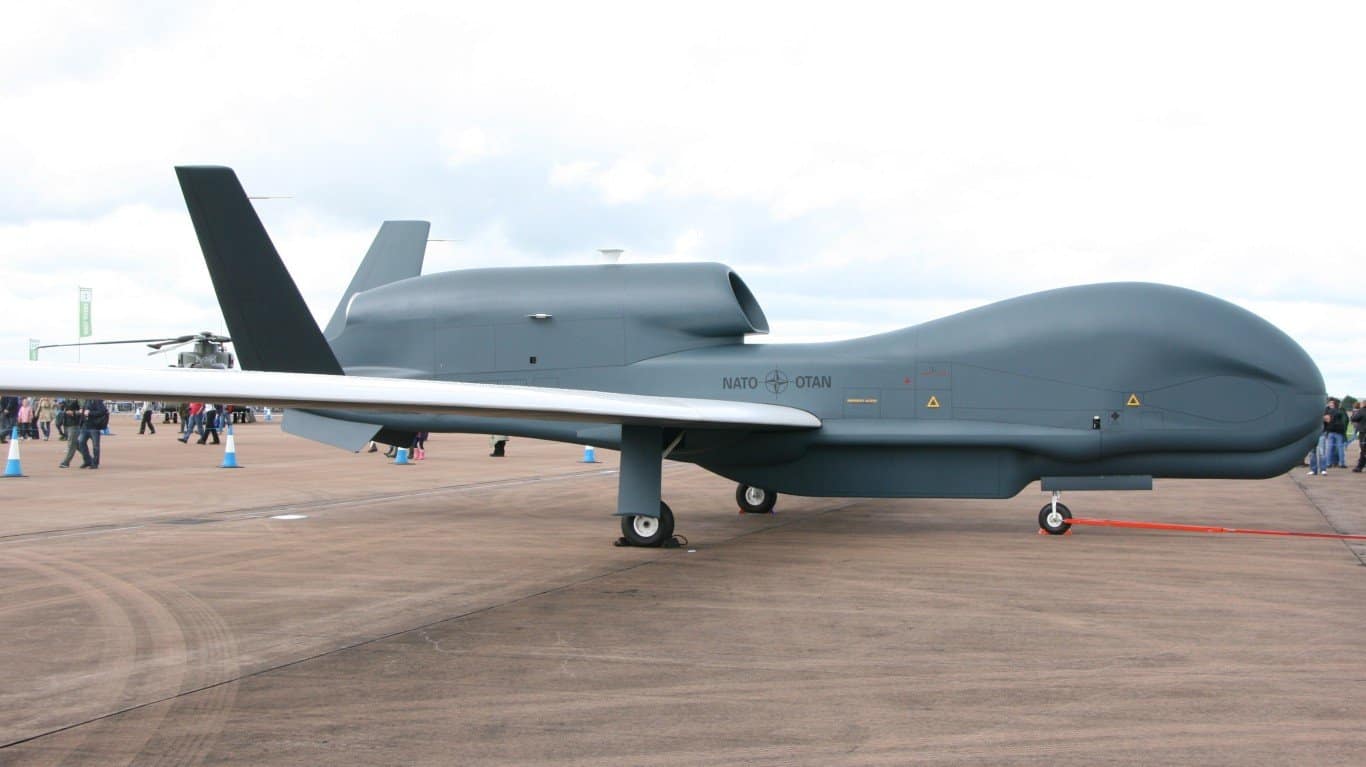
The Global Hawk introduced persistent, high-altitude surveillance without risking pilots. Its long endurance allows for continuous monitoring of large areas, providing planners with a steady stream of intelligence. This capability supports long-term planning and real-time adjustments.
GPS
- Category: Navigation
- Era Introduced: Modern
- Primary Planning Function: Targeting
- Planning Shift Enabled: Precision navigation
- Pre-Technology Limitation: Inaccurate positioning
- Key Capability: Satellite positioning
- Impact on Decision-Making Speed: Real-time
- Doctrinal Impact: Precision warfare planning
GPS revolutionized military planning by providing precise location data anywhere in the world. This eliminated many of the uncertainties associated with navigation and targeting. Planners could coordinate complex operations with greater accuracy, enabling synchronized movements and precise strikes.
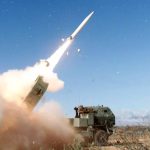
Precision-Guided Munitions
- Category: Strike
- Era Introduced: Cold War
- Primary Planning Function: Targeting
- Planning Shift Enabled: Precision strikes
- Pre-Technology Limitation: Area bombing
- Key Capability: Guided weapons
- Impact on Decision-Making Speed: Faster
- Doctrinal Impact: Shift to precision doctrine
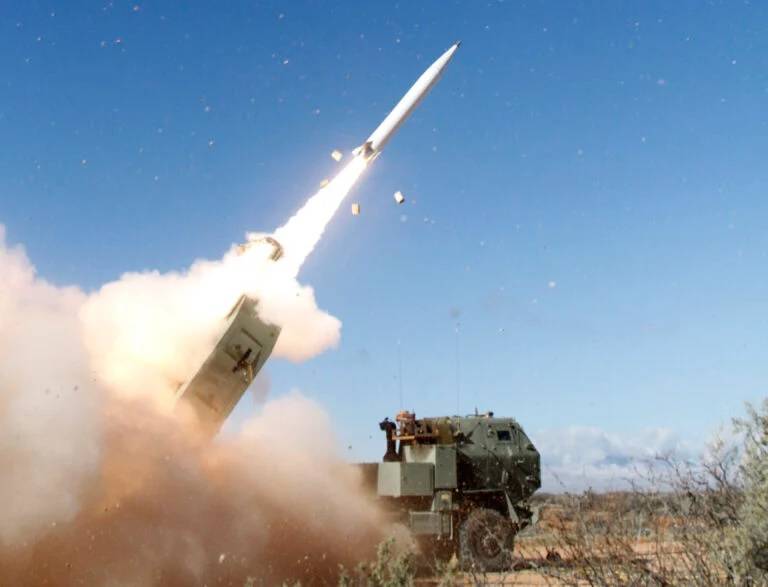
Precision-guided munitions shifted planning from mass bombardment to targeted strikes. This allowed planners to achieve objectives with fewer resources and reduced collateral damage. The ability to hit specific targets changed how missions were designed.
Laser Designation Systems
- Category: Targeting
- Era Introduced: Cold War
- Primary Planning Function: Targeting
- Planning Shift Enabled: Accurate targeting
- Pre-Technology Limitation: Manual targeting limits
- Key Capability: Laser guidance
- Impact on Decision-Making Speed: Faster
- Doctrinal Impact: Improved targeting accuracy
Laser designation systems improved targeting accuracy by allowing precise identification of targets. This reduced the margin of error in strike planning and increased the effectiveness of guided weapons.
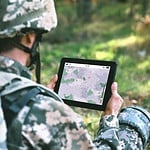
Digital Mapping Systems
- Category: Navigation
- Era Introduced: Modern
- Primary Planning Function: Planning
- Planning Shift Enabled: Battlefield mapping
- Pre-Technology Limitation: Paper maps
- Key Capability: Digital terrain data
- Impact on Decision-Making Speed: Real-time
- Doctrinal Impact: Enhanced planning accuracy
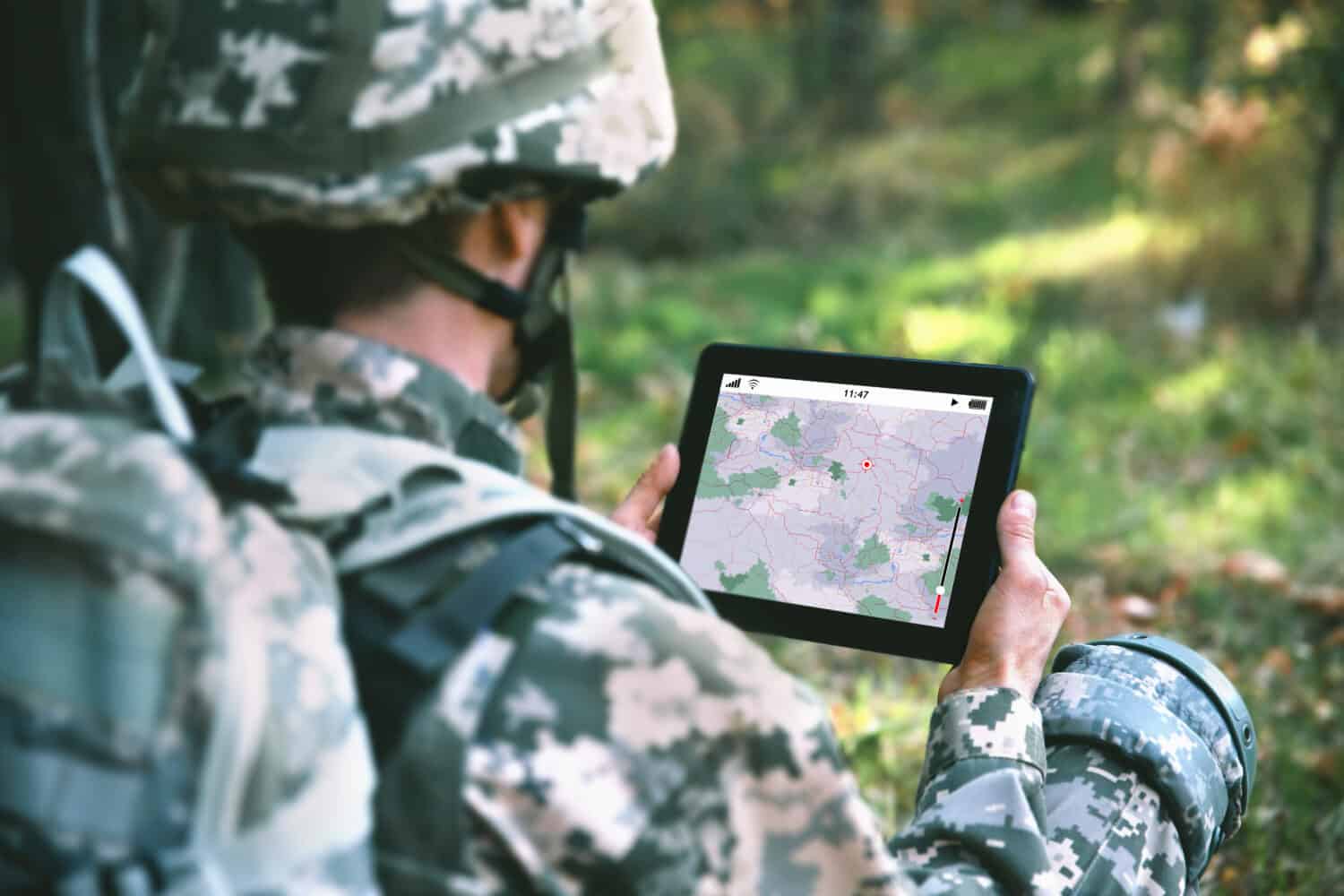
Digital mapping systems replaced traditional paper maps with dynamic, data-driven representations of the battlefield. This allowed planners to visualize terrain and plan movements more effectively.
AWACS
- Category: C2
- Era Introduced: Cold War
- Primary Planning Function: Coordination
- Planning Shift Enabled: Airspace control
- Pre-Technology Limitation: Limited radar coverage
- Key Capability: Airborne radar
- Impact on Decision-Making Speed: Real-time
- Doctrinal Impact: Centralized command control
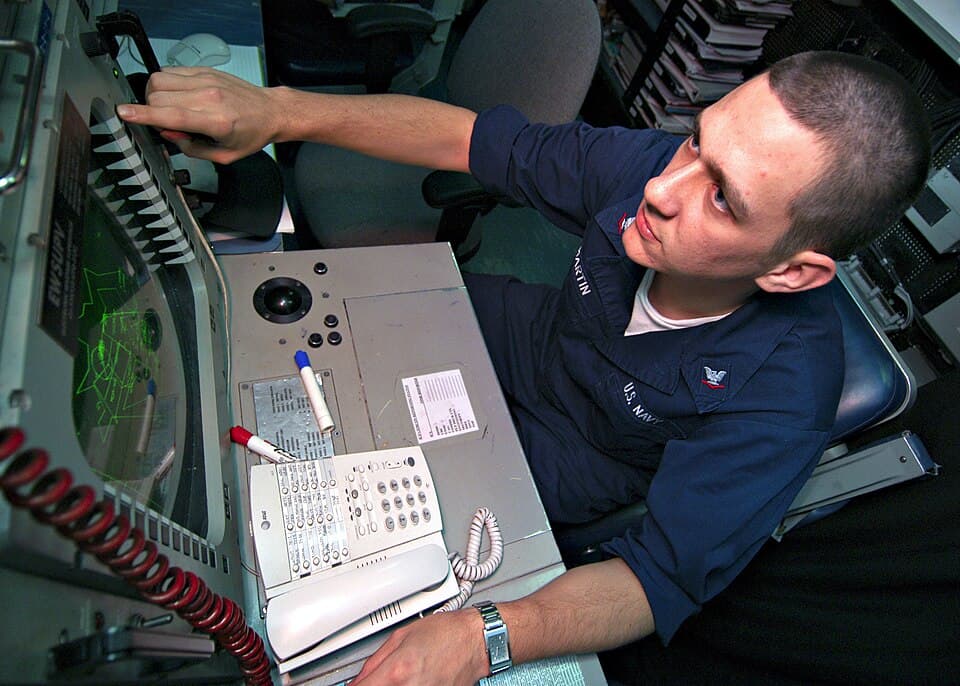
AWACS platforms provide airborne command and control, enabling real-time coordination of air operations. This capability allows planners to manage complex engagements dynamically.
Link 16
- Category: C2
- Era Introduced: Modern
- Primary Planning Function: Coordination
- Planning Shift Enabled: Data sharing
- Pre-Technology Limitation: Disconnected units
- Key Capability: Networked data
- Impact on Decision-Making Speed: Real-time
- Doctrinal Impact: Network-centric warfare
Link 16 enables secure, real-time data sharing between units, improving coordination and situational awareness. This networked approach allows planners to synchronize operations across multiple platforms.
Secure Military Communications
- Category: Comms
- Era Introduced: Modern
- Primary Planning Function: Coordination
- Planning Shift Enabled: Encrypted comms
- Pre-Technology Limitation: Interceptable comms
- Key Capability: Secure networks
- Impact on Decision-Making Speed: Real-time
- Doctrinal Impact: Reliable coordination
Secure communications ensure that information can be transmitted without interception, enabling reliable coordination. This is essential for executing complex plans.
JTIDS
- Category: C2
- Era Introduced: Cold War
- Primary Planning Function: Coordination
- Planning Shift Enabled: Data link
- Pre-Technology Limitation: Delayed info sharing
- Key Capability: Digital comms
- Impact on Decision-Making Speed: Faster
- Doctrinal Impact: Joint operations planning
JTIDS introduced digital data links that improved communication between forces. This allowed for more efficient coordination and planning.
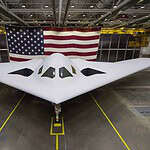
Stealth Technology
- Category: Aviation
- Era Introduced: Cold War
- Primary Planning Function: Strategic planning
- Planning Shift Enabled: Low detection
- Pre-Technology Limitation: High detectability
- Key Capability: Radar evasion
- Impact on Decision-Making Speed: Faster
- Doctrinal Impact: Redefined strike planning
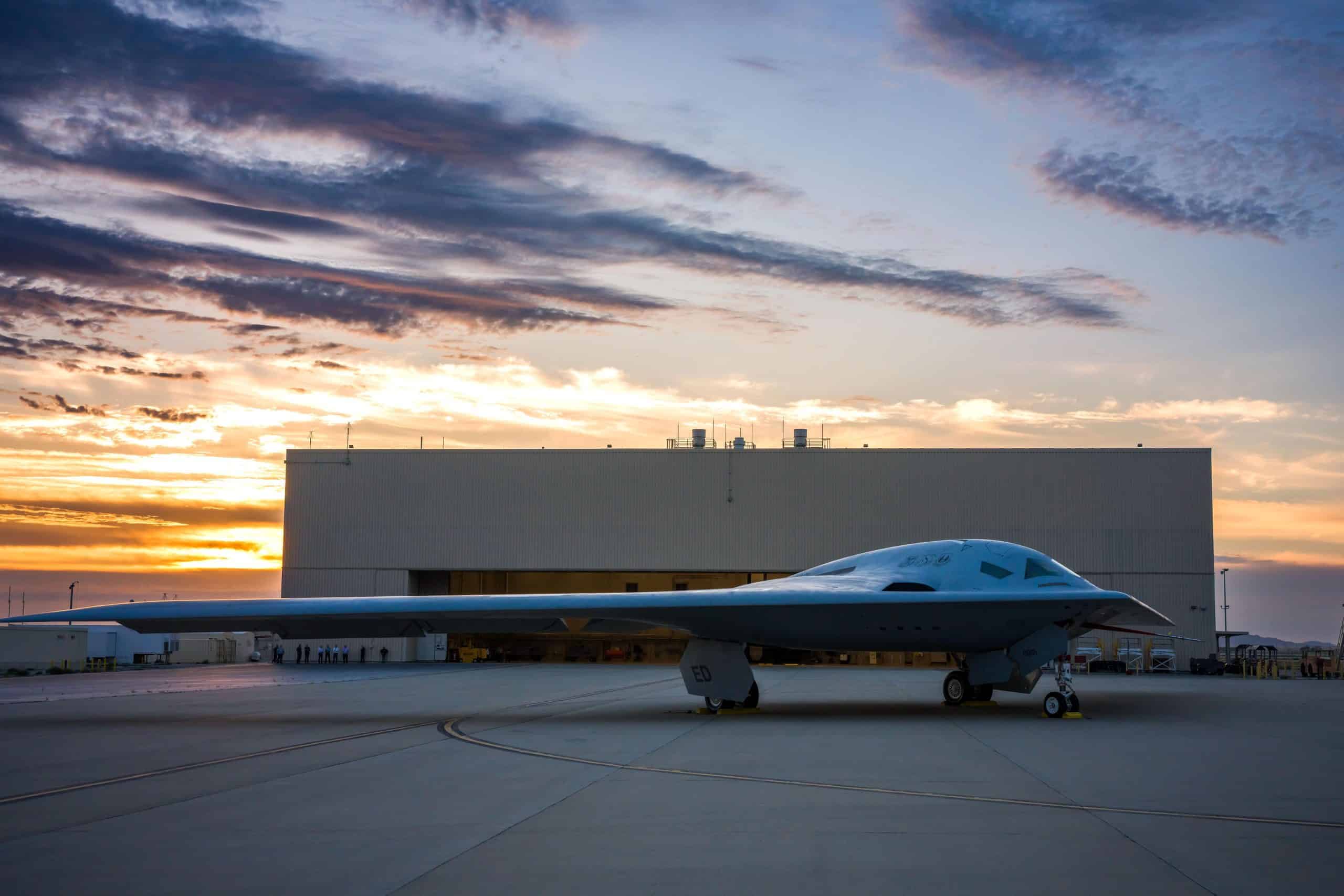
Stealth technology changed planning by allowing forces to operate in contested environments with reduced detection. This enabled new strategies focused on surprise.
Low Observable Materials
- Category: Aviation
- Era Introduced: Cold War
- Primary Planning Function: Strategic planning
- Planning Shift Enabled: Reduced signature
- Pre-Technology Limitation: Radar visibility
- Key Capability: Absorbing materials
- Impact on Decision-Making Speed: Faster
- Doctrinal Impact: Enhanced stealth doctrine
Low observable materials enhanced stealth capabilities by reducing radar signatures, allowing aircraft and systems to operate with a lower probability of detection. This forced planners to rethink air defense strategies and offensive operations, as traditional detection methods became less reliable. The integration of these materials enabled more precise strike planning and increased the viability of penetrating contested airspace without early warning.
Cyber Warfare
- Category: Cyber
- Era Introduced: Modern
- Primary Planning Function: Disruption
- Planning Shift Enabled: Pre-conflict attacks
- Pre-Technology Limitation: No digital domain
- Key Capability: Network attacks
- Impact on Decision-Making Speed: Real-time
- Doctrinal Impact: New warfare domain
Cyber warfare introduced a new dimension to military planning, where operations can begin long before physical conflict. Planners can now disrupt communication networks, disable infrastructure, and gather intelligence remotely. This capability shifts the focus of planning toward preemptive digital actions, allowing forces to shape the battlefield before engagement and potentially achieve objectives without direct combat.
Electronic Warfare Systems
- Category: EW
- Era Introduced: Cold War
- Primary Planning Function: Disruption
- Planning Shift Enabled: Spectrum control
- Pre-Technology Limitation: Uncontested spectrum
- Key Capability: Jamming systems
- Impact on Decision-Making Speed: Real-time
- Doctrinal Impact: EW doctrine expansion
Electronic warfare systems allow militaries to control and manipulate the electromagnetic spectrum, disrupting enemy communications, radar, and targeting systems. This capability forces planners to consider not only physical terrain but also the electronic environment. By degrading an adversary’s ability to coordinate and detect threats, electronic warfare reshapes how operations are planned and executed in contested environments.
Network-Centric Warfare
- Category: Doctrine
- Era Introduced: Modern
- Primary Planning Function: Coordination
- Planning Shift Enabled: Integrated ops
- Pre-Technology Limitation: Isolated units
- Key Capability: Network integration
- Impact on Decision-Making Speed: Real-time
- Doctrinal Impact: Modern warfare model
Network-centric warfare connects units across the battlefield through shared information networks, enabling coordinated operations in real time. This approach shifts planning from isolated actions to integrated strategies, where data flows continuously between platforms. Planners can synchronize movements, adapt to changing conditions, and make decisions based on a comprehensive operational picture, significantly improving efficiency and effectiveness.
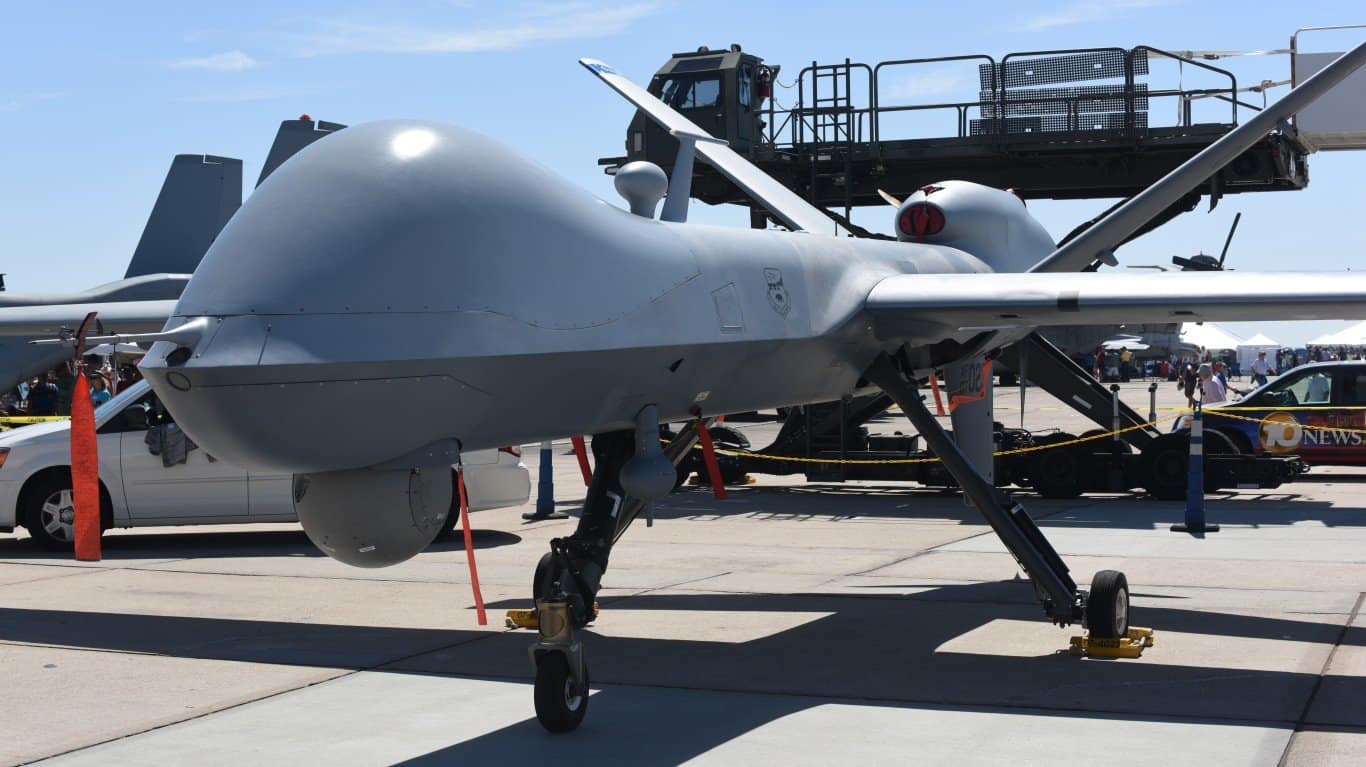
MQ-9 Reaper
- Category: ISR
- Era Introduced: Modern
- Primary Planning Function: Intelligence
- Planning Shift Enabled: Persistent ISR/strike
- Pre-Technology Limitation: Limited UAV use
- Key Capability: Armed drones
- Impact on Decision-Making Speed: Real-time
- Doctrinal Impact: Continuous targeting
The MQ-9 Reaper provides persistent intelligence, surveillance, and reconnaissance capabilities, along with precision strike options. Its ability to remain over target areas for extended periods allows planners to monitor developments continuously and adjust plans in real time. This persistence reduces uncertainty and enables more accurate and flexible operational planning in dynamic environments.
Loitering Munitions
- Category: Strike
- Era Introduced: Modern
- Primary Planning Function: Targeting
- Planning Shift Enabled: Persistent strike
- Pre-Technology Limitation: One-time strike limits
- Key Capability: Loiter capability
- Impact on Decision-Making Speed: Real-time
- Doctrinal Impact: Flexible targeting
Loitering munitions combine surveillance and strike capabilities, allowing operators to identify and engage targets during a mission rather than relying solely on pre-planned strikes. This flexibility changes planning by introducing adaptive targeting, where decisions can be made in real time based on evolving conditions. It reduces the need for fixed targeting plans and increases responsiveness on the battlefield.
Air Refueling Systems
- Category: Logistics
- Era Introduced: Cold War
- Primary Planning Function: Logistics
- Planning Shift Enabled: Extended range
- Pre-Technology Limitation: Limited aircraft range
- Key Capability: In-air refueling
- Impact on Decision-Making Speed: Faster
- Doctrinal Impact: Global reach planning
Air refueling systems extend the operational range and endurance of aircraft, enabling missions to be planned on a global scale. This capability removes traditional geographic limitations, allowing forces to project power over long distances without relying on forward bases. Planners can design more flexible and sustained operations, significantly expanding strategic options.
Strategic Airlift Systems
- Category: Logistics
- Era Introduced: Cold War
- Primary Planning Function: Deployment
- Planning Shift Enabled: Rapid deployment
- Pre-Technology Limitation: Slow troop movement
- Key Capability: Heavy lift aircraft
- Impact on Decision-Making Speed: Faster
- Doctrinal Impact: Rapid force projection
Strategic airlift systems enable the rapid deployment of troops, equipment, and supplies across the globe. This capability transforms planning by allowing forces to respond quickly to emerging threats and reposition assets as needed. The ability to move large forces in a short time frame enhances flexibility and ensures that operations can be initiated or reinforced with minimal delay.
ICBM Systems
- Category: Deterrence
- Era Introduced: Cold War
- Primary Planning Function: Deterrence
- Planning Shift Enabled: Nuclear delivery
- Pre-Technology Limitation: Limited strike range
- Key Capability: Ballistic missiles
- Impact on Decision-Making Speed: Immediate
- Doctrinal Impact: Strategic deterrence
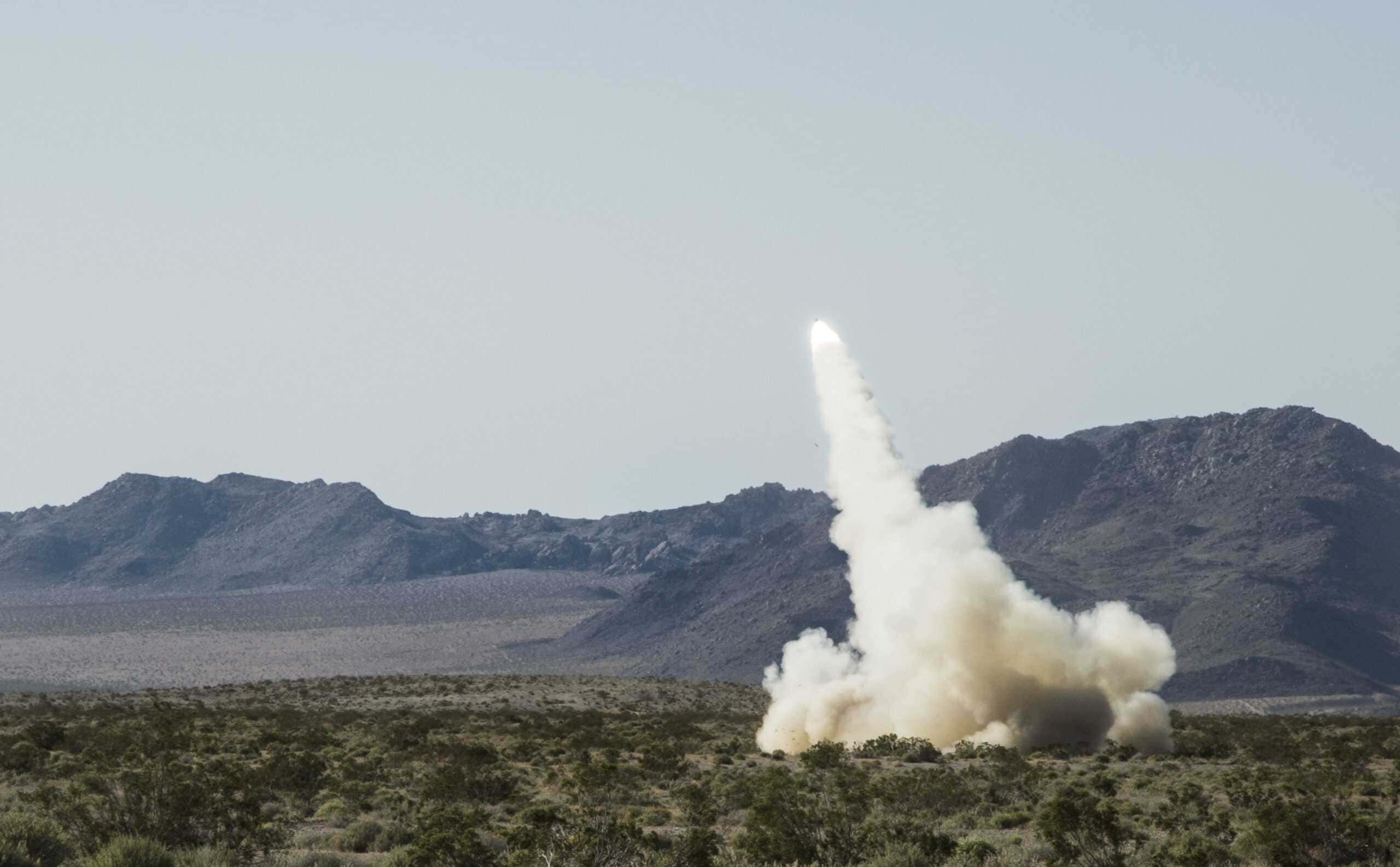
Intercontinental ballistic missiles introduced the concept of near-instant global strike capability, fundamentally altering strategic planning. Their speed and range forced planners to focus on deterrence, early warning systems, and rapid response strategies. The existence of ICBMs shifted the emphasis from conventional force buildup to maintaining credible deterrent capabilities.
Missile Defense Systems
- Category: Defense
- Era Introduced: Cold War
- Primary Planning Function: Defense
- Planning Shift Enabled: Intercept missiles
- Pre-Technology Limitation: No interception
- Key Capability: Anti-missile tech
- Impact on Decision-Making Speed: Real-time
- Doctrinal Impact: Defense planning shift
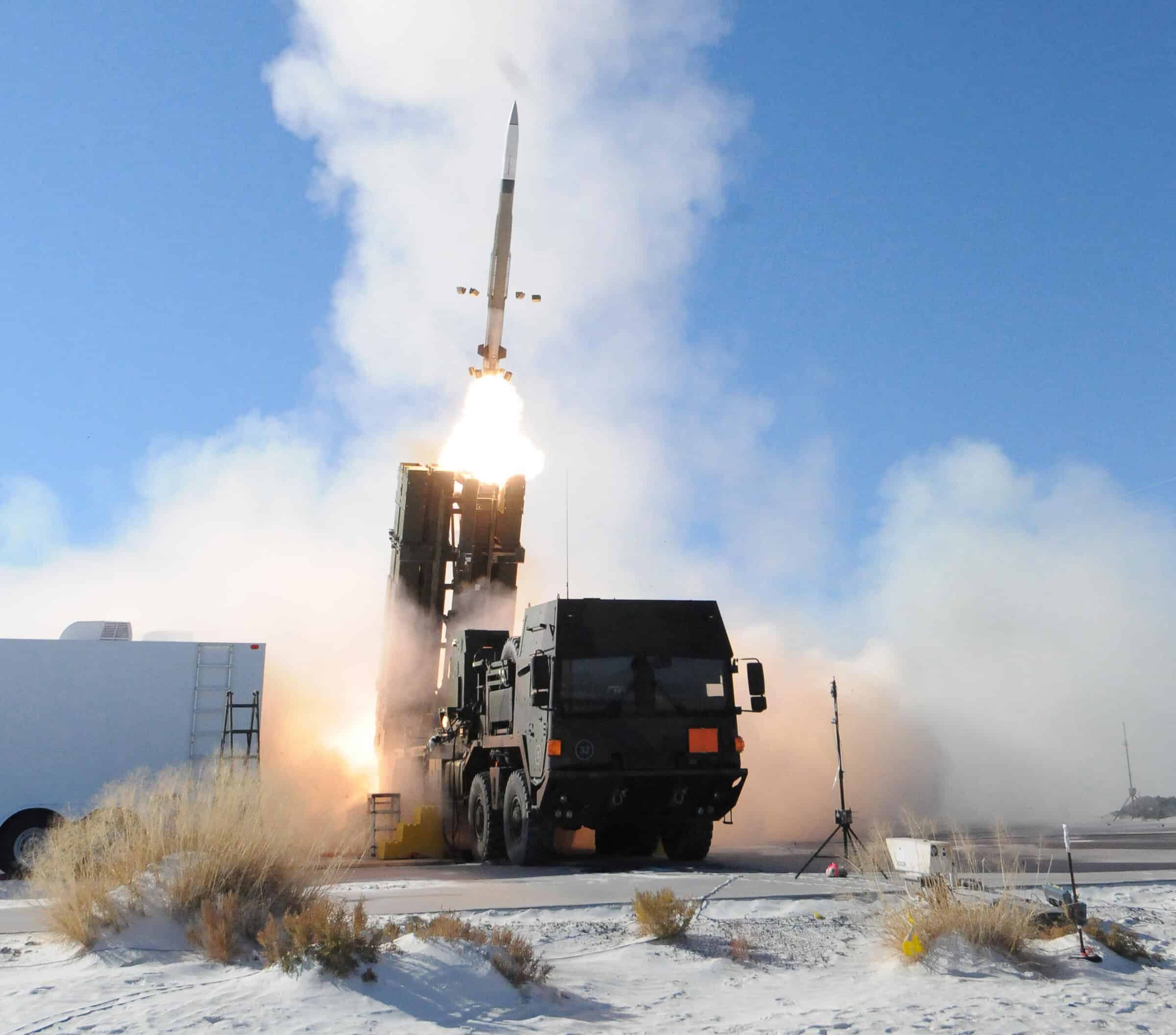
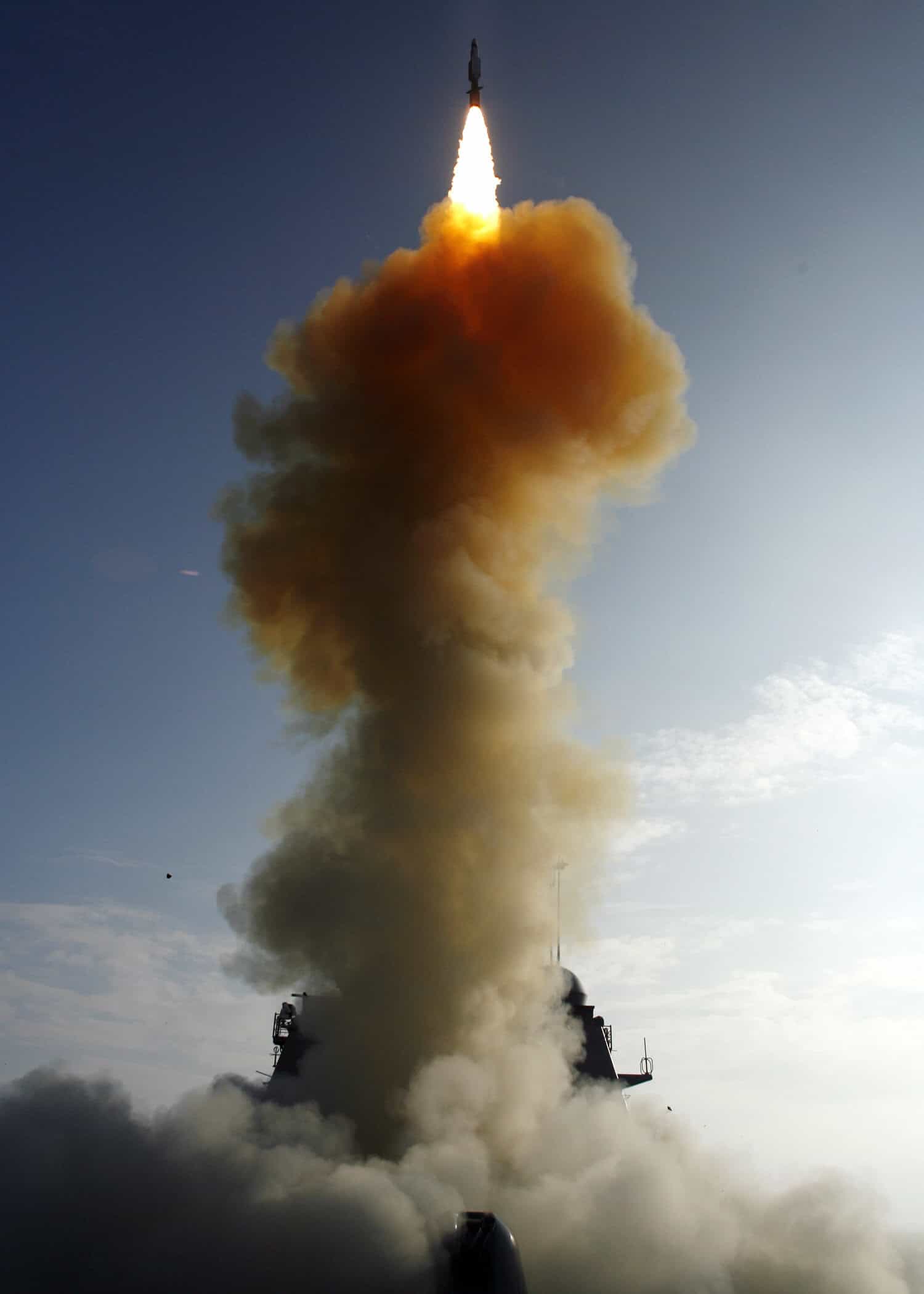
Missile defense systems provide the ability to detect, track, and intercept incoming threats, adding a defensive layer to strategic planning. This capability forces planners to consider both offensive and defensive measures when preparing for conflict. It also influences deterrence strategies, as the ability to neutralize incoming attacks changes the balance of power and decision-making processes.
AI in Warfare
- Category: AI
- Era Introduced: Modern
- Primary Planning Function: Decision-making
- Planning Shift Enabled: Automated analysis
- Pre-Technology Limitation: Slow data processing
- Key Capability: Machine learning
- Impact on Decision-Making Speed: Real-time
- Doctrinal Impact: Accelerated planning cycles
Artificial intelligence is transforming military planning by accelerating data analysis and decision-making processes. AI systems can process vast amounts of information quickly, identifying patterns and providing actionable insights. This capability allows planners to respond to changing conditions in real time, improving the speed and accuracy of decisions and enabling more adaptive and efficient strategies.
The image featured at the top of this post is ©enkoff / iStock via Getty Images