
Inside the Secret Facilities Built During the Nuclear Arms Race
When people think of the nuclear arms race, they typically picture mushroom clouds, ballistic missiles, and world leaders locked in Cold War rivalry. But behind every warhead stood a network of secret facilities that made the nuclear age possible. Hidden in remote deserts, buried beneath mountains, or concealed within closed cities, these installations were responsible for designing, producing, testing, and safeguarding some of the most powerful weapons ever created. Many remained unknown to the public for decades, operating behind layers of security and secrecy. Here, History Computer is exploring these secret sites of the nuclear age.
Here is a look at the secret facilities built during the nuclear arms race:
Los Alamos Laboratory
- Nation: United States
- Operational Era: 1943–Present
- The Secret: The isolated laboratory where the world's first atomic bombs were designed.
- Why It Mattered: Created the first nuclear weapons and established the model for modern weapons laboratories.
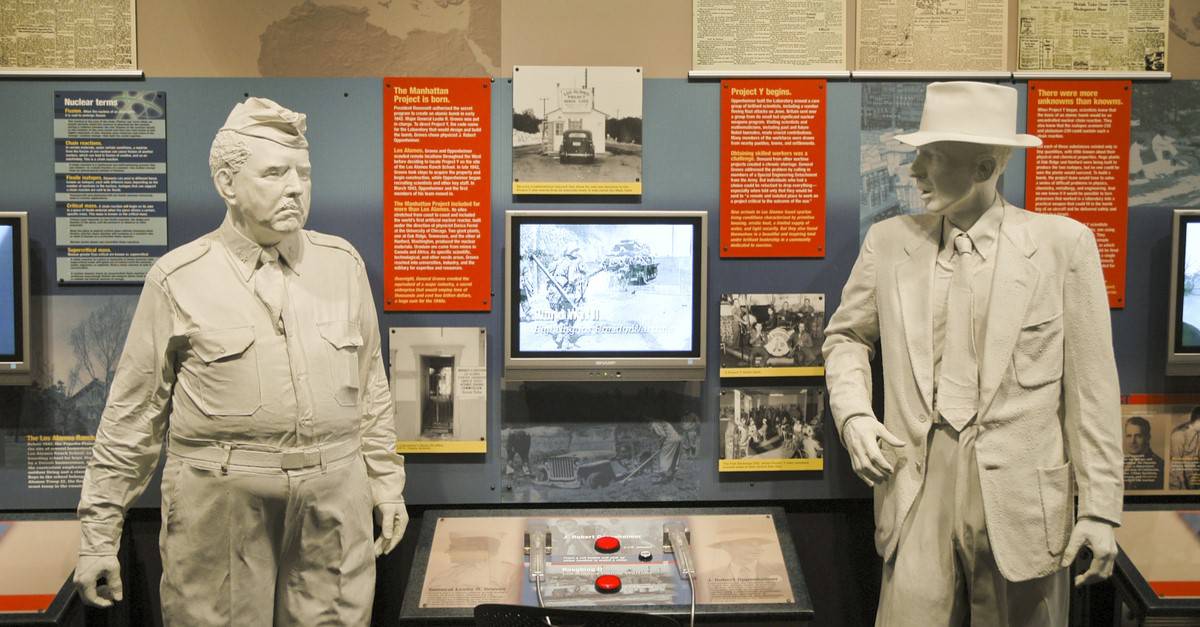
Few facilities in history have had a greater impact on world affairs than Los Alamos. Established in the remote mountains of New Mexico during World War II, the laboratory served as the scientific heart of the Manhattan Project. Under the leadership of physicist J. Robert Oppenheimer, some of the world's brightest minds gathered there to solve a problem that many believed was impossible: building an atomic bomb. The facility's location was chosen specifically for secrecy, and employees often lived under strict security measures with limited knowledge of the broader project. The weapons developed at Los Alamos helped bring World War II to a close and ushered in the nuclear age. Beyond its wartime role, the laboratory became one of the most important centers for nuclear weapons research throughout the Cold War, shaping American strategy and influencing global geopolitics for decades.
Hanford Site
- Nation: United States
- Operational Era: 1943–Present
- The Secret: A vast plutonium-production complex hidden in remote Washington State.
- Why It Mattered: Produced plutonium for Nagasaki and much of the Cold War arsenal.
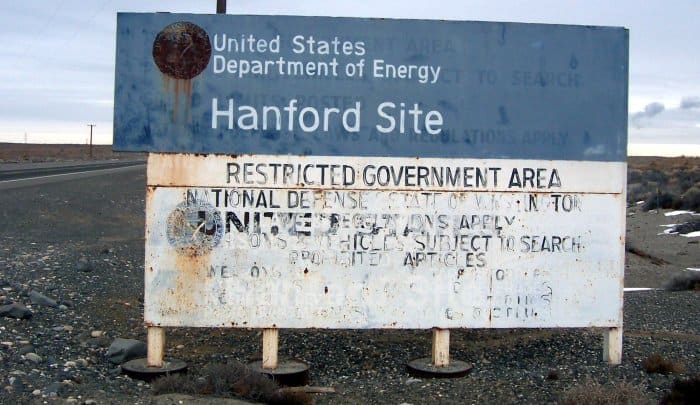
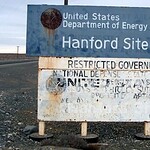
While Los Alamos designed the bomb, Hanford helped provide the material needed to build it. Located in southeastern Washington State, Hanford was constructed in remarkable secrecy as part of the Manhattan Project. Its massive reactors produced plutonium, including the material used in the bomb dropped on Nagasaki in August 1945. At its peak, Hanford resembled an industrial city hidden behind layers of government secrecy. Thousands of workers contributed to operations without fully understanding the site's purpose. During the Cold War, Hanford expanded dramatically as the United States raced to maintain a nuclear advantage over the Soviet Union. The facility became one of the largest plutonium production centers in history. Its legacy remains complicated, combining scientific achievement and strategic importance with significant environmental challenges that continue to be addressed decades after the height of nuclear production.
Oak Ridge National Laboratory
- Nation: United States
- Operational Era: 1943–Present
- The Secret: A secret city dedicated to uranium enrichment during the Manhattan Project.
- Why It Mattered: Made large-scale atomic bomb production possible.
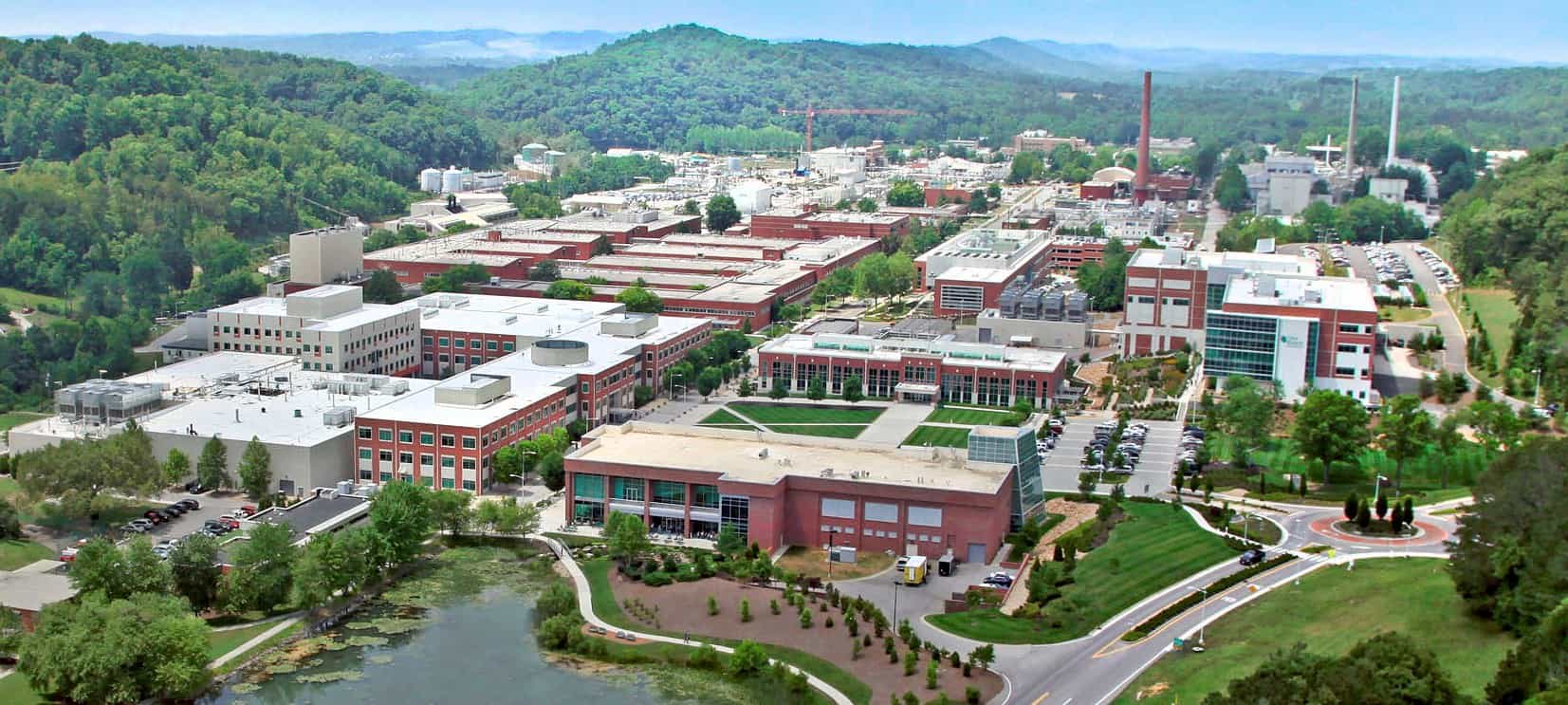
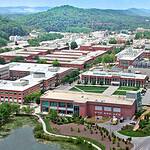
Oak Ridge was one of the Manhattan Project's greatest engineering achievements and among its best-kept secrets. Built in rural Tennessee, the facility rapidly grew into a hidden city devoted primarily to uranium enrichment. The process of separating uranium isotopes required enormous amounts of electricity, advanced technology, and an unprecedented industrial effort. At the time, few Americans knew the site even existed. Tens of thousands of workers lived and worked there under strict security, often unaware of the ultimate purpose of their labor. Oak Ridge played a crucial role in producing the enriched uranium used in the Hiroshima bomb and helped establish the infrastructure necessary for the United States' growing nuclear arsenal. The facility later evolved into a major scientific research center, but its origins remain closely tied to one of the most secretive and consequential programs in modern history.
Arzamas-16
- Nation: Soviet Union
- Operational Era: 1946–Present
- The Secret: A closed city removed from maps and dedicated to nuclear weapons design.
- Why It Mattered: Developed the Soviet atomic bomb and subsequent generations of weapons.
If Los Alamos was the birthplace of the American bomb, Arzamas-16 was its Soviet counterpart. Officially absent from maps and hidden from public view, this closed city became the center of Soviet nuclear weapons development after World War II. Established as part of Moscow's effort to catch up with the United States, the facility brought together leading Soviet scientists tasked with building an atomic bomb as quickly as possible. The city operated under extraordinary secrecy, with restricted access and carefully controlled communications. Residents often lived isolated from the outside world, yet they enjoyed certain privileges because of the site's importance. Arzamas-16 ultimately succeeded in its mission, producing the designs that allowed the Soviet Union to become a nuclear power in 1949. The facility played a central role in creating the balance of terror that defined much of the Cold War.
Chelyabinsk-40
- Nation: Soviet Union
- Operational Era: 1940s–Present
- The Secret: A secret nuclear city built around plutonium production.
- Why It Mattered: Fueled the Soviet Union's nuclear buildup during the Cold War.
Chelyabinsk-40 was one of the Soviet Union's most secret and strategically important nuclear cities. Built around the Mayak nuclear complex, the site served as a primary center for plutonium production during the early Cold War. Like many Soviet closed cities, it was erased from public maps and surrounded by strict security measures. Workers and residents often lived in isolation while contributing to one of the nation's most critical strategic programs. The facility helped provide the nuclear material needed for the Soviet weapons arsenal and played a major role in narrowing America's early nuclear advantage. However, Chelyabinsk-40 also became associated with one of the most serious nuclear accidents in history, the 1957 Kyshtym disaster. Despite this setback, the facility remained a cornerstone of Soviet nuclear production and highlighted both the immense power and significant risks associated with the nuclear age.
Cheyenne Mountain Complex
- Nation: United States
- Operational Era: 1960s–Present
- The Secret: A hardened underground command center built to survive nuclear attack.
- Why It Mattered: Protected strategic warning and command functions during the Cold War.
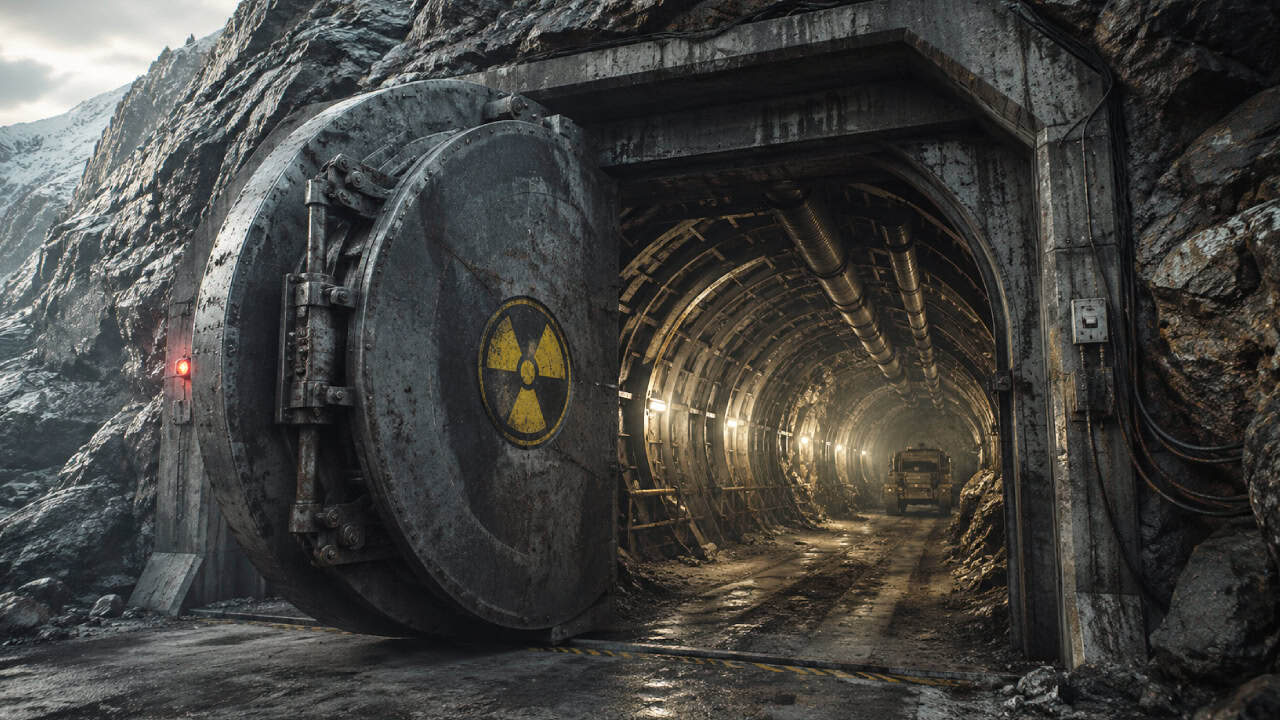
Hidden deep within a Colorado mountain, the Cheyenne Mountain Complex was built to ensure that the United States could detect and respond to a nuclear attack. Constructed during the height of Cold War tensions, the facility was designed to survive nearby nuclear blasts while maintaining critical command-and-control functions. Massive blast doors, independent power systems, and hardened communications infrastructure made it one of the most secure military installations ever built. The complex became closely associated with the North American Aerospace Defense Command (NORAD), which monitored potential missile launches and aerospace threats. Its existence reflected a grim reality of the nuclear era: leaders expected that command systems might need to function during or after a nuclear exchange. Cheyenne Mountain became a symbol of Cold War preparedness and remains one of the most recognizable underground military facilities in the world.
Semipalatinsk Test Site
- Nation: Soviet Union
- Operational Era: 1949–1991
- The Secret: The primary Soviet nuclear proving ground.
- Why It Mattered: Enabled hundreds of Soviet nuclear tests and weapons refinements.
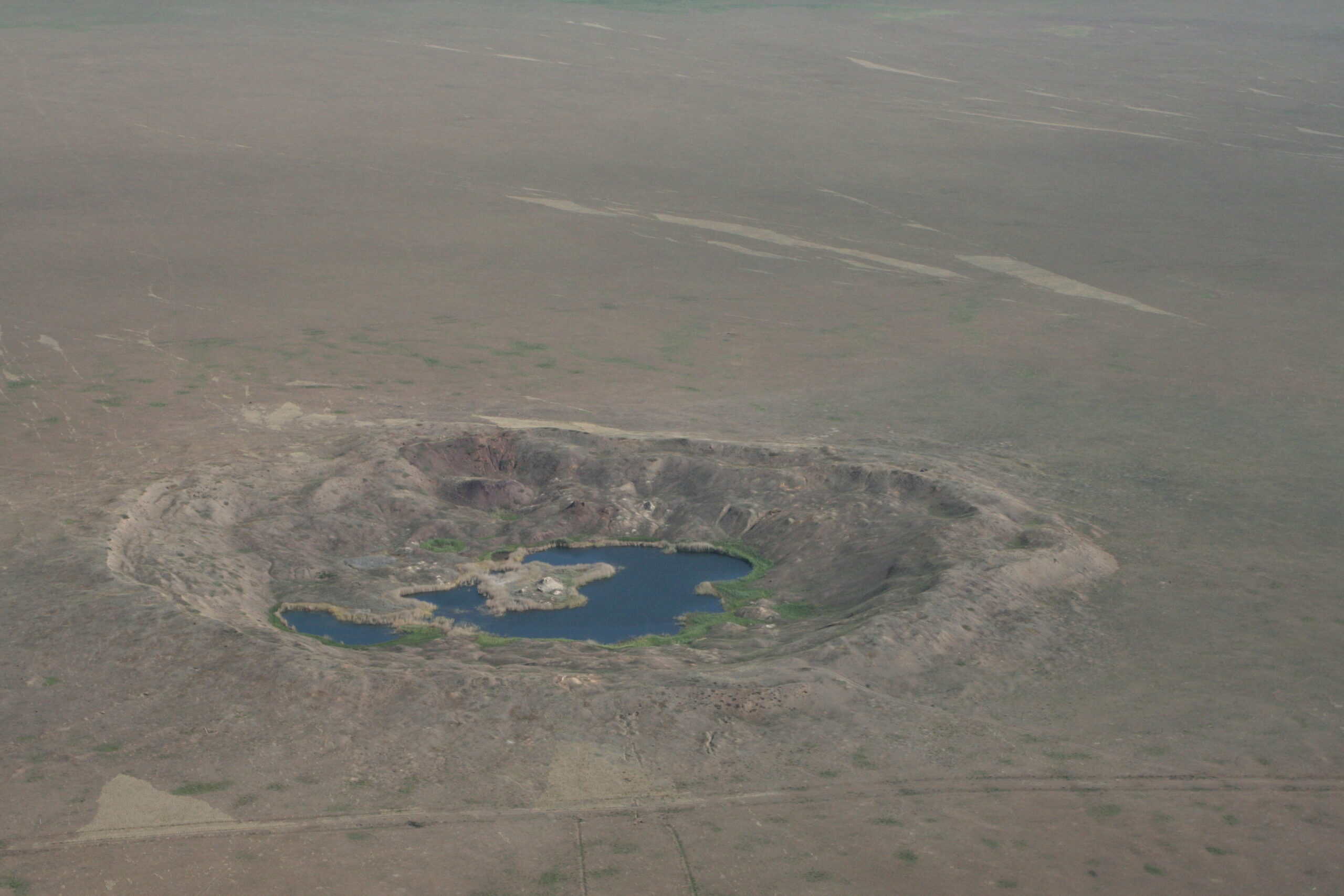
Located in the vast steppes of present-day Kazakhstan, the Semipalatinsk Test Site served as the Soviet Union's primary nuclear proving ground for more than four decades. Beginning with the country's first successful atomic test in 1949, the site witnessed hundreds of nuclear detonations, including atmospheric and underground explosions. Much of its activity was conducted under intense secrecy, with limited public awareness of the long-term health and environmental consequences. The facility allowed Soviet scientists and military planners to refine weapon designs, evaluate new technologies, and demonstrate strategic capabilities to rivals around the world. Semipalatinsk became one of the most important locations in the nuclear arms race because it enabled the Soviet Union to continuously improve its arsenal. The site's legacy remains visible today in the communities and landscapes affected by decades of nuclear testing.
Nevada Test Site
- Nation: United States
- Operational Era: 1951–Present
- The Secret: America's principal nuclear testing range.
- Why It Mattered: Supported the development and validation of U.S. nuclear weapons.
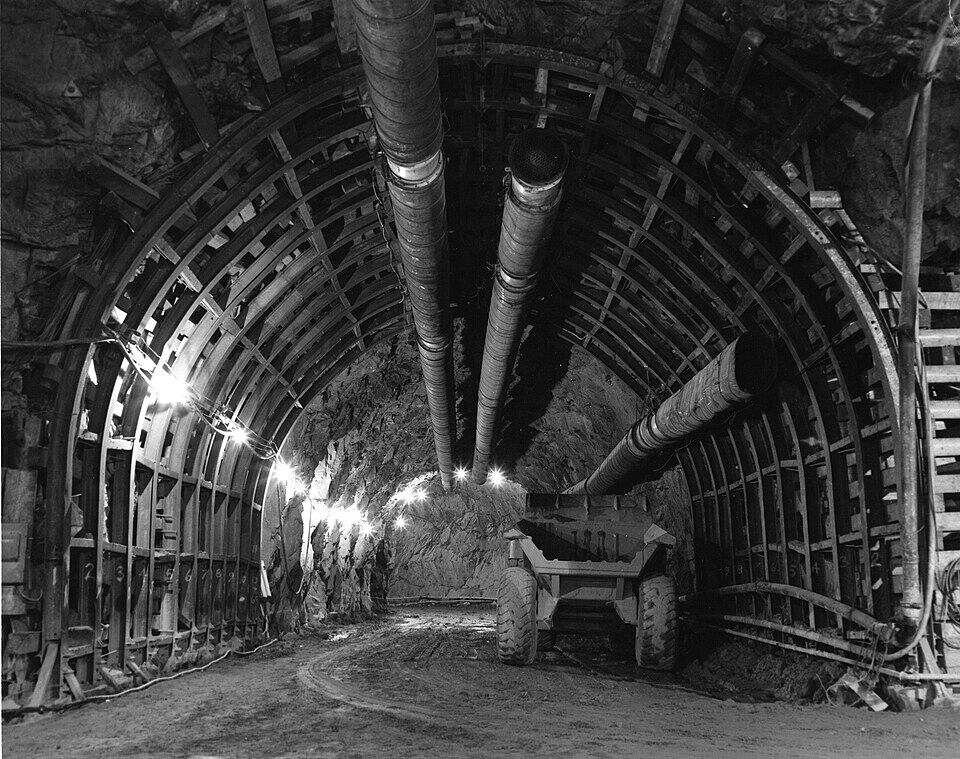
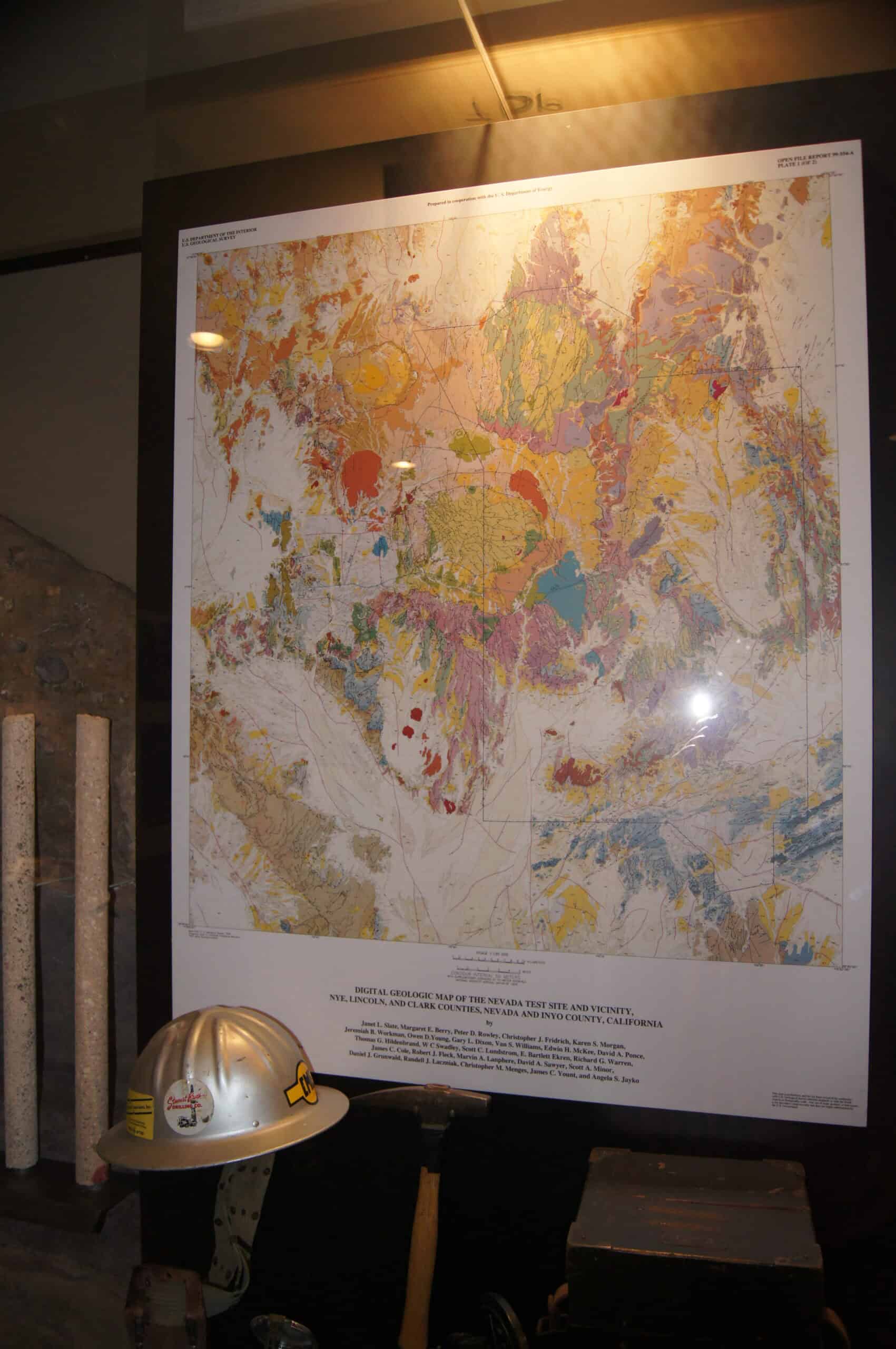
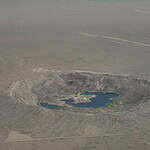
For much of the Cold War, the Nevada Test Site represented the public face of America's nuclear weapons program, even though many of its activities remained highly classified. Located northwest of Las Vegas, the facility hosted hundreds of nuclear tests that helped shape the development of the U.S. arsenal. Early atmospheric detonations could sometimes be seen from great distances, while later underground tests were designed to reduce fallout and maintain secrecy. The site became essential for evaluating weapon reliability, testing new designs, and supporting advances in nuclear strategy. Scientists, engineers, and military personnel relied on the facility to understand the effects of nuclear explosions under a variety of conditions. Few places better illustrate the scale of the arms race or the extent to which nuclear preparedness became embedded in American defense planning.
Raven Rock Mountain Complex
- Nation: United States
- Operational Era: 1950s–Present
- The Secret: An alternate Pentagon buried inside a mountain.
- Why It Mattered: Ensured military leadership could continue operating after a nuclear strike.
Often called the "Underground Pentagon," Raven Rock Mountain Complex was designed to preserve military leadership in the event of a catastrophic attack. Built inside a Pennsylvania mountain, the facility contains an extensive network of hardened structures capable of supporting command operations during a national emergency. During the Cold War, planners feared that Washington's leadership infrastructure could be targeted in a surprise nuclear strike. Raven Rock provided a backup location where military officials could continue coordinating defense efforts if primary command centers were destroyed. The facility's exact capabilities have remained largely classified, contributing to its reputation as one of America's most secretive installations. More than just a bunker, Raven Rock represented a broader strategy of continuity and survivability that became a defining feature of Cold War planning.
Burlington Bunker
- Nation: United Kingdom
- Operational Era: 1950s–1990s
- The Secret: A secret underground city for Britain's government in wartime.
- Why It Mattered: Provided continuity-of-government capabilities during a nuclear crisis.
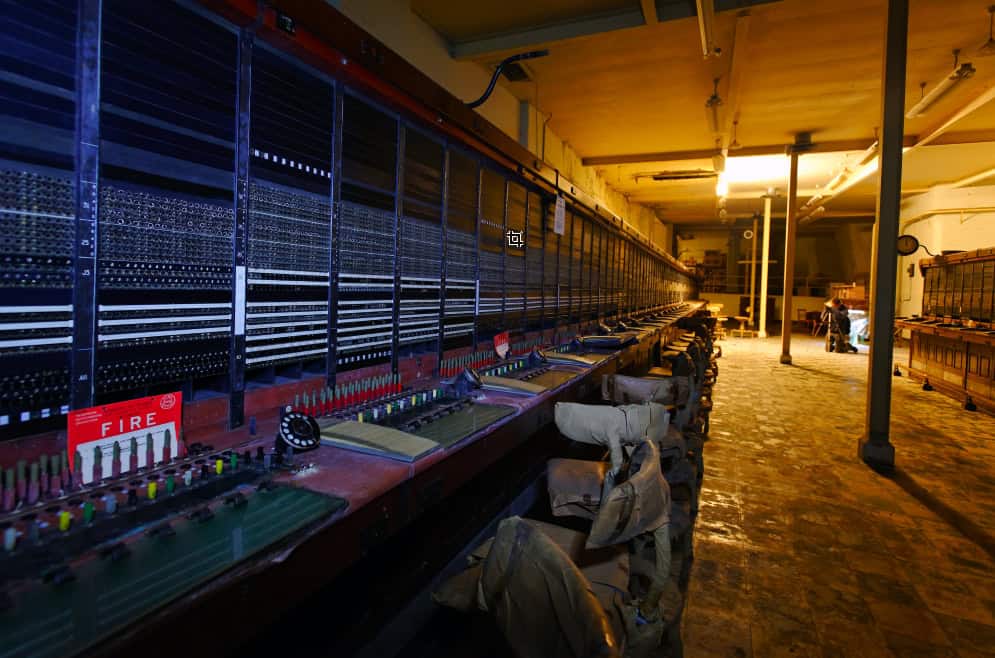
Hidden beneath the English countryside, Burlington Bunker was among the most ambitious continuity-of-government projects undertaken by any Western nation during the Cold War. Constructed beneath a former quarry in Wiltshire, the underground complex was designed to house thousands of government personnel in the aftermath of a nuclear attack. The facility contained offices, communications systems, medical services, living quarters, and other infrastructure necessary to keep the British government functioning during a national crisis. For decades, much of the bunker remained secret, fueling speculation about its purpose and capabilities. Burlington reflected the widespread fear that nuclear war could occur with little warning and demonstrated the lengths governments were willing to go to ensure survival. Although it was never used for its intended purpose, it remains one of the most remarkable examples of Cold War contingency planning.