


The Weapons That Defined America’s Military Power
Some American weapons became so effective and recognizable that they evolved into global symbols of U.S. military power. Systems like the Nimitz-class aircraft carrier, F-35 Lightning II, and M16 rifle helped define how the United States fought wars from Vietnam to Iraq and Afghanistan. Many of these platforms combined advanced technology, battlefield reliability, and massive industrial production in ways that gave American forces enormous advantages over potential adversaries. Today, these weapons remain closely tied to the image of American military dominance and the country’s ability to project power around the world.
To identify the weapons that became symbols of American military power, History Computer reviewed historical and military sources. We included supplemental information for each weapon regarding its type, year introduced, major wars or operations it was used in, why it became iconic, and its legacy to American military power.
Here is a look at the weapons that became symbols of American military power:
Why Are We Covering This?
Understanding the weapons that became symbols of American military power matters because these systems helped define how the United States projected force, deterred adversaries, and built its global military reputation across multiple generations of warfare. Weapons such as the F-15 Eagle, M1 Abrams, and Nimitz-class aircraft carrier became internationally recognizable because they consistently demonstrated technological superiority, battlefield effectiveness, and strategic reach during major conflicts from the Cold War to the wars in Iraq and Afghanistan. Many of these systems also reshaped global military doctrine by forcing rival nations to redesign tactics, air defenses, armored warfare strategies, and naval operations around countering American capabilities. Beyond their technical performance, these weapons became part of the broader image of American military dominance and remain closely tied to the nation’s industrial strength, innovation, and ability to project power on a global scale.
The Weapons That Came to Represent American Power
Certain weapons became far more than military equipment — they became global symbols of American power itself. From the roar of the B-52 Stratofortress to the battlefield dominance of the M1 Abrams, these systems helped shape how allies and adversaries viewed the United States military across different eras of warfare. Many became closely associated with American technological superiority, industrial strength, and the ability to project overwhelming force almost anywhere in the world.
Airpower Became Central to America’s Military Identity
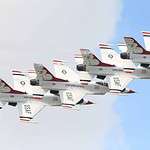
Few nations became more closely associated with airpower than the United States. Aircraft such as the F-15 Eagle, F-22 Raptor, and B-2 Spirit symbolized America’s dominance in aerial warfare for decades. These platforms combined speed, stealth, advanced sensors, and precision strike capability in ways that often forced rival nations to redesign their own military strategies around countering American air superiority.
Ground Warfare Produced Some of America’s Most Recognizable Weapons
American military power was also defined by weapons that dominated battlefields on the ground. The AH-64 Apache became one of the world’s most feared attack helicopters, while the M16 rifle and M4 carbine became closely associated with generations of American infantrymen. These weapons helped shape battlefield tactics, force mobility, and infantry doctrine from Vietnam through the wars in Iraq and Afghanistan.
Naval Power Allowed America to Project Force Globally
Weapons like the Nimitz-class aircraft carrier and the Ohio-class submarine became symbols of America’s ability to project military force across entire oceans. Aircraft carriers gave the United States mobile airbases capable of responding rapidly to crises around the globe, while ballistic missile submarines formed one of the most important components of America’s nuclear deterrent strategy during the Cold War and beyond.
Why These Weapons Still Matter Today
Many of these weapons remain active today because they continue to represent key elements of American military doctrine, technological innovation, and strategic deterrence. Even systems introduced decades ago still influence how wars are fought and how rival nations build their own militaries. More importantly, these weapons became deeply tied to the broader global image of American military power itself — an image built through combat performance, industrial capability, and the ability to dominate across land, sea, air, and space.
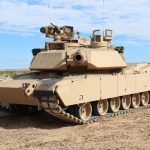
M1 Abrams
- Type: Main battle tank
- Year Introduced: 1980
- Military Branch: U.S. Army
- Major Wars / Operations: Gulf War, Iraq War
- Why It Became Iconic: Dominant modern tank design
- Key Strength or Capability: Heavy armor and firepower
- Strategic or Cultural Impact: Symbol of U.S. armored supremacy
- Legacy to American Military Power: Defined modern American armored warfare
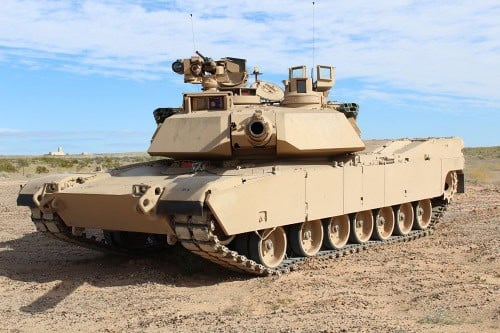
The M1 Abrams became one of the clearest symbols of American military dominance after proving overwhelmingly effective during the Gulf War in 1991. Equipped with heavy composite armor, advanced targeting systems, and a powerful 120mm cannon, the tank consistently outperformed Iraqi armored forces during high-speed offensive operations across Kuwait and Iraq. The Abrams developed a reputation for survivability and battlefield lethality that reinforced the image of American technological superiority during the post-Cold War era. Decades later, it remains the centerpiece of U.S. armored warfare doctrine and one of the most recognizable tanks ever produced.
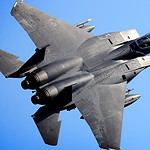
F-15 Eagle
- Type: Air superiority fighter
- Year Introduced: 1976
- Military Branch: U.S. Air Force
- Major Wars / Operations: Desert Storm, Iraq, Syria
- Why It Became Iconic: Near-perfect air combat reputation
- Key Strength or Capability: Extreme speed and maneuverability
- Strategic or Cultural Impact: Symbol of American air dominance
- Legacy to American Military Power: One of the most successful fighters ever
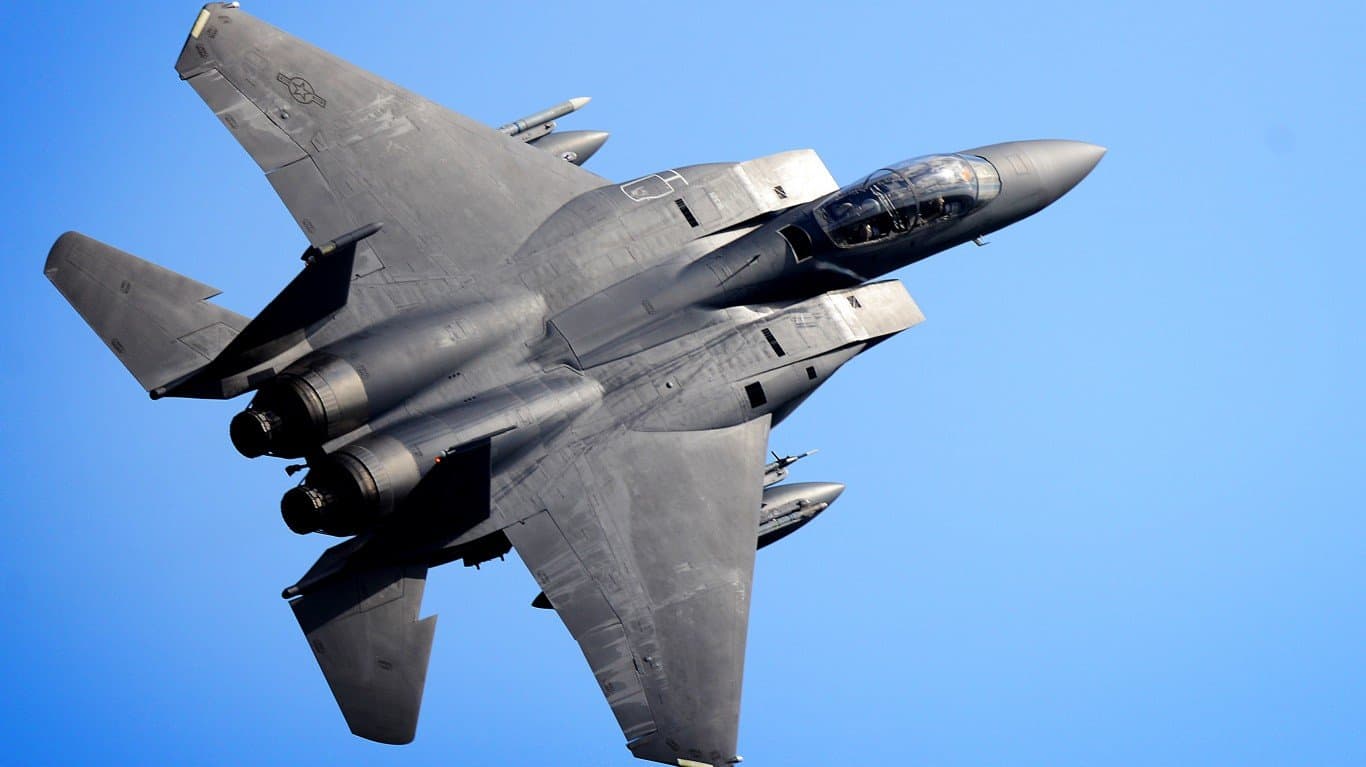
The F-15 Eagle became a global symbol of American air superiority because of its extraordinary combat record and unmatched performance during the Cold War and beyond. Designed specifically to dominate enemy aircraft in air-to-air combat, the F-15 combined speed, maneuverability, radar capability, and long-range missile engagement into one of the most successful fighter platforms in history. The aircraft gained legendary status during operations such as Desert Storm, where American pilots achieved overwhelming air dominance. The Eagle’s near-perfect combat reputation helped reinforce the perception that the United States possessed the world’s most advanced fighter aviation force.
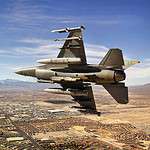
F-16 Fighting Falcon
- Type: Multirole fighter
- Year Introduced: 1978
- Military Branch: U.S. Air Force
- Major Wars / Operations: Desert Storm, Balkans, Afghanistan
- Why It Became Iconic: Mass-produced global fighter
- Key Strength or Capability: Versatility and agility
- Strategic or Cultural Impact: Expanded American influence through exports
- Legacy to American Military Power: One of the most recognizable U.S. jets
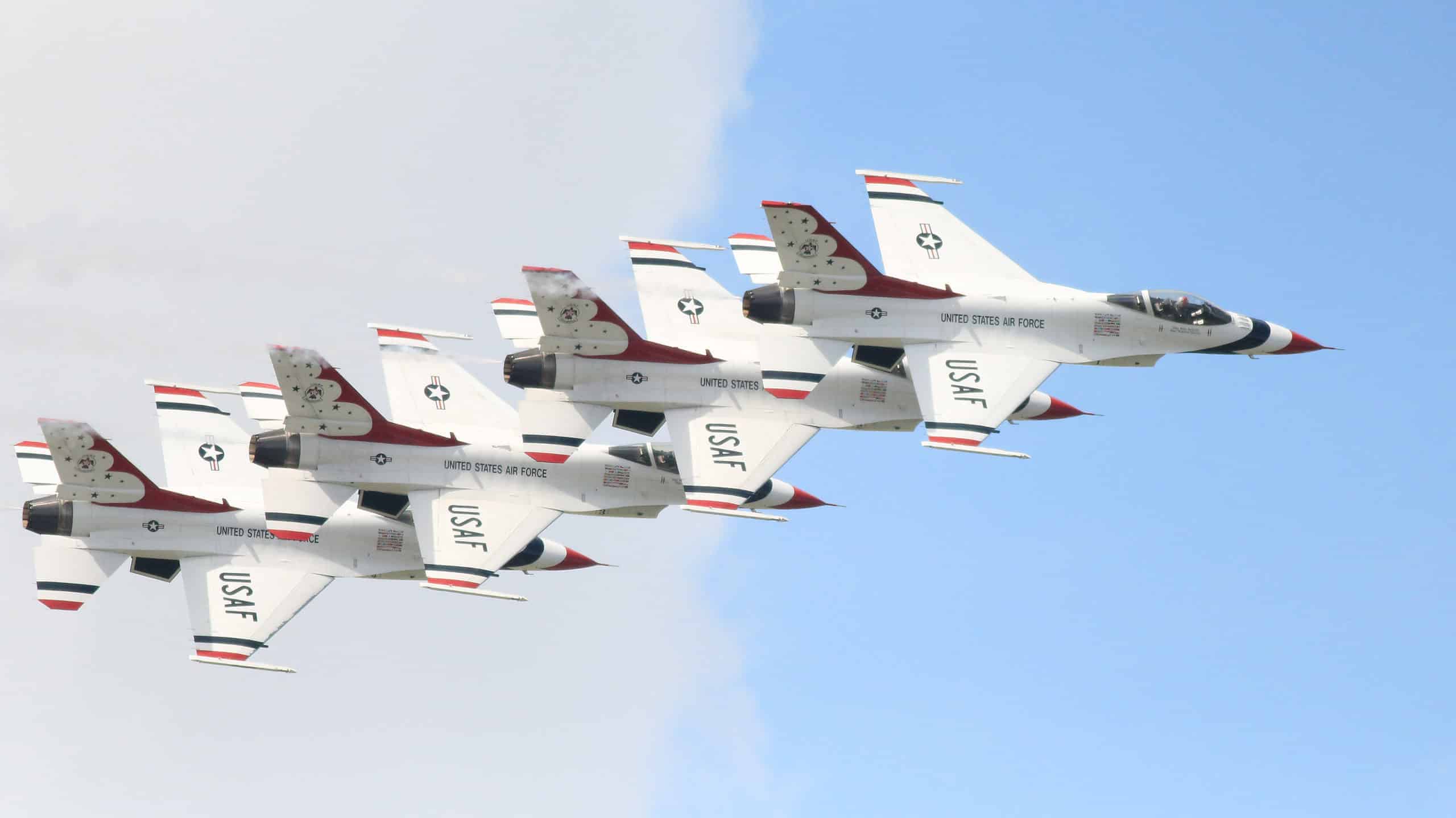
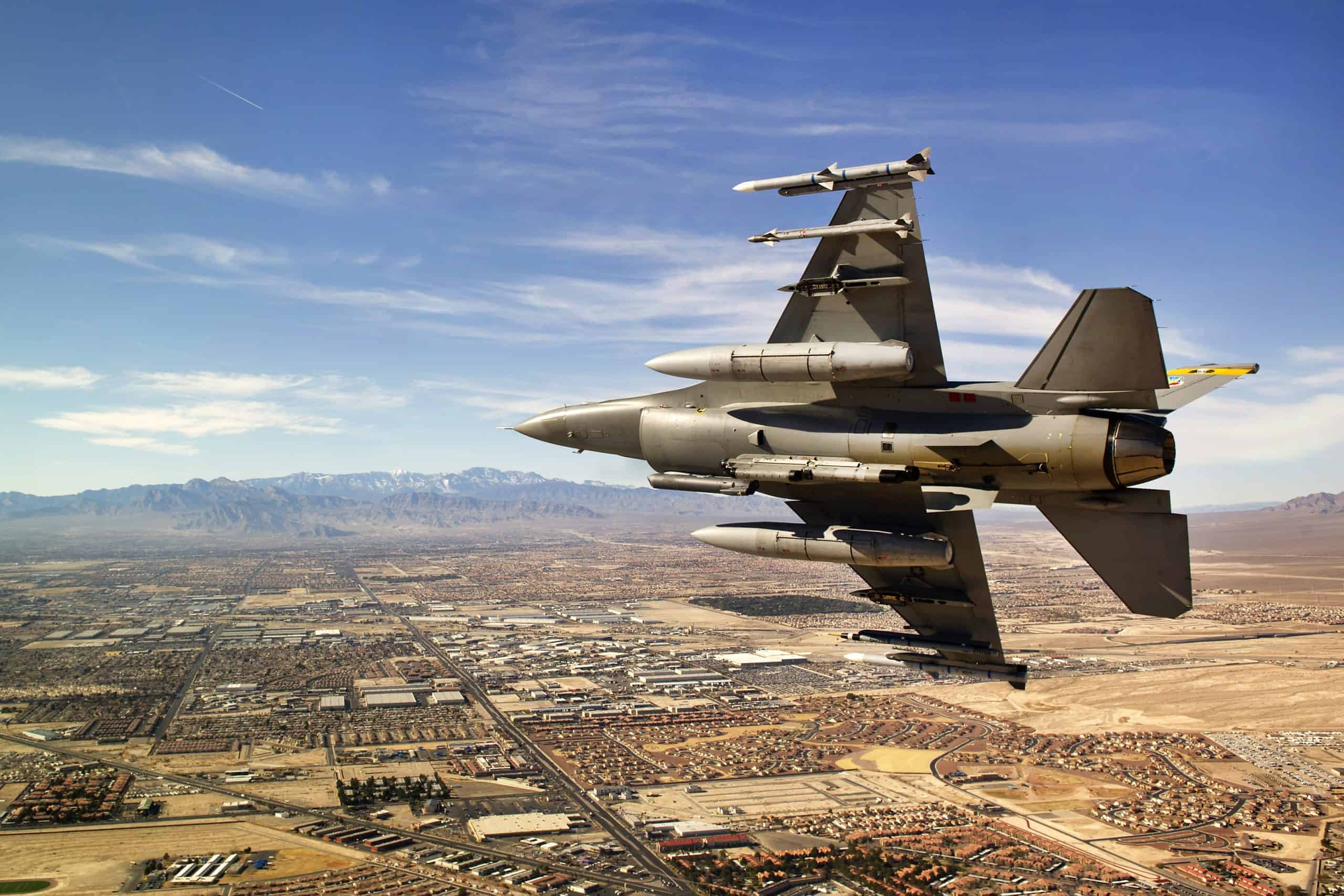
The F-16 Fighting Falcon became one of the most widely recognized and exported American fighter aircraft because it successfully combined affordability, agility, and multirole flexibility. Introduced during the Cold War, the aircraft evolved into a highly adaptable platform capable of conducting air combat, ground attack, and precision strike missions across numerous conflicts. The F-16 saw extensive combat use during Desert Storm, the Balkans, Afghanistan, and Iraq while also serving in the air forces of dozens of allied nations. Its widespread use helped expand American military influence globally and made the Fighting Falcon one of the defining fighter aircraft of the modern era.
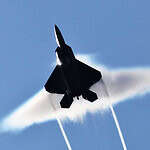
F-22 Raptor
- Type: Stealth fighter
- Year Introduced: 2005
- Military Branch: U.S. Air Force
- Major Wars / Operations: Middle East operations
- Why It Became Iconic: First fifth-generation air dominance fighter
- Key Strength or Capability: Stealth and supercruise
- Strategic or Cultural Impact: Represents peak U.S. air superiority
- Legacy to American Military Power: Benchmark for modern fighter design
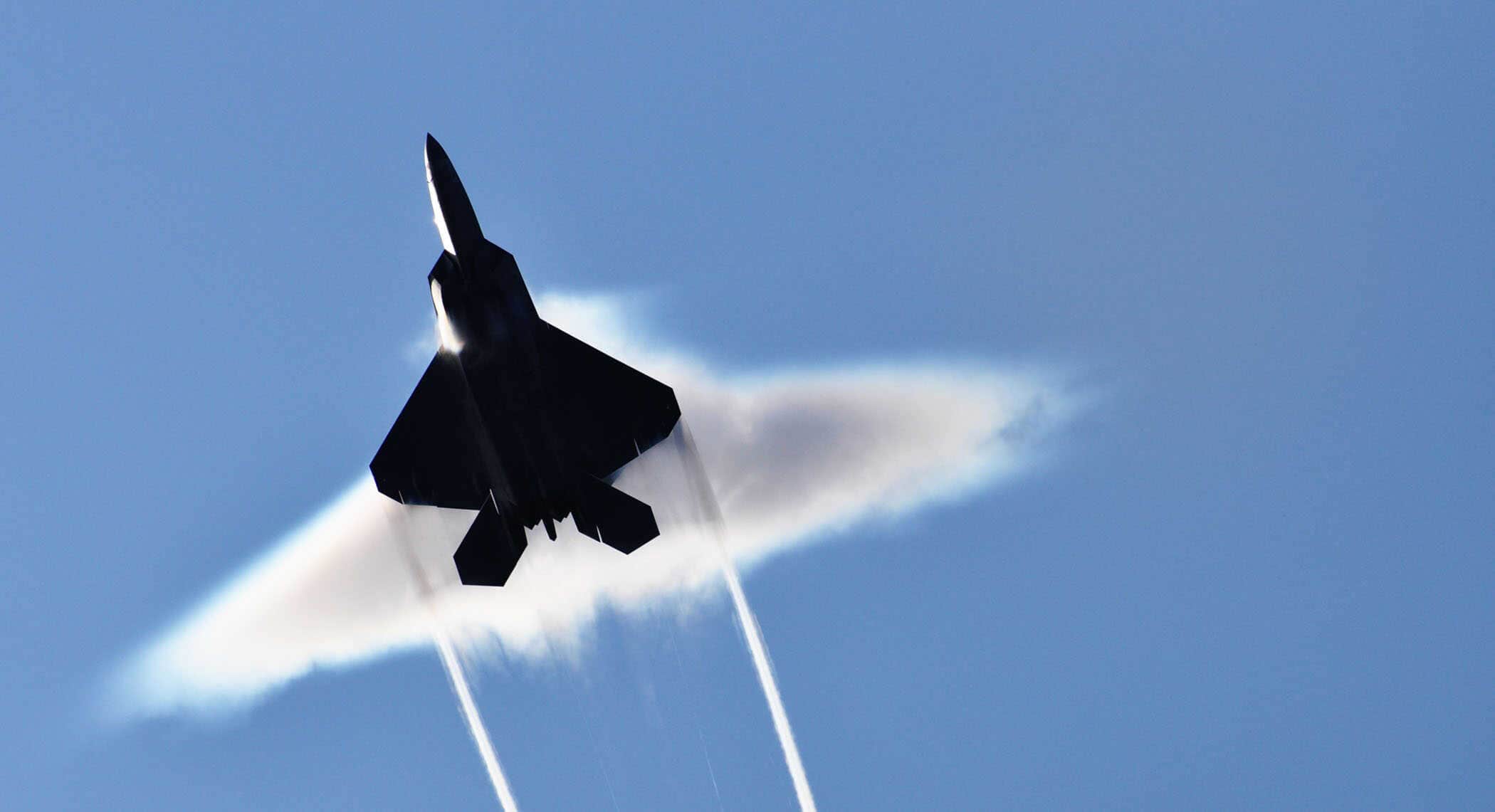
The F-22 Raptor became a symbol of unmatched American air dominance when it entered service as the world’s first operational fifth-generation stealth fighter. Combining advanced stealth technology, supercruise capability, extreme maneuverability, and powerful sensors, the aircraft represented a major leap forward in fighter design. The Raptor was built specifically to guarantee American air superiority against advanced enemy aircraft and integrated air defense systems. Although produced in relatively limited numbers, the F-22 developed a near-mythical reputation within military aviation circles and remains one of the clearest examples of America’s technological advantage in modern aerial warfare.
F-35 Lightning II
- Type: Stealth multirole fighter
- Year Introduced: 2015
- Military Branch: Multiple branches
- Major Wars / Operations: Middle East operations
- Why It Became Iconic: Most advanced multinational fighter program
- Key Strength or Capability: Sensor fusion and stealth
- Strategic or Cultural Impact: Symbol of allied interoperability
- Legacy to American Military Power: Cornerstone of future Western airpower
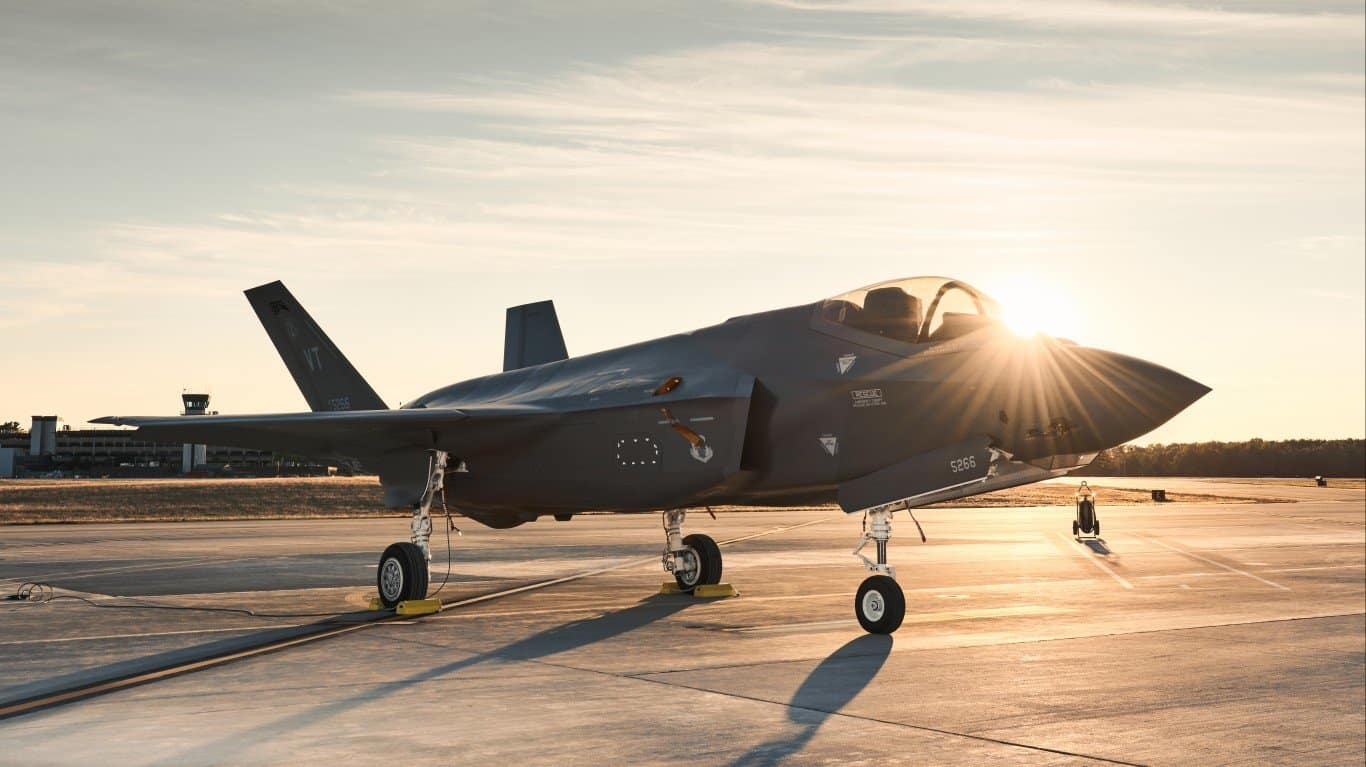
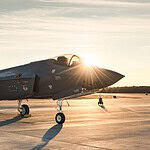
The F-35 Lightning II became the centerpiece of modern Western airpower through its combination of stealth, sensor fusion, and multinational interoperability. Designed for the Air Force, Navy, and Marine Corps, the aircraft serves as one of the most ambitious military aviation programs in history. The F-35’s ability to gather and share battlefield information while operating in heavily defended airspace transformed it into more than simply a fighter aircraft. It became a networked combat platform central to future American and allied warfare strategy. The jet’s global adoption further reinforced its status as a symbol of modern American military leadership and technological influence.
B-52 Stratofortress
- Type: Strategic bomber
- Year Introduced: 1955
- Military Branch: U.S. Air Force
- Major Wars / Operations: Vietnam, Iraq, Afghanistan
- Why It Became Iconic: Cold War nuclear deterrence icon
- Key Strength or Capability: Long-range payload capacity
- Strategic or Cultural Impact: Symbol of strategic bombing power
- Legacy to American Military Power: Still active after decades of service
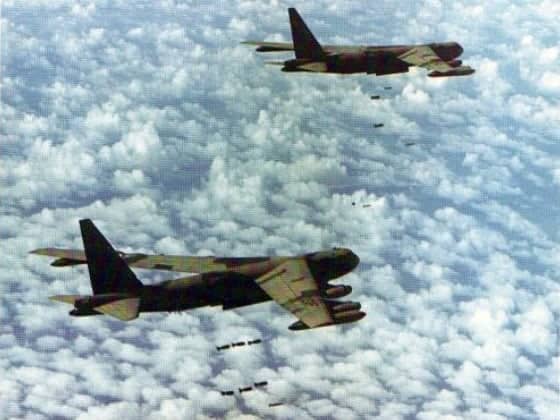
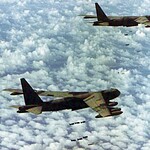
The B-52 Stratofortress became one of the most enduring symbols of American military power because of its enormous payload capacity, global range, and central role in Cold War nuclear deterrence. Entering service during the 1950s, the bomber participated in conflicts ranging from Vietnam to Afghanistan while remaining operational for decades longer than originally expected. During the Cold War, the aircraft represented America’s ability to project overwhelming strategic bombing power anywhere in the world. Even today, the B-52 remains active within the U.S. Air Force, making it one of the longest-serving and most recognizable military aircraft ever produced.
B-2 Spirit
- Type: Stealth bomber
- Year Introduced: 1997
- Military Branch: U.S. Air Force
- Major Wars / Operations: Kosovo, Iraq, Afghanistan
- Why It Became Iconic: Stealth strategic strike capability
- Key Strength or Capability: Penetration of advanced defenses
- Strategic or Cultural Impact: Embodied U.S. stealth dominance
- Legacy to American Military Power: Changed strategic bomber doctrine
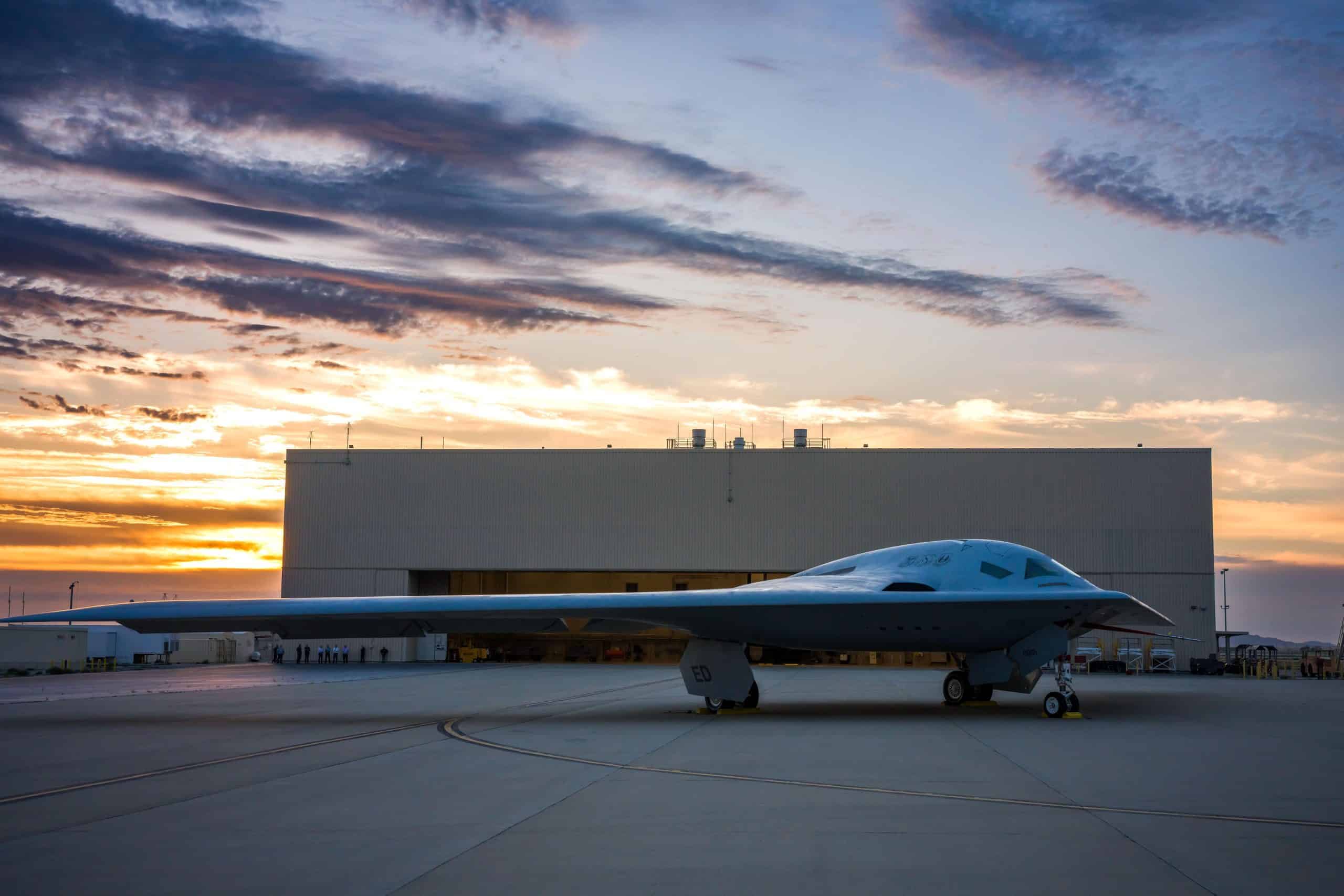
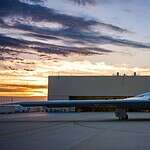
The B-2 Spirit embodied American stealth dominance and strategic strike capability when it entered service as one of the most technologically advanced bombers ever built. Its flying-wing design and low radar signature allowed it to penetrate heavily defended airspace that older bombers could not safely enter. The B-2 conducted precision strike missions during Kosovo, Iraq, Afghanistan, and Libya while demonstrating America’s ability to attack global targets with minimal warning. Because of its secrecy, cost, and futuristic appearance, the bomber became one of the most iconic representations of advanced American military technology during the post-Cold War period.
AH-64 Apache
- Type: Attack helicopter
- Year Introduced: 1986
- Military Branch: U.S. Army
- Major Wars / Operations: Desert Storm, Iraq, Afghanistan
- Why It Became Iconic: Iconic modern attack helicopter
- Key Strength or Capability: Tank-killing firepower
- Strategic or Cultural Impact: Symbol of American rotary-wing combat power
- Legacy to American Military Power: Defined modern attack helicopter warfare
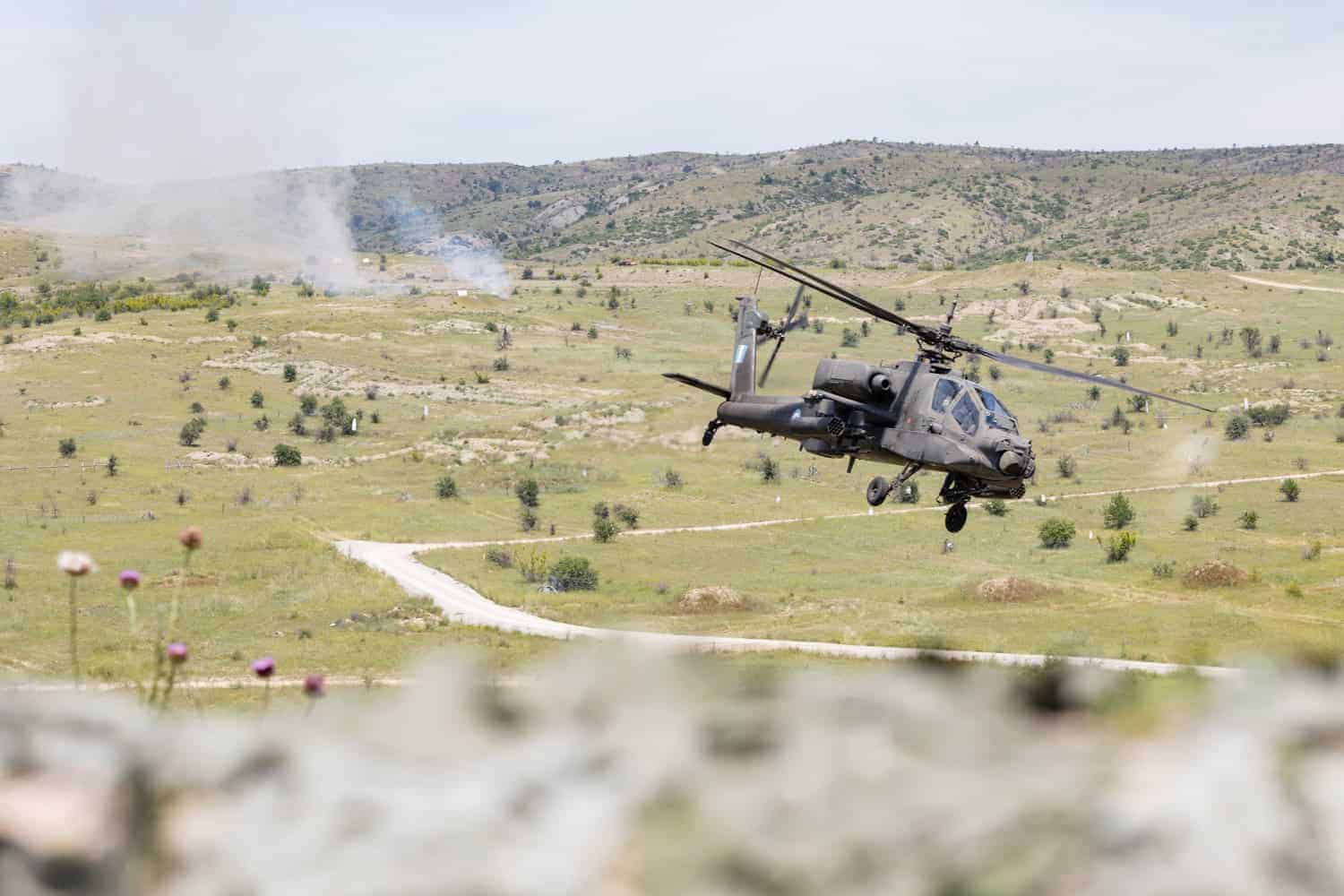
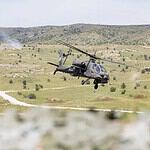
The AH-64 Apache became the defining American attack helicopter through its combination of anti-armor firepower, battlefield survivability, and advanced targeting systems. Armed with Hellfire missiles, rockets, and a powerful chain gun, the Apache proved devastating during operations such as Desert Storm, where it destroyed large numbers of Iraqi armored vehicles. The helicopter’s intimidating appearance and effectiveness helped make it one of the most feared rotary-wing combat platforms in the world. The Apache became closely associated with American battlefield dominance and helped establish the modern concept of highly mobile, precision-focused helicopter warfare.
UH-60 Black Hawk
- Type: Utility helicopter
- Year Introduced: 1979
- Military Branch: U.S. Army
- Major Wars / Operations: Somalia, Iraq, Afghanistan
- Why It Became Iconic: Most recognizable U.S. military helicopter
- Key Strength or Capability: Transport versatility
- Strategic or Cultural Impact: Symbol of modern air mobility
- Legacy to American Military Power: Essential to U.S. battlefield logistics
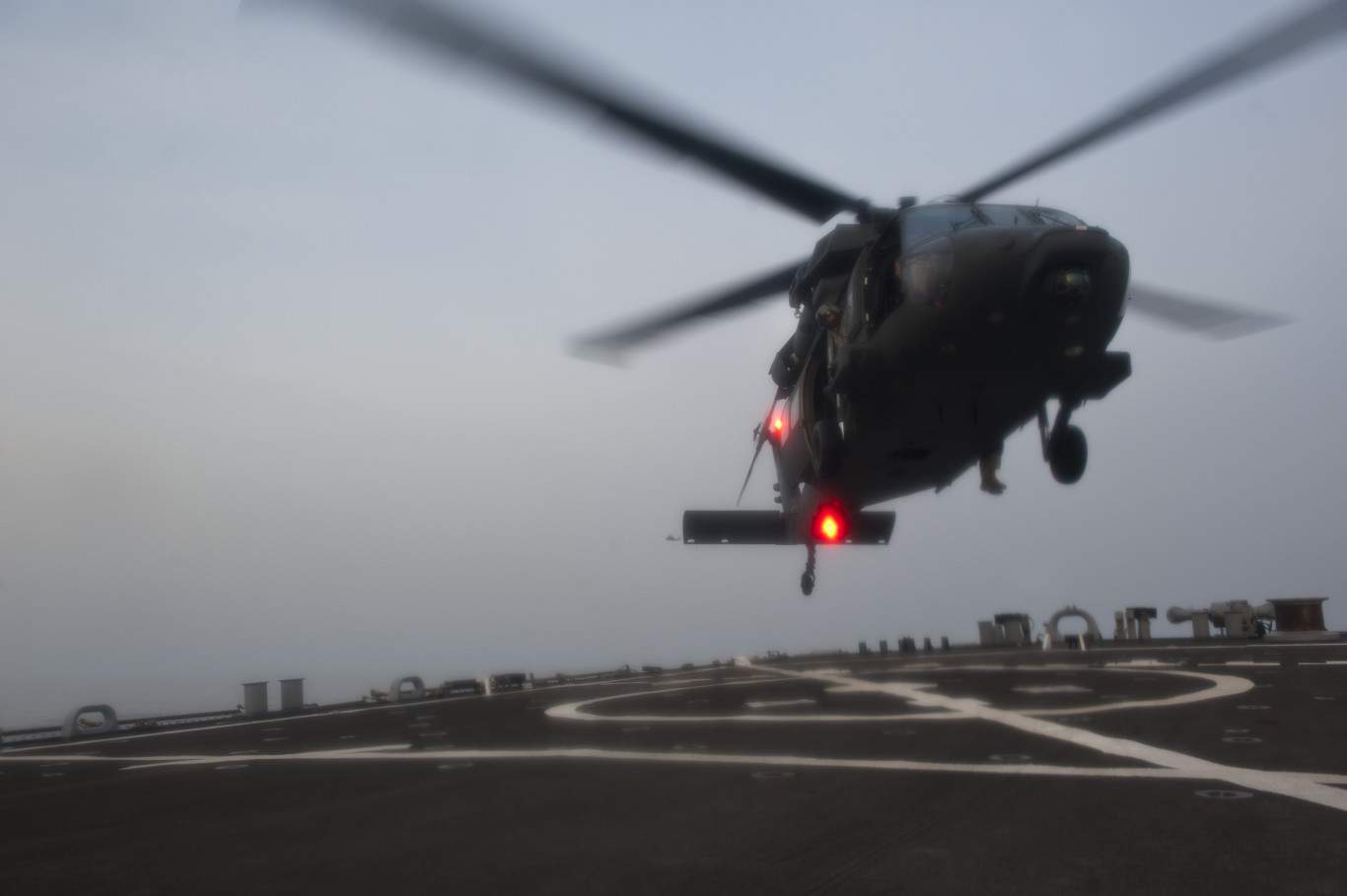
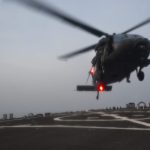
The UH-60 Black Hawk became one of the most recognizable American military helicopters through decades of service in combat zones around the world. Designed to transport troops, evacuate casualties, and support special operations missions, the Black Hawk became essential to modern American battlefield mobility. The helicopter gained widespread recognition during operations in Somalia, Iraq, and Afghanistan while demonstrating remarkable adaptability across numerous mission types. Its association with air assault operations and rapid troop deployment made it a visible symbol of how the U.S. military projects power and responds quickly to global crises.
AC-130
- Type: Gunship aircraft
- Year Introduced: 1968
- Military Branch: U.S. Air Force
- Major Wars / Operations: Vietnam, Iraq, Afghanistan
- Why It Became Iconic: Devastating close air support
- Key Strength or Capability: Precision heavy firepower
- Strategic or Cultural Impact: Feared symbol of U.S. fire support
- Legacy to American Military Power: Legendary special operations aircraft
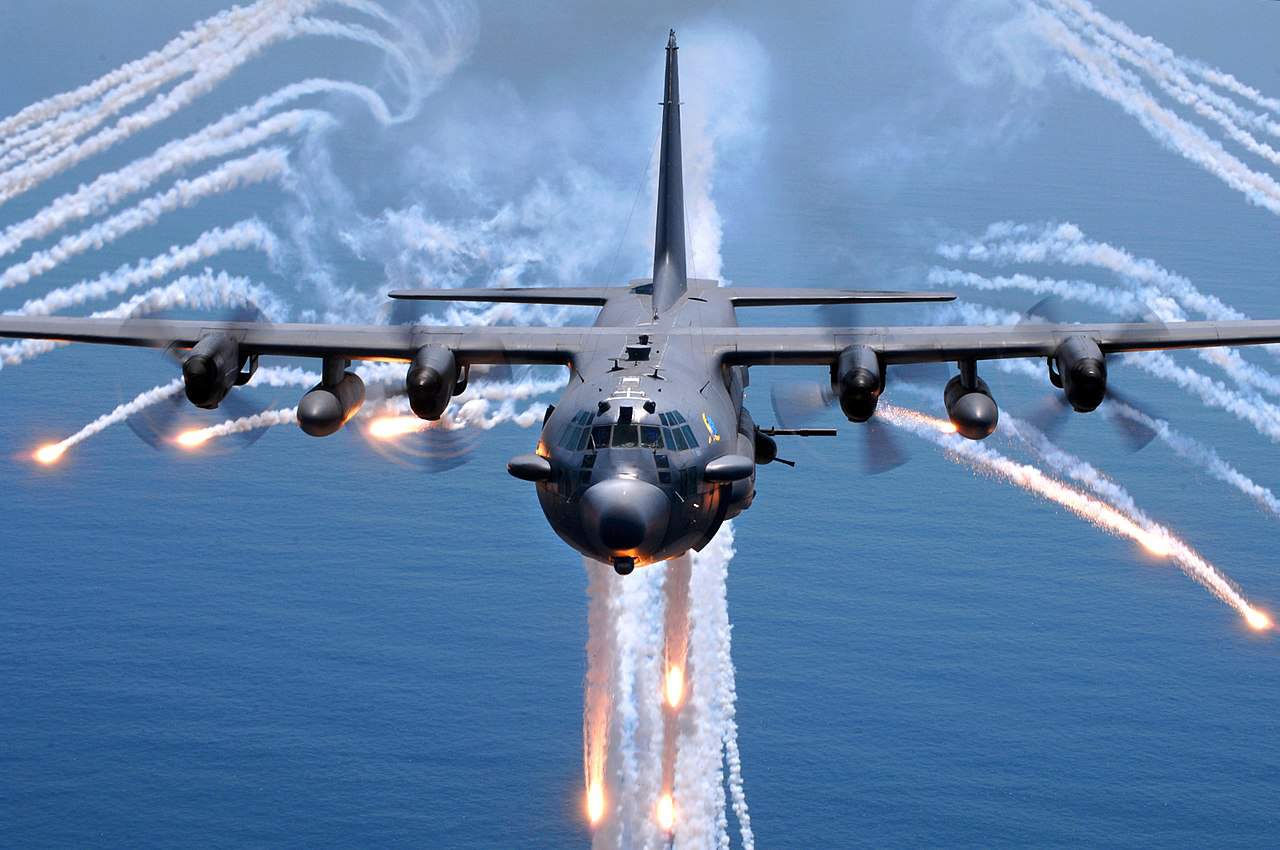
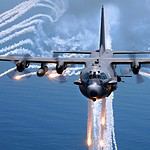
The AC-130 gunship became legendary for its devastating close air support capabilities and overwhelming nighttime firepower. Equipped with side-firing cannons capable of delivering sustained precision attacks, the aircraft earned a fearsome reputation during Vietnam before later serving in Iraq and Afghanistan. The AC-130 became particularly important in supporting special operations forces operating in dangerous environments where precise and continuous fire support could determine mission success or failure. Its unique design and battlefield effectiveness made it one of the most recognizable and respected aircraft in the American military inventory.
M16 rifle
- Type: Assault rifle
- Year Introduced: 1964
- Military Branch: U.S. military
- Major Wars / Operations: Vietnam, Iraq, Afghanistan
- Why It Became Iconic: Defining Cold War infantry rifle
- Key Strength or Capability: Lightweight automatic fire
- Strategic or Cultural Impact: Iconic image of American infantry
- Legacy to American Military Power: Influenced generations of rifles
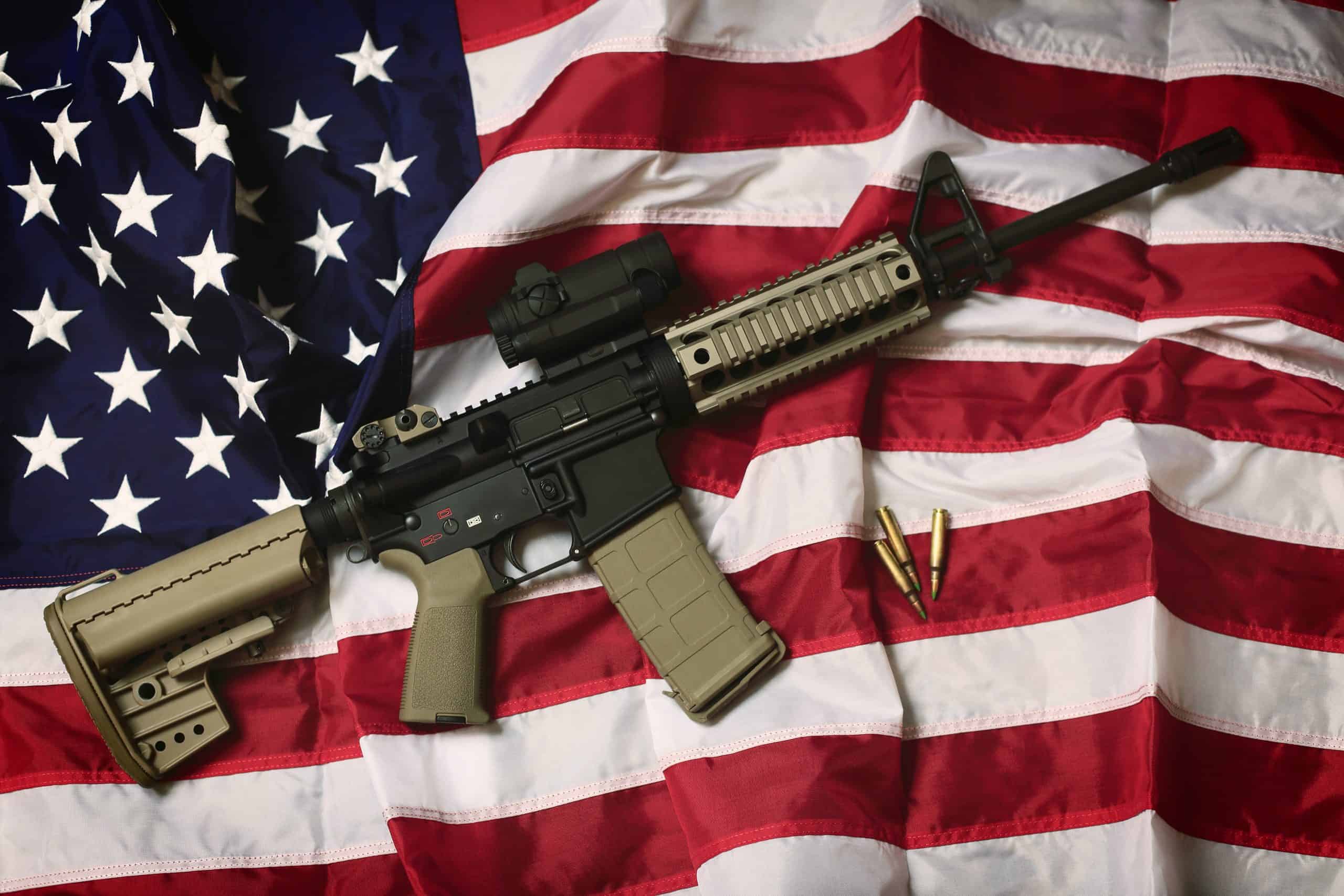
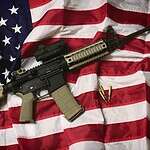
The M16 rifle became one of the defining symbols of American infantry during the Cold War and the Vietnam War era. Lightweight and capable of fully automatic fire, the rifle represented a major departure from earlier battle rifle concepts such as the M14. Although the M16 faced reliability controversies early in Vietnam, later improvements transformed it into one of the most influential infantry rifles ever produced. Its widespread use by American forces and allied militaries around the world helped make the weapon a lasting symbol of modern American infantry combat and military doctrine.
M4 carbine
- Type: Carbine
- Year Introduced: 1994
- Military Branch: U.S. military
- Major Wars / Operations: Iraq, Afghanistan
- Why It Became Iconic: Modern standard infantry weapon
- Key Strength or Capability: Compact modular design
- Strategic or Cultural Impact: Represents modern U.S. infantry doctrine
- Legacy to American Military Power: Primary rifle of the war on terror era
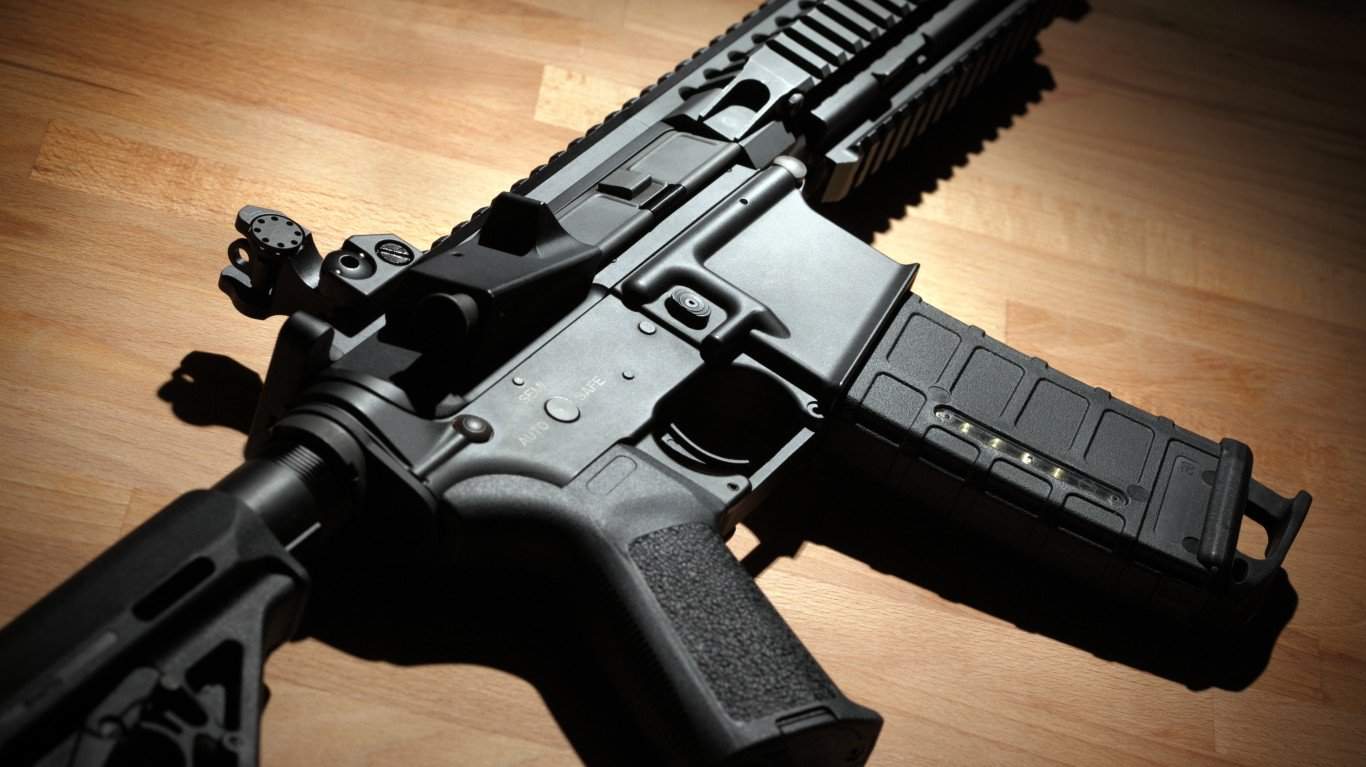
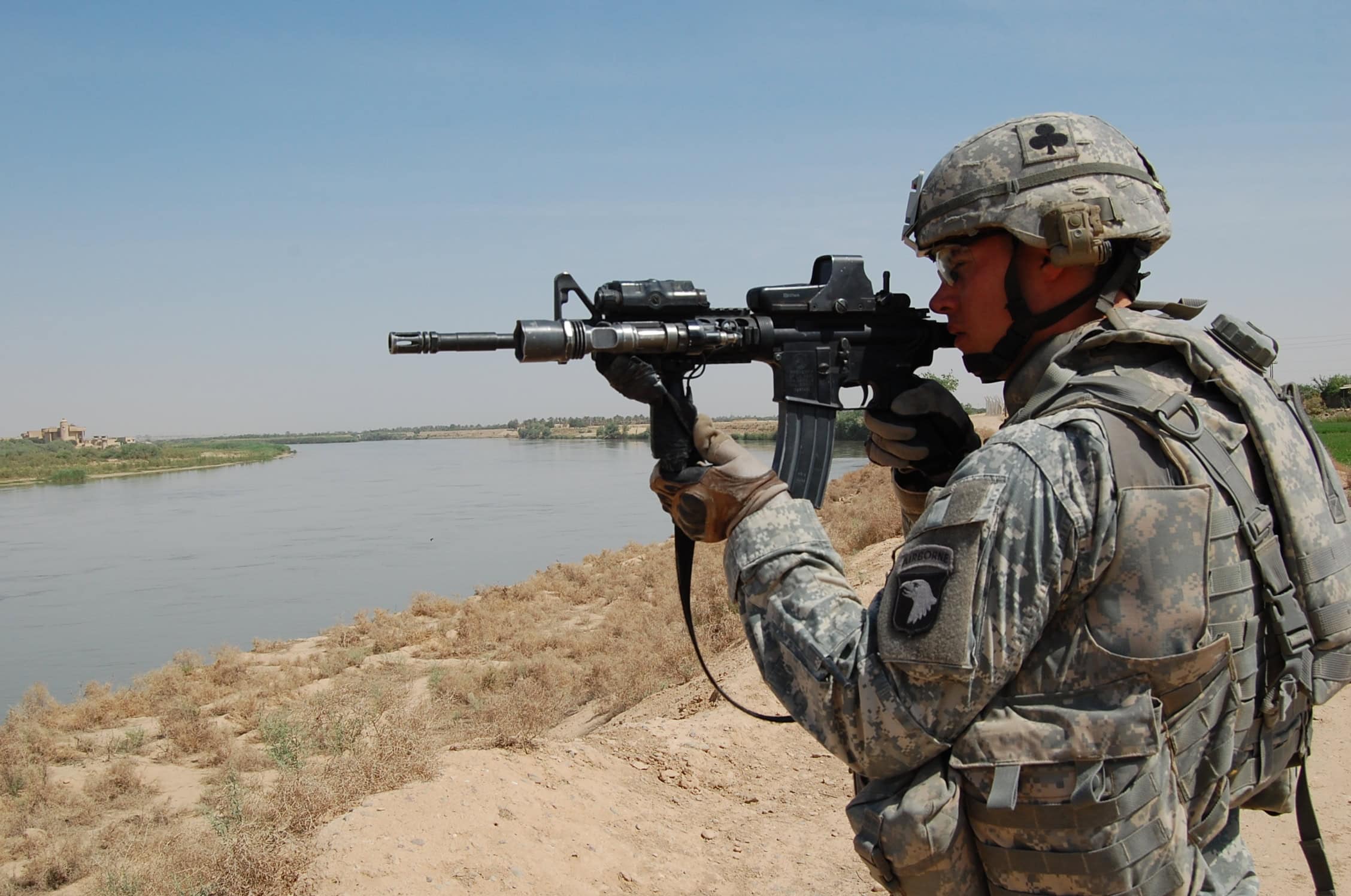
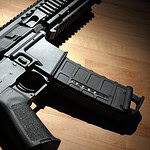
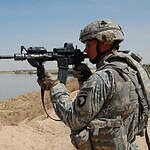
The M4 carbine became the standard American infantry weapon during the wars in Iraq and Afghanistan because of its compact size, modular design, and adaptability across urban and counterinsurgency operations. Derived from the M16 platform, the M4 allowed troops to customize optics, lights, lasers, and accessories for different mission environments. The weapon became closely associated with modern American soldiers operating during the global war on terror and represented the military’s shift toward highly modular, versatile infantry systems. Today, the M4 remains one of the most recognizable firearms associated with contemporary U.S. military operations.
M2 Browning
- Type: Heavy machine gun
- Year Introduced: 1933
- Military Branch: Multiple branches
- Major Wars / Operations: WWII to present
- Why It Became Iconic: Longest-serving American weapon
- Key Strength or Capability: Extreme durability and stopping power
- Strategic or Cultural Impact: Symbol of battlefield reliability
- Legacy to American Military Power: Still widely used globally
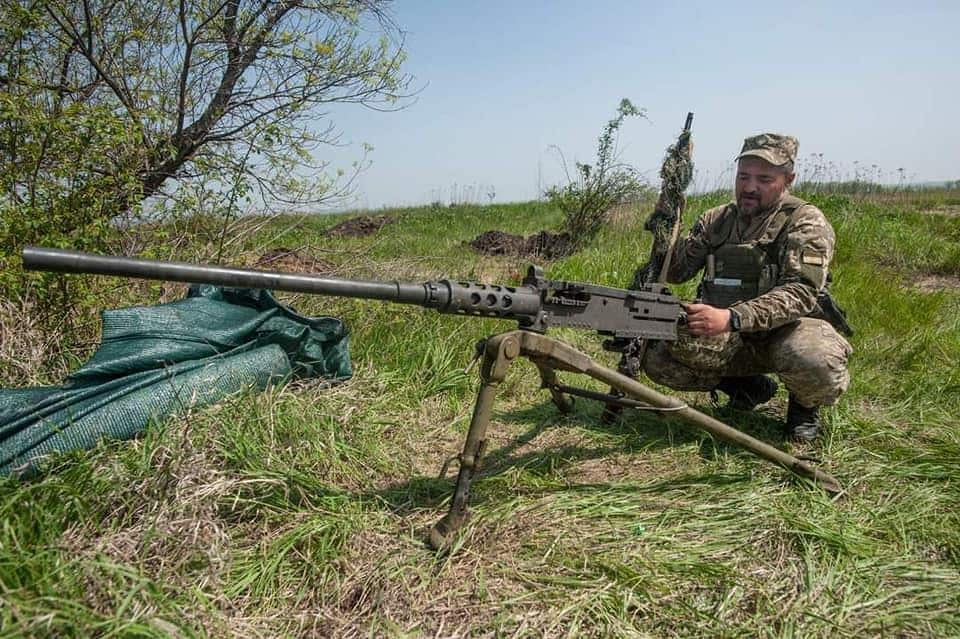
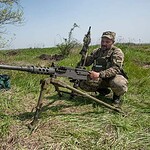
The M2 Browning heavy machine gun became one of the most enduring and respected weapons in American military history after entering service during the early twentieth century. Chambered in powerful .50 caliber ammunition, the weapon proved effective against infantry, vehicles, aircraft, and light fortifications across multiple wars from World War II onward. Soldiers valued the M2 for its reliability, durability, and overwhelming stopping power under battlefield conditions. Decades after its introduction, the weapon remains widely used by American and allied forces, reinforcing its status as one of the most successful military firearms ever produced.
Tomahawk missile
- Type: Cruise missile
- Year Introduced: 1983
- Military Branch: U.S. Navy
- Major Wars / Operations: Gulf War, Iraq, Syria
- Why It Became Iconic: Precision long-range strike weapon
- Key Strength or Capability: Stand-off attack capability
- Strategic or Cultural Impact: Symbol of precision warfare
- Legacy to American Military Power: Revolutionized modern missile strikes
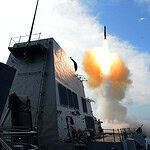
The Tomahawk missile became a symbol of precision American warfare because it allowed U.S. forces to strike targets hundreds of miles away with remarkable accuracy. Launched primarily from ships and submarines, the missile gained worldwide attention during the Gulf War as televised footage showed precision strikes against Iraqi targets. The Tomahawk fundamentally changed how the United States conducted stand-off attacks by reducing the need to immediately risk pilots in heavily defended airspace. Its consistent use in conflicts ranging from Iraq to Syria made it one of the defining precision-guided weapons of the modern era.
Patriot missile system
- Type: Surface-to-air missile system
- Year Introduced: 1981
- Military Branch: U.S. Army
- Major Wars / Operations: Gulf War, Ukraine support era
- Why It Became Iconic: Famous missile defense system
- Key Strength or Capability: Air and missile interception
- Strategic or Cultural Impact: Represents American defensive technology
- Legacy to American Military Power: Major export and alliance weapon
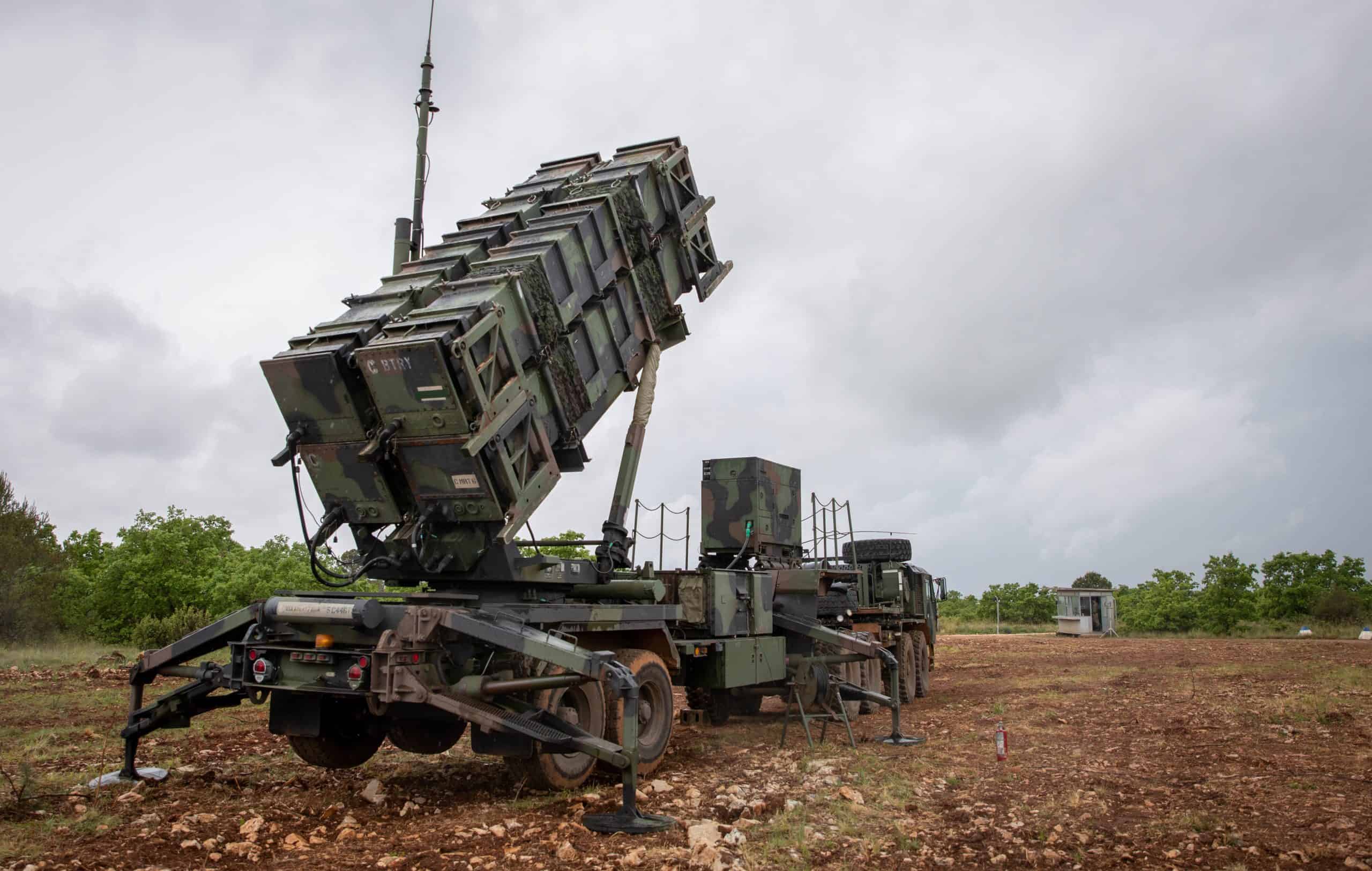
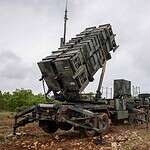
The Patriot missile system became internationally famous during the Gulf War as one of America’s most recognizable missile defense systems. Designed to intercept aircraft and ballistic missiles, the Patriot represented the growing importance of defensive missile technology during the late Cold War and modern era. The system later gained renewed global attention through deployments in the Middle East and Europe as allies sought protection against missile threats. The Patriot became both a strategic military asset and a geopolitical symbol of American defensive technology, alliance commitments, and global security partnerships.
Ohio-class submarine
- Type: Ballistic missile submarine
- Year Introduced: 1981
- Military Branch: U.S. Navy
- Major Wars / Operations: Cold War deterrence patrols
- Why It Became Iconic: Core nuclear deterrent platform
- Key Strength or Capability: Stealth nuclear strike capability
- Strategic or Cultural Impact: Symbol of second-strike power
- Legacy to American Military Power: Foundation of U.S. nuclear triad
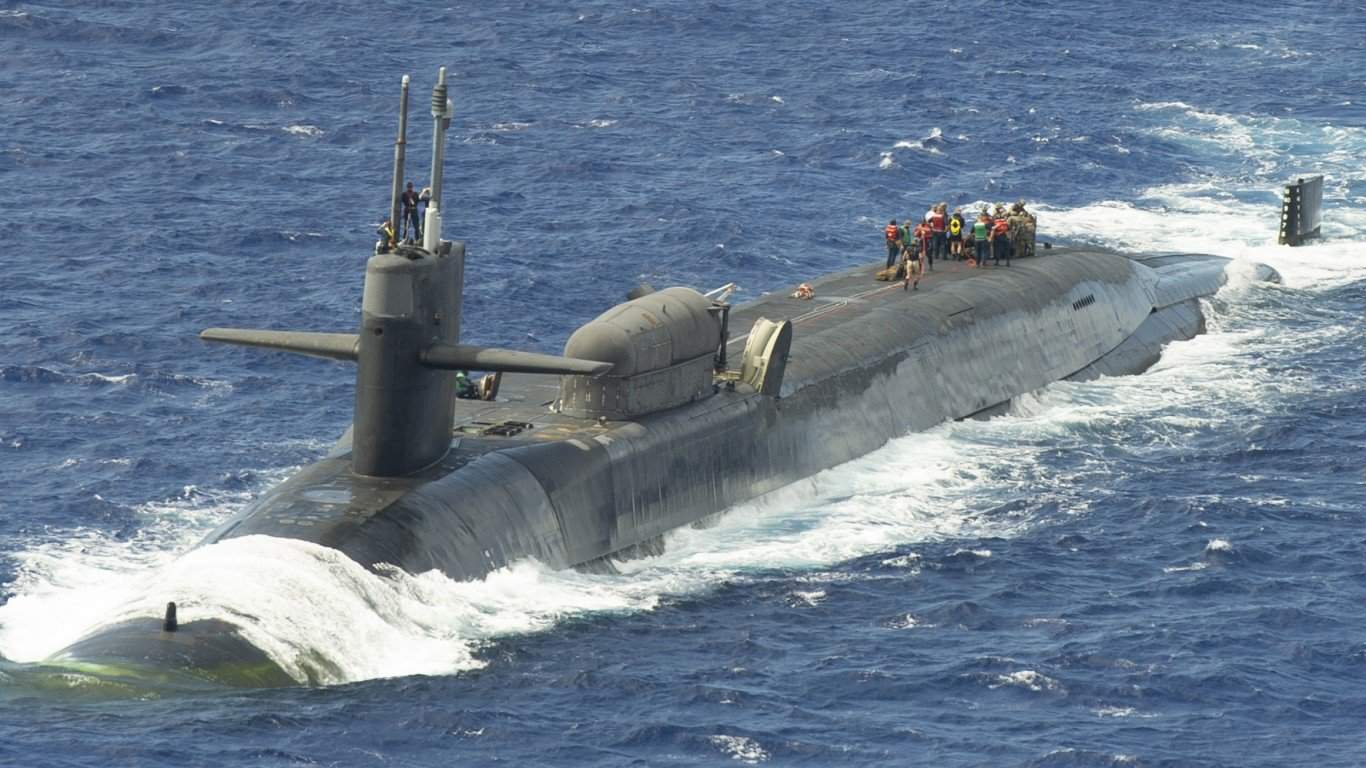
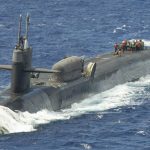
The Ohio-class submarine became one of the most important symbols of American nuclear deterrence during the Cold War and beyond. These submarines carry ballistic missiles capable of launching devastating nuclear strikes while remaining hidden beneath the ocean for extended periods. Their stealth and survivability make them central to the sea-based portion of America’s nuclear triad. The Ohio-class helped guarantee a second-strike capability that formed a critical part of Cold War deterrence strategy. Even today, these submarines remain among the most strategically important and secretive weapons systems operated by the United States military.
Nimitz-class aircraft carrier
- Type: Aircraft carrier
- Year Introduced: 1975
- Military Branch: U.S. Navy
- Major Wars / Operations: Cold War to present
- Why It Became Iconic: Ultimate naval power projection platform
- Key Strength or Capability: Global strike reach
- Strategic or Cultural Impact: Embodies American maritime dominance
- Legacy to American Military Power: Defined carrier warfare for decades
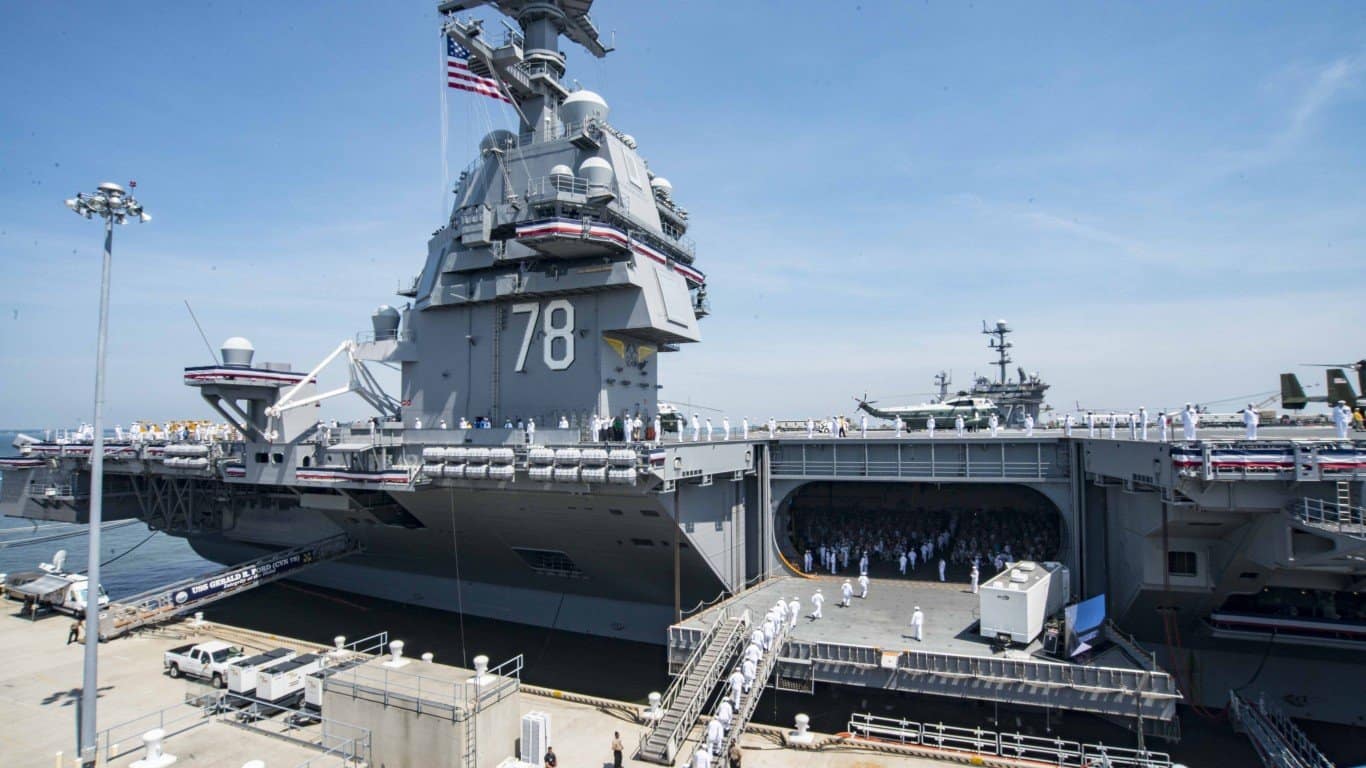
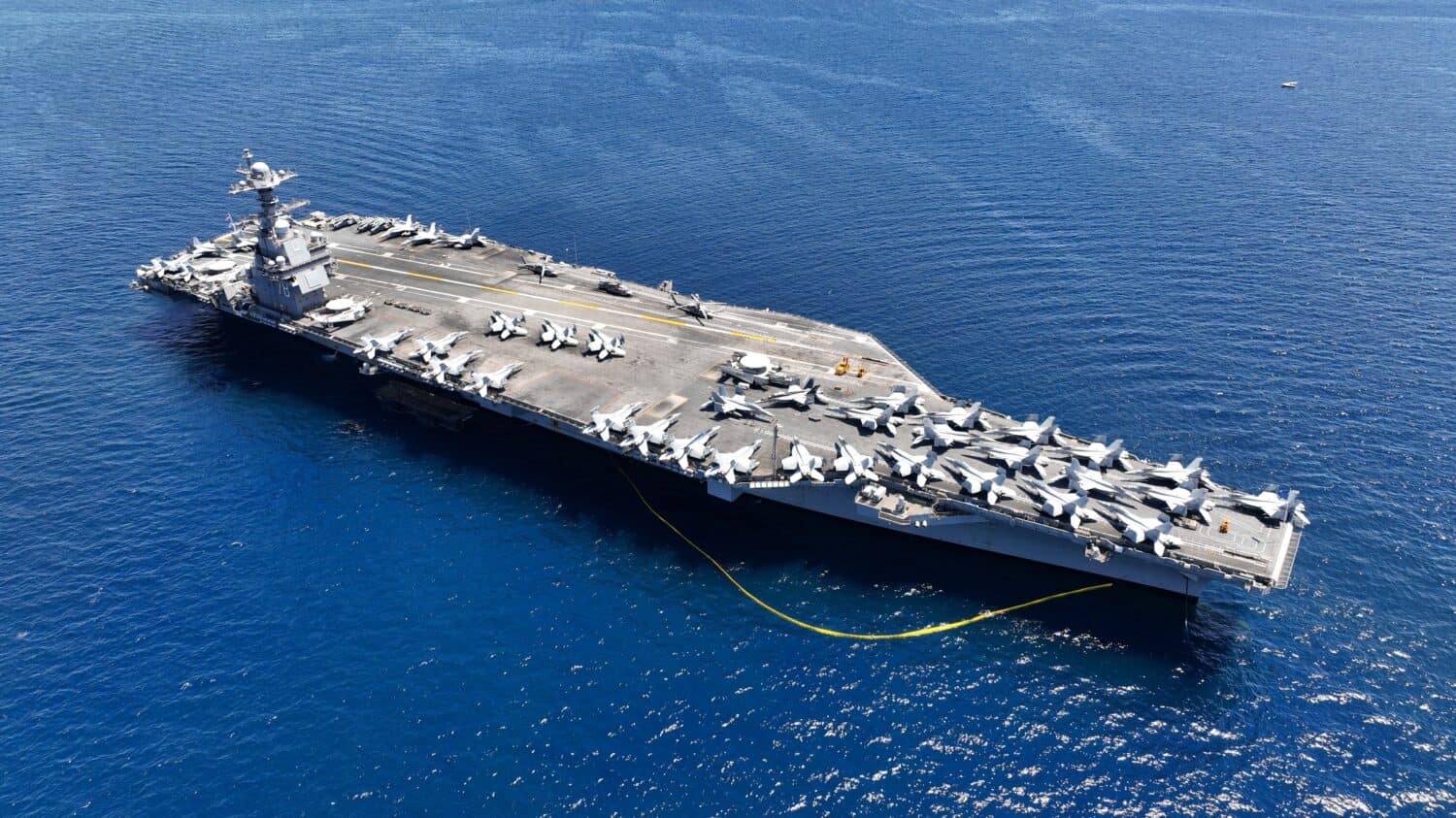
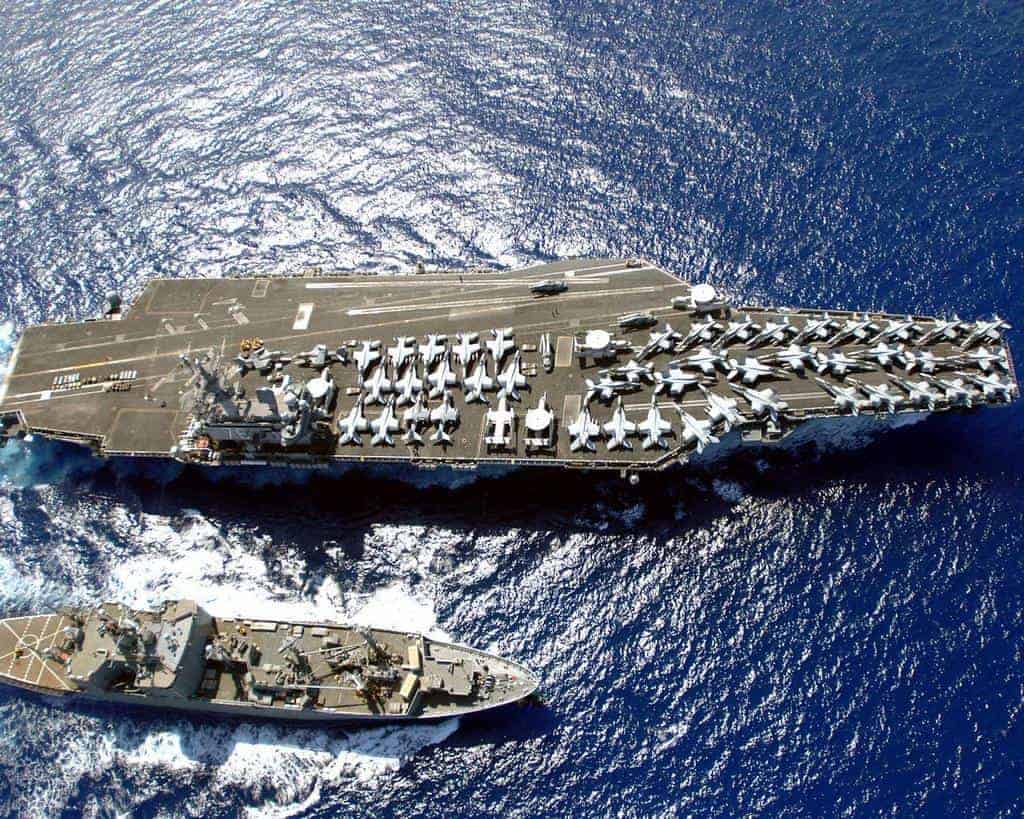
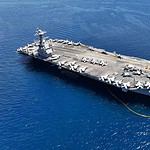
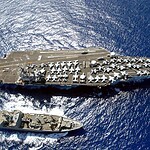
The Nimitz-class aircraft carrier became the ultimate representation of American global power projection because it allowed the United States to deploy airpower virtually anywhere in the world without relying on foreign bases. These massive nuclear-powered carriers operate as floating military cities capable of supporting sustained combat operations for extended periods. Nimitz-class carriers participated in conflicts ranging from the Cold War to operations in Iraq and Afghanistan while symbolizing America’s unmatched naval reach. Few military systems became more closely associated with the idea of American military dominance than the modern U.S. aircraft carrier fleet.
Arleigh Burke-class destroyer
- Type: Guided missile destroyer
- Year Introduced: 1991
- Military Branch: U.S. Navy
- Major Wars / Operations: Iraq, missile defense operations
- Why It Became Iconic: Modern multi-role warship
- Key Strength or Capability: Aegis missile defense system
- Strategic or Cultural Impact: Symbol of advanced naval technology
- Legacy to American Military Power: Backbone of modern U.S. Navy
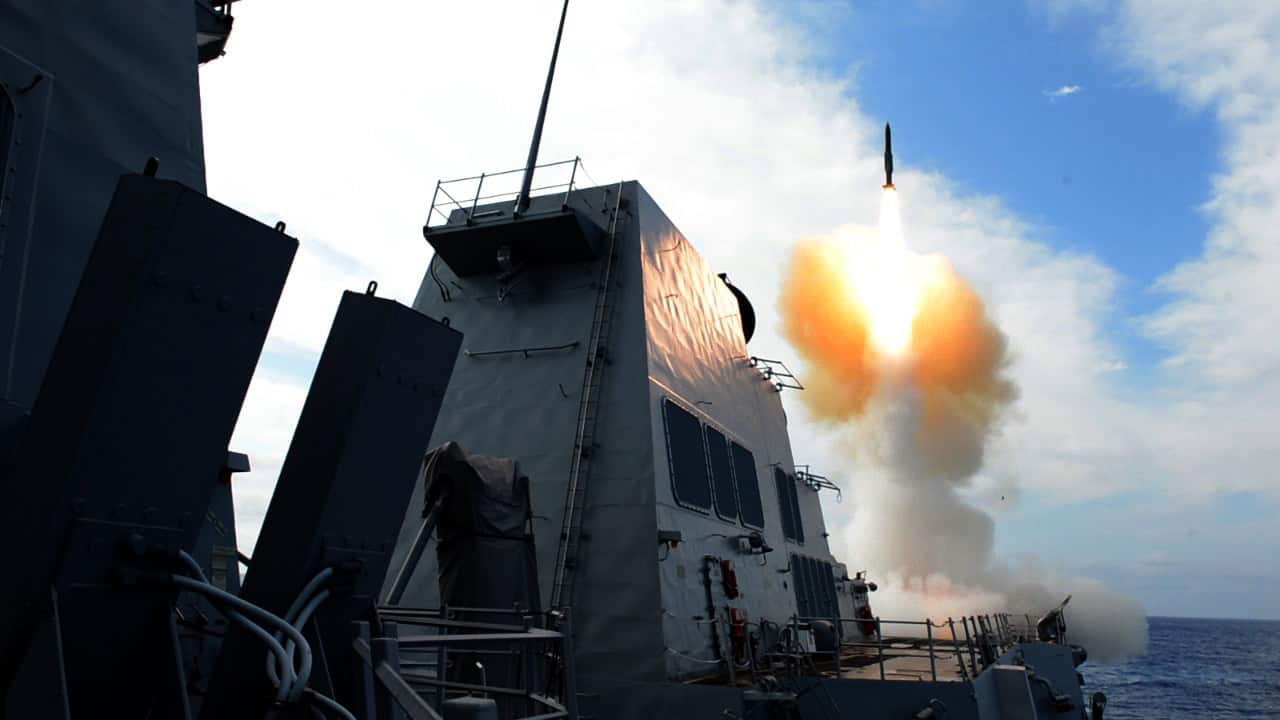
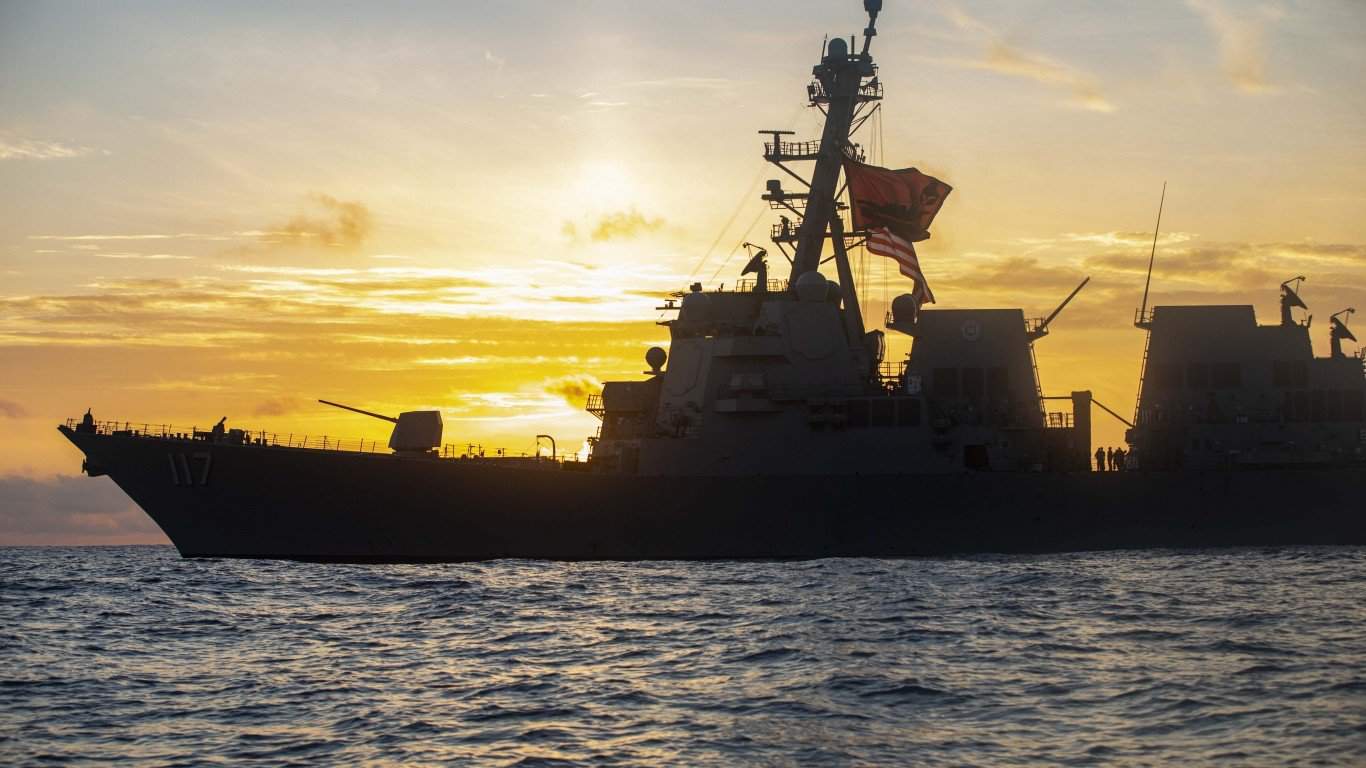
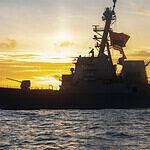
The Arleigh Burke-class destroyer became the backbone of the modern U.S. Navy because of its versatility, missile defense capabilities, and advanced Aegis combat system. Designed during the late Cold War, the destroyer evolved into one of the most capable multi-role warships ever built, conducting missions involving missile defense, anti-submarine warfare, precision strike operations, and carrier escort duties. The ship’s adaptability allowed it to remain central to American naval operations for decades. Its advanced radar systems and missile capabilities also made it one of the clearest symbols of modern American maritime technology and fleet power.
A-10 Thunderbolt II
- Type: Attack aircraft
- Year Introduced: 1977
- Military Branch: U.S. Air Force
- Major Wars / Operations: Desert Storm, Afghanistan
- Why It Became Iconic: Close air support legend
- Key Strength or Capability: Heavy cannon and survivability
- Strategic or Cultural Impact: Beloved by ground troops
- Legacy to American Military Power: Icon of battlefield support aviation
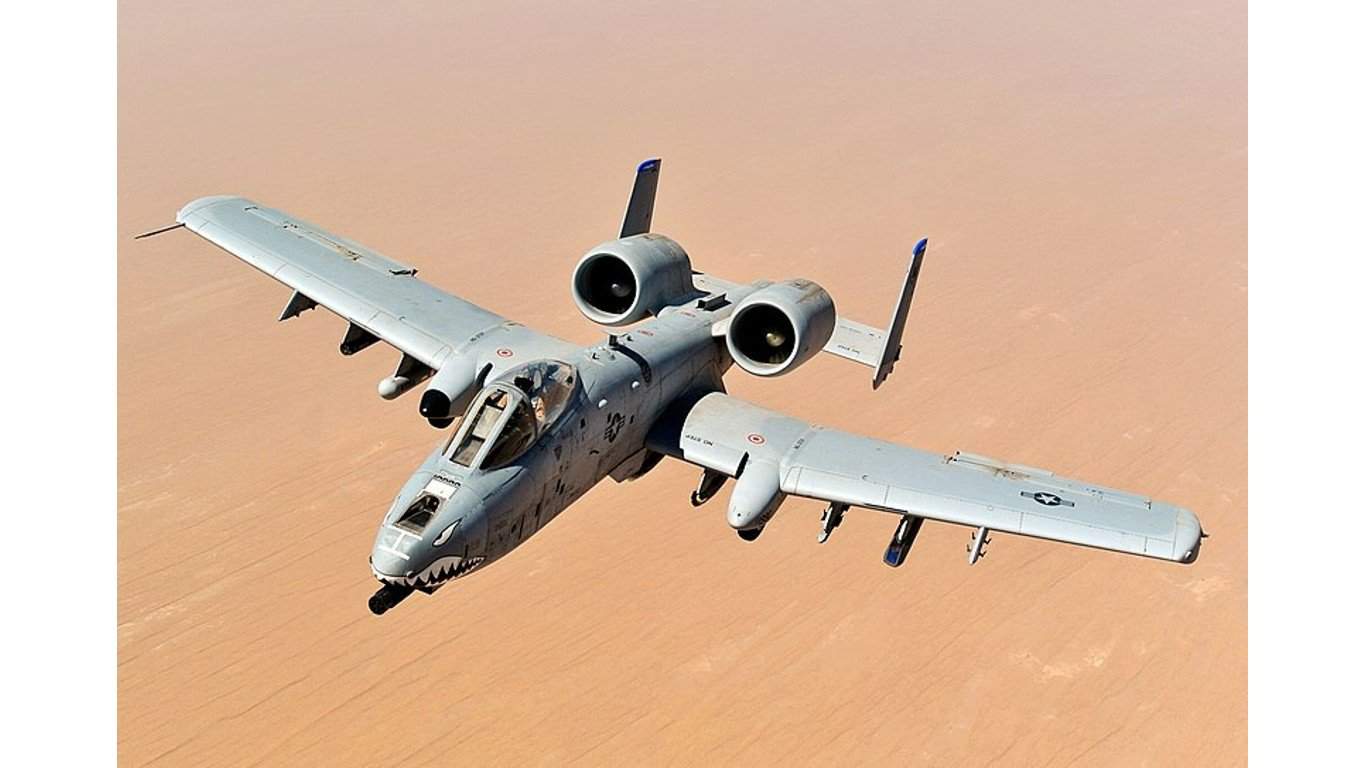
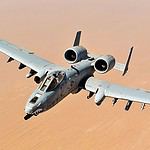
The A-10 Thunderbolt II became one of the most beloved aircraft among American ground troops because of its unmatched close air support capabilities and battlefield survivability. Built around the powerful GAU-8 Avenger cannon, the aircraft specialized in destroying armored vehicles and supporting infantry under direct combat conditions. The A-10 earned widespread praise during Desert Storm and later conflicts in Iraq and Afghanistan for its ability to absorb damage and remain over the battlefield for extended periods. Its rugged appearance and effectiveness helped make it an enduring symbol of American battlefield support aviation.
F/A-18 Super Hornet
- Type: Carrier-based multirole fighter
- Year Introduced: 1999
- Military Branch: U.S. Navy
- Major Wars / Operations: Iraq, Syria, Afghanistan
- Why It Became Iconic: Modern carrier air wing backbone
- Key Strength or Capability: Carrier versatility
- Strategic or Cultural Impact: Represents modern naval aviation
- Legacy to American Military Power: Central to U.S. carrier operations
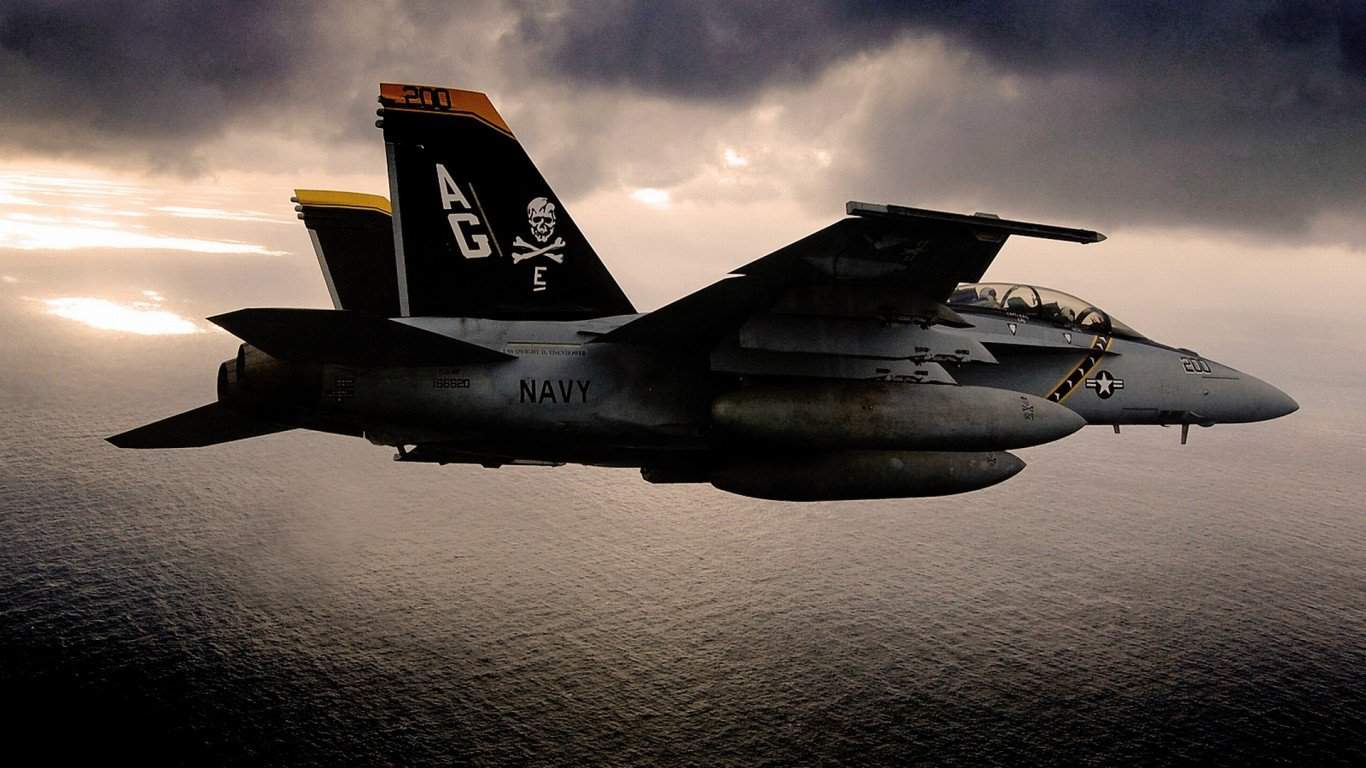
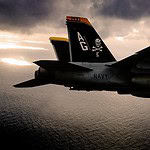
The F/A-18 Super Hornet became the modern backbone of American carrier aviation by combining multirole combat flexibility with carrier-based operational capability. Operated primarily by the U.S. Navy, the aircraft conducted air superiority, strike, electronic warfare, and close air support missions during conflicts in Iraq, Syria, and Afghanistan. The Super Hornet’s adaptability made it essential to modern carrier air wings operating around the globe. Because of its visibility aboard aircraft carriers and its continued frontline service, the jet became one of the most recognizable symbols of contemporary American naval aviation.
The image featured at the top of this post is ©usnavy / Flickr