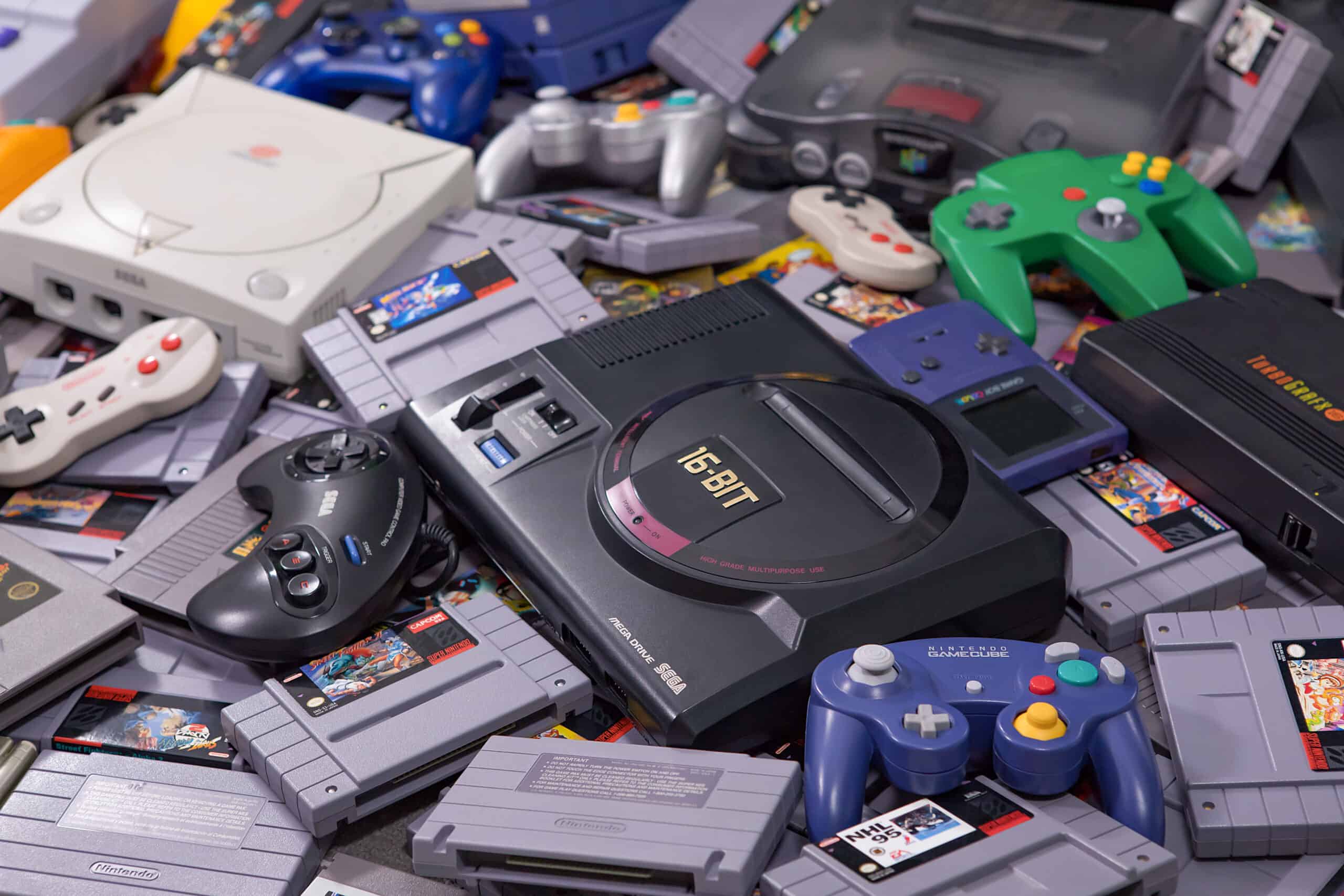

Cheat codes were once one of the most exciting parts of gaming. Before live-service updates, online walkthroughs, and paid unlocks became common, players traded secret button combinations, hidden passwords, and game-breaking tricks that could turn a difficult level into complete chaos. From extra lives and infinite ammo to invincibility and bizarre hidden modes, cheats gave players a way to experiment with games beyond the rules developers placed in front of them.
This slideshow looks at how cheat culture evolved, from classic codes and 1990s cheat devices to the internet communities that helped turn gaming secrets into a shared obsession. Along the way, it revisits major pieces of gaming history, including the Konami Code, Game Genie, Doom’s famous IDDQD code, and the rise of sites like Cheat Code Central, which became a go-to destination for players searching for guides, secrets, and shortcuts.
As games moved online, cheating became more complicated. What once felt like harmless fun in a single-player game could ruin competitive matches, damage online communities, or collide with modern monetization systems built around downloadable content, microtransactions, and progression. At the same time, players still find creative ways to bend games through mods, trainers, exploits, speedrunning tricks, and clever strategies in notoriously difficult titles like Elden Ring.
The history of cheat codes is not just about hidden button presses. It is about how players explore, experiment, share discoveries, and push against the limits of games. From old-school console secrets to today’s debates over exploits and fair play, cheat culture helped shape the way people play and talk about video games.
Konami Code (1986)
©robtek/Shutterstock.com
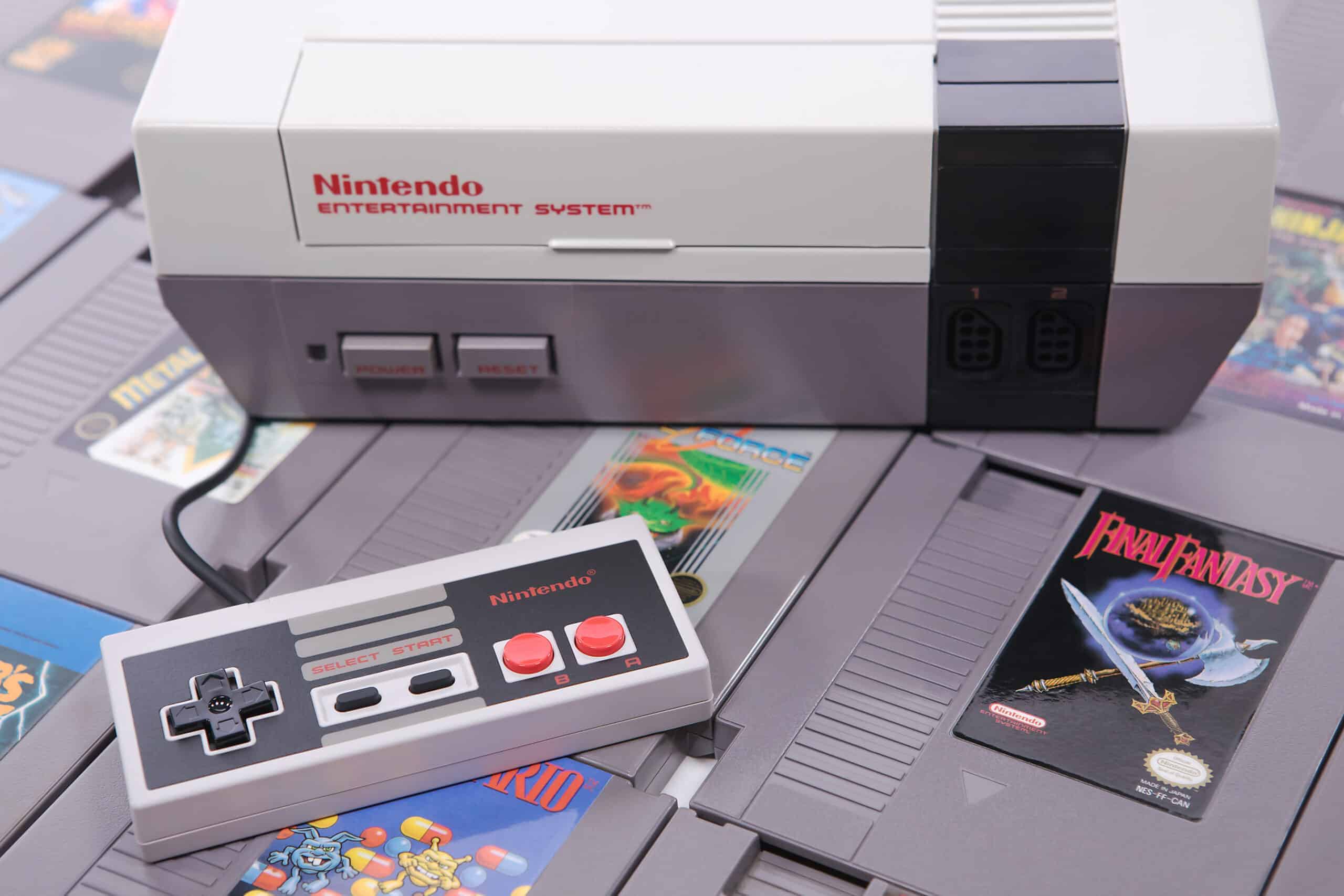
First introduced in 1986 in Gradius for the NES, the Konami Code—Up, Up, Down, Down, Left, Right, Left, Right, B, A—became iconic after its use in Contra, where it granted players 30 extra lives. It became a pop culture phenomenon, referenced in games, websites, and media well beyond its original use. The cheat helped players overcome notoriously difficult gameplay and became a hallmark of old-school gaming. It’s been reused across dozens of Konami titles and even non-Konami games. The code’s legacy continues as a nostalgic symbol of classic gaming. It remains one of the most recognizable cheat codes of all time.
Game Genie (1990)
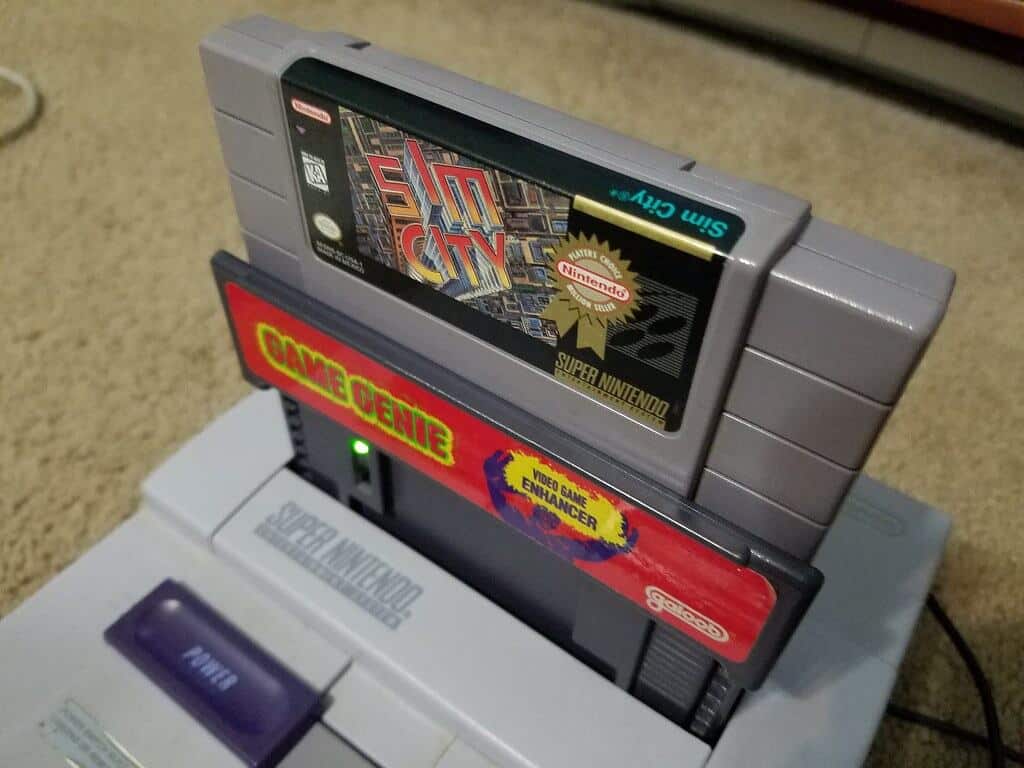
©"SimCity in Game Genie in SNES" by dankeck is licensed under CC0 1.0. – Original / License
Launched in 1990, the Game Genie became one of the most famous cheat devices in video game history. Unlike a hidden button combination built directly into a game, the Game Genie was a physical cartridge accessory that plugged into a console and then allowed the game cartridge to connect on top of it. Players could enter special codes before starting a game, and those codes would change how the game behaved. For many NES players, this meant turning brutally difficult games into something more manageable, whether by adding infinite lives, starting on later levels, becoming temporarily invincible, or changing how enemies and items appeared.
The device was developed by Codemasters and distributed in North America by Galoob, and it quickly became a phenomenon. Part of its appeal was that it gave players a sense of control over games that often felt unforgiving. Many 8-bit and 16-bit games were designed to be challenging, partly because they were influenced by arcade design and partly because shorter games needed difficulty to extend playtime. Game Genie let players bend those rules. A game that once ended after a few mistakes could suddenly become a playground for experimentation.
Nintendo famously opposed the Game Genie and argued that it interfered with its games, but the device survived the legal challenge and went on to become widely popular. Versions were eventually released for platforms including the NES, Super Nintendo, Game Boy, Sega Genesis, and Game Gear. For kids growing up in the 1990s, flipping through a Game Genie codebook felt almost like reading a secret manual to the gaming universe.
The Game Genie also changed how people thought about cheating. It was not just about making games easier. It encouraged players to test limits, discover strange glitches, and see what happened when game logic was pushed too far. In that sense, it helped create a generation of tinkerers who were curious about how games worked beneath the surface. Long before modern modding tools, ROM hacks, and debug menus became widely discussed online, the Game Genie made players feel like they could reach inside a game and rewrite the rules.
IDDQD (1993)
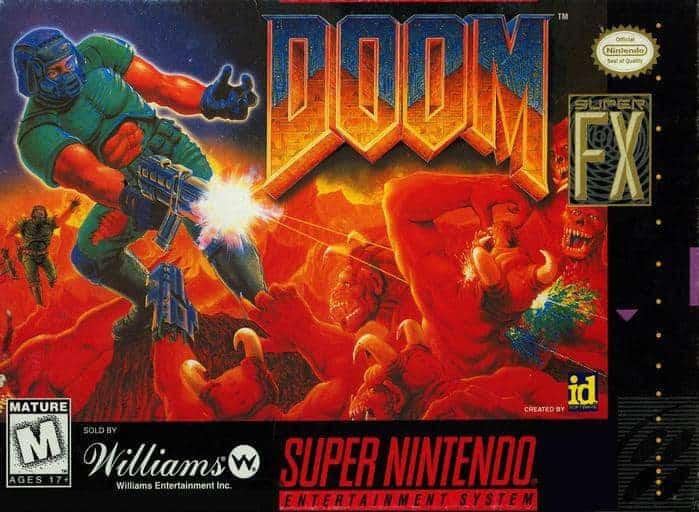
When Doom arrived in 1993, it did more than popularize the first-person shooter. It also helped turn PC cheat codes into a major part of gaming culture. One of the most famous examples was IDDQD, the code that activated God Mode and made the player invincible. In a game packed with demons, tight corridors, hidden rooms, and overwhelming enemy encounters, IDDQD became a lifeline for players who wanted to survive the chaos or simply explore without constantly worrying about death.
Developed by id Software, Doom was fast, violent, atmospheric, and technically groundbreaking for its time. It spread widely through shareware distribution and became one of the defining PC games of the 1990s. Its cheat codes became almost as famous as the game itself. Alongside IDDQD, players also memorized IDKFA, which granted all weapons, ammunition, keys, and armor. There were also codes for level warping, map reveals, and other tools that let players manipulate the experience.
Part of what made Doom’s cheats so memorable was how easy they were to use. Players did not need a special device, cartridge, or external tool. They simply typed the code while playing, and the game instantly responded. That made the cheats feel like secret commands hidden just beneath the surface. For many PC gamers, learning these codes from friends, magazines, message boards, or early websites became part of the shared Doom experience.
IDDQD also highlighted a different side of cheating. In a single-player game, cheat codes were not necessarily about ruining the challenge. They could be about exploration, experimentation, or pure fun. Players used God Mode to inspect levels, find secrets, test weapons, or blast through demon hordes without fear. Doom’s flexible design encouraged that kind of play, and its community later expanded the idea even further through custom maps, mods, and total conversions.
The legacy of IDDQD is still visible today. Modern shooters often include debug tools, accessibility options, creative modes, or mod support that let players reshape the experience. While competitive online cheating is a very different issue, Doom’s classic codes represent a more playful era of gaming, when typing a few letters could transform a nightmare into a sandbox.
Cheat Code Central (1996)
©
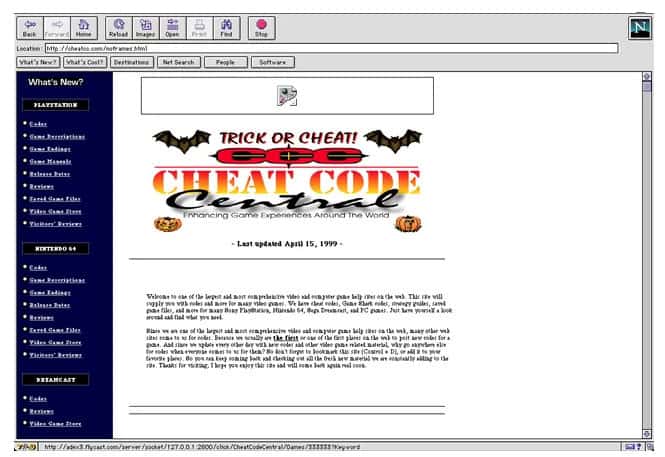
Launched in 1996, Cheat Code Central, better known as CheatCC, became one of the internet’s most recognizable destinations for cheat codes, walkthroughs, gaming tips, and hidden secrets. At a time when many players still relied on printed strategy guides, schoolyard rumors, gaming magazines, or handwritten notes from friends, CheatCC helped move cheat discovery into the online era. Instead of waiting for the next magazine issue or hoping someone knew the right code, players could search the web and find answers in one centralized place.
CheatCC arrived during a major transition in gaming culture. Consoles like the Super Nintendo, Sega Genesis, Nintendo 64, PlayStation, and Game Boy were giving players bigger and more complex games, while PC gaming was exploding with shooters, role-playing games, strategy titles, and shareware releases. As games grew larger, players needed more help finding secrets, beating difficult levels, unlocking characters, and understanding hidden mechanics. CheatCC filled that role by collecting codes, tips, FAQs, guides, and walkthroughs across a wide range of platforms.
The site became especially important because it reflected how gamers actually shared information. Cheat codes had always traveled socially, but the internet allowed that exchange to happen faster and at a much larger scale. A code discovered by one player could be posted online and used by thousands of others. Communities formed around finding secrets, correcting information, and digging deeper into games that developers had packed with unlockables, Easter eggs, and hidden content.
CheatCC also helped preserve a specific era of gaming history. Many older cheat codes, unlock methods, and walkthroughs could have easily disappeared as games aged and magazines went out of print. By archiving this material online, the site became more than a convenience. It became a record of how people played games before modern patches, achievement systems, downloadable content, and in-game guides became standard.
For millions of players, CheatCC was part of the ritual of gaming. Get stuck, search the game, find the code, try it, and keep playing. Its rise showed how much demand existed for shared gaming knowledge, and it helped define the bridge between old-school cheat culture and the modern world of online guides, wikis, YouTube walkthroughs, and gaming communities.
Action Replay (1990s)
©"Action Replay Amiga500" by Afrank99 is licensed under BY-SA 2.5. – Original / License
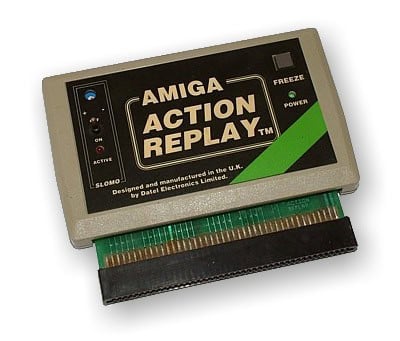
Originally developed by Datel, Action Replay became one of the most important cheat devices of the 1990s and 2000s. Like the Game Genie, it allowed players to alter the way games behaved, but Action Replay became especially known for its deeper ability to manipulate game memory. Depending on the console and version, players could use it to unlock hidden content, gain infinite health, add rare items, access debug features, change character stats, or trigger effects that were never normally available during regular gameplay.
Action Replay appeared across many platforms over the years, including systems such as the Game Boy, Super Nintendo, Sega Saturn, PlayStation, PlayStation 2, GameCube, and Nintendo DS. Its long lifespan helped it remain relevant across several generations of gaming. While the Game Genie was strongly associated with the NES and 16-bit console era, Action Replay became a fixture for players who wanted to push later games beyond their intended limits.
One major reason Action Replay stood out was its flexibility. It was often used not only to make games easier, but also to unlock hidden or region-restricted content, test unused features, or access items that were difficult or impossible to obtain normally. In games with collectibles, rare creatures, unlockable characters, or complex save data, Action Replay could feel like a master key. Players used it to experiment with game systems in ways that ordinary cheat menus could not always support.
The device also became closely tied to handheld gaming culture. On systems like the Game Boy Advance and Nintendo DS, Action Replay codes were widely shared online. Players used them to modify Pokémon saves, unlock rare items, alter character stats, or bypass tedious parts of games. This created plenty of controversy, especially when modified data crossed into multiplayer or trading environments, but it also showed how deeply players wanted to customize their experiences.
Action Replay helped inspire later forms of game modification, including save editing, ROM hacking, emulation tools, and modding communities. It showed that many players were not satisfied with simply completing a game as designed. They wanted to inspect it, alter it, break it, and rebuild it in strange new ways. That spirit still lives on in modern cheat tools, fan patches, mod loaders, and the broader culture of players experimenting with games from the inside out.
Grand Theft Auto III Cheats (2001)
©History-Computer.com/Tyler Von Harz
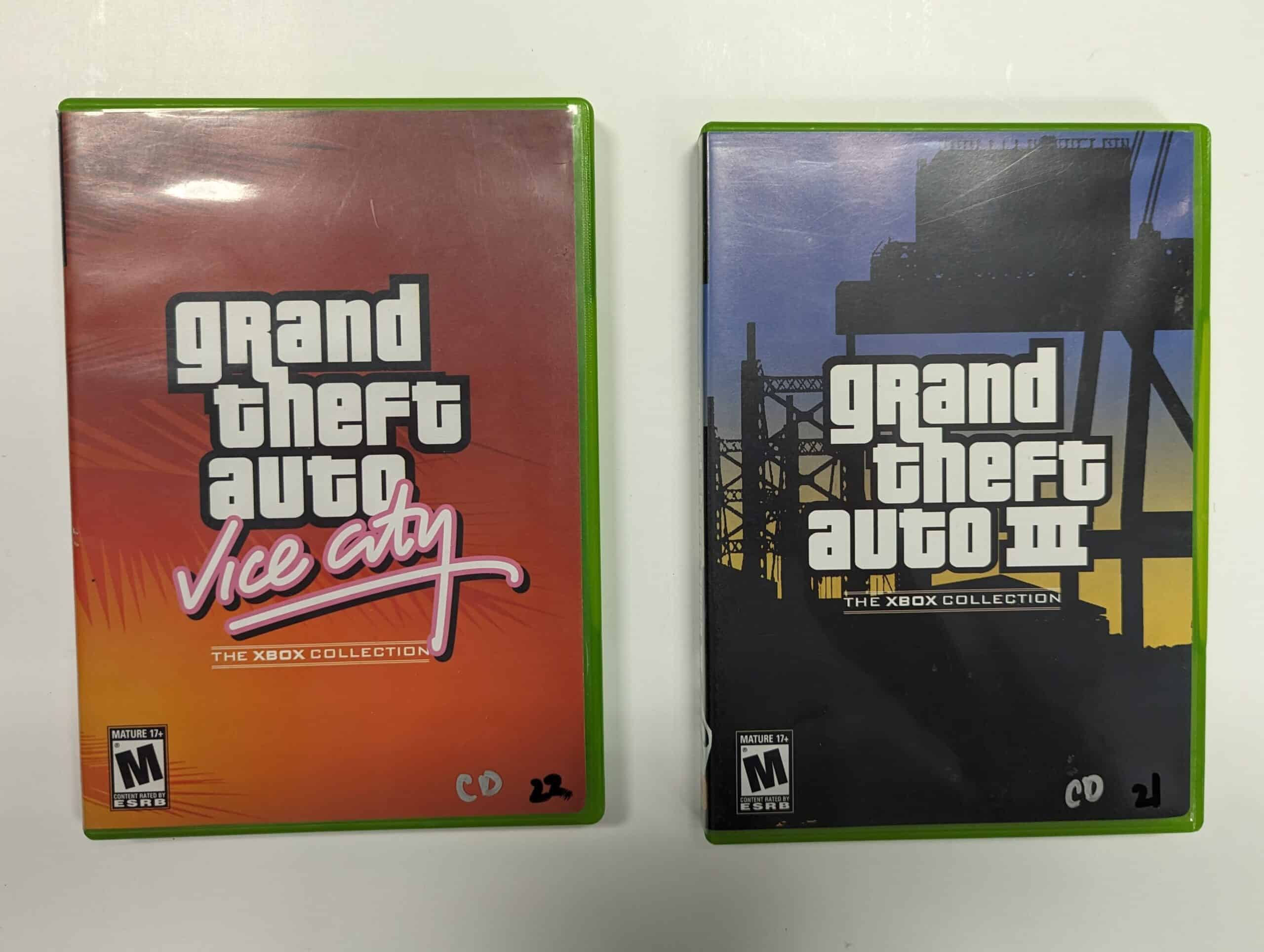
Released in 2001, Grand Theft Auto III brought open-world gameplay to the mainstream and included a robust cheat code system. Players could input codes for weapons, vehicles, wanted level control, and more. The inclusion of accessible cheats encouraged playful experimentation and chaos, aligning perfectly with GTA’s satirical tone. It sparked a new era of cheat accessibility and replayability in 3D sandbox games. The popularity of GTA cheats spread across gaming forums and websites like wildfire.
Mods and Trainers (2000s)

©
With the rise of PC gaming in the 2000s, third-party trainers and mods became the modern equivalent of cheat codes. Trainers offered UI overlays or hotkeys that activated cheats like infinite health or currency. Meanwhile, mods—often built by fan communities—added new content or rebalanced games. These tools allowed for highly customized gameplay experiences. As anti-cheat software improved, modding tools evolved in parallel. The modding ecosystem became essential to games like Skyrim, Minecraft, and more.
Microtransaction Replacements (2010s)

As gaming moved online and monetization models changed in the 2010s, traditional cheat codes began to fade. Developers replaced in-game unlocks with paid microtransactions, altering how players accessed advantages or content. Some critics argue this shift diluted the fun and discovery of cheats. Others note it formalized what cheats once offered—new skins, upgrades, shortcuts—through purchases. This era marked a philosophical shift in how ‘cheating’ was perceived in gaming culture.
Elden Ring ‘Cheese’ Strategies (2022)

©Joorkan/Shutterstock.com
In modern games like Elden Ring, ‘cheese’ tactics / strategies that exploit boss behavior or game mechanics, are the spiritual successors to cheat codes. While not codes per se, they serve a similar function: helping players overcome challenges in unconventional ways. The Elden Ring community shared countless cheese methods for tough bosses on YouTube and Reddit. These strategies became part of the game’s cultural fabric and encouraged creative problem-solving. In the absence of classic cheats, ‘cheese’ is king.
The image featured at the top of this post is ©robtek/Shutterstock.com