






10 Historical “Facts” You Learned in School That Were Wrong
You probably remember these from your high school days. They were taught across the country, and you could even read about them in your textbooks. Teachers used to state these “facts” as unquestionable truths, and some of them are so familiar that it’s hard to believe they’re not.
Well, here’s the thing: These 10 historical “facts” have all been completely debunked. They have been for some time, but history books are notoriously slow to update. By the time new research reaches the classroom, there’s a whole generation of kids who grew up believing the wrong version.
Once a myth finds its way into your head, it’s hard to get it out, so today, we’re looking at 10 historical “facts” taught in schools that are actually wrong.
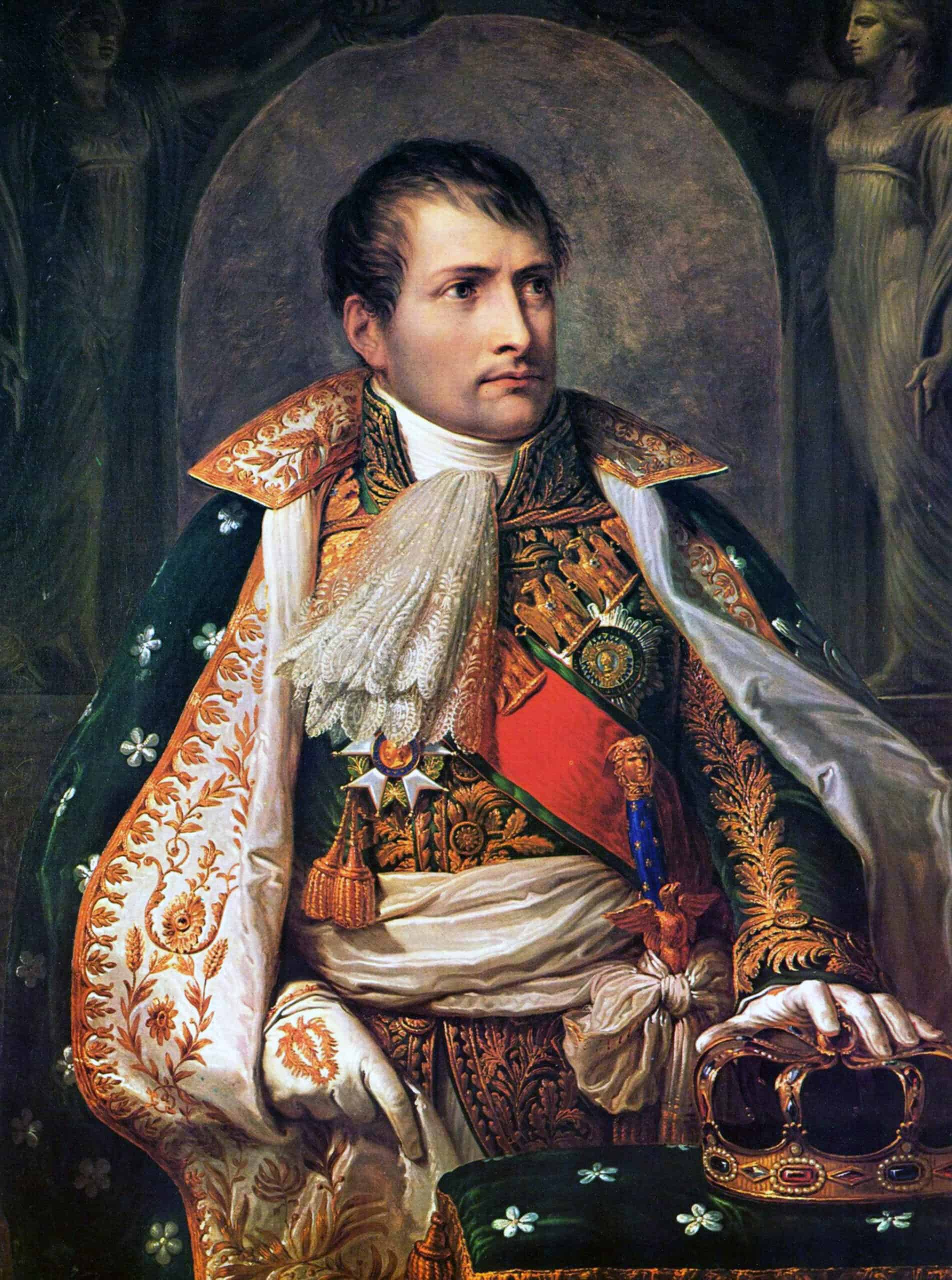
Napoleon Was Unusually Short
It’s one of those widely known “facts.” Napoleon Bonaparte had a complex about his small stature, which drove his obsession with power and conquest. We even named the Napoleon complex after him.
However, Napoleon was around 5'6", which is around the average height for a Frenchman of his time. The myth finds its roots in a caricature drawn by a British satirical cartoonist named James Gillray. He drew Napoleon as a tiny man throwing tantrums in a backdrop of oversized furniture. That satire stuck.
His pet nickname “Le Petit Caporal” also didn’t help. Despite being an affectionate term given to him by his troops, the irony of calling the world’s most influential man small got lost in translation.
There was also a unit conversion error that further drove the myth into popular belief: Napoleon’s height was recorded in French inches, which are bigger than the English ones. When British sources transcribed the numbers, they didn’t bother to convert them.
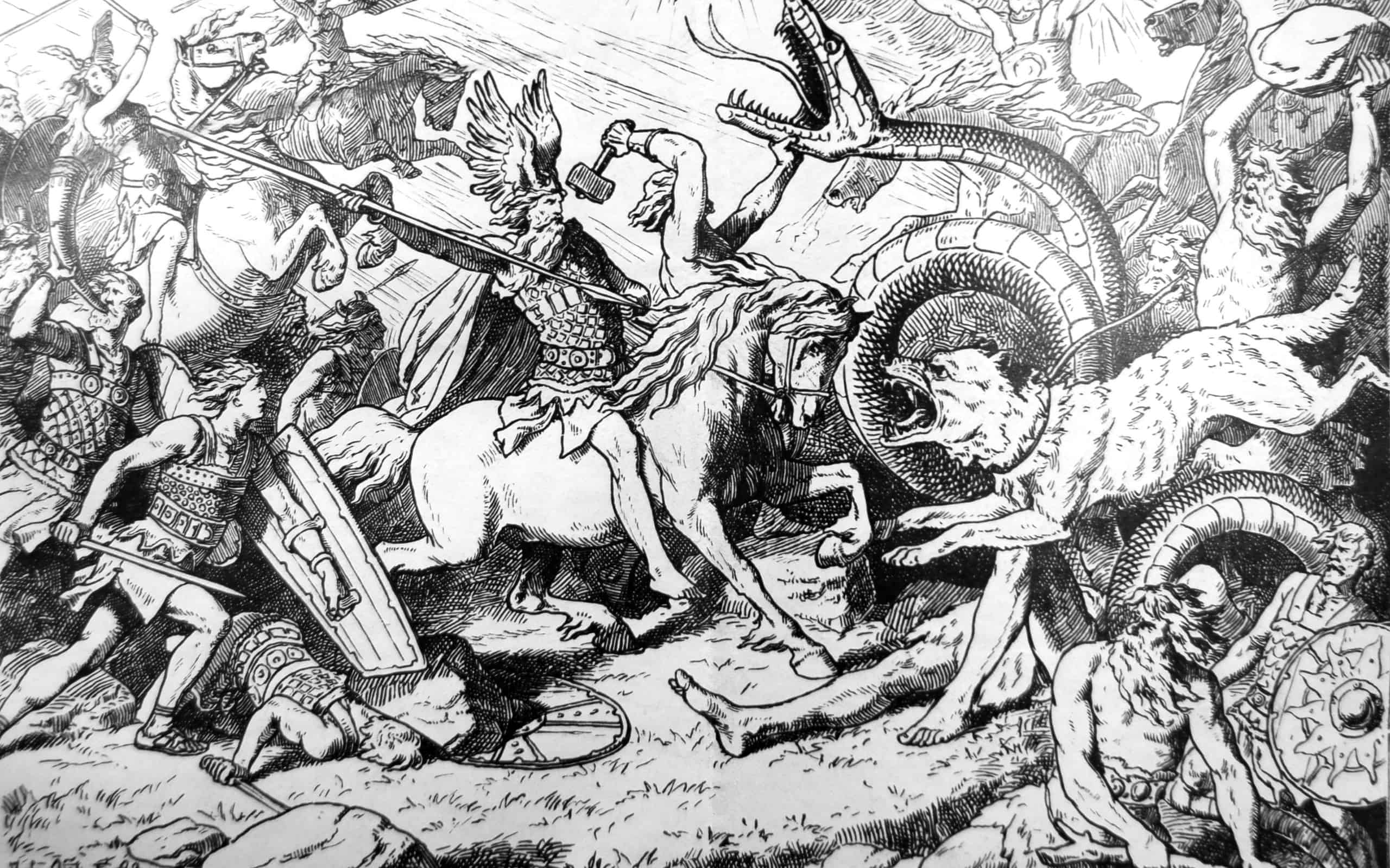
Vikings Wore Horned Helmets
When we think about Vikings, one thing comes to mind: Those horned helmets that have been constantly depicted in movies, TV shows, and documentaries. You can put that image to rest, because Vikings never wore those.
The reality is far less glamorous. The one actual Viking helmet ever found, back in 1943, is a plain iron cap with a nose guard. It’s a practical piece of equipment that lacks the dramatic component we usually associate with these Nordic warrior tribes.
The notorious horned helmet was popularized in the 19th century by a costume designer named Carl Emil Doepler, who created them for a production of Wagner’s opera “Der Ring des Nibelungen” in 1876. Those shows were incredibly popular at the time, and the theatrical image of a horn-headed barbarian lodged itself into popular culture.
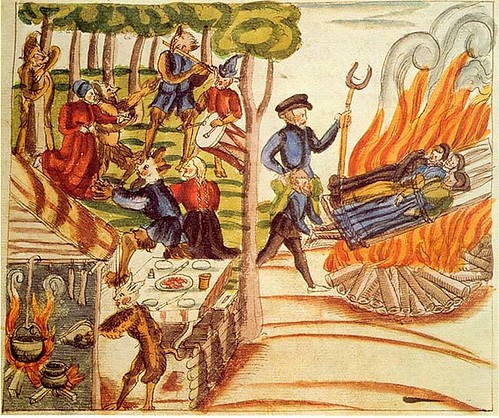
The Salem Witches Were Burned at the Stake
This one is another historical myth that has been widely featured in movies, and the image still holds a lot of emotional weight to this day. It is widely believed that women accused of witchcraft during the Salem Witch Trials of 1692 were burned alive during public executions. However, the detailed court records from that time have survived to this day, and we know exactly how each victim was executed.
Not a single person was actually burned during the Salem Witch Trials. Nineteen people were hanged and the twentieth victim was pressed to death with heavy stones. It was a gruesome affair, but there was no fire involved.
The depiction of burning witches at the stake comes from continental European witch-hunting. In that setting, fire was a common execution method for those found guilty of witchcraft. The disturbing imagery from the European version found its way into American history and became the version most people picture today.
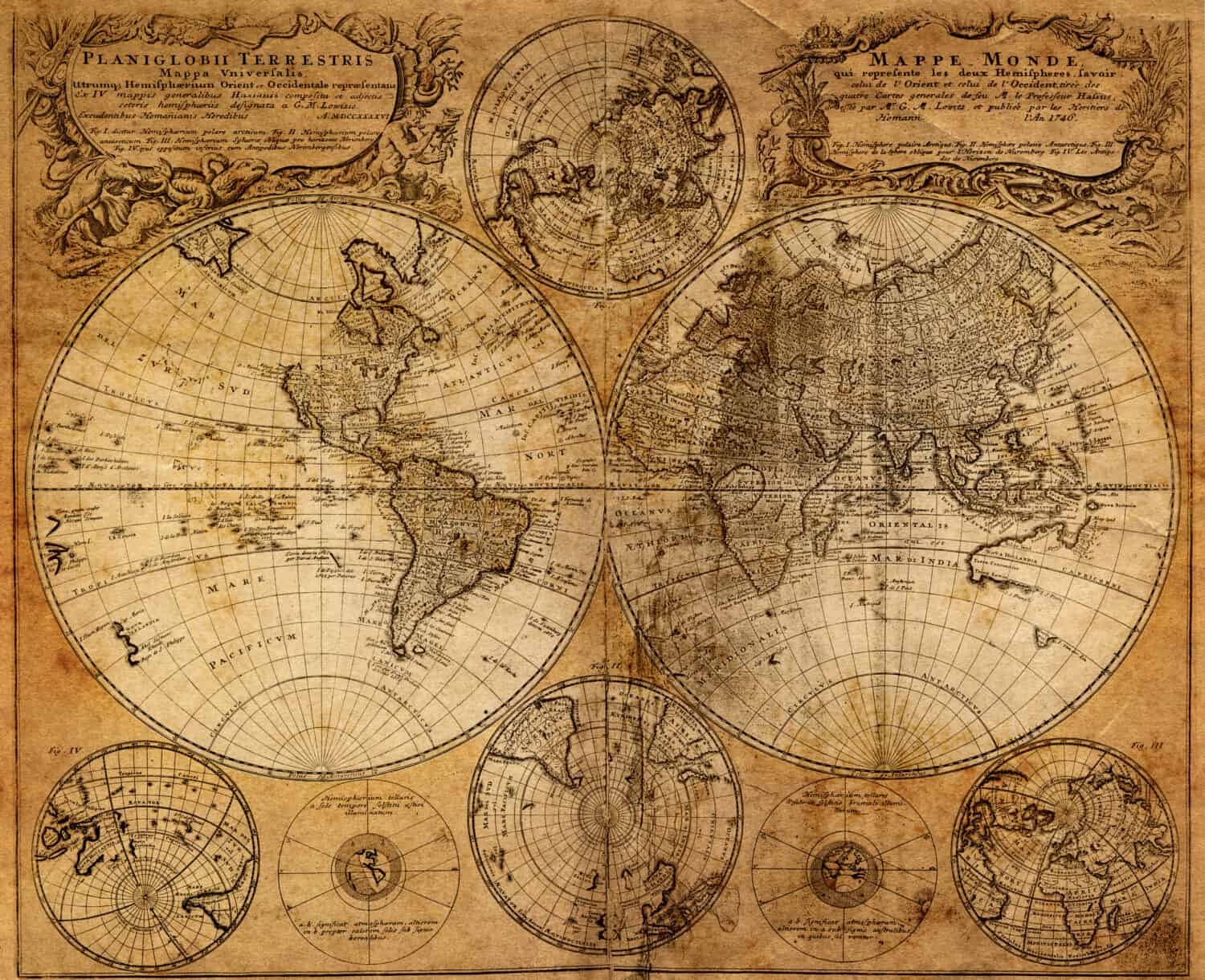
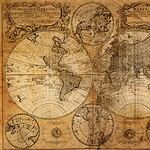
Medieval People Thought the Earth Was Flat
It is widely believed that people living in the Middle Ages thought the Earth was a literal flat surface and that you would fall off its edge if you sailed too far into the ocean. This was not the case. Educated medieval Europeans knew the Earth was round. Universities at the time taught astronomy based on a spherical Earth, and this had been established since the ancient Greeks.
The flat Earth myth was invented by 19th-century writers who wanted to make medieval people look primitive and superstitious, as opposed to their own supposedly enlightened age. Washington Irving published a heavily fictionalized biography of Columbus in 1828, and it was particularly influential in spreading the myth.
Columbus's actual problem when it came to funding his travels wasn't convincing anyone the Earth was round. People knew this already. His critics argued the journey was too far to survive, and they were actually right. He was only able to reach land because there was an entire continent nobody knew about.
The Egyptian Pyramids Were Built by Slaves
Everyone “knows” that the pyramids were built by enslaved workers, who were forced to stack enormous blocks under the scorching sun and searing whiplashes. This was the version that was taught in schools, books, and movies.
Archeological excavations near Giza tell a completely different story than the one we know. According to these findings, workers were organized by gangs, lived in villages in the nearby area, and were paid in high-quality food like beef and fish. They also had access to basic medical care and were buried in cemeteries with some ceremony, something that is not typically true for slaves.
These worker gangs even had their own names which were found graffitied on the pyramid stones. Names like "Friends of Khufu" and "Drunkards of Menkaure" were found on the site, which seems to indicate these were professionals who took pride in their work, rather than enslaved people whipped into submission.
The pyramid slave myth was originally spread by the ancient Greek historian Herodotus, who visited the monuments 2,000 years after they were built and recorded local legends as if they were undisputed facts.
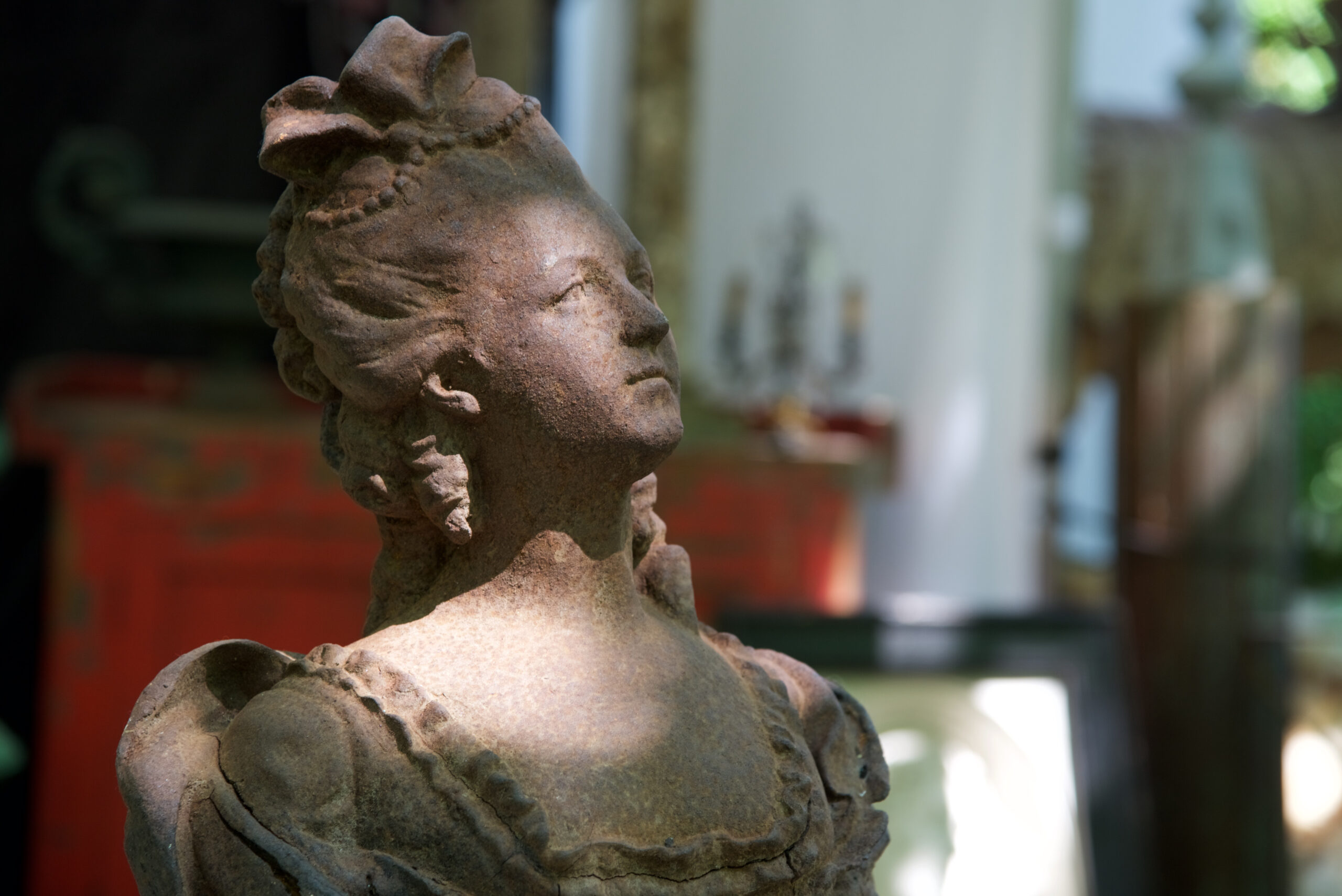
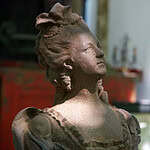
Marie Antoinette Said "Let Them Eat Cake"
It’s widely believed that when Marie Antoinette, the last Queen of France, was told that starving peasants had no bread to eat, she callously replied, “Let them eat cake.”
The truth is that there is no evidence that Marie Antoinette ever said this. There is no contemporary account, no written letter, no diary entry. Nothing. The phrase appears in Jean-Jacques Rousseau's "Confessions," which was actually written when the queen was around nine years old and living in Austria. The quote was attributed to a “great princess” who was left unnamed.
Historians believe that Rousseau was referring to someone from an earlier generation, possibly Maria Theresa of Spain, but there is also no evidence to support this claim. The quote was attributed to Marie Antoinette during the French Revolution as “proof” of her aristocratic indifference, but the first known connection to her name didn't appear in print until 1843, fifty years after her death.
Albert Einstein Failed Math
This one is a classic for a reason. Hearing that even Einstein struggled with math could make anyone feel good about their own grades. The truth is much less comforting.
Einstein did fail an entrance exam at the age of 16. While he did ace the math and physics sections, he failed at French, a language he was not fluent in. Some sources also claim he failed at botany and zoology.
When Einstein reportedly heard about the rumour, he casually stated that he had already mastered differential and integral calculus by age 15. His academic records confirm that he was already exceptional in his field at a very young age.
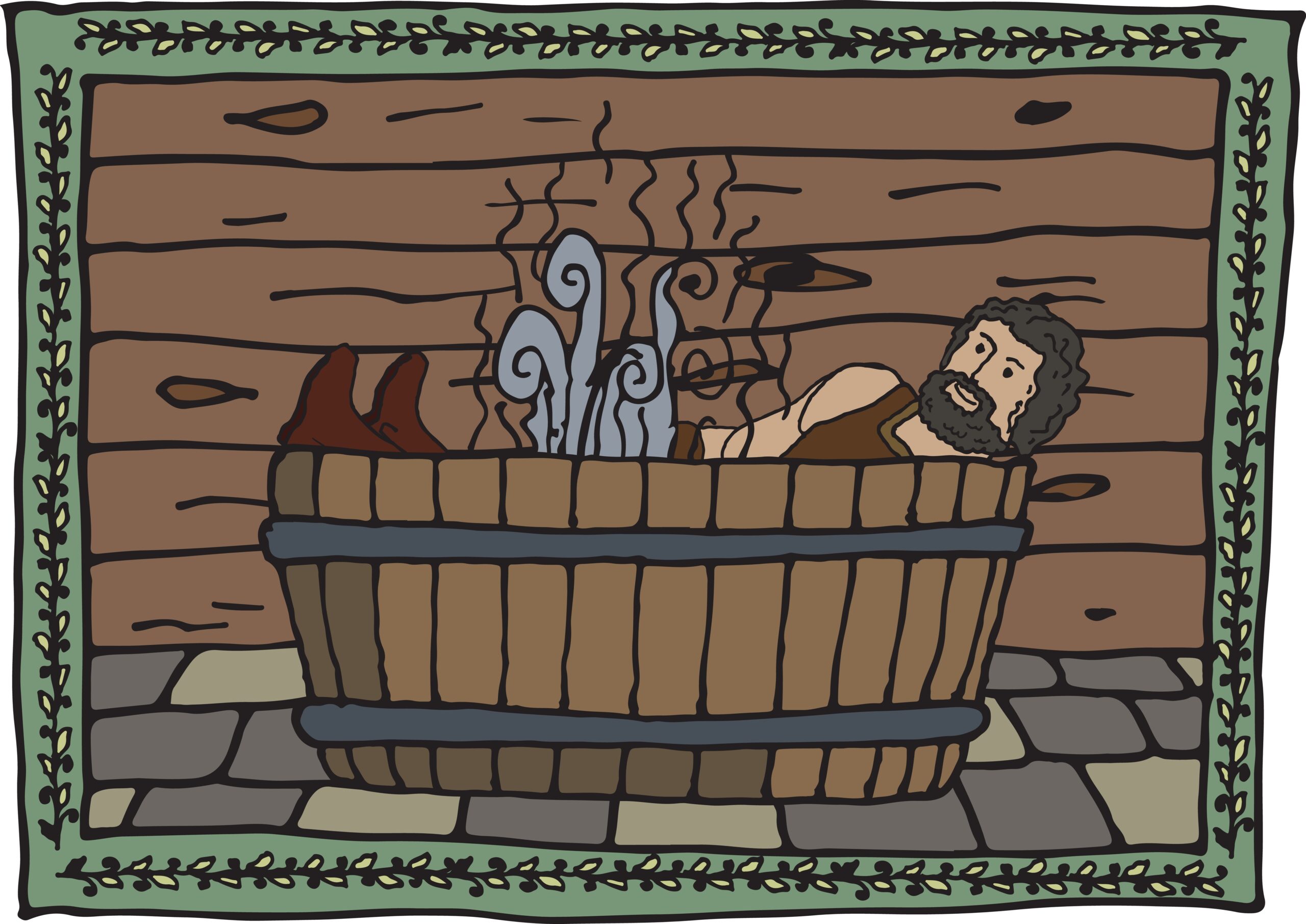
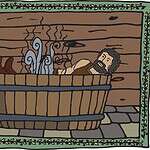
Medieval People Never Bathed
Medieval people may be the most misrepresented group in all of popular history, and that’s why they’re featured twice on this list. They’re usually depicted as being filthy and disease-ridden peasants with a visceral distaste for basic hygiene. The common belief is that they showered once a year, if they showered at all, and that they were highly superstitious about baths being unhealthy.
However, public bathhouses were a common part of medieval European towns, and people bathed regularly. Medieval doctors also recommended baths as a way to stay healthy, and the Church encouraged them before religious holidays.
The myth was largely fabricated during the Renaissance era. Humanist writers portrayed the Middle Ages as primitive and dirty as a way to make their own culture seem more advanced by comparison. Ironically, public bathhouses were actually closed en masse in many European cities during the Renaissance, partly due to fears about disease transmission and also due to increasing concerns about morality and public nudity.
The Great Wall of China Is Visible from Space
The Great Wall of China is so massive that it can be seen from space. It’s one of those that just seems right until someone points out the obvious. While the Great Wall has an impressive length, stretching for thousands of miles, it’s only about 15 to 30 feet wide, depending on the exact location. That’s less than some highways.
Even NASA and individual astronauts have denied the myth, stating that from Earth’s orbit, the wall blends entirely with the landscape. Yang Liwei, a Chinese astronaut, tried to find the monument during a 2003 spaceflight but could not find it.
It’s hard to say how this myth actually started. Some associate it with a 1932 Ripley's "Believe It or Not" entry, while others point to a 1893 reference in a U.S. publication. Both entries predate actual space exploration, but once the myth found its way into textbooks, it was established as “fact”.
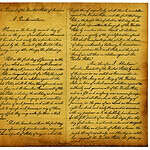
The Emancipation Proclamation Freed All the Slaves
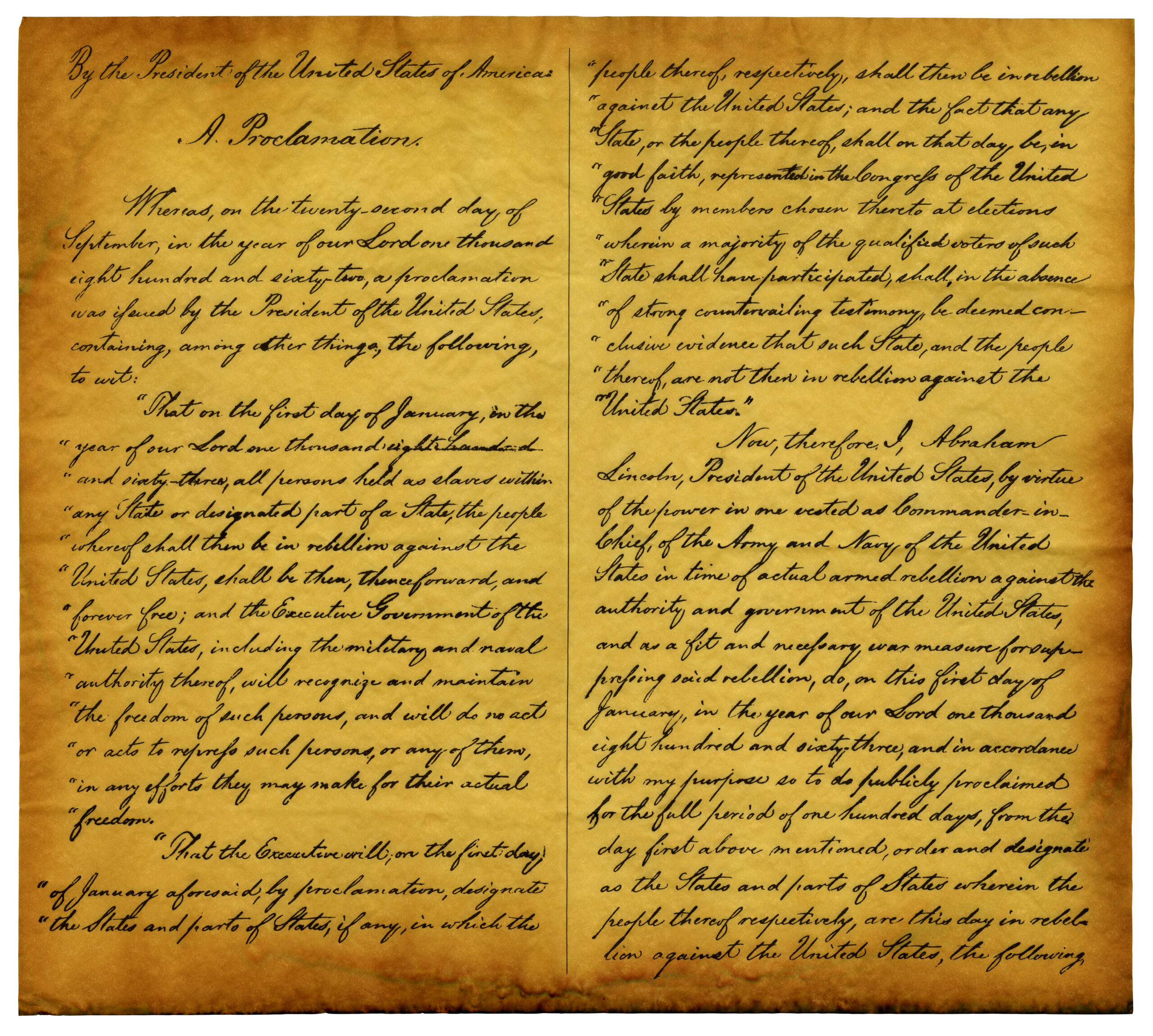
We like to think that slavery automatically vanished from the U.S. once Abraham Lincoln signed the Emancipation Proclamation in 1863, but the reality is a bit more complex.
The Emancipation Proclamation only applied to Confederate states still in active rebellion at the time. It didn’t apply to slaveholding states that had remained in the Union. The proclamation was mainly a wartime military measure, and it was designed to weaken the Confederacy, rebranding the war as a fight against slavery. It was more of an effective strategy than an actual abolition of slavery.
Roughly half a million enslaved people remained unaffected by the proclamation in states like Kentucky, Missouri, Maryland, and Delaware. Slavery was officially abolished by the Thirteenth Amendment in 1865, and it took several years to enforce.