





10 Famous Quotes Most People Still Get Wrong
Whether you like it or not, at least one of your favorite quotes has probably been altered to some extent. What you remember is probably not quite what was actually spoken or written. Some have been trimmed or altered so much that the popular quote barely resembles the original, while others have been just slightly tweaked to sound better.
Sometimes a line got sharpened for a poster or a headline. Other times it was simply misheard, and decades later nobody thought to check. Years later, those edits become the quotes everyone remembers. Here are 10 quotes that everyone gets wrong, and probably always will.
"Houston, we have a problem"
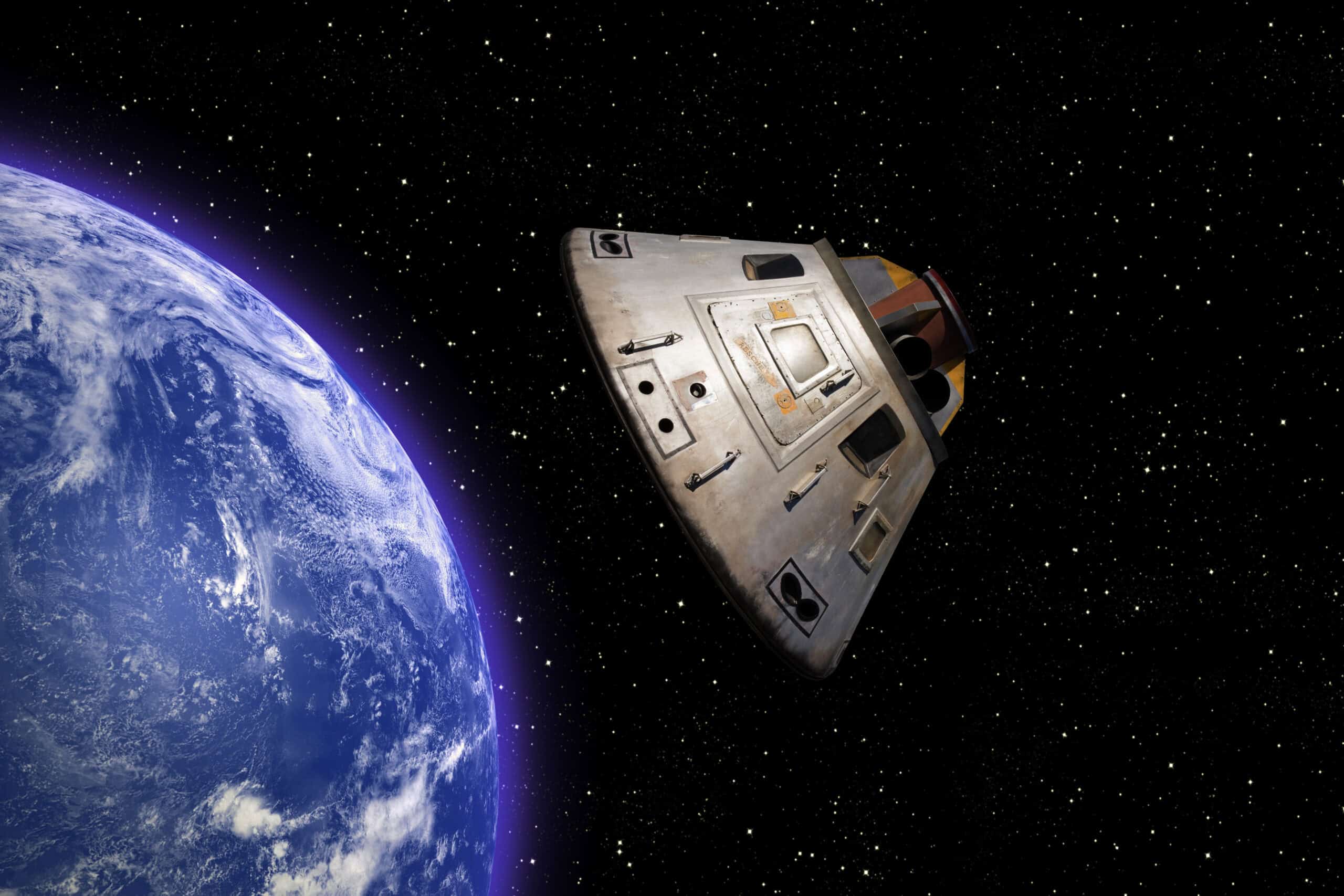
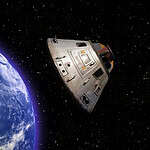
Tom Hanks says this line in Apollo 13, but the real astronauts never did. On the 13th of April in 1970, Command Module Pilot Jack Swigert communicated with mission control, stating: "Okay, Houston, we've had a problem here." James Lovell relayed it again still in the past tense: "We've had a problem."
In 1995, the movie's script condensed it to the present tense, a line that became both the film's signature moment and its poster tagline, and this version absorbed the original quote entirely. Even when the quote is corrected, it continues to be incorrectly attributed to James Lovell, not Jack Swigert.
"Blood, sweat and tears"
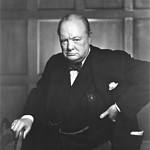
People think that these are the exact words spoken by Churchill in his maiden speech as Prime Minister on May 13, 1940. What he actually said was, "I have nothing to offer but blood, toil, tears, and sweat." The word “toil” never made it to the well-known popular saying and the order got switched up as well.
For decades, he had been using phrases close to the popular "blood, sweat and tears" version himself, going back to 1900, and again in a 1939 magazine article. That familiar phrasing was already so ingrained that it overrode his actual 1940 wording almost immediately, and it even became the name of a sixties rock group.
"Power corrupts; absolute power corrupts absolutely"
This one is frequently cited as a plain rule of nature and even credited to Orwell on occasion. It was, however, Lord Acton who said, in a letter he penned in 1887 to Bishop Creighton, that "Power tends to corrupt, and absolute power corrupts absolutely."
Removing the clause "tends to" renders a cautious historian's hedge into a sweeping generalization, thereby doing precisely the opposite of what Lord Acton intended. The next sentence, "Great men are almost always bad men," gets completely omitted, despite being the sharpest part of the argument.
"We have nothing to fear but fear itself"
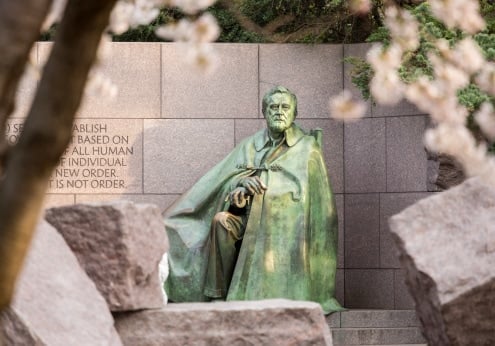
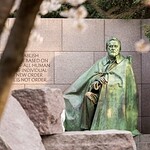
This quote is taken from FDR's inaugural speech in 1933, where he said "we have nothing to fear but fear itself." But what Roosevelt actually said was "the only thing we have to fear is fear itself," the whole sentence being "let me assert my firm belief that the only thing we have to fear is fear itself."
That slight edit took a personal belief and turned it into a flat, universal statement. However, variations of this phrase had been circulating in self-help books and business literature for at least a decade before his speechwriters worked it into the address.
"The British are coming"
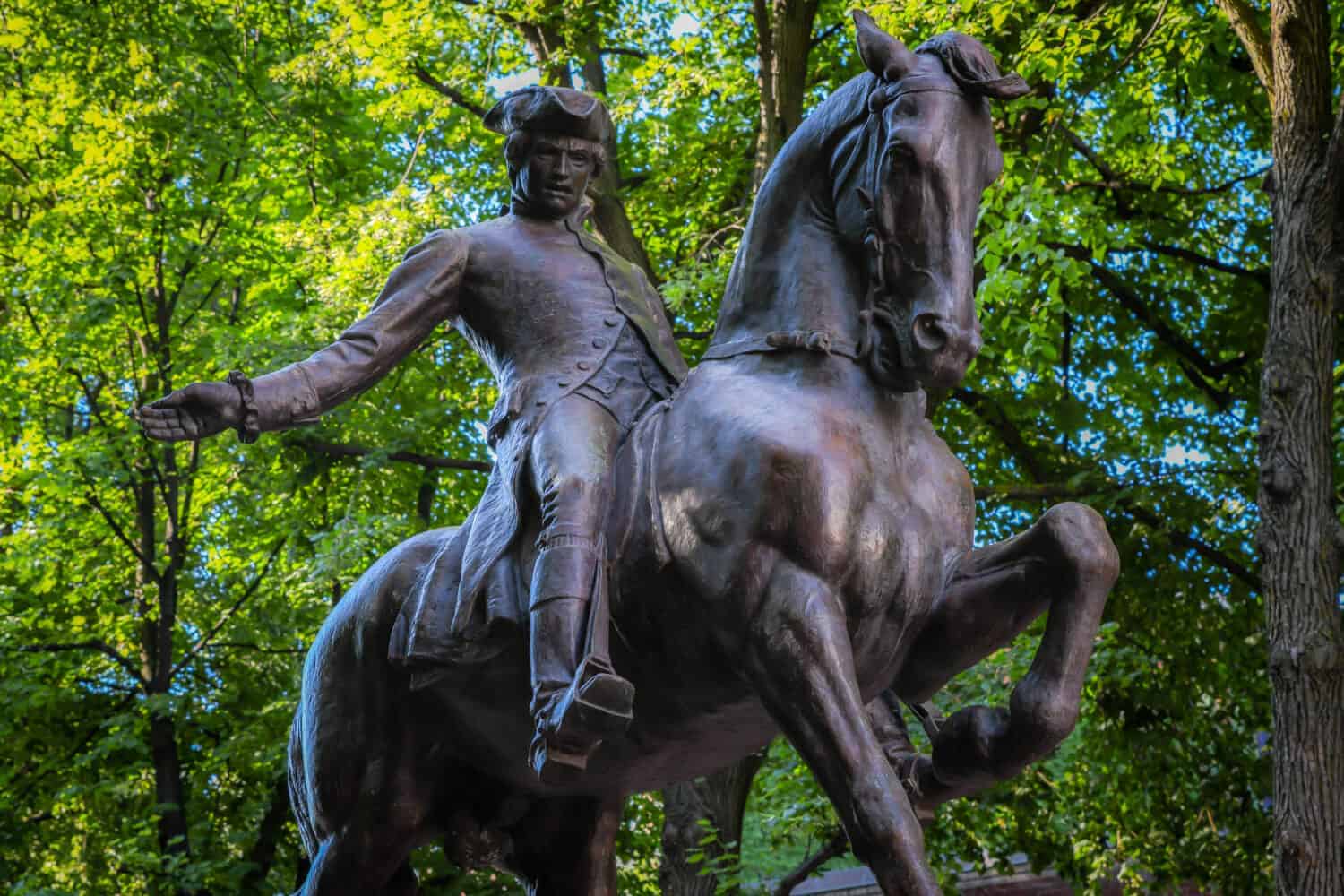
The intended nature of Revere's ride was one of secrecy, not declaration. In colonial Massachusetts in 1775, where the colonies were still considered subjects of Great Britain, it wouldn't have made sense to refer to the military as "the British," at least not then.
According to eyewitness accounts, Revere's actual message was "The Regulars are coming out." The "British are coming" actually came from Longfellow's famous 1860 poem "Paul Revere's Ride," written nearly 85 years after the fact.
"Peace in our time"
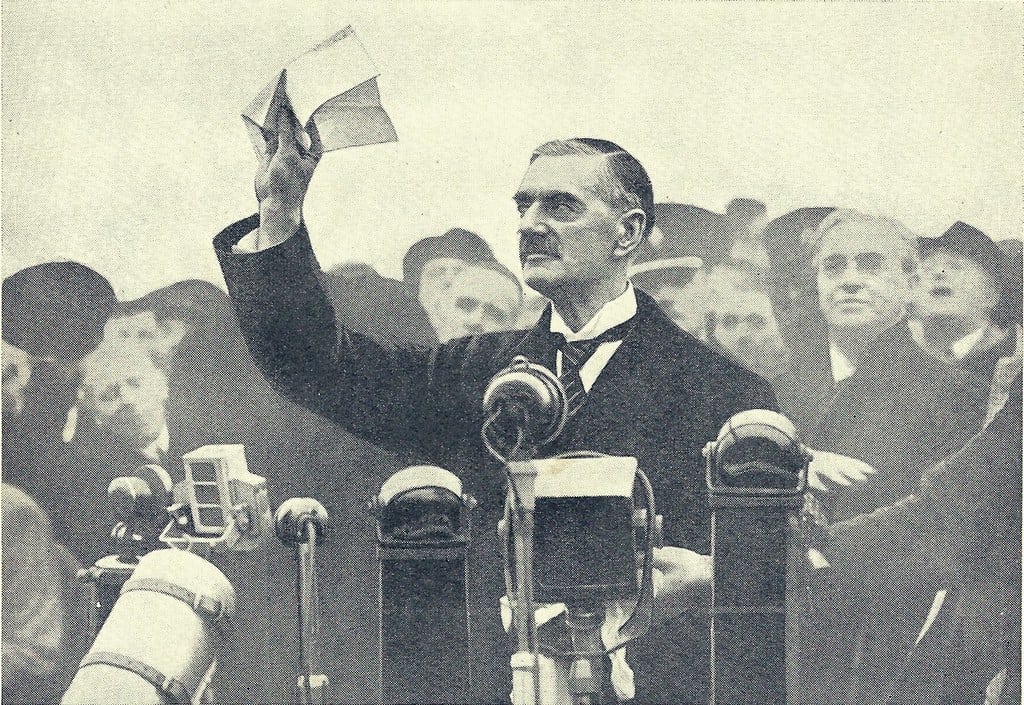
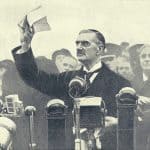
Following the signing of the Munich Agreement in September 1938, Chamberlain is known to have said "peace in our time." But what he did say as he stepped out of 10 Downing Street was "I believe it is peace for our time." The misquote isn't a random slip. 'Peace in our time' comes from the Book of Common Prayer, a much older phrase people already knew, and that's the version attributed to Chamberlain.
"Money is the root of all evil"
The Bible does not actually say "money is the root of all evil." 1 Timothy 6:10 states that, "the love of money is the root of all evil" or "all kinds of evil" depending on the translation.
These two words change the entire argument. The shorter, popular version says money itself is evil, while the longer, actual one makes clear that it's the desire for money that leads to evil. Centuries of moralizing about wealth have rested on that shorter, less precise version.
"Nice guys finish last"
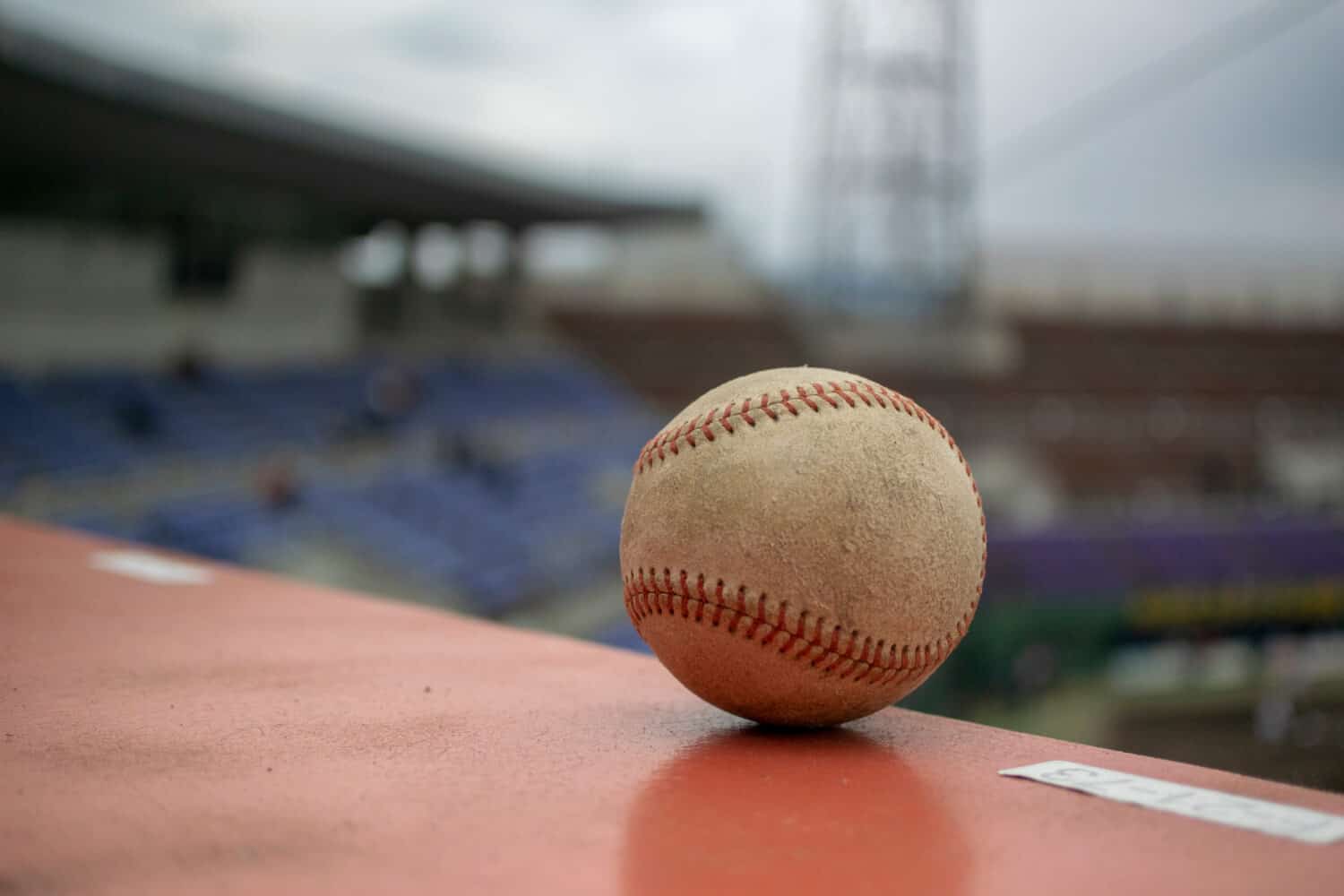
"Nice guys finish last" is often attributed to Leo Durocher, but what he actually told the New York Giants players in 1946 was: "The nice guys are all over there, in seventh place."
The phrase was later paraphrased as "Nice guys finish last," but Durocher's original 1946 remarks referred to the Giants being in seventh place, not last. Despite denying it for decades, Durocher even used it to name his autobiography in 1975, effectively making the misquote part of his own legacy.
"The reports of my death have been greatly exaggerated"
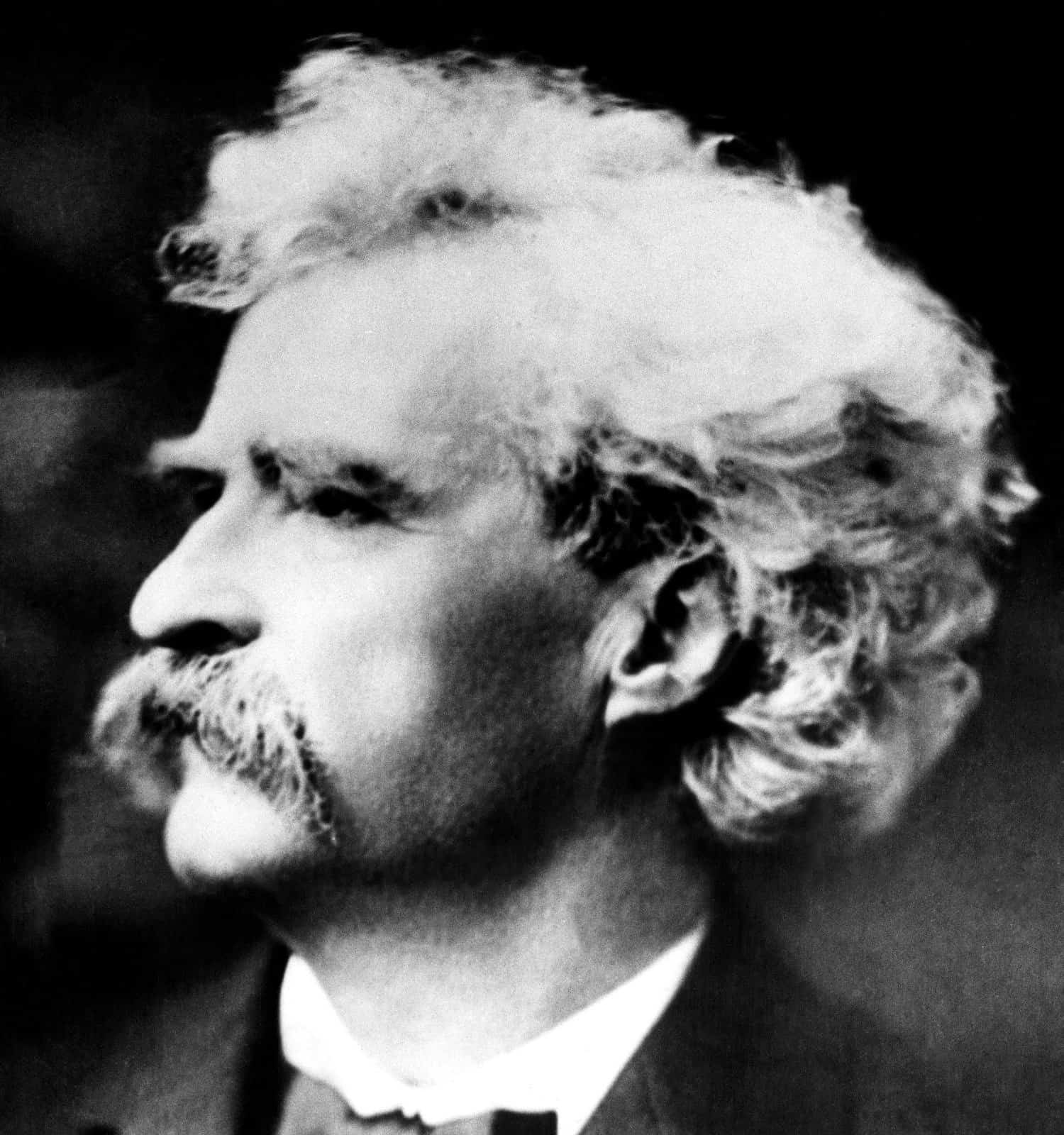
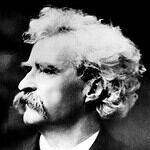
The much-quoted phrase by Mark Twain is a response to the premature obituaries that were written about him. What he actually said to a reporter in New York in 1897 went as "The report of my death was an exaggeration." The misquoted version sounds more refined, and it has its origins in a 1912 biography, which was written two years after the author had actually died, meaning that version of the quote appeared in print only after Twain was gone.
"One small step for man"
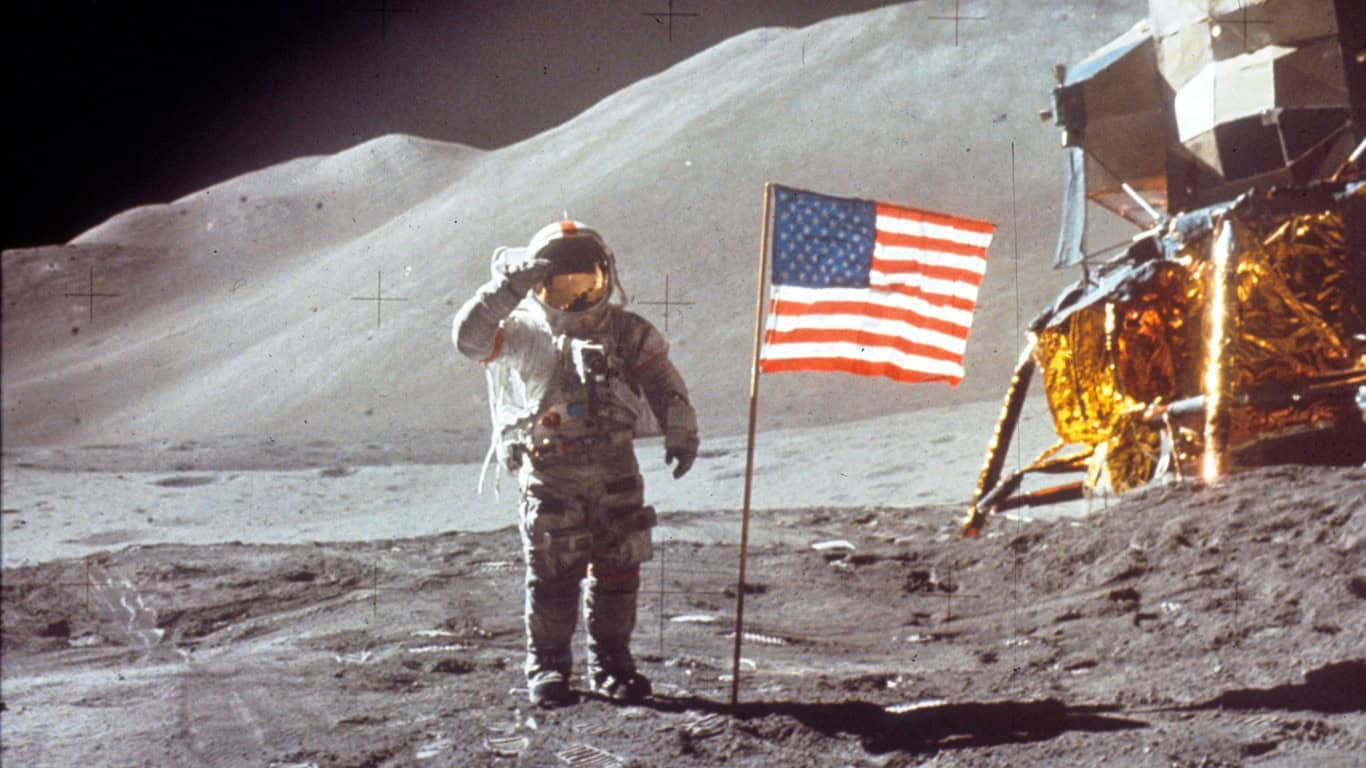
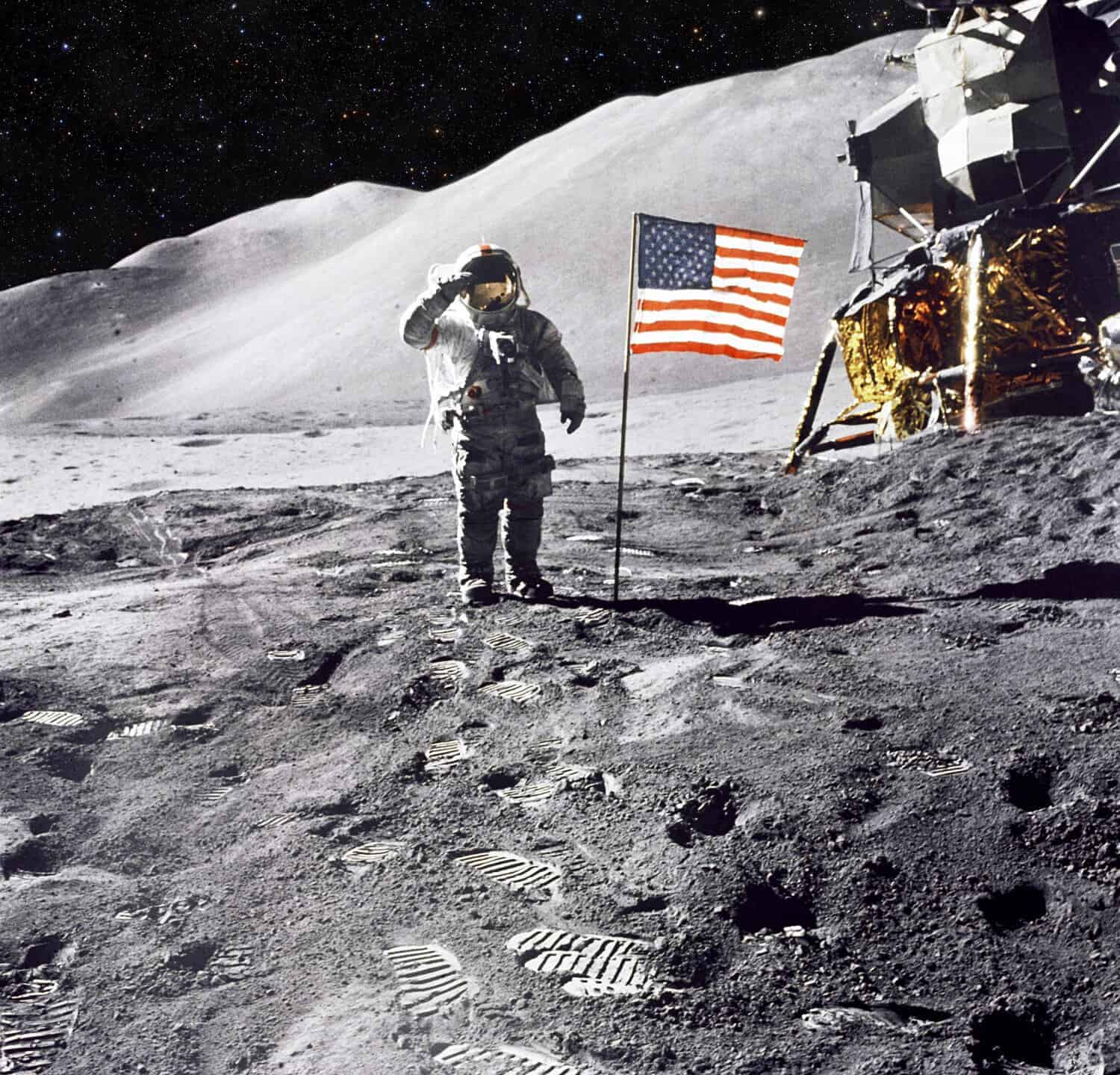
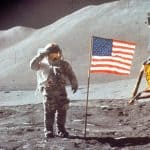
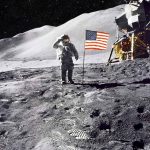
The phrase is recalled as "that's one small step for man, one giant leap for mankind," spoken by Armstrong as he stepped onto the Moon's surface in July 1969. Armstrong actually said "one small step for a man," and that one missing article changed everything. Without it, "man" and "mankind" sound like two ways of saying the same thing. With it, the sentence becomes one person standing in for an entire species. NASA's official transcript later added the "(a)" in brackets, an acknowledgment that, more than fifty years on, nobody can say for certain what Armstrong actually said.
The image featured at the top of this post is ©NASA / Hulton Archive via Getty Images