






15 Famous Quotes You’ve Probably Been Getting Wrong Your Whole Life
It’s safe to say that you’ve used some of these quotes at least once. Maybe you've seen them used on posters, speeches, or social media. They sound absolutely perfect. That's the problem.
There are two things we often get wrong when it comes to famous quotes like these: The quotes themselves and the person who actually said them. Sometimes, the quote just lands differently coming from a certain person or after being polished around the edges.
Most of the entries on the list come from honest mistakes, while others are just flat-out fabrications. In either case, it’s worth taking a look at them and getting the full picture. These are 15 famous quotes almost everyone gets wrong.
Einstein's Most Shared Quote Came From a Rehab Pamphlet
"The definition of insanity is doing the same thing over and over again and expecting different results."
There is no recorded link between this quote and Einstein at all. The earliest recorded use of the quote actually comes from a pamphlet used in the Narcotics Anonymous program during the 1980s. It then made its way into motivational literature, and Einstein’s name got tagged onto it somewhere along the way. Einstein was known to have said some pretty deep things. This one was just not among them.
Nobody Says This Line in Casablanca
"Play it again, Sam."
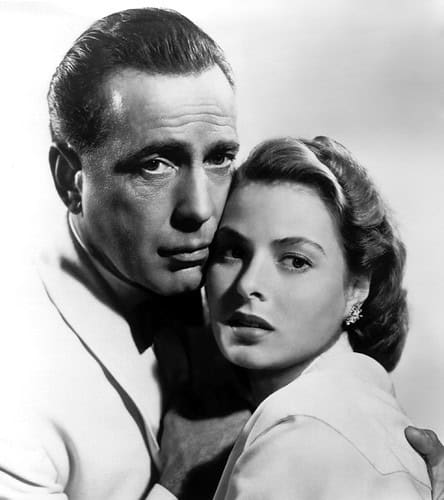
It's one of the most misquoted lines in film history. Ilsa tells Sam in her famous line from 1942’s Casablanca, "Play it once, Sam, for old times’ sake." Then later on in the movie, she asks him again, “Play it, Sam.” She never said the famous version, and neither did Bogart's Rick. The misquote eventually became more recognizable than anything in the actual script.
Marie Antoinette and the Cake She Never Mentioned
"Let them eat cake."
Marie Antoinette famously replied “let them eat cake,” when told that starving French peasants had run out of bread. Except she didn’t. The quote first appeared in the memoir “Confessions” by Jean-Jacques Rousseau, who wrote it sometime around 1765. The line was actually attributed to “a great princess”. The issue is that Marie Antoinette was only nine at the time and still living in Austria. She was not credited with the quote until 1843, fifty years after her death. It’s also worth noting that the exact phrase in French is "qu'ils mangent de la brioche" which means let them eat brioche, so this one is wrong on both levels.
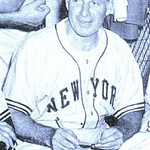
Leo Durocher Said Something Less Catchy
"Nice guys finish last."
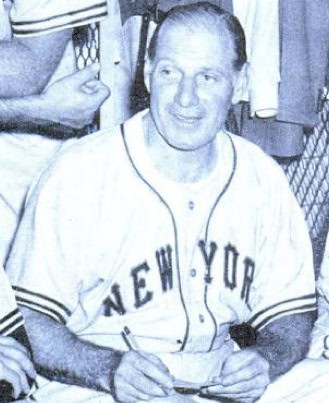
Brooklyn Dodgers' manager Leo Durocher delivered the line during a baseball batting practice while talking to reporters in July, 1946, referring to the opposing team, the New York Giants. According to the New York Journal-American, Durocher actually said: "The nice guys are all over there, in seventh place." Given that it was an eight-team league, the Giants weren’t even last. They were second last. Sporting News abbreviated the quote to “the nice guys are all over there, last," and as time went on, the quote got polished into the line we now know.
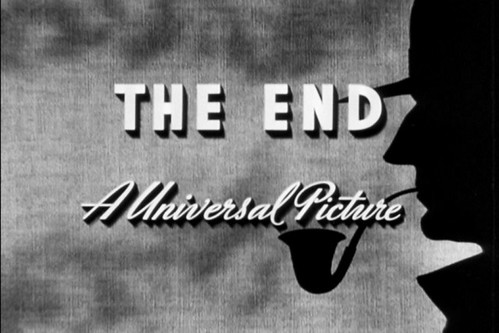
Sherlock Holmes Never Said It
"Elementary, my dear Watson."
Try finding this one in any of the 56 short stories and four novels written by Doyle. You’ll be disappointed. Holmes actually uses the word "elementary" in "The Adventure of the Crooked Man," and the phrase "my dear Watson" appears several times, but at no point do both expressions appear together. The full quote first appeared in print in P.G. Wodehouse's 1915 novel Psmith, Journalist. It then spread through stage and film adaptations of Sherlock Holmes until it felt inseparable from the character. Doyle never wrote it, but it still went on to be the character’s most recognizable line.
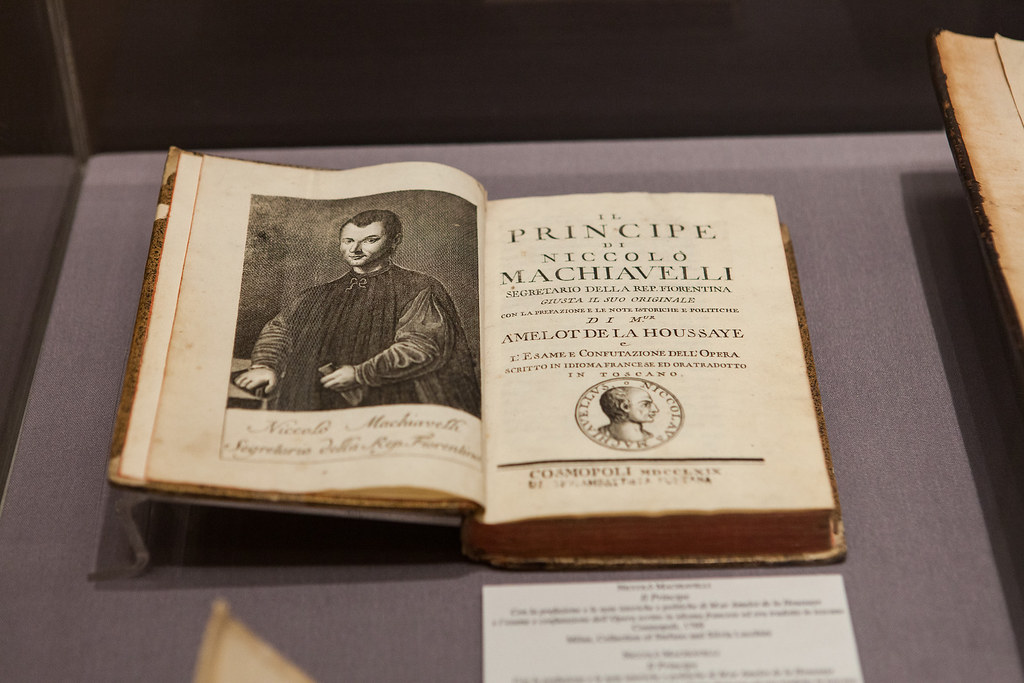
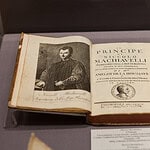
Machiavelli Never Wrote His Most Famous Line
"The ends justify the means."
Many believe this is something that can be read in Machiavelli’s “The Prince”, but this misquote cannot be found anywhere in the book. While some believe that it fits Machiavelli's worldview, his actual arguments are far more complex than this bumper sticker quote gives him credit for. The simplified phrasing was, in reality, the result of an attempt to summarize his points, an attempt that eventually got mistaken for his actual words.
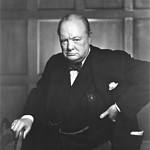
Churchill Used a Different Word
"Never, never, never give up."
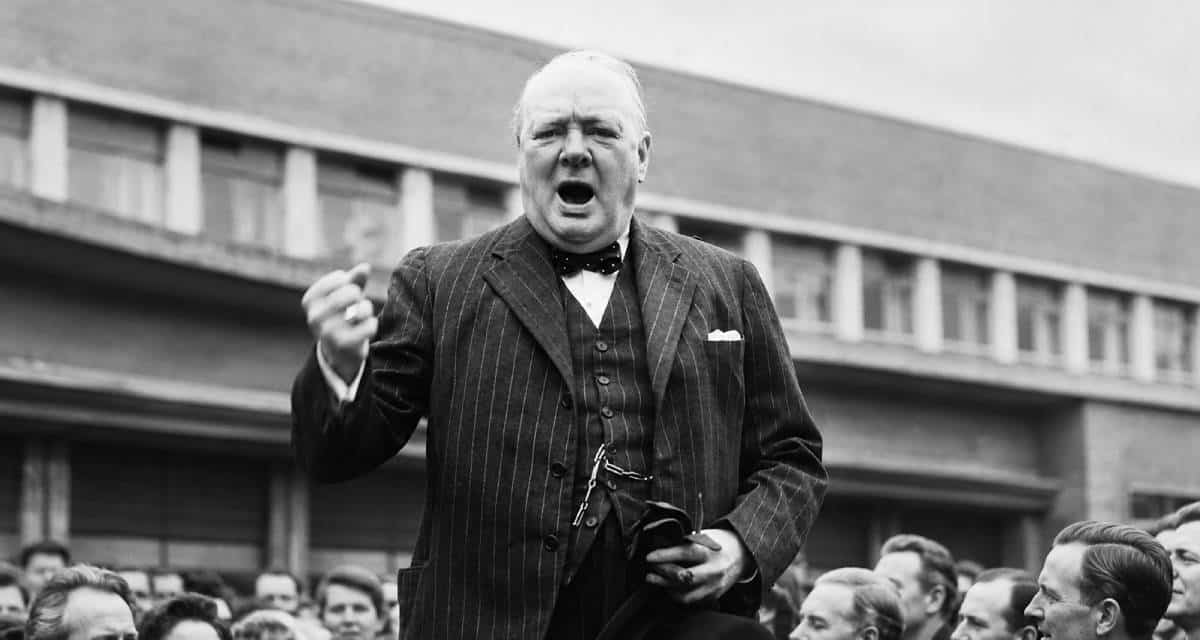
It’s simple and mildly inspiring. It’s also wrong. What Churchill actually said on October 29, 1941, at Harrow School, was: “Never give in, never, never, never, never, in nothing great or small, large or petty, never give in except to convictions of honour and good sense.” This phrase is not about giving up, but rather about giving in. The additional clauses at the end of the quote were simply omitted, and the whole point got diluted. The quote is far more interesting in its original form, but it doesn’t have the same impact.
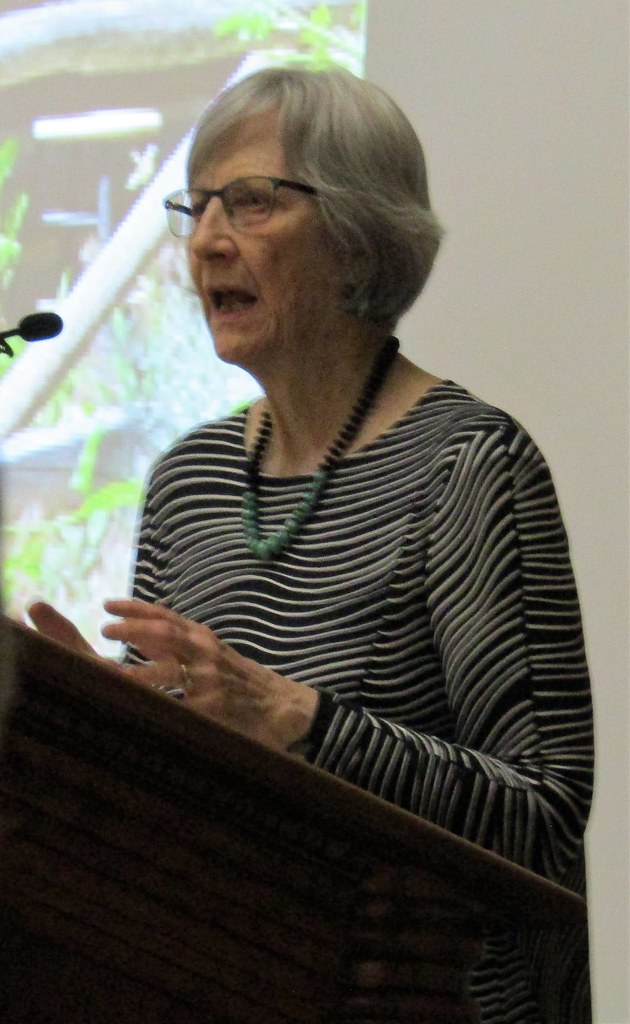
A Historian Wrote the Well-Behaved Women Line
"Well-behaved women seldom make history."
This saying is often credited to celebrities and historical figures like Marilyn Monroe and Eleanor Roosevelt. It was actually Laurel Thatcher Ulrich who wrote the phrase in 1976 as part of an academic article about funeral sermons for Puritans during the colonial period. The saying somehow slipped out of the journal, was given a new meaning, and finally attributed to different people, depending on who you speak to.
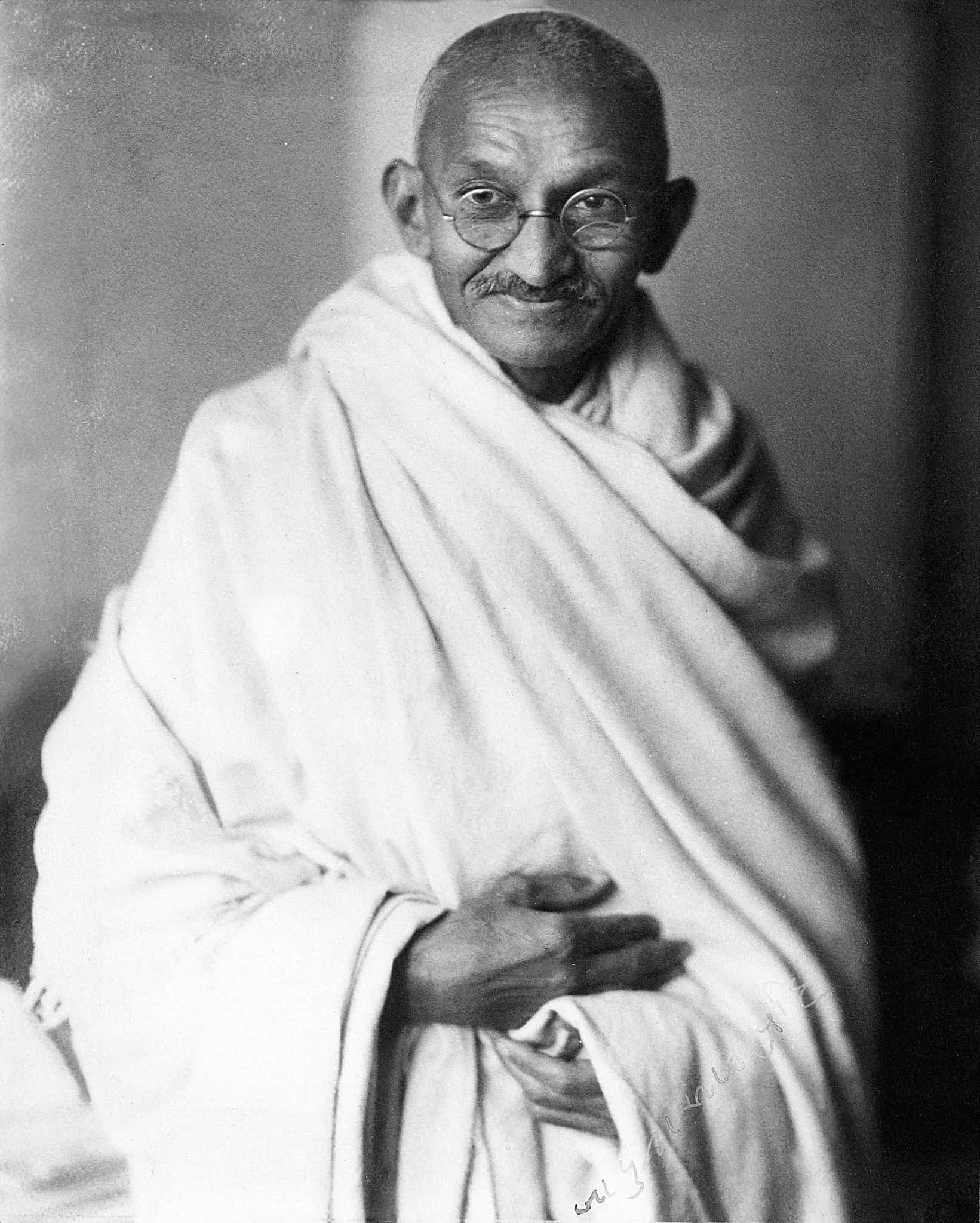
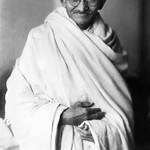
Gandhi's Most Famous Quote Is a Paraphrase
"Be the change you wish to see in the world."
The nearest documented source for this quote is a 1913 paraphrase of Gandhi's writing by a contemporary journalist: “If we could change ourselves, the tendencies in the world would also change.” The condensed version changes the meaning in a subtle but important way. Gandhi's original phrase was about cause and effect in bringing social change. The popular version makes it sound like personal virtue alone is enough to change the world.
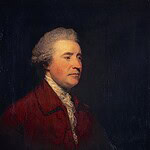
Nobody Can Find This in Burke's Writing
"The only thing necessary for the triumph of evil is for good men to do nothing."
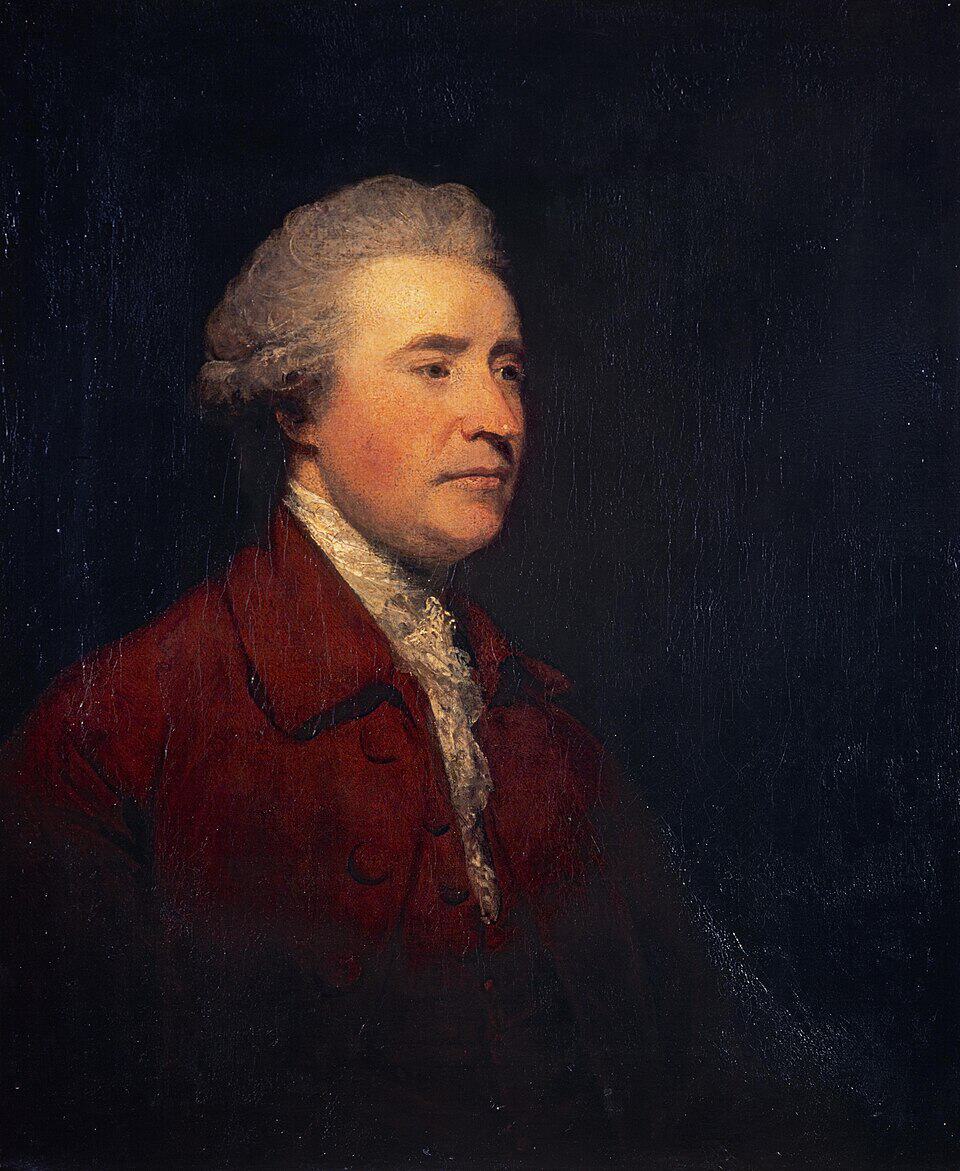
This one is a Hollywood favorite and is often associated with Edmund Burke.ut the truth is that there’s nothing like it anywhere in Burke’s written works and letters. The statement does align with some of his political ideas, and that could explain why the quote is so widely associated with Burke.
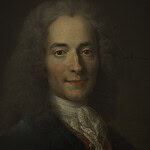
Voltaire Never Said This
"I disapprove of what you say, but I will defend to the death your right to say it."
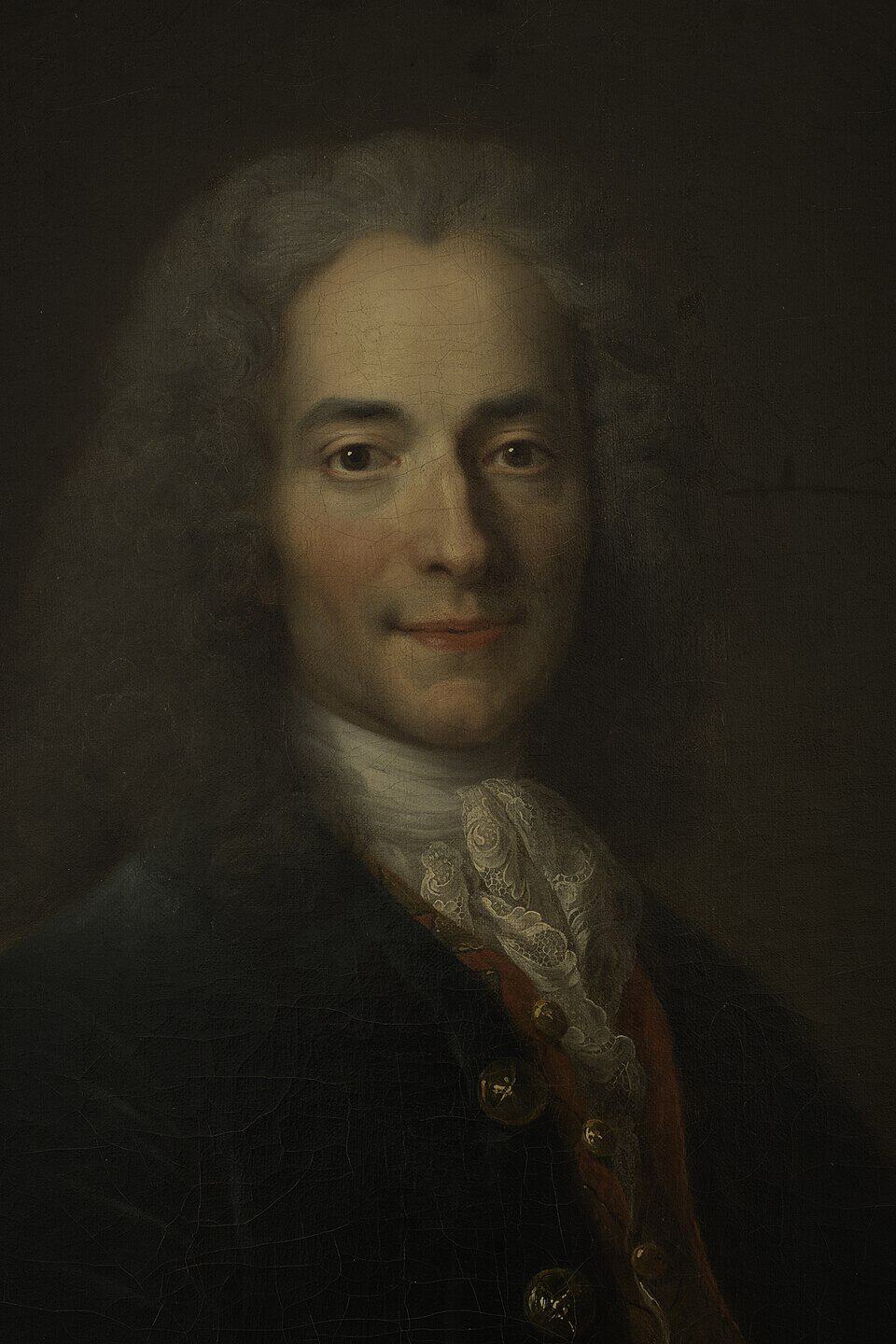
This phrase was written by Evelyn Beatrice Hall in her biography “The Friends of Voltaire“ published in 1906. Hall uses the line to describe Voltaire's attitude towards a particular book he disliked. He did not say these words literally, nor did he write them down anywhere during his life.
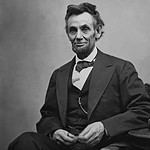
Lincoln Probably Never Said This Either
"You can fool all the people some of the time, and some of the people all the time, but you cannot fool all the people all the time.”
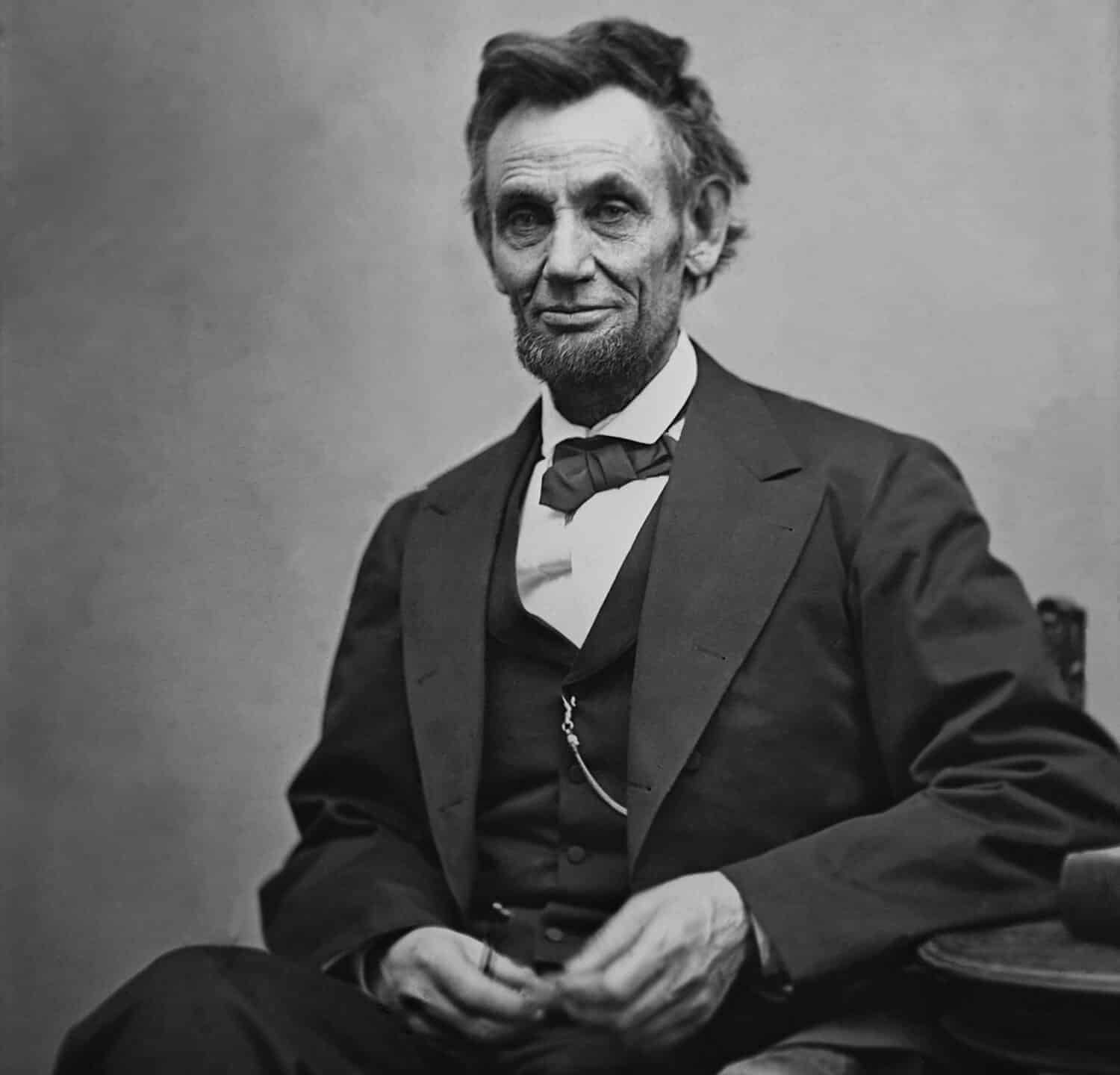
There's no link between this quote and Lincoln. It first appeared in the 1880s, used by Prohibition Party politicians arguing against corruption in Congress. From there it spread quickly into advertising, attached to Lincoln's name to lend credibility, selling everything from clothing to whiskey. The Lincoln Presidential Library has never found any evidence that he actually said it.
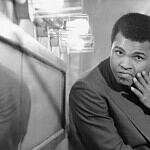
Ali's Corner Man Wrote the Butterfly Line
"Float like a butterfly, sting like a bee."
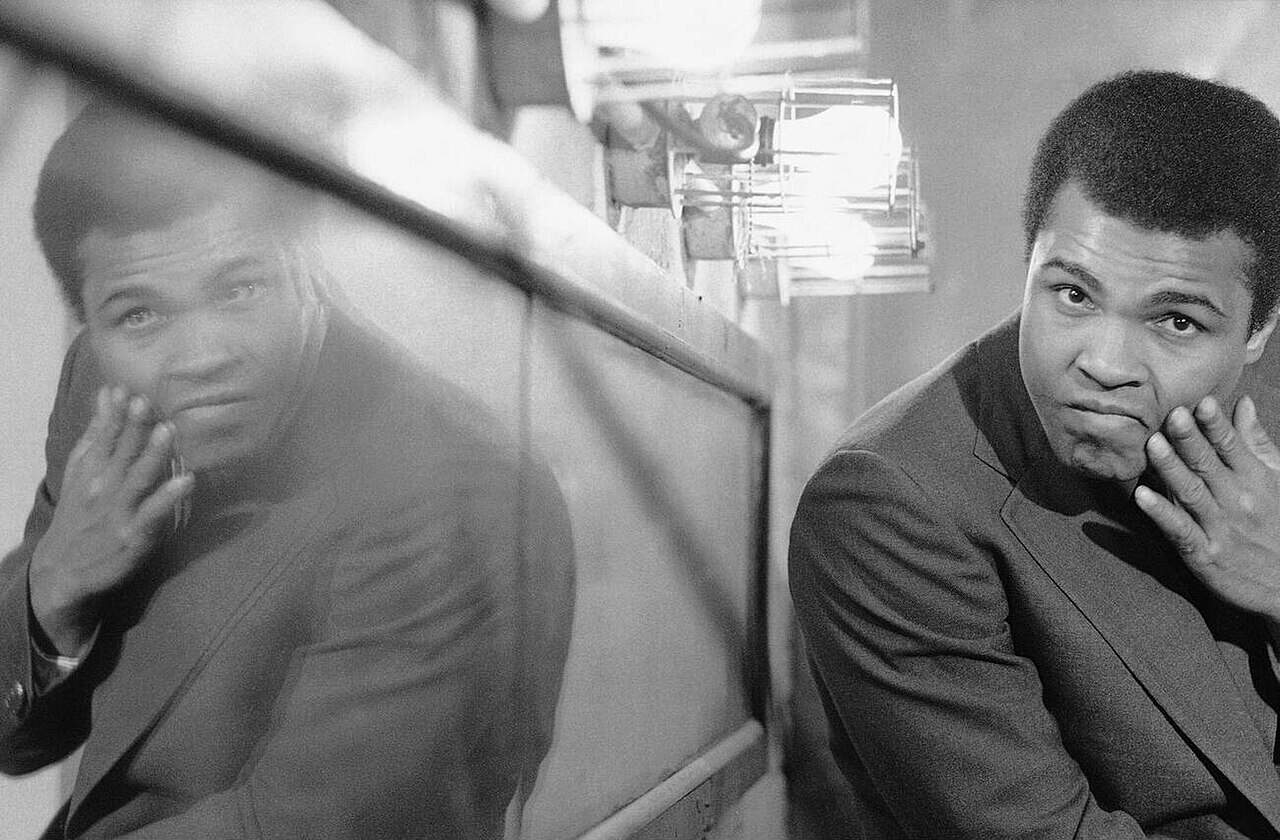
"Bundini" Brown, Muhammad Ali’s trainer, came up with this famous statement before the 1964 bout against Sonny Liston. The boxer used this quote in so many different instances that the origin got lost and was attributed to Ali himself. One week before Bundini died in 1987, Ali visited him in a Los Angeles hospital and leaned over to whisper the line back to him.
The Bible Says Wolf, Not Lion
"The lion shall lie down with the lamb."
Isaiah 11:6 actually says, "The wolf will live with the lamb, the leopard will lie down with the goat, the calf and the lion and the yearling together, and a little child will lead them." The original verse got compressed. This mistake is so common during sermons and political speeches that most people would argue against the biblical verse.
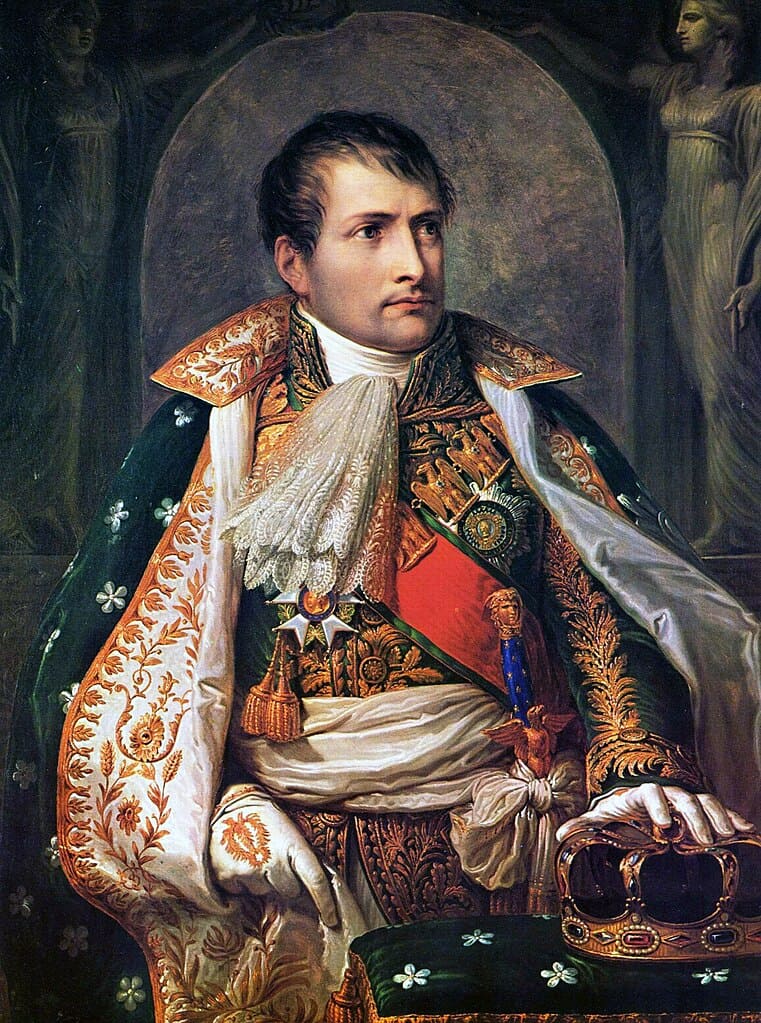
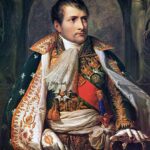
Napoleon Probably Didn't Say This One
"If you want a thing done well, do it yourself."
The line appears in various forms long before it was ever attributed to Napoleon, and it cannot be found in any speech or letter from the French emperor. It's the kind of aphorism that gets attached to powerful historical figures because it fits the image. Napoleon did have opinions about competence. He did not, as far as anyone can determine, coin this particular one.