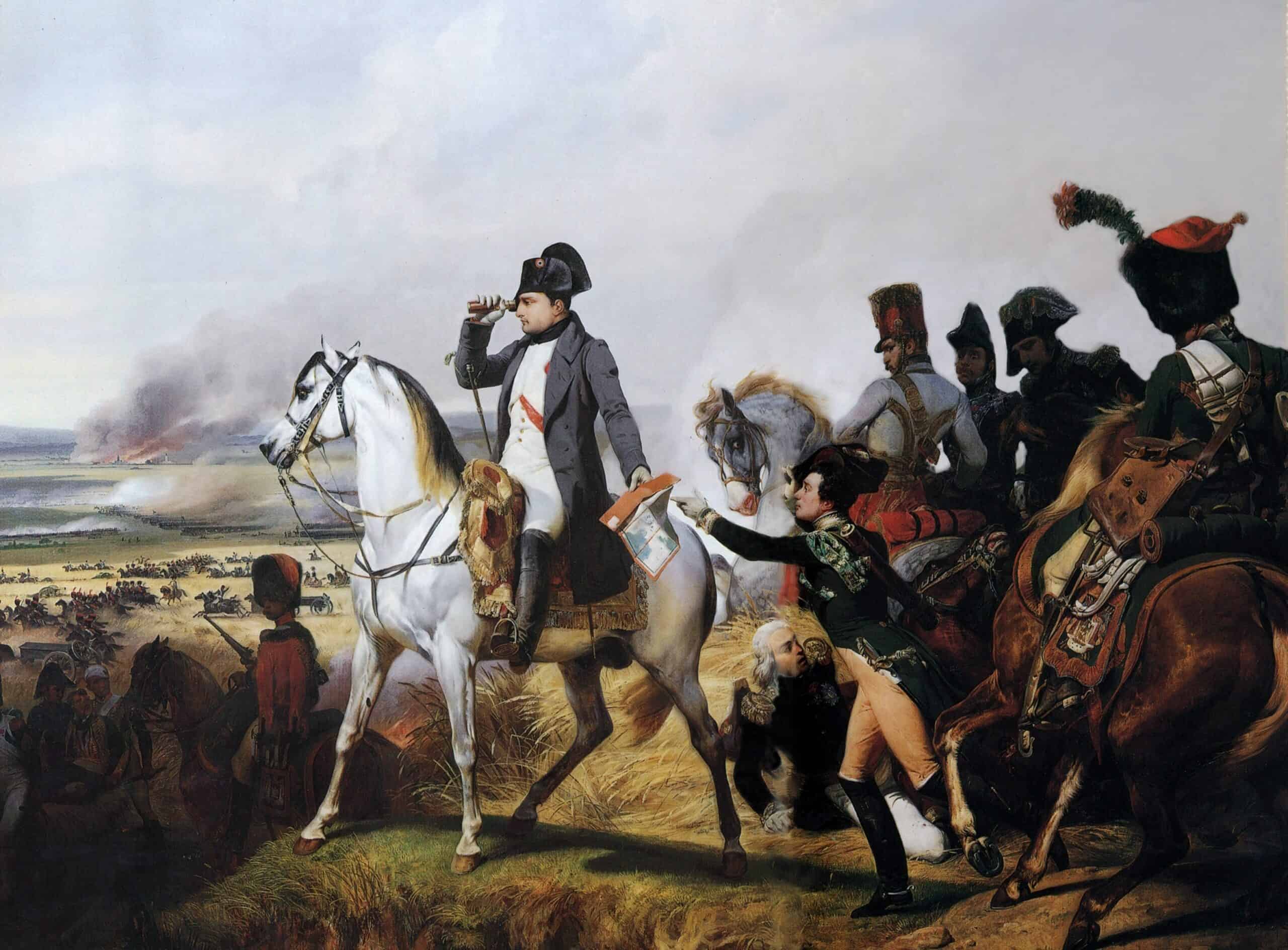

History is a valuable subject, regardless of your age. That said, there are always a few historical facts that veer toward the side of fiction. You might recall things like Columbus setting sail for the New World to prove that the Earth wasn’t flat. Napoleon’s drive for conquest didn’t come about from ambition, but from a crushing inferiority complex fueled by his short stature. Marie Antoinette casually dismissed the suffering of the peasantry with the flippant remark, “Let them eat cake.”
For many students, history class isn’t about learning the facts as primary sources show. There is a fair amount of storytelling, and getting kids to remember some of these things often requires a bit of imagination.
All said, time has a way of distorting narratives, accepting wartime propaganda as fact, or using the sort of mythologizing that makes nations. That isn’t even getting into the fact that some primary sources are improperly translated. Once these “facts” are set in stone, it gets harder and harder to purge them from the curriculum as time goes on. Today, we’re looking at some of the most persistent historical myths still being taught in schools.
Columbus and the Flat Earth
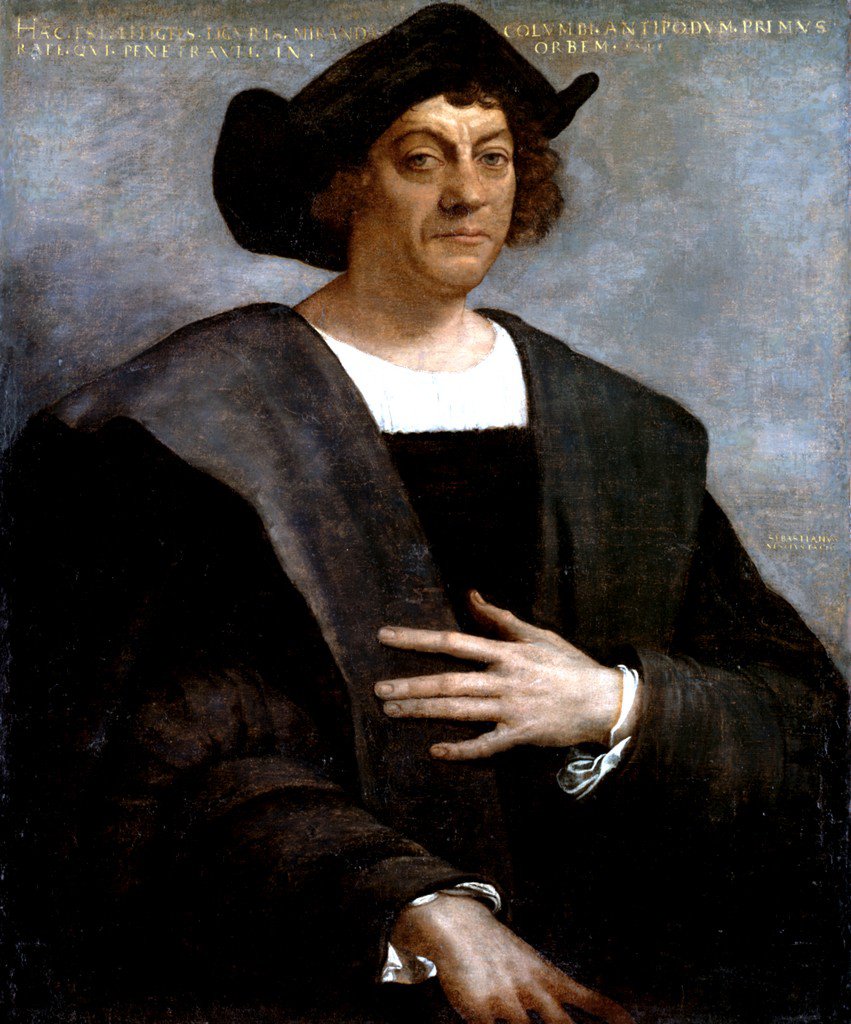
©Sebastiano del Piombo, Public domain, via Wikimedia Commons – Original / License
If you went to school in certain areas, you likely remember the claim that Christopher Columbus set sail to combat the narrow-minded European scholars who thought the Earth was flat. Per this historical myth, Columbus’ 1492 voyage went against the grain of scientific understanding. The argument persists that sailing west would see ships plunging off the edge of the world itself.
The truth is far simpler: Europeans in the 15th century knew the Earth was a sphere. They’d known for centuries.
The concept of a round Earth dates back to Antiquity, with the Greek mathematician Eratosthenes calculating the circumference of the globe with a shocking amount of accuracy in the 3rd century BCE. Medieval sailors, astronomers, and theologians knew the Earth was round.
Instead, the protest against Columbus’ voyage was regarding a waste of human life and resources. The nobility were concerned that Columbus would set sail and starve to death in the middle of the Atlantic. In fact, there was a reason for their concern, as Columbus’ own math for the journey to Asia was off. The myth itself dates back to sometime in the 19th century, often attributed to Washington Irving. It makes for a tidy story of a lone genius going against the grain, but it is nowhere near the truth.
Let Them Eat Cake
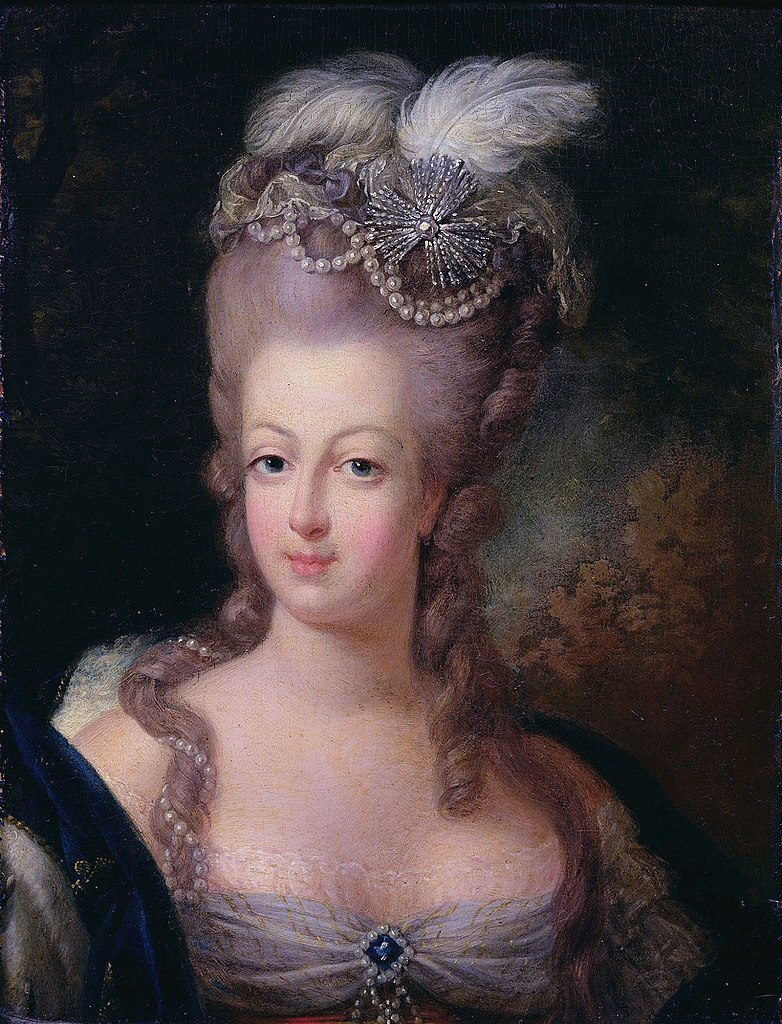
©After Jean-Baptiste André Gautier-Dagoty, Public domain, via Wikimedia Commons – Original / License
Few quotes in history carry as much malice and venom as Marie Antoinette’s alleged response to a famine in France, “Let them eat cake.” It serves as the casus belli for the French Revolution, and an indicator of the utter callousness of the aristocracy toward the suffering of the common people.
That said, Marie Antoinette never said it.
The phrase likely originated in 1767, from Jean-Jacques Rousseau, when Marie Antoinette was only 11 years old and living in Austria. Rousseau attributed the line to a great princess, a generic stand-in for the wealthy elites of the day.
Marie Antoinette was a frequent target for xenophobic remarks, thanks in part to her status as an Austrian princess. Misattributing such a vile line to the foreign-born queen was an easy way to whip the population into righteous anger, railing against the monarchy. Private letters written during the flour shortage showed that Marie Antoinette had a deep sympathy for the poor. Nevertheless, the slander has persisted centuries after her beheading.
Napoleon’s Short Man Complex
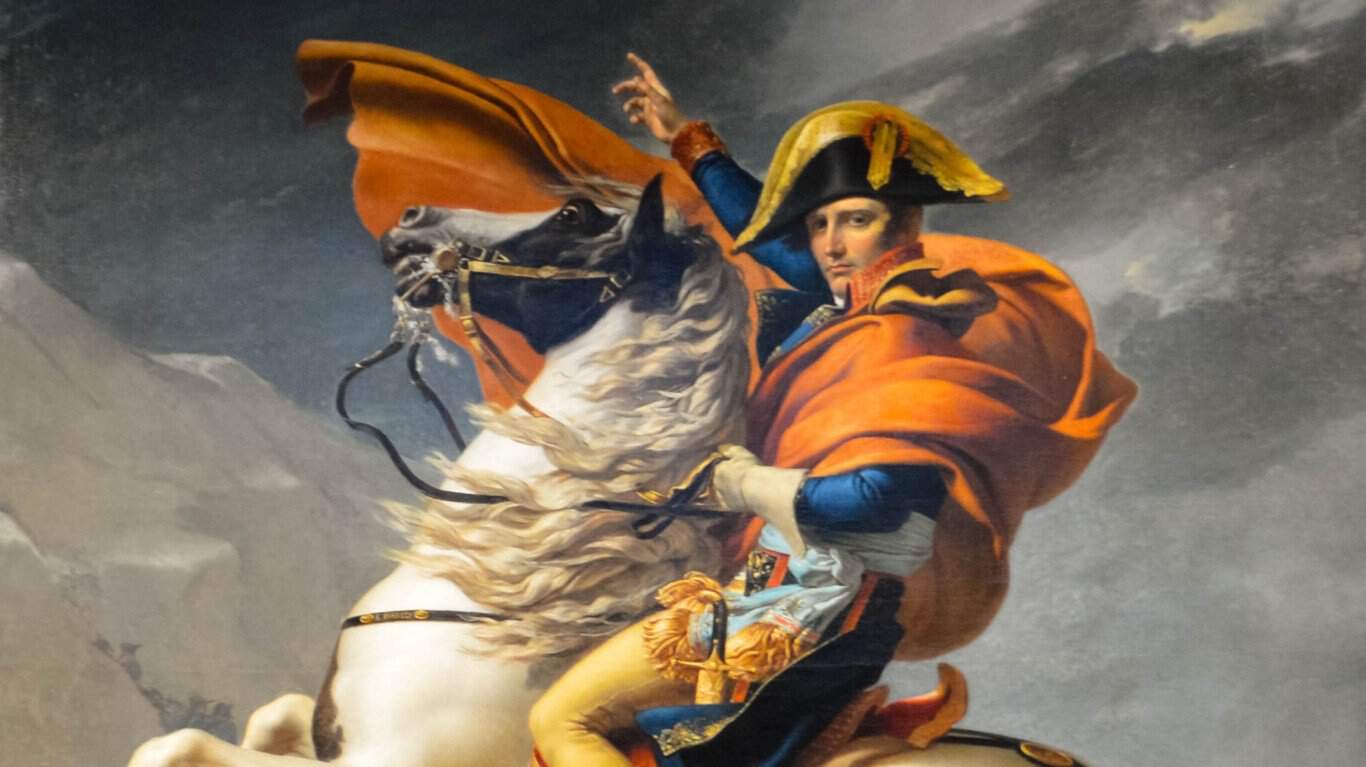
Few historical myths have a psychological phenomenon, like the Napoleon Complex, as their lasting legacy. The basic idea behind the Napoleon Complex is that overly aggressive or ambitious men are compensating because of their small stature, something more rooted in modern psychology than then-contemporary understandings of the human psyche in the 19th century. History books often depict Bonaparte as a tiny tyrant.
As you’ve likely heard, Napoleon was of average height, at least for 18th- and 19th-century France. At the time of his death, Napoleon measured at 5 feet and 2 inches in French units, or 5 feet and 7 inches when going with modern imperial measurements. That sounds short, but that was normal for a French man in the 18th century, where the average height was closer to 5 feet and 5 inches.
Part of why this historical myth persists comes from British wartime propaganda. Napoleon didn’t make friends with most of Western and Central Europe, and the British viewpoint in the aftermath of the war has largely persisted in the years since the Battle of Waterloo came to a close. You can attribute this to a misunderstanding of older measurement units coupled with propaganda from one of France’s enemies.
Burn the Witch

©Jaclyn Vernace/Shutterstock.com
If you take an American history course, you likely learn about the Salem Witch Trials in 1692. The visual iconography is striking: hysterical crowds gathering in the village square to watch condemned women burned alive. It is a terrifying show of religious fanaticism, and it’s a historical event often swept aside by the American colonies.
It would be an incredible image, aside from the fact that none of the condemned were burned.
Practicing witchcraft in the Massachusetts Bay Colony, which was under English law at the time, was punishable by hanging. Of the 19 people executed for witchcraft during the Salem Witch Trials, they were hanged until their deaths.
The image of witches burning borrows heavily from the European witch trials, namely places like Germany and Scotland, where it was a common form of execution.
Horned Vikings

©Fernando Cortes/Shutterstock.com
When you think of Vikings, you likely think of a warrior brandishing an axe and wearing a horned helmet. It’s a persistent image, seen from sports logos to opera houses, and serves as universal shorthand for the Norse invaders.
Vikings never wore horned helmets into battle.
In the frantic chaos of medieval combat, a horned helmet was another point where an enemy could seize hold and plunge a blade into your stomach. Real Viking helmets were similar to contemporary European helmets of the time, often made of leather or iron and meant to deflect blows from the head and face.
The horned helmet comes about from a wave of romantic nationalism in Europe during the 19th century. Scandinavian artists illustrated the Norse sagas with exaggerated, ornate armor and horned helmets. The historical myth went global in 1876 with Richard Wagner’s Der Ring des Nibelungen. The stage costumes caught the imagination of the theater-going public, and pop culture still clings to the myth.
Isaac Newton’s Falling Apple
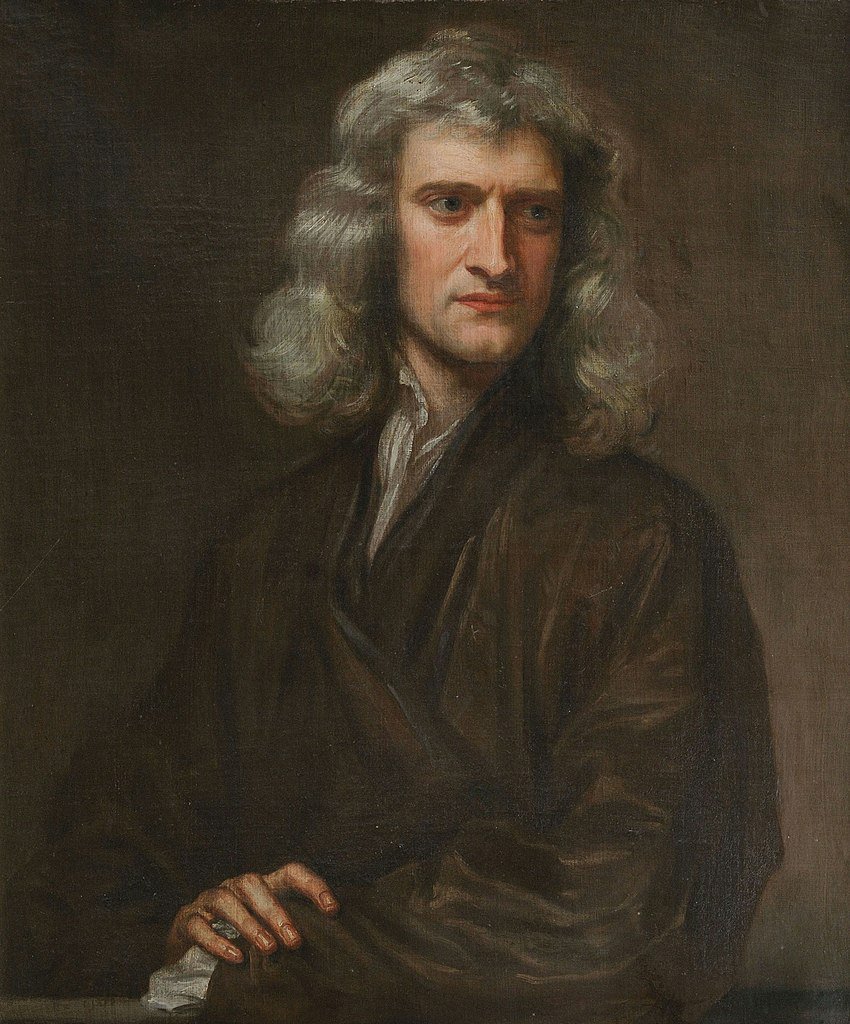
©Godfrey Kneller, Public domain, via Wikimedia Commons – Original / License
Our final historical myth presages the Enlightenment Age, with the famed physicist formulating his theory of universal gravitation thanks to the intervention of an apple falling on his head while sitting beneath a tree.
It isn’t a total myth, like the other stories we’ve covered. There is a kernel of truth to Newton’s discovery. Where it diverges from the myth is that Newton wasn’t struck by the apple. The true story goes that Newton was looking out the window at his family home in Lincolnshire when he saw an apple fall from a tree in the garden.
The falling apple made him question why fruit always fell to the ground, rather than flying to the side or going upward. Newton likely played up the myth himself in his later years, as it offered a tidy, easy solution to explain a complex physics concept to the average person.
Conclusion
Why these historical myths persist even in the modern era, when historical understanding is greater than at any point in time, isn’t hard to understand. Humans are storytellers, and getting into the nitty-gritty details of a true story isn’t quite as tidy as delivering a clear, easy-to-understand narrative. History is messy and complicated, myths often aren’t.
The image featured at the top of this post is ©Public Domain / Wikimedia Commons / Original