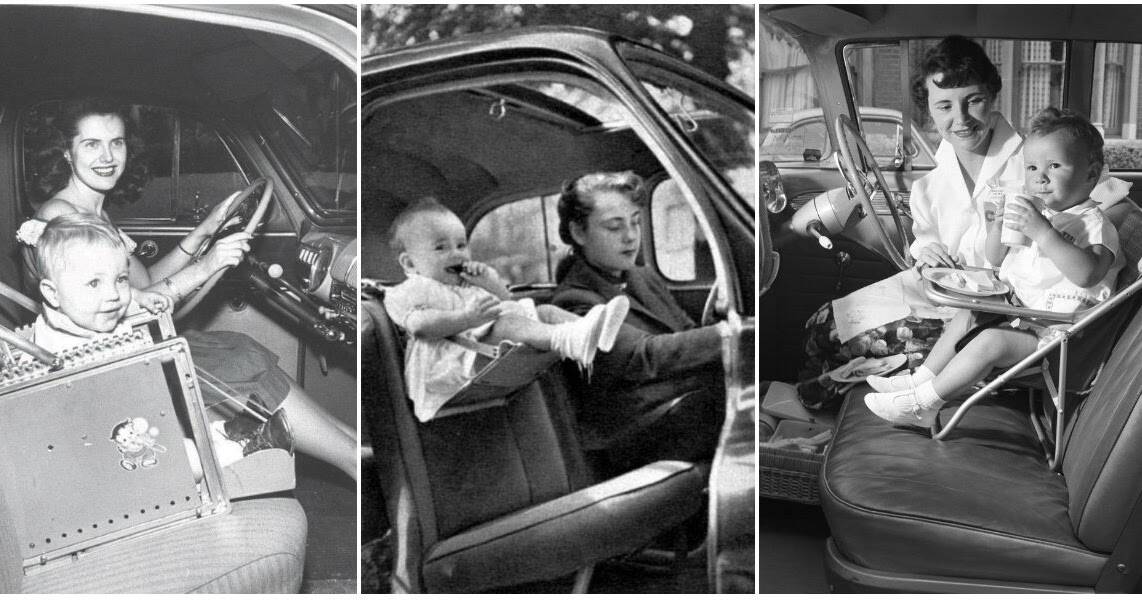

Parenting in the 70s and 80s was different. Kids generally had more freedom, spent more time outside without adults nearby, and were often expected to handle things on their own. Parenting was based on a different set of assumptions about risk, independence, and supervision. Many things that seemed completely normal at the time would probably be questioned today, and some might even be seen as neglectful.
But life itself was quite different. Smartphones, tablets, GPS trackers, and other portable devices were not part of everyday life, so parents had no way to check a child’s location or send a quick text. Children were often told to come home when the streetlights came on, and parents simply trusted that they would. Safety rules were also less developed. Child car-seat laws only began appearing in the late 1970s and were not adopted in every state until the mid-1980s. Seat-belt use was also far less consistent than it is now.
Looking back does not necessarily mean parents at the time cared any less. They were raising children according to the information, expectations, and social norms they had. Still, the contrast shows just how much parenting has changed in only a few decades. What once looked like independence and ordinary childhood freedom can now seem surprisingly risky through a modern lens.
The Streetlight Curfew
Back then, it was normal for parents to have no idea where their kids were during the day. As long as the sun was up, most parents would not worry about the exact whereabouts of their children.
Kids filled the hours in between with whatever they could come up with, from backyard forts to bike routes. There were far fewer rules, and as long as you weren’t caught getting into trouble, you were fine. Playing and running on the street was normal. Kids were used to socializing more and to having more freedom in those pre-internet days.
Riding Without Helmets

©Thenongphoto/Shutterstock.com
Kids would ride their skateboards and bikes all over town, but the helmets would usually stay home or were never bought to begin with. While they were available back then, they weren’t as common as today. Only the cautious children or the ones with “overprotective” parents would wear them. Sure, some kids would get hurt from time to time, but it usually wouldn’t be anything too serious. When it was, both the kid and the ones nearby learned the lesson.
In 1987, California passed the country’s first bicycle helmet law, covering child passengers under five. New York followed in 1989. By that time, a whole generation had already been riding several thousand miles on roads with nothing but the wind on their heads.
The Non-Negotiable Family Dinner
Skipping dinner wasn’t an option in most households. Families ate together and usually not in front of the TV. Phones weren’t a factor either, so you had to tell your mom and dad how the day went.
While some families still keep this tradition alive, several surveys show that it has been slowly fading due to busy lifestyles and the availability of portable devices.
Older Siblings as the Default Babysitter

©10_sunday/Shutterstock.com
A ten-year-old walking his younger brother home from school, or watching them for a few hours after class, wouldn’t raise any eyebrows back then.
Babysitting wasn’t as formal as it is today, so the responsibility always fell on the older siblings. The older brother or sister was always the babysitter by default, and few parents stopped to ask whether an 11-year-old could handle any kind of emergency.
No Way for Parents to Reach You
Before cell phones, parents couldn’t really track their kids. Trust was a big factor. If something happened at the park at 2 pm, nobody would find out until the kid walked through the door and mentioned it.
This would be unthinkable nowadays, but back then it was normal. There wasn’t any alternative. Kids would be unreachable, and parents had to live with it.
No Seatbelts and Car Seats
©Wikimedia Commons
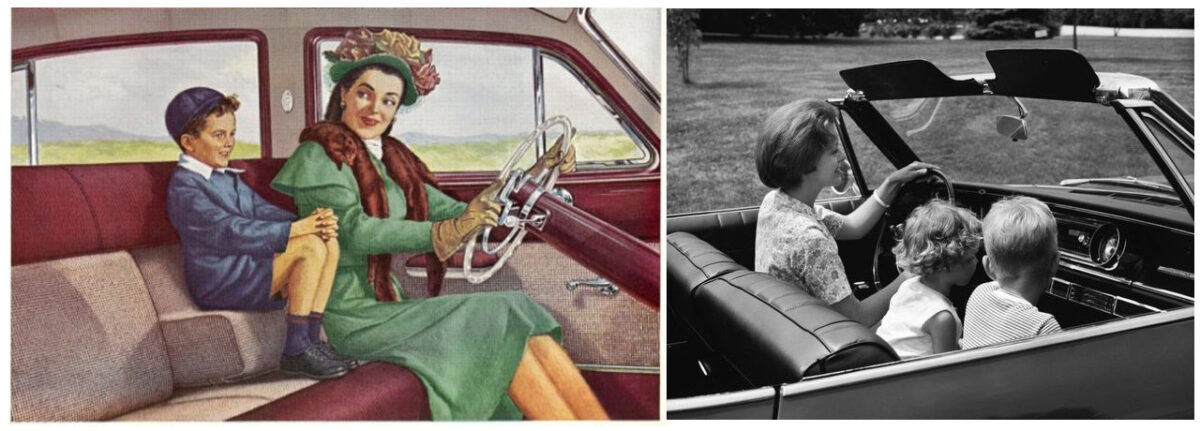
A kid’s relationship with a seatbelt was inconsistent at best, and car seats weren’t required at all states started making them mandatory by law by the late 70s and early 80s. By 1985, every state had passed some version of a child restraint law, a remarkably fast turnaround for safety legislation with no federal mandate behind it.
Still, for a long time, plenty of kids grew up riding without a seatbelt, sliding around loose in the back seat every time the car turned a corner. Riding in the open bed of a pickup truck was part of that same free-for-all, and while it’s just as much fun today as it was back then, it isn’t common anymore. Definitely not on the highway, at least.
Spanking as a Normal Punishment
Parenting has changed a lot in this regard. In the old days, disciplining meant spanking your kid when he misbehaved. Talking back to your parents was unthinkable, and would lead to a second round.
The first warnings came from pediatricians. The American Academy of Pediatrics released its first policy statement against corporal punishment in 1998, calling for the end of physical violence as a parenting tool. Even so, support for spanking hasn’t vanished. It’s just gone from being the norm to something some parents swear by and others denounce. Either way, it’s far less common.
Smoking in the Car / Indoors

©Oteera/Shutterstock.com
It is hard to imagine now, but in the 1970s and 1980s, smoking inside the house or car was completely normal for many families. Parents lit up at the kitchen table, on the couch, and behind the wheel, sometimes with every window rolled up. Cars came with built-in ashtrays, and most homes had several sitting around.
The risks of secondhand smoke were not talked about nearly as much as they are today, so children were exposed without many adults thinking twice. Cracking a car window was often considered enough. Today, we know smoking around children can cause serious health problems, but back then, it was treated like an ordinary part of daily life.