



















20 Once-Common American Traditions That Are Disappearing
Traditions are the invisible glue that helps hold a society together. They show up in the way families celebrate holidays, how neighbors interact, how communities gather, and even in the small habits people once repeated without giving them much thought. Some traditions are loud and obvious, like parades and national celebrations. Others are quieter, woven into everyday life so naturally that people barely notice them until they start to disappear.
That is what makes fading traditions so interesting. They do not usually vanish all at once. Instead, they slowly slip into the background as technology changes, families spread out, communities become busier, and younger generations grow up with different routines. One day, something that once felt completely normal suddenly sounds old-fashioned, especially when you mention it to someone younger and they look at you like you are describing life on another planet.
Today, we are looking at 20 once-common American traditions that are disappearing from everyday life. Some are tied to holidays, family routines, small-town culture, school life, or the way people used to communicate and spend time together. Others may still exist in some places, but they are no longer as universal as they once were.
These traditions are not all gone, and some may even make a comeback in new forms. But each one offers a small window into how American life has changed over the years. Looking back at them is part nostalgia and part history, a reminder that the ordinary habits of one generation can become the forgotten customs of the next.
The welcome treat for new neighbors
When you moved into a new house, you could expect someone to show up at your door with a freshly cooked welcome meal. It was a small gesture that made you feel welcome in the neighborhood and kicked off relationships that could sometimes last decades. While some people still do it, you're more likely to get a casual wave from the driveway these days.
Neighborhood trick-or-treating on foot
There was a time when no door in the neighborhood was safe from a knock. Kids roamed the streets in not-so-spooky costumes, moving house to house, comparing candy hauls, and causing a bit of mischief along the way. It was an adventure. Now, a lot of it happens in "trunk-or-treat" events organized by the local school or church, which might be safer but also takes most of the magic out of it.
Decorating for the seasons, not just the holidays
We're not talking about Christmas stockings and Halloween pumpkins. Older generations used to decorate for each season, and there was a whole calendar to it. Gourds and corn husks in October, a special tablecloth that came out in November, and the small ceramic village that lived on the mantle from Thanksgiving to New Year's. Each season had its own color palette, which peaked at the holiday itself. Now, most homes go from no decorations straight to full-on Christmas mode. There’s nothing wrong with that, but it’s just not the same.
Renting movies and making a whole night of it
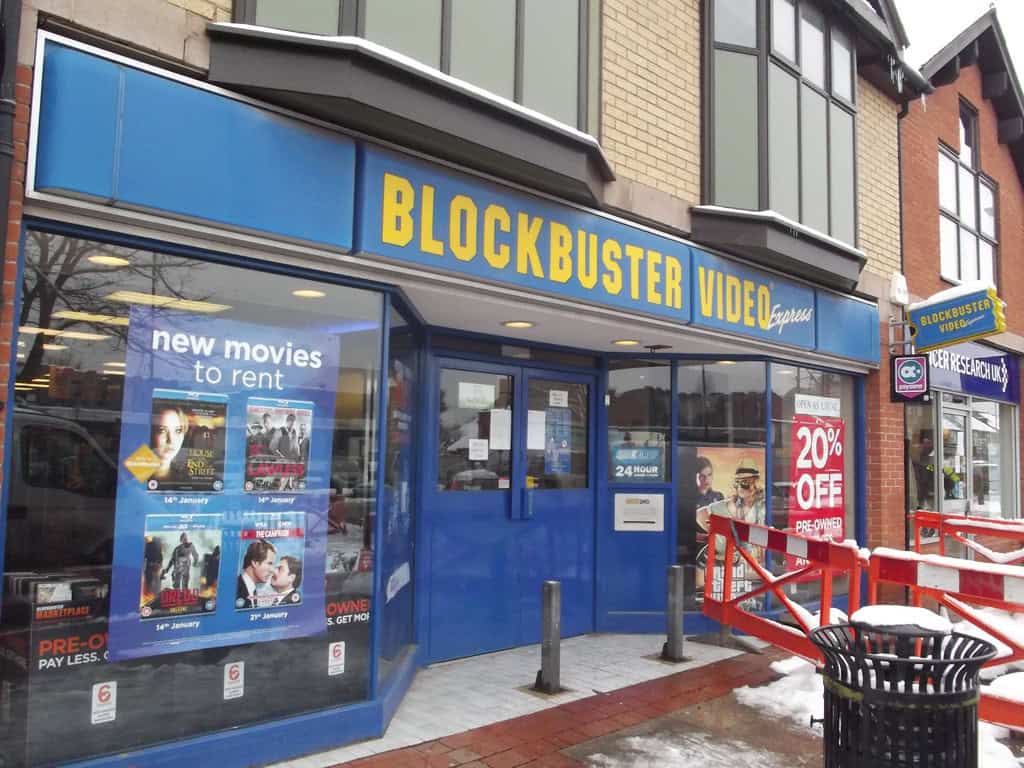
Watching movies with your friends or family used to be different back in the day. The actual process of picking the genre, agreeing on the actual movie, and watching someone sulk because they didn't get to watch the new Rambo was its own ritual. Before streaming, watching a movie was a carefully planned event that had real stakes. Once the movie was picked out, there was no backing out. You either had to watch it or drive back to the rental place, and nobody was doing that.
Handwritten thank-you notes
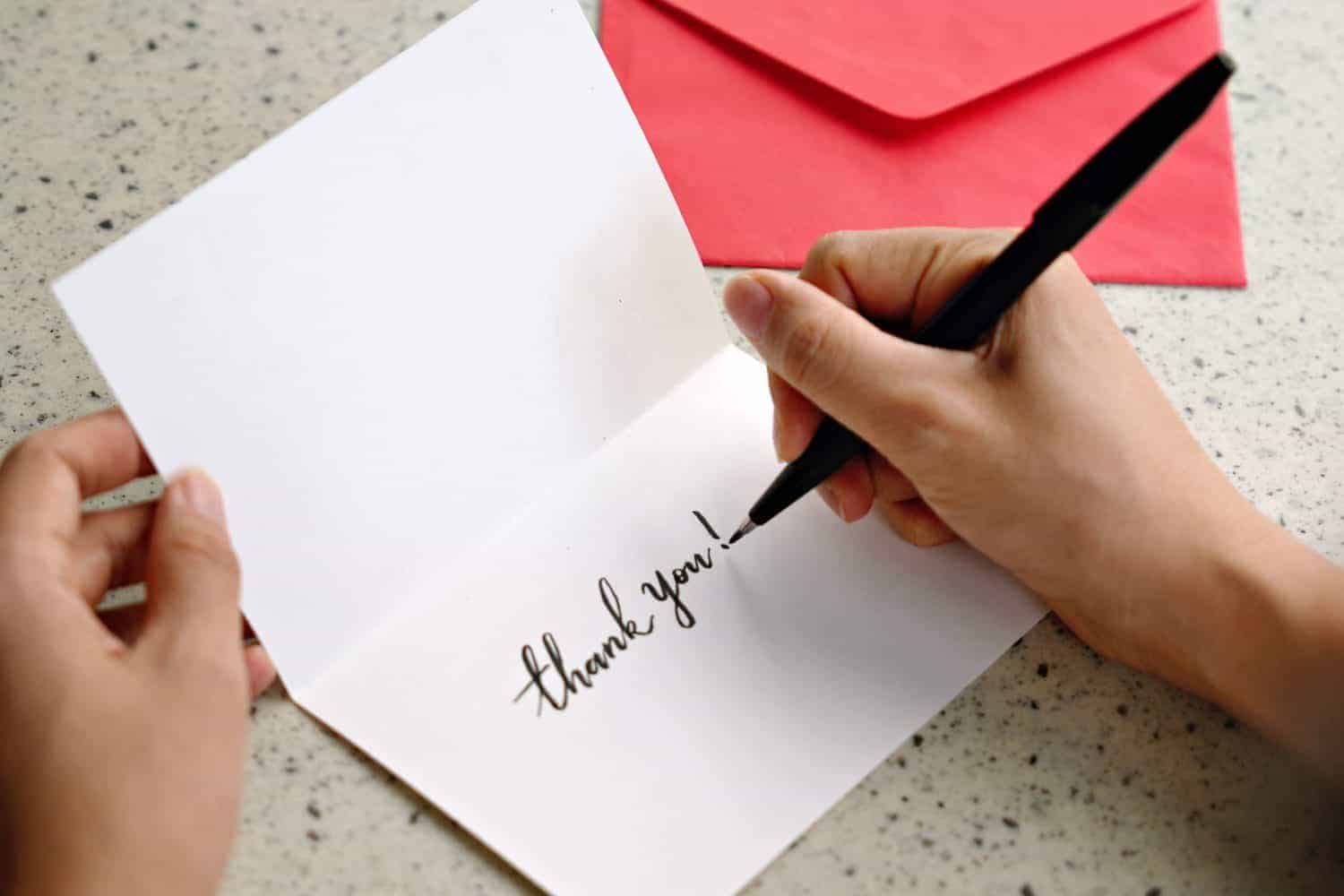
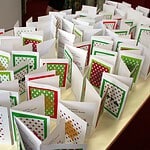
Before emails and instant messages, we used to write thank-you notes. Taking the time to write a heartfelt message on a physical card and actually mailing it to someone who gave you a gift or did you a favor showed a level of gratitude that no text could ever emulate. Doing this within the first week was the norm, and people even kept stationery in the house for that exact reason.
Watching the game at someone's house
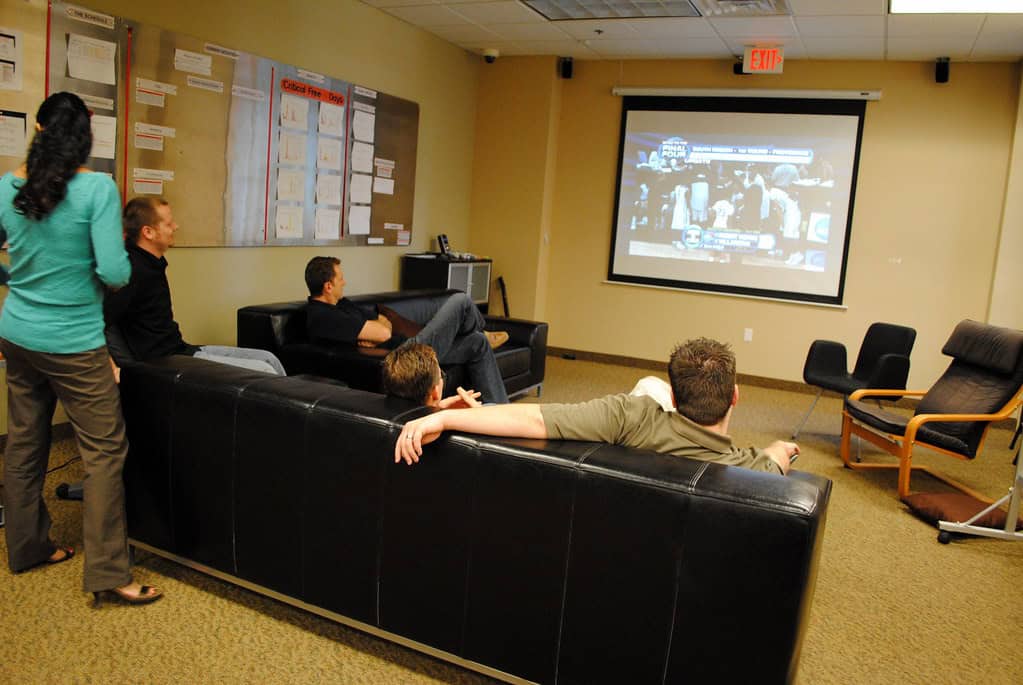
There was always an unofficial host for sports night, and it was usually the guy with the biggest TV. It didn't matter if the couch was worn out or if you had to bring your own chair, everyone showed up to watch the game on the big screen. The sports bar replaced this tradition, but it doesn't do it justice.
Fourth of July block parties
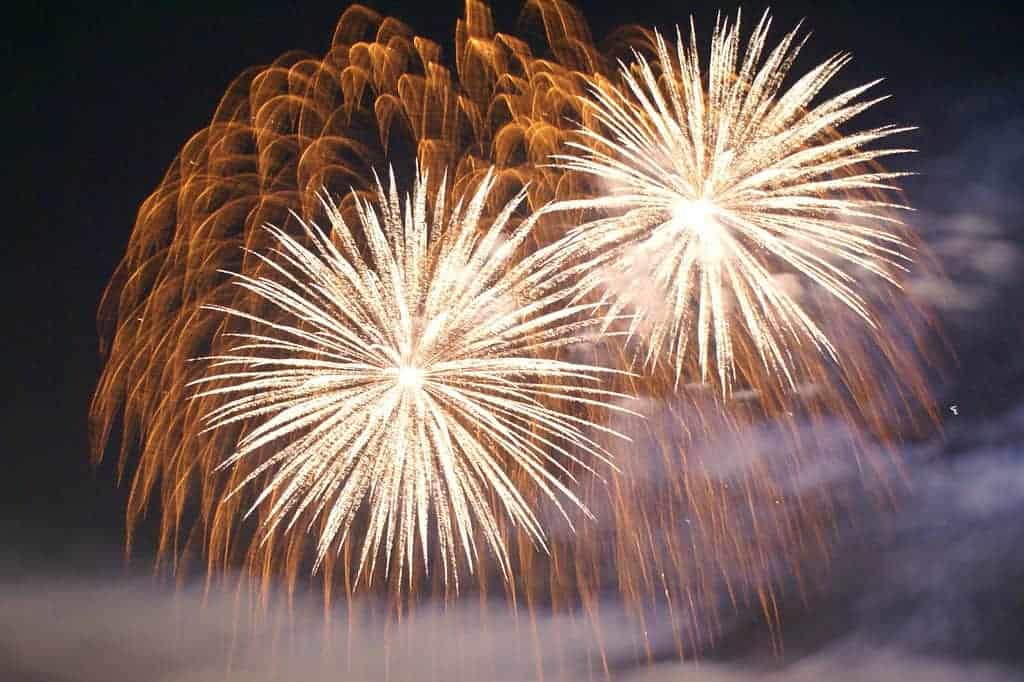
Block parties are mostly a thing of the past, but those who remember them remember them well. You didn't need a wristband or an invitation to get in. The street was blocked off, kids were running around, and someone's dad was at the grill, dishing out hamburgers and hotdogs like it was his calling. Everything stopped for the fireworks, which were not always entirely legal, but were always guaranteed to be worth it.
Sunday dinner as an event
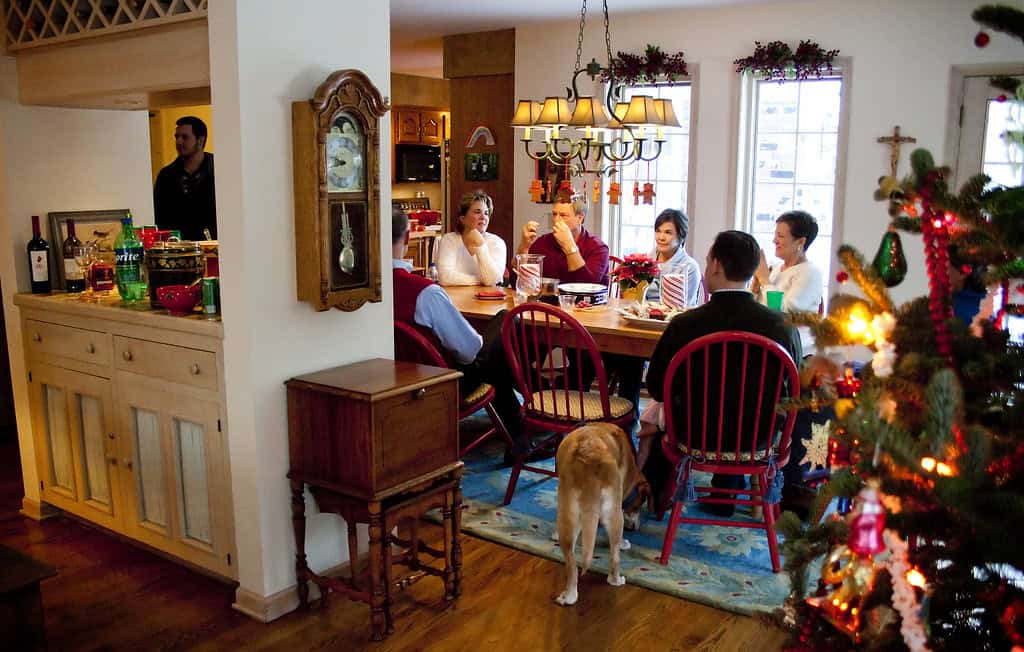
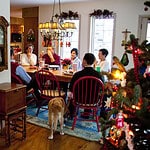
Getting the family together for Sunday dinner used to be a ritual with its own set of rules. There were strict starting times, specific dishes, and multiple generations at the table. There were no cellphones in sight, and you had nowhere better to be. A lot of families still do it, but for many, Sunday dinner stopped being a special event and became just another meal, often eaten in front of a screen.
Family game night
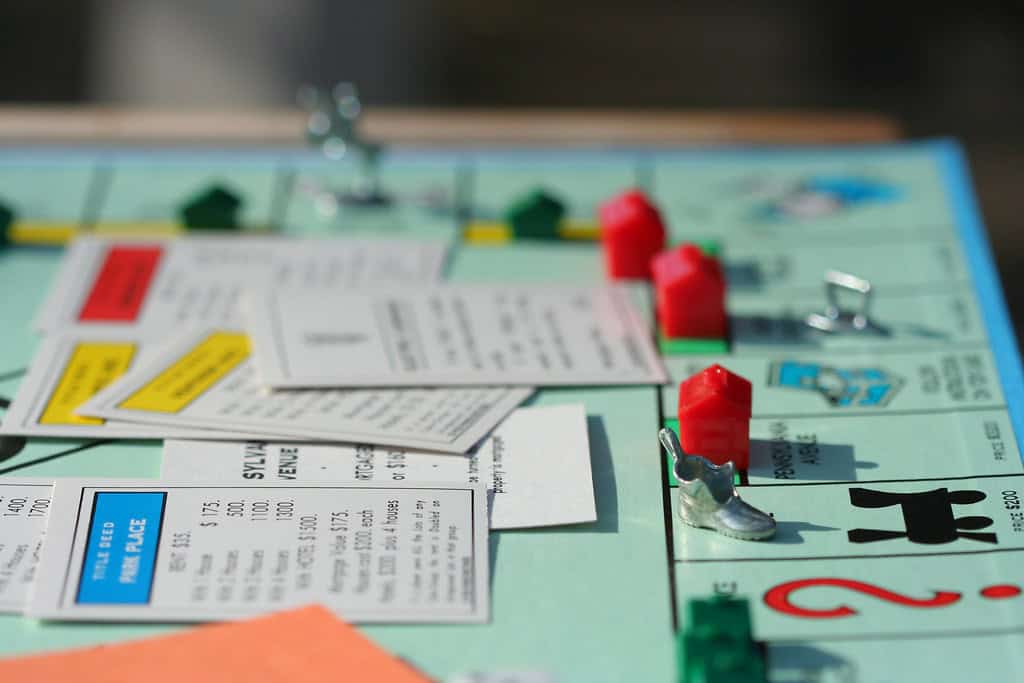
Nothing brought the family together quite like a shared enemy, and that enemy was usually whoever was winning at Monopoly. Family game night was a ritual that could turn into chaos at any moment, and someone always got accused of cheating. Despite the arguments, everyone kept coming back. Same table, same games, same fights, every week.
The first job reference from someone who actually knew you
Not a LinkedIn endorsement posted in thirty seconds. An actual letter, written by someone who watched you work, knew your name, and vouched for you personally. It carried weight because it cost something to write. The person reading it knew that too.
Sending Christmas cards to everyone you know
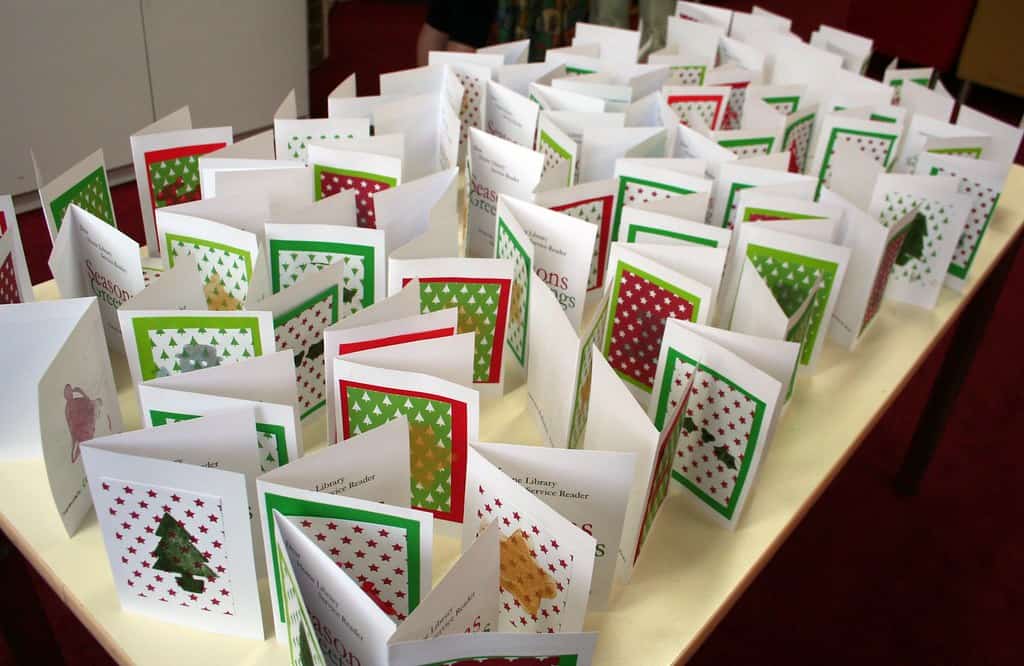
Christmas comes with a lot of heavy nostalgia regardless of the tradition, but something that seems to have disappeared entirely is the habit of sending a Christmas card to everyone. Not just close family. Everyone with a pulse got a card with a handwritten line inside. It was a low-stakes way of maintaining a connection that has quietly lapsed for most people.
The school year kickoff as a real occasion
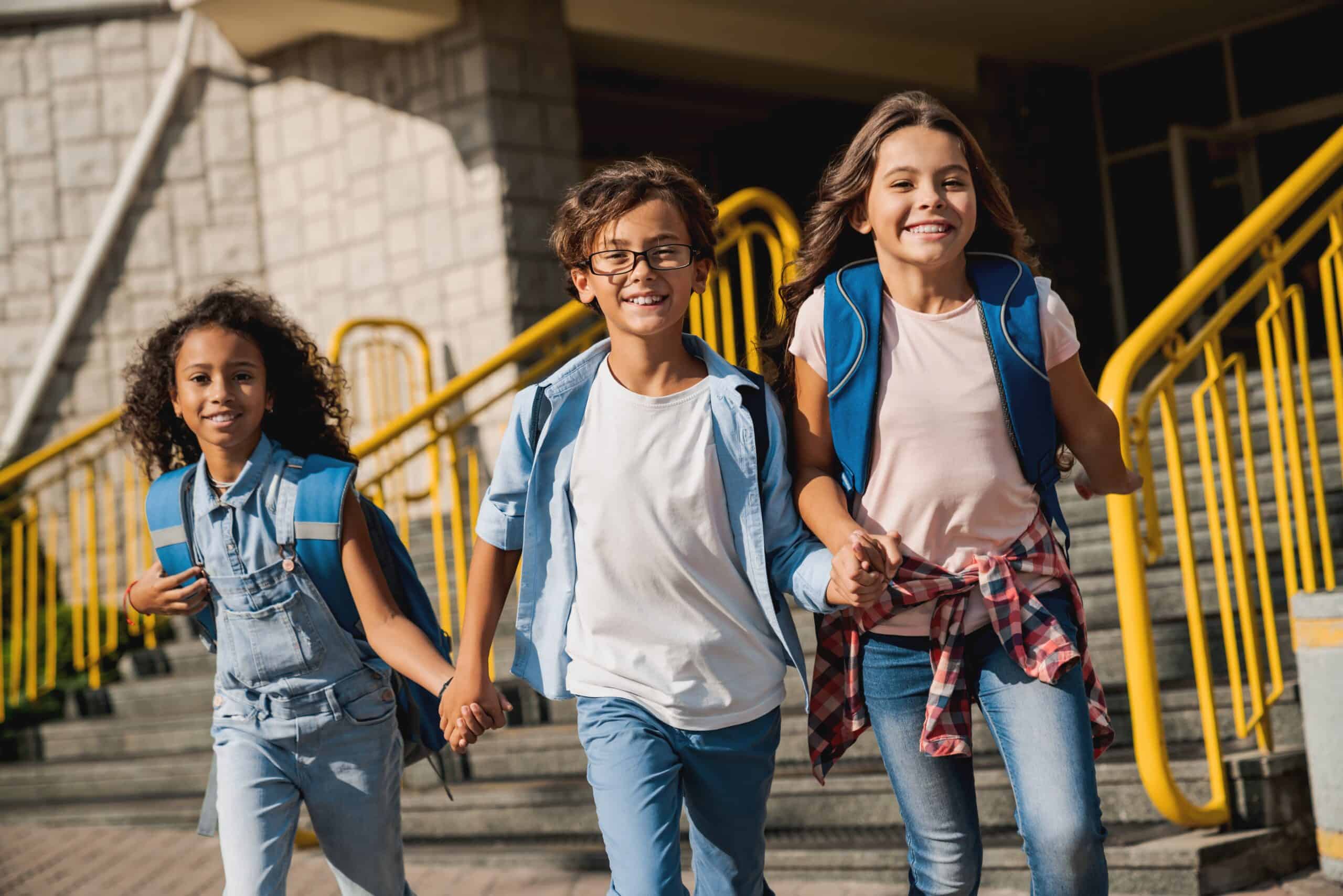
Starting a new school year was a special occasion. Your new clothes would be laid out the night before, along with your carefully picked backpack. The first morning had a weight to it that the rest of the year could not match. Sure, the whole process would make you more nervous than you had to be, but it also made for a day that you wouldn't forget anytime soon. Some families even marked the occasion with a yearly photo in the same spot. The same doorframe, a slightly bigger kid, a whole new year ahead. It felt like the start of something big, because it was.
Graduation open houses
Graduating is still a big deal and a ritual in and of itself. But the graduation open house is something you don't see too often anymore. Folding tables with deli trays, the uncles you only got to see twice a year, and neighbors stopping by to leave their best wishes. People came to congratulate the graduate, but stayed for the food and the good times.
Picking out a real Christmas tree together
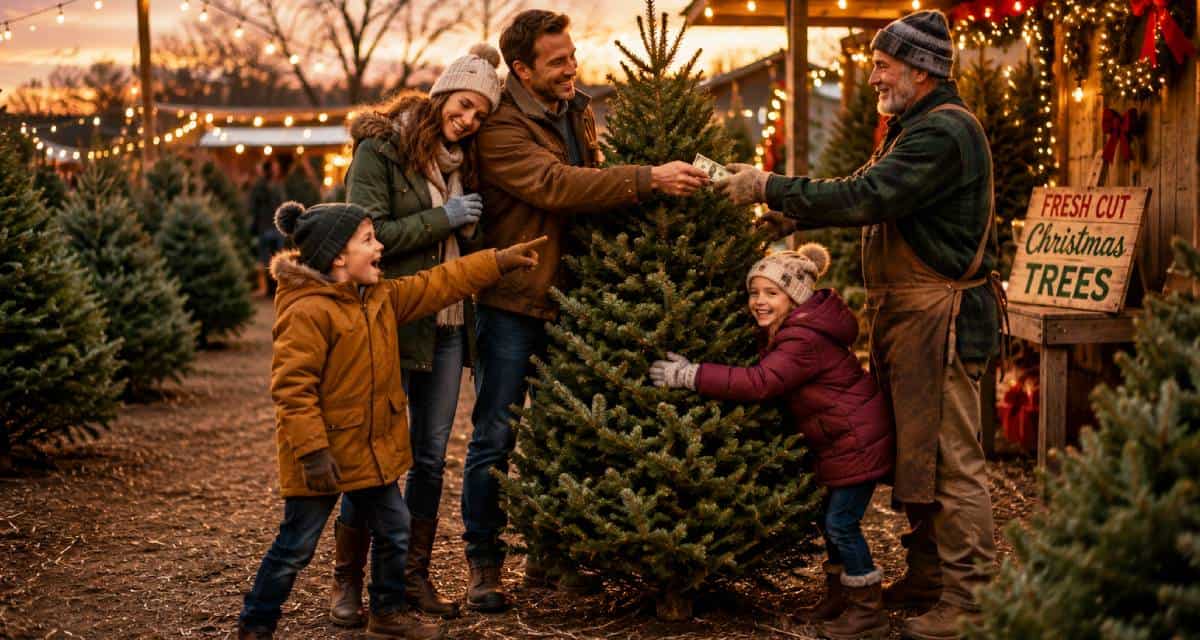
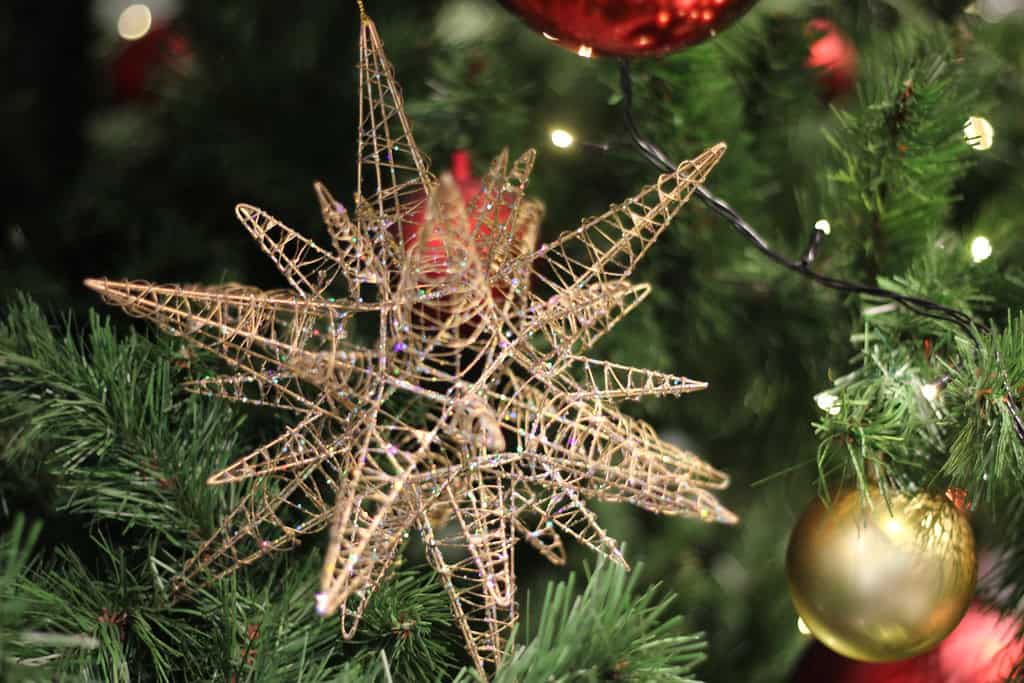
Picking out a real Christmas tree used to be a classic moment. Not ordering one online, not buying a pre-lit artificial from a box. Driving to the lot, walking the rows in the cold, arguing about which one was the right height, and hauling it home tied to the roof of the car. The tree wasn’t always perfect, but it was the tree you actually picked, and that mattered.
Passing down family recipes by actually cooking together
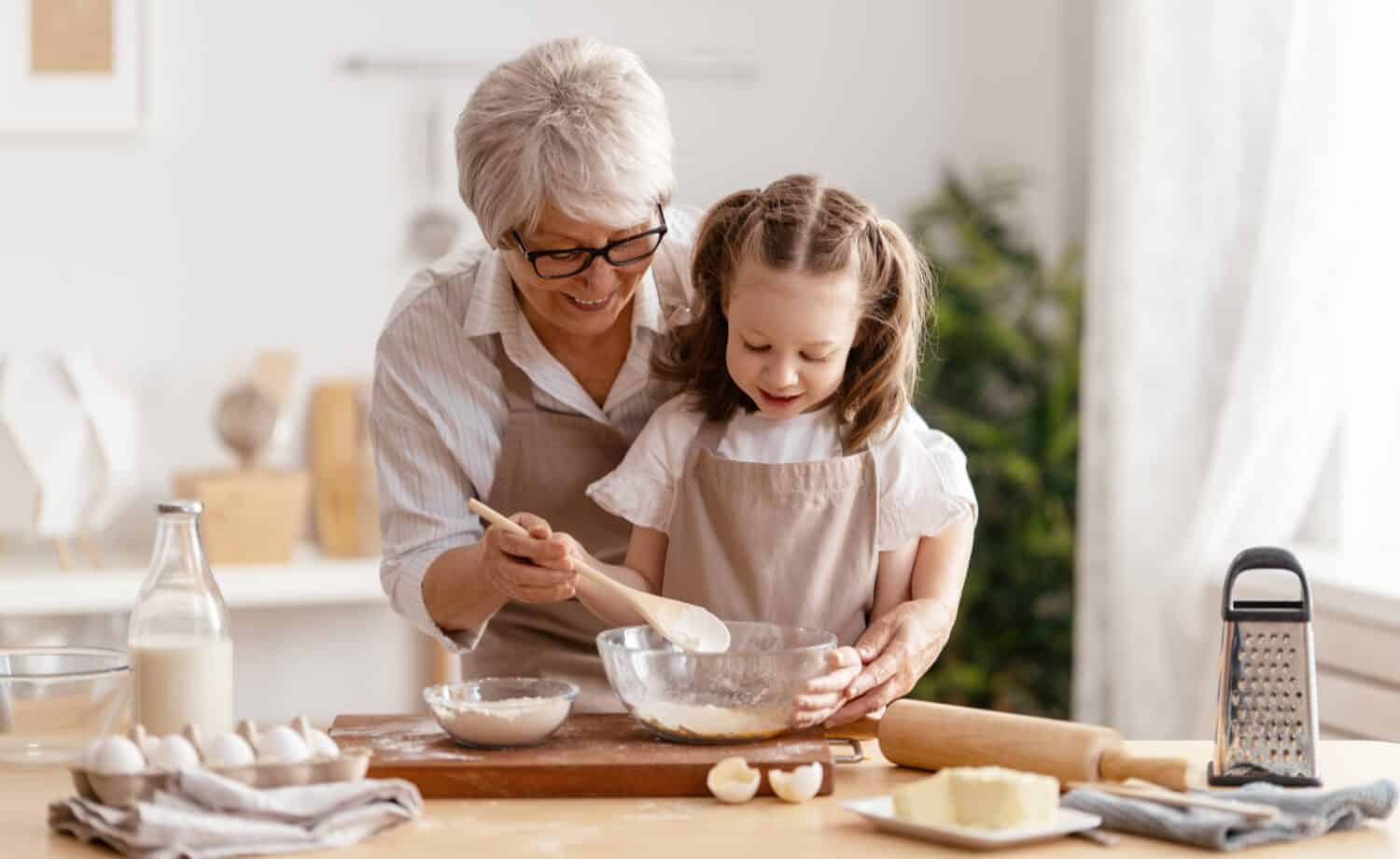
Before everyone got their recipes from the internet, there was a ritual to it. You had to be battle-tested in the kitchen and learn the secret ingredients from grandma while trying to figure out what "a handful" actually meant before writing it all down. The recipe was a nice bonus you got after a great afternoon.
Saying grace before dinner
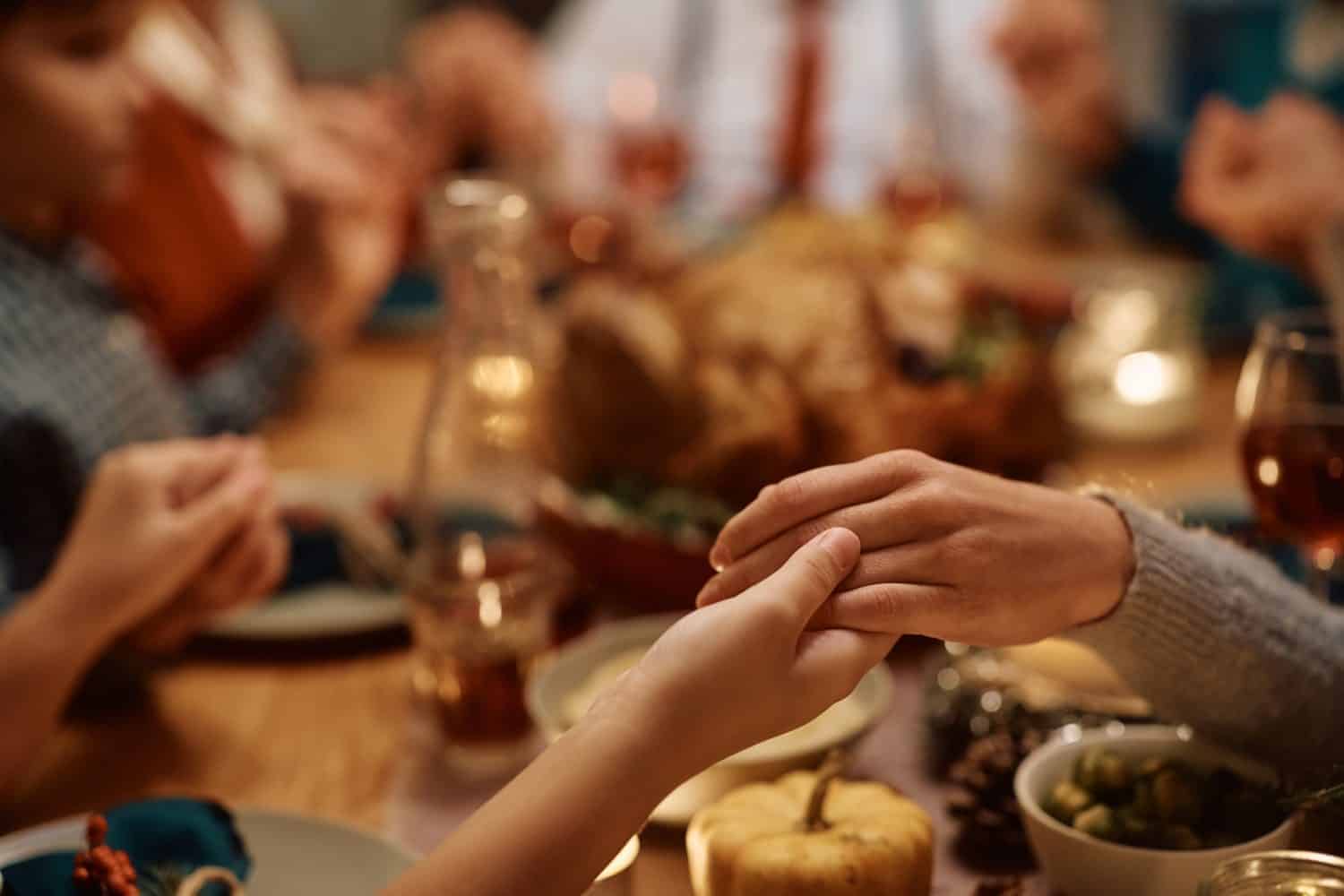
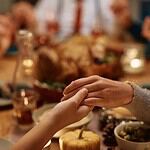
There was a time when saying grace was the norm, even in secular homes. Pausing before the meal for a few words of gratitude was more than a religious moment, it was a ritual that kept us humble. It also gave the table a beginning, a few seconds where everyone stopped before the meal was formally allowed to start. Some families still do it, but it's becoming harder to find.
Drive-in movies
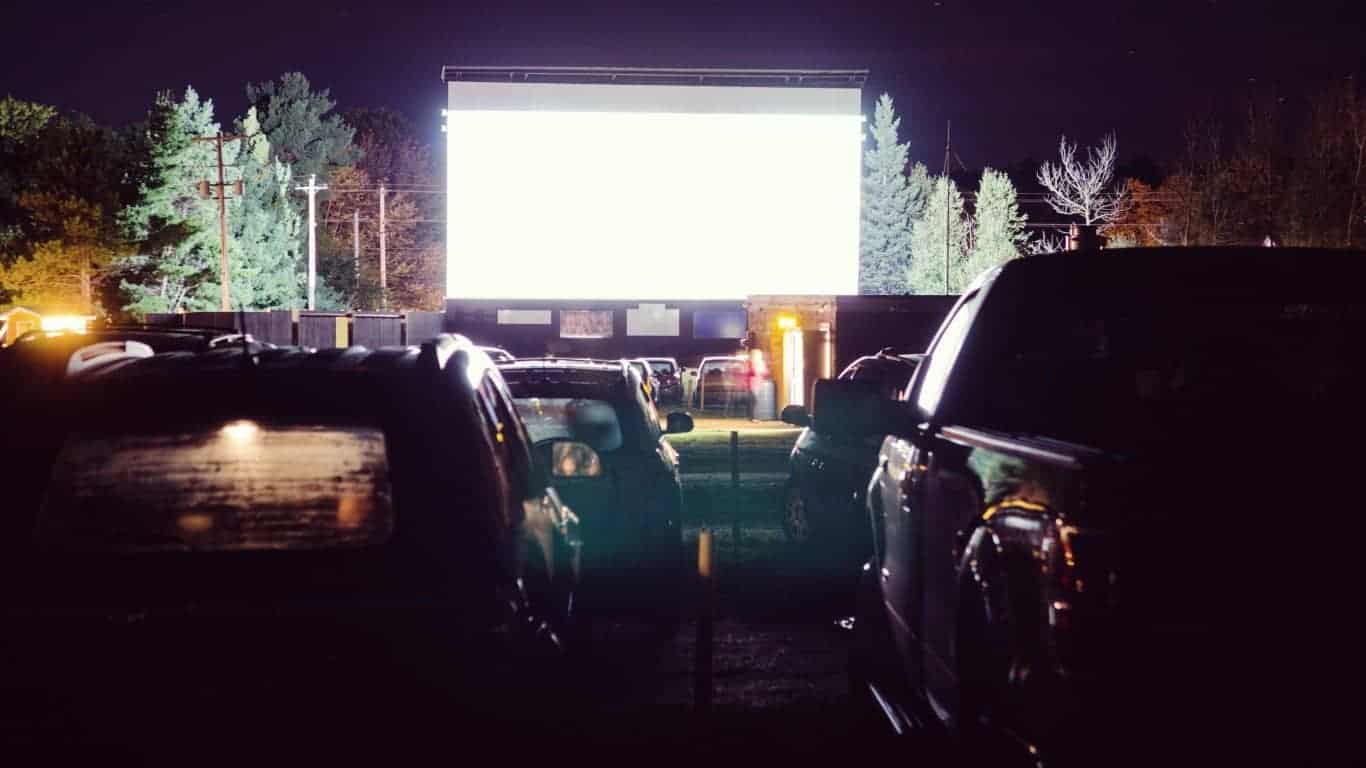
Nothing says mid-century America like a drive-in movie. Packing the car with snacks and drinks, tuning the radio to the right frequency, and watching a movie under the star-spangled sky. Even if the movie wasn't great, the night would surely be one to remember. At their peak, there were over 4,000 drive-in cinemas across the country. Now, fewer than 300 remain.
Christmas caroling door to door
Christmas caroling used to be commonplace. Now it feels like something you only see in old movies. It was normal to see your actual neighbors knocking on doors and singing, just a group of people bringing a little joy to one another. Most neighborhoods haven't seen a caroler in years, and the ones that have were probably surprised by it.
Skills passed down father to son, not on a screen
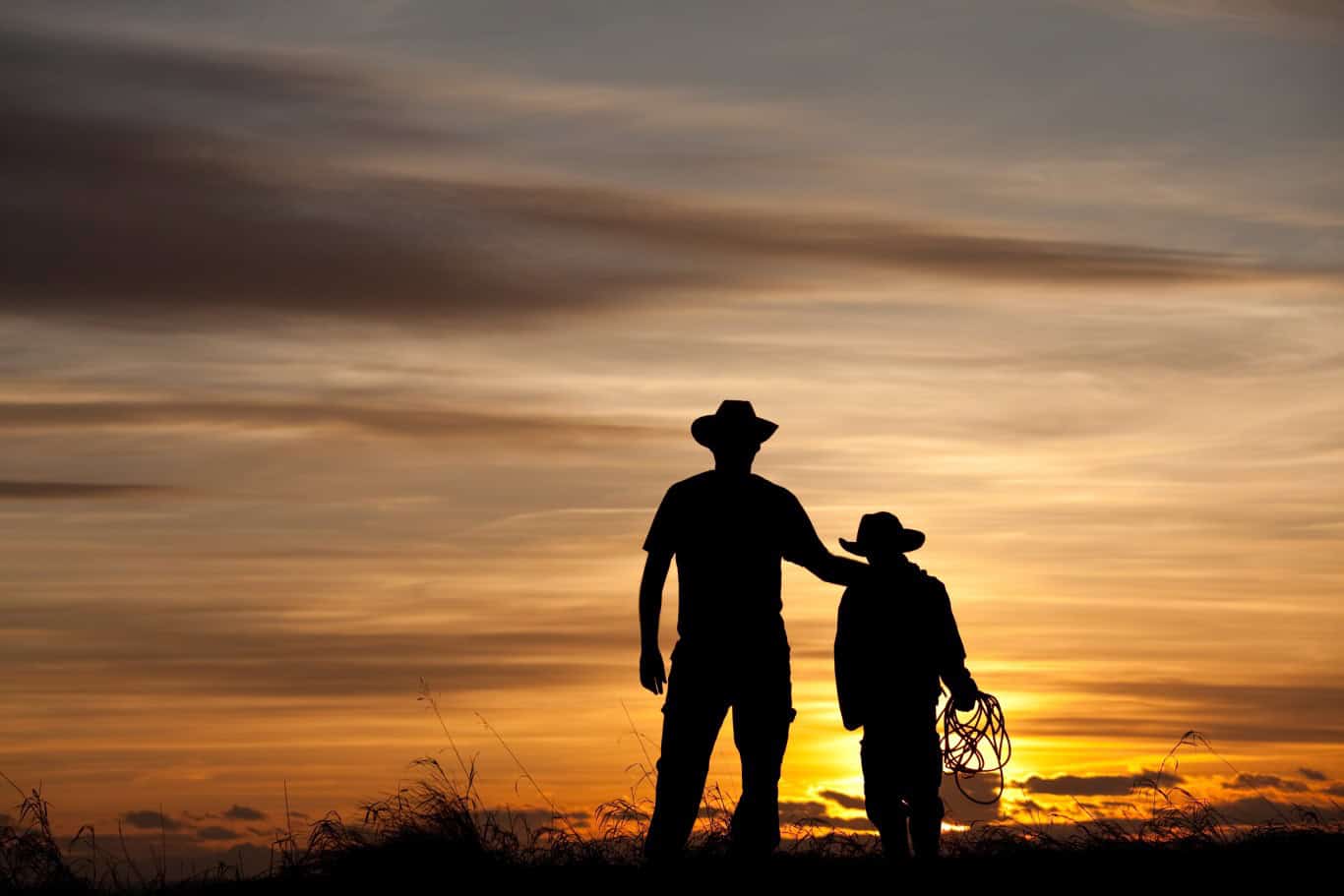
Going on your first fishing trip, changing your first tire, or just learning how to shave. Those father-son moments will stick with you your whole life. Small things were passed down from generation to generation, and it was more about the bonding and less about the skill itself. YouTube tutorials are now the go-to when it comes to learning these small things. They're efficient, sure, but the moment is lost.
Visiting graves on holidays
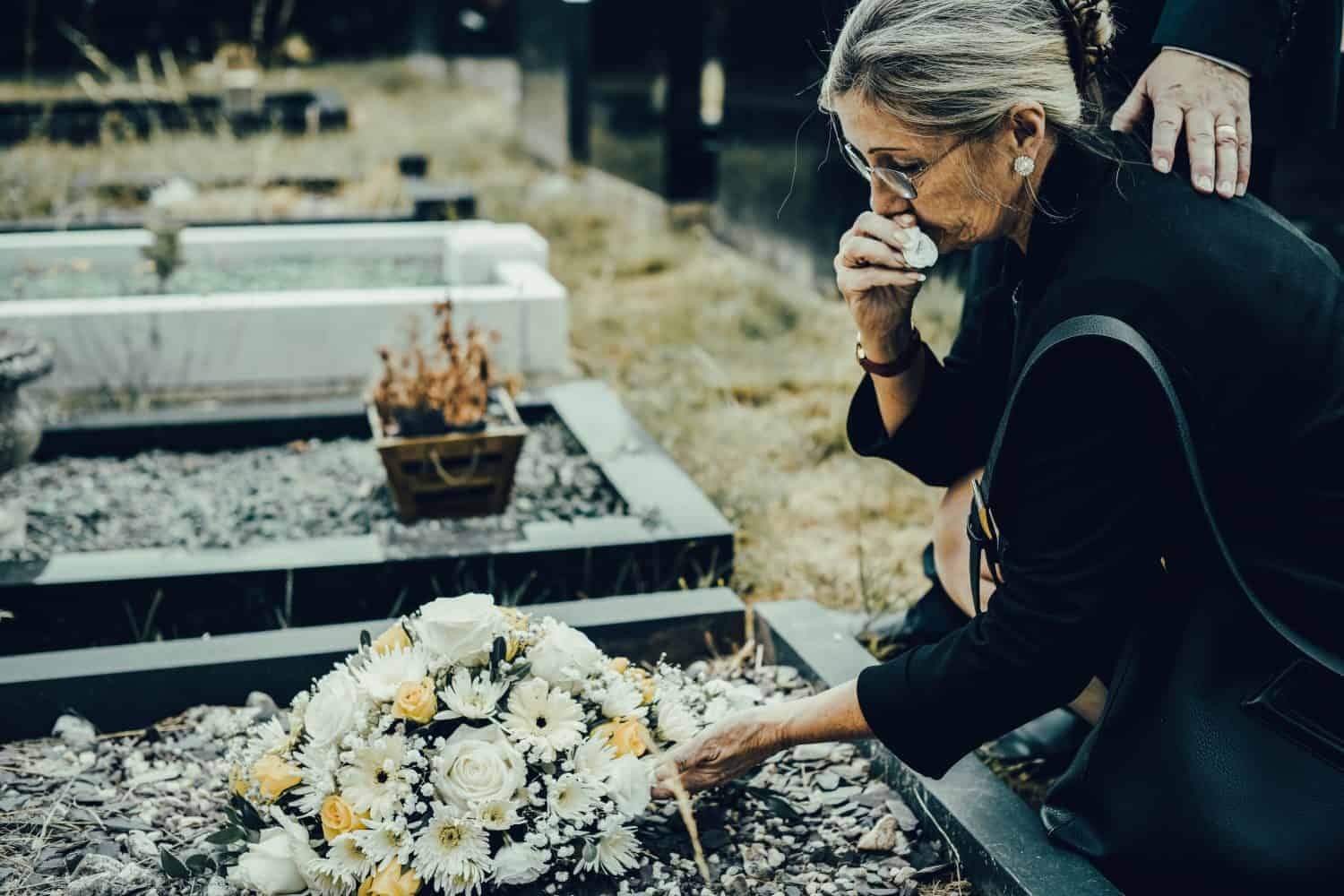
Memorial Day, Easter, and even Christmas. Families used to get together, pick up some flowers, and make the trip to the cemetery. It wasn't always easy, but it was a meaningful ritual that said something important. The people who were gone were still part of the calendar, still part of the occasion. The families who still do this are almost always the ones who remember being taken as children, and kept it going because someone had to.