
Students who attended school during the 1980s and 1990s remember a world of overhead projectors, chalk dust, metal lockers, and rules that rarely invited debate. Some policies were harmless routines, while others reflected attitudes toward discipline, health, and privacy that were changing by the end of the century. Experiences varied widely by state, district, school, and grade level, so no rule applied to every American classroom. Even so, paddling, student smoking areas, public behavior tracking, tightly controlled bathroom trips, and collective punishment were familiar enough to define the era for millions. These 10 school rules show how dramatically everyday student life has changed.
The Principal’s Paddle Was More Than a Threat

For students in many Southern schools, a wooden paddle in the principal’s office was not merely a warning. Corporal punishment remained an accepted disciplinary option in numerous districts during the 1980s and 1990s, sometimes requiring parental notice or a witness and sometimes operating under much looser rules. The practice was never universal, and many states had prohibited it before the decade ended. It also was not declared unconstitutional nationwide. In 1977, the U.S. Supreme Court ruled in Ingraham v. Wright that the Eighth Amendment’s ban on cruel and unusual punishment did not apply to school paddling. State law and local policy still govern the practice, which remains permitted in some public-school systems today.
Water Usually Meant a Trip to the Hallway Fountain

Reusable bottles on every desk are a relatively recent classroom sight. In many schools during the 1980s and 1990s, students drank from hallway fountains between classes, after recess, or when a teacher granted permission. Open containers could spill on books, create a distraction, or damage the computers that were slowly entering classrooms, so teachers often kept drinks outside. That did not mean every child was dehydrated, and policies differed by school. The contrast is still striking. Many current classrooms encourage students to bring water during hot weather or physical activity, while bottle-filling stations have replaced some traditional fountains. A routine once controlled by the bell and a hall pass is now often handled without asking.
Silent Lunch Could Turn the Cafeteria Into Detention

Not every cafeteria demanded silence, but quiet tables and silent lunch were familiar disciplinary tools in many schools. A noisy class might lose the privilege of talking, or individual students could be moved to a separate table and told to eat without socializing. Teachers and lunch monitors used the rule because it was immediate, visible, and easy to enforce in a crowded room. The practice has not vanished completely, so it would be inaccurate to call it unthinkable today. What has changed is the attention given to lunch as one of the few unstructured social periods in a scheduled day. Schools increasingly recognize that conversation, friendship, and a sense of belonging matter, making prolonged or routine silence more controversial than it once appeared.
Some Left-Handed Students Were Still Told to Switch
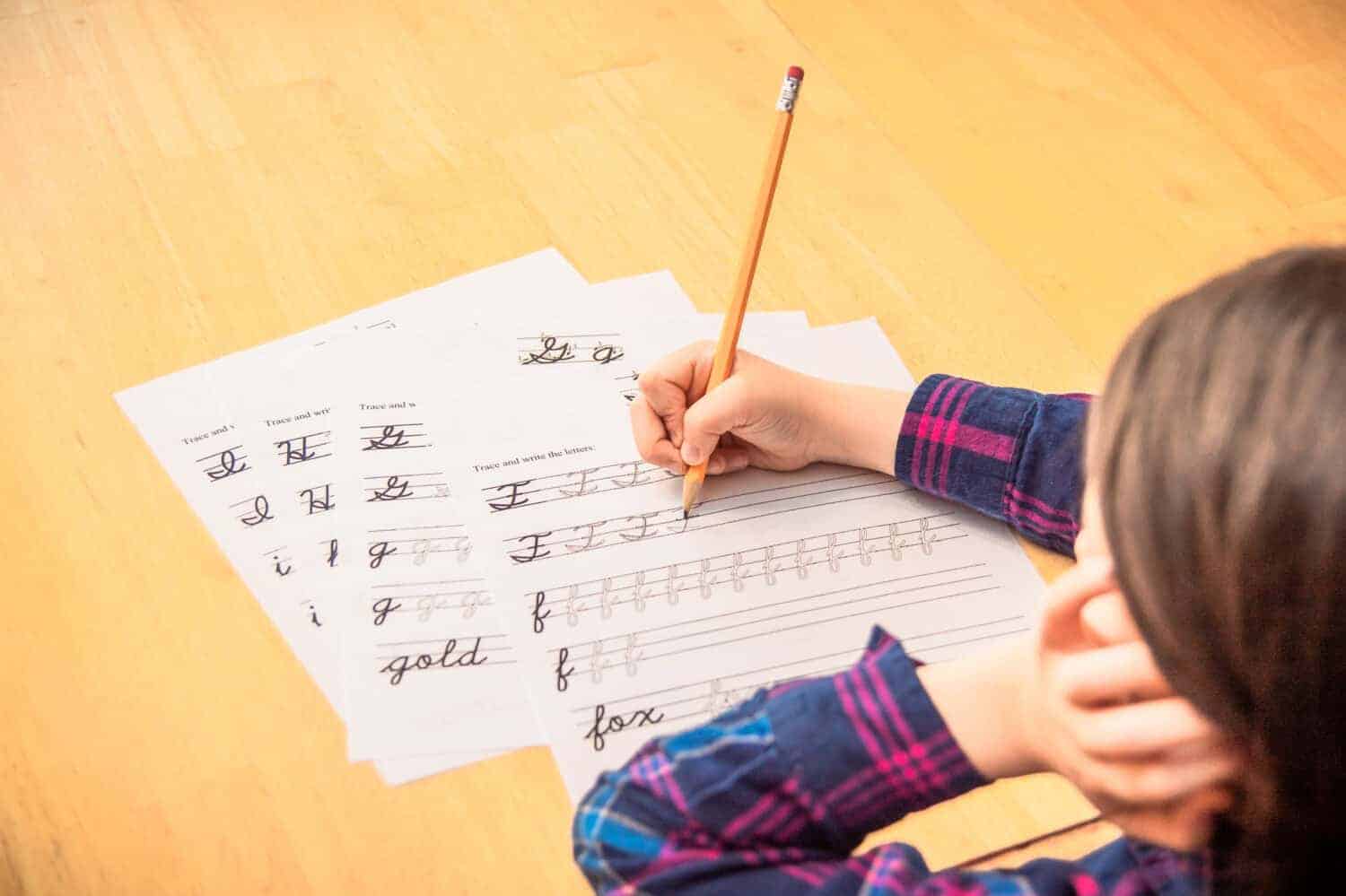
Forcing left-handed children to write with their right hands was most widespread earlier in the 20th century, not throughout every 1980s classroom. Even so, some students from the 1980s and 1990s remember teachers discouraging left-handed writing, repositioning pencils, or insisting that right-handed penmanship looked neater. The practice reflected old cultural prejudices and practical frustrations with desks, scissors, and writing instruction designed for right-handed students. Hand preference is not misbehavior, and forced switching can make writing lessons stressful. Modern classrooms are more likely to provide appropriate seating, tools, and instruction, although many left-handed students still encounter supplies created with right-handed users in mind.
Everyone Could See Who Was in Trouble

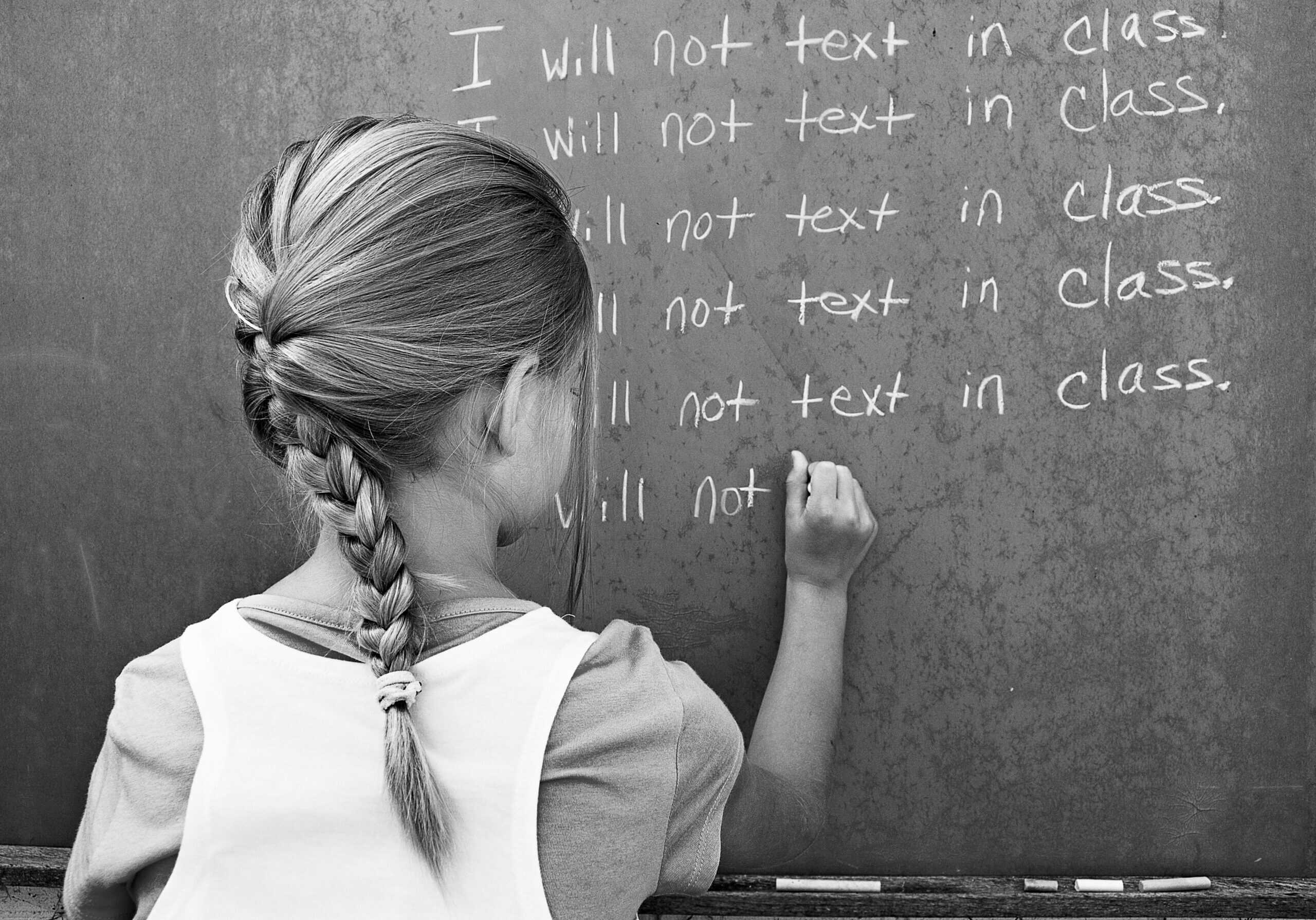
Classroom discipline was often highly visible. A teacher might write a student’s name on the chalkboard, add check marks for repeated offenses, move a clothespin on a color chart, or post a chart showing who had completed work and who had not. These systems were not identical or exclusive to the 1980s and 1990s, but many former students remember the embarrassment of watching their status change in front of classmates. Public tracking gave teachers a quick way to manage a room, yet it could also label the same children as the “bad kids” day after day. Many educators now favor private feedback, individual behavior plans, and restorative approaches, although public clip charts and comparable systems have not disappeared from every school.
Backpacks Stayed in the Locker
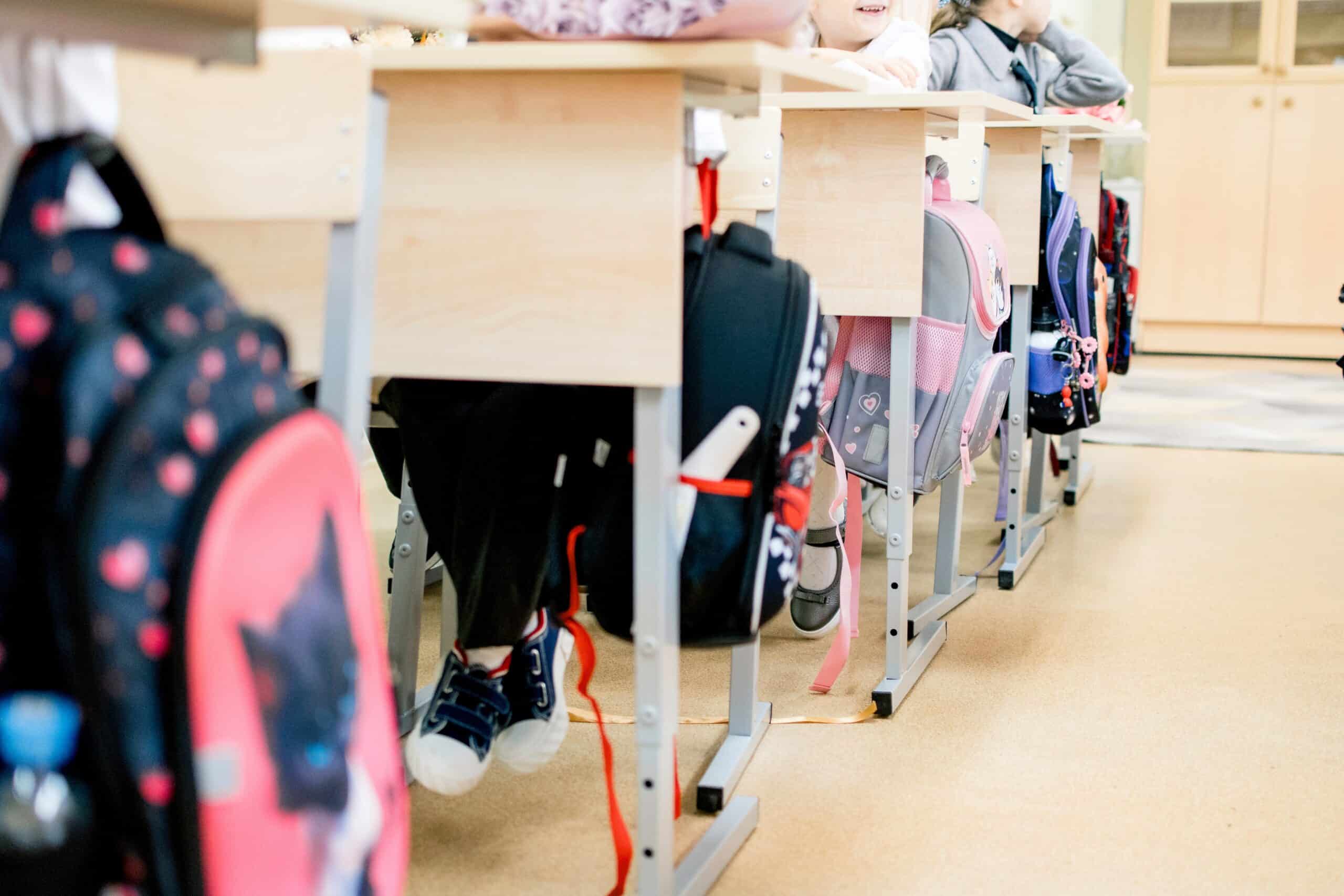
At many middle and high schools, the backpack’s job ended at the locker. Students were expected to carry textbooks, folders, and notebooks in their arms, then race back to their lockers between periods to exchange one stack for another. The policy kept aisles clear and limited clutter, while some administrators also viewed bags as places to conceal prohibited items. It was never a nationwide rule, and the idea did not simply disappear as schools discovered backpacks had “no downside.” In fact, some present-day campuses restrict backpacks, require clear bags, or prohibit them during certain events for security reasons. What older students remember most is the daily locker calculation: take too many books and struggle all day, or take too few and risk arriving late.
Some High Schools Maintained Student Smoking Areas

Designated student smoking areas sound invented to younger readers, but some American high schools maintained them into the 1980s. Rules varied: certain campuses limited access by age, others required parental permission, and many prohibited student smoking entirely. A 1988 survey reported by the CDC found that 95% of responding districts had a written smoking policy, yet only 17% described themselves as completely smoke-free for everyone on school premises and at school functions. Those numbers also included adult smoking, but they show how incomplete the transition remained. Health concerns, state and local laws, and stricter district policies steadily closed smoking areas. By the 1990s, smoke-free campuses were becoming the expectation rather than the exception.
One Student Could Cost Everyone Recess

A paper airplane sailed across the room, nobody admitted responsibility, and suddenly the entire class lost recess. Collective punishment was a familiar classroom-management tactic because it turned peer pressure into an enforcement tool. Students might receive extra work, remain silent, stay after the bell, or lose a privilege because one person broke a rule. The method was not unique to the 1980s and 1990s, and group consequences still appear in schools today. Critics argue that unrelated punishment can create resentment, encourage classmates to identify a scapegoat, and blur the connection between behavior and consequences. Modern guidance emphasizes responses that are proportionate, related to the conduct, and directed toward the students actually involved.
Cleaning Erasers Was a Dusty Form of Detention
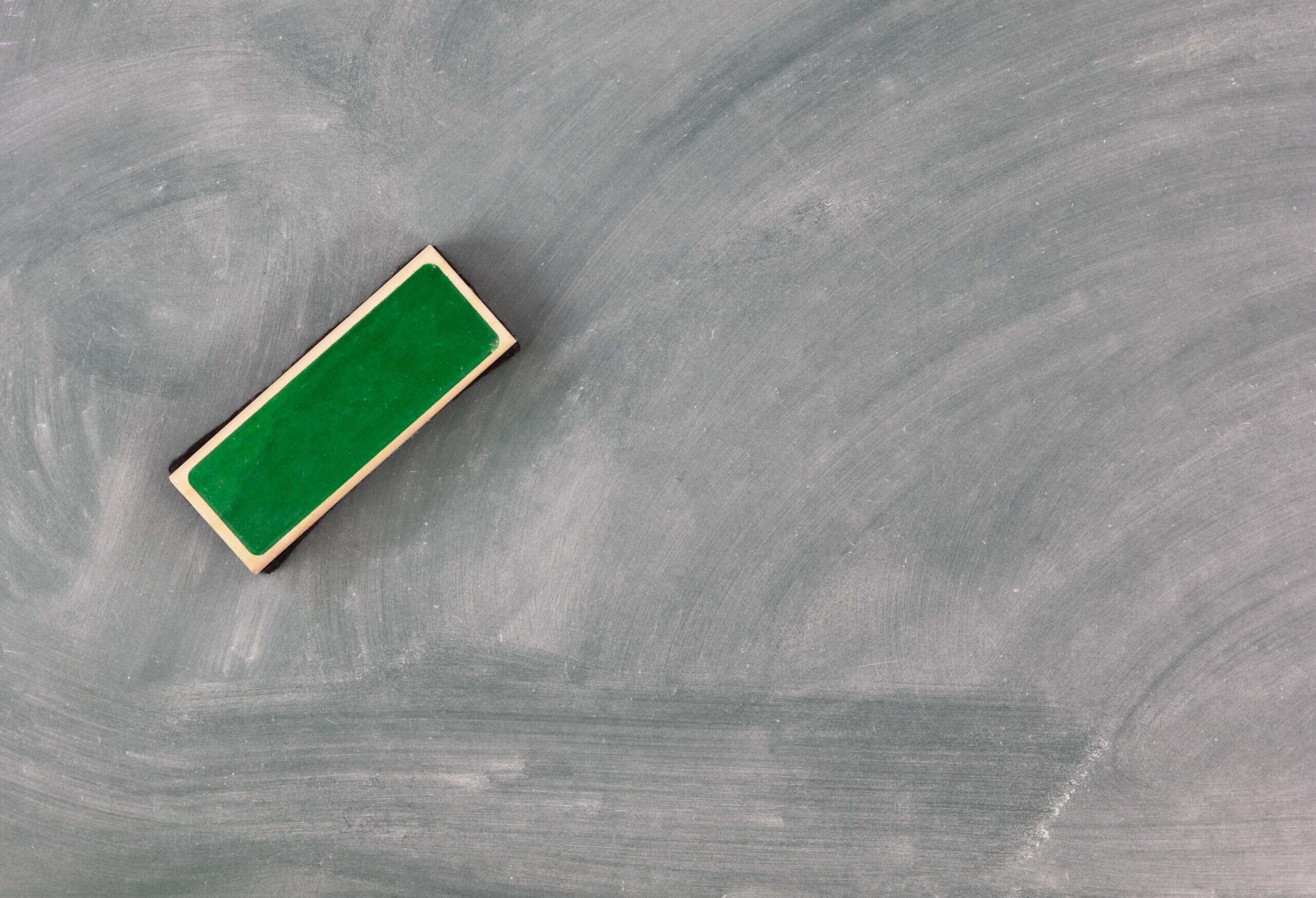
Before whiteboards and classroom displays became common, a full day of lessons could leave the chalkboard and its felt erasers coated in dust. Students were sometimes assigned to clean them as a classroom job, a favor for the teacher, or a mild punishment after misbehaving. The memorable method involved taking the erasers outdoors and clapping them together until a pale cloud covered nearby hands and clothing. It was more tedious and messy than severe, but breathing the dust was hardly pleasant. Chalkboards have not disappeared from every school, and cleaning them was never a formal nationwide disciplinary rule. Still, the task is an instantly recognizable piece of school nostalgia for generations who finished assignments beneath the squeak of chalk on slate.
Bathroom Trips Required Permission and a Hall Pass
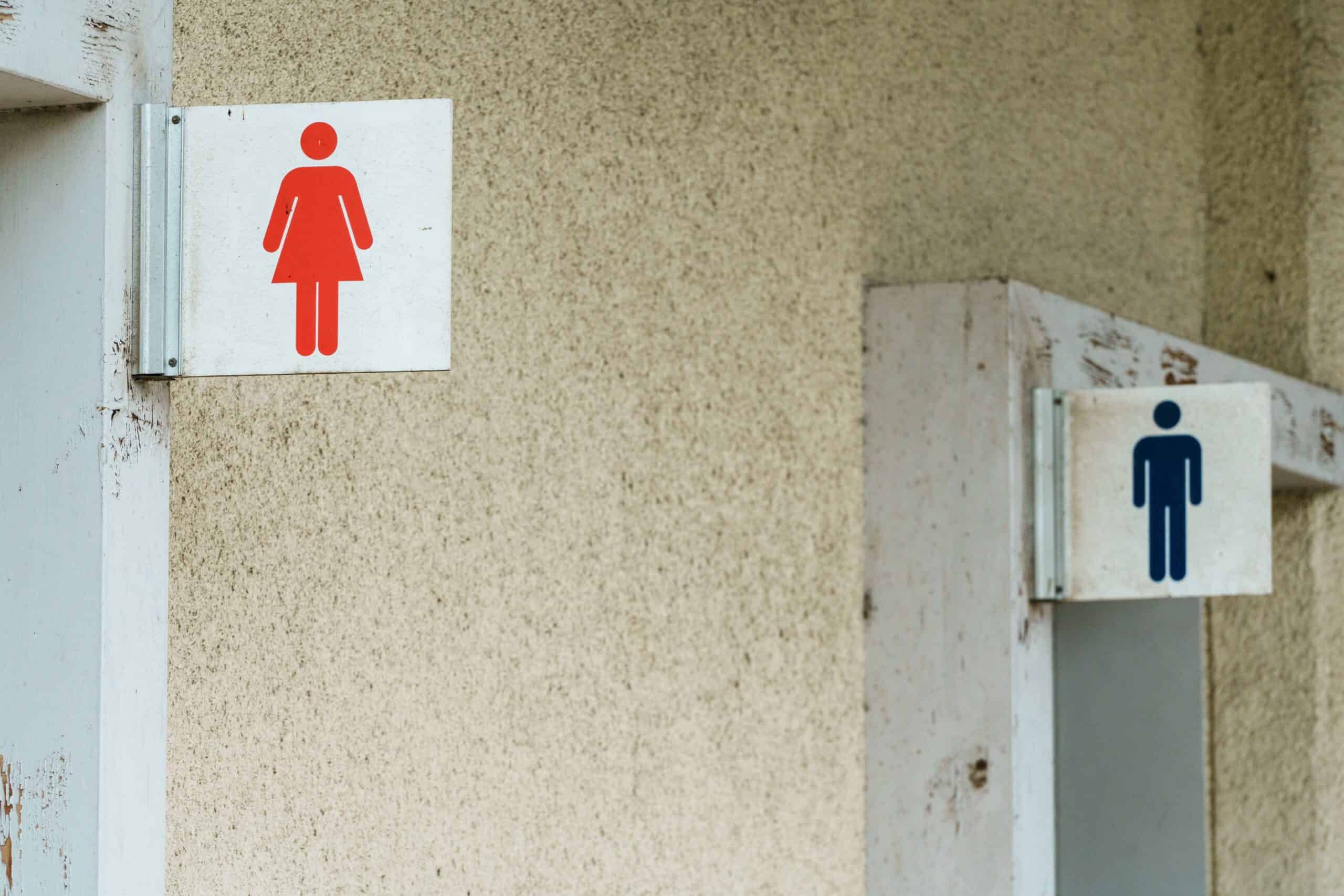
Bathroom access was often controlled through hall passes, scheduled breaks, or trip limits. Teachers worried that students would wander the halls, meet friends, or use the request to escape class, so permission could be delayed or denied. Similar controls still exist, which makes the claim that modern schools universally treat unrestricted bathroom access as a right too broad. Schools must consider health and disability needs. Students whose medical conditions substantially limit bodily functions may be entitled to individualized accommodations under Section 504 or other disability protections. The central conflict has not disappeared: teachers need to manage supervision and disruption, while students should not be forced to ignore an urgent physical need.
The image featured at the top of this post is ©Maria Dryfhout / Shutterstock.com – License / Original