
The school cafeteria of the 1990s was a bustling marketplace of sorts, and your currency was measured by what you toted around in your lunchbox. As a child of the 1990s, I fully remember that feeling of anxiety as you unzipped your lunchbox to reveal whatever your parents caved in on getting for you. The ultimate goal of this lunchtime ritual wasn’t about showing off nutritional content, but about the entertainment, sugar doses, and getting your buddies jealous. Food scientists of the 1990s were on a roll when it came to engineering snacks that peeled, popped, squeezed, rolled, and dipped, making lunch hour a second recess of sorts.
Decades on, the landscape of the grocery store aisles has changed somewhat. Those slick packages and hyper-processed foods that defined my childhood have largely vanished. Shifts in health standards, corporate mergers, and the inevitable expiration of fads mean that many of these foods are consigned to the halls of memory. Children in my age cohort enjoyed a chaotic, different time. Today, we’re looking at those lunchbox staples that defined the 1990s.
Butterfinger BBs
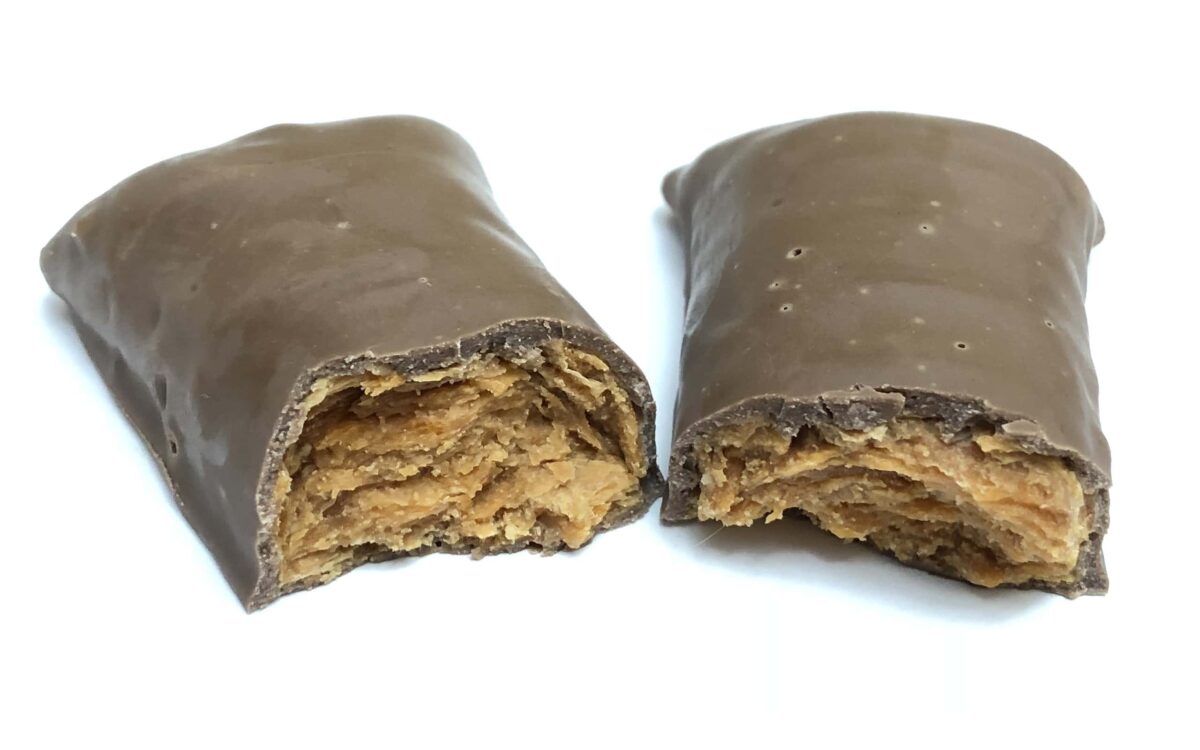
Candy bars were an extravagance in the cafeteria, with most desserts being more typical fare like cookies. By the time the 1990s rolled around, Nestle was hard at work innovating and reshaping their usual candies to better fit the wants and desires of the local schoolyard. Initially released in 1992, Butterfinger BBs took the distinctive, flaky center of a Butterfinger and downsized it into tiny, chocolate balls.
The brilliance in the design was just how practical they were. They were far easier to portion out, and kids were quick to trade a lot of little candies compared to giving up something premium like a candy bar. Like most chocolate-based treats, BBs were prone to melting. The chocolate coating on these candies was rather thin, no doubt signaling the cost-cutting measures in place. Within seconds of reaching inside the bag, especially on a late spring day, your fingers would be caked in a sticky layer of chocolate sludge.
By the mid 2000s, bite-sized candies like the BBs were off store shelves. This was despite a decade-long marketing campaign featuring popular characters from franchises like The Simpsons. Nestle has tried time and time again to fill the void in their lineup that the BBs left, but nothing has stuck. It seems like this lunchbox staple was simply lightning in a bottle for its time and place.
3D Doritos
©Studio Light and Shade/Shutterstock.com
If there is one word to sum up the whole of kids’ marketing in the 1990s, it would be: gimmicks. This was a decade that served as the logical conclusion to the hyper-commercialization of the 1980s. It wasn’t enough to offer a comparable product or cheaper prices. Instead, you needed to have a hook of sorts to catch the attention of your intended audience. Frito-Lay was the undisputed champion when it came to crunchy snacks during the decade, but they had a trick up their sleeve with 3D Doritos. The world was obsessed with computer-generated graphics, Pixar, and things like the Sony PlayStation, which inspired a fever of sorts, especially with 3D graphics being more common across households.
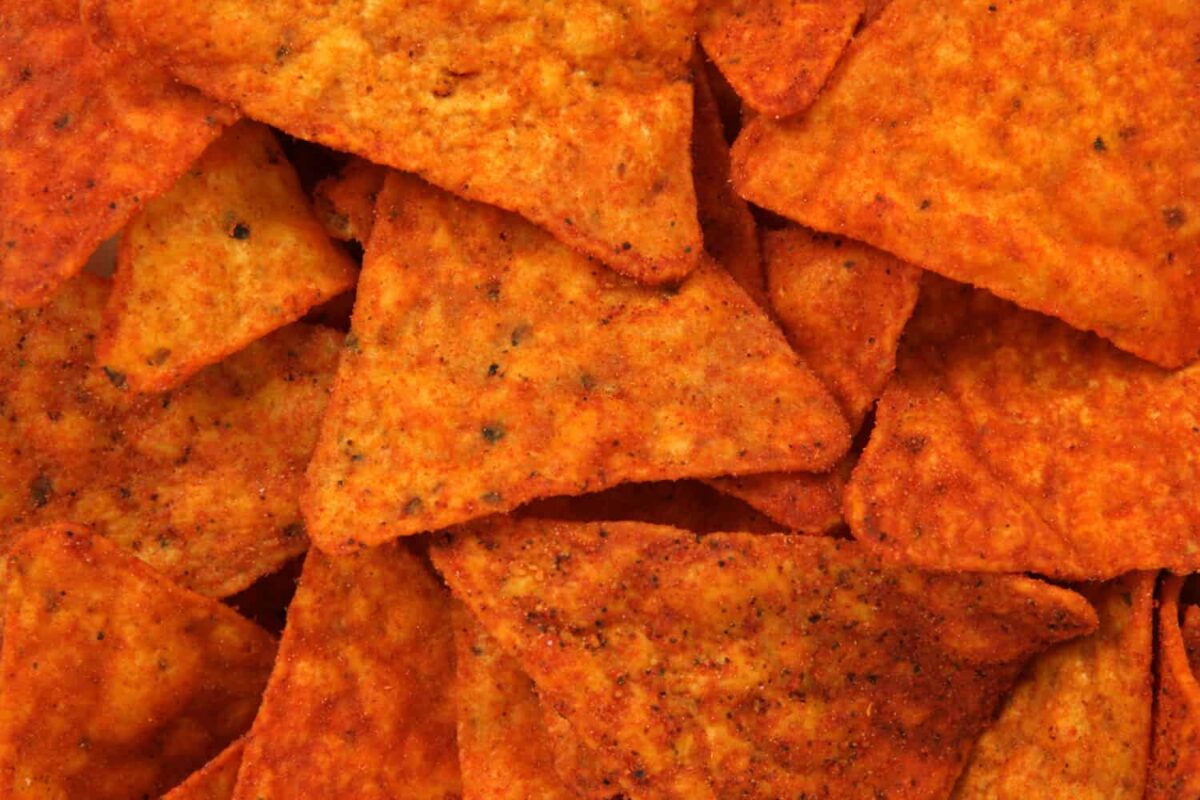
As such, this sort of mania caught on in other areas, too, like nacho-flavored corn chips. 3D Doritos were effectively the same as their usual triangular-shaped chips, but with an exciting new shape. These were essentially unchanged, instead being puff-molded into hollow triangles instead of deep-fried. They came in a specialized rigid plastic canister with a fancy lid that doubles as a serving bowl. You were guaranteed a few jealous looks if you pulled one of these out of your lunchbox.
Needless to say, despite the ambition from Frito-Lay, there’s a reason behind the usual shape of Doritos. Texture played a huge role in the eventual shuttering of 3D Doritos. A pinched corner resulted in the complete collapse of the snack in your mouth. The brand has seen a few sparse revivals over the years, but it remains one of those lunchbox staples from the late 1990s that remain lost to time.
Bubble Jug
©Hawk777/Shutterstock.com
It seems like every other week brought about a new gimmicky bubble gum to try. You had standard sticks, extra potent bubble formulations, something meant to evoke chewing tobacco, and dozens of others I’m likely forgetting. For all the ones that remain to the modern era, like the decidedly boring Trident, you had plenty of other oddball concoctions that have been left behind. Hubba Bubba was one of the big names in gum at the time, and their Bubble Jug was something that had to be seen to be believed.
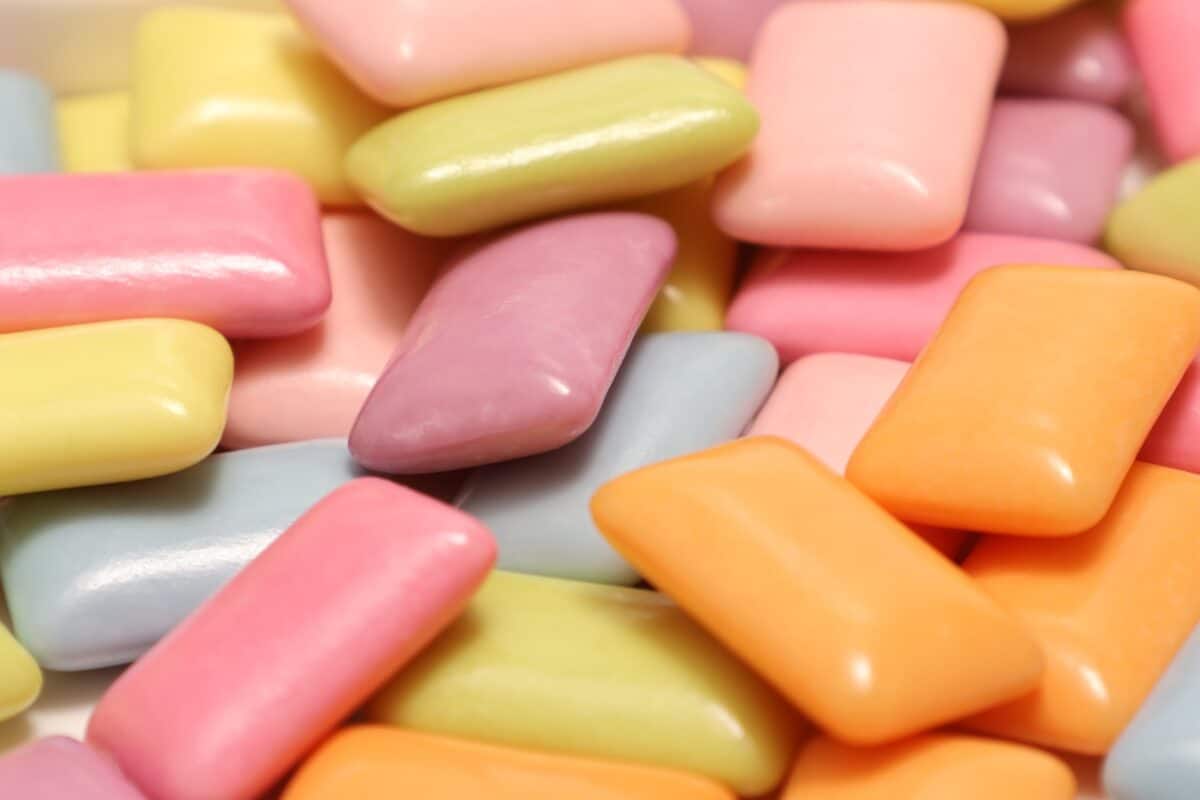
The package resembled something like a bottle of laundry detergent or a gallon of milk. Inside each of these cartons was a fine, fragrant pink or purple powder. The instructions for use were relatively simple. Kids would dump the powdery contents on their tongue. As they chewed, the powder would change states, reacting to the saliva in the mouth. The fine powder turned into thick, chewy bubble gum the more your jaw moved.
Compared to other lunchbox staples, the Bubble Jug was like living in the future. The intense burst of flavor was unlike Juicy Fruit. It dissolved into a bland, tough wad of chewing gum after a few minutes. If you were getting a Bubble Jug, it was entirely about the performance and experience, not about getting the best value for your money. Bubble Jugs eventually disappeared in the early 2000s, remaining a cherished memory for kids of the 1990s.
Sodalicious
©OlegDoroshin/Shutterstock.com
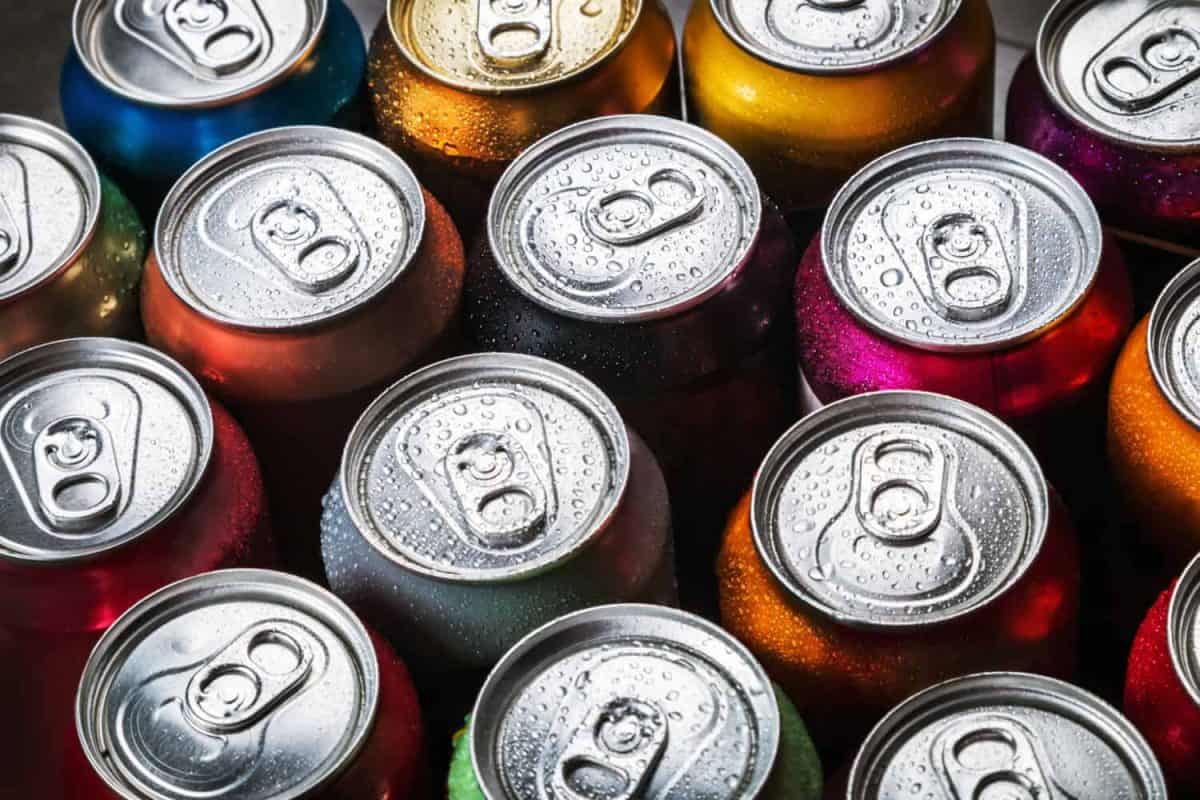
Soft drinks weren’t a common sight in my local cafeteria until somewhere in the 2000s. You were stuck with milk, juice, water, or some other alternative. School boards weren’t convinced, nor were parents. General Mills wasn’t content to let this market area go uncaptured, however, and came up with its own loophole in the 1990s. The result was Sodalicious, which was admittedly more about the novelty than they were about the taste.
Sodalicious was a line of gummy candies, but shaped like soft drink bottles, cans, and mugs. Flavors were specially formulated to evoke the taste and feel of a few popular soft drinks. The flavor profile could be shockingly accurate, giving you a root beer that was a bit easier to sneak during class time. The texture of these candies was a fair bit firmer than you might initially think, giving a more satisfying chew than cheap gummy bears and leading to an explosion of flavor.
Eventually, Sodalicious would come with this white, powdery fizz that coated each gummy candy. The intent was to emulate the fizzy, bubbling carbonation you’d expect from a typical soft drink. Sodalicious was a massive success during its heyday, and you couldn’t escape the marketing machine for it. It eventually disappeared as a lunchbox staple in time. As we discussed earlier, shifting health standards and the flow of time eventually led to a cultural shift that focused more on the nutritional content of a lunch rather than how cool it made a kid feel. Sodalicious was quietly discontinued, leaving a devoted fanbase in its wake.
Conclusion
When we look back on lunchbox staples, those from the 1990s remain a cultural relic from a highly specific point in time. The final decade of the 20th century was a time of immense optimism, a continuation of sorts from the 1980s with the added benefit of the Cold War being over. As such, foods marketed to kids were more about being the object of envy, which was helped by the vibrant, loud packaging. While Sodalicious was fun for its time, I’m glad kids are getting something better, albeit more boring, than we got back in the day.
The image featured at the top of this post is ©Brent Hofacker/Shutterstock.com