

































Dangerous Fads From History That People Somehow Thought Were Normal
History is filled with fads that seem unbelievable today. From radioactive cosmetics to poisonous beauty treatments, countless products and practices were once embraced by ordinary people who believed they were safe, fashionable, or even healthy. Many of these trends were not fringe ideas. They appeared in advertisements, stores, doctor's offices, and family homes. Looking back, they offer a fascinating glimpse into how easily dangerous ideas can become normalized when they align with popular beliefs and cultural expectations.
Here is a look at dangerous fads from history that people somehow thought were normal:
Radium Beauty Products
- Peak Era: 1910s–1930s
- Why People Thought It Was Safe: Radioactivity was viewed as a scientific miracle and symbol of modern progress.
- What Made It Dangerous: Chronic radiation exposure caused severe long-term health problems.
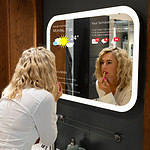
During the early twentieth century, radioactivity was often portrayed as one of science's greatest discoveries. Manufacturers rushed to incorporate radium into beauty creams, face powders, soaps, and countless personal-care products. Advertisements promised youthful skin, renewed energy, and modern scientific sophistication. Consumers saw radium as a symbol of progress rather than a potential hazard. The danger was that prolonged exposure to radioactive materials could damage tissue, increase cancer risk, and create lasting health consequences. At the time, many of those risks were poorly understood or ignored in the pursuit of profits. The fad eventually faded as evidence of radiation-related illnesses accumulated. Today, radium beauty products serve as a reminder that exciting new technologies are not always fully understood when they first enter the marketplace.
Tapeworm Diets
- Peak Era: Late 1800s–Early 1900s
- Why People Thought It Was Safe: Promised effortless weight loss without exercise or dietary changes.
- What Made It Dangerous: Parasites could cause malnutrition, organ damage, and infection.
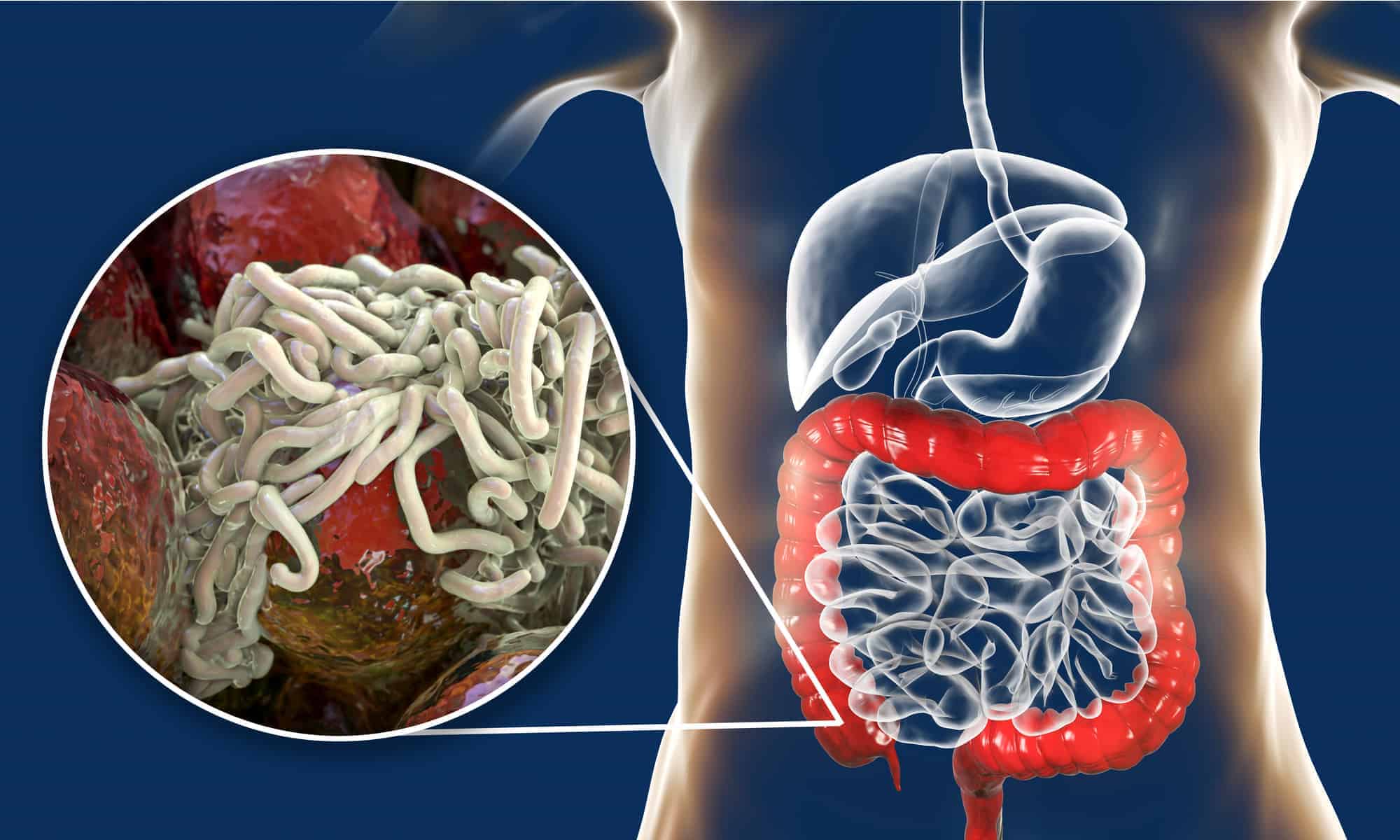
Few historical weight-loss schemes sound as shocking today as the tapeworm diet. The premise was deceptively simple: ingest a parasite and allow it to consume some of the calories from food. Promoters suggested that people could lose weight without changing their habits or exercising. For individuals desperate to meet social beauty standards, the promise of effortless slimming proved appealing. Unfortunately, the consequences could be severe. Tapeworms can cause nutritional deficiencies, digestive complications, infections, and damage to internal organs. In some cases, parasites spread beyond the digestive tract and created life-threatening conditions. The fad highlights how powerful the desire for rapid weight loss can be, especially when society prizes appearance over health. It remains one of the most extreme examples of people accepting significant risks in pursuit of a fashionable body image.
Arsenic Beauty Treatments
- Peak Era: Victorian Era
- Why People Thought It Was Safe: Advertised as a way to achieve fashionable pale skin and improved complexion.
- What Made It Dangerous: Arsenic is a poison that can damage organs and become fatal over time.
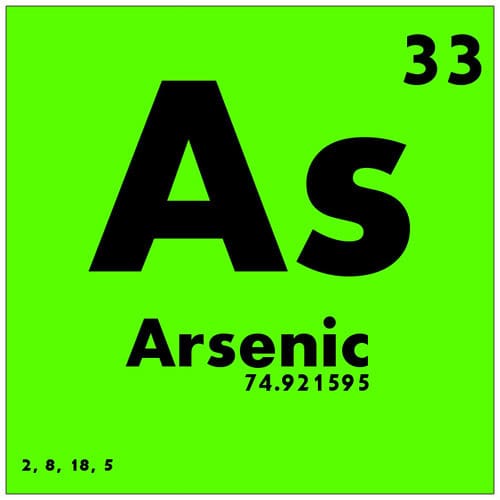
Victorian beauty standards placed enormous value on pale, delicate-looking skin. In pursuit of that ideal, some consumers turned to arsenic-based products and even ingested small amounts of arsenic in hopes of improving their complexion. Advertisements claimed the substance could create healthier-looking skin and enhance physical attractiveness. While some users believed they saw results, the reality was far more dangerous. Arsenic is a toxic poison that can damage organs, weaken the body, and prove fatal with sufficient exposure. Yet the desire to conform to prevailing beauty standards often outweighed concerns about safety. The fad illustrates how social pressure can persuade otherwise rational people to accept serious health risks. Looking back, it is a striking example of how beauty trends can sometimes become more dangerous than the problems they claim to solve.
Lead-Based Face Makeup
- Peak Era: Renaissance–19th Century
- Why People Thought It Was Safe: Created the pale complexion associated with wealth and social status.
- What Made It Dangerous: Lead poisoning caused neurological damage, hair loss, and illness.
For centuries, pale skin served as a visible marker of wealth and social standing. To achieve the desired appearance, many people relied on cosmetics containing lead. The makeup provided a smooth, bright complexion that matched fashionable ideals, making it especially popular among aristocrats and the upper classes. Unfortunately, the ingredient responsible for the effect was highly toxic. Repeated exposure could cause hair loss, skin damage, neurological problems, and chronic illness. Ironically, many users applied more makeup to conceal symptoms that were actually being caused by the cosmetics themselves. The practice persisted because the social rewards appeared immediate while the health consequences often emerged gradually. Lead-based makeup demonstrates how cultural definitions of beauty can sustain harmful practices for generations, even when evidence of danger is visible to those experiencing the effects firsthand.
Cigarettes Marketed as Healthy
- Peak Era: 1920s–1950s
- Why People Thought It Was Safe: Advertising and some physicians portrayed smoking as beneficial or harmless.
- What Made It Dangerous: Smoking is linked to cancer, heart disease, and numerous health conditions.
Modern audiences are often surprised to learn that cigarettes were once promoted using doctors, athletes, and medical claims. During much of the twentieth century, tobacco advertising frequently portrayed smoking as sophisticated, relaxing, and even beneficial to health. Some campaigns suggested certain brands were easier on the throat or recommended by physicians. Consumers had little reason to question those messages because the long-term dangers of smoking were not yet widely accepted. As scientific evidence accumulated, however, links to cancer, heart disease, and other serious illnesses became impossible to ignore. What had been marketed as a healthy lifestyle choice gradually became recognized as one of the most significant public health hazards of the modern era. The cigarette boom remains a powerful lesson about the influence of advertising and the importance of independent scientific scrutiny.
Radioactive Health Tonics
- Peak Era: 1910s–1930s
- Why People Thought It Was Safe: Consumers believed radioactivity increased energy and vitality.
- What Made It Dangerous: Ingesting radioactive substances exposed users to dangerous radiation.
The discovery of radioactivity inspired enormous public fascination, and entrepreneurs quickly sought ways to monetize that excitement. Among the most popular products were radioactive tonics that promised energy, vitality, and improved health. Consumers purchased bottled water, patent medicines, and supplements infused with radioactive materials because they believed modern science had uncovered a miraculous source of wellness. The reality was far different. Ingesting radioactive substances exposed the body to harmful radiation that could accumulate over time and cause severe health problems. Some high-profile cases of radiation poisoning eventually attracted public attention and helped undermine confidence in such products. The fad serves as a cautionary tale about the risks of embracing new scientific discoveries before their long-term effects are fully understood. Enthusiasm often moved much faster than evidence.
Lawn Darts
- Peak Era: 1960s–1980s
- Why People Thought It Was Safe: Marketed as a fun and safe backyard game for families.
- What Made It Dangerous: Heavy metal darts caused serious injuries and fatalities.
At first glance, lawn darts seemed like a harmless outdoor game. Families tossed weighted metal darts toward circular targets placed on the ground, much like an oversized version of darts played indoors. The problem was obvious in hindsight: the projectiles were heavy, sharp, and often thrown high into the air. Injuries occurred when players or bystanders were struck, and several incidents resulted in severe harm or death. Despite the risks, the game remained popular for years because it was marketed as wholesome family entertainment. Only after mounting concerns and public pressure did regulators move to restrict and eventually ban many versions of the product. Lawn darts have since become one of the classic examples of a consumer fad that appears astonishingly unsafe through a modern lens.
Foot-Powered High-Speed Scooters
- Peak Era: Early 1900s
- Why People Thought It Was Safe: Seen as harmless outdoor recreation for children.
- What Made It Dangerous: Lack of brakes and safety equipment led to frequent injuries.
Children in the early twentieth century often built or purchased primitive scooters capable of reaching impressive speeds on hills and paved roads. These devices usually lacked effective brakes, safety equipment, or modern design standards. Nevertheless, they were viewed as exciting outdoor recreation and a normal part of childhood. Broken bones, cuts, and collisions were often accepted as unavoidable consequences of youthful adventure. Parents and communities generally tolerated the risks because expectations regarding safety were very different from those of today. Looking back, the popularity of these vehicles reflects a period when personal responsibility was emphasized far more than product regulation. The fad highlights how dramatically attitudes toward childhood safety have changed over the last century and how acceptable levels of risk evolve over time.
Mercury Medical Treatments
- Peak Era: 1500s–1800s
- Why People Thought It Was Safe: Doctors used mercury because few effective treatments existed.
- What Made It Dangerous: Mercury poisoning caused severe physical and neurological harm.
For centuries, mercury occupied a prominent place in medicine. Physicians prescribed it for a wide range of ailments because effective alternatives were often unavailable. The substance became especially associated with treatments for infections and chronic diseases. While some practitioners believed it offered benefits, many patients experienced symptoms that were actually caused by mercury poisoning itself. Exposure could damage the nervous system, impair cognitive function, and produce severe physical complications. Yet because medical knowledge remained limited, the connection between treatment and harm was not always recognized. Mercury's long history in medicine demonstrates that doctors frequently worked with the best information available to them, even when that information proved dangerously incomplete. It is a reminder that medical consensus evolves and that confidence in a treatment does not always guarantee safety.
Cocaine-Infused Medicines
- Peak Era: Late 1800s–Early 1900s
- Why People Thought It Was Safe: Promoted as a remedy for pain, fatigue, and depression.
- What Made It Dangerous: Highly addictive and capable of causing serious health consequences.
Before strict drug regulations existed, cocaine appeared in a surprising variety of consumer products and medical remedies. Manufacturers promoted it as a treatment for fatigue, pain, depression, and numerous other complaints. Because the drug produced noticeable short-term effects, many users believed it genuinely improved their well-being. What was less understood was its addictive potential and the broader consequences of long-term use. As cases of dependency and health complications became more visible, public attitudes shifted dramatically. Governments eventually introduced tighter controls, and cocaine disappeared from mainstream consumer products. The fad illustrates how enthusiasm for a promising substance can overshadow caution, particularly when immediate benefits appear obvious. It also highlights the challenges of evaluating new treatments before their risks become fully apparent.
Extreme Corset Tight-Lacing
- Peak Era: Victorian Era
- Why People Thought It Was Safe: Tiny waists were considered fashionable and desirable.
- What Made It Dangerous: Restricted breathing and compressed internal organs.
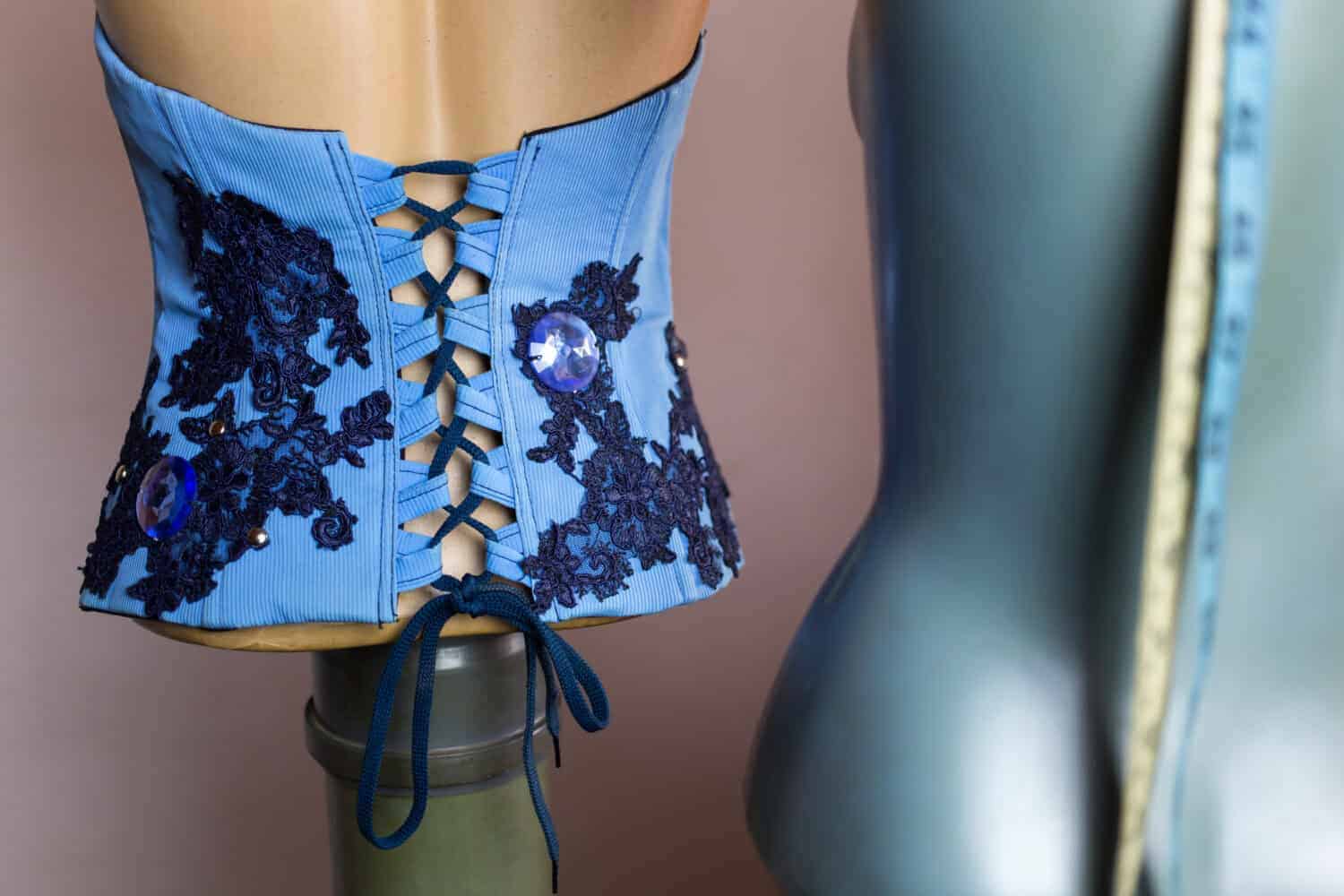
Victorian fashion placed enormous emphasis on achieving an idealized silhouette, and corsets became central to that pursuit. While many corsets were worn without extreme consequences, some individuals practiced tight-lacing to dramatically reduce waist size. The result often restricted breathing, compressed internal organs, and limited physical mobility. Despite these drawbacks, the appearance of a tiny waist was considered desirable and worth the discomfort. Fashion magazines, social expectations, and cultural norms reinforced the trend, encouraging many people to prioritize appearance over health. Tight-lacing has become a symbol of the lengths individuals sometimes go to meet prevailing beauty standards. Although the practice appears extreme today, it reflects a broader historical pattern in which fashion trends can encourage behavior that carries significant physical costs.
X-Ray Shoe Fitting Machines
- Peak Era: 1920s–1950s
- Why People Thought It Was Safe: Believed to provide a more accurate shoe fitting experience.
- What Made It Dangerous: Repeated radiation exposure posed health risks.
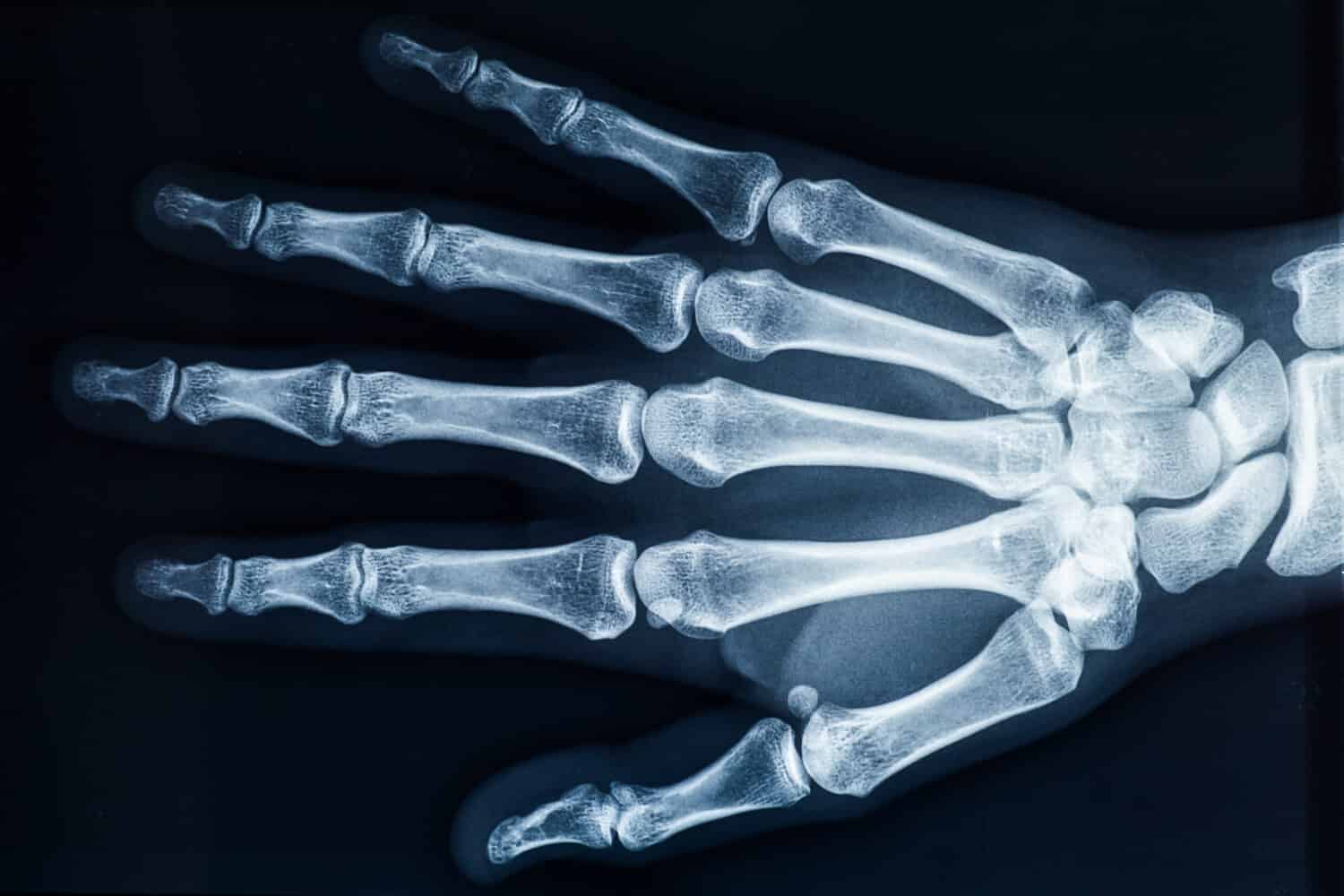
Shoe stores once offered a technological novelty that seemed both futuristic and practical. X-ray fitting machines allowed customers to view the bones of their feet inside shoes, supposedly helping them find a perfect fit. Parents often encouraged children to try the devices, and retailers viewed them as a cutting-edge sales tool. Unfortunately, repeated exposure to radiation created risks that were not fully appreciated at the time. Store employees who operated the machines frequently received the greatest exposure, but customers were also affected. As understanding of radiation hazards improved, regulators and health experts began questioning the practice. Eventually, the machines disappeared from stores. Their rise and fall demonstrate how new technologies can become widely accepted before society has a clear understanding of their long-term safety implications.
Radium-Painted Home Décor
- Peak Era: 1920s–1930s
- Why People Thought It Was Safe: Glow-in-the-dark products seemed modern and exciting.
- What Made It Dangerous: Radioactive materials exposed consumers to unnecessary radiation.
Glow-in-the-dark products captured the imagination of consumers during the early twentieth century. Clocks, watches, toys, and decorative items coated with radium-based paint offered a striking visual effect that seemed futuristic and innovative. Few people worried about safety because radioactivity was often associated with scientific advancement rather than danger. The glowing products became fashionable additions to homes and daily life. Over time, however, evidence emerged that exposure to radioactive materials could cause serious health problems. Public perception shifted rapidly as stories of radiation-related illnesses gained attention. What once symbolized modernity came to represent the hazards of embracing technology without sufficient testing. The popularity of radium-painted décor illustrates how enthusiasm for novelty can sometimes obscure important questions about safety and long-term consequences.
DDT Household Spraying
- Peak Era: 1940s–1960s
- Why People Thought It Was Safe: Considered a miracle solution for insects and pests.
- What Made It Dangerous: Later linked to environmental and potential health concerns.
When DDT first became widely available, it was celebrated as a breakthrough in pest control. Families sprayed it around homes, gardens, and public spaces with remarkable confidence. The chemical appeared highly effective against insects and was often portrayed as a scientific triumph. For many households, it represented convenience, cleanliness, and protection from pests. Over time, however, researchers began documenting environmental damage and concerns about long-term exposure. Public awareness grew as evidence accumulated, eventually leading to restrictions in many countries. The story of DDT reflects a recurring pattern in history: a product delivers impressive short-term benefits, gains widespread acceptance, and only later reveals unintended consequences. Its legacy continues to shape discussions about environmental responsibility and the need for rigorous safety testing.
Benzedrine Inhalers
- Peak Era: 1930s–1950s
- Why People Thought It Was Safe: Sold legally for congestion relief and increased alertness.
- What Made It Dangerous: Amphetamine misuse and dependency became widespread.
Benzedrine inhalers were originally marketed as legitimate medical products designed to relieve nasal congestion. However, users quickly discovered that the amphetamine inside the inhalers could produce increased energy, alertness, and other stimulant effects. What began as a common over-the-counter remedy soon attracted people seeking enhanced performance or weight loss. As misuse spread, concerns about dependency and health consequences became increasingly difficult to ignore. The product's popularity revealed how easily a medication intended for one purpose could be repurposed for another. Eventually, tighter regulations reduced availability and limited abuse. The Benzedrine phenomenon offers an early example of society grappling with stimulant misuse and demonstrates how consumer demand can transform an ordinary product into a widespread cultural fad.
Flaming Cocktails and Bar Stunts
- Peak Era: 1970s–1990s
- Why People Thought It Was Safe: Theatrical presentations attracted customers and created excitement.
- What Made It Dangerous: Burns, fires, and alcohol-related accidents were common.
Restaurants and bars have long competed for attention, and flaming cocktails became one of the most dramatic ways to stand out. Drinks set ablaze created memorable experiences and generated excitement among customers seeking something unique. The visual spectacle often overshadowed the risks involved. Open flames combined with alcohol, crowded venues, and impaired judgment created opportunities for burns and accidents. Despite those dangers, the trend flourished because it offered entertainment value and a sense of novelty. Many establishments eventually adopted stricter safety practices, but the fad remains a useful example of how excitement can sometimes outweigh caution. It also demonstrates that consumers are often willing to accept additional risks when an activity feels fun, memorable, or socially rewarding.
Children's Chemistry Sets with Radioactive Materials
- Peak Era: 1940s–1950s
- Why People Thought It Was Safe: Marketed as educational tools to inspire young scientists.
- What Made It Dangerous: Included materials that would fail modern safety standards.
Mid-century chemistry sets reflected a period of intense enthusiasm for science and technological progress. Manufacturers wanted to inspire future scientists by giving children hands-on experience with real materials and experiments. Some kits even included small quantities of radioactive substances, which were viewed as educational rather than dangerous. Parents generally saw the products as valuable learning tools that encouraged curiosity and innovation. Modern safety standards, however, would never permit such materials in children's toys. As understanding of radiation risks improved, the inclusion of radioactive components became increasingly difficult to justify. The popularity of these kits demonstrates how society's perception of acceptable risk changes over time. What once seemed educational and forward-thinking now appears remarkably reckless.
Sun Tanning as a Status Symbol
- Peak Era: 1920s–2000s
- Why People Thought It Was Safe: Associated with health, leisure, and attractiveness.
- What Made It Dangerous: Excess UV exposure increases skin cancer risk.
The meaning of a suntan changed dramatically during the twentieth century. Once associated with outdoor labor, tanned skin gradually became a symbol of leisure, travel, and personal health. Fashion trends and celebrity influence encouraged millions of people to spend more time in the sun, often with little concern for long-term consequences. Many viewed tanning as evidence of an active and attractive lifestyle. Over time, however, medical research revealed strong links between excessive ultraviolet exposure and skin cancer. Public health campaigns sought to change attitudes, but the appeal of tanning remained powerful for decades. The trend highlights how cultural ideals can shape behavior on a massive scale and how perceptions of beauty often persist even when significant health risks become widely known.
Drinking Raw Water
- Peak Era: Various Periods
- Why People Thought It Was Safe: Some believed untreated water was more natural and healthier.
- What Made It Dangerous: Can contain dangerous pathogens and contaminants.
The belief that natural products are automatically healthier has appeared repeatedly throughout history, and raw water serves as a modern example of that mindset. Advocates argued that untreated water retained beneficial qualities lost through purification and processing. To supporters, avoiding treatment represented a return to a more authentic lifestyle. The problem is that untreated water can contain bacteria, parasites, and other contaminants capable of causing serious illness. Public water treatment systems were developed specifically to reduce those dangers. The popularity of raw water demonstrates how skepticism toward established institutions can sometimes encourage people to overlook practical safety measures. It also shows that many historical fads continue to reappear in new forms whenever they align with broader cultural trends.
Baby Cages Hung Outside Apartment Windows
- Peak Era: 1920s–1940s
- Why People Thought It Was Safe: Experts promoted fresh air and sunlight for child development.
- What Made It Dangerous: Presented obvious fall and safety hazards.
Urban families in crowded cities often faced limited access to outdoor space, leading some child-care experts to promote a remarkable solution: baby cages attached to apartment windows. These wire enclosures allowed infants to receive fresh air and sunlight while remaining close to home. Parents adopted the practice because it was recommended by authorities and appeared to offer genuine health benefits. Viewed through a modern lens, however, the safety concerns are immediately apparent. The possibility of falls, structural failure, and other accidents makes the idea seem extraordinary today. Yet the fad reminds us that people rarely adopt unusual practices without a reason they consider sensible. In this case, a well-intentioned effort to improve child health produced one of the most memorable and surprising parenting trends in history.
The image featured at the top of this post is ©Stivog/Shutterstock.com