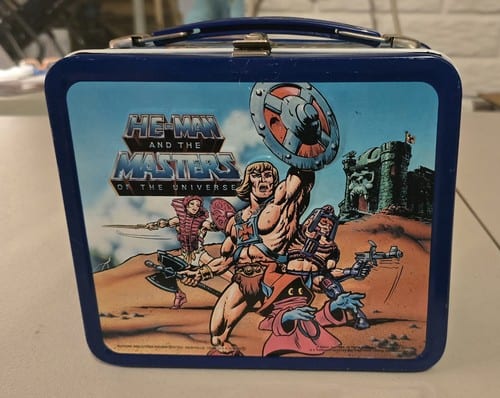

A stroll down the toy aisle of any department store during the 1980s was like walking into your television set on Saturday morning. Plastic action figures, transforming robots, massive playsets, and newly motorized toys dominated the shelves. These weren’t original brands by any means, but rather an extension of the highly popular merchandise-driven cartoons that appeared every Saturday morning without fail. Merchandising was the sole reason these shows existed, rather than the other way around.
The 1980s are an interesting era in some regard, touching on the cartoons that served essentially as half-hour-long commercials. This comes about for a few different reasons, chief among them a shift in the regulations, corporate strategy, and structural changes that affected broadcasting across the country. Today, we’re going to look at how shifting regulations, new financial models, and creative storytelling defined the era’s cartoons and toys alike.
The Regulatory Death Spiral

©Orhan Cam/Shutterstock.com
TV only truly gets its start in the years immediately after the Second World War. The new medium was heavily regulated, with organizations like the Federal Communications Commission taking control of transmissions alongside radio. Regulations kept strict guidelines on programming and advertising. Broadcasters were forbidden from airing commercials featuring characters from the show that was airing. Children’s content had further limits on just how many minutes of advertisement could be broadcast per hour to the audience. Animated series from the 1950s until the 1980s were designed for selling advertising slots for the network during the Saturday morning viewing hours. Media companies pitched shows to network executives based solely on prospective Nielsen ratings.
When Ronald Reagan won the election in 1980, there was a change of the guard, as it were. Under FCC Chairman Mark Fowler, television was more than a public utility requiring government oversight. It was no different than purchasing a record or tape to listen to music at your leisure. As such, the FCC began peeling back those regulations and guidelines. There weren’t limits on the amount of advertising shown per hour. It opened the doors for 1980s cartoons to essentially function as ads selling ads.
It opened up a massive legal loophole. Entertainment companies and toy manufacturers alike could directly collaborate on animated series with merchandise being the sole motivating factor. Television shows weren’t beholden to the ad companies, it could instead create self-contained, narrative-driven advertisements that were handily available at just about every major retailer in the country.
Narrative Immersion
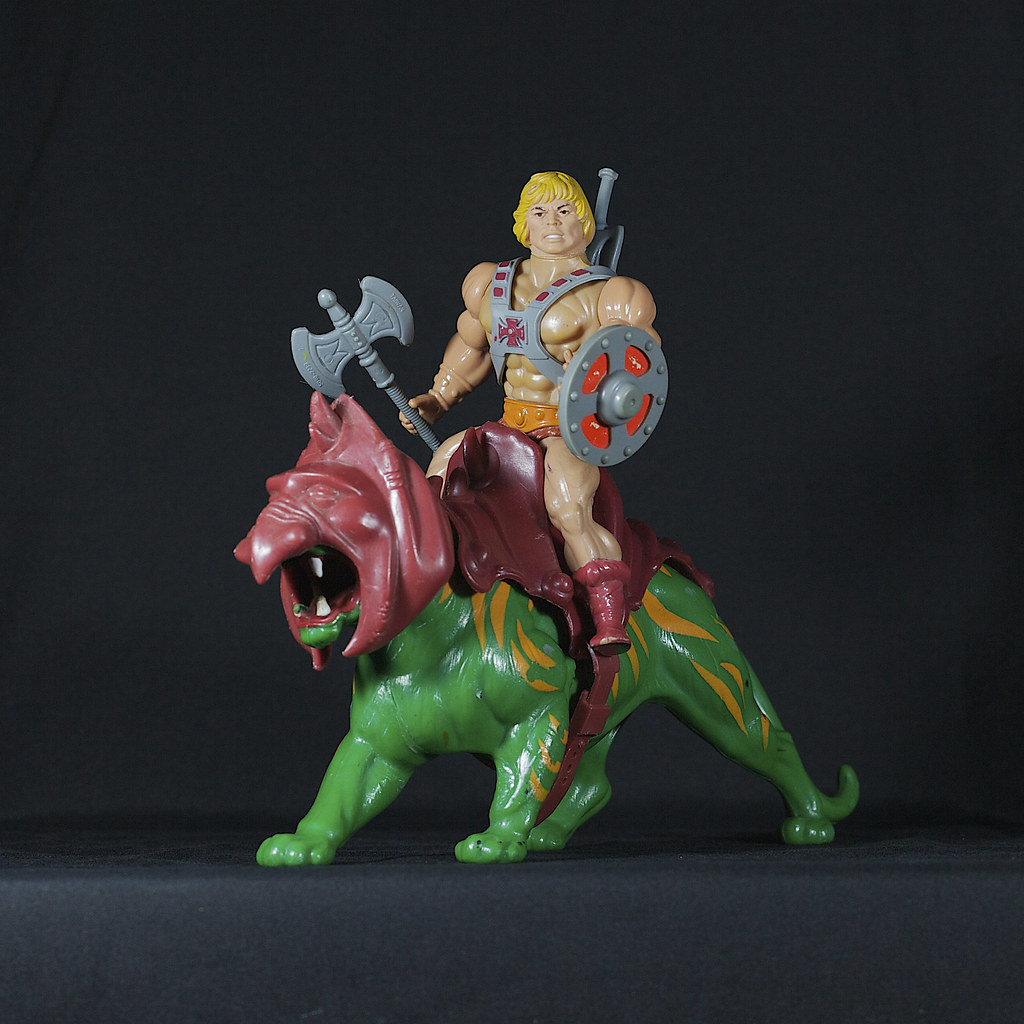
©"Mattel Masters Of The Universe 80s – He-Man & Battle Cat" by semihundido is licensed under BY-SA 2.0. – Original / License
It didn’t take long under these conditions for toy companies to recognize that 30-second ad spots weren’t enough to sell massive lines of action figures. Potential purchases needed narrative buy-in, and that required a rich fictional setting that could captivate the imagination of children. 1980s cartoons had their model, which required emotional attachment. An ad spot could show off a neat feature from a toy, but it had minimal stakes at best.
An animated series that swept across lunchrooms and playgrounds could do the trick, however. A 22-minute broadcast airing weekly was enough to introduce children to sweeping backstories, distinct personalities, and expansive worlds. By directly embedding merchandising into the narrative, manufacturers changed the model completely on how merchandise sold. If a child had the toy of their favorite character, they could essentially keep the story going well after the end credits rolled on the episode.
Syndication and the Airwaves

©Zuyeu Uladzimir/Shutterstock.com
It wasn’t easy living with this particular model, at least where 1980s cartoons are concerned. Every show was a high-stakes gamble, with millions on the line. Toy manufacturers directly worked with animation studios, with the toy company often financing the first season of a show completely out of its marketing budget. It could also bypass network gatekeepers by using First-Run Syndication packages.
Syndication packages were sold directly to local independent stations, often done free of charge. There were stipulations, of course, like alloting however many minutes per broadcast to ads that were run nationally. The net effect was getting that gamble to pay off. Kids were getting immersed in these narratives, and local stations were getting high-value properties. A kid who saw an episode of their favorite show on Saturday could easily go ride their bike down to the local K-Mart afterwards and pick up an action figure or vehicle that fit the setting.
Blueprints Before Scripts

©PeopleImages.com – Yuri A/Shutterstock.com
Given this symbiotic relationship between creative teams at animation studios and toy companies, it played a significant role in how character design and storytelling were structured. Shows were designed from the ground up to maximize as many potential products as the budget allowed. A toy line needed an expanding roster of new characters with unique traits, colors, and equipment. The classic narratives centering on black and white morality with a lone hero and a prevailing archenemy were long gone.
Script writers were often handed character concept art and physical prototype sheets from the toy design departments before a single word had been written. A writer would often receive instructions to draft an episode specifically introducing a character who wore cold-weather gear, specifically to capitalize on the manufacturer’s desire to market toys that featured winter themes for the holiday season. If there was a giant fortress, you can bet your bottom dollar that it was going to be a playset. Everything that happened on the show had a purpose, and that express purpose was to shift units at retail shelves.
Budget Animation and High-Cost Design
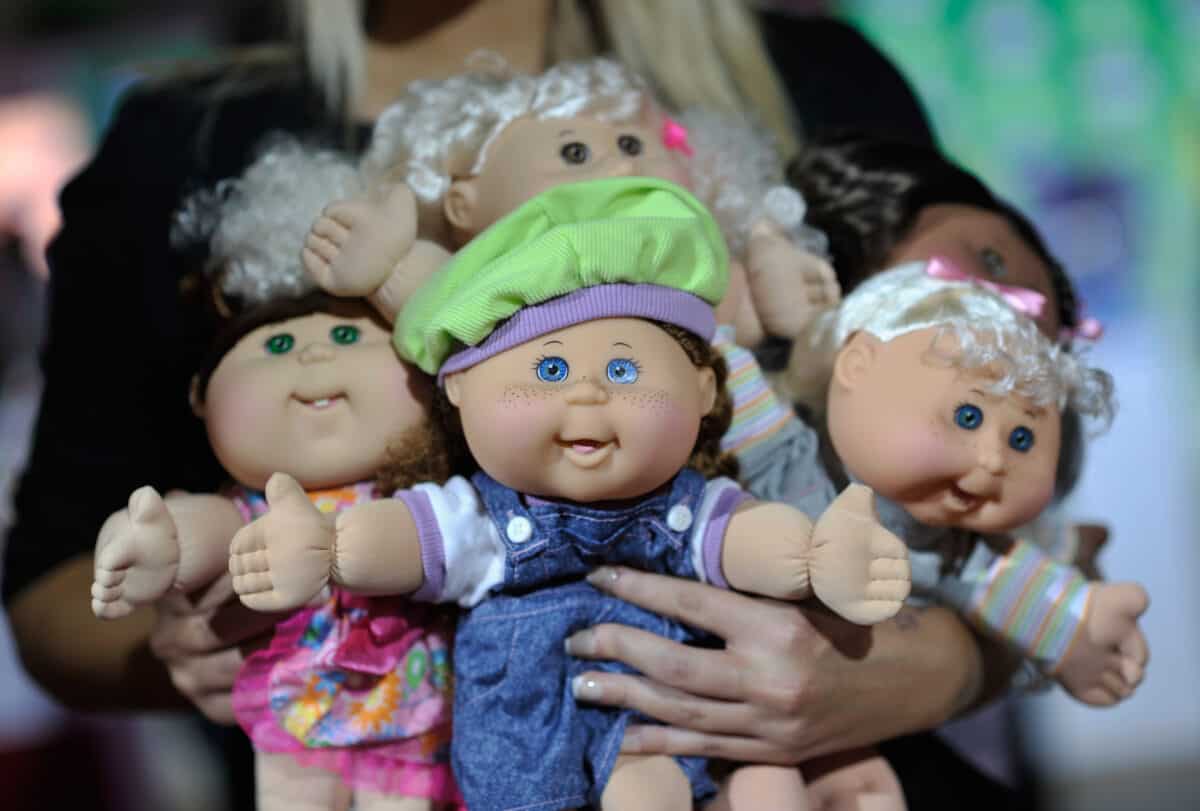
Storytelling was carefully curated to maintain high visual appeal while doing their best to keep animation costs low. Animation has always been an expensive, time-consuming process. As such, animation studios began outsourcing work to foreign studios. This made the process cost-effective, and often made for visually appealing characters. To keep those costs low, characters were often exaggerated, being recognizable at a glance. They featured bold colors and simple designs. Animators were able to work efficiently, and the appearance of every character that appeared on screen matched the injection-molded designs that ended up on store shelves.
Conflict resolution was often tailored toward the special features of a toy. Broadcasting guidelines still forbade the use of kinetic violence, so animators had to get creative. The climax of any episode might feature specialized gadgets, high-octane chases, lasers that missed their targets, or novel transformations. Naturally, when a kid saw their favorite character mash a button to engage a jet pack, they were seeing a marketing pitch for the latest action figure on store shelves.
The Infinite Wave
©Jon Bilous/Shutterstock.com
The narrative pace of the 1980s mirrored the rest of the decade. Everything was done to excess, with new concepts hitting the airwaves on nearly a weekly basis. Episodes might be whole new origin stories for a new line of characters. You could count on new factions and groups of characters with specializations to appear on air. They might be an ancient order of warriors, transforming dinosaurs, or even underwater specialists. At the end of the day, the narrative never reached a true resolution. It was biding its time to shift focus to the next set of characters, and the next set of toys to hit the pegs of retail shelves during the holiday season.
Conclusion
Critics, parent groups, and advocacy organizations ultimately spelled the death knell for 1980s cartoons. The argument that these shows exploited young viewers, which isn’t without merit, came second to the financial results. The synergy we’ve described resulted in billions of dollars of revenue and established some of the most iconic pop culture franchises in recent history.
Ultimately, 1980s cartoons were built to sell toys because the deregulated media landscape meant the toy was the goal of any show. Television wasn’t just for broadcast, but had become an immersive narrative engine. The show captivated the imagination, while the toys on those shelves meant that for a small price, you could take part in these worlds.
The image featured at the top of this post is ©eBay – License / Original