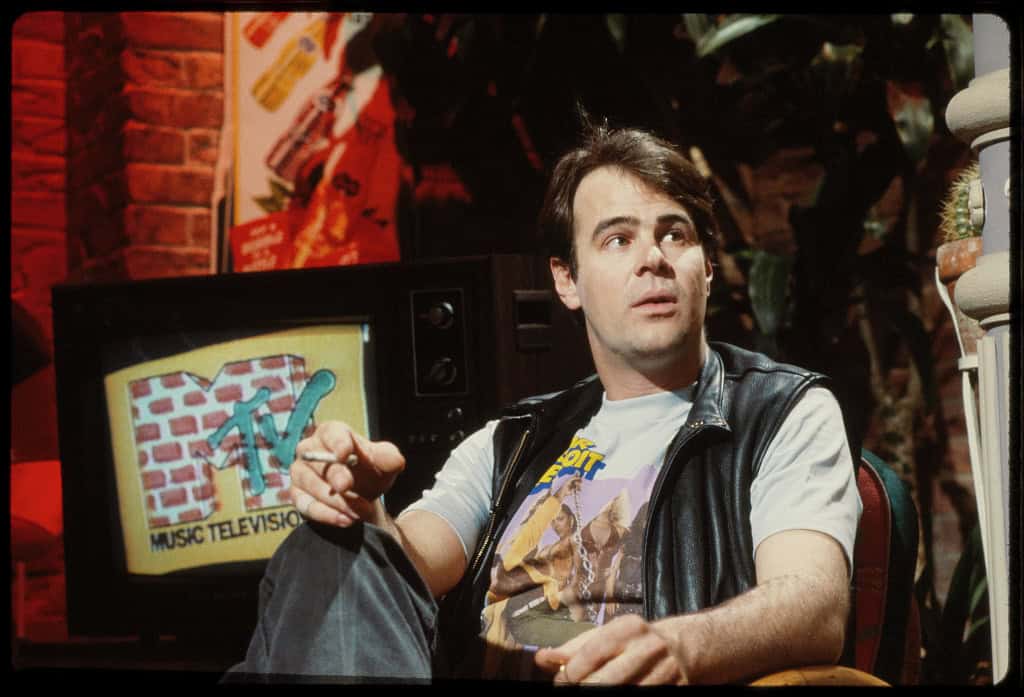

The 1980s were a decade defined by hyper-commercialism, rapid media deregulation, and a burgeoning cable television landscape. This was an era where the boundaries of broadcasting standards were constantly pushed, often without social awareness, media literacy, or understanding of psychological impact. that we’re more accustomed to these days. On any given broadcast day, prime-time networks and Saturday morning cartoons alike were showing things that would be the subject of regulatory fines, boycotts, and cancellation.
The television networks of the 1980s operated under a different cultural baseline. What executives viewed as harmless comedy or thrilling action might be seen as deeply offensive or actively hazardous through a modern lens. With that in mind, we’re looking at the structural and thematic elements of 1980s television, how that reflects on public taste, and how those tastes evolved into current broadcast standards.
Saturday Morning Cartoons

©"Mattel Masters Of The Universe 80s – He-Man & Battle Cat" by semihundido is licensed under BY-SA 2.0. – Original / License
1980s children’s television was fundamentally reshaped by the Federal Communications Commission under President Ronald Reagan. Starting in 1983, the FCC lifted some long-standing restrictions on mixing commercial or advertising content with children’s programming. This deregulation ushered in an era where television shows for kids were no longer intended solely for creativity or education, but as commercial endeavors. Shows were created solely to act as an advertisement for existing or upcoming toy lines.
Shows like He-Man and the Masters of the Universe, G.I. Joe: A Real American Hero, and The Transformers were thought up in corporate boardrooms by toy manufacturers like Mattel and Hasbro. Narratives were constructed around showcasing specific characters, vehicles, and locations that children could buy at their local department store. By modern standards, the Children’s Television Act of 1990 and subsequent regulations from the FCC strictly prohibit this level of commercial exploitation. There needs to be a clear separation between programming and advertising, with strict limits on how many commercials are allowed per hour in children’s broadcasts.
The thematic content of these animated series wouldn’t pass modern broadcast compliance needs. G.I. Joe and Transformers might have had sanitized violence, but the sheer volume of military-grade violence, firearms usage, and global warfare motifs aimed at elementary school kids wouldn’t fly today. Modern children’s programming is heavily scrutinized by child psychologists and compliance standards to ensure it promotes pro-social behavior, emotional intelligence, and non-violent conflict resolution.
The themes of these shows are a symptom of the times, with the Cold War at a fever pitch. The glorification of military intervention and constant combat loops that defined the 1980s would fail every pitch for children’s programming in 2026.
Prime-Time Sitcoms
Prime-time comedy perhaps is the area where television shows of the 1980s diverge the most from modern programming. The 1980s thrived on high-concept premises, often relying on power imbalances, grooming behaviors, and other societal ills for comedic effect. A prime example of this in action is Diff’rent Strokes, which was praised for addressing racial dynamics through the story of a wealthy white businessman adopting two black children from Harlem. The show frequently featured storylines that simply wouldn’t work today.
The most infamous example of this is a 2-part episode from 1983 featuring Gordon Jump as a child predator who owned a bicycle shop. Over the course of the episodes, Jump’s character attempts to groom and assault Arnold and Dudley. This was framed as a Very Special Episode, a rather common prime-time event, but it is an agonizing watch today. Television networks treat such delicate subjects with the gravity they deserve, often placing these plot points in things like police procedurals rather than wrapping them in a family sitcom.
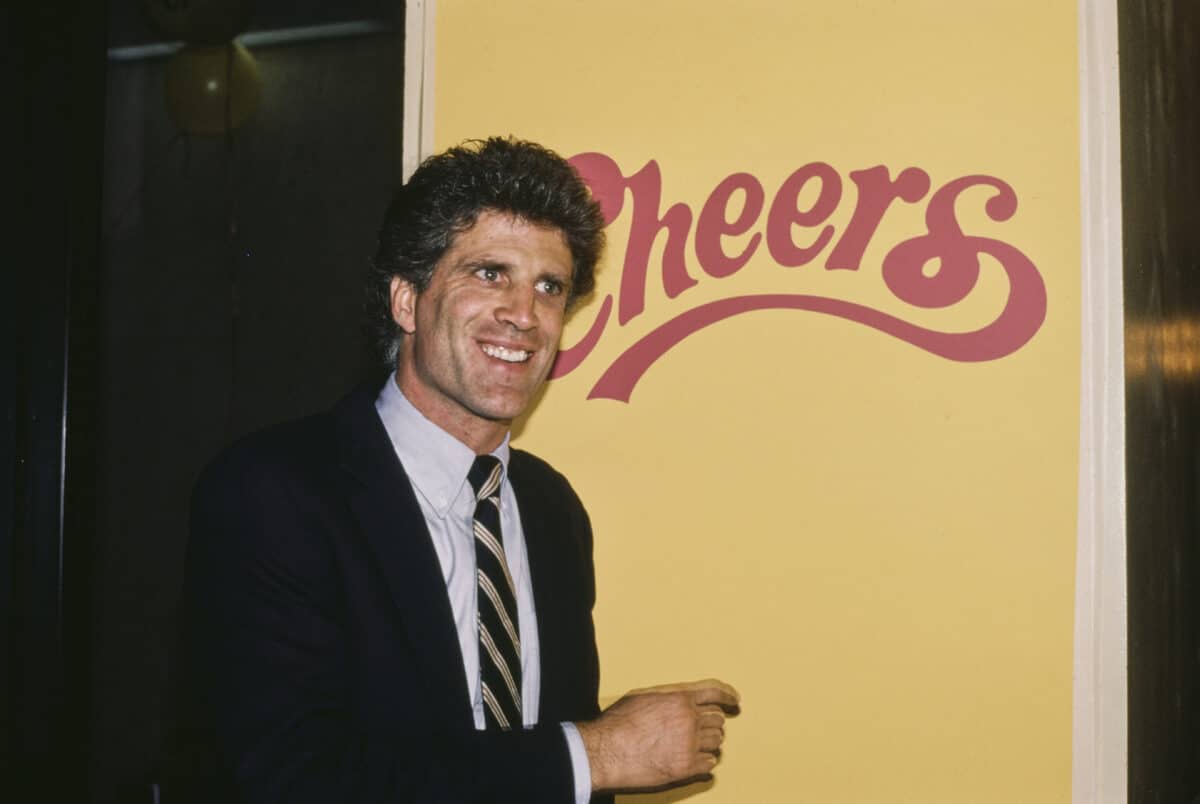
Sadly, the casual workplace banter of shows like Cheers, which borders on harassment, would need a complete overhaul today. The will-they-won’t-they of Sam and Diane was prime-time gold in its day, but it feels a little different watching it in 2026. Sam’s constant pursuit of his employees exposes a massive power imbalance, alongside the rather jarring remarks from some of the bar’s usual patrons.
These days, Sam wouldn’t be seen as a lovable rogue, but an antagonist on some sort of prime-time drama. It’s fascinating to see just how things have changed when it comes to the plot lines we accept on modern television.
Teen Subcultures
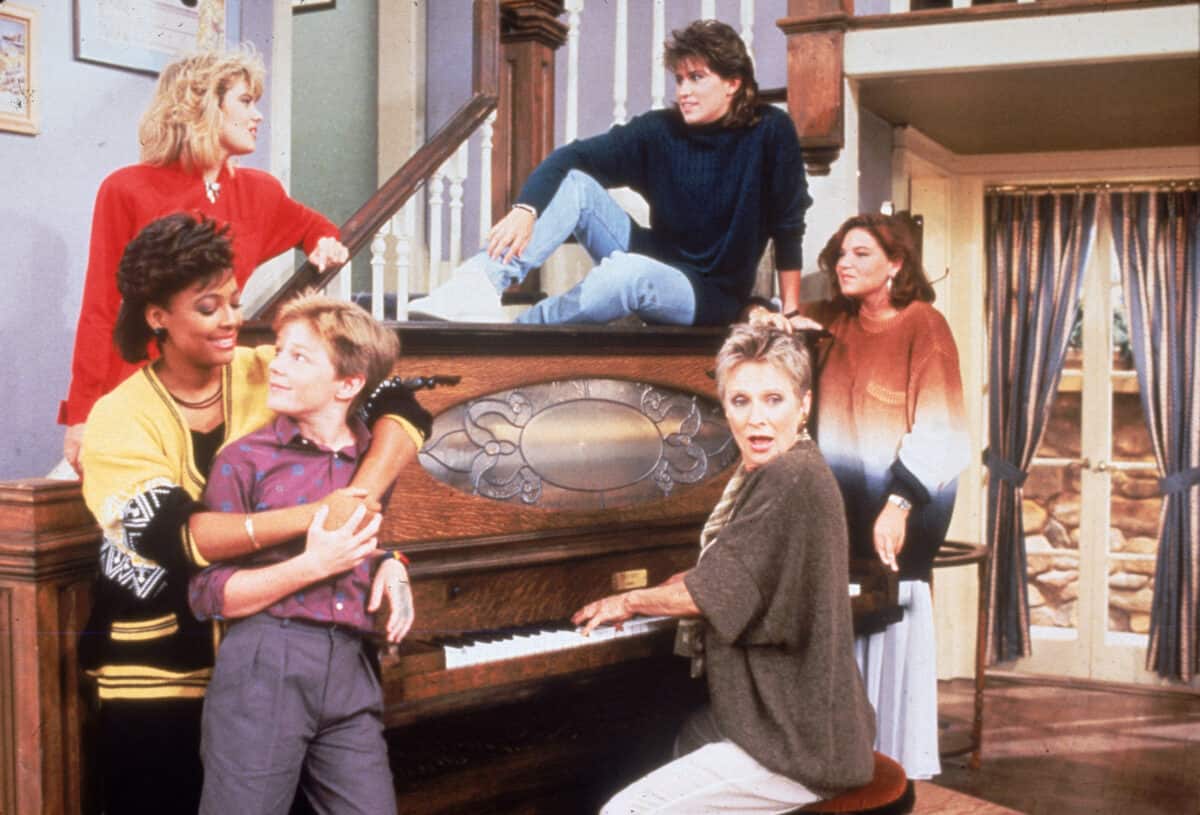
©NBC Television/Courtesy of Getty Images – Original / License
The 1980s saw television networks embracing teens as a growing demographic. Shows like Square Pegs and The Facts of Life were built with teens in mind and tackled the adolescent experience with a mix of earnestness and ease at tackling severe issues. However, one area where 1980s television shows fall flat is the modern compliance needed for the depiction of substance abuse, mental health, and bullying.
In the 1980s, something like a drug addiction would be introduced, addressed, and resolved, all over the course of a single 22-minute episode with commercials. These would often be summarized with words of wisdom from a trusted authority figure, like Mrs. Garrett on The Facts of Life, while leaving the aftermath of such events completely unaddressed. Modern depictions of these sorts of behaviors have to follow strict guidelines to minimize affecting vulnerable audiences or romanticizing the subject matter in the first place. Further, modern shows often depict such serious topics over the course of a whole season, taking up narrative arcs in the process.
There’s also the matter of language, with sexist and homophobic words being commonplace among teens of the era. Bullying was often seen as a common, accepted behavior that built character, rather than taking a look at the psychological roots that cause it.
Reality and Game Shows

The 1980s laid the groundwork for things like reality TV, but did so with unregulated exploitation that would trigger massive legal action today. Programs like The Morton Downey Jr. Show pioneered the trash TV talk show format, where hosts insulted guests, encouraged the audience to abuse guests, and saw Downey blow cigarette smoke in the faces of people he disagreed with. Shock television formats like this were beloved by audiences but lacked the control and protocols that networks need to provide for television participants today.
Game shows like Bumper Stumpers and Press Your Luck saw contestants undergo various physical challenges and environments that modern workplace safety screening processes would ban outright. While popular, they served as outlets for public humiliation and physical degradation of contestants, all for the hope of winning the big prize.
More alarmingly, we can look at programs like The Price is Right and how it treats female models during the decade to see more issues. Barker’s Beauties were a regular feature on the show and were subjected to strict weight requirements, intense public pressure, and an environment that saw multiple high-profile lawsuits alleging sexual harassment, wrongful termination, and workplace discrimination. Barker’s Beauties were objectified, which was the standard for the time, and served as little more than living set pieces, meant to be seen and admired. This wouldn’t fly today, naturally, and modern game shows have more stringent requirements for participants.
Conclusion
Television shows of the 1980s serve as a curious historical artifact of an era that was transitioning into the hyper-connected, media-saturated age without the sort of benefits that inclusion provides. The simple reason many of these shows wouldn’t fly today is more than simple political correctness, but a shift in the structural workings of broadcast networks. The entertainment industry has undergone a massive maturation over the last 40+ years, and consumers demand better from their broadcasts.
Modern networks comply with strict corporate regulations and legal liabilities. Shows like the ones we’ve covered simply don’t meet the standards of today and represent the sort of shifts we’ve seen in media all over the intervening decades.
The image featured at the top of this post is ©Bernard Gotfryd / Public Domain – License / Original