

















20 Baby Boomer-Era Inventions That Changed How Americans Live Every Day
The Baby Boomer era, spanning from 1946 to 1964, was a unique time in American history. Sure, the population spike was in itself interesting, but the post-war economic boom had an incredible effect that led to changes that shaped today’s society. It provided enough money, drive, and belief in better days ahead for engineers and scientists to take on challenges that were not addressed in earlier eras.
It was a time when ingenious inventions crept into everyday existence with such grace that they are now taken for granted. Today, we’re taking a look at 20 inventions from the Baby Boomer era that changed our daily lives permanently.
The Credit Card (1950)
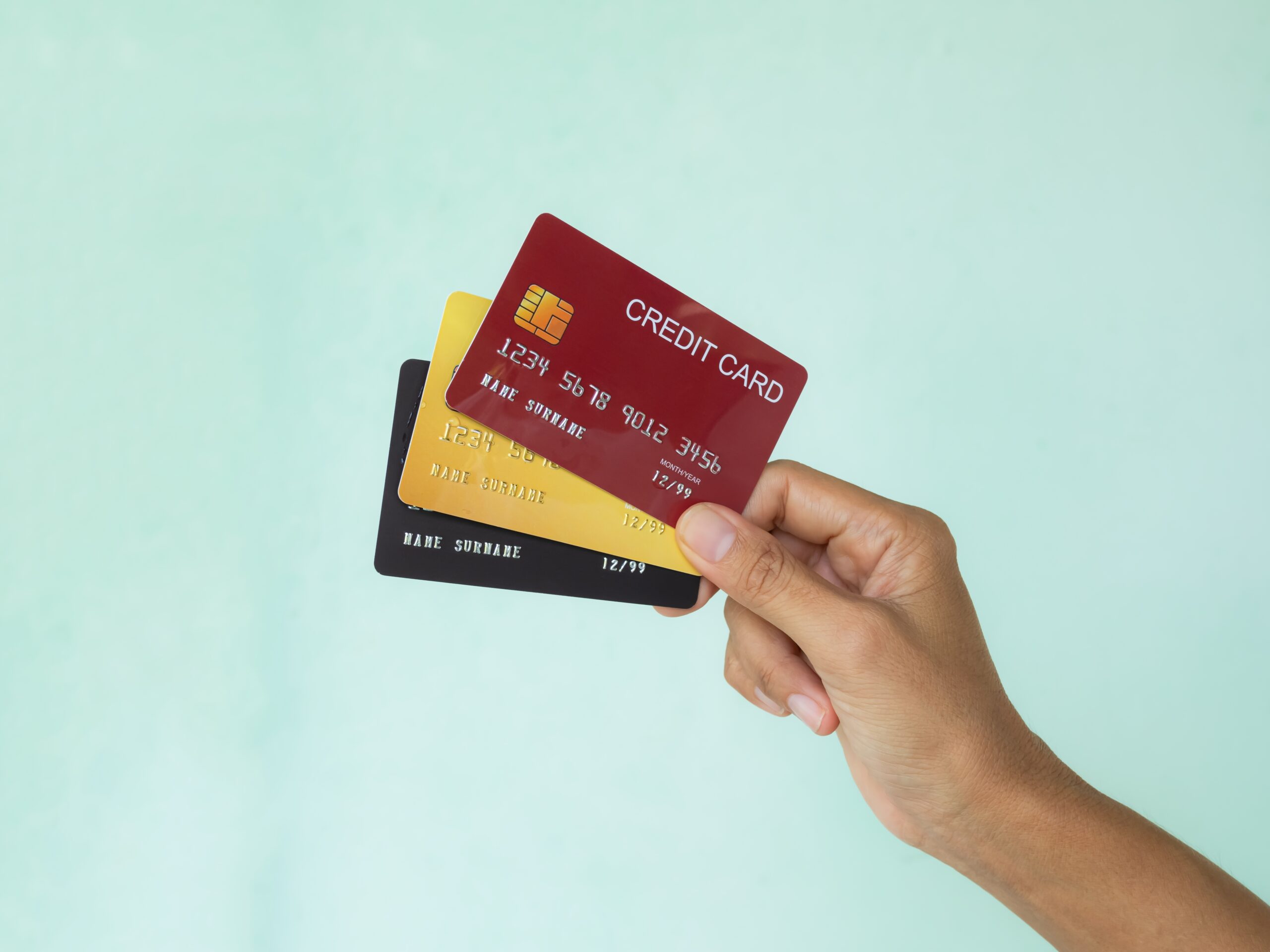
The Diners Club card was first introduced by Frank McNamara, Ralph Schneider, and Matty Simmons in 1950. The credit card concept was adopted in 1958 by American Express, and BankAmericard (later known as Visa) followed shortly after.
Before the credit card, if you wanted to buy something that you could not afford right away, there were only three options: layaway, getting a loan, or knowing your grocer well enough for him to grant you credit.
Credit cards not only changed the way we buy things, but also what we actually consider buying. Access to instant credit has conditioned us to spend more than we used to, for better or worse.
The Microwave Oven (1955)
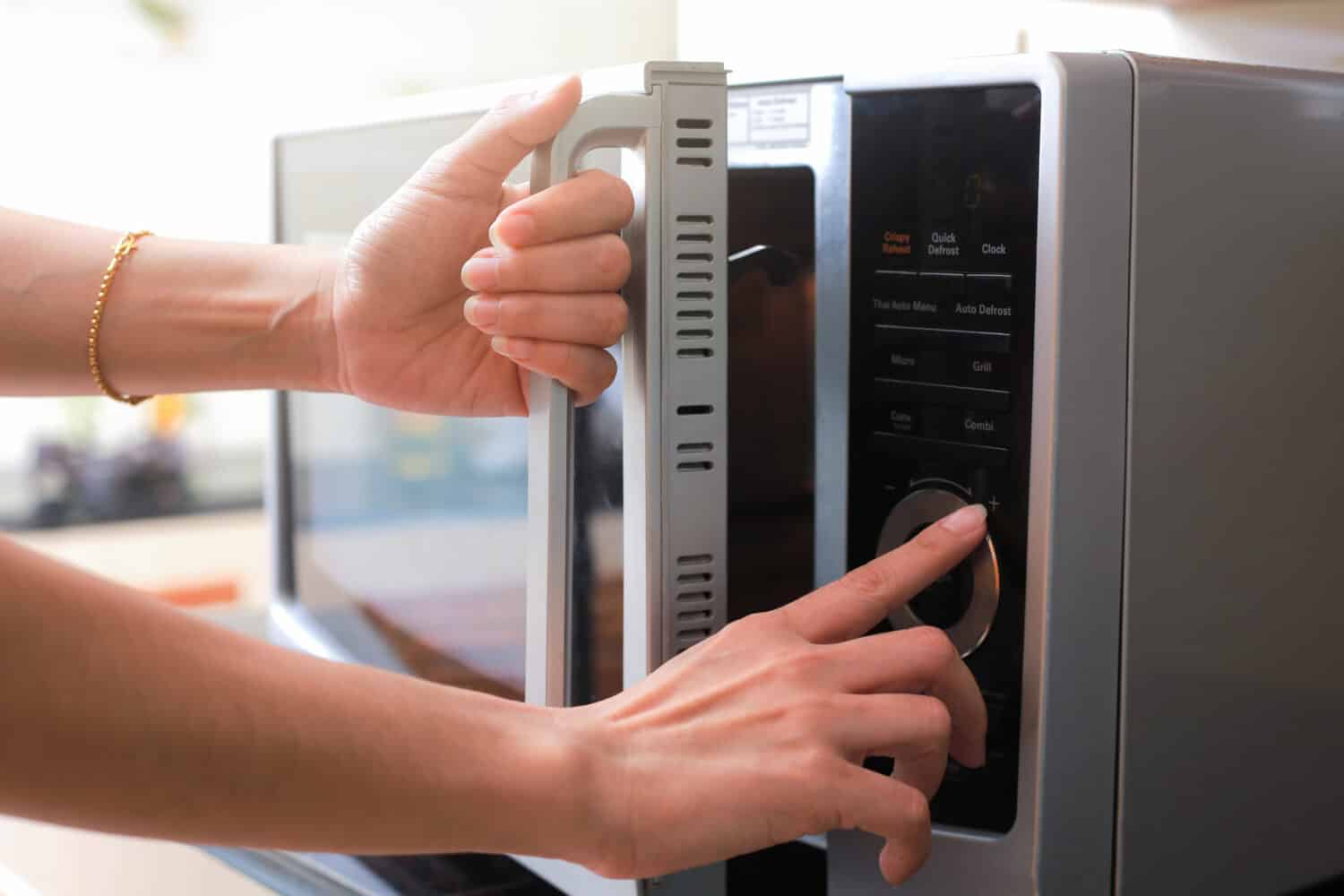
In 1945, Percy Spencer noticed that microwaves melted the chocolate bar in his pocket when he was close to radar equipment at Raytheon. The rest is history. By 1947, Raytheon had come up with the first commercial unit. At about six feet high and 750 pounds, the first iteration was nothing like the microwave we know today.
In 1955, the countertop model reached homes and, within two decades, was a must-have household appliance. While it did not advance the art of cooking, it created a whole new category for those who didn’t want to cook or who simply had no time. Frozen meals, leftovers, and the concept of just heating something up. It's hard to imagine everyday life without it.
The Polio Vaccine (1952)
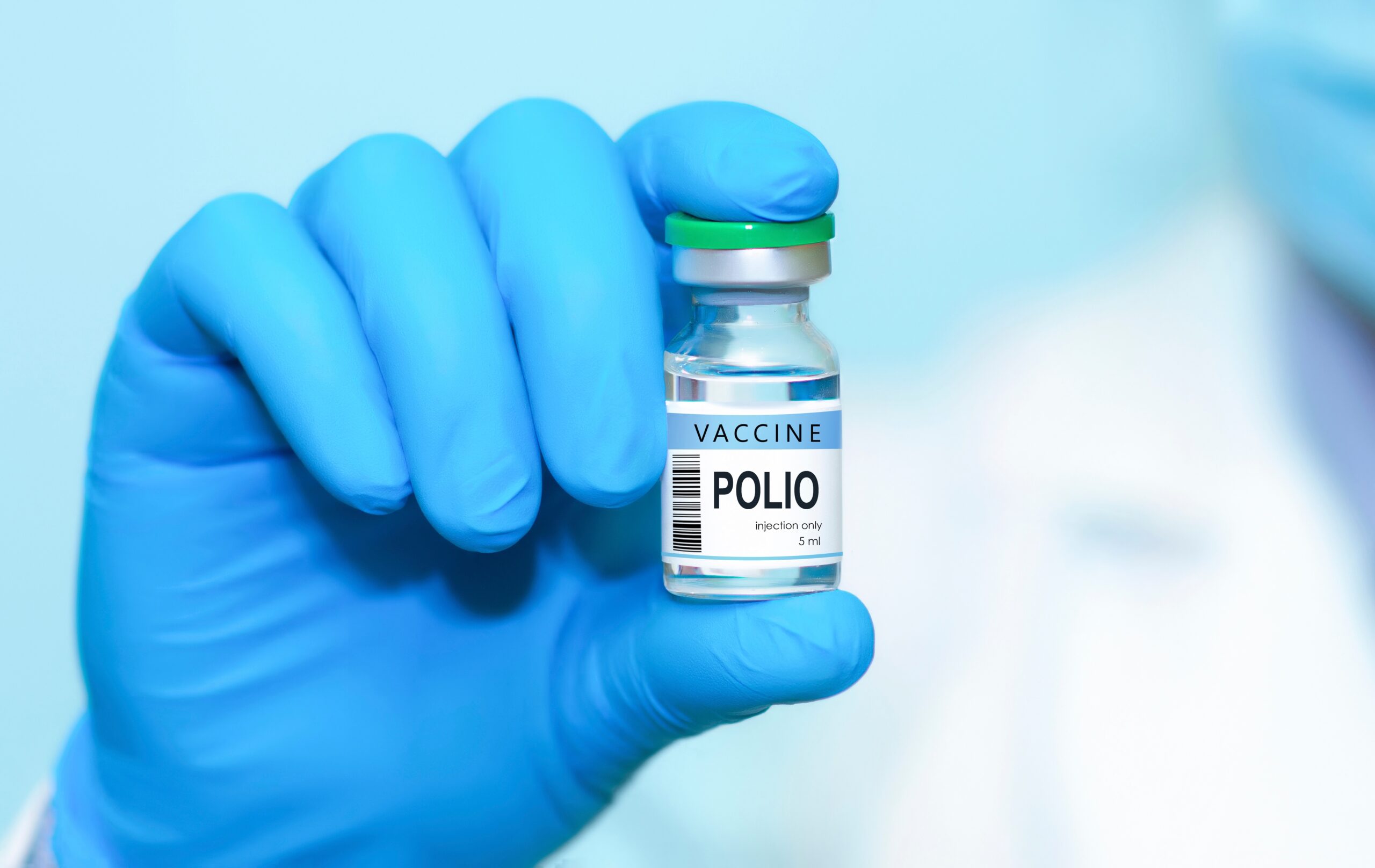
The Inactivated Polio Vaccine (IPV) was created by Jonas Salk in 1952 and licensed in 1955 following one of the largest field trials ever conducted in medicine, with more than 650,000 children participating.
Polio had claimed tens of thousands of lives each year in the USA, with public places like swimming pools and movie theatres shutting down every summer during outbreaks.
Jonas Salk refused to patent his invention. When questioned by CBS correspondent Edward R. Murrow as to whom the vaccine belonged, he responded: "Well, the people, I would say. Could you patent the sun?”
The TV Dinner (1953)
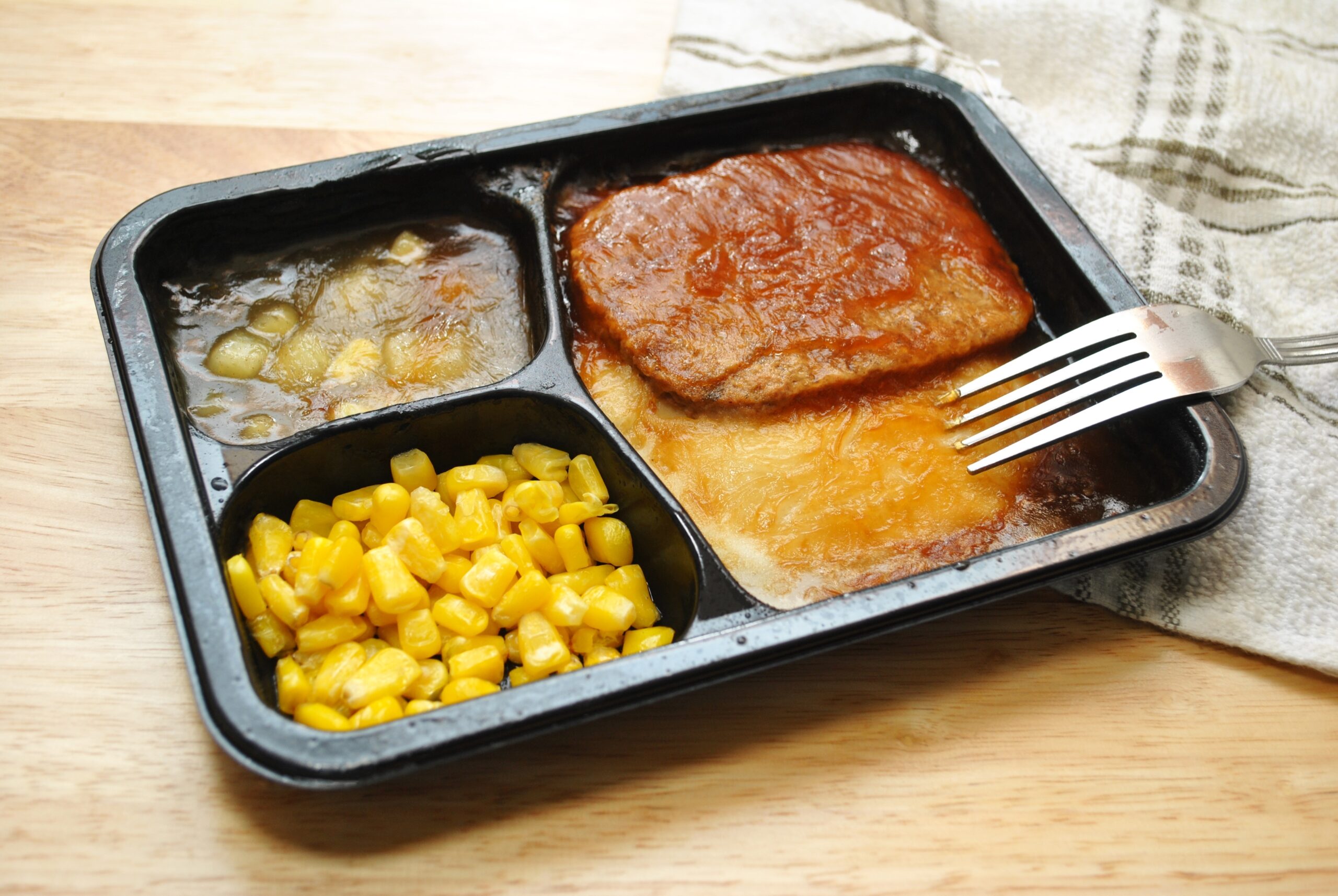
Though it wasn't the first frozen meal, the Swanson turkey TV dinner was the first to be designed with the television set in mind. It was packaged in an aluminum tray that resembled the shape of a screen, and its marketing promoted the concept of eating while watching television as a marker of modernity rather than sloth.
Swanson sold 10 million in the first year. Every microwave meal, every packaged ready-to-eat meal, and the entire convenience food industry all come from that very first aluminum tray.
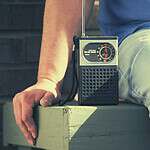
The Transistor Radio (1957)
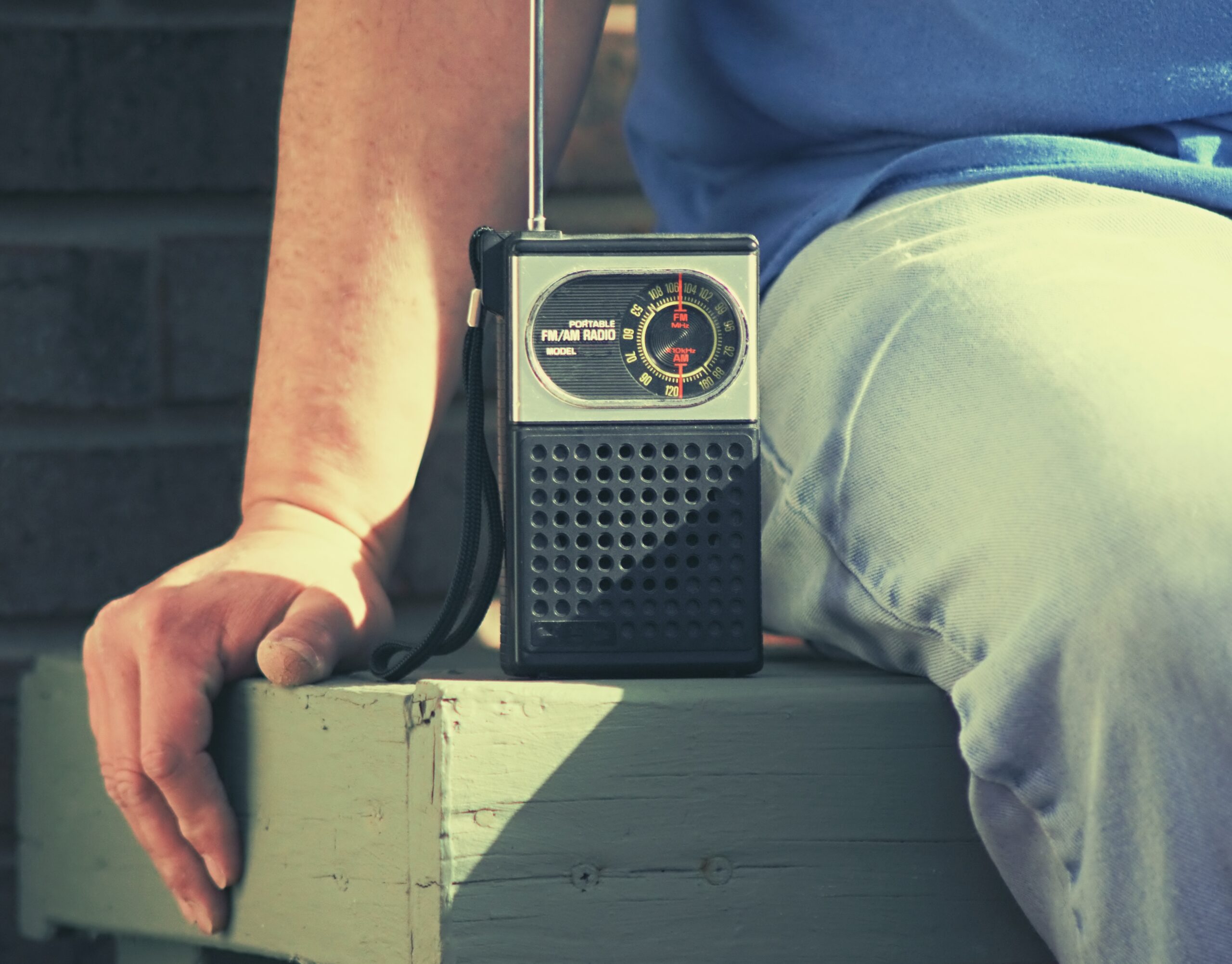
The transistor was invented by Bell Laboratories in 1947. Ten years later, Sony built on the technology and created the TR-63, a portable radio small enough to slip into a shirt pocket. It was also affordable enough to be a young person's first big purchase, and loud enough to annoy everybody within earshot.
It wasn't just about the portability. For the first time, teenagers had a device of their own, separate from the family, and advertisers took note. Every subsequent era of personal audio, from the Walkman to the iPhone, followed the same logic.
The Birth Control Pill (1960)
Enovid received FDA approval for the first birth control pill in 1960, built on the research of Carl Djerassi and Frank Colton. For the very first time, women could control their fertility without the help of anyone else.
Birth rates fell, but the effects went far beyond fertility itself. Women entered the workforce in larger numbers, marriages were delayed, and educational attainment among women rose steadily through the 1960s. The pill is routinely cited as a catalyst for second-wave feminism. It gave women control over one of the most fundamental decisions in their lives.
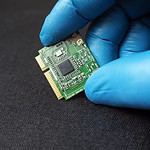
The Integrated Circuit (1958–1959)
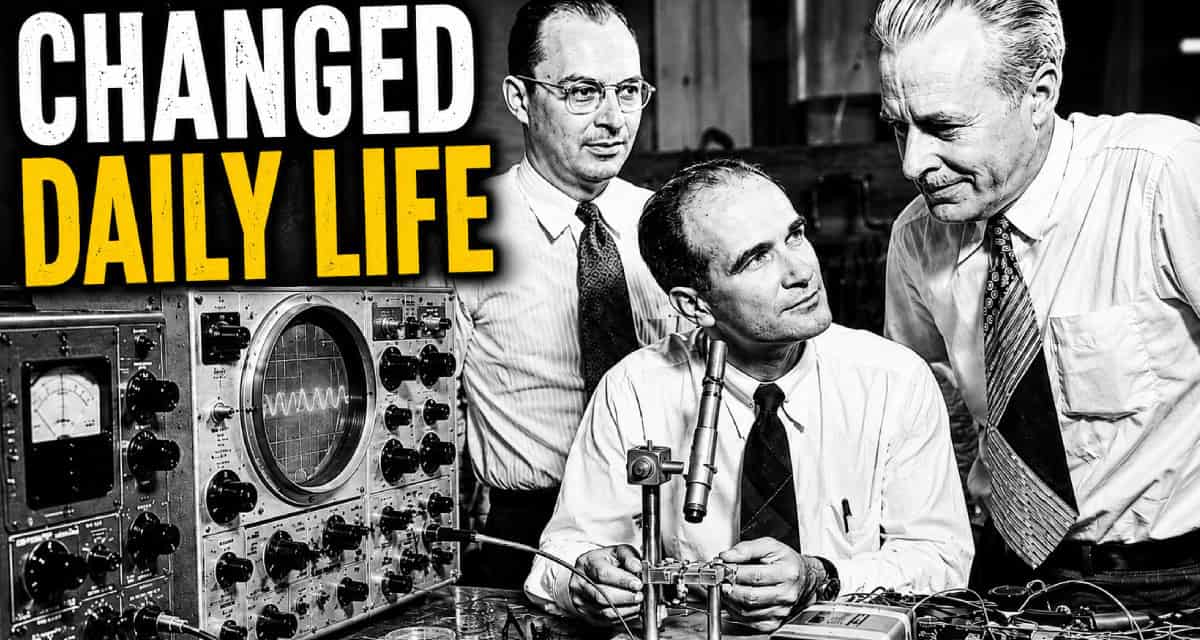
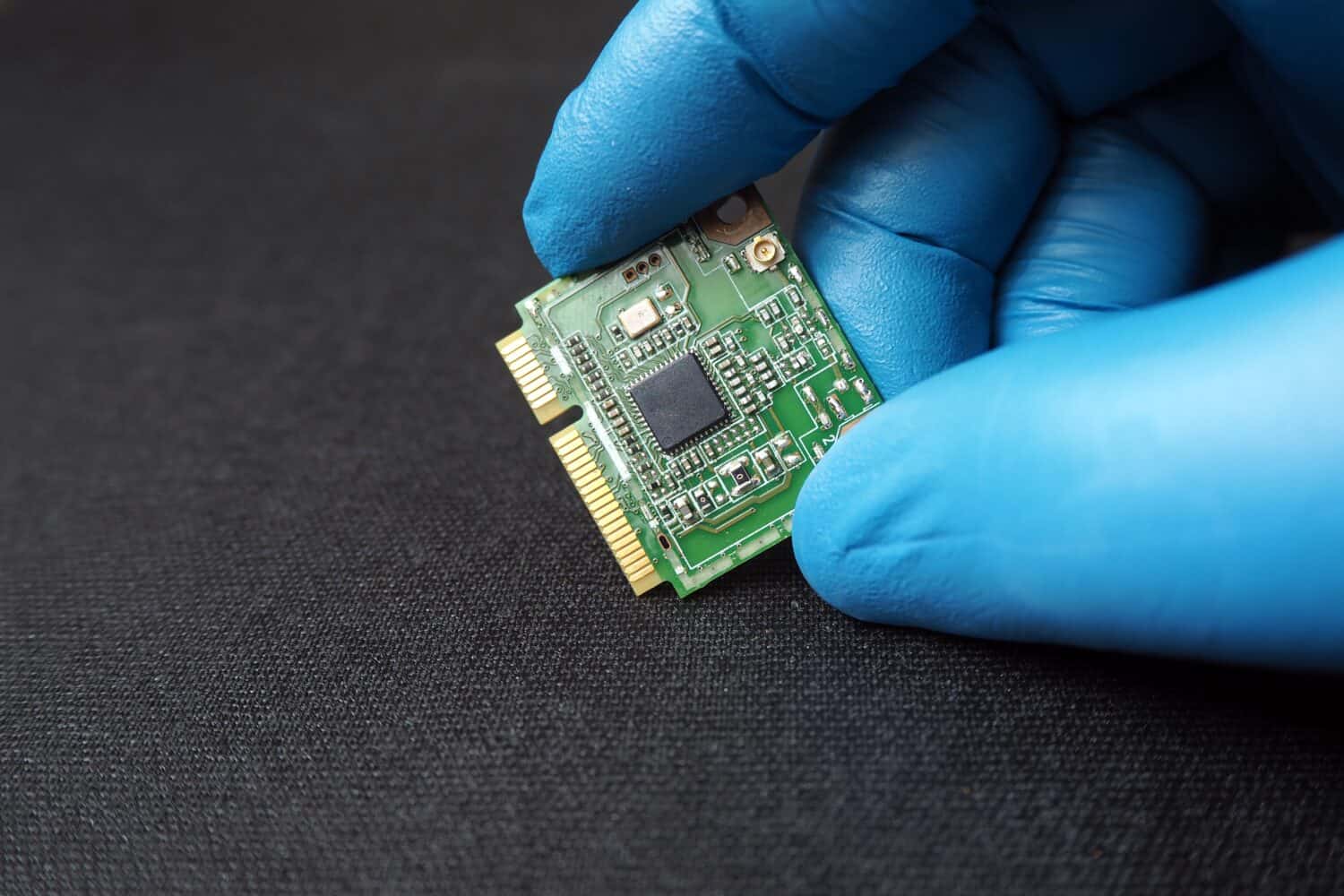
The integrated circuit was developed by Jack Kilby at Texas Instruments and Robert Noyce at Fairchild Semiconductor in 1958 and 1959, respectively. Kilby went on to win the Nobel Prize for Physics in 2000.
The integrated circuit allowed electronics to become smaller, cheaper, and faster by incorporating different components on a single semiconductor chip. Without it, there would be no personal computer, no smartphone, no satellite navigation, and no internet. It is the physical foundation beneath every electronic device made in the last 60 years.
The Barcode (1952)
The first patent for the barcode was filed in 1952 by Joseph Woodland and Bernard Silver. The design came to Woodland while doodling in the sand on a Miami beach, drawing patterns based on Morse Code. The original design was circular, a bullseye pattern instead of the parallel lines we know today.
In 1974, the first barcode scan took place in a grocery store in Troy, Ohio, on a pack of Wrigley's chewing gum. The barcode automated inventory management in a way that transformed retail, supply chains, and logistics globally. It made it possible to track a package in real time, know when a product runs low, and price items without hand-labeling every one.
The Three-Point Seat Belt (1959)
The three-point seat belt was invented in 1959 by Nils Bohlin, a Volvo engineer. Volvo patented the design but made it freely available to all other car manufacturers. They believed the impact the invention had on public safety far exceeded its competitive edge as a commercial product.
In 1966, it became mandatory for manufacturers to install seat belts in all vehicles built in the USA. The German Patent Office later named Bohlin's design one of the eight most important patents for humanity since 1885 The seatbelt is estimated to save roughly 15,000 lives per year in the United States alone.
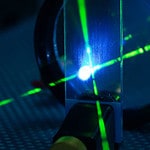
The Laser (1960)
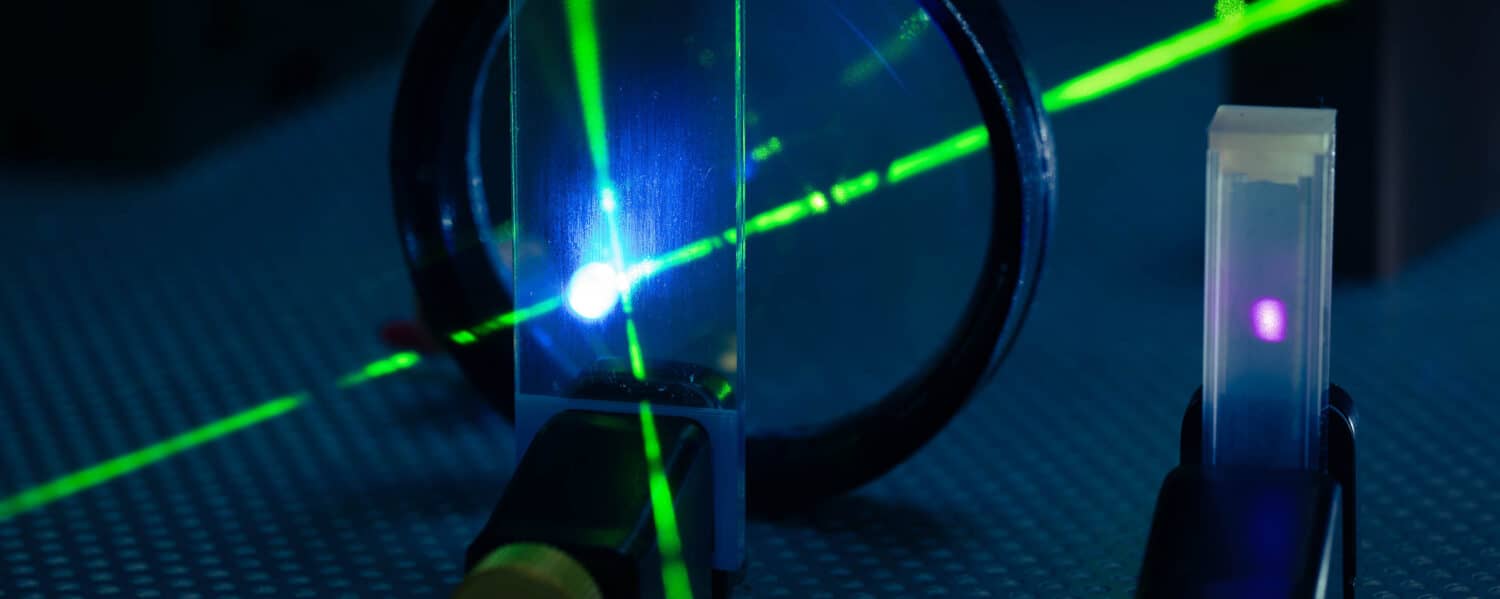
On May 16, 1960, Theodore Maiman switched on the first practical laser, made of synthetic ruby and a photographic flashlamp in the lab of Hughes Research in Malibu. His original article, in which he announced his results, was actually turned down by Physical Review Letters because they felt lasers were not interesting enough to be newsworthy.
Lasers are now used in barcode scanning, eye surgery, fiber optics, DVDs, and laser printers. Despite the initial rejection by Physical Review Letters, Maiman's laser became the backbone of the global communications infrastructure.
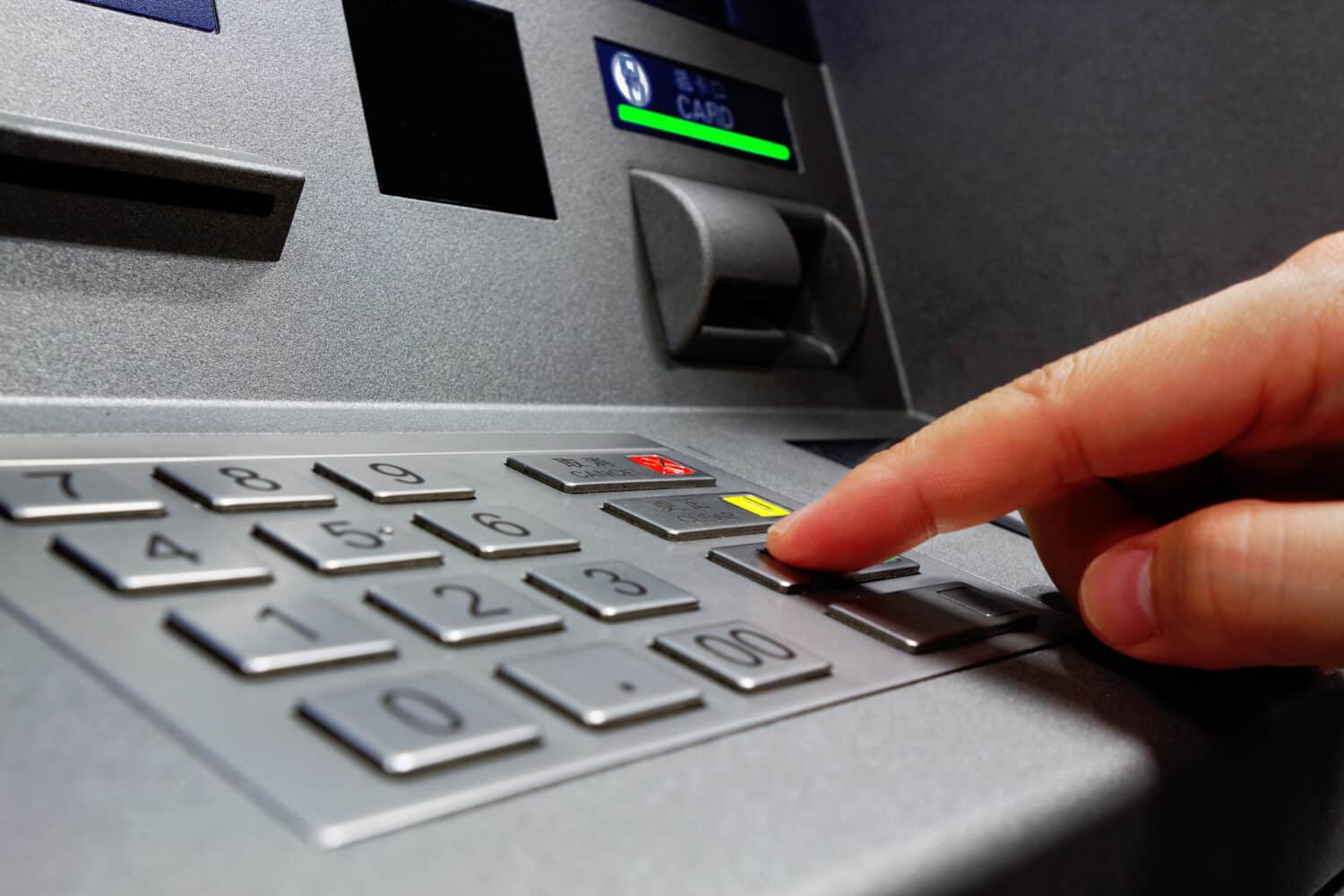
The ATM (1967)
The first ATM was built by John Shepherd-Barron for De La Rue and it went live on June 27, 1967, at Barclays Bank in Enfield, UK. Two years later, America got its own at Chemical Bank in New York, developed by Don Wetzel, who reportedly conceived the idea while waiting in a bank queue in Dallas.
Before ATMs, you could only take out money during banking hours. The ATM changed that, separating money from the institution's schedule and handing that control to the account holder. They’ve become so convenient that it’s hard to imagine life without them.
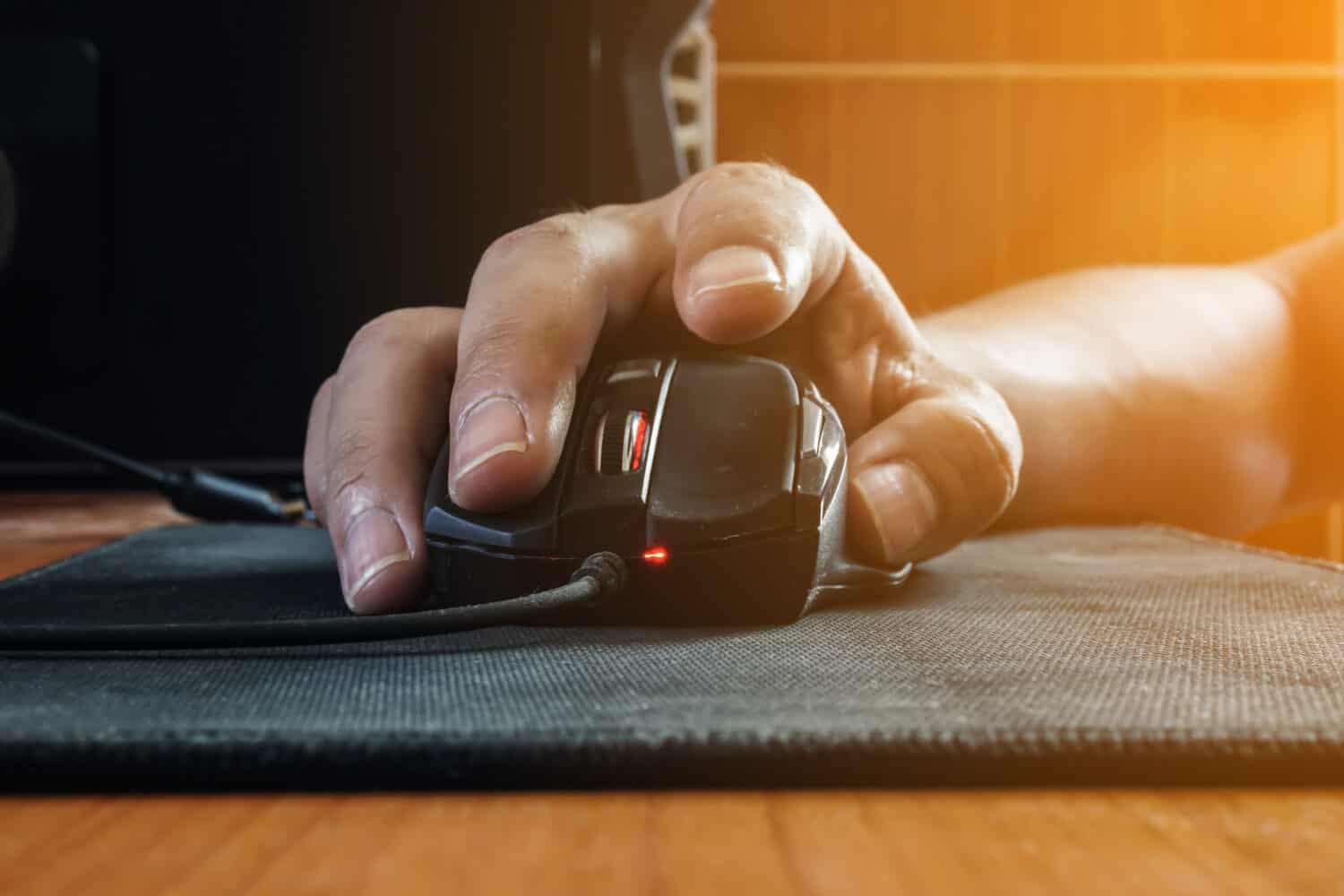
The Computer Mouse (1964)
The computer mouse was invented by Douglas Engelbart at the Stanford Research Institute in 1964. It was a simple device made from a wooden block with one button and two perpendicular wheels. It was named “mouse” due to the cable coming out of its back, which resembled a tail.
Almost 20 years passed before his invention was used in a workstation. It went on to be popularized by Apple through the Macintosh in 1984.
Engelbart's 1968 public demonstration, now called "The Mother of All Demos," also showcased video conferencing, collaborative document editing, and hypertext, none of which became commercially available for another 20 years. It’s safe to say that Douglas Engelbart was ahead of his time.
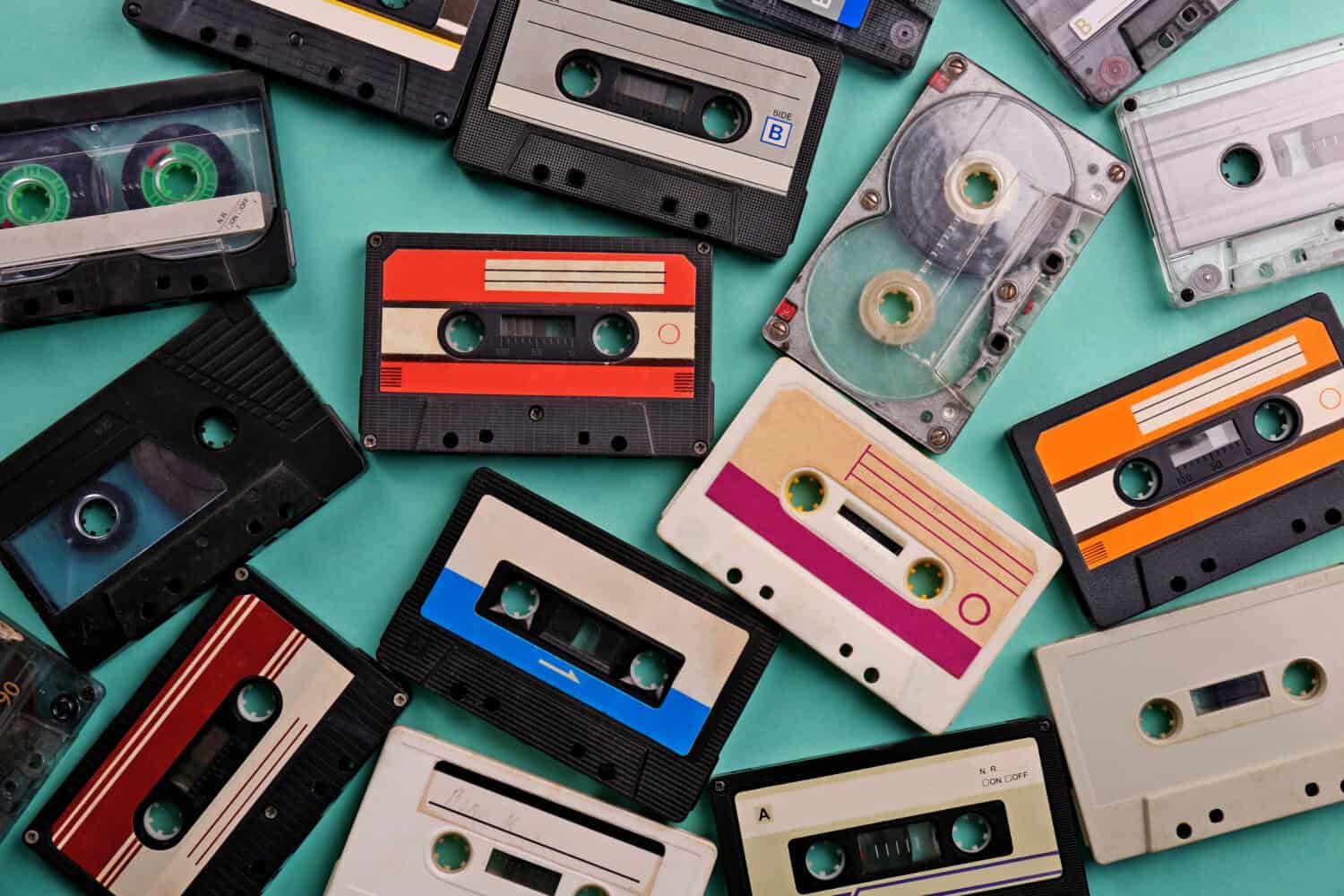
The Compact Cassette (1963)
Philips unveiled the Compact Cassette at the Berlin Radio Show in 1963, originally designed for dictation machines. The format was small and affordable enough to bring recorded audio into ordinary homes. By the late 1960s, schools were using them for language classes, and by the 1970s, they were in car stereos and home systems around the world.
The cassette created the concept of personal media collections and established the mixtape culture, making music something you collected and shared, rather than something you only ever heard performed or broadcast
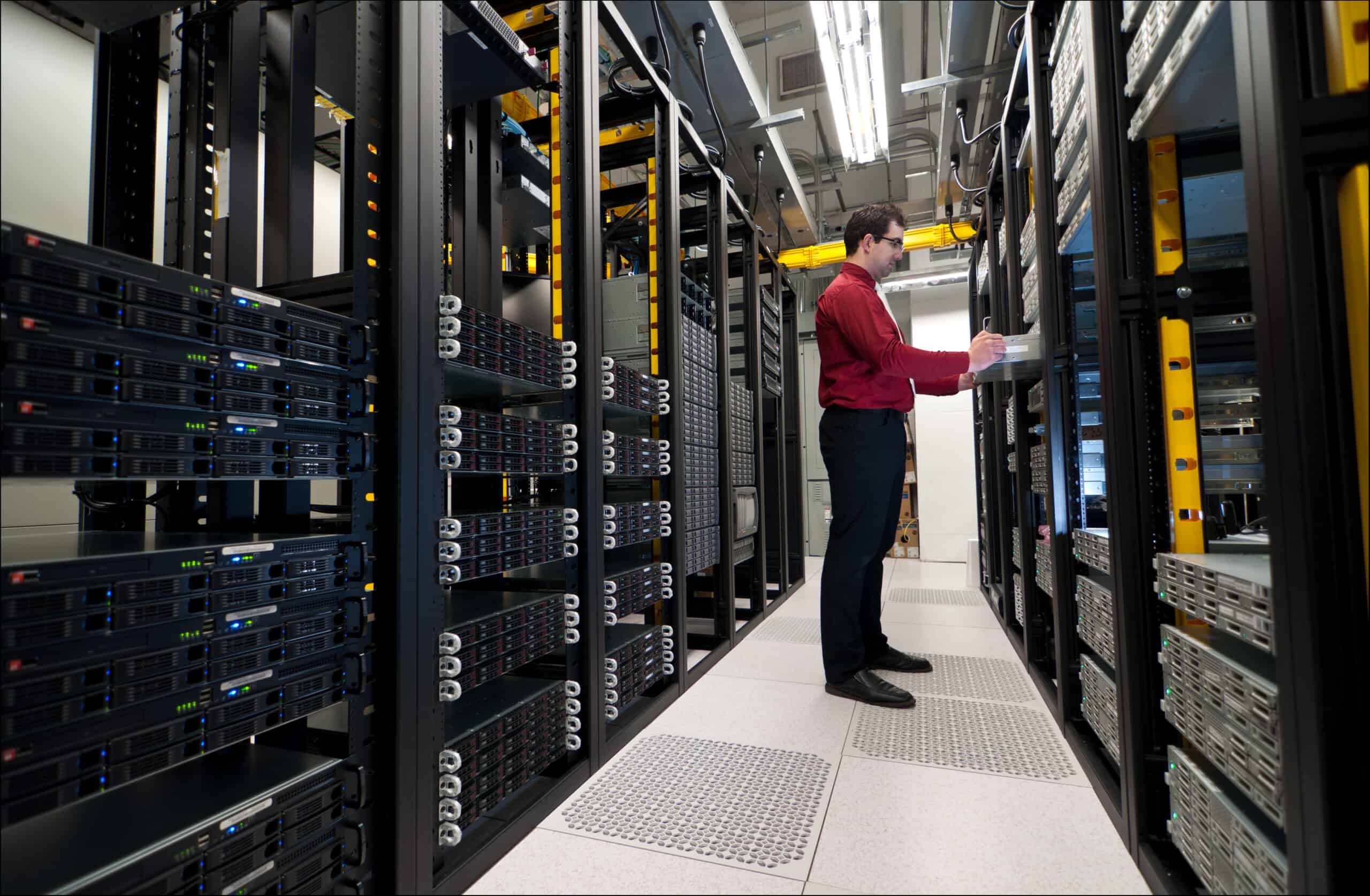
The Internet (1969)
In 1969, Charley Kline attempted to send the message "LOGIN" from UCLA to a machine at the Stanford Research Institute through the newly established ARPANET connection. He only managed to send two letters before the system crashed, making "LO" the first message ever broadcast over the internet. The full message was successfully sent about an hour later.
ARPANET was built for the Defense Department to maintain communication even under nuclear attack. The packet-switching architecture and distributed routing behind it became the backbone of the internet we know today.
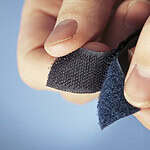
Velcro (1955)
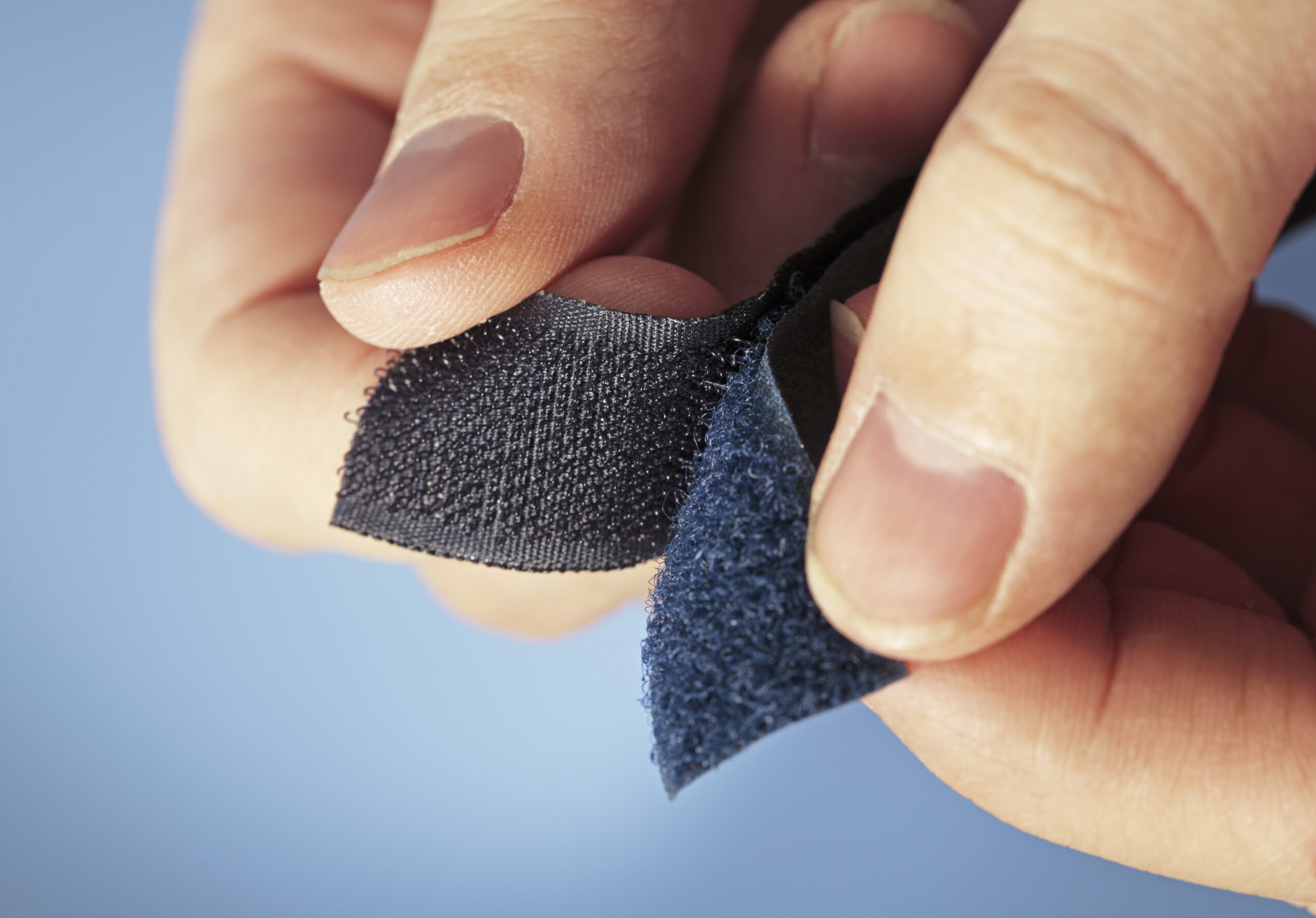
Velcro was invented by Swiss engineer George de Mestral in 1955, when he noticed burr seeds stuck to his dog's fur on a hiking trip. He observed the hooks that attached themselves to the loops of fabric through a microscope, and spent eight years trying to recreate that process using nylon.
The observation was straightforward. Recreating it in a manufacturable material, not so much. NASA adopted Velcro extensively during its Apollo projects, giving it a lasting association with technical credibility. Velcro went on to become a staple of children's shoes, sports equipment, and medical devices.
The Implantable Pacemaker (1958)
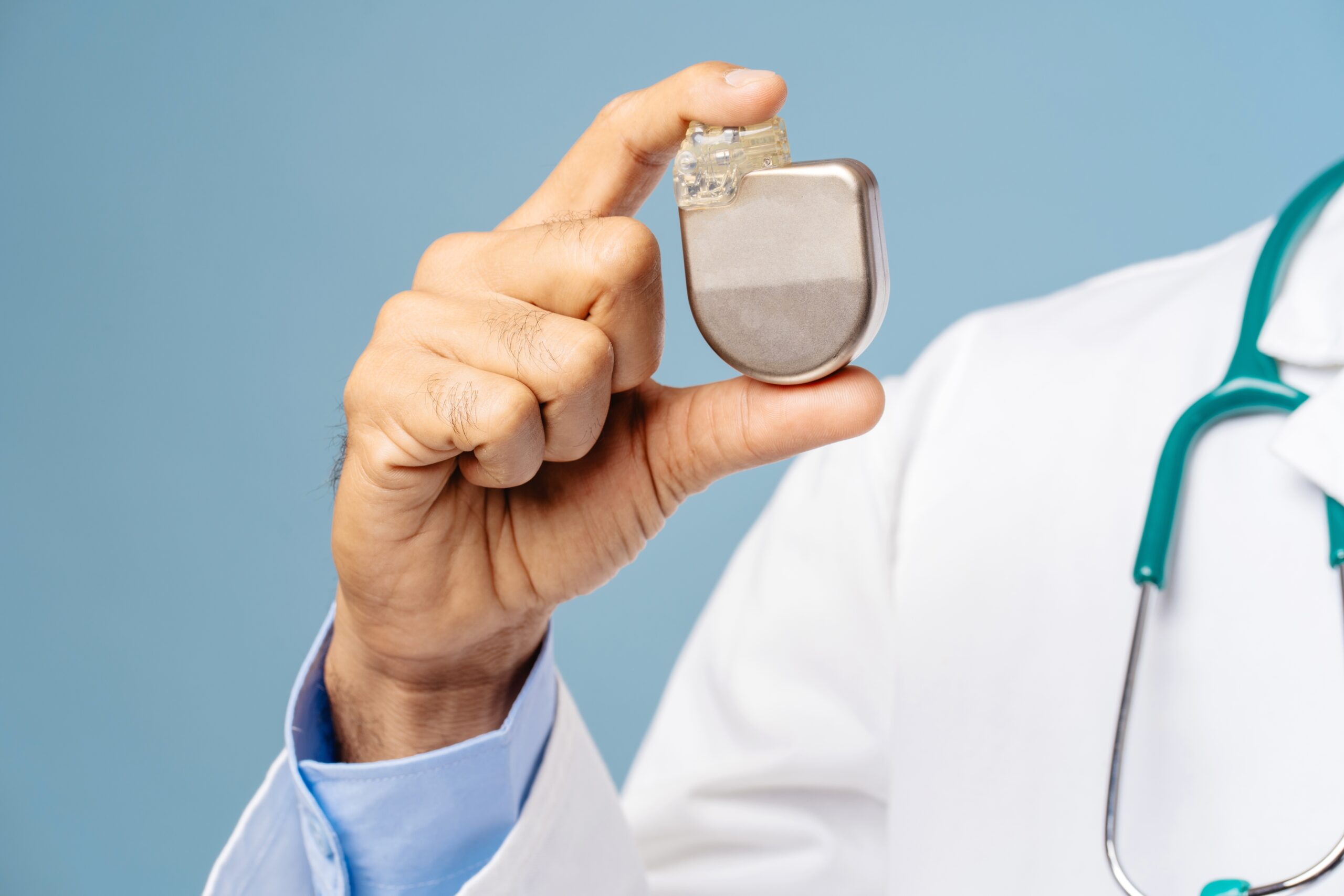
Wilson Greatbatch came up with the pacemaker by accident. He was trying to design a device that measured heartbeats, but took the wrong resistor from his parts box, which resulted in a circuit pulsing at a cardiac rhythm. He immediately recognized the potential behind the device.
Within two years, the Greatbatch device was implanted into the first human patient. Today, more than one million are installed worldwide each year. Greatbatch also designed a lithium-iodide battery specifically for the pacemaker, solving what had been its biggest limitation.
The Non-Stick Pan (1956)
Following his wife's advice, Marc Grégoire bonded Teflon onto aluminum cookware in 1954 and began selling what is now known as the non-stick pan in 1956. Since it required less oil, the non-stick pan allowed for healthier cooking methods. It was also easy to clean, which made cooking more accessible to those with less time or patience.
PFAS, the synthetic chemicals behind non-stick coatings, were later linked to cancer and hormone disruption. Most manufacturers have since moved away from the original formula, though the debate over its replacements is still ongoing. Grégoire obviously did not anticipate any of it.
Oral Rehydration Solution (1968)
In 1968, two American physicians, David Nalin and Richard Cash, tested a mixture of glucose, salts, and water that the body could absorb even during severe diarrhea, treating 29 cholera patients in Bangladesh without intravenous drips.
It rarely appears on lists like this one because it didn't have an impact on daily life in wealthy countries. In countries where cholera killed hundreds of thousands of children annually, it was one of the most important inventions of the era. The formula is cheap to prepare, needs no refrigeration, and can be administered by anyone.
The Lancet called it "potentially the most significant medical discovery of the twentieth century," and the WHO estimates it has saved between 60 and 70 million lives.
The Touch-Tone Phone (1963)
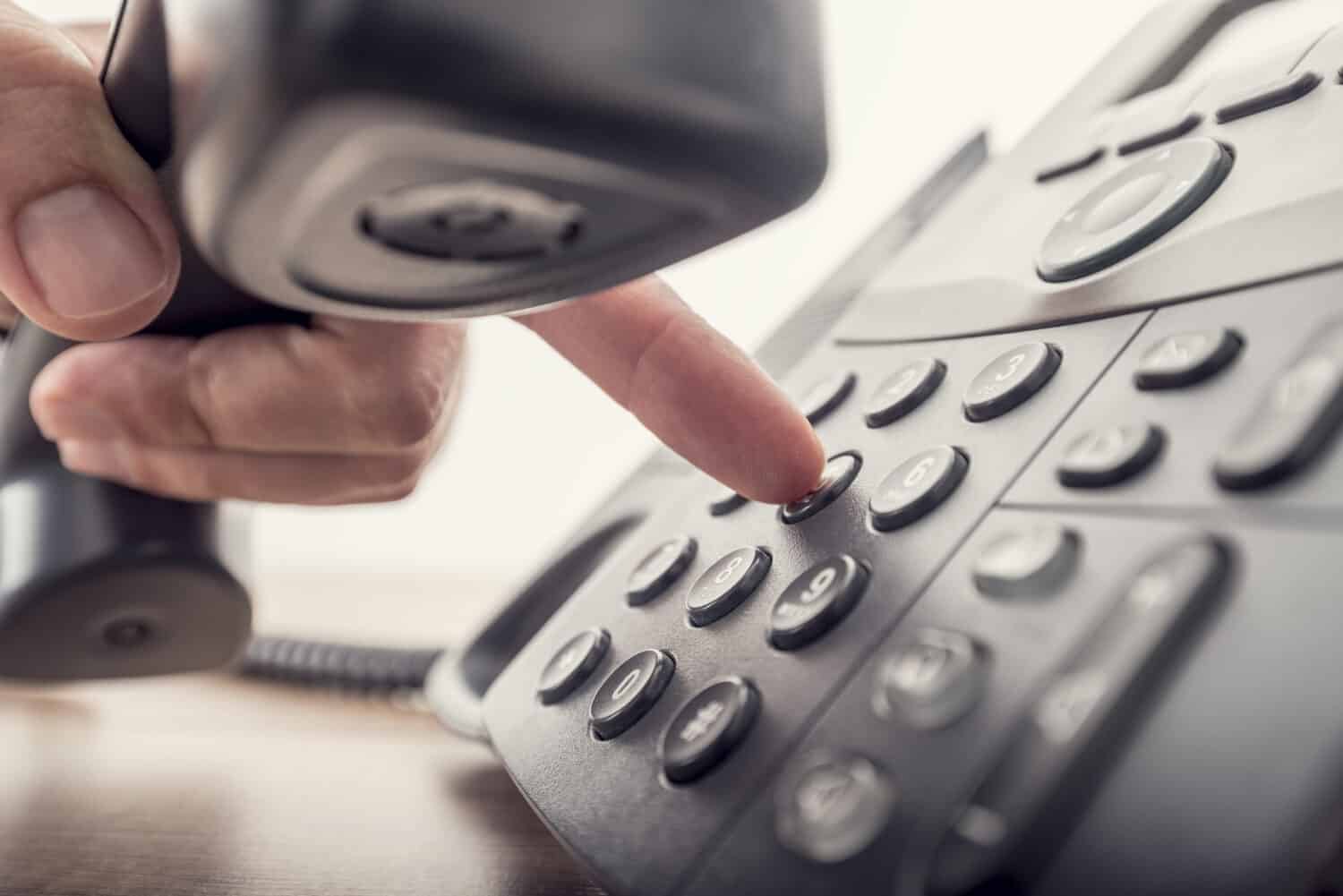
The touch-tone telephone, developed by AT&T, was first sold to the public at the 1963 Seattle World's Fair. It introduced a keypad in place of the rotary dial, each button producing its own tone so that electronic switching systems could register calls faster than pulse dialing.
When we think about rotary phones, most of us still remember the frustrating seconds waiting for the dial to spin back. While AT&T did sell it as a convenient alternative, the system behind the touch-tone phone went on to become the infrastructure that enables every automated phone prompt, bank telephone line, fax, and dial-up internet connection.
The Disposable Diaper (1961)
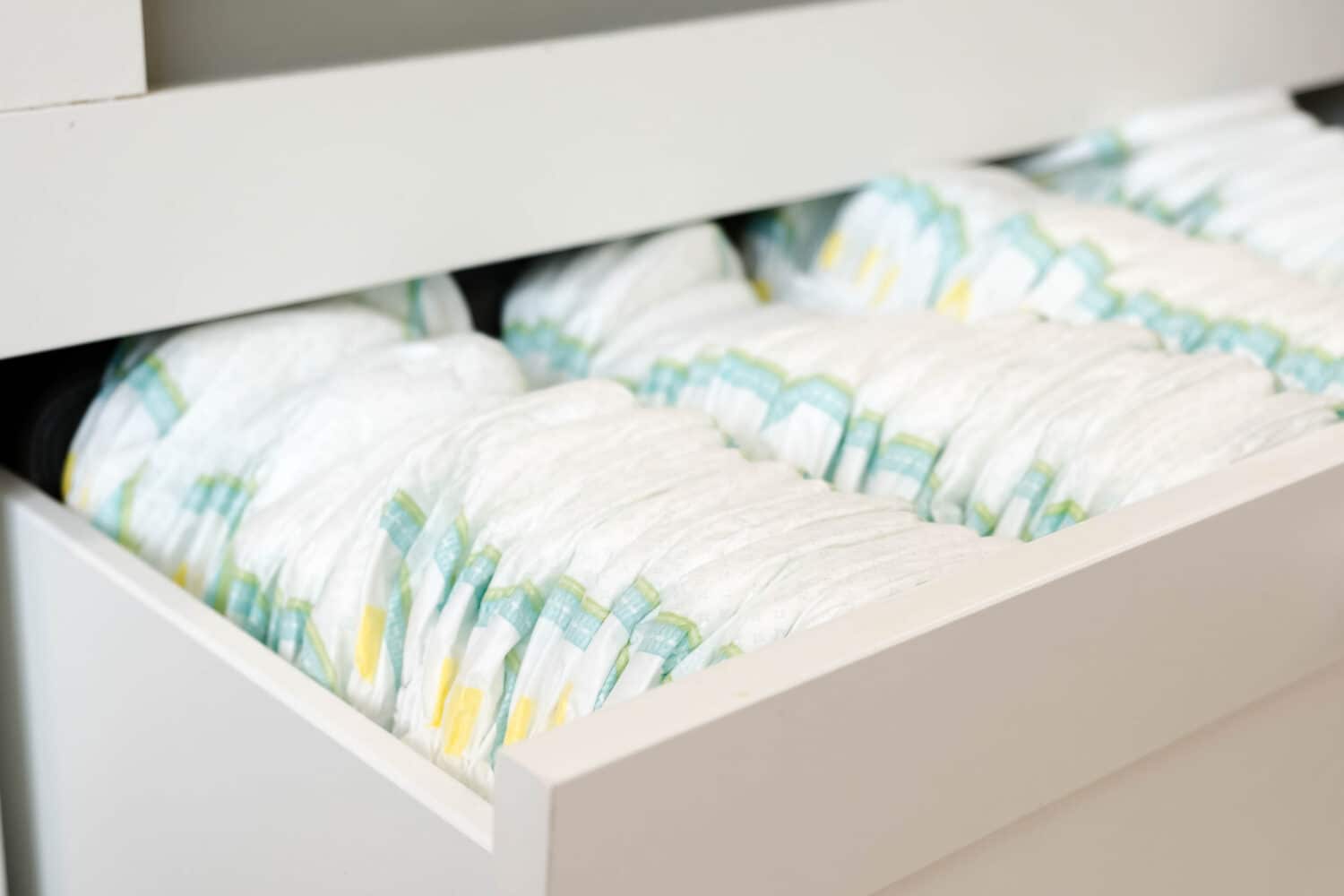
The disposable diaper was invented by Victor Mills, a chemical engineer at Procter & Gamble, in 1961. It was reportedly born out of frustration associated with laundering cloth diapers while caring for his grandchild. He named them Pampers.
The invention transformed the way parents cared for their children and became one of the most successful consumer products in history. It also created an unresolved environmental problem: billions enter landfills annually, each estimated to take around 500 years to decompose.