


Ancient Figures We Thought Were Legends Until Archaeologists Found Proof
History is typically built from stories passed down through generations, recorded in religious texts, royal chronicles, and ancient manuscripts. But for many figures from the ancient world, written accounts were once the only evidence they had ever existed. Historians debated whether some rulers, priests, governors, and military leaders were real people or simply legendary characters preserved by tradition. Archaeology has transformed many of those debates by uncovering inscriptions, monuments, seals, coins, and tombs that provide direct physical evidence of individuals once known only through texts. Here, History Computer is taking a closer look at some of these ancient figures.
Here is a look at ancient figures whose existence was confirmed by archeology:
King David
- The Ancient Claim: Hebrew Bible references to the founder of Israel's royal dynasty
- The Archaeological Evidence: Tel Dan Stele
- What Was Discovered: Inscription referring to the 'House of David'
- Why It Changed History: Provided the earliest known extra-biblical reference to David's dynasty
For centuries, King David occupied a unique place at the intersection of history, religion, and archaeology. Known primarily through the Hebrew Bible as the founder of Israel's royal dynasty and the ruler who established Jerusalem as a political center, David's existence was questioned by some scholars because no clear archaeological evidence linked him to the period in which he supposedly lived. That changed in 1993 when archaeologists discovered the Tel Dan Stele in northern Israel. The inscription contained a reference widely translated as the "House of David," providing the earliest known extra-biblical mention of David's dynasty. While debates continue regarding the scale of his kingdom, the discovery significantly strengthened the historical case for David's existence. The find demonstrated how archaeology can transform figures once known only through ancient texts into individuals connected to tangible historical evidence.
Pontius Pilate
- The Ancient Claim: Roman governor mentioned in ancient Roman and Christian texts
- The Archaeological Evidence: Pilate Stone
- What Was Discovered: Inscription naming Pilate as prefect of Judea
- Why It Changed History: Confirmed the historical existence and title of Pilate
Pontius Pilate is one of the most recognizable figures from the Roman world due to his role as governor of Judea during the time of Jesus. For centuries, his existence was known primarily through Roman histories and Christian texts. Although historians generally accepted that Pilate was real, no direct archaeological evidence had confirmed his position or authority. That changed in 1961 when archaeologists discovered the Pilate Stone at Caesarea Maritima. The inscription clearly identified Pontius Pilate as prefect of Judea, matching historical accounts. The discovery provided rare physical evidence for a Roman official mentioned in both secular and religious sources. Beyond confirming Pilate's existence, the artifact helped historians better understand Roman administration in Judea. The stone remains one of the most significant archaeological discoveries related to the political world of the early Roman Empire.
Caiaphas
- The Ancient Claim: Jewish high priest mentioned in first-century sources
- The Archaeological Evidence: Caiaphas Ossuary
- What Was Discovered: Burial ossuary bearing his name
- Why It Changed History: Linked archaeology to a major figure from Judean history
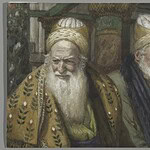
Caiaphas served as the Jewish high priest during one of the most important periods in ancient Judean history. Known primarily from first-century historical accounts and the New Testament, Caiaphas played a prominent role in the political and religious events surrounding Roman-occupied Judea. In 1990, construction workers near Jerusalem uncovered an elaborate burial cave containing several ossuaries, including one bearing an inscription identifying "Joseph son of Caiaphas." Many scholars believe the ossuary belonged to the high priest himself. While some debate remains regarding the identification, the discovery provided compelling archaeological support for the existence of a figure previously known only through written sources. The find connected a major historical personality to a tangible artifact and offered new insight into the elite priestly families who wielded considerable influence during the first century.
Sargon II
- The Ancient Claim: Assyrian king described in ancient texts
- The Archaeological Evidence: Khorsabad excavations
- What Was Discovered: His palace, inscriptions, and monuments
- Why It Changed History: Confirmed a ruler once doubted by many scholars
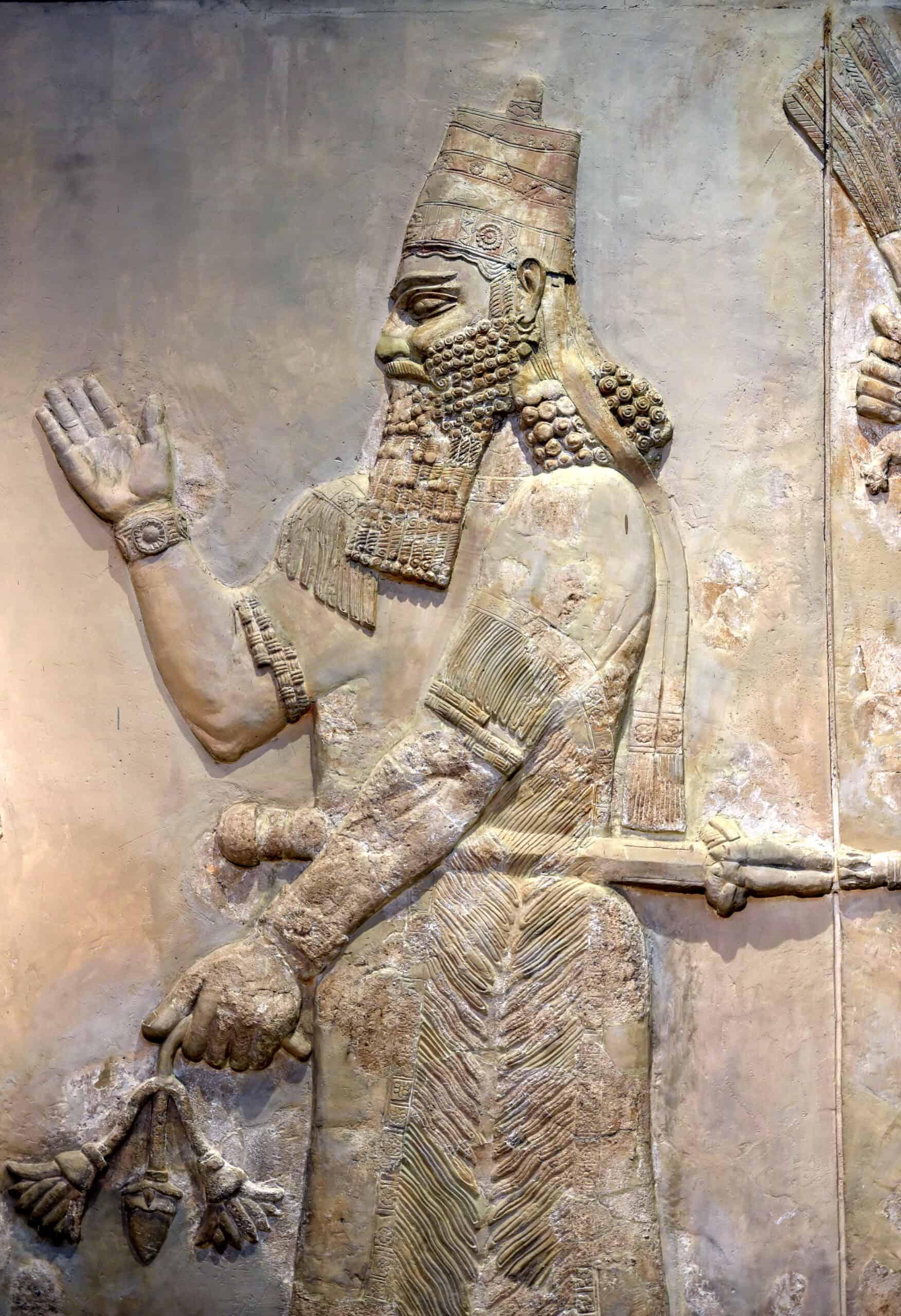
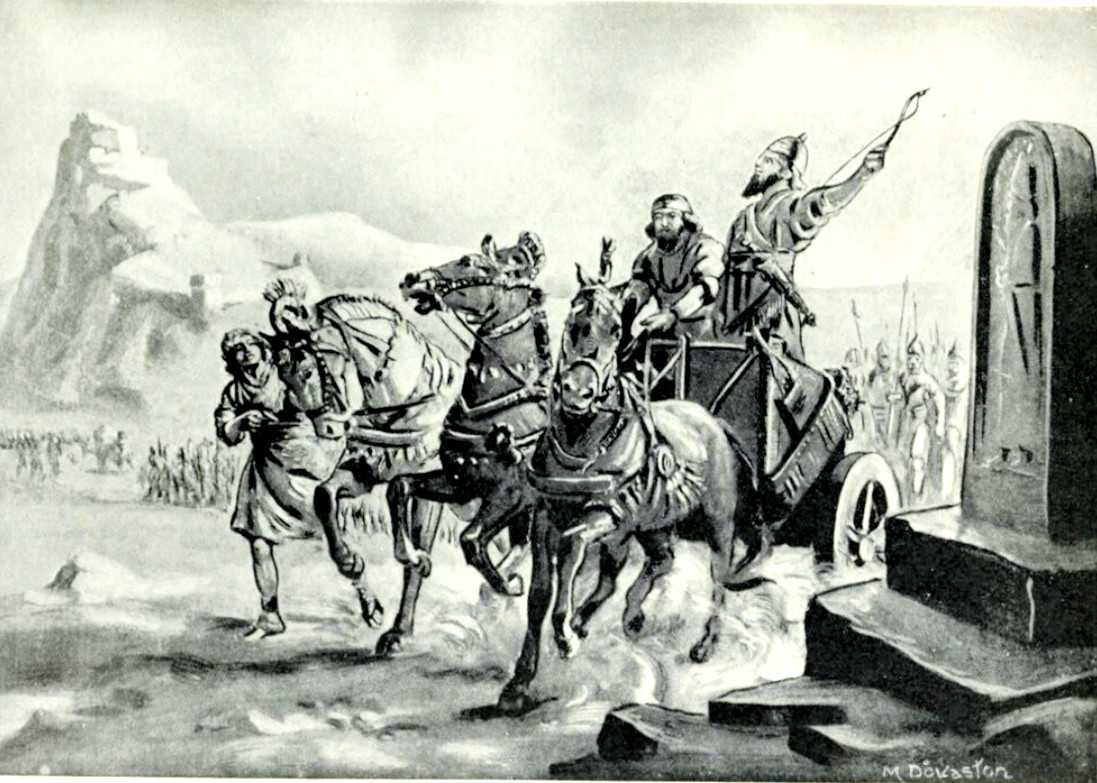
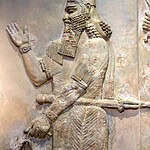
Among the Assyrian kings, Sargon II presents one of archaeology's most dramatic success stories. Prior to the nineteenth century, many historians knew of Sargon only through scattered references in ancient texts. Some scholars even suspected he might have been legendary because so little evidence existed outside written records. Everything changed when archaeologists uncovered the ruins of his capital city at Khorsabad in modern Iraq. The site revealed an enormous palace complex decorated with inscriptions, reliefs, and monuments celebrating Sargon's achievements. The discovery transformed understanding of the Neo-Assyrian Empire and confirmed that Sargon was not only real but one of the empire's most significant rulers. Today, his palace remains one of the most important archaeological sites from ancient Mesopotamia and demonstrates how excavations can completely reshape historical understanding.
Belshazzar
- The Ancient Claim: Babylonian ruler described in the Book of Daniel
- The Archaeological Evidence: Babylonian cuneiform tablets
- What Was Discovered: Administrative records naming Belshazzar
- Why It Changed History: Resolved longstanding debates about his existence
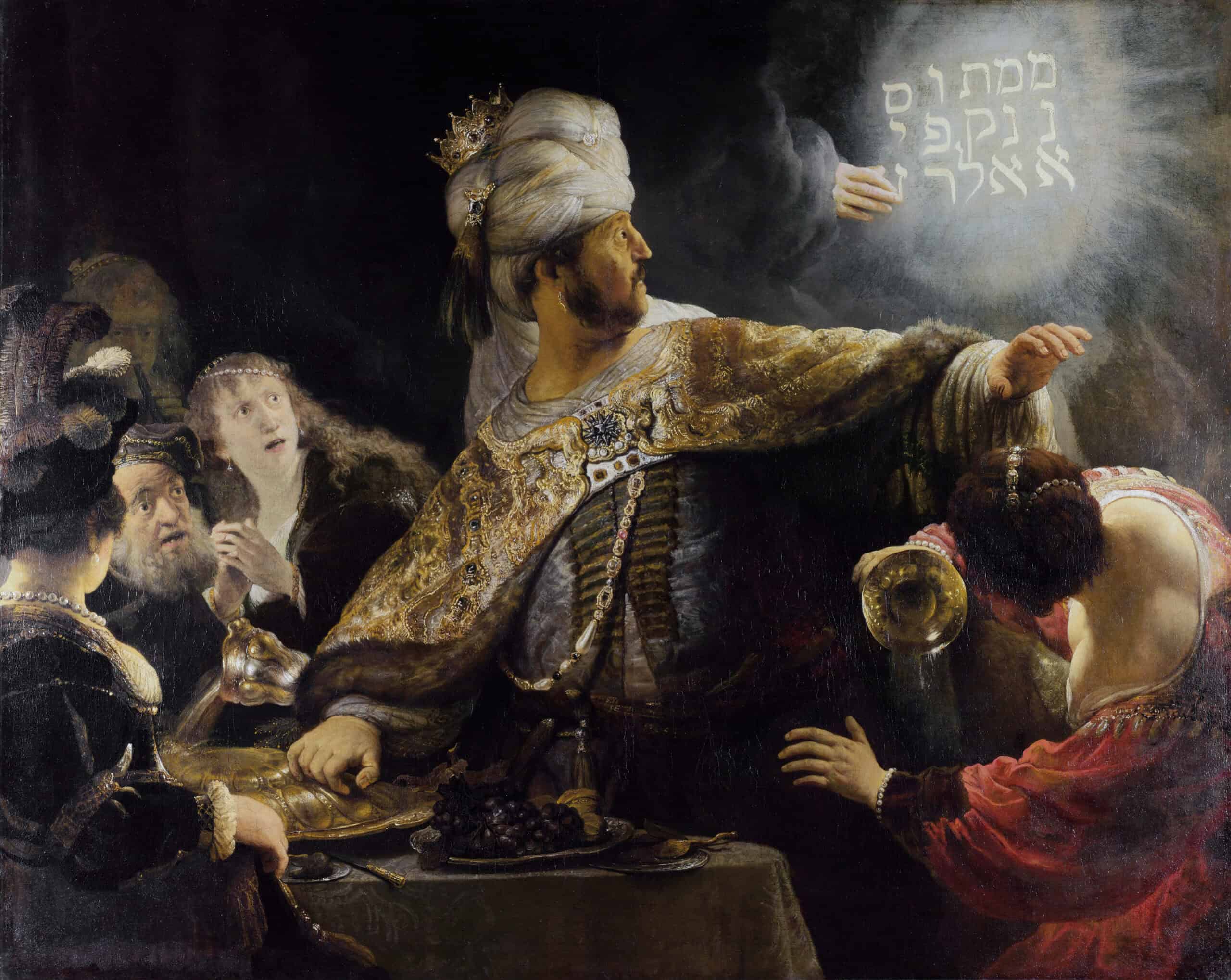
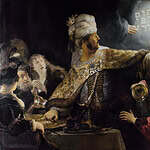
Belshazzar was long considered one of the most controversial figures associated with ancient Babylon. Mentioned prominently in the Book of Daniel, he was largely absent from classical historical accounts, leading many scholars to question whether he existed at all. The mystery began to unravel in the nineteenth century when archaeologists translated Babylonian cuneiform tablets. These documents identified Belshazzar as the son of King Nabonidus and described his role in governing Babylon during his father's absence. Although he was not technically the king in the traditional sense, the records confirmed that Belshazzar was a real historical figure with substantial authority. The discovery resolved centuries of debate and demonstrated the value of archaeological evidence in clarifying ancient political structures. Belshazzar remains one of the most frequently cited examples of archaeology confirming a figure previously viewed with skepticism.
Hezekiah
- The Ancient Claim: King of Judah mentioned in biblical and Assyrian records
- The Archaeological Evidence: Royal seals and inscriptions
- What Was Discovered: Bullae bearing Hezekiah's name
- Why It Changed History: Strengthened evidence for Judah's royal administration
King Hezekiah ruled Judah during a period of intense political and military pressure, particularly from the expanding Assyrian Empire. Known from biblical accounts and Assyrian records, Hezekiah was already considered a likely historical figure, but archaeological discoveries have greatly strengthened the evidence surrounding his reign. Among the most significant finds are clay seal impressions, known as bullae, bearing inscriptions associated with Hezekiah. These artifacts appear to have originated from the royal administration and provide direct evidence connected to his government. Additional archaeological discoveries, including the famous water tunnel associated with Jerusalem's defenses, support descriptions of large-scale preparations made during his reign. Together, these finds offer a rare glimpse into the administration of an ancient Judean king and help bridge the gap between textual history and material evidence.
Omri
- The Ancient Claim: Powerful king of Israel known from ancient texts
- The Archaeological Evidence: Mesha Stele
- What Was Discovered: Moabite inscription mentioning Omri
- Why It Changed History: Confirmed a significant Israelite ruler outside biblical sources
Although the Hebrew Bible devotes relatively little attention to Omri compared to figures such as David or Solomon, ancient foreign sources reveal that he was one of Israel's most influential rulers. The most important evidence comes from the Mesha Stele, a Moabite inscription discovered in the nineteenth century. The text refers to Omri and describes his domination over neighboring territories. This external confirmation was significant because it demonstrated that Israel's political influence extended beyond the boundaries described in biblical texts. Archaeological and historical research increasingly suggests that Omri played a major role in shaping the northern Kingdom of Israel. The Mesha Stele provided independent evidence for his existence and reinforced the value of comparing archaeological discoveries with written traditions. Today, Omri is widely recognized as one of the most important rulers of ancient Israel.
Jehu
- The Ancient Claim: King of Israel described in biblical history
- The Archaeological Evidence: Black Obelisk of Shalmaneser III
- What Was Discovered: Depiction and inscription referencing Jehu
- Why It Changed History: One of the earliest known images of an Israelite king
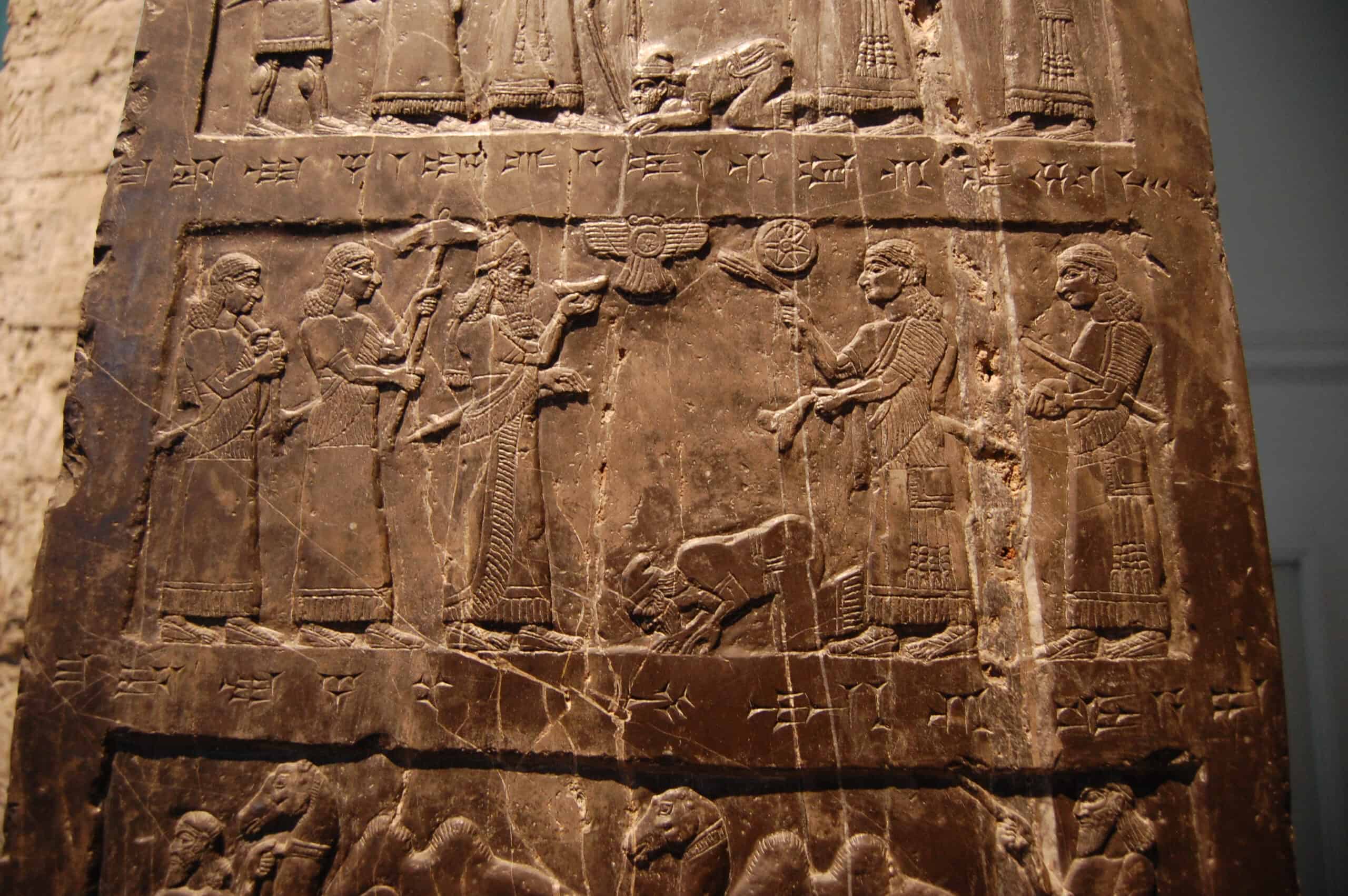
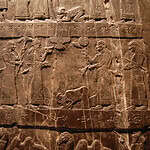
Jehu occupies a unique place in archaeology because he may be the only king of Israel depicted in a contemporary ancient image. His existence is confirmed through the famous Black Obelisk of Shalmaneser III, an Assyrian monument discovered in the nineteenth century. The obelisk includes an inscription referring to Jehu and depicts a figure traditionally identified as the Israelite ruler paying tribute to the Assyrian king. This image provides an extraordinary visual connection to a figure known from biblical history. The artifact not only confirms Jehu's existence but also illustrates the political realities of the ancient Near East, where smaller kingdoms often navigated relationships with powerful empires. The Black Obelisk remains one of the most important archaeological discoveries related to the history of ancient Israel.
Hazael
- The Ancient Claim: King of Aram-Damascus mentioned in ancient records
- The Archaeological Evidence: Tel Dan Stele
- What Was Discovered: Inscription likely referring to Hazael's victories
- Why It Changed History: Confirmed a major regional ruler of the Iron Age
Hazael, king of Aram-Damascus, appears in both biblical narratives and ancient Near Eastern records as a formidable regional ruler. For many years, evidence for his reign came primarily from written sources. The discovery of the Tel Dan Stele changed that. The inscription, likely commissioned by Hazael or one of his successors, records military victories and references neighboring kingdoms. Many scholars believe the text reflects Hazael's campaigns against Israel and Judah. The stele provides valuable evidence not only for Hazael himself but also for the broader political landscape of the ninth century BC. By connecting a named ruler to a surviving monument, the discovery strengthened confidence in the historical framework described by ancient texts and offered important insight into regional power struggles.
Balaam son of Beor
- The Ancient Claim: Prophet known from biblical tradition
- The Archaeological Evidence: Deir Alla Inscription
- What Was Discovered: Ancient text mentioning Balaam
- Why It Changed History: Provided rare evidence for a non-royal biblical-era figure
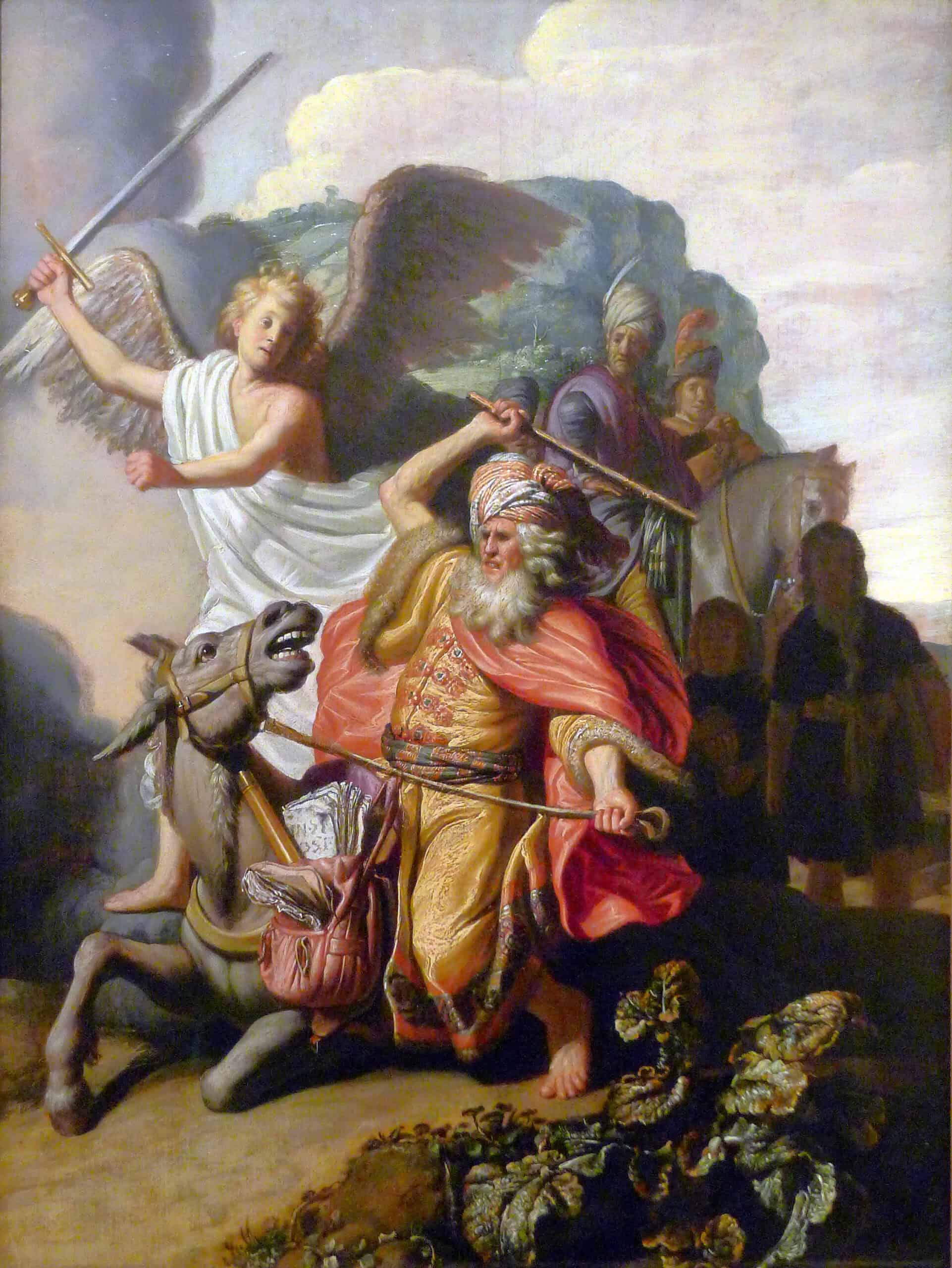
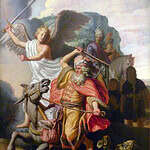
Unlike many entries on this list, Balaam was not a king, emperor, or governor. He was a prophetic figure known primarily from biblical tradition. For centuries, historians had little reason to believe that Balaam existed beyond the literary world of ancient texts. That changed in 1967 when archaeologists uncovered the Deir Alla Inscription in modern Jordan. The text refers to "Balaam son of Beor," a name strikingly similar to the biblical figure. Although the inscription presents him within a different religious context, it provides compelling evidence that Balaam was remembered as a real person in the ancient Near East. The discovery is especially important because it confirms a non-royal figure rather than a ruler. It demonstrates that archaeology can occasionally illuminate individuals who existed outside the traditional centers of political power.
Erastus
- The Ancient Claim: Official mentioned in early Christian writings
- The Archaeological Evidence: Erastus Inscription
- What Was Discovered: Public inscription naming Erastus
- Why It Changed History: Linked archaeology to a figure associated with early Christianity
Erastus is a fascinating example of archaeology potentially confirming an individual mentioned in early Christian writings. The Apostle Paul refers to an Erastus who served as a city official in Corinth. For centuries, no direct evidence connected this person to the historical city. Archaeologists later uncovered a pavement inscription in Corinth that mentions an individual named Erastus who held a prominent civic office. While scholars continue to debate whether the inscription refers to the exact same person mentioned by Paul, the discovery remains significant because it demonstrates the presence of a high-ranking official with that name in the correct location and period. The find offers valuable insight into the social and political environment of early Christianity and highlights how archaeology can illuminate individuals who were neither kings nor military leaders but still played important roles in history.
Herod the Great
- The Ancient Claim: King of Judea known from historical texts
- The Archaeological Evidence: Coins, inscriptions, and architecture
- What Was Discovered: Artifacts tied to Herod's reign
- Why It Changed History: Validated accounts of one of antiquity's most famous client kings
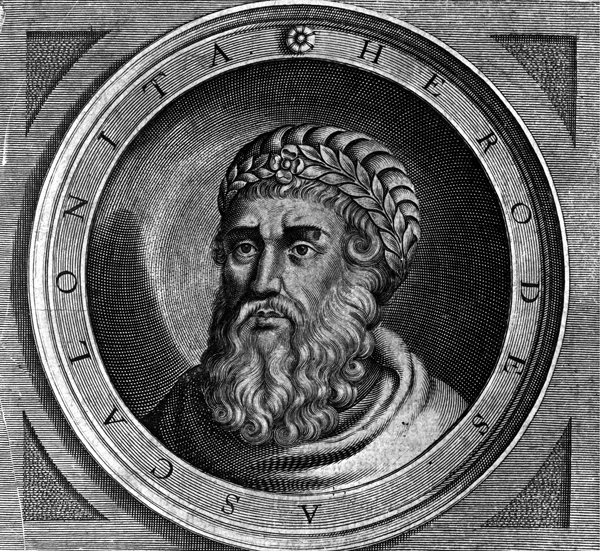
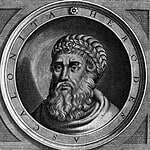
Herod the Great was one of the most ambitious builders of the ancient world and a ruler whose existence is confirmed by an extraordinary range of archaeological evidence. Historical sources such as Josephus describe his reign in detail, but archaeology has added remarkable physical proof of his accomplishments. Coins bearing his name, inscriptions, fortresses, palaces, and major construction projects (including expansions at Jerusalem's Temple Mount) provide direct evidence of his rule. Archaeologists have also identified what is believed to be his tomb at Herodium. These discoveries reveal a ruler determined to leave a lasting legacy through architecture and infrastructure. Beyond confirming Herod's existence, the evidence illustrates the scale of his influence on the region. Few ancient rulers are as thoroughly documented through both historical texts and archaeological remains.
Darius I
- The Ancient Claim: Persian emperor known from Greek and Persian records
- The Archaeological Evidence: Behistun Inscription
- What Was Discovered: Multilingual royal inscription
- Why It Changed History: One of the most important records in ancient history
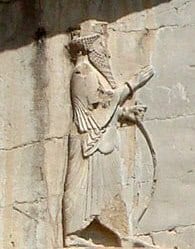
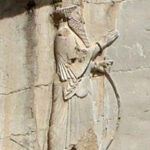
Darius I stands among the most important rulers of the Achaemenid Persian Empire, and his existence is confirmed by one of the most significant inscriptions ever discovered. The Behistun Inscription, carved into a cliff face in present-day Iran, records Darius's rise to power and military victories in multiple languages. The inscription served a role similar to that of the Rosetta Stone by helping scholars decipher ancient cuneiform scripts. It provides direct testimony from the ruler himself and offers invaluable insight into Persian imperial administration. Beyond confirming Darius as a historical figure, the monument transformed modern understanding of the ancient Near East. Its importance extends far beyond a single individual because it unlocked information about entire civilizations. The Behistun Inscription remains one of archaeology's most influential discoveries.
Xerxes I
- The Ancient Claim: Persian ruler known from classical sources
- The Archaeological Evidence: Persepolis inscriptions
- What Was Discovered: Royal inscriptions naming Xerxes
- Why It Changed History: Strengthened understanding of Achaemenid Persia
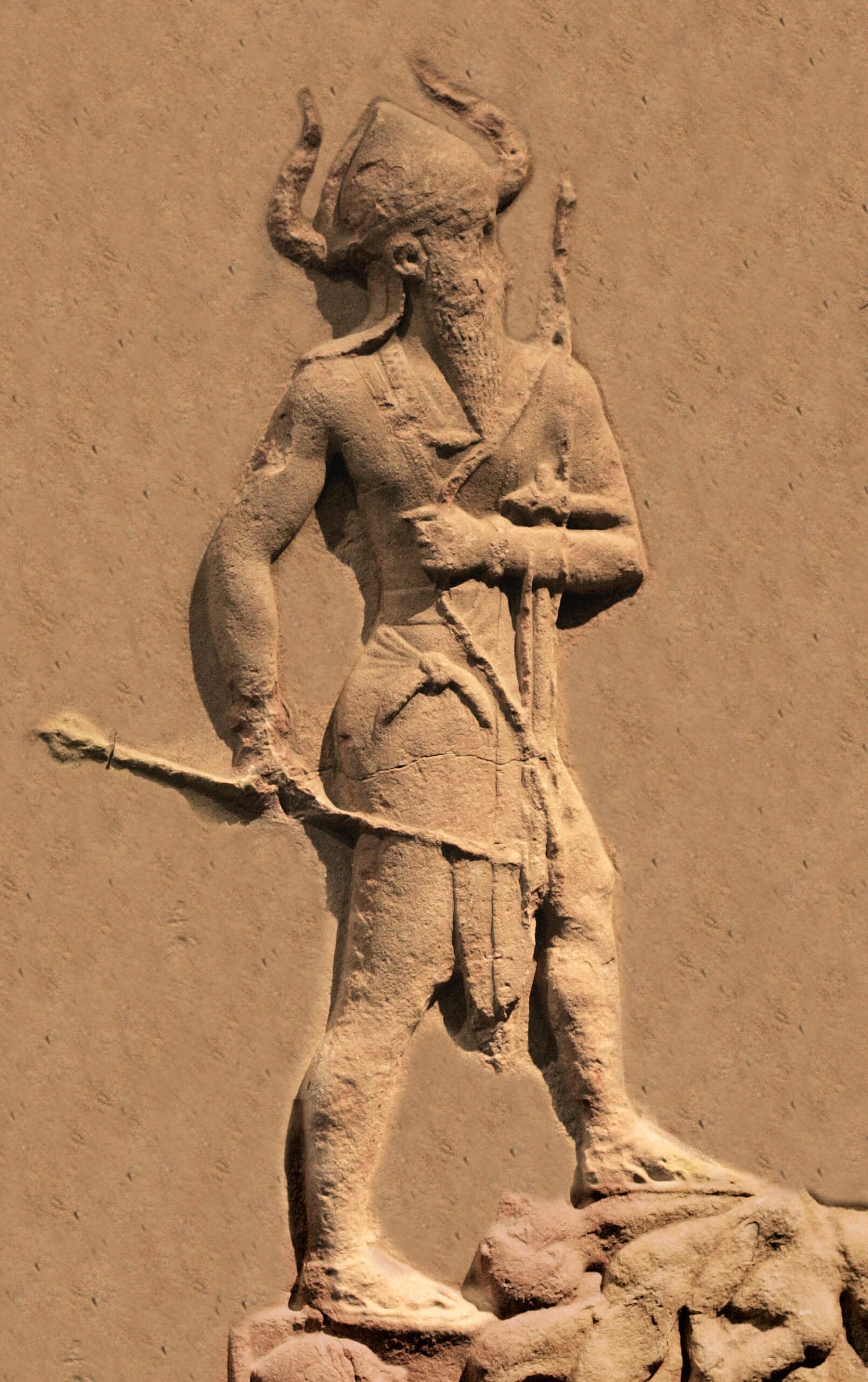
Xerxes I is famous through Greek historical accounts, particularly those describing the Persian Wars. While ancient authors such as Herodotus preserved detailed narratives about his reign, archaeology has provided extensive confirmation of his existence and authority. Inscriptions discovered at Persepolis and other Persian sites repeatedly identify Xerxes and document his building projects and royal activities. These records provide a Persian perspective that complements classical Greek sources. The discoveries have helped historians better understand the structure and scale of the Achaemenid Empire, one of the largest empires in ancient history. Archaeological evidence demonstrates that Xerxes was not merely a figure remembered by his enemies but a ruler whose own government left a substantial documentary record. His inscriptions continue to play an important role in the study of ancient Persia.
Naram-Sin
- The Ancient Claim: Akkadian emperor celebrated in ancient tradition
- The Archaeological Evidence: Victory steles and inscriptions
- What Was Discovered: Monuments bearing his achievements
- Why It Changed History: Confirmed one of Mesopotamia's most influential rulers
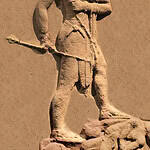
Naram-Sin, one of the greatest rulers of the Akkadian Empire, was remembered in Mesopotamian tradition for centuries after his death. Stories about his military victories and imperial achievements elevated him to near-legendary status. Archaeological discoveries, however, confirmed that he was a real historical figure. Inscriptions and monuments bearing his name, most notably the famous Victory Stele of Naram-Sin, provide direct evidence of his reign. The stele depicts the king triumphing over his enemies and remains one of the masterpieces of ancient Mesopotamian art. These discoveries helped historians reconstruct the history of one of the world's earliest empires and demonstrated that many figures preserved in later traditions had genuine historical foundations. Naram-Sin's confirmation illustrates the power of archaeology to bridge the gap between legend and documented history.
Ashurbanipal
- The Ancient Claim: Assyrian king known from ancient histories
- The Archaeological Evidence: Library of Nineveh
- What Was Discovered: Thousands of tablets from his reign
- Why It Changed History: Expanded knowledge of Assyrian civilization
Ashurbanipal was the last great ruler of the Neo-Assyrian Empire, and his existence is confirmed through one of the most remarkable archaeological discoveries in history: the Library of Nineveh. Excavations at the ancient Assyrian capital uncovered tens of thousands of clay tablets collected during his reign. Many of these documents contain administrative records, literary works, and royal inscriptions associated with Ashurbanipal and his government. The discovery transformed understanding of Assyrian civilization and preserved important texts that might otherwise have been lost forever, including versions of the Epic of Gilgamesh. The library demonstrated the intellectual ambitions of the Assyrian court and confirmed Ashurbanipal as both a ruler and patron of scholarship. Few archaeological finds have contributed more to knowledge of the ancient Near East than the records associated with his reign.
Tiglath-Pileser III
- The Ancient Claim: Assyrian ruler mentioned in multiple ancient sources
- The Archaeological Evidence: Royal annals and palace inscriptions
- What Was Discovered: Records documenting his campaigns
- Why It Changed History: Confirmed a transformative imperial ruler
Tiglath-Pileser III played a central role in transforming Assyria into a dominant imperial power during the eighth century BC. His existence is confirmed through numerous royal inscriptions, palace reliefs, and administrative records uncovered across the former Assyrian Empire. These discoveries document military campaigns, territorial expansion, and governmental reforms that helped create one of the ancient world's most effective imperial systems. The records also provide valuable information about neighboring kingdoms mentioned in biblical and Near Eastern sources. By comparing inscriptions with historical narratives, scholars have been able to reconstruct a detailed picture of regional politics during the Iron Age. Tiglath-Pileser's extensive documentary record makes him one of the best-attested rulers of the ancient Near East and demonstrates the wealth of information archaeology can reveal about imperial history.
Nebuchadnezzar II
- The Ancient Claim: Babylonian king famous in biblical and historical accounts
- The Archaeological Evidence: Royal inscriptions and building records
- What Was Discovered: Numerous construction inscriptions
- Why It Changed History: Provided extensive evidence for Babylon's greatest monarch
Nebuchadnezzar II is among the most famous rulers of ancient Babylon, known through both biblical traditions and classical historical accounts. Archaeology has provided overwhelming confirmation of his existence through inscriptions, building records, and monuments discovered throughout Mesopotamia. Numerous texts document his extensive construction projects, including the rebuilding of Babylon and its monumental architecture. Many bricks from ancient structures even bear inscriptions identifying Nebuchadnezzar as the builder. These discoveries reveal a ruler deeply committed to expanding and glorifying his capital city. Beyond confirming his existence, the evidence provides insight into the political, religious, and economic life of the Neo-Babylonian Empire. Few ancient kings have left behind such an extensive archaeological footprint, making Nebuchadnezzar one of the most thoroughly documented figures of the ancient world.
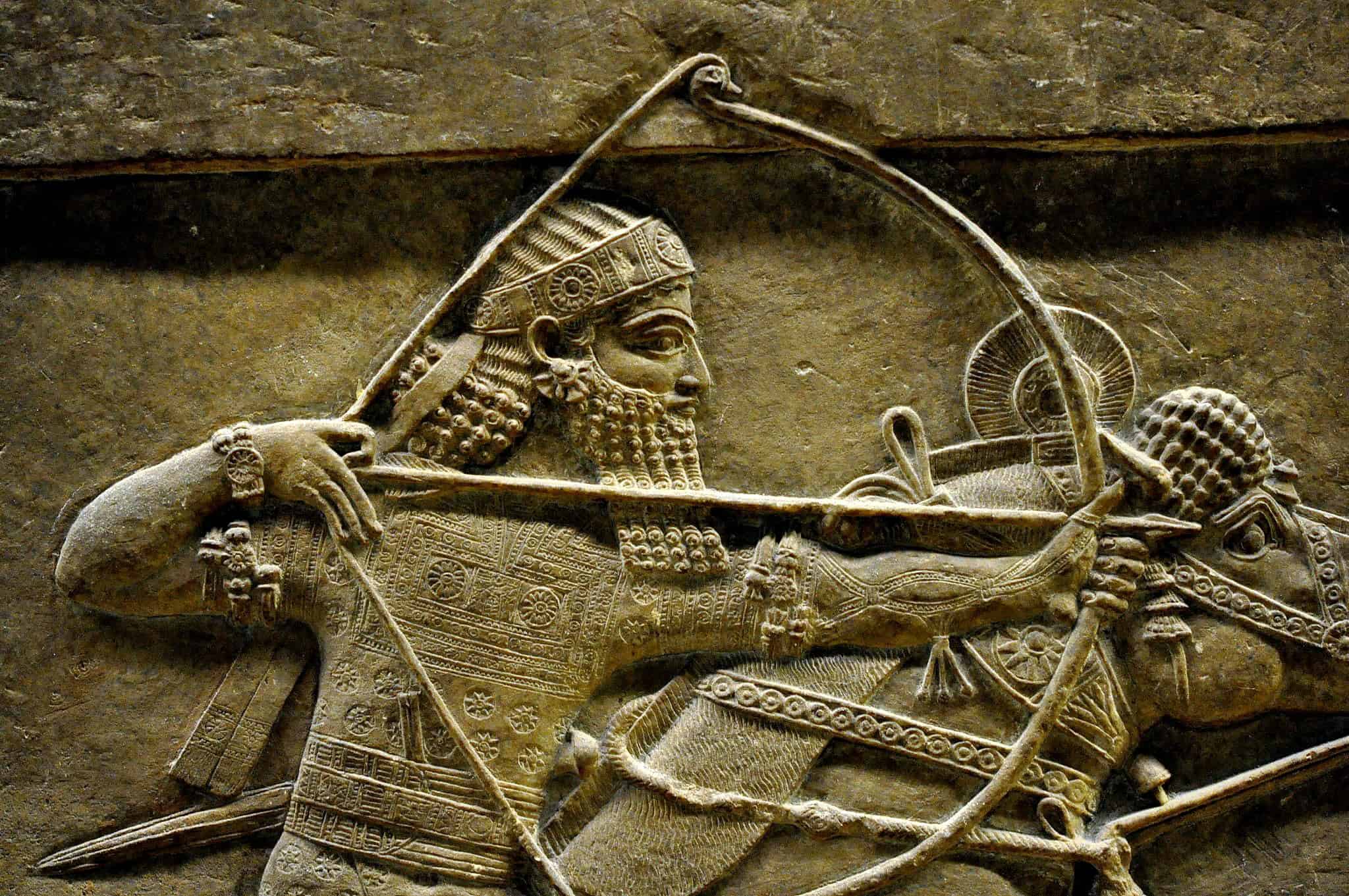
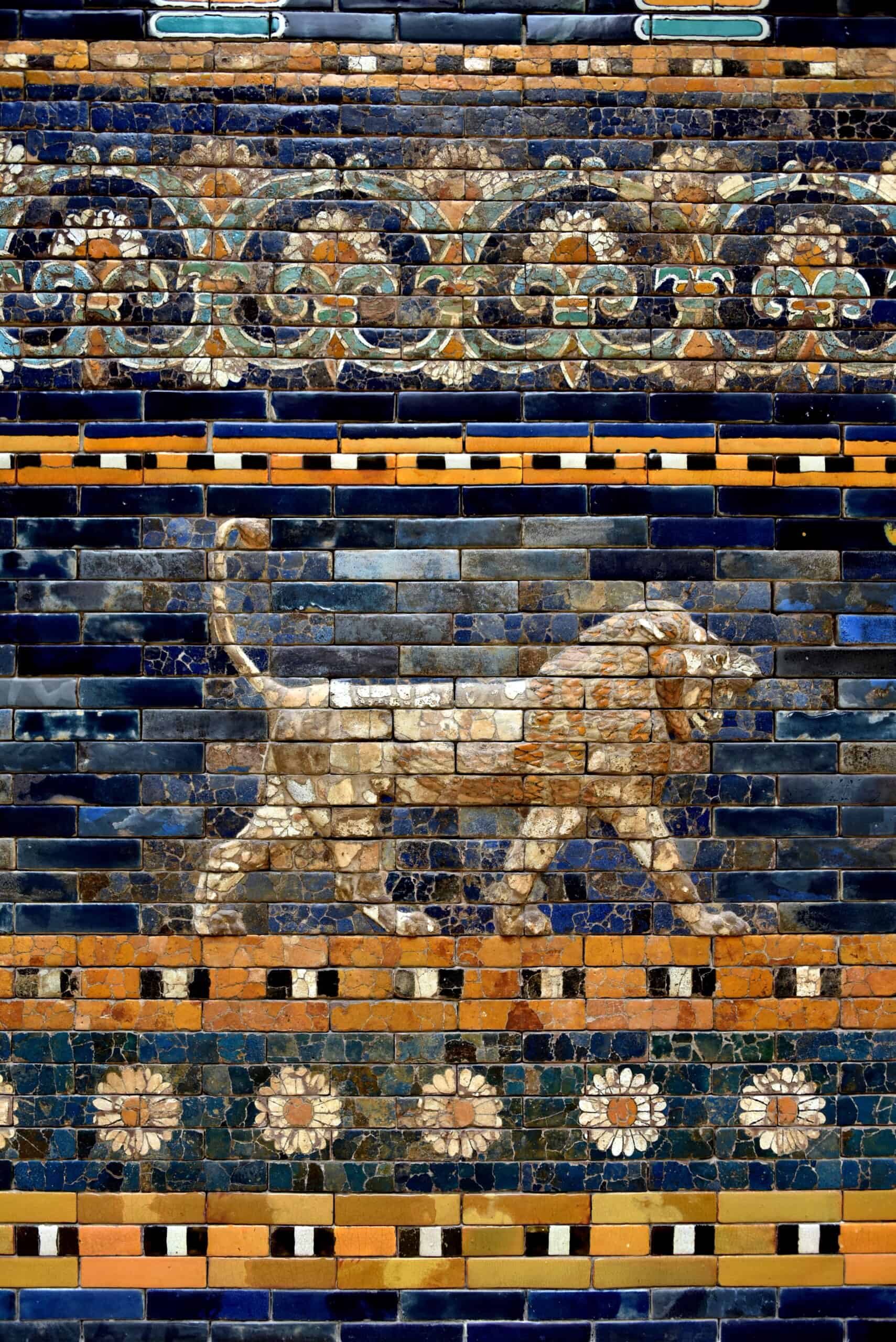
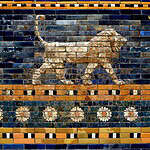
The image featured at the top of this post is ©Osama Shukir Muhammed Amin FRCP(Glasg) / Wikimedia Commons – License / Original