




The Most Important American Military Victories Since World War II
For more than 75 years, the United States military has been involved in some of the most important battles and operations in modern history. While not every conflict ended in clear victory, several American military successes since World War II fundamentally changed the balance of global power and demonstrated just how dominant the U.S. military could be when fully engaged. Operations like Operation Just Cause, Operation Praying Mantis, and Operation Neptune Spear showcased everything from precision airpower to special operations expertise. Here, History Computer is taking a closer look at these victories.
To identify the most important American Victories since World War II, History Computer reviewed various historical and military sources. We included supplemental information for each victory regarding the conflict or war, primary adversary, U.S. Forces involved, and the long-term global impact.
Here is a look at the most important American victories since World War II:
Why Are We Covering This?
Understanding the most important American military victories since World War II matters because these operations helped shape the modern global order and established the United States as the world’s dominant military power. From the beaches of Battle of Inchon to the air campaign of Operation Desert Storm and the special operations success of Operation Neptune Spear, these victories influenced alliances, deterrence strategy, counterterrorism doctrine, and the future of modern warfare itself. Many of these operations demonstrated new technologies, battlefield tactics, and coalition strategies that continue to influence military planning today. Revisiting these victories provides insight into how American military power evolved after 1945 and why certain battles and operations still shape global security, geopolitics, and military doctrine decades later.
The Victories That Defined American Power After 1945
After World War II, the United States emerged as the world’s dominant military superpower, but maintaining that position required decades of conflict, intervention, and strategic victories across the globe. From Korea and Vietnam to the Persian Gulf and the war on terror, American military operations reshaped alliances, deterred adversaries, and demonstrated the country’s unmatched ability to project power far beyond its borders.
Cold War Battles That Prevented Strategic Collapse
Some of America’s most important postwar victories came during the Cold War, when military setbacks could have dramatically shifted the global balance of power. Operations like Battle of Inchon and Operation Nickel Grass helped preserve allies and reinforce American credibility during periods of intense geopolitical tension. These victories demonstrated that U.S. military power extended far beyond conventional battlefield success.
Precision Warfare Changed Modern Combat
Operations such as Operation Desert Storm and Operation Allied Force revealed how precision-guided munitions, stealth aircraft, satellite intelligence, and coalition coordination transformed warfare after the Cold War. These campaigns showed that the United States could cripple enemy infrastructure and military forces with unprecedented speed and accuracy, fundamentally changing how modern militaries planned future conflicts.
Special Operations Became Central to U.S. Strategy
The rise of counterterrorism and irregular warfare elevated American special operations forces into one of the country’s most important military tools. Missions like Operation Neptune Spear demonstrated how intelligence integration, elite training, and rapid execution could achieve strategic objectives without massive conventional invasions. These operations reshaped military doctrine and became defining symbols of modern American military capability.
Why These Victories Still Matter Today
The most important American military victories since World War II continue to shape global politics, deterrence, alliance structures, and military doctrine today. Many of these operations are still studied in military academies because they demonstrated how technology, logistics, coalition warfare, and strategic planning could alter the course of entire regions. Together, these victories helped define the modern era of American military dominance and established the operational foundations that continue to influence conflicts around the world.
Battle of Inchon
- Conflict / War: Korean War
- Year: 1950
- Primary Adversary: North Korea
- Type of Operation: Amphibious assault
- Key U.S. Forces Involved: U.S. Army and Marine Corps
- Strategic Objective: Reverse collapse of South Korea
- Immediate Military Outcome: Major UN breakthrough
- Long-Term Global Impact: Restored momentum to UN forces in Korea
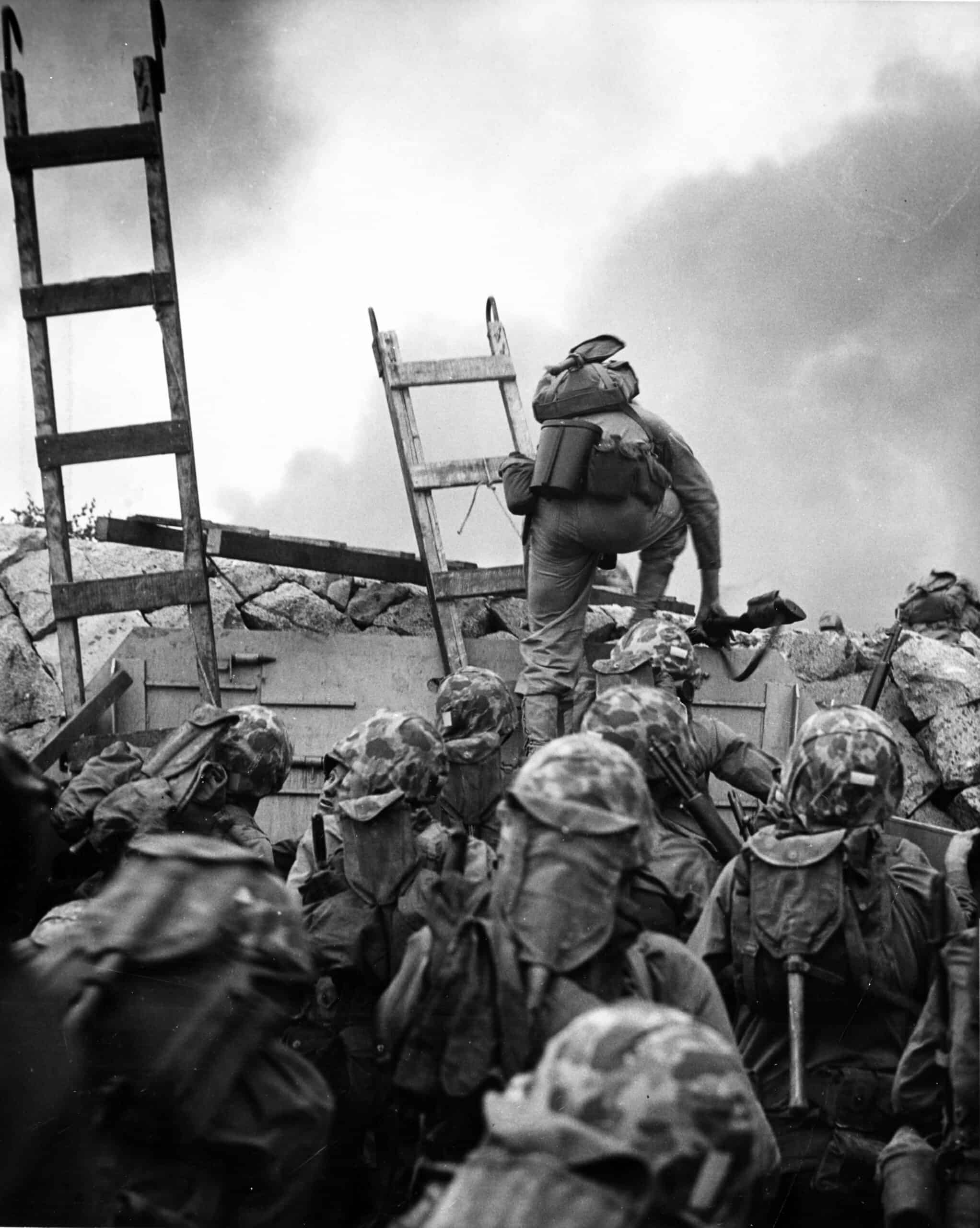
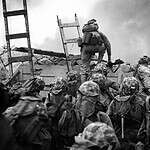
The landing at Inchon became one of the most important American military victories of the Cold War because it completely reversed the momentum of the Korean War. After North Korean forces nearly pushed United Nations troops off the peninsula, General Douglas MacArthur launched a risky amphibious assault behind enemy lines at Inchon. The operation caught North Korean forces off guard and rapidly collapsed their offensive position. Inchon restored Allied momentum, recaptured Seoul, and demonstrated the United States’ ability to execute large-scale amphibious warfare in the nuclear age, cementing the operation as a defining example of strategic surprise and operational boldness.
Battle of Chosin Reservoir
- Conflict / War: Korean War
- Year: 1950
- Primary Adversary: China
- Type of Operation: Defensive withdrawal
- Key U.S. Forces Involved: 1st Marine Division
- Strategic Objective: Break encirclement and preserve combat power
- Immediate Military Outcome: Successful fighting withdrawal
- Long-Term Global Impact: Demonstrated U.S. resilience under extreme conditions
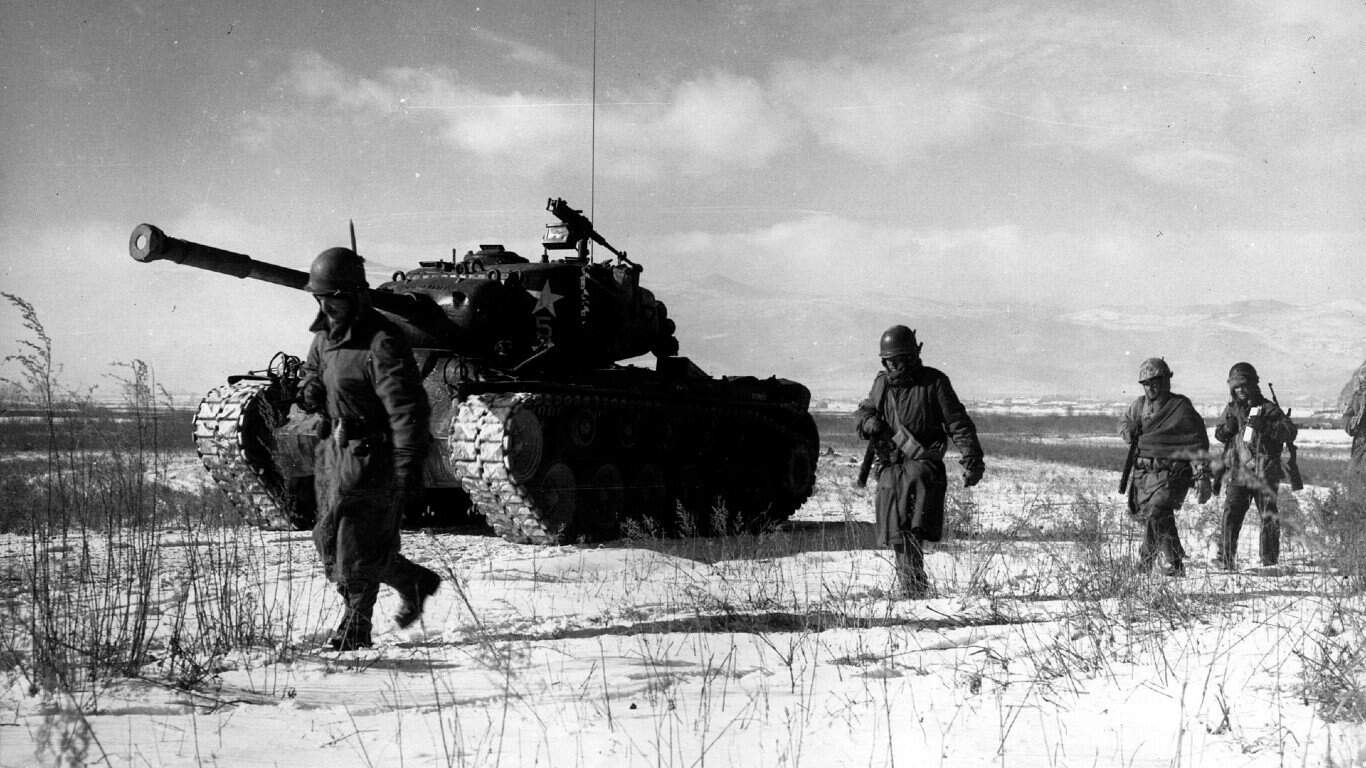
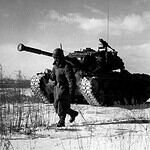
The Battle of Chosin Reservoir became one of the most legendary fighting withdrawals in American military history. Surrounded by massive Chinese forces in freezing North Korean mountains, U.S. Marines and Army units fought their way south while preserving much of their combat power under catastrophic conditions. The battle demonstrated discipline, resilience, and battlefield coordination despite overwhelming odds. Although technically a withdrawal, Chosin prevented the destruction of key American forces and became a symbol of U.S. military endurance during the Korean War. The lessons learned there heavily influenced later American cold-weather operations and military doctrine.
Operation Rolling Thunder
- Conflict / War: Vietnam War
- Year: 1965-1968
- Primary Adversary: North Vietnam
- Type of Operation: Strategic bombing campaign
- Key U.S. Forces Involved: U.S. Air Force and Navy
- Strategic Objective: Pressure North Vietnam into negotiations
- Immediate Military Outcome: Mixed military results
- Long-Term Global Impact: Shaped future American airpower doctrine
Operation Rolling Thunder represented one of the largest sustained bombing campaigns conducted by the United States after World War II. Although the campaign produced mixed strategic results, it fundamentally shaped how American planners thought about airpower, escalation, logistics, and coercive warfare. Thousands of sorties targeted North Vietnamese infrastructure, transportation networks, and military facilities over several years. The operation exposed both the strengths and limitations of strategic bombing in a politically constrained conflict. Rolling Thunder later influenced American doctrine regarding precision strikes, rules of engagement, and the integration of air campaigns into broader geopolitical strategy.
Tet Offensive
- Conflict / War: Vietnam War
- Year: 1968
- Primary Adversary: North Vietnam and Viet Cong
- Type of Operation: Nationwide counteroffensive
- Key U.S. Forces Involved: U.S. and South Vietnamese forces
- Strategic Objective: Defend major cities and bases
- Immediate Military Outcome: Communist offensive repelled
- Long-Term Global Impact: Changed global perception of the Vietnam War
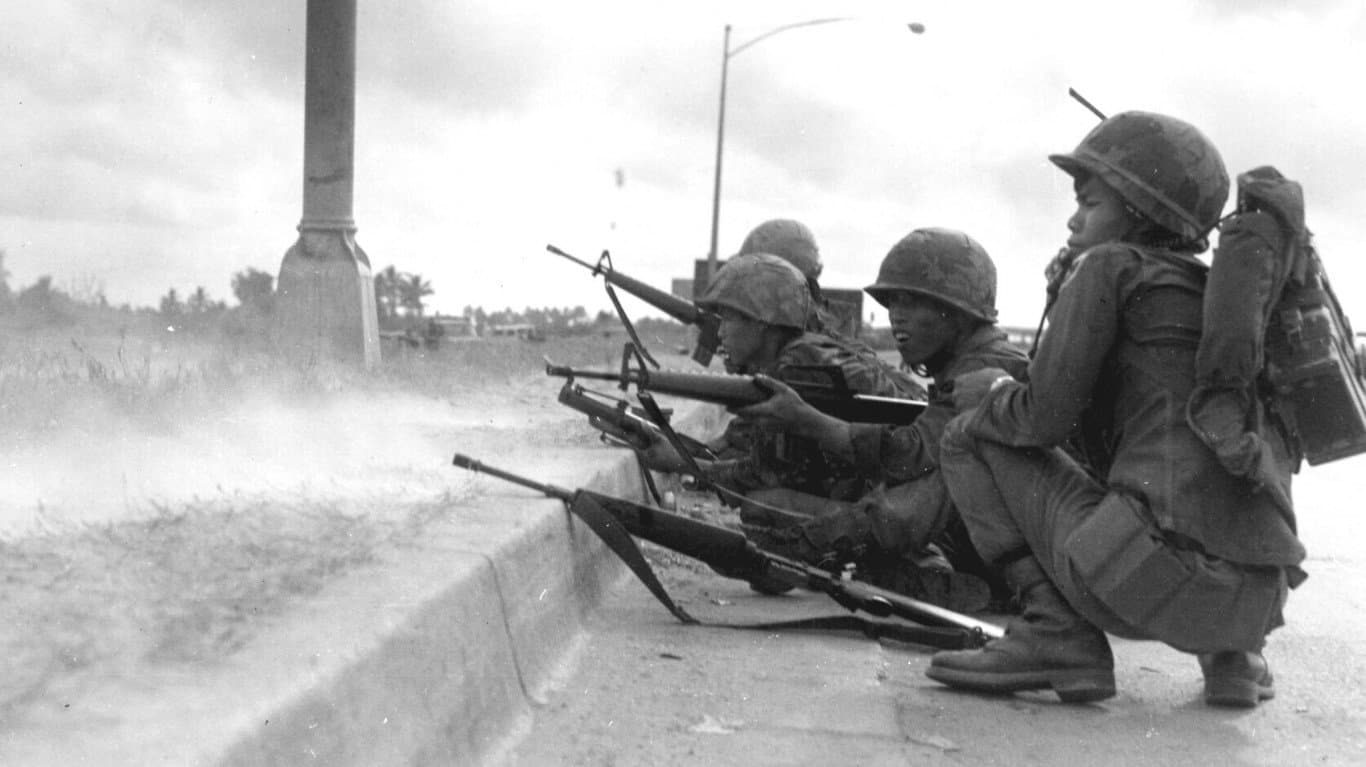
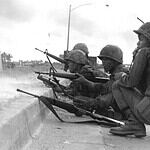
The Tet Offensive became one of the most important military turning points of the Vietnam War because it demonstrated both the resilience of American forces and the strategic complexity of modern warfare. Communist forces launched coordinated attacks across South Vietnam, targeting major cities, military bases, and even the U.S. Embassy in Saigon. American and South Vietnamese troops ultimately repelled the offensive and inflicted devastating losses on enemy forces. Militarily, Tet was a major setback for North Vietnam, but the scale of the attacks dramatically altered public perception of the war and reshaped American strategic thinking for decades.
Operation Linebacker II
- Conflict / War: Vietnam War
- Year: 1972
- Primary Adversary: North Vietnam
- Type of Operation: Strategic bombing campaign
- Key U.S. Forces Involved: U.S. Air Force
- Strategic Objective: Force return to peace negotiations
- Immediate Military Outcome: Heavy damage inflicted on North Vietnam
- Long-Term Global Impact: Demonstrated effectiveness of concentrated airpower
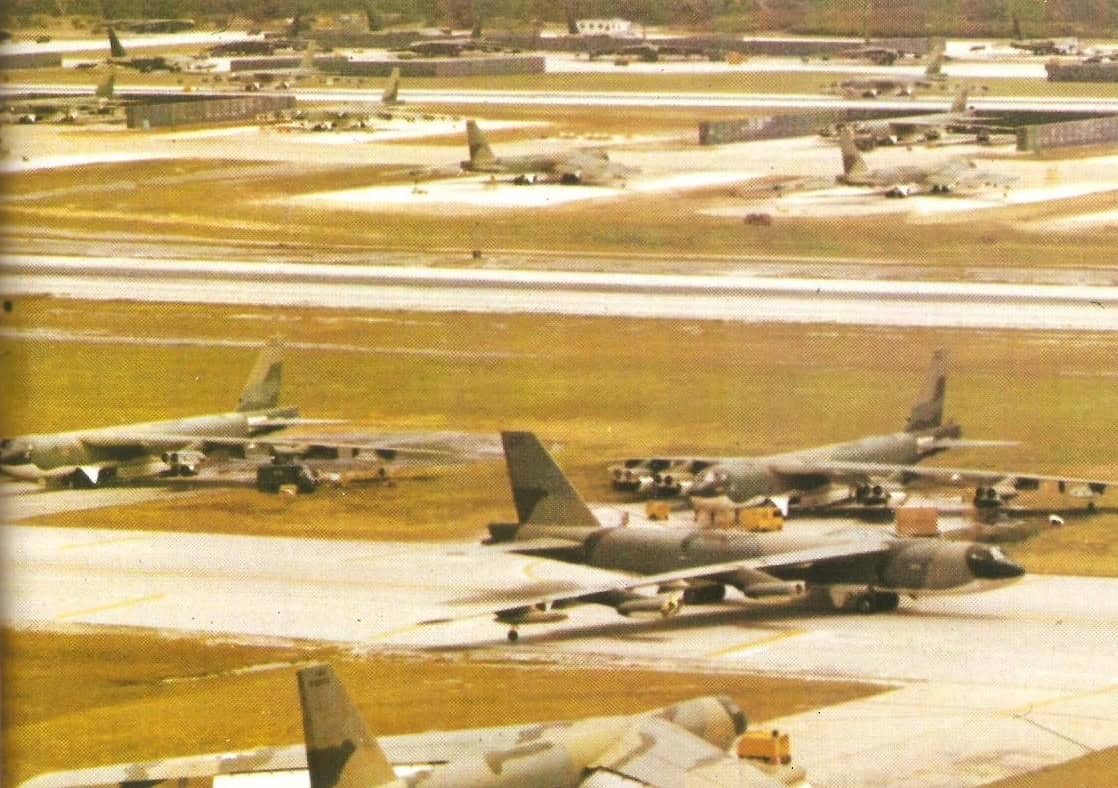
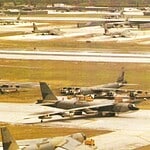
Operation Linebacker II demonstrated the overwhelming destructive potential of concentrated American airpower during the closing stages of the Vietnam War. Conducted in late 1972, the campaign unleashed massive B-52 bombing raids against North Vietnamese military and infrastructure targets around Hanoi and Haiphong. The operation severely damaged North Vietnamese logistics and pressured Hanoi back into peace negotiations. Linebacker II became one of the clearest examples of strategic bombing used to force diplomatic leverage during the Cold War. The campaign also reinforced the importance of precision coordination between airpower, intelligence, and political objectives.
Operation Nickel Grass
- Conflict / War: Yom Kippur War
- Year: 1973
- Primary Adversary: Indirect Soviet-backed opposition
- Type of Operation: Strategic airlift
- Key U.S. Forces Involved: U.S. Air Force
- Strategic Objective: Resupply Israel during war
- Immediate Military Outcome: Massive logistical success
- Long-Term Global Impact: Reinforced U.S. alliance credibility
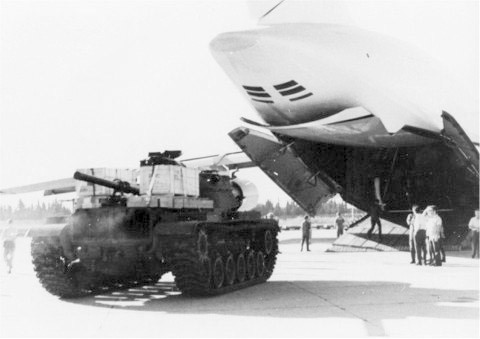
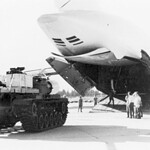
Operation Nickel Grass became one of the most strategically important American logistical victories of the Cold War despite never involving direct combat. During the Yom Kippur War, the United States launched a massive airlift operation to rapidly resupply Israel with weapons, ammunition, and military equipment after severe battlefield losses. The operation demonstrated America’s unmatched global mobility and ability to sustain allies during crisis conditions. Nickel Grass reinforced U.S. credibility with partners worldwide while also signaling to the Soviet Union that Washington was prepared to decisively support key regional allies during moments of extreme geopolitical tension.
Operation Entebbe
- Conflict / War: Counterterrorism
- Year: 1976
- Primary Adversary: Palestinian and German hijackers
- Type of Operation: Hostage rescue
- Key U.S. Forces Involved: Israeli commandos with U.S. intelligence support
- Strategic Objective: Rescue hostages in Uganda
- Immediate Military Outcome: Hostages successfully rescued
- Long-Term Global Impact: Influenced modern counterterrorism doctrine
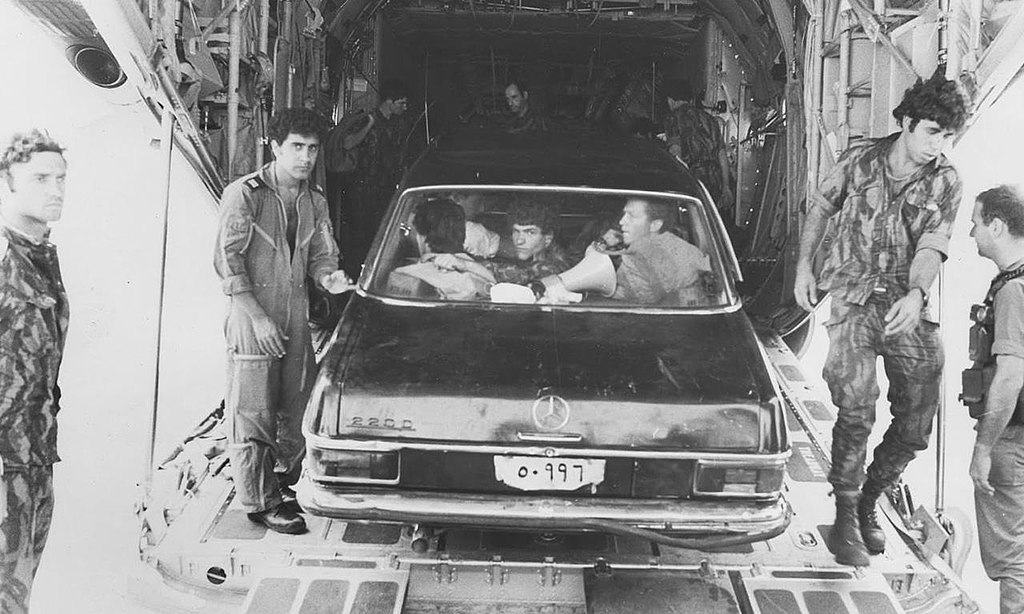
Operation Entebbe became one of the most influential counterterrorism victories of the modern era and demonstrated the growing importance of special operations forces in international security. While Israeli commandos carried out the raid itself, American intelligence support and broader Western coordination helped shape the operation’s success. Hostages held by terrorists at Uganda’s Entebbe Airport were rescued during a daring long-range mission that stunned the world. The operation became a blueprint for future hostage rescue missions and reinforced the growing emphasis placed on speed, intelligence gathering, precision operations, and elite counterterrorism capabilities during the post-Cold War era.
Operation Urgent Fury
- Conflict / War: Grenada Conflict
- Year: 1983
- Primary Adversary: Grenadian and Cuban forces
- Type of Operation: Invasion
- Key U.S. Forces Involved: U.S. Army, Marines, and Rangers
- Strategic Objective: Remove hostile regime and protect Americans
- Immediate Military Outcome: Rapid coalition victory
- Long-Term Global Impact: Restored confidence after Vietnam
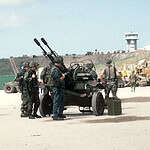
Operation Urgent Fury marked one of the first major American military interventions after the Vietnam War and restored confidence in U.S. rapid deployment capabilities. American forces invaded Grenada in 1983 following political instability and concerns over the safety of American medical students on the island. The operation exposed communication and coordination problems between military branches, but it also demonstrated overwhelming American combat superiority against a hostile regime. The success of Urgent Fury helped rebuild public confidence in the U.S. military after Vietnam and contributed to reforms that improved joint operations for future conflicts.
1986 United States bombing of Libya
- Conflict / War: Libya conflict
- Year: 1986
- Primary Adversary: Libya
- Type of Operation: Precision airstrike
- Key U.S. Forces Involved: U.S. Air Force and Navy
- Strategic Objective: Retaliate against state-sponsored terrorism
- Immediate Military Outcome: Targets successfully struck
- Long-Term Global Impact: Established precedent for retaliatory strikes
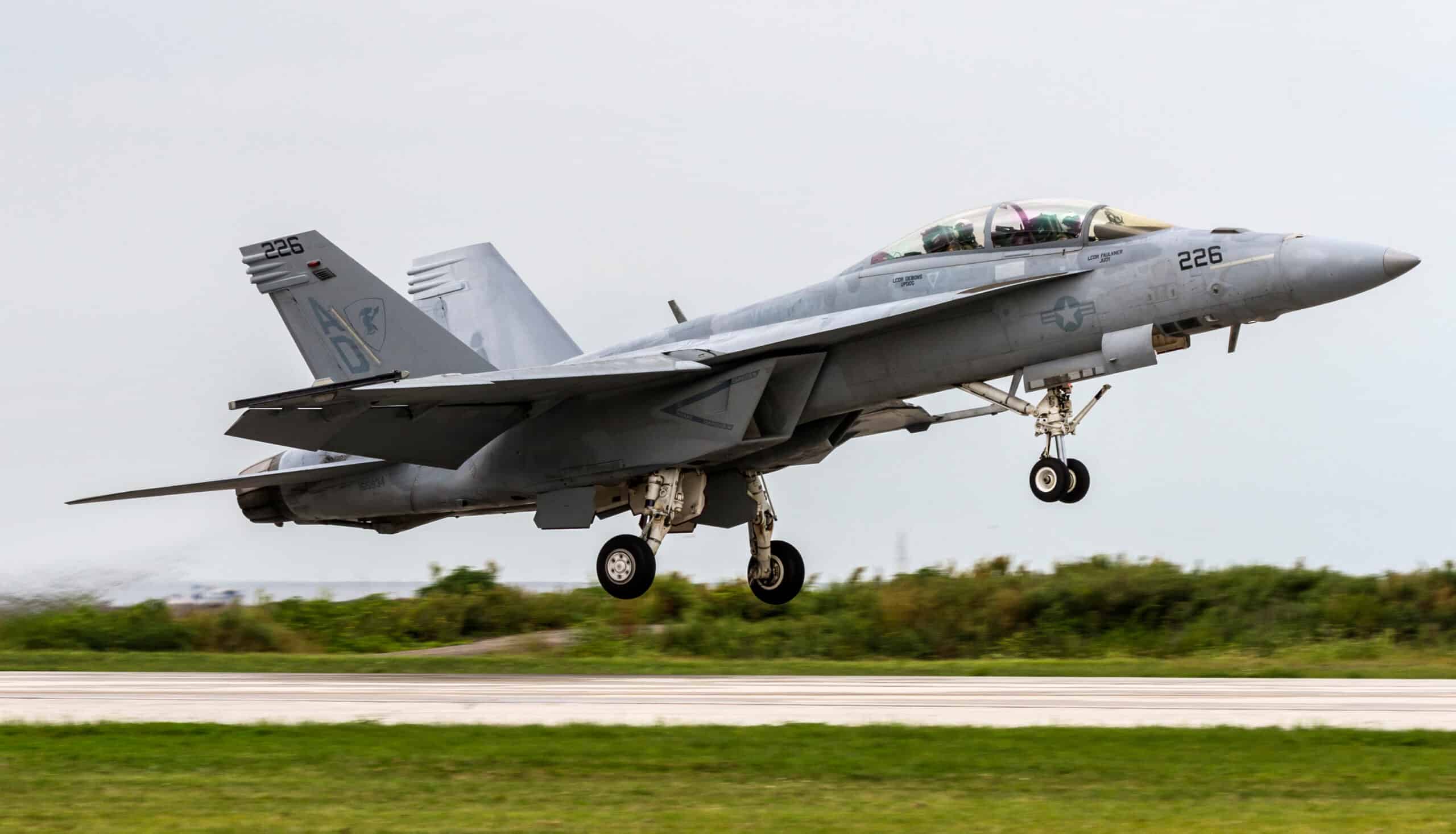
The 1986 bombing of Libya represented a major shift in how the United States responded to state-sponsored terrorism during the late Cold War. American aircraft launched precision strikes against Libyan targets tied to Muammar Gaddafi’s regime after terrorist attacks linked to Libya killed American personnel. The operation demonstrated America’s willingness to use direct military force in retaliation for international terrorism. Although controversial internationally, the strikes showcased improvements in long-range precision attack capability and reinforced the idea that the United States could rapidly project power against hostile governments supporting terrorist activity.
Operation Praying Mantis
- Conflict / War: Iran–Iraq War
- Year: 1988
- Primary Adversary: Iran
- Type of Operation: Naval combat operation
- Key U.S. Forces Involved: U.S. Navy
- Strategic Objective: Protect Gulf shipping lanes
- Immediate Military Outcome: Iranian naval forces severely damaged
- Long-Term Global Impact: Displayed overwhelming U.S. naval superiority
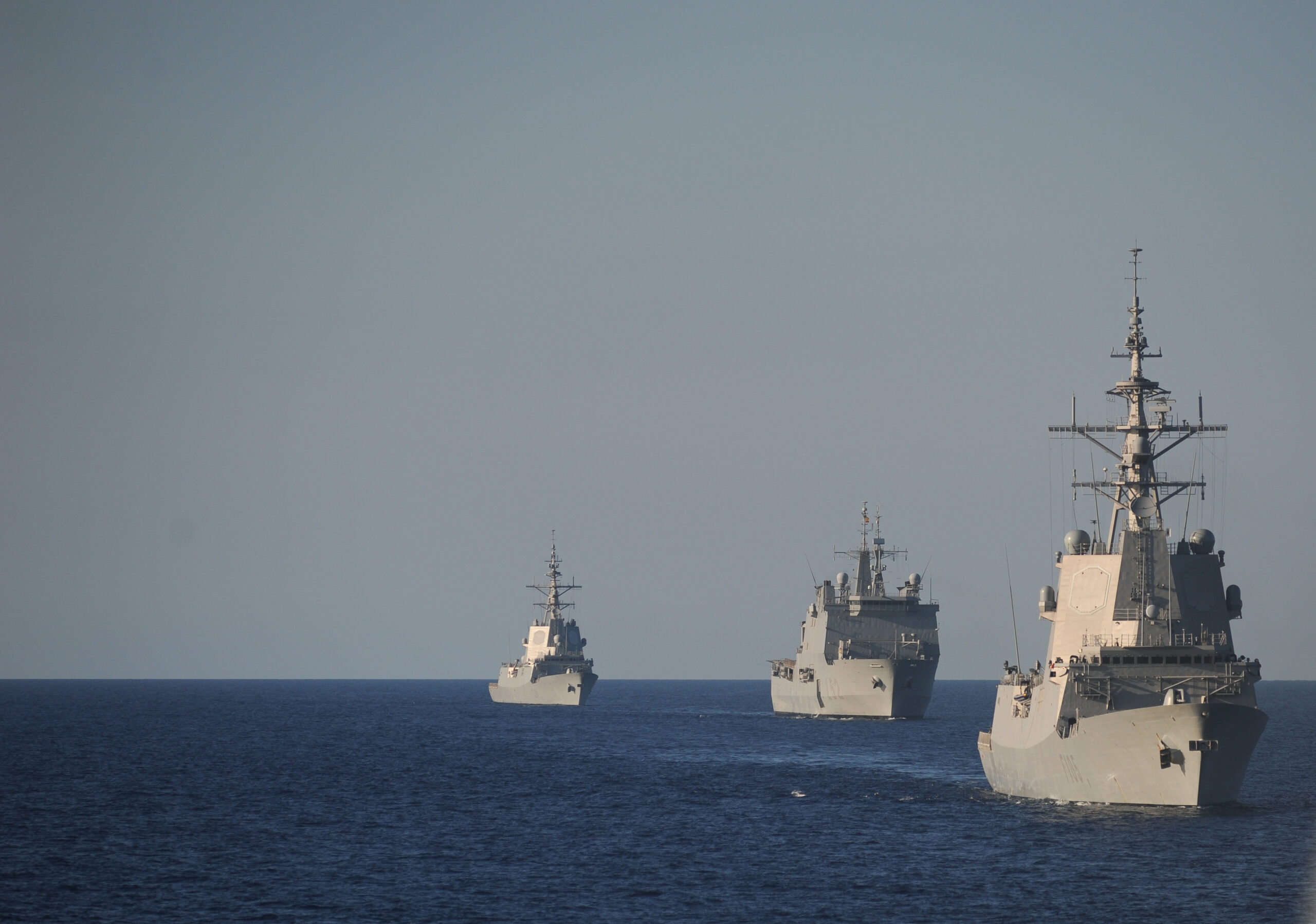
Operation Praying Mantis became the largest American naval combat operation since World War II and demonstrated overwhelming U.S. naval superiority in the Persian Gulf. Conducted in 1988 during tensions with Iran, the operation retaliated against Iranian mining activity that damaged an American warship. U.S. Navy forces rapidly destroyed Iranian ships, oil platforms, and military assets while suffering minimal losses themselves. The battle sent a powerful message about American control of critical maritime trade routes and established a precedent for future U.S. naval operations designed to deter Iranian aggression in the Gulf region.
Operation Just Cause
- Conflict / War: Panama invasion
- Year: 1989
- Primary Adversary: Panama Defense Forces
- Type of Operation: Invasion
- Key U.S. Forces Involved: U.S. Army and Special Operations Forces
- Strategic Objective: Remove Manuel Noriega
- Immediate Military Outcome: Rapid military victory
- Long-Term Global Impact: Showcased modern airborne and special operations
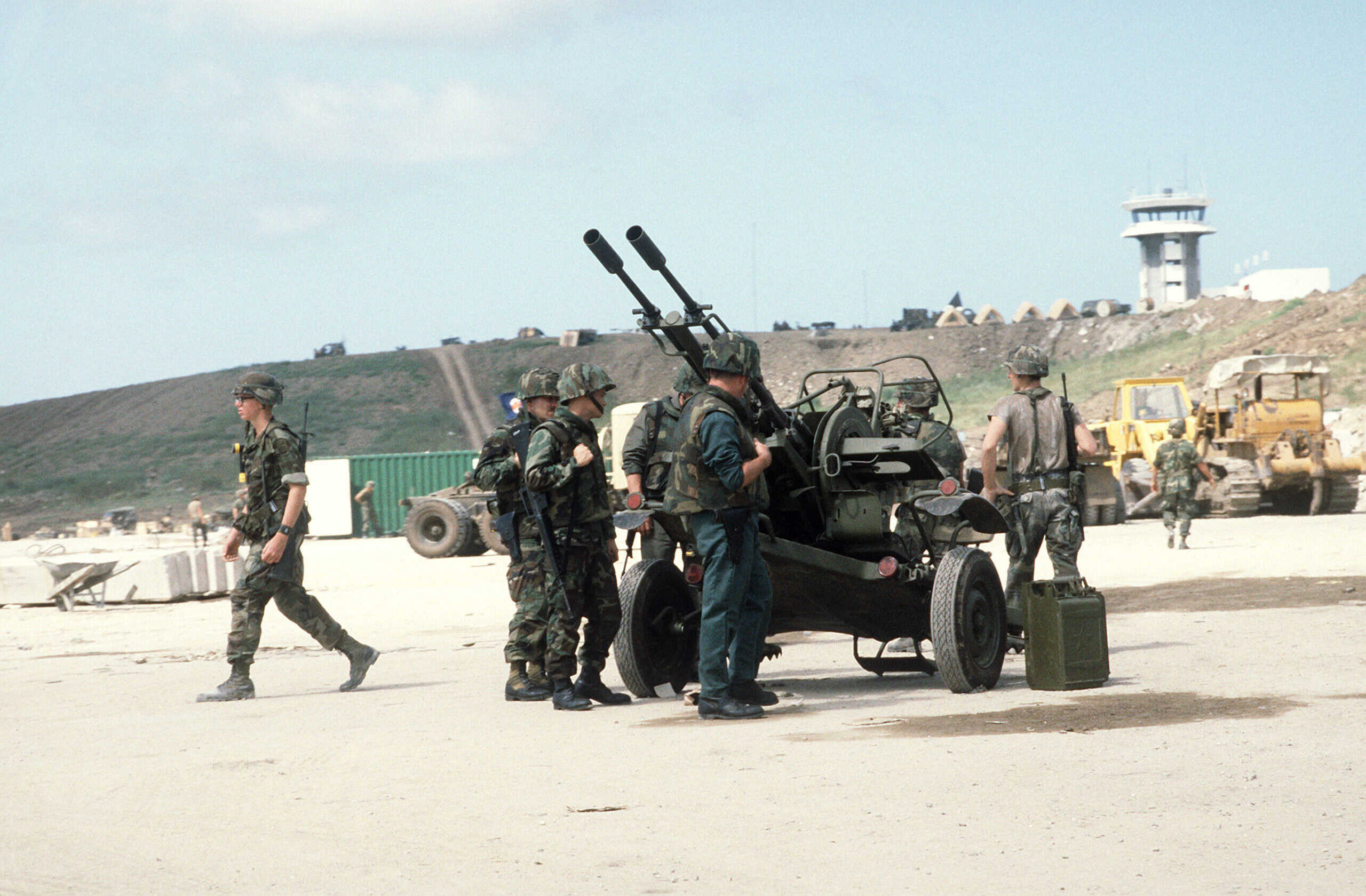
Operation Just Cause demonstrated the effectiveness of modern American airborne, special operations, and rapid deployment warfare during the closing years of the Cold War. In 1989, U.S. forces invaded Panama to remove dictator Manuel Noriega, protect American citizens, and secure the Panama Canal. The operation combined airborne assaults, special operations raids, armored maneuvers, and psychological warfare into a highly coordinated campaign. Just Cause exposed the growing sophistication of American joint-force doctrine and became an important testing ground for operational concepts later used during the Gulf War and other post-Cold War interventions.
Operation Desert Storm
- Conflict / War: Gulf War
- Year: 1991
- Primary Adversary: Iraq
- Type of Operation: Coalition air and ground campaign
- Key U.S. Forces Involved: U.S.-led coalition forces
- Strategic Objective: Expel Iraq from Kuwait
- Immediate Military Outcome: Decisive coalition victory
- Long-Term Global Impact: Defined post-Cold War American military dominance
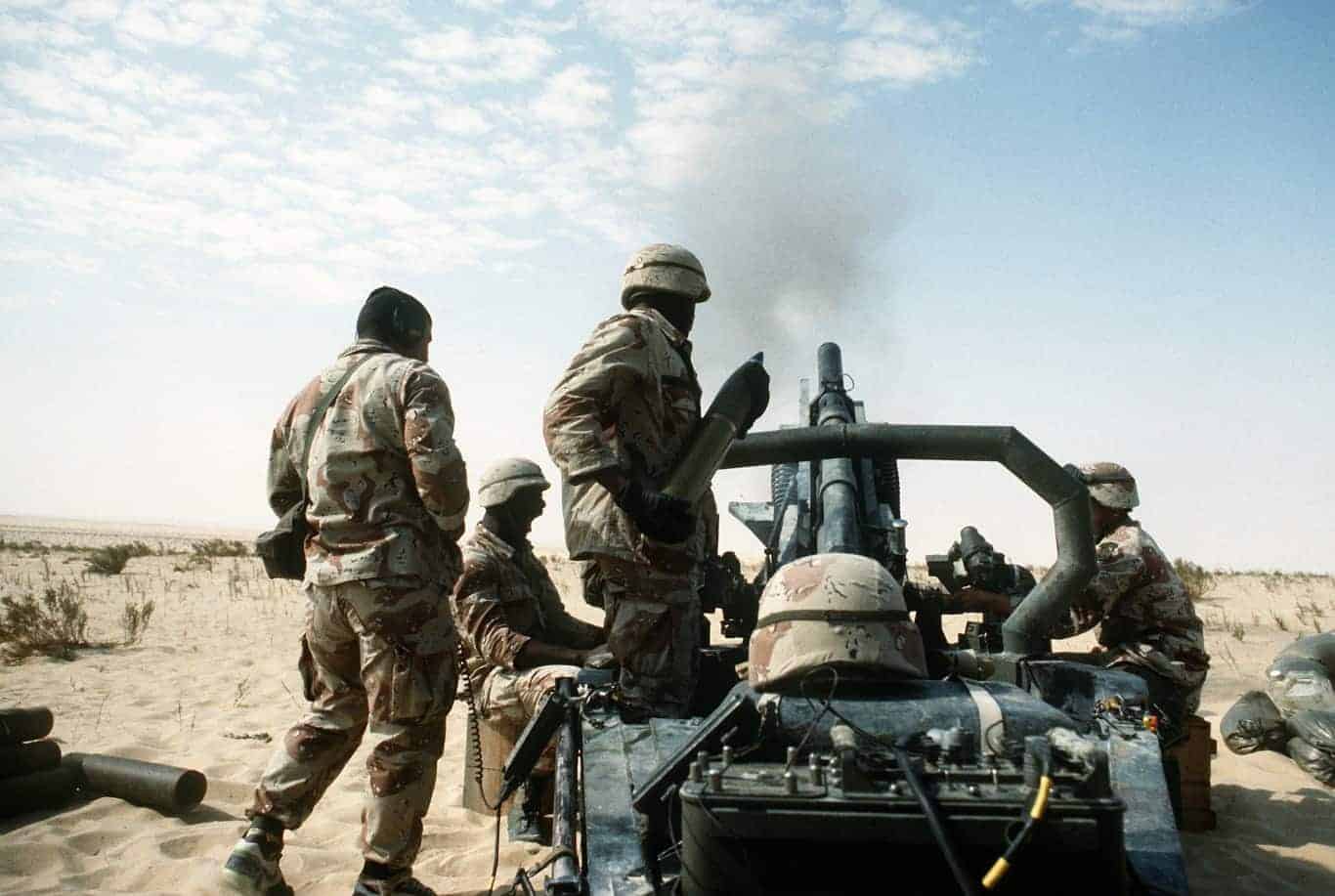
Operation Desert Storm became one of the defining American military victories of the post-Cold War era because it showcased overwhelming technological and operational superiority against one of the world’s largest armies. Following Iraq’s invasion of Kuwait, the United States assembled a massive international coalition that launched a devastating air campaign followed by a rapid ground offensive. Iraqi forces collapsed in only weeks under the weight of precision-guided munitions, armored warfare, and coordinated coalition operations. Desert Storm reshaped global perceptions of American military power and established the United States as the dominant military force of the modern era.
Operation Deliberate Force
- Conflict / War: Bosnian War
- Year: 1995
- Primary Adversary: Bosnian Serb forces
- Type of Operation: NATO air campaign
- Key U.S. Forces Involved: U.S. Air Force and NATO allies
- Strategic Objective: Force peace negotiations
- Immediate Military Outcome: Bosnian Serb military degraded
- Long-Term Global Impact: Helped end the Bosnian War
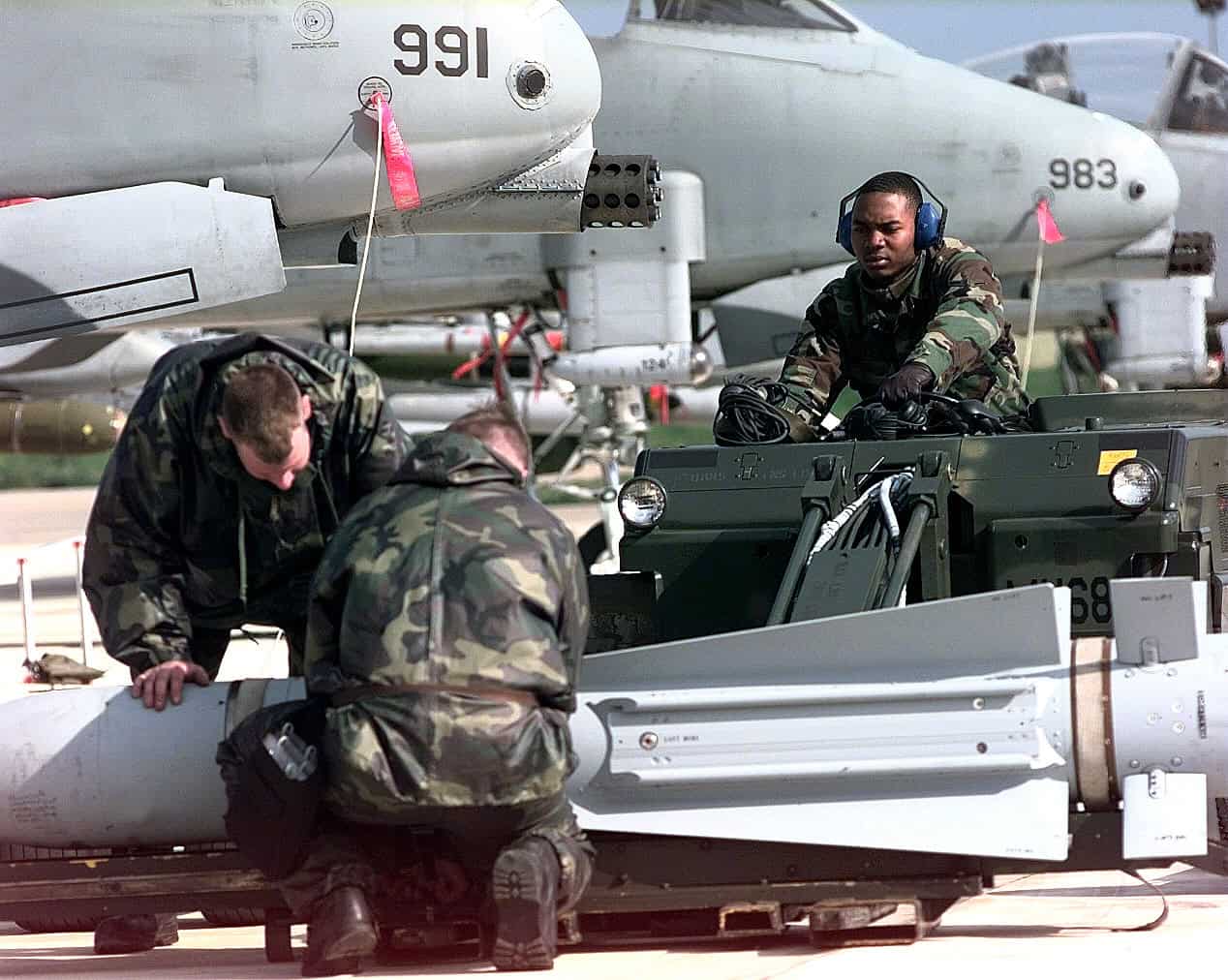
Operation Deliberate Force marked one of the most successful uses of NATO airpower during the post-Cold War period. Conducted in 1995 during the Bosnian War, the campaign targeted Bosnian Serb military infrastructure following repeated attacks on civilians and United Nations safe zones. American aircraft played a central role in precision strike operations that severely weakened Bosnian Serb capabilities and forced negotiations. The campaign demonstrated how sustained NATO airpower could compel political outcomes without large-scale ground invasions. Deliberate Force also reinforced the growing importance of coalition warfare and precision-guided weapons in modern conflict.
Operation Allied Force
- Conflict / War: Kosovo War
- Year: 1999
- Primary Adversary: Yugoslavia
- Type of Operation: NATO air campaign
- Key U.S. Forces Involved: U.S. Air Force and NATO allies
- Strategic Objective: Compel Serbian withdrawal from Kosovo
- Immediate Military Outcome: Yugoslav forces withdrew
- Long-Term Global Impact: Expanded role of precision NATO airpower
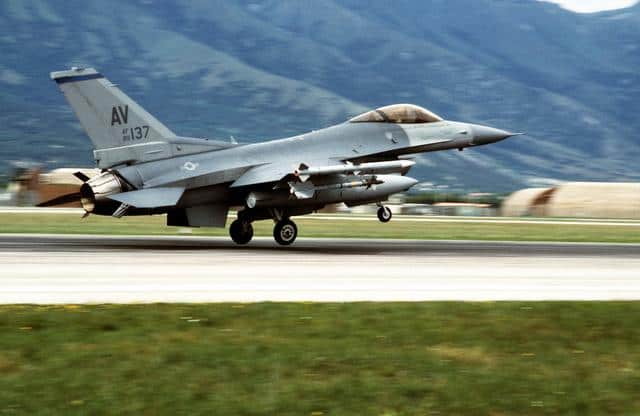
Operation Allied Force became one of the most important examples of modern precision air warfare and alliance-based military intervention. In 1999, NATO forces led heavily by the United States launched an extended bombing campaign against Yugoslavia to halt Serbian operations in Kosovo. The campaign relied heavily on precision-guided munitions, stealth aircraft, and advanced surveillance systems. Although the operation revealed limits to airpower alone, it ultimately forced Serbian withdrawal from Kosovo without a major NATO ground invasion. Allied Force helped define the role of modern coalition air campaigns in humanitarian and geopolitical crises.
Operation Enduring Freedom
- Conflict / War: War in Afghanistan
- Year: 2001
- Primary Adversary: Taliban and al-Qaeda
- Type of Operation: Counterterrorism campaign
- Key U.S. Forces Involved: U.S. Special Forces and Air Force
- Strategic Objective: Destroy al-Qaeda safe havens
- Immediate Military Outcome: Taliban government collapsed
- Long-Term Global Impact: Marked start of global war on terror
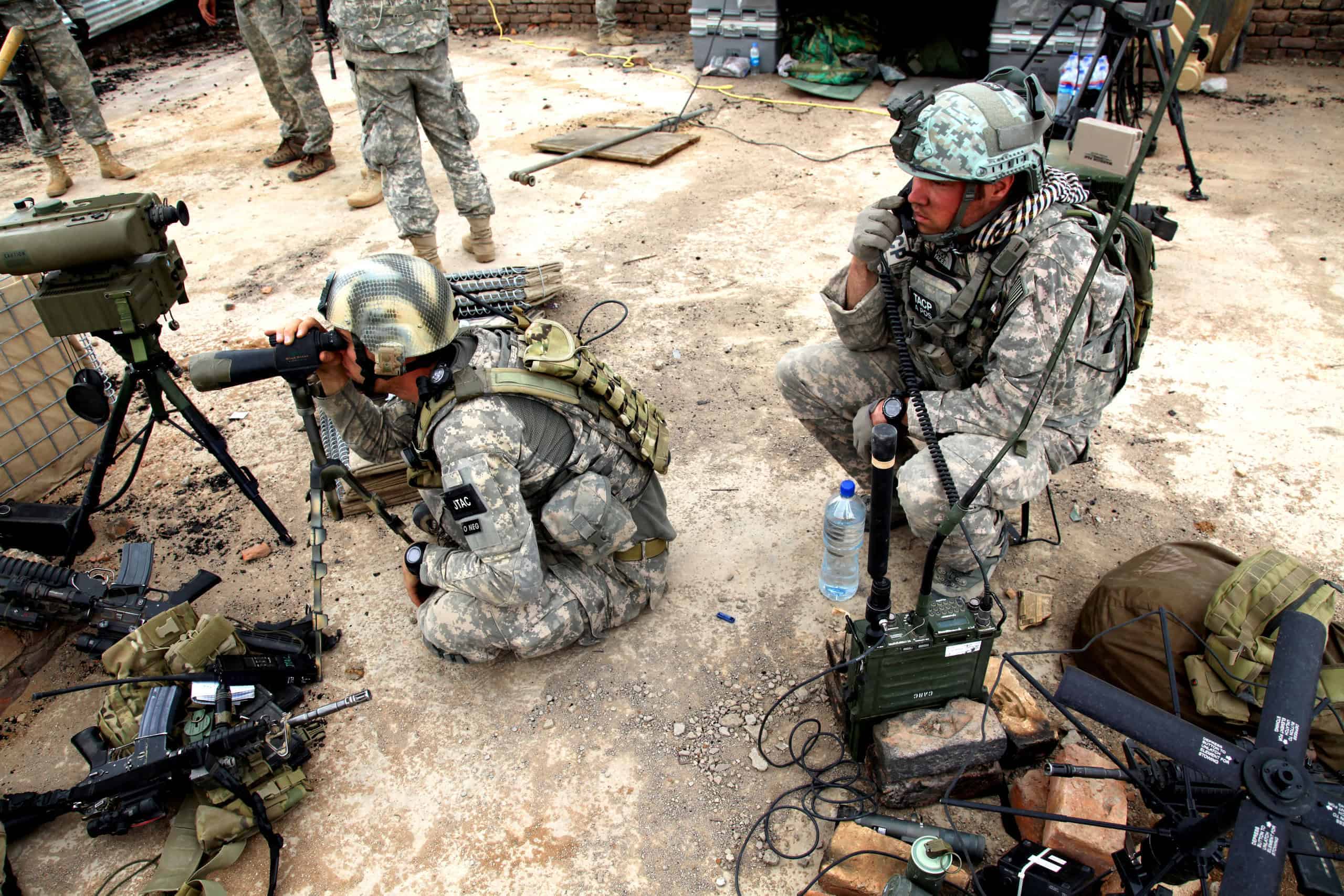
Operation Enduring Freedom marked the opening phase of the global war on terror and demonstrated how special operations forces, intelligence assets, and precision airpower could rapidly collapse a hostile regime. Following the September 11 attacks, American forces partnered with Afghan militias to target Taliban and al-Qaeda positions across Afghanistan. Within weeks, the Taliban government lost control of major cities and terrorist training infrastructure was heavily disrupted. The operation fundamentally reshaped U.S. military strategy for the twenty-first century, placing increased emphasis on counterterrorism, irregular warfare, intelligence integration, and long-range precision operations.
Battle of Fallujah
- Conflict / War: Iraq War
- Year: 2004
- Primary Adversary: Iraqi insurgents
- Type of Operation: Urban warfare
- Key U.S. Forces Involved: U.S. Marines and Army
- Strategic Objective: Eliminate insurgent stronghold
- Immediate Military Outcome: Coalition forces captured city
- Long-Term Global Impact: Became defining urban battle of the Iraq War
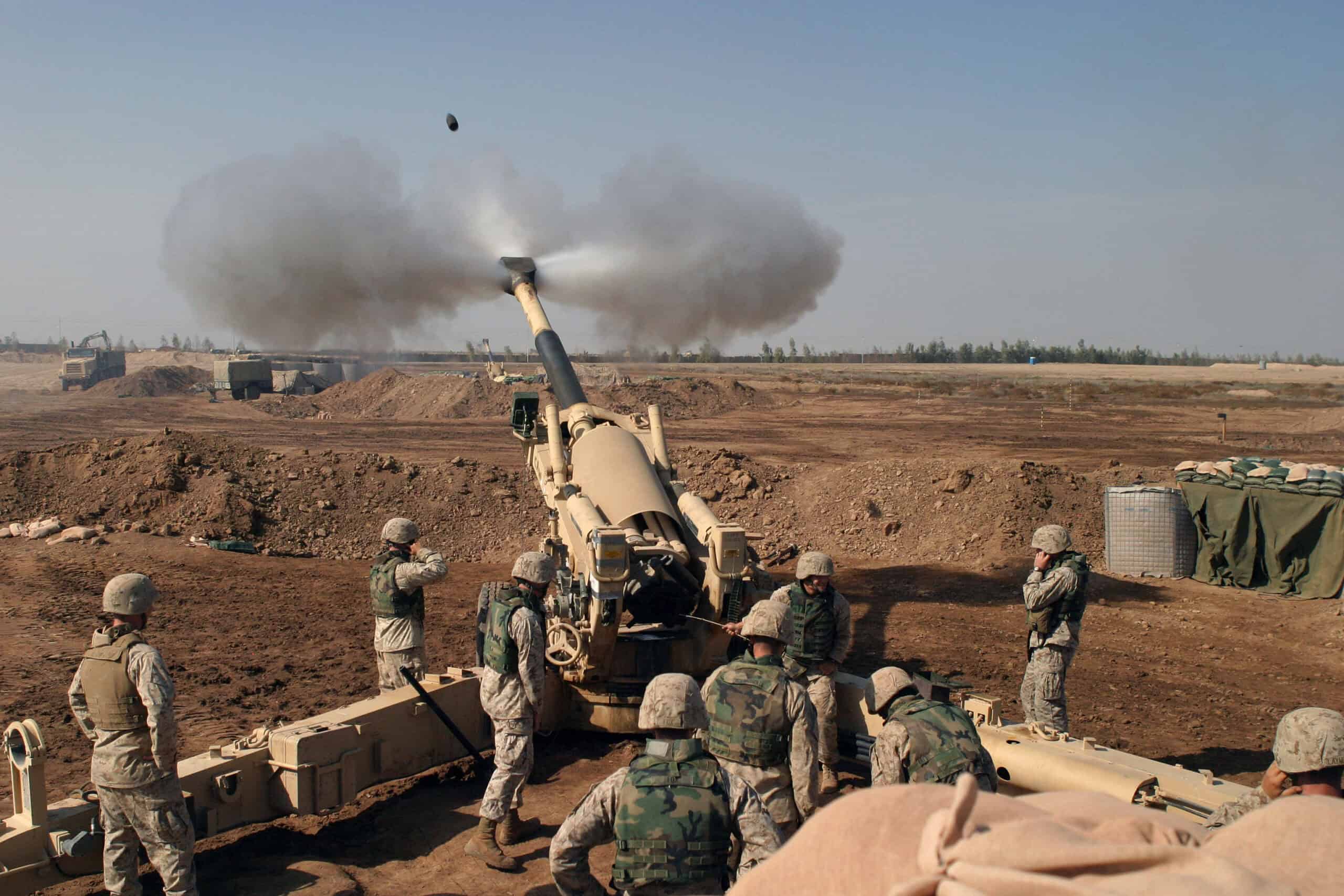
The Battle of Fallujah became one of the fiercest urban battles fought by American forces since Vietnam and demonstrated the enormous challenges of modern counterinsurgency warfare. U.S. Marines and Army units launched a massive assault in 2004 to retake the Iraqi city from insurgent forces who had transformed it into a fortified stronghold. The fighting involved house-to-house combat, sniper engagements, and coordinated infantry-armor operations across densely populated terrain. Although costly, the battle severely damaged insurgent networks and demonstrated the adaptability of American forces in urban warfare environments that would influence later military operations worldwide.
Operation Neptune Spear
- Conflict / War: War on Terror
- Year: 2011
- Primary Adversary: al-Qaeda
- Type of Operation: Special operations raid
- Key U.S. Forces Involved: U.S. Navy SEALs
- Strategic Objective: Kill or capture Osama bin Laden
- Immediate Military Outcome: Bin Laden killed
- Long-Term Global Impact: Major symbolic victory in war on terror
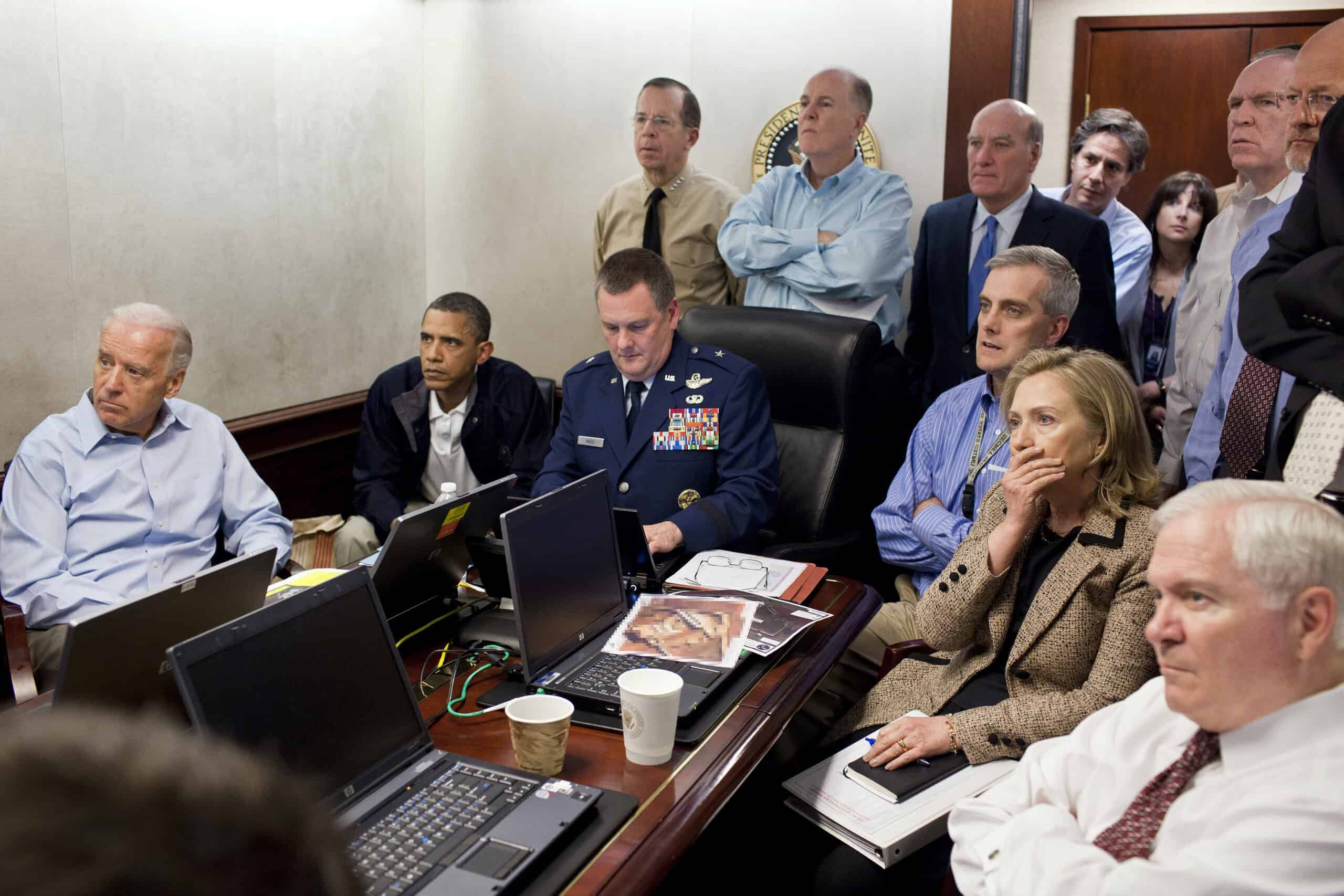
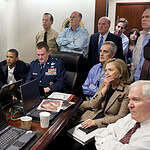
Operation Neptune Spear became one of the most symbolically important American military victories of the modern era because it resulted in the death of al-Qaeda leader Osama bin Laden nearly a decade after the September 11 attacks. Conducted by U.S. Navy SEALs deep inside Pakistan, the operation relied on intelligence gathering, stealth helicopters, and highly specialized special operations capabilities. The successful raid demonstrated America’s ability to conduct precise, high-risk missions anywhere in the world. Neptune Spear reinforced the strategic importance of elite special operations forces in counterterrorism and modern irregular warfare.
Battle of Kobani
- Conflict / War: Syrian Civil War
- Year: 2014-2015
- Primary Adversary: ISIS
- Type of Operation: Urban defense and air support
- Key U.S. Forces Involved: U.S.-led coalition airpower
- Strategic Objective: Stop ISIS expansion into Syria
- Immediate Military Outcome: ISIS offensive defeated
- Long-Term Global Impact: Demonstrated effectiveness of coalition airpower
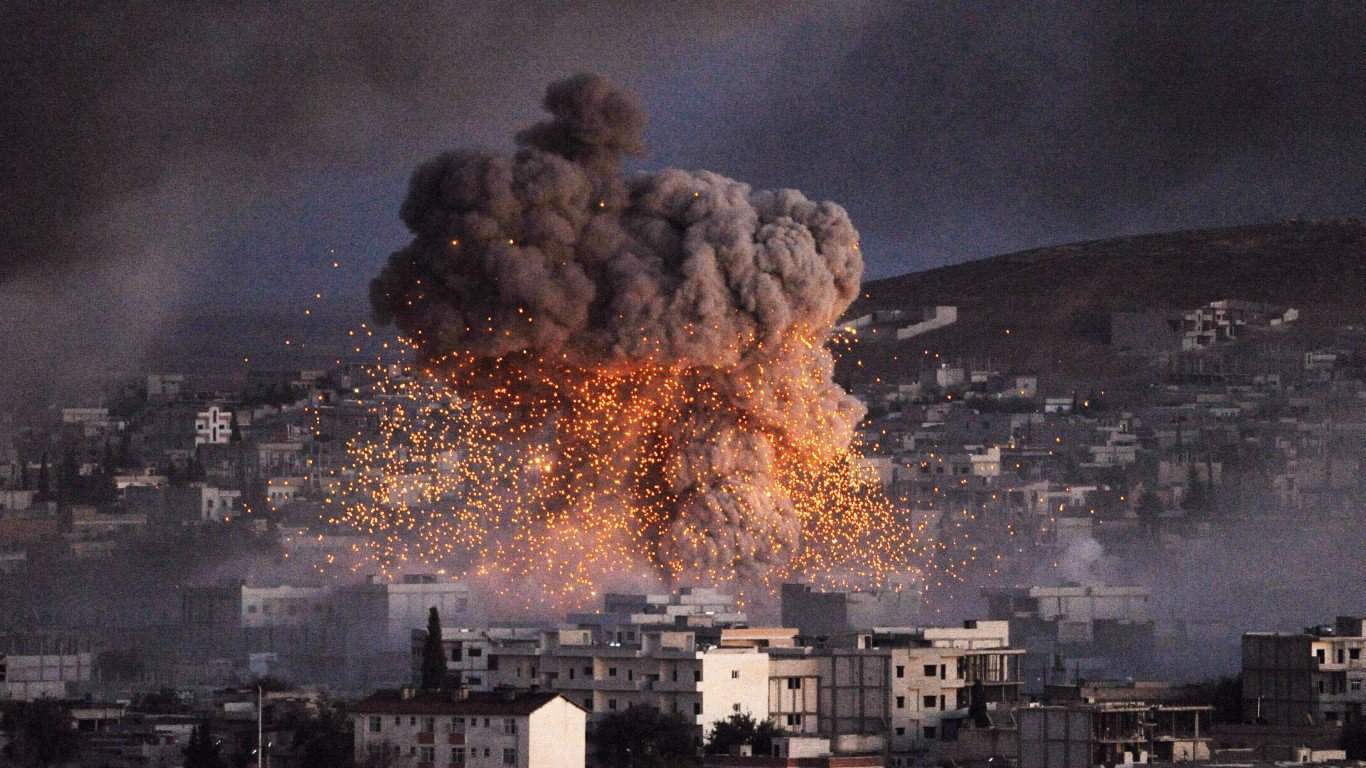
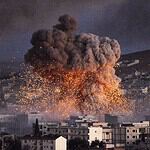
The Battle of Kobani demonstrated how coalition airpower combined with local ground forces could successfully halt ISIS expansion during the Syrian Civil War. ISIS militants launched a major offensive against the Kurdish-held city in 2014, threatening to seize a critical strategic position near the Turkish border. U.S.-led coalition aircraft carried out sustained precision strikes that devastated ISIS formations while Kurdish fighters defended the city block by block. Kobani became one of the first major battlefield defeats suffered by ISIS and helped shift momentum against the terrorist organization throughout the region.
Battle of Baghuz Fawqani
- Conflict / War: War against ISIS
- Year: 2019
- Primary Adversary: ISIS
- Type of Operation: Final offensive operation
- Key U.S. Forces Involved: U.S.-backed Syrian Democratic Forces
- Strategic Objective: Destroy ISIS territorial caliphate
- Immediate Military Outcome: ISIS territorial control ended
- Long-Term Global Impact: Marked collapse of ISIS territorial rule
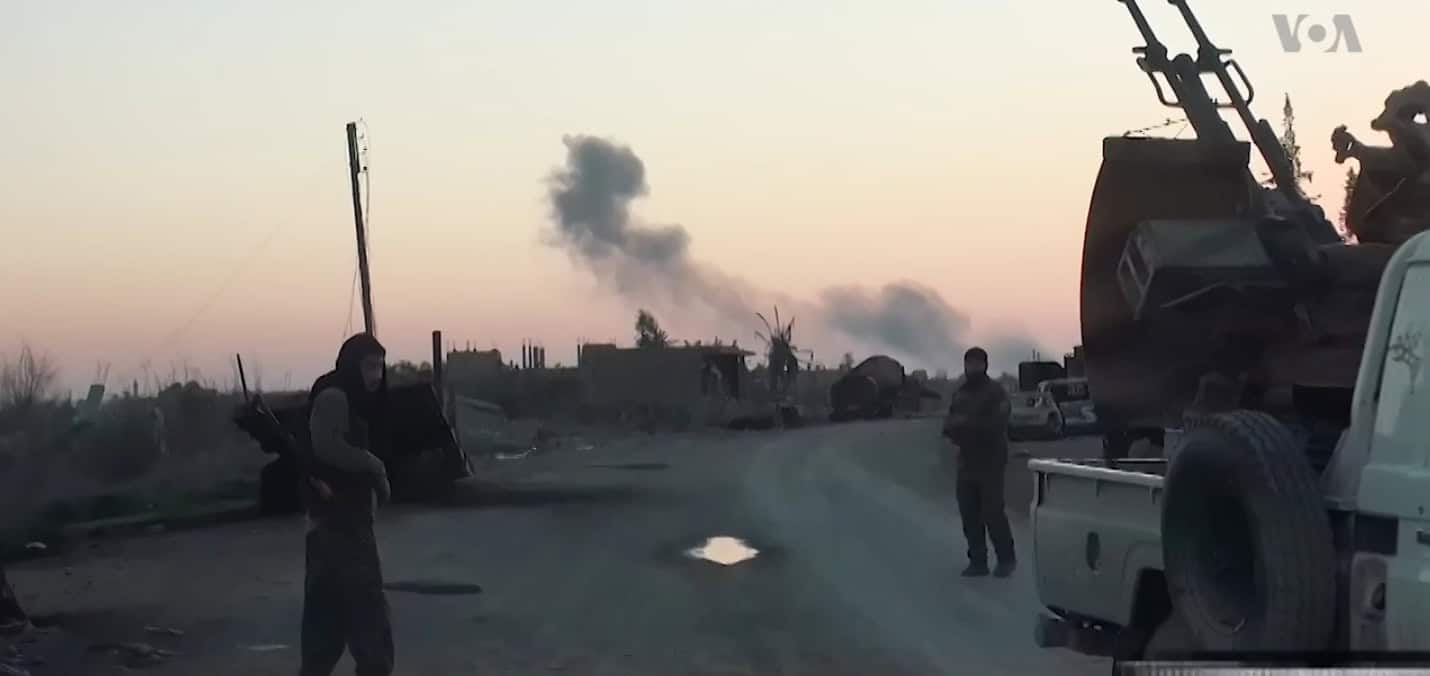
The Battle of Baghuz Fawqani marked the final collapse of ISIS territorial control in Syria and became one of the most significant victories of the international campaign against the Islamic State. U.S.-supported Syrian Democratic Forces surrounded the remaining ISIS stronghold while coalition aircraft and intelligence assets supported the assault. The battle formally ended ISIS’s territorial caliphate after years of brutal fighting across Iraq and Syria. Although ISIS remained a dangerous insurgent movement afterward, Baghuz represented a major strategic milestone that demonstrated the effectiveness of coalition warfare, intelligence coordination, and sustained counterterrorism operations.
The image featured at the top of this post is ©Public Domain / Wikimedia Commons / Original