



The Legendary Ships That Made America a Global Superpower
Long before the United States became a global superpower, ships connected the young nation to the wider world. They carried settlers across oceans, protected commerce, explored distant waters, and defended American interests during times of war. Some became symbols of national identity, while others helped establish the country's economic and military foundations. Throughout American history, ships have often stood at the center of transformative events. Understanding the vessels that shaped the nation provides a unique perspective on how the United States evolved from a collection of colonies into one of the world's leading maritime powers. Here, History Computer is exploring some of the most influential vessels in American Naval history.
Here is a look at America’s most important ships throughout history:
Mayflower
- Era: Colonial Era
- Ship Type: Merchant Ship
- The Mission or Role: Transport settlers to North America
- Defining Moment: Pilgrims' voyage in 1620
- Historical Legacy: Foundational symbol of early English settlement in America
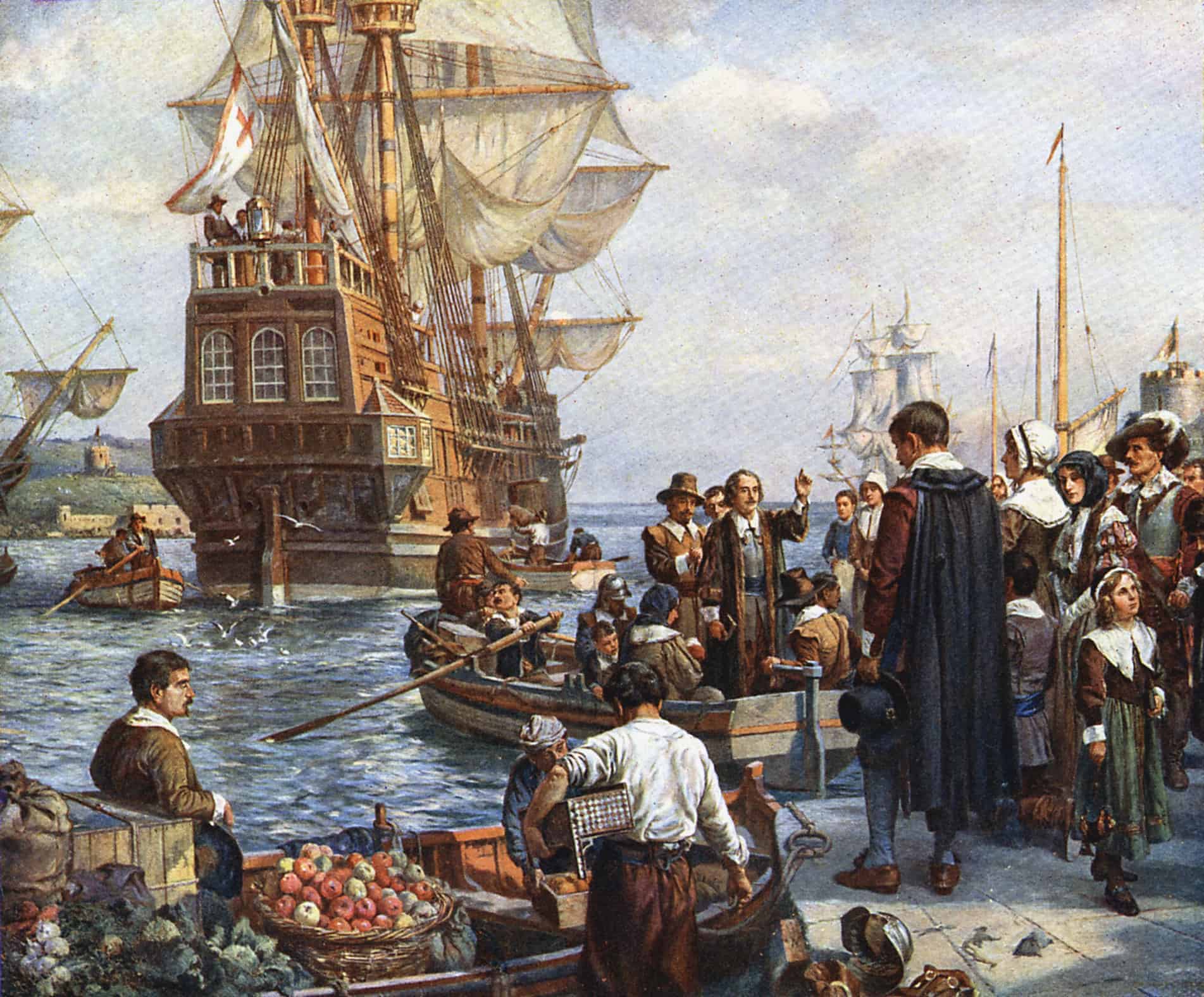
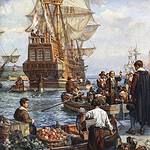
Few ships occupy a larger place in American historical memory than the Mayflower. In 1620, the vessel carried a group of English settlers, later known as the Pilgrims, across the Atlantic Ocean to North America. Although the voyage itself was difficult and the colony they established endured immense hardship, the journey became one of the foundational stories of early English settlement in what would eventually become the United States. The Mayflower is also closely associated with the Mayflower Compact, an agreement that helped establish principles of self-governance among the settlers. While many ships crossed the Atlantic during the colonial era, few became as symbolic as the Mayflower. Its voyage represents themes of migration, religious freedom, and community-building that continue to hold a significant place in American history.
USS Constitution
- Era: War of 1812
- Ship Type: Frigate
- The Mission or Role: Protect American commerce and sovereignty
- Defining Moment: Victories over British warships
- Historical Legacy: Enduring symbol of the early U.S. Navy
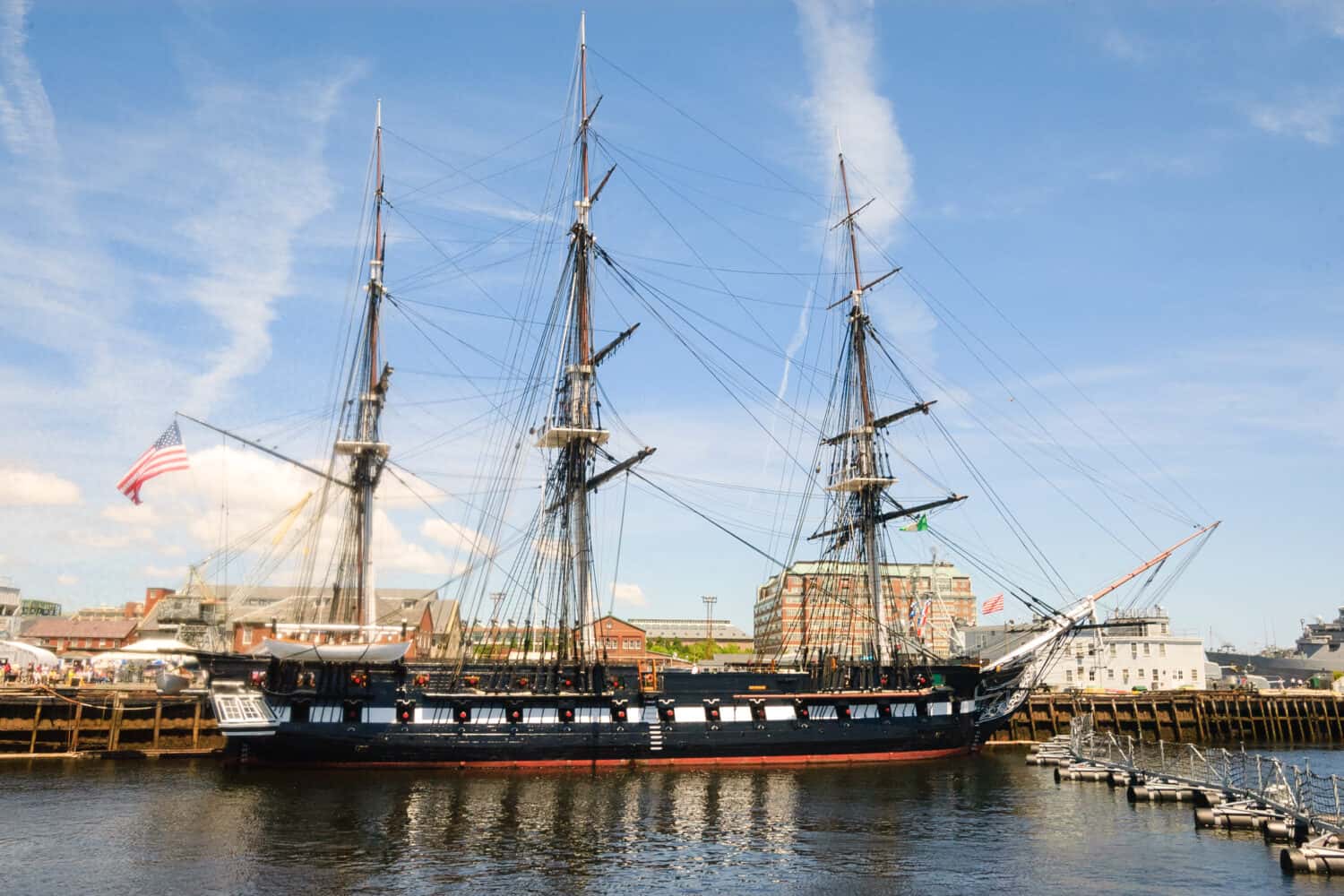
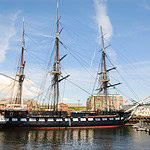
Known affectionately as "Old Ironsides," USS Constitution is one of the most famous warships in American history. Launched in 1797, the frigate gained legendary status during the War of 1812 through a series of victories against British warships. Sailors observed enemy cannonballs bouncing off the ship's thick wooden hull, inspiring the nickname that endures today. At a time when many doubted the young nation's ability to challenge the world's most powerful navy, Constitution demonstrated that American naval forces could compete successfully against experienced opponents. The ship became a powerful symbol of national resilience and maritime strength. More than two centuries later, it remains the oldest commissioned warship afloat in the world and continues to serve as a living reminder of the United States' early struggle for recognition and security.
USS Chesapeake
- Era: War of 1812
- Ship Type: Frigate
- The Mission or Role: Naval warfare against Britain
- Defining Moment: Capture by HMS Shannon
- Historical Legacy: Highlighted the challenges faced by the young U.S. Navy
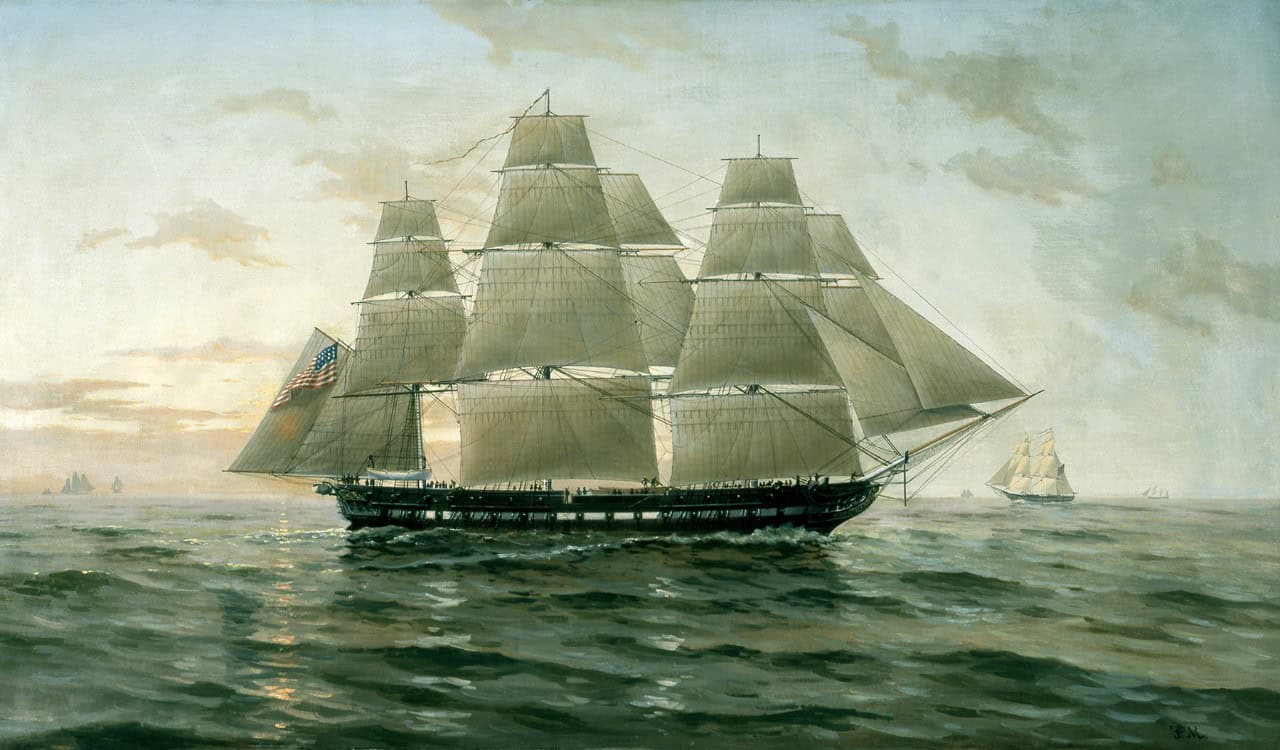
USS Chesapeake occupies a unique place in American naval history because its story reflects both triumph and adversity. As one of the original six frigates authorized by Congress, the ship helped establish the early U.S. Navy. Chesapeake became particularly famous for two incidents: the Chesapeake-Leopard Affair of 1807 and its eventual capture by HMS Shannon during the War of 1812. The first incident inflamed tensions between the United States and Great Britain, while the second became one of the most discussed naval engagements of the war. Although its combat record was mixed compared to some of its sister ships, Chesapeake played an important role in shaping public attitudes toward naval preparedness and national defense. Its career highlights the challenges faced by the young American republic as it sought to protect its interests on the high seas.
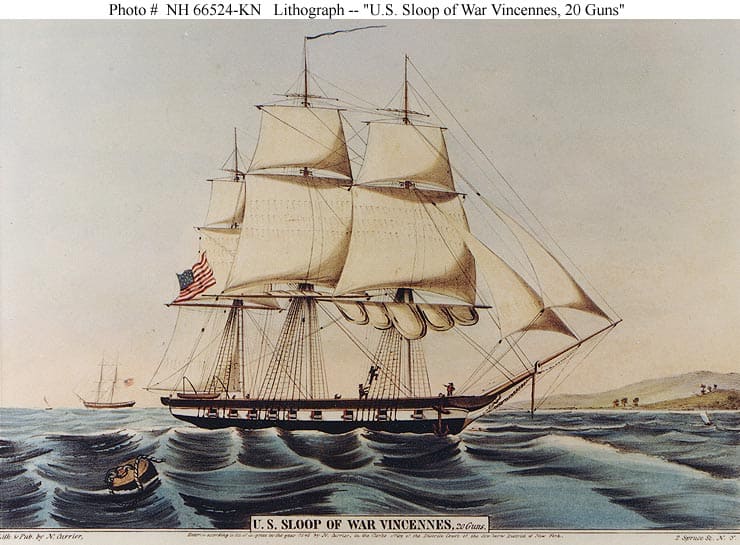
USS Vincennes
- Era: Early Republic
- Ship Type: Sloop-of-War
- The Mission or Role: Exploration and diplomacy
- Defining Moment: Global circumnavigation missions
- Historical Legacy: Expanded American presence overseas
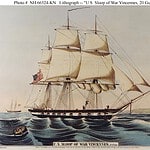
USS Vincennes played a significant role in expanding America's international presence during the nineteenth century. Launched in 1826, the sloop-of-war became the first U.S. Navy vessel to circumnavigate the globe, demonstrating the growing reach of American maritime power. Beyond its naval duties, Vincennes participated in scientific expeditions, diplomatic missions, and exploration efforts that helped broaden American knowledge of the world. The ship's service reflected a period when the United States was beginning to look beyond its borders and establish itself as an increasingly influential international actor. Vincennes contributed to mapping efforts, scientific discovery, and diplomatic engagement at a time when global exploration remained difficult and dangerous. Its legacy extends beyond military service, representing America's emergence onto the world stage.
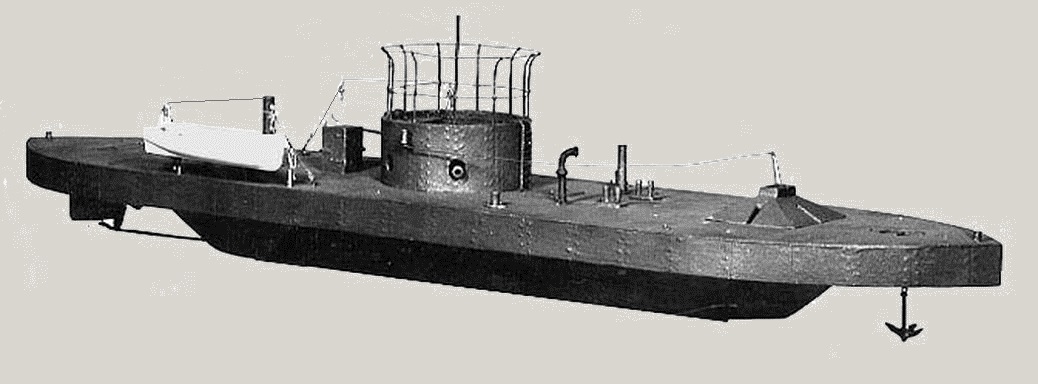
USS Monitor
- Era: Civil War
- Ship Type: Ironclad Warship
- The Mission or Role: Counter Confederate naval threats
- Defining Moment: Battle of Hampton Roads
- Historical Legacy: Revolutionized naval warfare
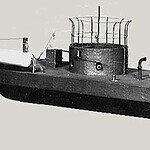
USS Monitor changed naval warfare forever. Built during the Civil War in response to the Confederate ironclad Virginia, the vessel introduced a revolutionary design centered around a rotating armored gun turret. When Monitor met Virginia at the Battle of Hampton Roads in 1862, the engagement marked the first clash between ironclad warships in history. Although the battle itself ended inconclusively, its implications were enormous. Navies around the world immediately recognized that wooden warships had become obsolete. Monitor's innovative design influenced warship development for decades and helped usher in a new era of armored naval combat. Despite its short service life, the vessel's impact far exceeded its operational history. Few ships have altered the trajectory of military technology as dramatically as USS Monitor.
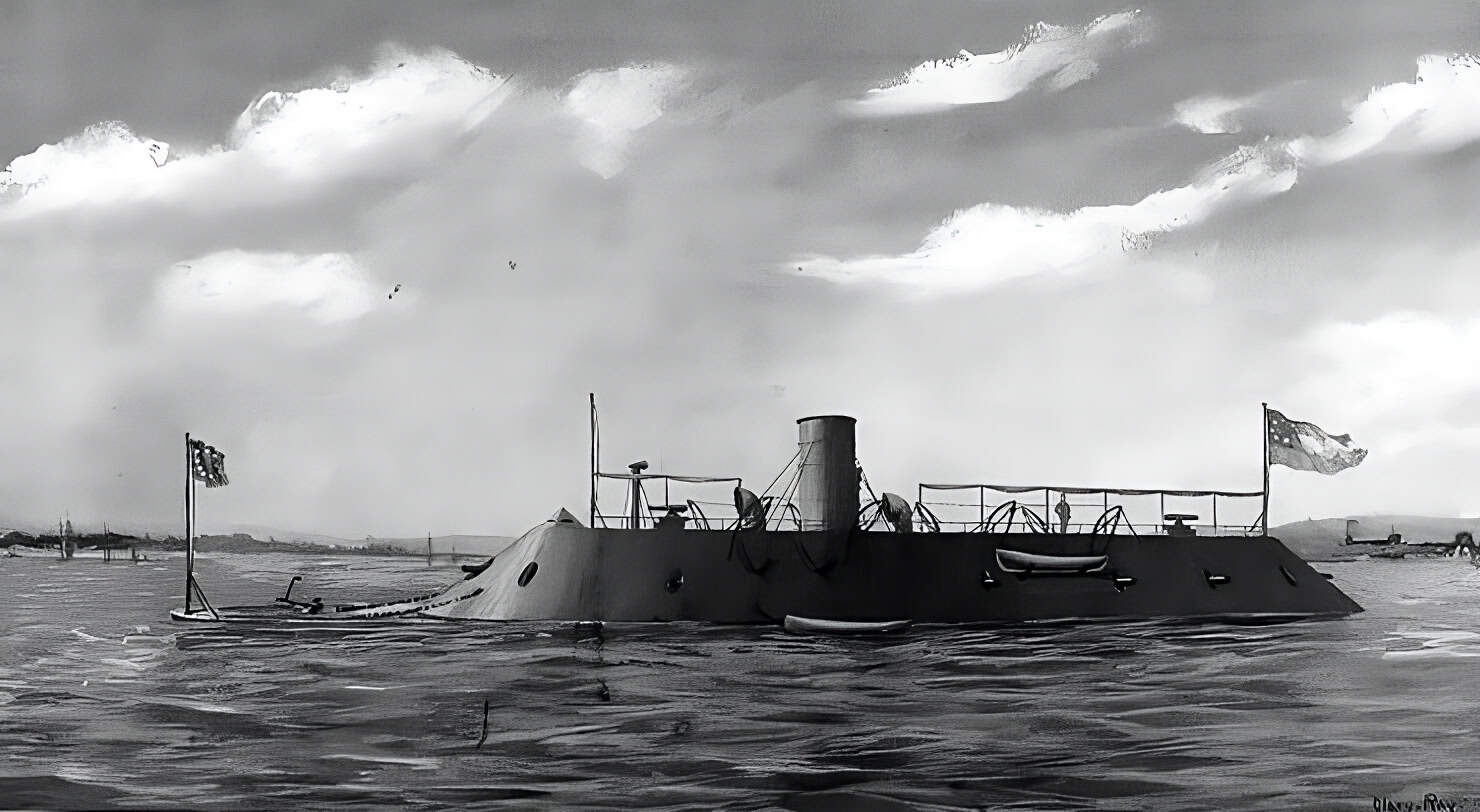
CSS Virginia
- Era: Civil War
- Ship Type: Ironclad Warship
- The Mission or Role: Break Union naval blockade
- Defining Moment: Battle of Hampton Roads
- Historical Legacy: Helped end the era of wooden warships
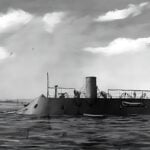
Although not a U.S. Navy vessel, CSS Virginia earned its place in American history through its profound influence on naval warfare. Constructed from the salvaged hull of the former USS Merrimack, Virginia emerged as the Confederacy's answer to Union naval superiority. Its armored design allowed it to destroy several wooden Union warships during the Battle of Hampton Roads, shocking military observers around the world. The ship's success demonstrated that traditional wooden fleets could no longer dominate the seas. While Virginia's career was brief, its appearance accelerated the global transition toward armored warships and fundamentally changed naval strategy. Together with USS Monitor, Virginia helped bring an end to centuries of naval design tradition and launched a technological revolution that reshaped maritime warfare.
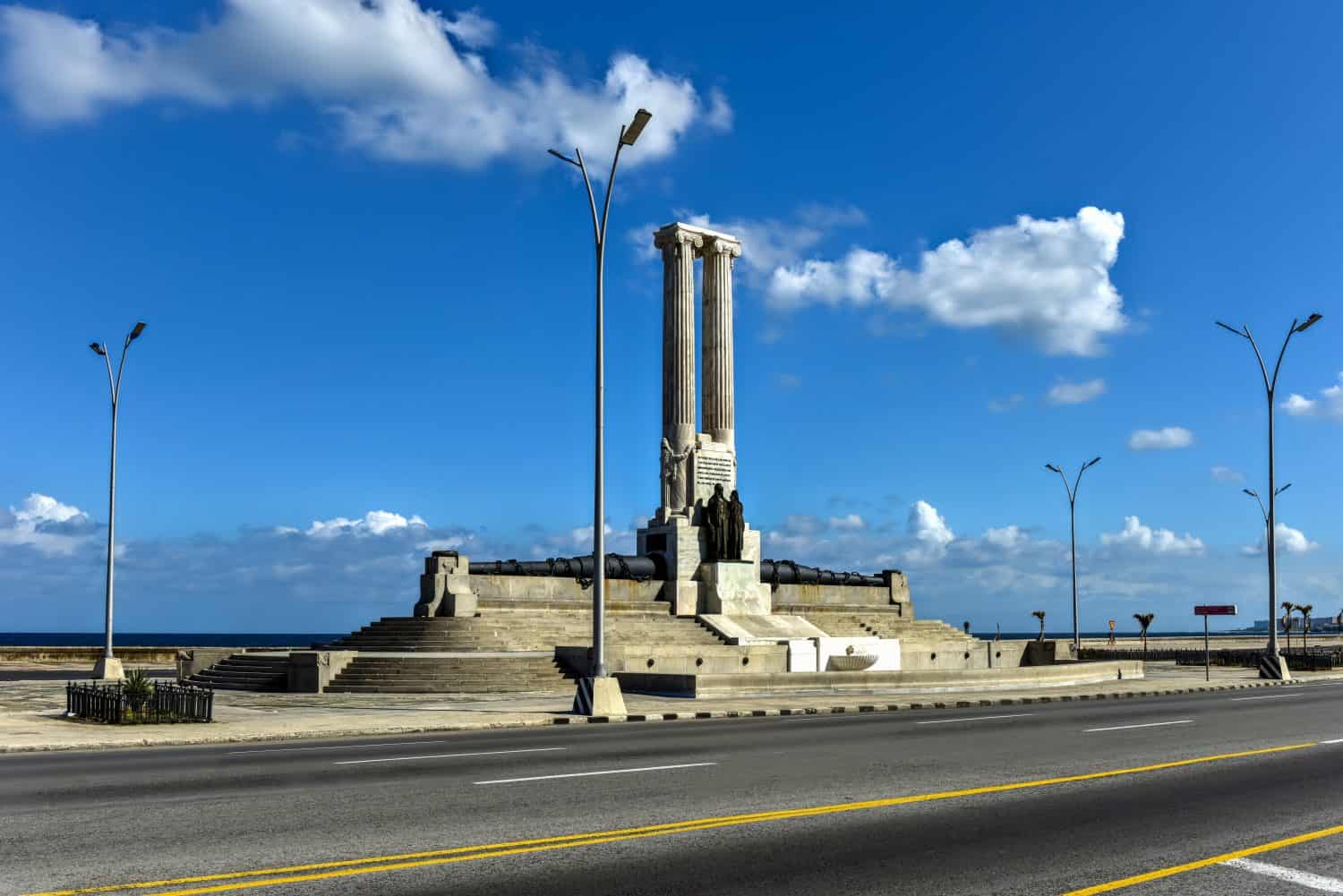
USS Maine
- Era: Spanish-American War
- Ship Type: Battleship
- The Mission or Role: Protect U.S. interests in Cuba
- Defining Moment: Explosion in Havana Harbor
- Historical Legacy: Helped trigger the Spanish-American War
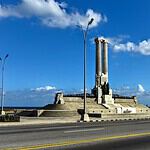
USS Maine occupies a pivotal place in American political and military history. In February 1898, the battleship exploded while anchored in Havana Harbor, killing more than 250 sailors. Although the exact cause remains debated, the disaster became a rallying point for those advocating war against Spain. Newspapers of the era popularized the phrase "Remember the Maine!" and public pressure helped push the United States toward intervention in Cuba. The resulting Spanish-American War transformed America's position on the global stage, leading to the acquisition of overseas territories and the emergence of the United States as a significant international power. While Maine's active service was relatively limited, its destruction became one of the most consequential maritime events in American history.
USS Olympia
- Era: Spanish-American War
- Ship Type: Protected Cruiser
- The Mission or Role: Flagship of U.S. Asiatic Squadron
- Defining Moment: Battle of Manila Bay
- Historical Legacy: Symbolized America's rise as a global power
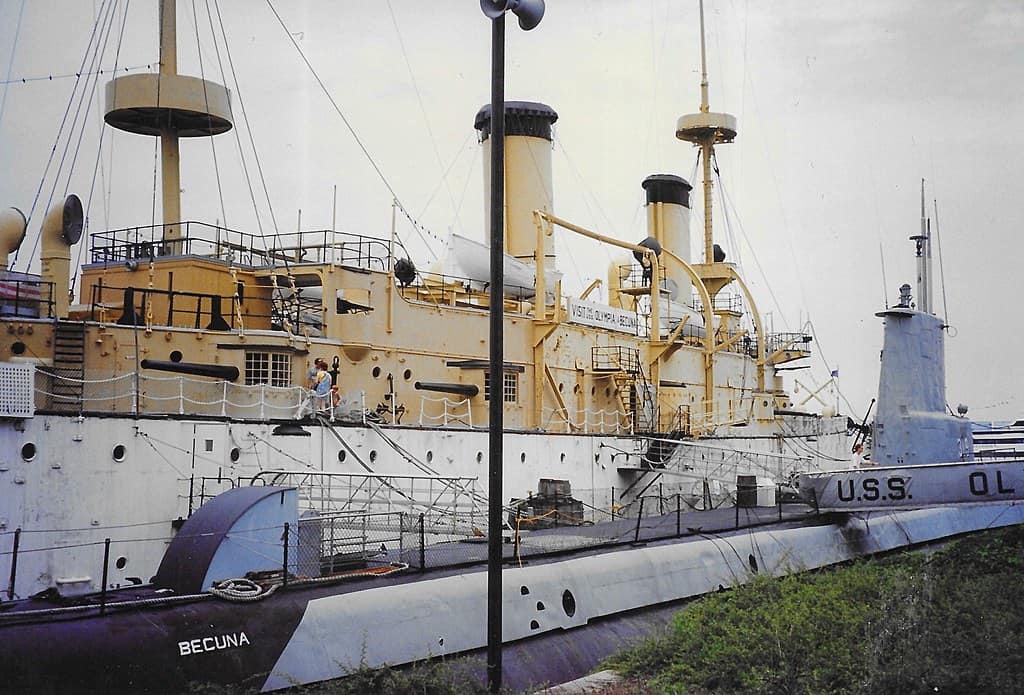
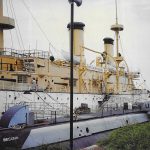
USS Olympia symbolizes the moment the United States emerged as a major global power. As Admiral George Dewey's flagship during the Battle of Manila Bay in 1898, Olympia led American forces to a decisive victory over the Spanish fleet in the Philippines. The triumph demonstrated the growing effectiveness of the U.S. Navy and marked a turning point in American foreign policy. The victory helped establish American influence across the Pacific and contributed to the country's rise as an international power. Olympia's success showed that the United States could project military force far beyond its shores and compete with established imperial powers. Today, the ship stands as one of the most important surviving artifacts from a period that fundamentally reshaped America's role in the world.
USS Langley (CV-1)
- Era: Interwar Period
- Ship Type: Aircraft Carrier
- The Mission or Role: Test naval aviation concepts
- Defining Moment: America's first aircraft carrier operations
- Historical Legacy: Paved the way for carrier warfare
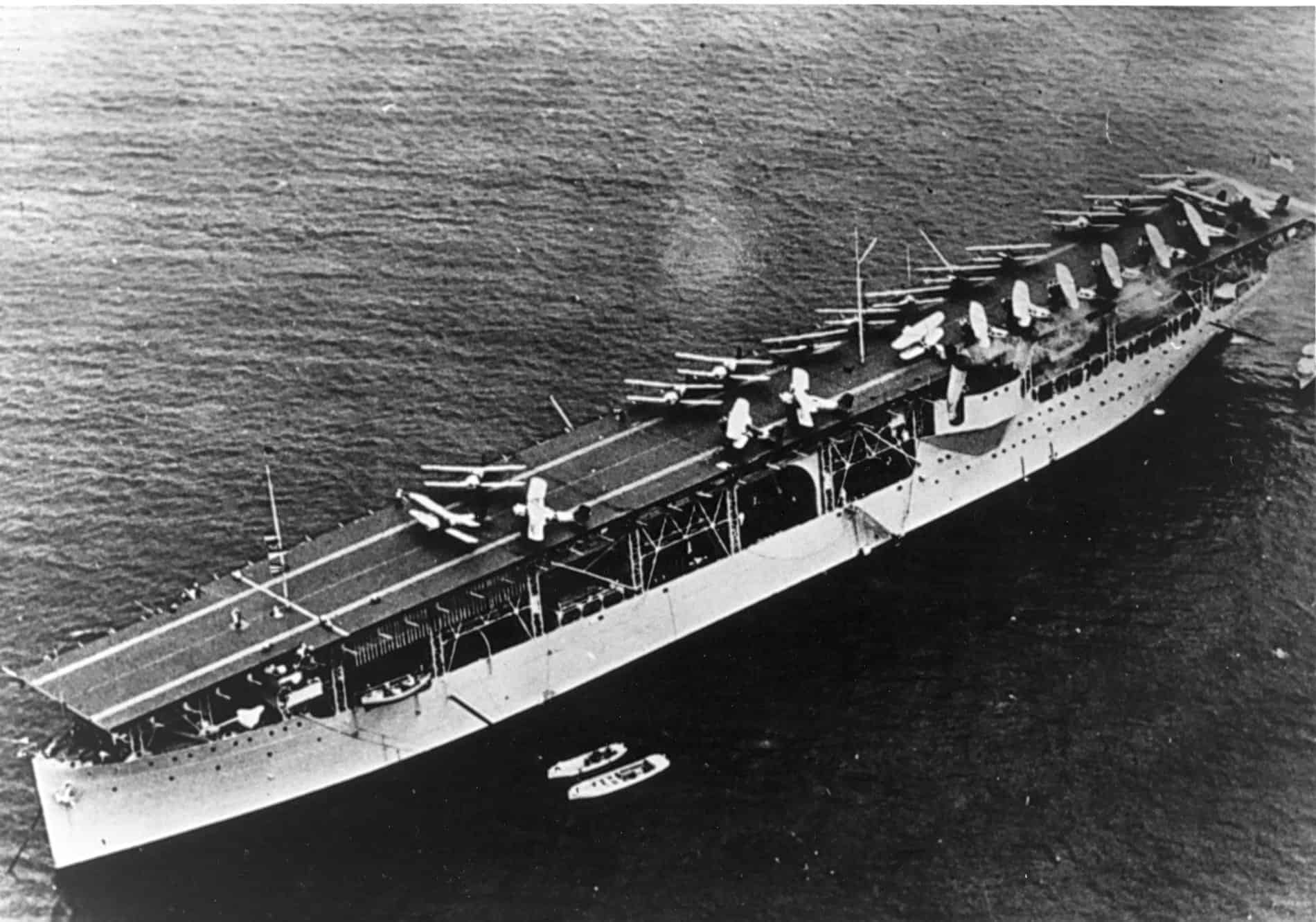
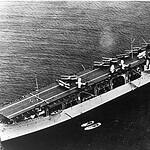
USS Langley marked the beginning of a new era in naval warfare. Converted from a former collier and commissioned in 1922, Langley became the first aircraft carrier in the history of the U.S. Navy. At a time when many naval leaders still viewed battleships as the dominant force at sea, Langley provided a platform for experimenting with naval aviation. Pilots, engineers, and strategists used the vessel to develop operational concepts that would later transform warfare. Although modest in size and capability compared to later carriers, Langley served as a vital testing ground for technologies and tactics that proved decisive during World War II. The lessons learned aboard the ship helped establish aircraft carriers as the centerpiece of modern naval power, making Langley one of the most influential vessels in American naval history.
USS Arizona
- Era: World War II
- Ship Type: Battleship
- The Mission or Role: Pacific Fleet capital ship
- Defining Moment: Attack on Pearl Harbor
- Historical Legacy: Enduring memorial to American sacrifice
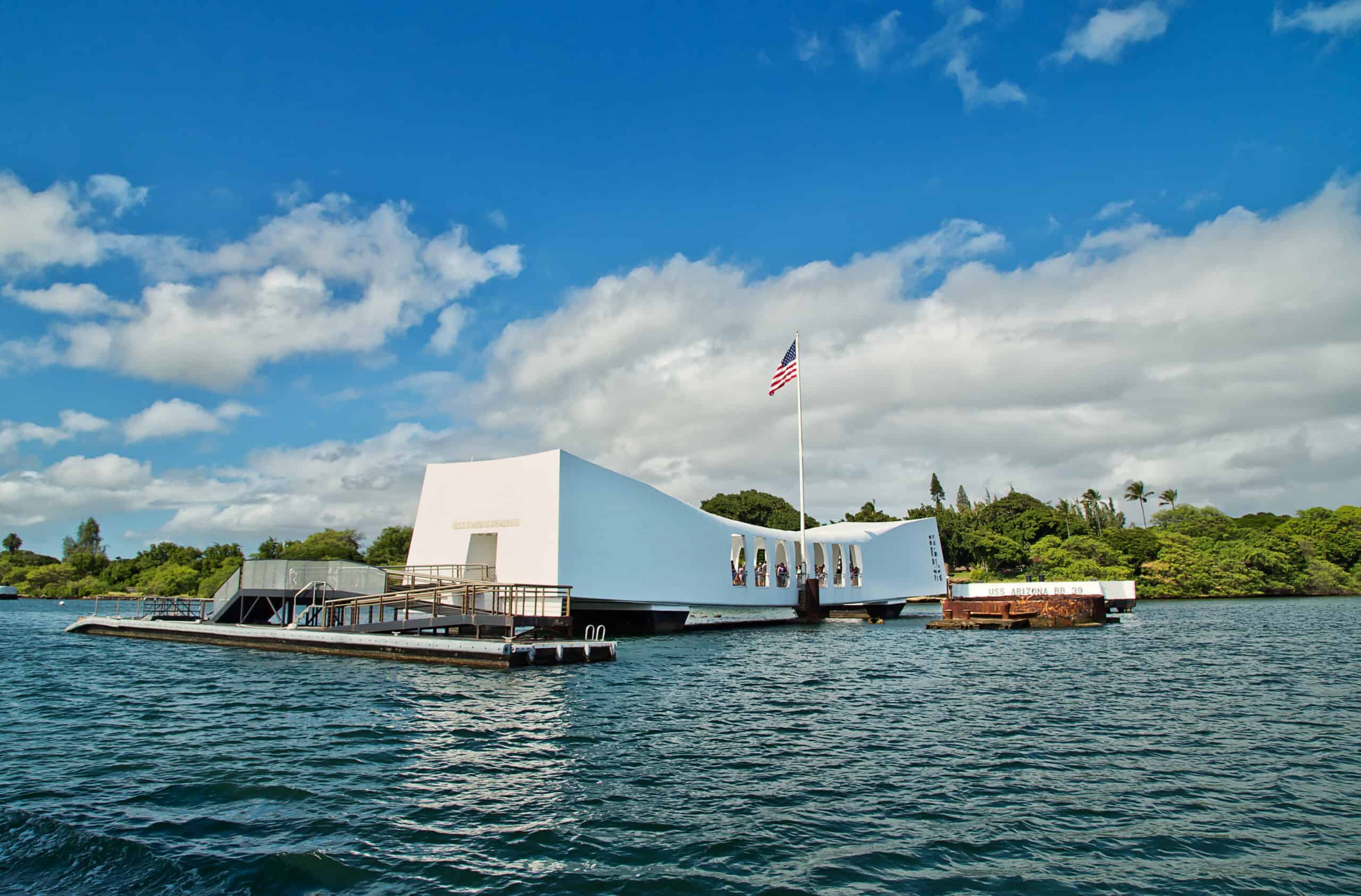
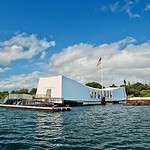
USS Arizona is one of the most enduring symbols of American sacrifice and remembrance. On December 7, 1941, the battleship was destroyed during the Japanese attack on Pearl Harbor when a bomb detonated its forward ammunition magazine. The resulting explosion killed more than 1,100 crew members and became one of the defining images of the attack. Arizona's loss galvanized public support for American entry into World War II and remains closely associated with the nation's wartime experience. The wreck continues to rest beneath the waters of Pearl Harbor, serving as a memorial to those who lost their lives. More than a battleship, Arizona became a symbol of national unity, resilience, and the sacrifices made during one of the most consequential conflicts in human history.
USS Enterprise (CV-6)
- Era: World War II
- Ship Type: Aircraft Carrier
- The Mission or Role: Project naval air power
- Defining Moment: Service across major Pacific battles
- Historical Legacy: Most decorated U.S. warship of WWII
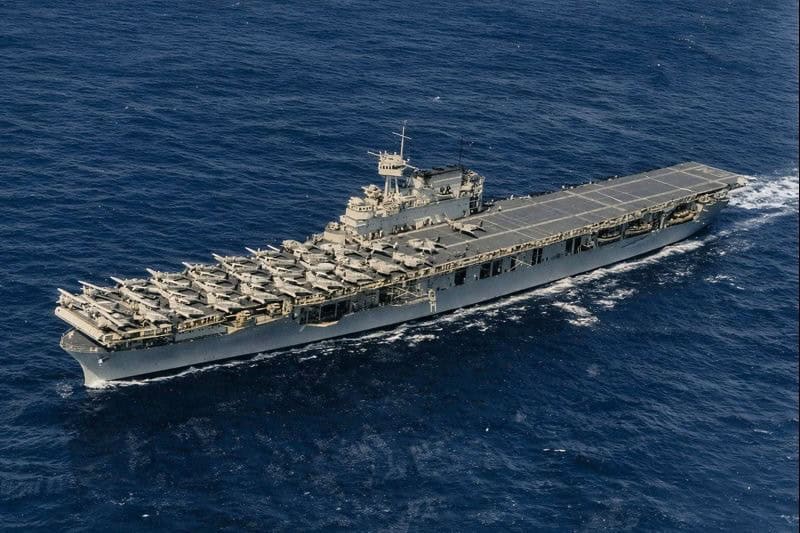
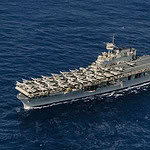
USS Enterprise earned a reputation as one of the greatest warships ever to serve in the U.S. Navy. Nicknamed "The Big E," the aircraft carrier participated in nearly every major campaign in the Pacific Theater during World War II. Enterprise fought at Midway, Guadalcanal, the Philippine Sea, and numerous other pivotal battles. Its aircraft helped sink enemy ships, defend Allied forces, and support offensive operations across thousands of miles of ocean. By the end of the war, Enterprise had become the most decorated American warship of the conflict. The carrier's service demonstrated the growing dominance of naval aviation and helped establish aircraft carriers as the centerpiece of modern naval power. Few vessels have contributed more directly to American victory in World War II.
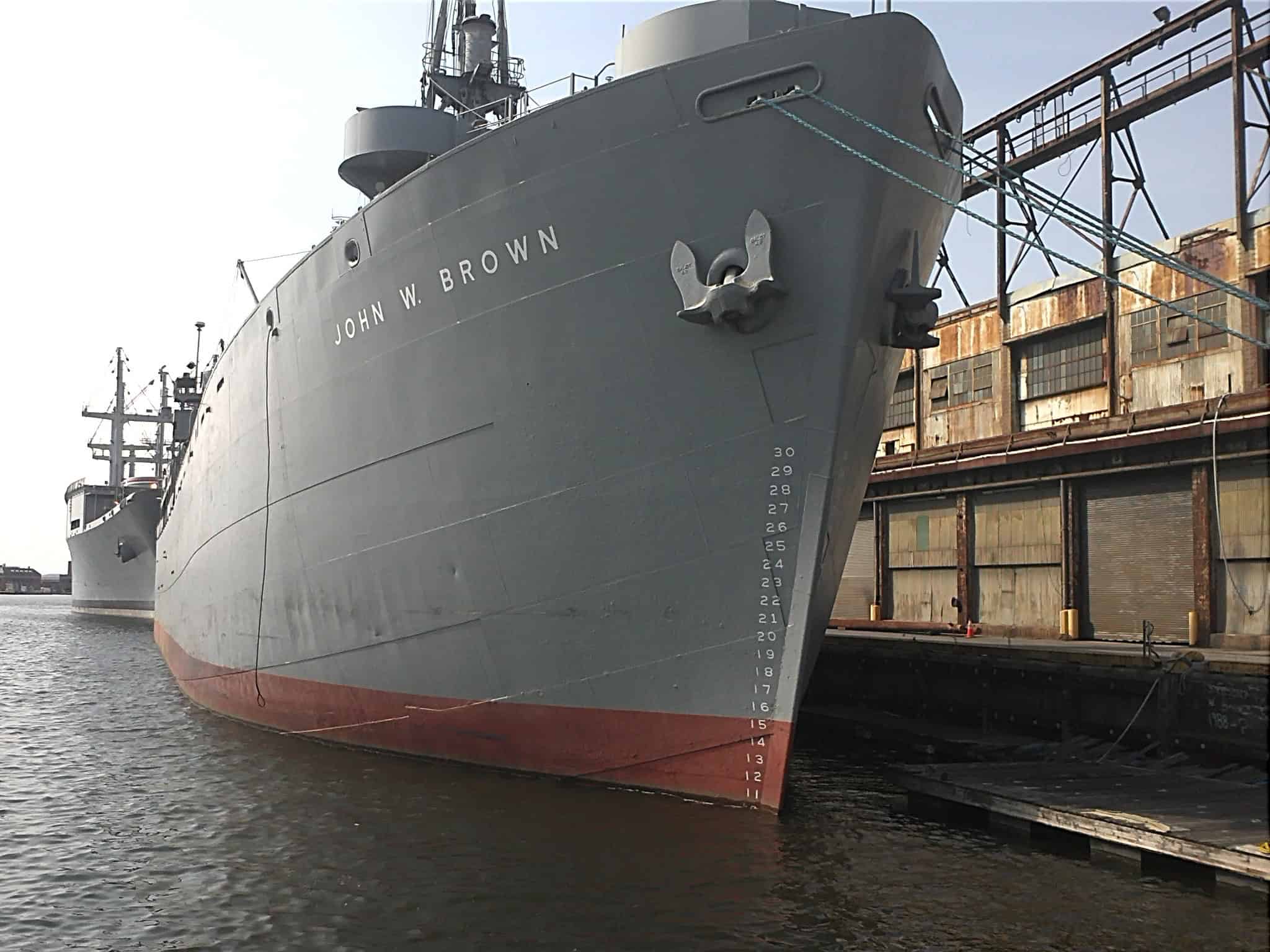
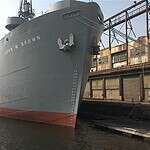
SS John W. Brown
- Era: World War II
- Ship Type: Liberty Ship
- The Mission or Role: Transport wartime cargo
- Defining Moment: Support of Allied logistics
- Historical Legacy: Represents the merchant fleet that sustained victory
While many famous warships receive most of the attention, America's victory in World War II depended heavily on merchant vessels such as the Liberty Ships. SS John W. Brown is one of the few surviving examples of these vital cargo ships. Built rapidly during the war, Liberty Ships transported troops, vehicles, fuel, ammunition, and supplies across dangerous waters threatened by enemy submarines and aircraft. Their ability to sustain Allied logistics made them indispensable to victory. John W. Brown serves as a living reminder of the industrial effort that supported combat operations around the globe. The ship represents the often-overlooked merchant mariners and shipyard workers whose contributions were essential to the Allied war effort. Without vessels like these, military success would have been impossible.
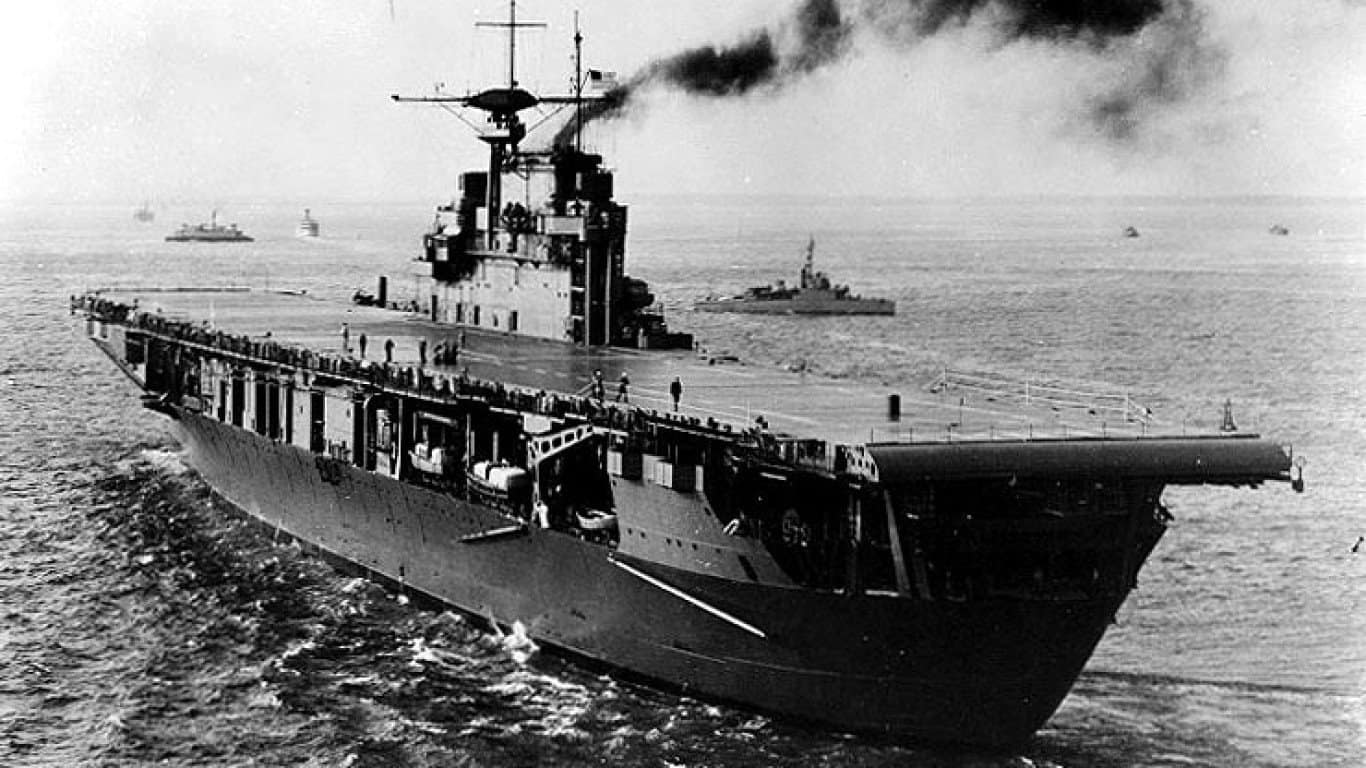
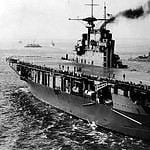
USS Hornet (CV-8)
- Era: World War II
- Ship Type: Aircraft Carrier
- The Mission or Role: Support Pacific operations
- Defining Moment: Launch of the Doolittle Raid
- Historical Legacy: Played a key role in early Pacific victories
USS Hornet earned its place in American history through its involvement in some of the most dramatic operations of World War II. The carrier is best remembered for launching the Doolittle Raid in April 1942, a daring mission that sent American bombers to strike targets in Japan just months after Pearl Harbor. Although the raid caused limited physical damage, it provided a major boost to American morale and demonstrated that Japan was not beyond reach. Hornet later participated in the Battle of Midway and other key Pacific operations before being lost during the Battle of the Santa Cruz Islands. Despite its relatively short service life, Hornet contributed significantly to the early stages of America's Pacific campaign and became a symbol of innovation, courage, and determination during a critical period of the war.
USS Samuel B. Roberts (DE-413)
- Era: World War II
- Ship Type: Destroyer Escort
- The Mission or Role: Convoy and fleet protection
- Defining Moment: Battle off Samar
- Historical Legacy: Symbol of extraordinary courage against overwhelming odds
USS Samuel B. Roberts earned legendary status through extraordinary courage during the Battle off Samar in October 1944. Facing a vastly superior Japanese force that included battleships and heavy cruisers, the small destroyer escort aggressively attacked despite overwhelming odds. The crew launched torpedo attacks, engaged larger enemy ships with its guns, and fought with remarkable determination to protect vulnerable escort carriers. The ship ultimately was lost, but its actions helped disrupt Japanese operations and contributed to one of the most remarkable defensive stands in naval history. Samuel B. Roberts became known as "the destroyer escort that fought like a battleship," a phrase that captures both the bravery of its crew and the extraordinary nature of its final battle. The vessel remains a powerful symbol of American courage under fire.
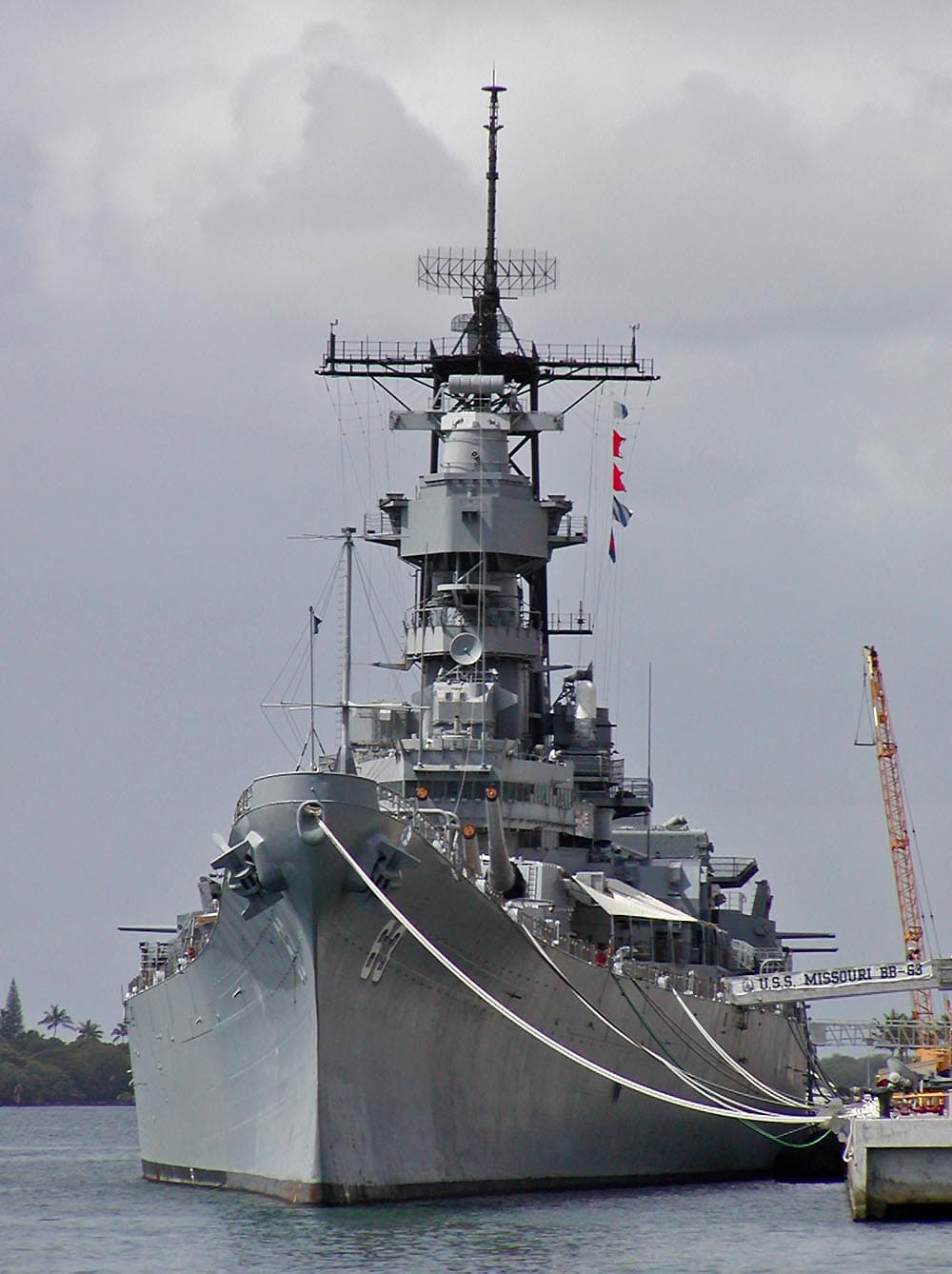
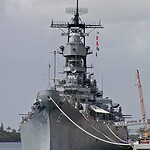
USS Missouri (BB-63)
- Era: WWII / Cold War
- Ship Type: Battleship
- The Mission or Role: Fleet support and power projection
- Defining Moment: Japanese surrender ceremony
- Historical Legacy: Symbol of the end of WWII
USS Missouri occupies a unique place in American and world history because it served as the setting for one of the most important moments of the twentieth century. On September 2, 1945, representatives of Imperial Japan formally signed the surrender documents aboard Missouri in Tokyo Bay, bringing World War II to an official end. Beyond this historic event, the battleship enjoyed a remarkably long career that included service during the Korean War, the Cold War, and Operation Desert Storm. Missouri bridged multiple generations of naval history and demonstrated the adaptability of American military power across changing strategic environments. Today, the ship serves as both a museum and a symbol of victory, diplomacy, and the transition from the era of battleships to the modern age of global American leadership.
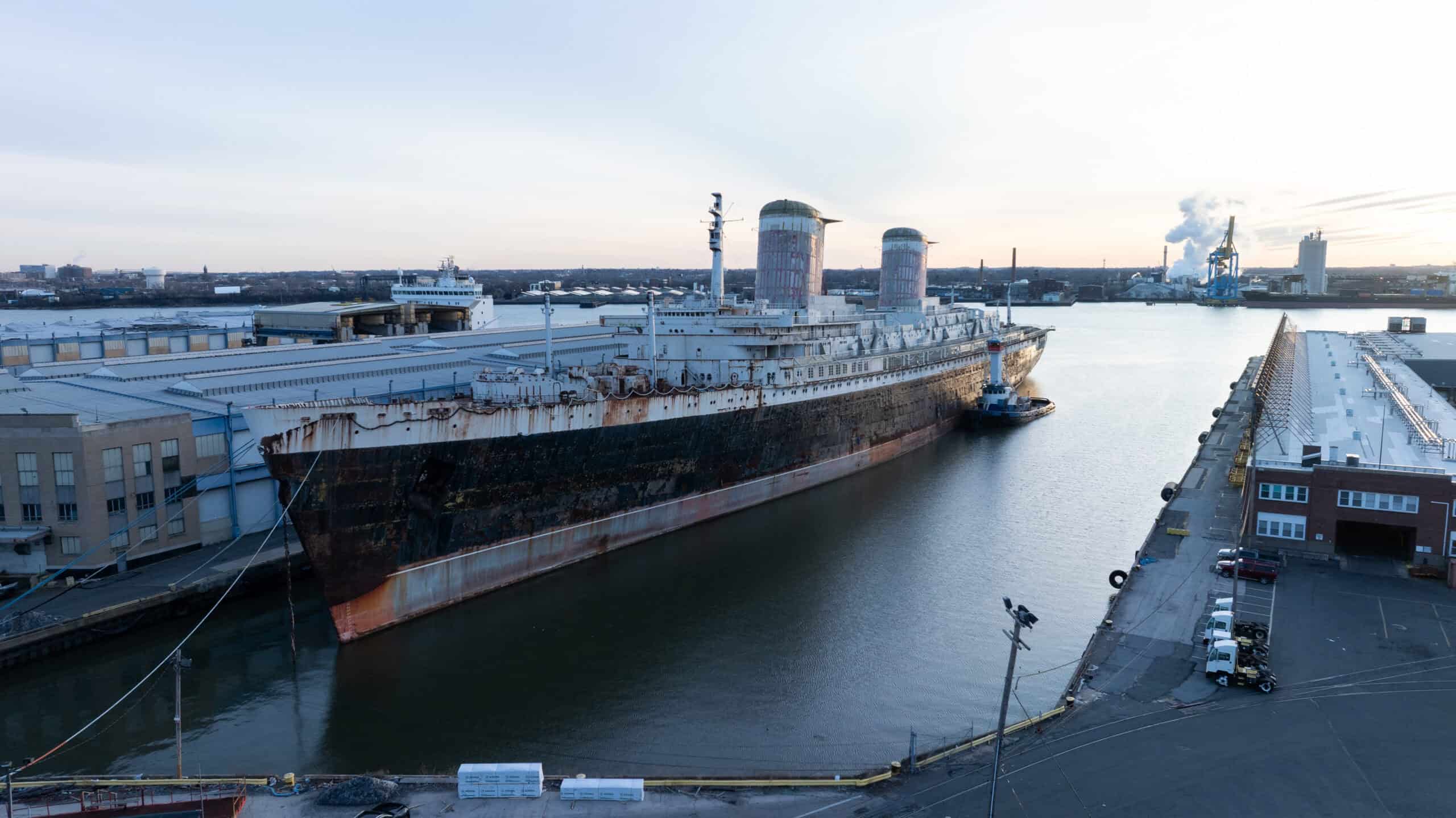
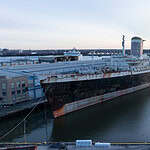
SS United States
- Era: Postwar Era
- Ship Type: Ocean Liner
- The Mission or Role: Transatlantic passenger service
- Defining Moment: Record-breaking Atlantic crossing
- Historical Legacy: Peak of American passenger ship engineering
The SS United States represented the pinnacle of American passenger ship engineering. Launched in 1952, the ocean liner was designed to combine luxury, speed, and strategic utility. On its maiden voyage, the ship captured the Blue Riband by setting a transatlantic speed record that remains unbeaten by any passenger liner. Built with national security considerations in mind, the vessel could also be converted into a troop transport during wartime if necessary. The SS United States became a symbol of American industrial capability and technological ambition during the postwar era. Although commercial aviation would eventually eclipse ocean liners as the preferred means of international travel, the ship remains an enduring icon of maritime achievement and a reminder of a time when crossing the Atlantic by sea represented the height of modern transportation.
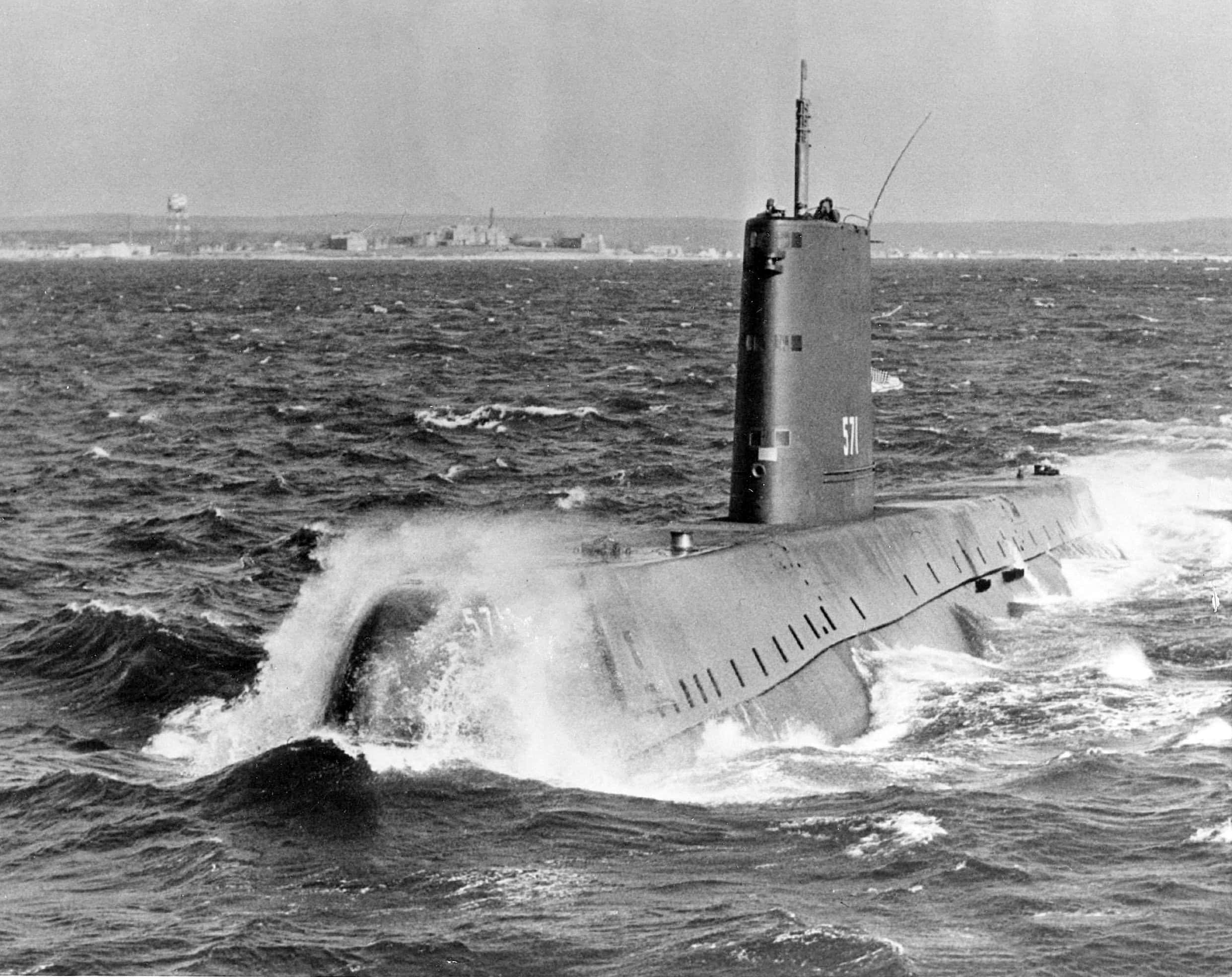
USS Nautilus (SSN-571)
- Era: Cold War
- Ship Type: Nuclear Submarine
- The Mission or Role: Demonstrate nuclear propulsion
- Defining Moment: Transit beneath the North Pole
- Historical Legacy: Revolutionized submarine operations
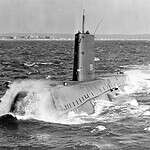
USS Nautilus revolutionized submarine warfare and maritime strategy by becoming the world's first operational nuclear-powered submarine. Commissioned in 1954, Nautilus eliminated many of the limitations that had constrained conventional submarines for decades. Instead of surfacing frequently to recharge batteries, the vessel could remain submerged for extended periods while traveling farther and faster than its predecessors. Its most famous achievement came in 1958 when it became the first submarine to travel beneath the North Pole, proving the strategic potential of nuclear propulsion. Nautilus demonstrated that submarines could operate virtually anywhere on the globe with unprecedented endurance. The technologies and concepts pioneered aboard the vessel influenced generations of submarine design and helped establish one of the most important components of American naval power during the Cold War.
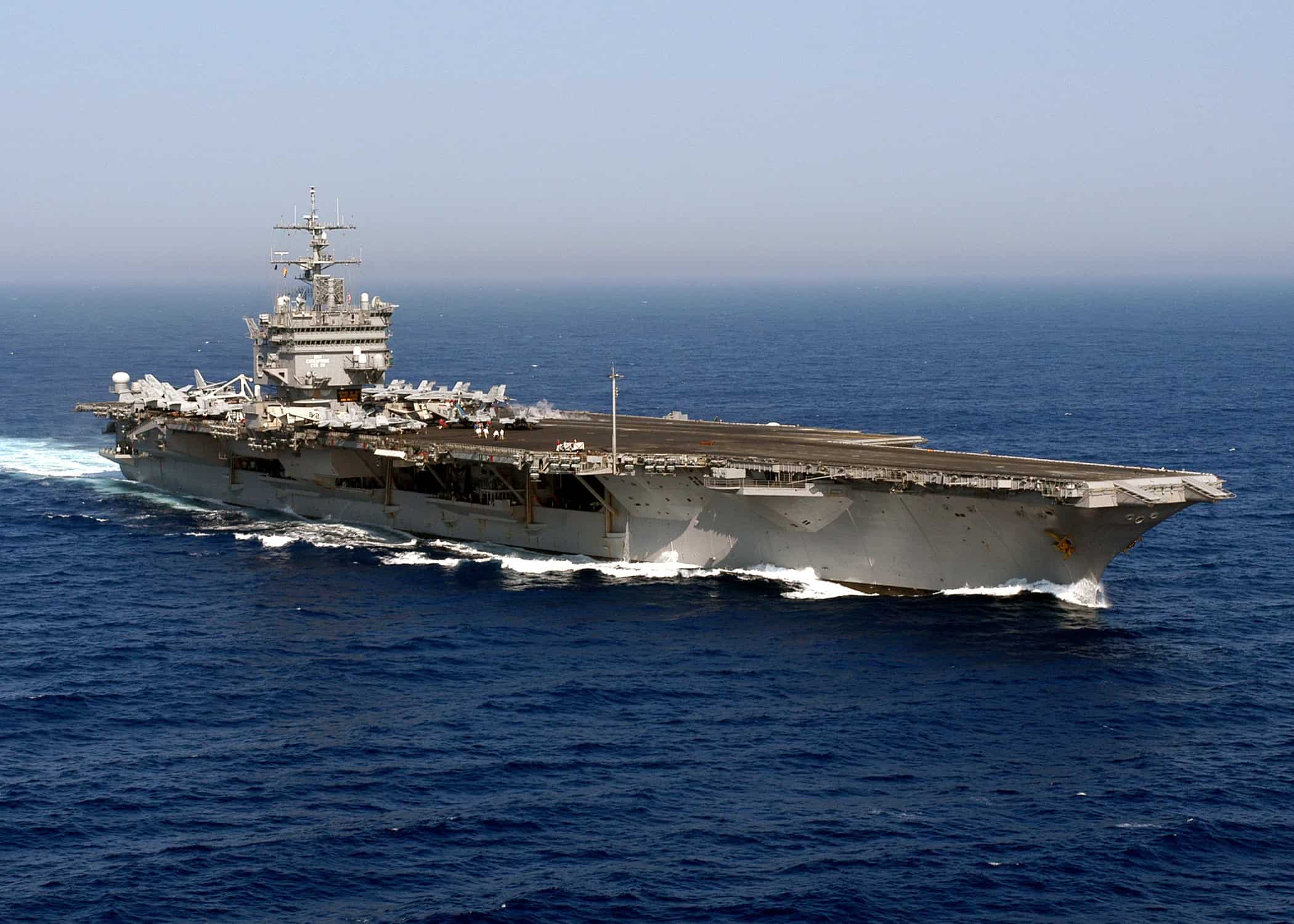
USS Enterprise (CVN-65)
- Era: Cold War
- Ship Type: Nuclear Aircraft Carrier
- The Mission or Role: Global power projection
- Defining Moment: First nuclear-powered carrier service
- Historical Legacy: Marked a new era in naval technology
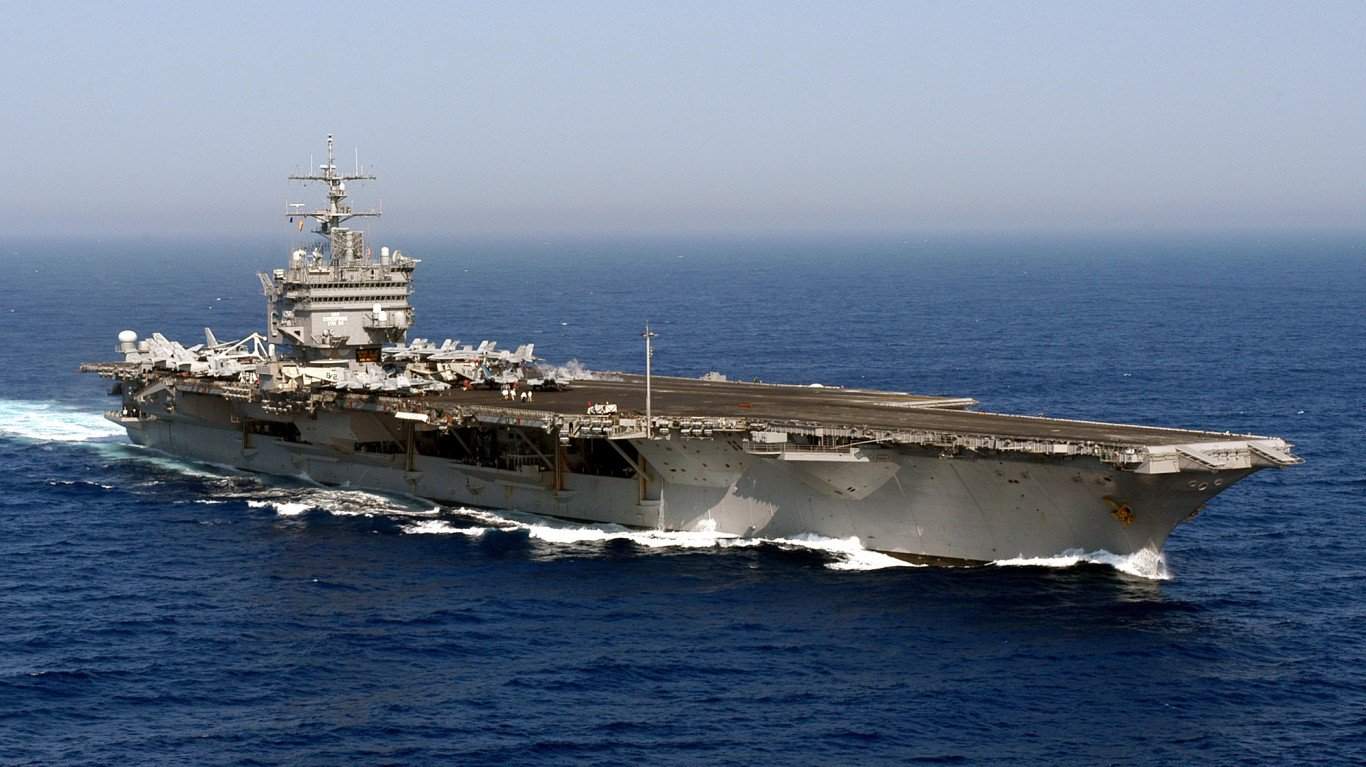
USS Enterprise (CVN-65) represented a bold leap into the future of naval warfare. Commissioned in 1961, it became the world's first nuclear-powered aircraft carrier and one of the most recognizable warships of the Cold War. The carrier's nuclear reactors provided exceptional endurance, allowing it to operate for long periods without refueling and project power across vast distances. Enterprise participated in numerous operations, including the Cuban Missile Crisis, the Vietnam War, and conflicts in the Middle East. Its service demonstrated the strategic advantages of combining nuclear propulsion with carrier aviation. For more than fifty years, Enterprise symbolized American technological innovation and global naval reach. The ship's influence extended beyond its own achievements, helping pave the way for the nuclear-powered carrier fleet that remains central to U.S. maritime strategy today.
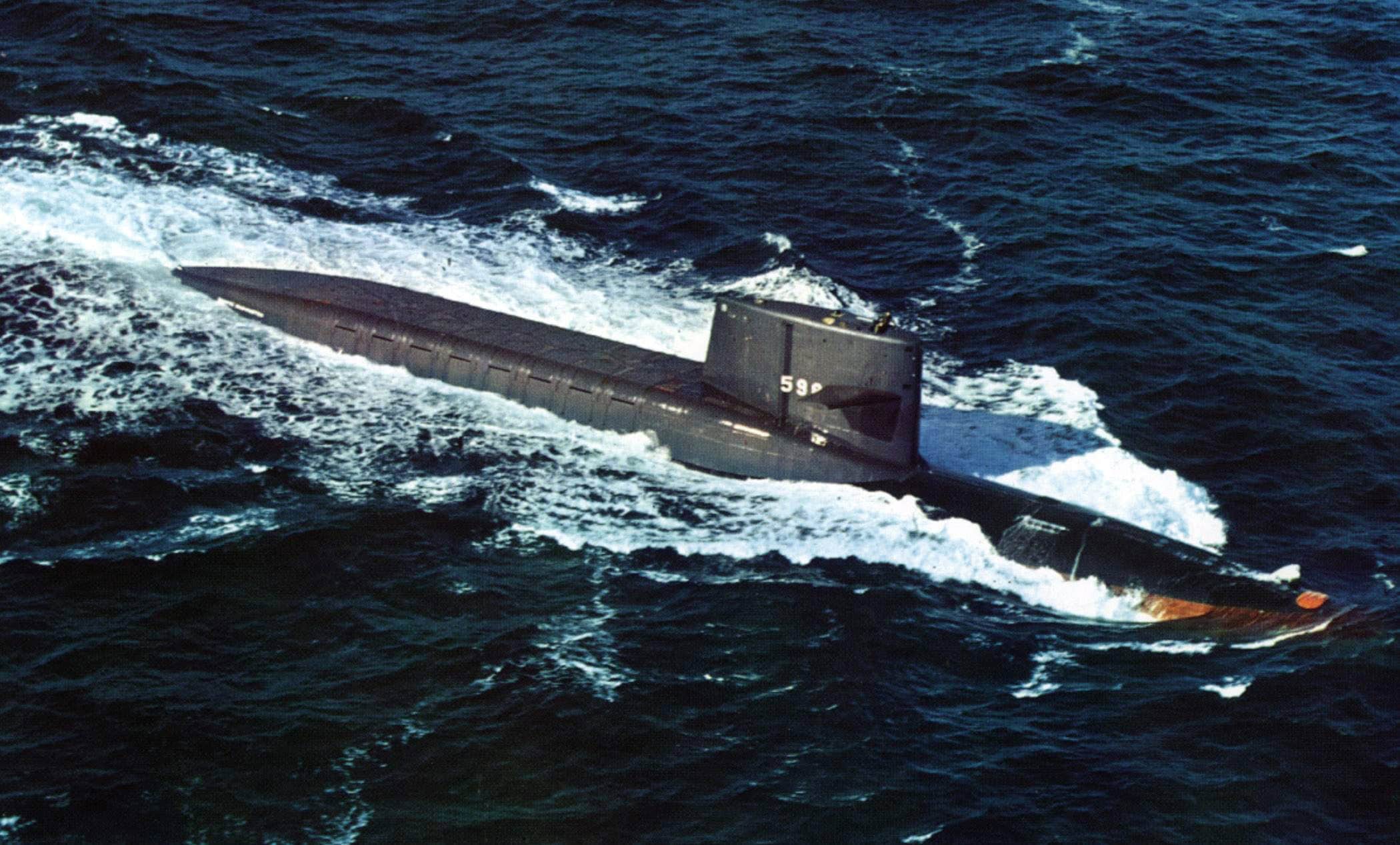
USS George Washington (SSBN-598)
- Era: Cold War
- Ship Type: Ballistic Missile Submarine
- The Mission or Role: Nuclear deterrence
- Defining Moment: First operational U.S. SSBN patrols
- Historical Legacy: Established sea-based nuclear deterrence
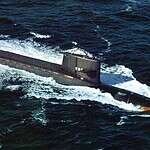
USS George Washington introduced a capability that fundamentally changed global security. Commissioned in 1959, the submarine became the first operational ballistic missile submarine in the U.S. Navy. By combining nuclear propulsion with submarine-launched ballistic missiles, George Washington provided the United States with a survivable nuclear deterrent capable of remaining hidden beneath the oceans for extended periods. This innovation transformed strategic planning during the Cold War because potential adversaries could no longer assume they could eliminate America's nuclear forces in a surprise attack. The vessel's success established the foundation of the sea-based leg of the nuclear triad, a cornerstone of U.S. defense policy that continues to this day. Few ships have had a greater impact on global strategic stability than USS George Washington.
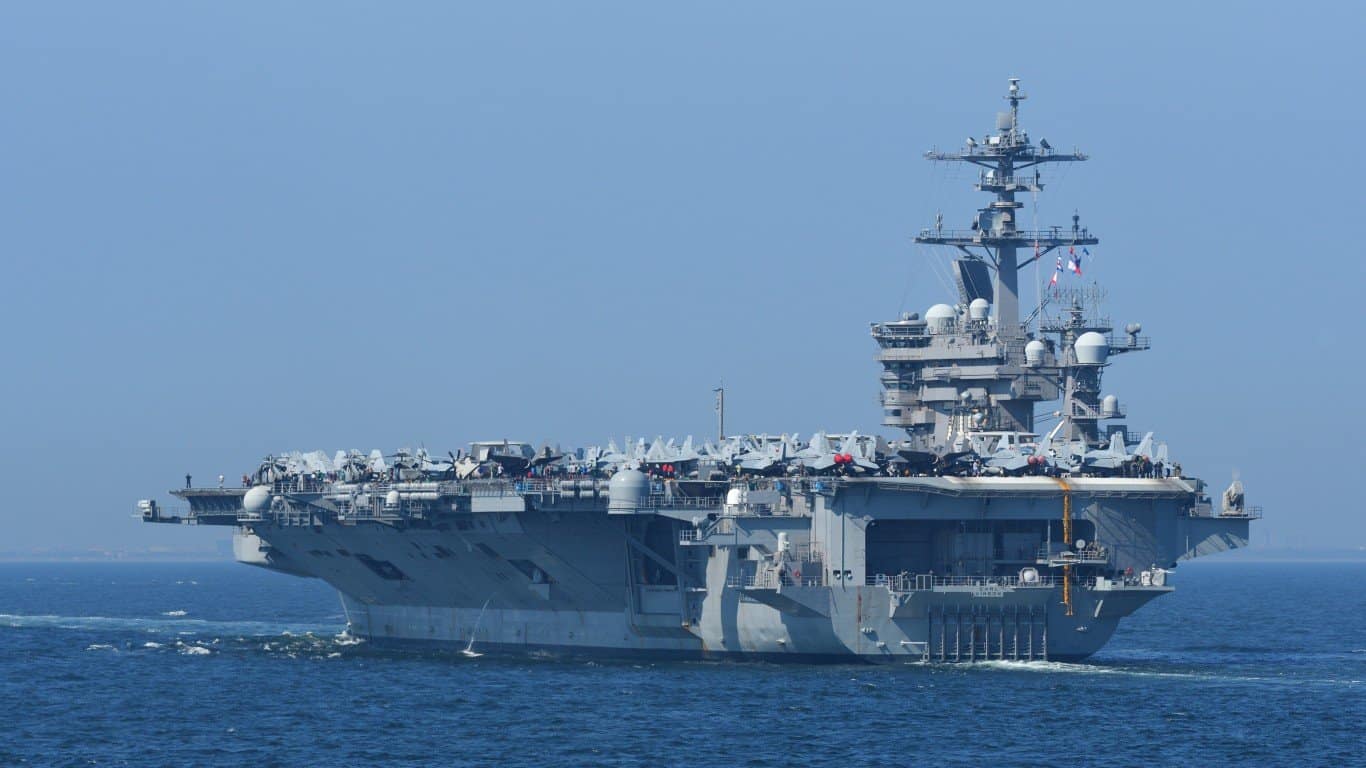
USS Carl Vinson (CVN-70)
- Era: Modern Era
- Ship Type: Nuclear Aircraft Carrier
- The Mission or Role: Global force projection
- Defining Moment: Burial at sea of Osama bin Laden
- Historical Legacy: Represents modern American naval reach
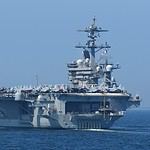
USS Carl Vinson represents the modern era of American naval power and global force projection. Commissioned in 1982, the nuclear-powered aircraft carrier has participated in operations across multiple regions and conflicts, reflecting the evolving role of the U.S. Navy in the post-Cold War world. The ship gained particular public attention in 2011 when it served as the location for the burial at sea of Osama bin Laden following the operation that resulted in his death. Beyond that moment, Carl Vinson has repeatedly demonstrated the flexibility and reach of carrier strike groups, supporting military operations, humanitarian missions, and strategic deterrence efforts. The vessel embodies the continued importance of aircraft carriers in American defense policy and illustrates how naval power remains a key instrument of U.S. influence around the world.
The image featured at the top of this post is ©my_public_domain_photos / Flickr