

The Army’s Standard-Issue M4 Rifle and Why It Became So Widely Used
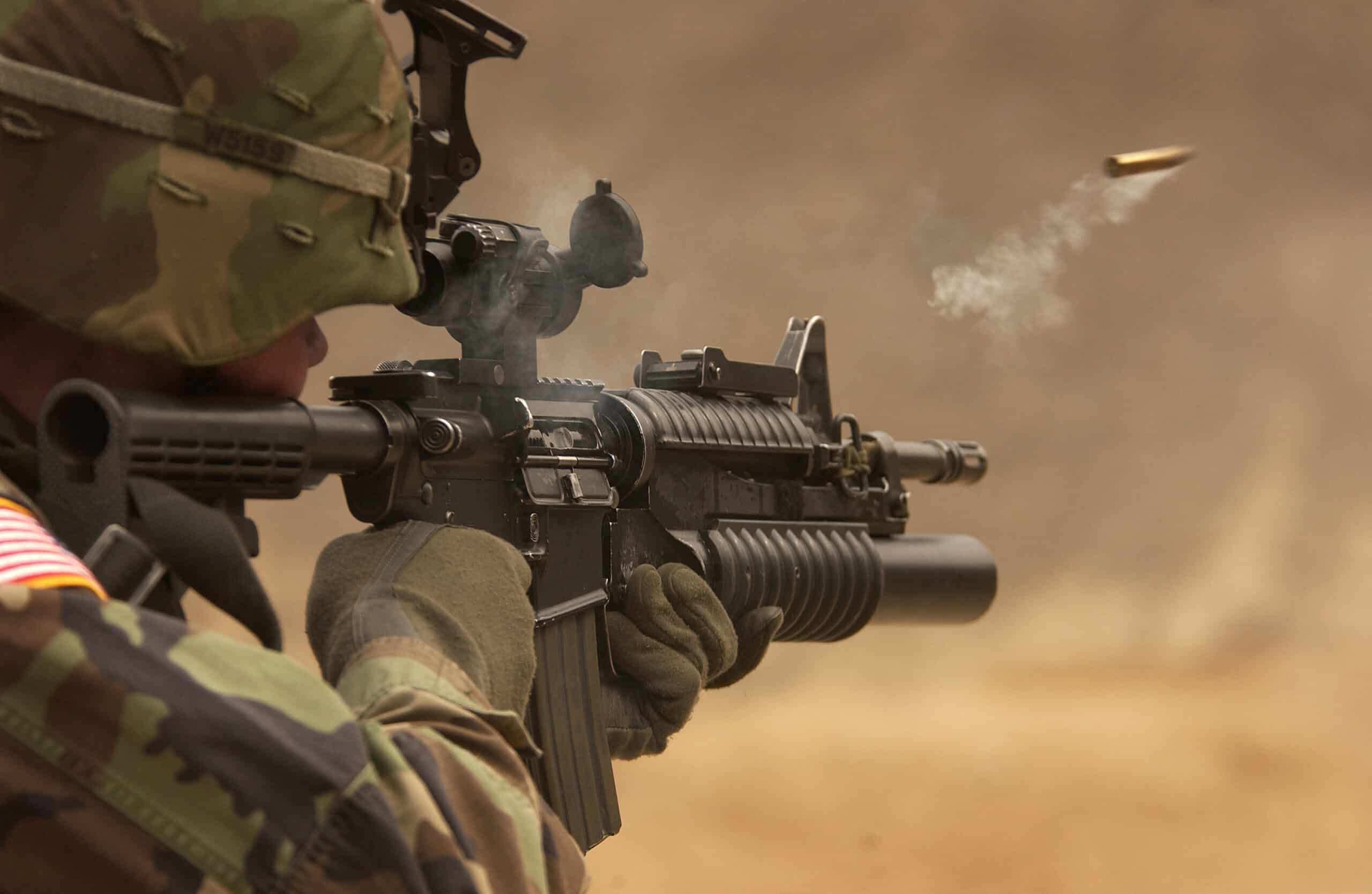
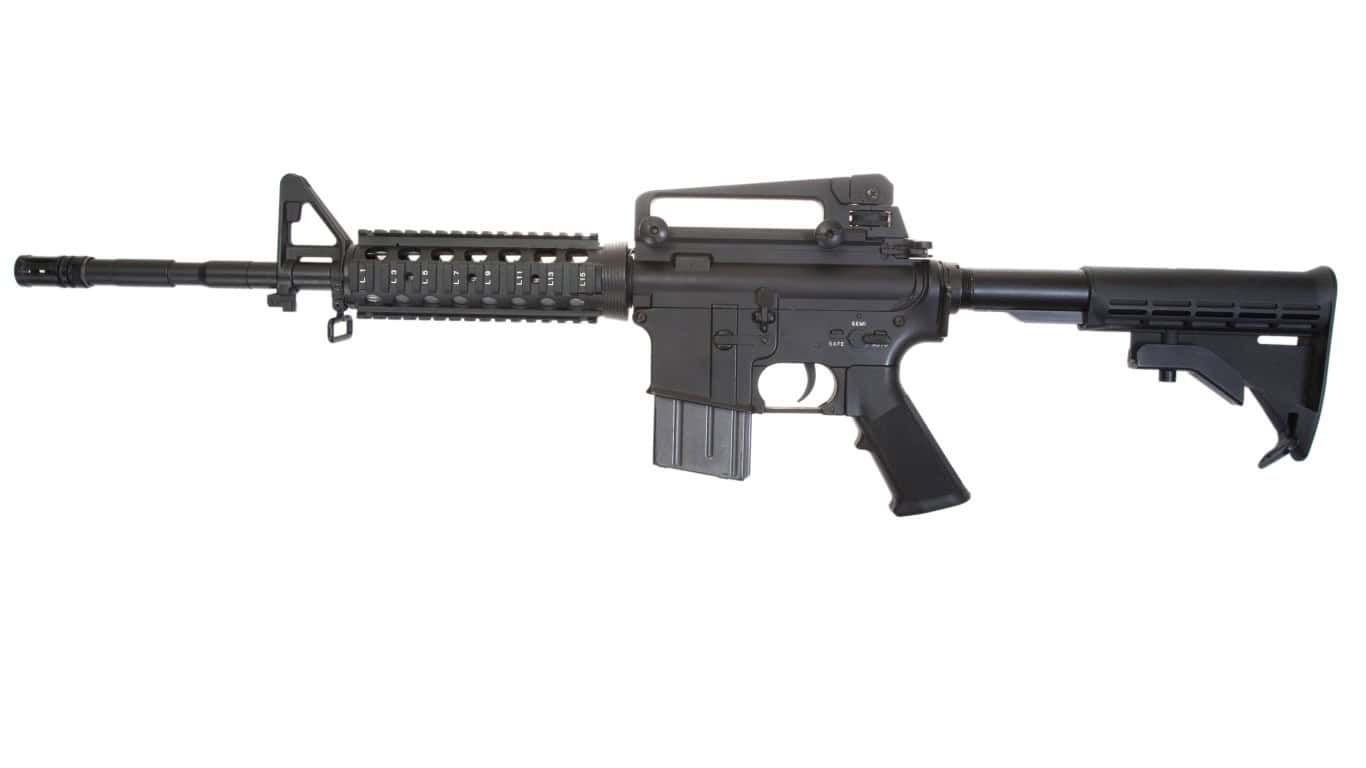
The M4 Carbine is one of the most recognizable firearms used by the U.S. military today, and for many Americans it became the defining rifle of the wars in Iraq and Afghanistan. Compact enough for urban combat yet versatile enough for a wide range of infantry operations, the M4 evolved into the standard weapon carried by an entire generation of U.S. soldiers. Here, History Computer is taking a closer look at the M4.
History Computer reviewed various historical and military sources regarding the US Army’s standard issue M4 rifle. We included supplemental information about the history of the rifle, its modularity, and everything you need to know about it.
Here is a look at the US Army’s standard issue M4 rifle:
Why Are We Covering This?
Understanding the M4 Carbine means understanding how modern American infantry warfare evolved during the post-9/11 era. More than almost any other individual weapon, the M4 became tied to the image of the contemporary U.S. soldier fighting in Iraq, Afghanistan, and countless deployments across the world. Its widespread use also sparked major debates about reliability, ammunition effectiveness, optics, suppressors, and the changing role of infantry weapons in modern warfare. Exploring the M4 helps explain not only how American soldiers fight today, but how battlefield technology, combat experience, and tactical adaptation shaped an entire generation of U.S. military operations.
The Rifle That Defined Modern American Warfare
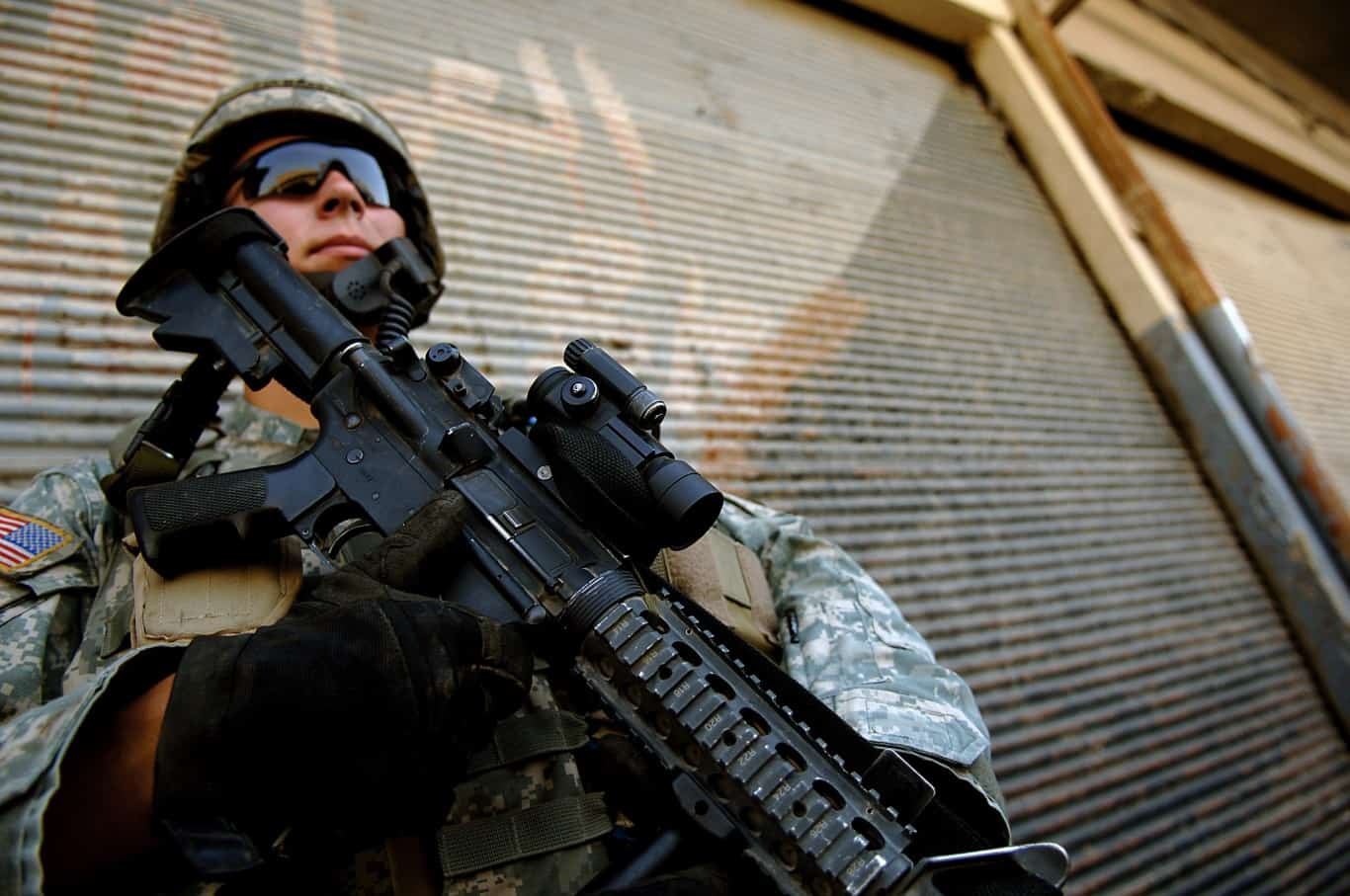
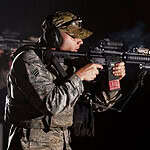
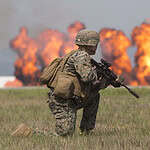
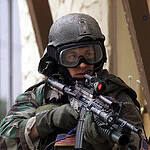
For more than two decades, the M4 Carbine has been one of the most recognizable weapons carried by American troops around the world. From the streets of Baghdad to mountain patrols in Afghanistan, the rifle became deeply associated with the modern U.S. soldier during the post-9/11 era. Compact, modular, and highly adaptable, the M4 evolved into far more than a standard infantry rifle. It became a battlefield platform built around mobility, optics, night fighting, and modern infantry combat doctrine.
Why the Army Needed a Shorter Rifle
As warfare shifted toward urban combat, mechanized infantry operations, and rapid deployment tactics, older full-length rifles became increasingly difficult to handle in confined environments. Soldiers climbing in and out of armored vehicles or clearing buildings needed a weapon that was lighter, shorter, and easier to maneuver under pressure. The M4 answered those demands with a compact design that retained the familiarity of the earlier M16 platform while dramatically improving flexibility in modern combat environments. The rifle reflected the Army’s broader shift toward fast-moving and adaptable infantry warfare.
The M4 Became a Modular Combat System
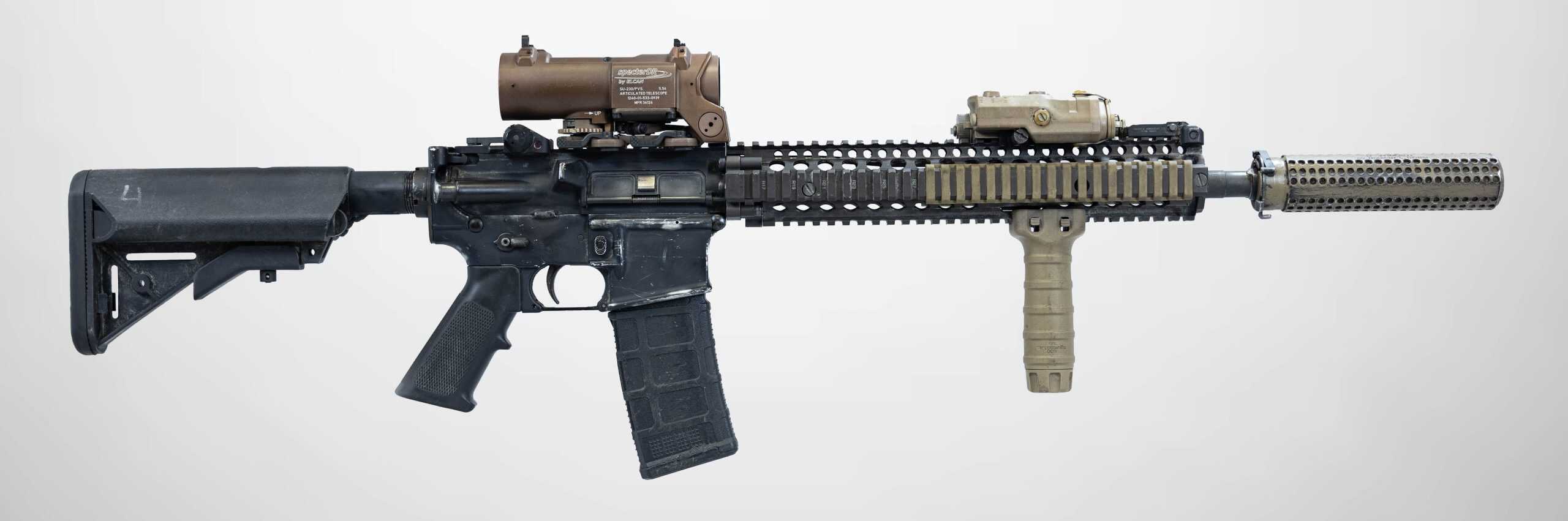
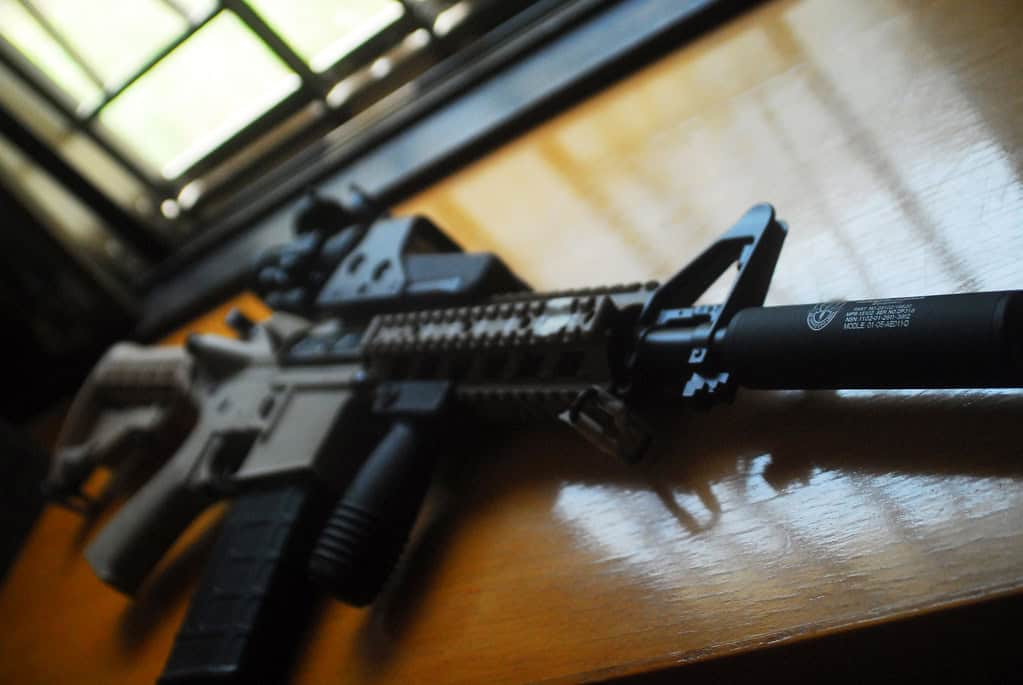
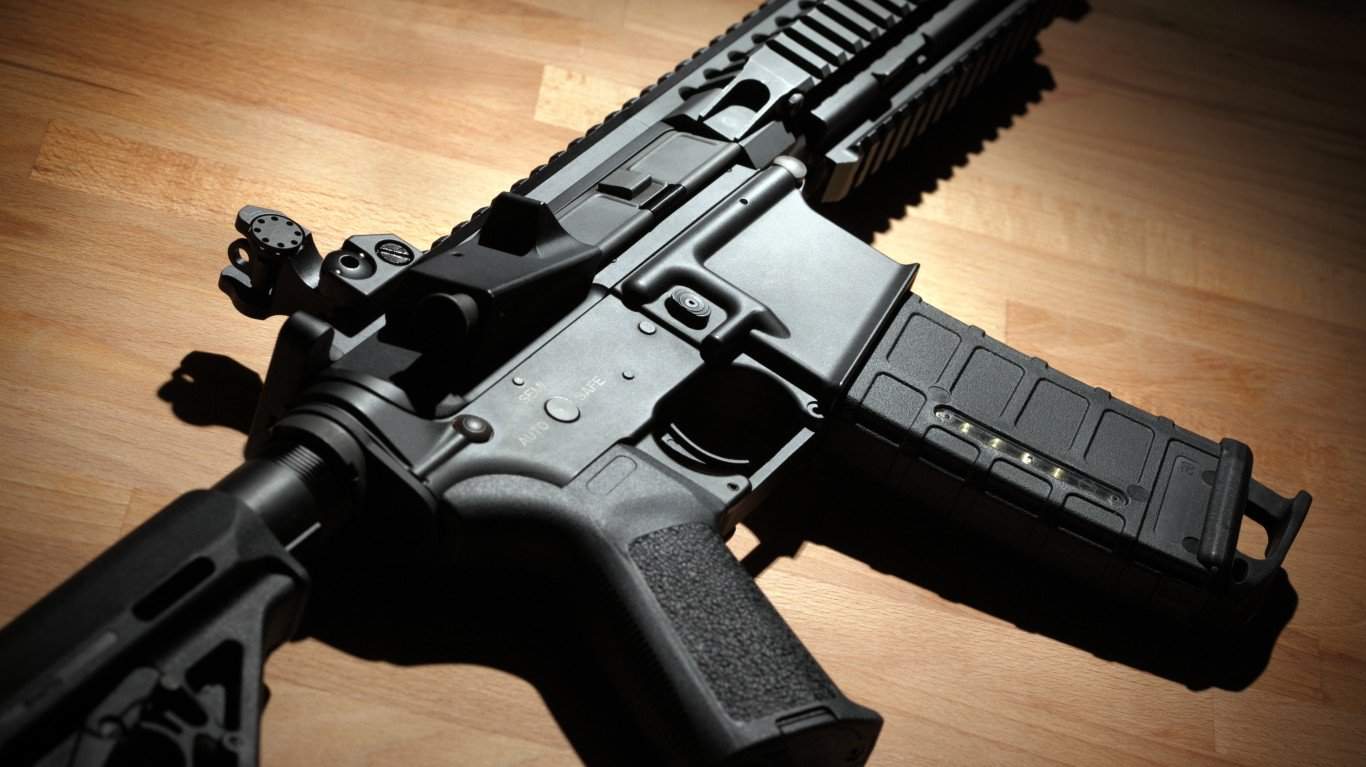
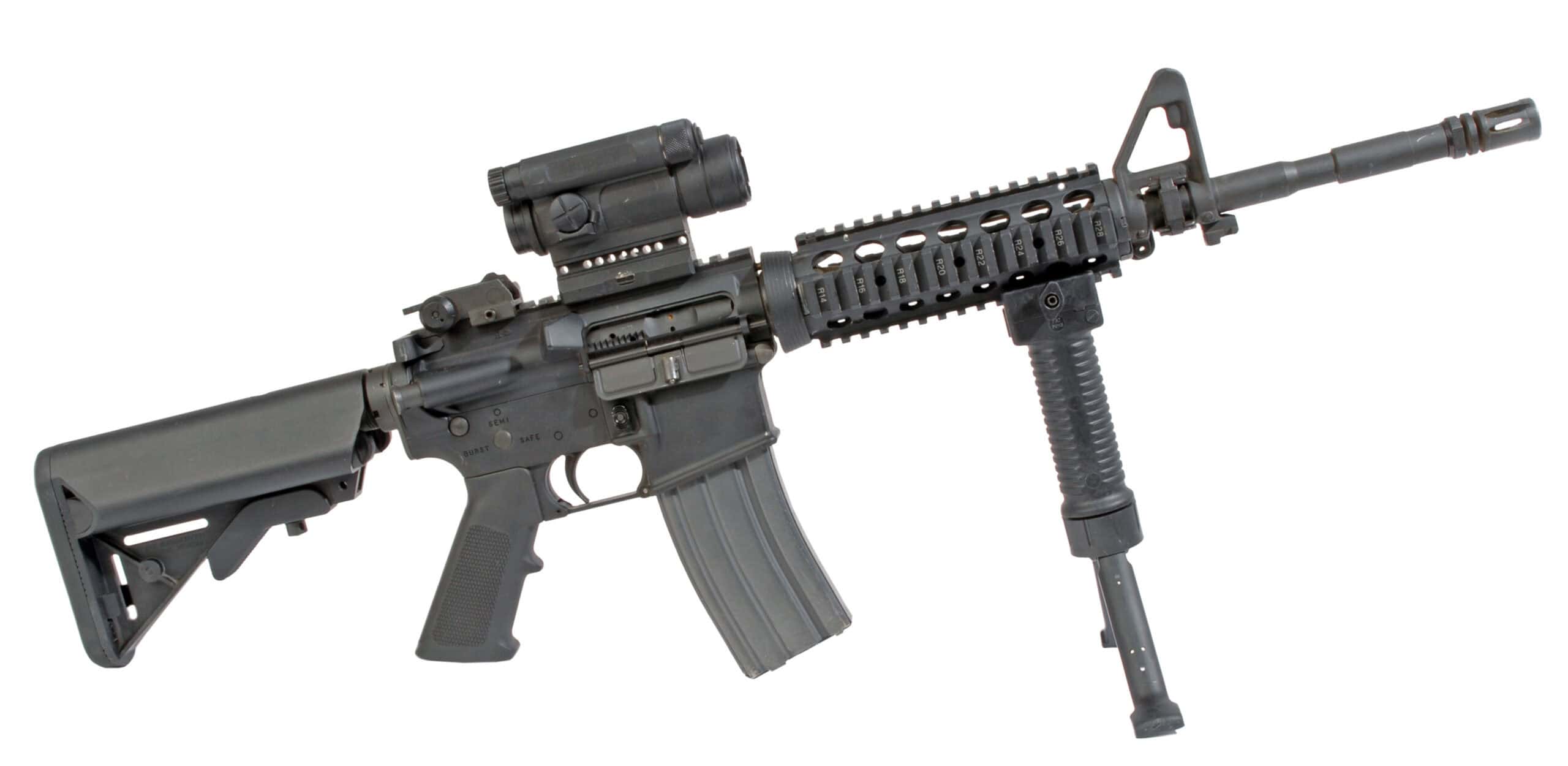
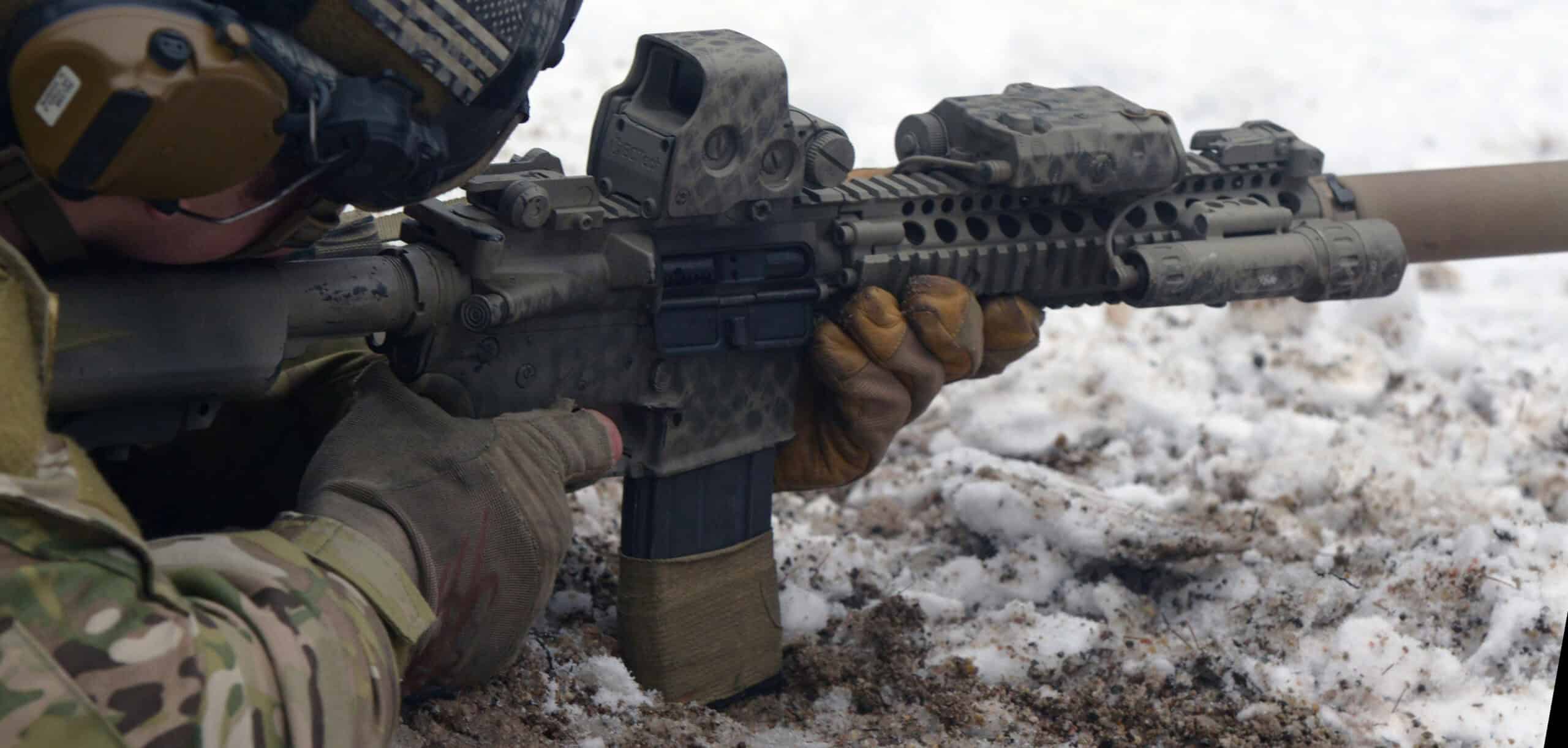
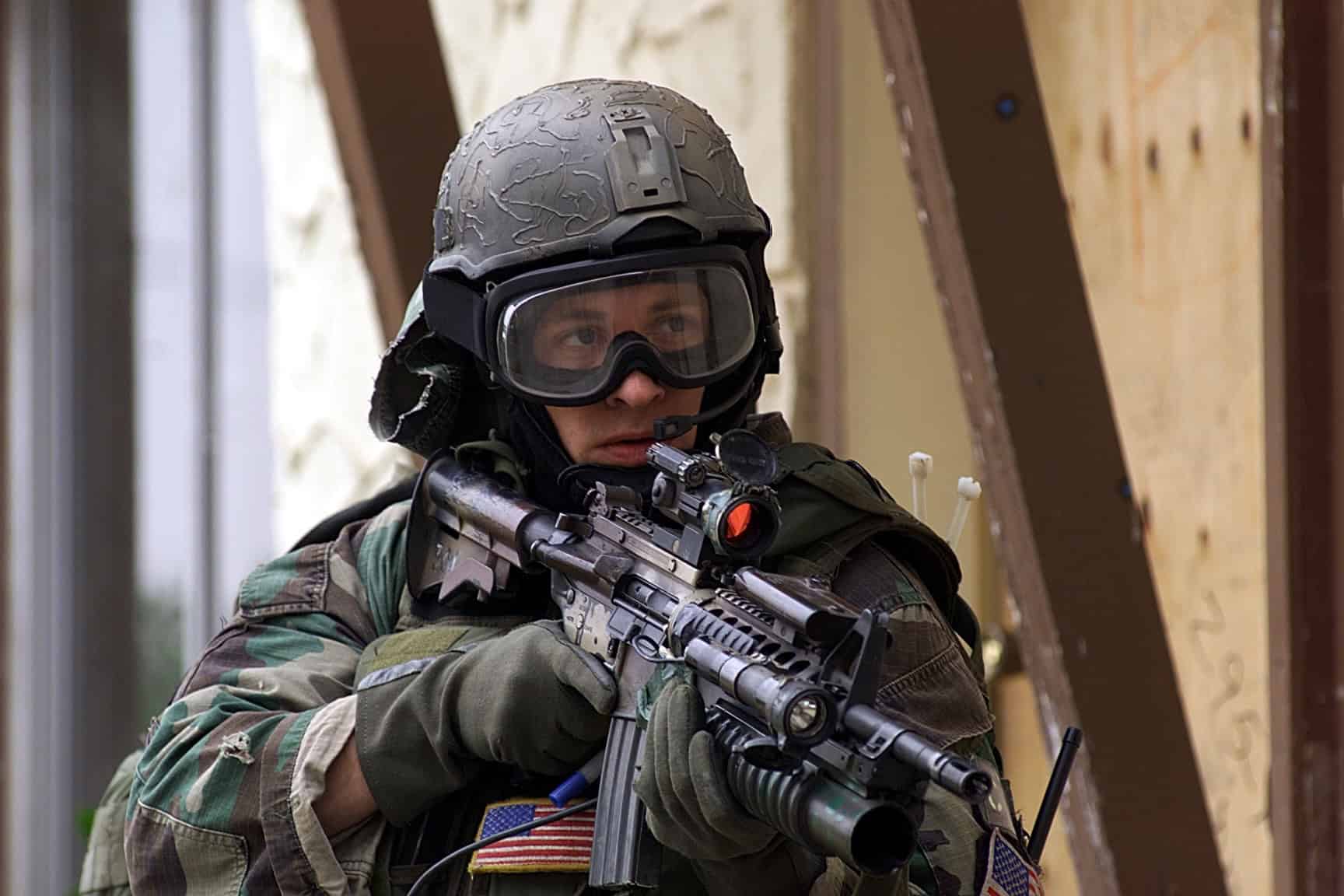
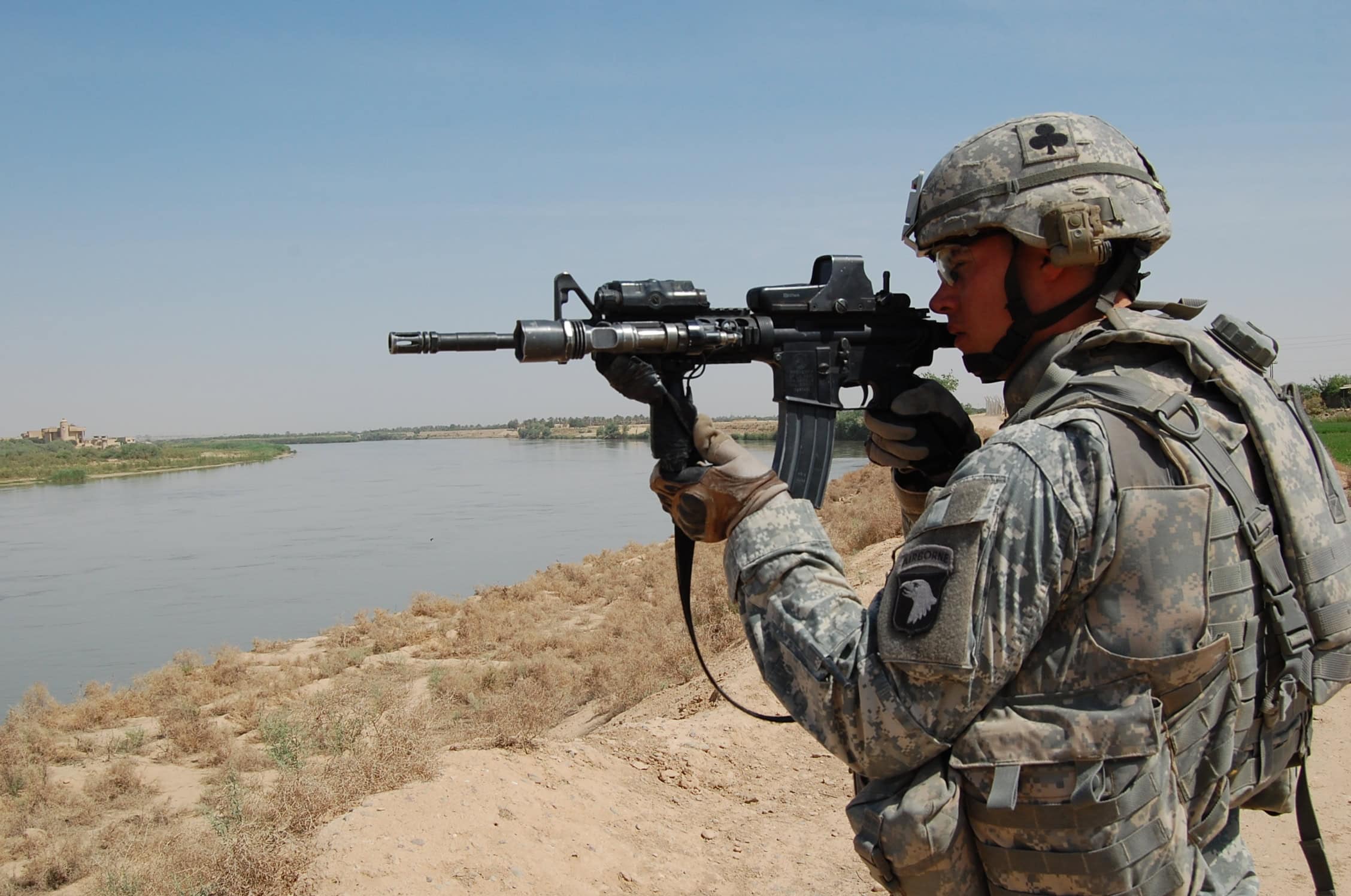
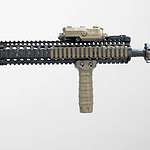
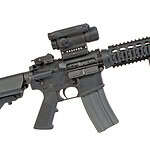
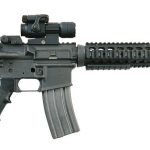
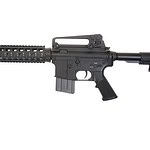
One of the most important aspects of the M4 platform was its ability to evolve alongside changing battlefield technology. Rail systems allowed soldiers to attach optics, infrared lasers, flashlights, foregrips, suppressors, and grenade launchers depending on mission requirements. This transformed the rifle from a fixed weapon into a customizable combat system tailored to different operational environments. A rifle configured for nighttime raids in Iraq might look entirely different from one optimized for mountain patrols in Afghanistan. The M4’s modularity became one of the defining features of modern American infantry combat.
Iraq and Afghanistan Shaped the Rifle’s Reputation
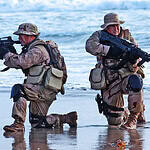
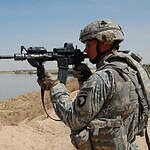
The wars in Iraq and Afghanistan became the defining combat environments for the M4. American troops carried the rifle through deserts, urban neighborhoods, mountainous terrain, and countless patrol operations over nearly twenty years of continuous conflict. The rifle’s compact size proved especially valuable during convoy security, room clearing, and close-range urban engagements where maneuverability mattered as much as firepower. At the same time, harsh battlefield conditions sparked ongoing debates about reliability, maintenance, and ammunition effectiveness that followed the platform throughout much of the Global War on Terror.
The M4 Still Defines the Modern Infantry Soldier
Despite repeated discussions about replacing the platform, the M4 has remained central to U.S. Army infantry doctrine because it continues adapting to modern battlefield demands. Upgraded optics, suppressors, targeting systems, and improved variants like the M4A1 have allowed the rifle to remain operationally relevant even as warfare evolves. More importantly, the rifle became culturally tied to an entire generation of American military service. Its silhouette now represents the standard infantry weapon of the modern U.S. Army and one of the most recognizable rifles of the 21st century.
Why the M4 Replaced Longer Rifles
- Why It Matters: The shorter platform dramatically improved infantry mobility.
- Battlefield Relevance: Improved maneuverability in vehicles, buildings, and urban warfare
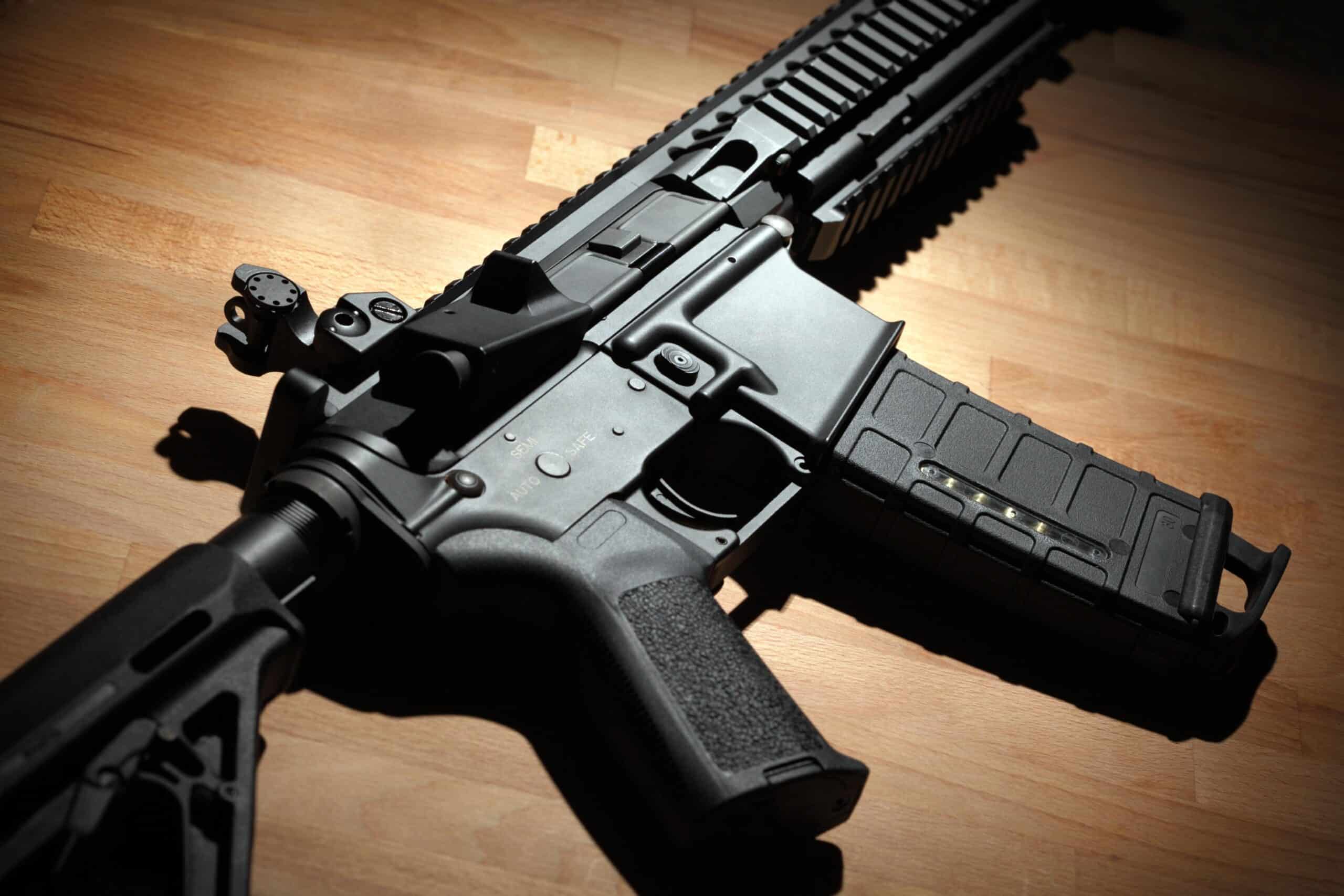
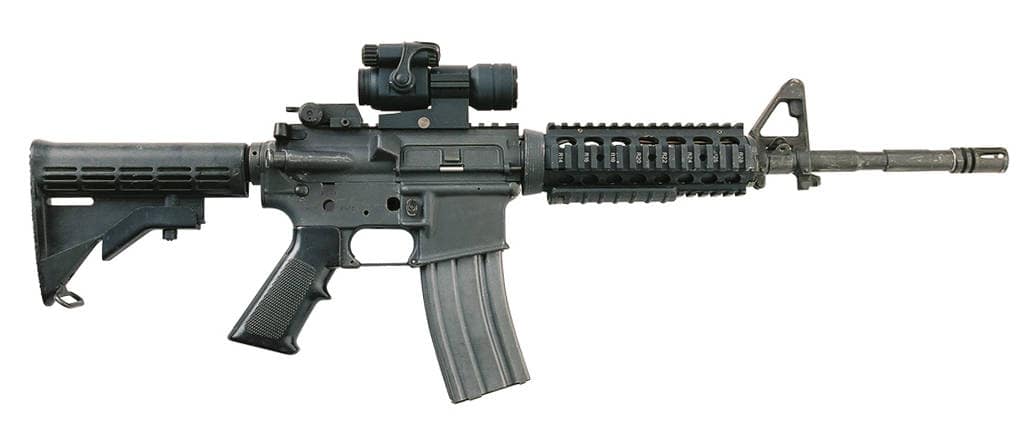
When the U.S. military began shifting toward more urbanized and mechanized warfare environments during the late 20th century, the limitations of longer rifles became increasingly obvious. Full-length service rifles were effective at range, but they proved cumbersome inside armored vehicles, tight streets, and enclosed buildings where modern infantry often operated. The M4 Carbine addressed those problems with a shorter barrel and collapsible stock that dramatically improved maneuverability without abandoning the familiar M16 platform. Soldiers could move more effectively through urban terrain, enter and exit vehicles faster, and handle the rifle more comfortably during close-quarters combat. The M4 reflected a broader shift in American doctrine toward mobility, flexibility, and fast-moving infantry operations.
The M4’s Origins in the M16 Family
- Why It Matters: The rifle evolved from decades of U.S. service rifle development.
- Battlefield Relevance: Maintained familiarity while adapting to modern combat environments
The M4 did not emerge as an entirely new weapon system. Instead, it evolved directly from the M16 family of rifles that had shaped American infantry combat since the Vietnam era. By retaining the same basic operating system, ammunition type, and manual of arms, the Army allowed soldiers to transition more easily between platforms while adapting the weapon to modern battlefield realities. The M4 essentially became a more compact and versatile evolution of the earlier rifle design. This continuity mattered operationally because it simplified training, logistics, and maintenance while still improving battlefield practicality. The rifle represented the Army’s attempt to modernize infantry weapons without abandoning decades of institutional familiarity built around the M16 platform.
The Collapsible Stock Changed Infantry Mobility
- Why It Matters: Adjustable sizing improved flexibility for different combat roles.
- Battlefield Relevance: Made the rifle easier to use inside vehicles and confined spaces
One of the most practical features of the M4 was also one of the simplest: the collapsible stock. Unlike fixed-stock rifles that forced soldiers into a single configuration, the adjustable stock allowed troops to shorten or extend the rifle depending on body armor, gear load, vehicle space, or combat environment. Inside cramped armored vehicles or urban structures, the shorter configuration made movement significantly easier. Soldiers operating in winter gear or heavy protective equipment could also adjust the rifle for better comfort and control. Small ergonomic improvements like this became increasingly important as modern infantry warfare demanded greater flexibility across rapidly changing battlefield conditions.
Why the Army Standardized the 5.56mm Cartridge
- Why It Matters: Lighter ammunition allowed soldiers to carry more rounds.
- Battlefield Relevance: Increased sustained combat capability for infantry units
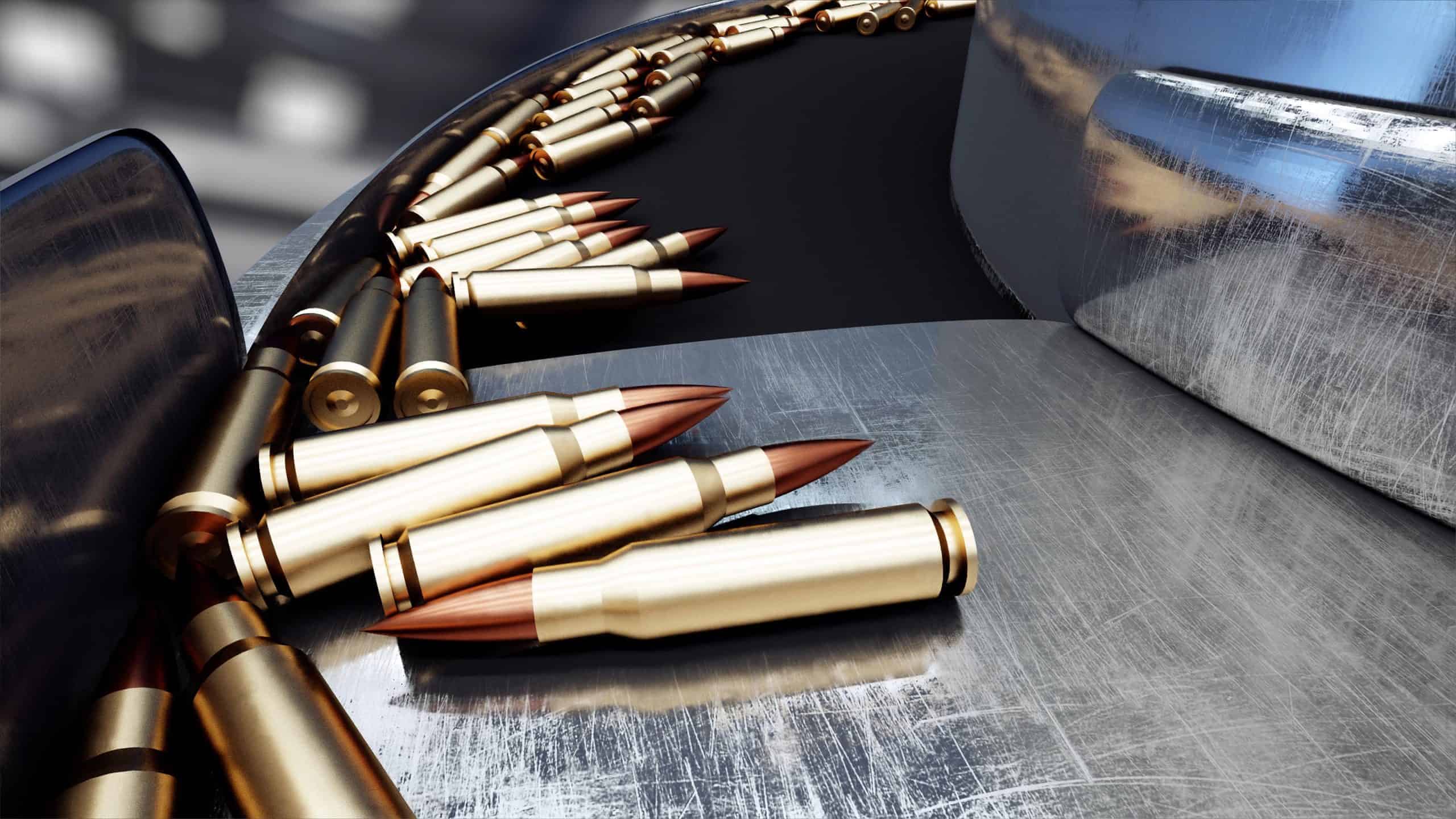
The Army’s continued use of the 5.56mm cartridge reflected a balance between firepower, controllability, and ammunition weight. Compared to larger rifle rounds, 5.56mm ammunition allowed soldiers to carry significantly more ammunition during long patrols or extended firefights. That mattered enormously during operations in Iraq and Afghanistan, where infantry units often conducted lengthy missions under heavy equipment loads. The lighter recoil also improved controllability during rapid fire and close-range engagements. Critics debated the round’s stopping power for years, particularly during urban combat and mountainous engagements, but the cartridge remained deeply tied to modern American infantry doctrine built around mobility, volume of fire, and sustained battlefield endurance.
Optics Completely Changed the Rifle’s Effectiveness
- Why It Matters: Modern sights dramatically improved speed and accuracy.
- Battlefield Relevance: Faster target acquisition during urban and night combat
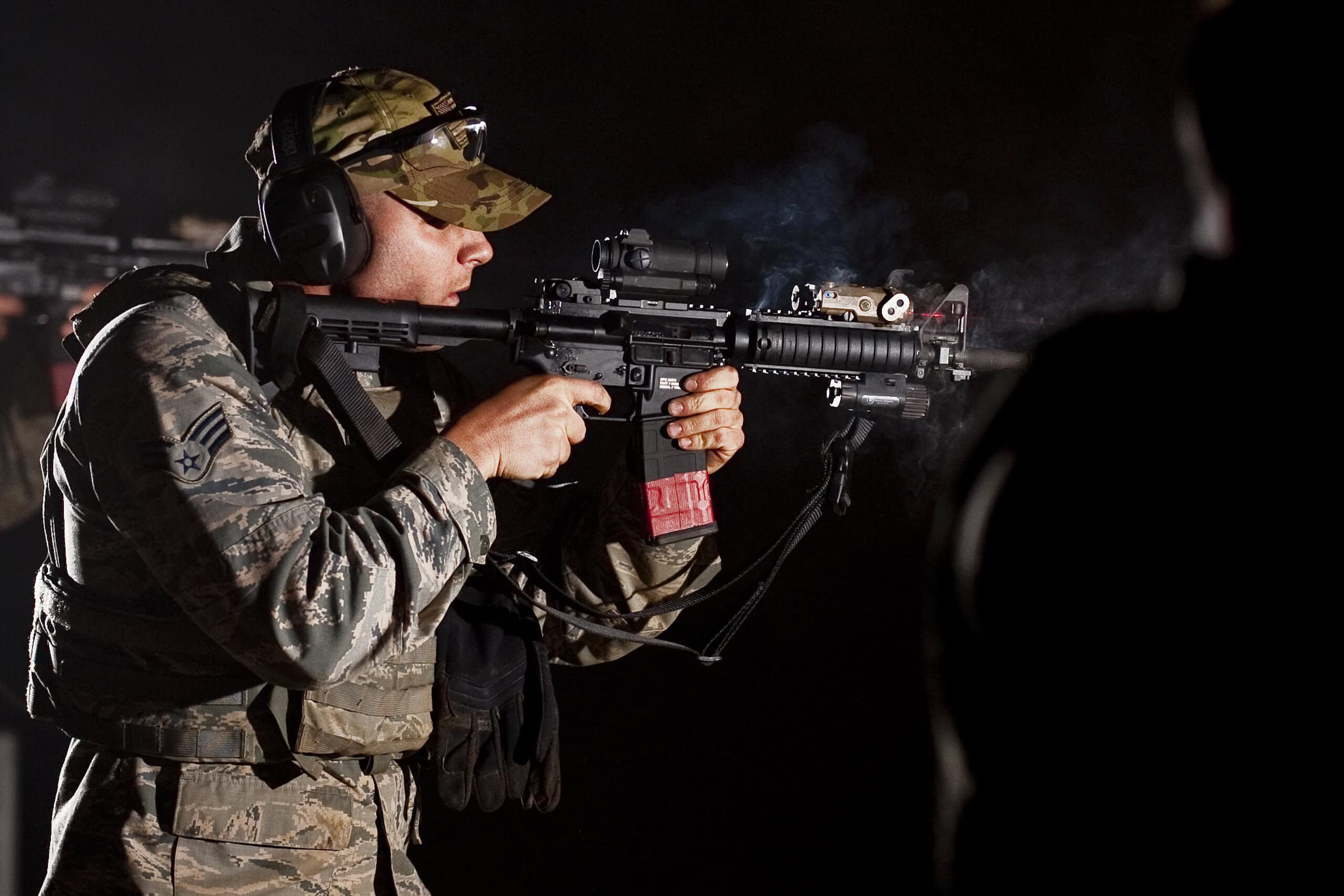
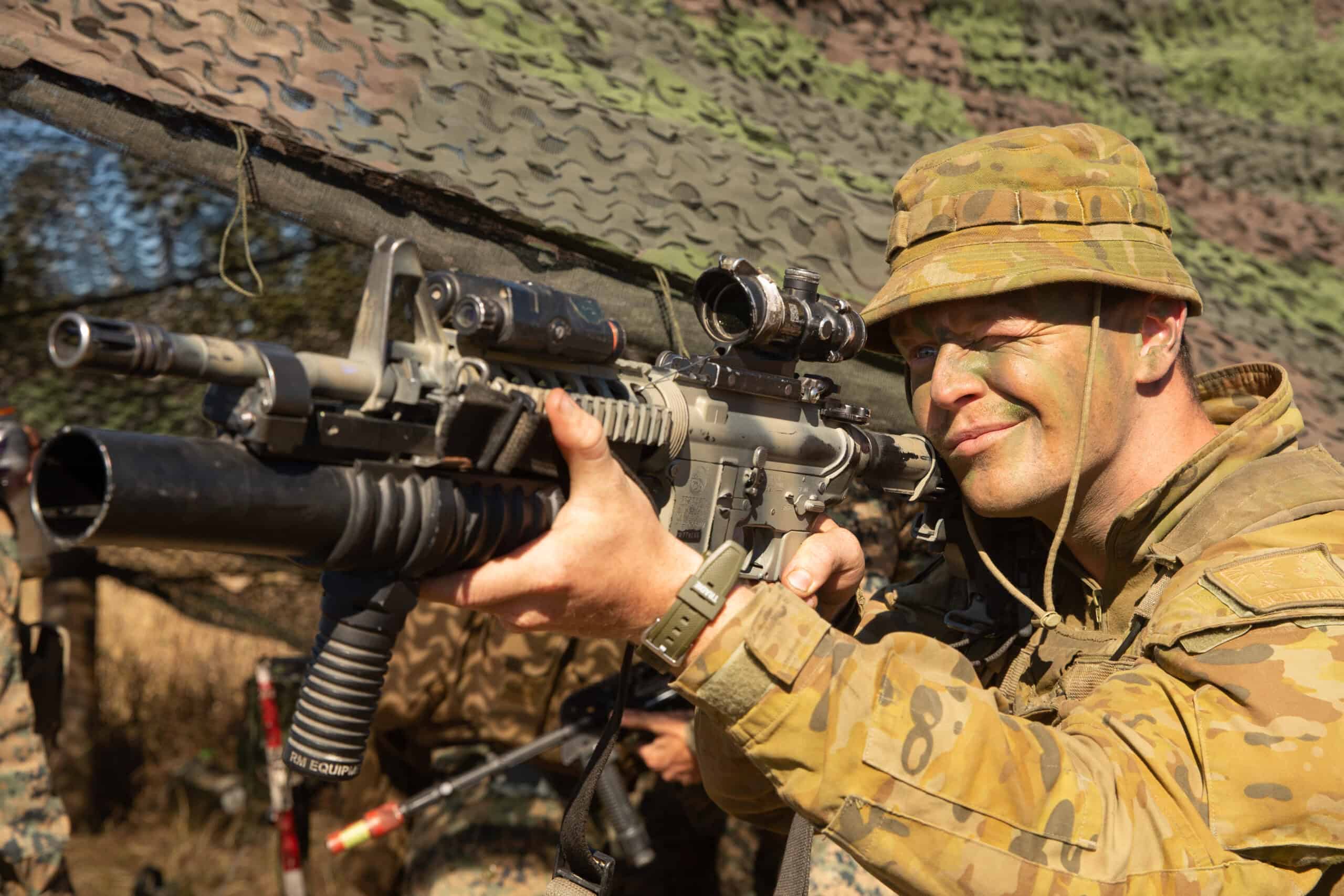
The widespread adoption of optics transformed the M4 from a traditional rifle into a far more capable battlefield system. Earlier generations of soldiers relied heavily on iron sights, but modern optics dramatically improved speed, target identification, and accuracy under combat stress. Red-dot sights allowed rapid engagement during close-quarters fighting, while magnified optics improved performance at longer ranges. In Iraq and Afghanistan, optics became essential tools during urban patrols, rooftop engagements, and complex terrain operations. The rise of optics also reflected a larger transformation in infantry doctrine, where technology increasingly enhanced individual soldier effectiveness rather than relying purely on traditional marksmanship fundamentals alone.
The M4 Became the Face of the Iraq and Afghanistan Wars
- Why It Matters: The rifle became synonymous with post-9/11 warfare.
- Battlefield Relevance: Used extensively during two decades of counterinsurgency operations
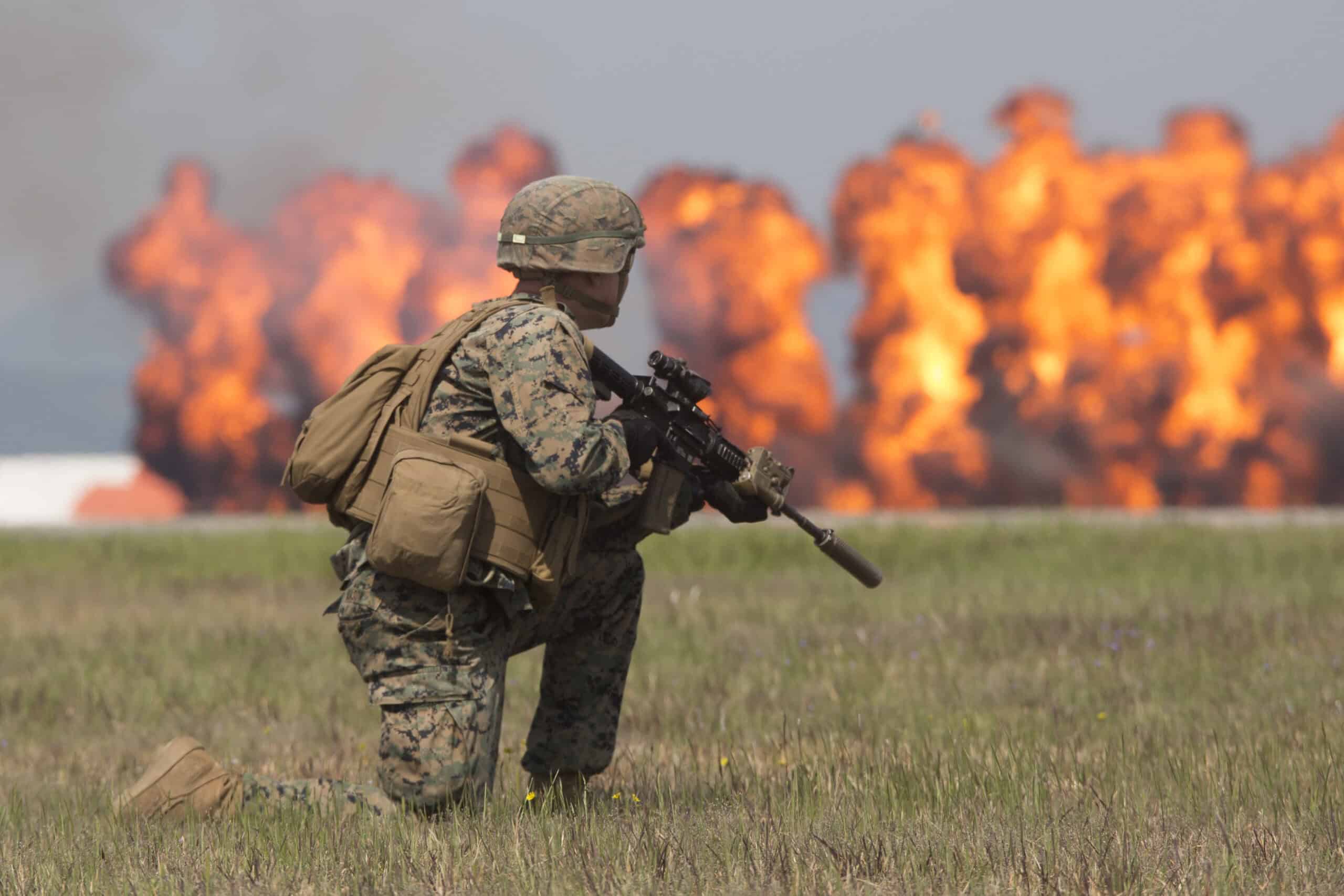
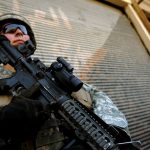
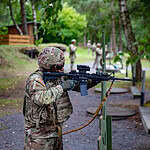
Few weapons became more visually associated with post-9/11 warfare than the M4 carbine. Across Iraq and Afghanistan, American soldiers carried the rifle through deserts, mountain valleys, urban neighborhoods, and countless patrol operations spanning nearly two decades of war. Images of U.S. infantry with M4 carbines became symbolic of an entire generation of American military operations. The rifle’s compact size proved especially valuable during convoy security, mounted patrols, room clearing, and counterinsurgency missions where close-range engagements were common. As warfare shifted away from massive conventional battles toward decentralized operations against insurgent forces, the M4 became one of the defining combat tools of modern American infantry doctrine.
Rail Systems Made the Rifle Highly Modular
- Why It Matters: Soldiers could customize rifles for mission-specific needs.
- Battlefield Relevance: Allowed integration of lights, lasers, optics, and grips
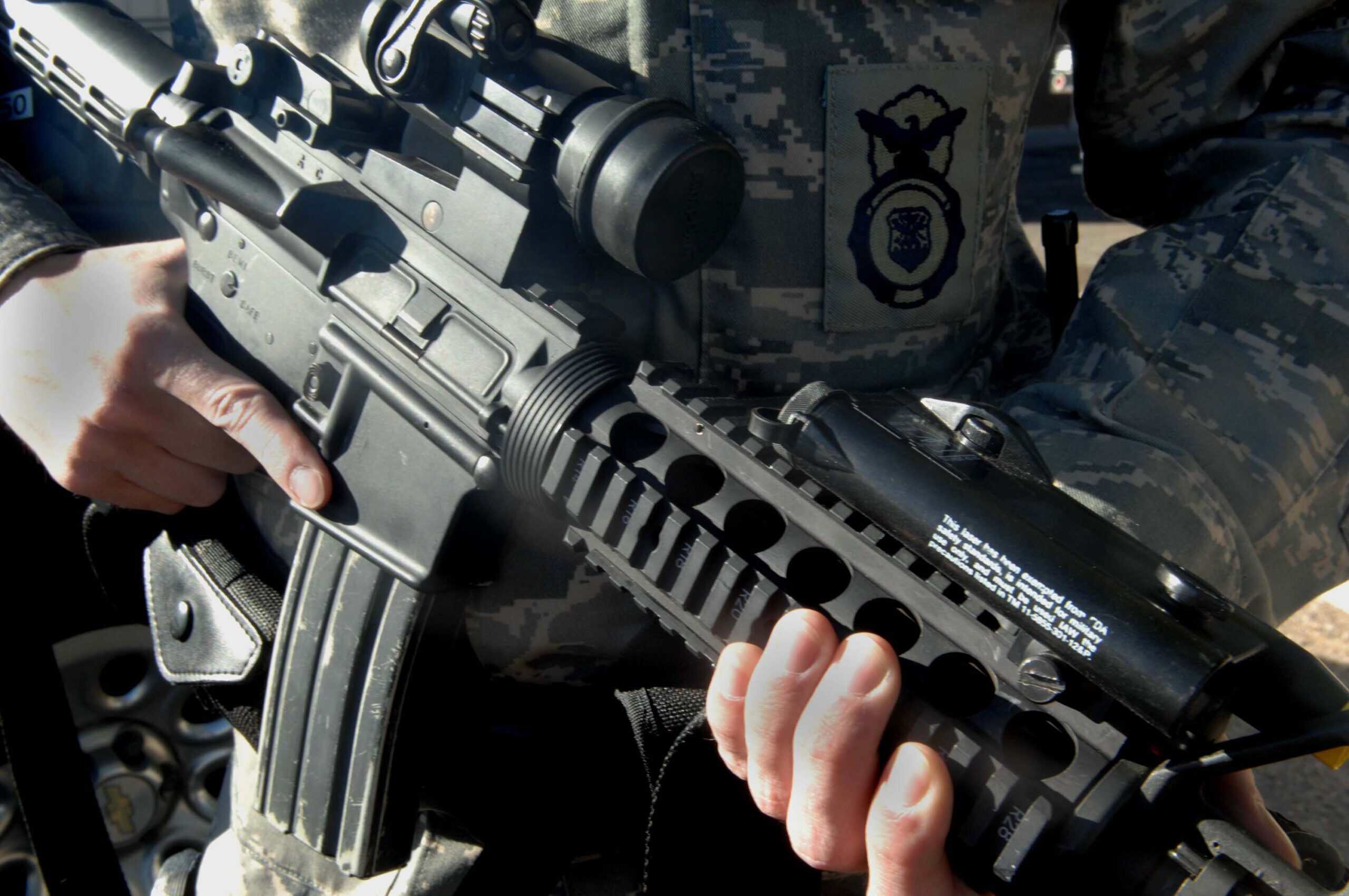
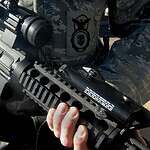
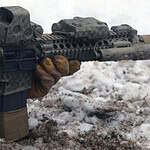
One of the M4’s greatest strengths was its ability to evolve alongside changing battlefield requirements. The addition of rail systems allowed soldiers to customize rifles with mission-specific equipment such as optics, foregrips, lights, infrared lasers, and grenade launchers. Instead of treating the rifle as a static weapon platform, the Army increasingly viewed it as a modular combat system that could adapt to different operational environments. A rifle configured for urban raids might look entirely different from one optimized for rural patrol operations. This modularity gave infantry units greater tactical flexibility and helped the platform remain relevant even as technology and battlefield demands evolved over time.
Infrared Lasers Changed Night Fighting
- Why It Matters: Night-vision compatibility improved combat effectiveness after dark.
- Battlefield Relevance: Critical during raids and nighttime patrol operations
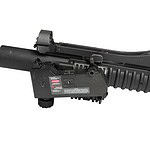
Modern night combat changed dramatically once infantry units began combining night-vision equipment with infrared laser aiming devices mounted to the M4 platform. Under night vision, soldiers could engage targets far faster and more accurately than earlier generations relying on visible light or traditional sight alignment. During nighttime raids and patrols in Iraq and Afghanistan, infrared lasers became essential tools for coordination and rapid target acquisition. The technology also reflected a broader American emphasis on dominating combat after dark, when U.S. forces often possessed overwhelming technological advantages compared to opposing fighters. The M4 became central to this evolving doctrine of technologically enhanced night warfare.
The M203 Grenade Launcher Expanded Infantry Firepower
- Why It Matters: The platform could provide explosive support at squad level.
- Battlefield Relevance: Improved versatility during urban and defensive operations
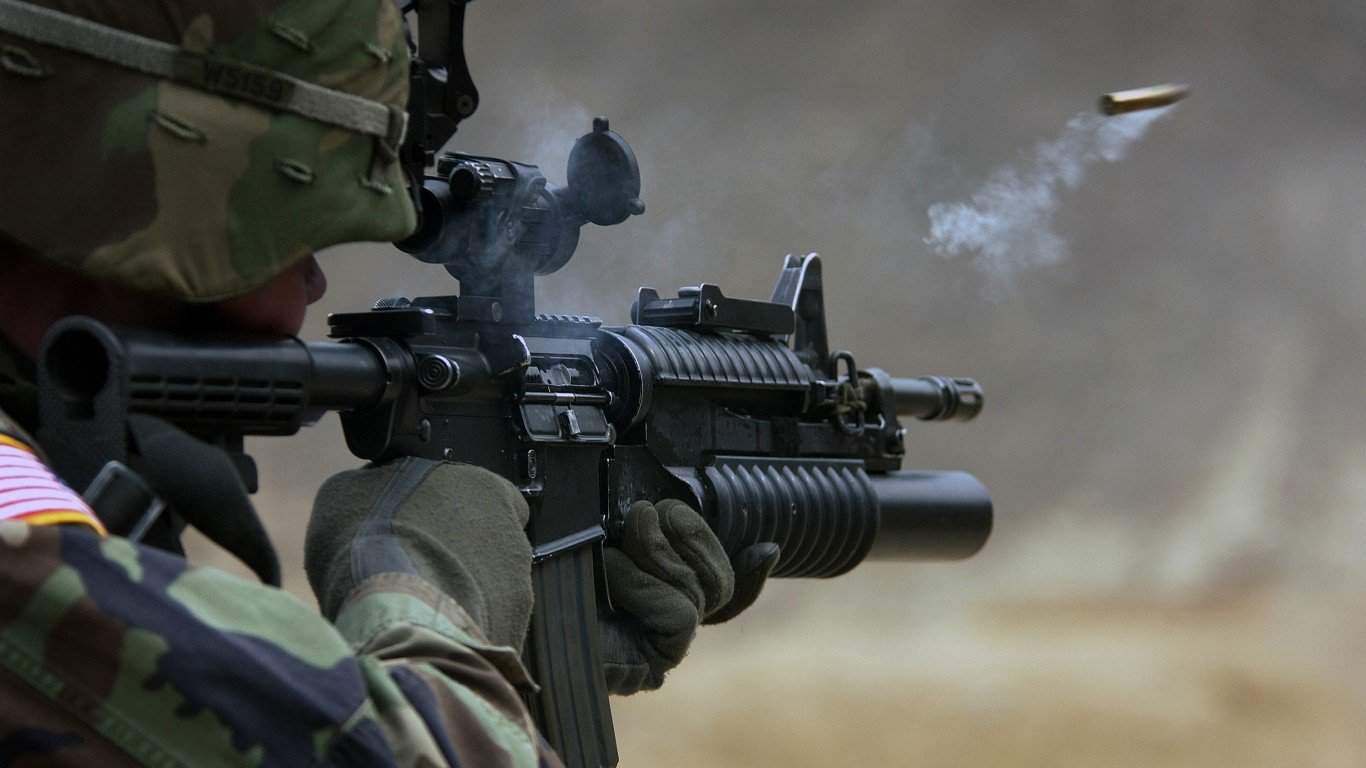
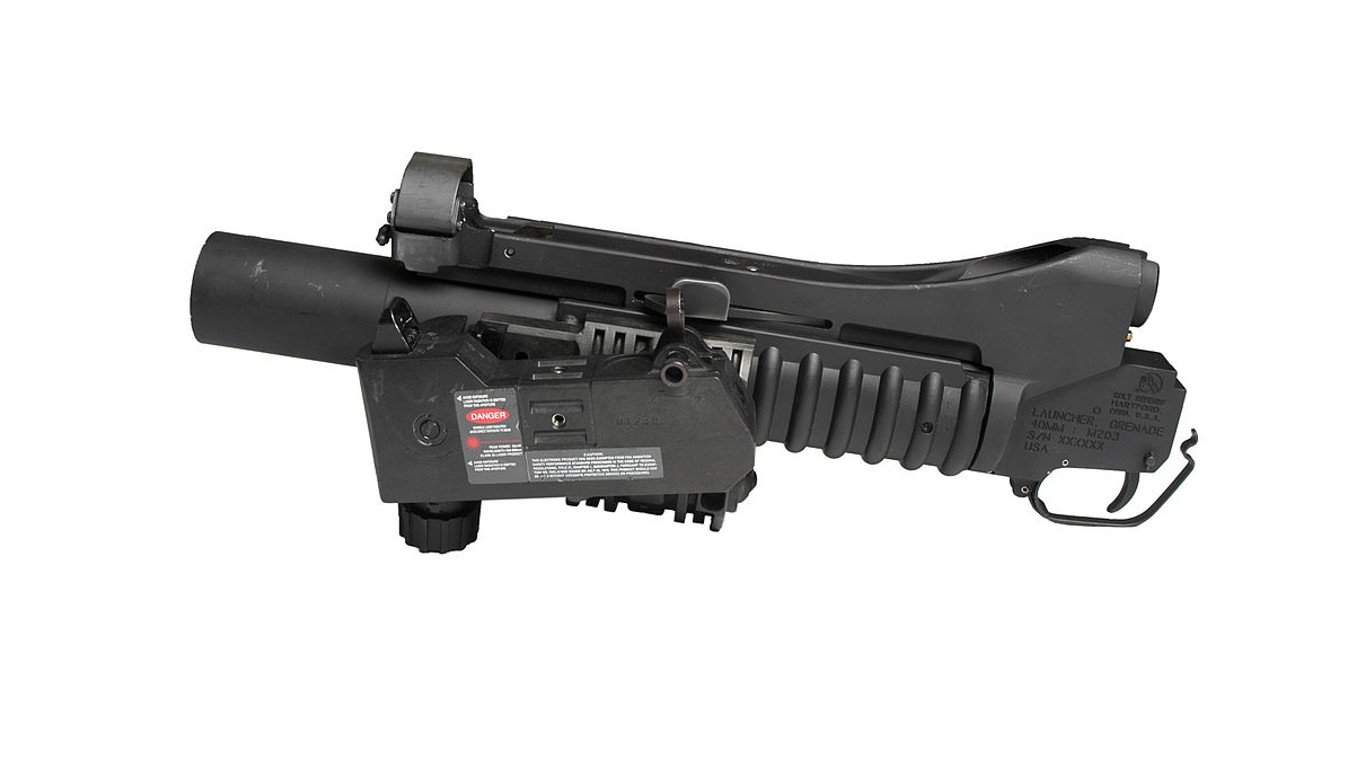
The ability to mount the M203 grenade launcher beneath the M4 significantly expanded the tactical flexibility of infantry squads. Soldiers armed with grenade launchers could engage enemies behind cover, attack fortified positions, or deliver explosive firepower into areas unreachable by standard rifle fire alone. In urban combat especially, the M203 gave small units additional versatility without requiring heavier support weapons immediately nearby. The combination of rifle and grenade launcher reflected the Army’s broader emphasis on giving individual infantry squads greater independent combat capability. Rather than relying solely on larger supporting weapons, squads increasingly carried diverse firepower directly into battle.
Reliability Debates Followed the Rifle for Years
- Why It Matters: Dust, sand, and maintenance concerns became heavily discussed.
- Battlefield Relevance: Combat in Iraq reignited debates about weapon reliability
Despite becoming the Army’s standard rifle, the M4 faced years of criticism regarding reliability under harsh battlefield conditions. Dust, sand, carbon buildup, and heavy combat use generated recurring debates about stoppages and maintenance requirements, particularly during operations in Iraq. Critics argued that the platform demanded excessive cleaning compared to some alternative rifles used elsewhere in the world. Supporters countered that proper maintenance and training largely resolved most operational issues. The debate became part of the rifle’s broader identity within military culture. Soldiers often spent substantial time cleaning and inspecting their weapons because reliability in combat depended heavily on disciplined maintenance practices under difficult environmental conditions.
The M4A1 Improved Sustained Fire Capability
- Why It Matters: The upgraded platform handled prolonged combat more effectively.
- Battlefield Relevance: Better suited for extended firefights and automatic fire
As combat operations intensified during the Global War on Terror, the Army increasingly adopted the upgraded M4A1 variant with improved sustained-fire capability and fully automatic fire selection. The heavier barrel helped the rifle better withstand prolonged firefights that placed intense heat stress on weapons during repeated engagements. Urban warfare and counterinsurgency operations often produced chaotic close-range combat where soldiers needed greater suppressive fire capability than earlier configurations provided. The M4A1 represented the Army’s effort to refine the platform around lessons learned during years of continuous combat operations in Iraq and Afghanistan.
Training Became Central to Maximizing the Rifle
- Why It Matters: Accuracy depended heavily on soldier proficiency.
- Battlefield Relevance: Marksmanship remained foundational to Army doctrine
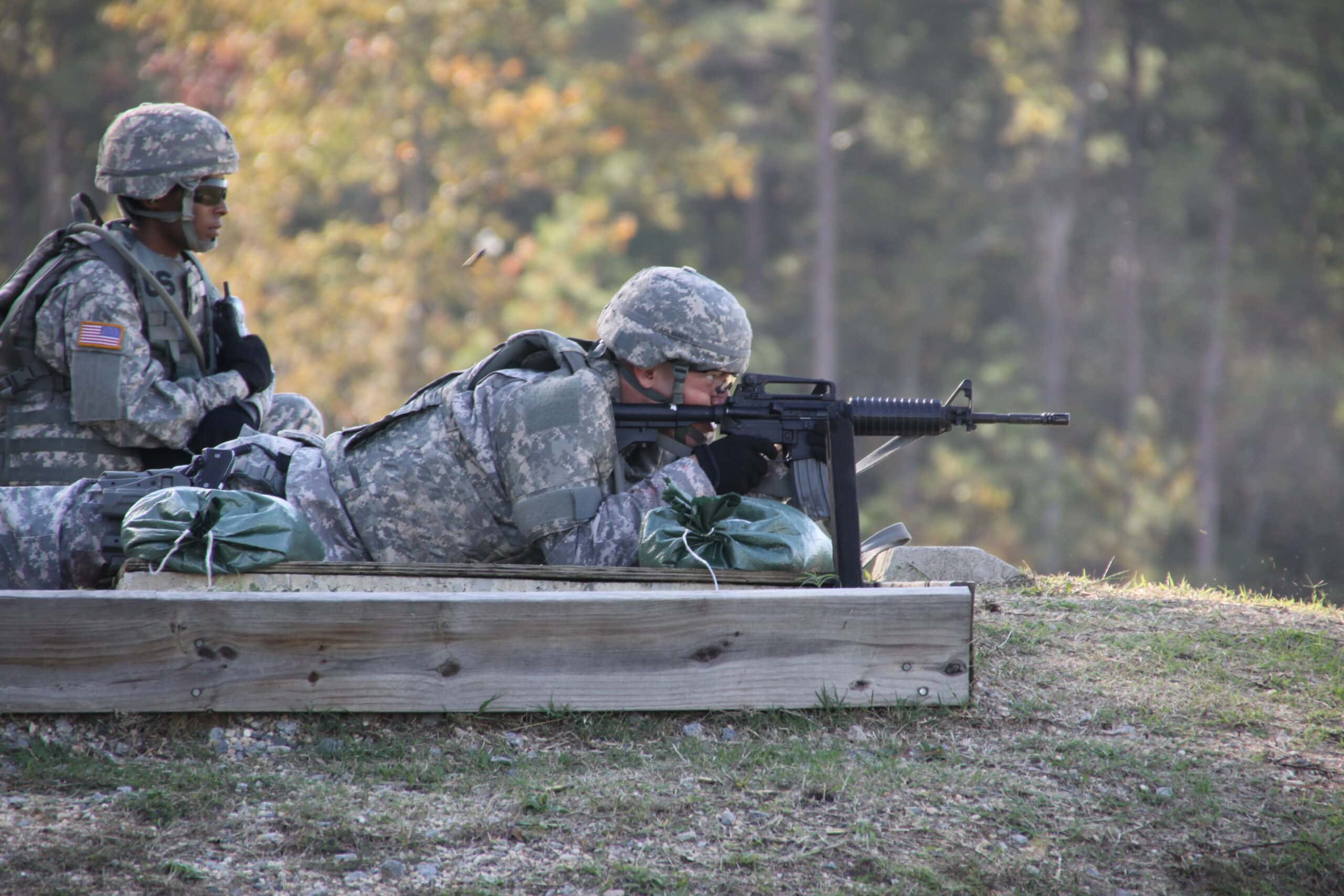
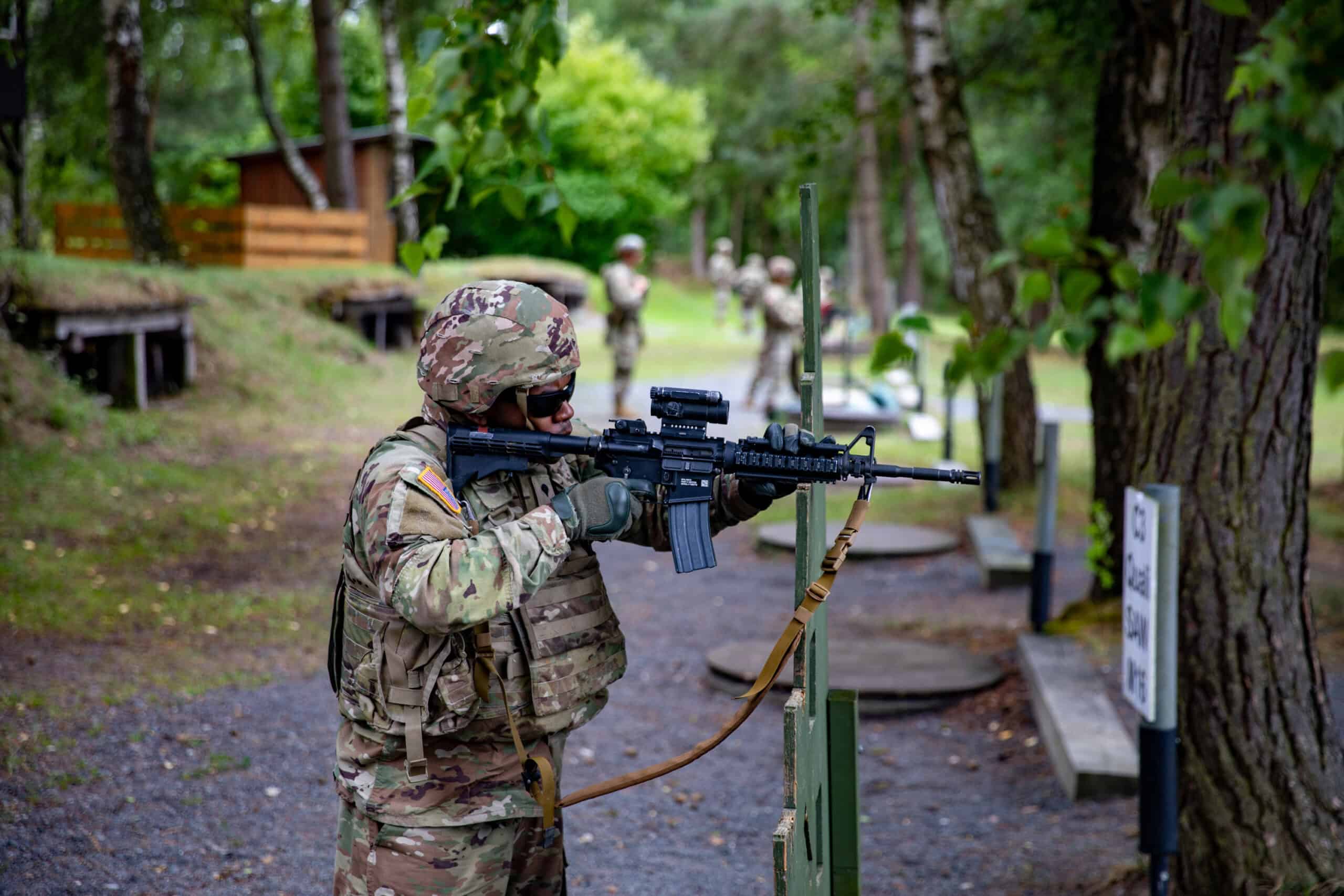
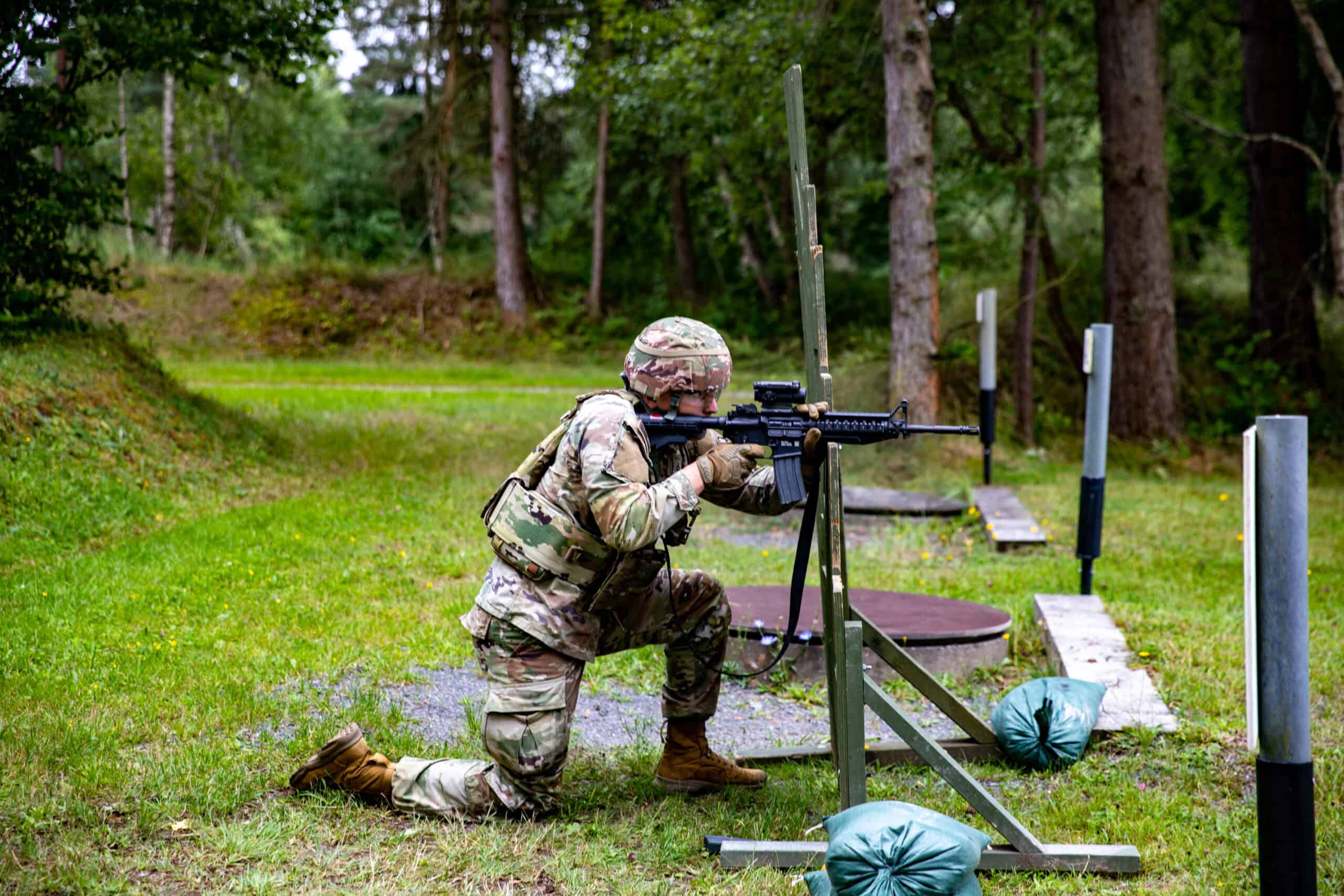
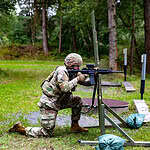
The effectiveness of the M4 ultimately depended less on the rifle itself than on the soldier carrying it. The Army invested enormous effort into marksmanship training, weapons handling, malfunction drills, and combat shooting fundamentals because even advanced technology could not replace disciplined proficiency under stress. Soldiers learned to engage targets from multiple firing positions, transition between distances, clear malfunctions rapidly, and maintain accuracy while exhausted or under pressure. As optics and accessories evolved, training standards also changed to reflect new battlefield realities. The rifle became deeply integrated into broader infantry doctrine focused on speed, adaptability, and combat effectiveness under chaotic operational conditions.
Suppressors Became Increasingly Common
- Why It Matters: Reduced flash and sound improved tactical effectiveness.
- Battlefield Relevance: Beneficial during urban combat and night operations
Once viewed primarily as specialized equipment, suppressors gradually became more common across portions of the modern battlefield. Mounted to M4 platforms, suppressors reduced muzzle flash, softened sound signatures, and improved communication during firefights by lowering overall battlefield noise. During nighttime operations, suppressors also reduced visible firing signatures that could reveal troop positions. The growing use of suppressors reflected changing military priorities focused on reducing detection, improving coordination, and increasing combat effectiveness in urban or low-visibility environments. As infantry doctrine evolved, the M4 increasingly adapted alongside new technologies designed to improve survivability and battlefield awareness.
The Rifle Was Designed Around Modern Infantry Doctrine
- Why It Matters: The platform supported fast-moving combined arms warfare.
- Battlefield Relevance: Integrated closely with squad tactics and maneuver operations
The M4 emerged during a period when American infantry doctrine increasingly emphasized mobility, flexibility, and combined arms maneuver warfare. Rather than preparing solely for static defensive battles, U.S. forces trained for rapid movement alongside armored vehicles, helicopters, and supporting aircraft. The compact rifle fit naturally within this doctrine because it allowed soldiers to maneuver quickly while carrying large amounts of equipment and ammunition. The weapon became part of a broader battlefield ecosystem that included communications gear, optics, vehicles, drones, and air support. The M4 was not simply a rifle — it became one component within an increasingly interconnected modern combat system.
Close-Quarters Combat Became One of the M4’s Strengths
- Why It Matters: Compact size improved maneuverability indoors.
- Battlefield Relevance: Highly valuable during room clearing and urban fighting
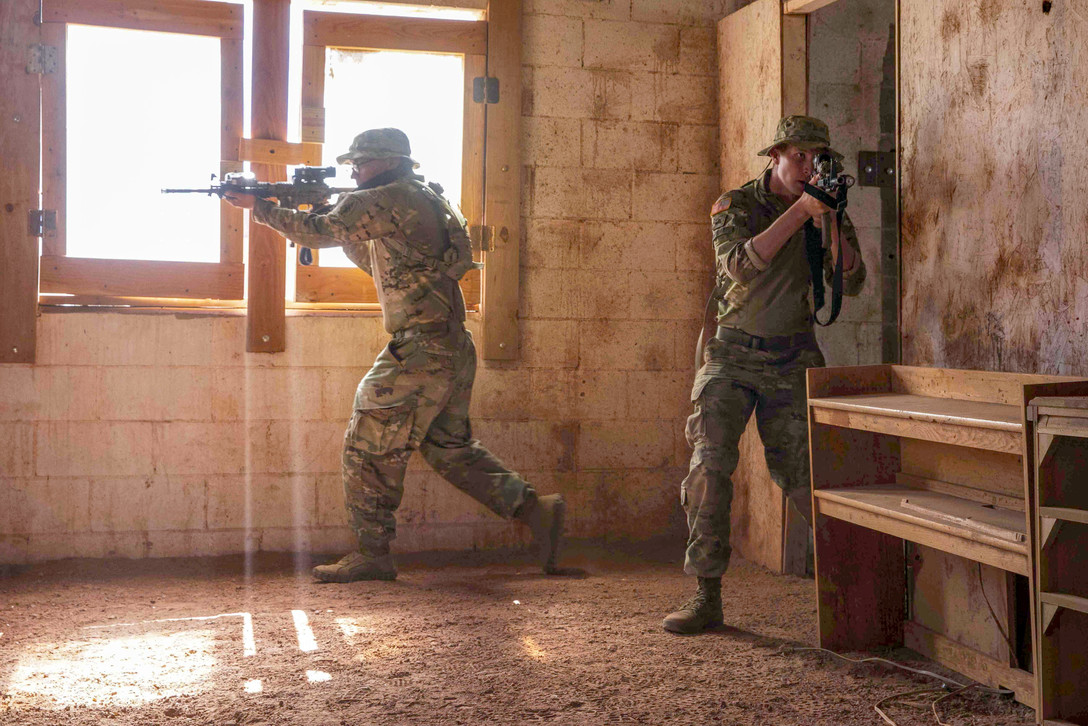
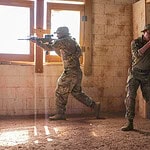
Urban combat during Iraq and Afghanistan highlighted one of the M4’s greatest advantages: close-quarters maneuverability. Clearing buildings, navigating alleyways, entering compounds, and fighting inside dense urban terrain required compact weapons that soldiers could handle quickly under extreme stress. Longer rifles often proved awkward in confined spaces, while the M4’s shorter profile allowed faster movement and target engagement indoors. Infantry squads conducting raids or room-clearing operations relied heavily on this maneuverability during some of the most dangerous combat environments of the post-9/11 era. The rifle’s design reflected the growing importance of urban warfare in modern military operations.
Maintenance Culture Became Part of Army Life
- Why It Matters: Soldiers spent enormous time cleaning and inspecting rifles.
- Battlefield Relevance: Reliability often depended on disciplined upkeep
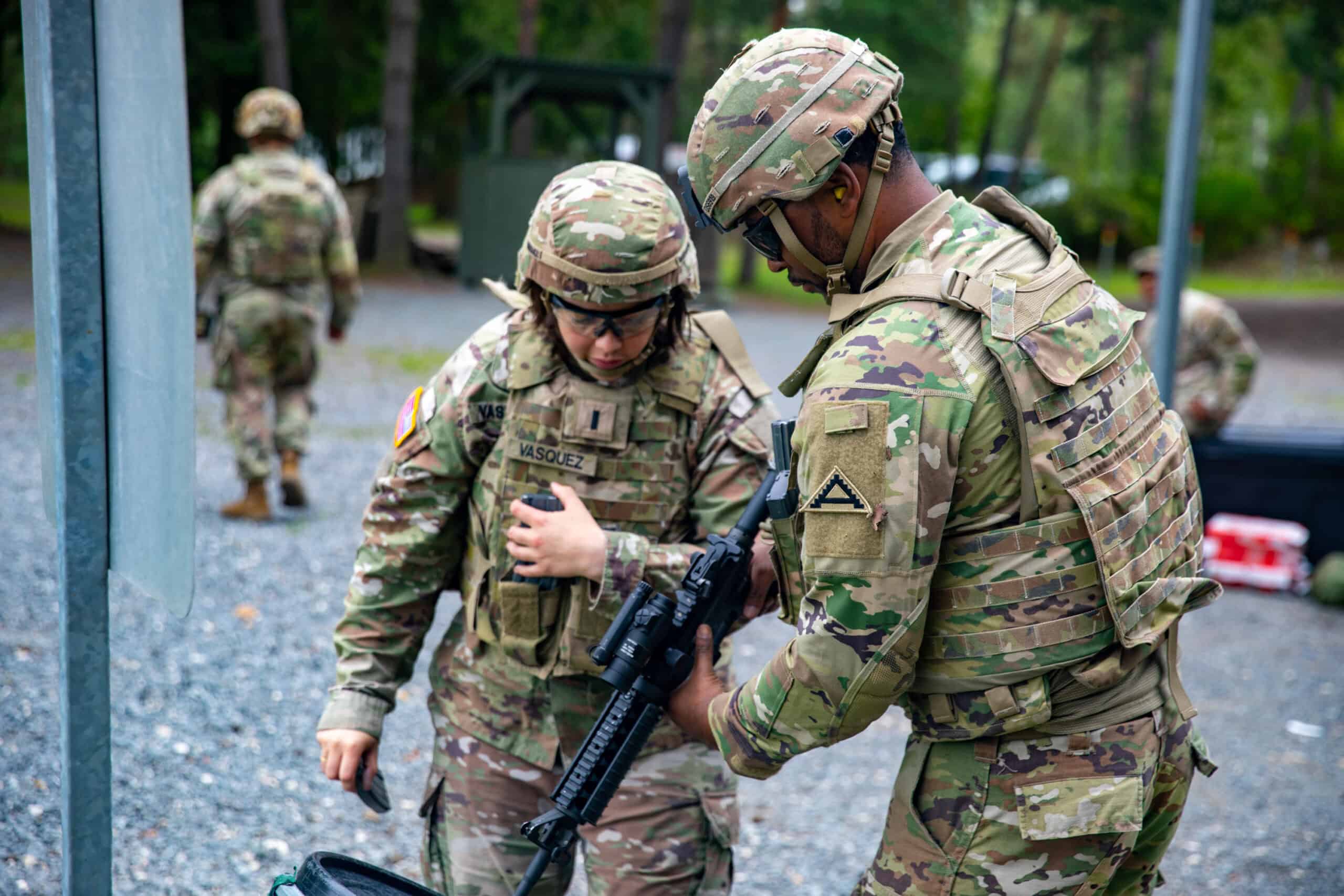
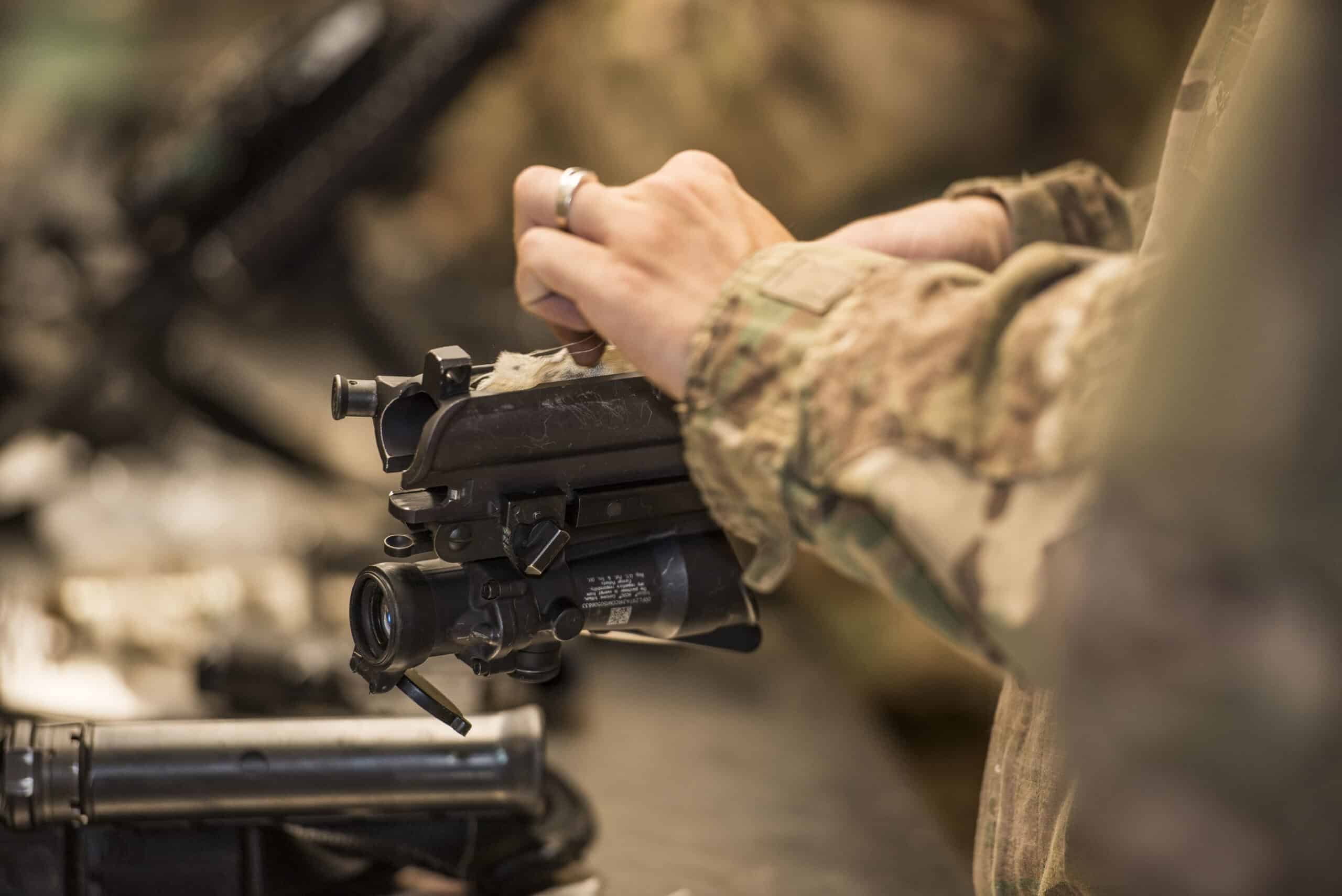
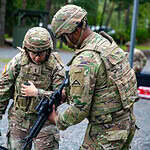
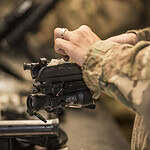
Few aspects of military life became more associated with the M4 than constant cleaning and maintenance. Soldiers routinely disassembled rifles, scrubbed carbon buildup, inspected components, and lubricated moving parts to maintain reliability under difficult combat conditions. In dusty Iraqi deserts or mountainous Afghan terrain, weapons endured harsh environmental stress that demanded disciplined upkeep. Maintenance culture became so deeply embedded within Army life that weapon inspections often reflected broader expectations about discipline and professionalism. For many soldiers, cleaning the M4 became almost as routine as carrying it.
Special Operations Influence Helped Shape Upgrades
- Why It Matters: Elite units often pushed modernization trends first.
- Battlefield Relevance: Many accessories later spread to conventional forces
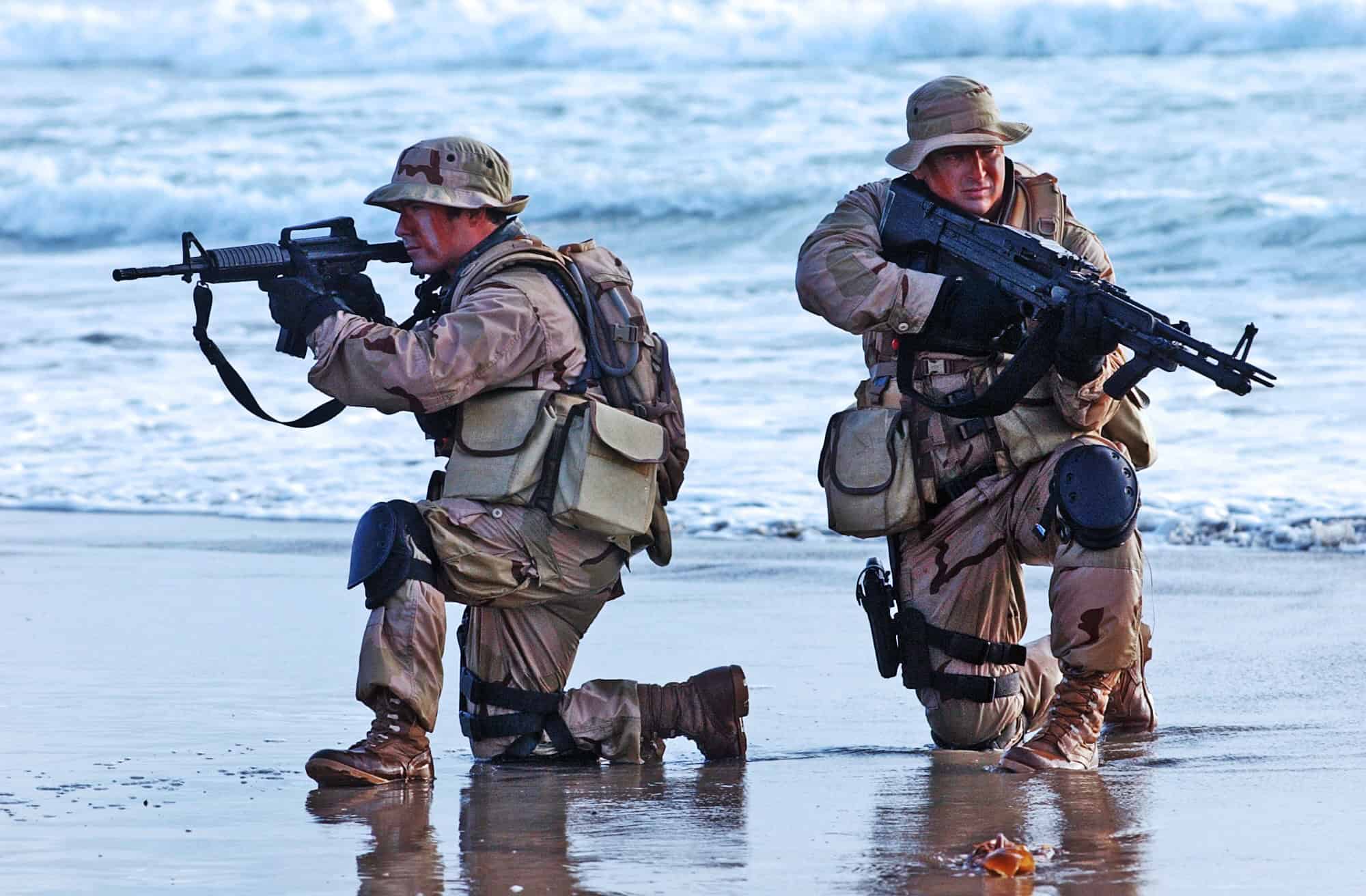
Many of the upgrades that eventually spread across conventional Army units first gained popularity within special operations forces. Elite units often experimented earlier with advanced optics, suppressors, lasers, grips, and accessories tailored to specific combat environments. As these technologies proved effective in real operations, many gradually filtered into wider Army use. The M4 platform’s modularity made it especially adaptable to this process because new equipment could be integrated without replacing the entire rifle system. Over time, the distinction between special operations weapon setups and standard infantry configurations narrowed considerably.
The Rifle Adapted to Digital Battlefield Integration
- Why It Matters: Modern attachments connected infantry to battlefield technology.
- Battlefield Relevance: Enhanced coordination, targeting, and situational awareness
Modern infantry warfare increasingly depends on information, communication, and situational awareness as much as raw firepower. The M4 evolved alongside this transformation through the integration of advanced optics, targeting systems, infrared devices, and digital battlefield technologies. Soldiers carrying the rifle became part of larger combat networks capable of coordinating movement, identifying targets, and communicating rapidly across complex operational environments. The rifle itself became less of a standalone weapon and more of a platform supporting a technologically connected infantry force. This evolution reflected broader changes in how modern armies fight and share battlefield information.
The M4 Remained Relevant Despite New Rifle Programs
- Why It Matters: The platform continued evolving instead of disappearing.
- Battlefield Relevance: Ongoing upgrades kept the rifle operationally competitive
For years, discussions about replacing the M4 surfaced as the Army explored newer rifle programs and changing battlefield requirements. Yet the platform repeatedly adapted instead of disappearing. Improved optics, upgraded barrels, suppressors, enhanced accessories, and modular improvements allowed the rifle to remain operationally competitive even as technology evolved. Soldiers and commanders often preferred upgrading a familiar and battle-tested platform rather than transitioning immediately to an entirely new system. The M4’s continued relevance demonstrated the flexibility of the original design and its ability to evolve alongside modern combat doctrine rather than becoming obsolete overnight.
The M4 Became a Symbol of the Modern American Soldier
- Why It Matters: The rifle became deeply associated with post-9/11 warfare.
- Battlefield Relevance: Represented the standard infantry weapon of an entire generation
Over two decades of war transformed the M4 into far more than just a standard service rifle. The platform became visually and culturally tied to the image of the modern American infantry soldier during the post-9/11 era. News footage, combat photography, recruiting campaigns, and battlefield reporting repeatedly featured troops carrying the rifle across Iraq, Afghanistan, and countless overseas deployments. For many Americans, the M4 became instantly recognizable as the weapon of contemporary U.S. military operations. Its silhouette came to represent an entire generation of soldiers shaped by counterinsurgency warfare, urban combat, and long deployments during the Global War on Terror.
The image featured at the top of this post is ©Public Domain / Wikimedia Commons / Original