
The Most Battle-Tested U.S. Military Helicopters Still in Service Today
Battle-tested helicopters earn that reputation through real-world performance, not just design. The aircraft on this list have been deployed in some of the most demanding conflicts in modern history, where reliability, durability, and effectiveness are critical. From combat zones to high-risk missions, these helicopters have repeatedly proven their value under pressure.
In this slideshow, History Computer takes a closer look at the most battle-tested helicopters used by the U.S. military. Each one is examined based on its role, the conflicts it has served in, and the strengths that have kept it in operation over time. By exploring these platforms, you get a clearer understanding of what actually works in combat and why certain helicopters remain essential decade after decade.
Here is a look at the most battle-tested helicopters of the US Armed Forces:
Decades of Continuous Combat
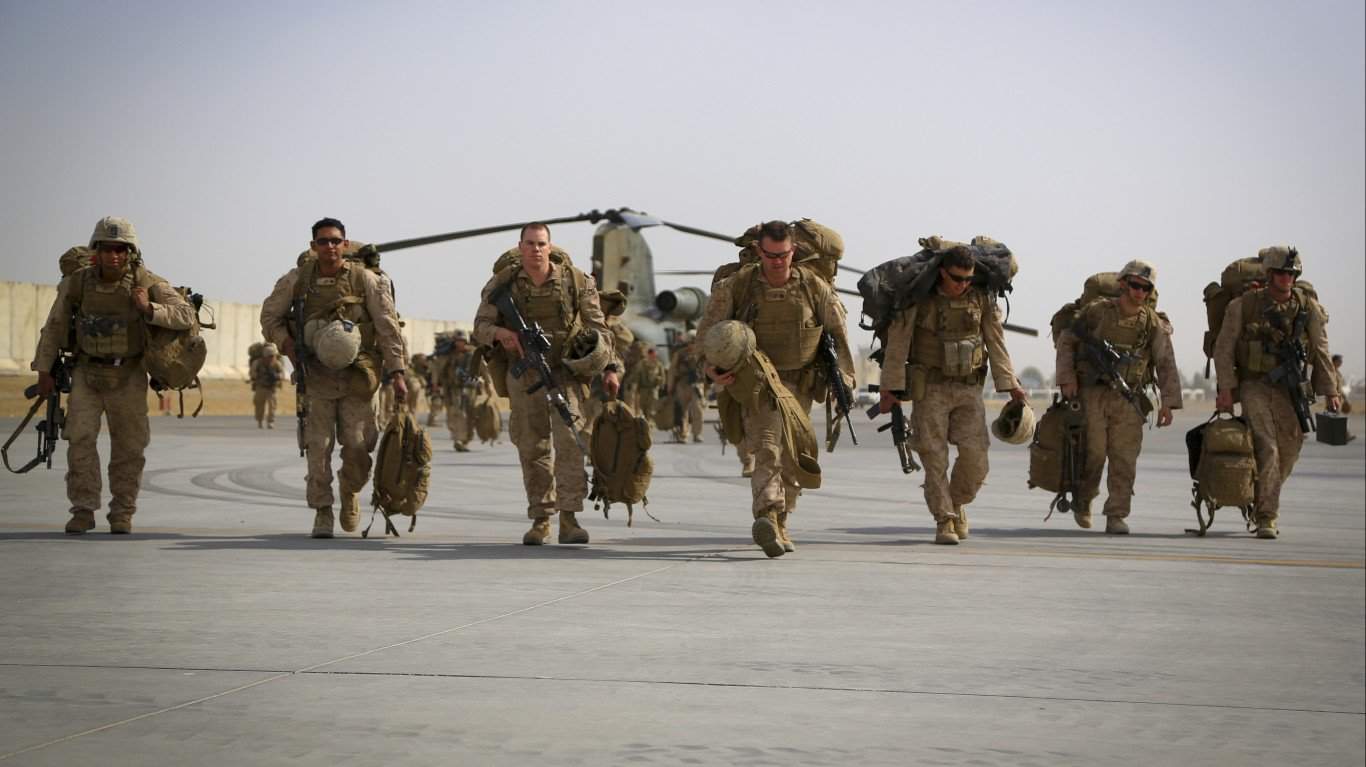
Many of these helicopters have served for decades, returning to the battlefield time and time again in conflicts ranging from Vietnam to Iraq and Afghanistan. This longevity reflects not only their durability, but also their adaptability to evolving mission requirements. Continuous deployment across multiple wars builds a level of trust and reliability that defines what it means to be truly battle-tested.
Missions That Define Modern Warfare
Helicopters have fundamentally changed how wars are fought, enabling rapid troop movement, close air support, medical evacuation, and special operations missions. These platforms provide flexibility and mobility that cannot be matched by other systems, allowing forces to respond quickly to changing conditions on the battlefield. Their roles are critical in both offensive and defensive operations, making them indispensable in modern warfare.
Workhorses vs Specialized Platforms
Some helicopters serve as multi-role workhorses, capable of performing a wide range of missions, while others are designed for specific tasks such as attack or rescue. Both types play essential roles in military operations, with workhorses providing versatility and specialized platforms delivering focused capabilities. Together, they create a balanced and effective force structure that supports a wide range of mission requirements.
Reliability Is the Ultimate Weapon
In combat, reliability often matters more than advanced features or cutting-edge technology. These helicopters have proven their ability to perform consistently under extreme conditions, earning the trust of the crews who rely on them. Their ability to keep flying and completing missions under pressure is what defines them as truly battle-tested platforms, making them indispensable to U.S. military operations.
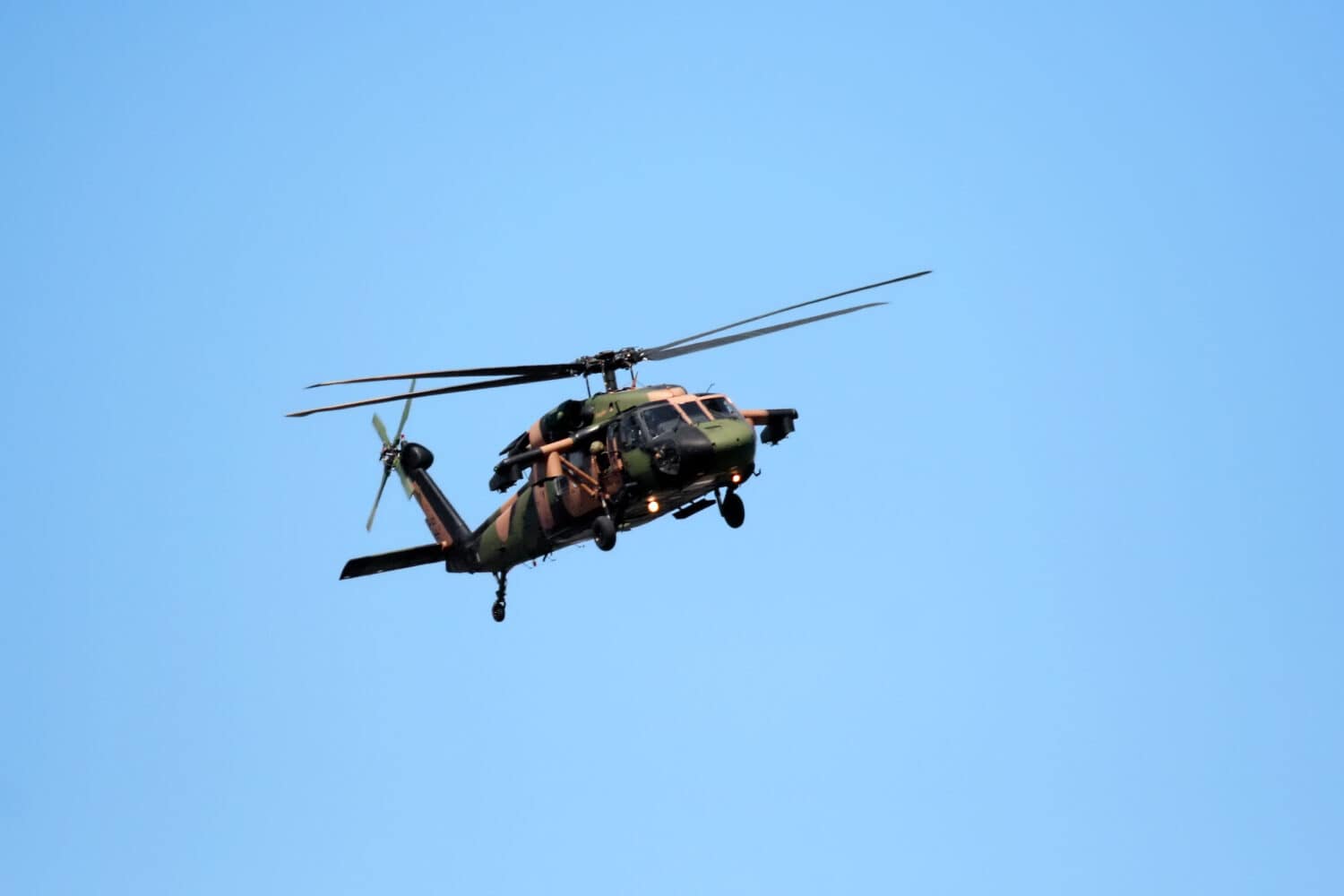
UH-60 Black Hawk
- Branch or Operator: Army / SOF
- Primary Role: Utility
- Year Introduced: 1979
- Major Conflicts or Wars Used In: Grenada; Panama; Gulf War; Iraq; Afghanistan
- Combat Longevity (Years in Service): 1979–present
- Key Strength: Versatility
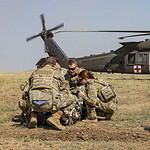
- Notable Combat Role or Mission Type: Air assault / medevac
- Why It’s Considered Battle-Tested: Decades of frontline use
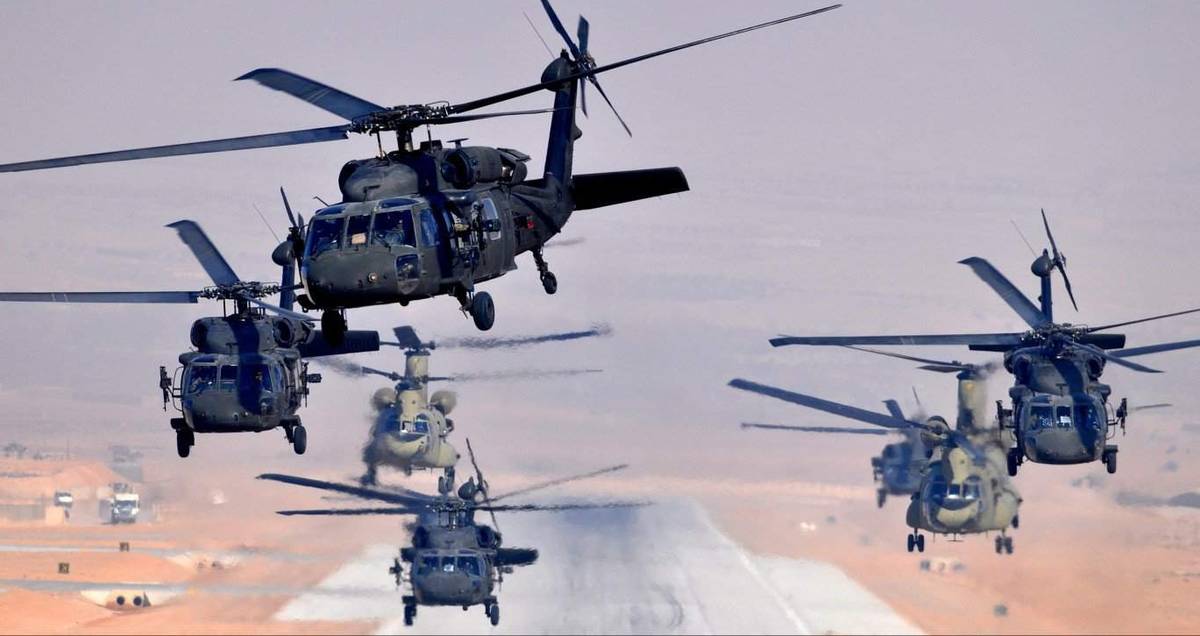
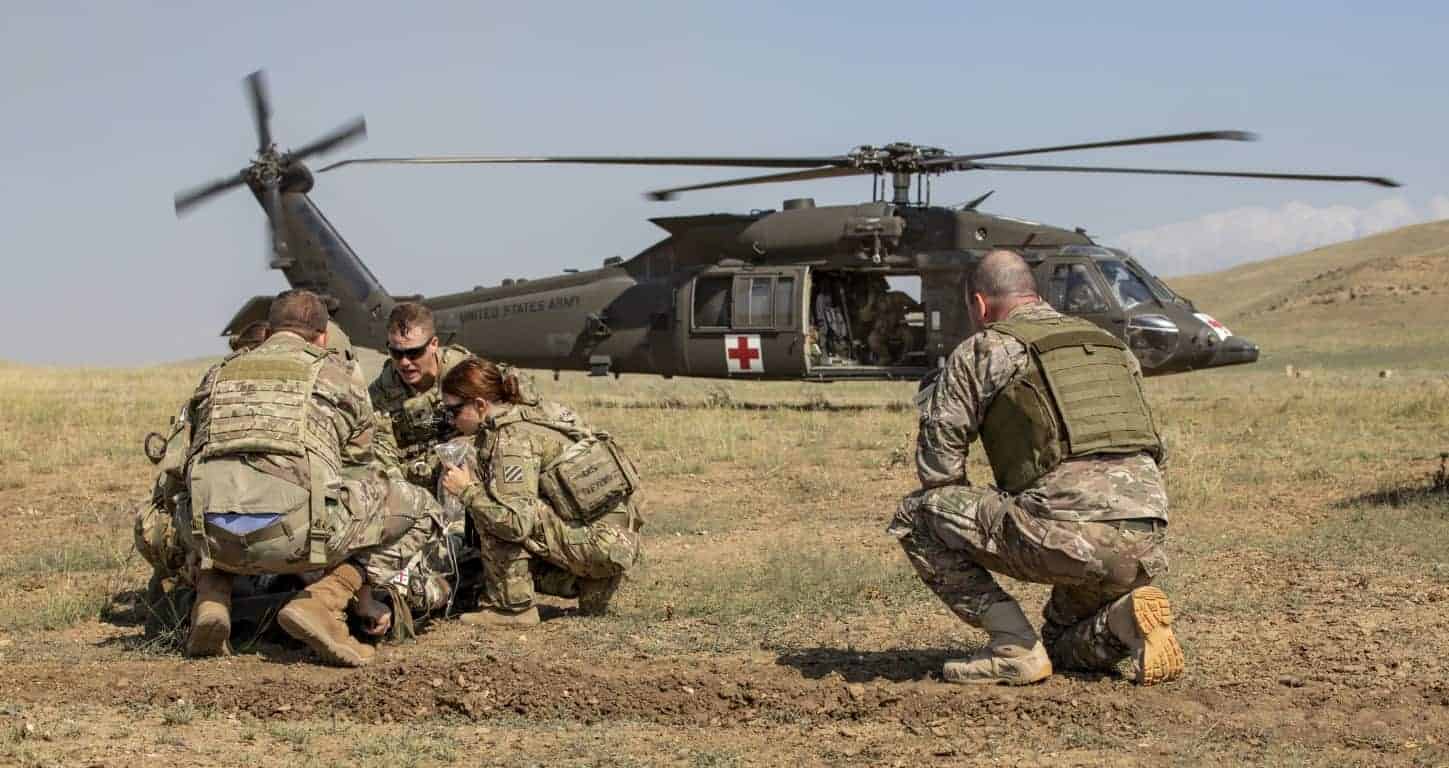
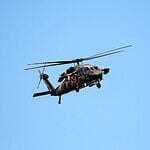
The UH-60 Black Hawk has been a cornerstone of U.S. military operations since its introduction, serving in nearly every major conflict from Grenada to Afghanistan. Its versatility in air assault, medevac, and logistics missions has made it indispensable. Repeated deployments in high-risk environments demonstrate its reliability, making it one of the most consistently battle-tested helicopters in U.S. service.
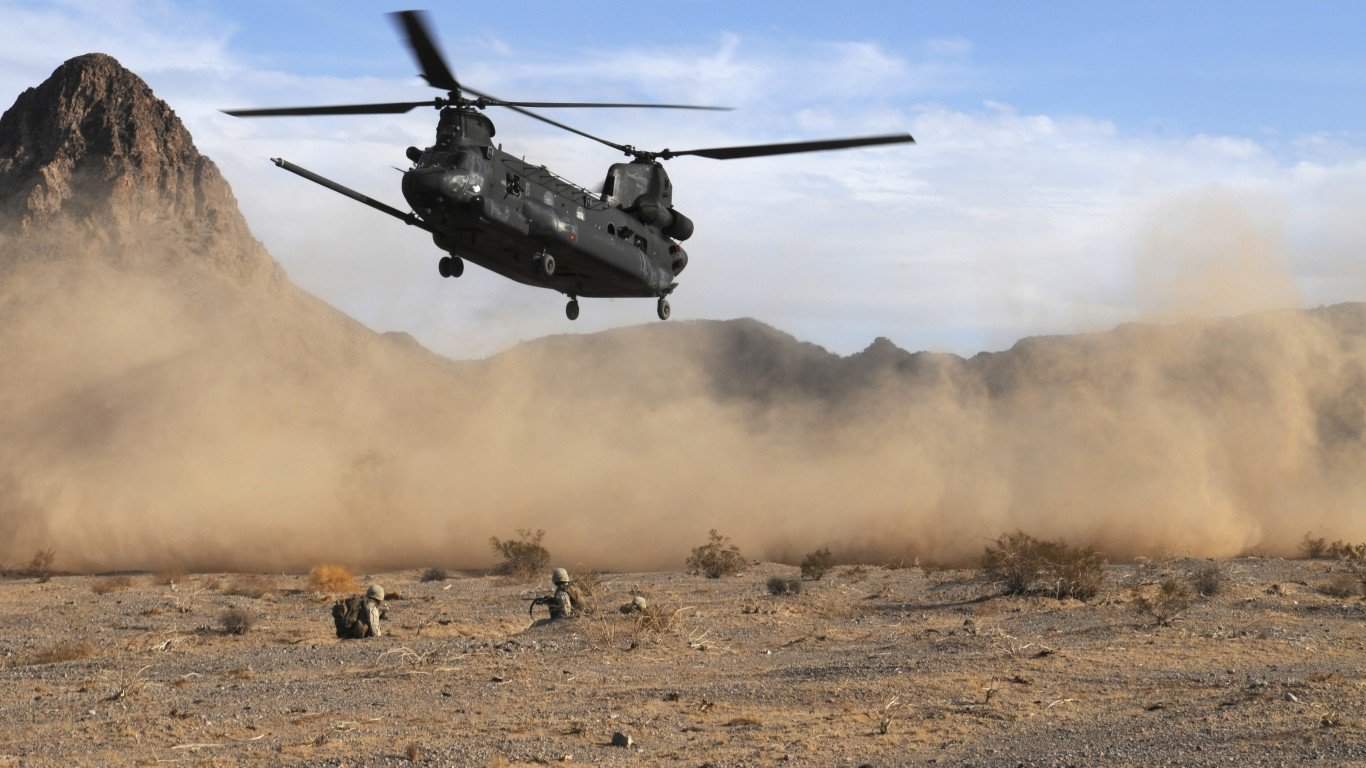
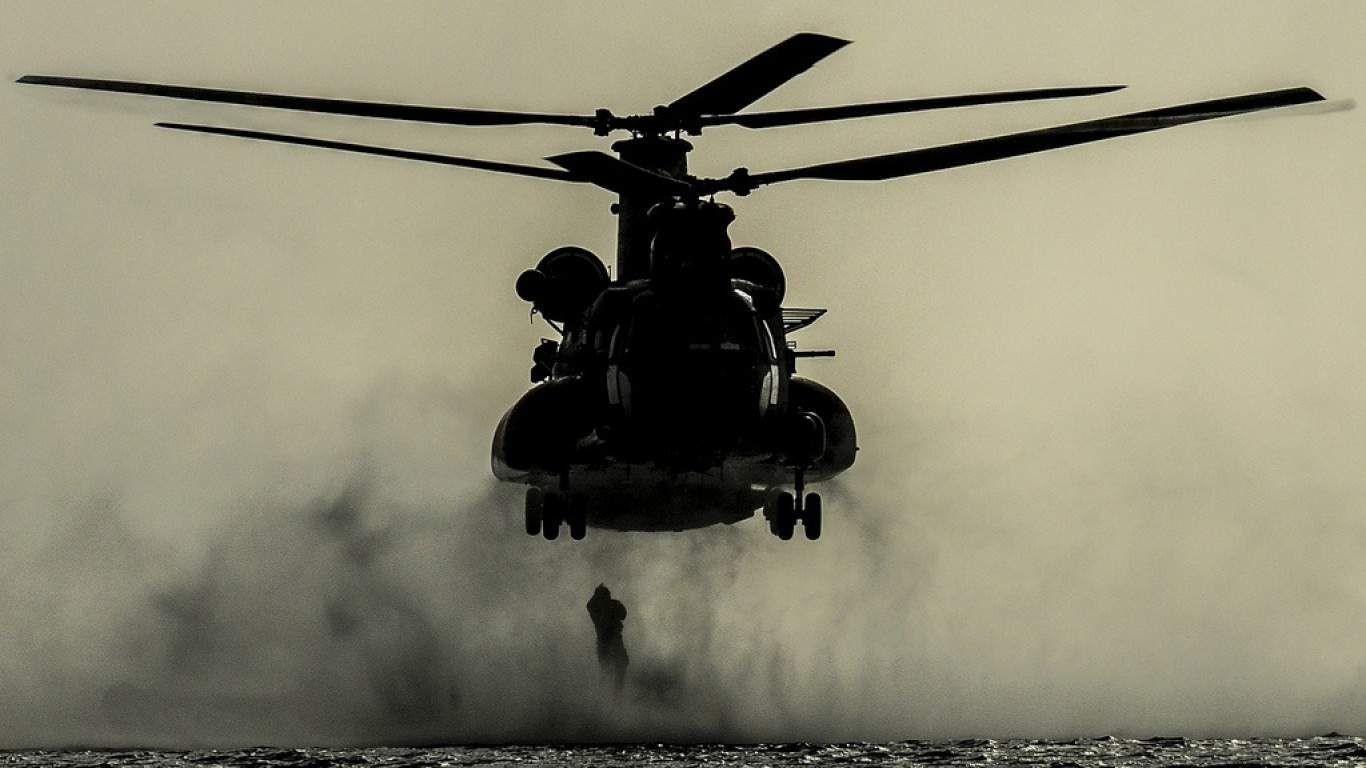
CH-47 Chinook
- Branch or Operator: Army
- Primary Role: Heavy-lift
- Year Introduced: 1962
- Major Conflicts or Wars Used In: Vietnam; Gulf War; Iraq; Afghanistan
- Combat Longevity (Years in Service): 1962–present
- Key Strength: Lift capacity
- Notable Combat Role or Mission Type: Troop/cargo transport
- Why It’s Considered Battle-Tested: Continuous multi-war service
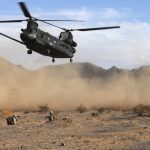
The CH-47 Chinook’s long service life and heavy-lift capability have made it a critical asset in multiple conflicts, including Vietnam, Iraq, and Afghanistan. Its ability to transport troops, equipment, and supplies under fire has proven essential. Decades of continuous use highlight its durability and adaptability, solidifying its reputation as a battle-tested workhorse.
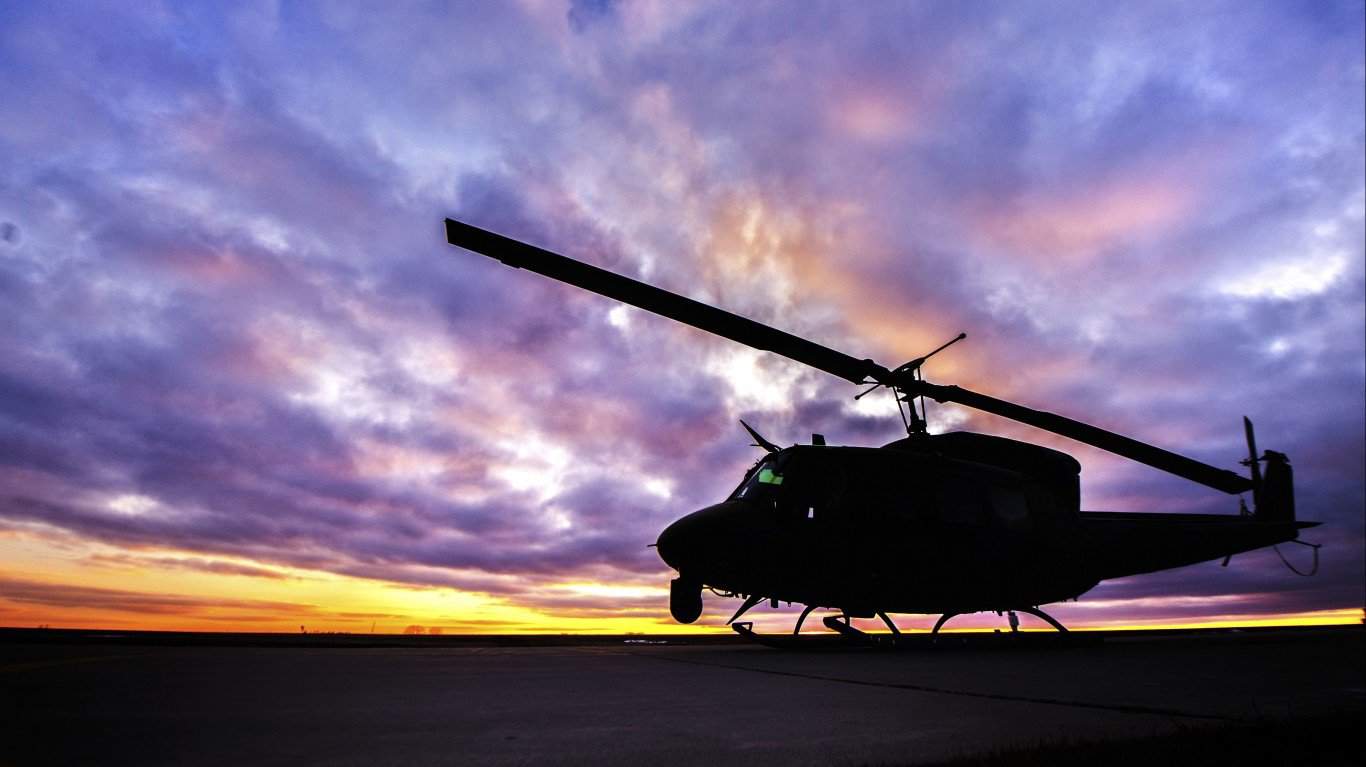
UH-1 Huey
- Branch or Operator: Army
- Primary Role: Utility
- Year Introduced: 1959
- Major Conflicts or Wars Used In: Vietnam; Iraq
- Combat Longevity (Years in Service): 1959–present (limited)
- Key Strength: Reliability
- Notable Combat Role or Mission Type: Air mobility / medevac
- Why It’s Considered Battle-Tested: Iconic Vietnam workhorse
The UH-1 Huey became synonymous with the Vietnam War, where it revolutionized air mobility and medevac operations. Its widespread use in combat zones demonstrated its reliability and effectiveness under fire. Even after Vietnam, variants continued to see service, reflecting its enduring impact and status as one of the most battle-tested helicopters.
CH-46 Sea Knight
- Branch or Operator: Marine Corps
- Primary Role: Medium-lift
- Year Introduced: 1964
- Major Conflicts or Wars Used In: Vietnam; Iraq; Afghanistan
- Combat Longevity (Years in Service): 1964–2015
- Key Strength: Carrier ops
- Notable Combat Role or Mission Type: Troop transport
- Why It’s Considered Battle-Tested: Decades with USMC
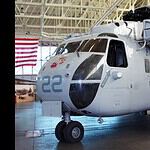
The CH-46 Sea Knight served the Marine Corps for decades, participating in conflicts from Vietnam to Afghanistan. Its role in troop transport and logistics made it a key component of amphibious and expeditionary operations. Its longevity and repeated deployment in combat environments underscore its reliability and importance.
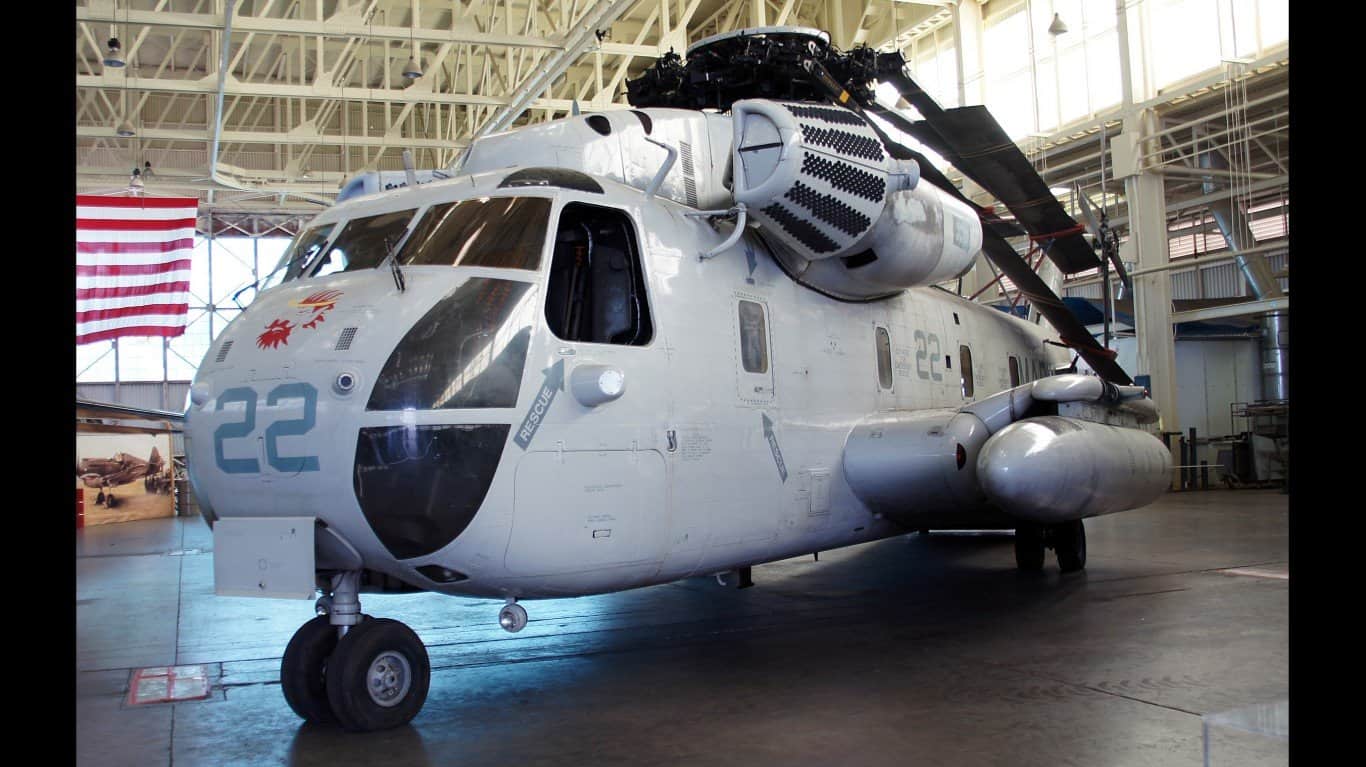
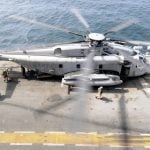
CH-53 Sea Stallion
- Branch or Operator: Marine Corps
- Primary Role: Heavy-lift
- Year Introduced: 1966
- Major Conflicts or Wars Used In: Vietnam; Gulf War
- Combat Longevity (Years in Service): 1966–2012
- Key Strength: Heavy lift
- Notable Combat Role or Mission Type: Assault transport
- Why It’s Considered Battle-Tested: Key Marine transport
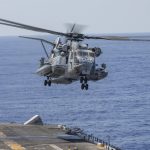
The CH-53 Sea Stallion provided heavy-lift capability for Marine Corps operations, particularly during the Vietnam War. Its ability to carry large payloads under challenging conditions made it invaluable. Its service in multiple conflicts demonstrated its durability.
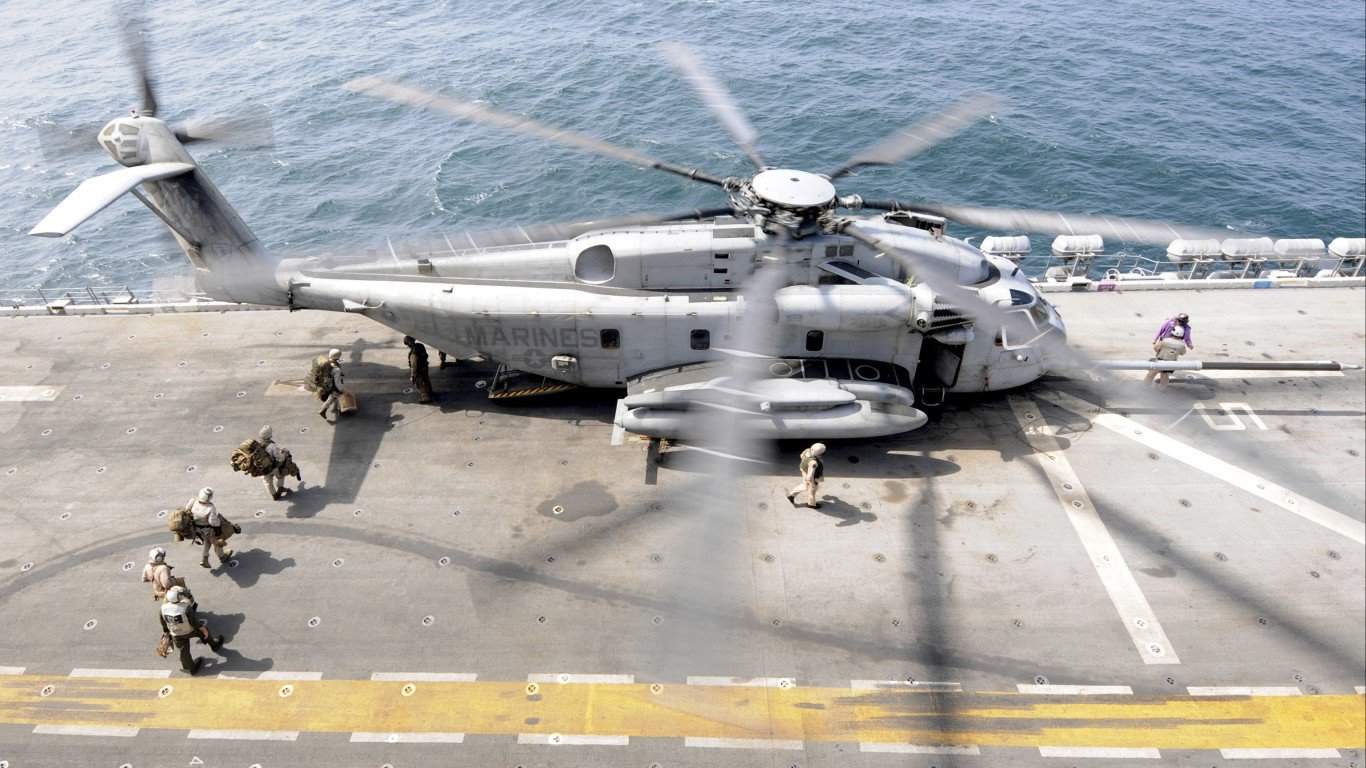
CH-53E Super Stallion
- Branch or Operator: Marine Corps
- Primary Role: Heavy-lift
- Year Introduced: 1981
- Major Conflicts or Wars Used In: Gulf War; Iraq; Afghanistan
- Combat Longevity (Years in Service): 1981–present
- Key Strength: Payload
- Notable Combat Role or Mission Type: Heavy assault lift
- Why It’s Considered Battle-Tested: Extensive modern combat
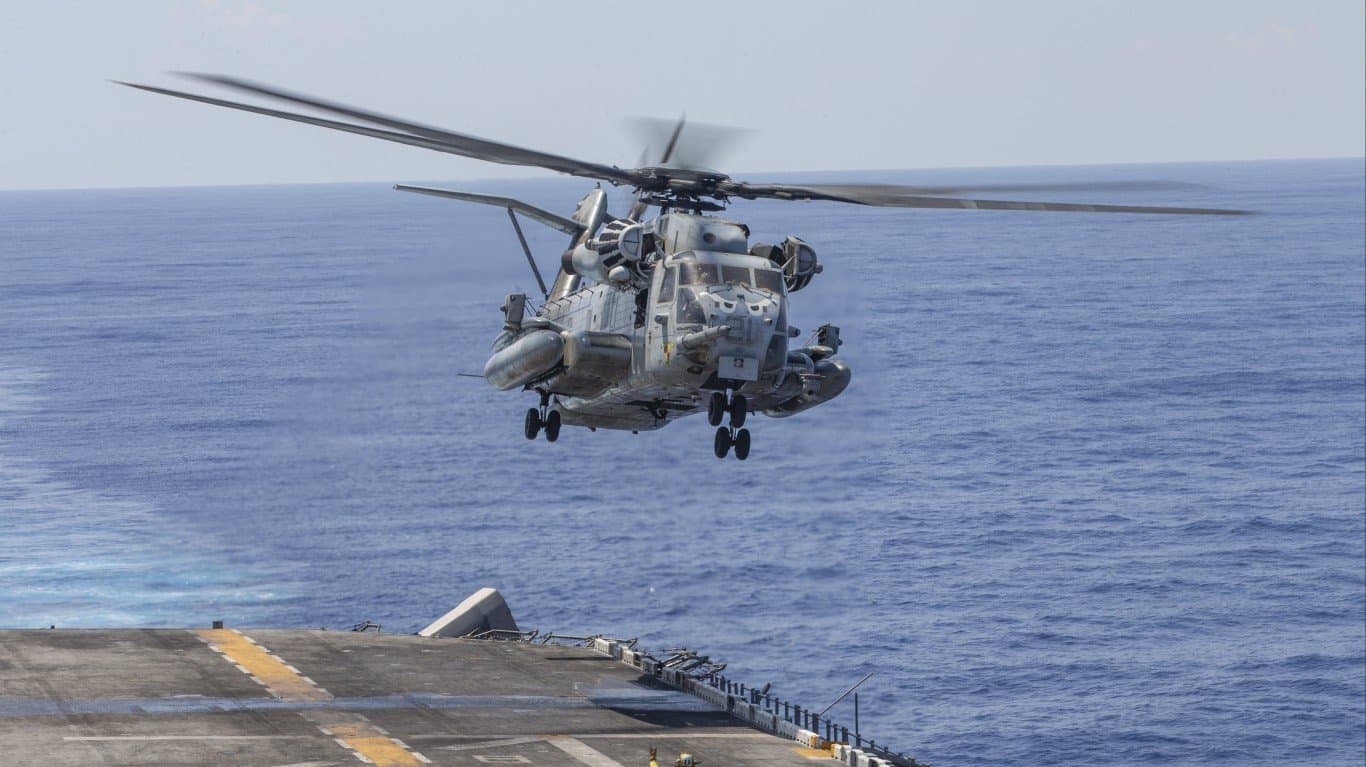
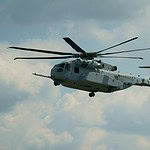
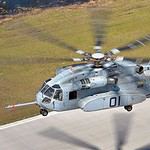
The CH-53E Super Stallion expanded on its predecessor’s capabilities, offering greater payload and range. It has been heavily used in modern conflicts, including Iraq and Afghanistan. Its ability to operate in demanding environments and carry heavy loads has made it a critical asset, with decades of combat service reinforcing its battle-tested status.
CH-53K King Stallion
- Branch or Operator: Marine Corps
- Primary Role: Heavy-lift
- Year Introduced: 2018
- Major Conflicts or Wars Used In: Modern ops
- Combat Longevity (Years in Service): 2018–present
- Key Strength: Advanced lift
- Notable Combat Role or Mission Type: Heavy transport
- Why It’s Considered Battle-Tested: Next-gen but deployed
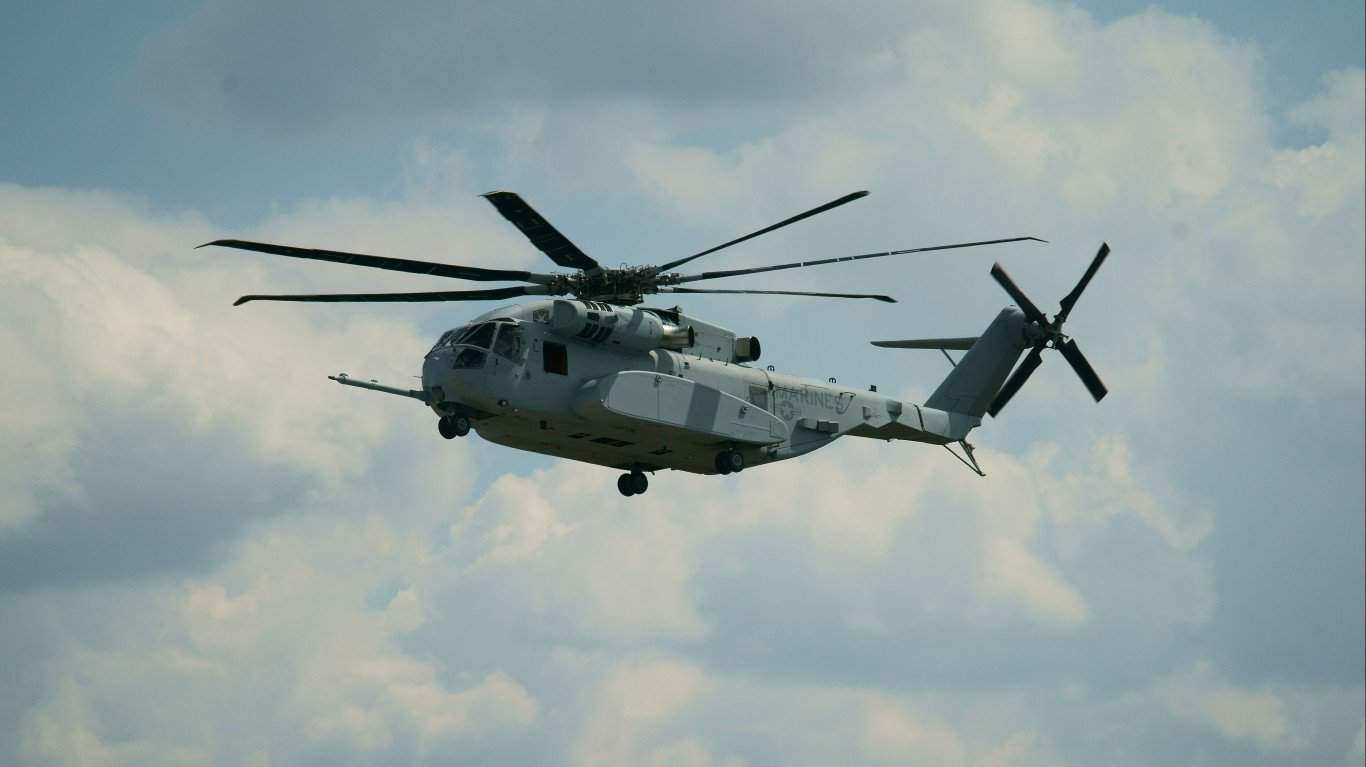
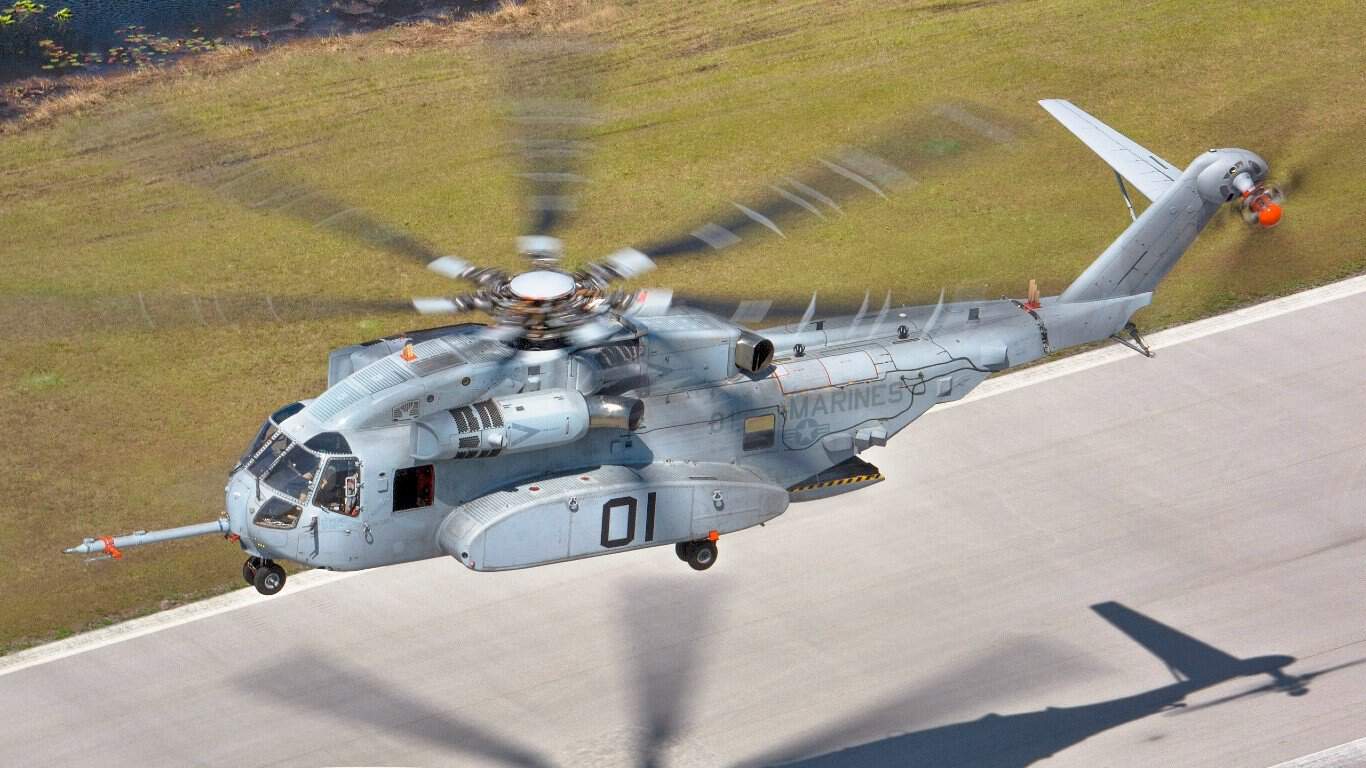
The CH-53K King Stallion represents the latest evolution in heavy-lift helicopters, incorporating advanced technology and increased capability. While newer than many platforms on this list, its deployment in modern operations demonstrates its potential. As it continues to see service, it is expected to build a strong combat record.
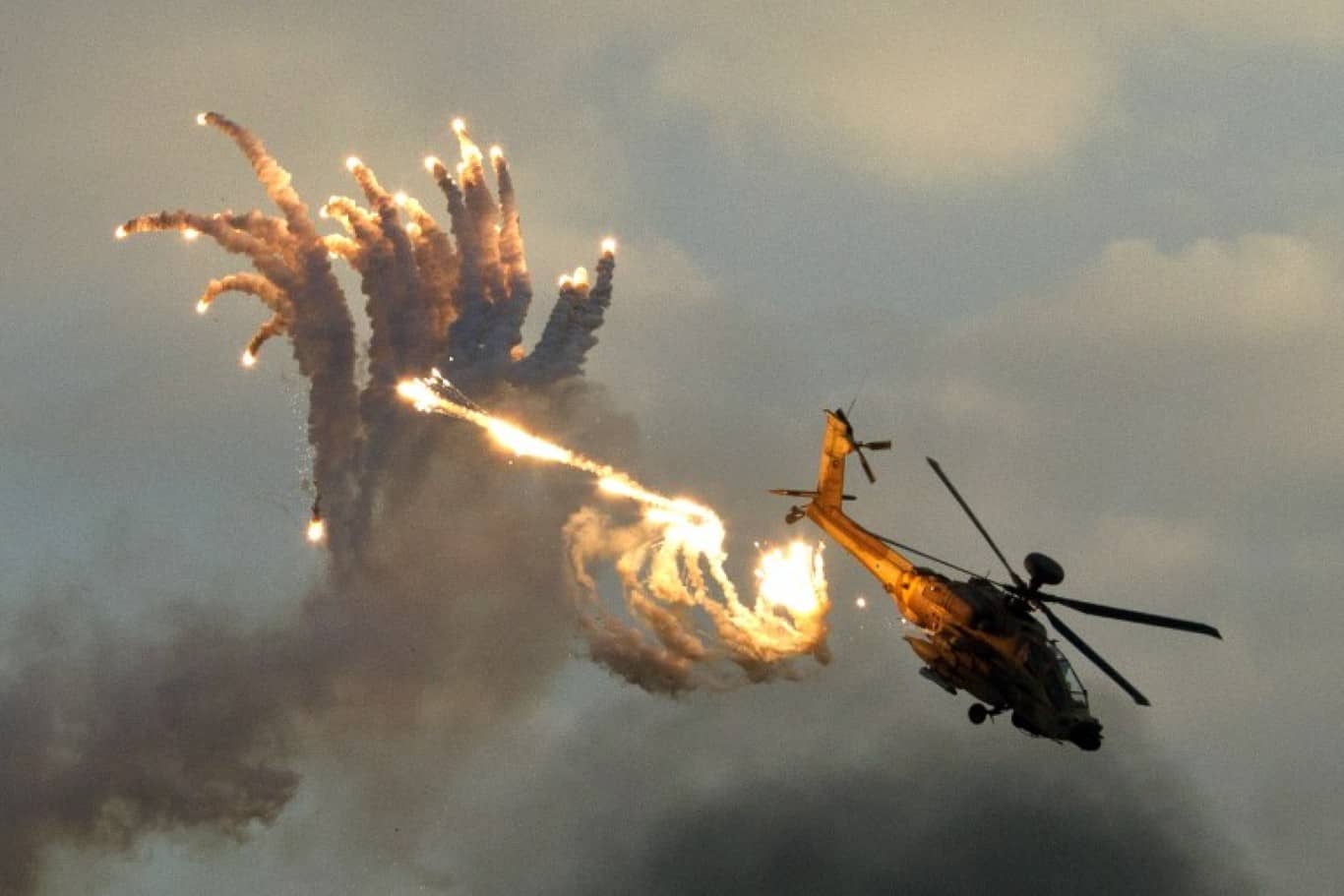
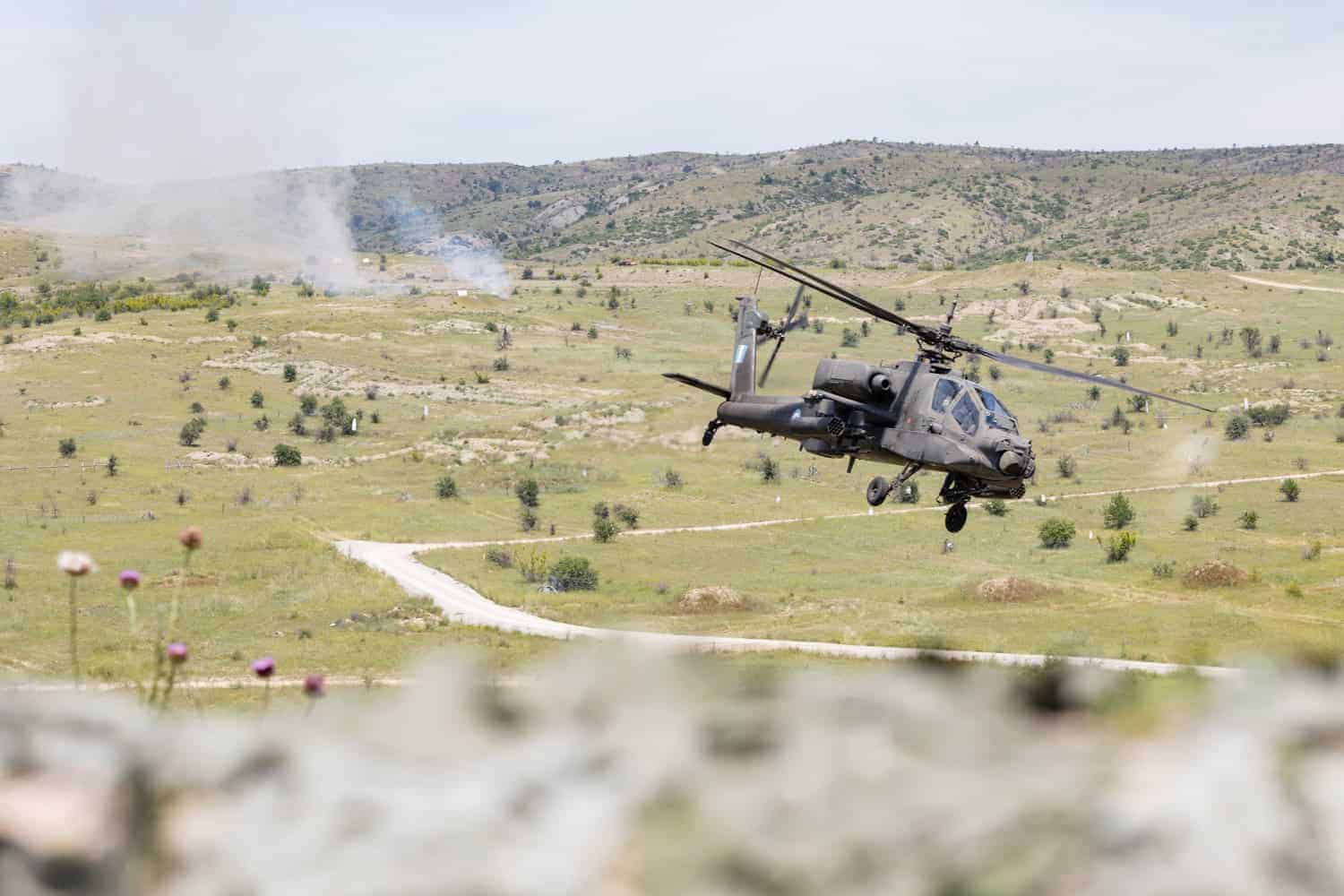
AH-64 Apache
- Branch or Operator: Army
- Primary Role: Attack
- Year Introduced: 1986
- Major Conflicts or Wars Used In: Panama; Gulf War; Iraq; Afghanistan
- Combat Longevity (Years in Service): 1986–present
- Key Strength: Firepower
- Notable Combat Role or Mission Type: Close air support
- Why It’s Considered Battle-Tested: Primary attack platform
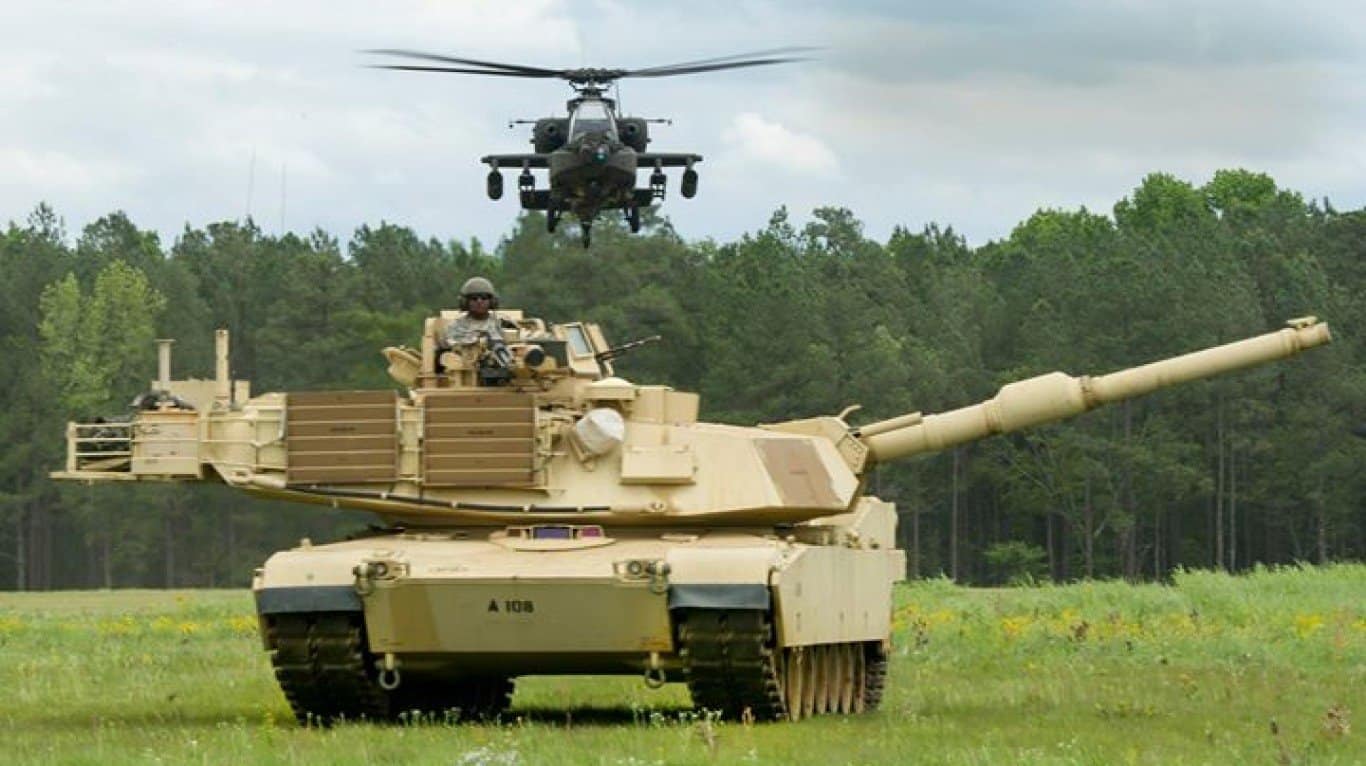
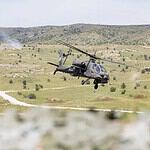
The AH-64 Apache has been a primary attack helicopter for the U.S. Army since the 1980s, participating in conflicts from the Gulf War to Afghanistan. Its advanced targeting systems and firepower have made it highly effective in combat. Its consistent presence in major operations highlights its reliability and combat effectiveness.
AH-1 Cobra
- Branch or Operator: Army/USMC
- Primary Role: Attack
- Year Introduced: 1967
- Major Conflicts or Wars Used In: Vietnam
- Combat Longevity (Years in Service): 1967–present (variants)
- Key Strength: Agility
- Notable Combat Role or Mission Type: Gunship
- Why It’s Considered Battle-Tested: First dedicated attack heli
The AH-1 Cobra was the first dedicated attack helicopter used by U.S. forces, proving its effectiveness during the Vietnam War. Its ability to provide close air support and engage enemy forces made it a vital asset. Its continued use in various forms demonstrates its lasting impact.
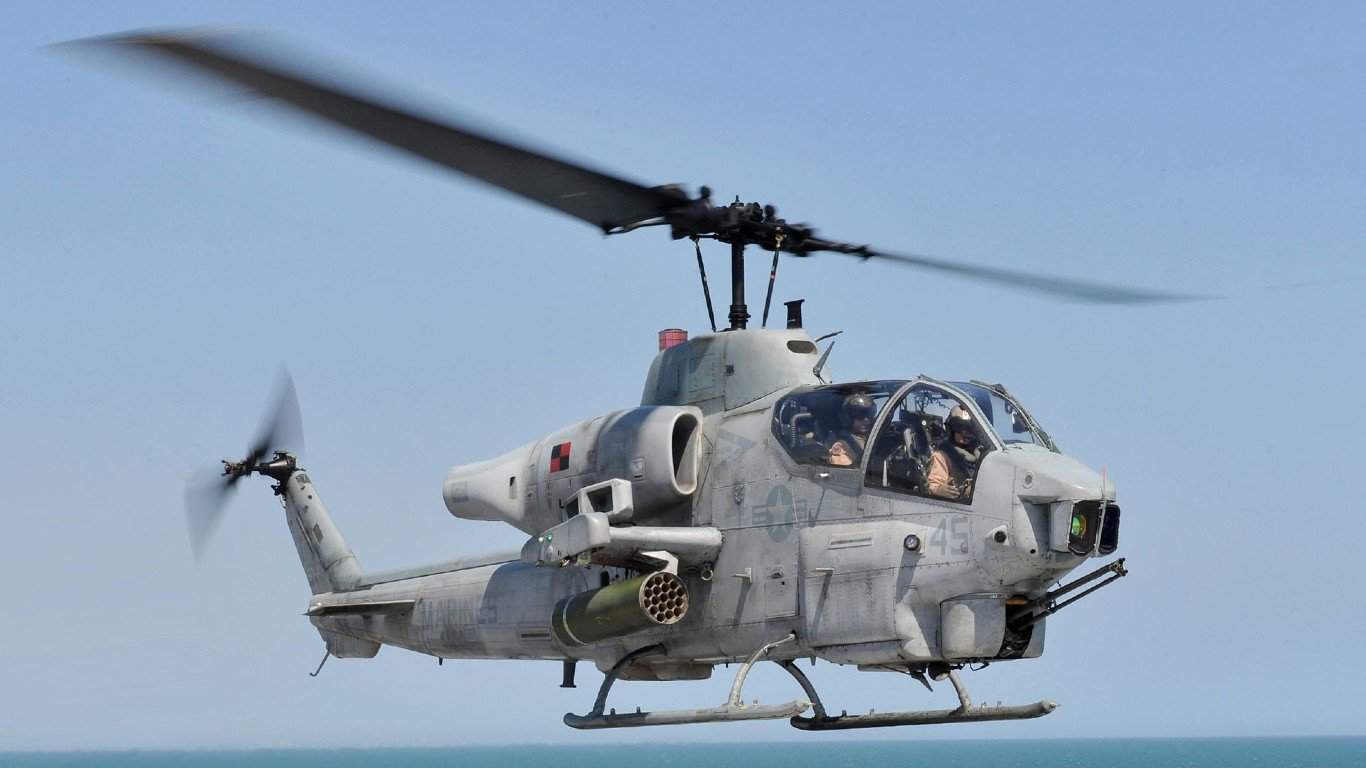
AH-1W Super Cobra
- Branch or Operator: Marine Corps
- Primary Role: Attack
- Year Introduced: 1986
- Major Conflicts or Wars Used In: Gulf War; Iraq; Afghanistan
- Combat Longevity (Years in Service): 1986–2020
- Key Strength: Naval ops
- Notable Combat Role or Mission Type: Close air support
- Why It’s Considered Battle-Tested: Marine attack backbone
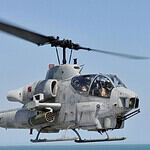
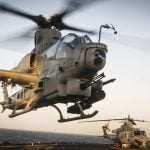
The AH-1W Super Cobra served as a key attack helicopter for the Marine Corps, participating in conflicts from the Gulf War to Afghanistan. Its ability to operate from ships and provide close air support made it versatile. Its repeated combat deployments confirm its effectiveness and reliability.
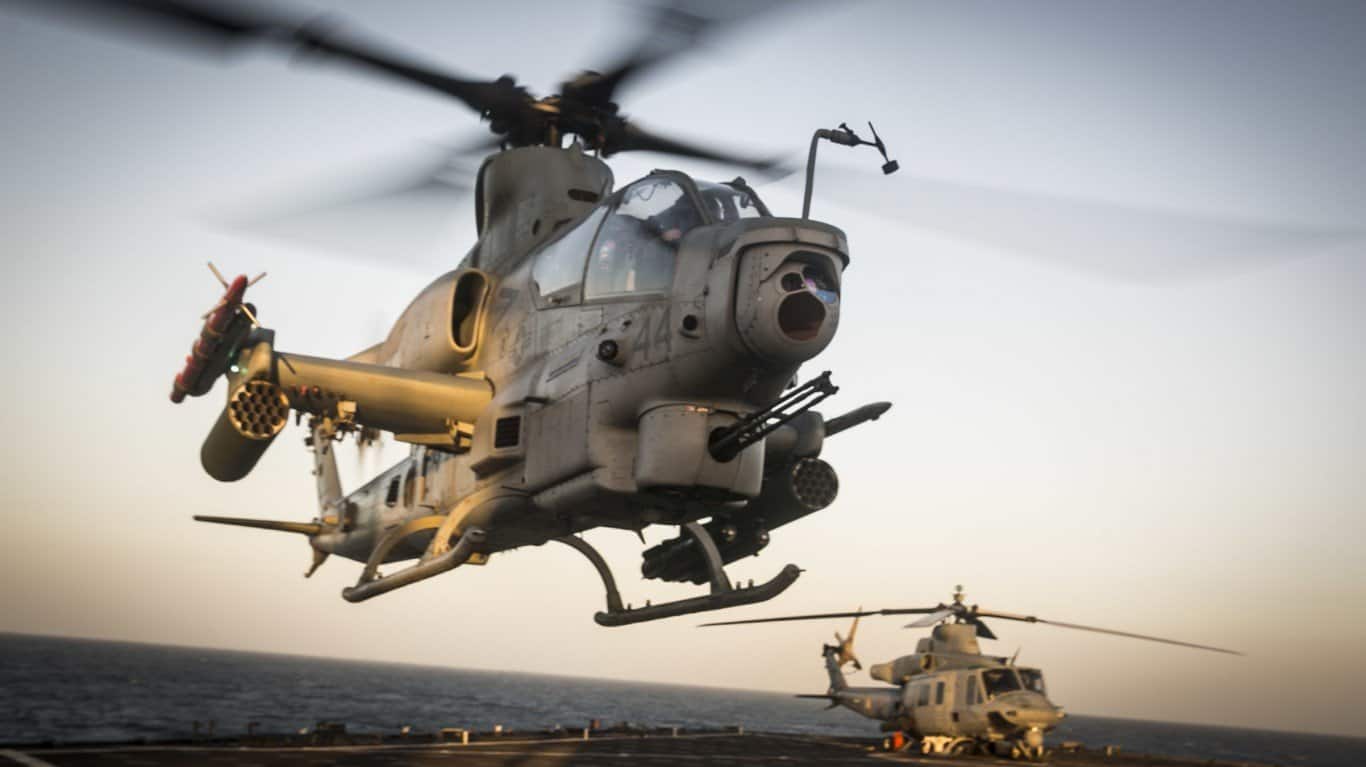
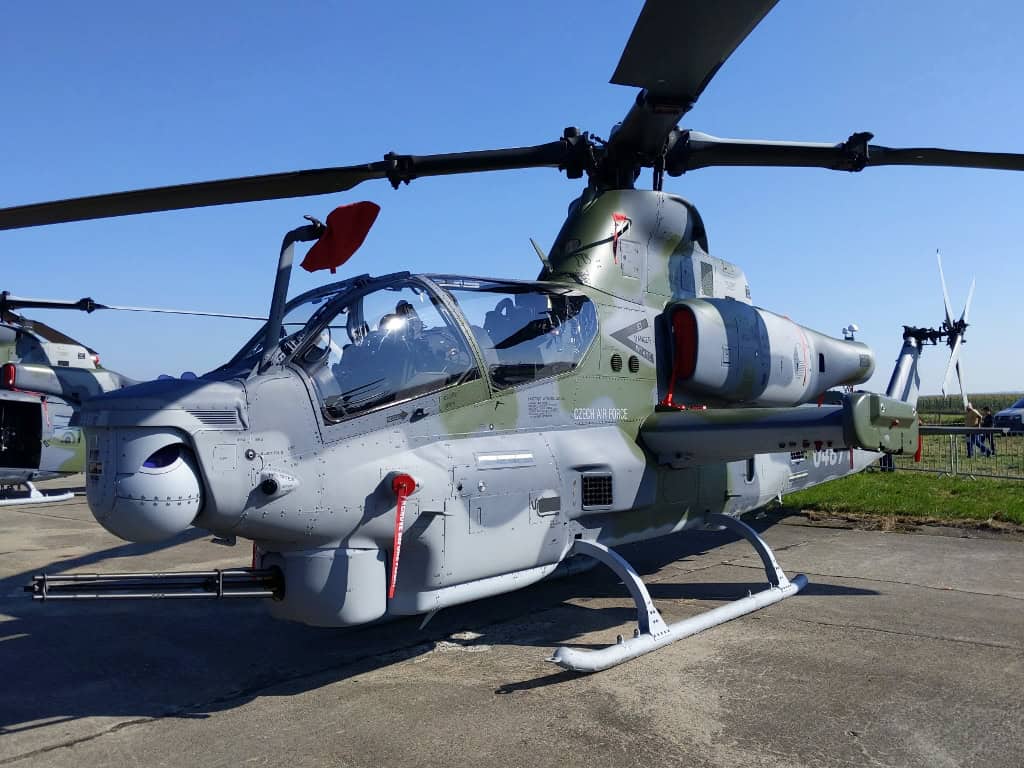
AH-1Z Viper
- Branch or Operator: Marine Corps
- Primary Role: Attack
- Year Introduced: 2010
- Major Conflicts or Wars Used In: Afghanistan; modern ops
- Combat Longevity (Years in Service): 2010–present
- Key Strength: Modern avionics
- Notable Combat Role or Mission Type: CAS
- Why It’s Considered Battle-Tested: Latest USMC attack heli
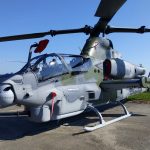
The AH-1Z Viper is the modern evolution of the Cobra family, incorporating advanced avionics and weapon systems. Its use in recent operations demonstrates its capability in modern combat environments. While newer, it builds on a proven lineage, reinforcing its role as a battle-tested platform.
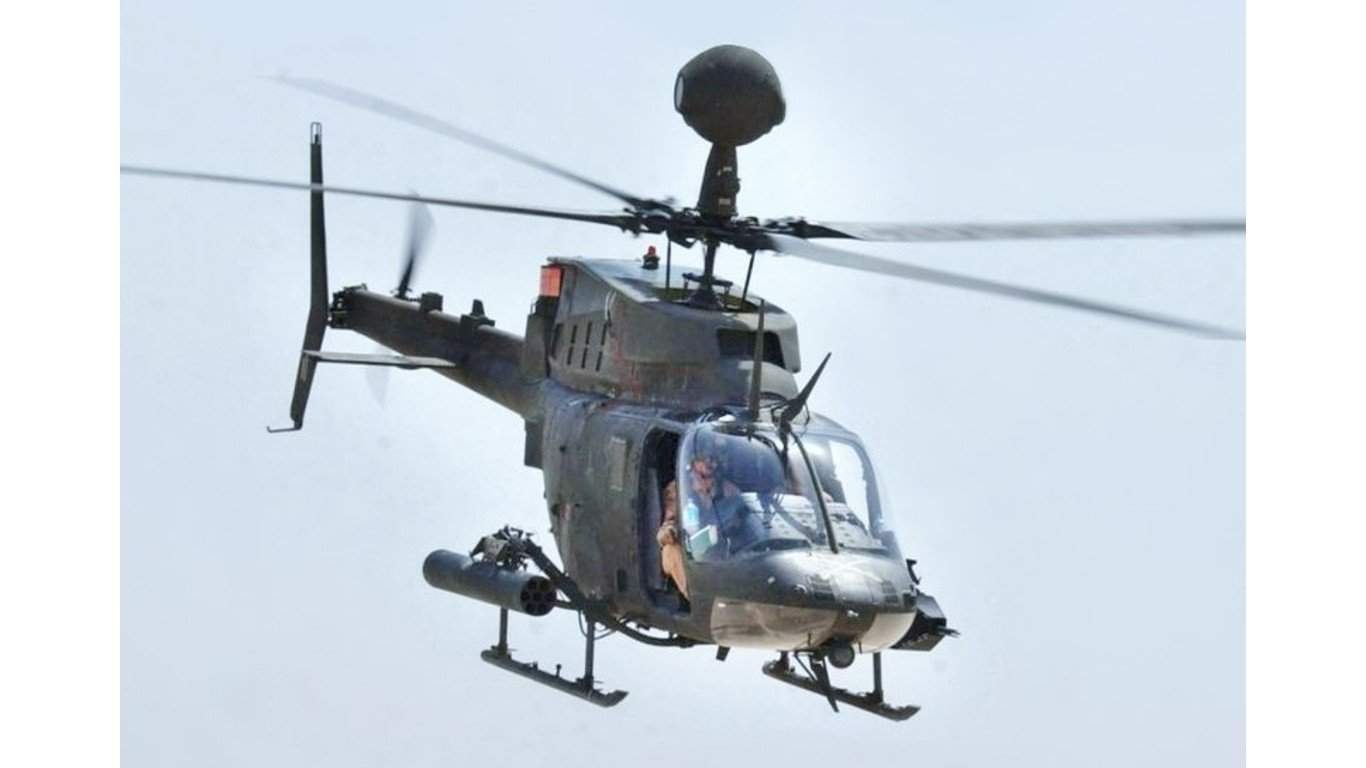
OH-58 Kiowa
- Branch or Operator: Army
- Primary Role: Recon
- Year Introduced: 1969
- Major Conflicts or Wars Used In: Vietnam; Iraq; Afghanistan
- Combat Longevity (Years in Service): 1969–2017
- Key Strength: Scout role
- Notable Combat Role or Mission Type: Recon/targeting
- Why It’s Considered Battle-Tested: Key scout helicopter
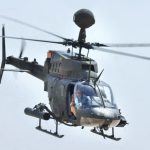
The OH-58 Kiowa served as a reconnaissance and scout helicopter for decades, playing a critical role in Vietnam, Iraq, and Afghanistan. Its ability to identify targets and support attack helicopters made it essential. Its long service life and repeated deployment highlight its importance.
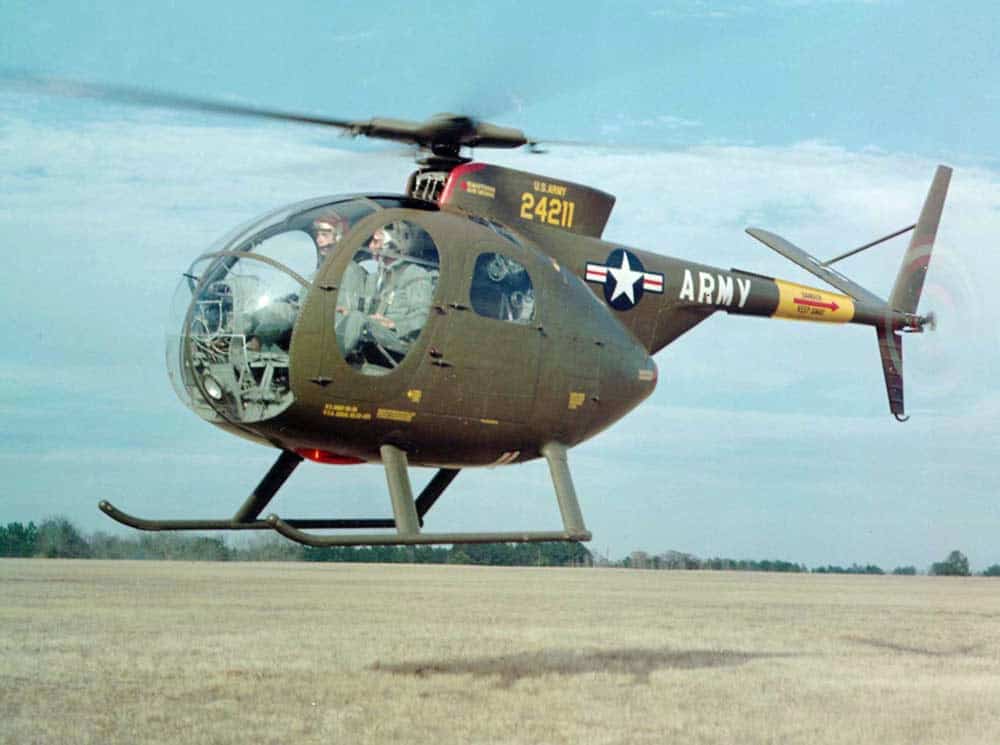
OH-6 Cayuse
- Branch or Operator: Army
- Primary Role: Recon
- Year Introduced: 1966
- Major Conflicts or Wars Used In: Vietnam
- Combat Longevity (Years in Service): 1966–present (variants)
- Key Strength: Speed
- Notable Combat Role or Mission Type: Observation
- Why It’s Considered Battle-Tested: Used in scout missions
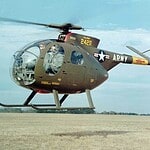
The OH-6 Cayuse was widely used in Vietnam for reconnaissance and light transport missions. Its speed and maneuverability allowed it to operate effectively in dangerous environments. Its continued use in specialized roles demonstrates its durability.
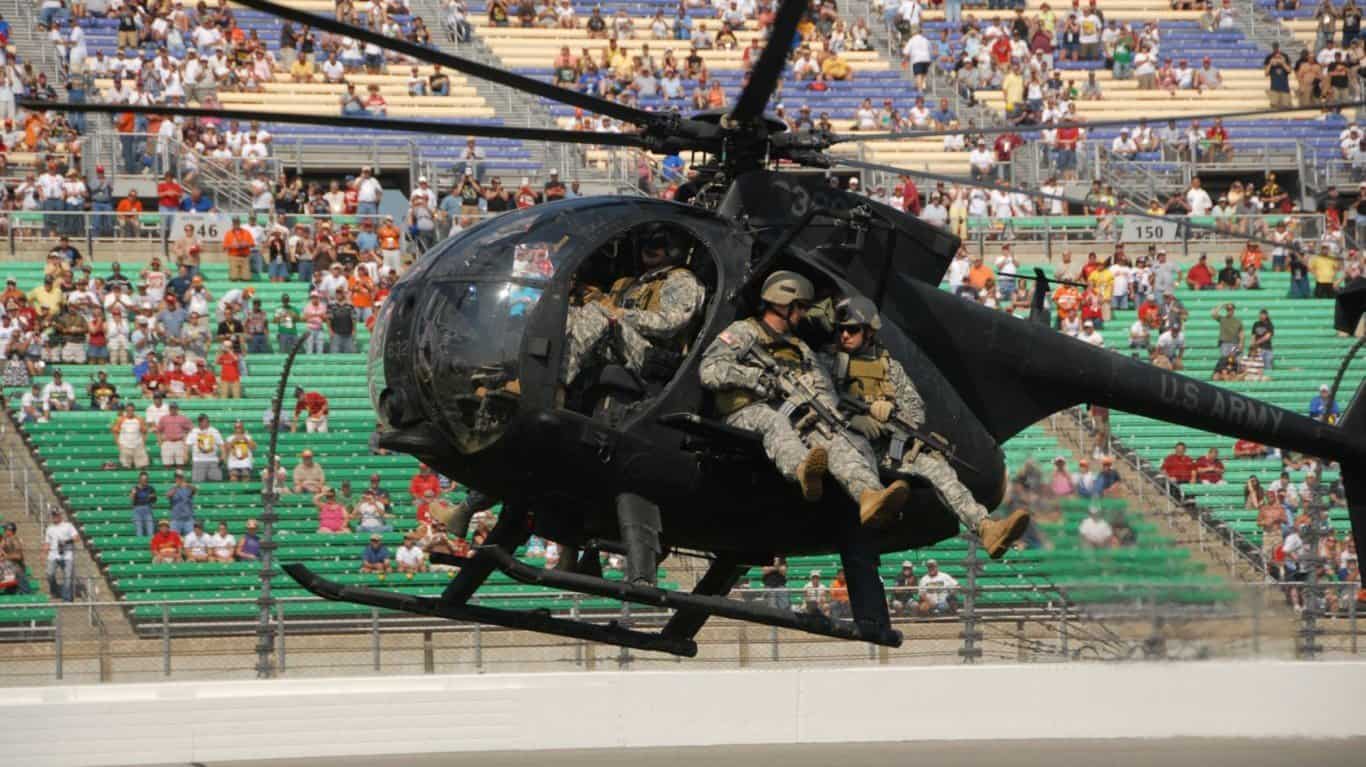
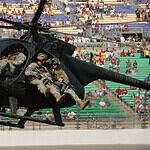
MH-6 Little Bird
- Branch or Operator: SOF
- Primary Role: Light utility
- Year Introduced: 1980
- Major Conflicts or Wars Used In: Panama; Iraq; Afghanistan
- Combat Longevity (Years in Service): 1980–present
- Key Strength: Precision insertion
- Notable Combat Role or Mission Type: SOF ops
- Why It’s Considered Battle-Tested: Elite special ops use
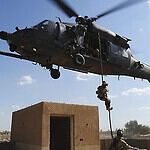
The MH-6 Little Bird is a key asset for special operations forces, used in missions requiring precision insertion and extraction. Its compact size and agility allow it to operate in confined environments. Its use in high-profile missions underscores its reliability.
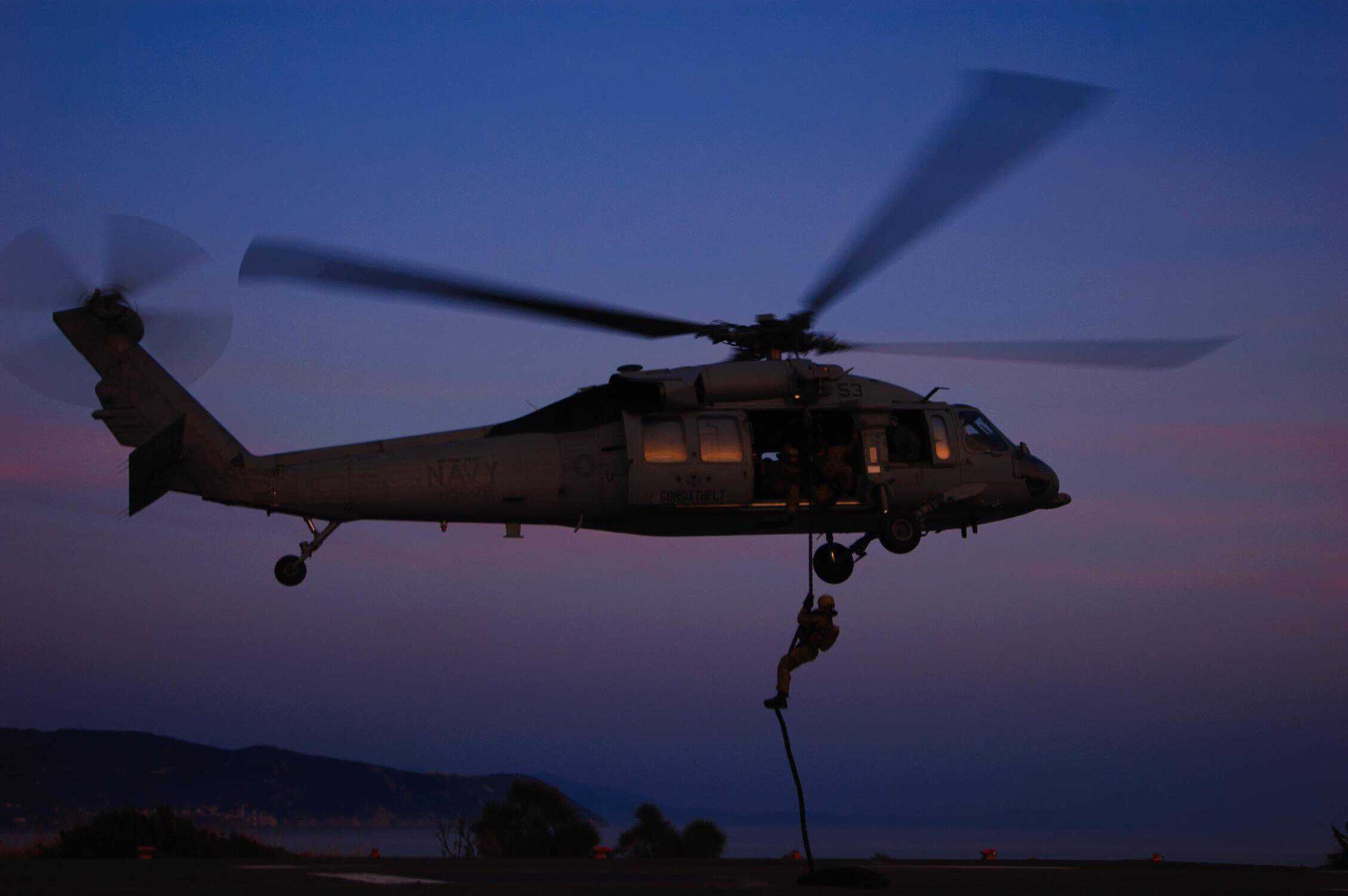
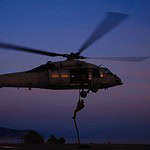
MH-60 Black Hawk
- Branch or Operator: SOF
- Primary Role: Special ops
- Year Introduced: 1980s
- Major Conflicts or Wars Used In: Panama; Iraq; Afghanistan
- Combat Longevity (Years in Service): 1980s–present
- Key Strength: Stealth mods
- Notable Combat Role or Mission Type: Insertion/extraction
- Why It’s Considered Battle-Tested: Used in high-risk raids
The MH-60 Black Hawk is a specialized version used by special operations forces, equipped for high-risk missions. Its role in operations such as raids and extractions demonstrates its effectiveness. Its repeated use in critical missions highlights its importance.
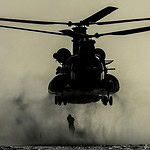
MH-47 Chinook
- Branch or Operator: SOF
- Primary Role: Heavy SOF lift
- Year Introduced: 1990s
- Major Conflicts or Wars Used In: Iraq; Afghanistan
- Combat Longevity (Years in Service): 1990s–present
- Key Strength: Range
- Notable Combat Role or Mission Type: SOF transport
- Why It’s Considered Battle-Tested: Long-range special ops
The MH-47 Chinook provides long-range insertion and extraction capabilities for special operations forces. Its ability to operate in challenging environments and carry heavy loads makes it essential. Its use in multiple conflicts reinforces its battle-tested status.
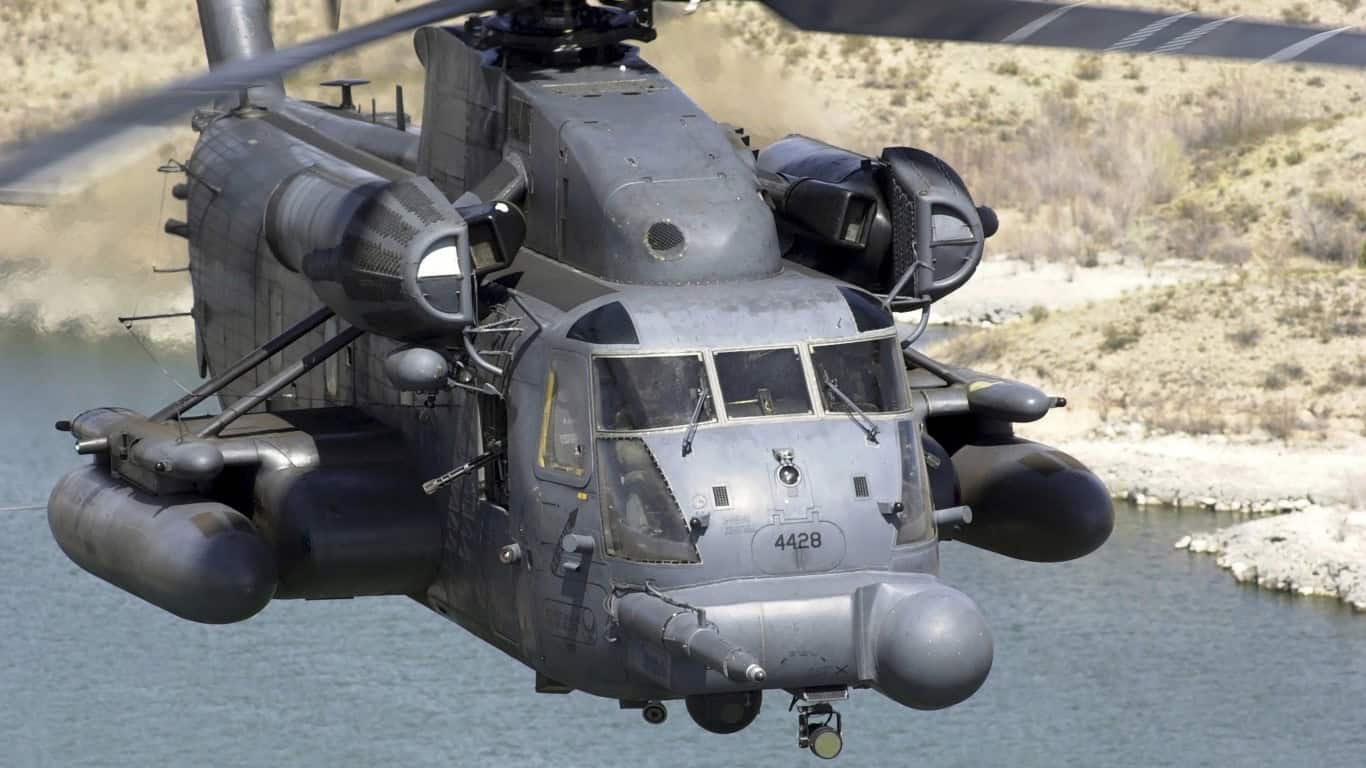
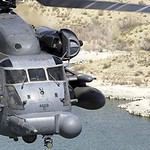
MH-53 Pave Low
- Branch or Operator: Air Force
- Primary Role: Special ops
- Year Introduced: 1970s
- Major Conflicts or Wars Used In: Vietnam; Iraq
- Combat Longevity (Years in Service): 1970s–2008
- Key Strength: Night ops
- Notable Combat Role or Mission Type: Deep insertion
- Why It’s Considered Battle-Tested: CSAR/SOF missions
The MH-53 Pave Low was designed for special operations and combat search and rescue missions, with advanced navigation and night-flying capabilities. Its use in Vietnam and later conflicts demonstrated its effectiveness. Its ability to operate in challenging conditions made it a key asset.
MH-53E Sea Dragon
- Branch or Operator: Navy
- Primary Role: Mine warfare
- Year Introduced: 1981
- Major Conflicts or Wars Used In: Gulf War
- Combat Longevity (Years in Service): 1981–present
- Key Strength: Mine clearing
- Notable Combat Role or Mission Type: Naval ops
- Why It’s Considered Battle-Tested: Specialized combat support
The MH-53E Sea Dragon is used for mine countermeasures and naval support missions. Its role in clearing mines during conflicts such as the Gulf War highlights its importance. Its specialized capabilities and operational use demonstrate its value.
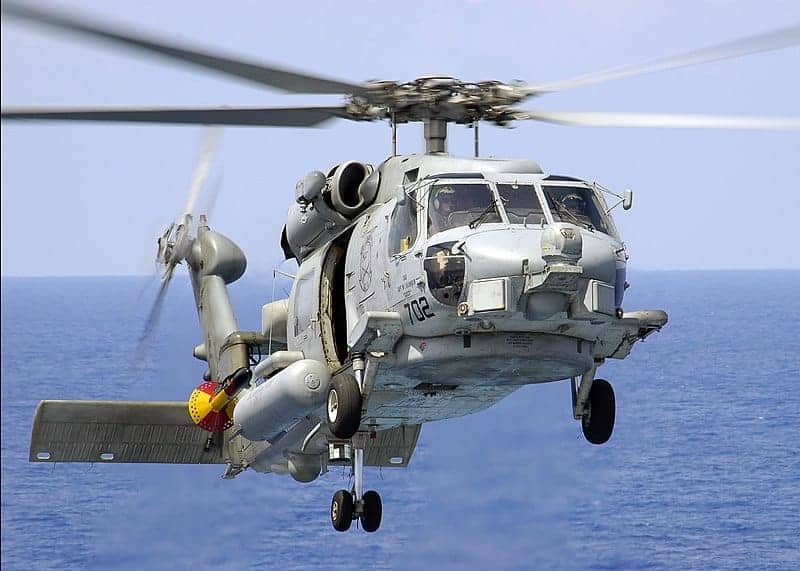
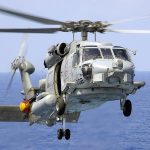
SH-60 Seahawk
- Branch or Operator: Navy
- Primary Role: Naval
- Year Introduced: 1984
- Major Conflicts or Wars Used In: Gulf War; Iraq
- Combat Longevity (Years in Service): 1984–present
- Key Strength: Multi-role
- Notable Combat Role or Mission Type: ASW/ASuW
- Why It’s Considered Battle-Tested: Carrier battle groups
The SH-60 Seahawk serves as a multi-role naval helicopter, participating in anti-submarine and anti-surface warfare. Its use in conflicts and ongoing operations demonstrates its versatility. Its continued deployment highlights its reliability.
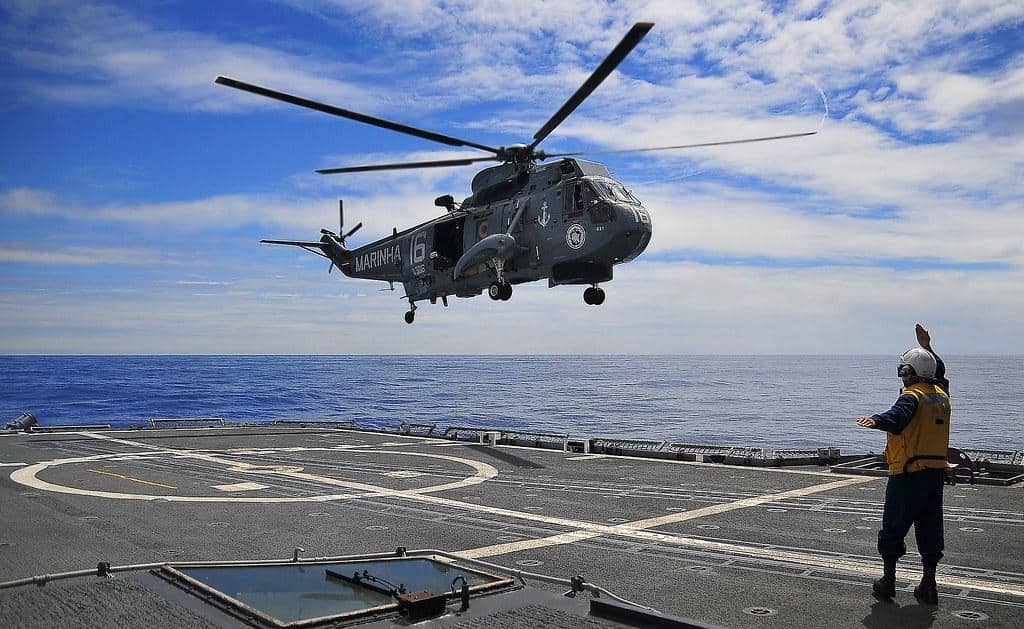
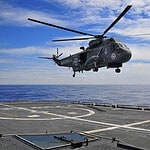
SH-3 Sea King
- Branch or Operator: Navy
- Primary Role: Naval
- Year Introduced: 1961
- Major Conflicts or Wars Used In: Vietnam
- Combat Longevity (Years in Service): 1961–2006
- Key Strength: Endurance
- Notable Combat Role or Mission Type: ASW
- Why It’s Considered Battle-Tested: Cold War naval ops
The SH-3 Sea King was a key naval helicopter during the Cold War and Vietnam War, used for anti-submarine warfare and transport. Its long service life and operational use demonstrate its durability. It played a significant role in naval operations.
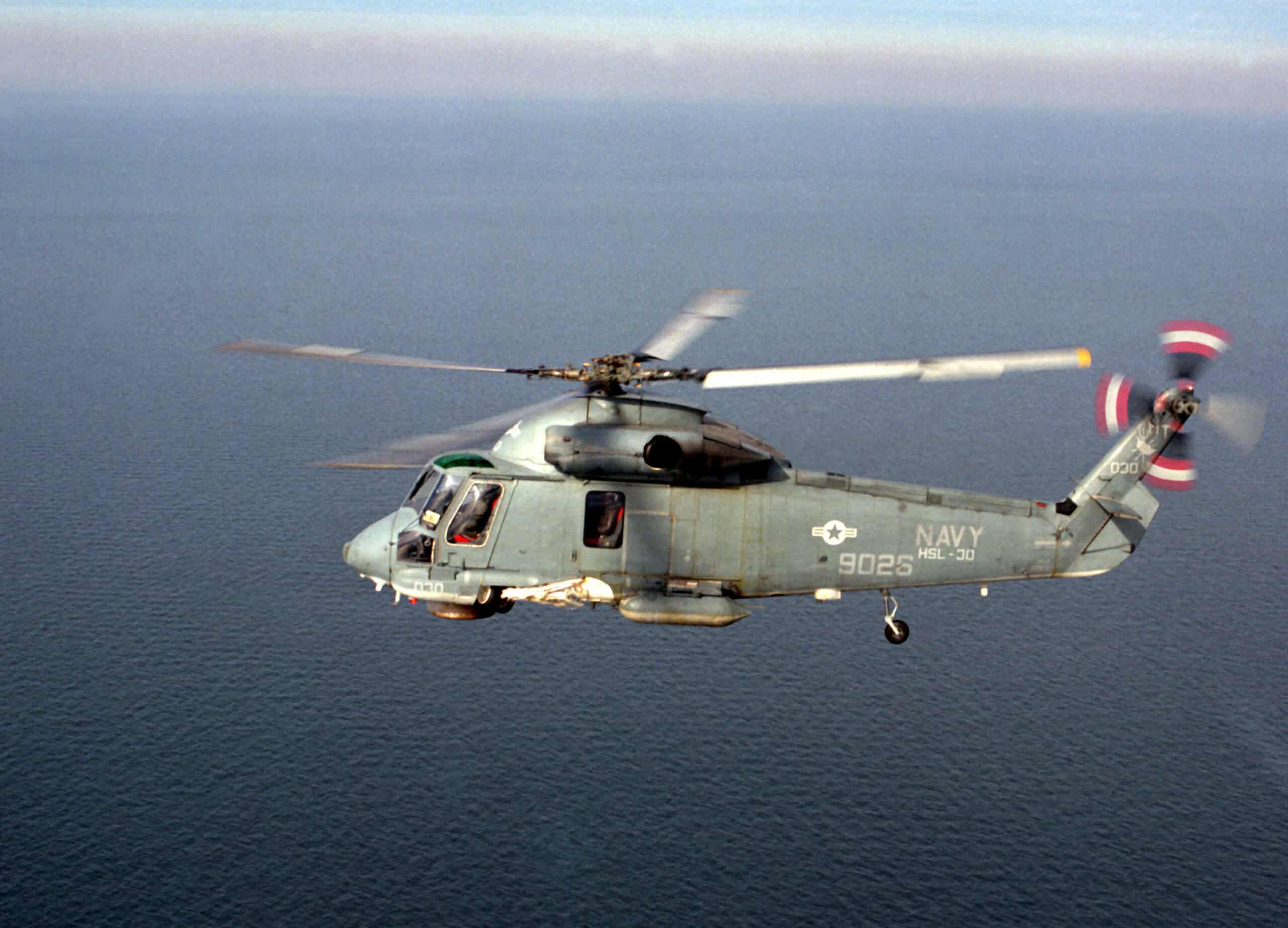
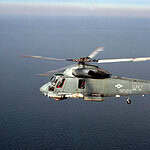
SH-2 Seasprite
- Branch or Operator: Navy
- Primary Role: Naval
- Year Introduced: 1962
- Major Conflicts or Wars Used In: Vietnam
- Combat Longevity (Years in Service): 1962–2001
- Key Strength: Compact
- Notable Combat Role or Mission Type: Shipborne ops
- Why It’s Considered Battle-Tested: Early naval helicopter
The SH-2 Seasprite served as a ship-based helicopter for the U.S. Navy, performing various roles including anti-submarine warfare. Its deployment in Vietnam and other operations demonstrates its utility. Its versatility made it valuable.
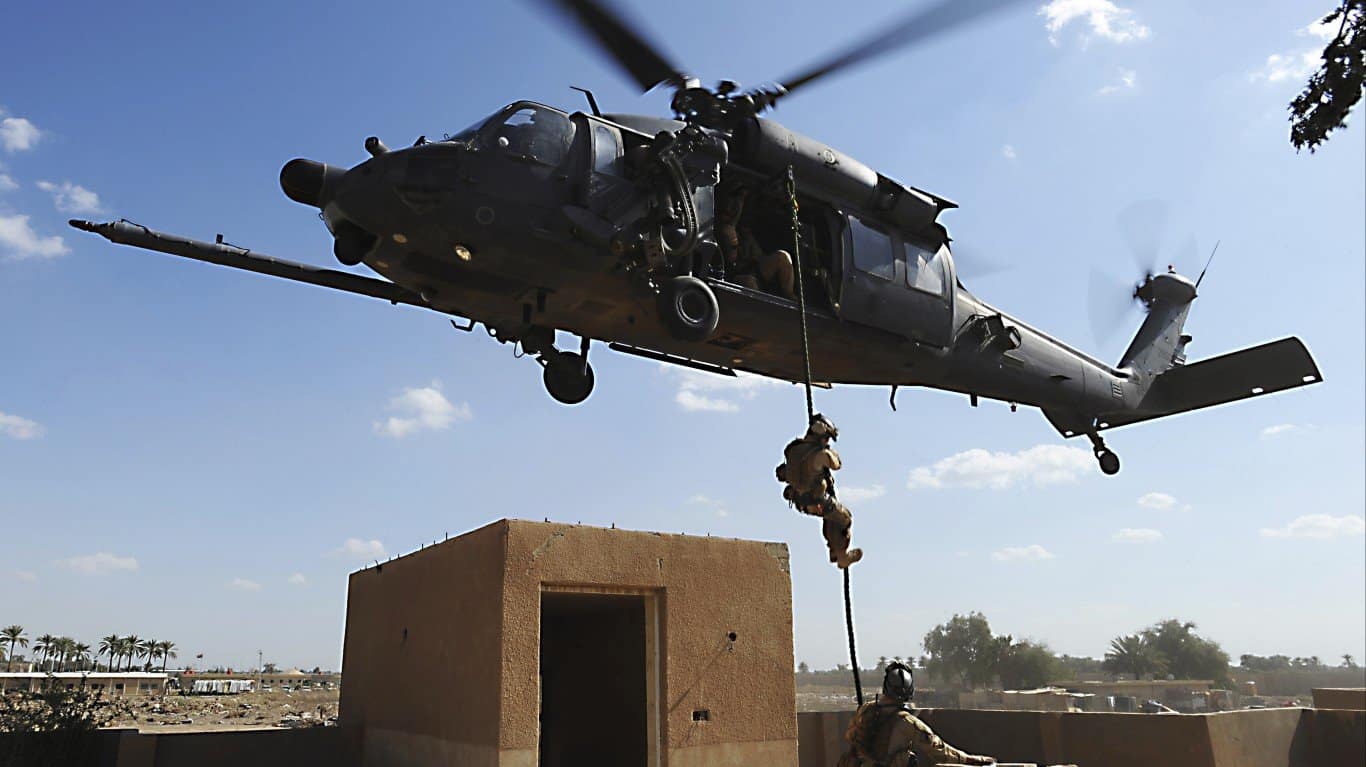
HH-60 Pave Hawk
- Branch or Operator: Air Force
- Primary Role: Rescue
- Year Introduced: 1982
- Major Conflicts or Wars Used In: Gulf War; Iraq; Afghanistan
- Combat Longevity (Years in Service): 1982–present
- Key Strength: Rescue
- Notable Combat Role or Mission Type: CSAR
- Why It’s Considered Battle-Tested: Combat rescue missions
The HH-60 Pave Hawk is used for combat search and rescue missions, operating in high-risk environments to recover personnel. Its ability to operate under fire and in adverse conditions highlights its importance. Its repeated use in conflicts demonstrates its reliability.
HH-53 Super Jolly Green Giant
- Branch or Operator: Air Force
- Primary Role: Rescue
- Year Introduced: 1967
- Major Conflicts or Wars Used In: Vietnam
- Combat Longevity (Years in Service): 1967–1991
- Key Strength: Range
- Notable Combat Role or Mission Type: Rescue
- Why It’s Considered Battle-Tested: Vietnam CSAR legend
The HH-53 Super Jolly Green Giant was a key asset in combat search and rescue during the Vietnam War. Its long range and ability to operate in hostile environments made it essential. Its missions saved numerous lives, demonstrating its effectiveness.
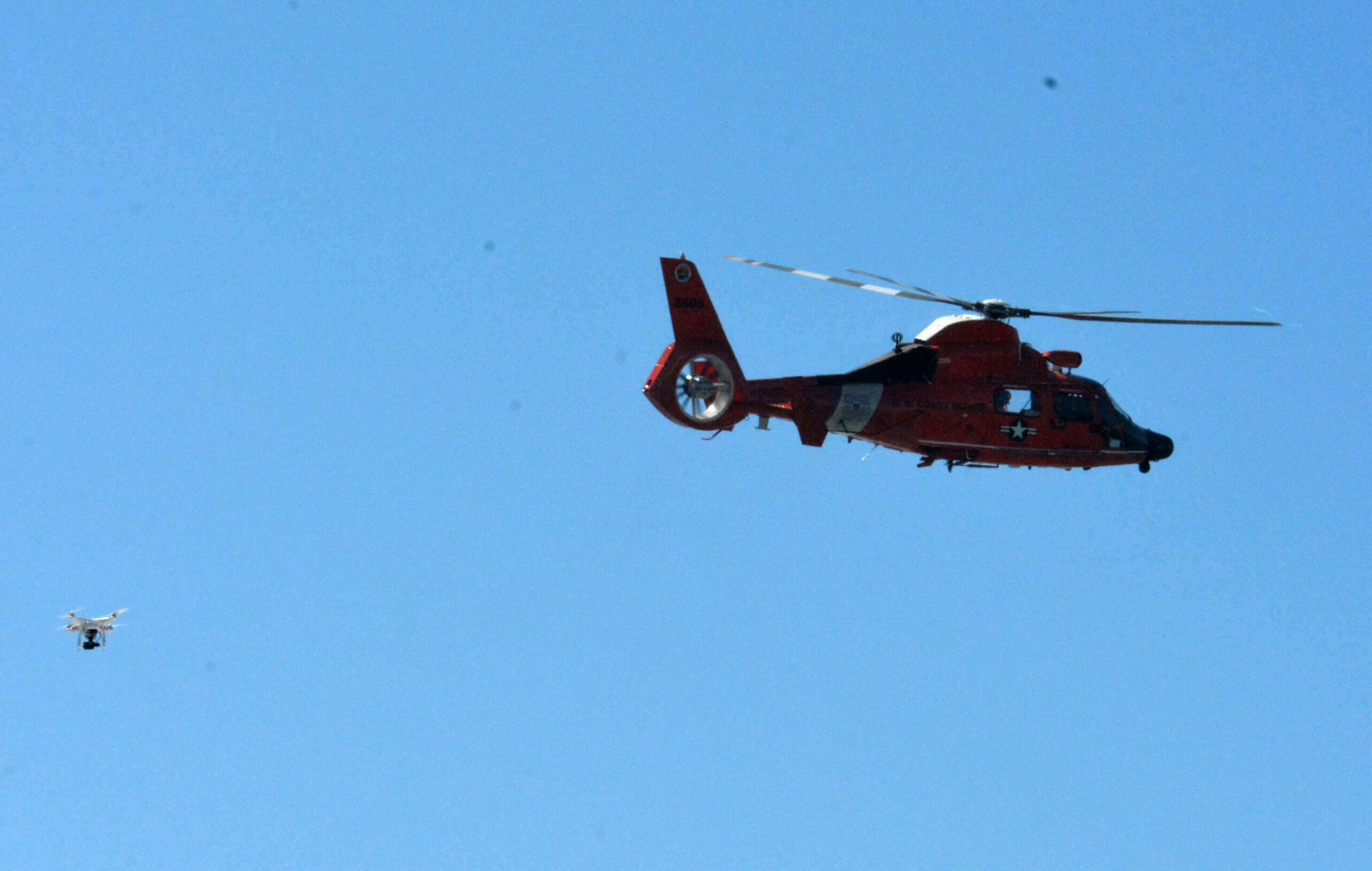
HH-65 Dolphin
- Branch or Operator: Coast Guard
- Primary Role: Rescue
- Year Introduced: 1984
- Major Conflicts or Wars Used In: Modern ops
- Combat Longevity (Years in Service): 1984–present
- Key Strength: Agility
- Notable Combat Role or Mission Type: Rescue
- Why It’s Considered Battle-Tested: Coast Guard missions
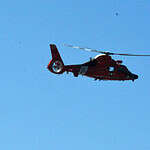
The HH-65 Dolphin serves primarily with the Coast Guard, performing rescue missions in challenging conditions. While not as heavily used in combat, its operational use demonstrates its reliability. Its ability to perform under pressure highlights its value.
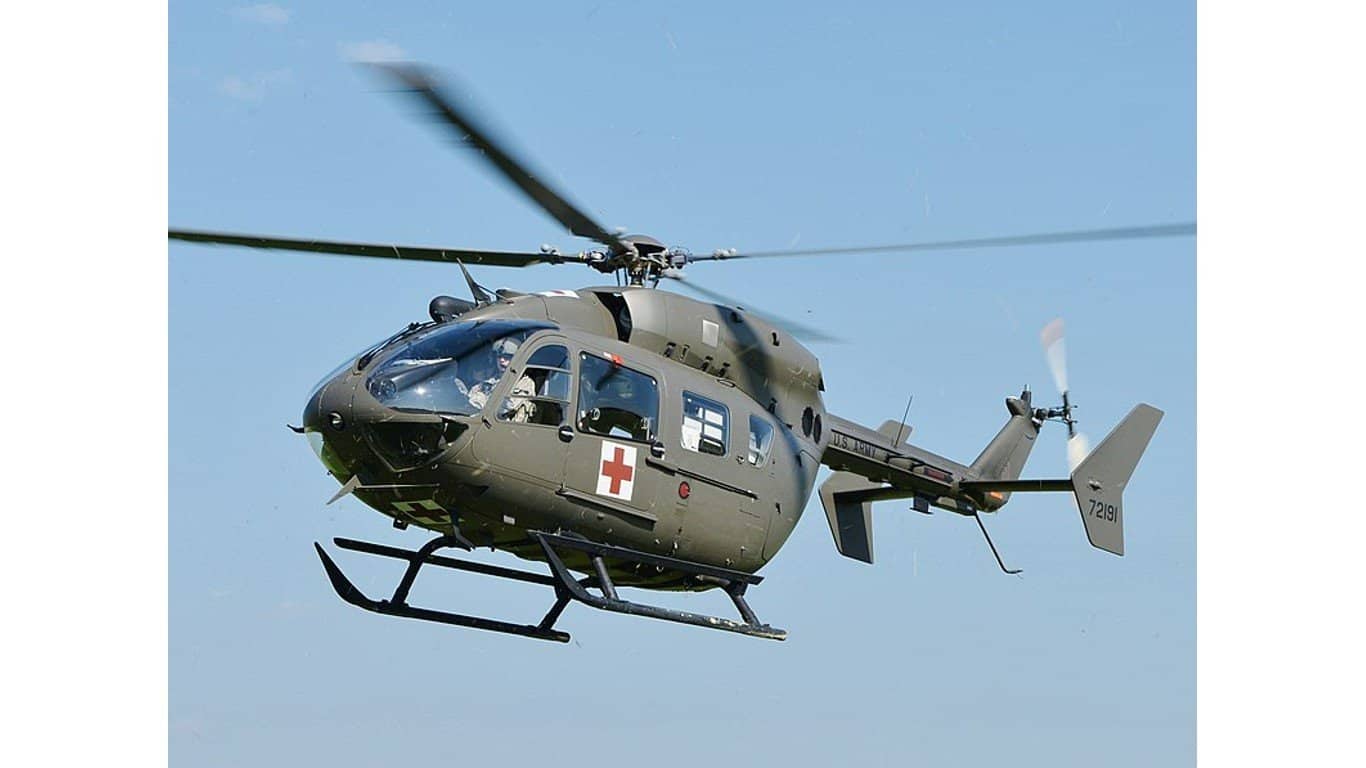
UH-72 Lakota
- Branch or Operator: Army
- Primary Role: Utility
- Year Introduced: 2006
- Major Conflicts or Wars Used In: Modern support
- Combat Longevity (Years in Service): 2006–present
- Key Strength: Light utility
- Notable Combat Role or Mission Type: Support
- Why It’s Considered Battle-Tested: Limited combat role
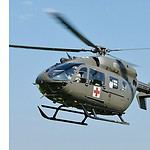
The UH-72 Lakota is a modern utility helicopter used primarily for training and support roles. While its combat exposure is limited, it supports operations in various capacities. Its inclusion reflects its role in the broader operational framework.